
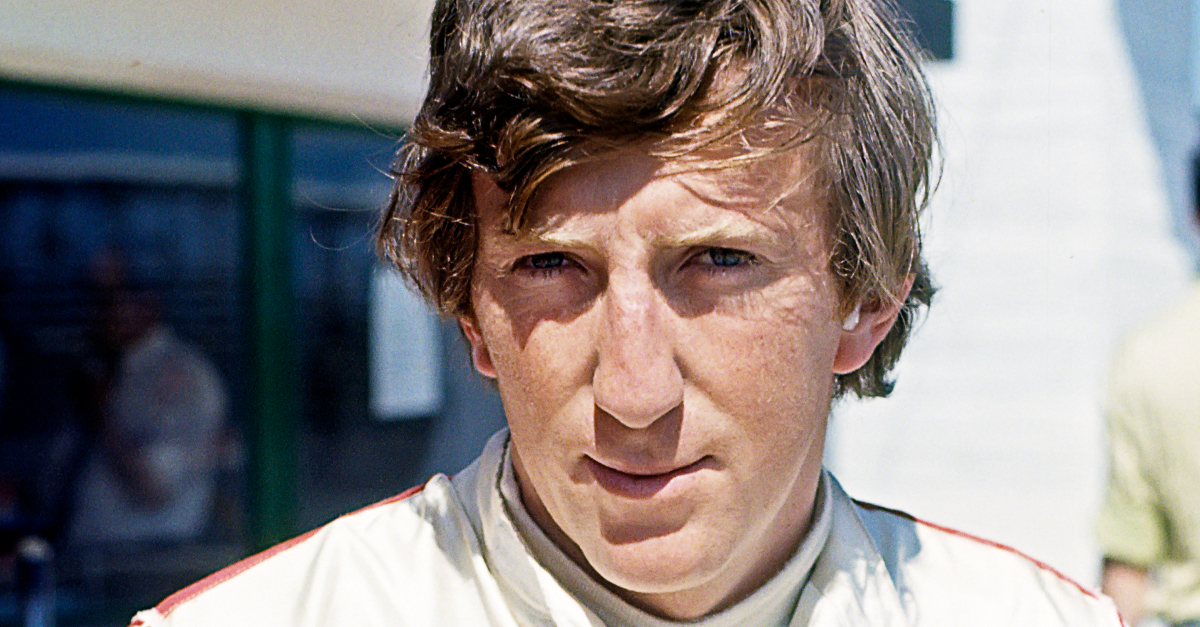
The Championship Story Nobody Saw Coming
Formula One has produced plenty of unbelievable stories over the years. Drivers have won championships on the final lap, lost titles by a single point, and pulled off comebacks that seemed impossible. But one championship stands completely alone in the history of the sport. More than 50 years later, nobody has ever repeated it, and nobody likely ever will (hopefully).
One Of The Fastest Drivers In The World
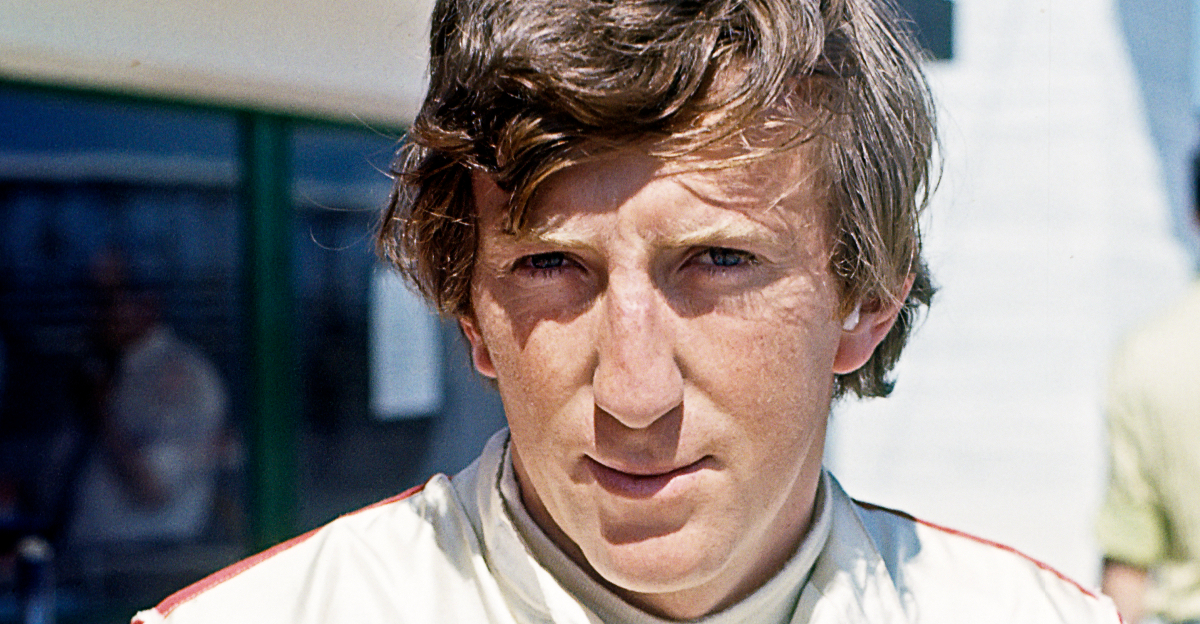
By the late 60s, Jochen Rindt had become one of Formula One's most exciting talents. Racing under the Austrian flag, he was known for his fearless style and incredible natural speed. Rivals respected him, fans loved him, and many people inside the sport believed it was only a matter of time before he became world champion.
Talent Wasn't The Problem
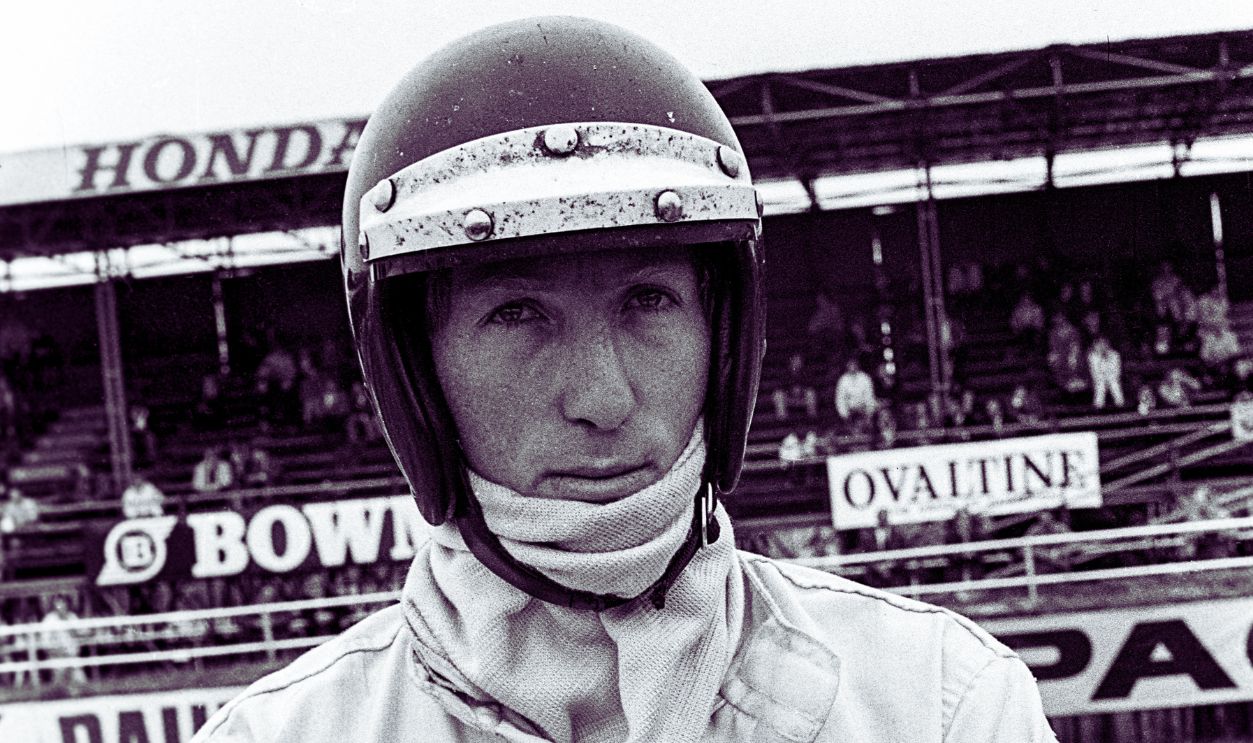
For much of his early Formula One career, Rindt's biggest obstacle wasn't his driving ability. It was his equipment. He often found himself extracting incredible performances from cars that weren't quite capable of consistently challenging for championships. The speed was there. The results just hadn't caught up yet.
Formula One Was Dangerously Different
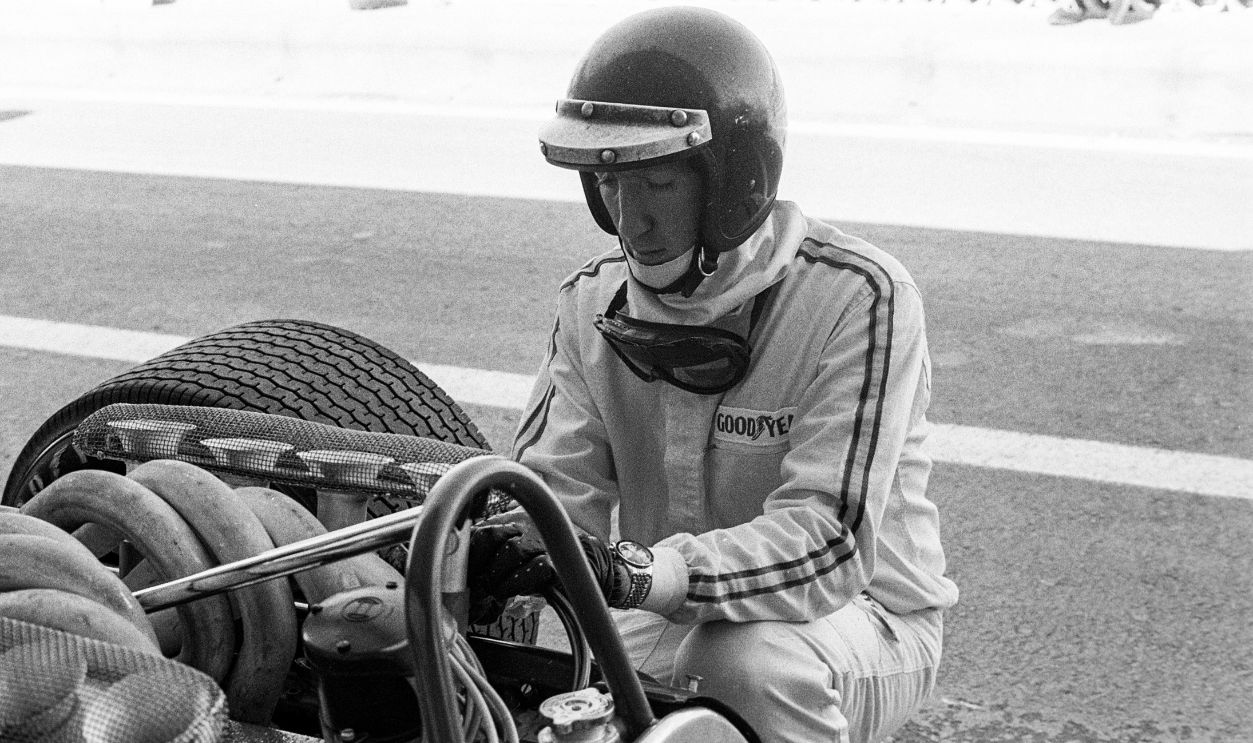
Modern Formula One is vastly safer than it once was. In the late 60s and early 70s, drivers raced on circuits lined with guardrails, concrete, trees, poles, and other hazards. Safety equipment was primitive by today's standards, and serious accidents were tragically common. Drivers accepted risks that would be considered completely unacceptable today.
The Lotus Changed Everything
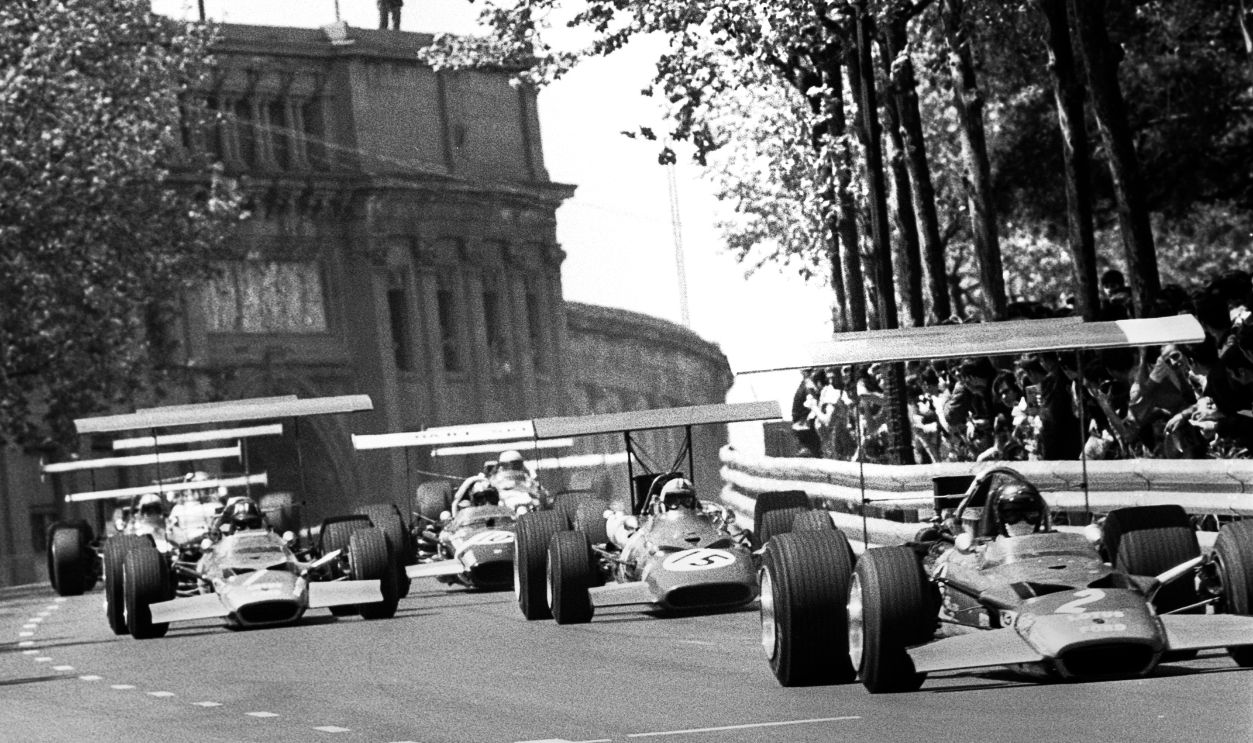
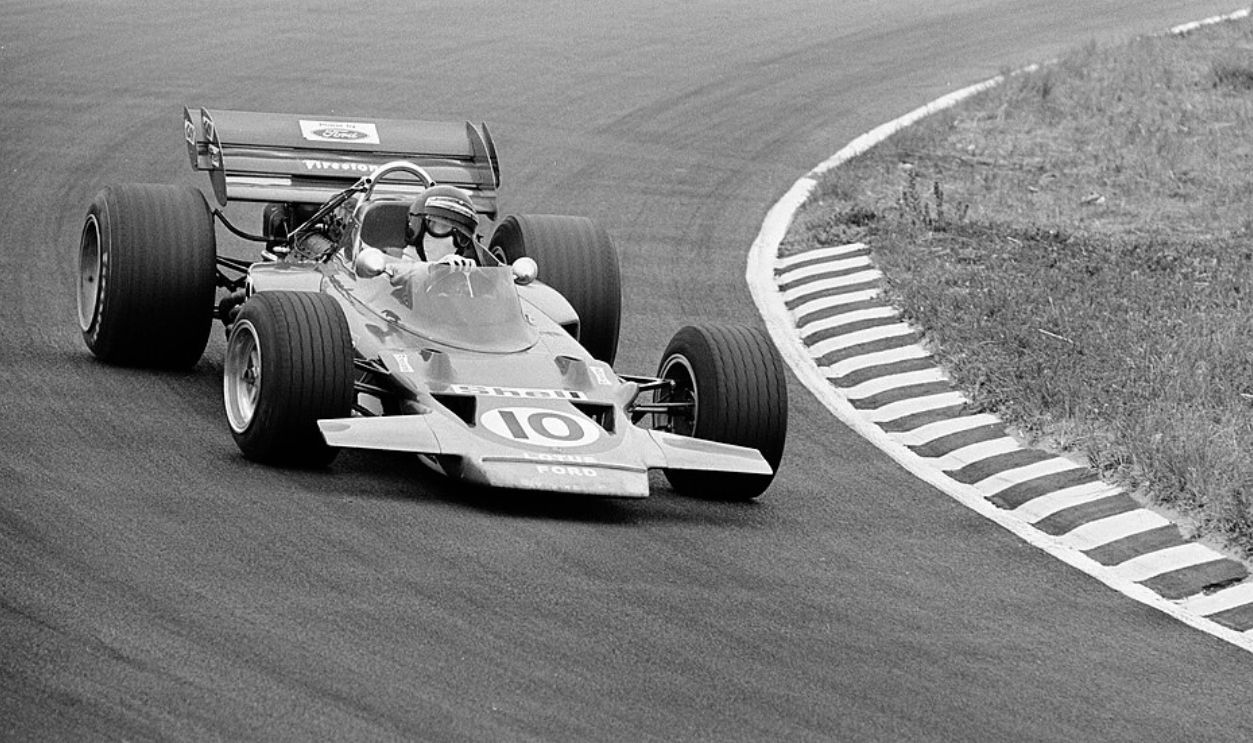
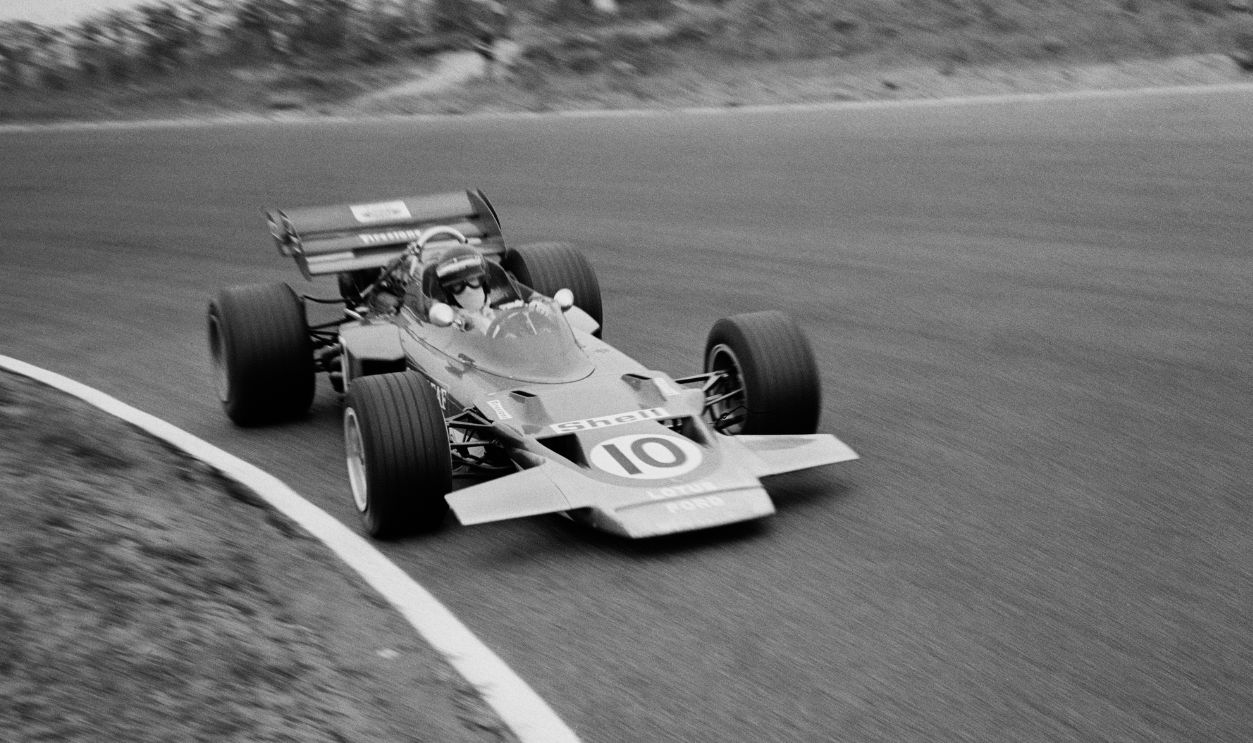
Everything changed when Rindt joined Team Lotus for the 1970 season. Lotus had developed the revolutionary Lotus 72, a car whose wedge-shaped design looked unlike anything else on the grid. It wasn't perfect at first, but once the team solved some early reliability problems, the car quickly became one of the fastest Formula One machines in the world.
Suddenly Nobody Could Catch Him
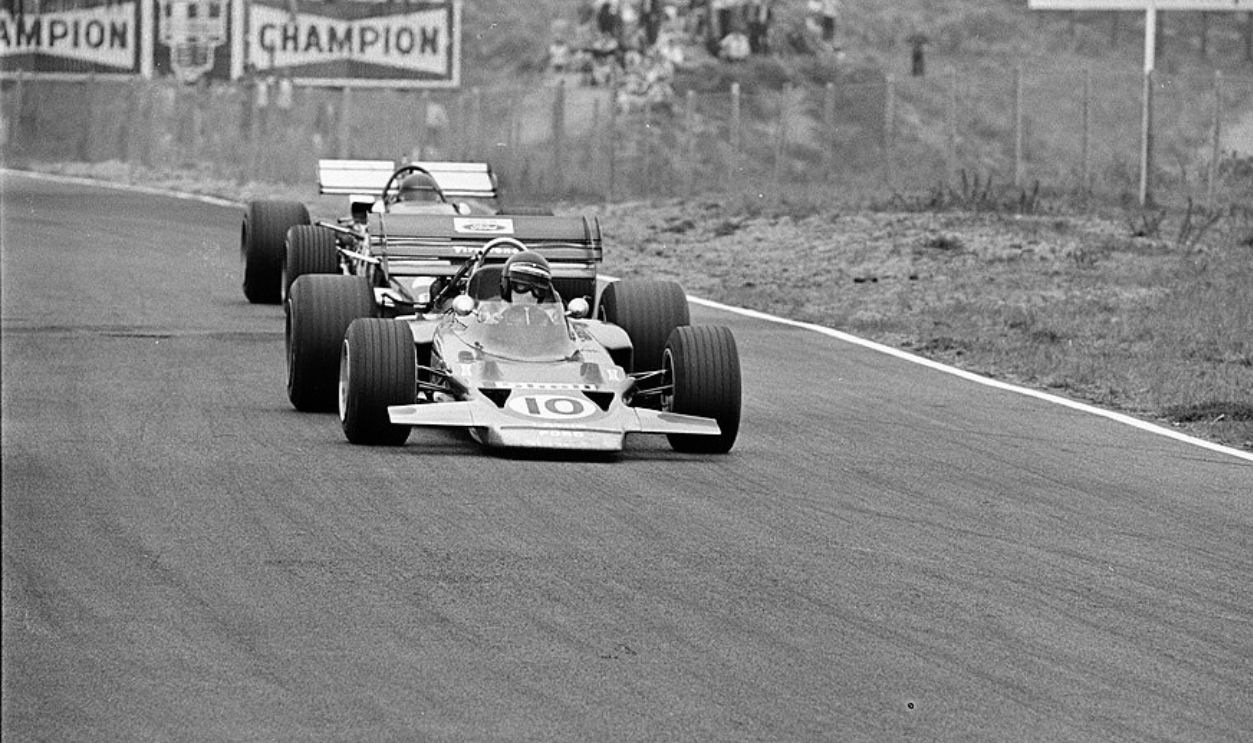
After a slow start to the season, Rindt began piling up victories. He won Monaco, the Netherlands, France, Great Britain, and Germany. Five wins in six races transformed him from contender into overwhelming championship favorite. Week after week, he seemed faster than almost everyone else on the grid.
The Points Lead Kept Growing
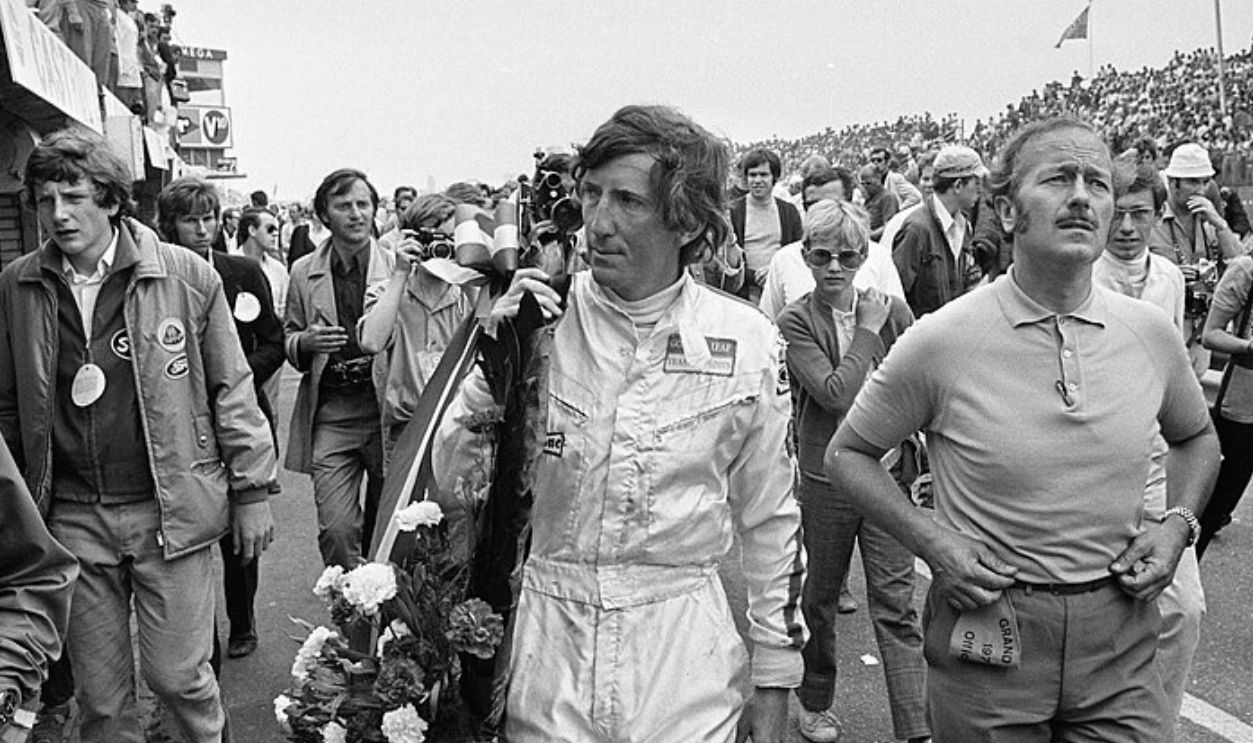
Every victory pushed Rindt further ahead in the championship standings. By early September, he had built an official total of 45 points. Ferrari's Jacky Ickx sat second on 31 points. That 14-point gap was significant, but with several races still remaining and 9 points available for a win, the championship was not yet secured.
He Had Concerns About Safety
Despite his success, Rindt wasn't blind to Formula One's dangers. Like several drivers of his era, he openly discussed concerns about safety standards in the sport. Cars were becoming faster every year, but improvements in protection often lagged behind. Unfortunately, those concerns would soon become tragically relevant.
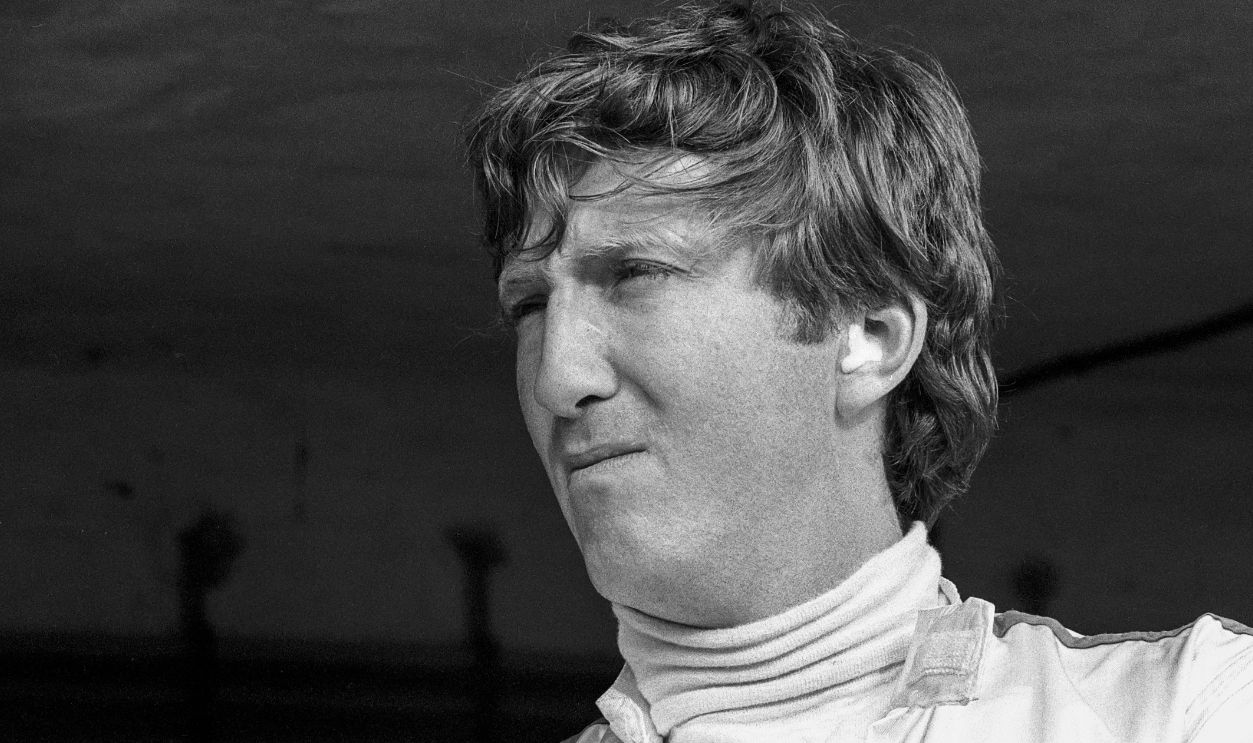
The Season Arrived At Monza
In early September 1970, Formula One traveled to Monza for the Italian Grand Prix. Known as the Temple of Speed, Monza was one of the fastest circuits in the world. Teams constantly searched for ways to reduce drag and increase top speed there, sometimes making aggressive setup decisions in pursuit of a few extra miles per hour.
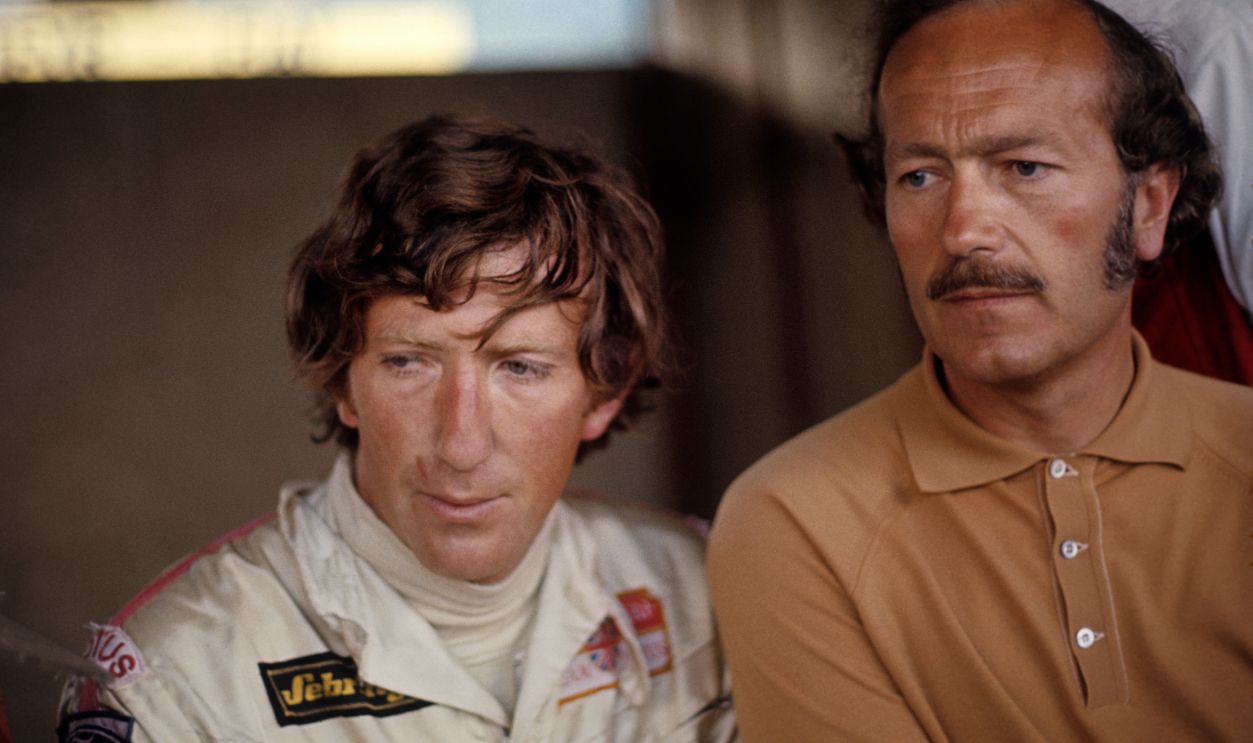
A Normal Practice Session
On September 5, Rindt headed onto the circuit during qualifying. Nothing about the session seemed unusual. Drivers were chasing lap times, engineers were gathering data, and the championship battle appeared headed toward another routine weekend. Then everything changed in an instant.
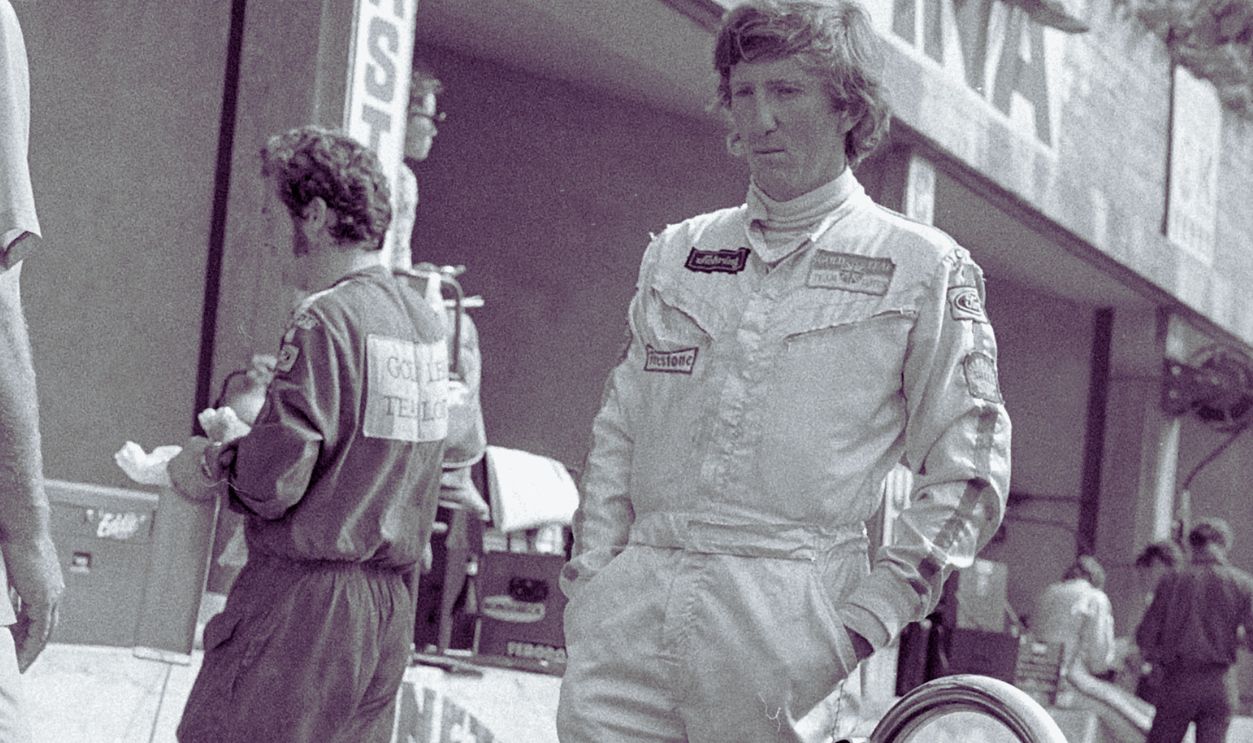 ullstein bild Dtl., Getty Images
The Crash
Approaching one of Monza's fastest sections, Rindt lost control of his Lotus and struck the barriers at high speed. The accident caused catastrophic injuries. Despite medical efforts, he did not survive. At just 28 years old, Formula One's championship leader was suddenly gone.
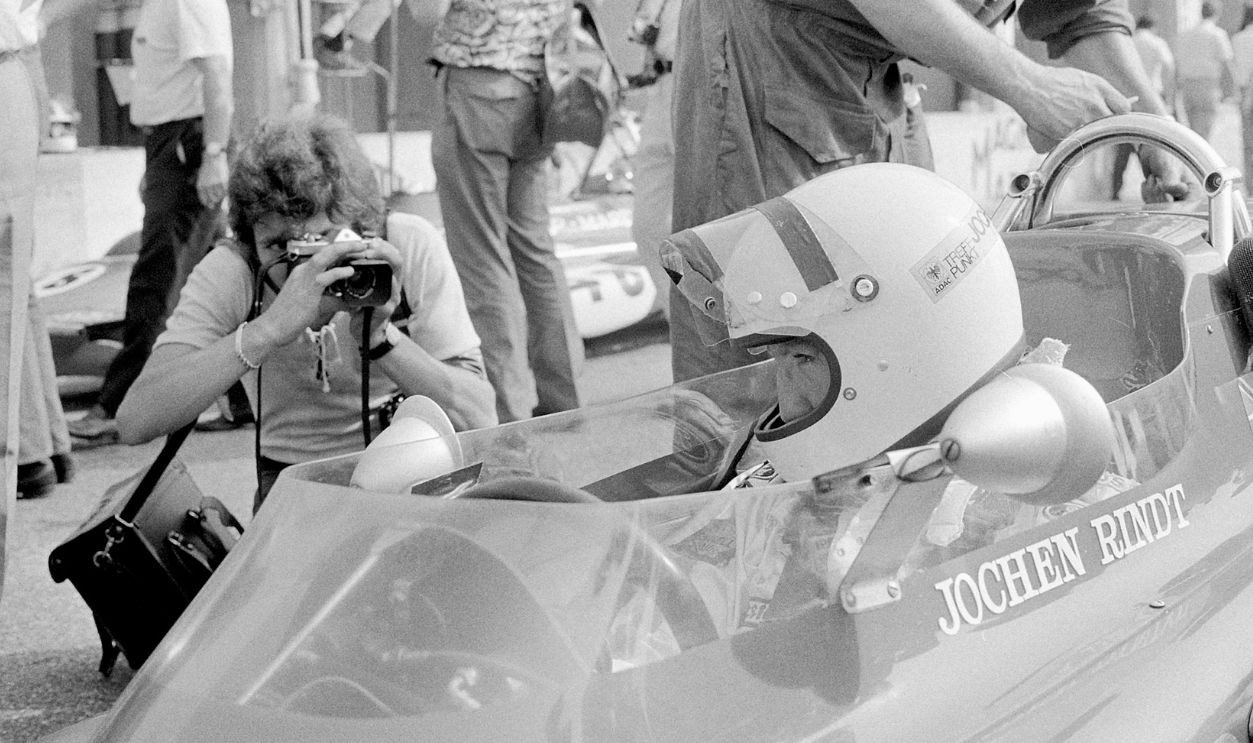 ullstein bild Dtl., Getty Images
Why The Crash Was So Severe
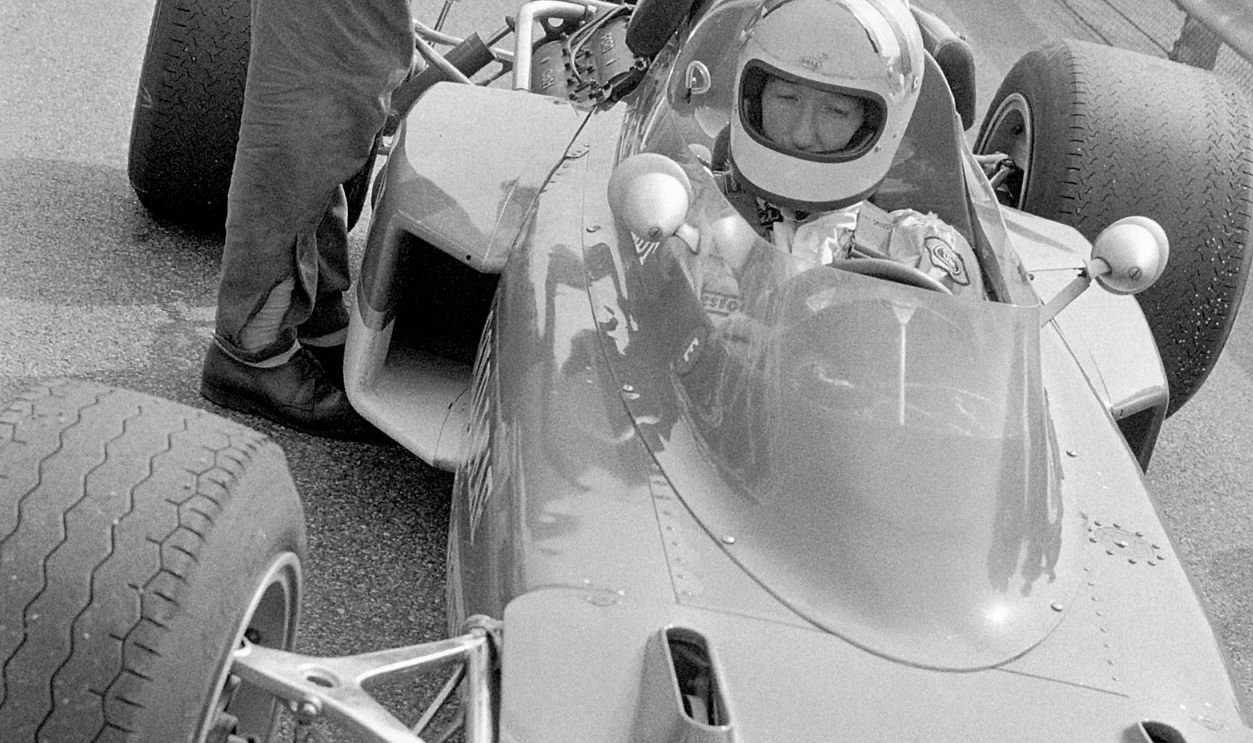
By modern standards, several things went wrong at once. Investigators later suspected a failure in the Lotus's front brake shaft may have contributed to the accident, while Monza's guardrails allowed the car to slide underneath rather than safely redirecting it. Combined with the safety equipment of the era, including less advanced harness systems and crash protection, the impact became far more devastating than a similar accident would likely be today.
 ullstein bild Dtl., Getty Images
The Sport Was Devastated
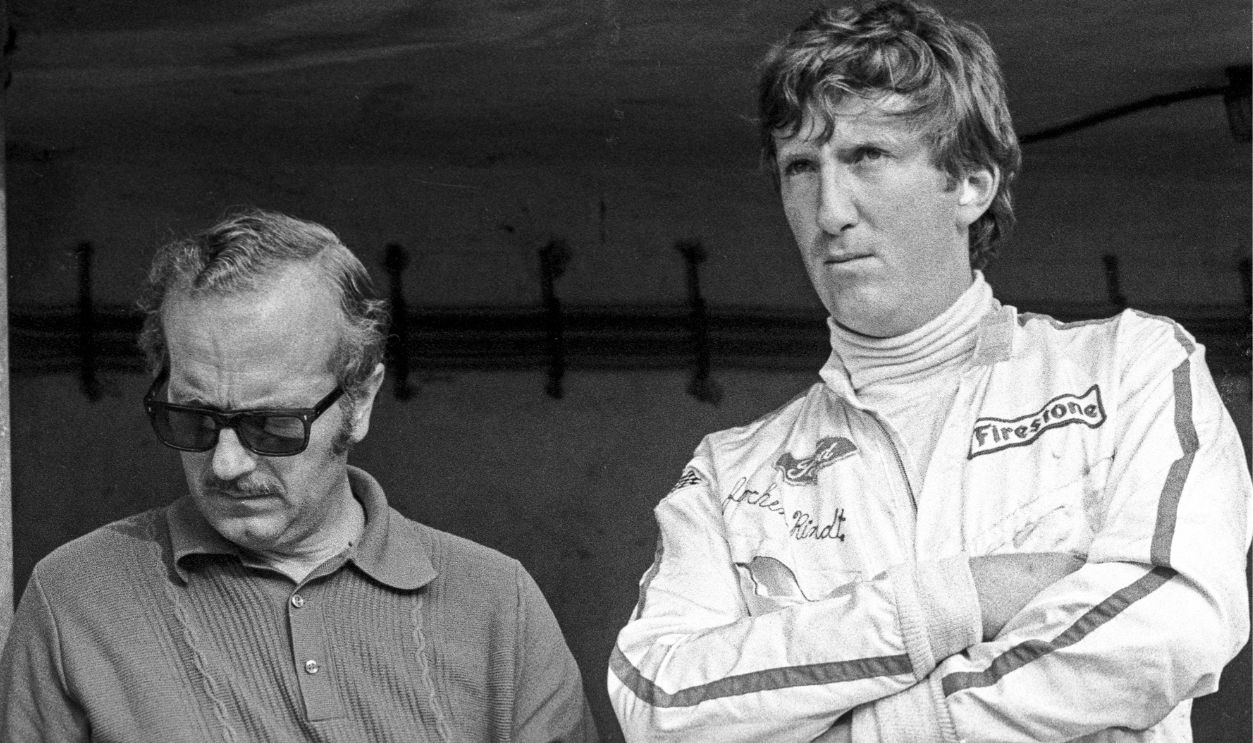
The loss sent shockwaves through Formula One. Rindt wasn't simply leading the championship. Many considered him the fastest driver in the sport at that moment. Friends, rivals, team members, and fans struggled to process what had happened. A season that had seemed destined for celebration suddenly became something far more tragic.
The Championship Didn't End
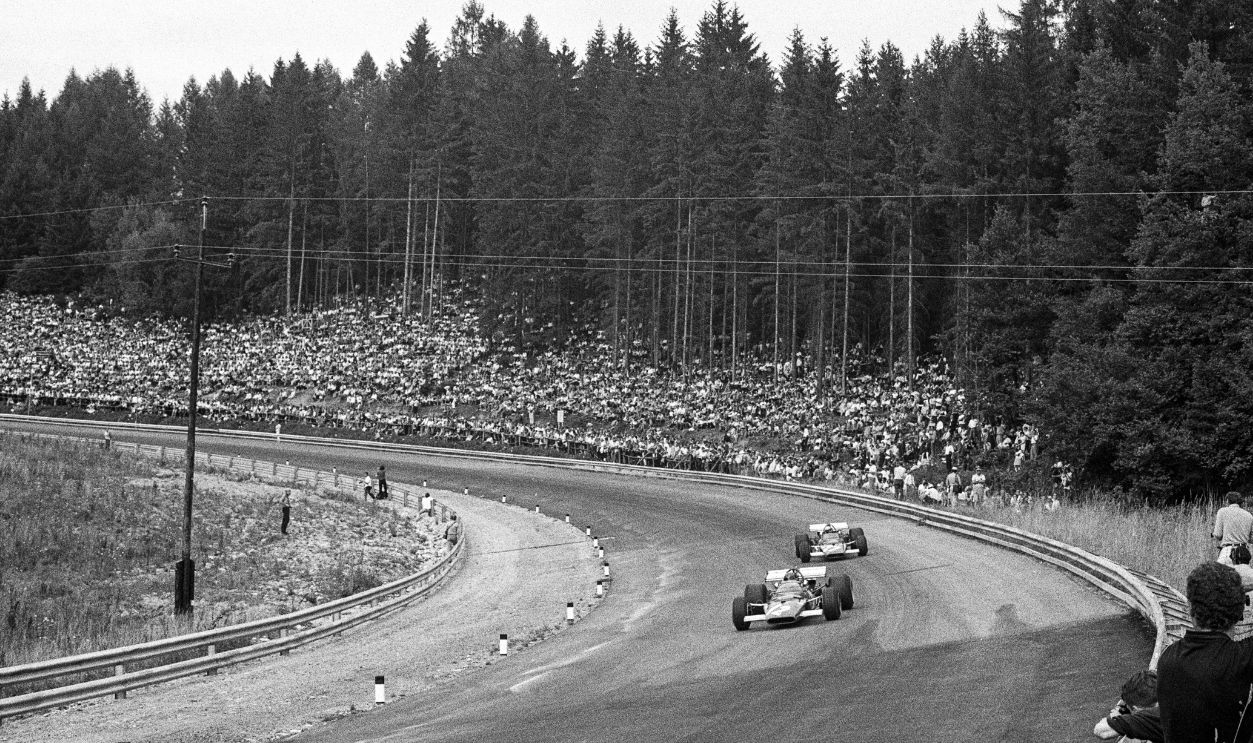
As heartbreaking as the situation was, Formula One still had races left on the schedule. The championship could not simply be declared over. Drivers continued competing, points continued being awarded, and mathematically there was still a chance that somebody could catch Rindt in the standings.
The Standings After His Death
When Rindt died at Monza, the championship wasn't over. His official total stood at 45 points, while Jacky Ickx sat second with 31. Ferrari still believed the title was within reach. For the remainder of the season, Formula One would witness something it had never seen before: a championship battle involving a driver who was no longer alive.
Ferrari Had One Last Shot
The biggest threat came from Ferrari driver Jacky Ickx. He trailed Rindt by 14 points but still had races left to make up the difference. It was one of the strangest situations in sports history. Ickx wasn't chasing a driver anymore. He was chasing a points total frozen in time.
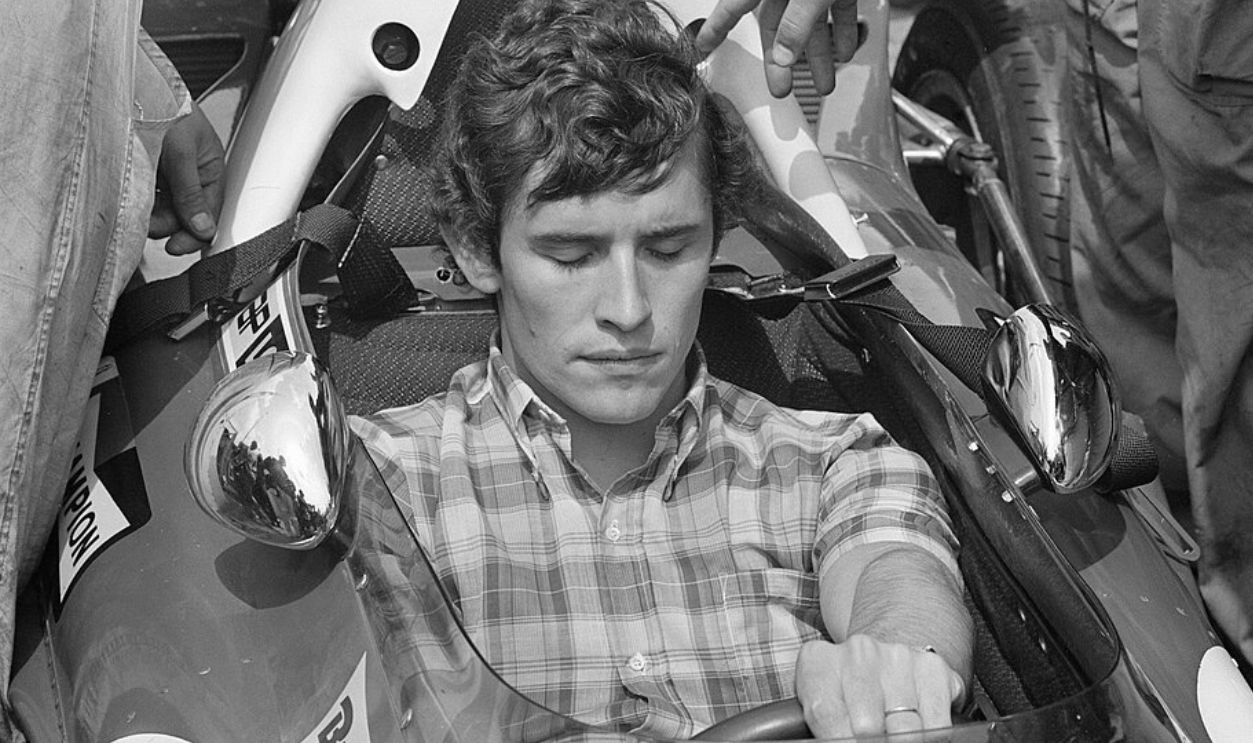 Fotograaf Onbekend / Anefo, [onbekend], CC0, Wikimedia Commons
Every Race Became A Math Problem
Fans suddenly found themselves watching calculators as closely as lap times. A victory was worth 9 points, and Ickx needed nearly everything to go right. Every strong finish kept the championship alive. Every missed opportunity made the mountain a little steeper.
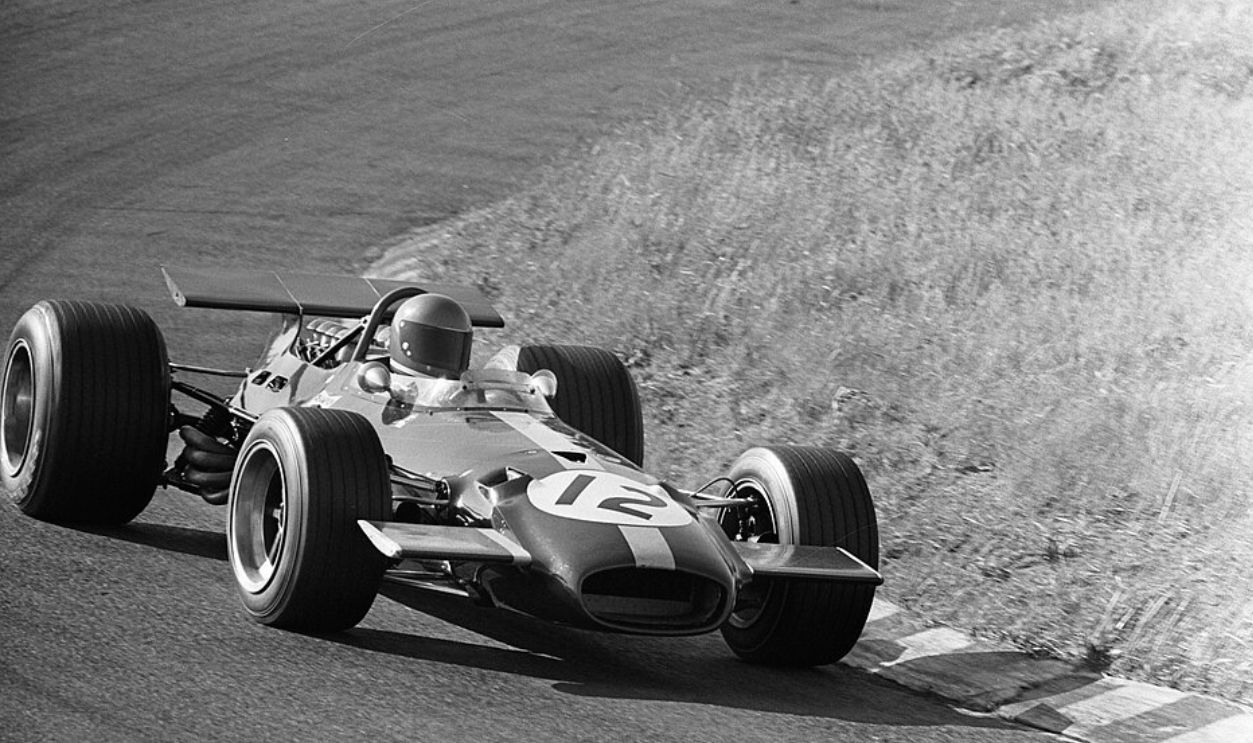
Austria Kept The Fight Alive
Just one race after Rindt's death, Ickx delivered exactly what he needed by winning the Austrian Grand Prix. The championship battle suddenly felt very real again. If he could continue piling up victories while Rindt remained stuck on 45 points, an unbelievable comeback was still possible.
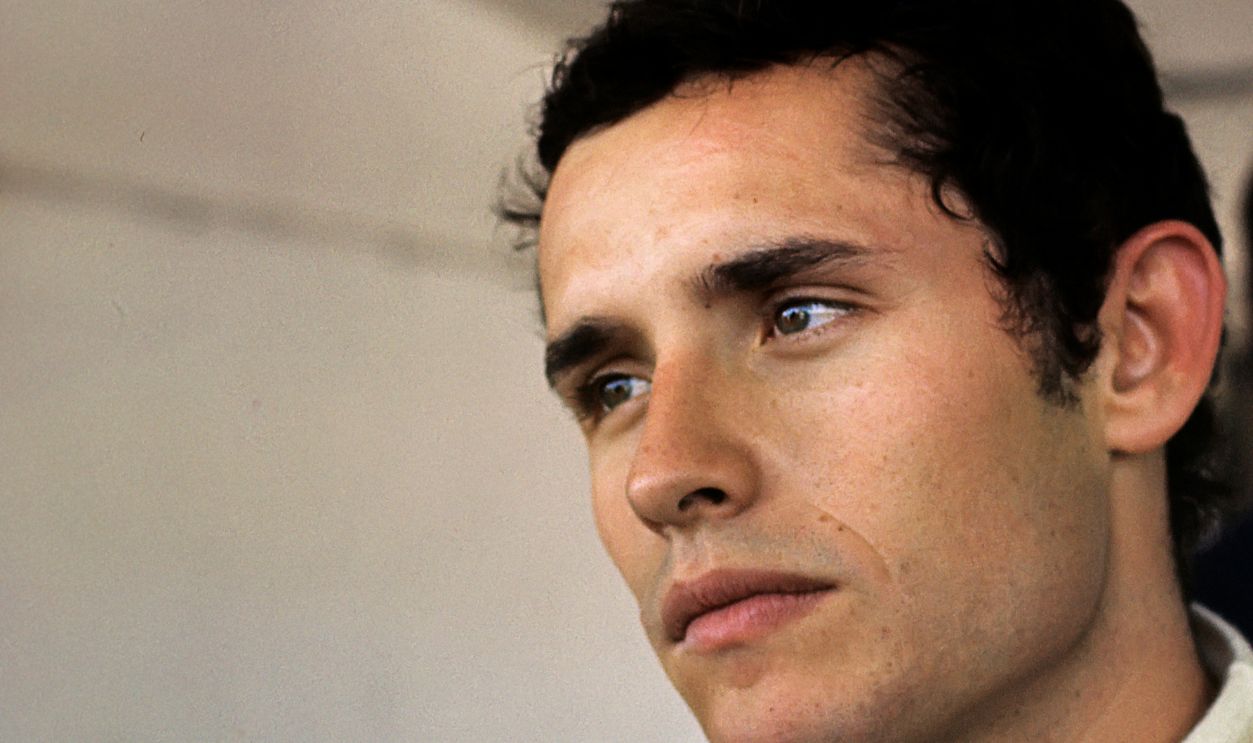
Canada Made Things Interesting
Ickx couldn't repeat his Austrian victory in Canada, finishing fourth and scoring 3 points. It wasn't the big points haul Ferrari wanted, but it kept the championship chase alive. With Rindt frozen on 45 points, every point Ickx earned still mattered.
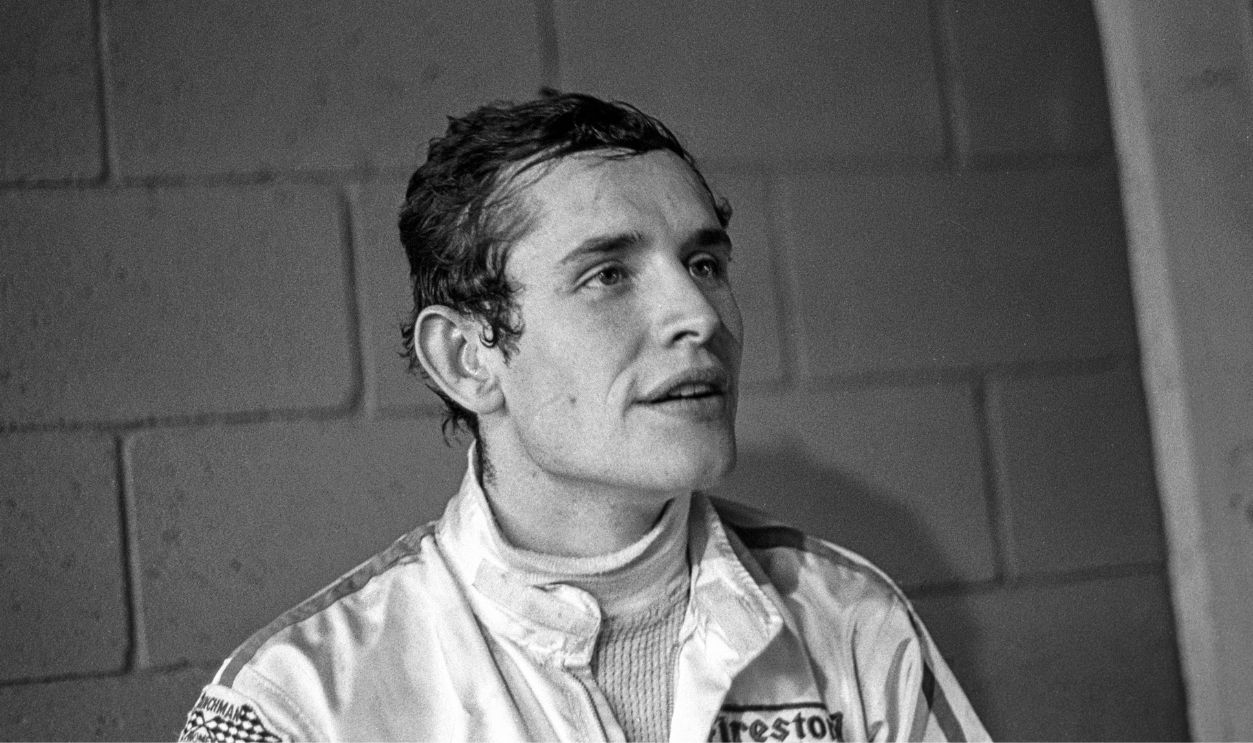
The Gap Started To Shrink
After winning in Austria and scoring additional points in Canada, Ickx added a second-place finish at Watkins Glen in the United States. The gap wasn't disappearing overnight, but it was shrinking. Formula One fans began wondering whether Rindt's championship lead might actually be caught after all.
The Rules Were Different Back Then
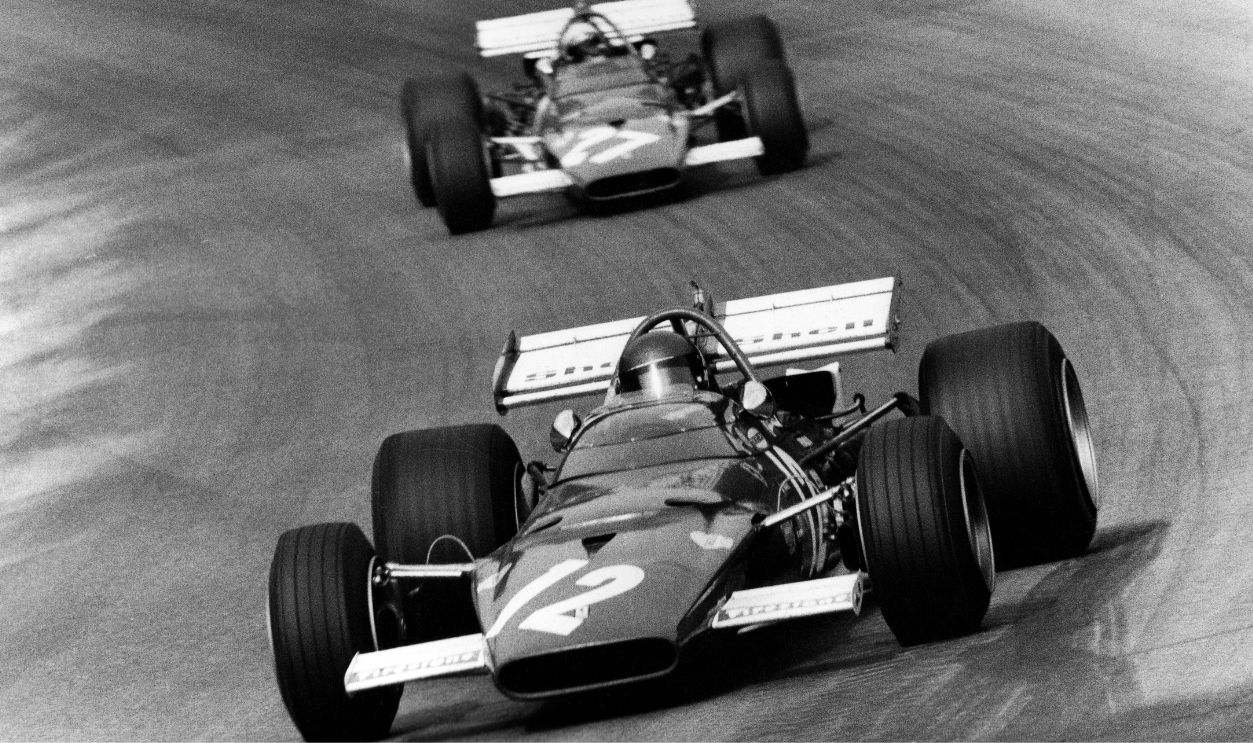
Formula One used a very different championship system in 1970. Not every race result counted toward the final standings, and drivers could only keep a certain number of their best finishes. That meant Ickx wasn't simply trying to pile up points. He was fighting both the standings and a complicated points formula that increasingly favored Rindt's earlier success.
Watkins Glen Decided The Championship
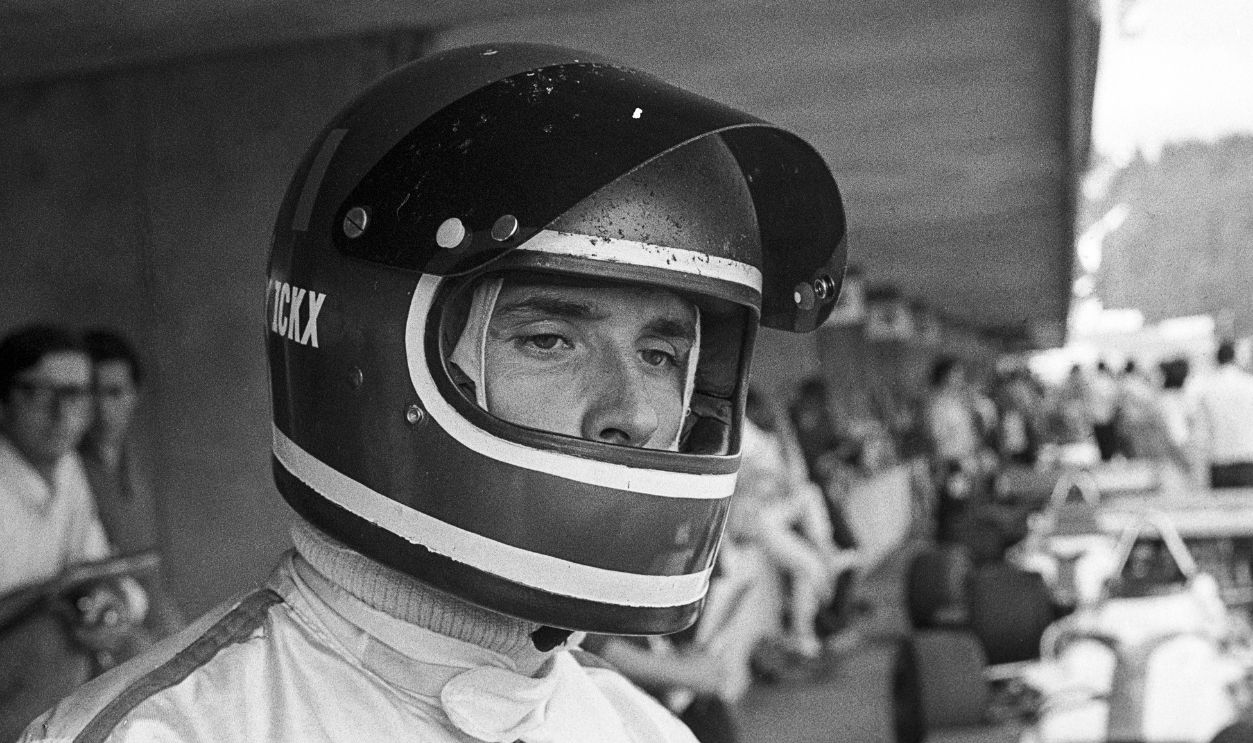
After the United States Grand Prix, the math finally became clear. Even though one race remained on the schedule, Ickx could no longer catch Rindt under Formula One's championship rules. More than a month after his death, Jochen Rindt was officially confirmed as World Champion.
A Win That Came Too Late
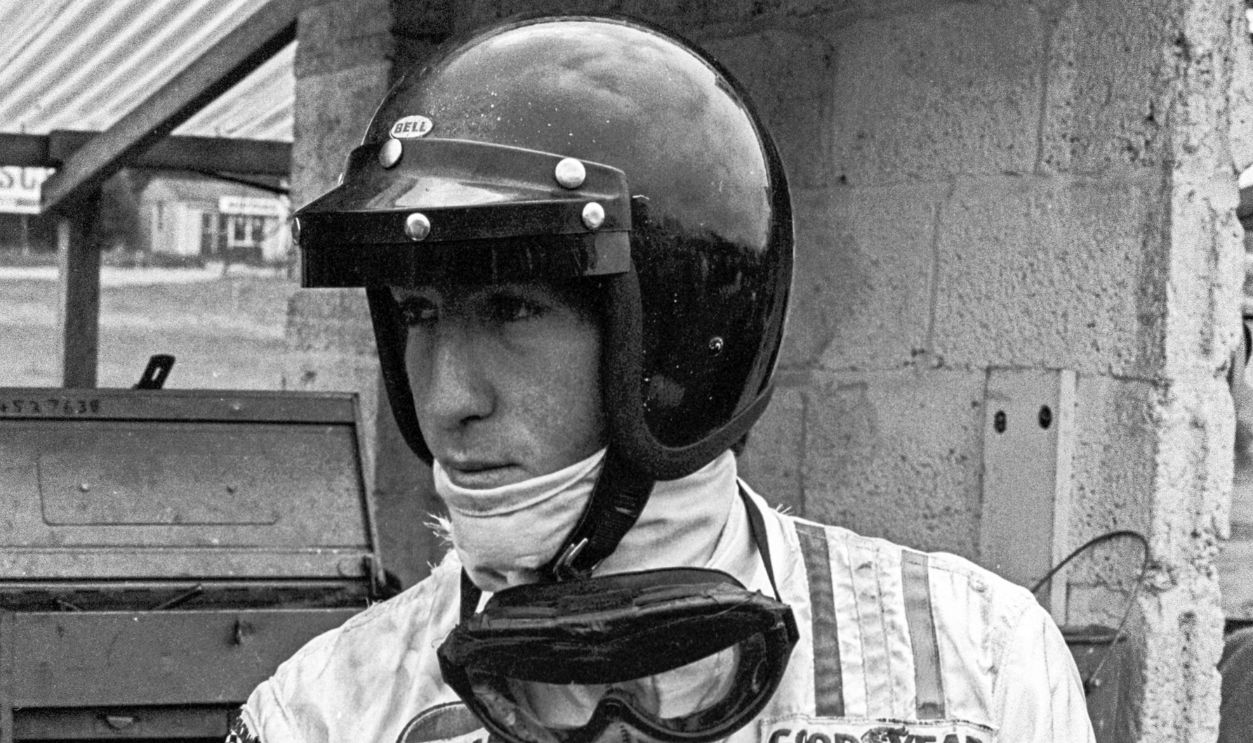
Ickx went on to win the season finale in Mexico, but by then the championship had already been decided. Under today's points system, fans might have expected that victory to completely reshape the standings. Instead, Rindt's remarkable run of victories earlier in the year remained enough to secure the title.
A Champion Who Never Celebrated
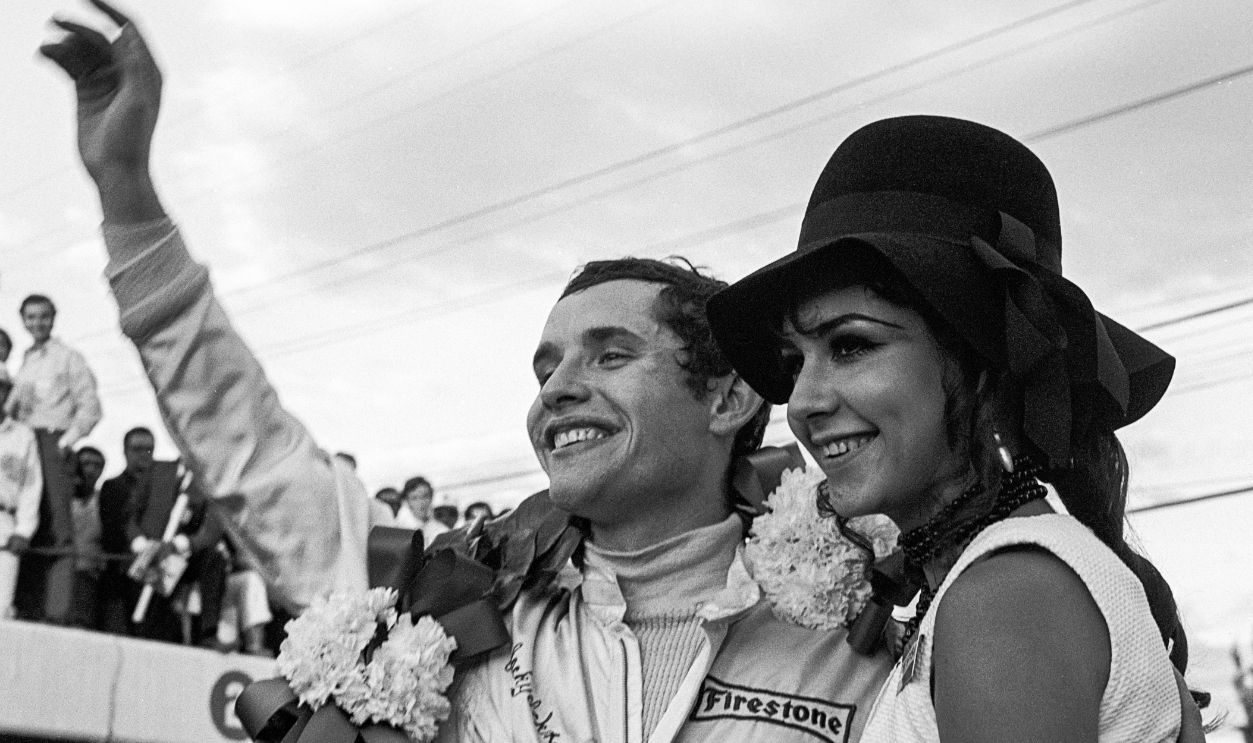
Most champions celebrate with champagne, trophies, interviews, and victory laps. Rindt experienced none of those moments. He had earned the title through his performances earlier in the season, but he never lived to see it officially awarded. That reality remains one of the saddest facts in Formula One history.
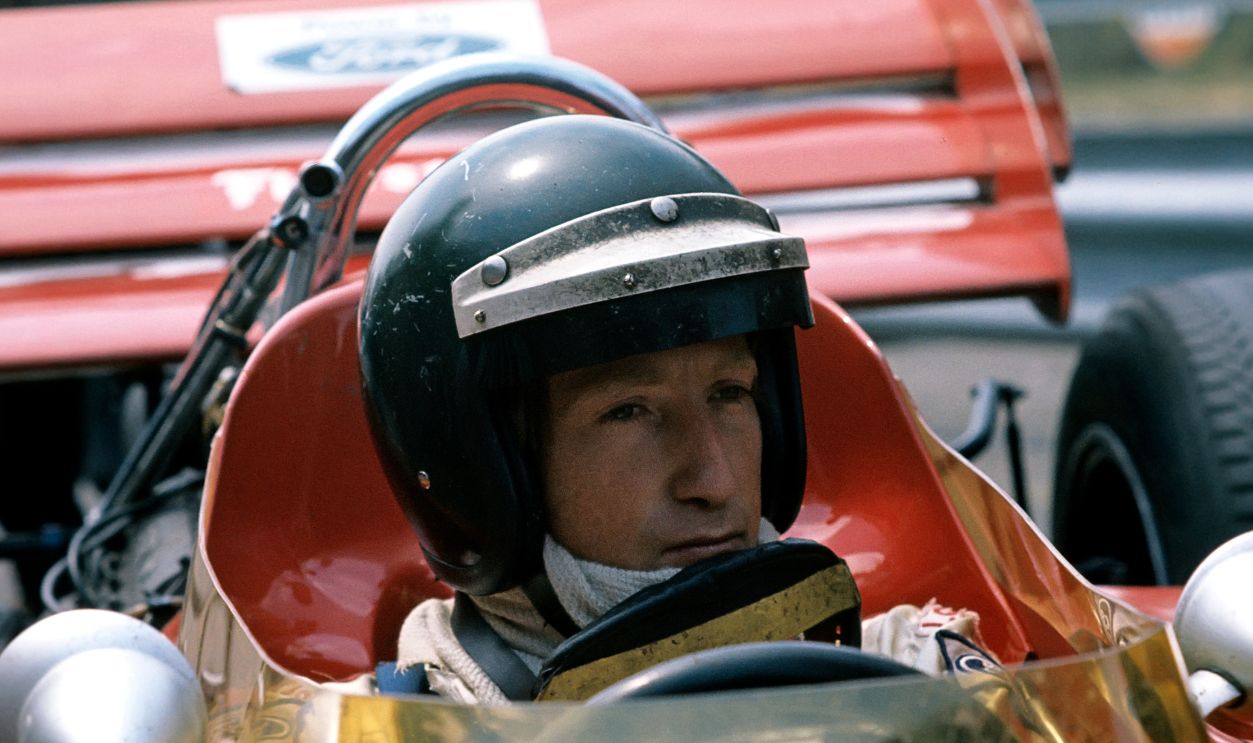
His Widow Accepted The Honor
When the championship was formally recognized, Rindt's widow Nina accepted the award on his behalf. The moment became one of the most emotional scenes the sport has ever witnessed. What should have been a joyful celebration instead served as a reminder of the remarkable driver Formula One had lost.
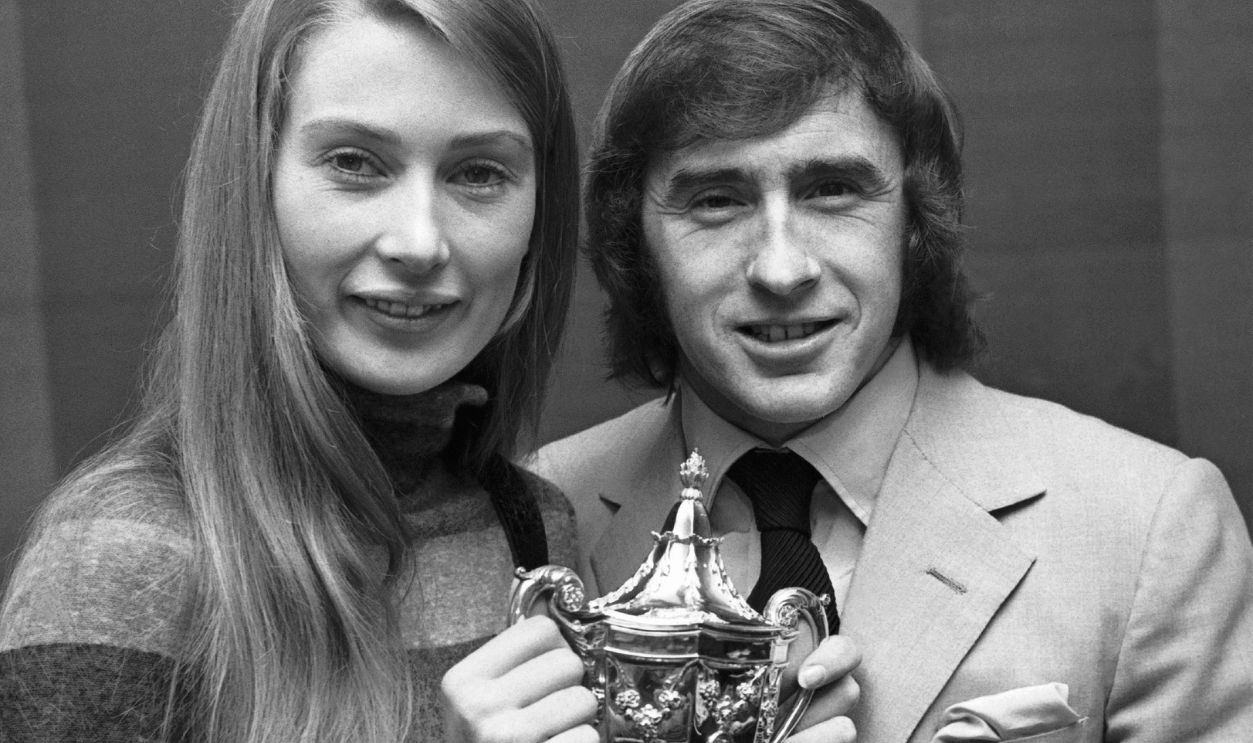
Nobody Has Ever Done It Again
Formula One has seen other champions, other tragedies, and other close championship battles. But no driver before or since has managed to secure enough points before their death to remain champion when the season ended. Jochen Rindt remains completely unique in the record books.
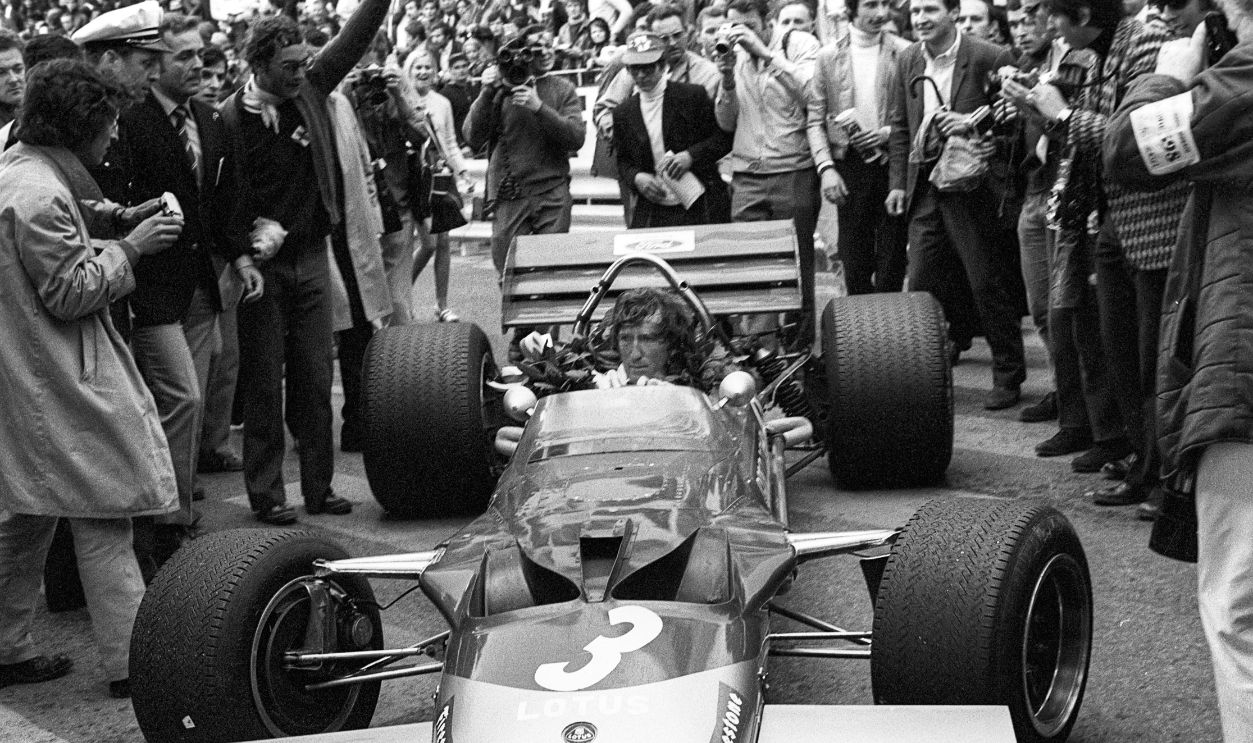
His Legacy Lives On
Today, Rindt is remembered not only for his championship but also for the incredible talent he displayed behind the wheel. Many historians believe he could have won multiple titles had his career continued. Instead, his name remains attached to one of the most remarkable and heartbreaking stories motorsport has ever produced.
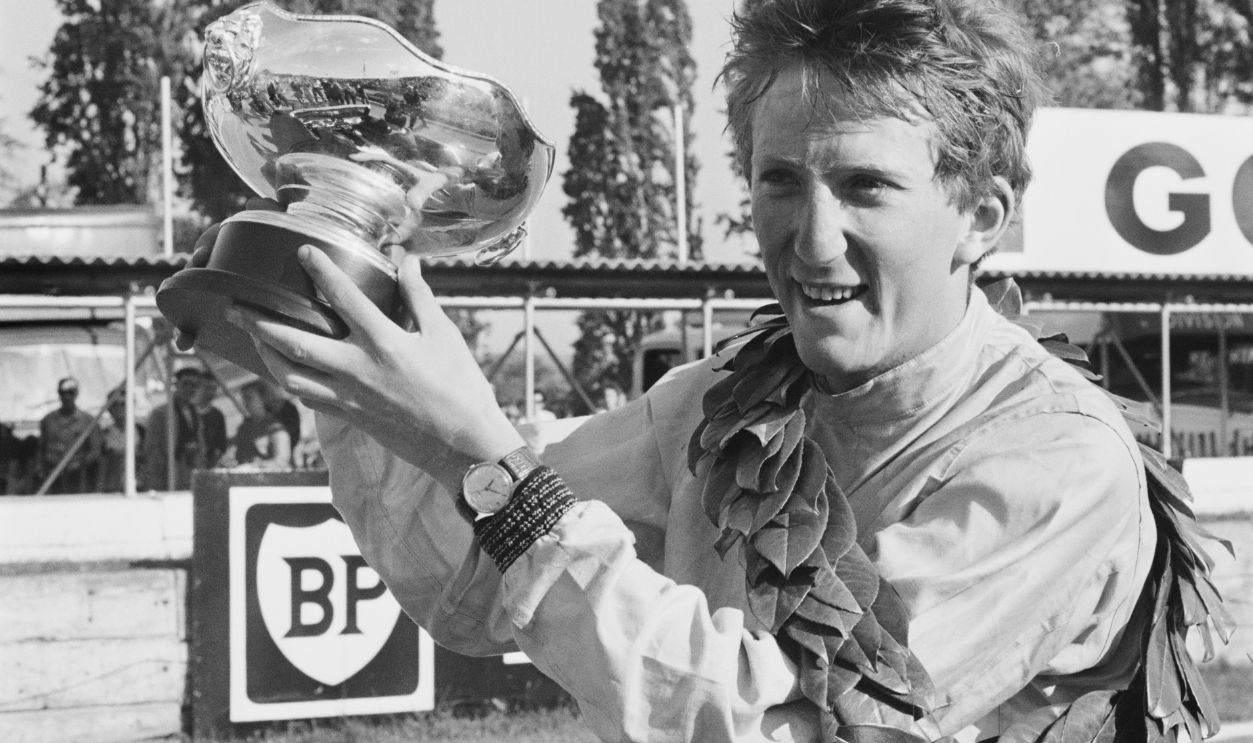
The Most Unusual Champion In Formula One History
Formula One has had dominant champions, controversial champions, and unexpected champions. But only one driver became world champion after he was gone. More than half a century later, Jochen Rindt's story remains a reminder of both the sport's incredible drama and the very real dangers that once came with chasing glory at 200 miles per hour.
You Might Also Like:
The McLaren F1 GTR’s win at Le Mans made it an instant racing legend.







.jpg%20)

![Fotograaf Onbekend / Anefo, [onbekend], CC0, Wikimedia Commons](https://commons.wikimedia.org/wiki/File:Jacky_Ickx,_Bestanddeelnr_924-6613.jpg%20)
,_Bestanddeelnr_922-5458.jpg%20)