When Coupes Were Everywhere
The 1990s were a glorious time for affordable two-door cars. Automakers seemingly believed everybody wanted something low, sporty, and slightly impractical. Plenty became legends, but others quietly disappeared. These forgotten coupes deserve another look, because many were far more entertaining than anyone remembers.
Nissan NX2000
The NX2000 looked like Nissan had squeezed a sports car, hatchback, and economy coupe into the same tiny package. Its 2.0-liter engine made roughly 140 horsepower, which was plenty in such a light car. Add T-tops and sharp handling, and things got surprisingly entertaining.
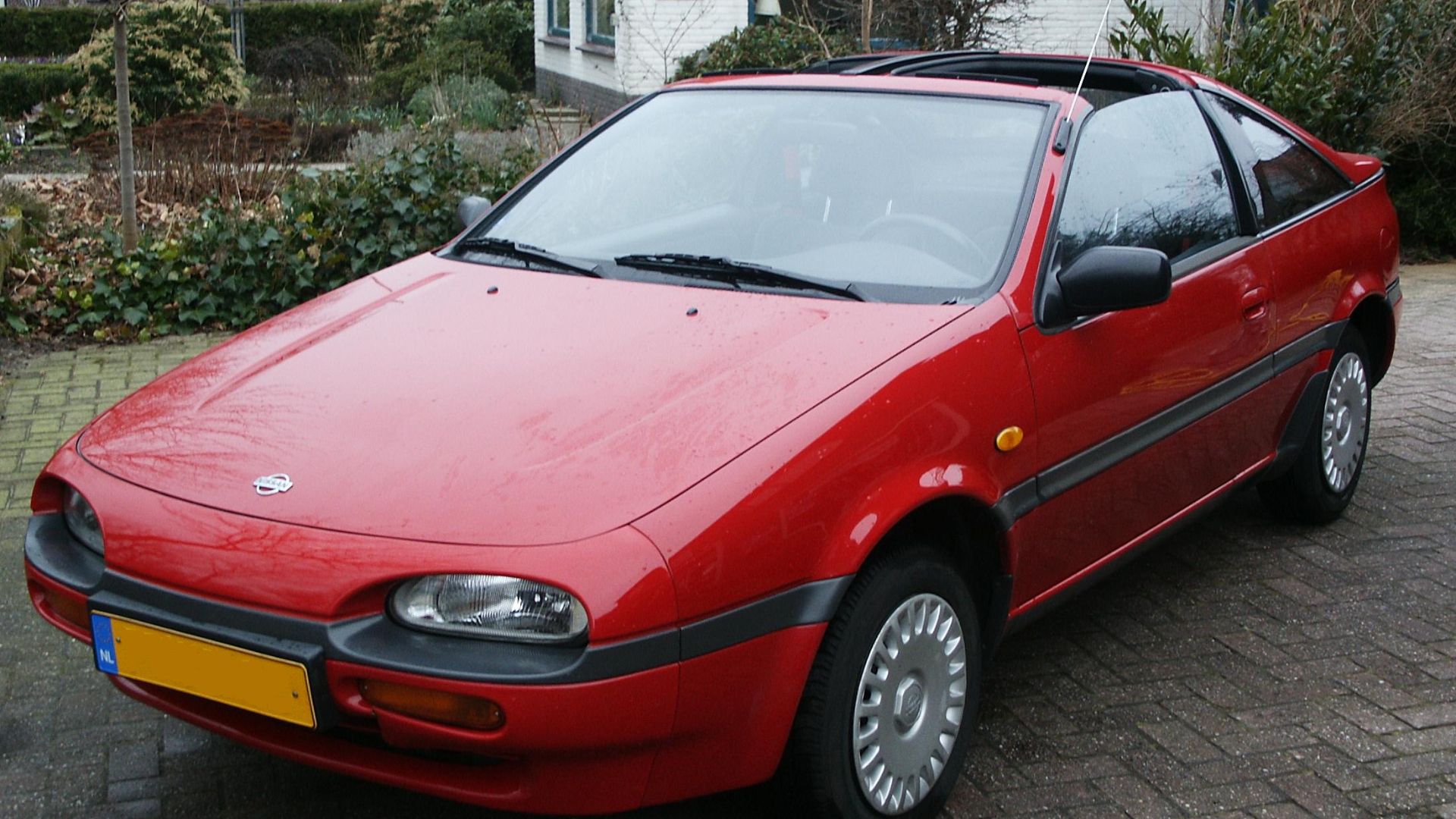 Teun Lucassen at nl.wikipedia, Wikimedia Commons
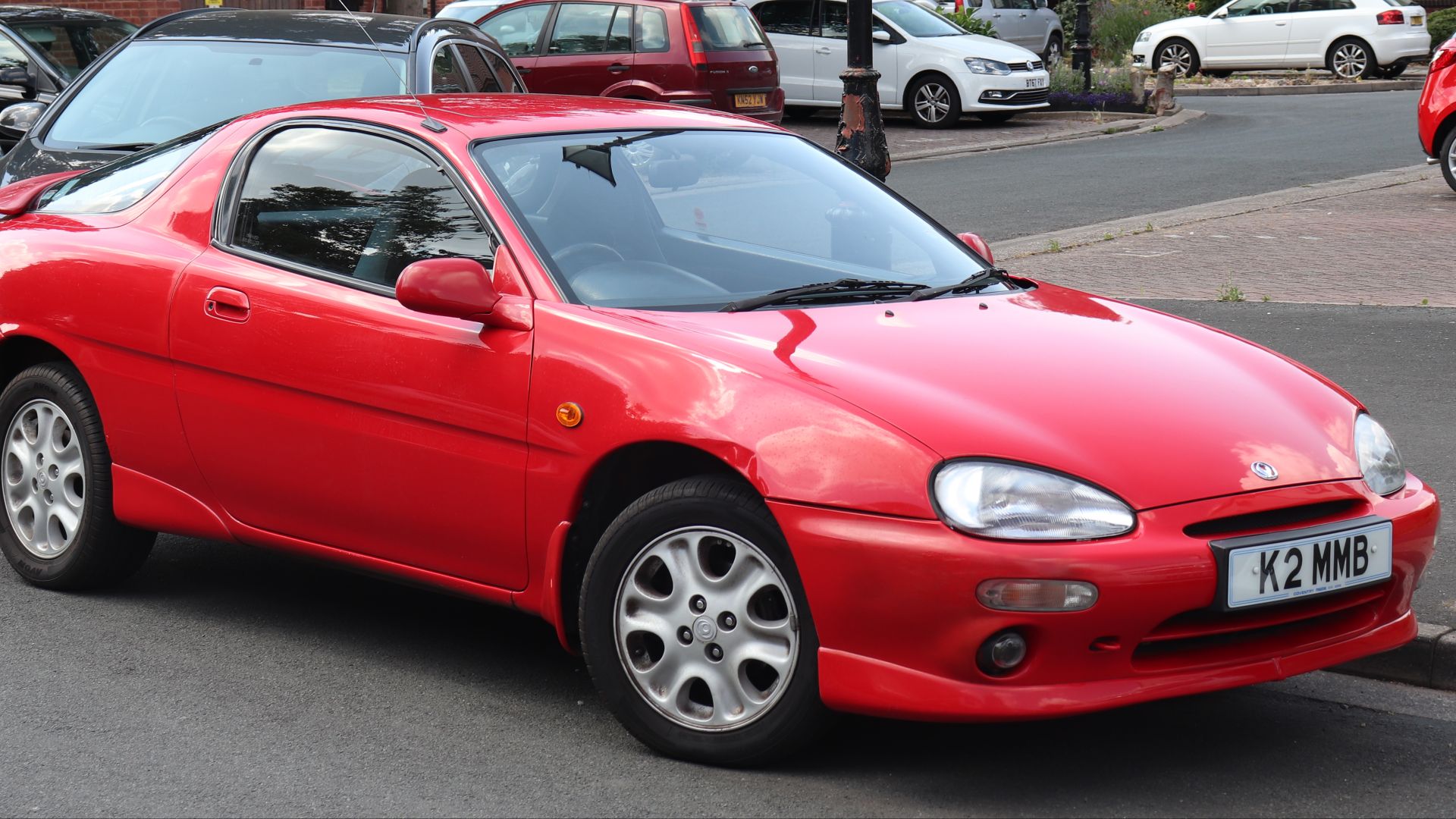
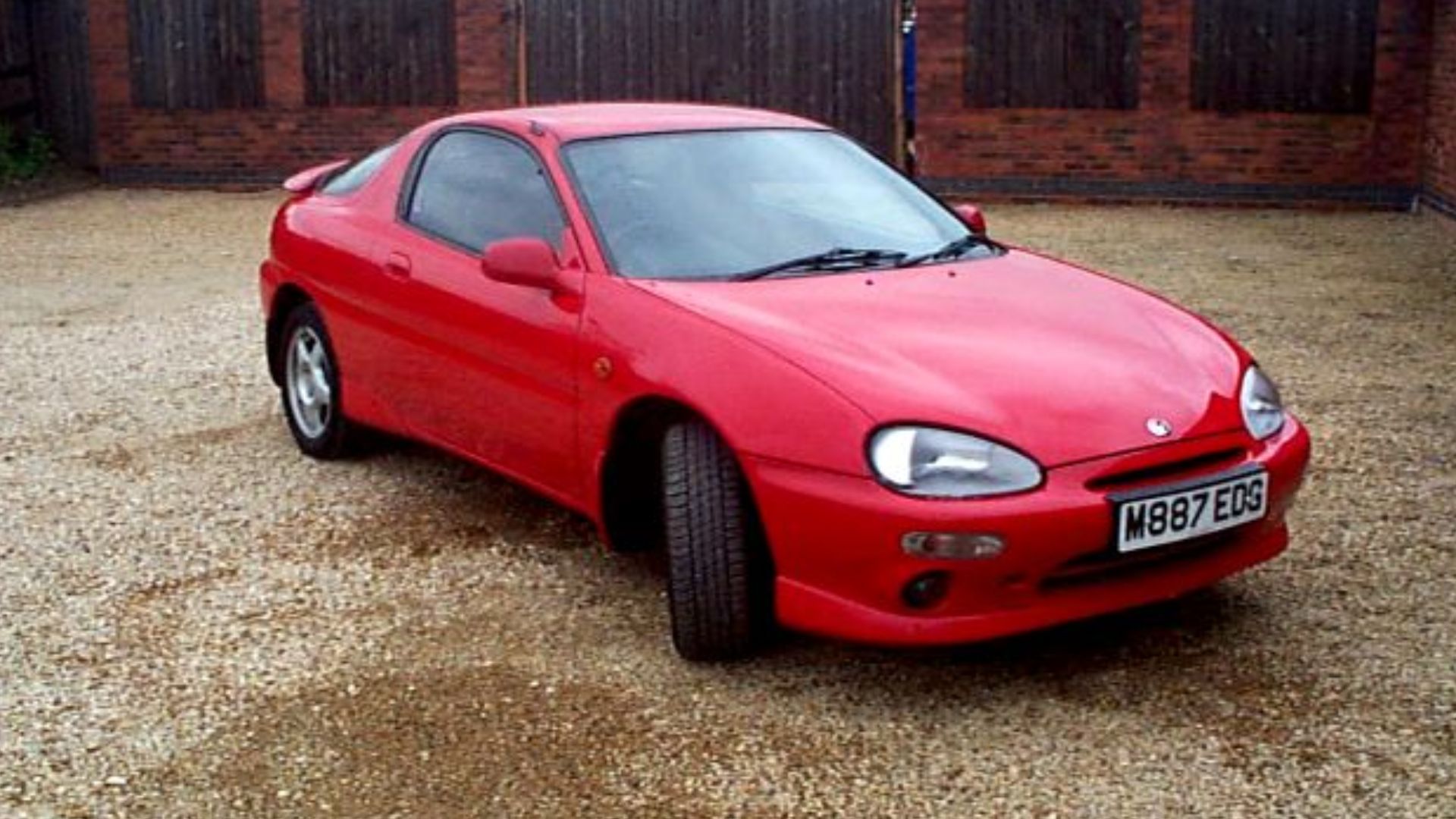
Mazda MX-3
Mazda offered the MX-3 with something wonderfully ridiculous: a tiny 1.8-liter V6. It wasn’t especially powerful, but the smooth engine loved to rev, and the little coupe handled with enthusiasm. Today, spotting one is almost harder than finding a supercar at your neighborhood grocery store.
Ford Probe GT
Ford originally considered the Probe as a possible replacement for the Mustang, which probably explains why enthusiasts were suspicious. Forget that controversy, though, and the Probe GT was genuinely good fun. Its Mazda-sourced V6, sleek styling, and tidy handling made it an underrated 1990s performance bargain.
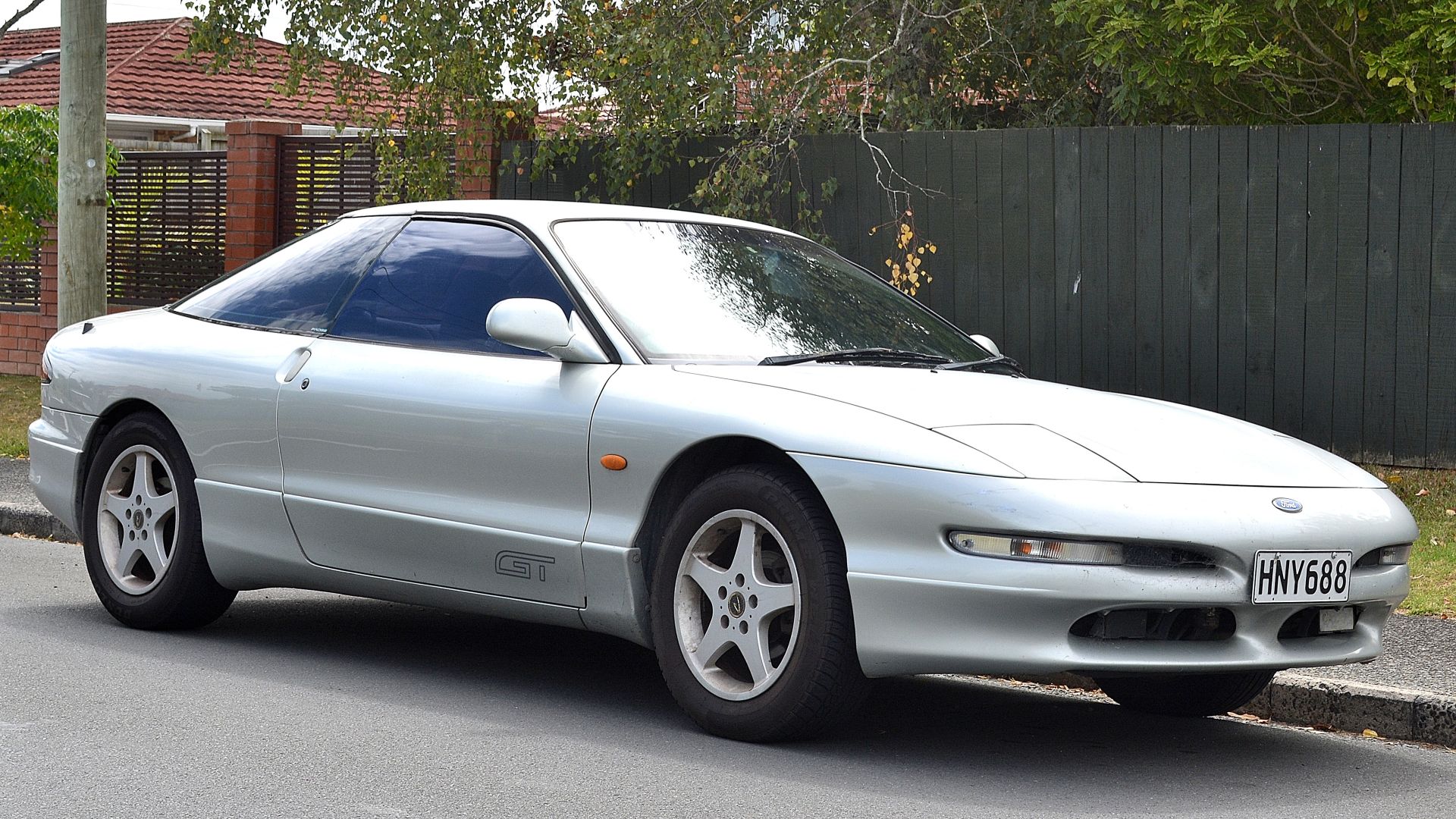 GPS 56 from New Zealand, Wikimedia Commons
Mazda MX-6
Underneath, the MX-6 shared plenty with the Ford Probe, but Mazda gave it a personality of its own. The smooth V6 and neatly balanced chassis made it an enjoyable grand tourer without demanding sports-car money. Somehow, it vanished from enthusiast conversations almost completely.
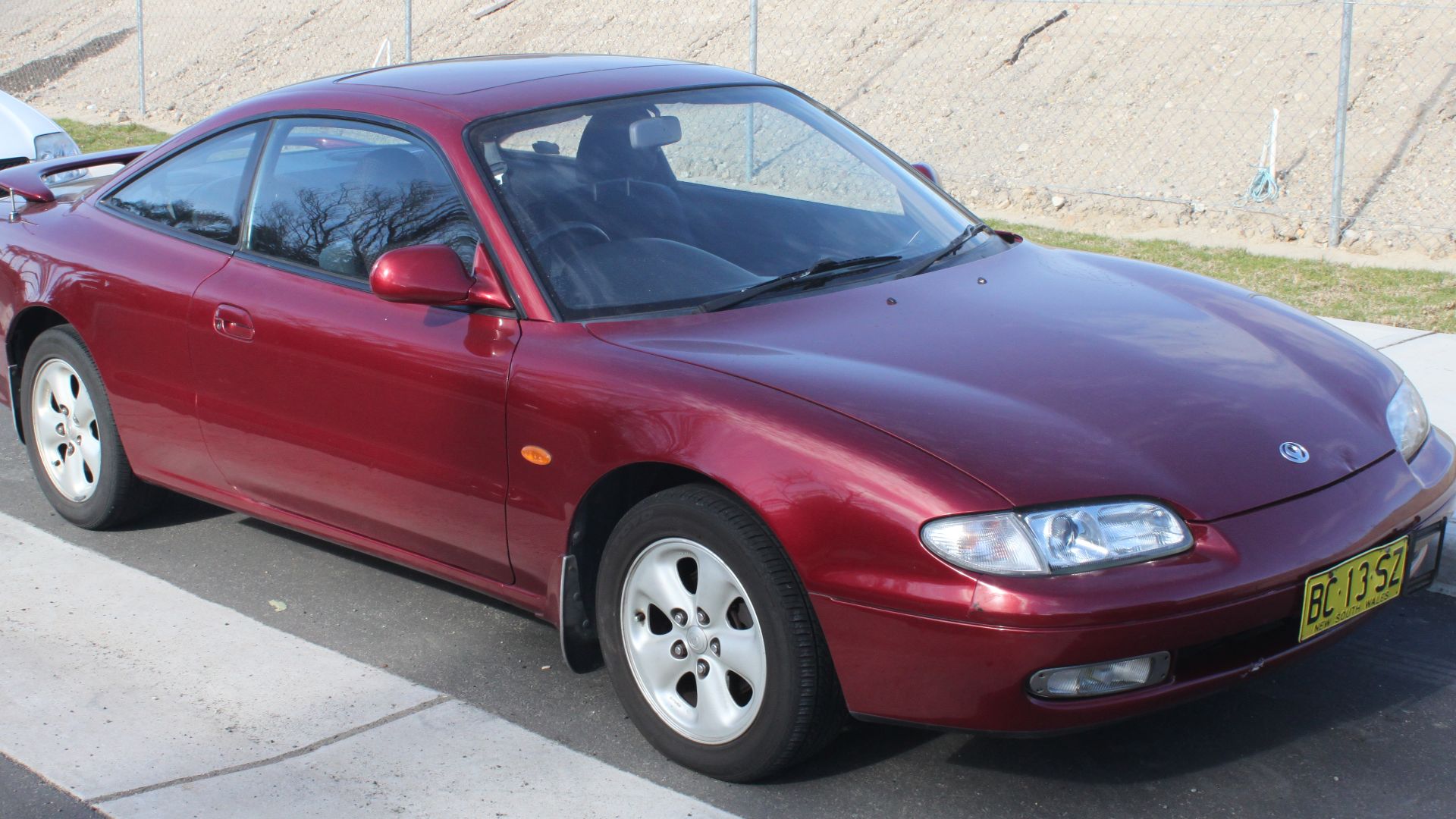 Jeremy from Sydney, Australia, Wikimedia Commons
Isuzu Impulse
Remember when Isuzu sold sporty cars? The second-generation Impulse is proof it happened. With sharp Giugiaro-influenced styling, available turbo power, and handling developed with input from Lotus, it had an impressive résumé. Unfortunately, buyers mostly ignored it, making surviving examples seriously rare today.
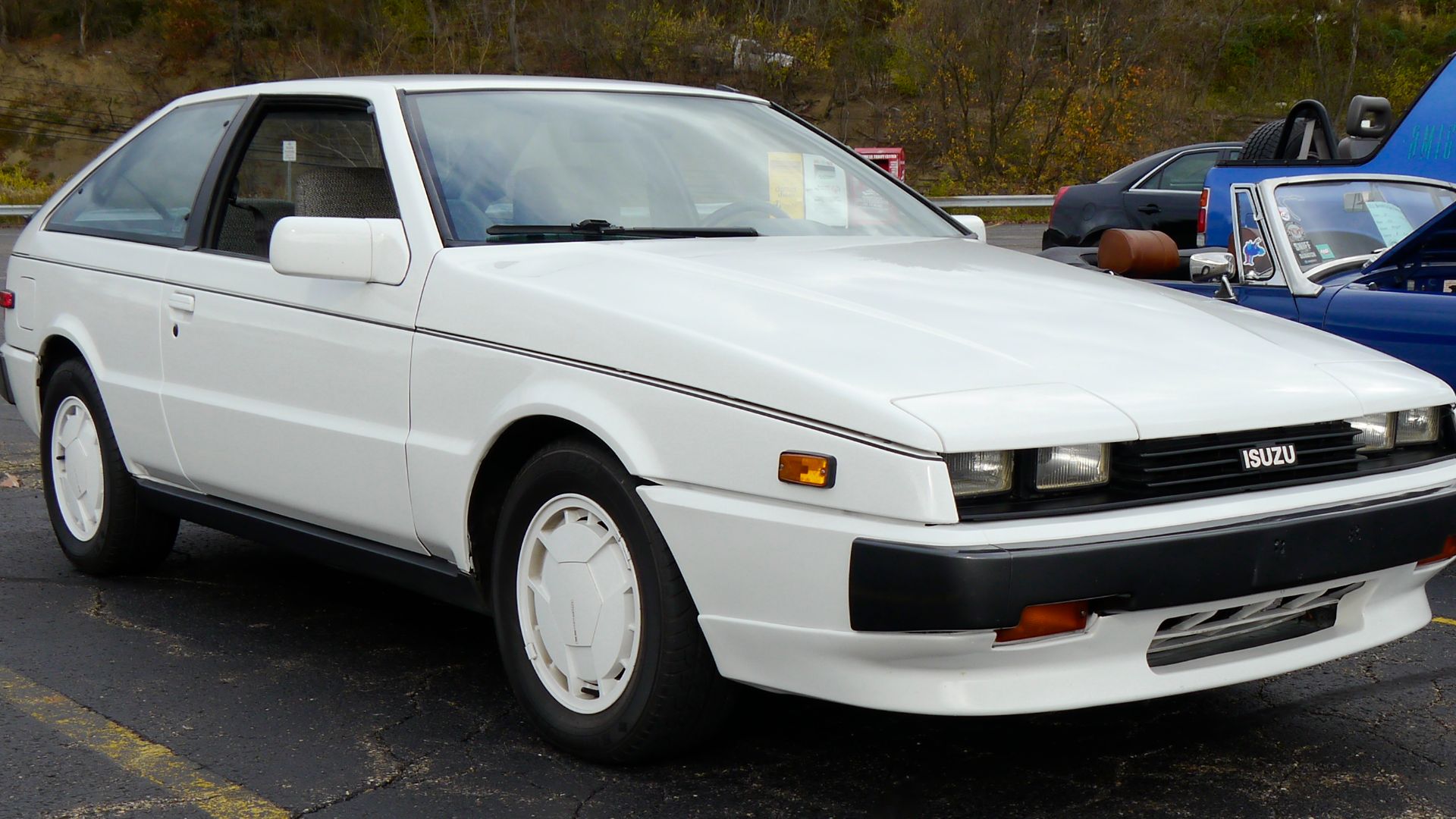
Geo Storm
The Geo badge usually brings economy cars to mind, but the Storm was different. Built by Isuzu, it was light, inexpensive, and surprisingly eager to attack a twisty road. The hotter GSi version was especially entertaining, proving cheap transportation didn’t necessarily have to be boring transportation.
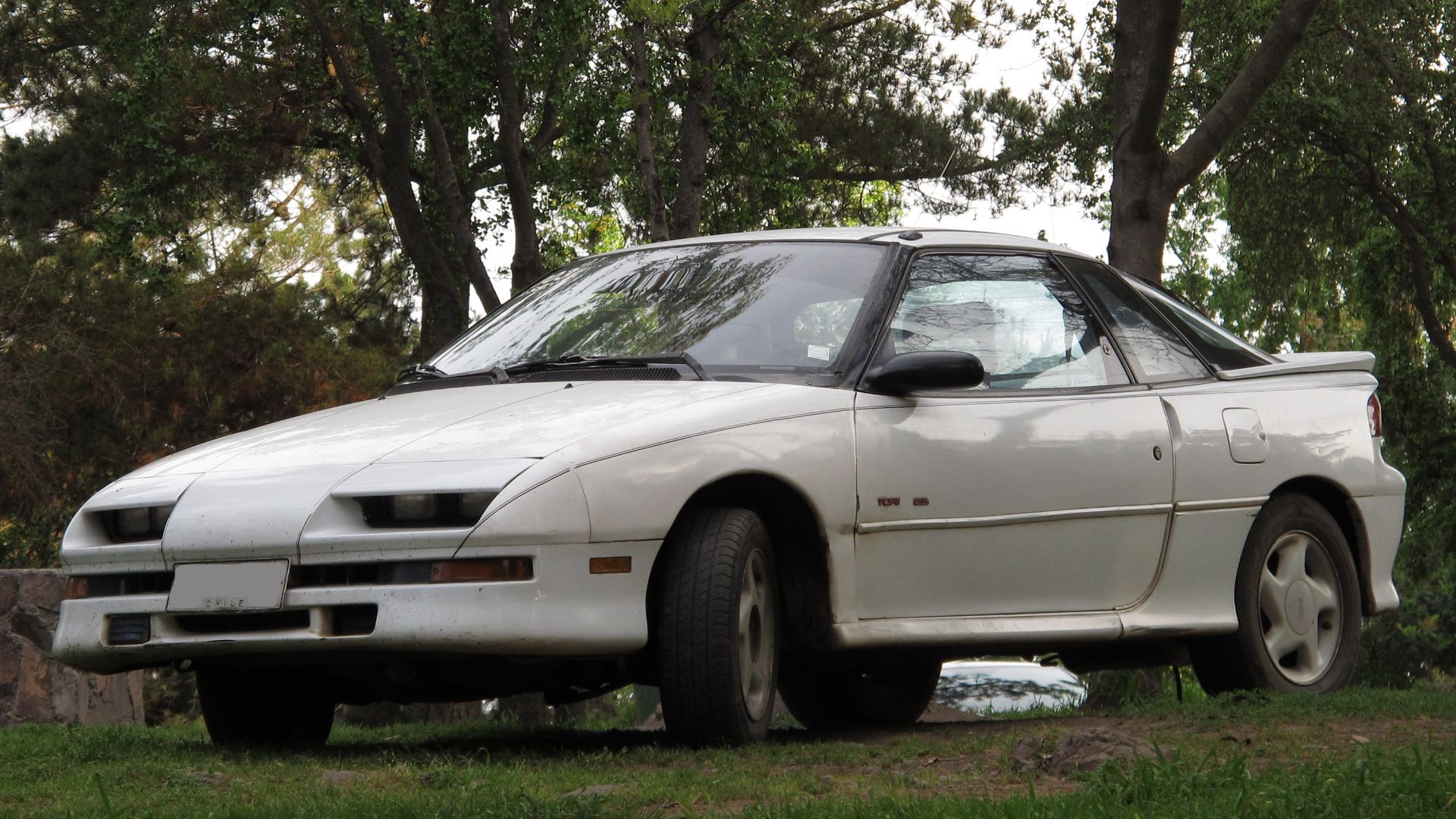 order_242 from Chile, Wikimedia Commons
Chevrolet Beretta Z26
The Beretta never became a muscle-car icon, but Chevrolet did its best to give the Z26 some attitude. Sporty bodywork, a V6 engine, and a suspension tuned for more enthusiastic driving made it an affordable alternative to pricier coupes. Almost nobody talks about them anymore.
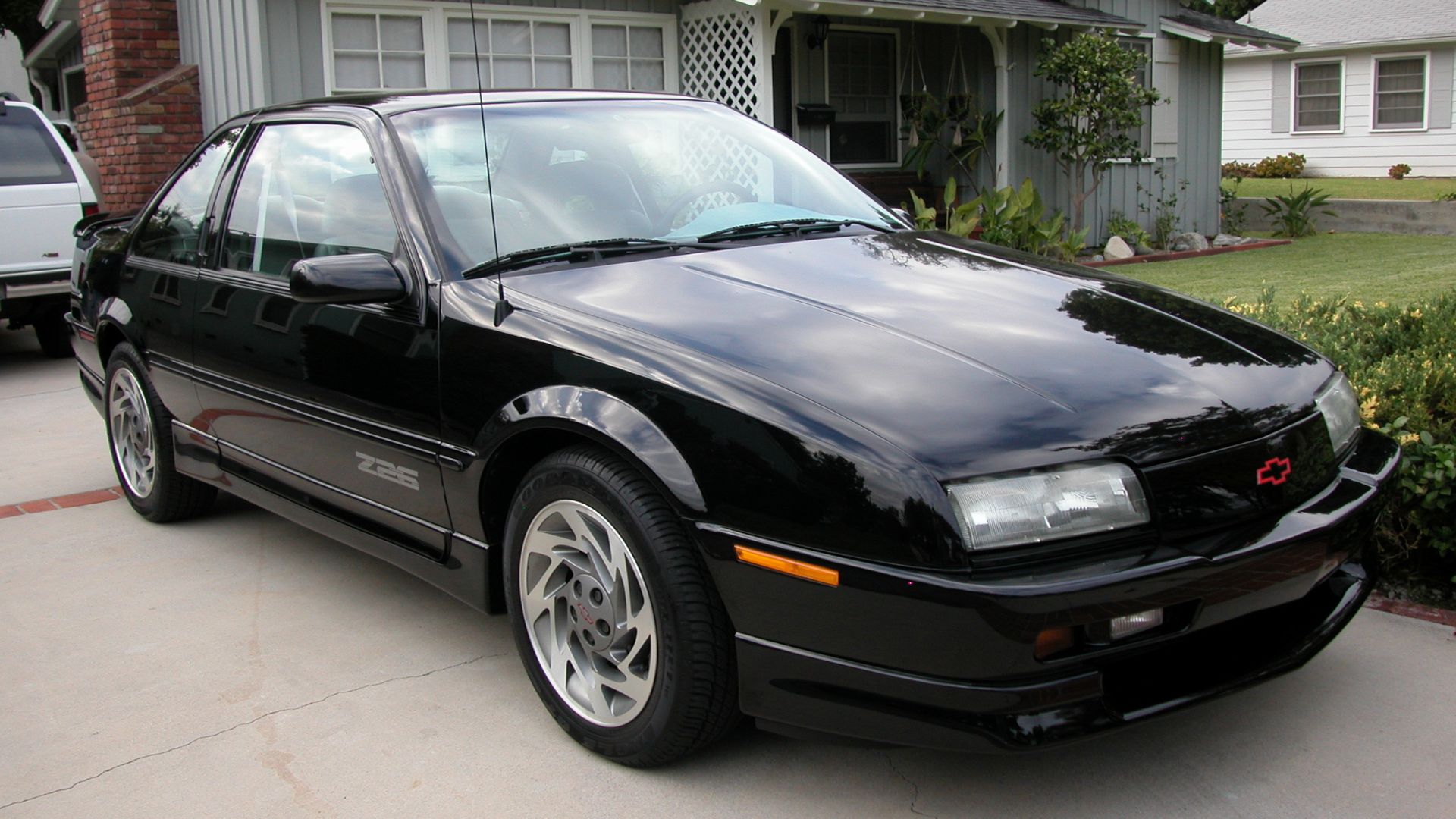 Rich Niewiroski Jr., Wikimedia Commons
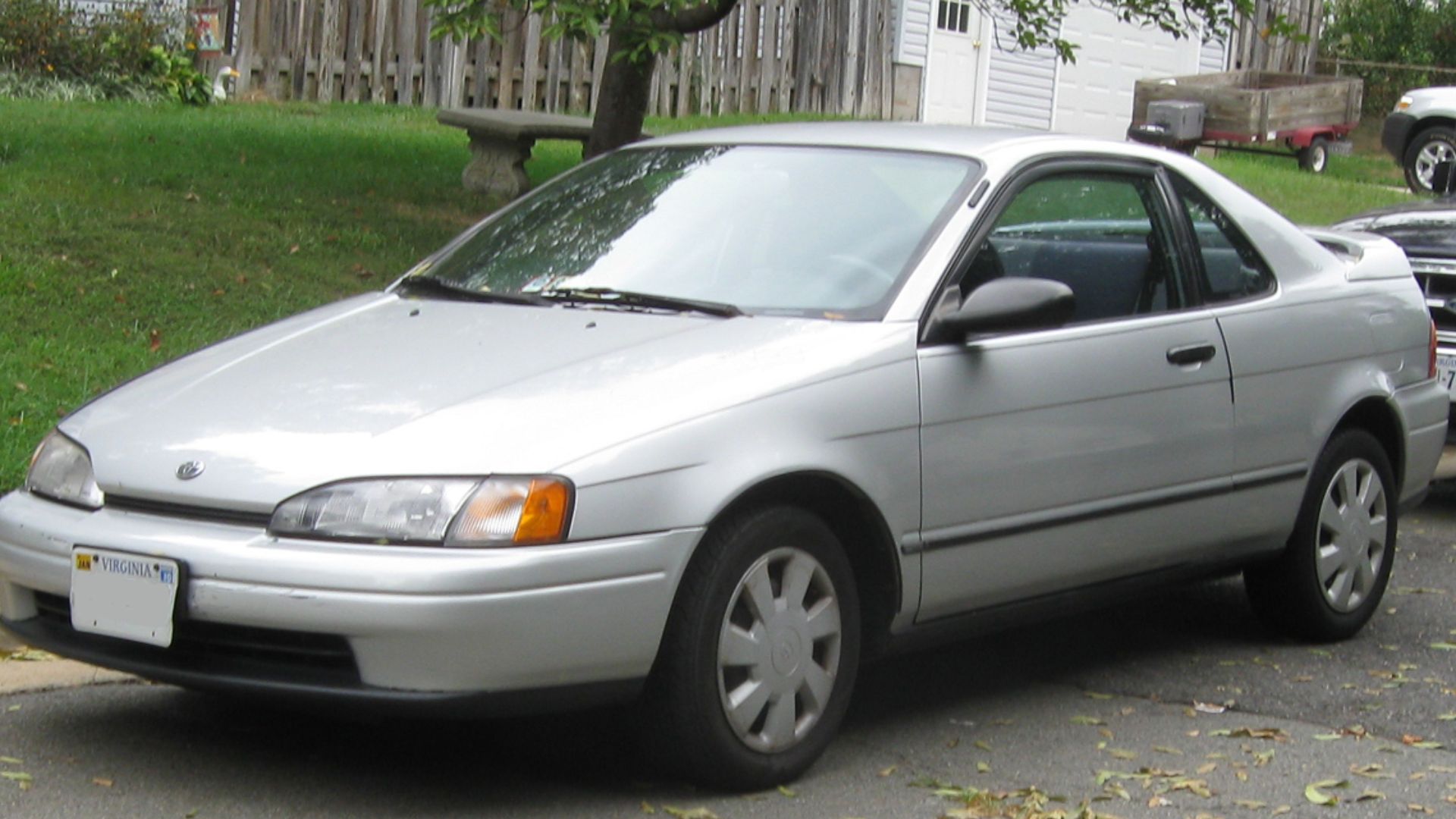
Toyota Paseo
Nobody bought a Paseo expecting Supra performance. That wasn’t the point. Toyota’s little coupe was lightweight, economical, easy to drive, and cheerful enough to make an ordinary commute interesting. It was essentially fun without intimidation, something increasingly difficult to find in modern cars.
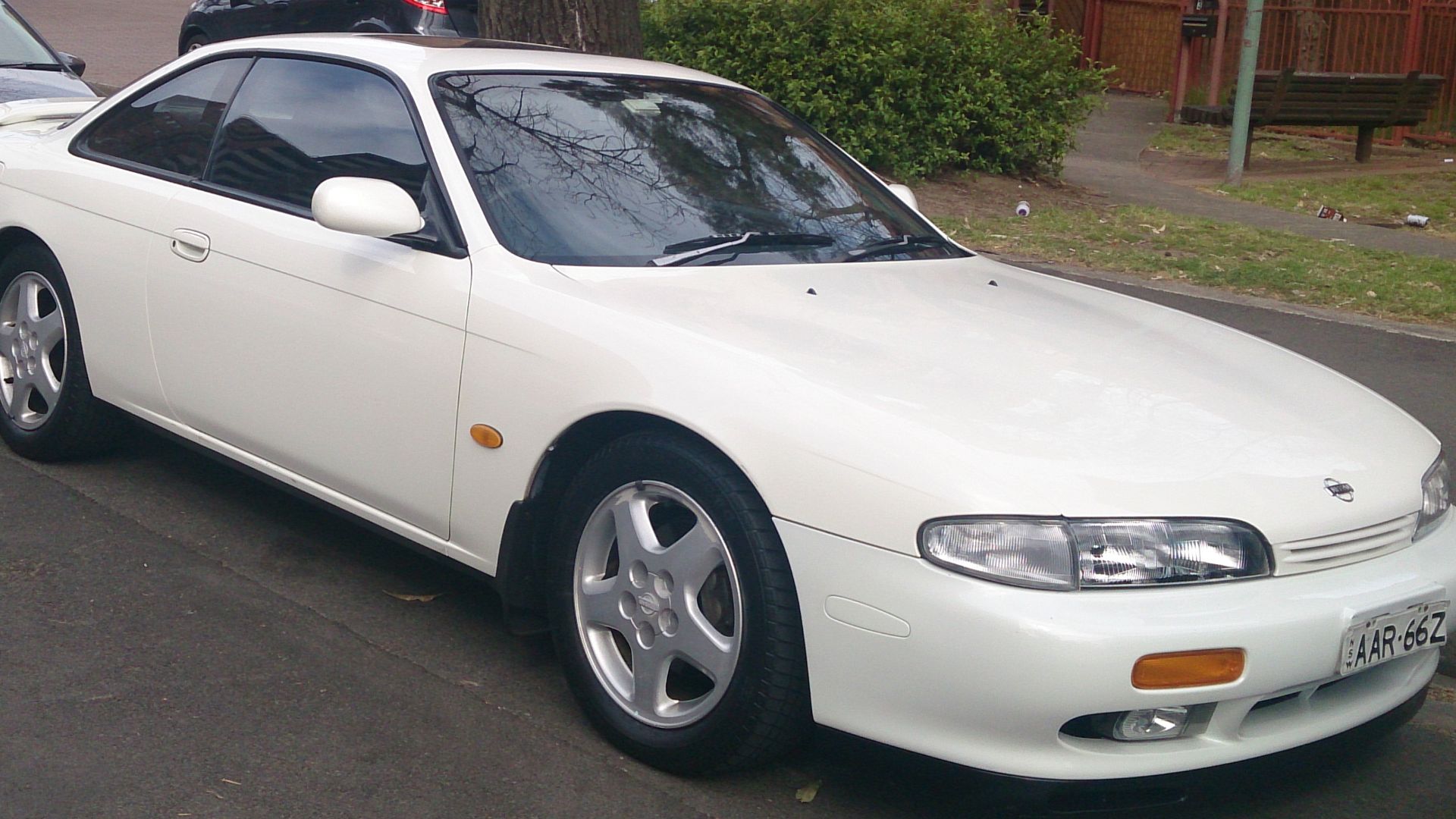
Nissan 200SX SE-R
Forget the ordinary 200SX models—the SE-R was the one enthusiasts wanted. Its 2.0-liter engine produced around 140 horsepower and happily worked with the lightweight front-wheel-drive chassis. It never looked particularly aggressive, which made surprising drivers of supposedly faster cars even more enjoyable.
Saturn SC2
Saturn was busy being “a different kind of car company,” and the SC2 was certainly different. Its unusual styling, twin-cam engine, plastic body panels, and respectable handling gave it personality. The later models looked especially futuristic. Today, even longtime Saturn fans rarely see one on the road.
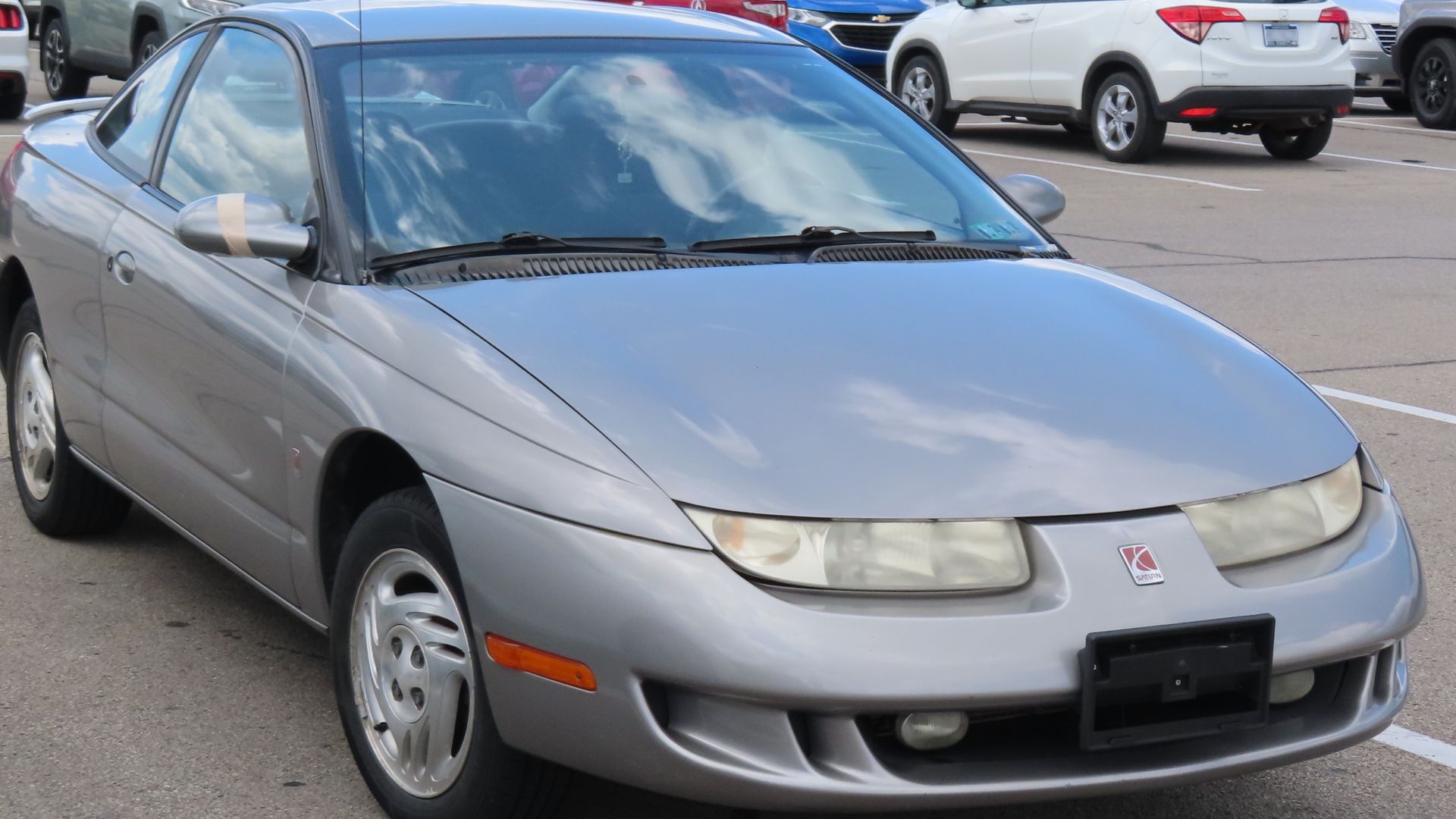 MercurySable99, Wikimedia Commons
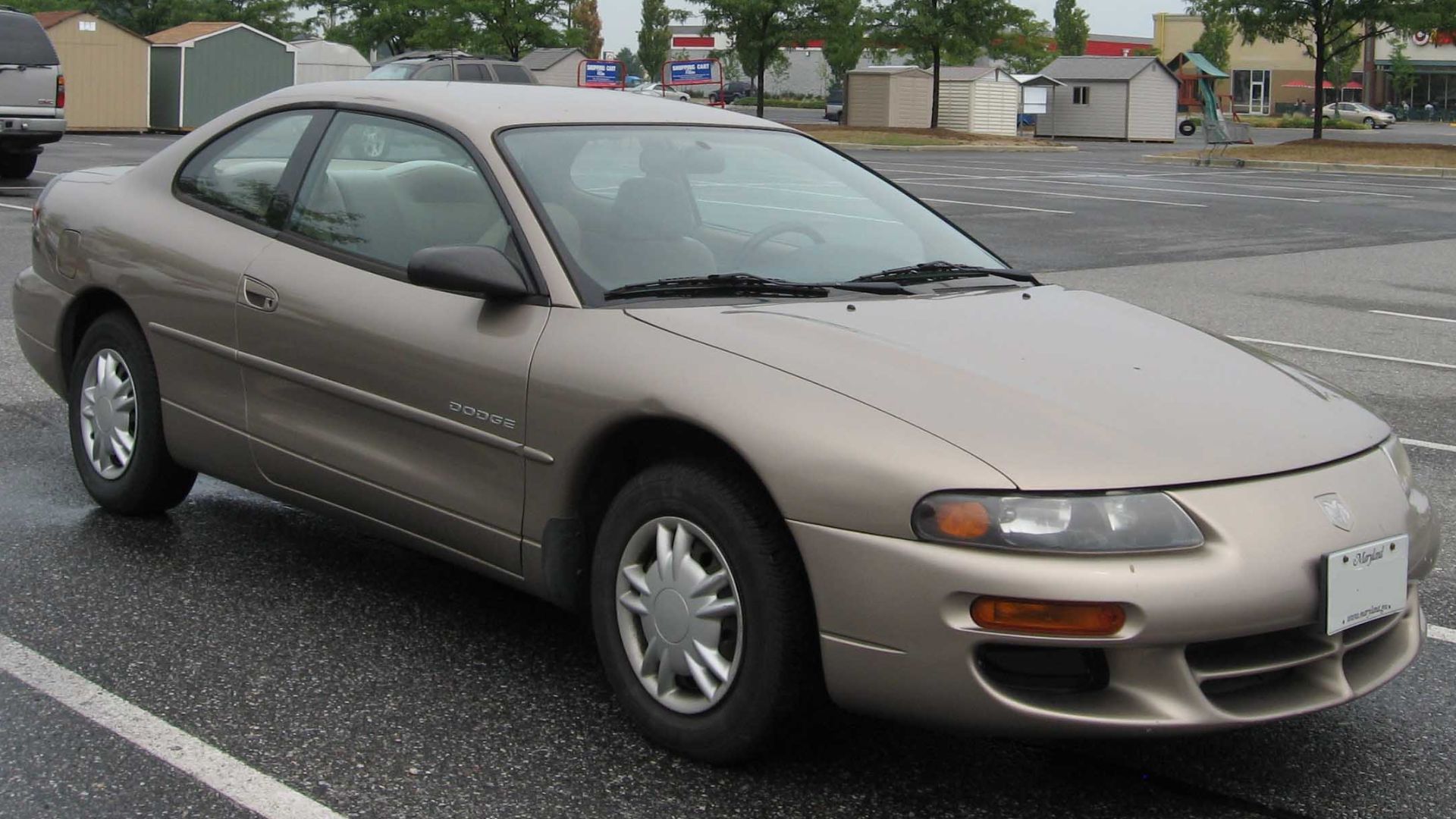
Dodge Avenger
Before the Avenger became a forgettable sedan, it was a sleek two-door coupe built through Chrysler’s partnership with Mitsubishi. Available V6 power and dramatic styling gave it genuine curb appeal. It wasn’t a hardcore sports car, but compared with many family cars of the era, it felt exciting.
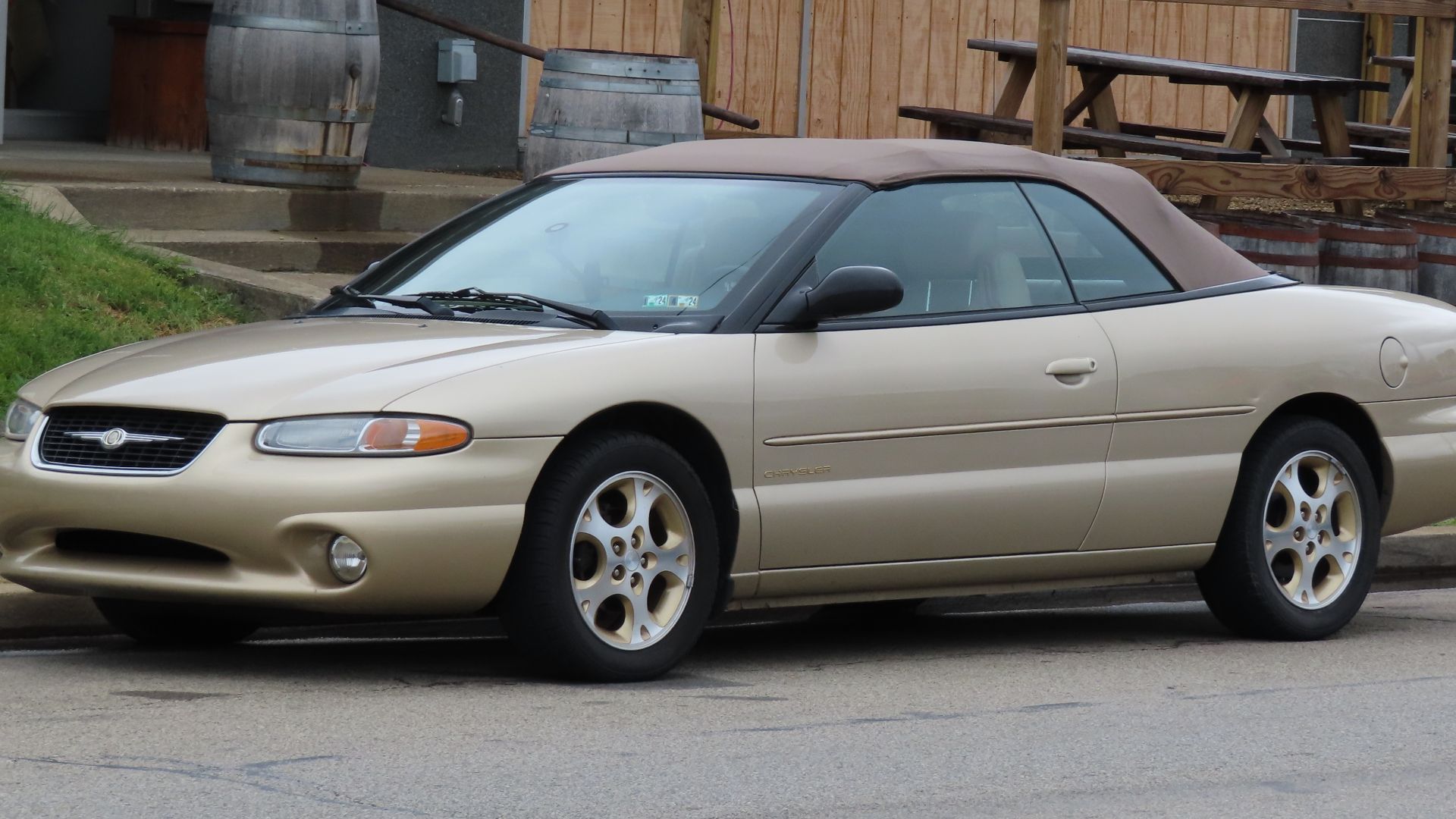
Chrysler Sebring Coupe
The Sebring coupe looked like something a successful 1990s architect might drive to a beachfront restaurant. Underneath its handsome body were Mitsubishi roots, and V6 models offered respectable performance. It prioritized cruising over corner carving, but there was still something charming about its relaxed brand of sportiness.
 MercurySable99, Wikimedia Commons
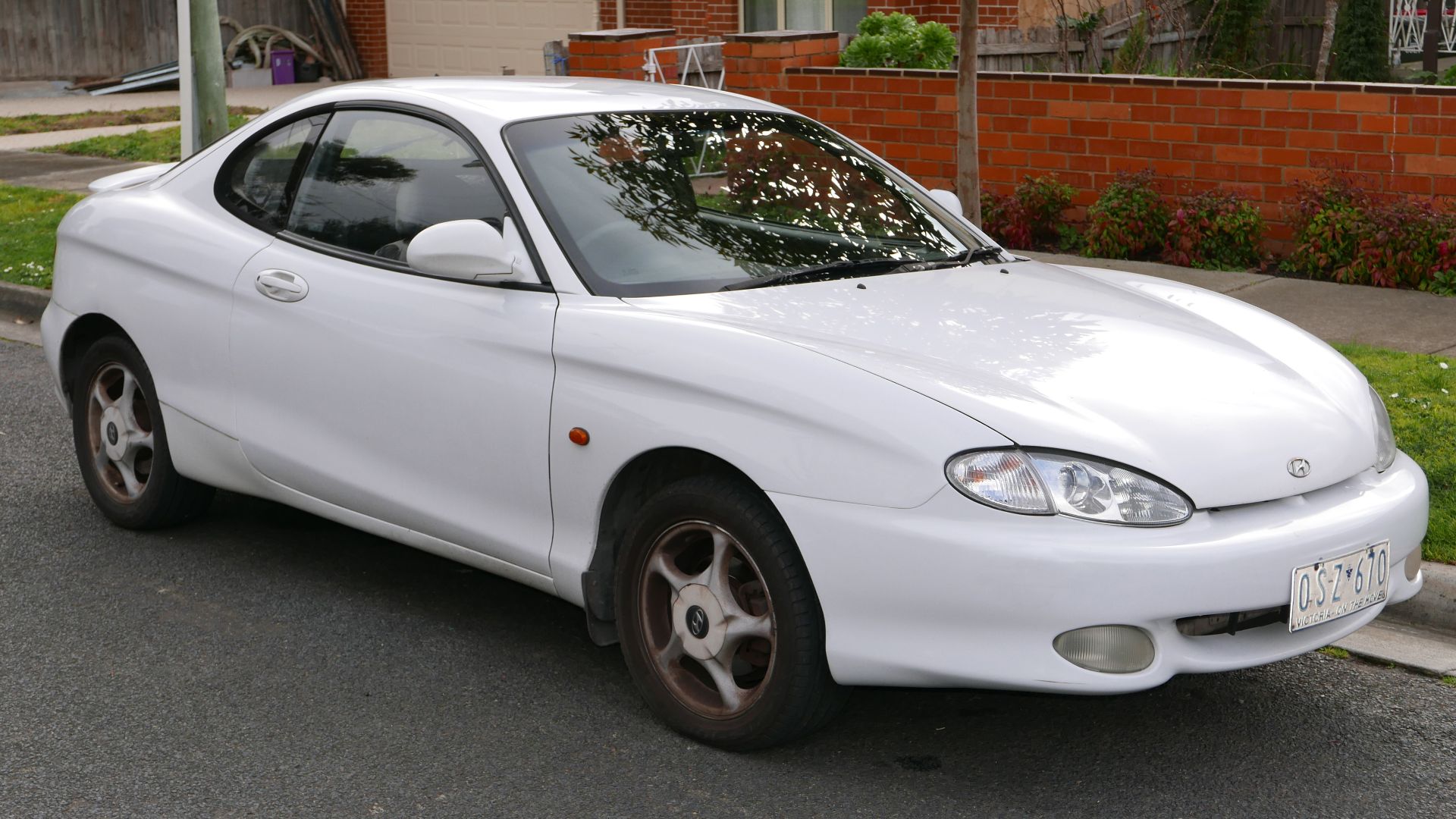
Hyundai Tiburon
The first Tiburon arrived when Hyundai desperately wanted people to stop thinking only about cheap economy cars. Its curvy styling made a statement, while available 2.0-liter power and a relatively light chassis made it entertaining. It helped start Hyundai’s long journey toward becoming a serious performance brand.
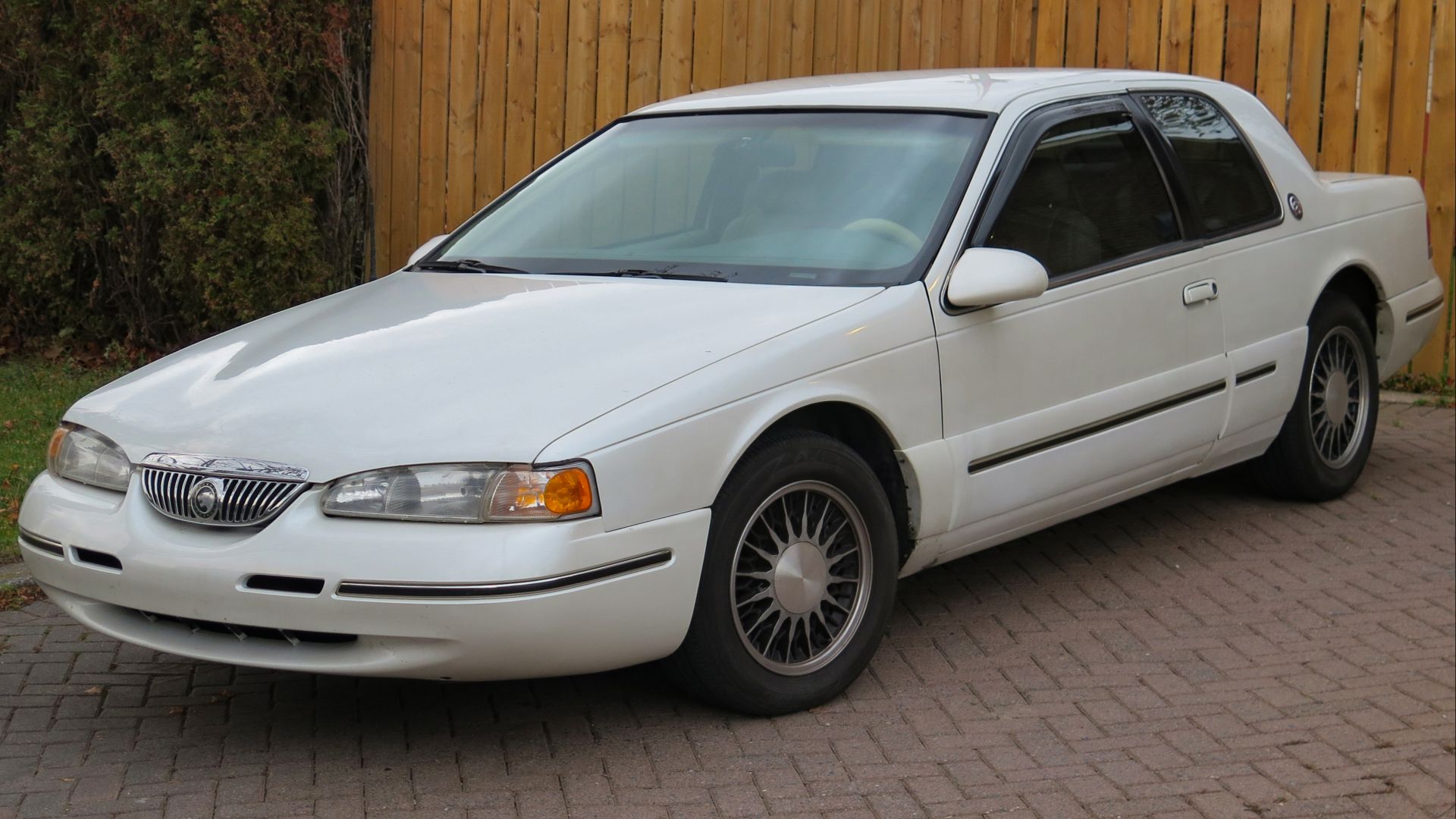
Mercury Cougar
The 1999 Cougar was radically different from the big rear-wheel-drive Mercurys that came before it. With sharp “New Edge” styling, front-wheel drive, and available V6 power, it targeted younger buyers. It didn’t save Mercury, but it remains one of the brand’s most interesting late-era experiments.
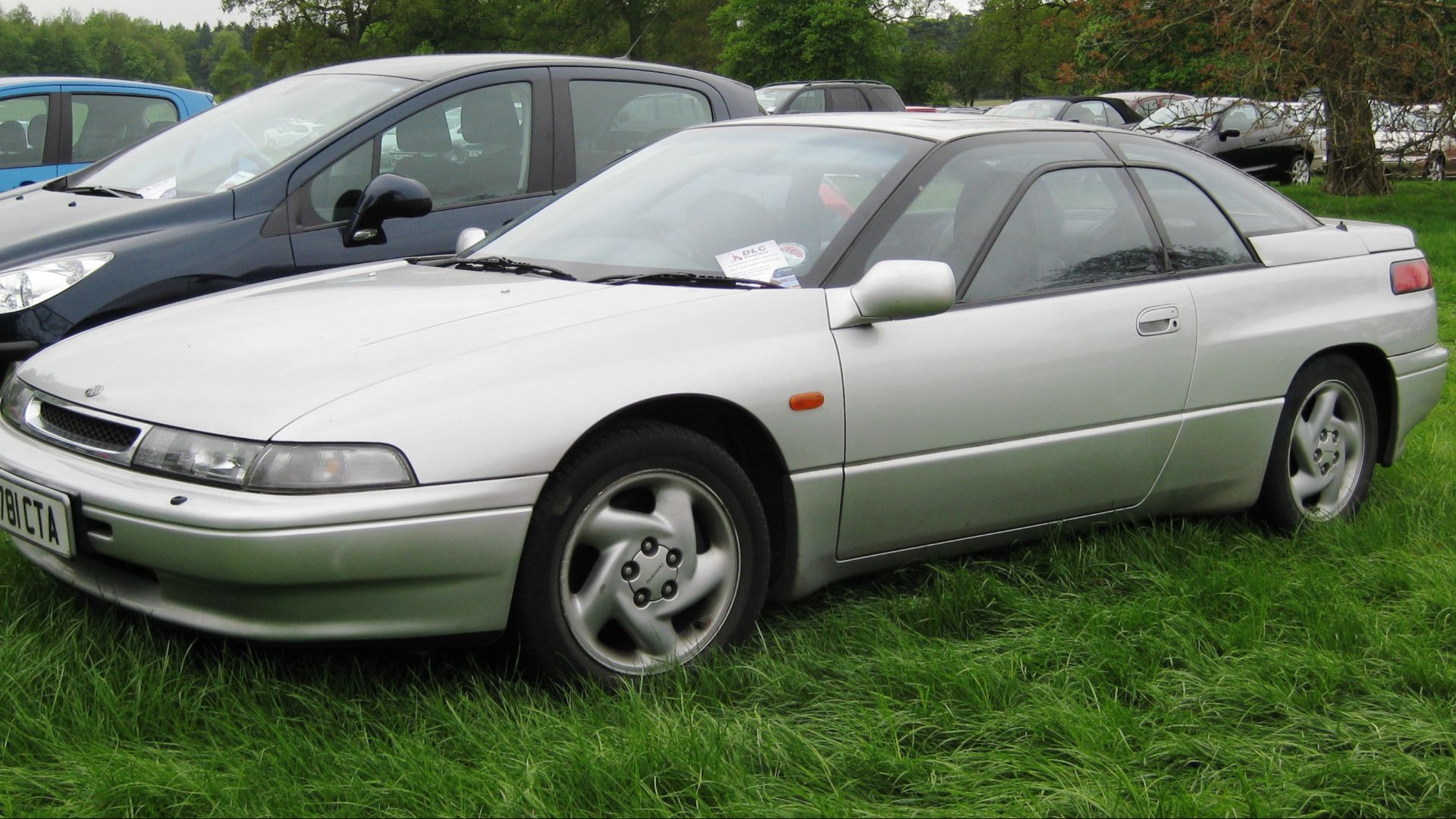
Subaru SVX
Subaru went wonderfully strange with the SVX. Designed by Giorgetto Giugiaro, it featured bizarre window-within-a-window glass, a flat-six engine, and all-wheel drive. It was more grand tourer than lightweight sports car, but its smooth speed and unmistakable appearance made every journey feel like an occasion.
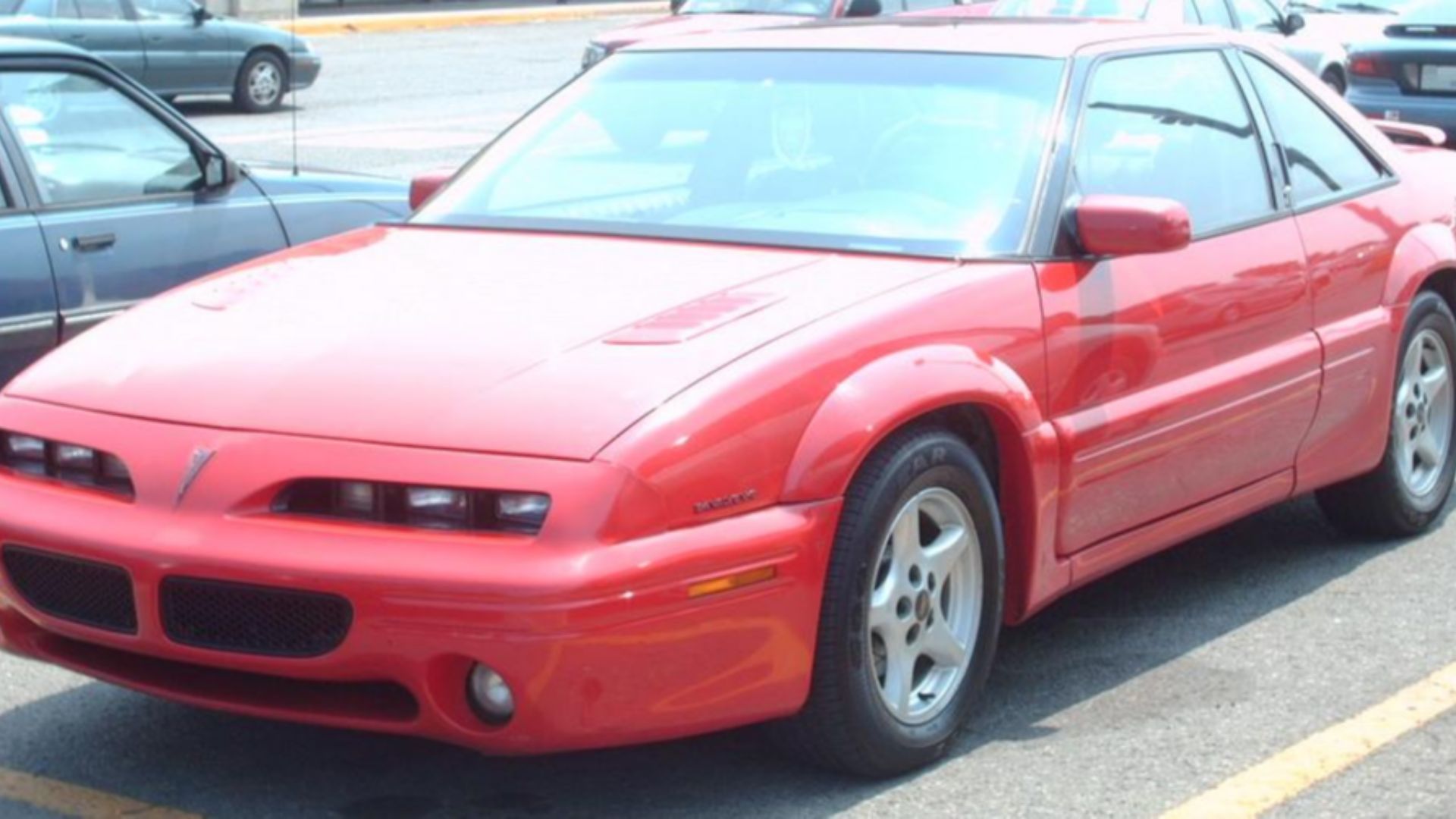
Pontiac Grand Prix GTP Coupe
The Grand Prix GTP wasn’t small, delicate, or subtle. What it did have was a supercharged 3.8-liter V6 producing serious torque. Punch the accelerator and the big Pontiac surged forward with enthusiasm. It was comfortable, quick, affordable, and wonderfully unapologetic about being a fast front-wheel-drive coupe.
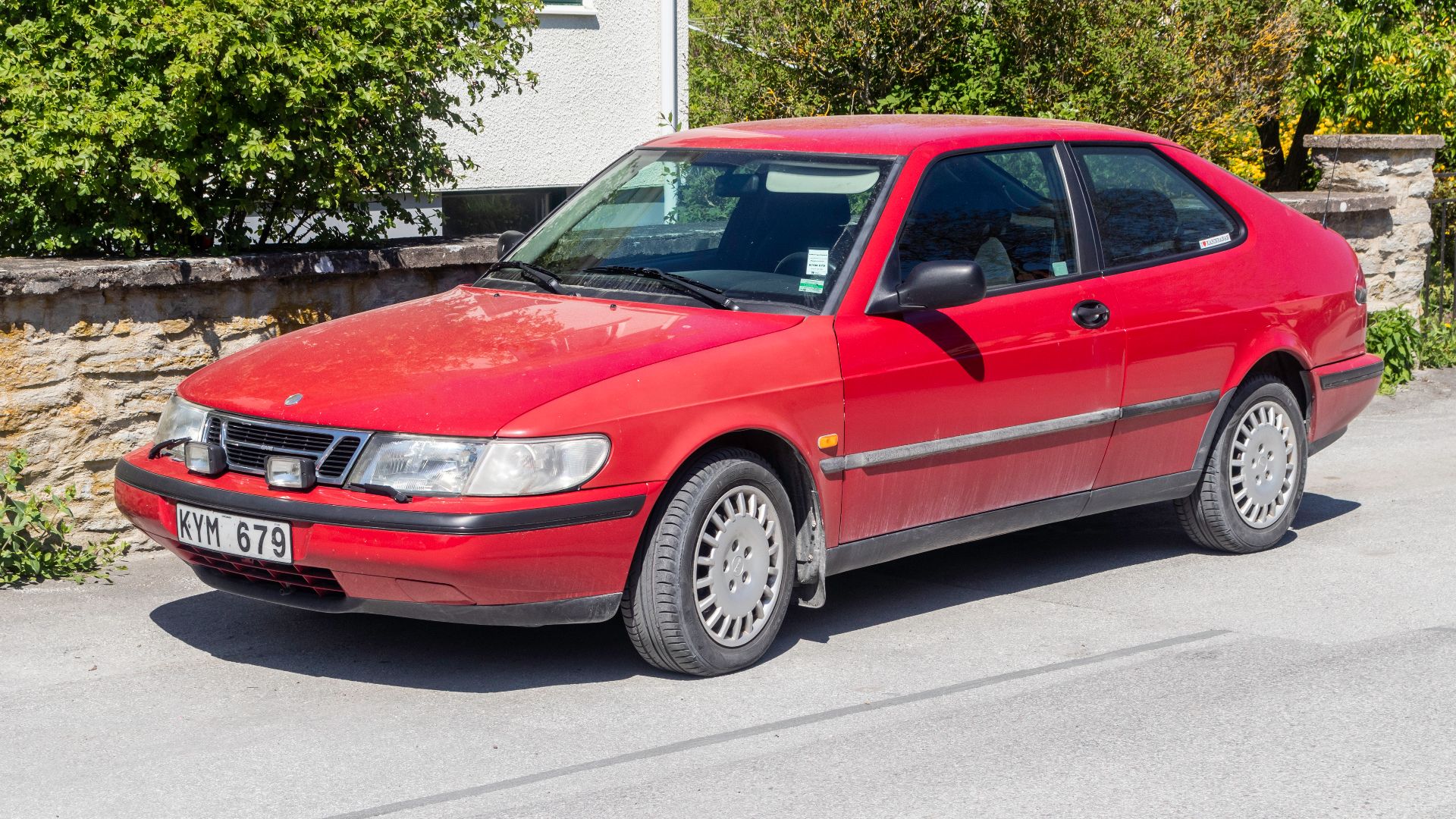
Saab 900 Coupe
Driving a Saab 900 meant deliberately choosing something different. The wraparound windshield, dashboard-mounted ignition, turbocharged engines, and quirky styling gave it personality by the truckload. Later 1990s examples became more conventional, but they remained interesting alternatives to the predictable German coupes filling executive parking lots.
Volvo C70 Coupe
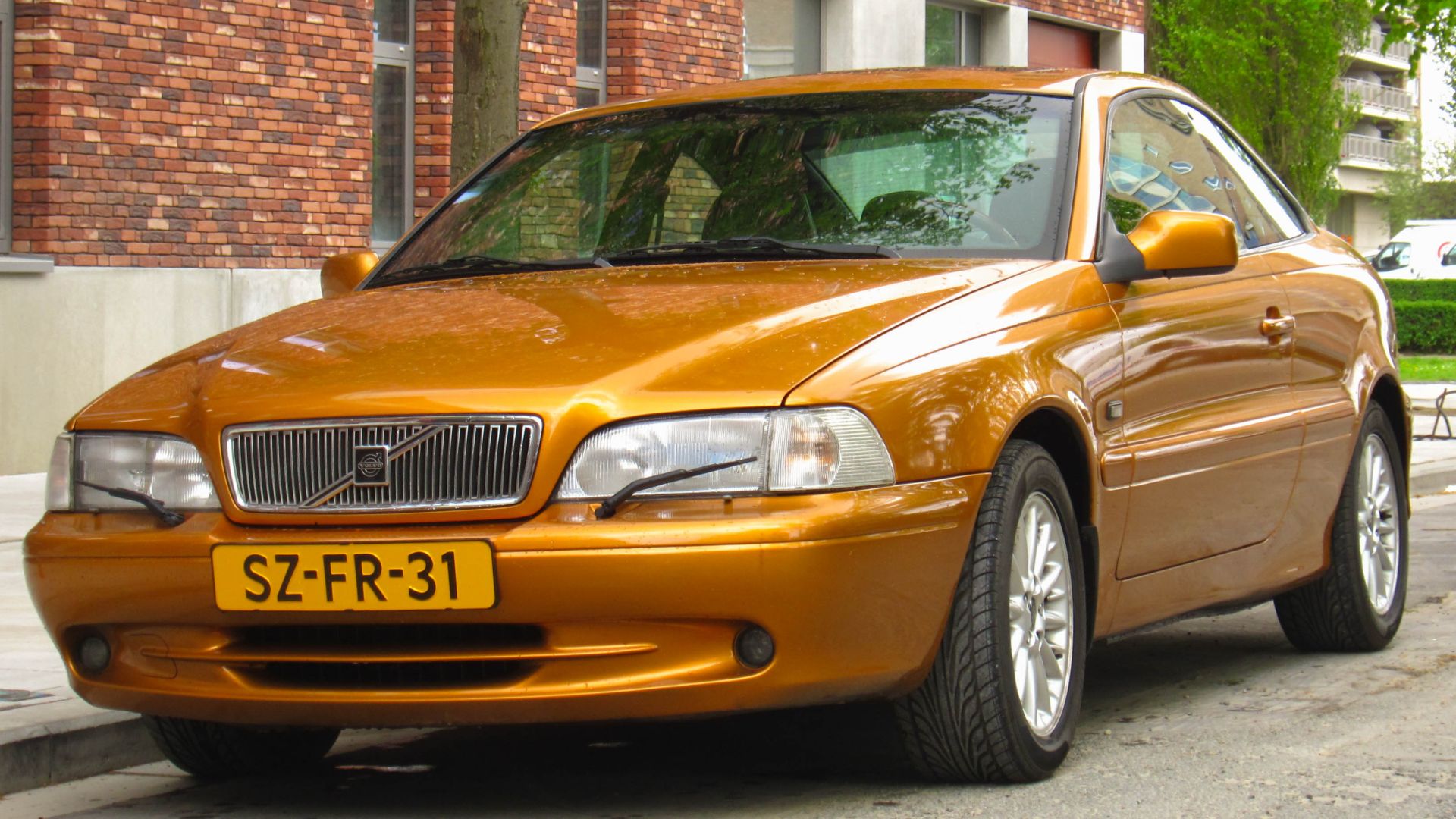 Rutger van der Maar, Wikimedia Commons
Alfa Romeo GTV
Few 1990s coupes looked as dramatic as the Alfa Romeo GTV. Its wedge-shaped Pininfarina styling still turns heads, while lively Twin Spark and glorious V6 engines supplied the soundtrack. Reliability fears scared plenty of buyers away, but nobody could accuse the GTV of lacking personality.
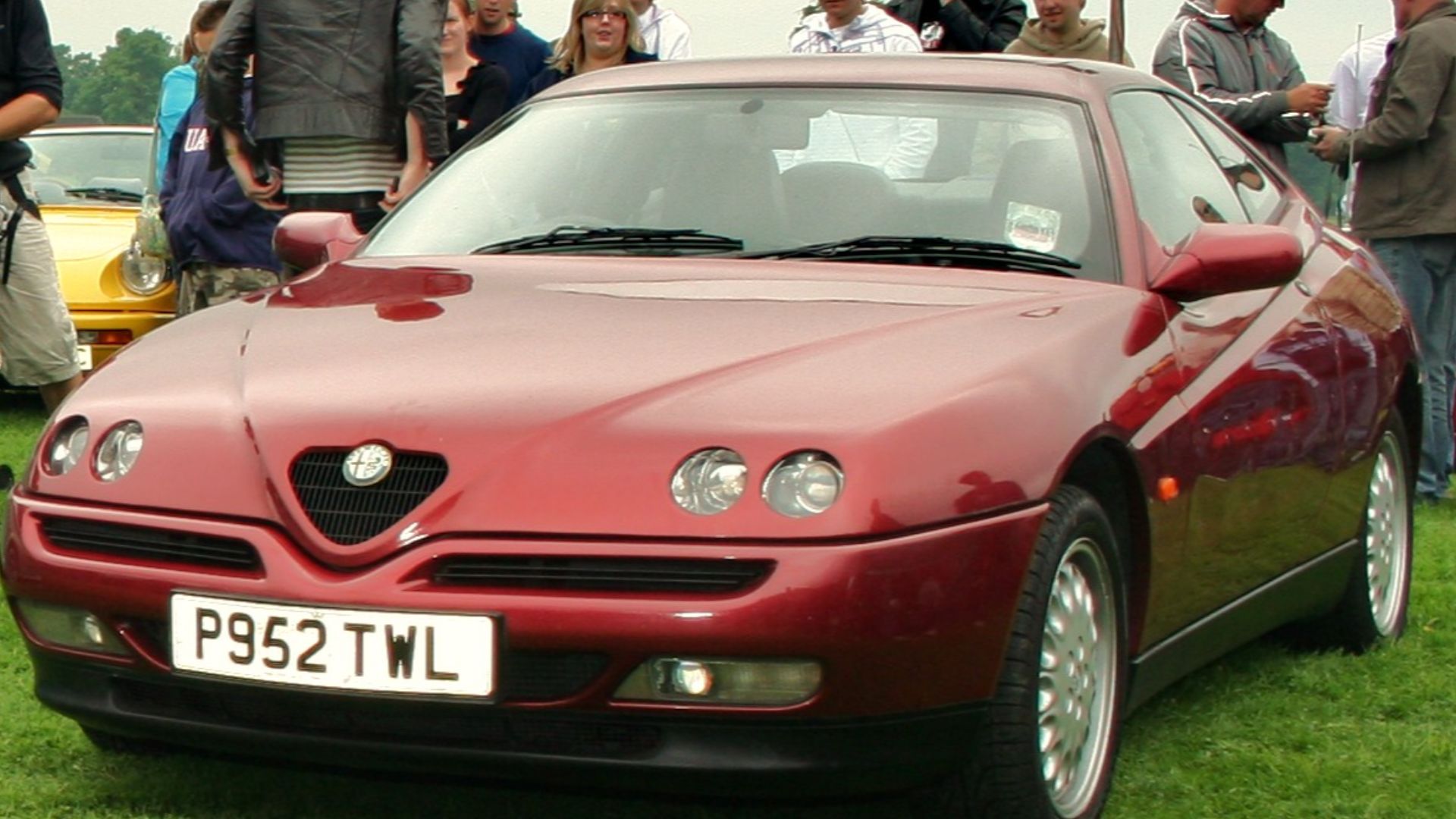 https://www.flickr.com/photos/tonysphotos/, Wikimedia Commons
Fiat Coupe
Fiat apparently decided subtlety was overrated. The Coupe featured wild bodywork, slashed wheel arches, and a dashboard panel painted the same color as the exterior. Turbocharged five-cylinder versions were genuinely fast, too. It was weird, quick, charismatic, and exactly the kind of car enthusiasts miss today.
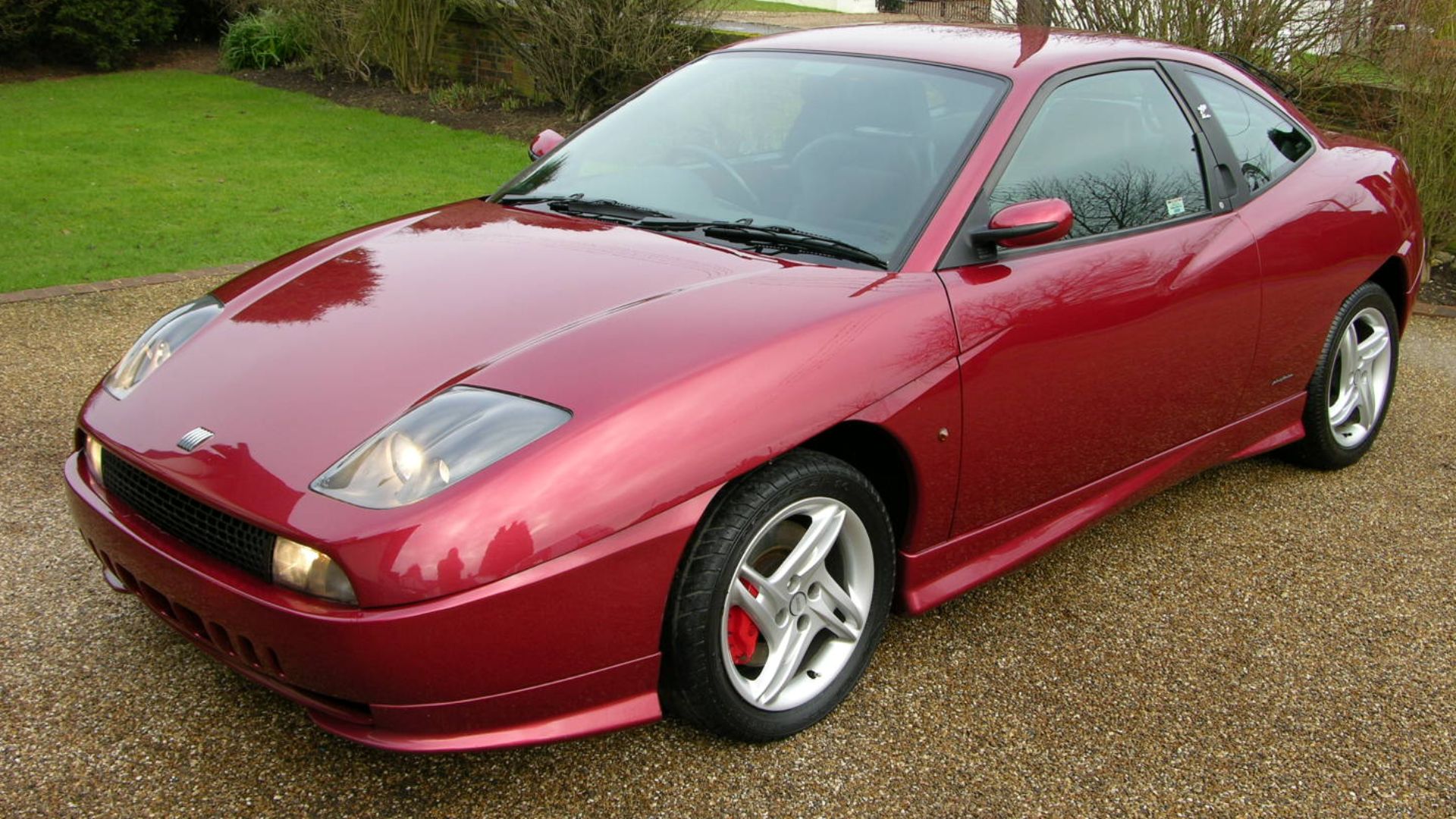 The Car Spy, Wikimedia Commons
Opel Calibra
The Calibra looked astonishingly sleek when it arrived, with an aerodynamic shape that seemed years ahead of many rivals. Turbo versions even combined serious power with all-wheel drive. Yet the Calibra has largely disappeared from roads and conversations, despite once being one of Europe’s coolest attainable coupes.
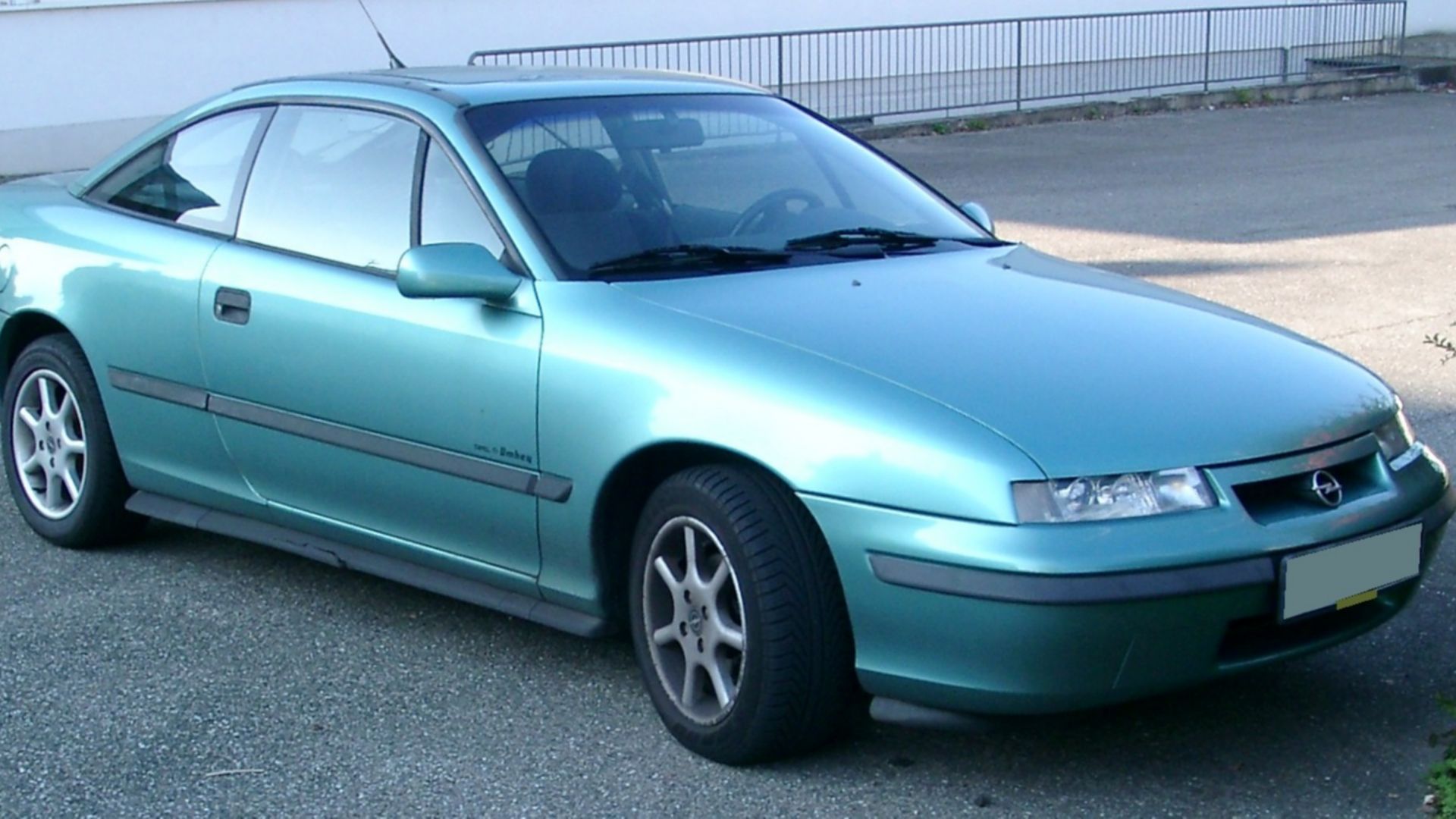 Rudolf Stricker, Wikimedia Commons
Ford Puma
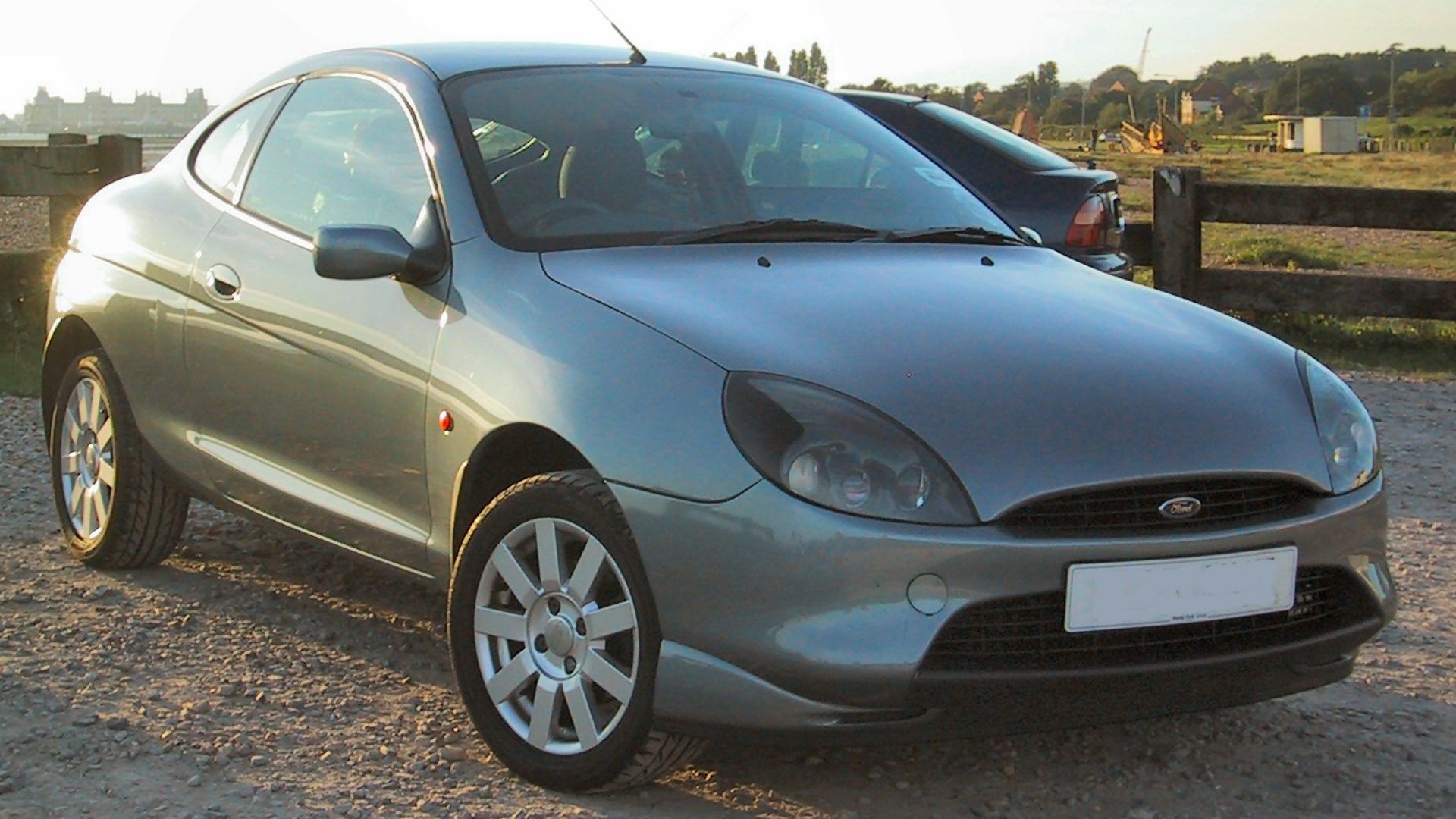
The Puma proved you didn’t need huge horsepower to have fun. Based on humble Fiesta mechanicals, it combined low weight, responsive engines, playful handling, and fantastic steering. Europeans loved its cheeky styling, too. Years later, Ford reused the Puma name on a crossover. Try not to cry.
Peugeot 406 Coupe
Pininfarina transformed the sensible Peugeot 406 into something that looked far more expensive than it really was. The Coupe was elegant rather than aggressive, but V6 versions had enough performance to make a country road enjoyable. It remains one of the prettiest affordable coupes of its decade.
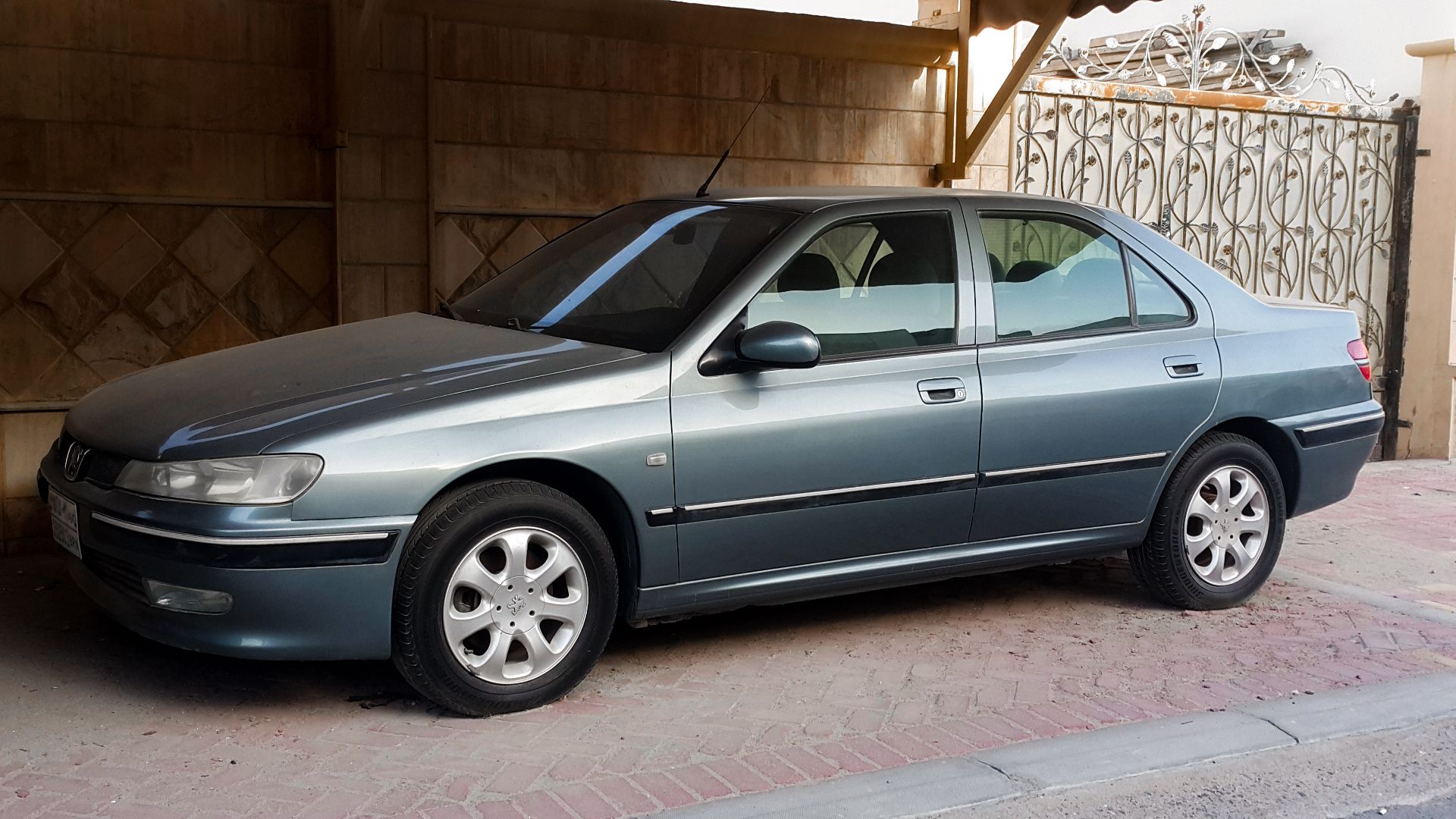 Mohammed Hamad, Wikimedia Commons
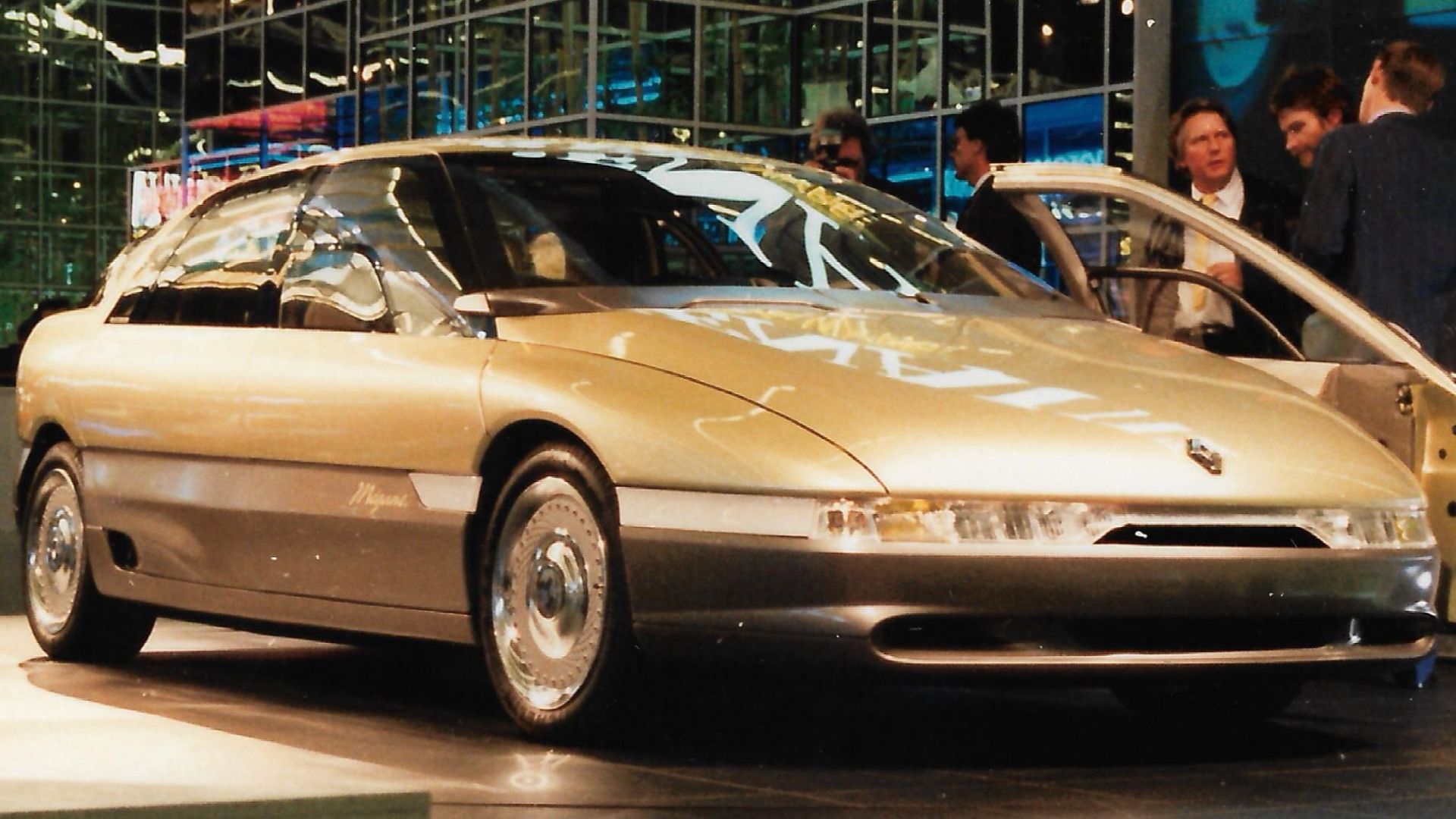
Renault Mégane Coupe
The first-generation Mégane Coupe was another example of Europeans turning an ordinary family car into something genuinely playful. Shorter, sportier, and much more stylish than the standard Mégane, it offered lively engines and compact dimensions. The yellow examples in particular practically screamed “1990s hot coupe.”
Toyota Sera
Toyota built plenty of sensible cars, then occasionally did something completely unexpected. The Sera was one of those moments. Its dramatic butterfly-style doors looked exotic enough for a supercar, yet underneath sat ordinary, dependable Toyota mechanicals. Performance was modest, but opening those doors probably never got boring.
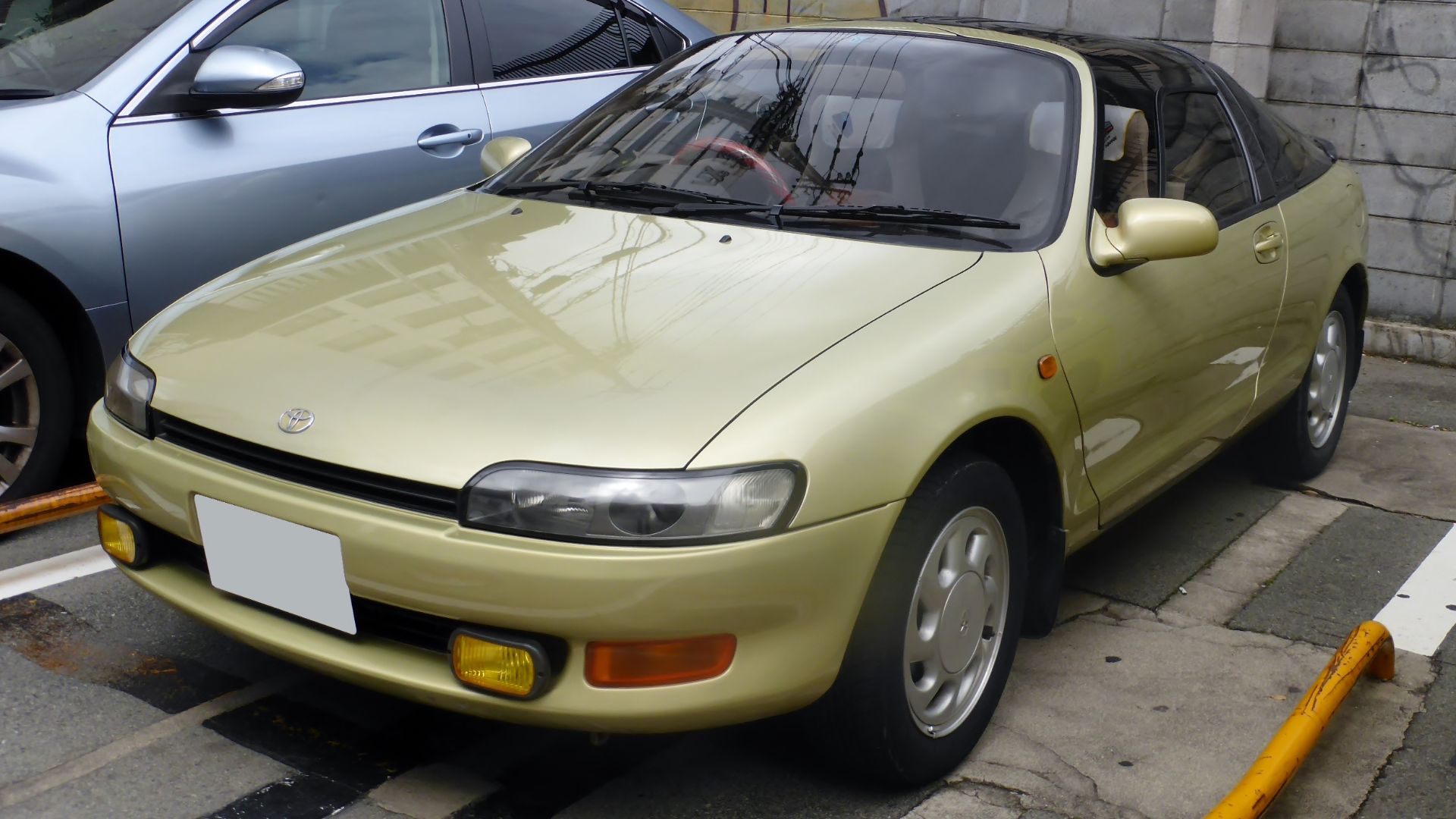 Tokumeigakarinoaoshima, Wikimedia Commons
Where Did All The Fun Coupes Go?
Most of these cars disappeared because tastes changed. Buyers wanted SUVs, crossovers, and four doors, while manufacturers gradually abandoned inexpensive coupes. That makes surviving examples even more interesting today. They weren’t always fast or perfect, but they made ordinary driving feel special—and that was exactly the point.
You May Also Like:
The Strangest Factory Options Ever Offered On American Cars—How Many Would You Have Chosen?
Mechanics Say They Hate It When Customers Do These Things—So Don’t Do Them