Which Of These Boomer-Era Car Parts Did You Know?
Today’s cars practically drive themselves, yet half the younger drivers on the road break into a cold sweat when the “check engine” light pops on. Boomers, though? You grew up in an age when cars were mechanical marvels you could understand—and sometimes fix right in the driveway. This trip down memory lane celebrates the quirky, clever, sometimes finicky car parts that defined your driving years. Millennials may not recognize them, but Boomers remember exactly how they felt, sounded, and even smelled.
Vent Windows
Those tiny triangular windows weren’t just cute—they were a lifeline on hot summer drives. Before air conditioning became standard, a quick twist sent a refreshing blast of air straight at your face. You could angle them to deflect wind, reduce smoke, or cool the dog in the backseat. Millennials think “vent mode” is a button on a screen. Boomers know real ventilation involved chrome hinges, hand muscles, and a little finesse.
Carburetors
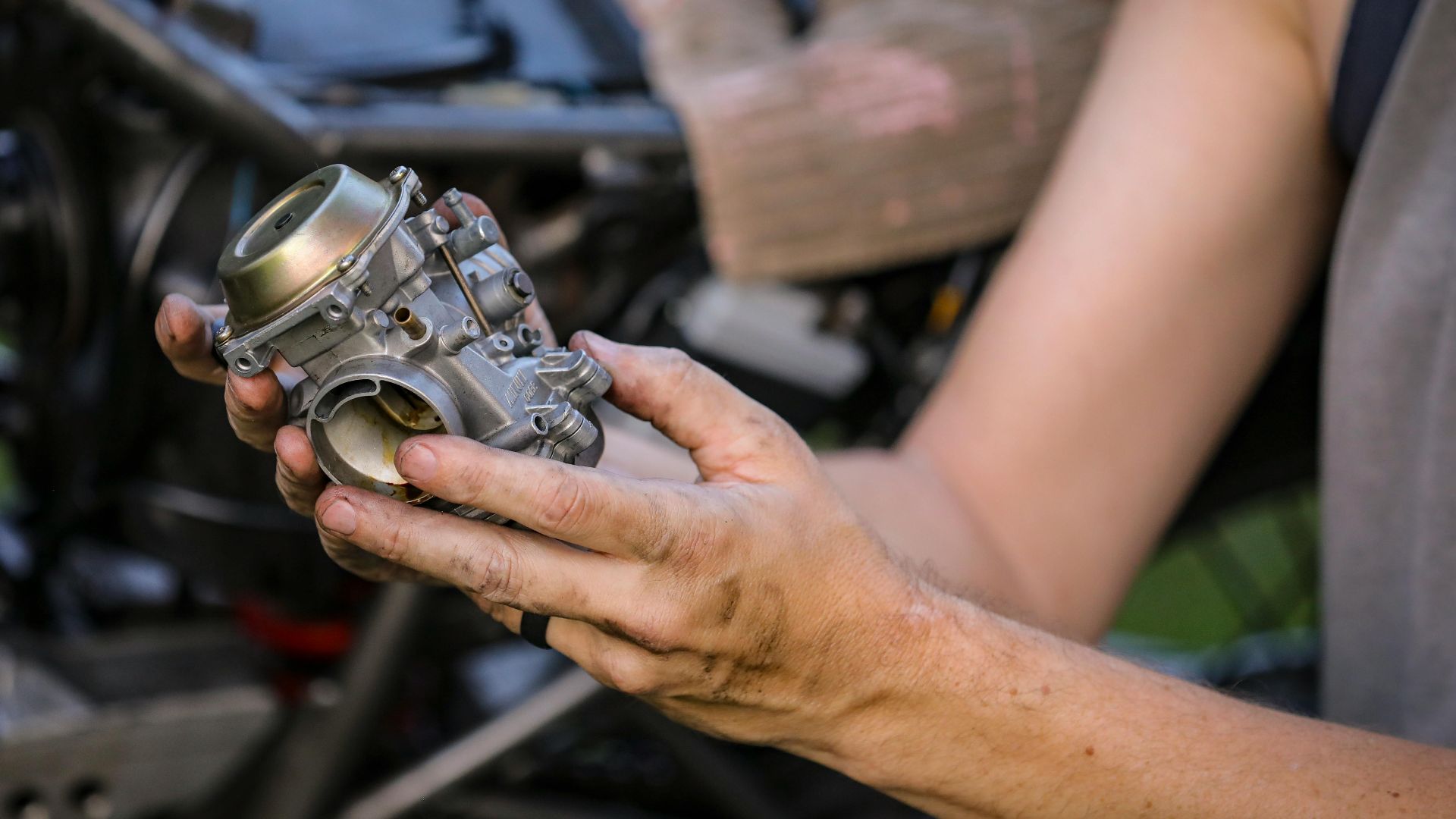
Carburetors didn’t just mix fuel and air—they taught an entire generation patience. A gentle tap of the gas pedal, a subtle adjustment of idle screws, and the engine would purr like a contented cat. Flood it, though, and you were rewarded with sputtering embarrassment. Carburetors made driving personal; every engine had its own attitude, and Boomers learned to read those moods long before computers took over the job.
Bench Seats
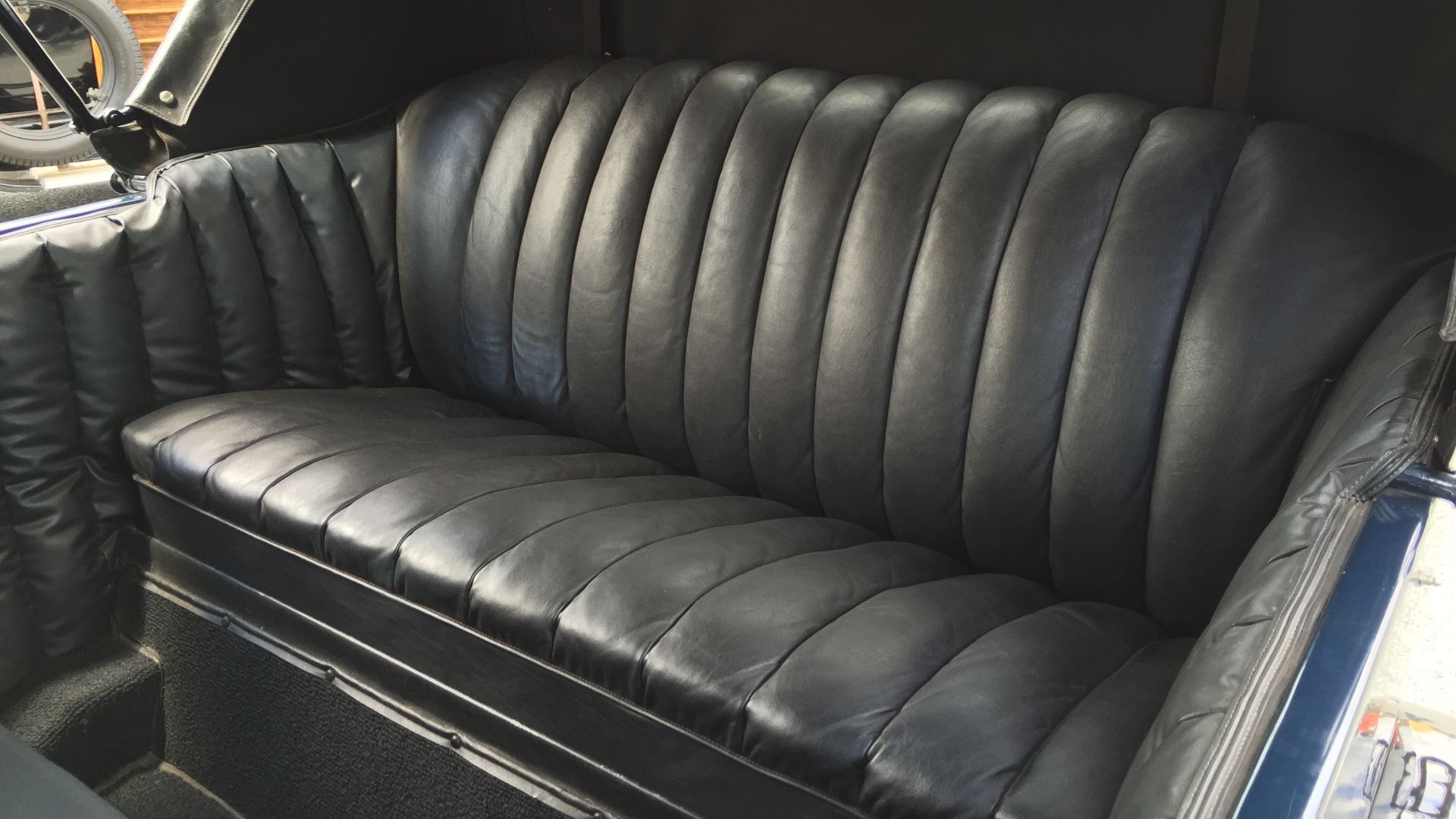
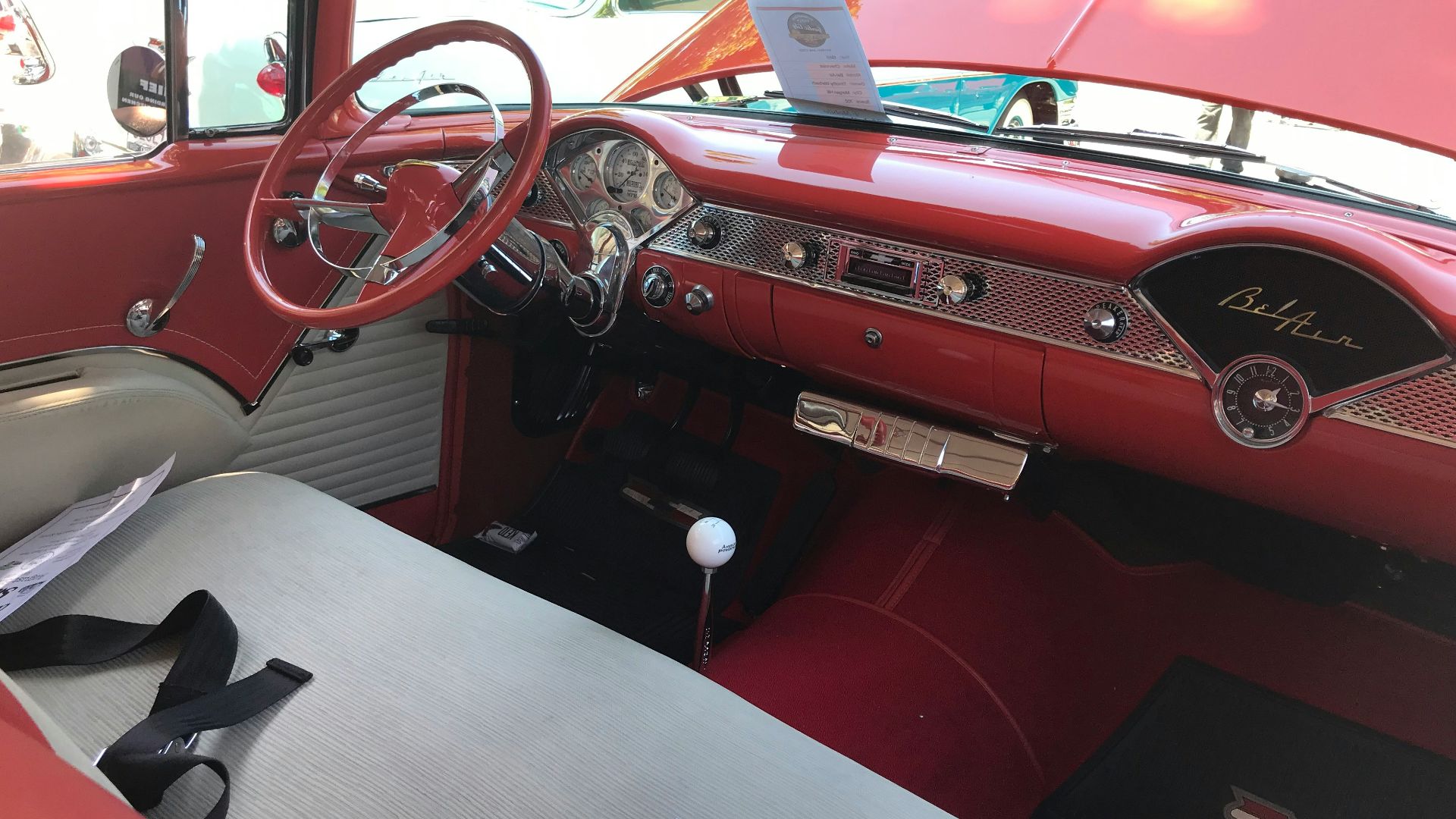
Bench seats were rolling living rooms. You could slide all the way across with no center console to block your movement—something today’s cars absolutely refuse to let you do. Drive-ins, date nights, carpooling: the bench seat was the star of them all. Millennials will never know the joy of cruising with a buddy practically sitting shoulder-to-shoulder, or the strategic “slide-over” moment that meant romance was in the air.
Manual Chokes
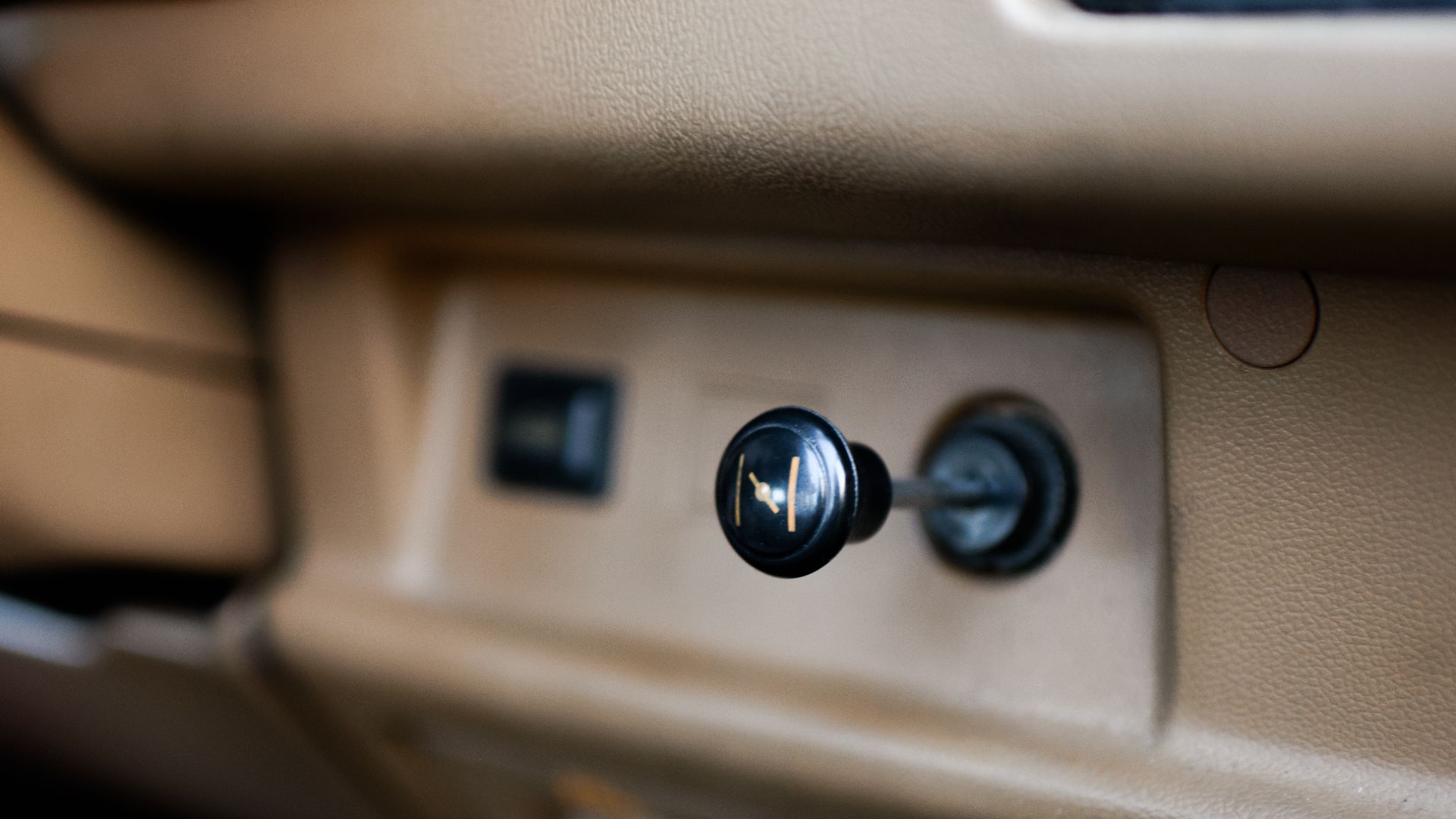
On cold mornings, you didn’t just start the car—you performed a ritual. Pull the choke, pump the gas, listen for the engine’s response, adjust again. Manual chokes demanded attention and rewarded skill. Today’s drivers simply push a button, but Boomers remember the slightly stubborn engines that needed coaxing—almost like waking a grumpy teenager for school. Get it right, though, and you felt like a master mechanic before breakfast.
Floor-Mounted Dimmer Switch
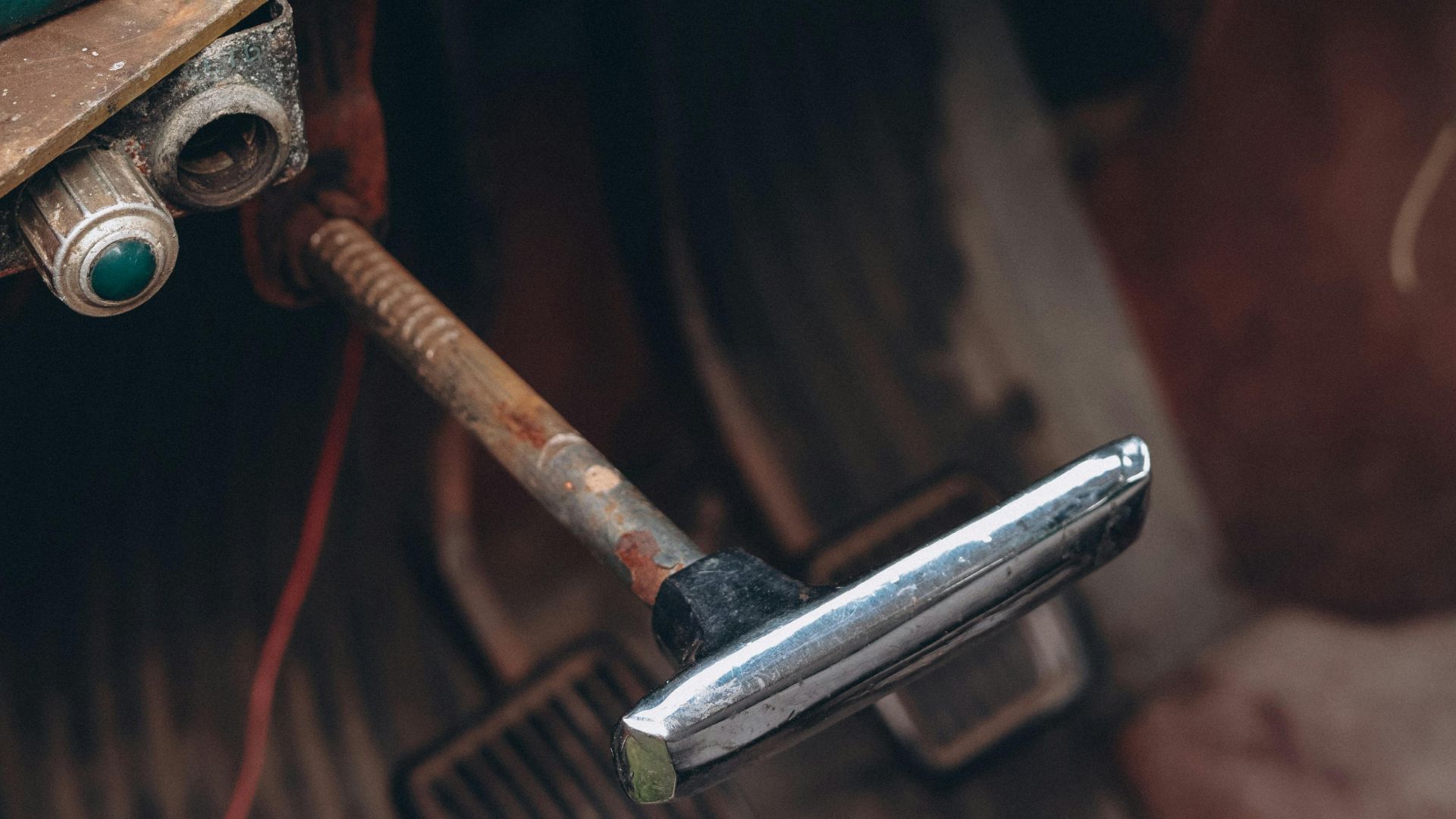
Using your foot to switch between high and low beams felt like operating a piece of heavy machinery—in the best way possible. You didn’t have to fumble for a tiny stalk behind the steering wheel; you just tapped your toe. It was simple, intuitive, and rugged. Millennials may love their automatic headlights, but Boomers know that dimmer switches once had real personality.
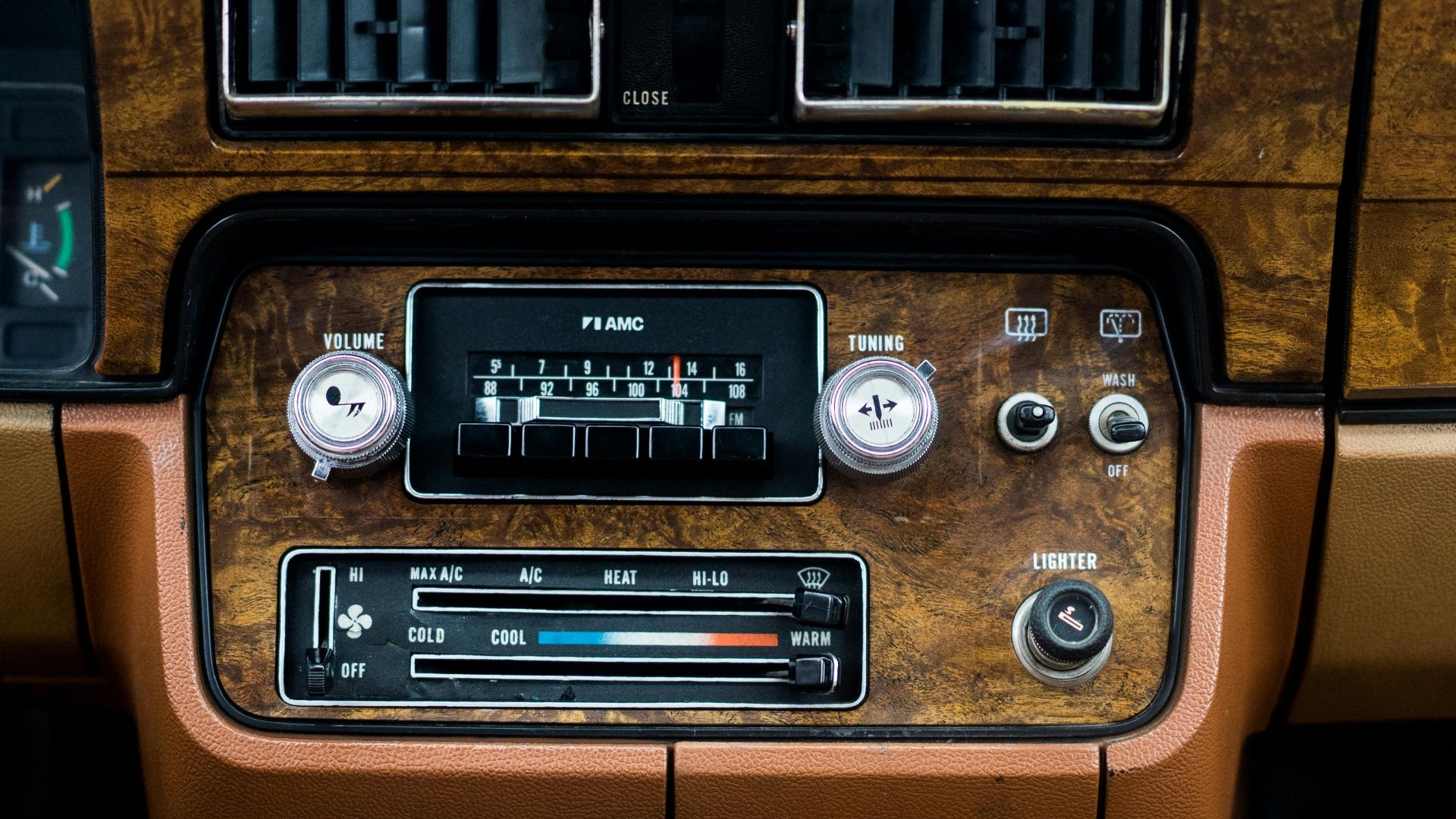
Ashtrays & Cigarette Lighters
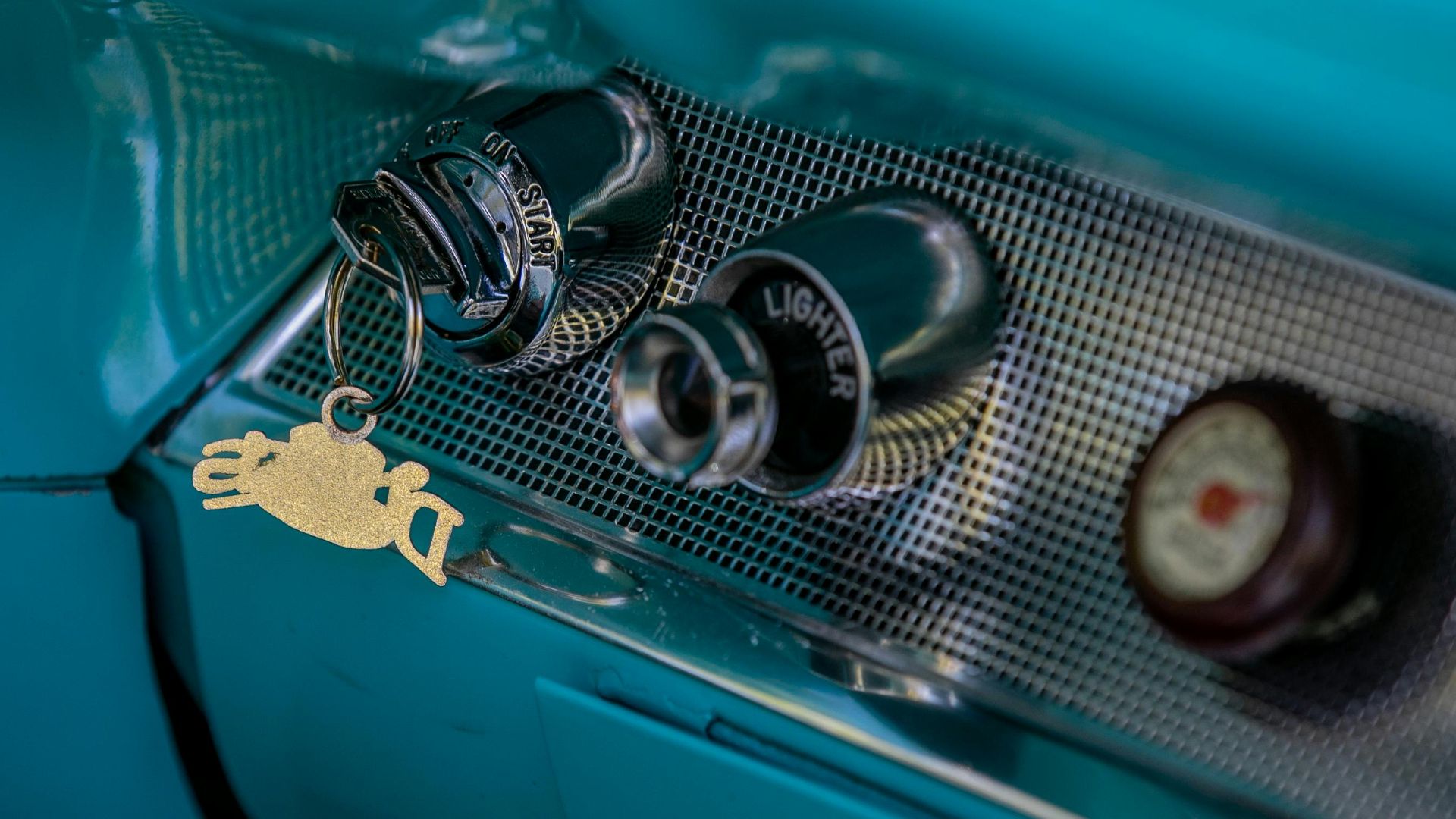
Cars once came ready for smoke breaks at any moment. The ashtray wasn’t an optional accessory—it was standard equipment. The cigarette lighter popped out with a satisfying click and glowed like a tiny campfire. Boomers remember using them not only to light cigarettes, but also to melt frayed rope ends or impress passengers with a dramatic flourish. Millennials ask where the USB ports are. Boomers knew how to improvise.
Crank Windows
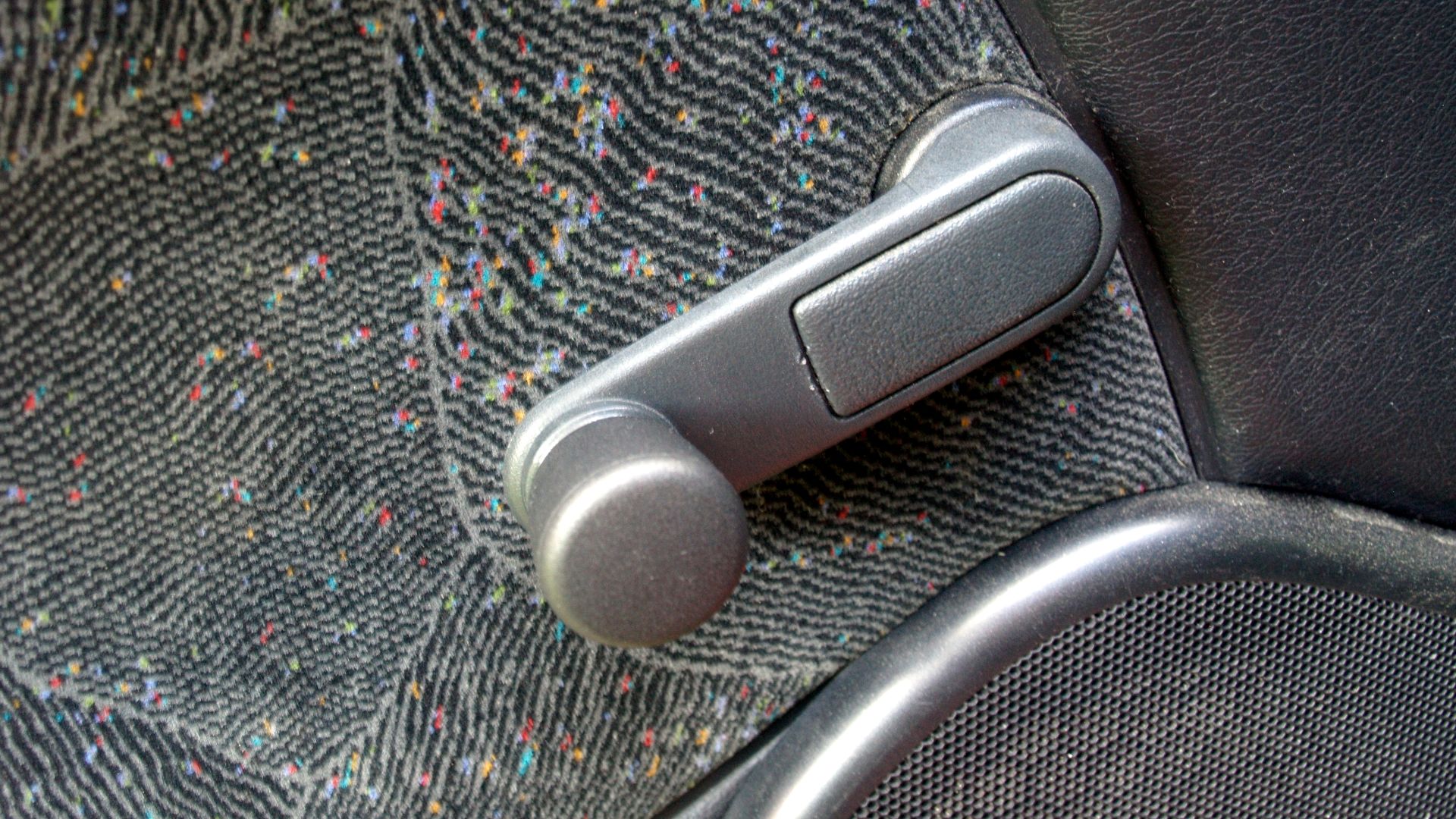
If you wanted air, you worked for it. Crank windows required dedication—and sometimes teamwork if a stubborn window refused to budge. They made a distinctive clicking noise that instantly transports Boomers back to childhood road trips. Millennials complain when their power windows take too long. Boomers had forearms of steel and pride in their mechanical independence.
 Santeri Viinamäki, Wikimedia Commons
Fender-Mounted Antennas
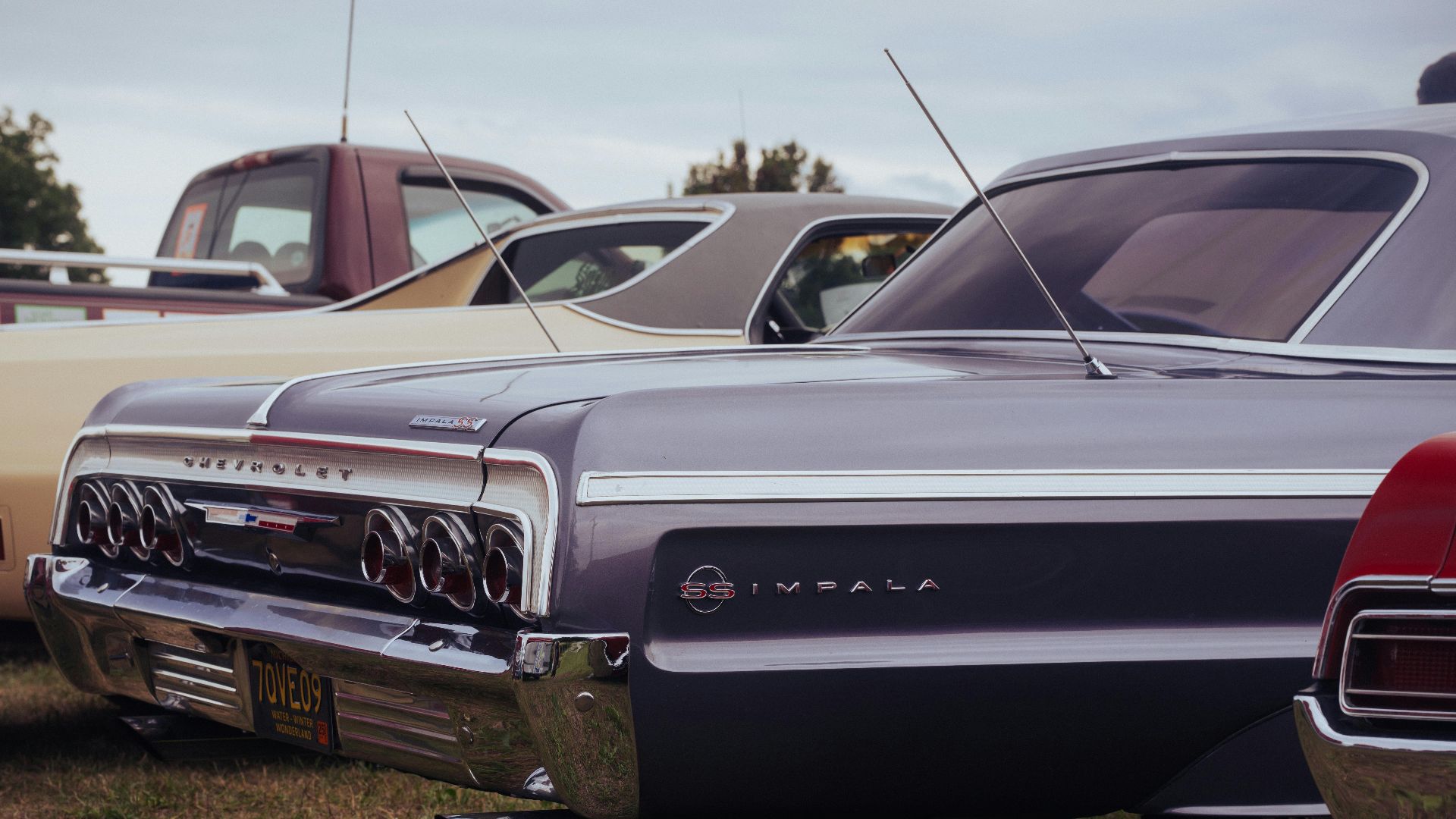
Back when radio was king, a tall metal antenna meant everything. It telescoped gracefully, catching signals from miles away—unless it got bent during a car wash or snapped off by a mischievous kid. Some Boomers even replaced theirs with fancy aftermarket versions topped with balls or flags. Millennials barely notice their hidden antennas, but Boomers remember tuning in by physically adjusting metal hardware.
Distributor Caps
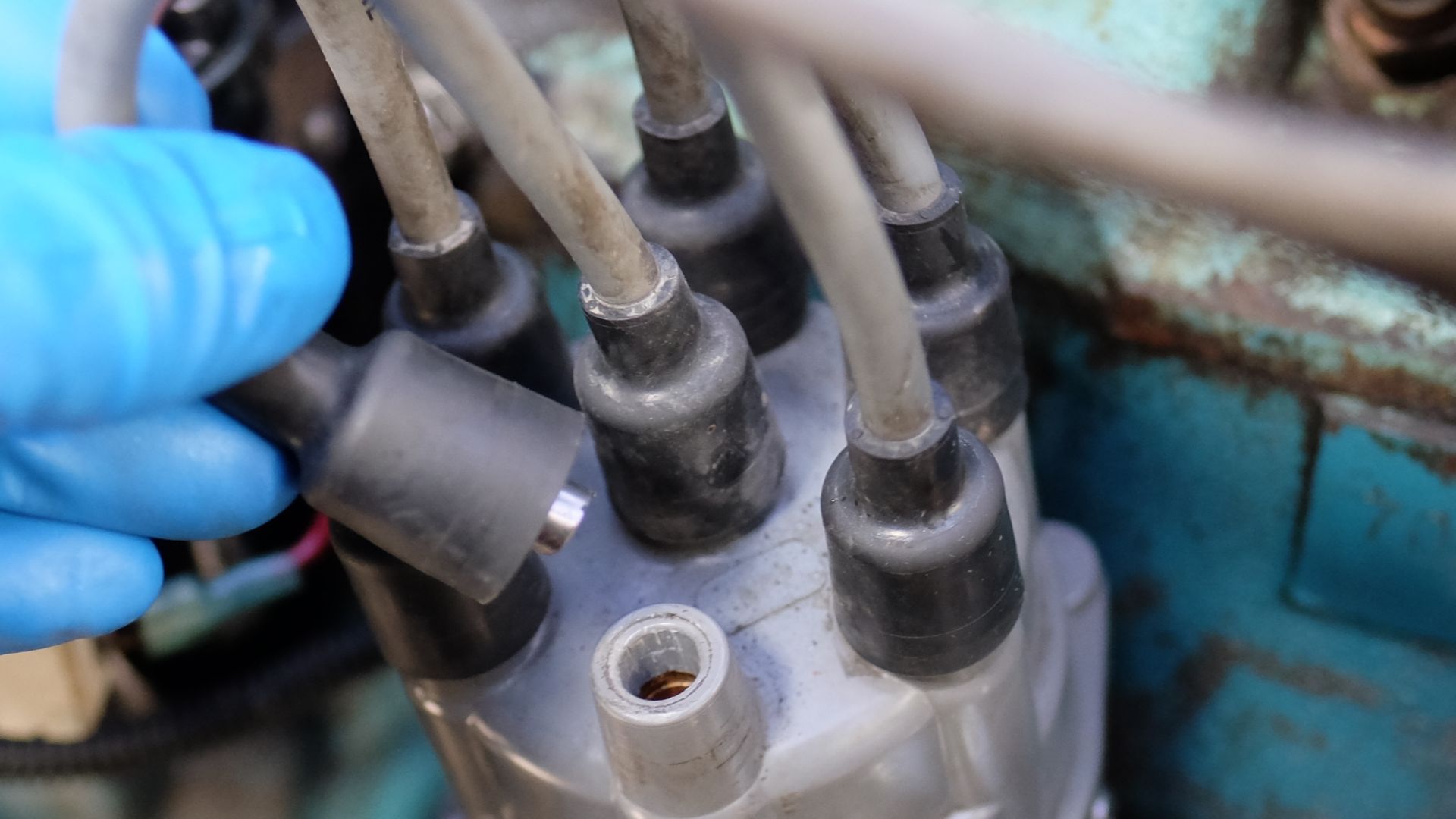
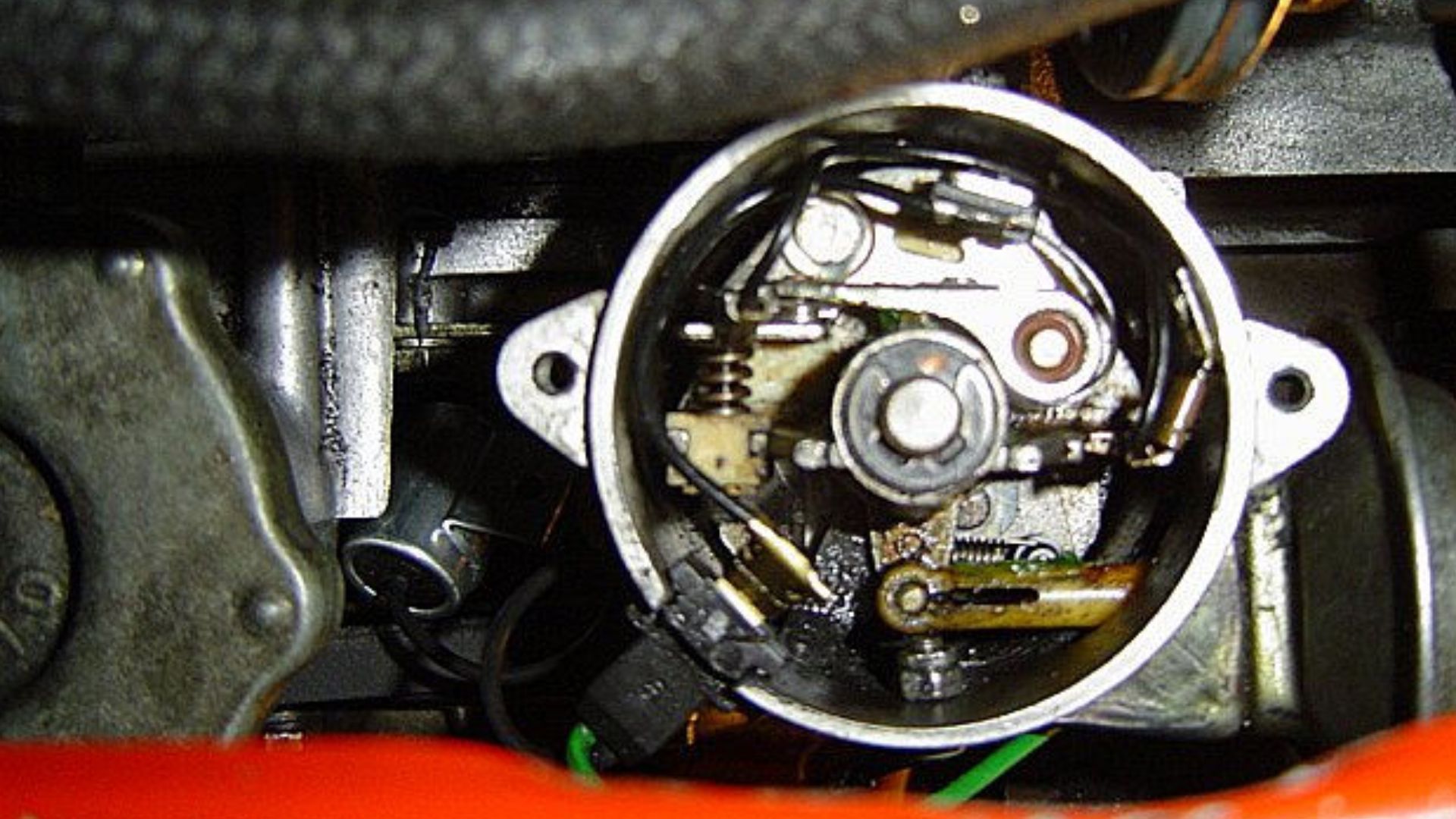
Ignition systems used to be a hands-on adventure. The distributor cap routed spark to each cylinder, and over time, they cracked, corroded, and begged for replacement. Boomers learned the art of troubleshooting a misfire by popping the hood and inspecting the cap—no diagnostic codes required. It was automotive problem-solving at its purest, and nothing beat that moment when your repair job brought the engine roaring back to life.
 Dennis Bratland, Wikimedia Commons
Points & Condensers
Before electronic ignition systems, these tiny parts kept the spark timed correctly. When they wore out, the engine ran rough and demanded your attention. Boomers carried feeler gauges, screwdrivers, and a sense of pride because they knew how to set points by hand. Millennials update firmware; Boomers adjusted mechanical timing with patience and a bit of intuition.
 SchmiKay at de.wikipedia, Wikimedia Commons
Hubcaps (The Real Kind)
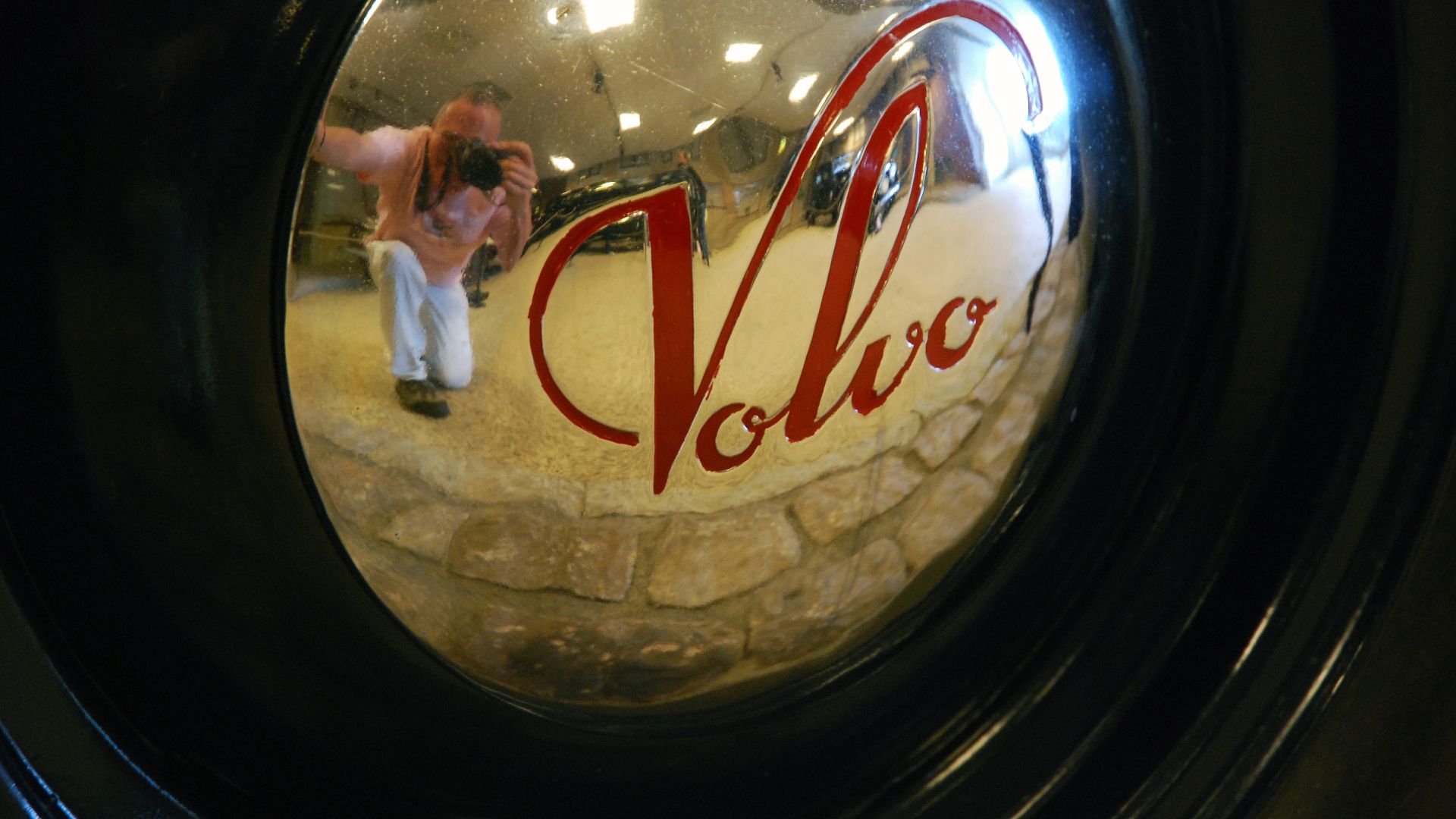
Hubcaps were once more than decorative—they were essential components that popped off unexpectedly, rolled across intersections, and sometimes required the whole family to search the roadside. Losing one was practically a rite of passage. Boomers remember the satisfying thunk when a hubcap snapped back into place. Millennials with alloy wheels will never understand the drama and dignity of the humble hubcap.
 allen watkin from London, UK, Wikimedia Commons
Opera Windows
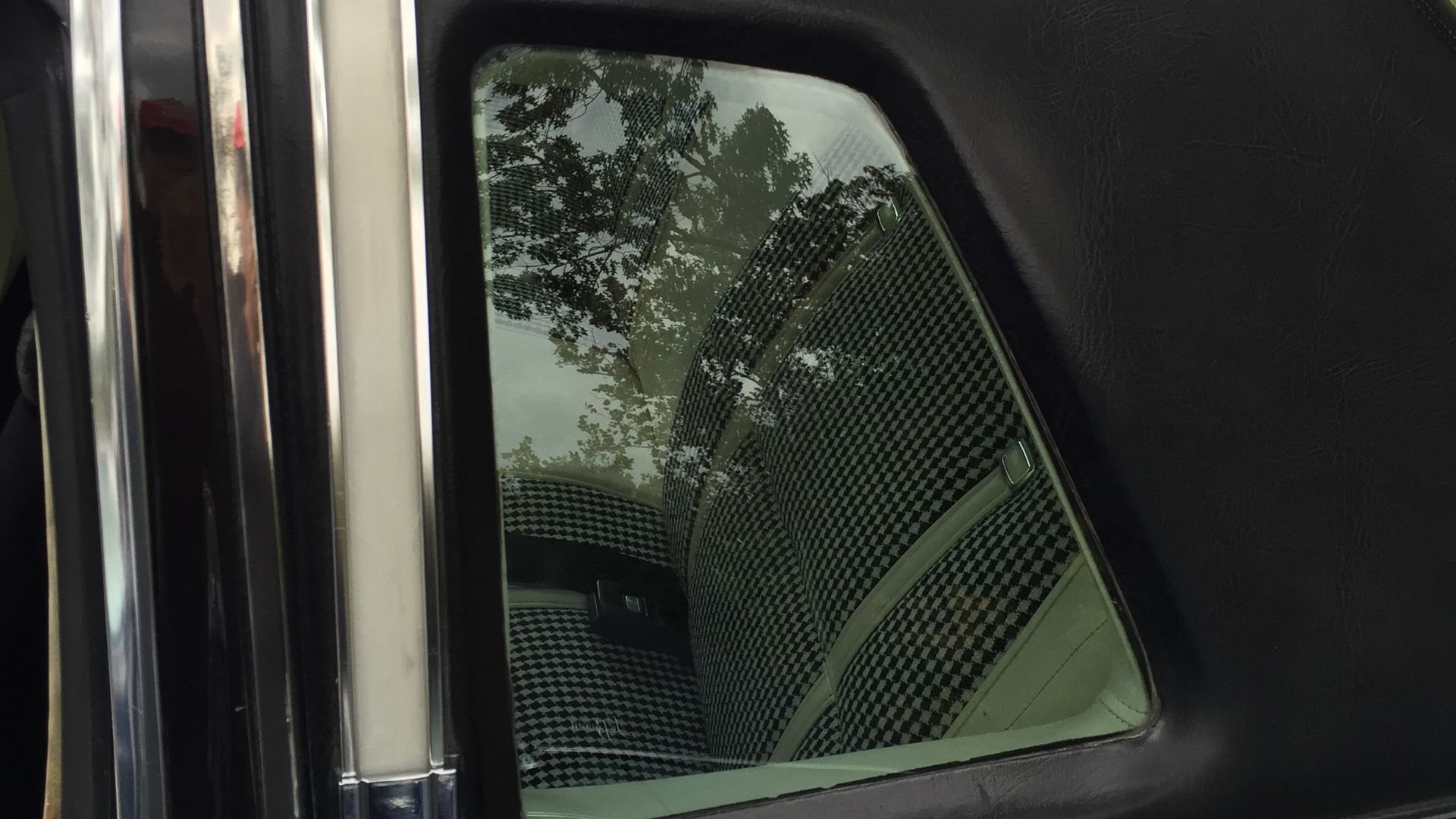
These quirky little windows on the rear pillars of luxury cars served no real purpose other than to look glamorous. In the ’70s, opera windows meant sophistication, mystery, and a hint of swagger. Millennials may laugh, but Boomers know these windows were the perfect finishing touch on a vinyl-topped land yacht cruising confidently down Main Street.
Curb Feelers
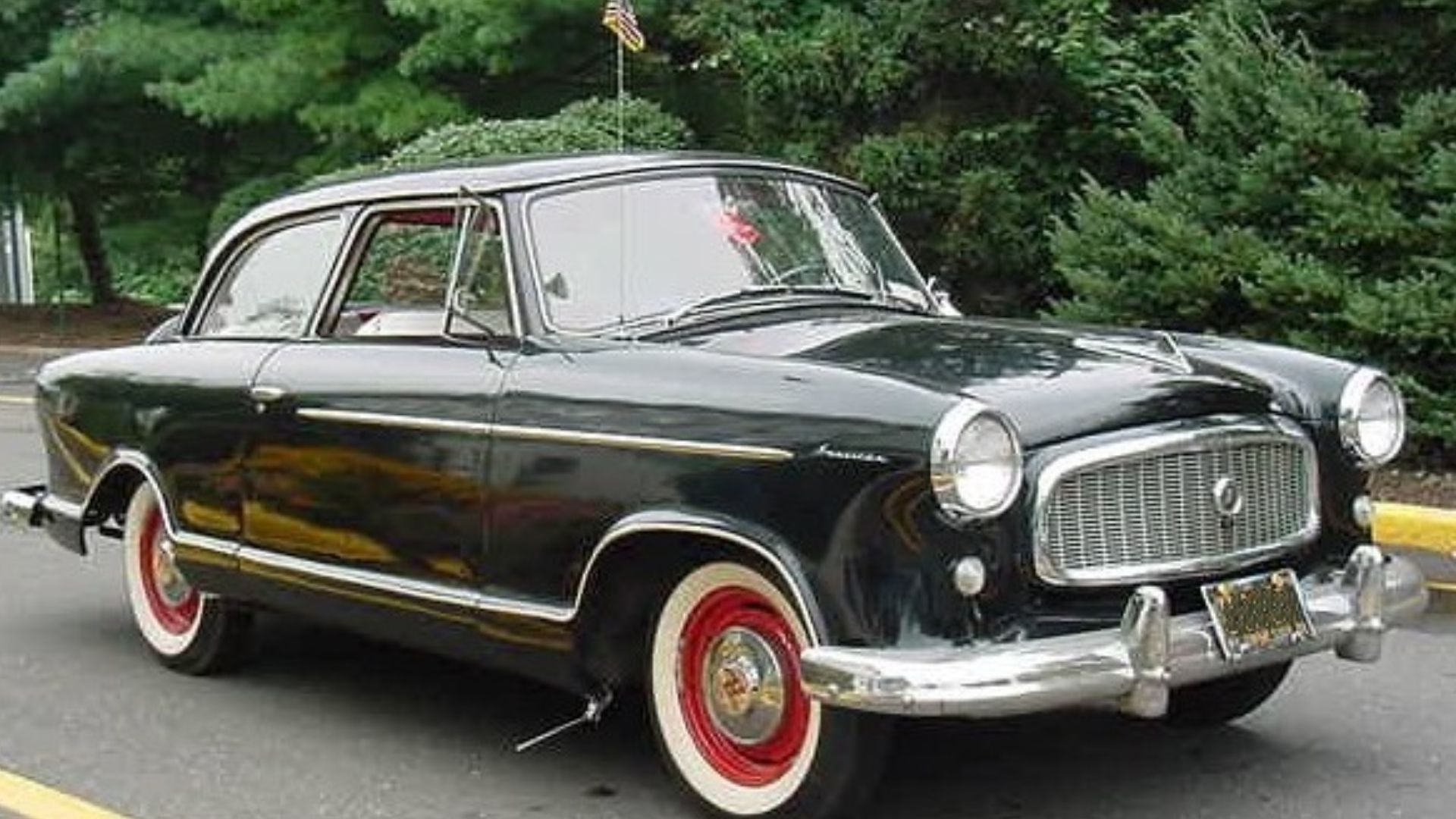
Parking was an art, and curb feelers were your paintbrush. These springy metal whiskers stuck out from the fender and made a signature ting-ting-ting when you got too close to the curb. They saved many a whitewall tire and added an extra bit of flair. Modern parking sensors are silent and soulless—curb feelers were musical.
Ventilated Seat Beads
Long road trips plus vinyl seats meant one thing: body heat. Wooden seat beads solved the problem with improved airflow and a built-in massage effect. They looked quirky but worked brilliantly, and taxi drivers swore by them. Millennials may have ventilated seats with tiny fans, but Boomers had nature’s air conditioning—and it didn’t break.
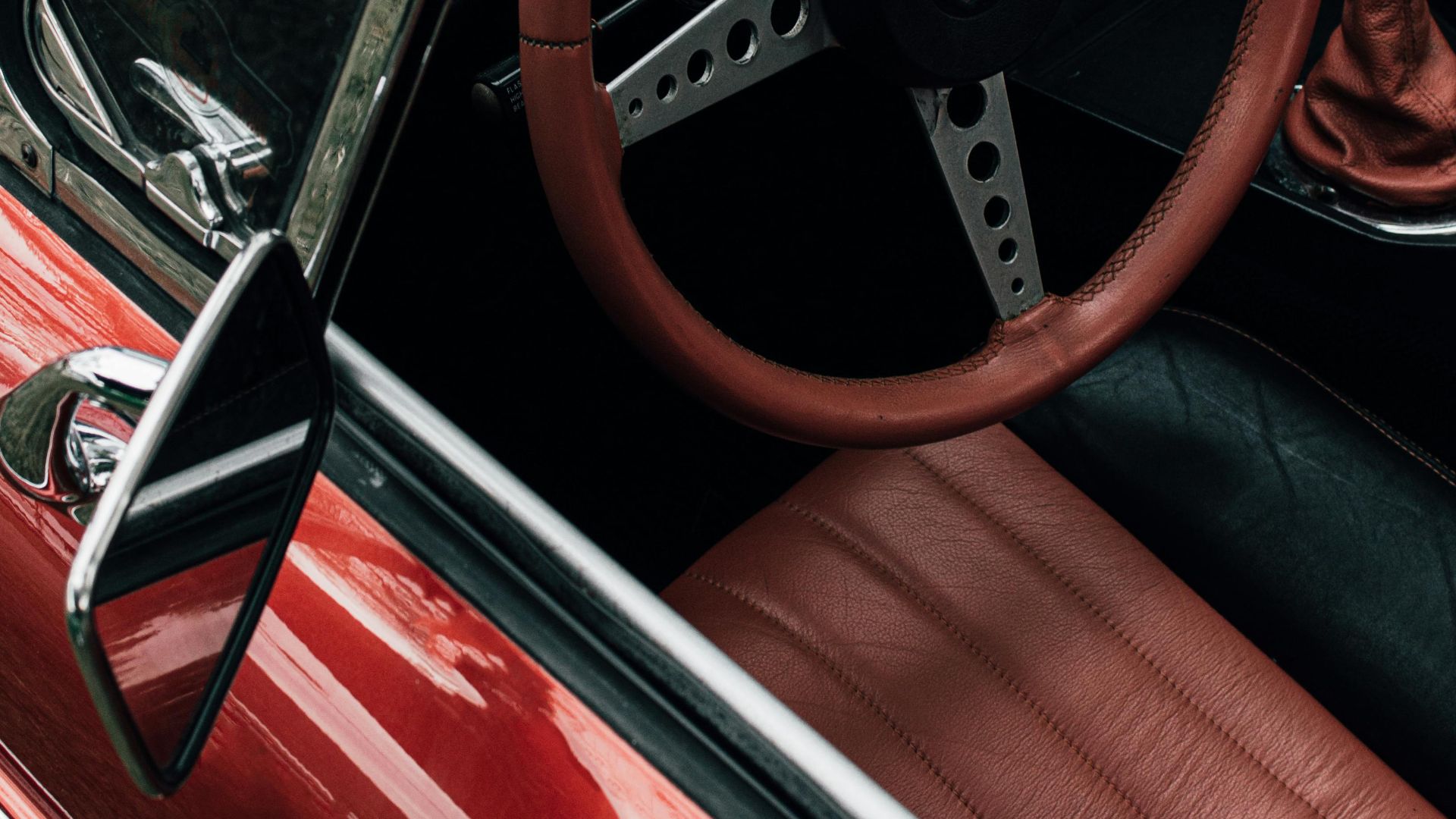
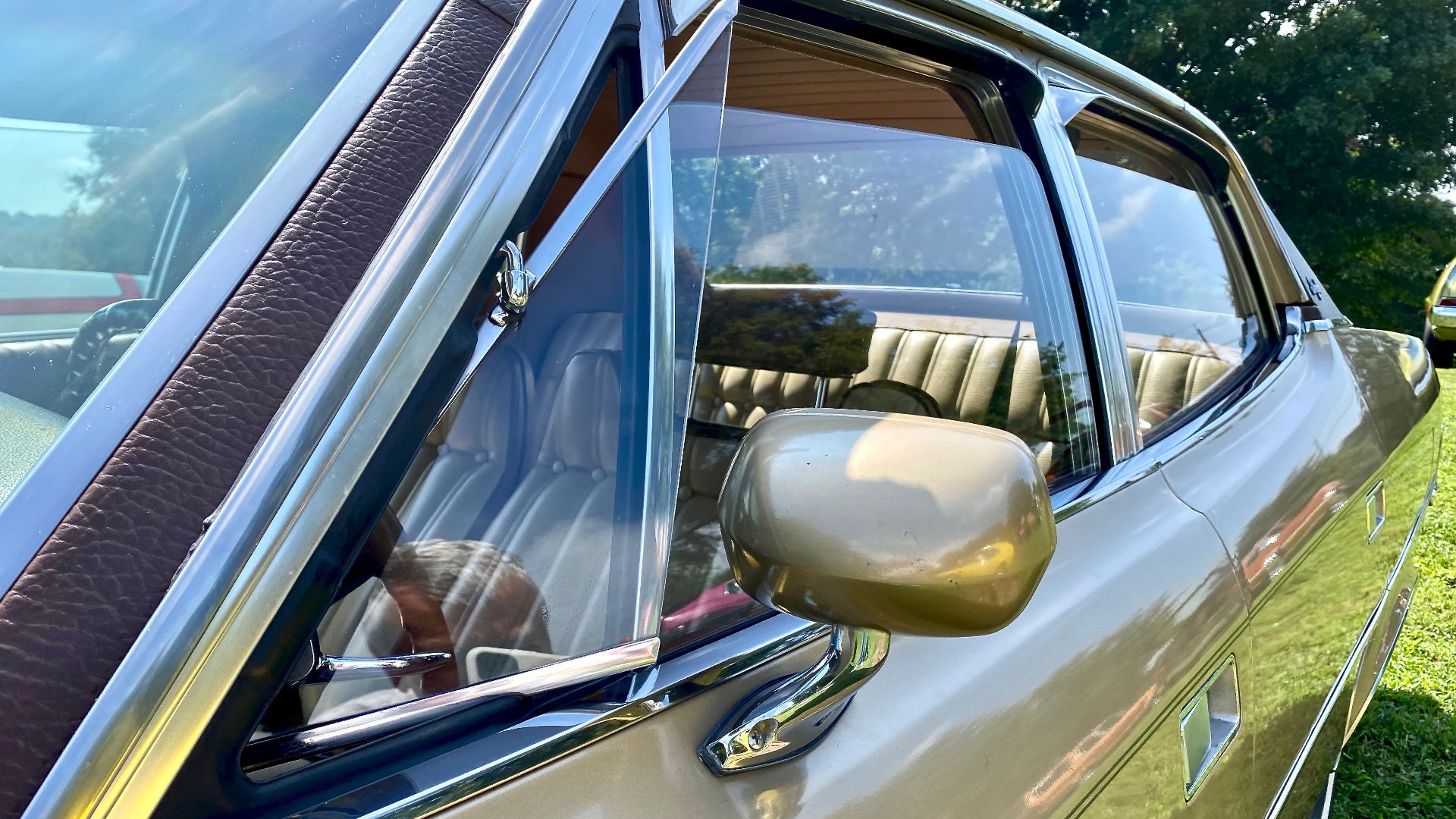
Quarter Glass Pop-Out Windows
These little windows didn’t roll down—they popped open with a satisfying click. Perfect for clearing out stuffy air or giving passengers a breeze, they were simple, clever, and strangely charming. Many kids spent entire road trips fiddling with the latch. Millennials who grew up with sealed-up SUVs don’t even know these delightful little windows existed.
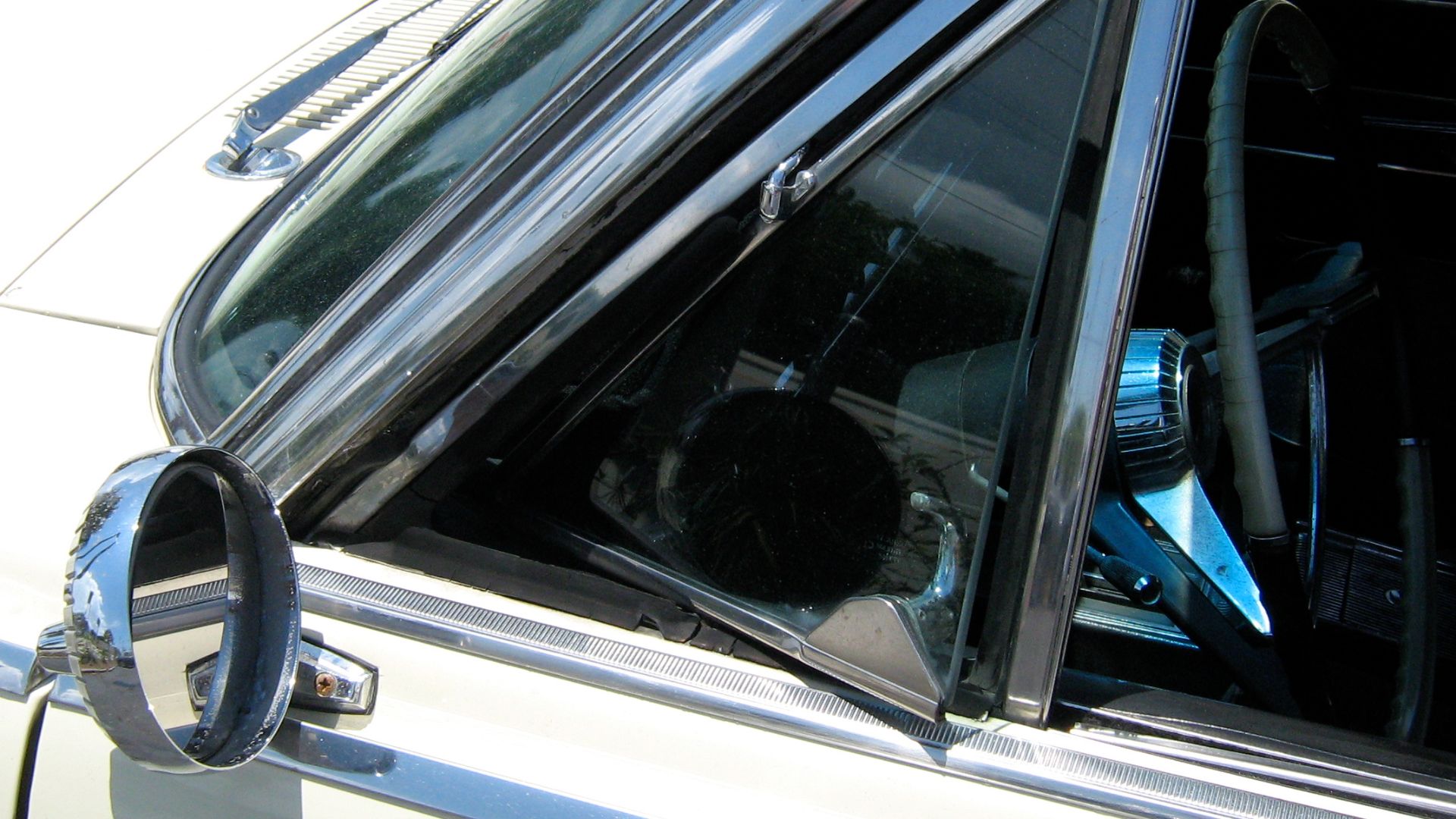
Cassette Adapters
Before Bluetooth, before AUX ports, before infotainment systems—there were cassette adapters. You plugged a fake cassette into the deck, connected your device, and enjoyed your music with zero judgment. Boomers remember the small whirr of the mechanism and the occasional need to flip the adapter over. Millennials will never know the struggle of untangling headphone cords just to play a mixtape.
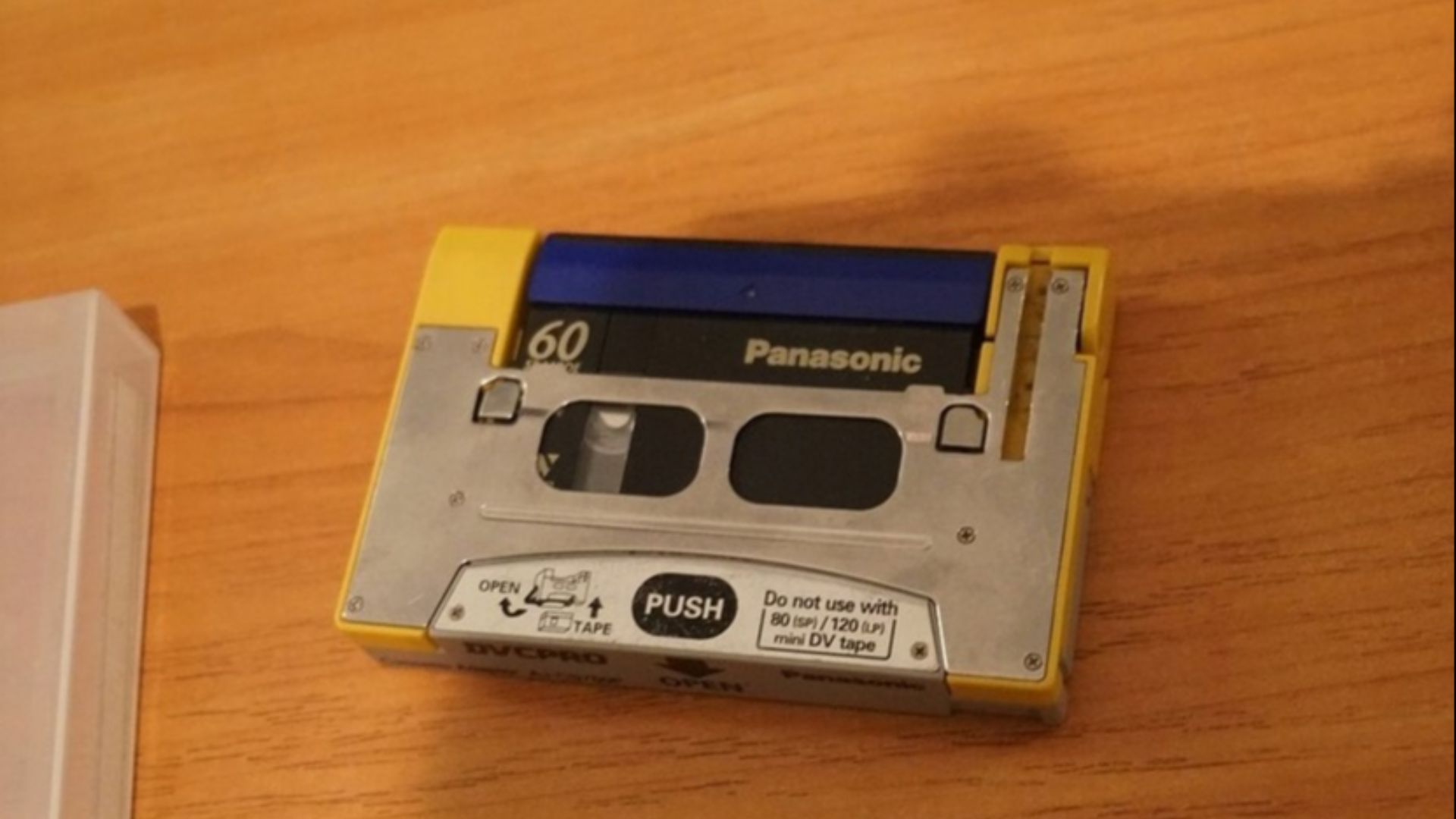
Column Shifters
Mounted on the steering column, these shifters freed up space and gave cars a relaxed, easygoing feel. Whether it was “three-on-the-tree” or an automatic setup, they made driving feel classic and cool. Boomers mastered them effortlessly, while millennials stare in confusion, unsure whether to shift, signal, or panic.
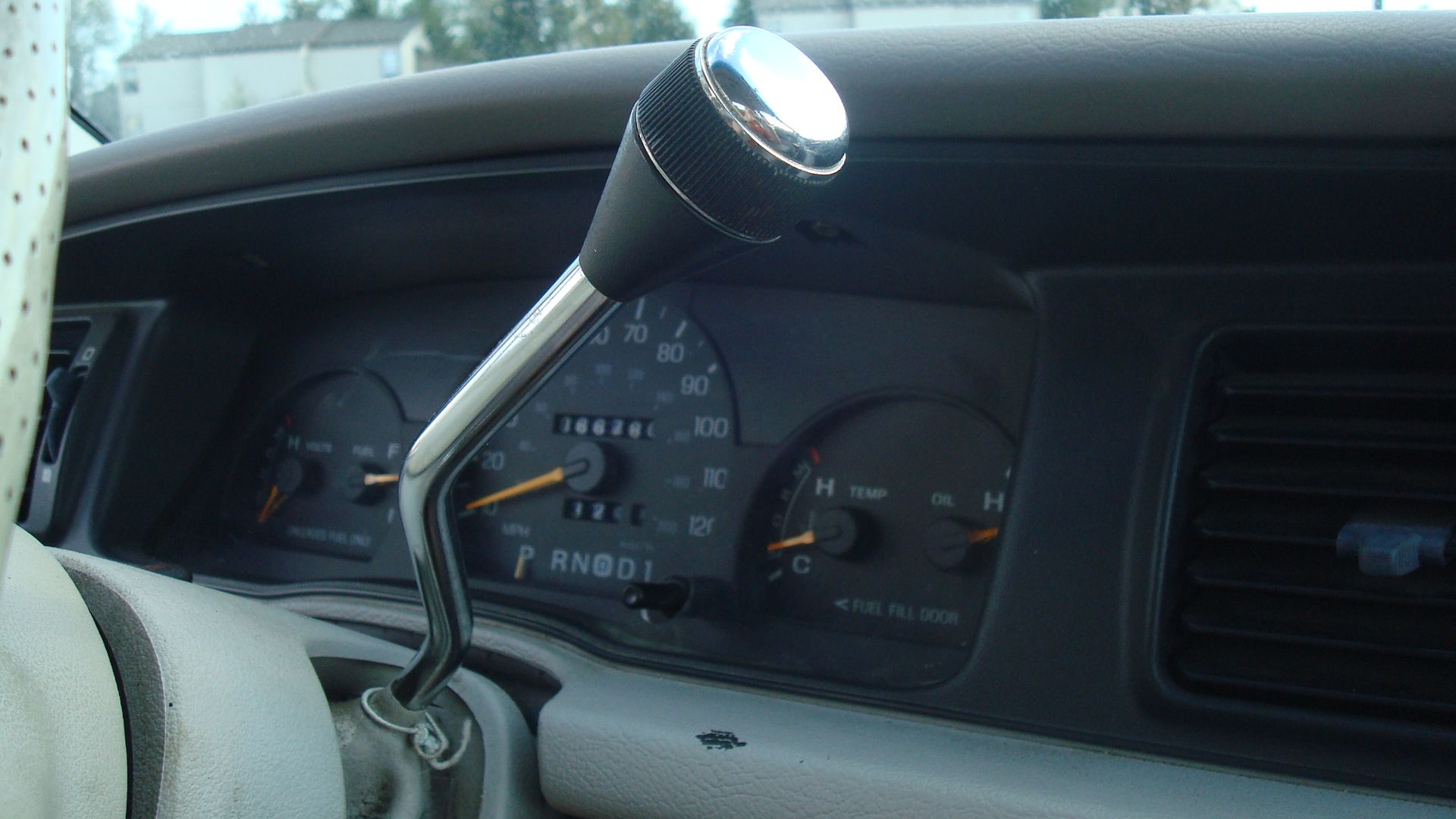
Horn Rings
Why press a tiny horn button when you could slap a shiny chrome ring? Horn rings let you honk with flair—from fingertips, knuckles, or even an impatient palm. They added style to steering wheels and created a honk that felt almost… elegant. Today’s horns sound the same, but Boomers remember when honking was practically a performance.
 Greg Gjerdingen from Willmar, USA, Wikimedia Commons
Floor-Mounted High-Beam Indicator
A tiny blue light on the dashboard is boring. Boomers watched their high-beam indicator glow from the floor like a secret message sent straight to the driver. It added character—and a sense of ceremony—to nighttime driving. Millennials have no idea what they’re missing.
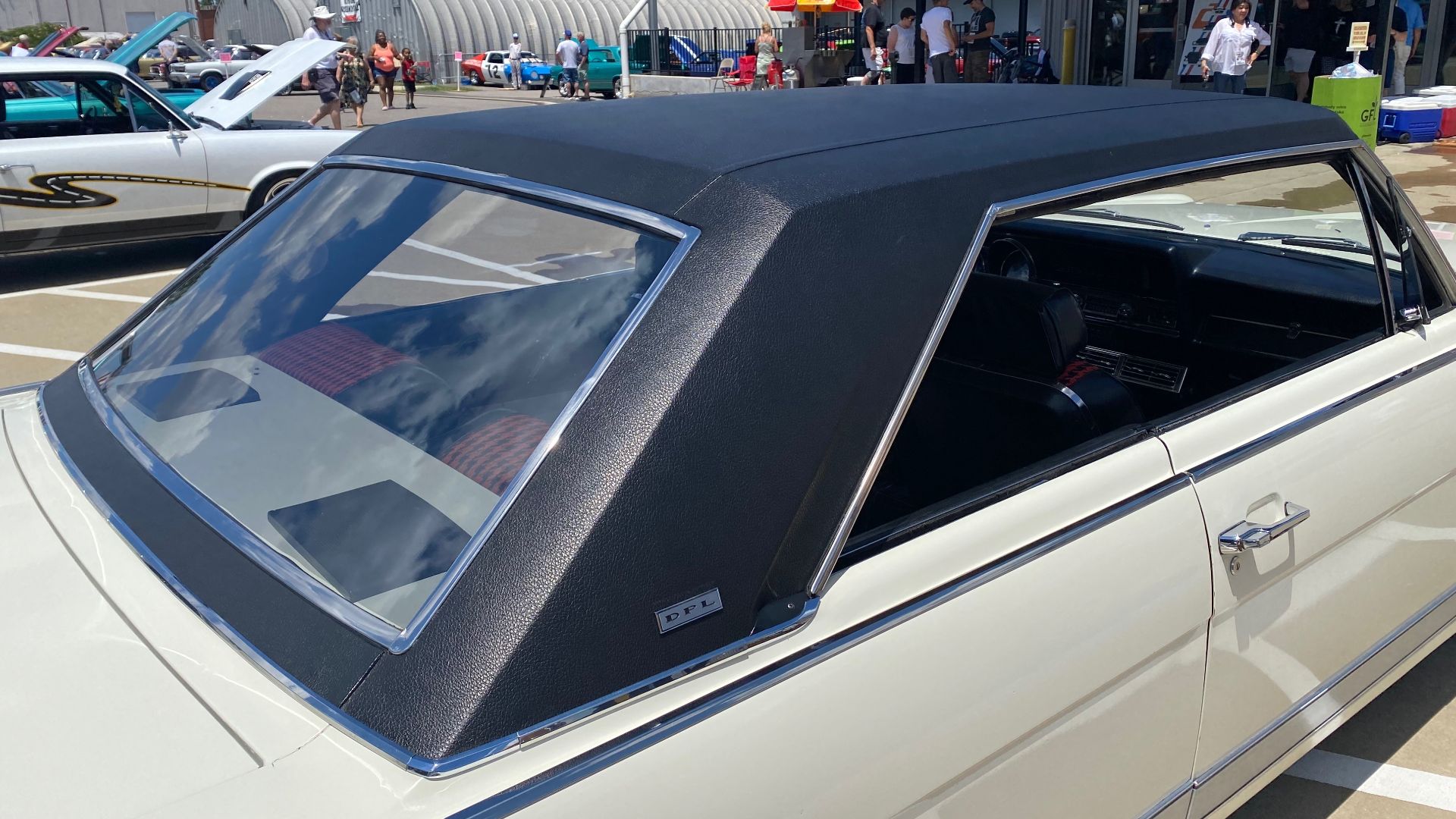
Vinyl Roofs
These textured, sometimes extravagant coverings made cars look high-class—even if they weren’t. They came in rich colors, cracked beautifully over time, and felt iconic in a way modern paint never will. Millennials see expensive repairs; Boomers see the unmistakable charm of a bygone era.
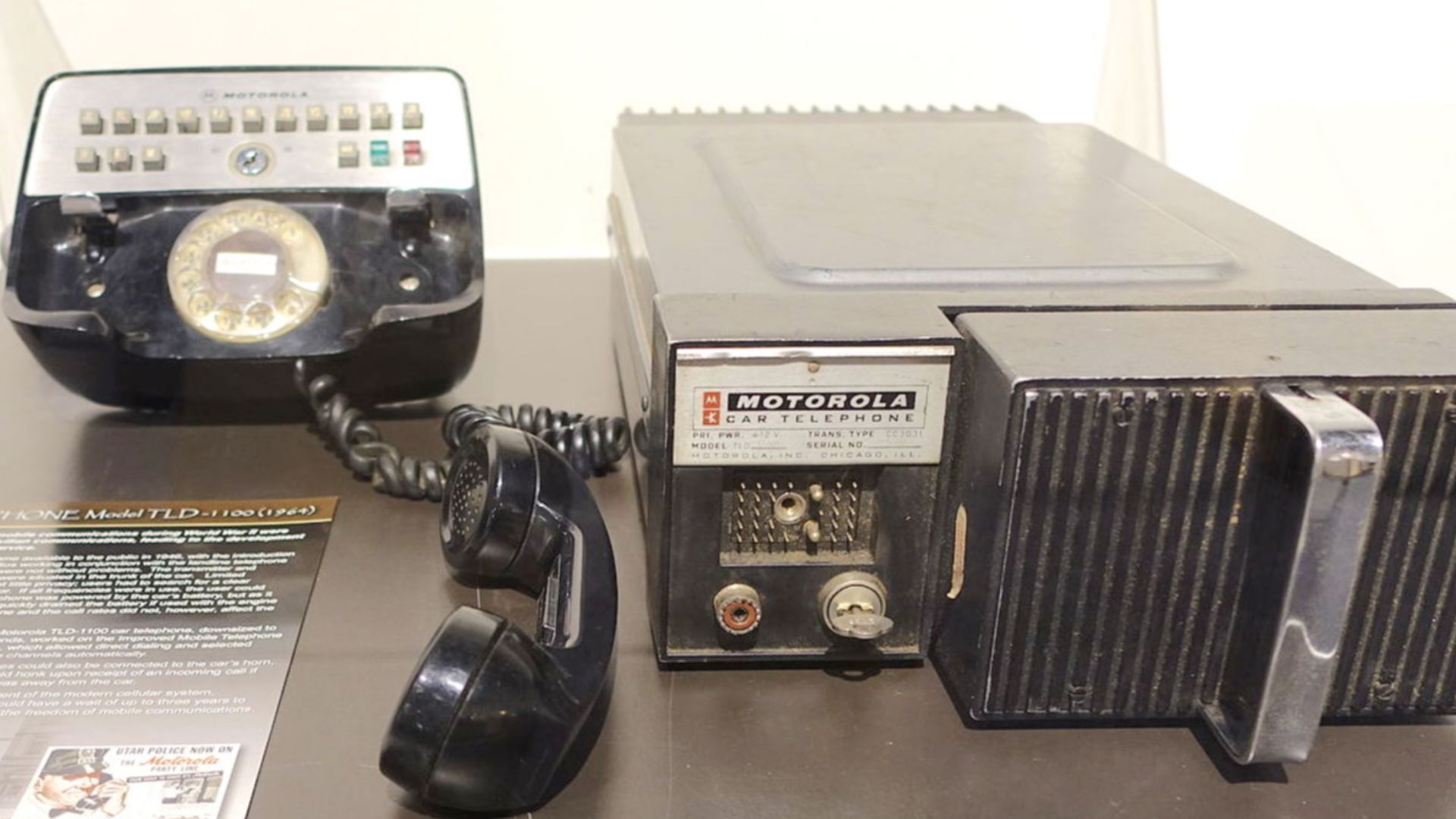
Car Phones
Before smartphones turned everyone into a distracted driver, car phones were reserved for the elite. Hardwired, chunky, and impossibly cool, they made every call feel important. If you had a car phone, people knew you meant business. Millennials will never understand the thrill of dialing from the driver’s seat like a movie star.
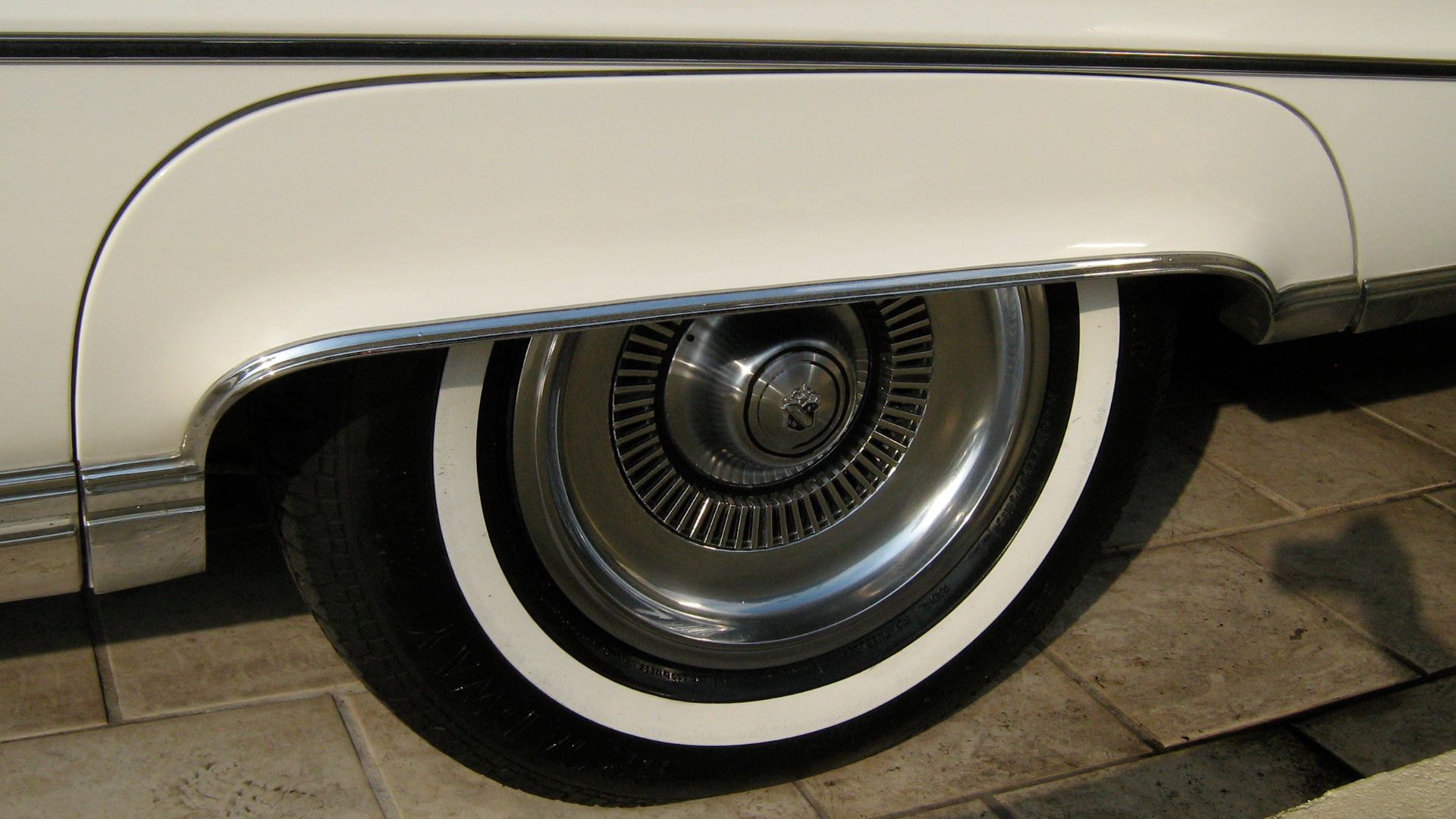
Fender Skirts
Sleek and stylish, fender skirts covered the rear wheels and gave cars a smooth, aerodynamic profile—at least in theory. They added instant class to cruisers and made every vehicle look like it belonged in a parade. Millennials rarely see them, but Boomers remember when a set of fender skirts transformed an ordinary car into something special.
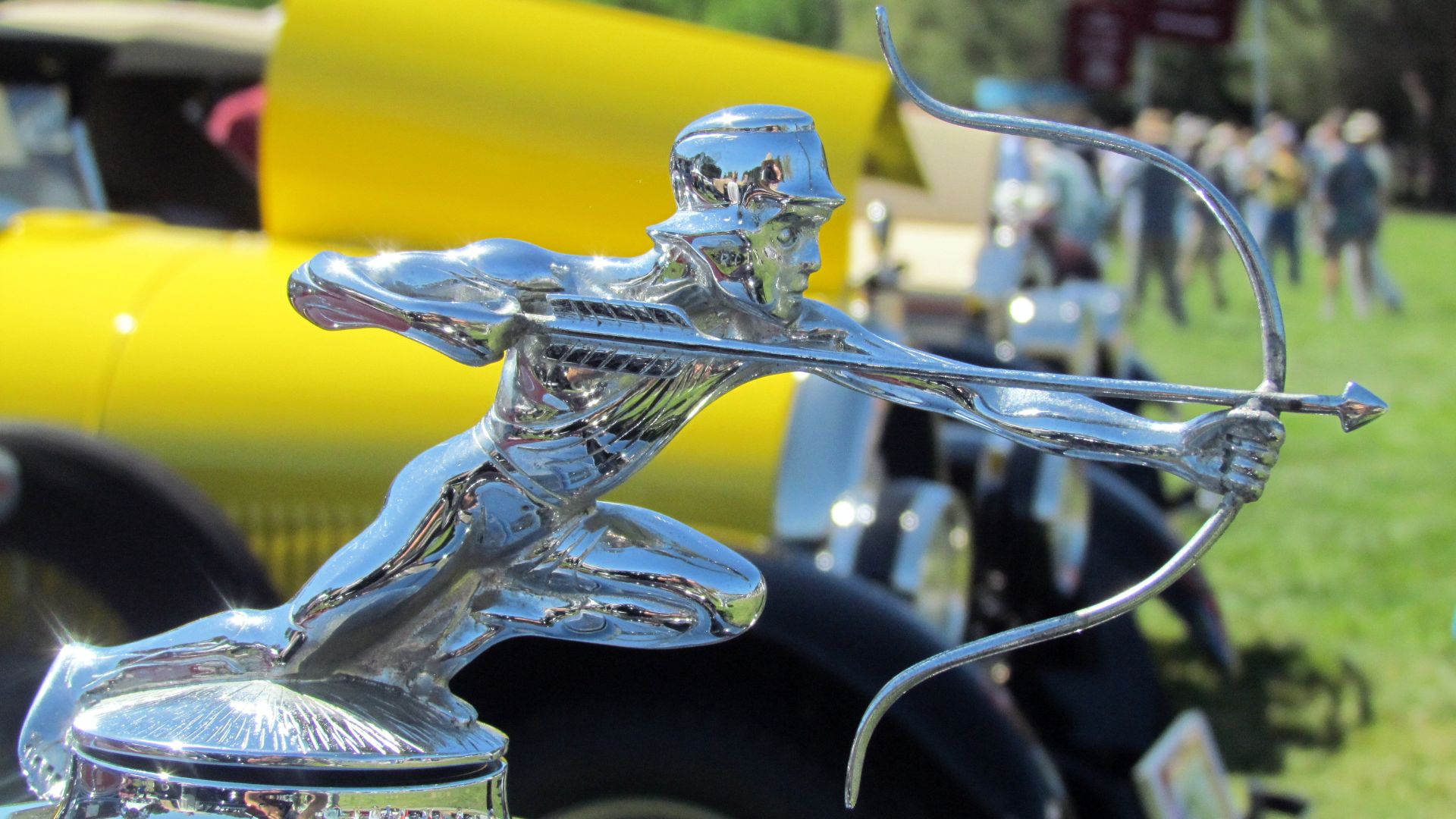
Hood Ornaments
From leaping animals to winged goddesses, hood ornaments were badges of pride. They announced your arrival before you even stepped out of the car. Some were elegant, some fierce, but all symbolized prestige. Millennials may only know them from luxury brands, but Boomers remember when stylish mascots led the way on every road.
 David Berry from Rohnert Park CA, USA, Wikimedia Commons
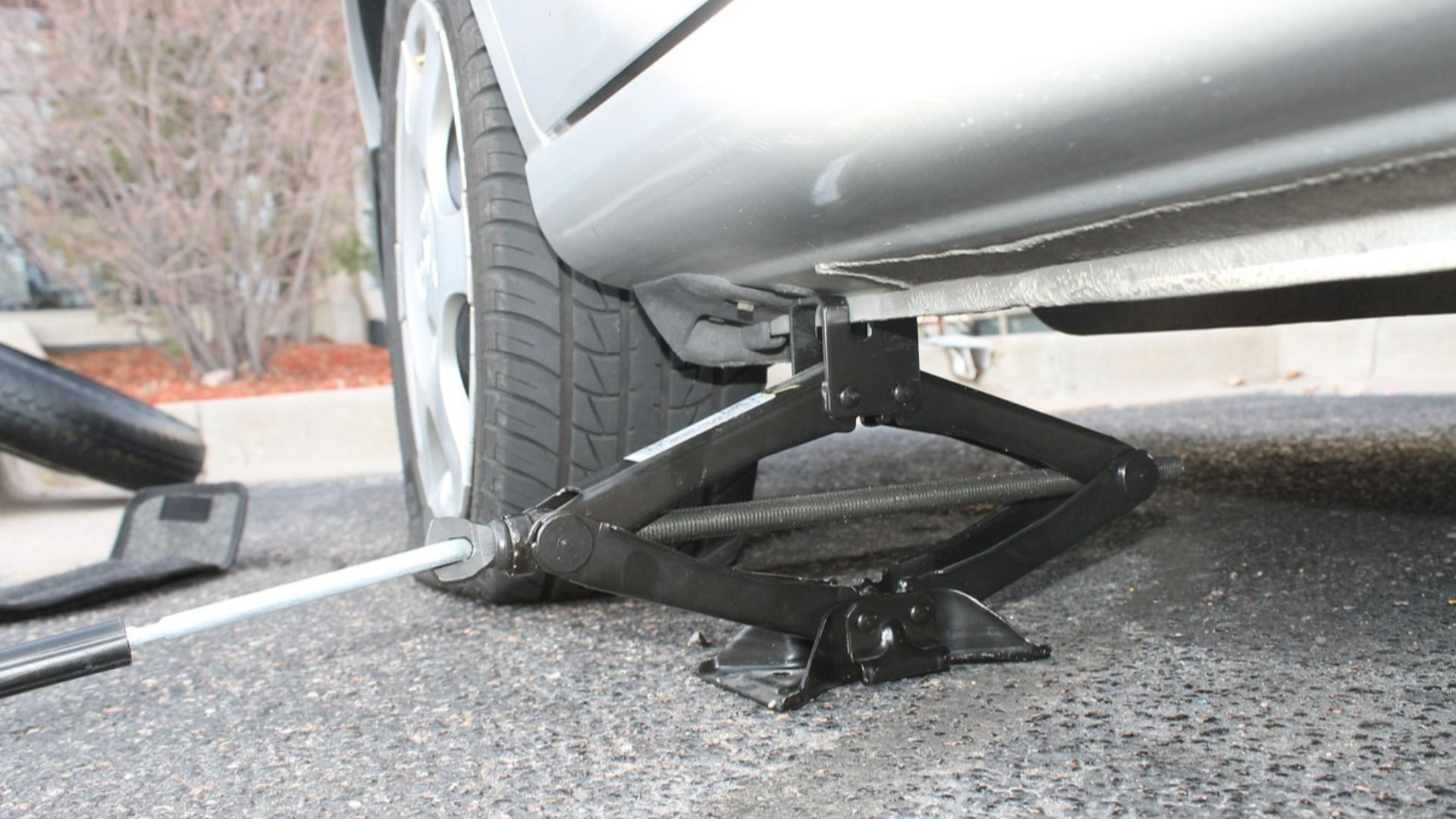
Jack Crank Handles
Changing a tire wasn’t a roadside inconvenience—it was a workout. The jack and crank handle demanded muscle and patience, and Boomers became experts out of necessity. No hydraulic shortcuts, no electronic lifts—just determination and a bit of gritty know-how.
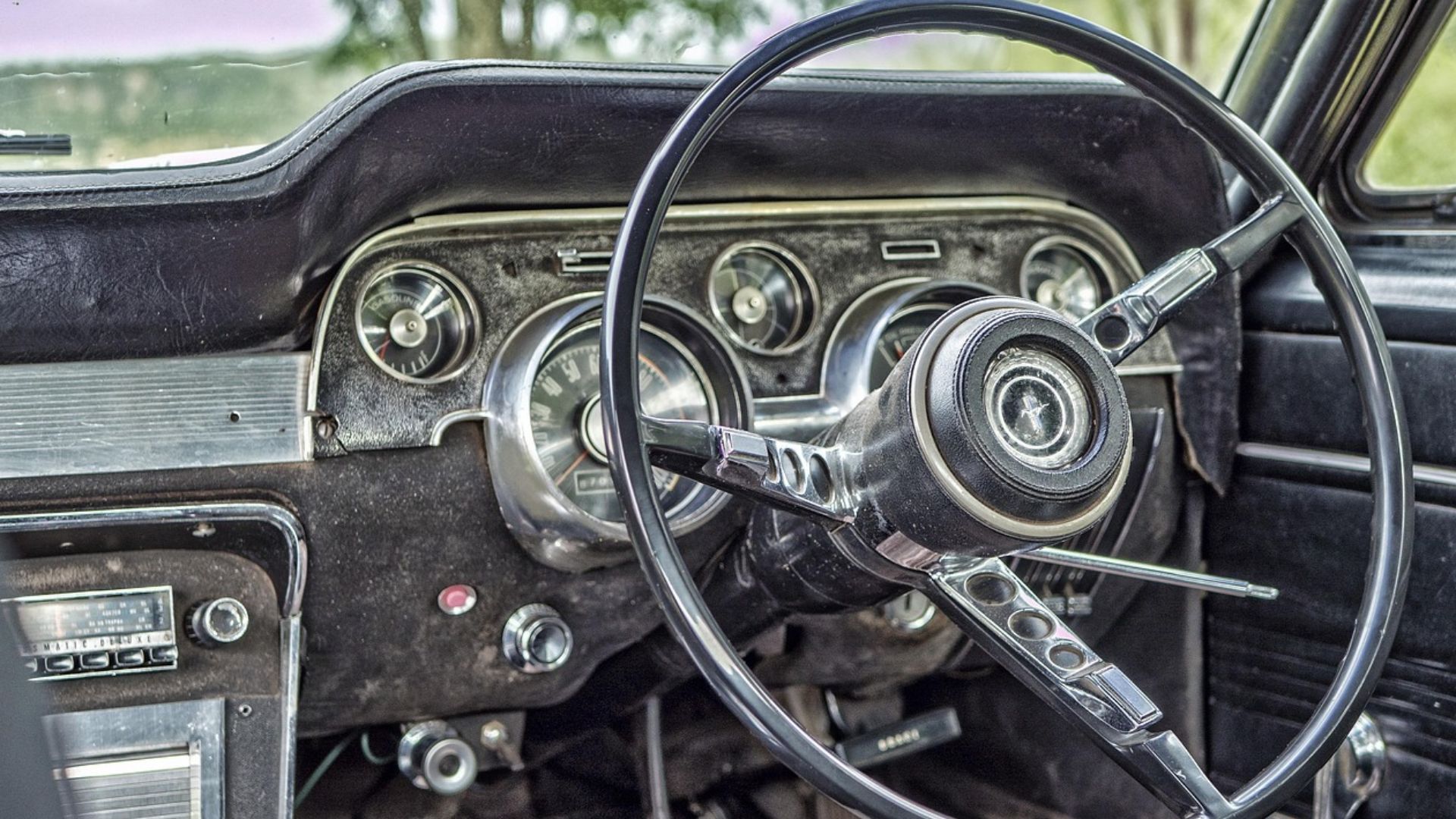
Analog Clock Mechanisms
A dashboard clock once made your car feel fancy. Many had ticking hands, chrome bezels, and a tendency to lose a few minutes every week. But they were charming, reliable enough, and far more interesting than digital displays. Millennials may prefer synced satellite time, but Boomers appreciate the gentle tick of automotive tradition.
Did You Know These Car Parts?
Modern cars may boast advanced technology, but they lack the personality, quirks, and hands-on charm of yesterday’s machines. Boomers learned to drive and maintain cars that required attention, intuition, and a little elbow grease. These parts weren’t just components—they were characters in the story of life on the road. Millennials may never fully appreciate them, but Boomers will always remember when driving felt like a partnership between human and machine.
You May Also Like:
American Trucks Are Finally Back, But No One Expected Them To Be So Small
There's A Reason You Can Only Buy Ford's Rarest Muscle Cars In Kansas
Dangerous Car Myths Drivers Still Believe—According To Experts