When Americans Drove Soviet Cars & Loved Them
America has always loved a good automotive myth. Big engines, chrome everywhere, endless highways, and the belief that “bigger, faster, stronger” is the only correct way to build a car. So when one of the cheapest, slowest, and most ridiculed cars in history somehow captured the attention—and wallets—of American buyers, it felt like a cosmic joke. That car was the Yugo GV. This is the strange, hilarious, and surprisingly human story of how Americans briefly fell in love with what many still call the worst car ever sold here.
A Tiny Car From A Complicated Place
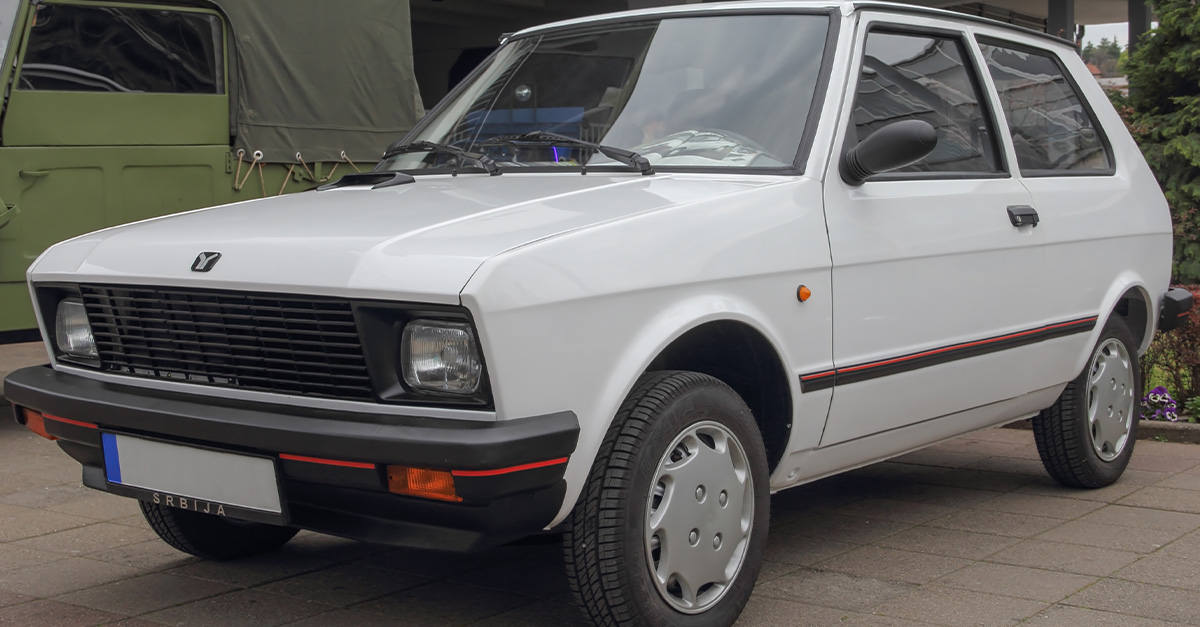
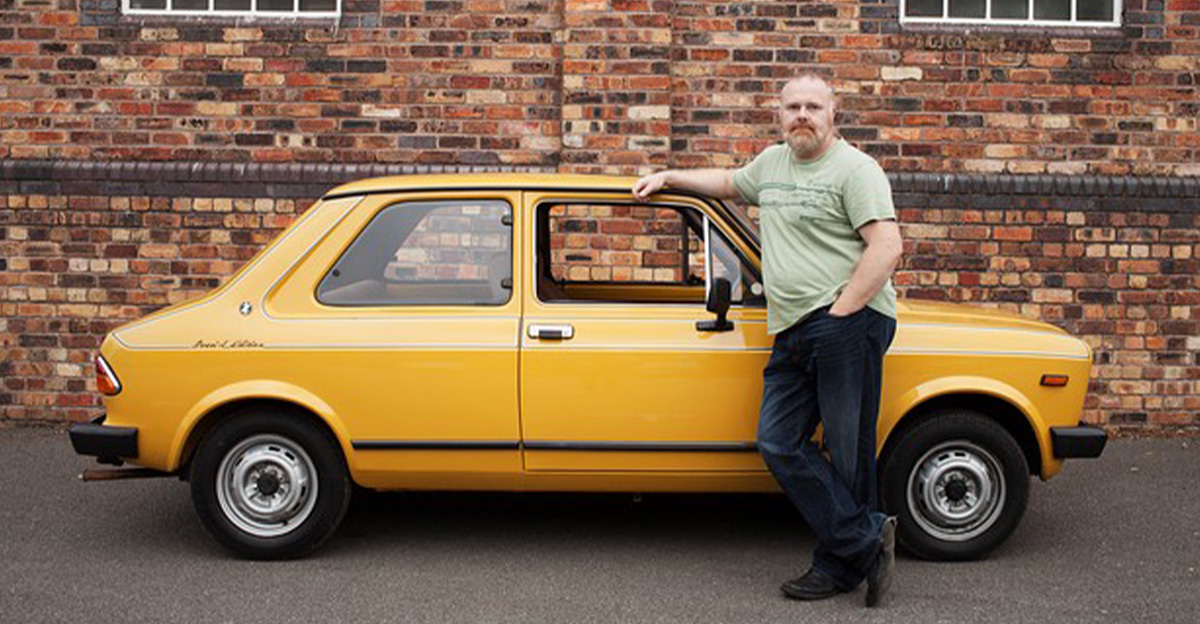
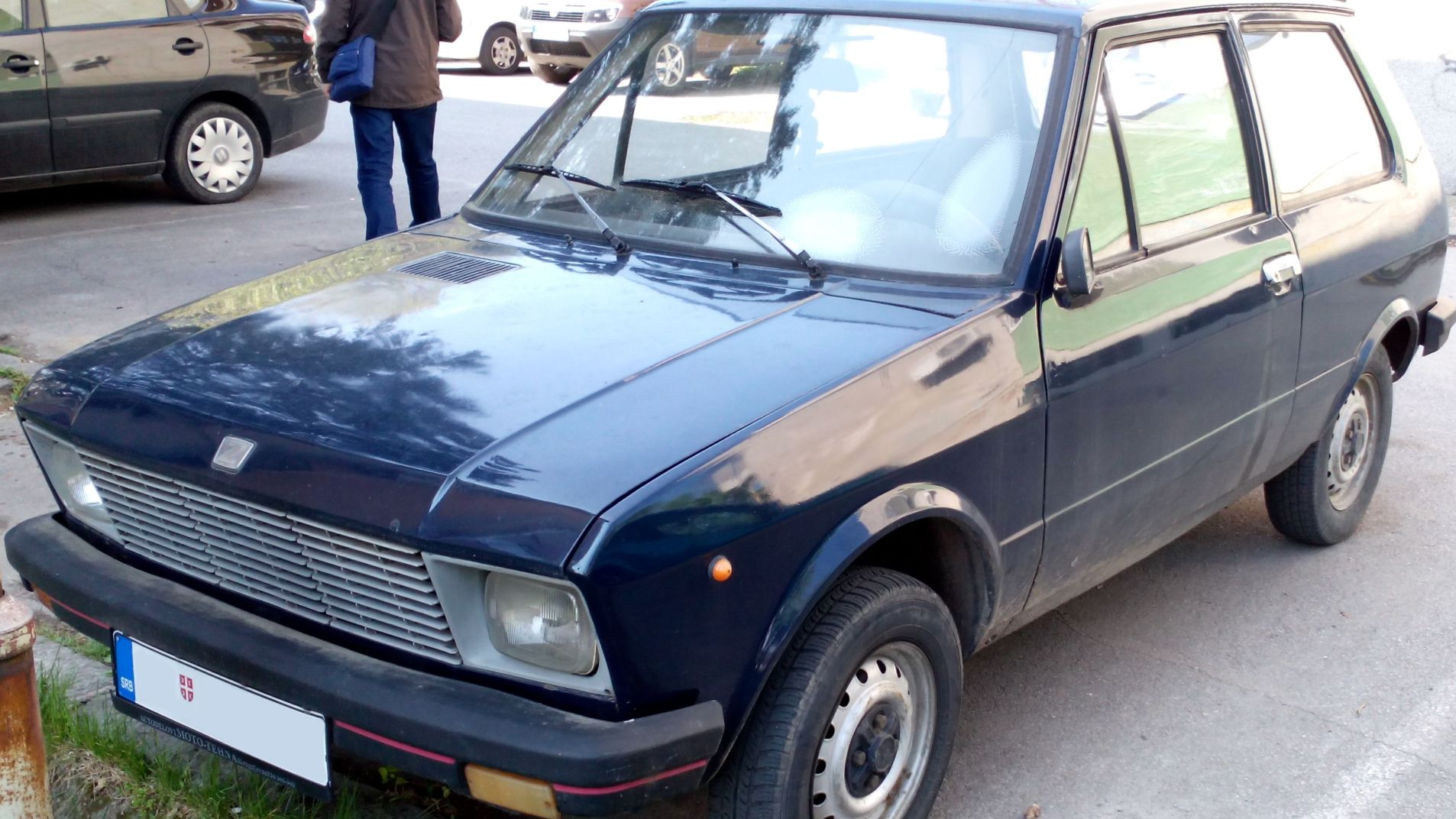
The Yugo GV didn’t come from Detroit, Tokyo, or Germany. It came from Yugoslavia, a socialist country balancing between East and West during the Cold War. Built by Zastava, a state-owned manufacturer, the Yugo was based on older Fiat designs and engineering licenses. It was never meant to be glamorous. It was meant to be affordable transportation for everyday people. To Americans, though, Yugoslavia might as well have been another planet. The idea that a communist-adjacent country could produce a car for the U.S. market sounded absurd before the first Yugo ever rolled off a ship.
 Mr.choppers, Wikimedia Commons
The Man Who Brought The Yugo To America
Every automotive oddity needs a bold visionary—or a reckless gambler—behind it. For the Yugo, that man was Malcolm Bricklin. Bricklin was already famous (or infamous) for importing Subaru to the U.S. and for creating the ill-fated Bricklin SV-1 sports car. Bricklin saw something others didn’t: a massive gap at the bottom of the American car market. New cars were getting bigger, more complex, and more expensive. He believed there was room for a brand-new car priced lower than anything else on sale.

The Magic Number: $3,990
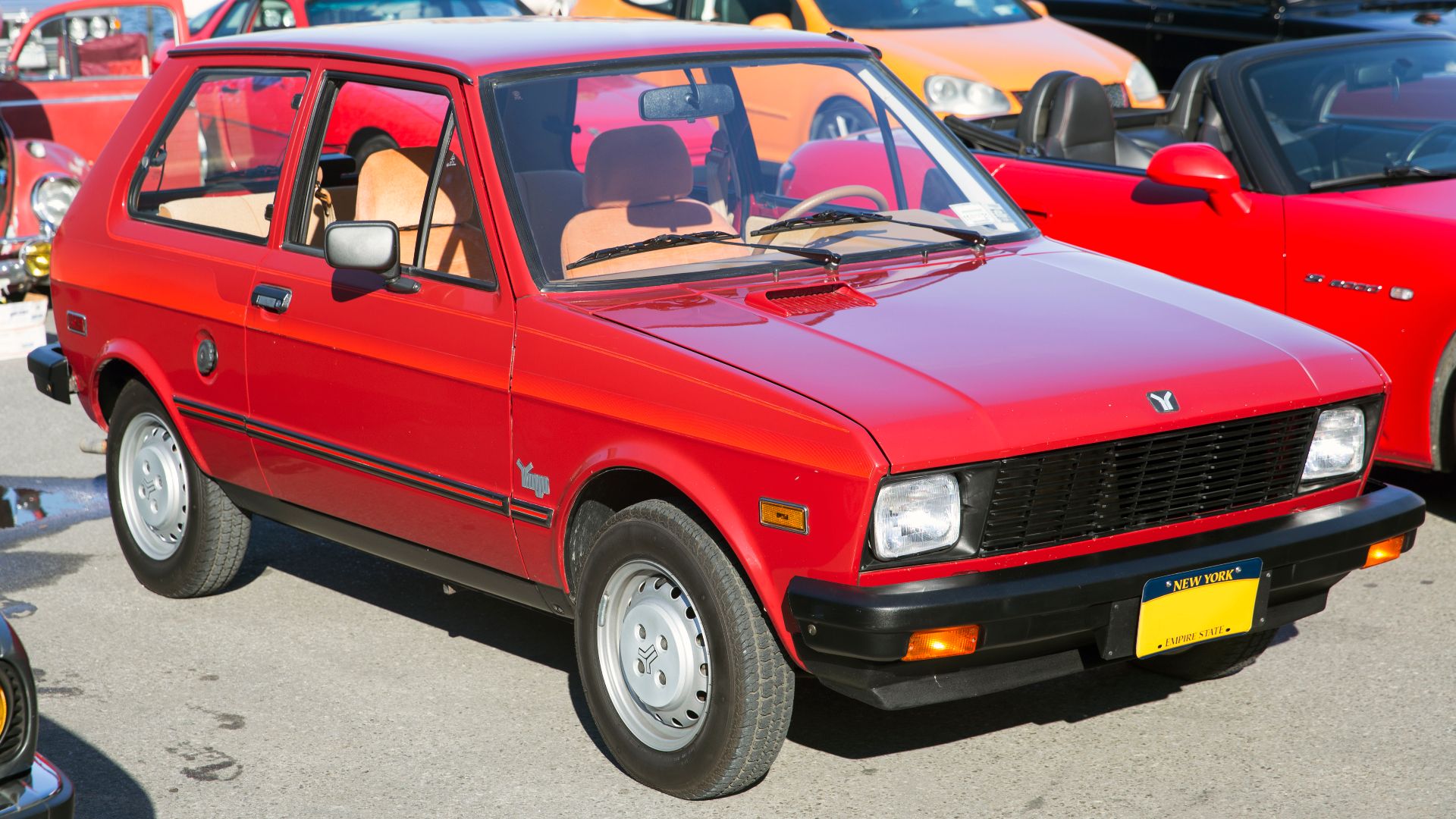
The Yugo’s entire American identity revolved around one number: $3,990. That was the base price when it launched in 1985, making it the cheapest new car in America by a wide margin. For that price, buyers got four wheels, an engine, a heater, and not much else. Power windows? No. Air conditioning? Optional. Prestige? Absolutely not. But it was new, and that mattered.
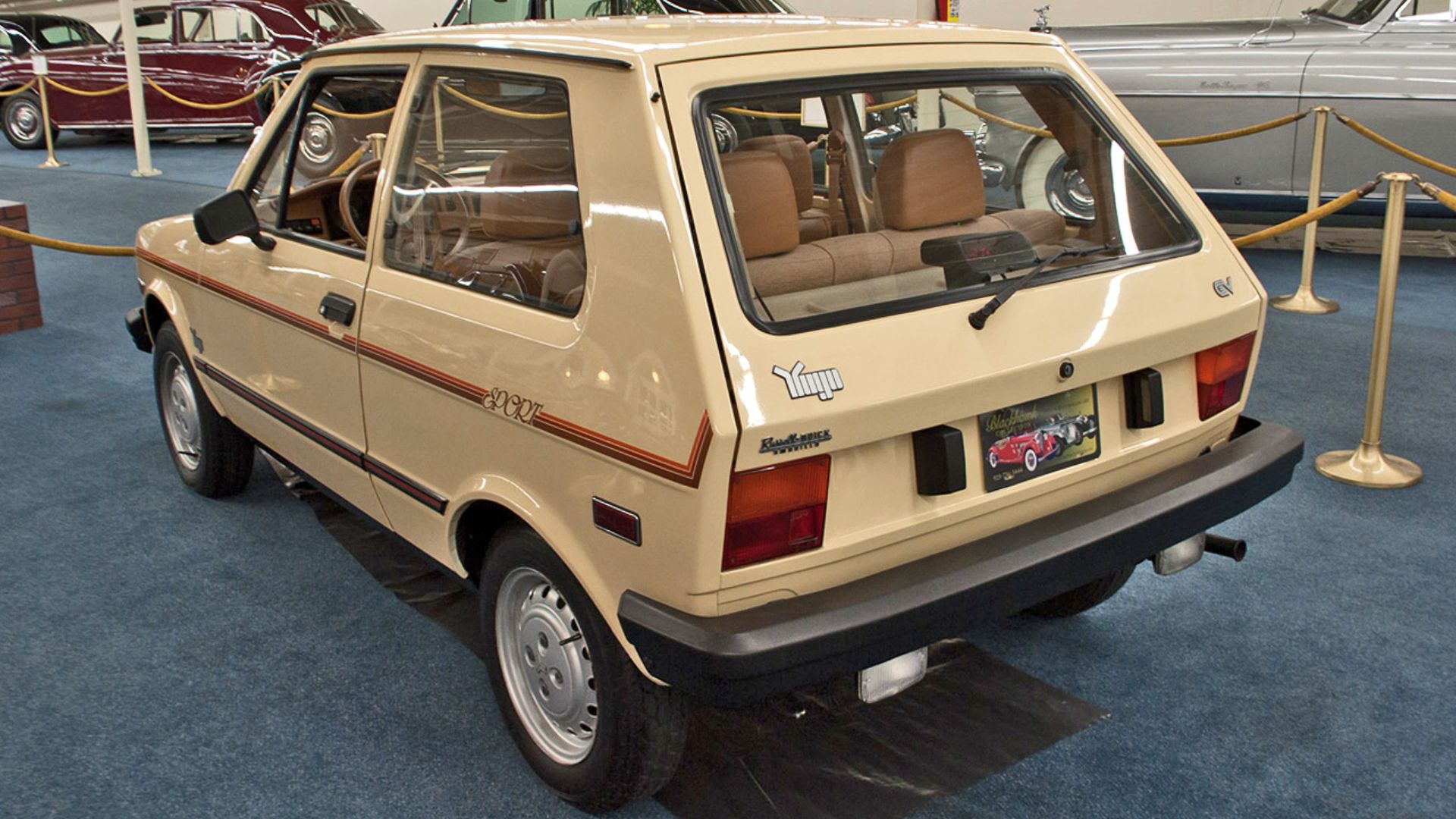 skinnylawyer from Los Angeles, California, USA, Wikimedia Commons
Why Americans Actually Wanted It
It’s easy to forget how appealing the Yugo sounded at first. College students saw freedom on four wheels. Families bought them as second or third cars. Some buyers simply wanted something new that didn’t come with used-car anxiety. At a time when used cars under $4,000 were often tired, rusty, and unreliable, the Yugo promised a factory-fresh start—even if that promise turned out to be optimistic.
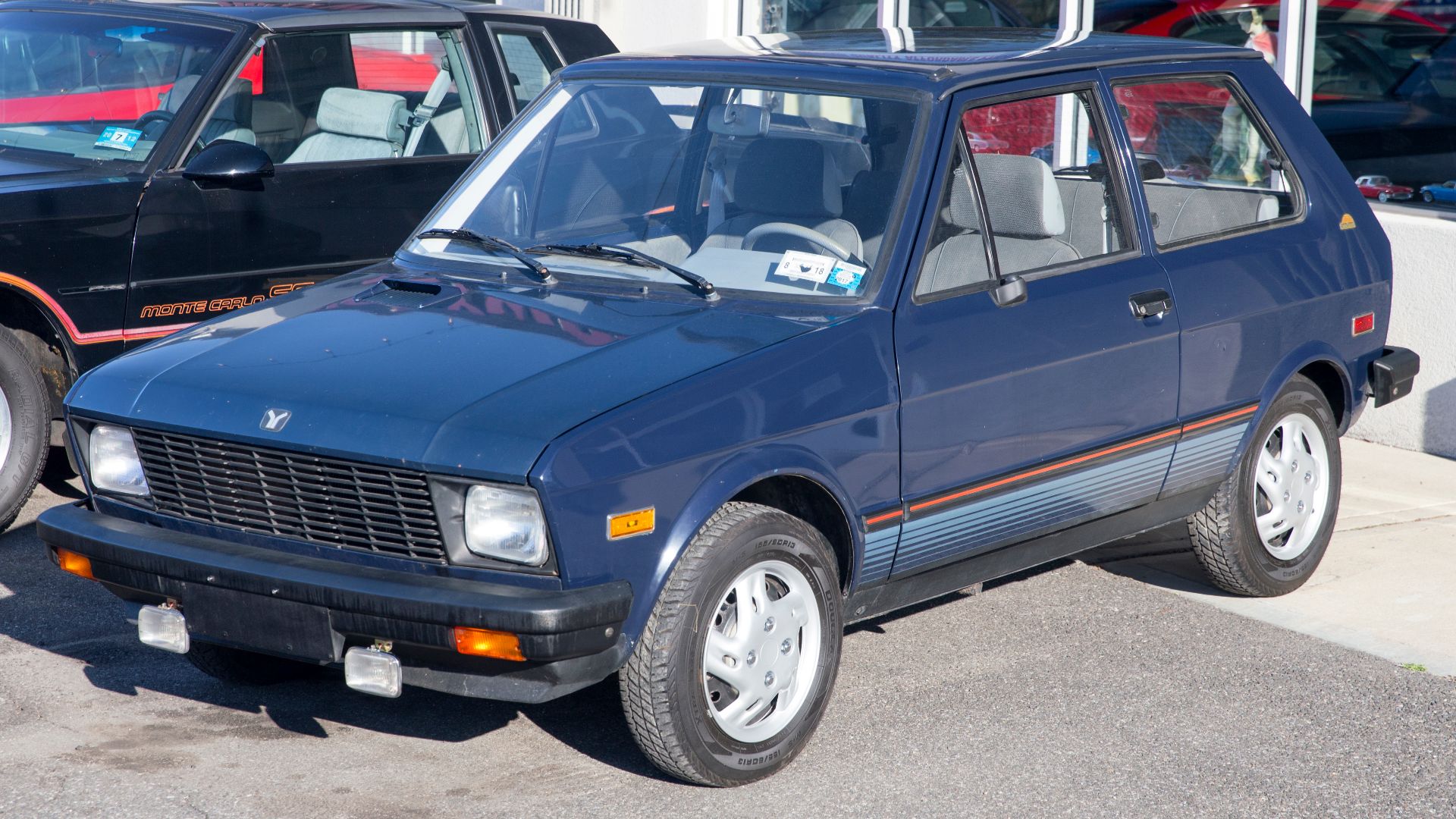 Mr.choppers, Wikimedia Commons
Simplicity As A Selling Point
The Yugo GV was brutally simple. Its 1.1-liter engine made around 55 horsepower on a good day. The manual transmission had four gears. The interior was spartan to the point of comedy. But that simplicity was pitched as a feature. Fewer parts meant fewer things to break, at least in theory. The Yugo was marketed as honest transportation, free of unnecessary frills.
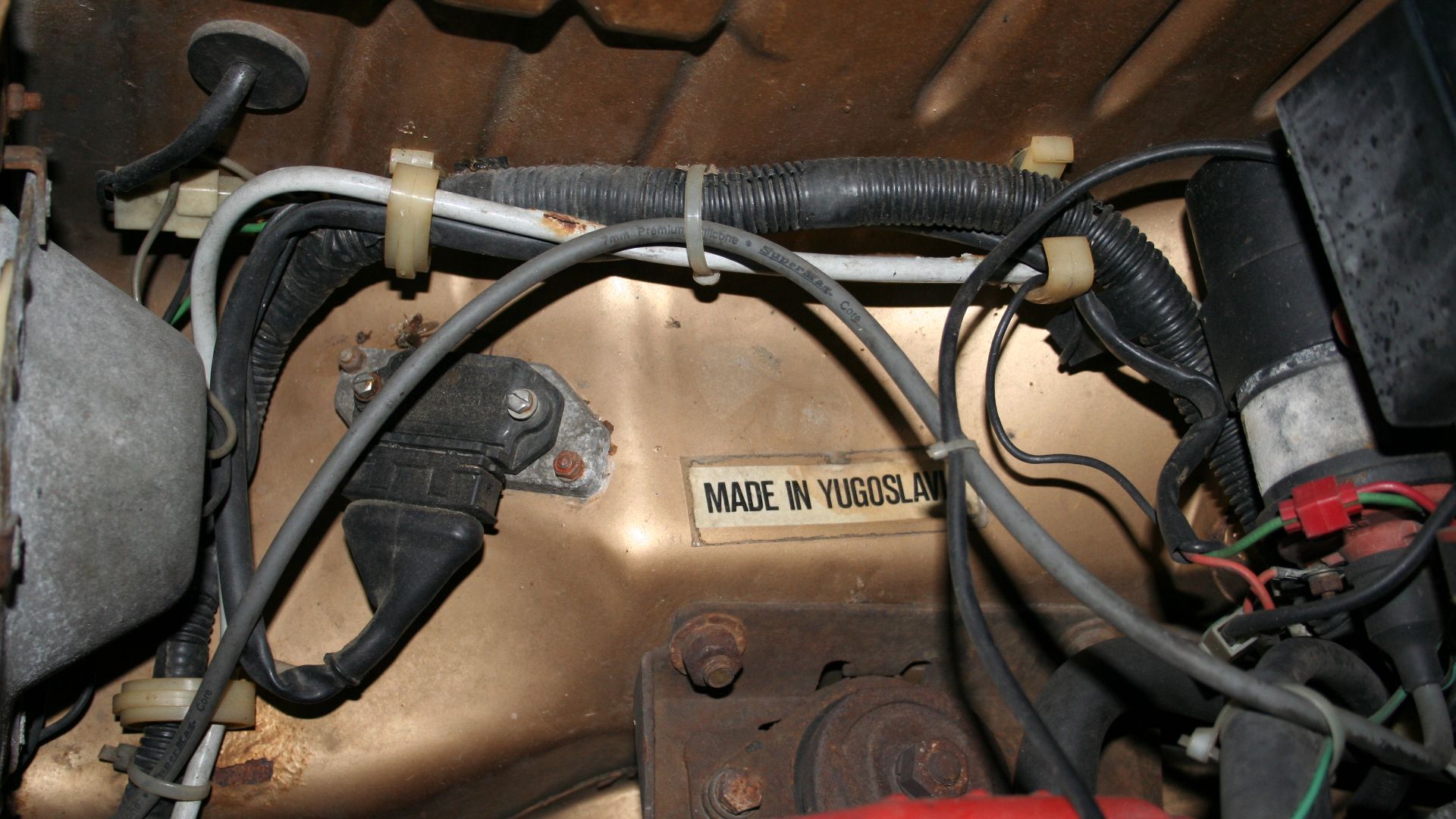
Americans Meet Eastern European Engineering
Once Americans started driving their Yugos, reality set in. Fit and finish were inconsistent. Electrical gremlins appeared early. Rust protection was questionable. Some owners reported breakdowns within weeks. Still, not every Yugo was a disaster. Plenty of owners drove them for years with minimal issues, especially those who maintained them carefully and didn’t expect miracles.
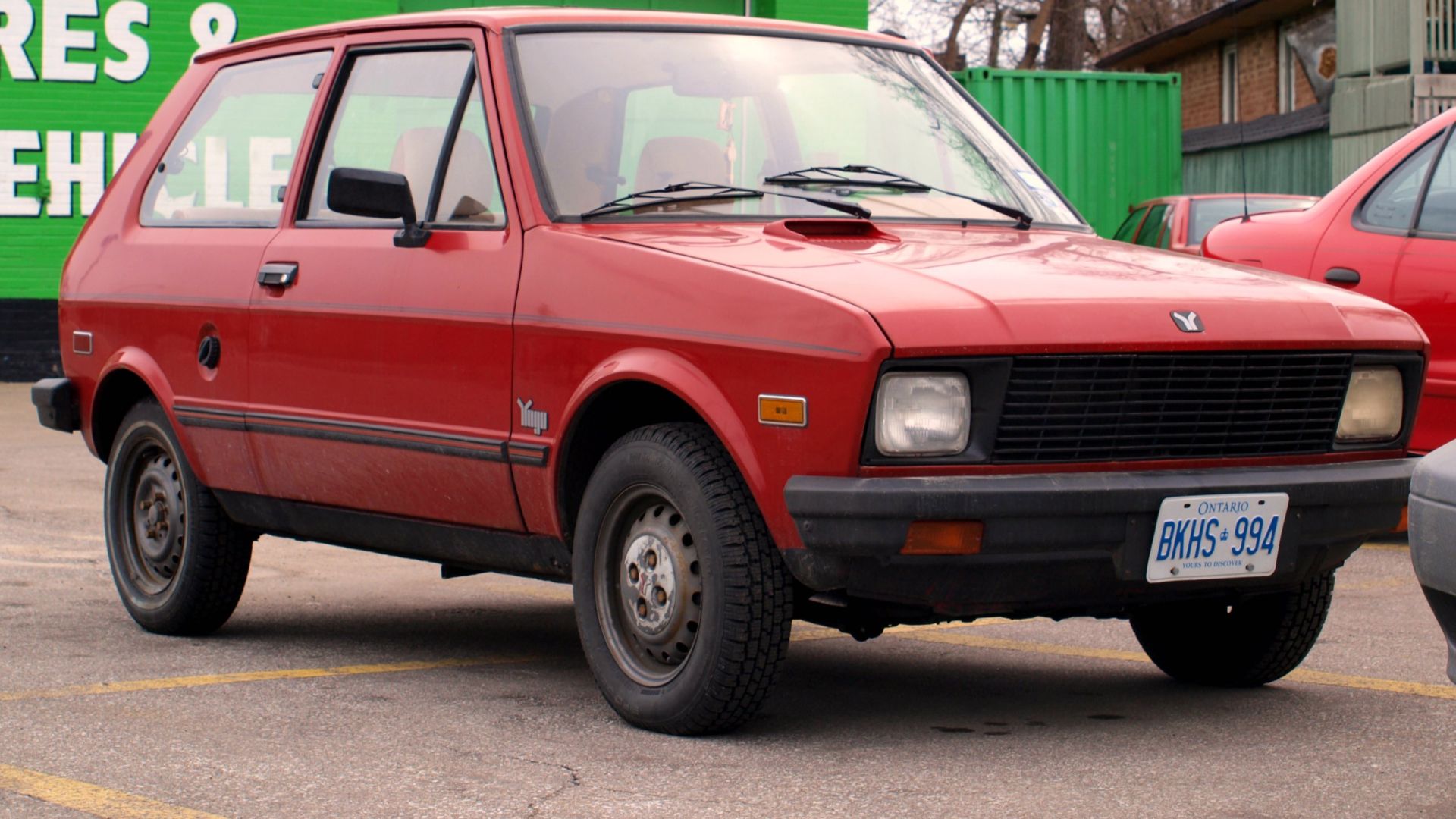 Michael Gil from Toronto, ON, Canada, Wikimedia Commons
The Media Smells Blood
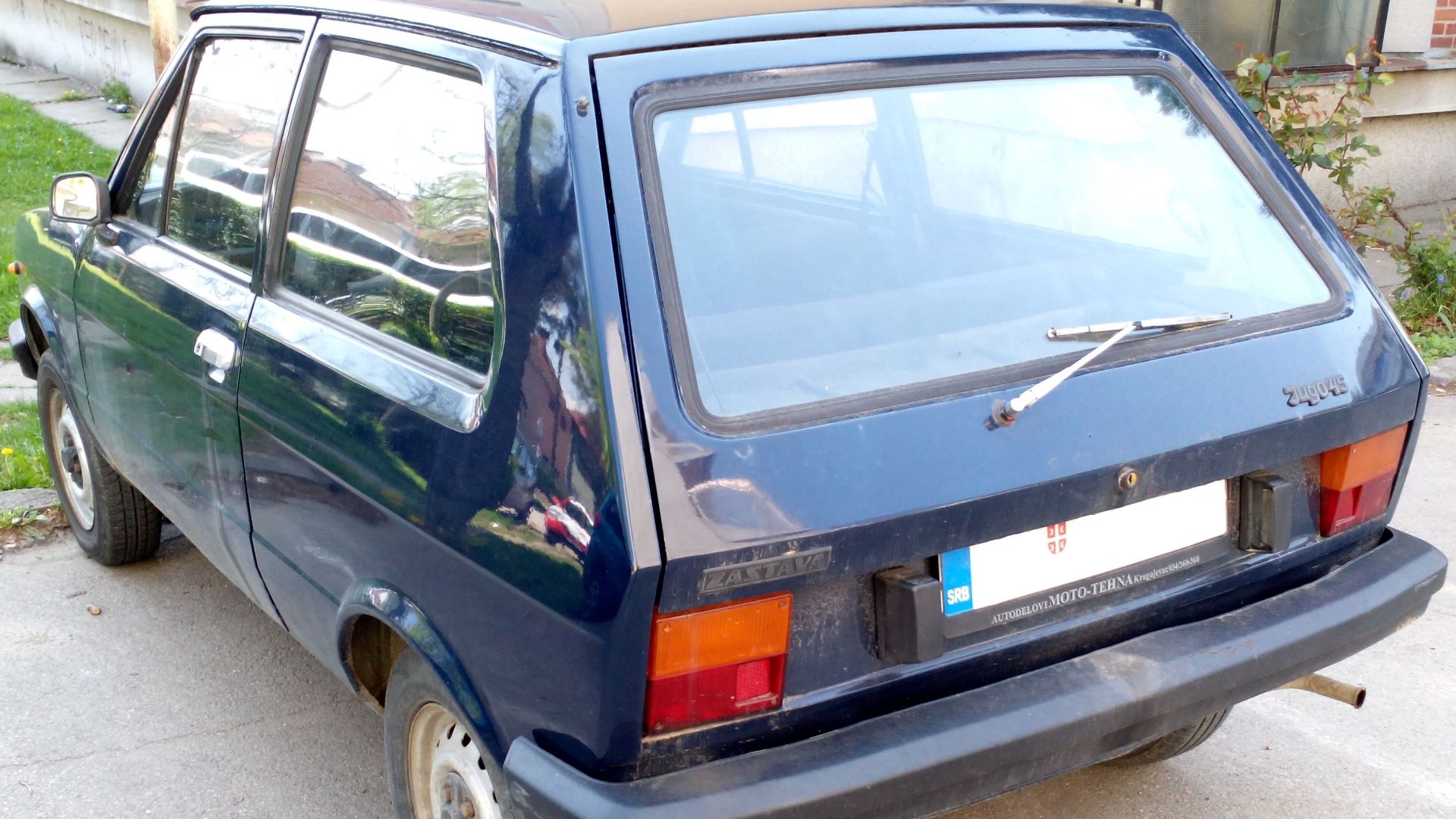
The American automotive press pounced almost immediately. Road tests were brutal. Comparisons were merciless. Jokes flowed freely. One famous quip claimed the Yugo had a rear-window defroster “to keep your hands warm while you push it.” Fair or not, the narrative was set, and it spread faster than any ad campaign ever could.
Late-Night TV And Stand-Up Comedy Gold
The Yugo became a pop culture punching bag. Late-night hosts, stand-up comics, and sitcom writers all joined the fun. Owning a Yugo became shorthand for poor judgment. Ironically, this only increased the car’s visibility. People who never would have noticed it now knew exactly what a Yugo was—and why it was “bad.”
 Giorgio Davanzo, Wikimedia Commons
Sales That Shocked Everyone
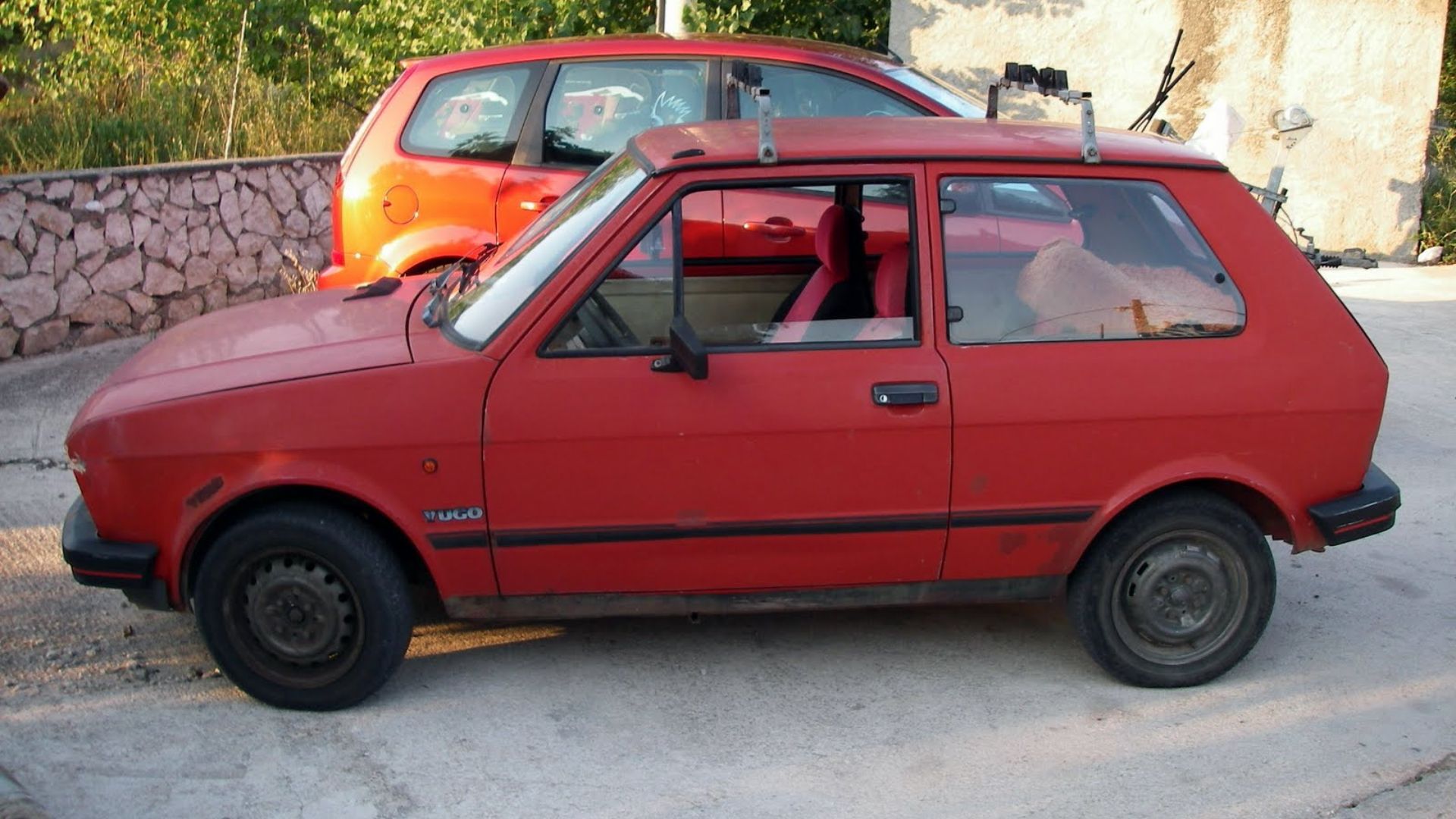
Despite the jokes, Americans bought Yugos in surprising numbers. More than 140,000 were sold in the U.S. between 1985 and 1992. For a car with no brand recognition and endless ridicule, that was a real success. It proved that price mattered deeply, even in a market obsessed with power and image.
Trying To Improve The Image
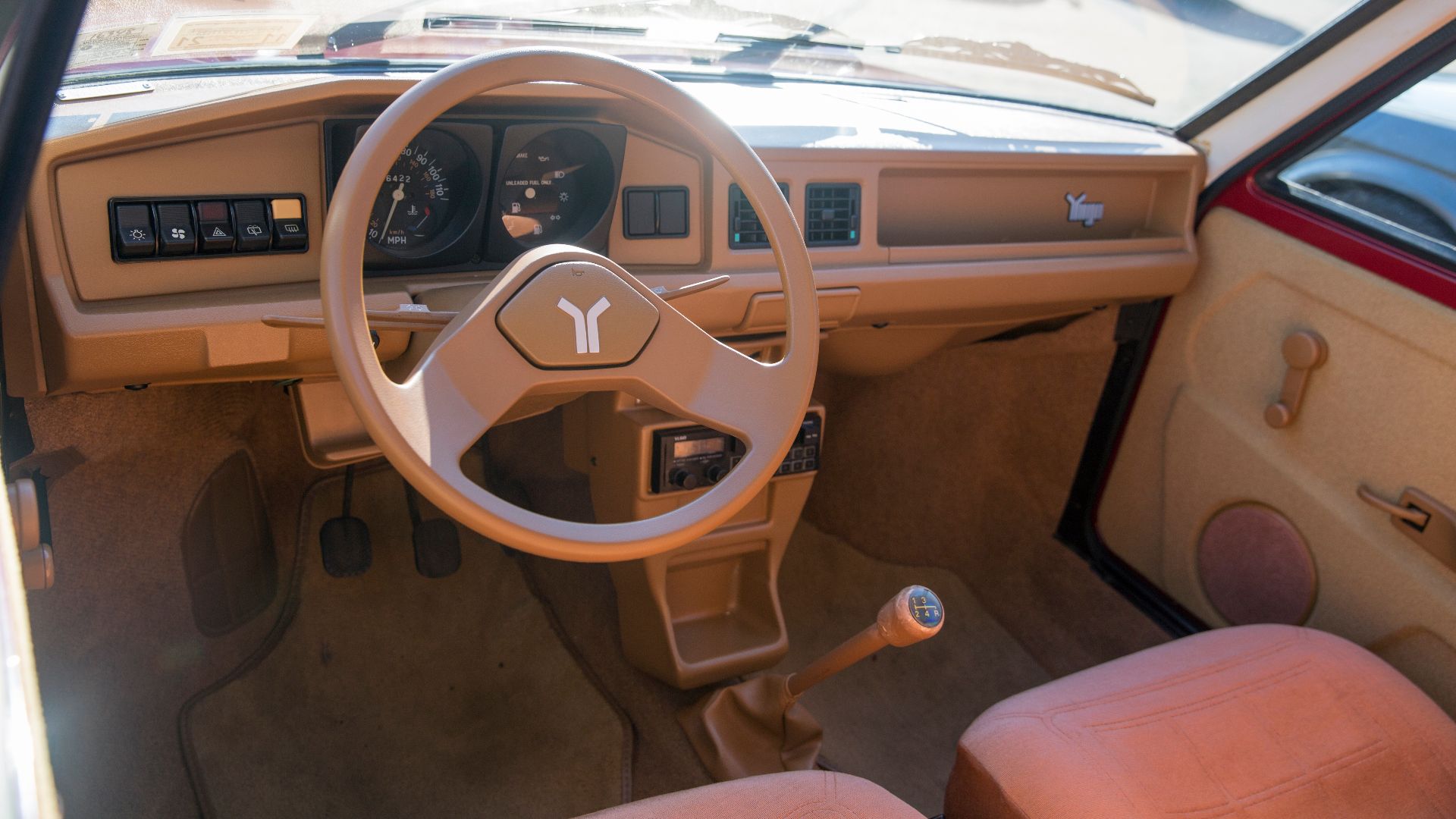
Zastava and Bricklin didn’t sit still. They updated the car with better interiors, optional automatic transmissions, and slightly more powerful engines. Later models added fuel injection. But each improvement pushed the price higher, eroding the Yugo’s biggest advantage.
 Mr.choppers, Wikimedia Commons
The Reliability Reputation Becomes Permanent
By the late 1980s, the Yugo’s reputation was baked in. Even improved models couldn’t escape the stigma. Buyers assumed the worst before turning the key. This is the cruel truth of the auto industry: perception often matters more than reality.
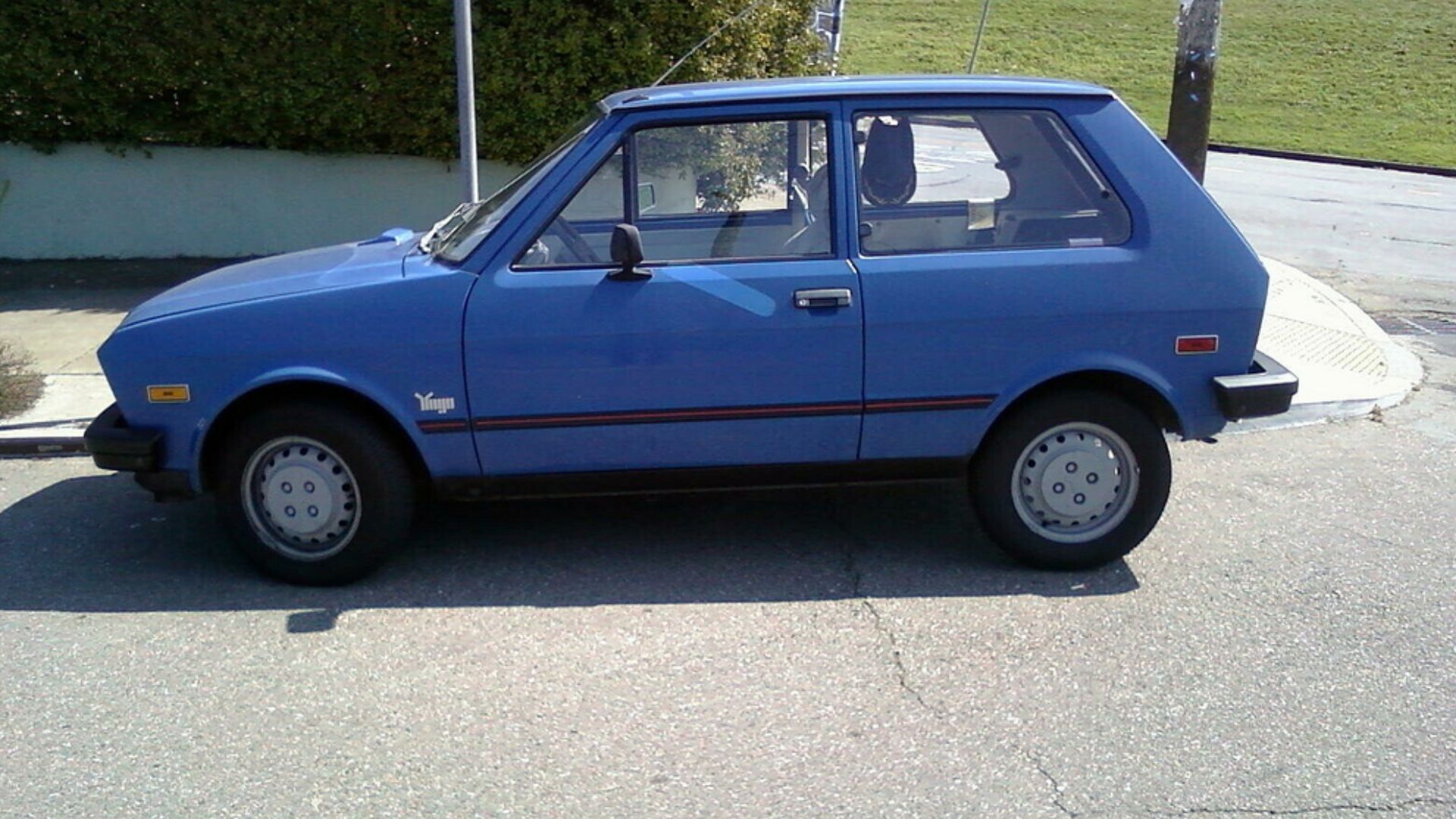 irina slutsky from san francisco, USA, Wikimedia Commons
Cold War Politics And Bad Timing
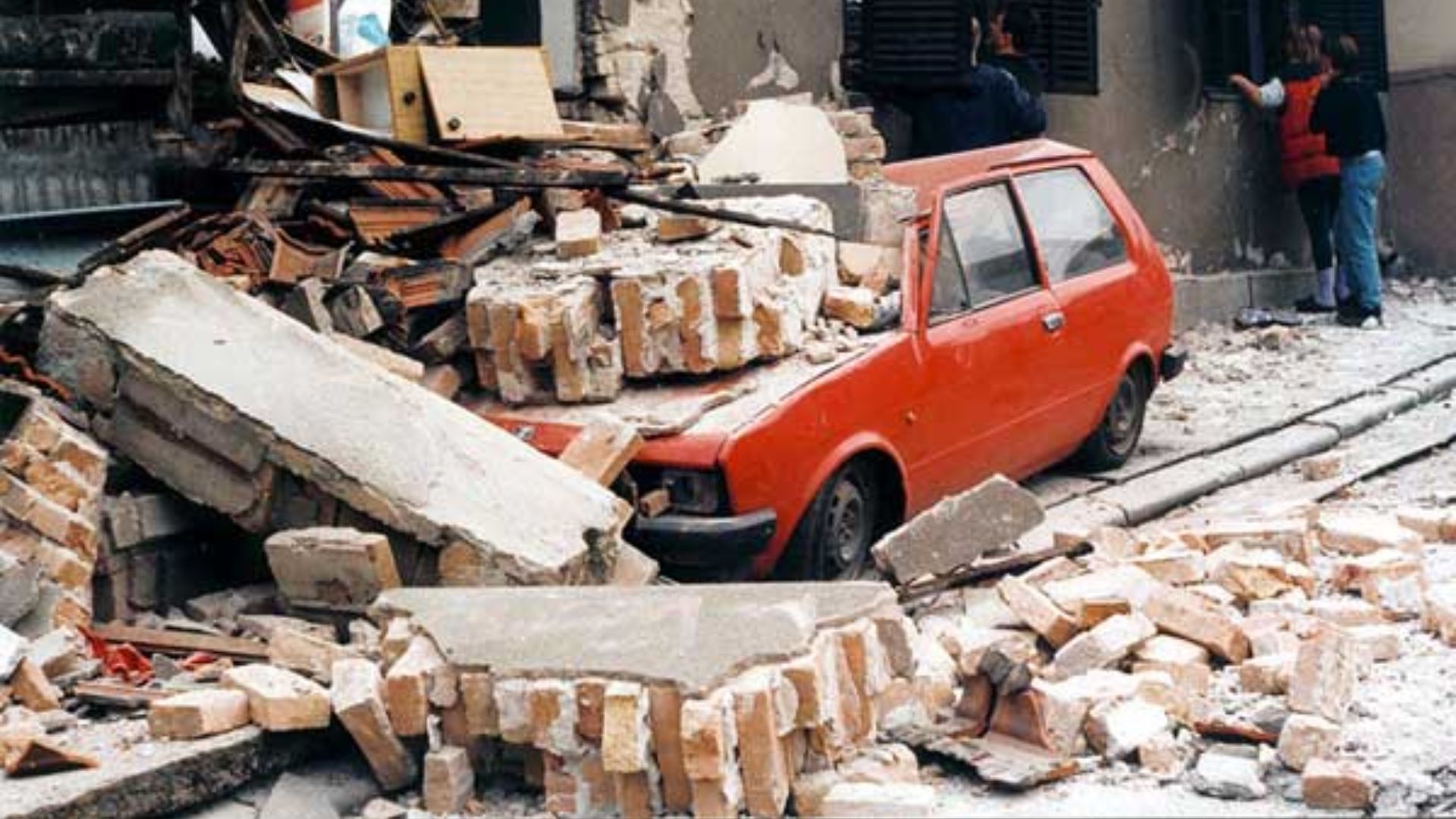
The Yugo’s troubles weren’t just mechanical. Yugoslavia itself began to unravel in the late 1980s. Political instability made supply chains unpredictable and scared off potential buyers. As the country moved toward violent collapse, selling its national car in America became increasingly difficult.
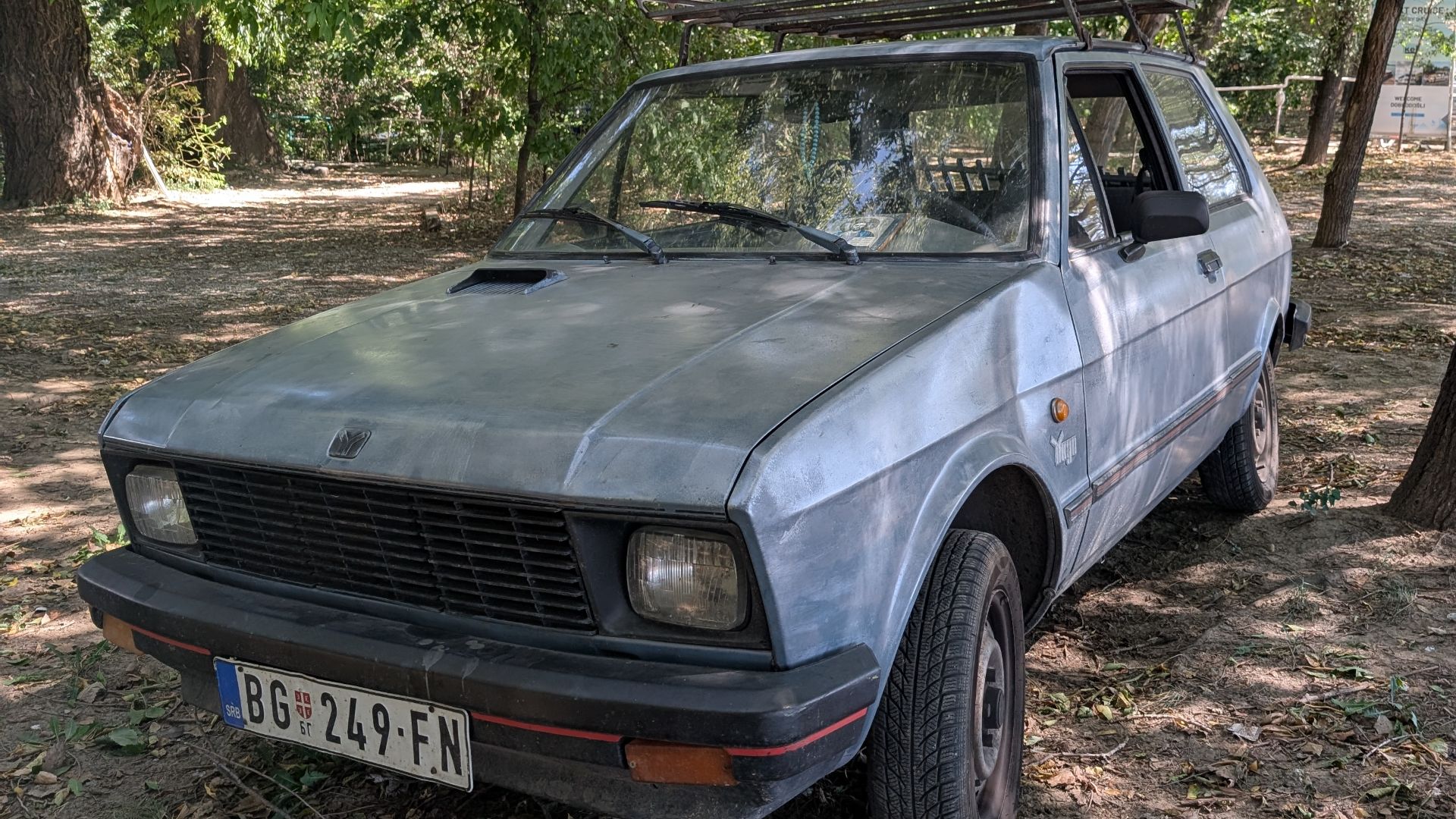 Андрей Романенко, Wikimedia Commons
When Sanctions Killed The Yugo
In 1992, U.S. sanctions against Yugoslavia effectively ended Yugo imports. The experiment was over. The Yugo didn’t die from one fatal flaw—it died from a thousand small ones, plus geopolitics it could never control.
Owners Who Still Defend It
Even today, there are Americans who proudly defend their Yugos. They’ll tell you the car was misunderstood, mistreated, and unfairly mocked. For them, the Yugo represents freedom, first cars, and simpler times—not a punchline.
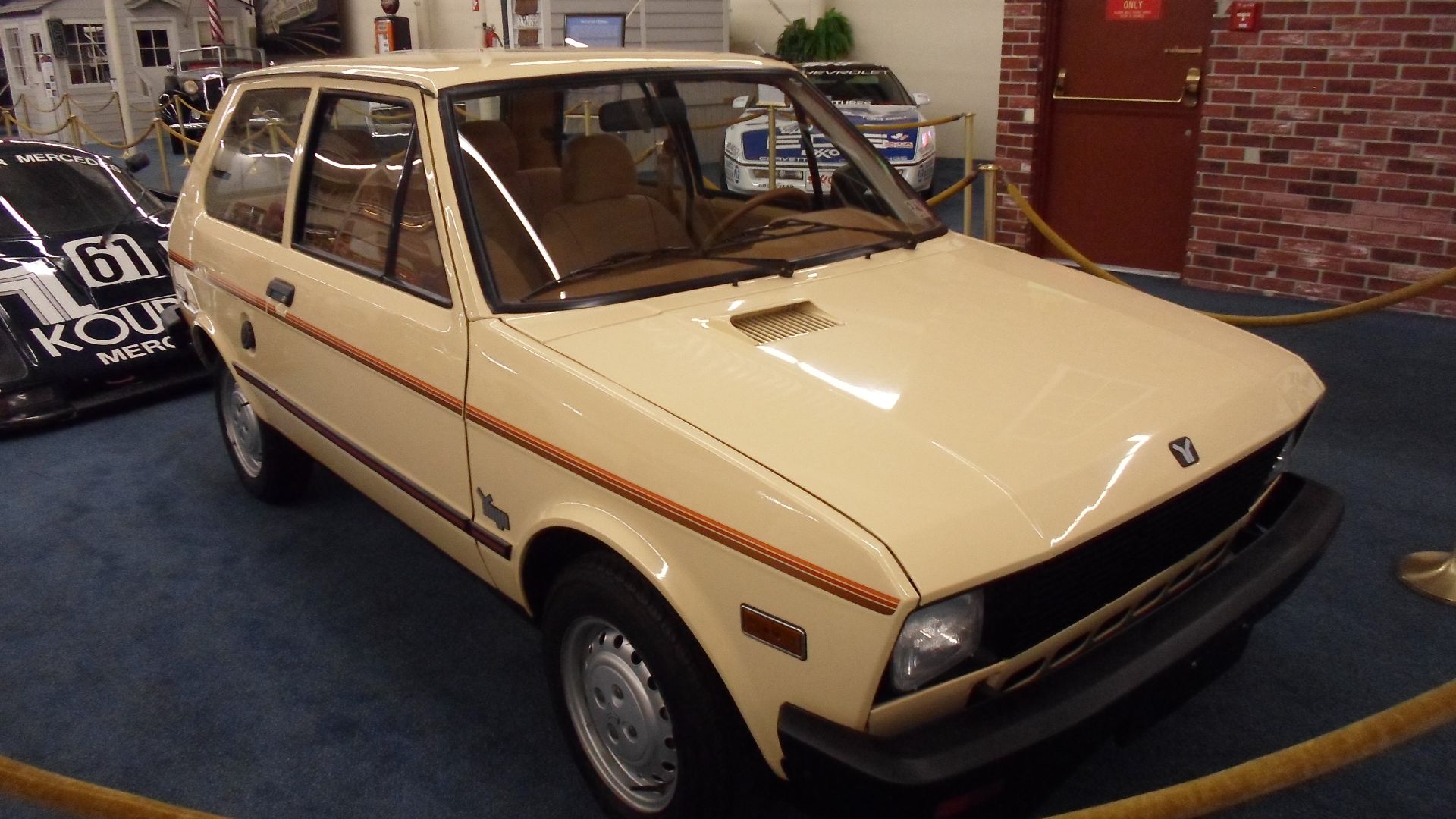 dave_7 from Lethbridge, Canada, Wikimedia Commons
A Car That Reflected America Back At Itself
The Yugo forced Americans to confront their own contradictions. We say we value quality, but we chase low prices. We mock simplicity, yet complain about complexity. In a strange way, the Yugo held up a mirror to American car culture.
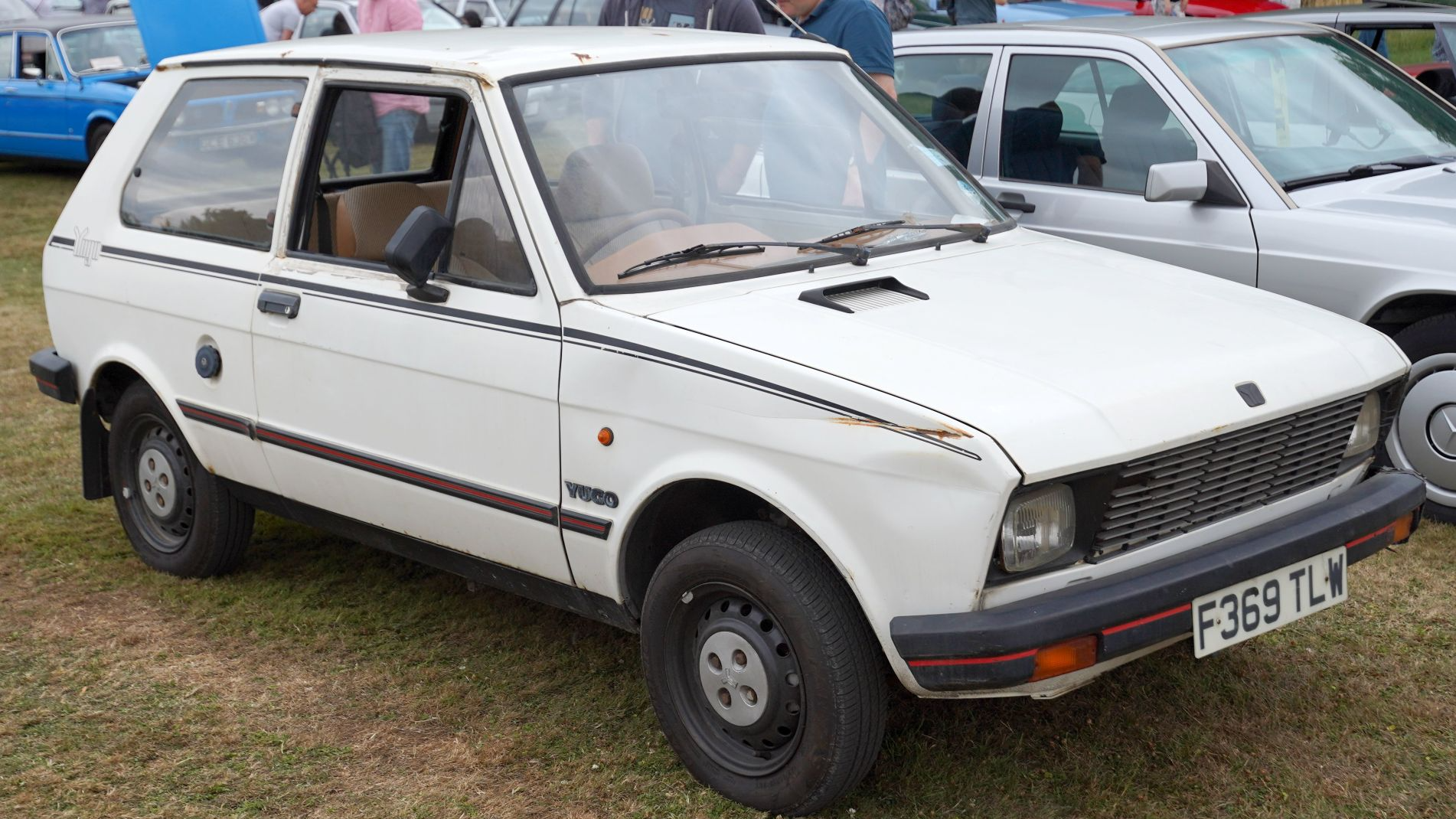 kitmasterbloke, Wikimedia Commons
The Worst Car Or Just The Wrong Expectations?
Was the Yugo truly the worst car ever? Or was it just a cheap car judged by expensive-car standards? Measured against its price and purpose, the Yugo did exactly what it promised—most of the time.
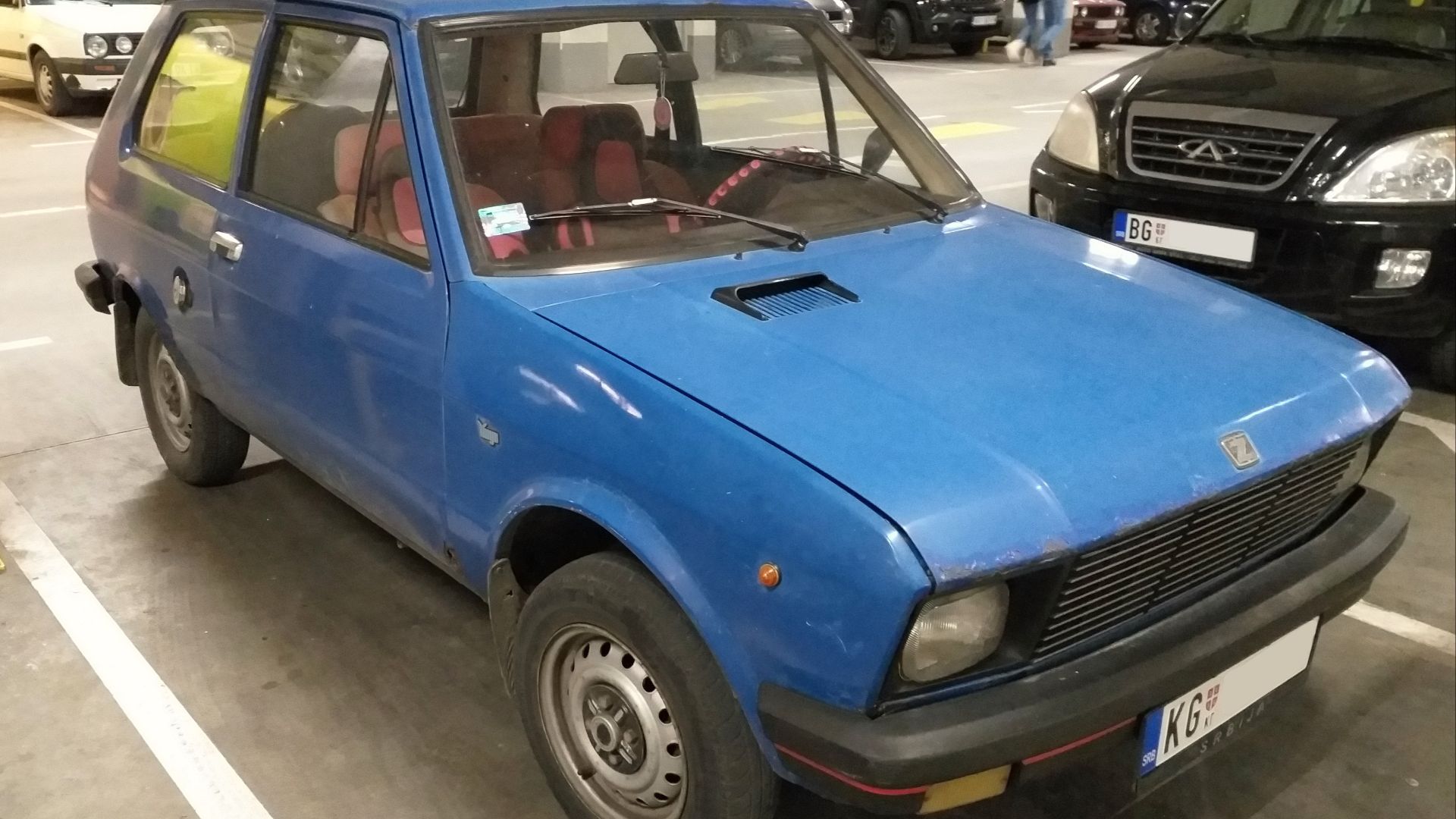
How The Yugo Became Immortal
Most failed cars fade into obscurity. The Yugo became immortal because it was famous for being infamous. Few cars are remembered decades later purely because people won’t stop talking about them.
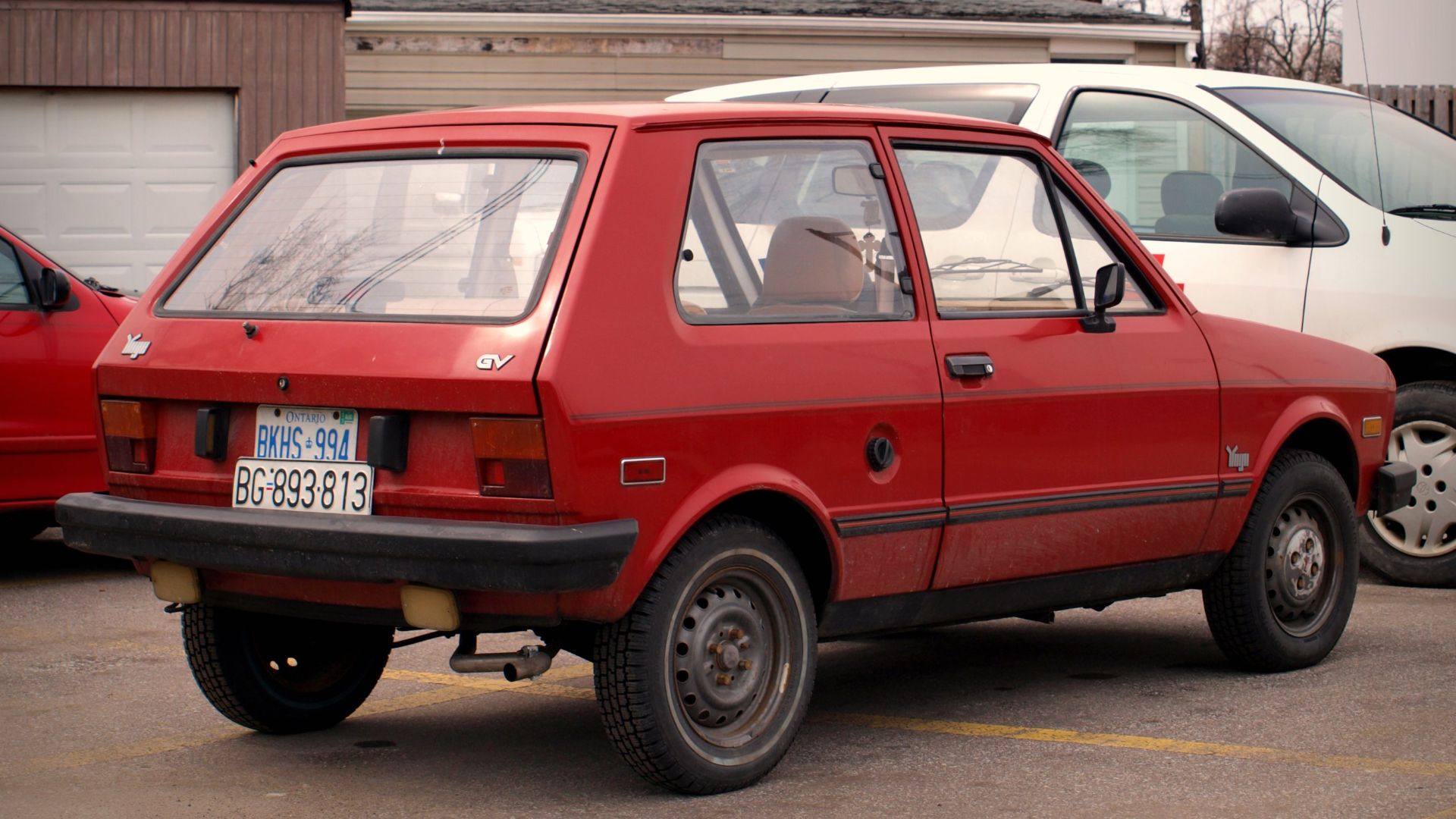 Michael Gil from Toronto, ON, Canada, Wikimedia Commons
The Yugo In Modern Car Culture
Today, surviving Yugos show up at car meets, Radwood events, and YouTube channels. They’re treated with affection and irony, not contempt. Time has softened the jokes and sharpened the nostalgia.
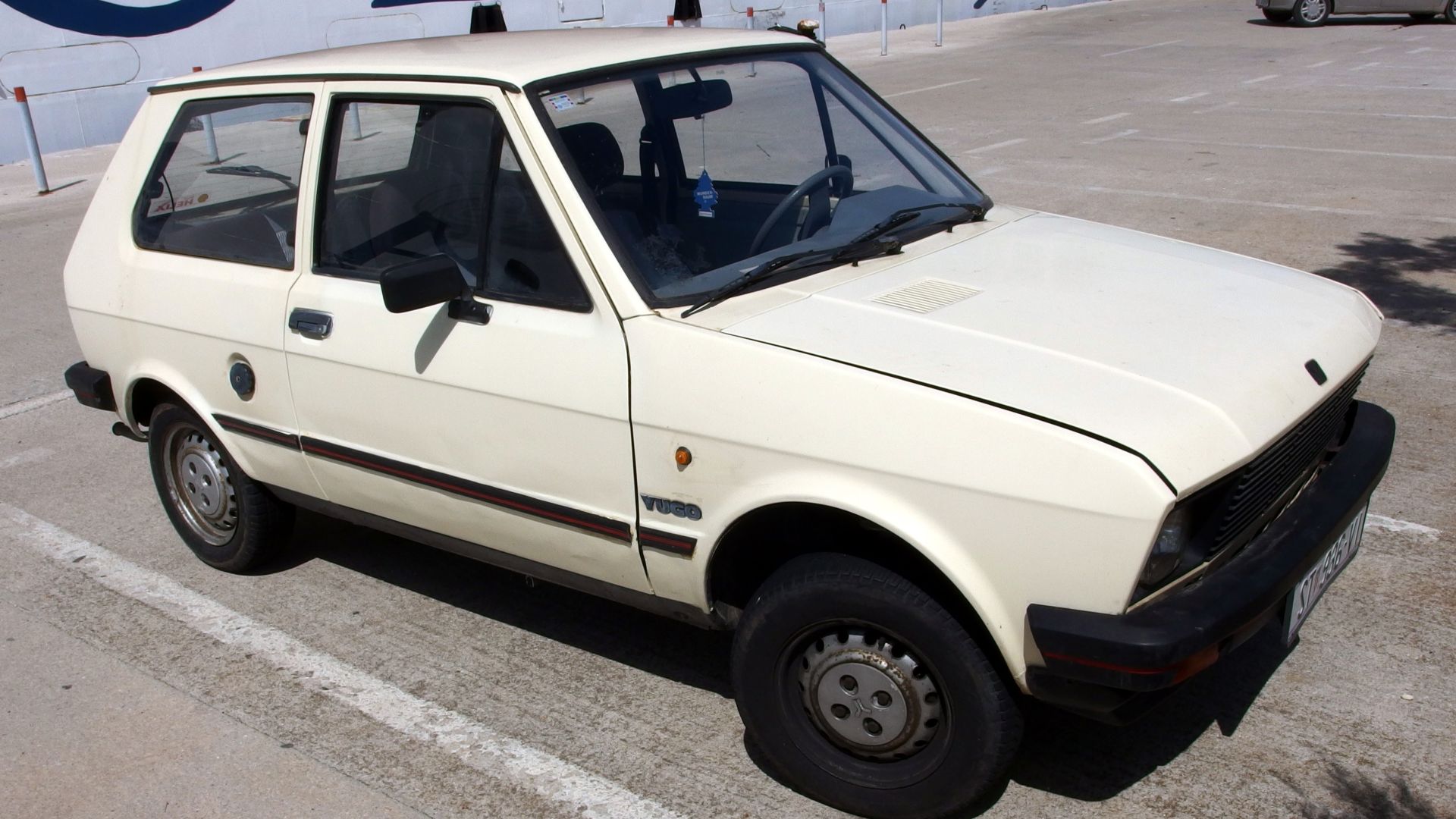 Mark Ahsmann, Wikimedia Commons
Lessons Automakers Still Haven’t Learned
The Yugo proved that affordability can move mountains—but only if quality keeps up. It also showed how hard it is to recover once public opinion turns against you. Modern budget cars owe more to the Yugo than they’ll ever admit.
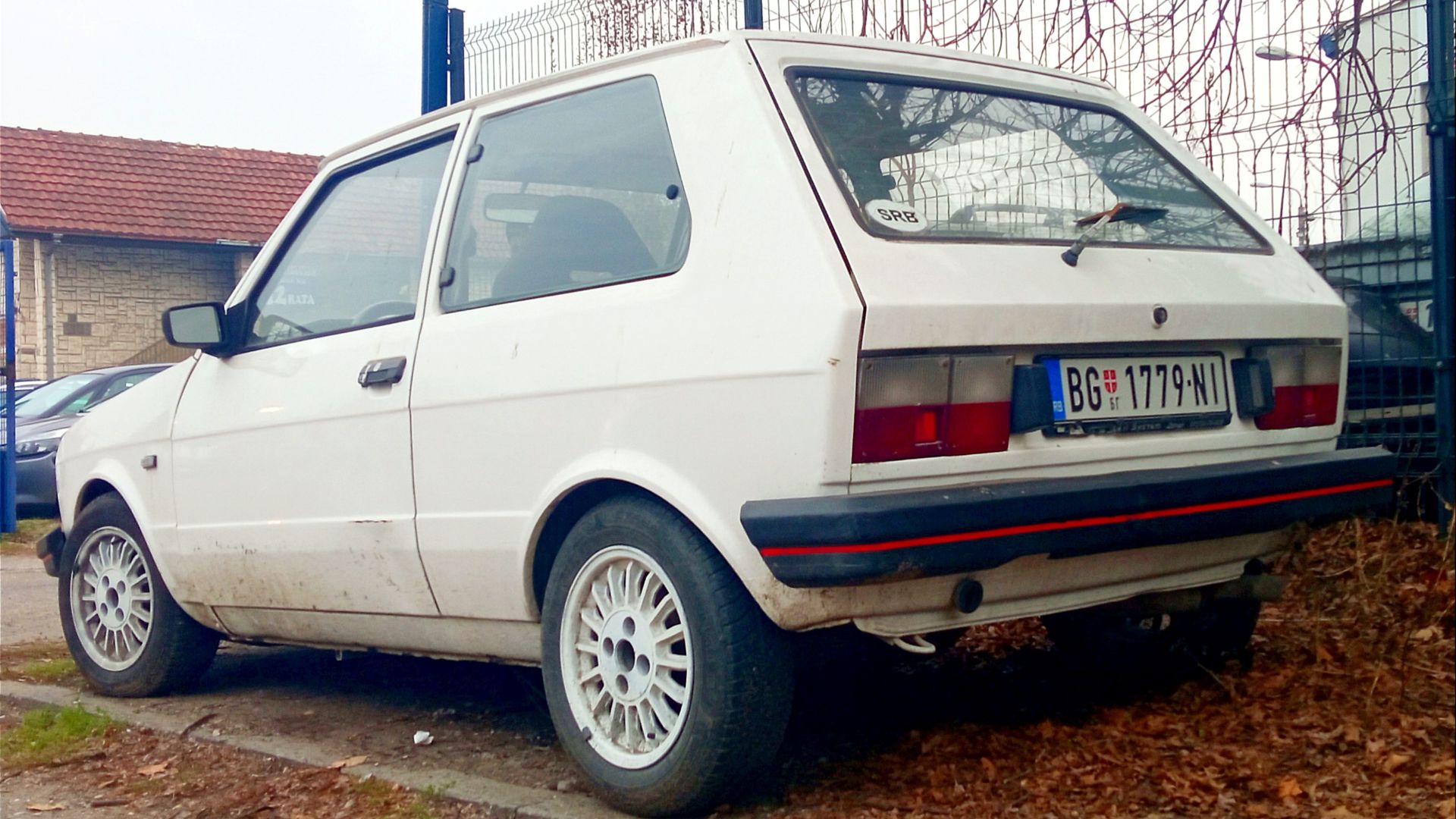 Andrej Dankovic, Wikimedia Commons
Why Americans Secretly Loved It
Americans loved the Yugo because it was different. It challenged assumptions. It made car ownership accessible. Even the jokes were a form of affection—mockery means people cared enough to notice.
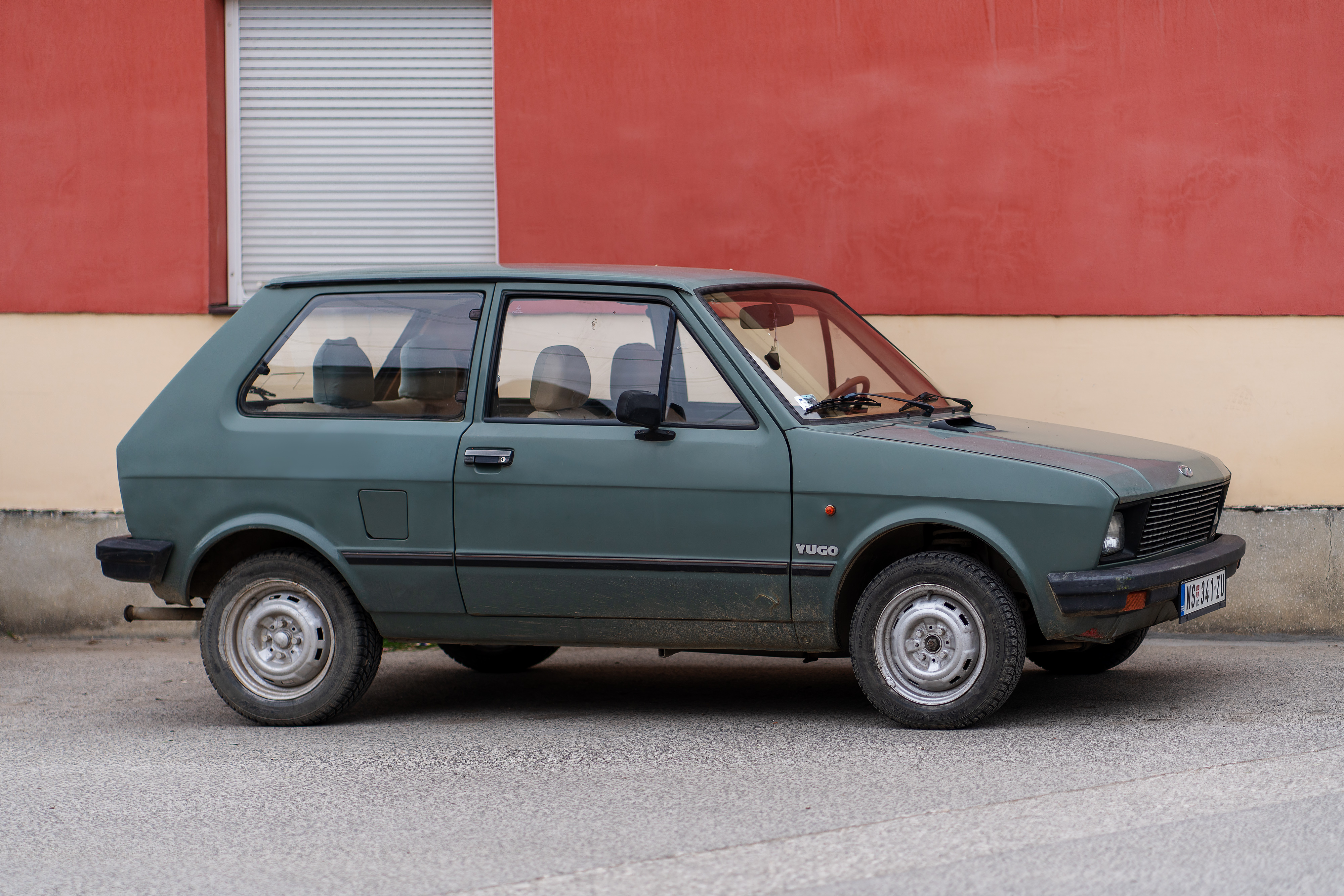
The Car That Shouldn’t Have Worked, But Did
On paper, the Yugo never should have succeeded in America. And yet, for a brief moment, it absolutely did. That alone earns it a place in automotive history.
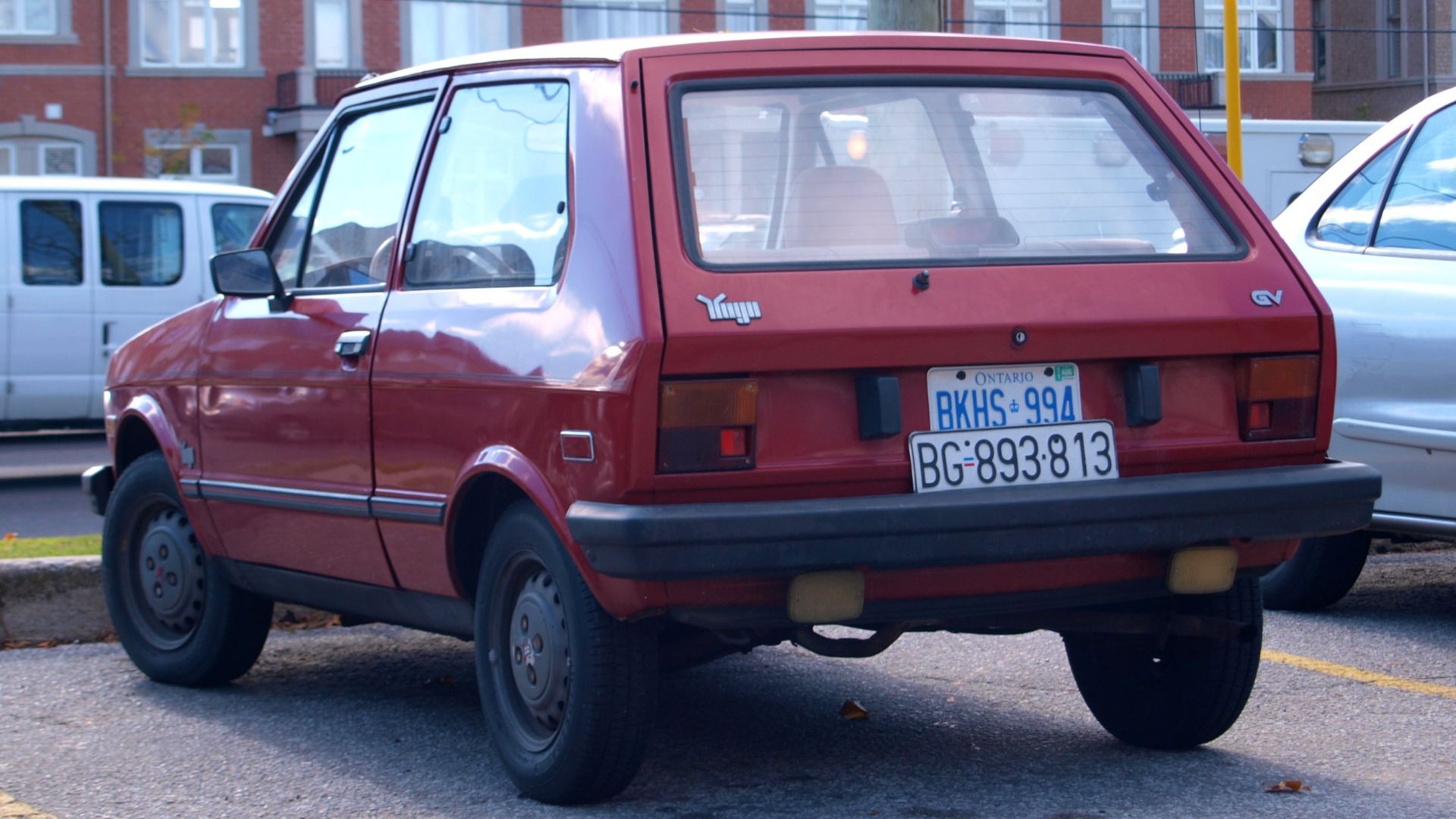 Michael Gil from Toronto, ON, Canada, Wikimedia Commons
A Symbol Of Optimism And Naivety
The Yugo represented optimism—belief that cheap, simple transportation could still matter. It also represented naivety about quality and expectations. Both ideas are deeply American.
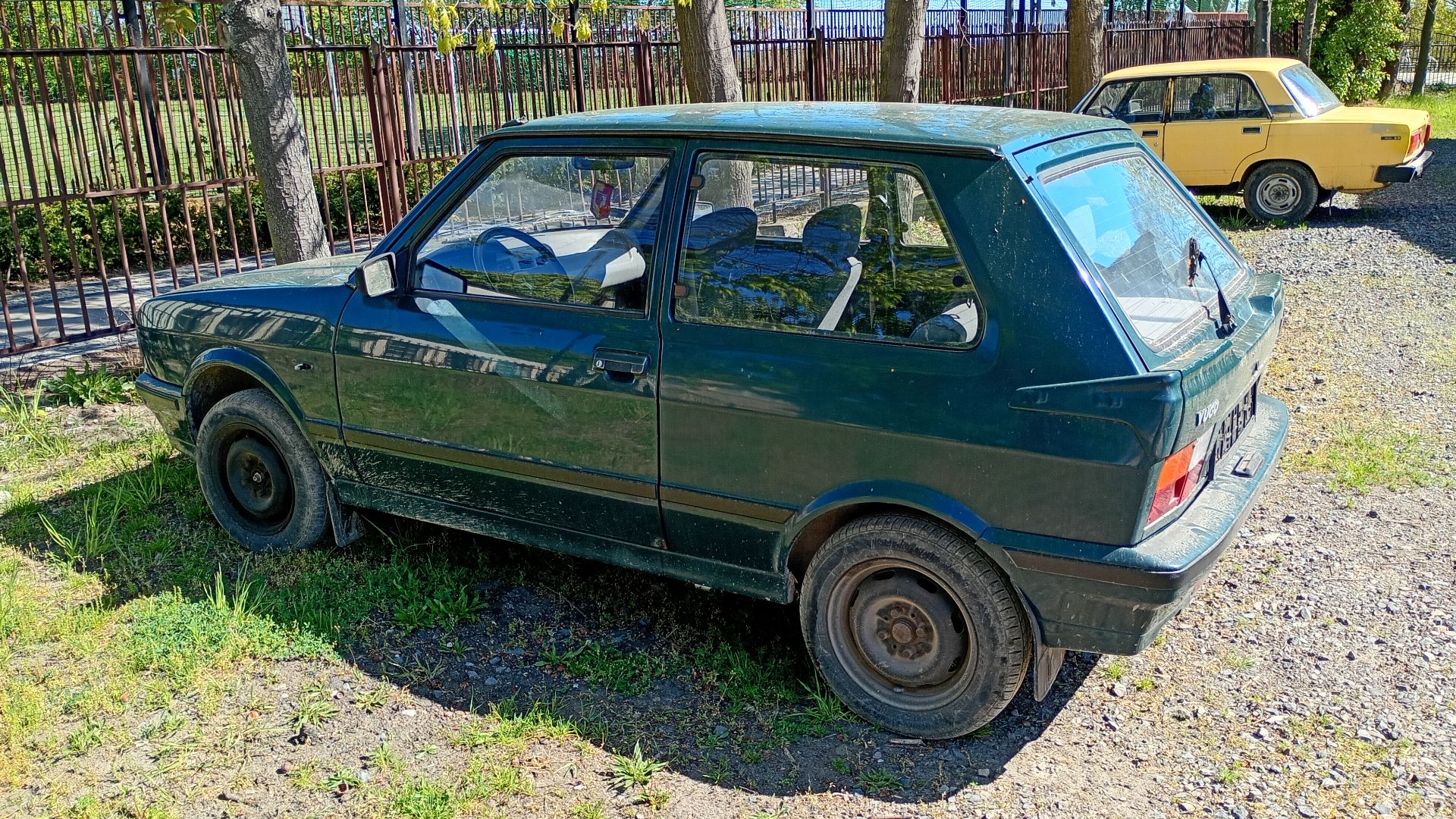
Remembering The Yugo Without The Punchlines
Strip away the jokes, and the Yugo becomes something rare: a genuine experiment. It didn’t fully succeed, but it dared to try. That deserves more respect than it usually gets.
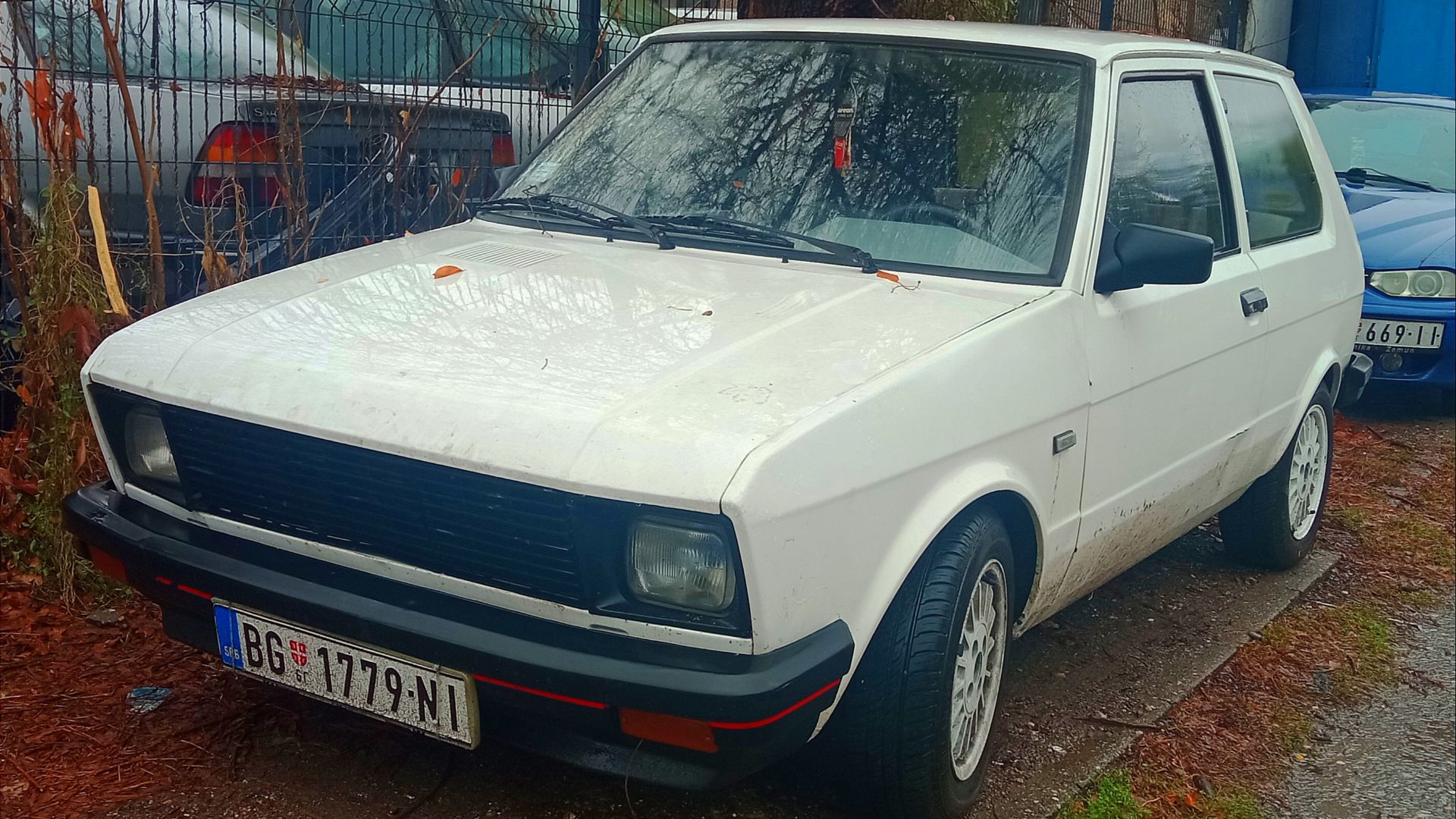 Andrej Dankovic, Wikimedia Commons
The Yugo’s Legacy Is Bigger Than Its Engine
The Yugo’s legacy isn’t about horsepower or reliability stats. It’s about culture, risk, and the strange things Americans will embrace when the price is right. Few cars tell a bigger story with fewer parts.
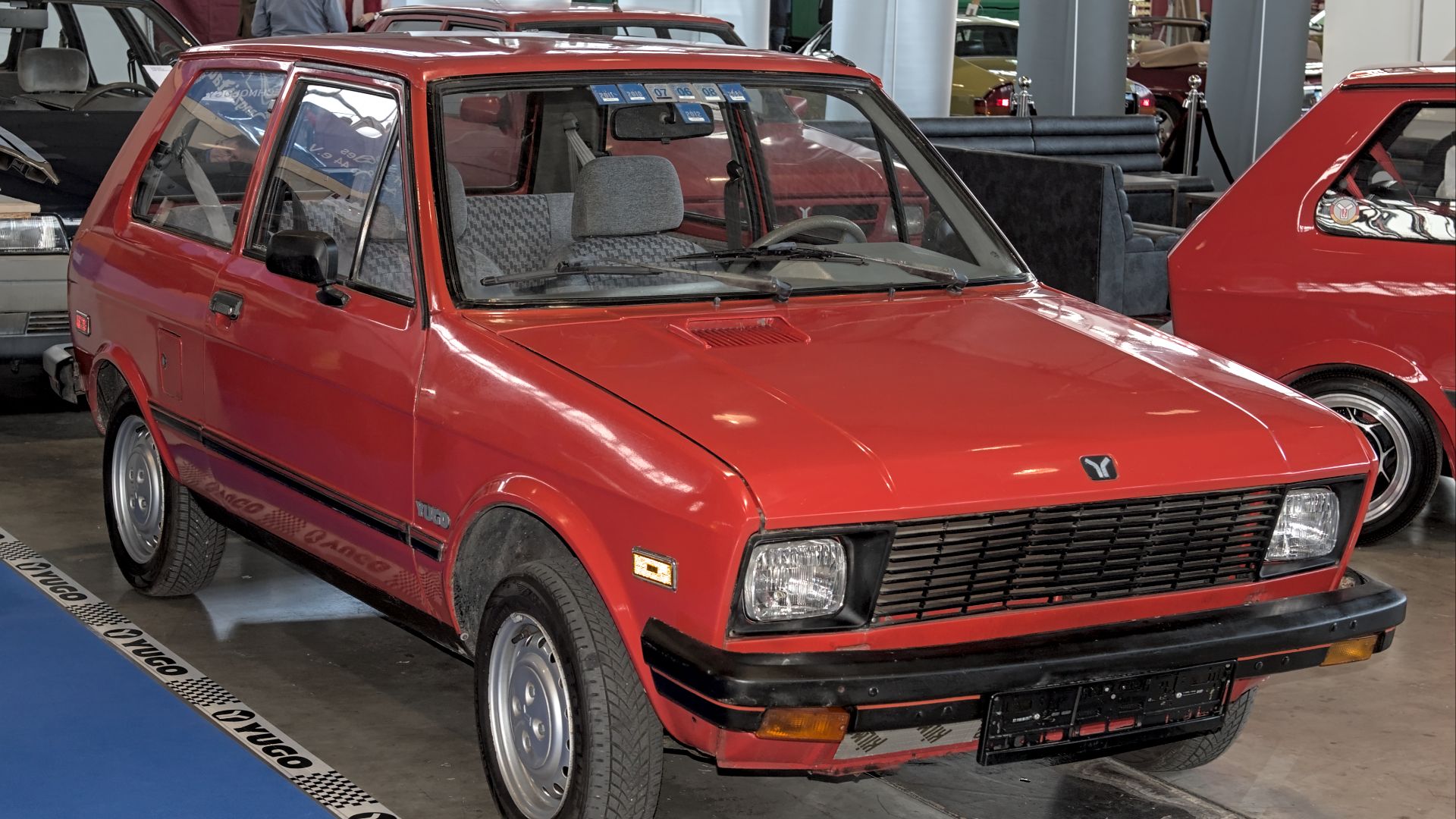 Alexander Migl, Wikimedia Commons
What The Yugo Still Teaches Us Today
In an era of $50,000 pickups and subscription features, the Yugo reminds us that basic transportation once mattered more than image. That lesson feels relevant again.
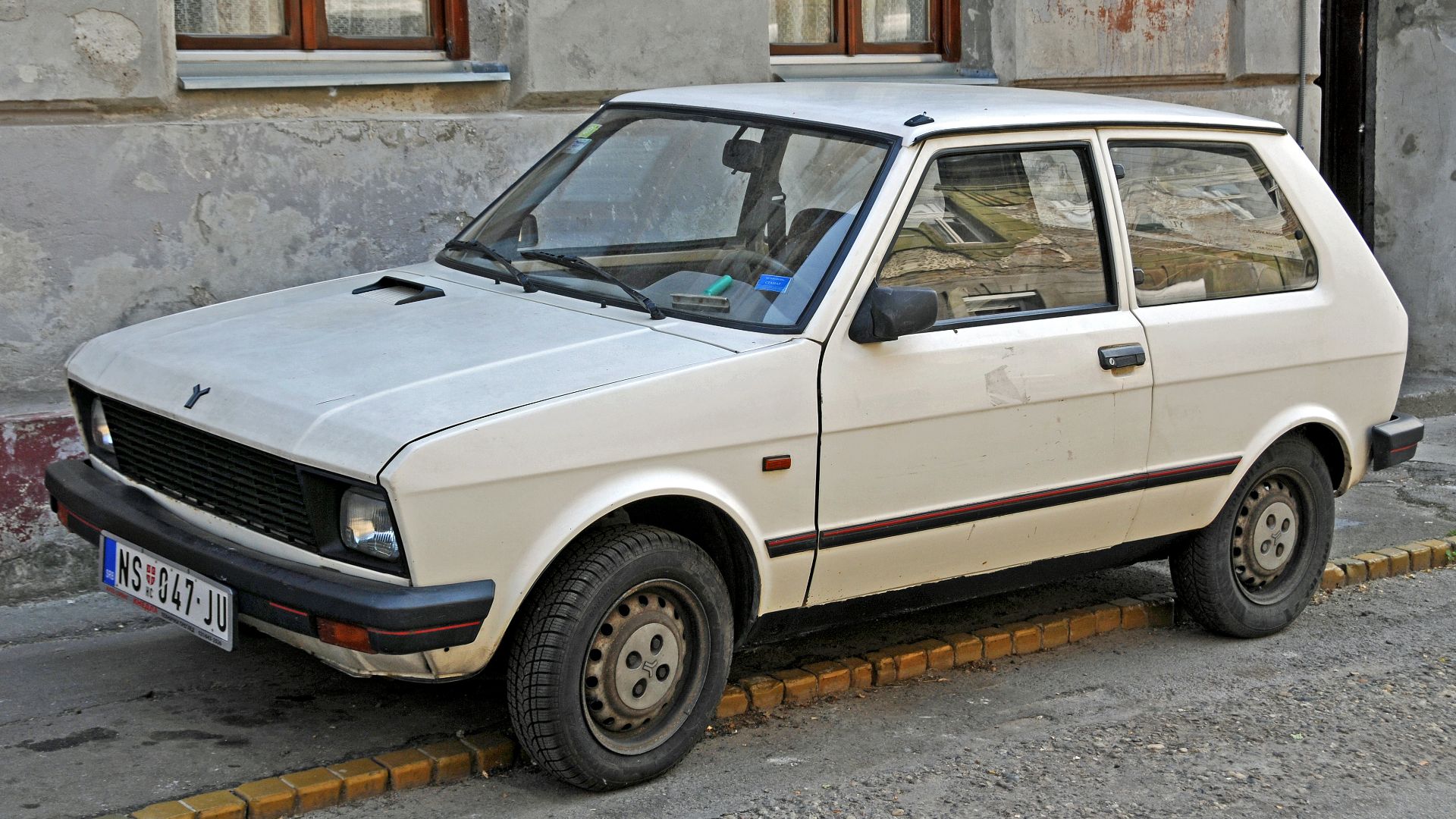 Dennis G. Jarvis, Wikimedia Commons
The Joke That Became A Legend
Americans love to boast about building the best cars in the world, yet we once fell hard for one of the most ridiculed cars ever sold here. The Yugo GV didn’t just sell—it made history. It embarrassed critics, delighted bargain hunters, and became a cultural legend. In trying to be the cheapest car in America, it accidentally became one of the most unforgettable. And for a car everyone loves to hate, that might be the greatest achievement of all.
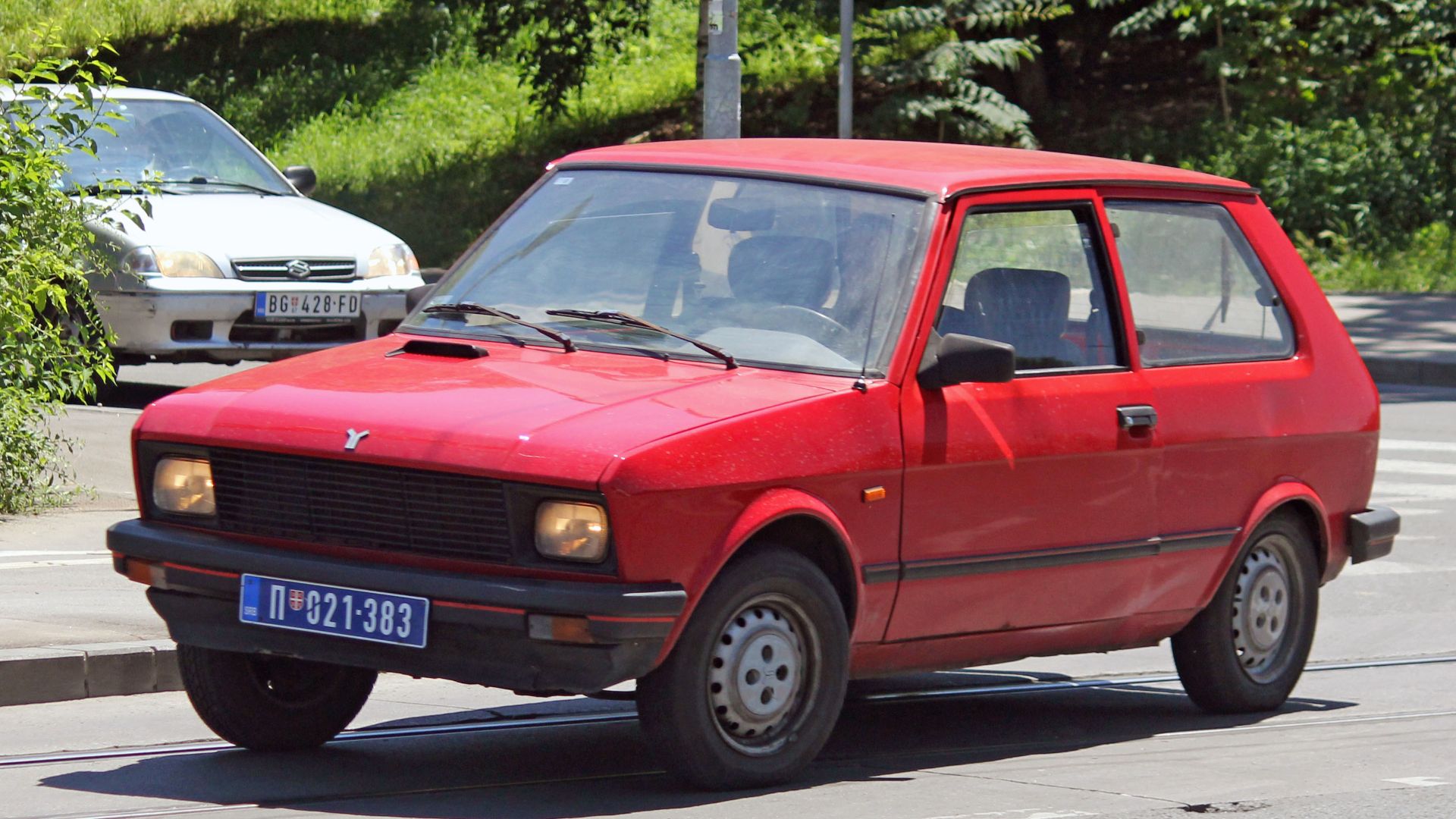 Srdan Popovic, Wikimedia Commons
You May Also Like:
Everyone Said These 80s Cars Were Dated, But Now They're Worth A Fortune
25 Hidden Gems From American Car History
My insurance company totaled my car over a scratch. Should I fight them or take the check?