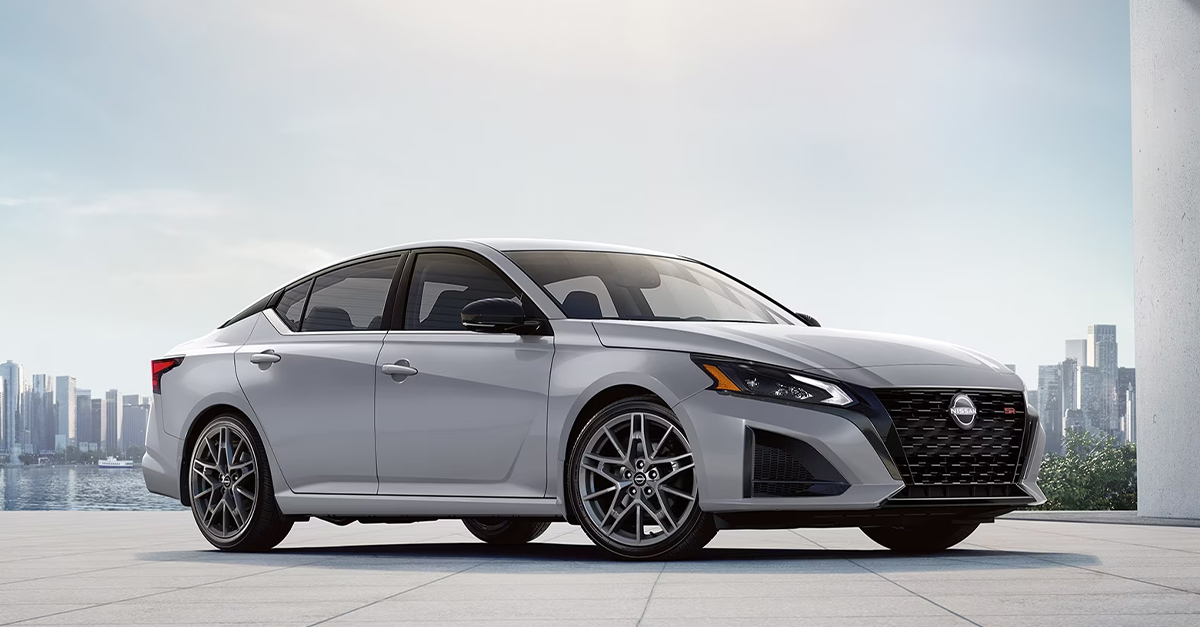
When Automakers Got A Little Too Creative
Car companies have always tried to stand out from the rest of the pack, but sometimes that creativity went off into left field. Over the decades, engineers have introduced features that were clever, confusing, or just plain bizarre. Some disappeared quickly, while others became cult favorites that people recall for how strange they were.
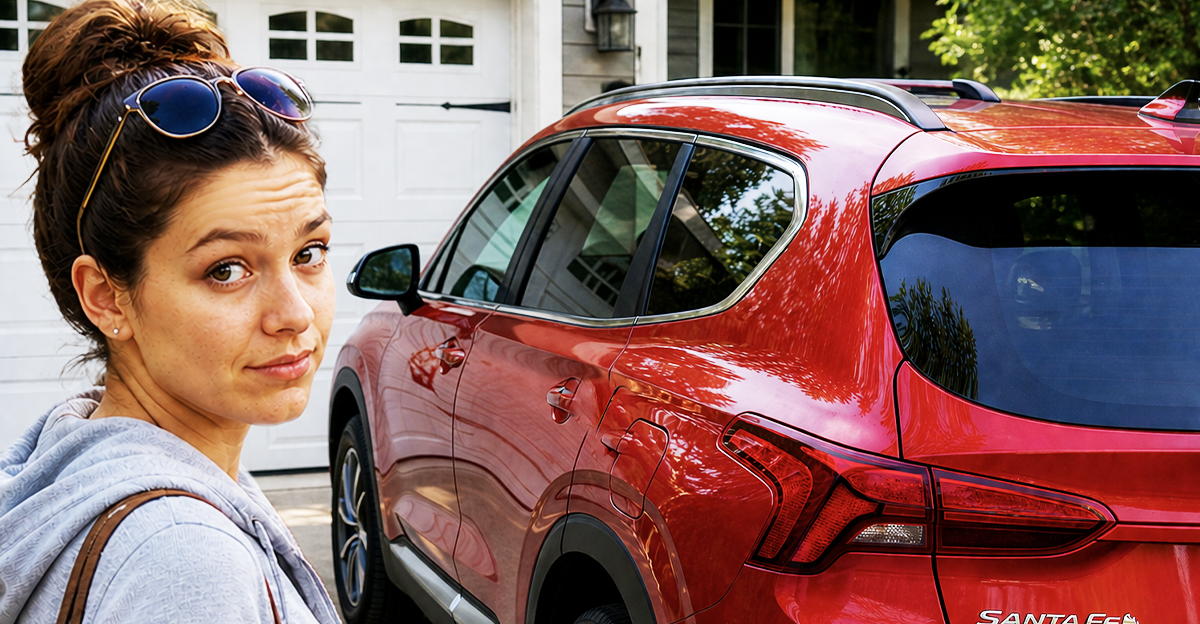
Cadillac Eldorado Brougham Mini Bar
The 1957 Cadillac Eldorado Brougham came with a built-in mini bar complete with magnetic shot glasses built into the glove box. It reflected a different era of driving culture, but even at the time, it raised eyebrows for putting alcohol within arm’s reach of the driver.
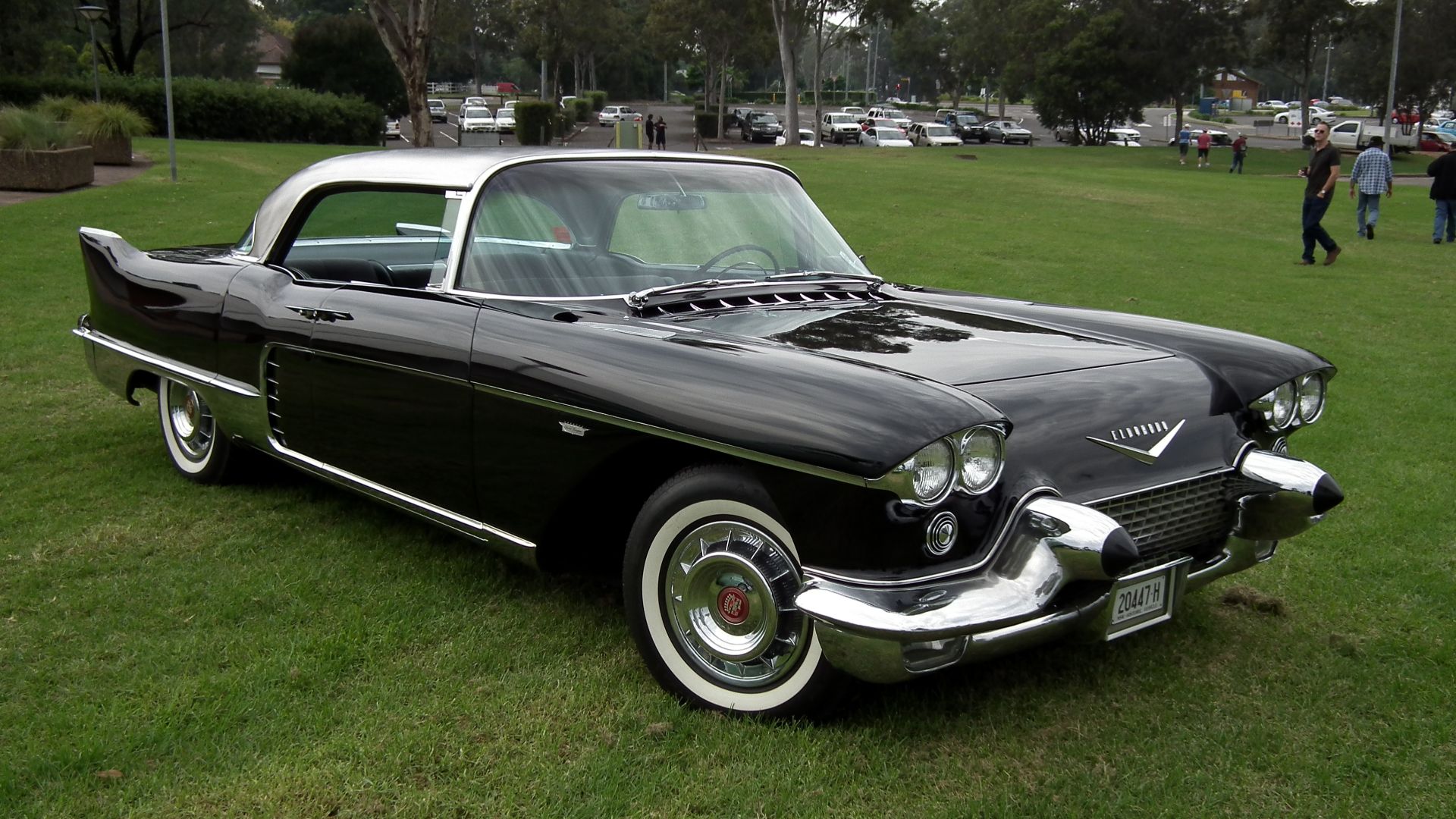
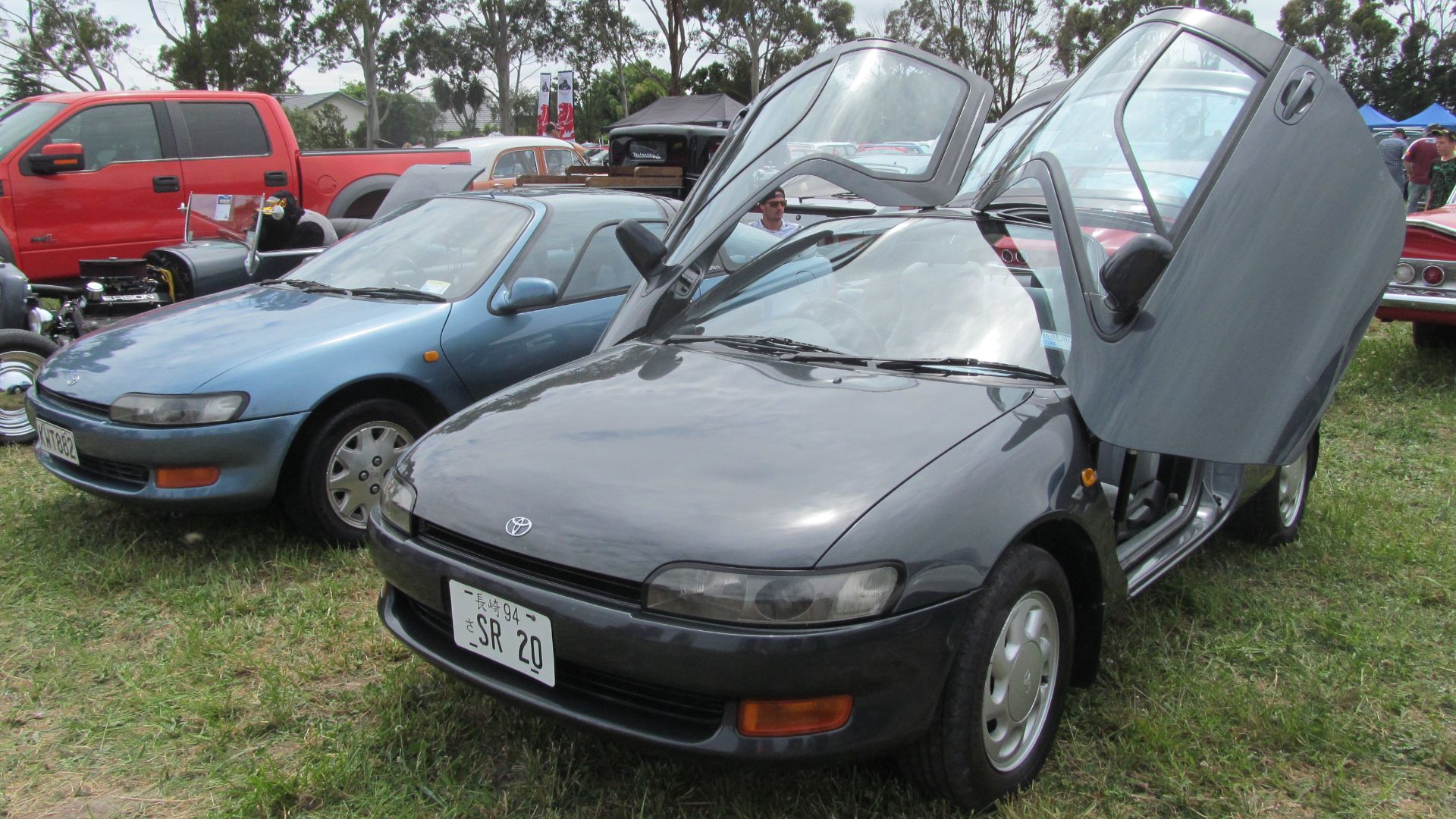
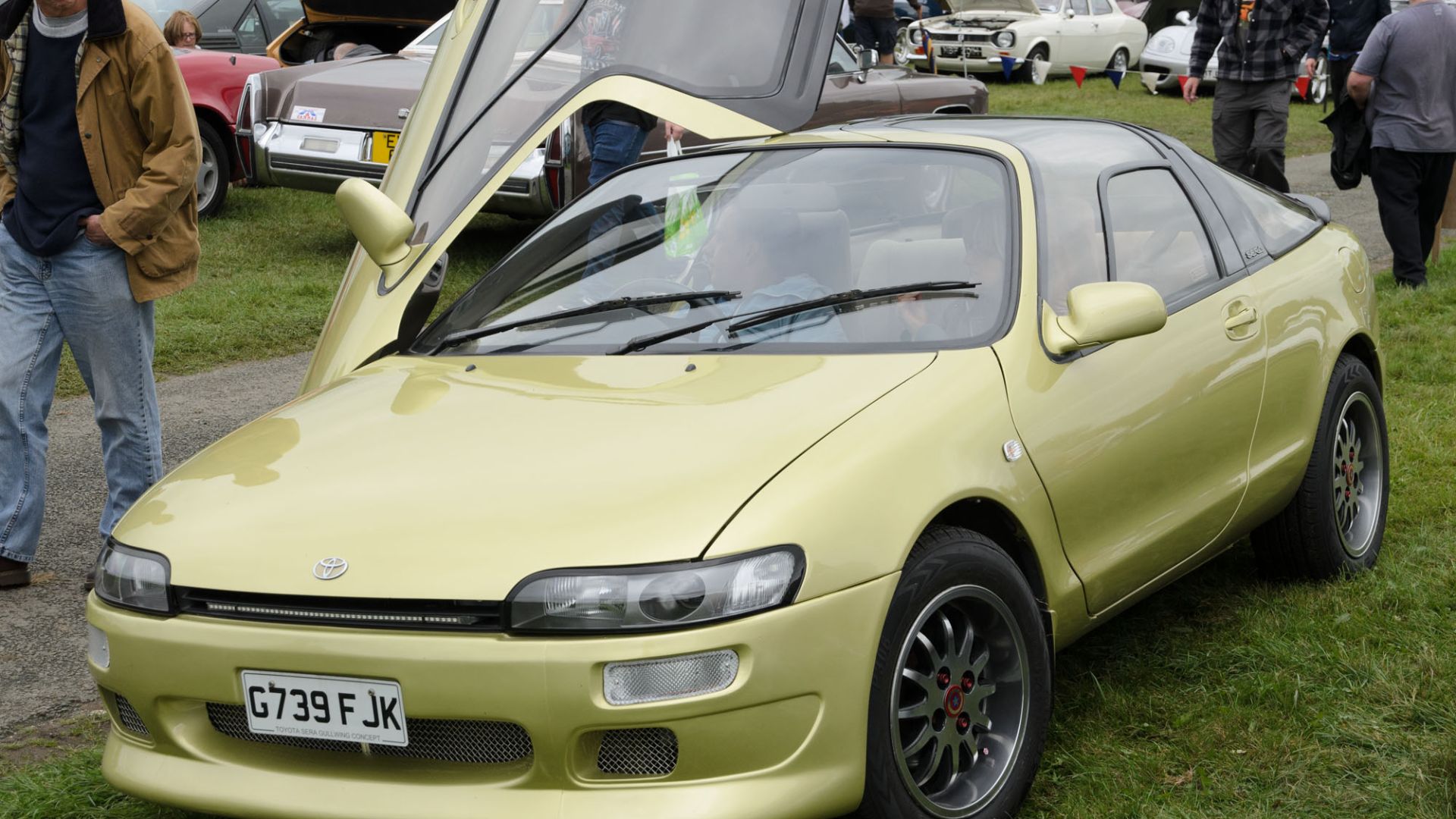
Toyota Sera Butterfly Doors
The 1990 Toyota Sera featured dramatic butterfly doors that lifted upward and forward. While visually striking, they were impractical in tight parking spaces and added complexity.
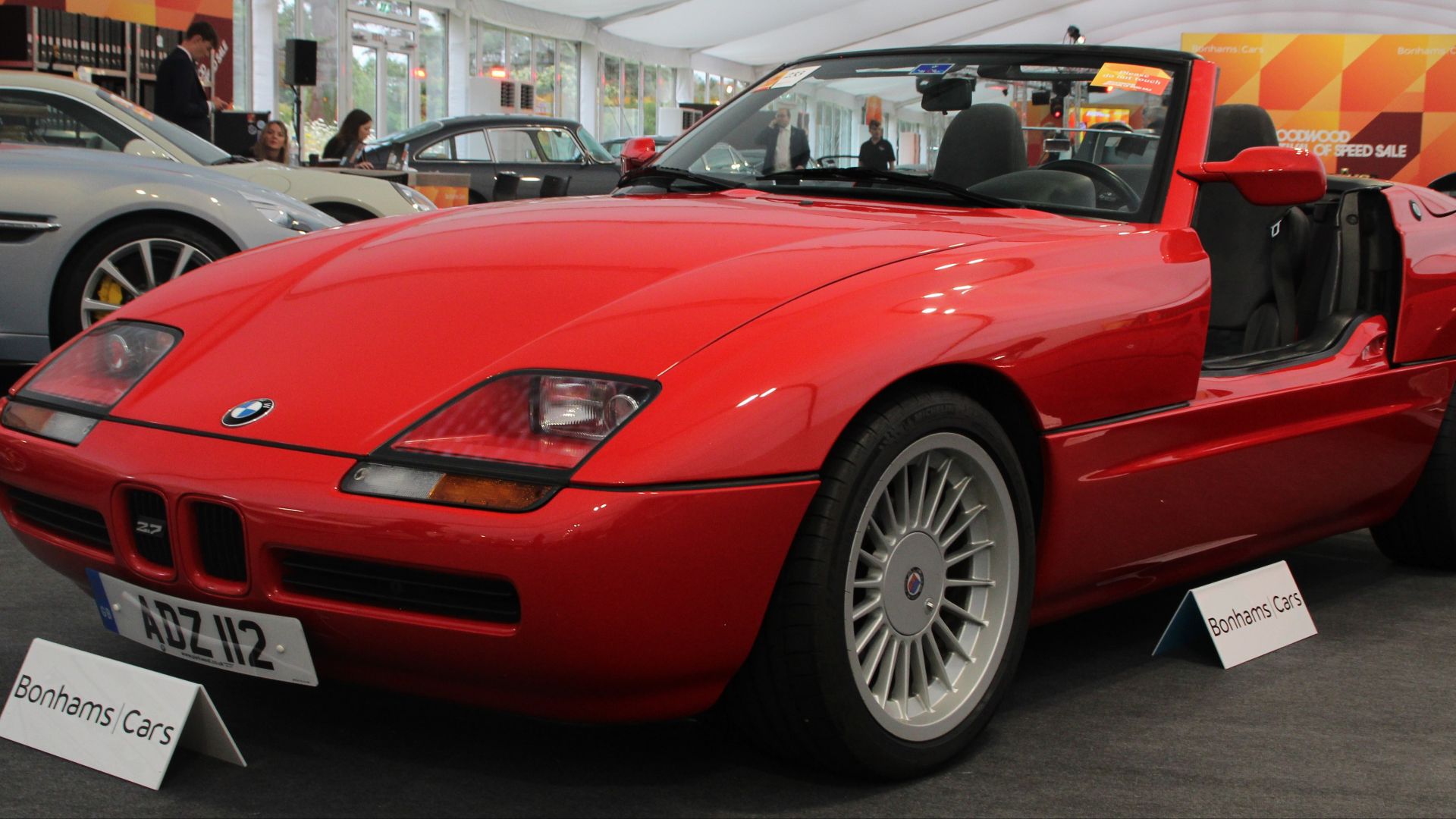
BMW Z1 Retractable Doors
The 1989 BMW Z1 had doors that dropped down into the body of the car. Drivers could technically drive with the doors lowered, which sounded cool but introduced safety concerns.
Volvo XC90 Heartbeat Sensor
The 2004 Volvo XC90 included a heartbeat sensor that could detect if someone was hiding inside the car. It used radar technology to sense movement, even when a person stayed still. It was innovative, but many drivers found it oddly specific, even a little paranoid.

Honda Odyssey Built-In Vacuum
The 2014 Honda Odyssey came with a built-in vacuum cleaner in the rear cargo area. While actually useful for families, it still felt strange to have a household appliance permanently installed in a minivan. It remains one of the more hands-on practical oddities.
 Navigator84, Wikimedia Commons
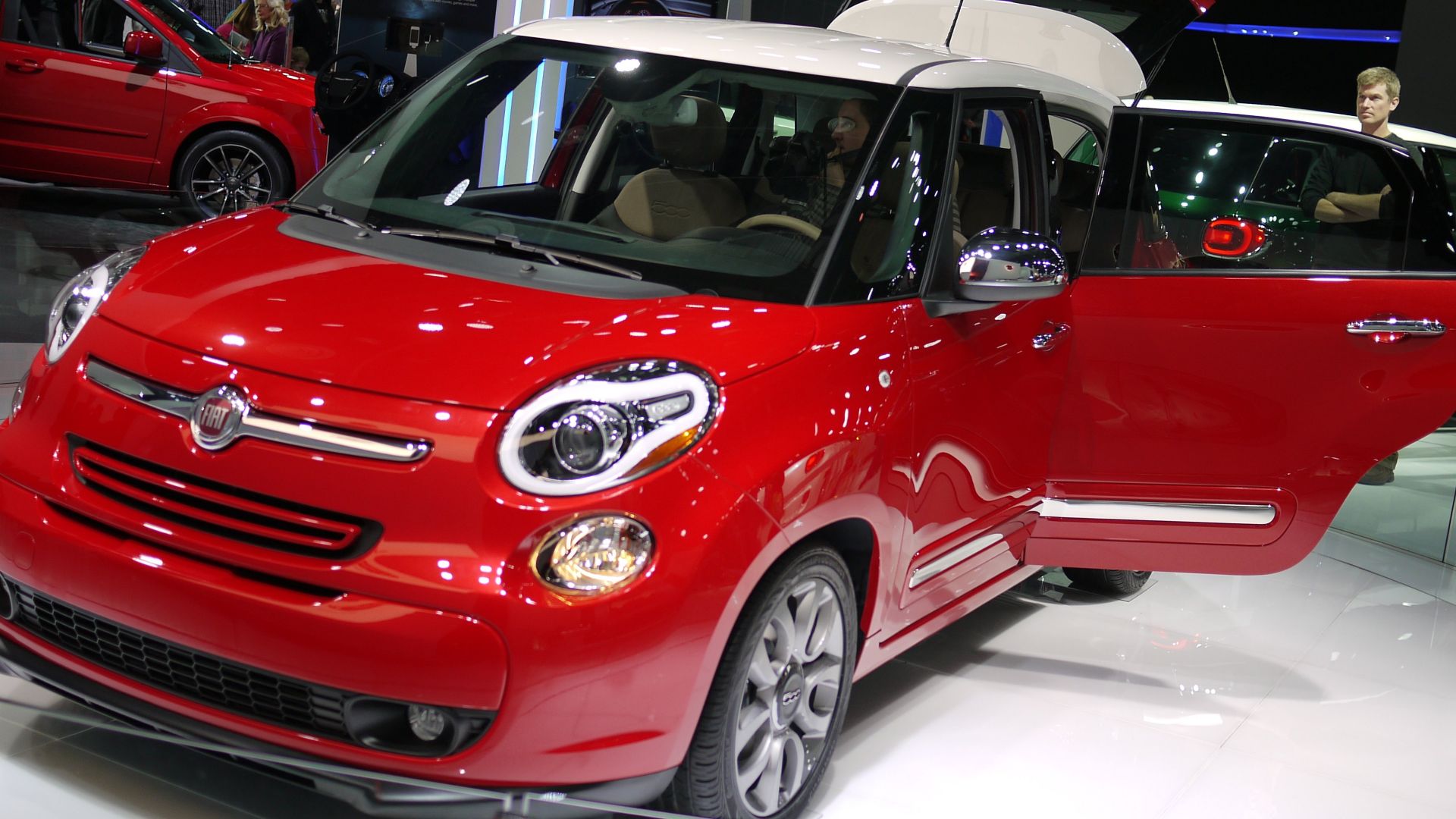
Fiat 500L Espresso Machine
The 2013 Fiat 500L offered an optional built-in espresso machine. It was designed for coffee lovers but raised obvious concerns about distractions. It remains one of the most charming yet questionable features ever installed in a small car.
 F. D. Richards, Wikimedia Commons
Chrysler Town & Country Swivel Seats
The 2008 Chrysler Town & Country had second-row seats that could swivel to face rear passengers. It created a lounge-like feel when parked, but added complexity and weight. The feature was eventually dropped despite its novelty.

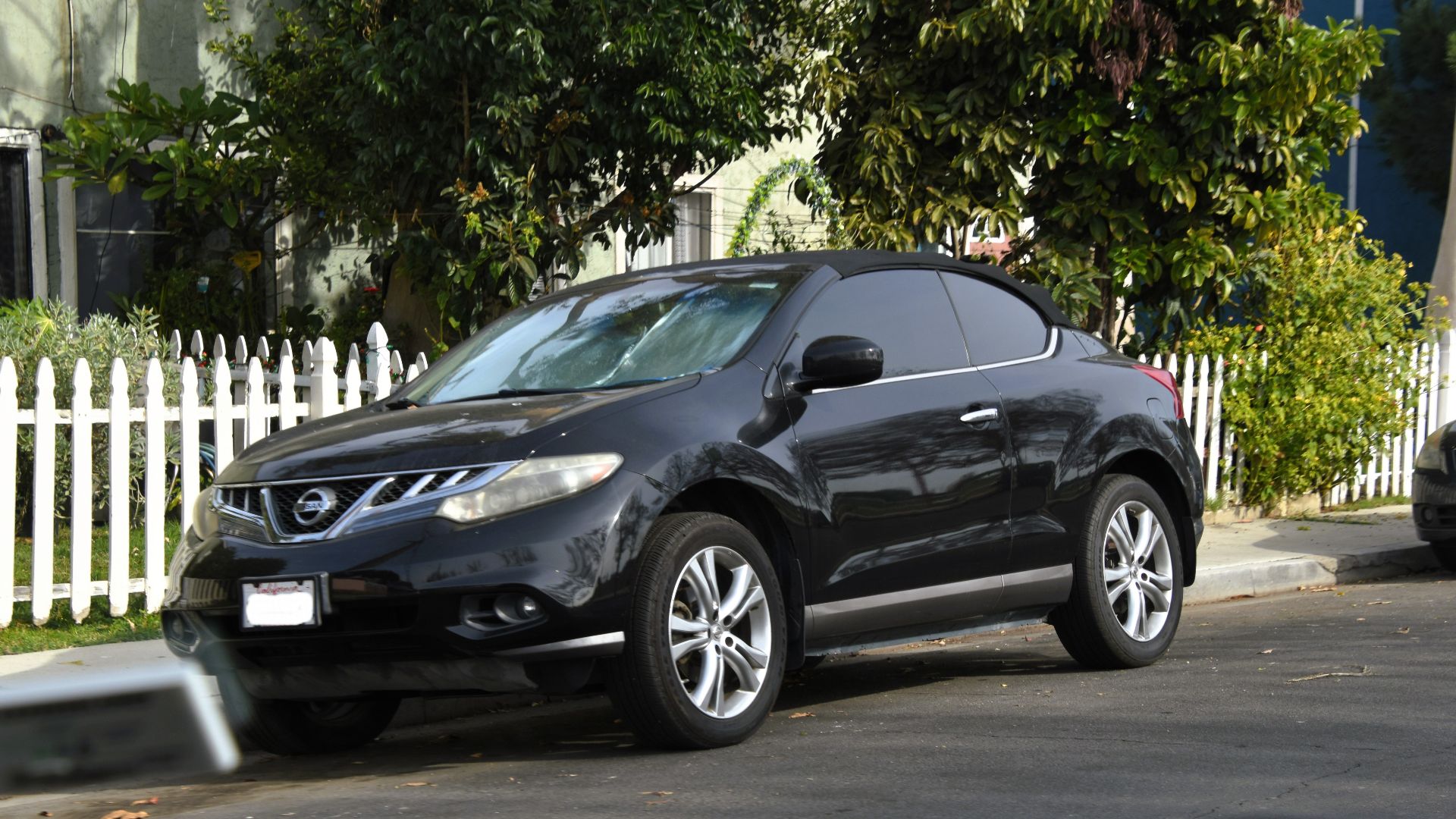
Nissan Murano CrossCabriolet Convertible SUV
The 2011 Nissan Murano CrossCabriolet combined an SUV with a convertible roof. While not a single feature, the concept itself looked bizarre. It sacrificed practicality and became one of the strangest production vehicles ever made.
 Charles from Port Chester, New York, Wikimedia Commons
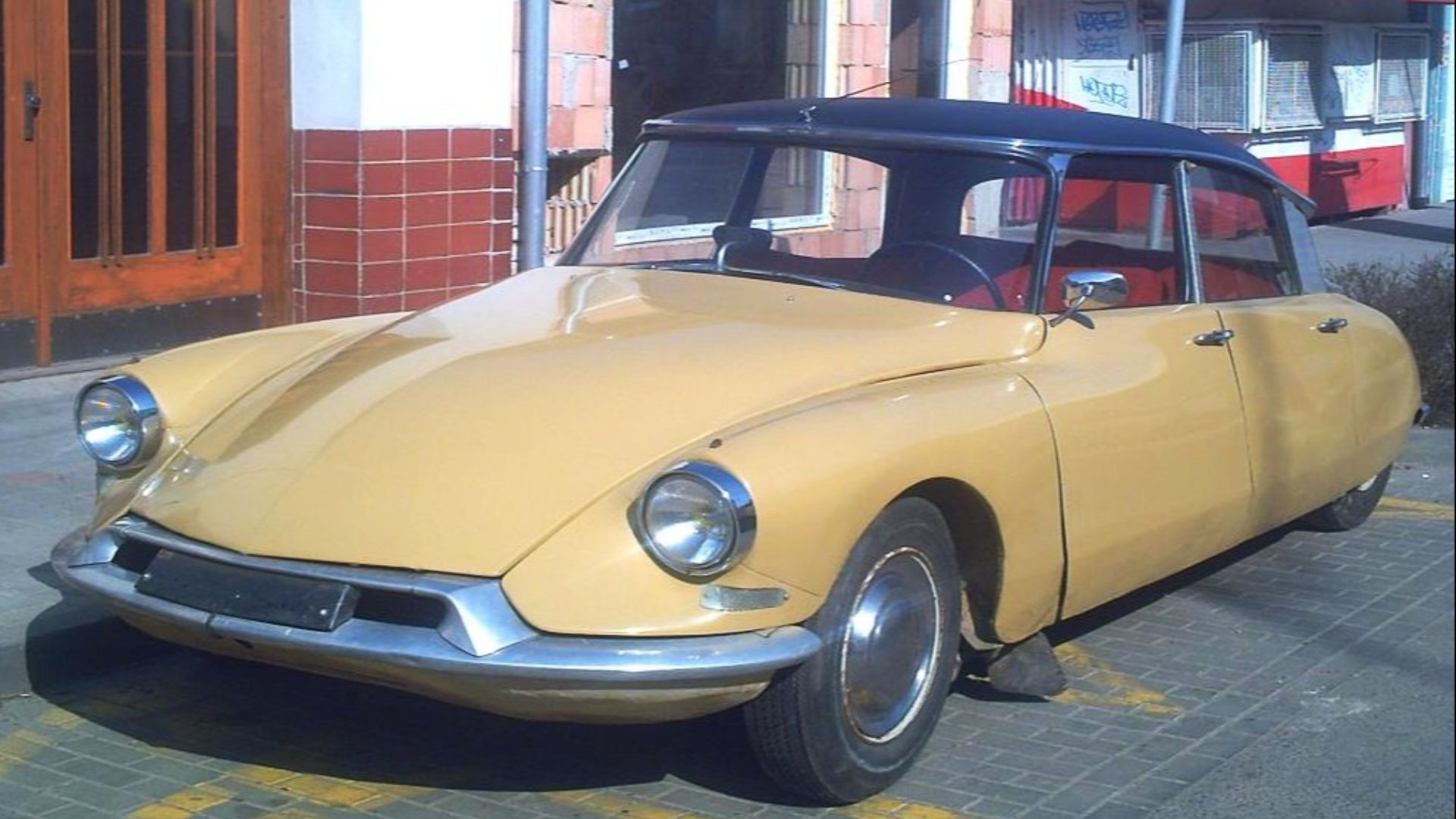
Citroën DS Single-Spoke Steering Wheel
The 1955 Citroën DS featured a single-spoke steering wheel designed for safety and visibility. It looked futuristic but felt unusual to drivers. It remains one of the most recognizable and unconventional steering designs in automotive history.
 Radek Weigel, Wikimedia Commons
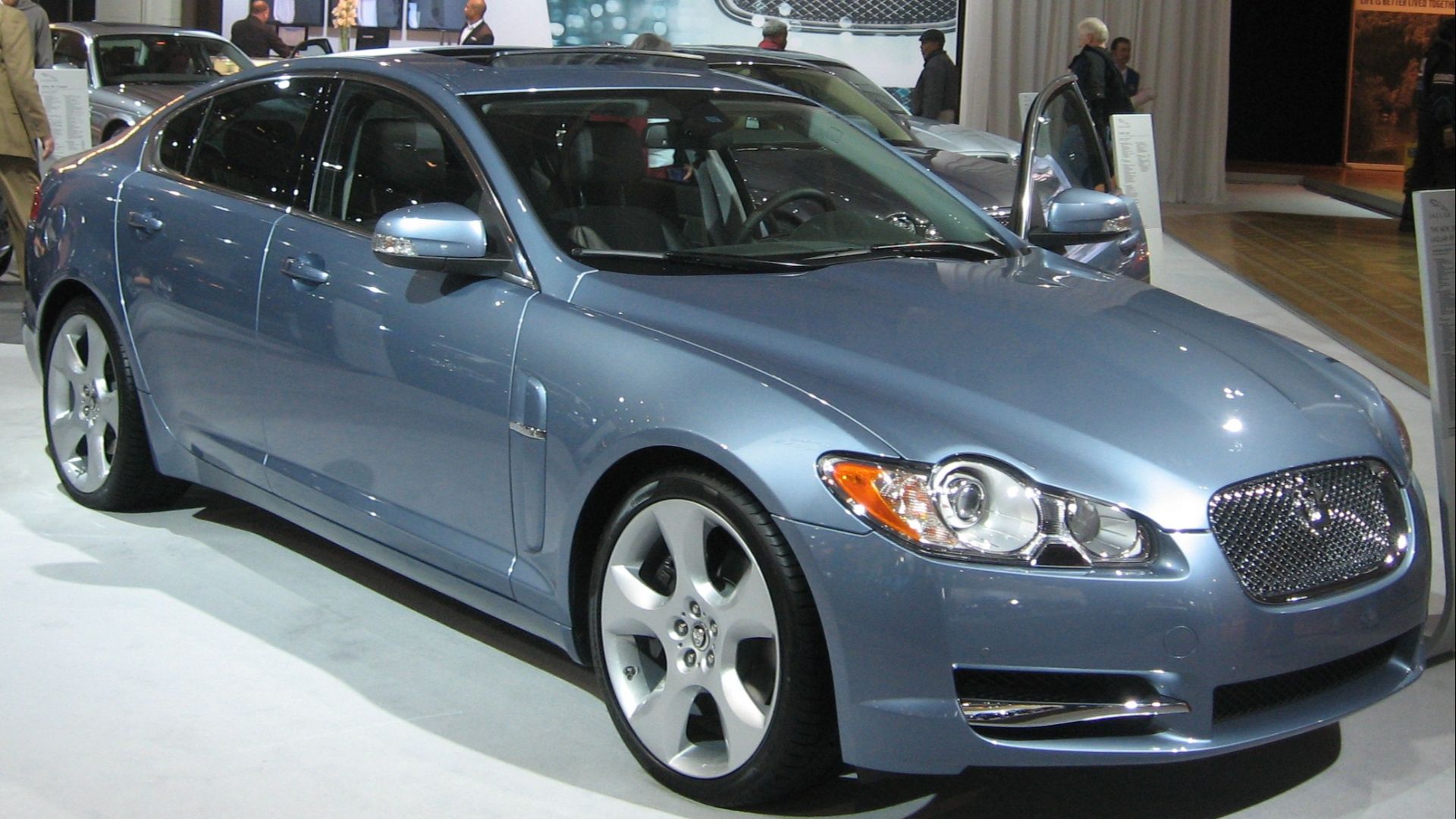
Jaguar XF Rotating Air Vents
The 2009 Jaguar XF introduced air vents that rotated into view when the car started. It added drama and flair, but also complexity. Over time, it became more of a conversation piece than a necessary feature.
McLaren 720S Folding Display
The 2017 McLaren 720S featured a folding instrument cluster that flipped to a minimal display in track mode. Though this was impressive engineering, it was by no means essential. It highlighted how far automakers sometimes go to add “gee whiz” theatrical elements.
 Matti Blume, Wikimedia Commons
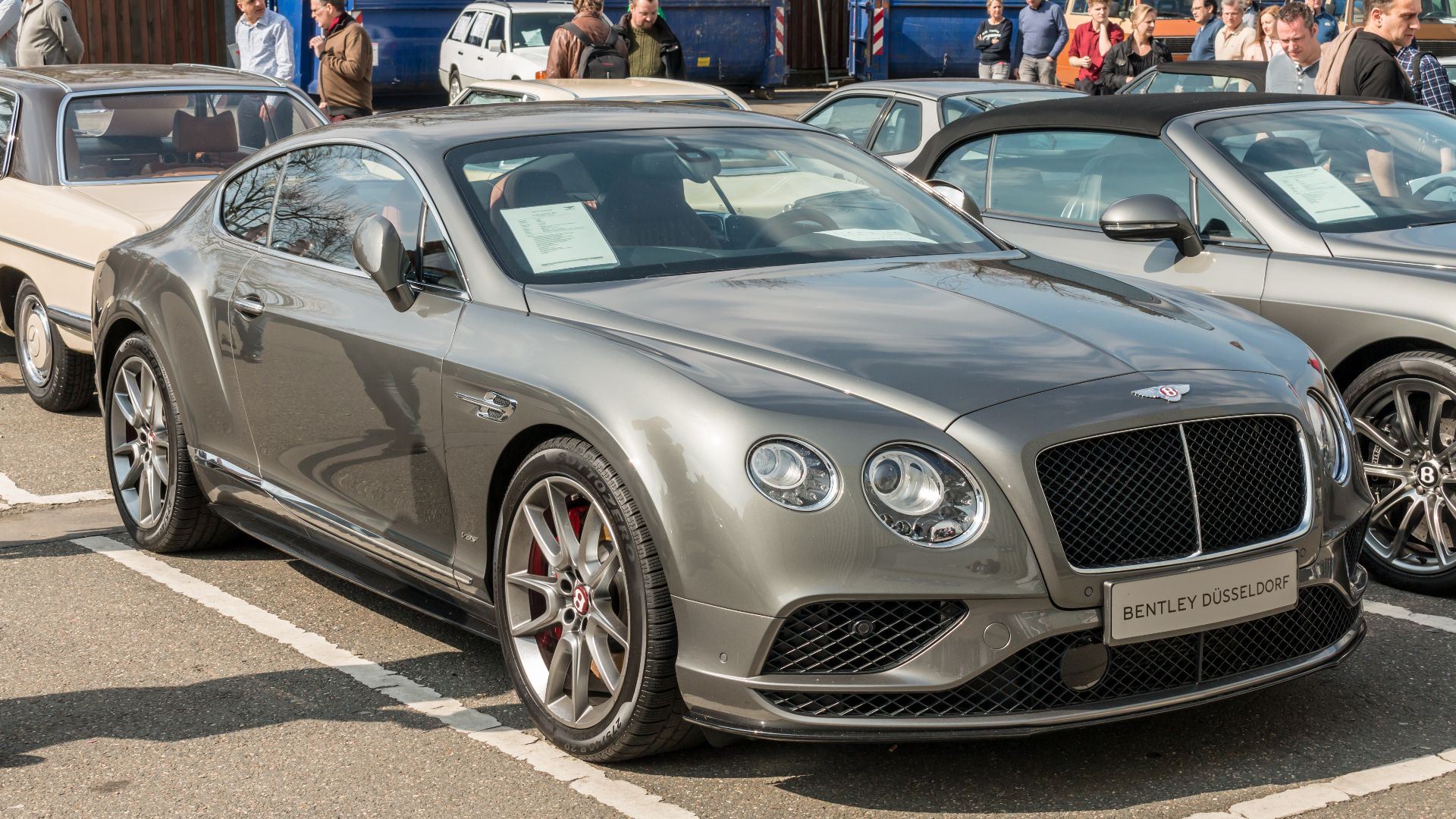
Bentley Continental GT Rotating Display
The 2018 Bentley Continental GT included a rotating dashboard panel that could switch between screens and analog dials. It was luxurious and unique, though arguably unnecessary for most drivers.
 Matti Blume, Wikimedia Commons
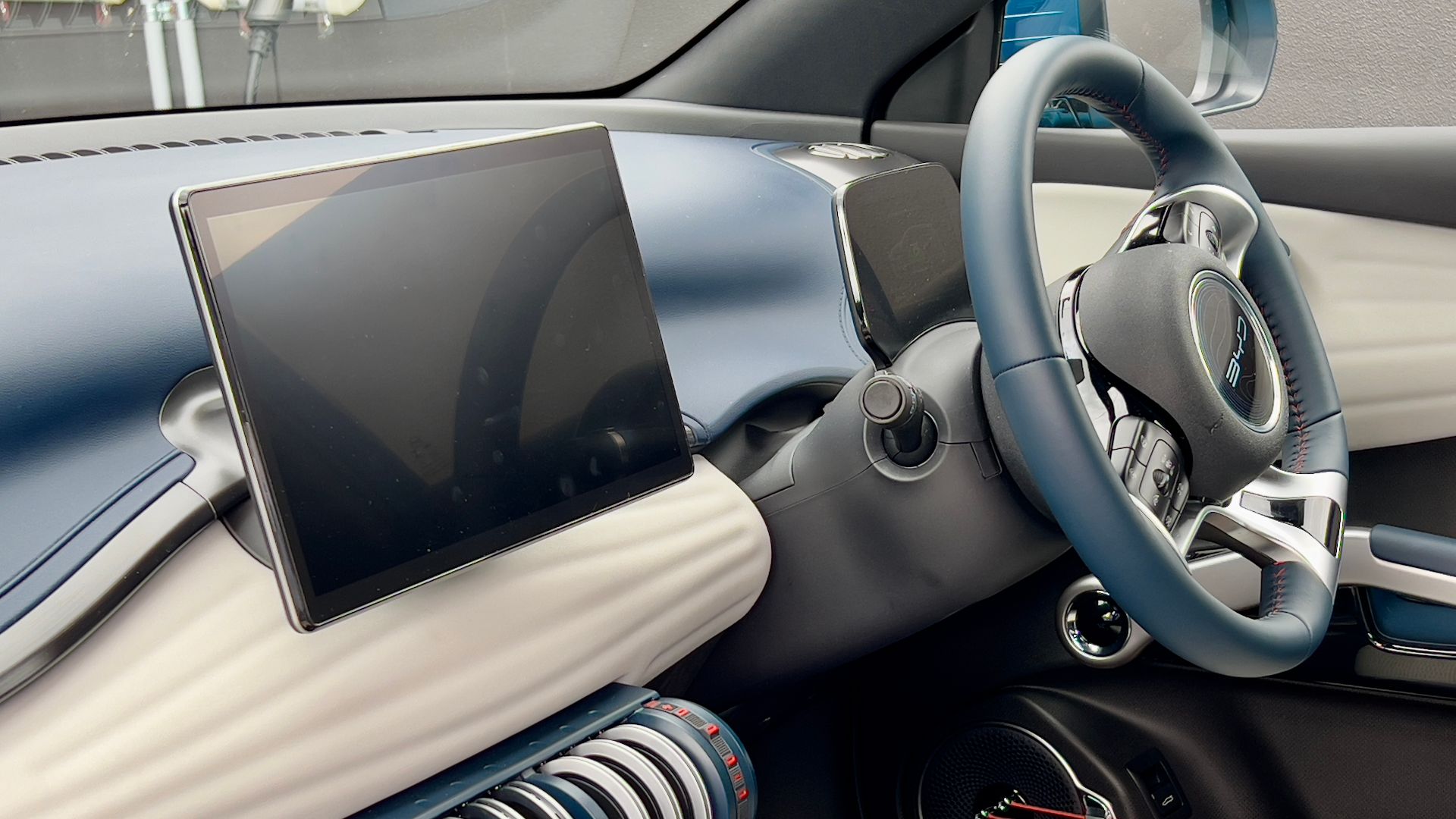
BYD Atto 3 Rotating Screen
The 2022 BYD Atto 3 featured an infotainment screen that rotated between portrait and landscape. It offered flexibility but felt like a gimmick to many. This is one of the more modern examples of experimental design.
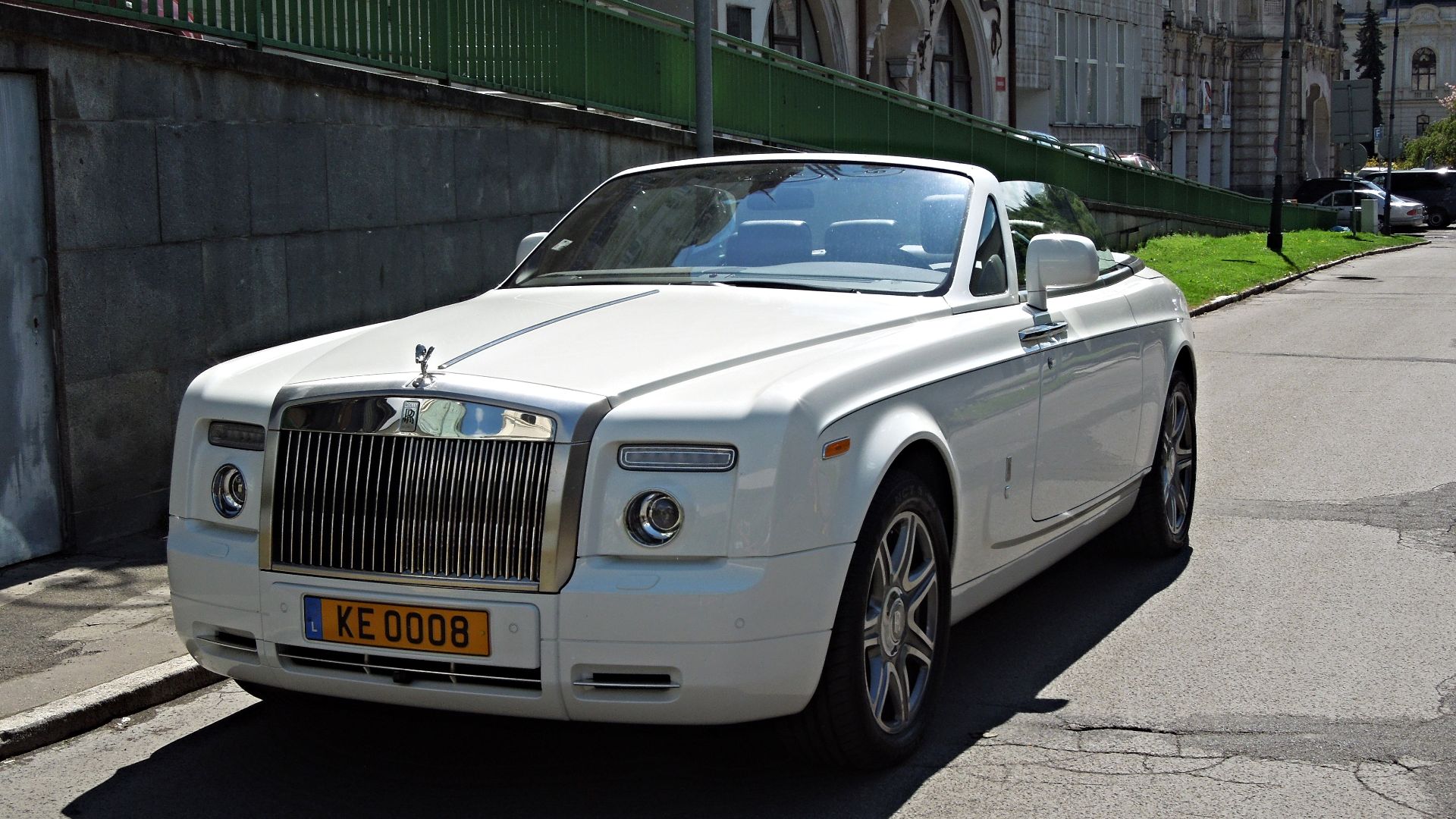
Rolls-Royce Phantom Starlight Headliner
The 2007 Rolls-Royce Phantom offered a ceiling filled with fiber optic lights that mimicked a starry sky. It was beautiful and extravagant, though clearly unnecessary. It remains a defining luxury feature.
 Tobias Nordhausen from Sondershausen, Deutschland, Wikimedia Commons
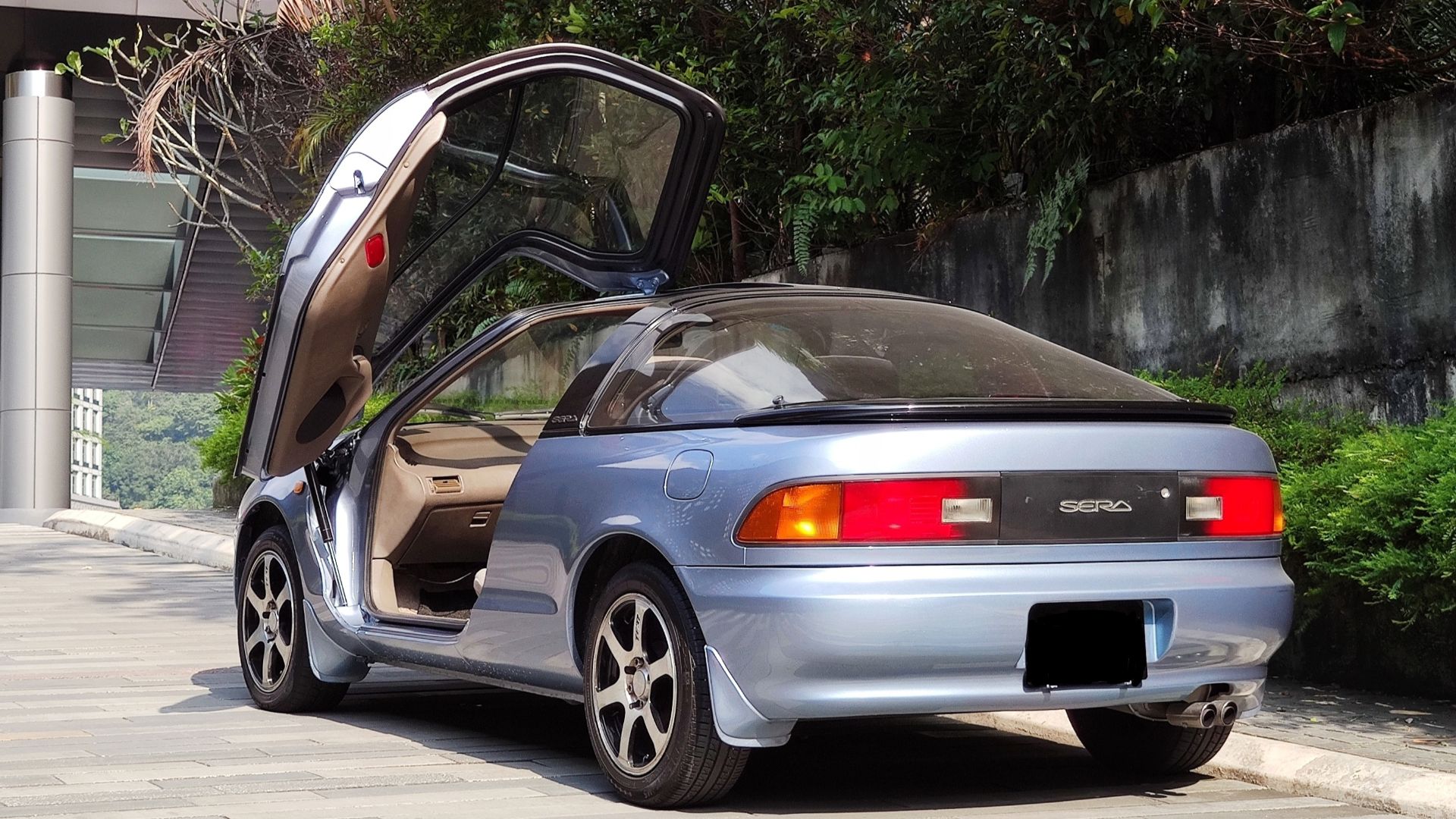
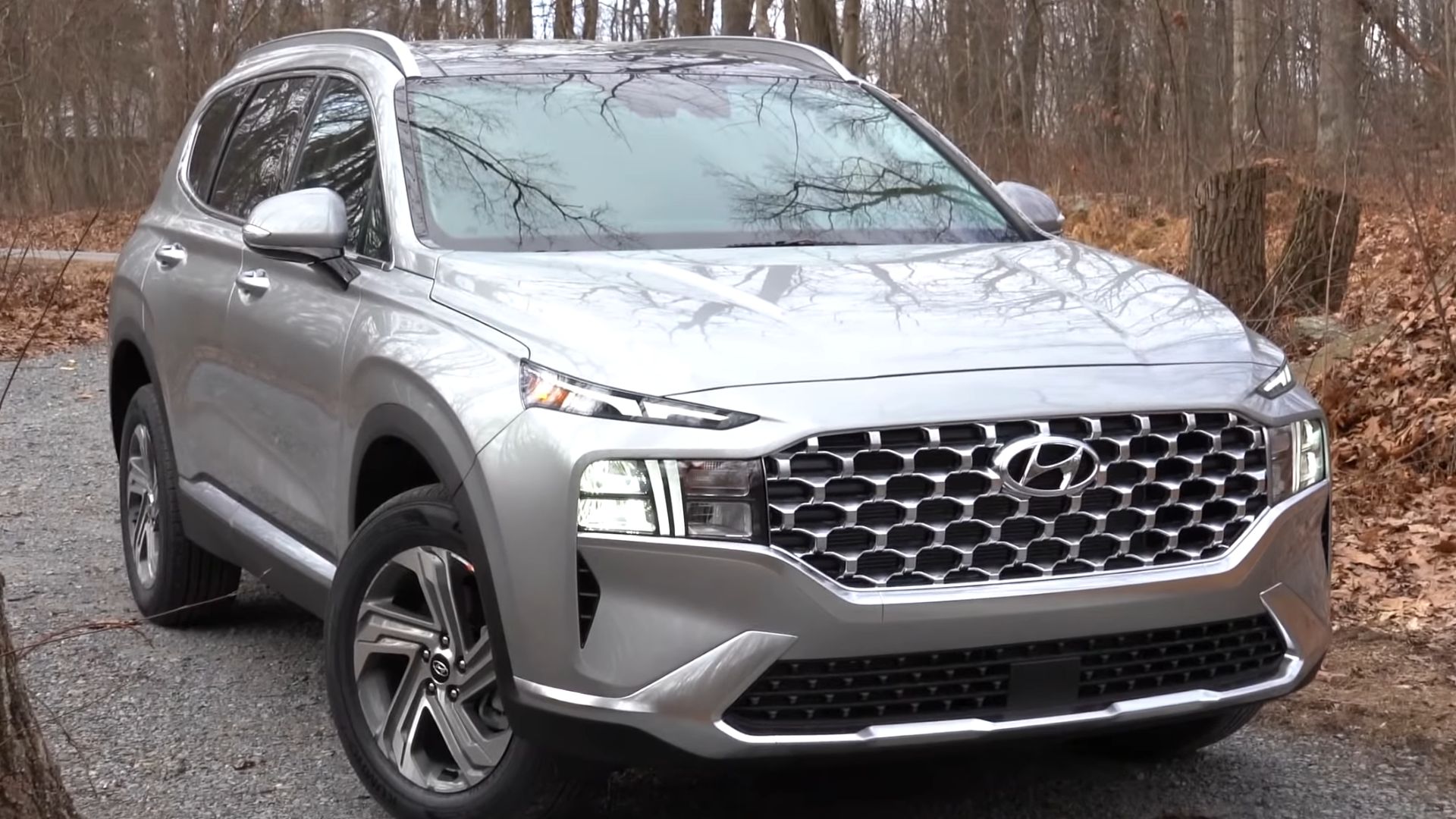
Hyundai Santa Fe UV Sterilization Tray
The 2021 Hyundai Santa Fe included a UV light tray to sanitize small items. It reflected changing consumer priorities in the coronavirus era, but still felt unusual. The idea of sterilizing belongings in a car surprised many drivers.
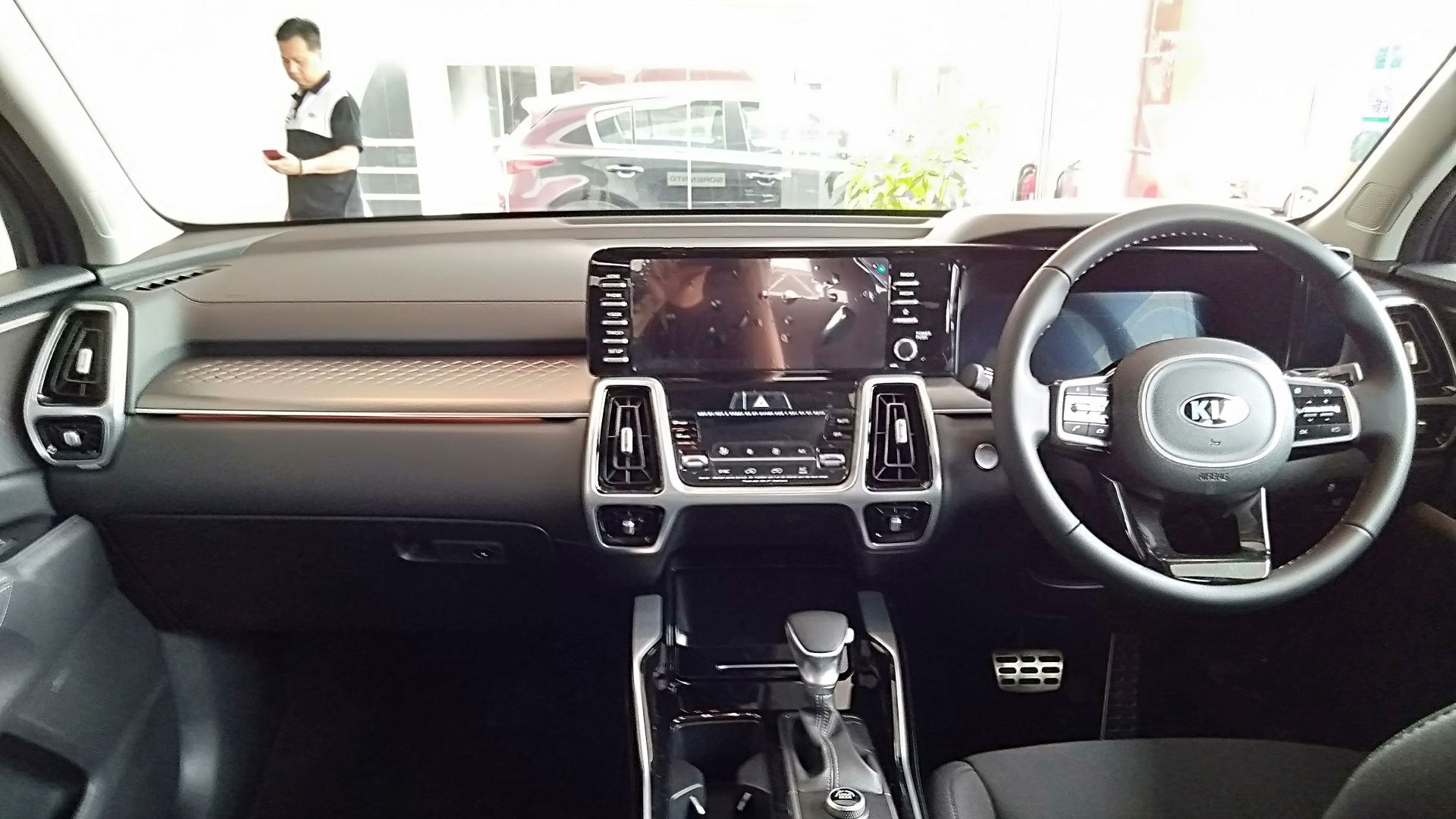
Kia “Sounds Of Nature” Mode
The 2020 Kia Sorento introduced ambient nature sounds through the speakers. Drivers could listen to rain or forests while sitting in traffic. It was no doubt relaxing, but undeniably odd.
 AIMHO'S REBELLION 8490s, Wikimedia Commons
Pontiac Aztek Camping Tent
The 2001 Pontiac Aztek offered a tent attachment that turned the vehicle into a campsite. It was practical in theory, but added to the car’s already uneven reputation.

Tesla Model X Falcon Wing Doors
The 2016 Tesla Model X featured Falcon Wing doors that opened upward in tight spaces. Futuristic but complex, the reliability concerns with these doors made them as controversial as they were impressive.

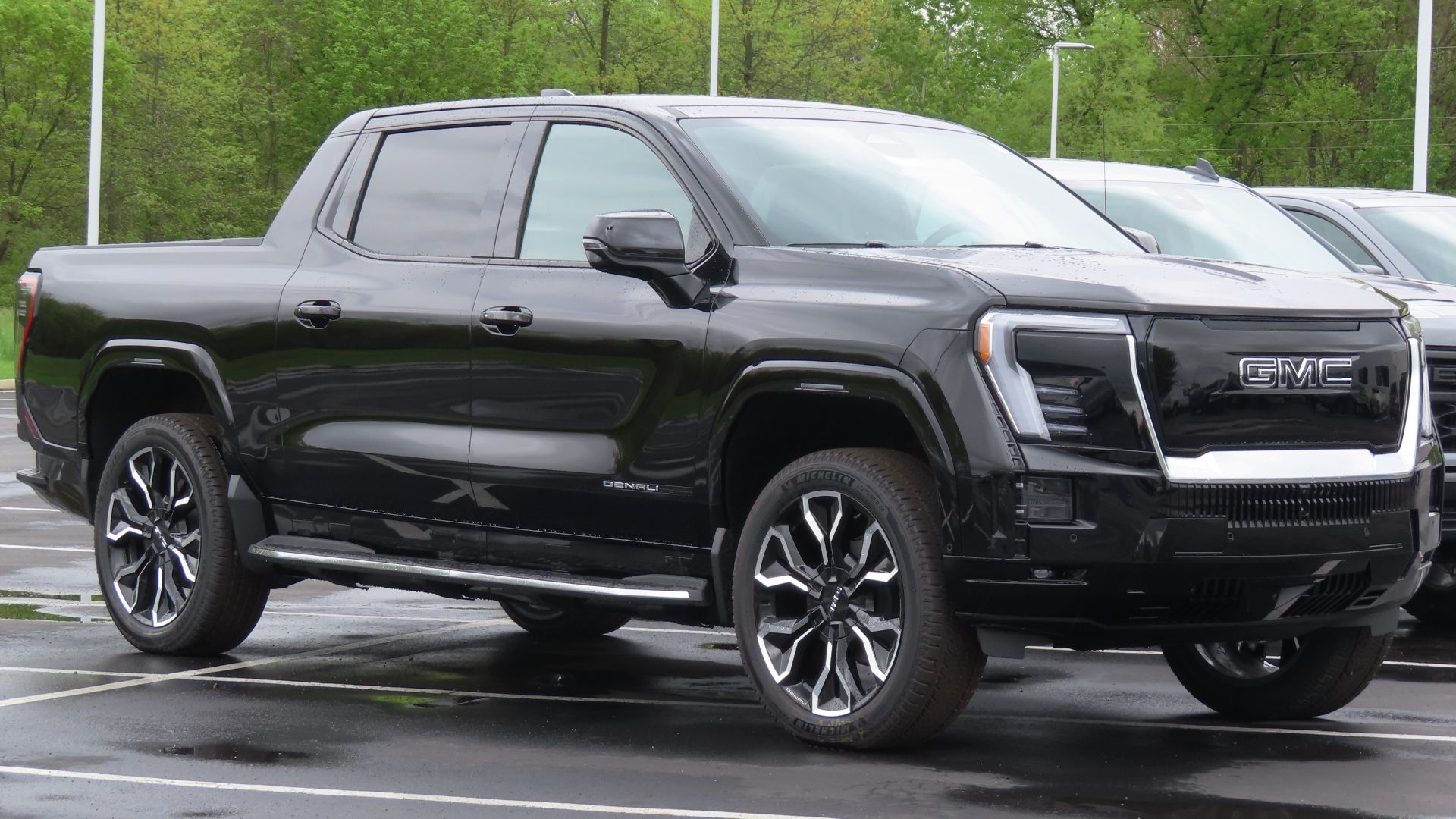
GMC Sierra EV CrabWalk
The 2025 GMC Sierra EV introduced CrabWalk, allowing diagonal movement at low speeds. It seemed gimmicky at first but has proved to be useful in off-road situations. This is actually one of those rare strange features with real benefits.
 MercurySable99, Wikimedia Commons
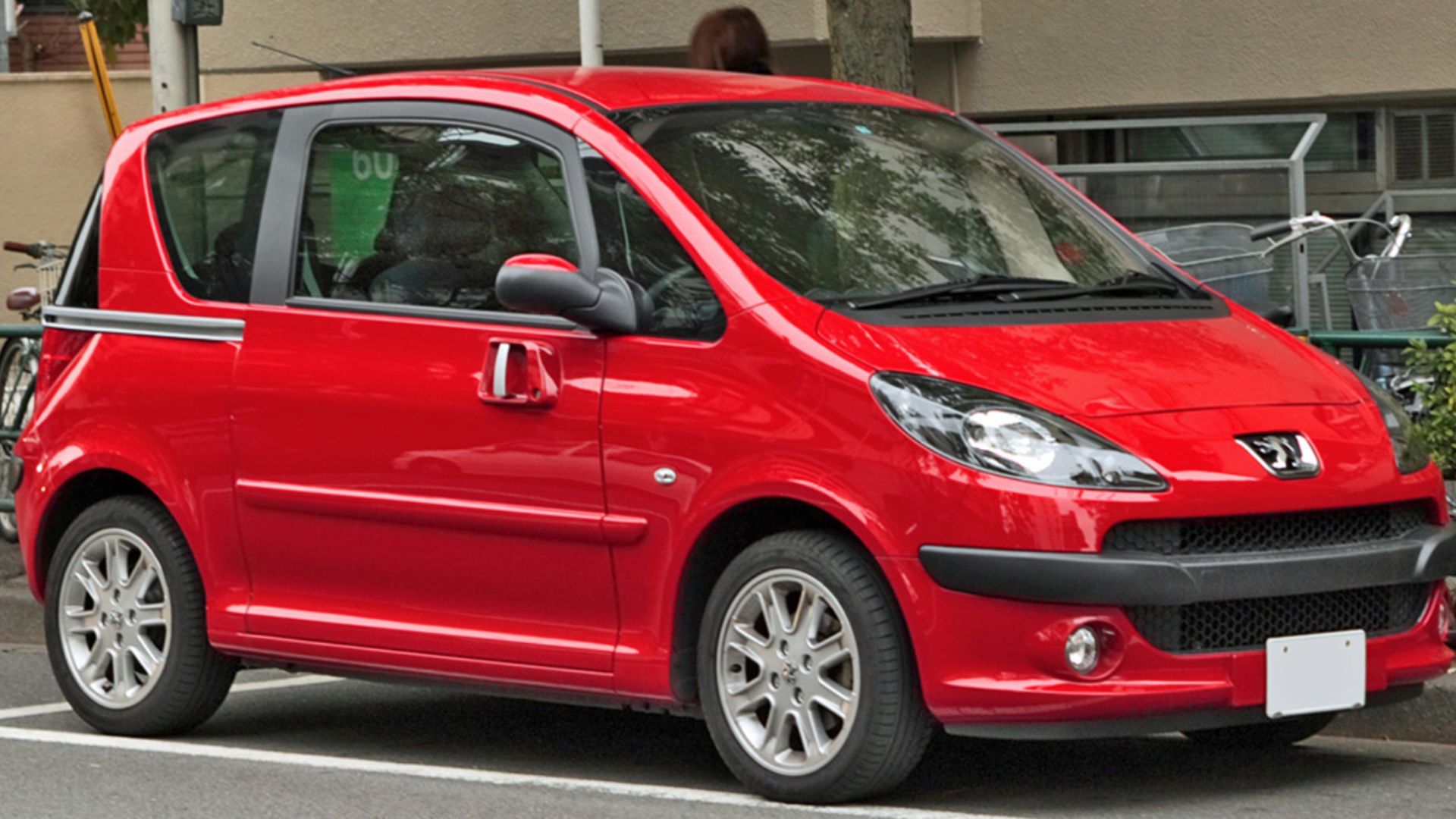
Peugeot 1007 Sliding Doors
The 2005 Peugeot 1007 used sliding doors like a van. It was practical but seemed a little out of place on a small hatchback. The added weight and cost didn’t help its appeal.
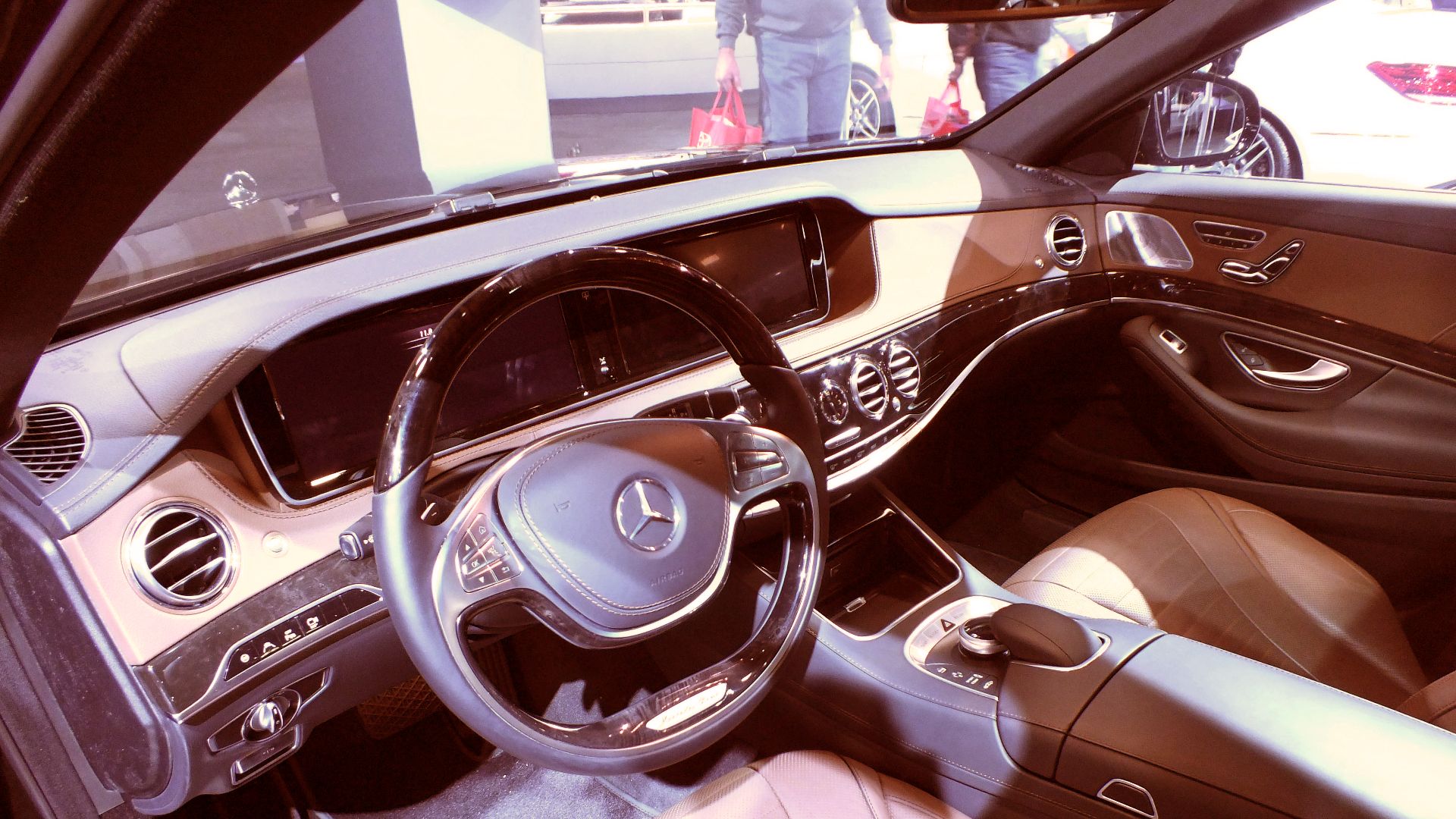
Mercedes-Benz S-Class Fragrance System
The 2014 Mercedes-Benz S-Class included a built-in fragrance diffuser. that allowed drivers to scent the cabin. Many people were enthusiastic about the luxurious and exotic features, while others questioned whether it was really necessary.
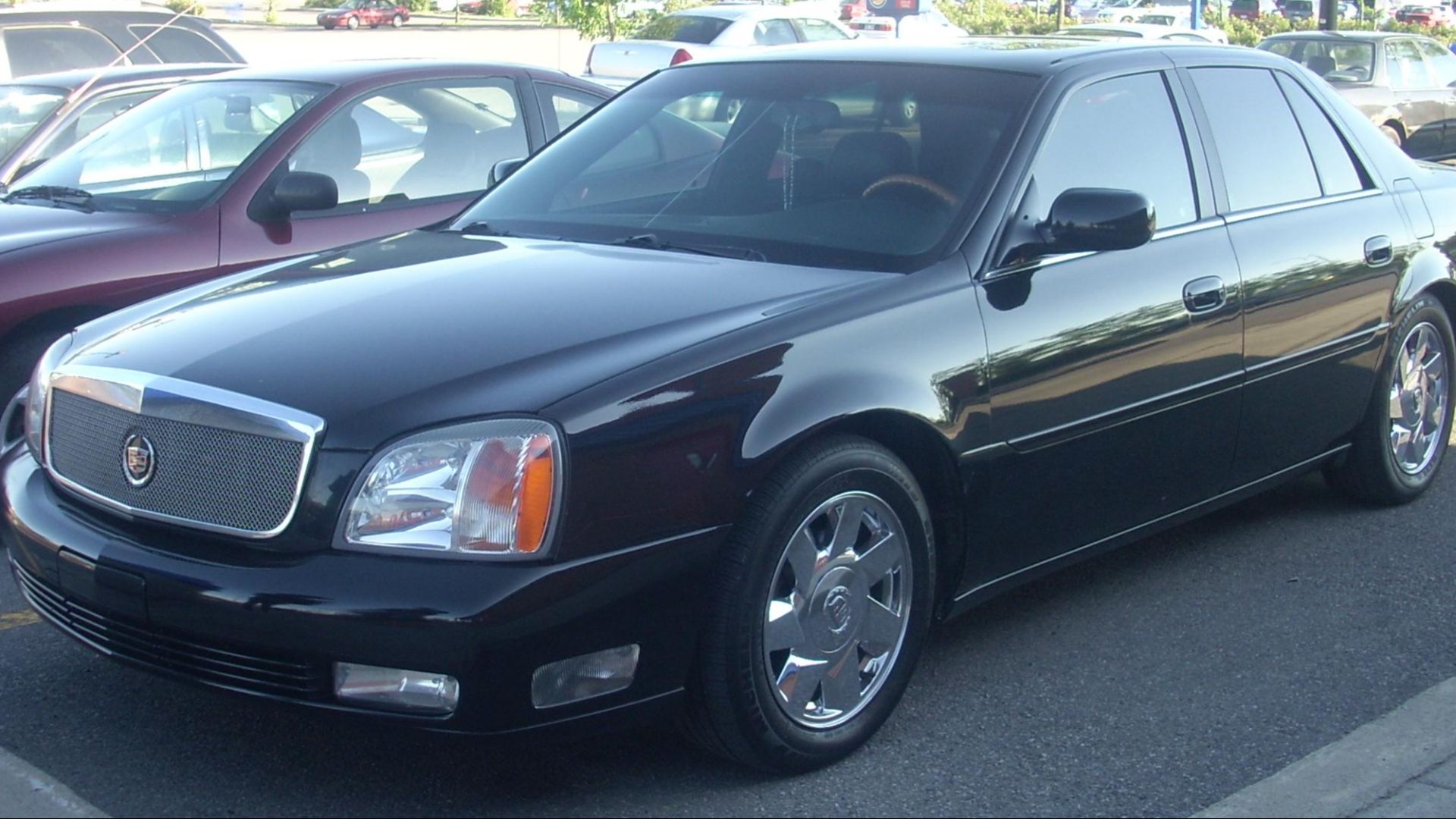
Cadillac DeVille Night Vision
The 2000 Cadillac DeVille offered infrared night vision. It was ahead of its time but difficult for drivers to use effectively. It was a great example of how innovation can outpace practicality.
Subaru Baja Bed Pass-Through
The 2003 Subaru Baja had a pass-through panel connecting the cabin to the bed. It allowed longer cargo, but confused buyers. Whether buyers used it or even understood it, the feature became one of the vehicle’s defining quirks.
 MercurySable99, Wikimedia Commons
Suzuki Lapin Built-In Toaster
The 2001 Suzuki Lapin G Toast edition featured a dashboard toaster. It could warm snacks on the go, but most saw it as a novelty. This has to be one of the strangest ideas ever put into a car.

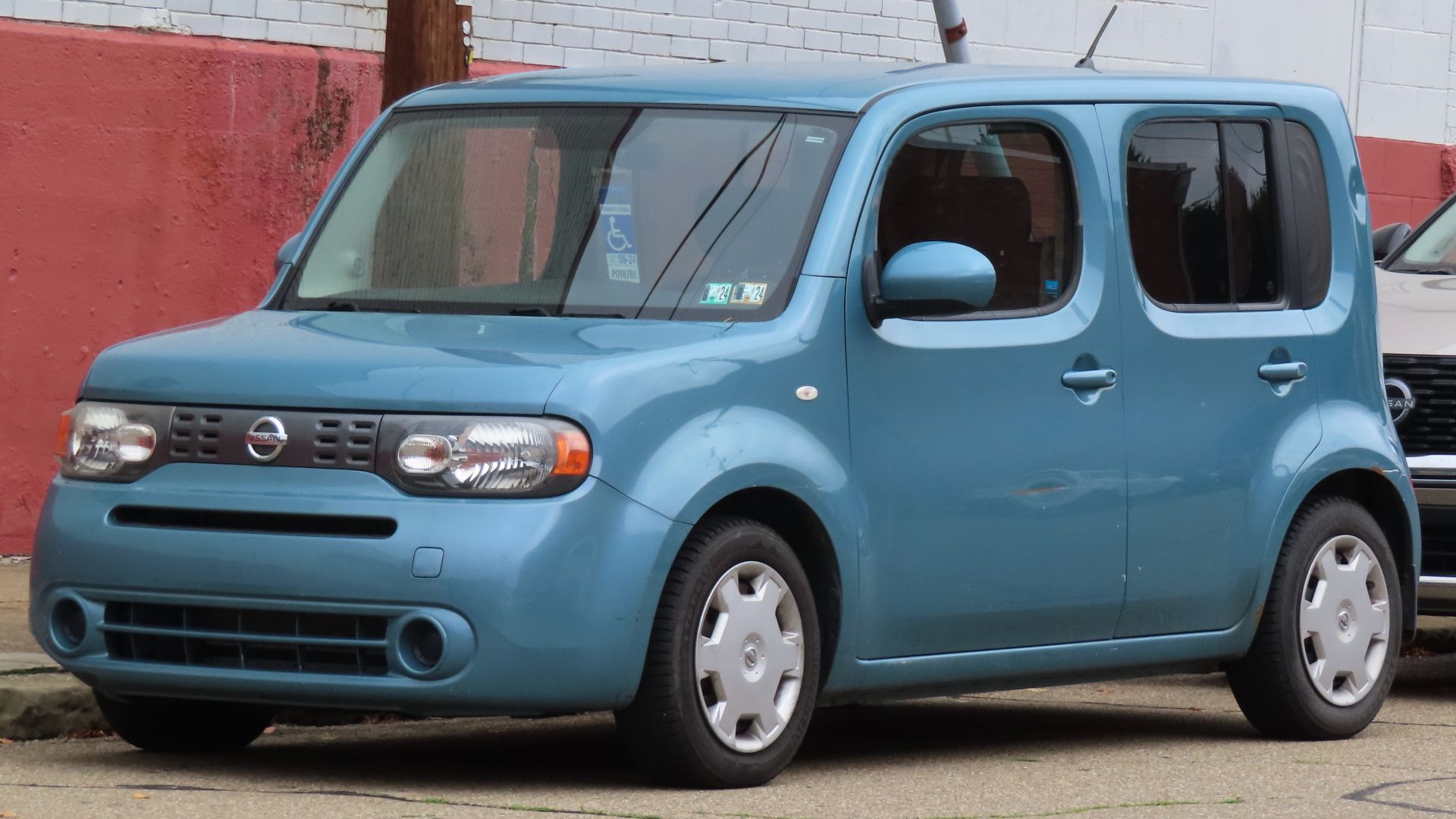
Nissan Cube Hidden High Heel Storage
The 2009 Nissan Cube included a compartment sized for high heels. It reflected its quirky design philosophy. While niche, it showed the almost endless options automakers had in terms of designing for very specific lifestyles.
 MercurySable99, Wikimedia Commons
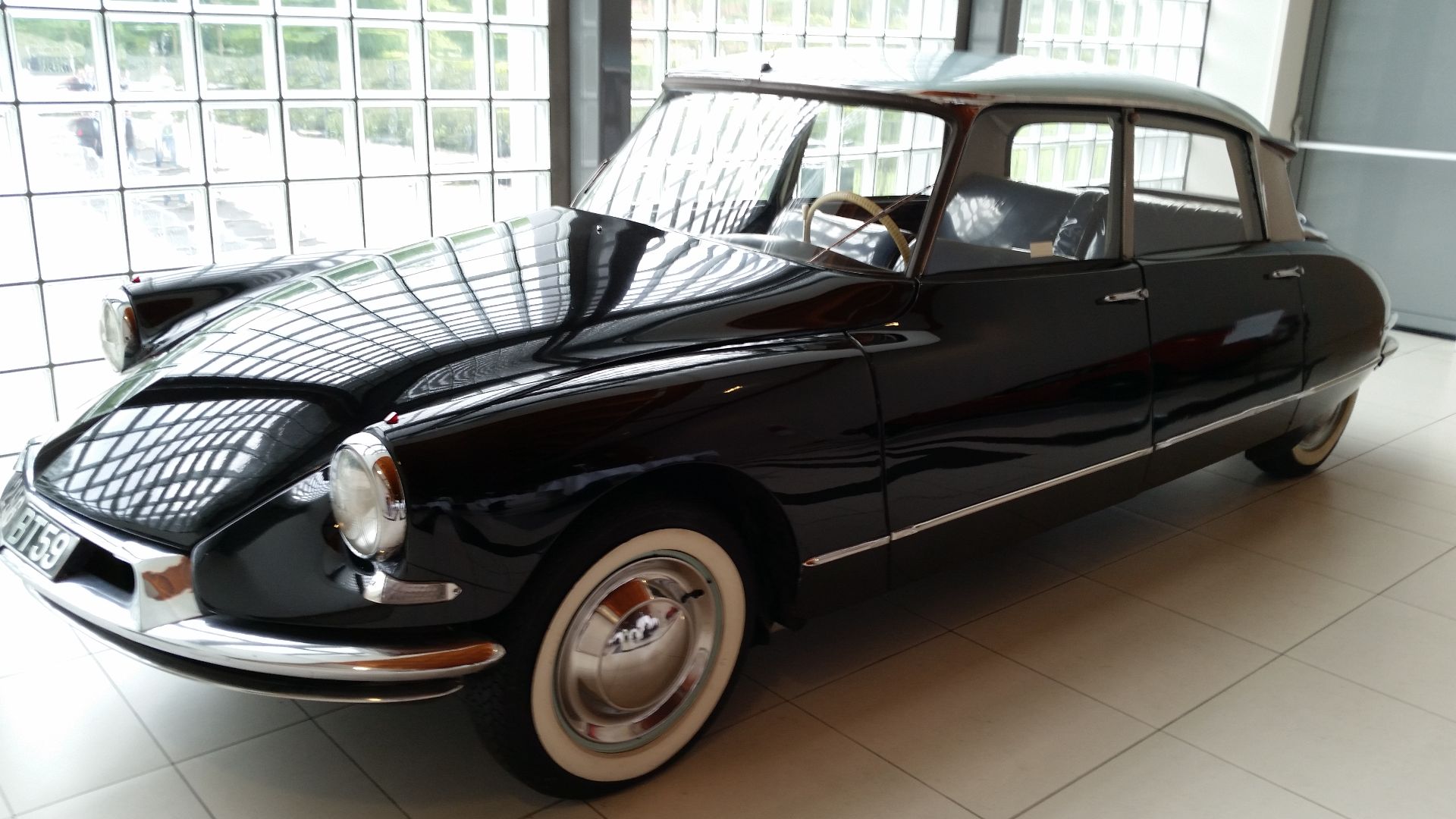
Citroën DS Front Seat Typewriter
A customized 1958 Citroën DS reportedly featured a built-in typewriter. It turned the car into a mobile office. While impractical, it perfectly captured the experimental spirit of the time.
 Michel Curi, Wikimedia Commons
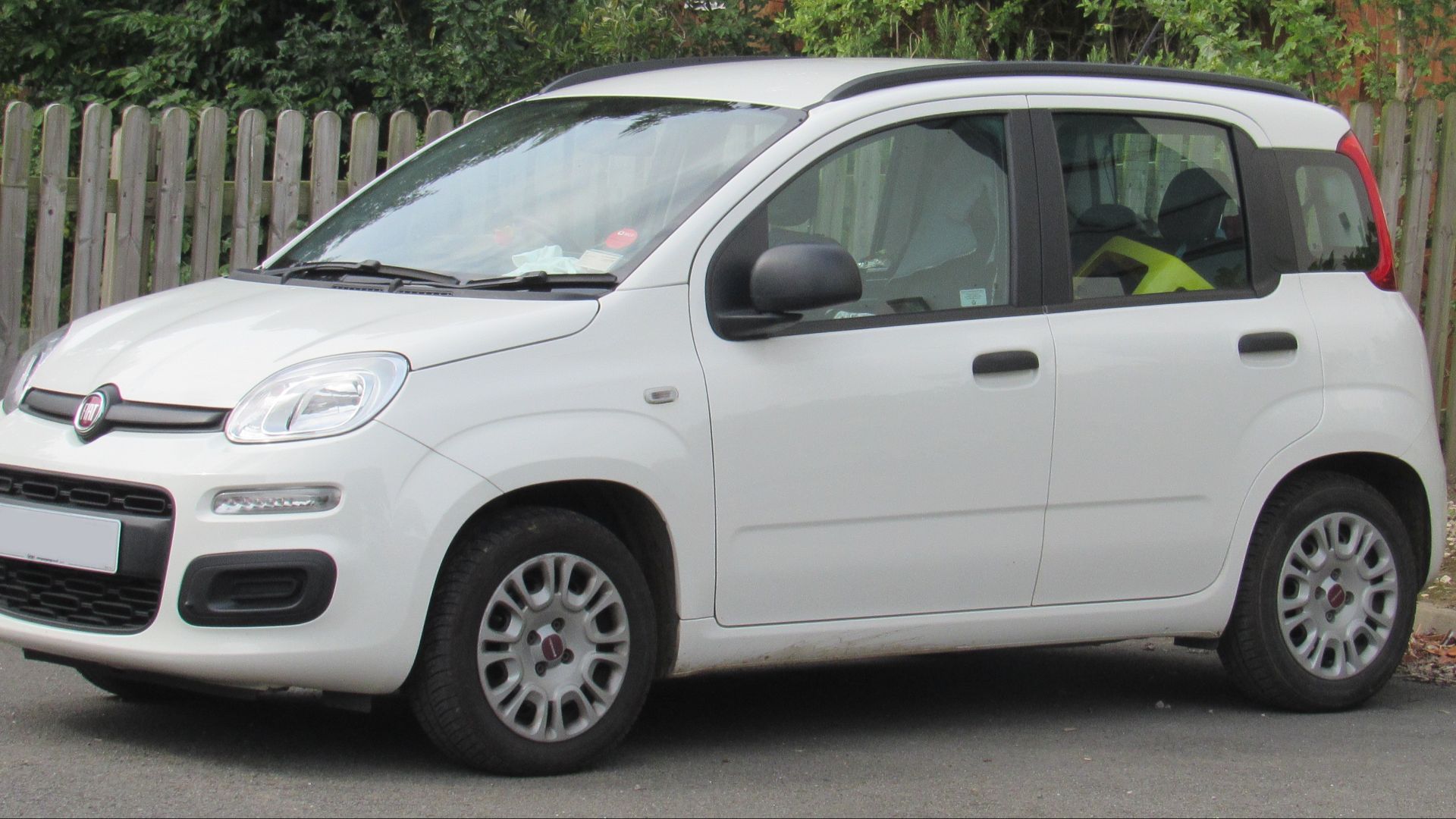
Fiat Panda Pull-Out Picnic Tables
The Fiat Panda offered picnic tables stored near the bumpers. It was perfect for roadside meals but impractical for quick stops. It remains one of the most charming oddities of car design.
Honda Element Deep Bowl Cupholders
The 2003 Honda Element featured deep cupholders that could hold bowls. Designed for versatility, they became a quirky highlight of Honda’s focus on real-world usability, even for those who want to eat soup while driving!

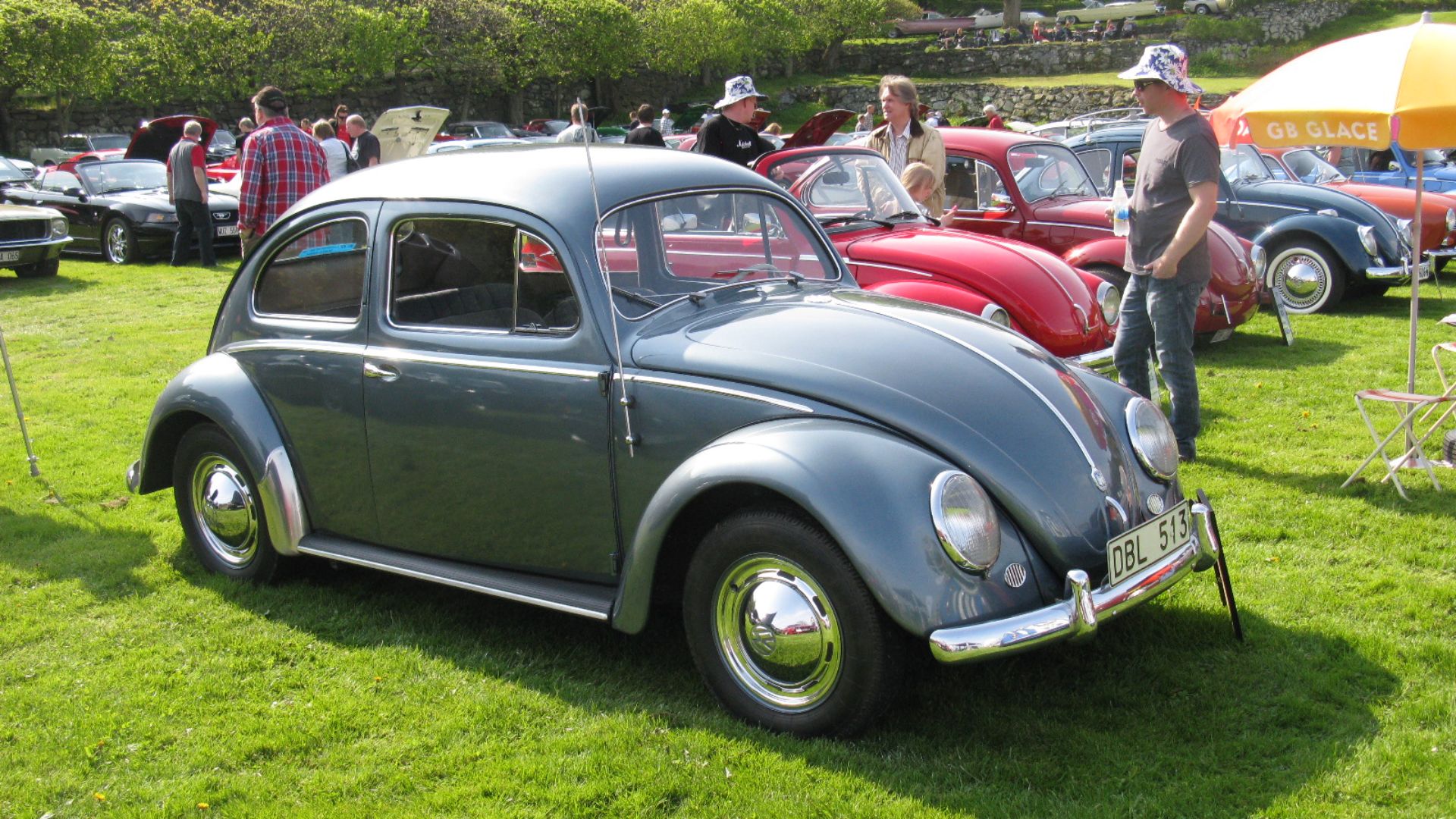
Volkswagen Beetle Semaphore Turn Signals
The 1955 Volkswagen Beetle used pop-out semaphore arms instead of blinkers. These illuminated arms signaled turns mechanically. While clever, they were eventually replaced for safety reasons.
Skoda Superb Cooled Glovebox
The 2015 Skoda Superb featured a cooled glovebox for drinks or snacks. It added a touch of luxury to everyday driving. Many joked about using it for champagne.
 Mike-fiesta, Wikimedia Commons
Why Did These Features Happen?
Automakers often experiment to stand out in crowded markets. Some ideas were genuine innovations, while others were marketing gimmicks. The result is a fascinating mix of brilliance and bizarre thinking.
 Riley from Christchurch, New Zealand, Wikimedia Commons
Creativity Keeps Things Interesting
Weird car features show just how creative the industry can be. Some ideas were ahead of their time, while others were simply strange. Either way, they make automotive history a lot more interesting.
You May Also Like:
The Most Innovative Concept Cars Of All Time
Common New Car Features That Nobody Even Uses
Beautiful Design Couldn’t Make Up The Triumph Stag’s Bad Engineering