The Premium Fuel Debate Never Really Dies
Is premium gas actually worth the money? It's probably the easiest way to start an argument about cars. In this case, your mechanic’s rule of thumb is pretty close to what many automakers and fuel experts say, but the real answer is a bit more interesting. Premium has a real purpose, but that purpose depends on how your engine was built.

What Premium Gas Actually Means
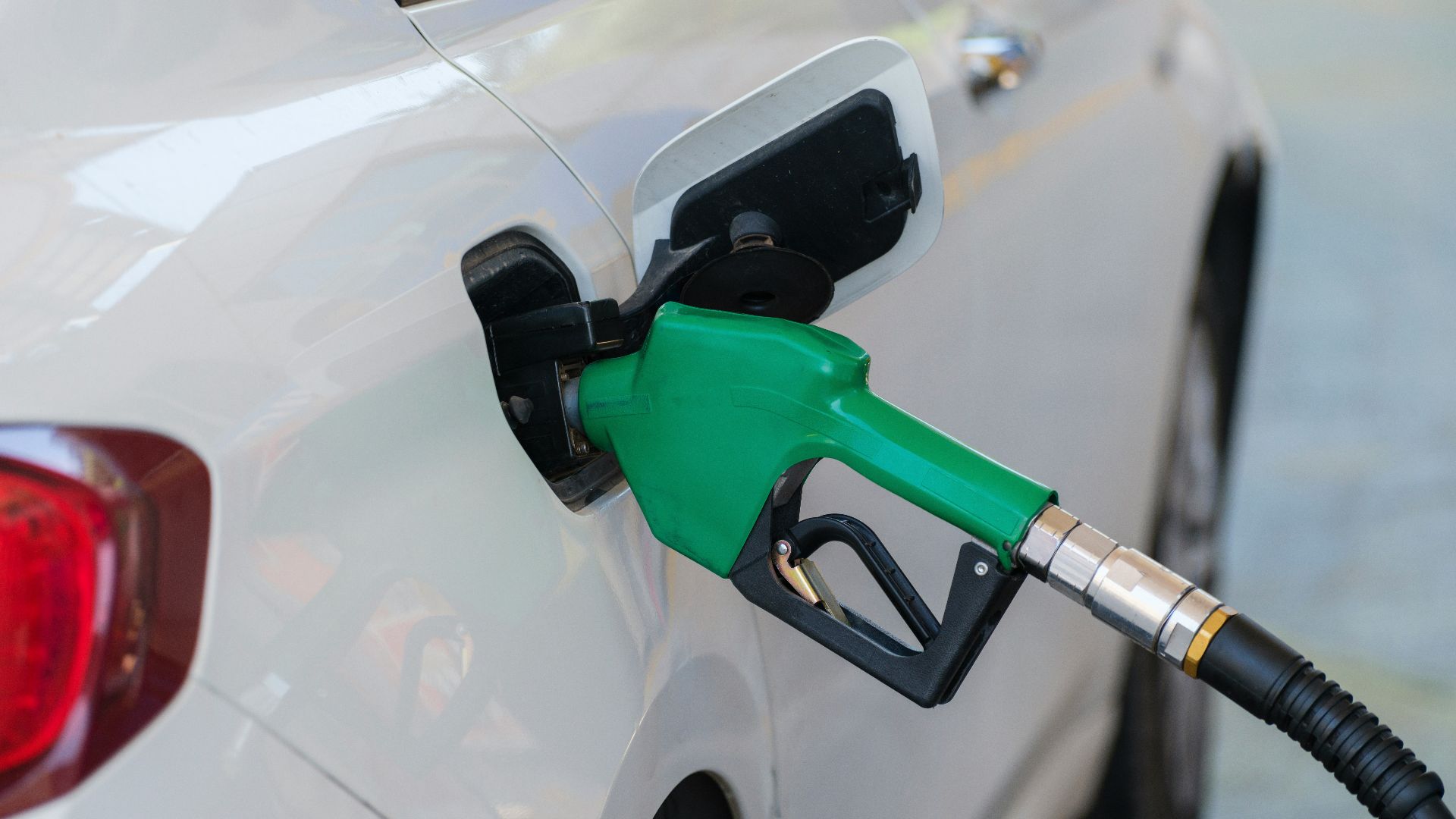
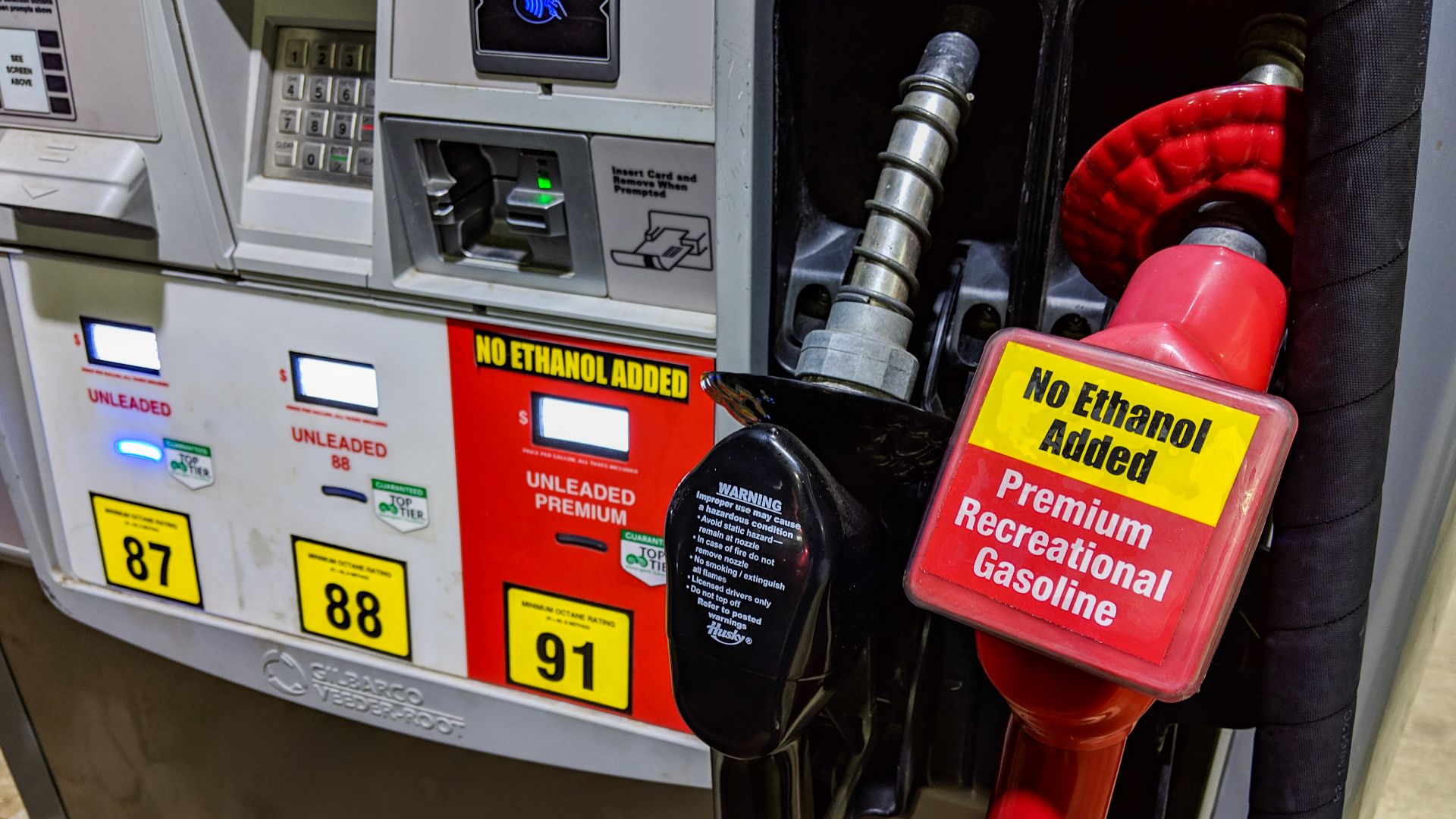
At the pump, “premium” usually means gasoline with a higher octane rating than regular. In most of the United States, regular is commonly 87 AKI, midgrade is often 89, and premium is usually 91 to 93. That number does not measure how much energy is in the fuel, and it does not automatically mean the gas is cleaner.
Octane Is About Knock Resistance
Octane measures a fuel’s resistance to engine knock, also called detonation or pinging. Knock happens when the air-fuel mixture ignites the wrong way from heat and pressure inside the cylinder. Higher-octane gasoline is better at resisting that early combustion, which matters most in engines built to run hotter, harder, or with higher compression.

The Science Behind The Number Goes Back A Century
The modern octane idea goes back to fuel research in the 1920s, when scientists looked for a way to compare fuels based on how well they resisted knock. The rating scale was built around reference fuels including iso-octane and n-heptane. That early work still shapes the numbers drivers see on pump labels today.
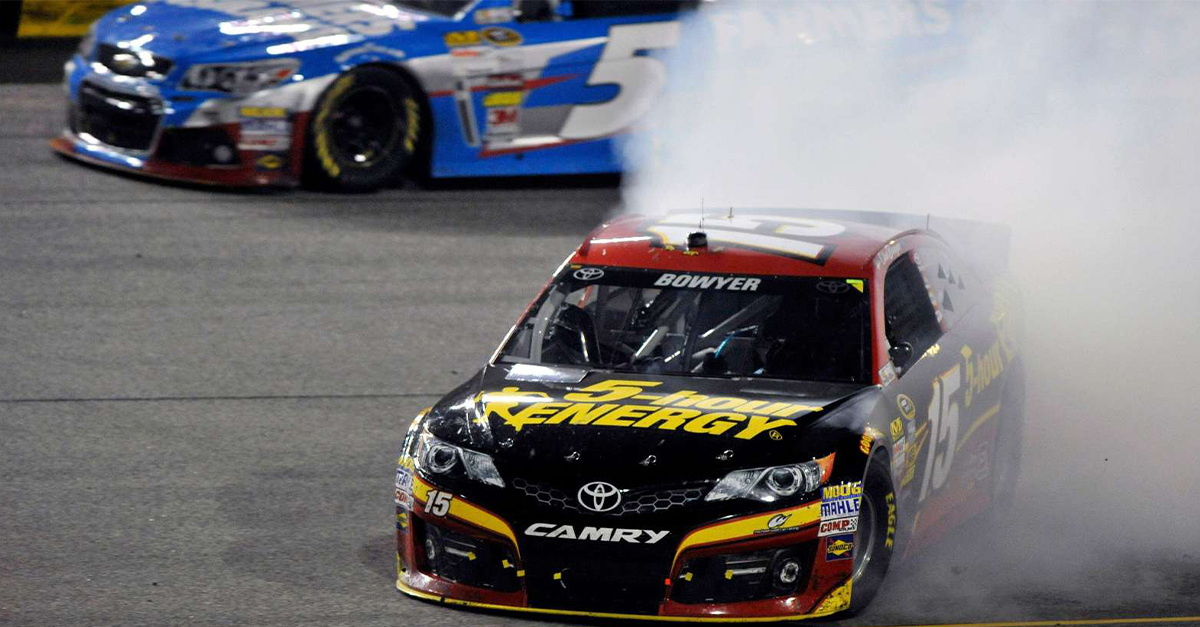
 Tony Webster from Minneapolis, Minnesota, United States, Wikimedia Commons
Why Knocking Matters To Real Engines
Knock is not just an annoying sound. Severe or repeated knocking can hurt performance and, over time, can contribute to engine damage. That is why manufacturers spell out the minimum octane needed for normal driving under load, heat, and everyday conditions.
If The Manual Says Required, Believe It
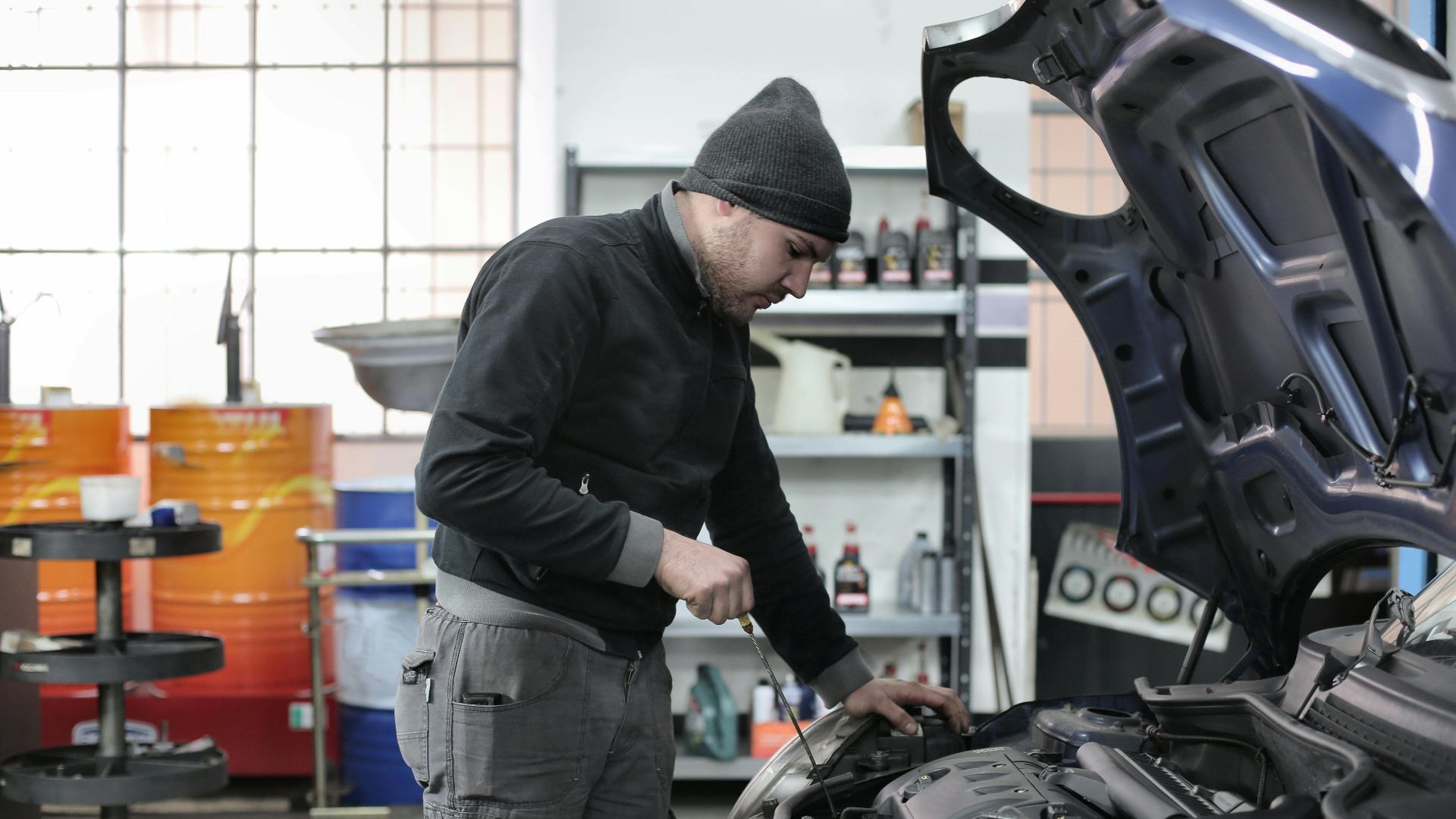
If your owner’s manual says premium fuel is required, that is the clearest case for buying it. Automakers make that call because the engine needs that extra knock resistance to deliver the performance and durability it was designed for. Using lower octane in a premium-required vehicle can lead to less power, rougher operation, or in some cases a risk of damage if conditions push past the engine’s safeguards.
Recommended Is Not The Same As Required
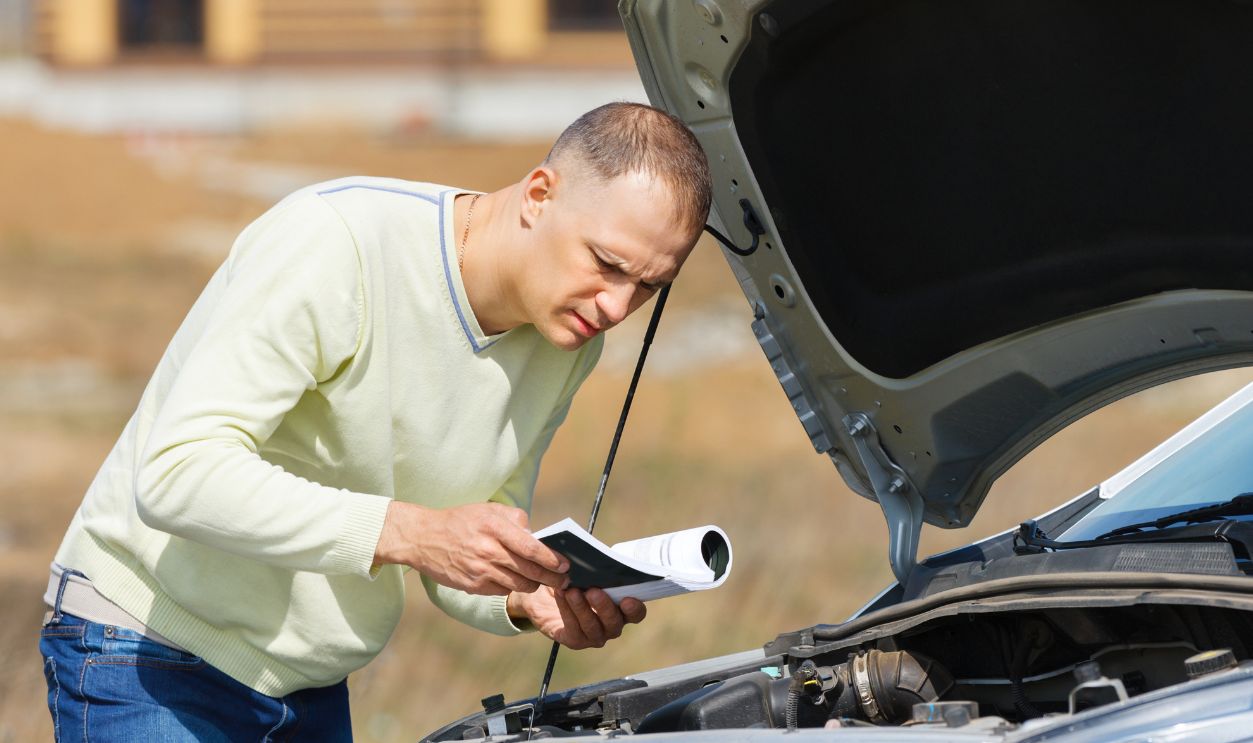
This is where the debate gets more interesting. Many vehicles say premium is recommended, not required, and that difference matters. In those cases, the car will usually run on regular, but the engine may make less power or get slightly different fuel economy because the computer may adjust timing to prevent knock.

Modern Engines Are Smarter Than They Used To Be
Today’s engines use knock sensors and computer controls to react when fuel quality changes. If lower-octane fuel is used, the engine control system can often pull back ignition timing to avoid damaging knock. That flexibility is why many modern cars can handle regular even when premium helps them reach their best advertised performance.

AAA Put The Premium Question To The Test
One of the most quoted modern studies came from AAA in 2017. Working with the Automobile Club of Southern California’s Automotive Research Center, AAA tested vehicles that recommended premium but did not require it. The group found that using premium in those vehicles gave, on average, small improvements in horsepower and fuel economy, but at a cost increase that outweighed the gains for many drivers.

The Numbers From AAA Were Modest
AAA reported average gains of about 2.7 percent in horsepower and 0.7 percent in fuel economy when premium was used in vehicles that only recommended it. Those gains were real, but they were not dramatic. For most commuters, the higher price at the pump wiped out the benefit.

That Does Not Mean Premium Was Useless
AAA’s results are often used as proof that premium is a waste, but that is too simple. The study did not say premium never helps. It showed that the value depends on the vehicle, the driver’s priorities, and whether the manufacturer requires premium or just recommends it.
Consumer Reports Reached A Similar Practical Conclusion
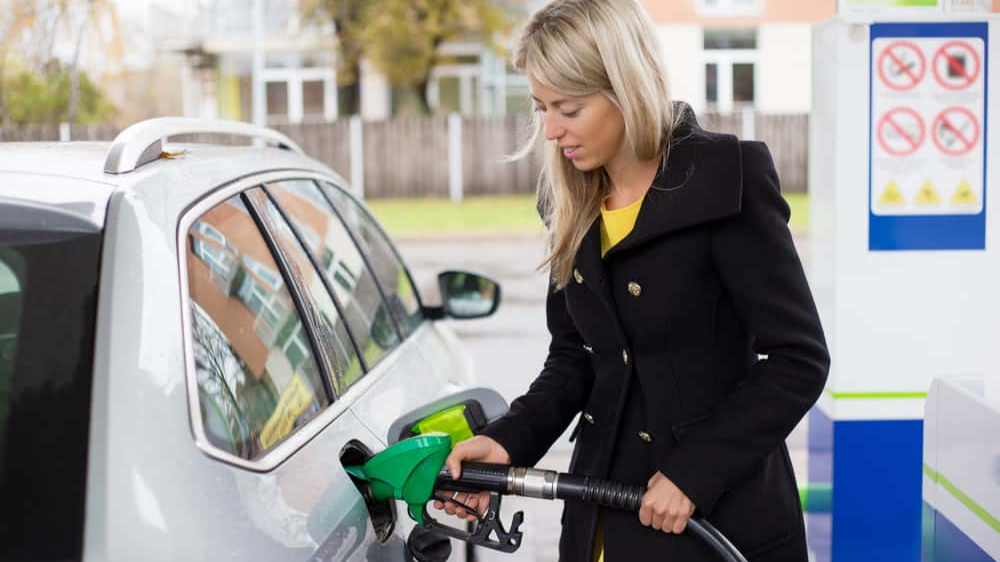
Consumer Reports has also advised that drivers should not pay extra for premium unless the vehicle requires it, or unless a recommended-premium vehicle shows a clear enough benefit to justify the added cost. That lines up with the common-sense advice many owners hear from mechanics. Expensive fuel only pays off when your engine can actually use what it offers.

Federal Regulators Also Warn Against Fuel Myths
The Federal Trade Commission has also pushed back on the idea that premium is automatically better for every car. Its guidance is blunt: if your owner’s manual says regular is fine, buying premium is generally a waste of money. That is about as direct as fuel advice gets.

Top Tier Is A Different Conversation
Many drivers mix up octane with detergent quality, but they are not the same thing. Top Tier gasoline is a fuel performance standard created by automakers that requires higher detergent levels than the federal minimum. You can buy Top Tier regular or Top Tier premium, so the cleaning-additive question is separate from the octane question.

Why Some Drivers Swear Their Car Runs Better On Premium
Sometimes they are right, and sometimes they are just feeling a placebo effect. In a vehicle designed for regular, premium usually does not unlock hidden power because the engine was never set up to need the extra knock resistance. In a turbocharged or high-compression engine that recommends premium, though, the difference can be more noticeable during hard acceleration, towing, or hot-weather driving.

Turbo Engines Changed The Conversation
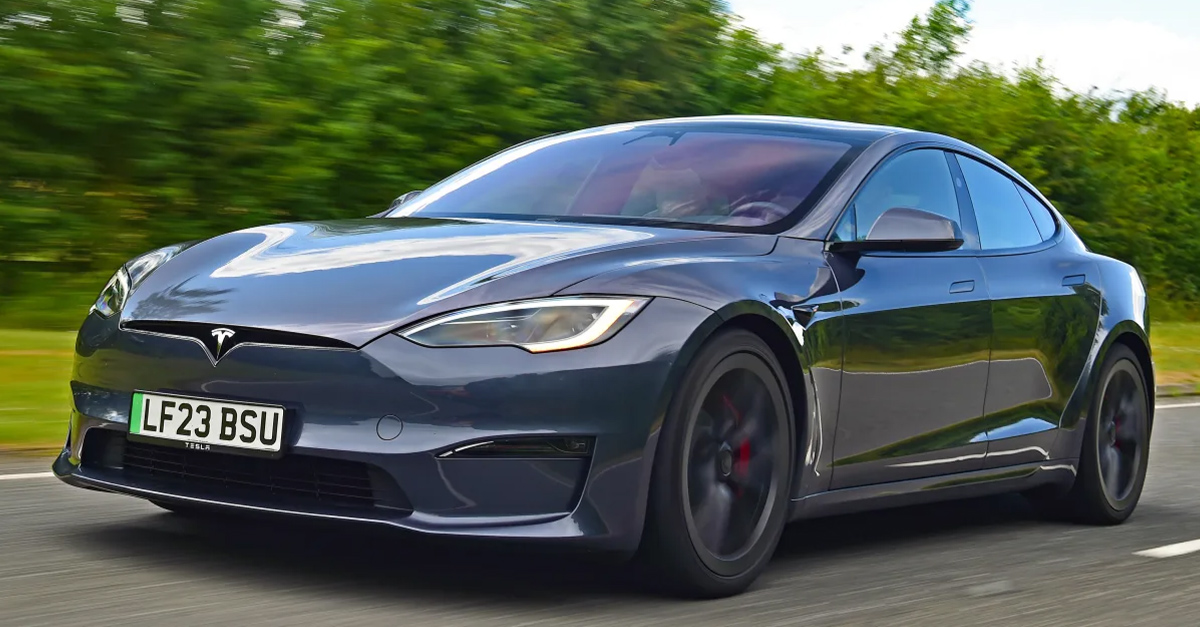
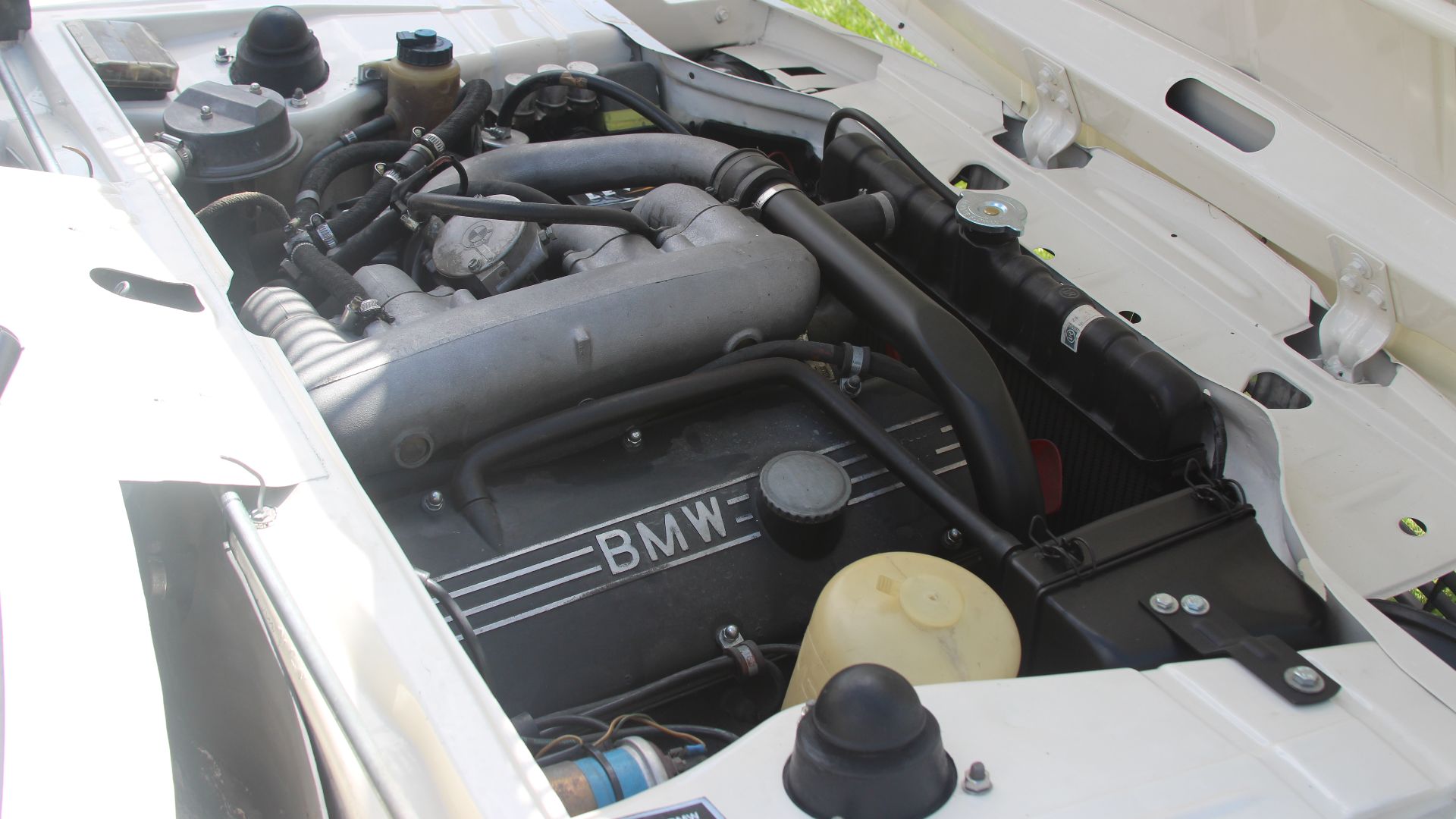
As automakers shrank engines and added turbocharging, more vehicles landed in the gray area where premium is recommended but not mandatory. Turbo engines can create the kind of cylinder pressures that make octane matter more. That is one reason the premium debate feels more relevant now than it did when naturally aspirated family sedans ruled the road.
 dave_7 from Canada, Wikimedia Commons
Altitude Can Muddy The Waters
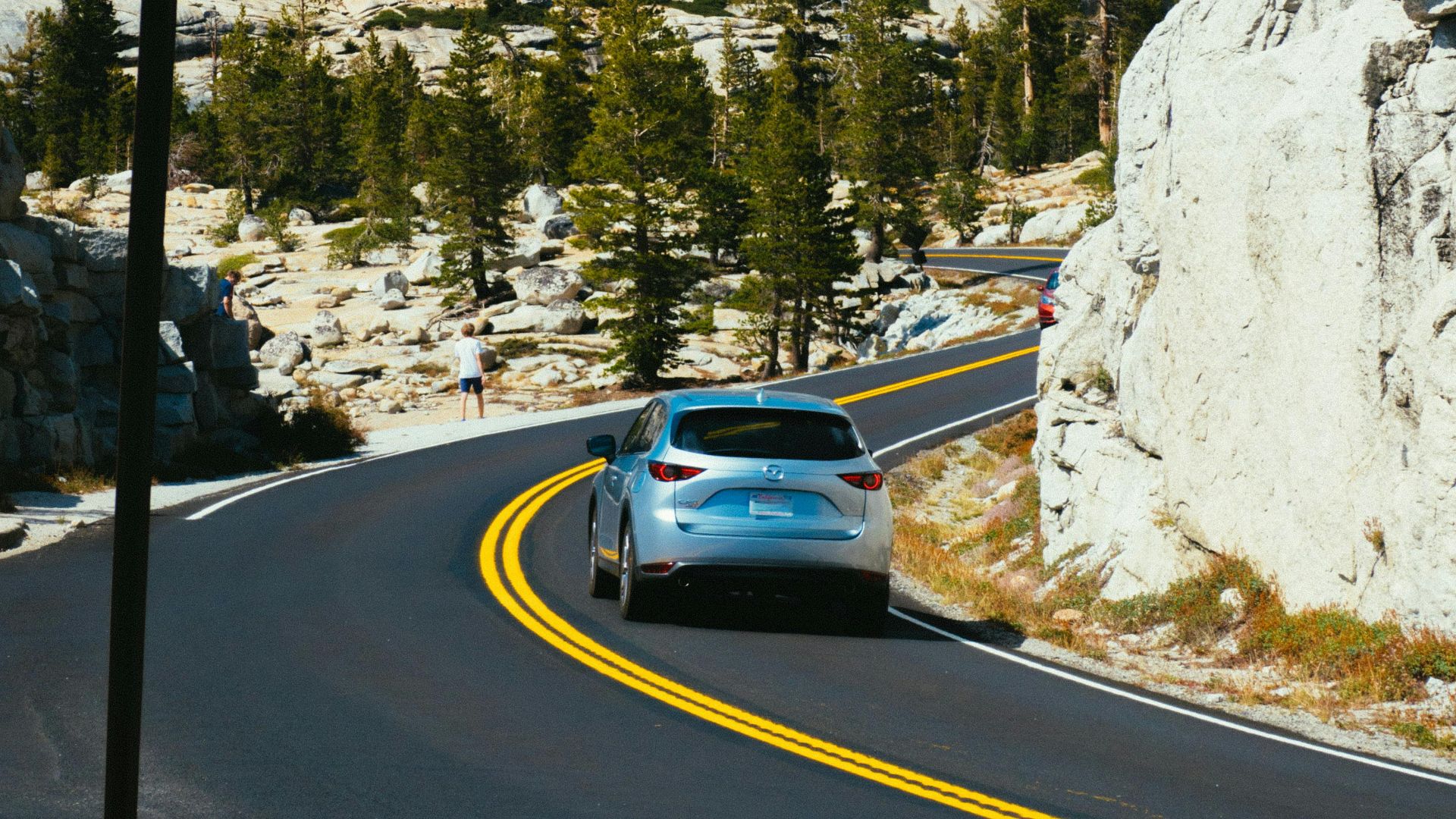
In some mountain states, lower-octane regular gasoline has long been sold because thinner air reduces the tendency for knock. That can confuse travelers who are used to seeing 87 as the baseline. Even so, the owner’s manual is still the best guide because the automaker’s recommendation takes operating conditions into account.
Premium Does Not Contain More Energy
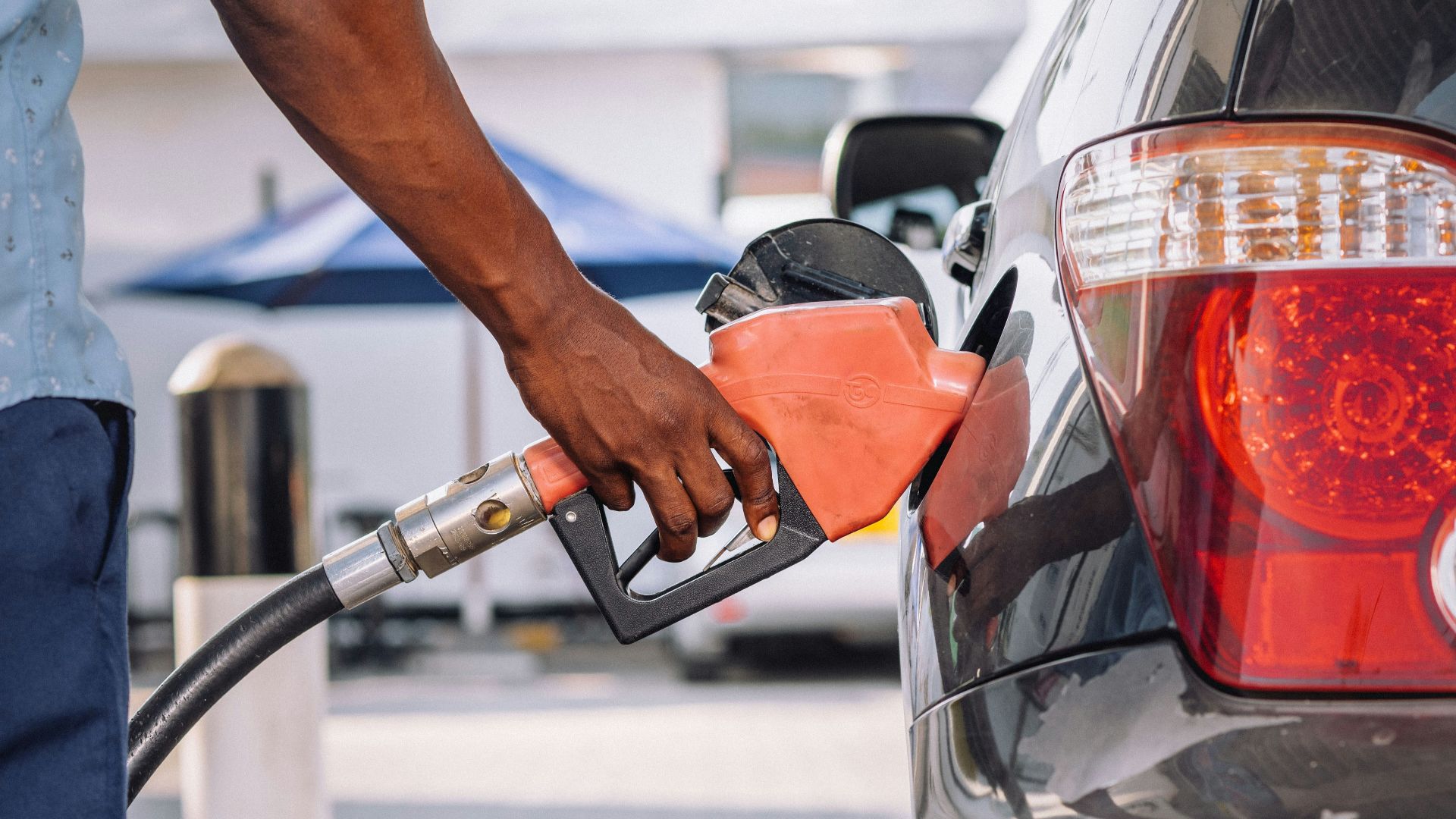
This point trips up a lot of people. According to fuel experts, higher octane does not mean more power by itself in an engine that does not need it. Power comes from the engine’s design and tuning, not from premium acting like some secret performance boost.

Sometimes The Car Will Protect Itself
If you accidentally put regular in a car that recommends premium, the engine will often adjust and keep going without much drama. If the manual says premium is required, though, repeatedly ignoring that spec is not a smart long-term move. The protective systems are there to help, not to erase the rules of combustion.
Luxury Badges Do Not Automatically Mean Premium Fuel
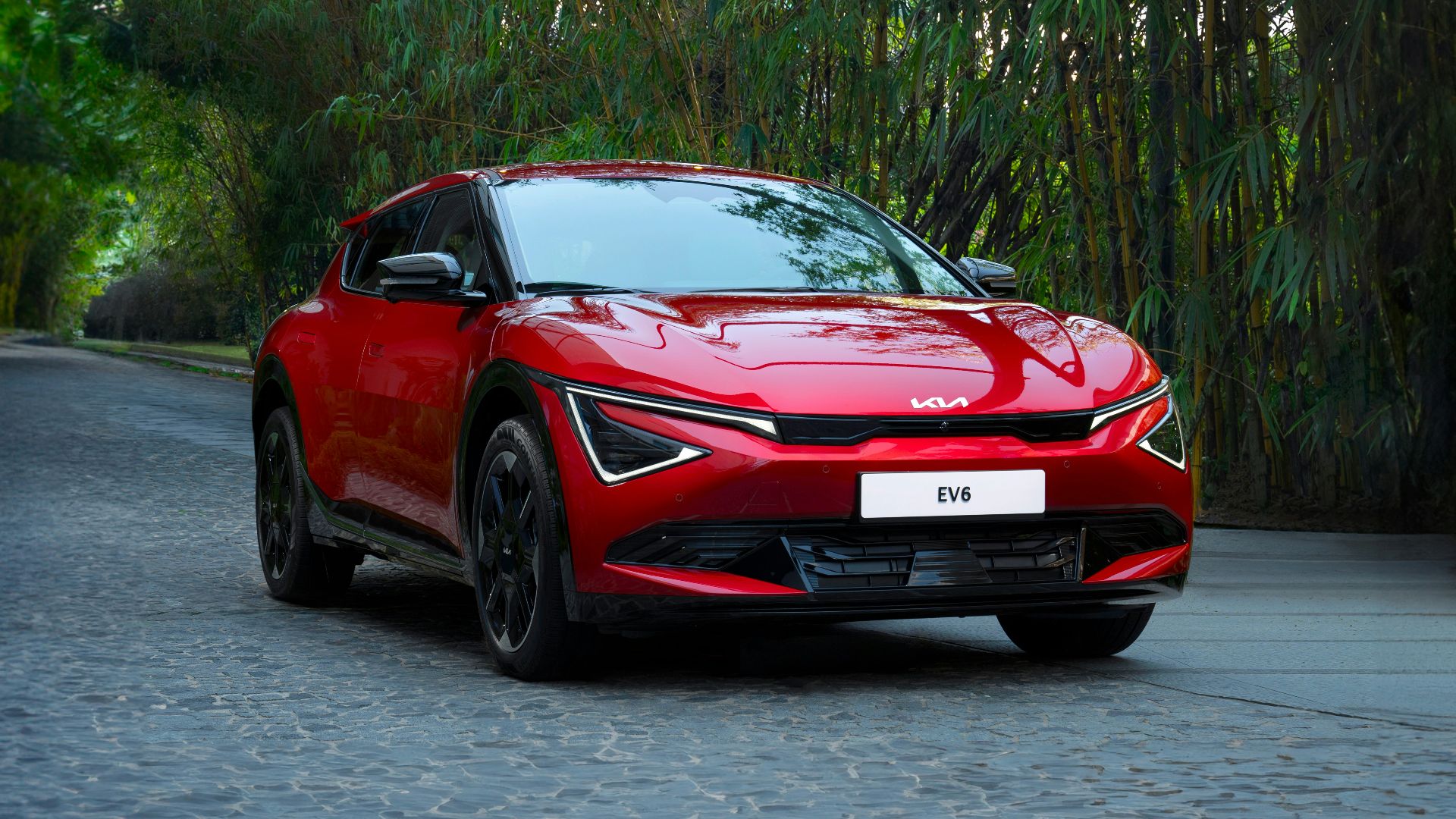
Many people assume any luxury or sporty model must need premium, but that is not always true. Some upscale vehicles are engineered to run just fine on regular, while some mainstream turbo models prefer premium. The badge on the hood matters less than the wording in the manual.
What About Older Engines And Carbon Buildup
In older engines, carbon deposits can raise effective compression and increase the chance of knock. In those cases, a driver might notice less pinging with higher octane, but that does not mean premium is a cure-all. It may make more sense to deal with maintenance issues, use quality fuel, and make sure the engine is running the way it should.
There Is A Cost Calculation Every Driver Should Make
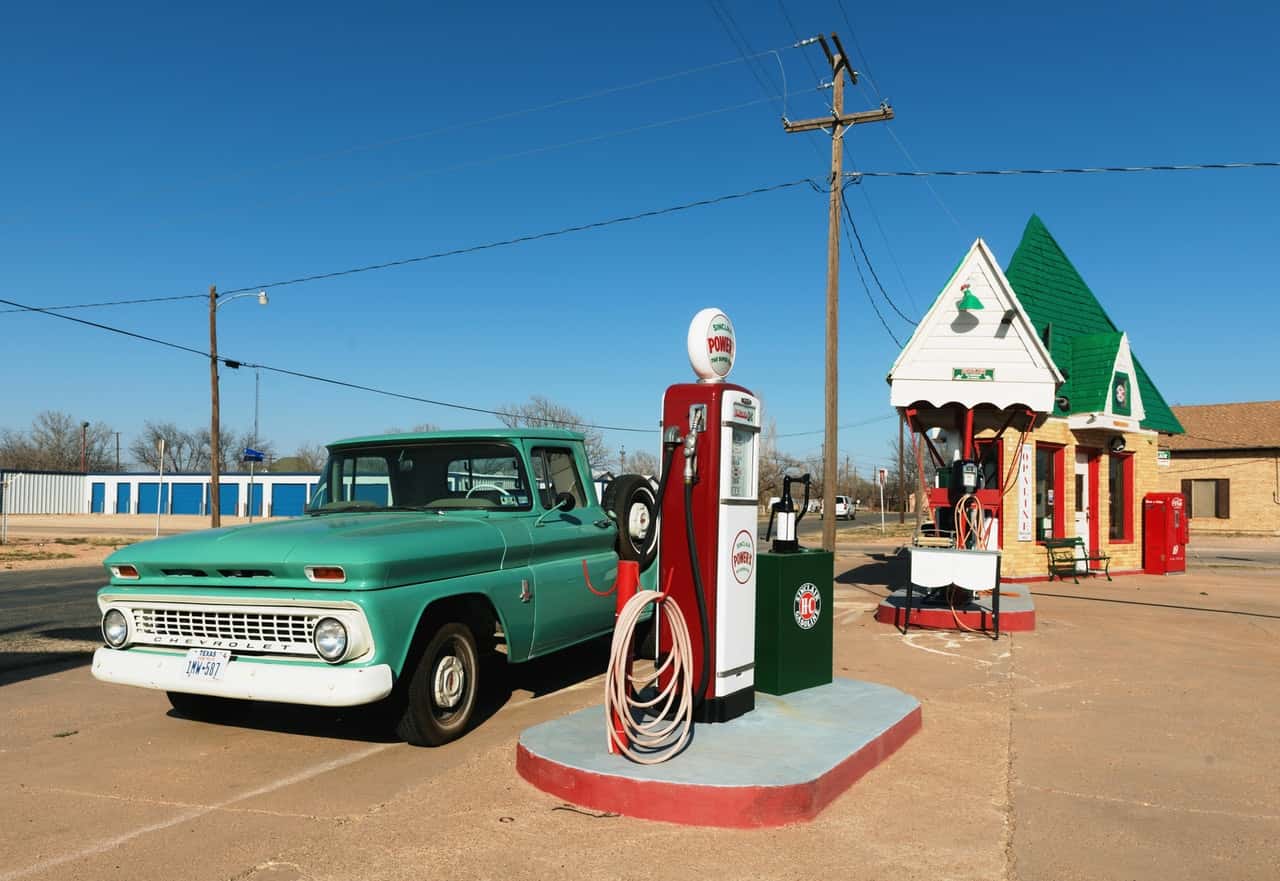
If premium costs a lot more per gallon, the math matters. A tiny fuel economy gain often does not make up for the price difference unless your vehicle clearly benefits from premium or you care about squeezing out every bit of performance. That is why the mechanic’s advice sounds so convincing in everyday driving.

When Premium Makes Sense Even If It Is Only Recommended
There are cases where paying more can make sense. If you tow, drive hard, deal with extreme heat, or want the best acceleration your vehicle can deliver, premium may be worth it in a recommended-premium car. The point is not that premium is overrated, but that its value depends on the situation.

When Premium Is Probably Money Down The Drain
If your owner’s manual says regular fuel is fine and your vehicle is a normal daily driver with no signs of knock, premium usually offers little to no practical benefit. You are unlikely to get enough extra performance or efficiency to justify the extra cost. In that case, your mechanic is on very solid ground.
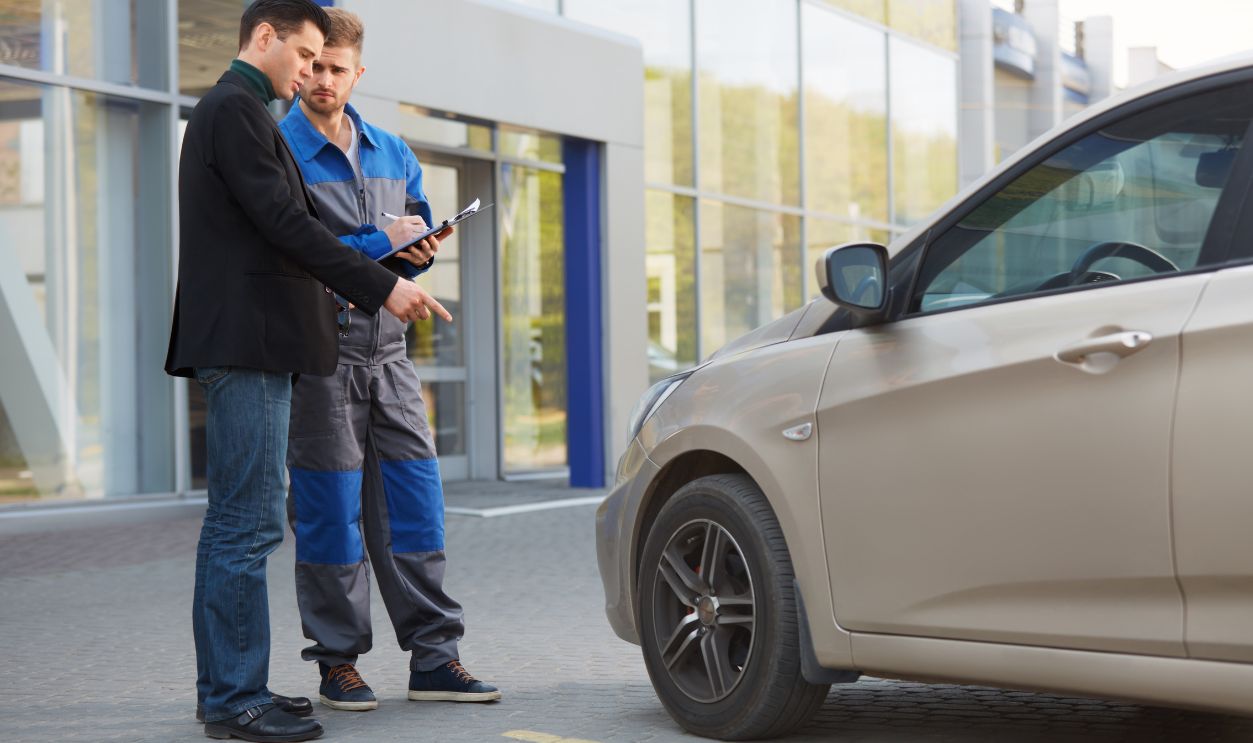
 LightField Studios, Shutterstock
The Best Rule Is Still Hiding In The Glovebox
The owner’s manual is still the most reliable source because it reflects the engine’s design, testing, and certification. Automakers know the compression ratio, boost levels, tuning strategy, and heat tolerance built into that powetrain. Pump myths do not beat engineering.
So Has Premium Gas Become Overrated
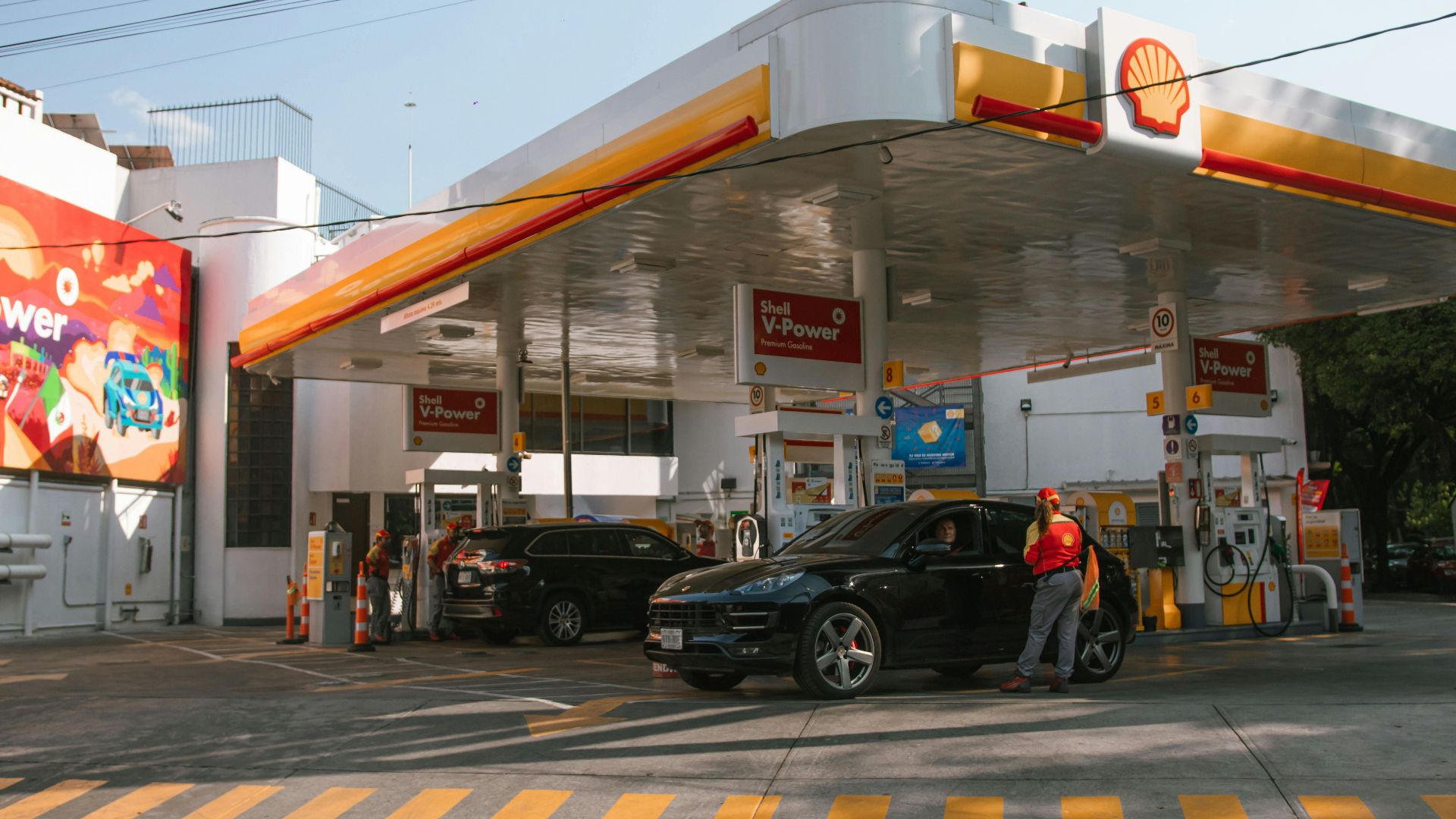
For many drivers, yes. Premium has often been sold as a universal upgrade when it is really a specialized tool. It is essential in some engines, helpful in others, and mostly unnecessary in plenty of cars built for regular. The smart move is not to worship premium or dismiss it, but to match the fuel to the machine.

The Bottom Line For Your Wallet And Your Engine
If the manual says premium is required, use it. If it says recommended, decide whether the added cost is worth the small gains in performance or efficiency for the way you drive. If it says regular, save your money and put it toward maintenance, tires, or something else your car will actually notice.