Nostalgia Meets Reality
Your childhood road trips probably included things that would shock a modern cop. Standing through the sunroof felt like freedom. Sleeping stretched across the backseat seemed practical. Then researchers started studying crashes, and everything changed.
Babies In Arms
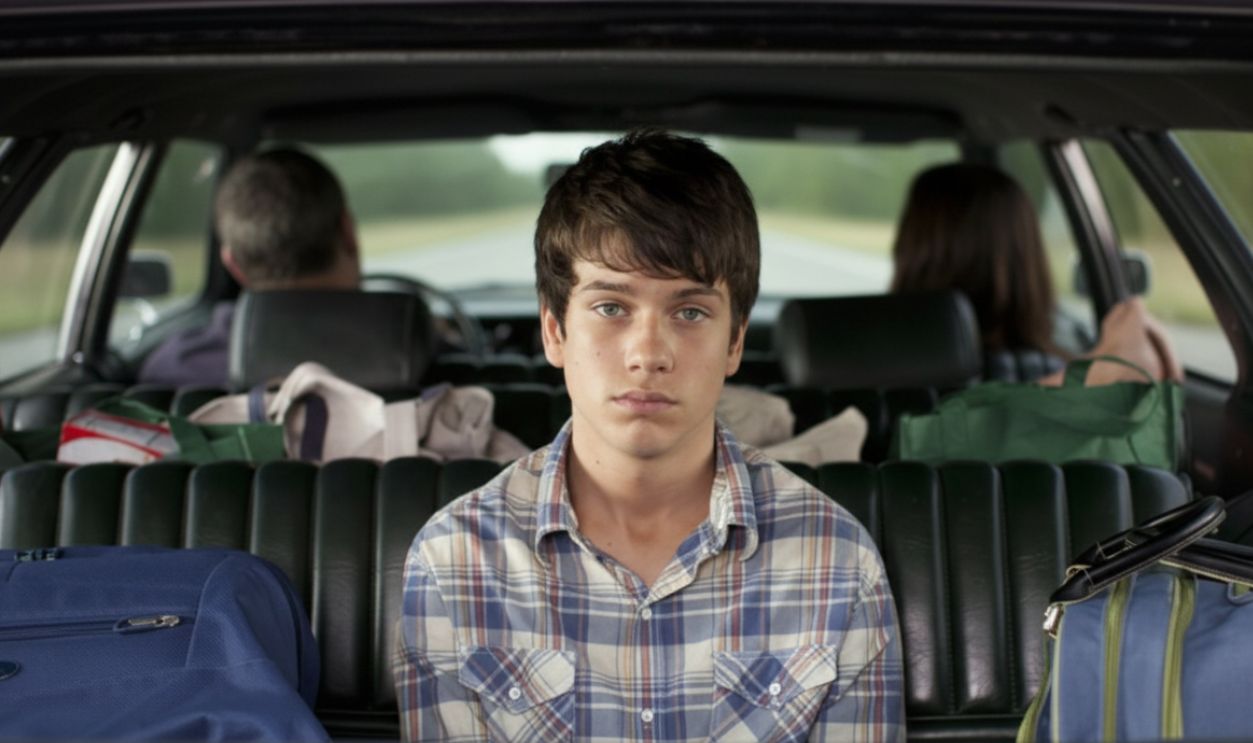
Remember when mom held your infant sibling during that quick grocery run? Those days are over. Federally approved car seats are now mandatory for infants across most countries. The physics are brutal: airbags and collision forces turn a lap-held baby into a projectile, often with fatal results.
Babies In Arms (Cont.)
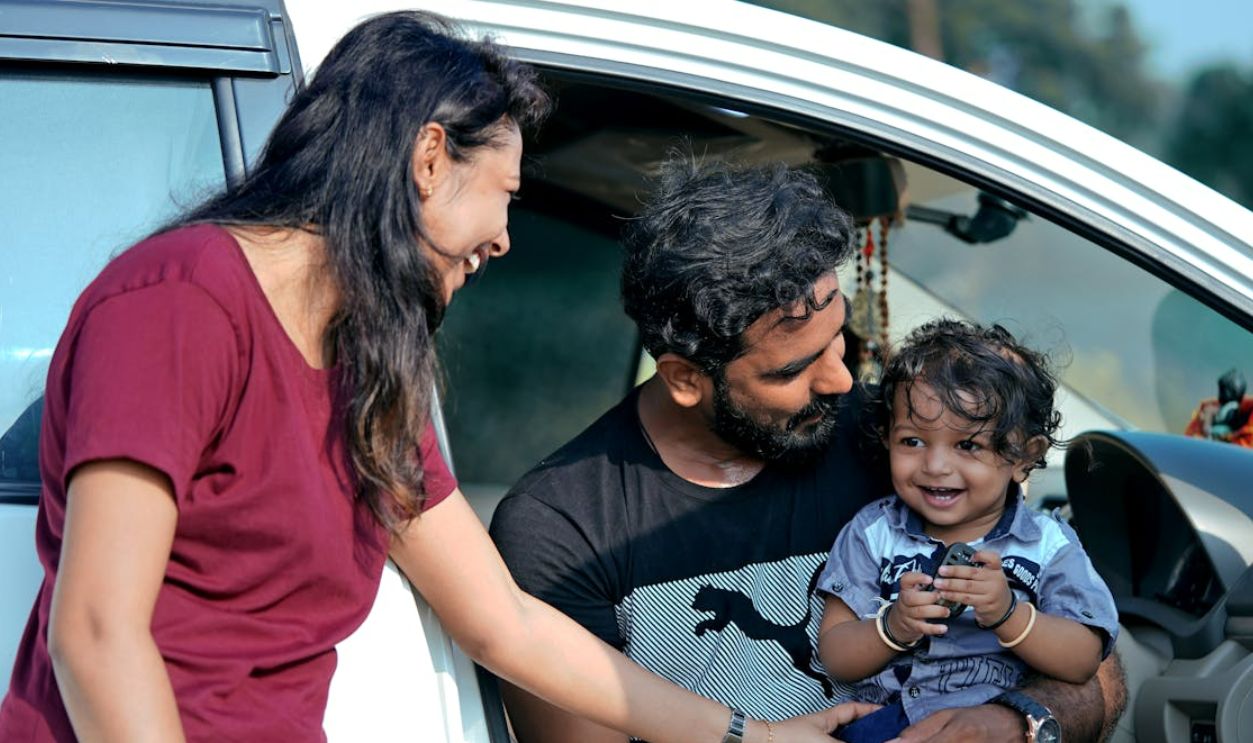
US and Indian child restraint laws specifically mandate car seats for children under four years old. Here's the ironic twist—airlines still permit lap infants under two, even though the same practice is strictly prohibited in cars. The double standard exists because aviation regulations evolved separately from automotive safety laws.
 Pieter Kuiper, Wikimedia Commons
Lap Driving Lessons
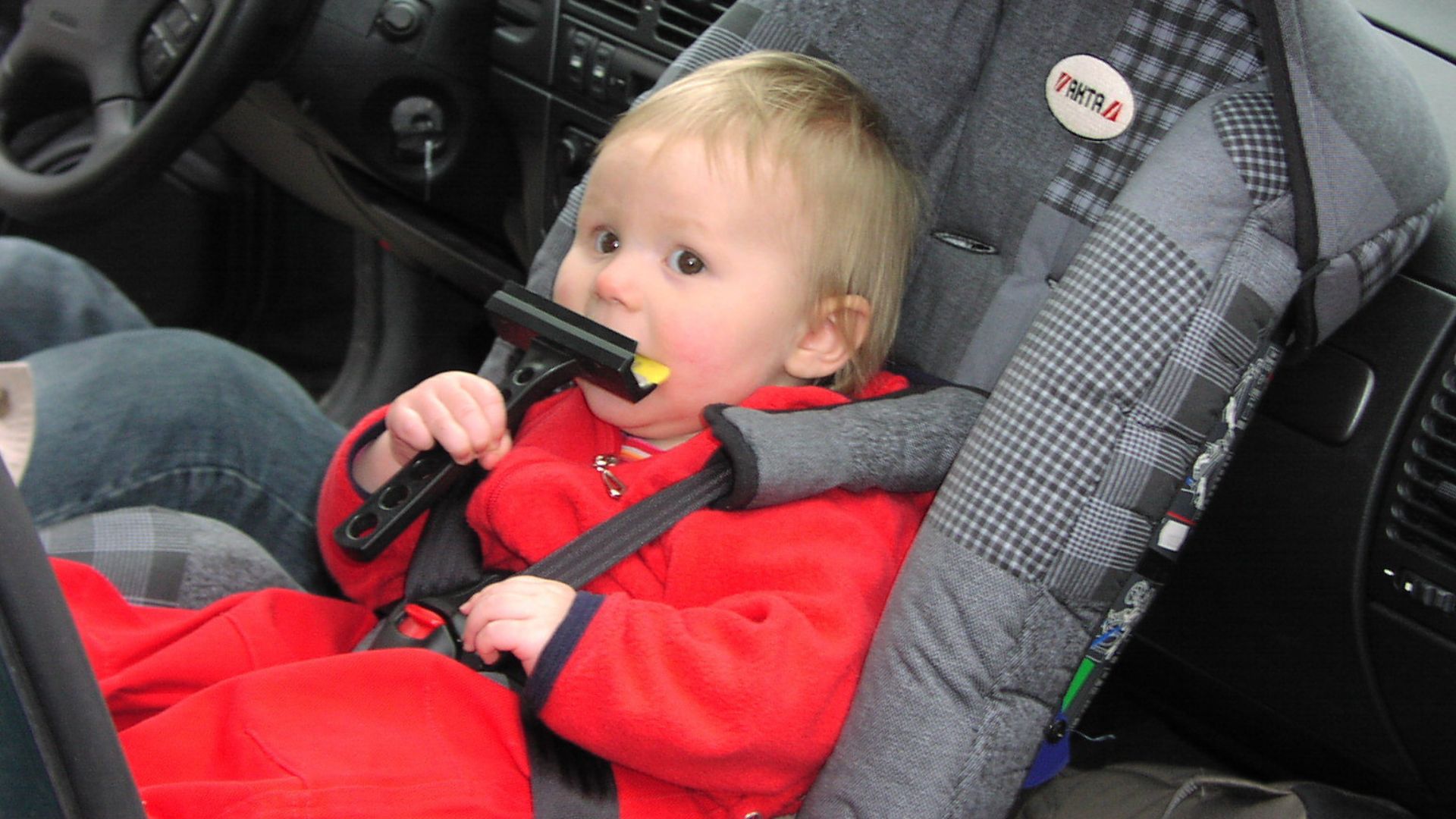
The image of a child perched on dad's lap, tiny hands gripping the steering wheel, once symbolized bonding. Today, it's classified as reckless endangerment. Most states have upgraded these violations to serious child passenger safety infractions, recognizing the catastrophic risks involved.

Lap Driving Lessons (Cont.)
Airbags deploy at 200 mph and can crush a child seated on a driver's lap, causing severe head and chest trauma. Children sitting on laps lack any restraints, making them highly vulnerable even in minor crashes. Viral videos of kids being removed from adult laps now spark immediate online outrage.
Backseat Freedom Rides
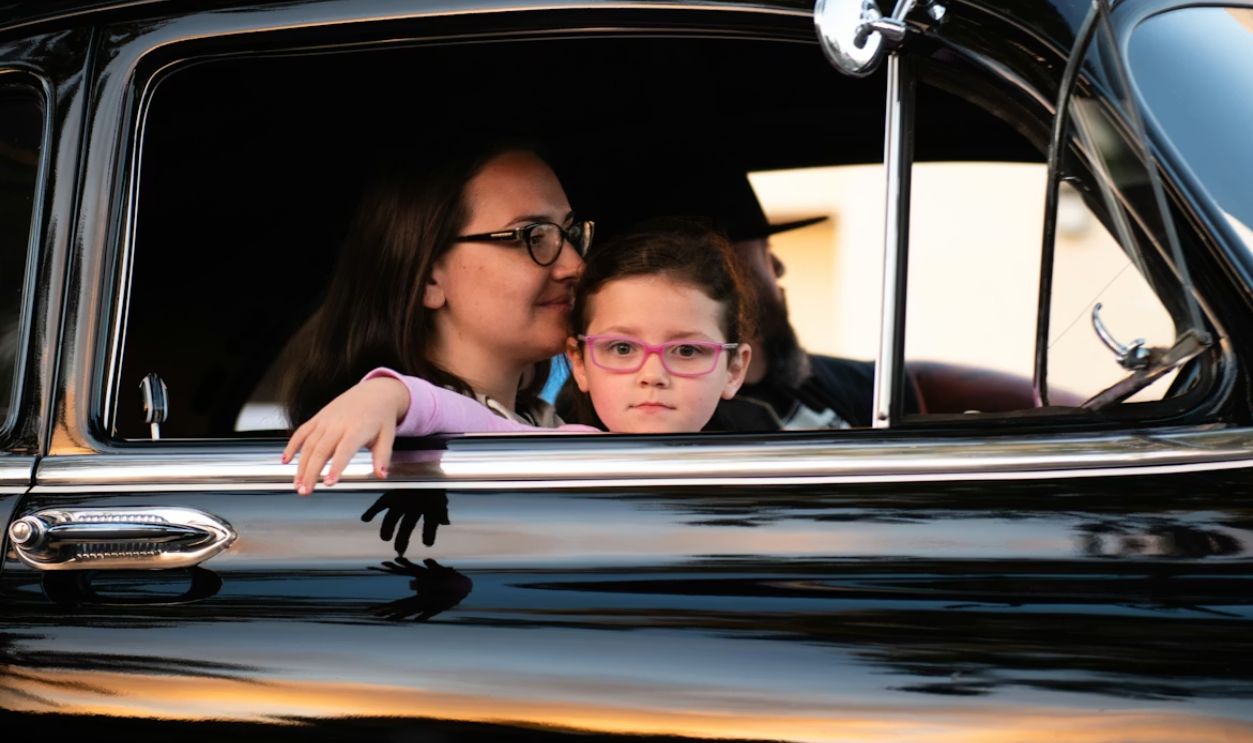
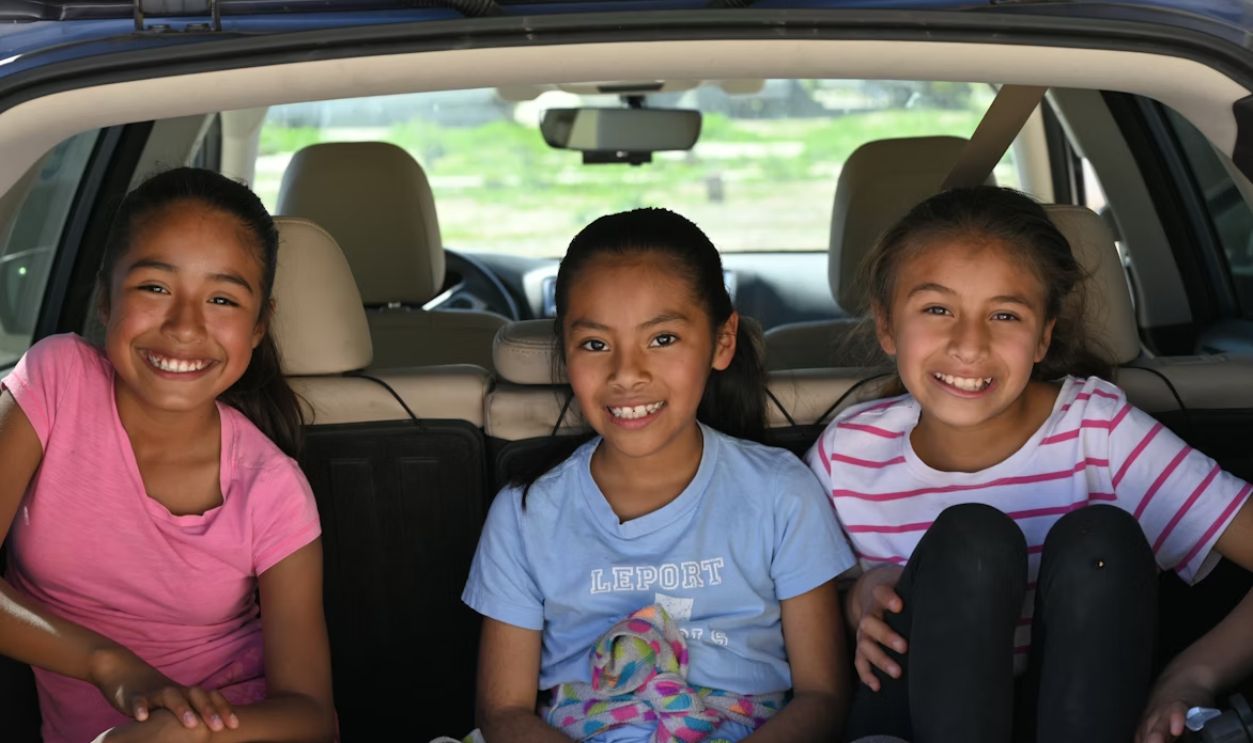
Kids bouncing around the back seat, playing games, and switching positions—this was standard procedure for road trips in previous decades. Seatbelt laws now require all passengers to be restrained regardless of seating position. Unrestrained children face ejection risks during sudden stops or crashes, with injuries often proving fatal.
Backseat Freedom Rides (Cont.)
Child passenger safety campaigns emphasize booster seats and seatbelt use across all ages, eliminating any exceptions for "just playing" or short trips. Modern crash test data shows that an unrestrained 60-pound child becomes a 2,400-pound projectile in a 40-mph crash, explaining why lawmakers eliminated this once-common practice.
Quick Trip Exemptions
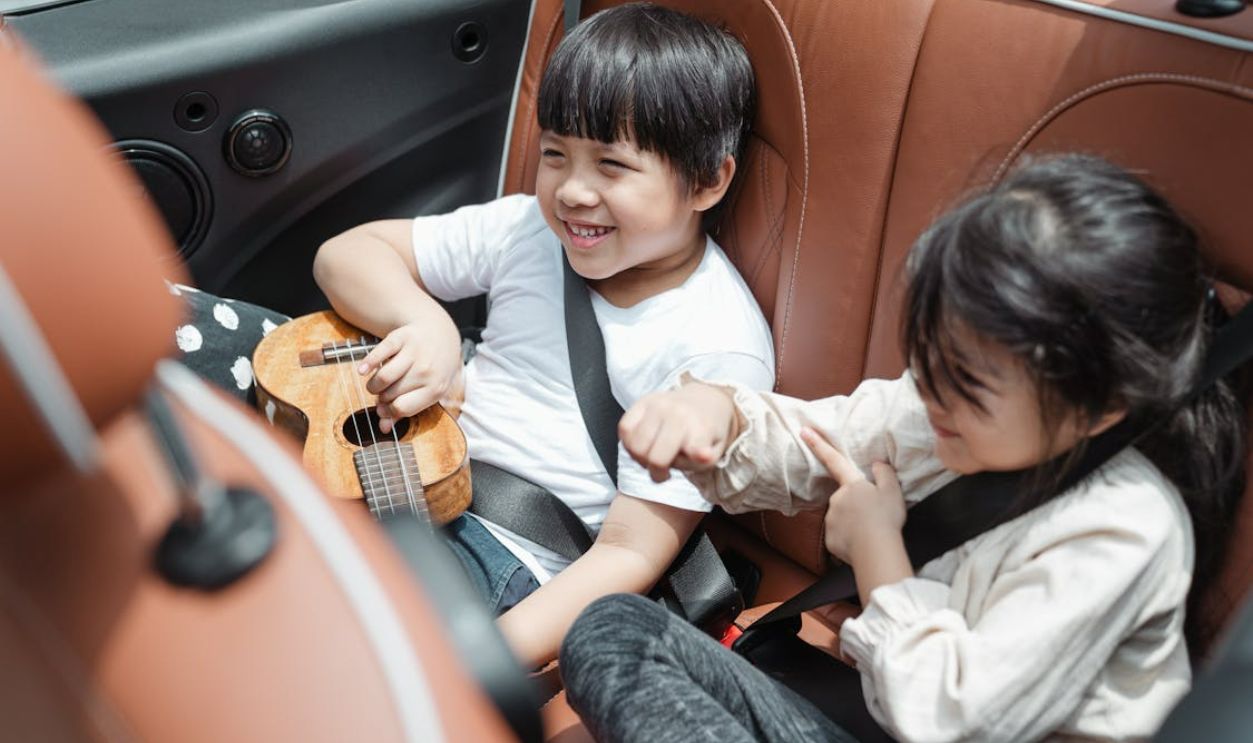
"We're just going around the corner"—this phrase justified countless seatbelt-free drives in the past. Parents called it the "just around the corner exception," a completely invented loophole now universally illegal. However, seatbelt use is mandatory regardless of trip length, with fines applying even for reversing in your driveway without buckling up.

Quick Trip Exemptions (Cont.)
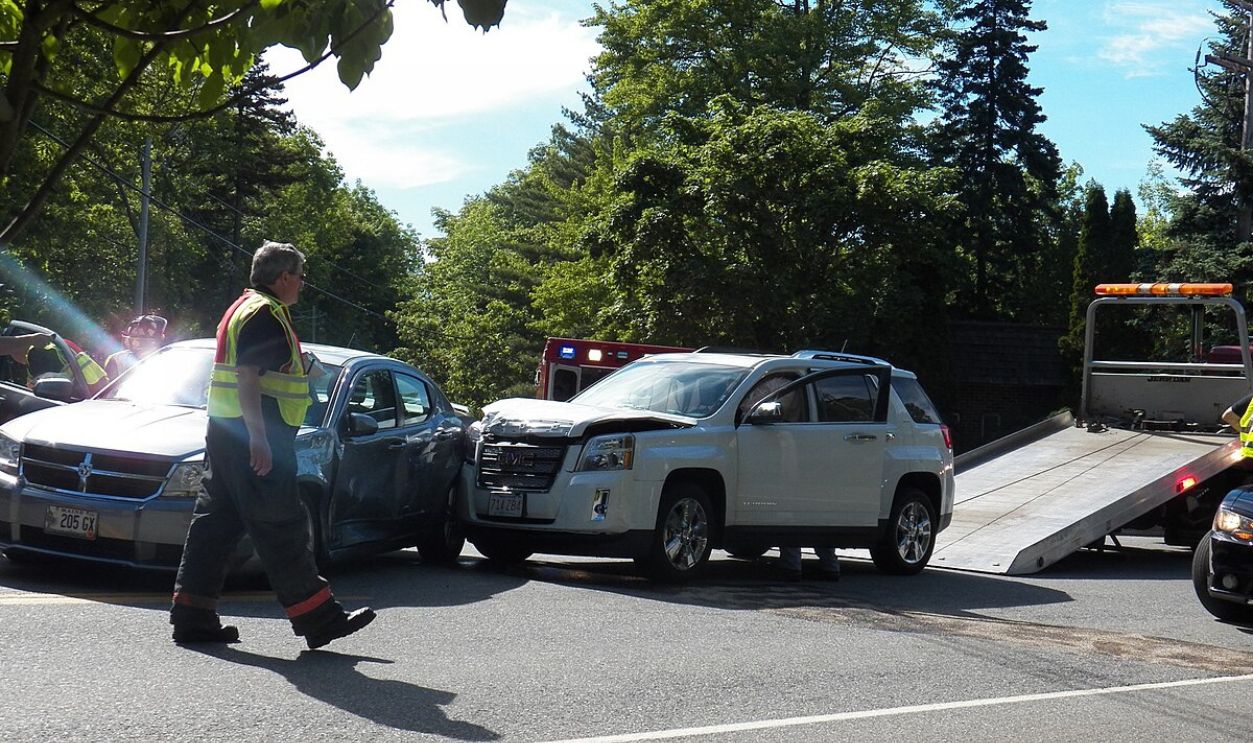
The statistics are damning, as most crashes occur within five miles of home, making short trips statistically more dangerous than long ones. Non-usage contributed to thousands of fatalities annually before enforcement tightened. Modern traffic laws recognize no distance-based exemptions, treating a two-minute school run the same as a cross-country journey.
 Junior Libby, CC0, Wikimedia Commons
Adult Belt Shortcuts
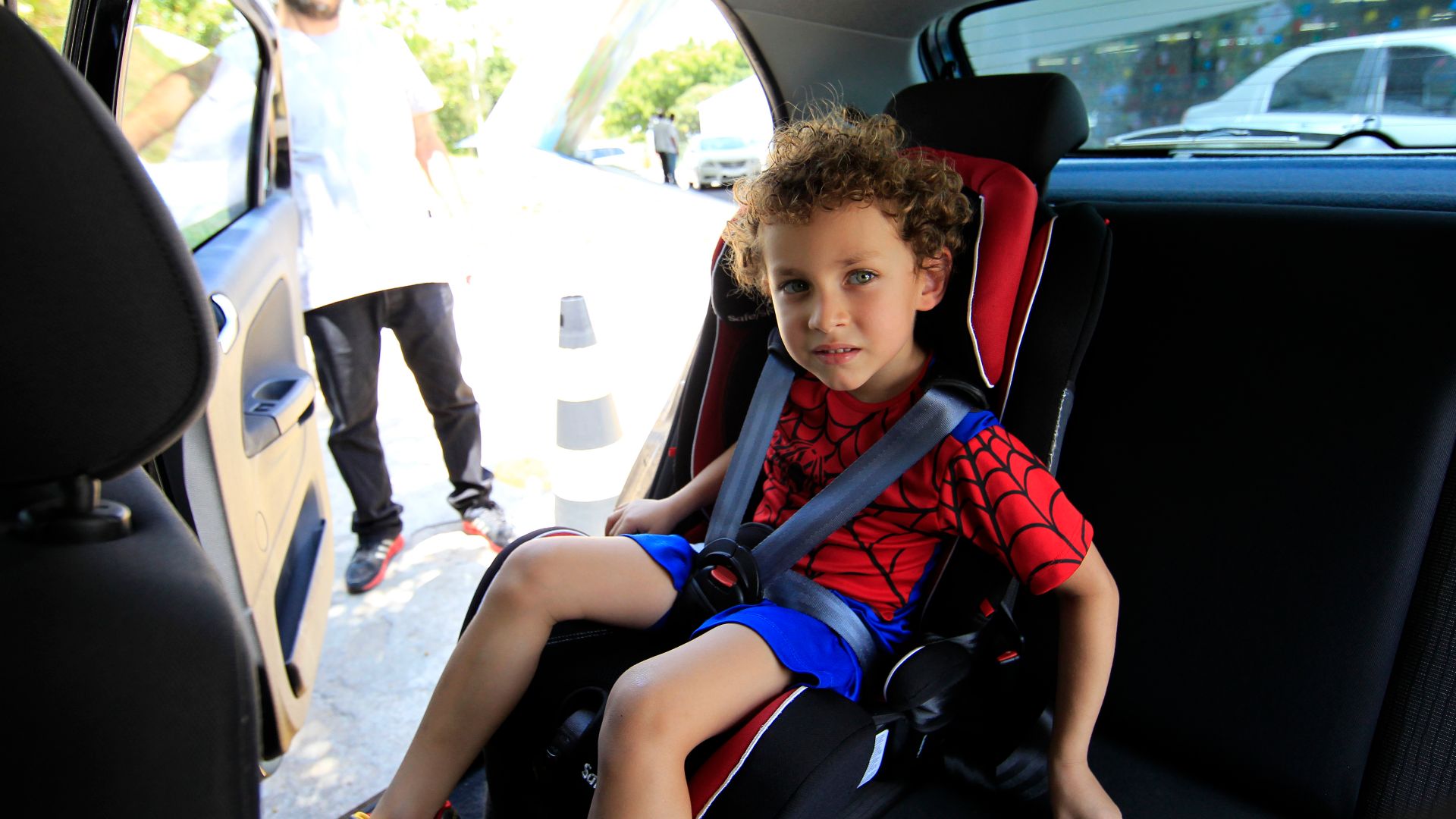
Phone books stacked on car seats served as improvised boosters throughout the 1980s. This practice is now explicitly banned. Booster seats are legally required until children reach 4'9" or between 8–12 years old, with no substitutions allowed. The medical reasoning is clear.
 Senado Federal, Wikimedia Commons
Adult Belt Shortcuts (Cont.)
Adult seatbelts alone can cause severe neck and abdomen injuries to smaller children, essentially acting as guillotines during crashes. Violations result in fines and points on driving licenses across most states. Some parents genuinely believed phone books provided adequate elevation for proper belt positioning.
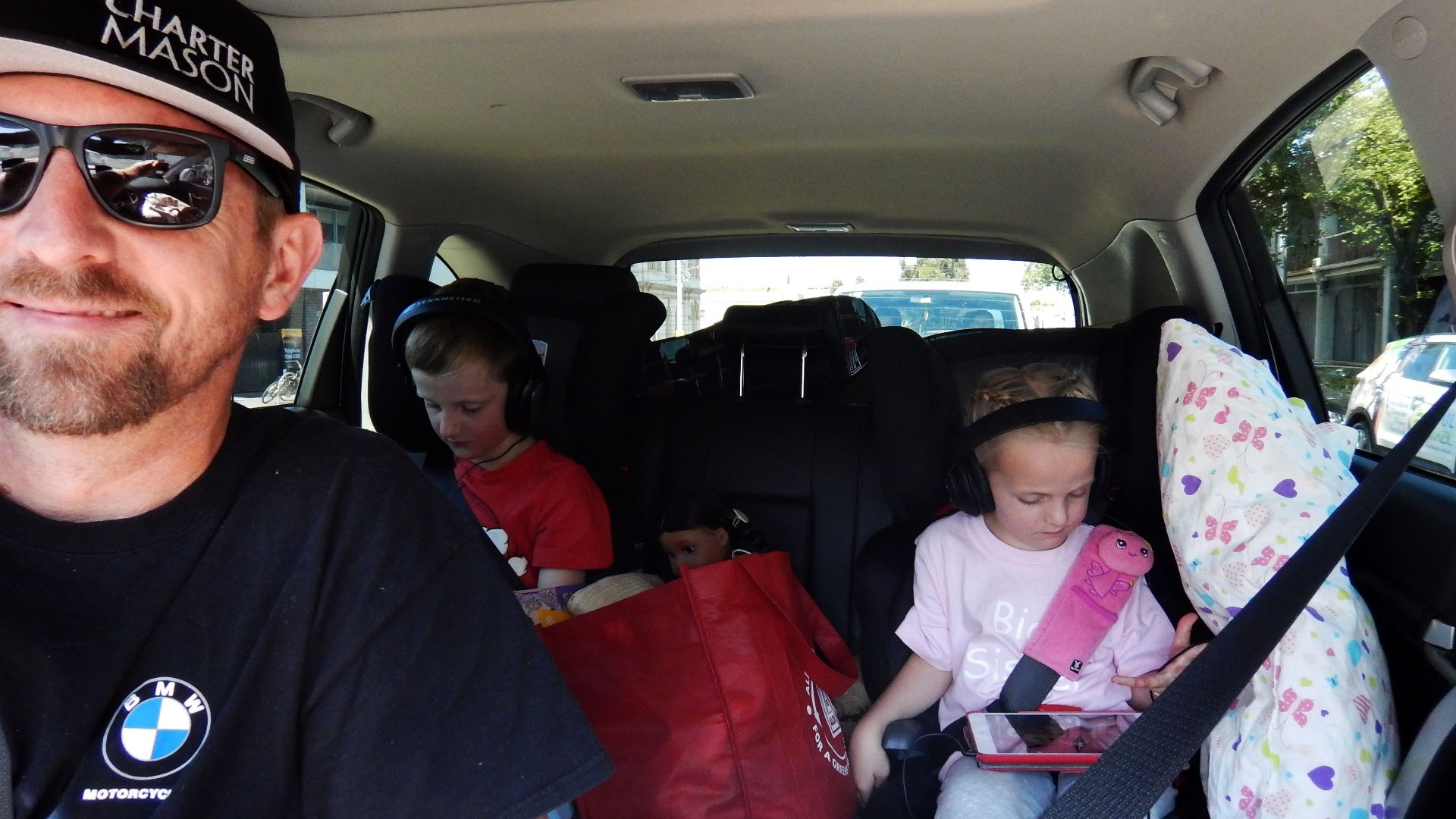 Tom Reynolds from Melbourne, Australia, Wikimedia Commons
Shotgun Privileges Early
The 1980s celebrated riding "shotgun" as a childhood rite of passage, often earned by the oldest or quickest kid. NHTSA and AAP now recommend children under 13 ride exclusively in the back seat, with many states legally restricting front-seat occupancy by age and height.
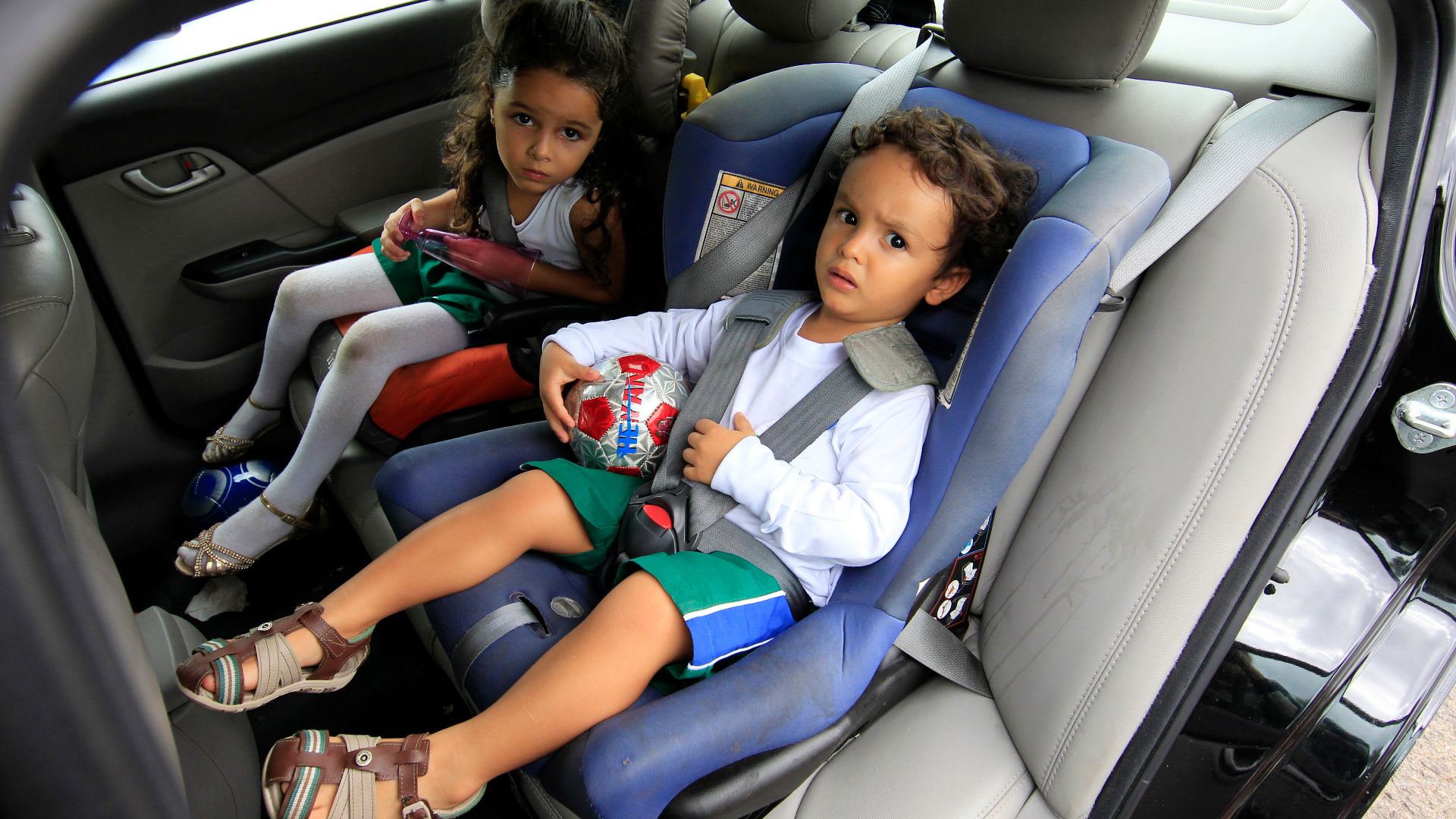 Senado Federal, Wikimedia Commons
Shotgun Privileges Early (Cont.)
Airbag deployment represents the primary danger. These safety devices, designed for adults, can prove fatal for small children, causing head and neck trauma. Many parents believed sitting up front allowed better supervision, not realizing they were positioning their children directly in harm's way.
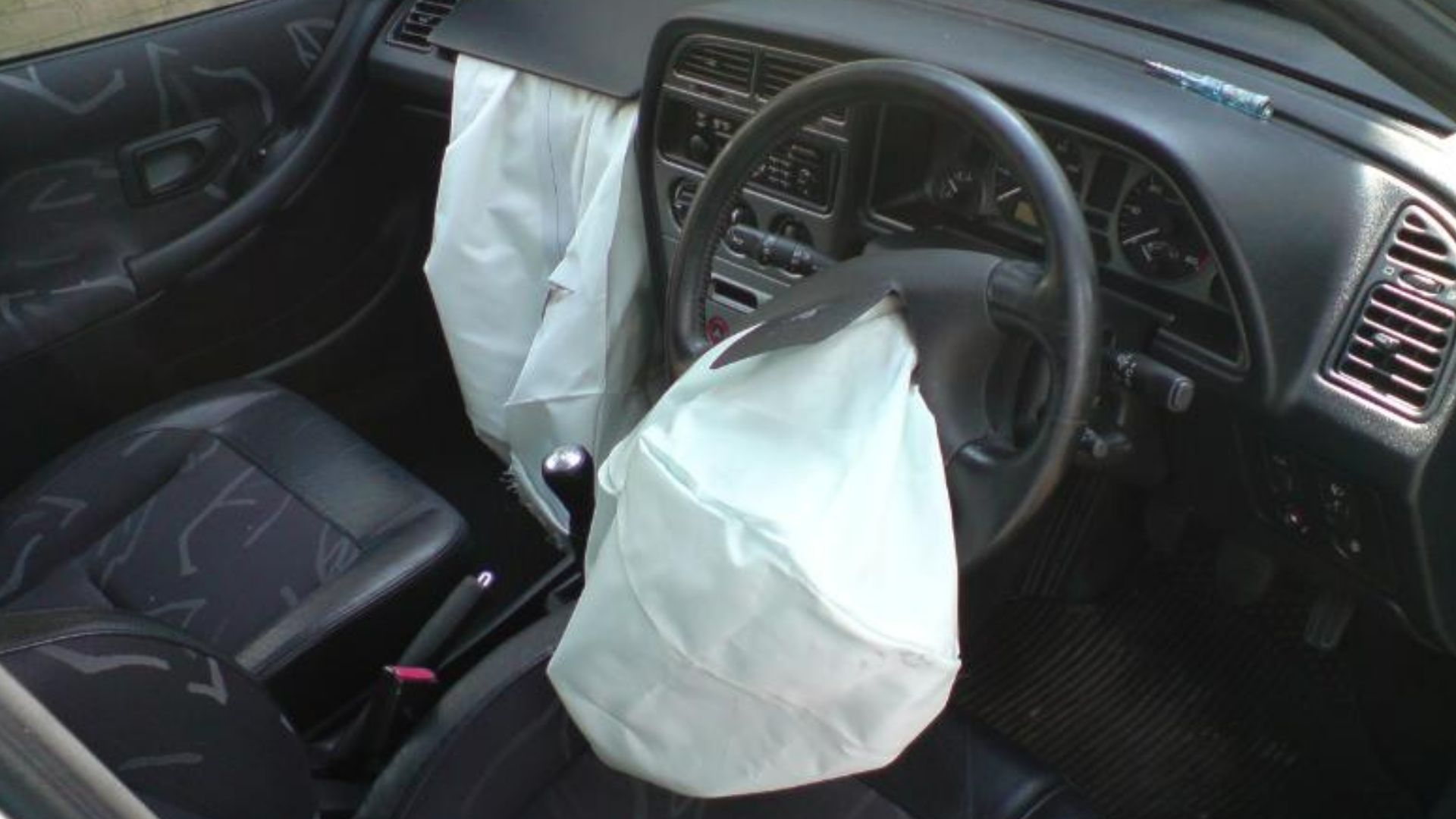 Janipewter at English Wikipedia, Wikimedia Commons
Pickup Bed Passengers
Families once piled into truck beds for road trips and parade routes, treating cargo areas as extended seating. As of late, many states prohibit this practice outright due to catastrophic ejection risks. Truck bed accidents typically result in severe injuries or fatalities because passengers have zero crash protection.

Pickup Bed Passengers (Cont.)
Laws vary by state, but most explicitly prohibit minors from riding in cargo areas under any circumstances. Grim emergency room statistics have replaced the nostalgic image of wind-blown hair and freedom. Insurance companies often deny coverage for injuries sustained in truck beds, recognizing the inherent unreasonableness of the practice.
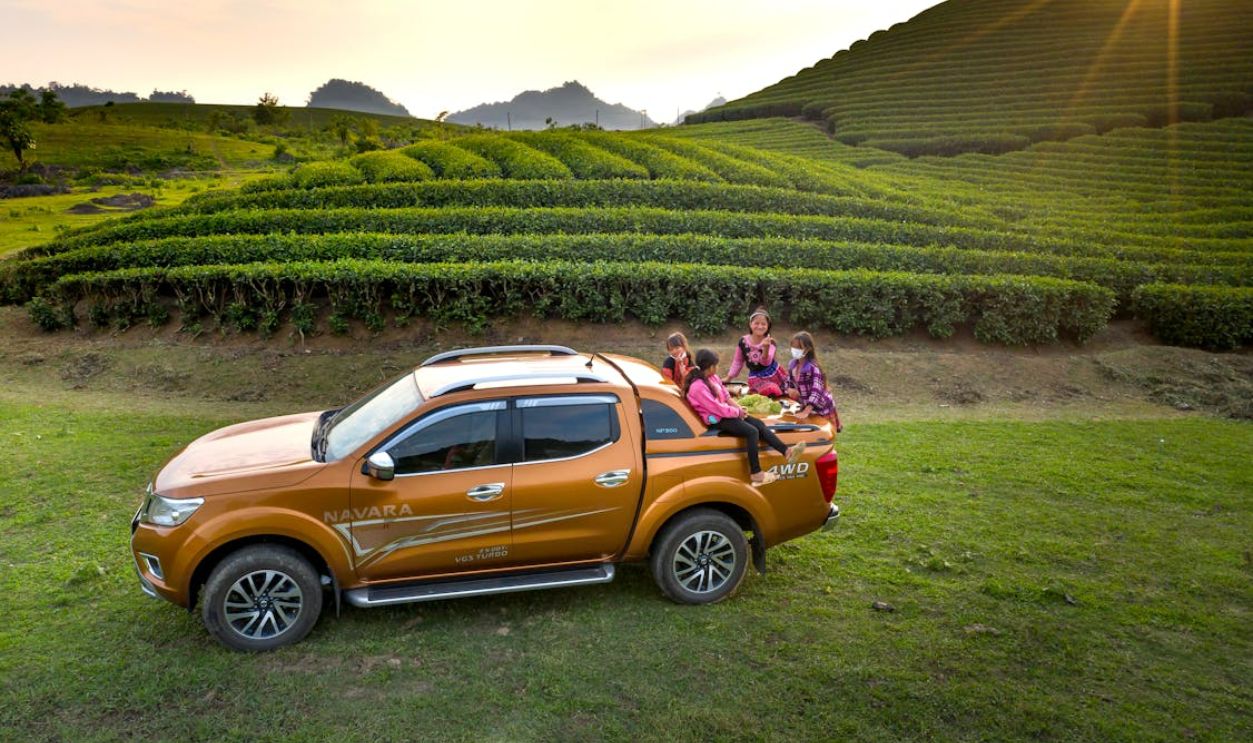
Overcrowded Vehicles
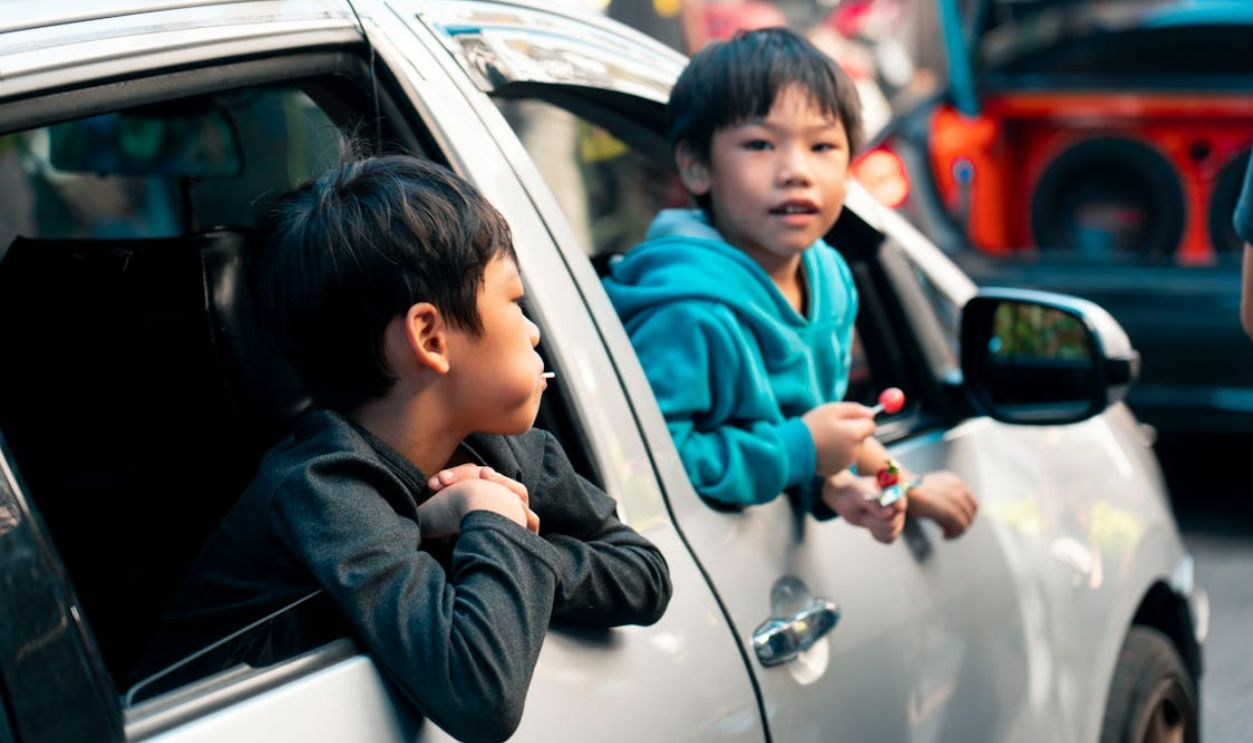
Maximum occupancy laws strictly tie passenger limits to seatbelt availability, with no exceptions for short distances or careful driving. Overloading vehicles voids insurance coverage in accidents, leaving families financially exposed beyond just the traffic citation. No more of “we'll squeeze in”.
Overcrowded Vehicles (Cont.)
Violations are punishable under the Motor Vehicles Act with escalating fines for repeat offenses. The practice created dangerous weight distribution problems and made proper restraint impossible for everyone aboard. Modern enforcement uses clear math: five seatbelts equals a maximum of five passengers.

Way-Back Nostalgia
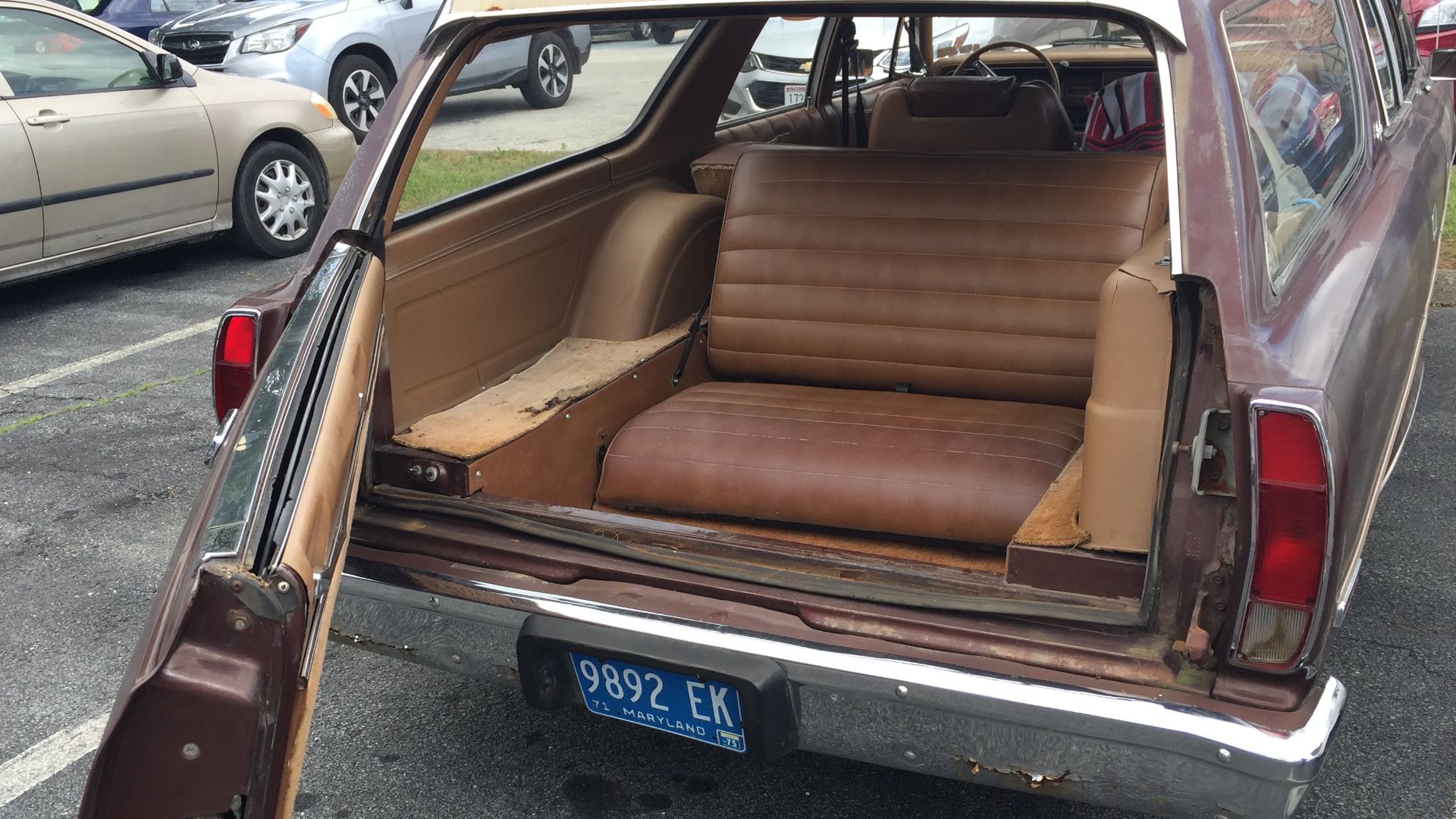
Station wagon rear-facing seats, affectionately called "way-back" seats, let kids wave at following cars throughout the 1970s and 80s. These compartments lacked modern restraints and crumple zones, essentially positioning children as first impact points in rear collisions. Safety standards phased out these designs during the 1990s.
Way-Back Nostalgia (Cont.)
Many states now specifically restrict unrestrained use of cargo or rear-facing seats in any vehicle configuration. Children loved the novelty and visibility these seats provided, completely unaware they were riding in the most dangerous position possible. Automakers initially marketed way-back seats as family-friendly features.
Open Container Tolerance
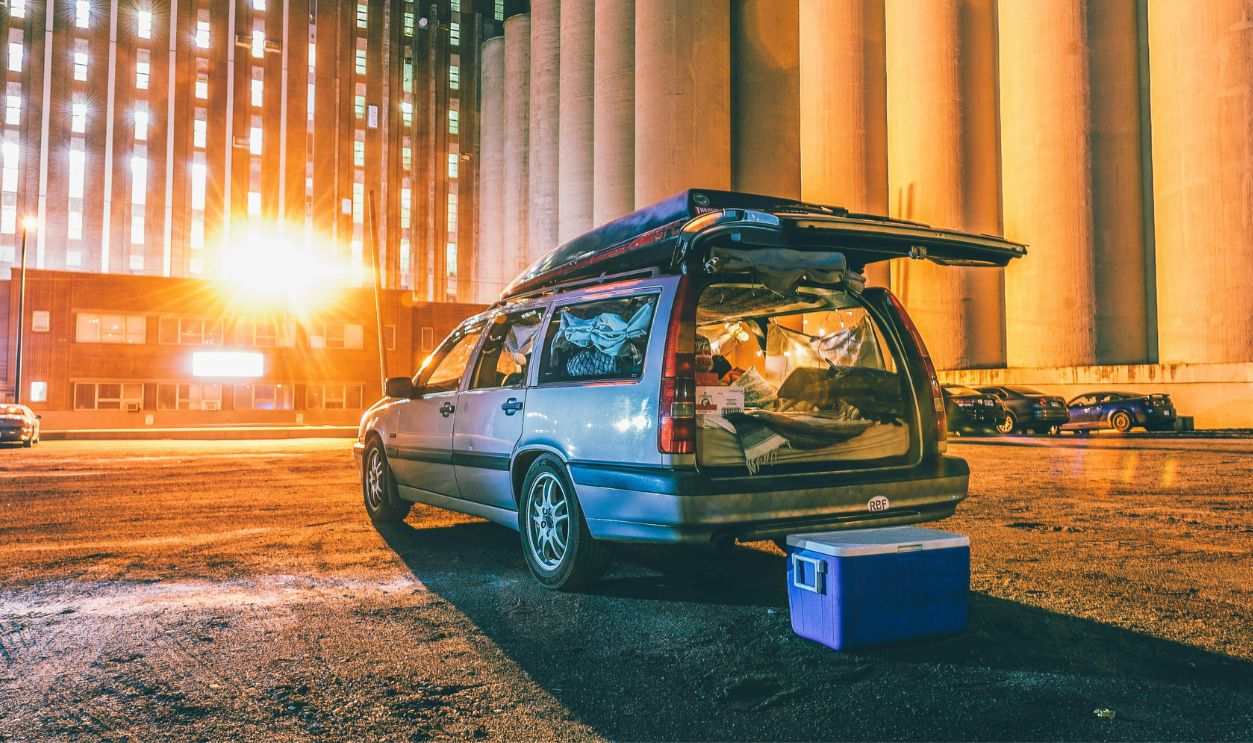
Open container laws ban unsealed alcohol in passenger areas for both drivers and passengers, with no exceptions for unopened seals or passenger possession. Earlier, some parents genuinely believed that "as long as you're not drinking, it's fine" justified open alcohol containers in vehicles.

Open Container Tolerance (Cont.)
Penalties range from fines to license suspension, treating the presence of accessible alcohol as a serious violation. The reasoning extends beyond driver temptation to include establishing clear legal standards and preventing post-accident disputes about who was drinking. State laws vary slightly in specifics.
Camper Nap Times
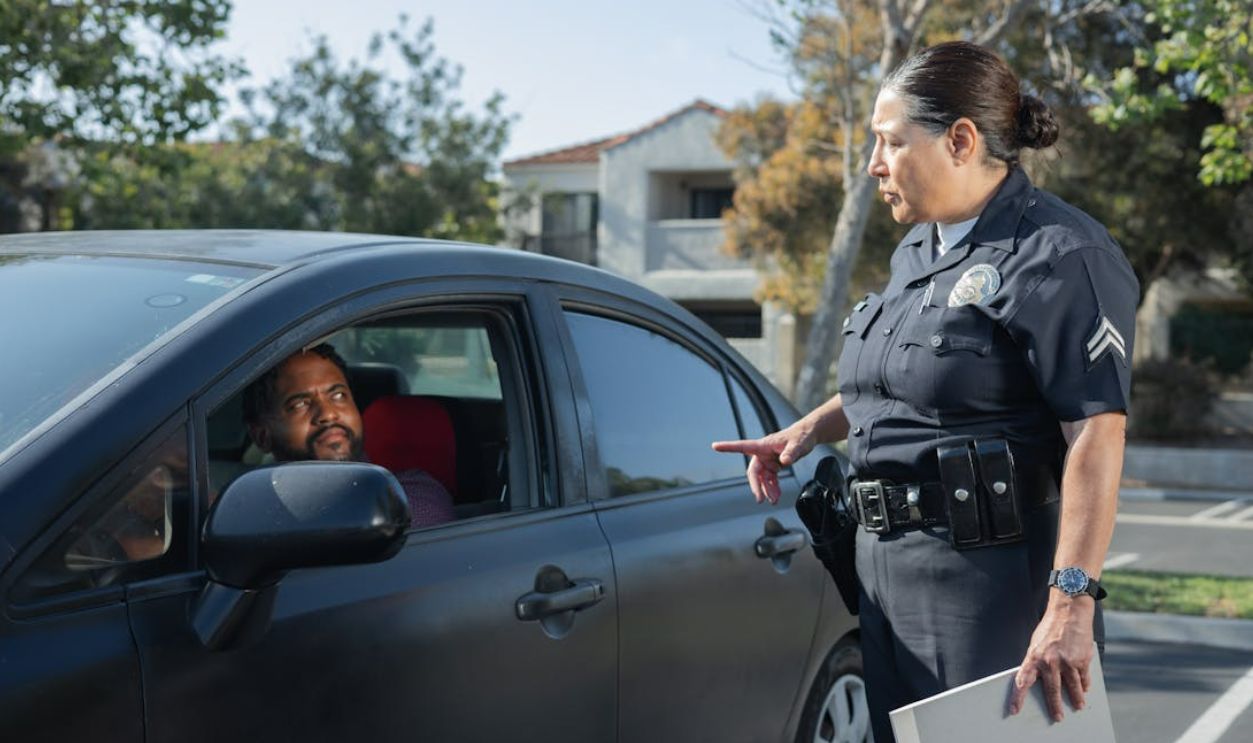
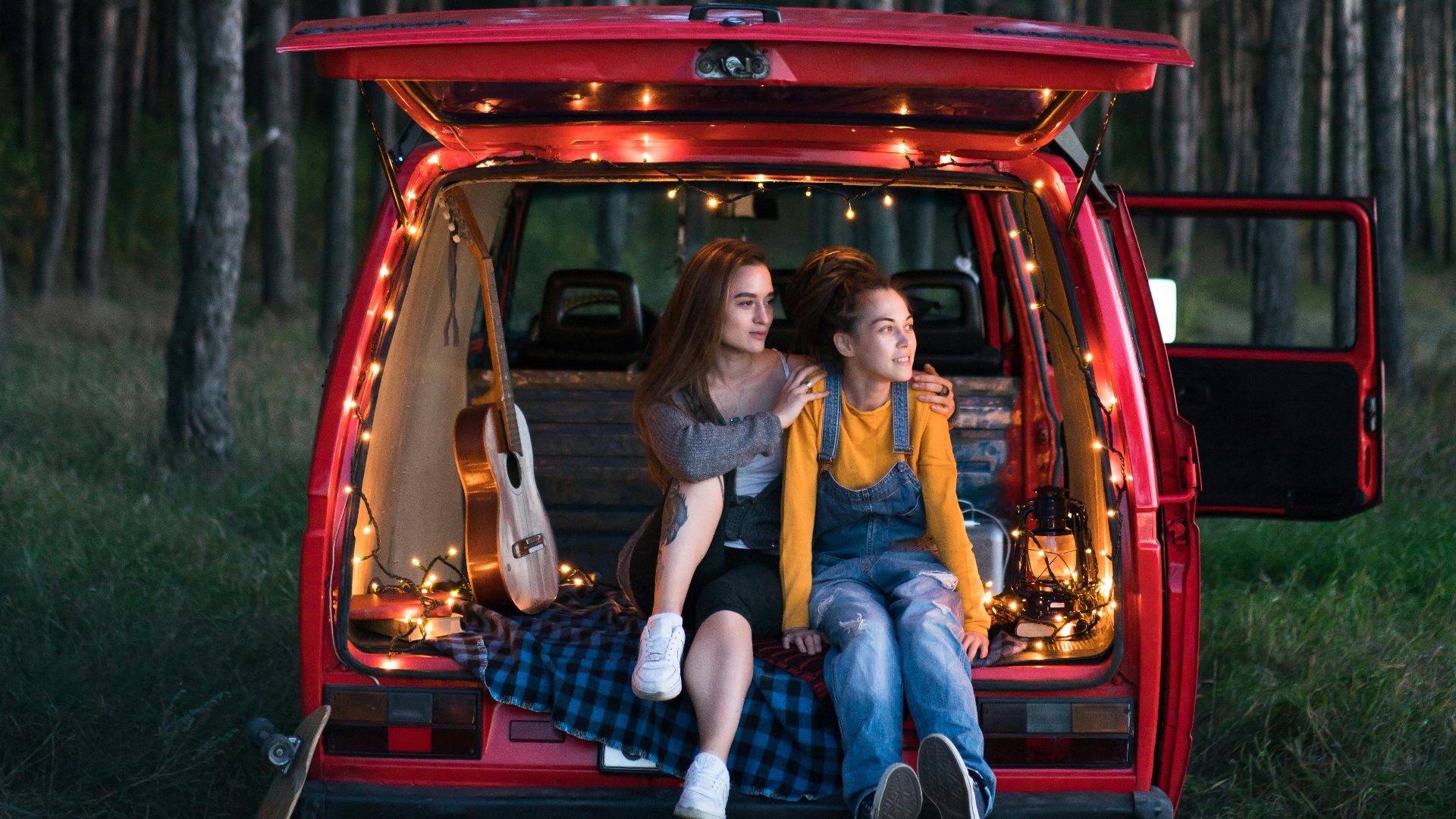
Road trips in the 1970s often meant kids sprawled out sleeping in towed campers while parents drove hundreds of miles. US federal and state laws disallow passengers in trailers or campers during towing, recognizing these spaces as death traps on wheels.
Camper Nap Times (Cont.)
Crash tests reveal trailer interiors completely lack seatbelts and crash protection, with occupants facing ejection or crushing during accidents. The practice seemed logical to parents who valued keeping children comfortable during marathon drives, not understanding the catastrophic physics of trailer crashes.

Loose Pet Passengers
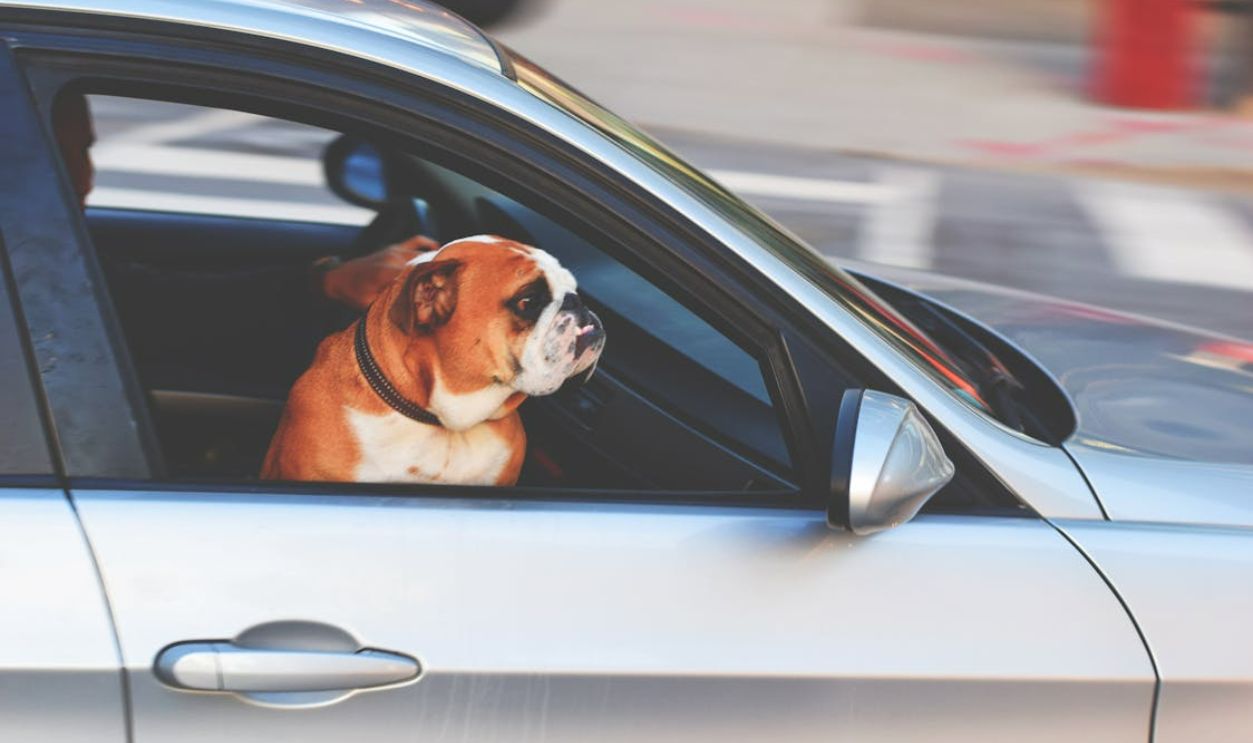
Pets become projectiles in crashes—a 60-pound dog turns into a 2,700-pound force during a 35-mph collision, capable of killing human passengers or ejecting through windshields. Insurance companies may deny claims if unrestrained pets cause or contribute to accidents, leaving owners fully liable for damages.
Loose Pet Passengers (Cont.)
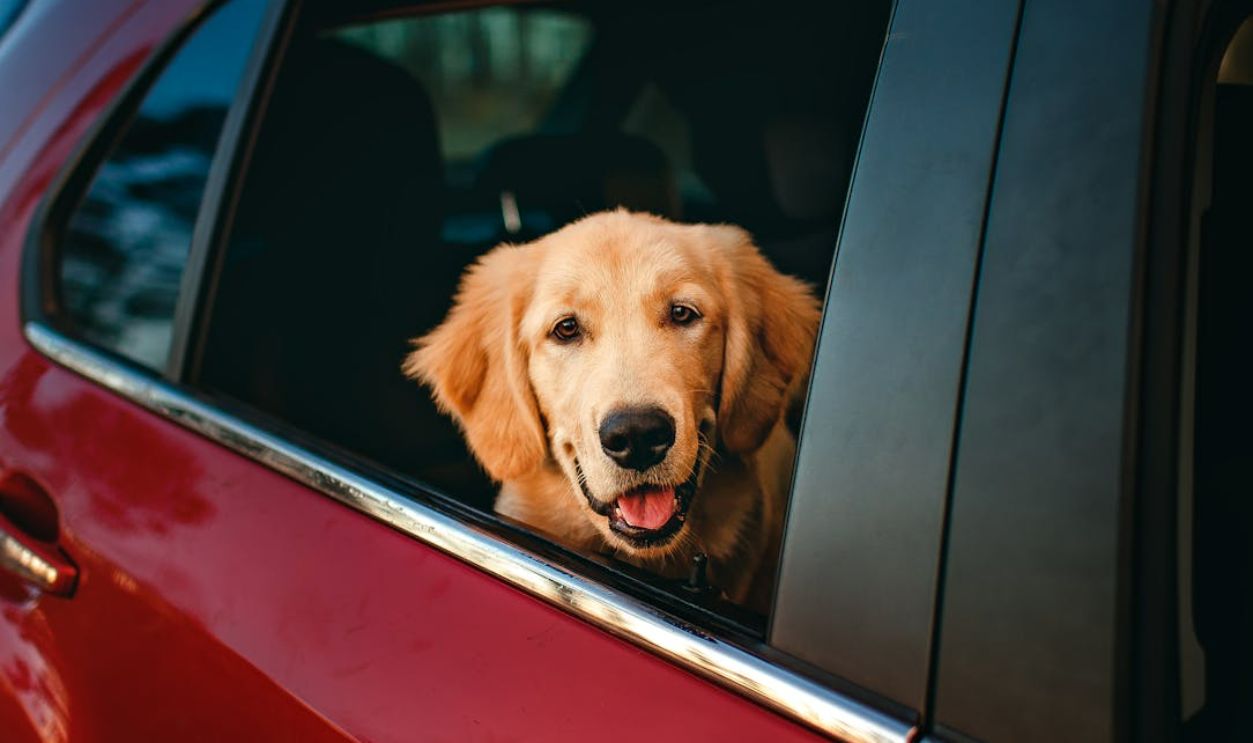
The cultural image of dogs riding with heads out windows symbolized freedom and joy for generations of drivers. Modern laws in many states now impose fines specifically for unrestrained pets, recognizing that adorable doesn't mean safe. Parents prioritized their pet's apparent happiness over understanding basic crash physics.