When A Simple Service Turns Into A Disaster
You brought your car in for a routine oil change, expecting nothing more than basic maintenance. Instead, the dealership shockingly failed to add oil, and your engine is now severely damaged, or even totally destroyed. This situation is a mix of shock and frustration. Now you’re wondering who is responsible and how you can recoup a major financial loss.

This Is Likely Negligence
Forgetting to add oil during an oil change is not a minor mistake. Whether somebody got distracted, called away, or simply forgot, the situation is a clear failure to meet basic professional standards. Mechanics are expected to perform services with reasonable care. When they fail to do such a basic fundamental step, it is often considered negligence, and that can make the dealership legally responsible for the damage.

Possible Breach Of Contract Claim
When you pay for the oil change or any other repair of maintenance, you enter into a service agreement with the shop. They agreed to perform a specific task, and failing to add oil means they failed to fulfill that obligation. This can be seen as a breach of contract, giving you an additional legal pathway to seek compensation for your losses.

The Dealer Is Usually Responsible For The Damage
If your engine failed because it was run without oil, the dealership is typically responsible for the resulting damage. The connection between the service error and the engine failure is often direct and easy to prove. In many cases, the dealership will be expected to cover all the repair or replacement costs.
 Karolina Grabowska www.kaboompics.com, Pexels
Stop Driving Immediately
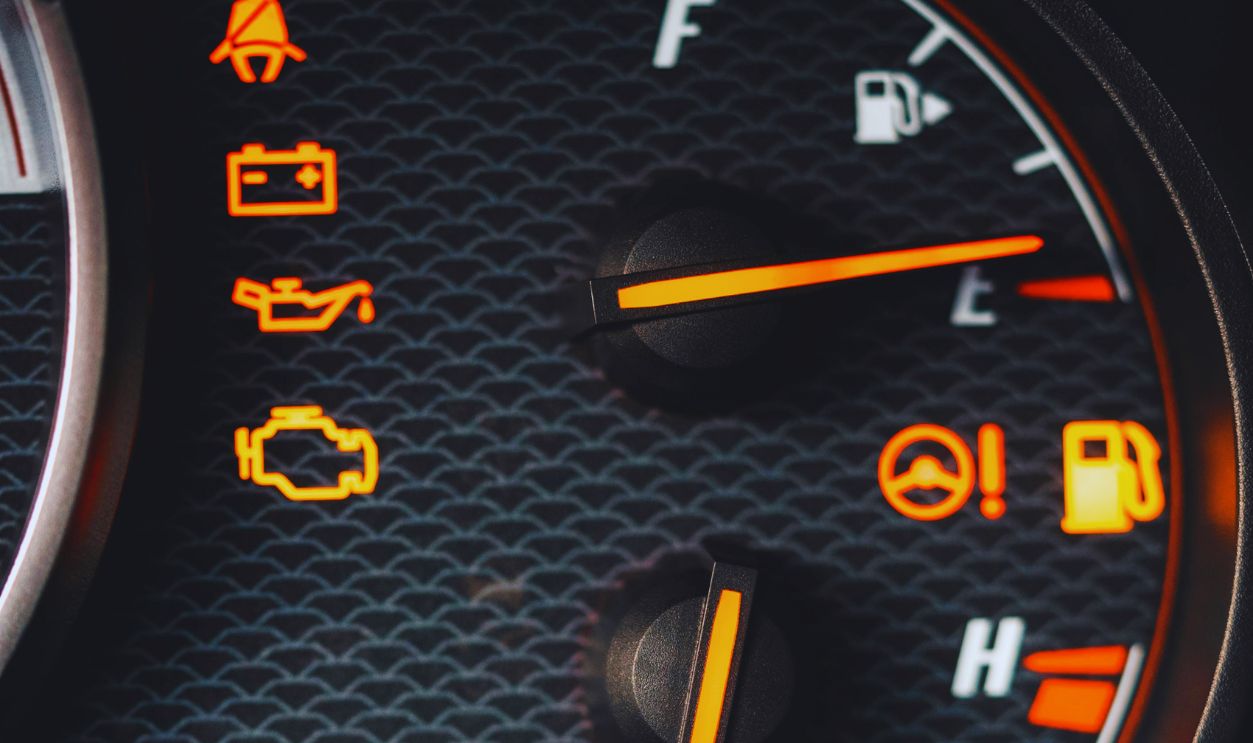
If you notice warning lights, unusual noises, or signs of engine trouble right after service, it is critical to stop driving immediately. Continuing to operate the vehicle without oil will ony cause further damage. This can complicate your claim, as the dealership may argue that additional harm occurred after the initial mistake.
Document Everything Right Away
Start gathering evidence as soon as you see that something is wrong. Take photos of the vehicle, dashboard warnings, and any visible damage. Keep all receipts, invoices, and service records. Write down a timeline of events. You’ll need this documentation if you try to prove your case later.

Take The Vehicle Back To The Dealership
If possible, have the car towed back to the dealership that did the faulty oil change. Allowing them to inspect the vehicle can help establish a clear link between their service and the damage. It also gives them the chance to acknowledge the issue and take steps to address the problem.

Ask For A Written Explanation
Request a written statement from the dealership that explains what occurred. If they admit fault, this can significantly strengthen your position. Even if they don’t accept responsibility, their written response may still carry useful details that can support your claim.
You May Be Entitled To A New Engine
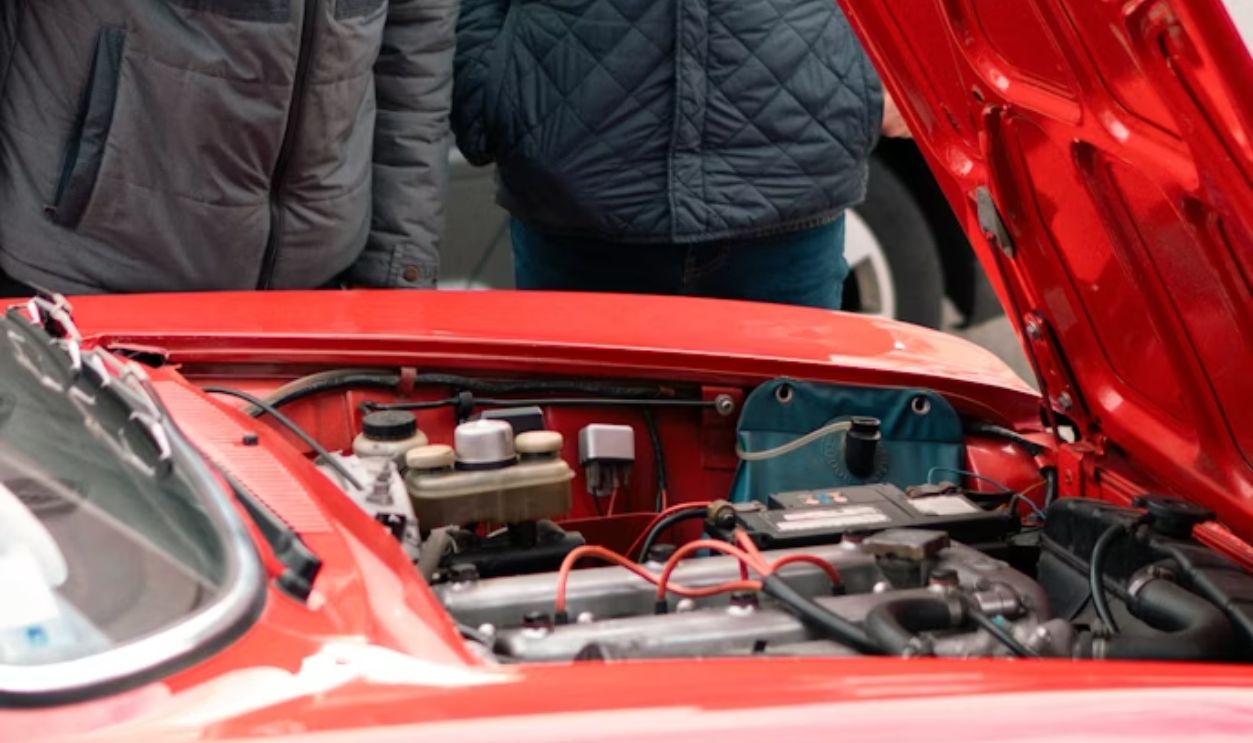
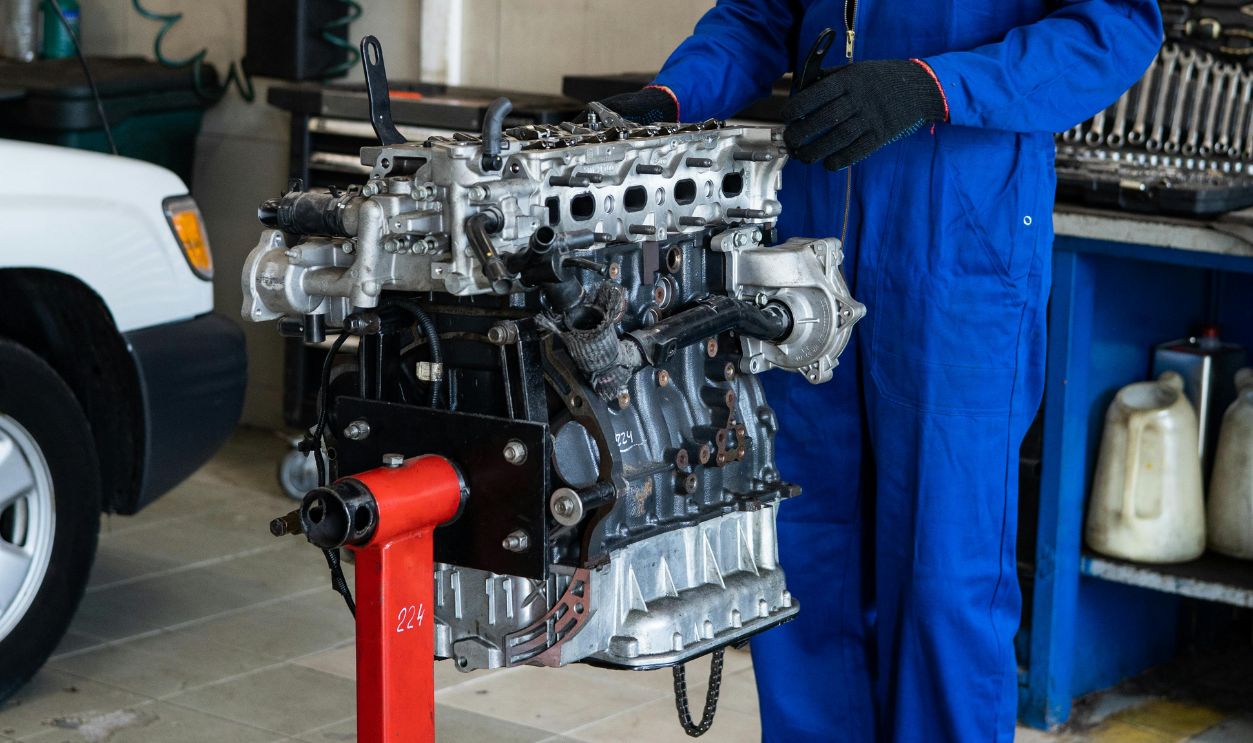
An engine that’s been run without oil often suffers catastrophic internal damage. In a lot of cases, the only real solution is a complete engine replacement. Temporary or partial repairs may not restore the vehicle to a safe and reliable condition, which is why a replacement is often considered the appropriate remedy.
You Can Also Claim Additional Costs
Your losses may very well go beyond the engine itself. You may be able to recover towing fees, rental car expenses, and other costs directly related to the incident. These additional damages can add up quickly, so it’s important to track all expenses, save all your receipts, and include them in your claim.

You Can Push For A Rental Car
While your vehicle is in the repair shop, you shouldn’t be left high and dry with no transportation. If the dealership is at fault, you can insist that they provide you with a rental car at their expense. This is a reasonable part of making you whole, especially if the repair or engine replacement takes days or even weeks to complete.

Diminished Value May Be An Issue
Even after the repairs, your vehicle may not be worth what it was before the incident. A car with a major engine replacement or damage history can bring a lower resale value. In some cases, you may be able to seek compensation for this loss in value as part of your claim.

The Dealership’s Insurance May Cover It
Most dealerships carry liability insurance to cover mishaps like this. If the dealership takes responsibility for what happened, their insurance company may handle the claim and pay for the necessary repairs or replacement. This is often the fastest way to resolve the issue if fault is clear.

Your Own Insurance Might Be Involved
If the dealership denies responsibility or delays action, you may need to involve your own insurance company. Depending on your coverage, your insurer may pay for the damage upfront and then pursue reimbursement from the dealership through a process called subrogation.

Don’t Accept A Quick Lowball Offer
In some cases, the dealership may try to settle quickly with an obviously low offer. While this may seem convenient, it might not fully cover your losses. Take time to look over any offer carefully and make sure it takes all the damages into account, including long-term impacts on your vehicle.

Get An Independent Inspection
If there’s any disagreement about what caused the damage, you may want to get an independent mechanic to inspect the vehicle. An unbiased professional opinion can help confirm that the engine failure was the direct result of a lack of oil; this will strengthen your case if the dealership disputes liability.

Small Claims Court Is An Option
If the dealership refuses to take responsibility, you can consider filing a claim in small claims court. This process is designed to be accessible and doesn’t usually require an attorney. It can be an effective way to recover repair costs and hold the dealership accountable.
Larger Claims May Require A Lawyer
If your damages are more substantial, like up over $10,000 in the case of a full engine replacement, it may be a good idea to talk to a lawyer. An attorney can help you navigate the legal process, negotiate with the dealership, and ensure that you pursue the full amount you are owed.

Consumer Protection Laws May Help
Many states have consumer protection laws that apply to auto repair services. These laws are in place to offer additional remedies if the dealership acted unfairly or failed to meet basic standards. Familiarity with these protections can strengthen your position when seeking compensation.

Timing Matters For Your Claim
It’s important to act quickly once you’ve noticed the issue. Any delay can make it harder to gather evidence or prove your case. Reporting the problem as soon as possible and following up consistently shows that you’re taking the situation seriously and helps you uphold your rights.

Final Takeaway
A dealership forgetting to add oil is a serious and preventable mistake that can cause catastrophic engine damage. In most cases, the dealership is the one responsible for making things right. Your main focus should be on documenting the issue, acting quickly, and ensuring you receive full and fair compensation.

You May Also Like:
My extended warranty won’t cover a known defect. Isn’t that what extended warranties are for?
Car Fixes Mechanics Will Take Your Money & Run For—But You Should Learn How To Do Yourself