

The Fixes Mechanics Love Charging For (But You Shouldn’t Pay For)
There’s no denying that mechanics are essential—modern cars are complex machines, and sometimes you really do need a professional. But here’s the truth they won’t advertise: a surprising number of common “repairs” are quick, easy, and wildly overpriced. In fact, many of these jobs take less than 30 minutes and require minimal tools. Learning a handful of basic fixes can save you hundreds (or even thousands) of dollars over time. Let’s break down the car fixes mechanics happily charge premium rates for—and why you should absolutely learn to do them yourself.
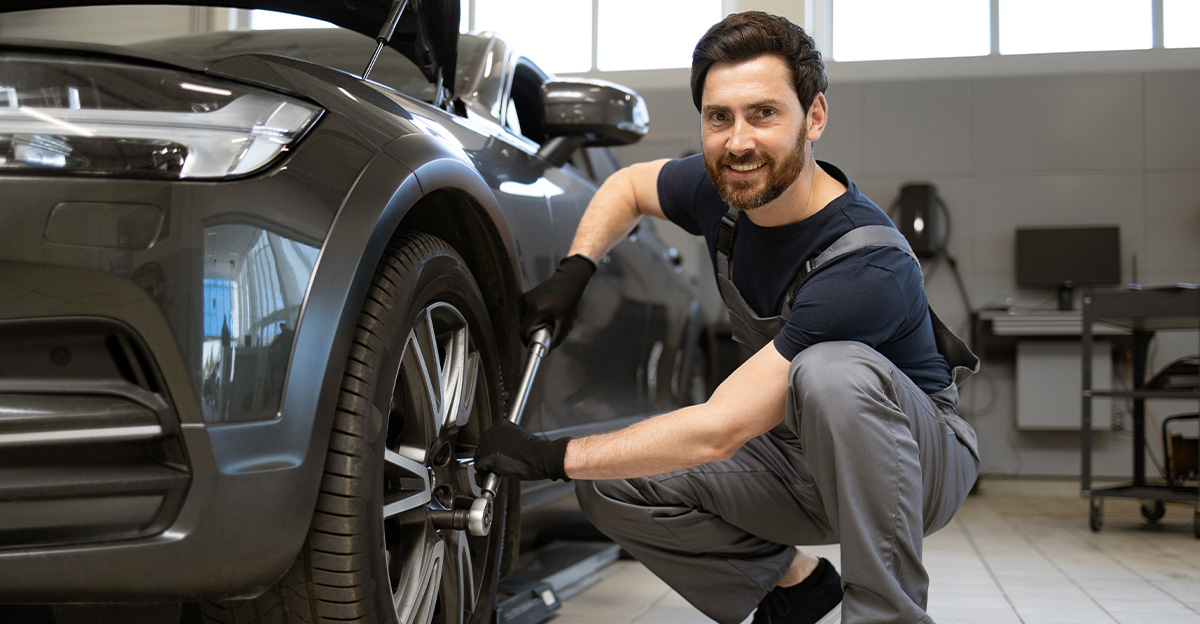
Replacing Your Engine Air Filter
This is the ultimate beginner-friendly fix. Most air filters sit in a simple plastic box under the hood and can be swapped in under five minutes—no tools required in many cars. Mechanics often charge $40–$100 for something that costs $10–$20.
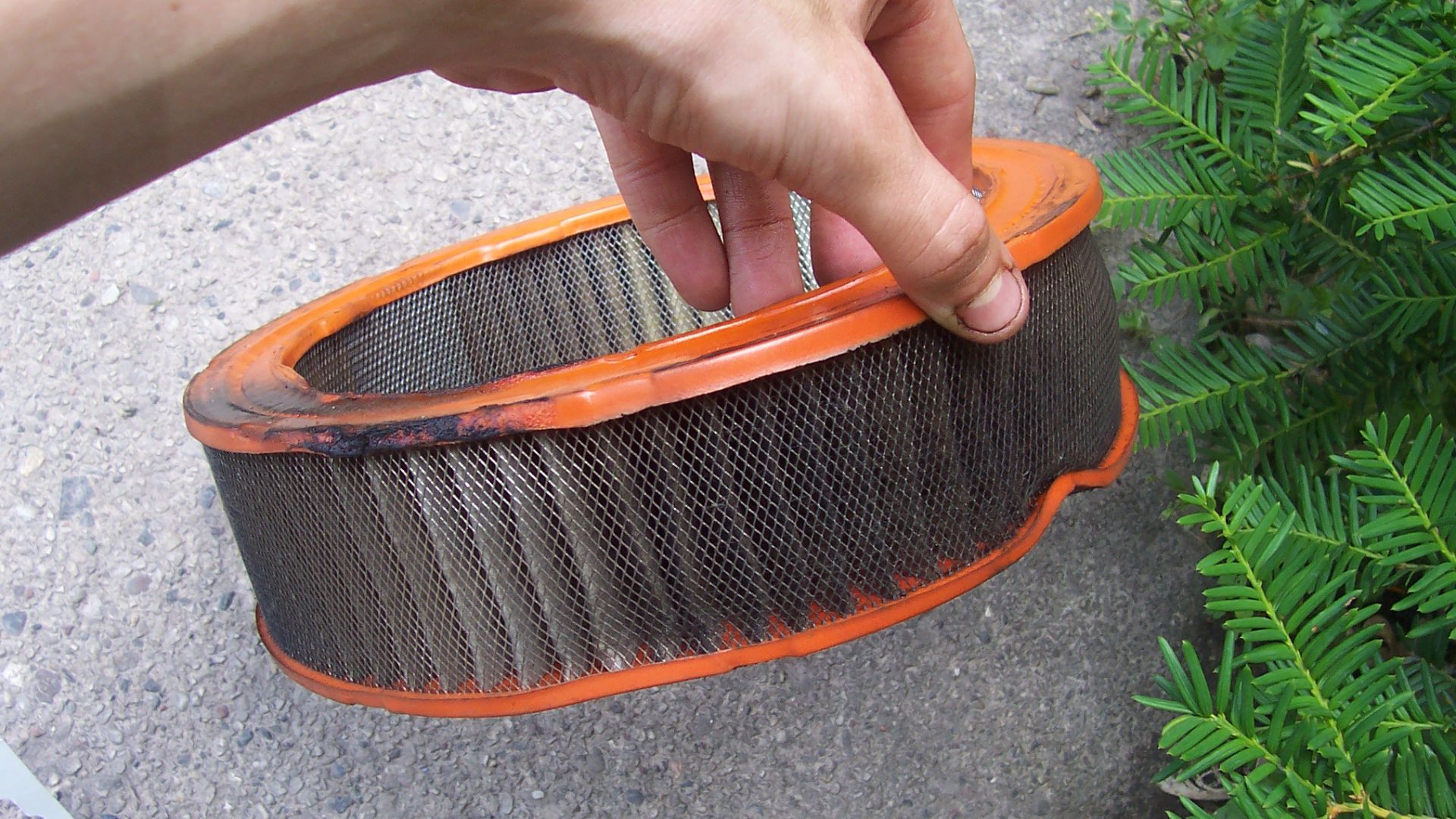 Ahanix1989 at English Wikipedia, Wikimedia Commons
Changing Your Cabin Air Filter
Out of sight (usually behind the glove box), out of mind—and that’s exactly why shops love charging for it. It’s often just a clip or panel away, and takes about 10 minutes to replace. You’ll save money and breathe cleaner air.
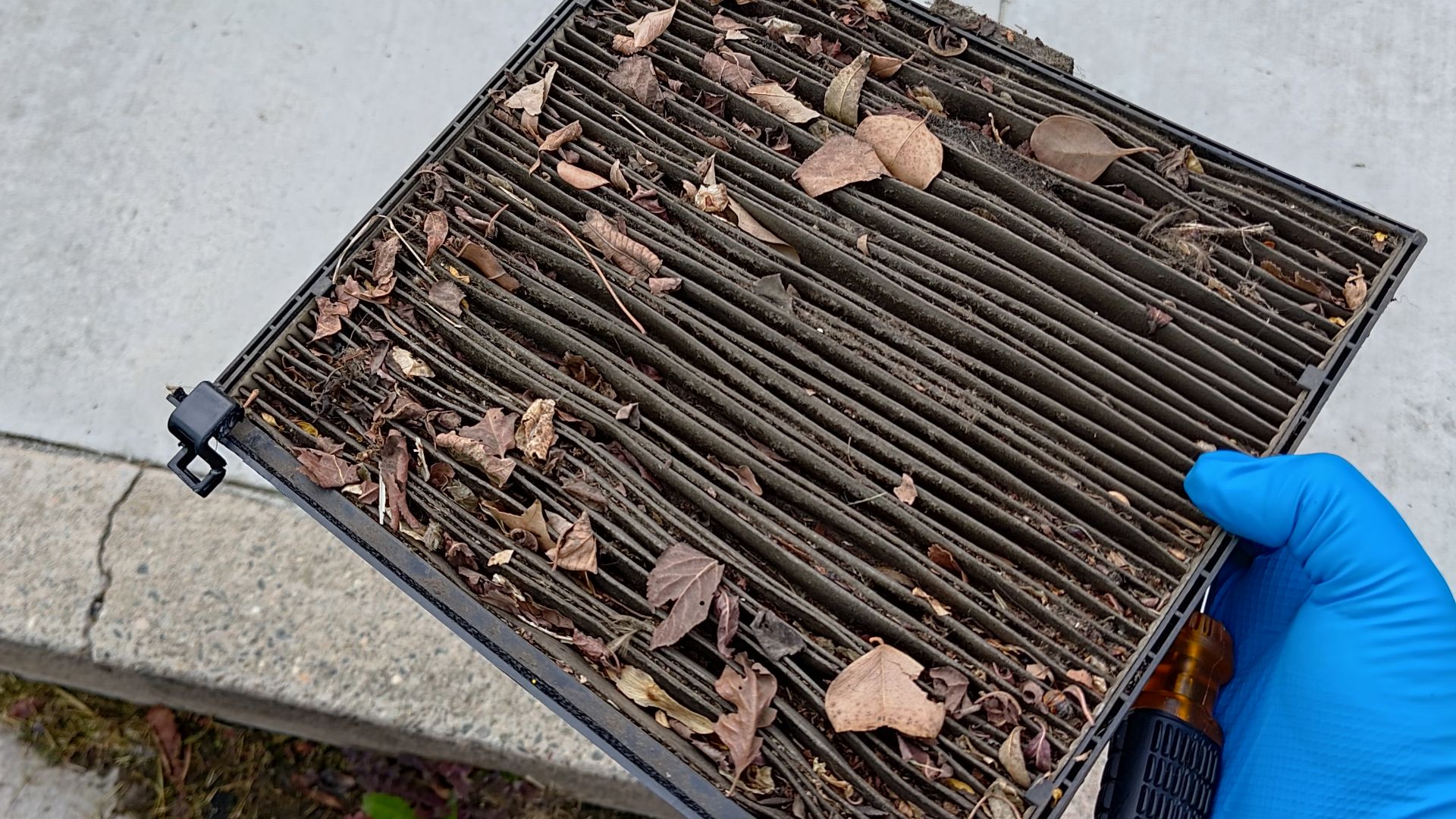 UnifiedFunctionality, Wikimedia Commons
Swapping Windshield Wipers
Wiper blades are one of the easiest upgrades you can do yourself, yet many shops charge installation fees. Most blades simply click on and off, and you can do both sides in under five minutes.
 ShiberuInupreza, Wikimedia Commons
Topping Off Fluids
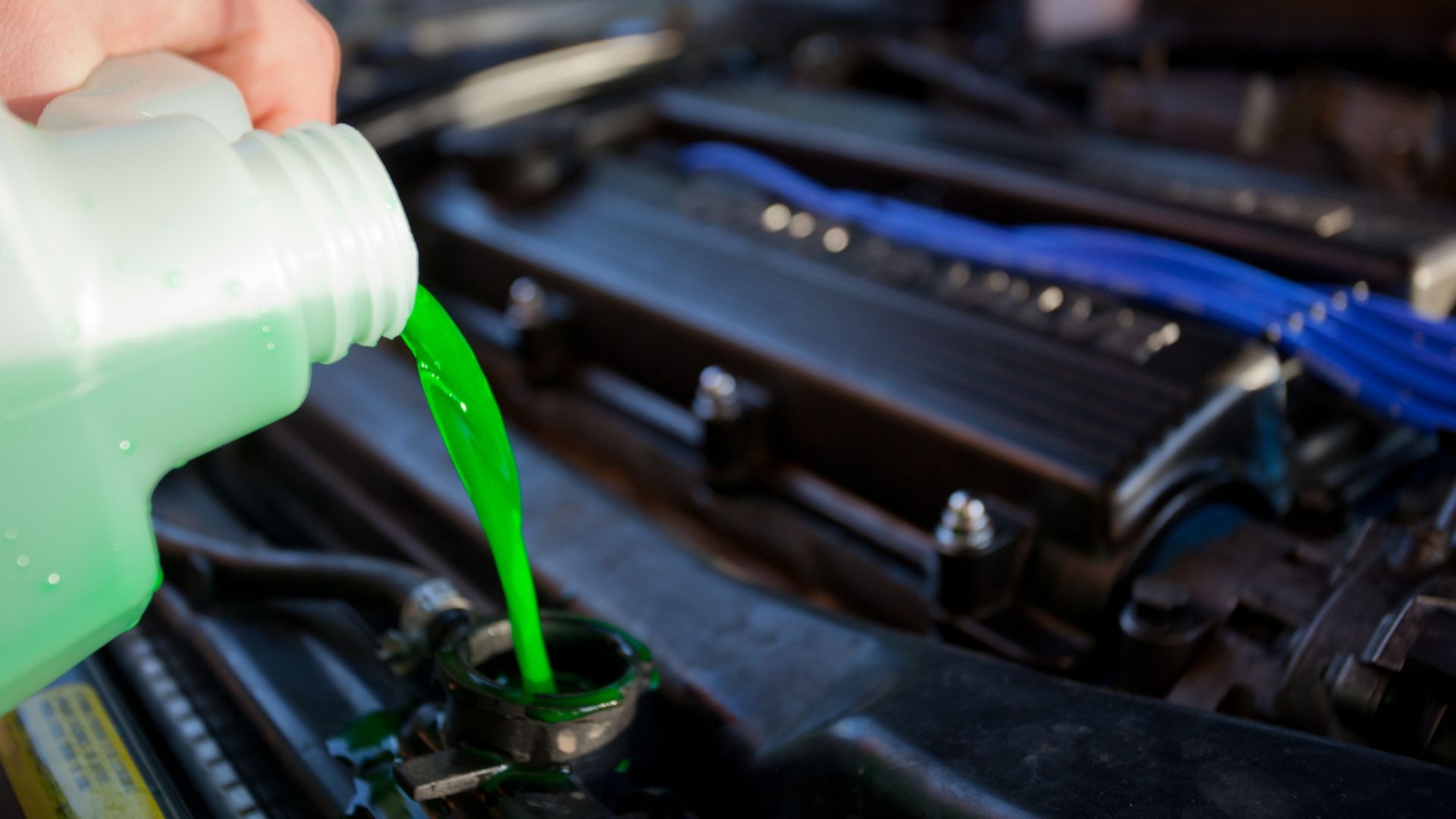
Whether it’s windshield washer fluid, coolant, or power steering fluid, topping off fluids is basic car care. Mechanics sometimes charge inspection or service fees for this, but all it takes is locating the reservoir and pouring carefully.
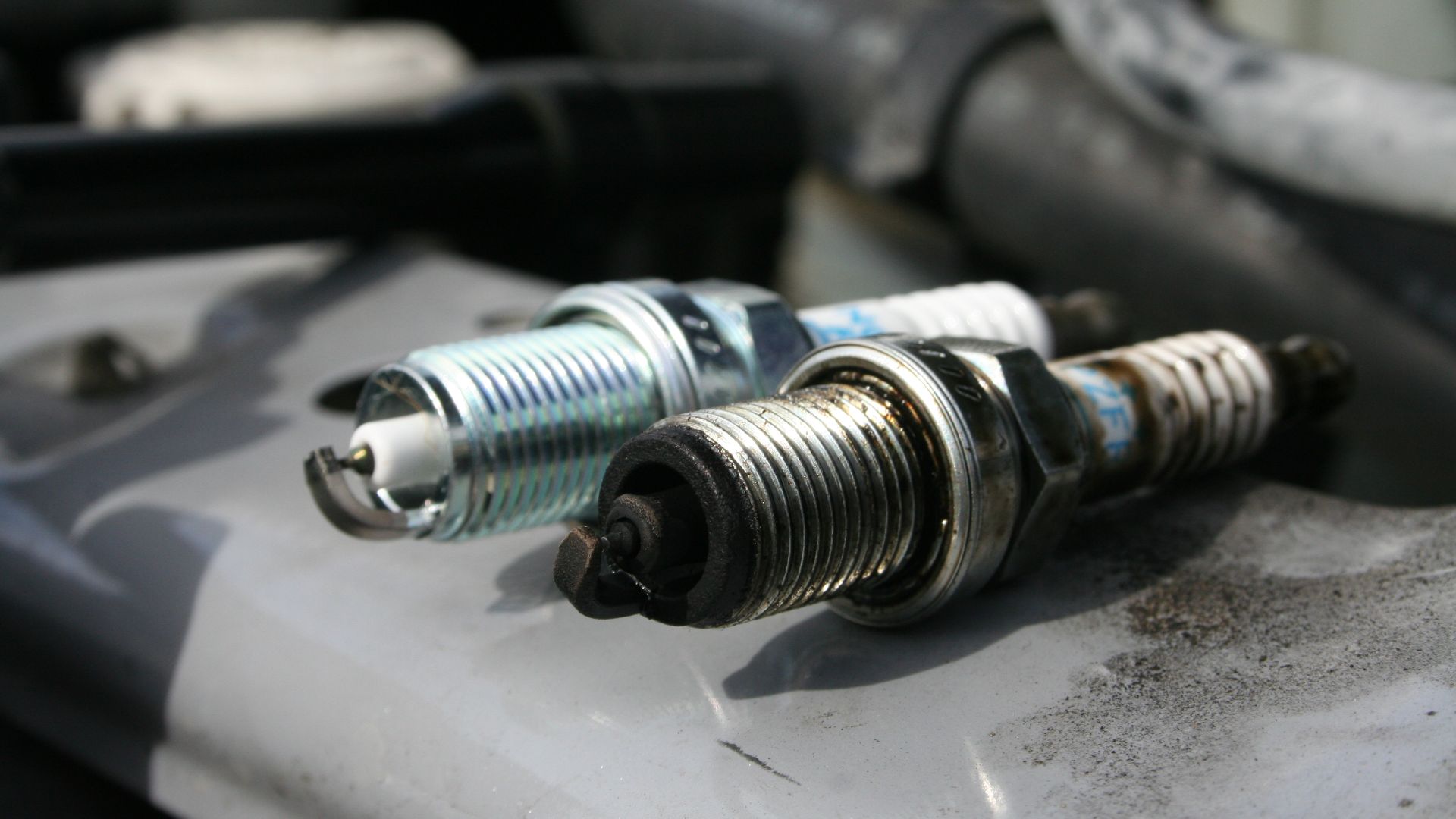
Replacing Spark Plugs (In Many Cars)
Not all engines make this easy—but many do. If your plugs are accessible, swapping them out can take under an hour. Shops often charge hundreds due to labor, even though the parts themselves are inexpensive.
 Aidan Wojtas, Wikimedia Commons
Changing Headlight Or Taillight Bulbs
You don’t need to pay someone $50+ to twist out a bulb and pop in a new one. While some cars have tighter access than others, most bulb replacements are straightforward and well-documented online.

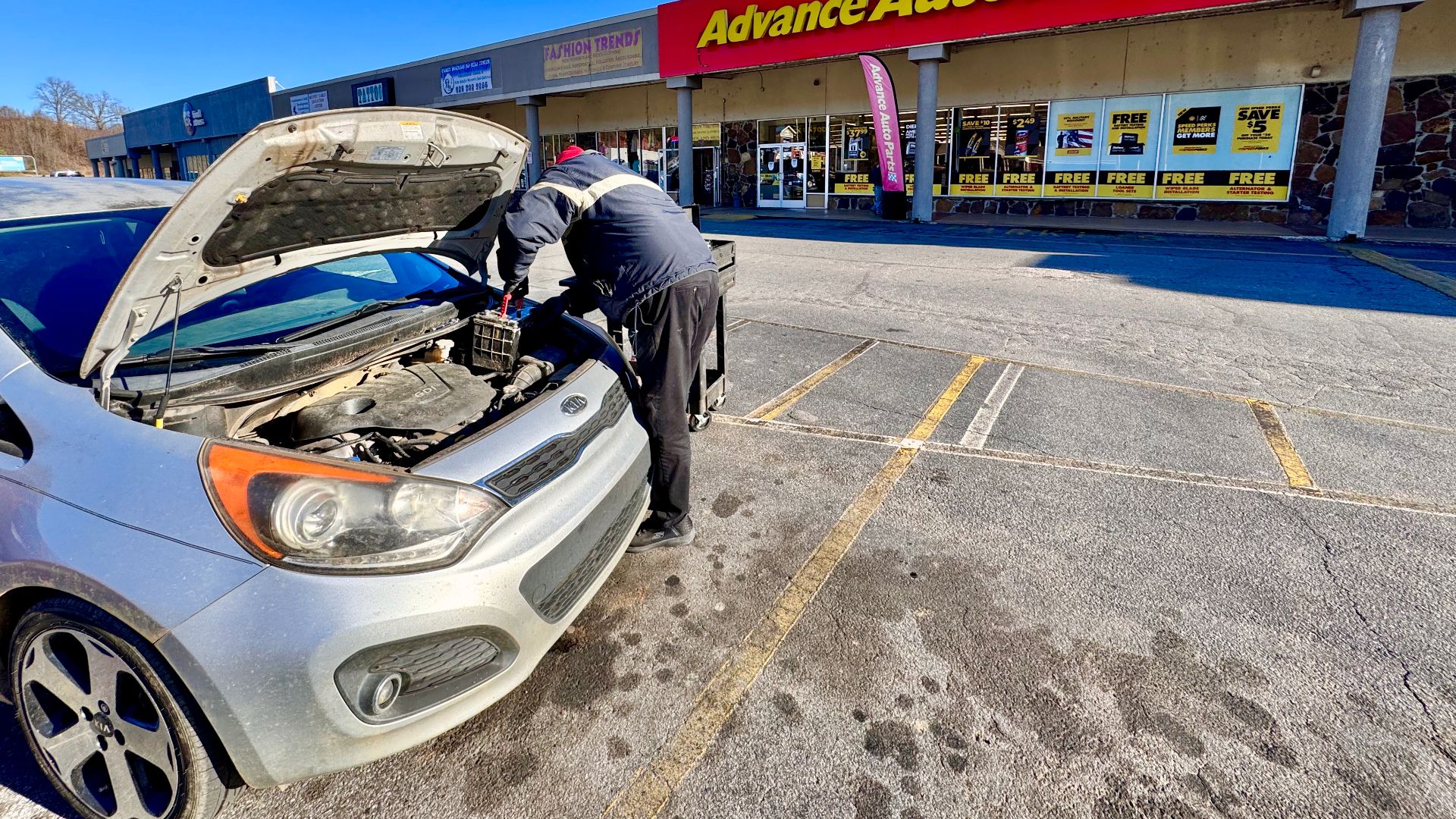
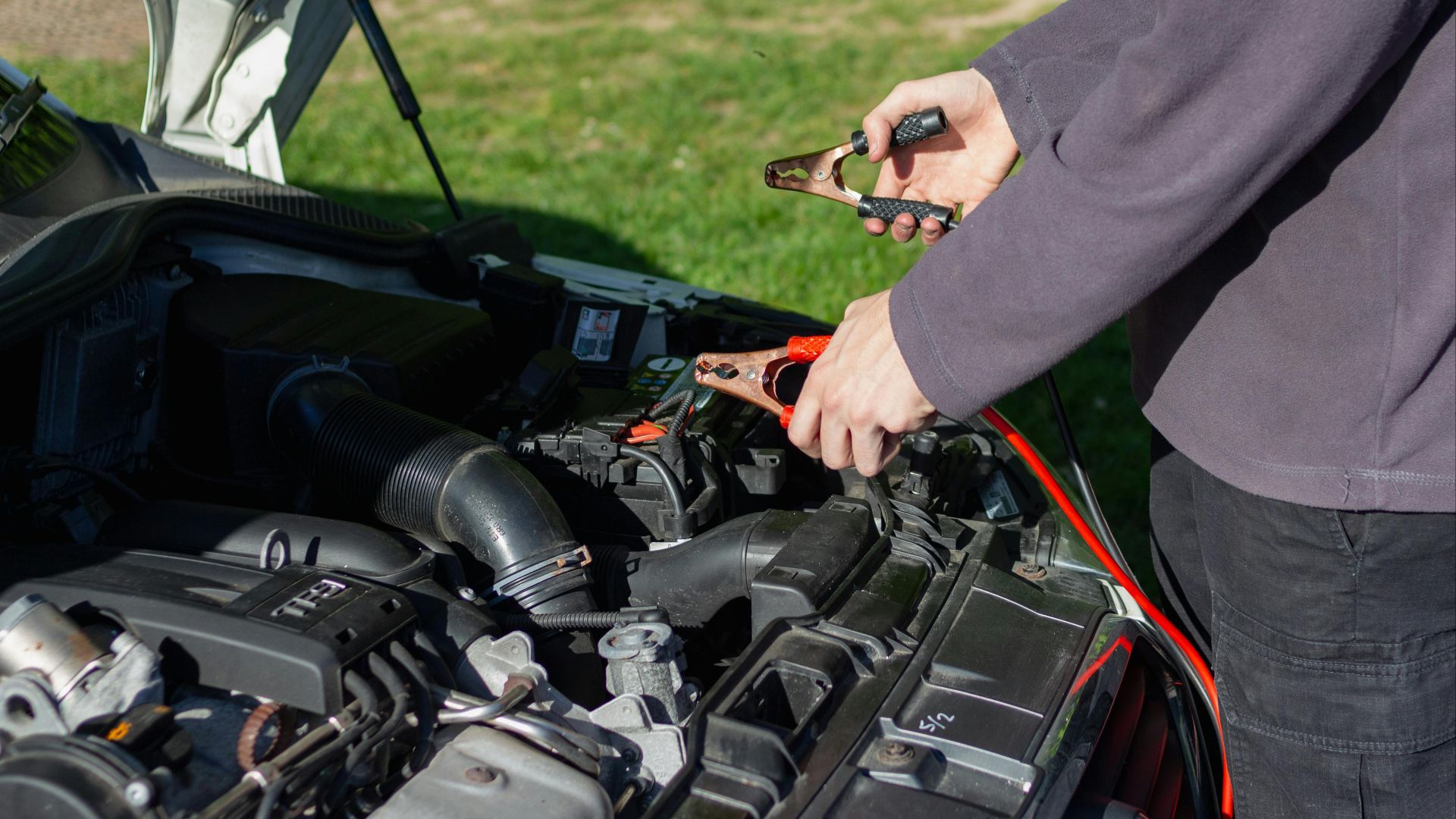
Cleaning Battery Terminals
Corrosion on your battery can cause starting issues, but cleaning it is simple. A bit of baking soda, water, and a brush can restore proper contact. Mechanics may charge diagnostic fees for something you can fix in minutes.
 Harrison Keely, Wikimedia Commons
Replacing The Car Battery
Yes, batteries are heavy—but replacing one is usually just a matter of loosening a clamp and reconnecting terminals. Many auto parts stores will even guide you through it or lend tools.
 Daniel @ bestjumpstarterreview.com, Pexels
Resetting The Check Engine Light (Sometimes)
While a check engine light can signal serious issues, it’s often triggered by minor things like a loose gas cap. An inexpensive OBD2 scanner lets you read and clear codes yourself instead of paying diagnostic fees.

Replacing Fuses
Electrical issues can sound scary, but blown fuses are often the culprit. Your owner’s manual shows exactly where they are, and replacements cost just a few dollars.
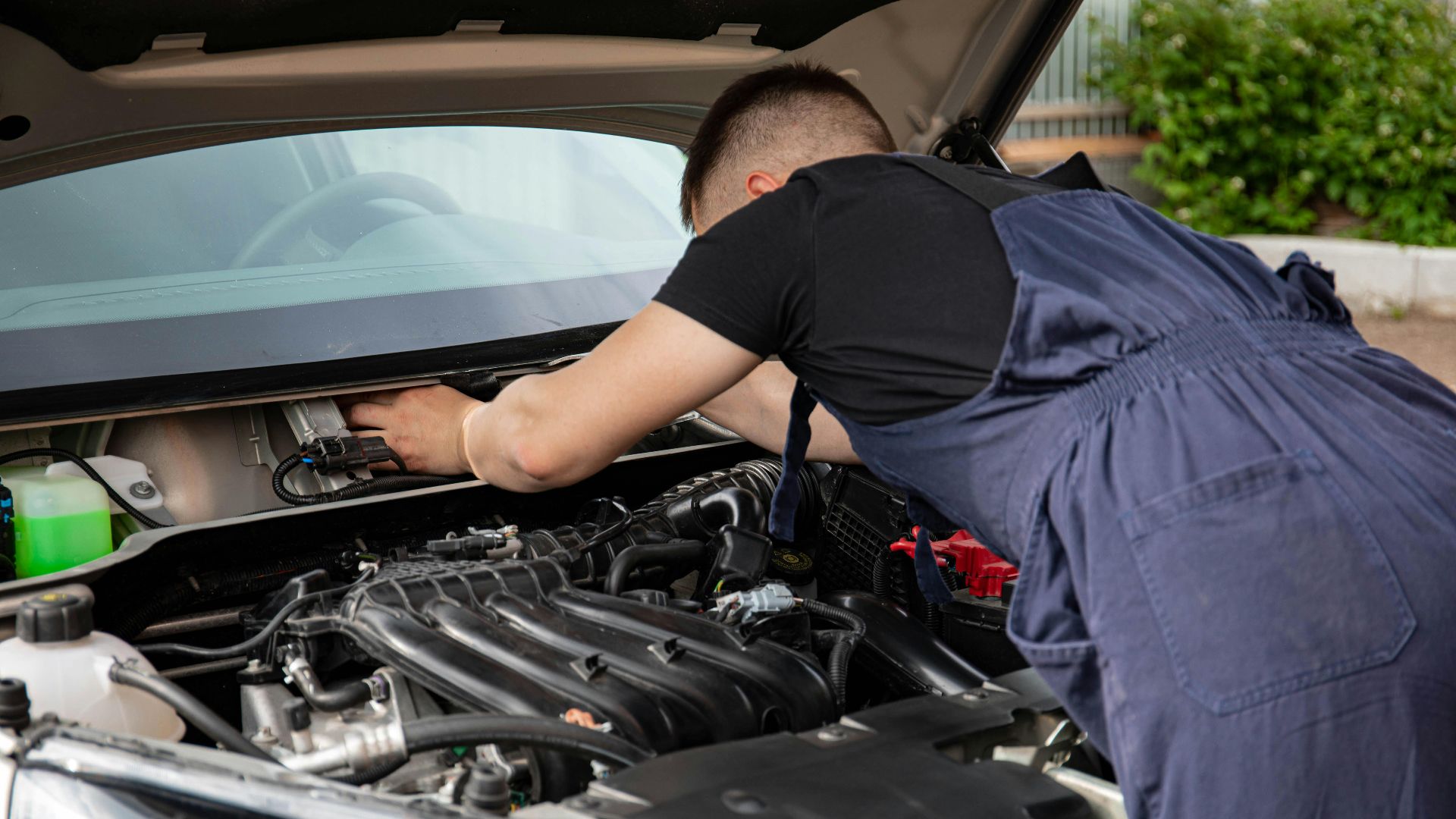
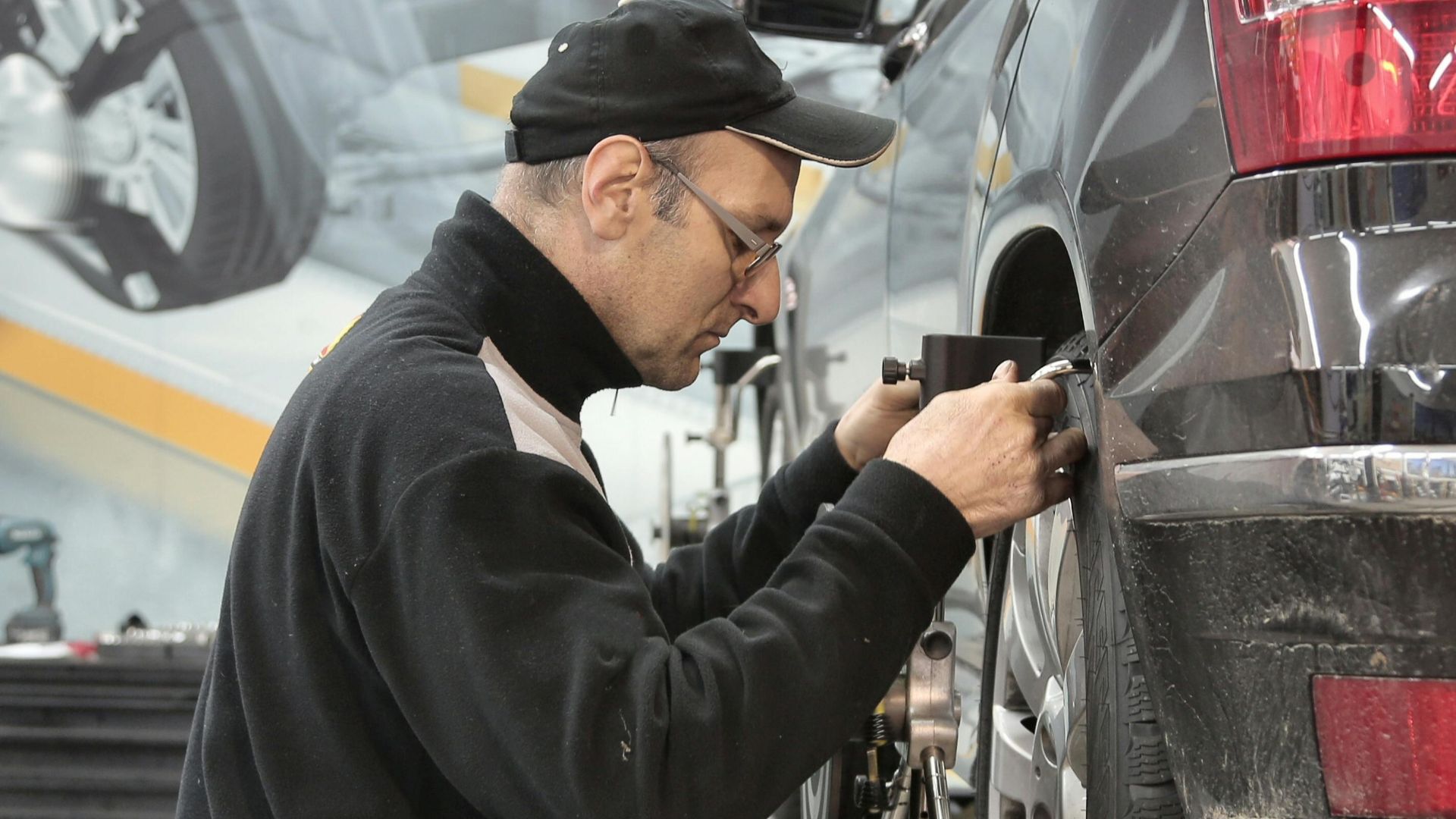
Rotating Your Tires
If you have a jack and stands (or ramps), rotating your tires at home can extend their lifespan and save you $50+ per visit. It’s a bit of work, but very doable with basic tools.
Fixing A Loose Gas Cap
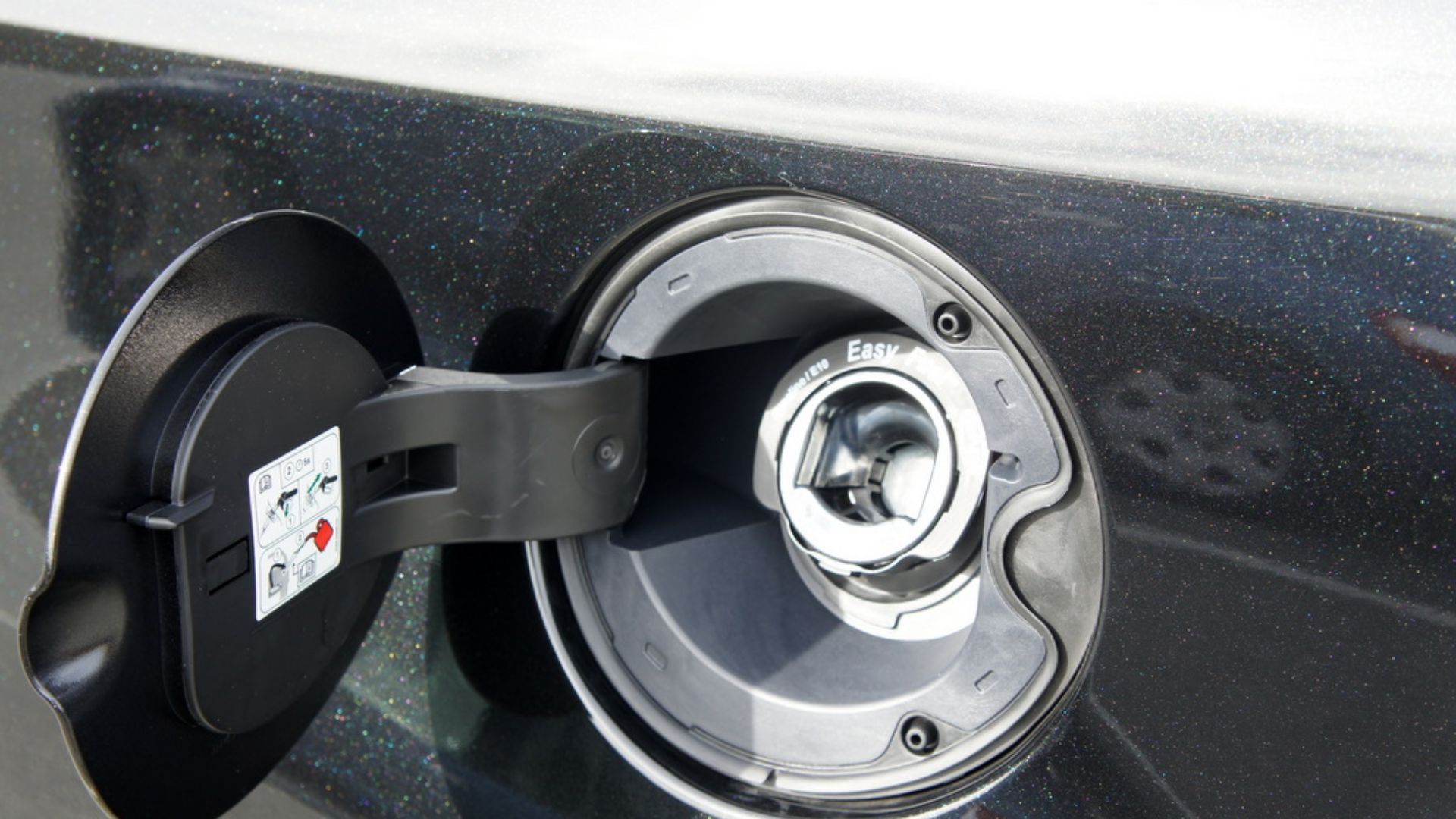
This might sound trivial, but a loose or faulty gas cap can trigger warning lights. Tightening or replacing it costs almost nothing, yet people still pay shops to “diagnose” it.
 Michael Sheehan, Wikimedia Commons
Cleaning Or Replacing The Mass Air Flow Sensor
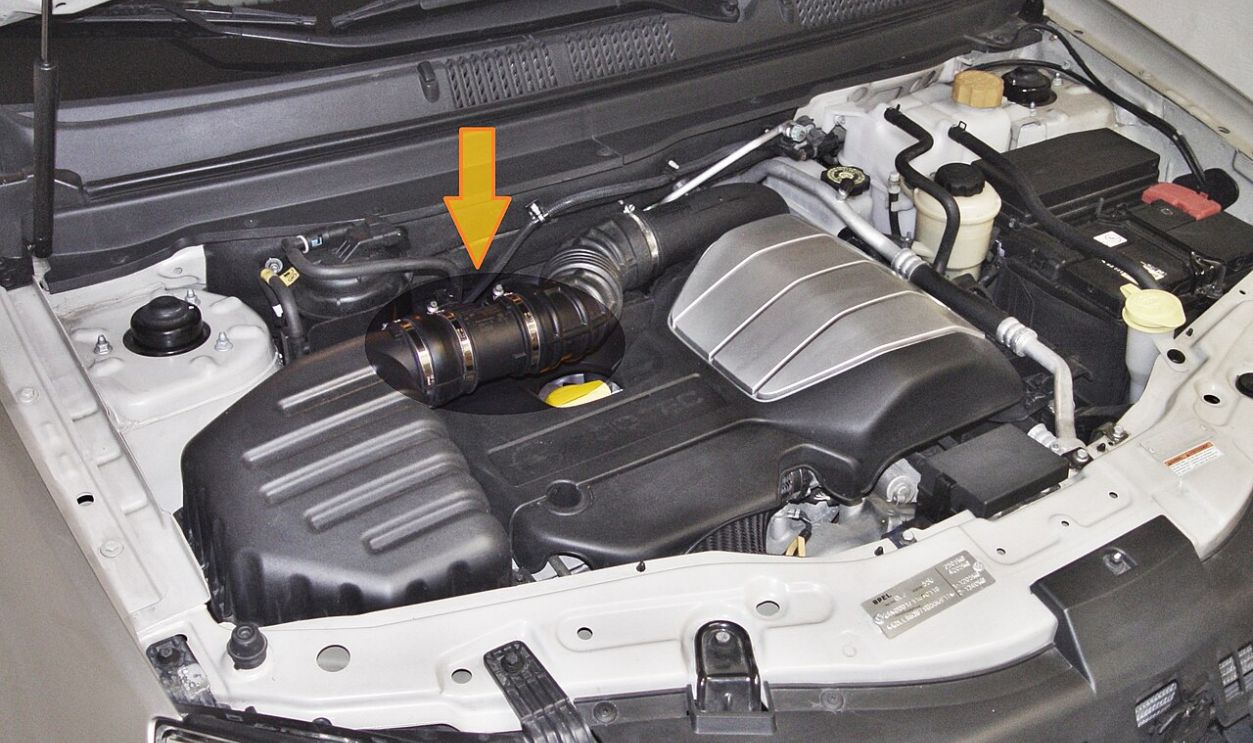
A dirty MAF sensor can affect performance and fuel economy. Cleaning it with proper spray cleaner takes minutes, but shops may charge diagnostic and labor fees for the same job.
 Antonín Ryska, CC BY-SA 4.0, Wikimedia Commons
Replacing Brake Pads (For The Confident DIYer)
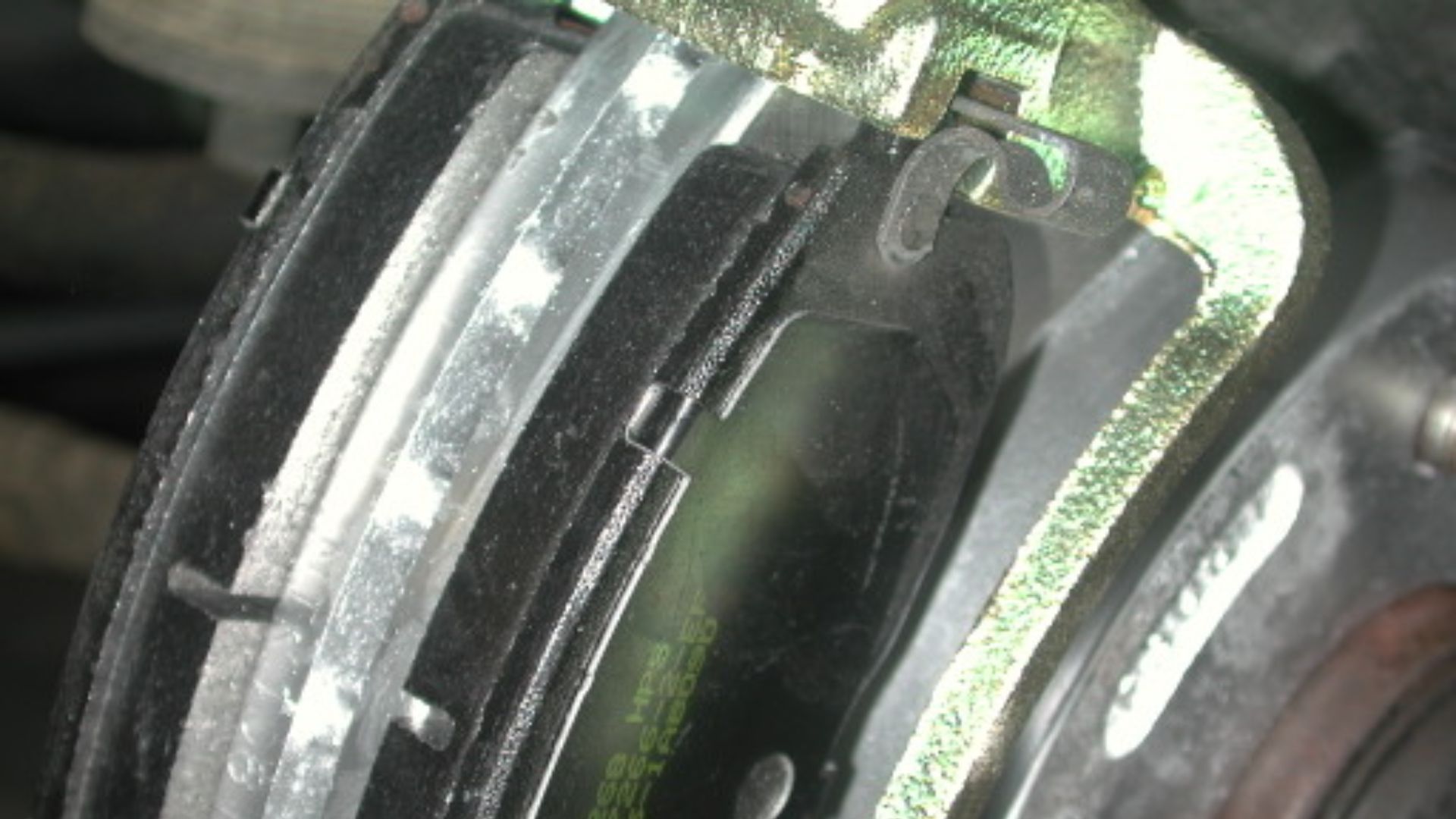
Brake work sounds intimidating, but pad replacement on many cars is surprisingly straightforward. With the right tools and a bit of research, you can save hundreds compared to shop pricing.
 Tastyratz at English Wikibooks, Wikimedia Commons
Flushing Windshield Washer Lines
If your washer jets stop spraying, it’s often just a clog. Clearing lines with compressed air or cleaning the nozzles is quick and doesn’t require a mechanic visit.

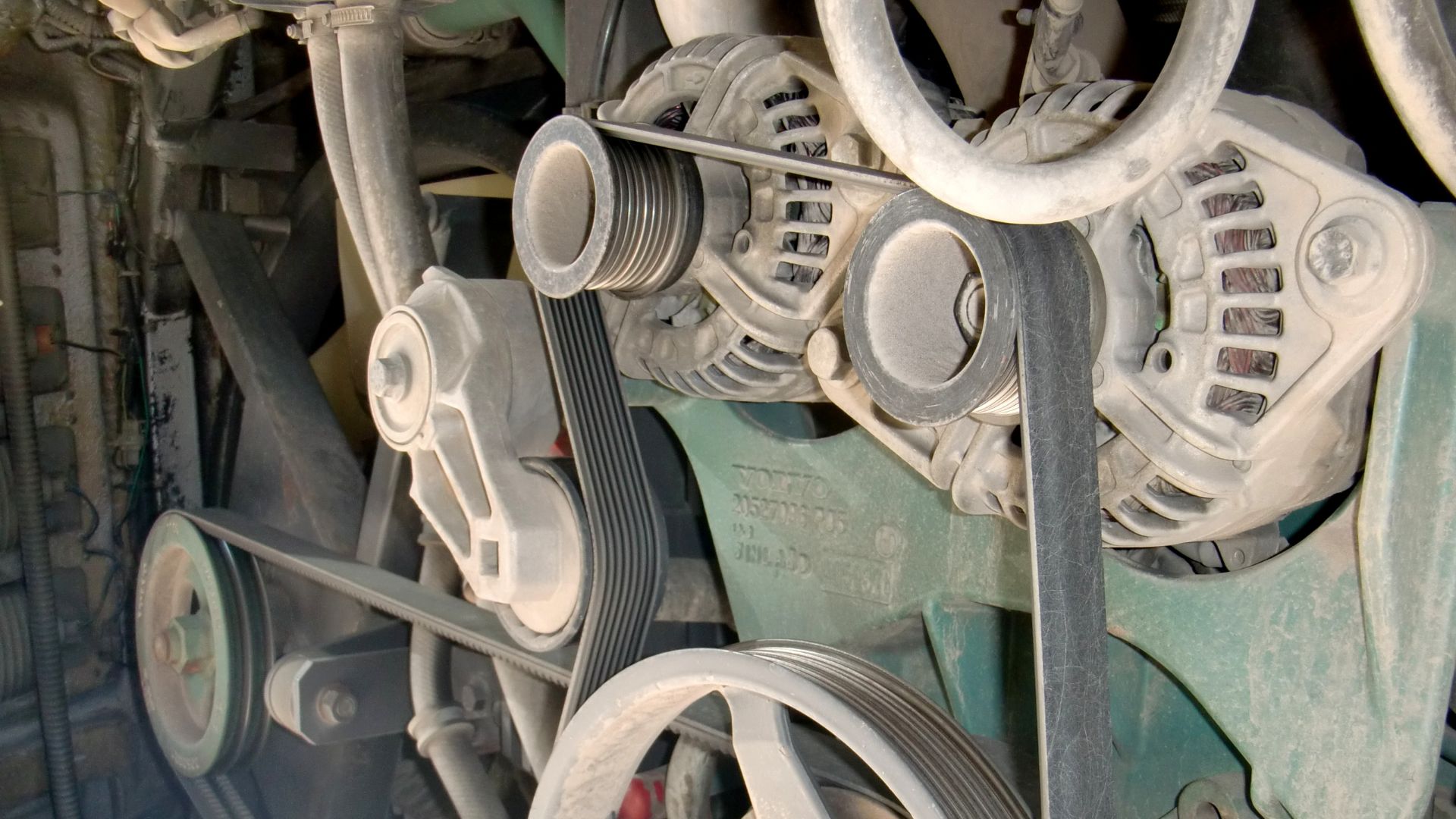
Replacing The Serpentine Belt
This long belt powers multiple engine components and is often easy to access. With a diagram and a wrench, many drivers can swap it themselves in under an hour.
Fixing Interior Lights
Dome lights or dashboard bulbs are typically plug-and-play replacements. Shops may charge labor minimums for something that takes just minutes.

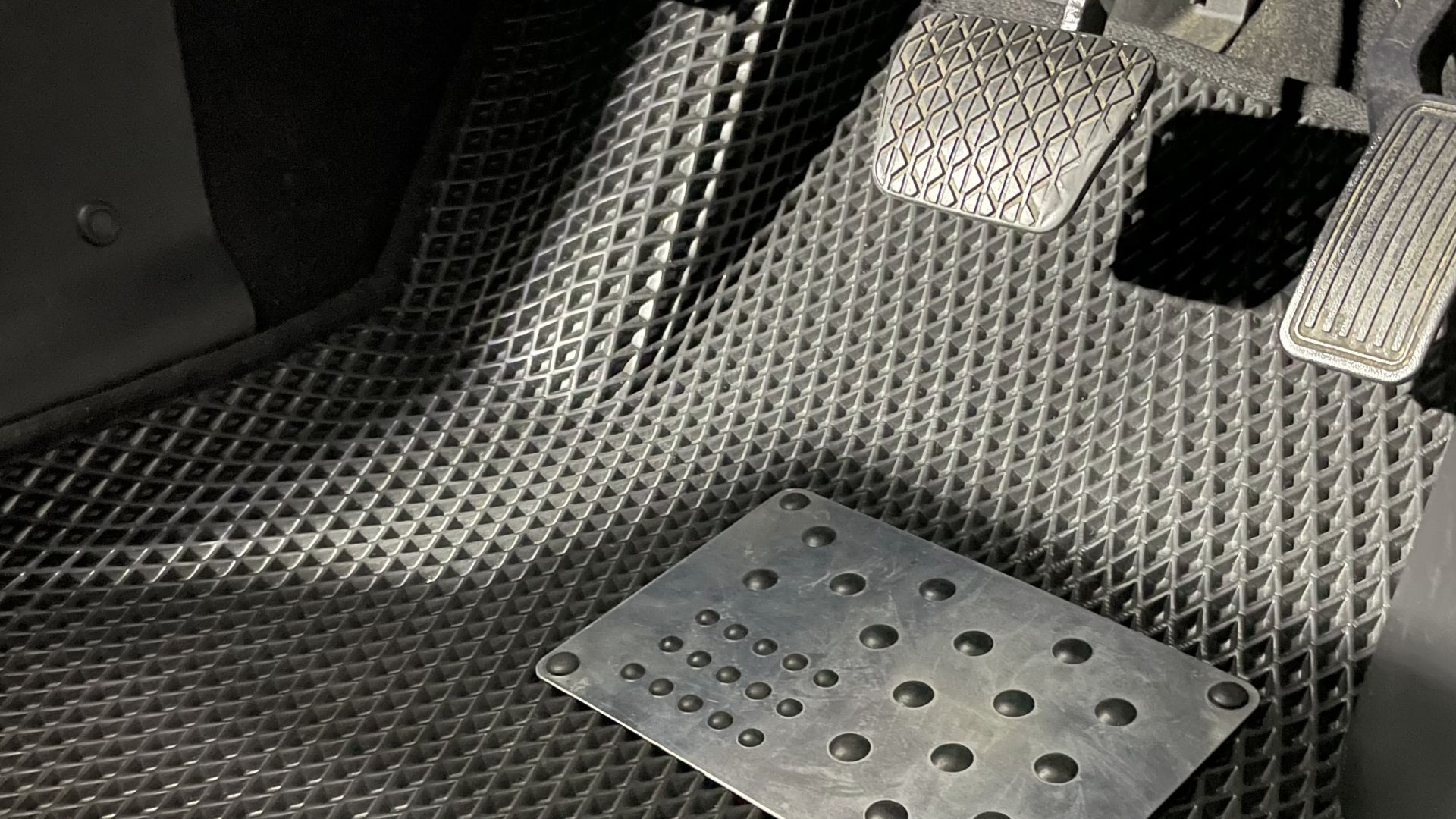
Installing New Floor Mats Or Accessories
Believe it or not, some dealerships charge installation fees for basic accessories. Save your money—this is as DIY as it gets.
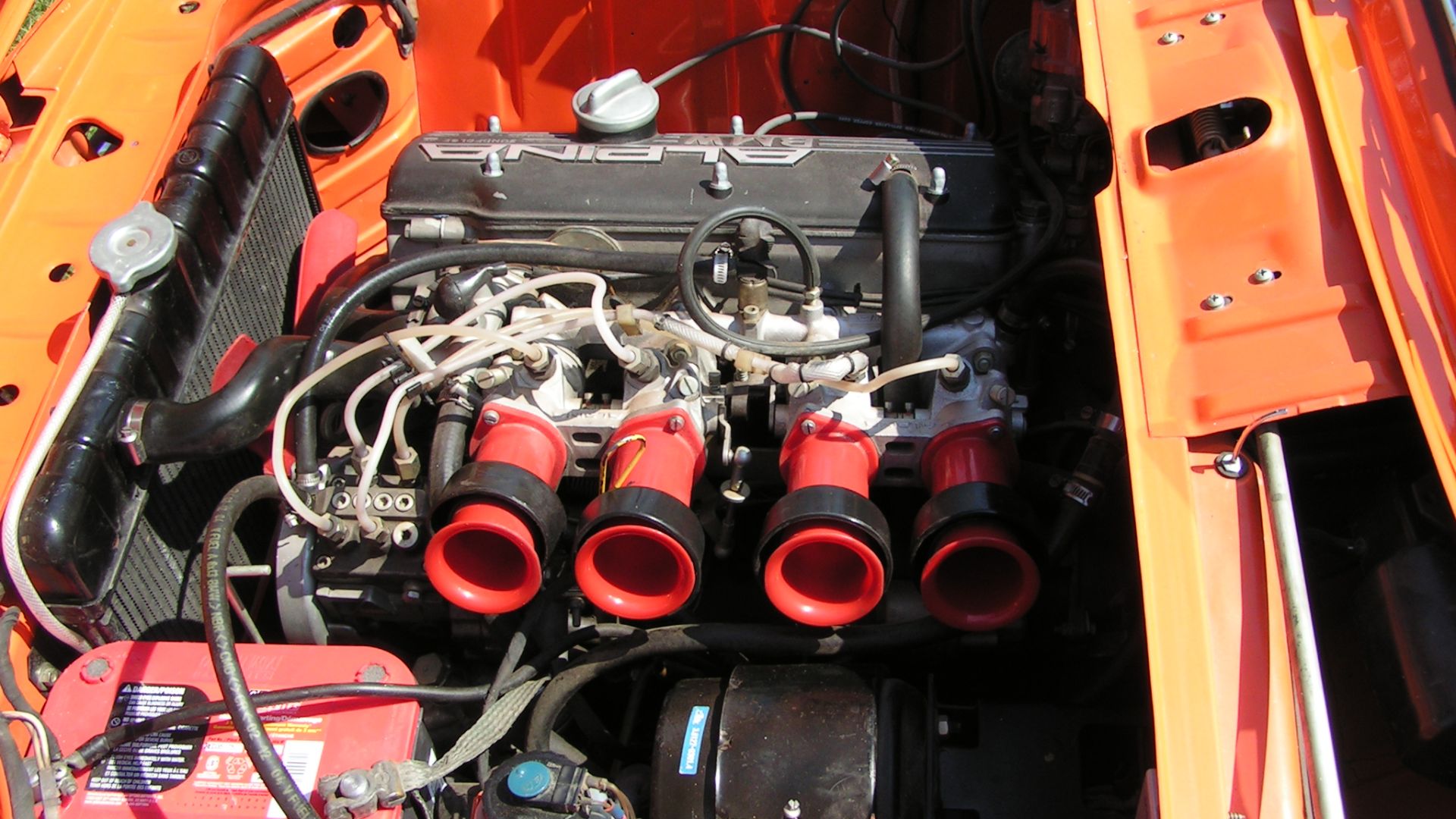
Cleaning Throttle Body
A dirty throttle body can cause rough idling. Cleaning it with a proper cleaner is simple and inexpensive, yet often marked up heavily in service packages.
 dave_7 from Lethbridge, Canada, Wikimedia Commons
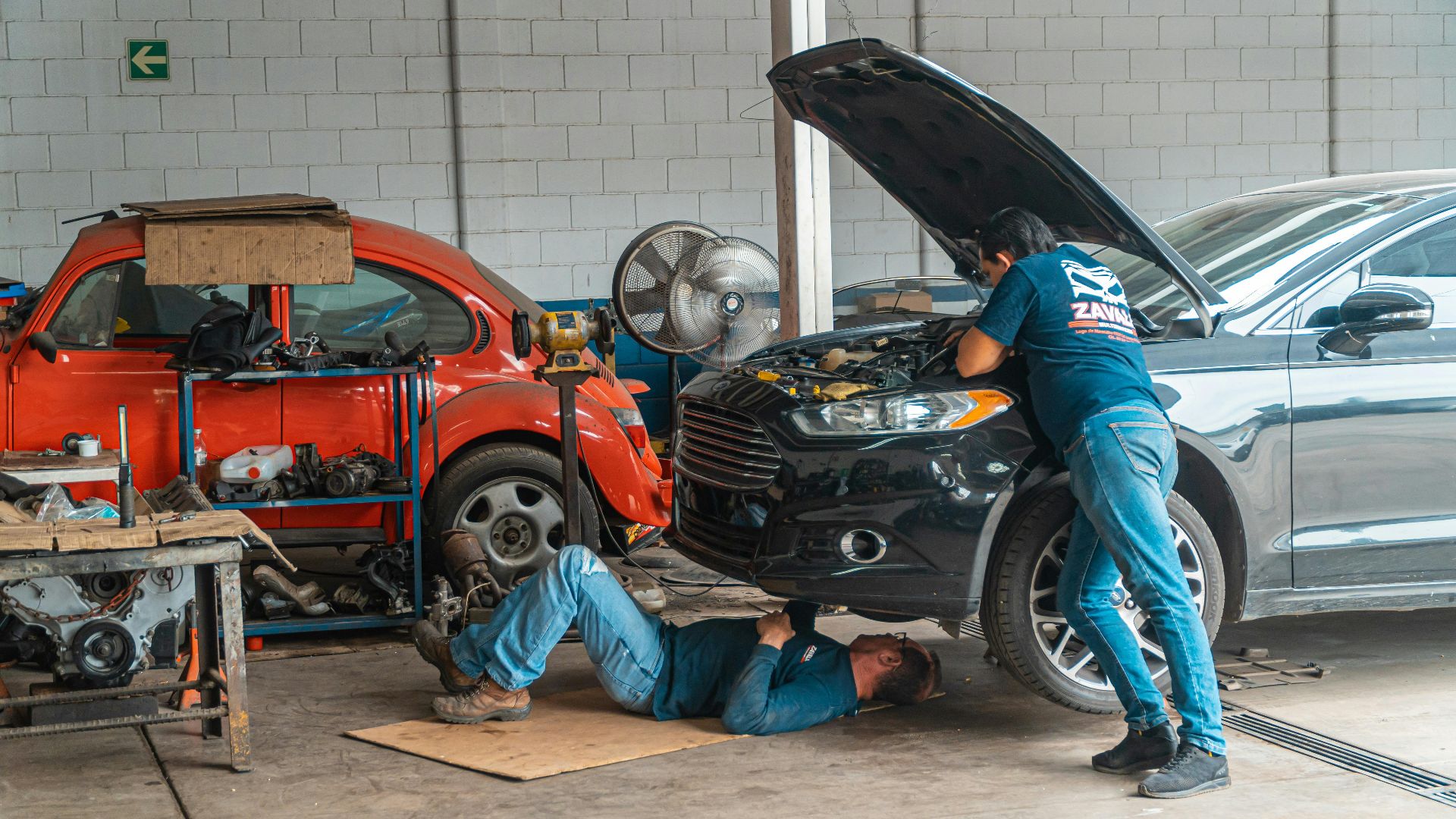
Replacing Worn Hoses
Cracked or brittle hoses are easy to spot and replace with basic tools. Mechanics may bundle this into larger “service packages” at a premium price.
 Jose Ricardo Barraza Morachis, Pexels
Fixing Minor Paint Scratches
You don’t always need a body shop. Scratch repair kits, polishing compounds, and touch-up paint can dramatically improve your car’s appearance for a fraction of the cost.
 David Glessner | Photographer & Director, Unsplash
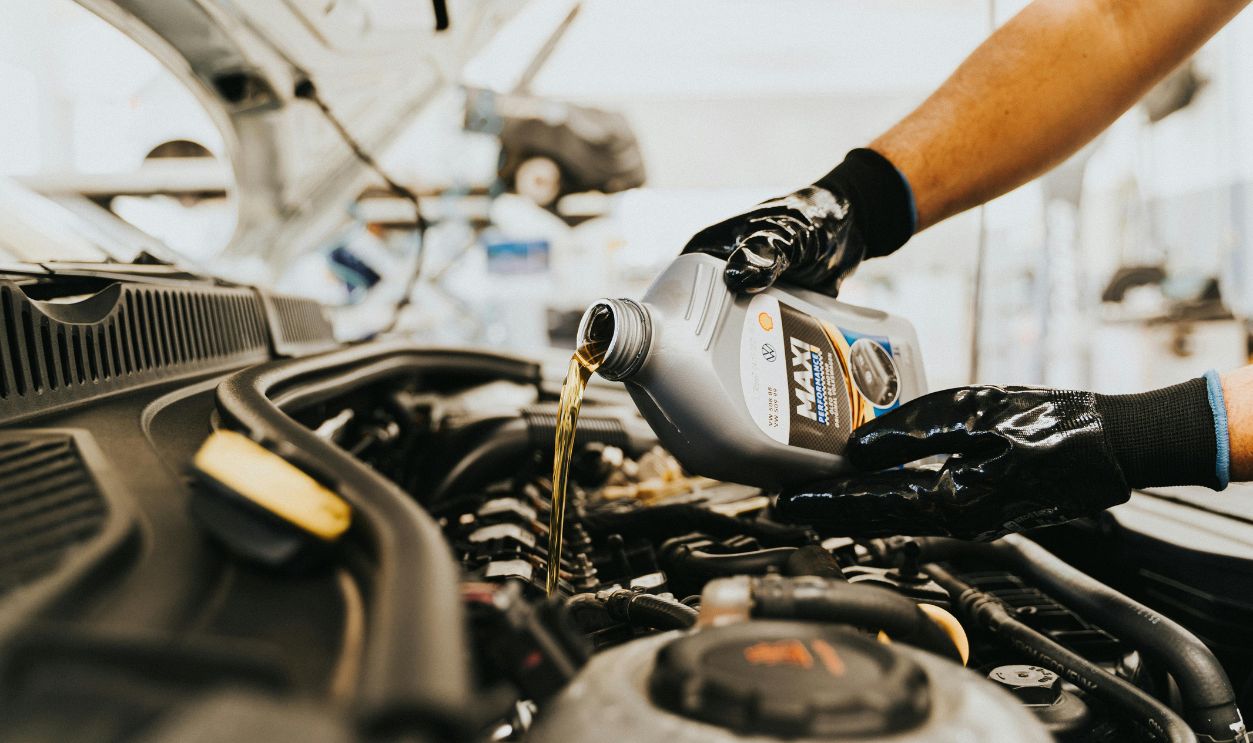
Changing Oil (If You’re Willing)
This one’s a classic. Oil changes are convenient at shops, but doing it yourself can cut the cost in half. It requires more effort than other fixes, but it’s one of the most valuable DIY skills.
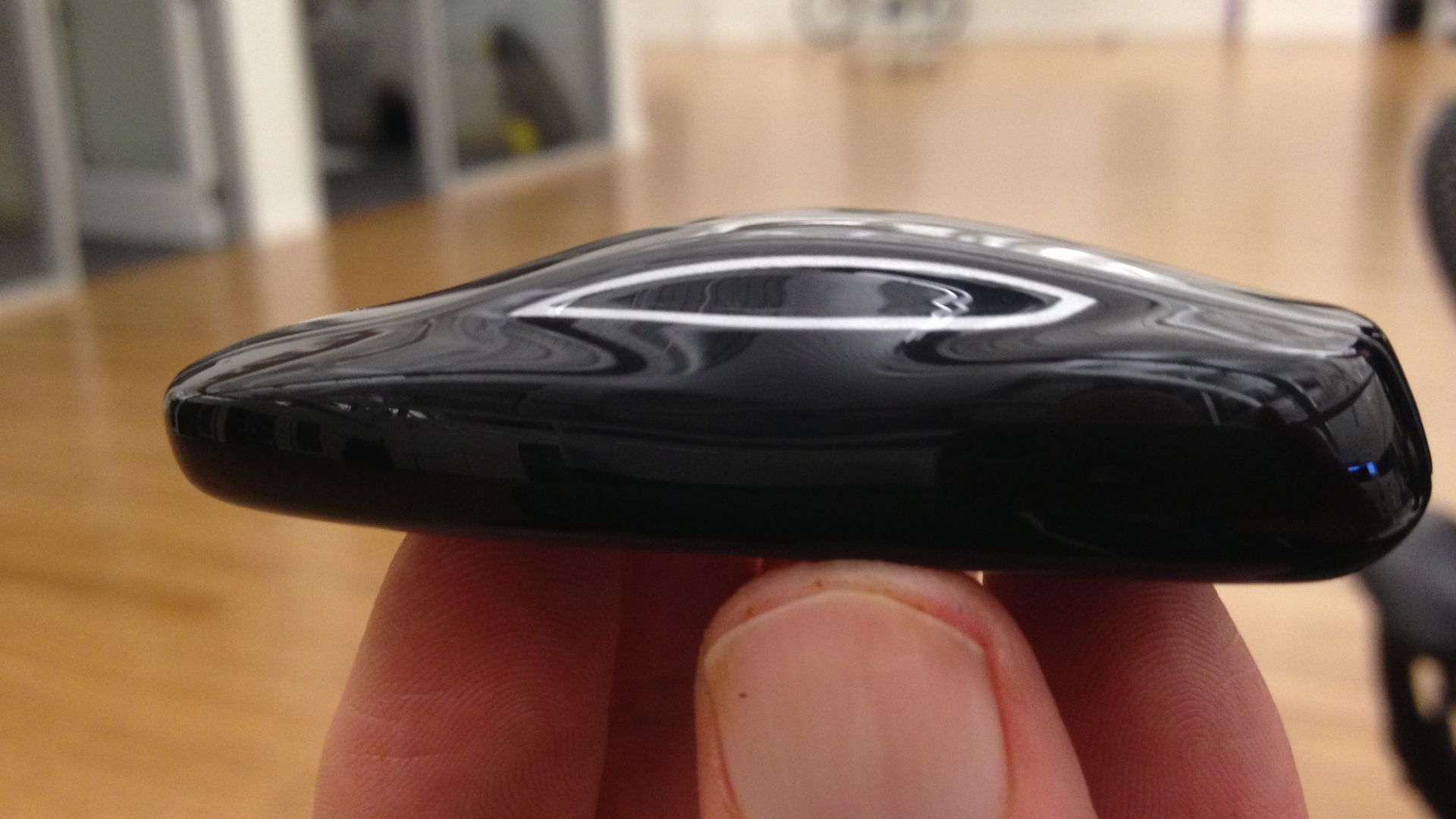
Replacing Key Fob Batteries
When your key fob dies, you don’t need a dealership visit. Most fobs open easily, and replacement batteries cost just a few dollars.
Cleaning Foggy Headlights
Cloudy headlights reduce visibility and make your car look older. Restoration kits are cheap and effective, saving you from expensive replacements.
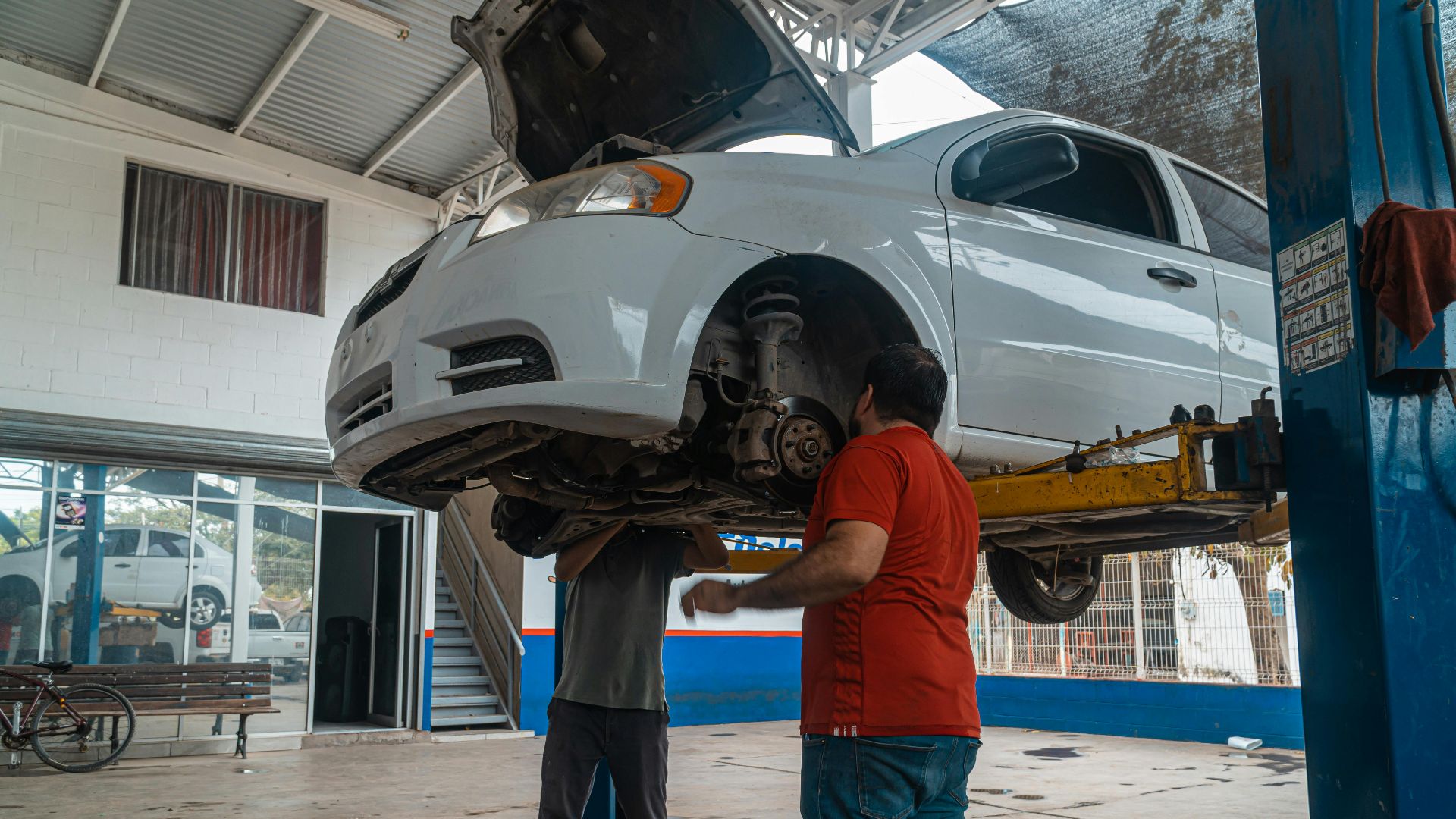 Jose Ricardo Barraza Morachis, Pexels
Tightening Loose Trim Or Panels
Rattles and loose trim pieces are often just clips or screws needing attention. Fixing them yourself is quick and avoids unnecessary labor charges.
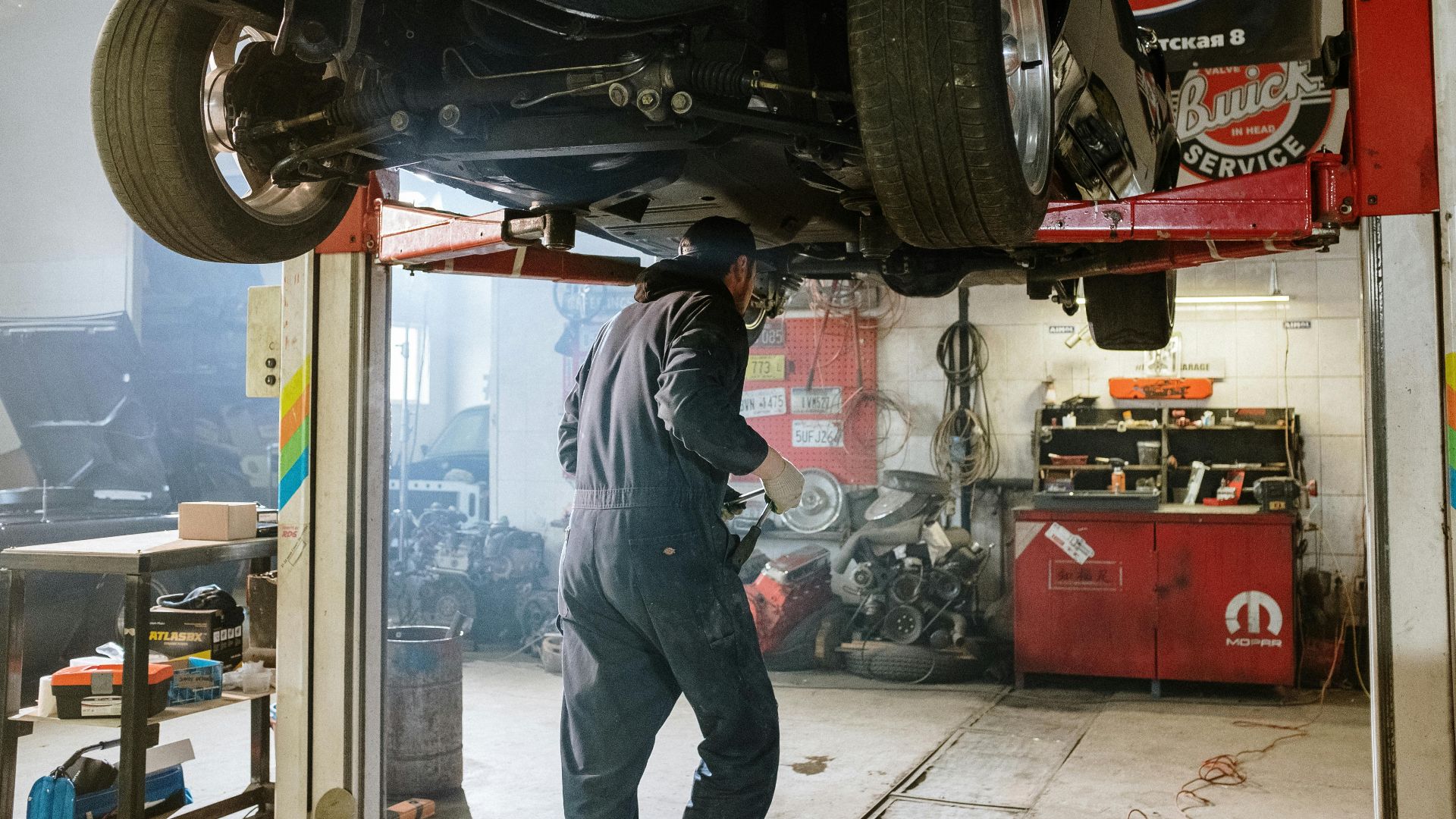
Replacing Air Conditioning Filters And Cleaning Vents
If your AC smells musty, the fix is often as simple as replacing a filter or using a vent cleaner. Shops may upsell this as a bigger service than it really is.

Knowing When NOT To DIY
Of course, not everything should be tackled at home. Complex engine work, transmission issues, and anything involving safety-critical systems beyond your comfort level should still go to a professional. The key is knowing the difference.

Take Control Of Your Car (And Your Wallet)
Learning a few basic car fixes doesn’t just save money—it builds confidence and helps you understand your vehicle better. Mechanics aren’t villains, but they do make a living on labor that you can sometimes avoid entirely. With a bit of curiosity, a few tools, and some online guidance, you can handle many of these jobs yourself and keep more cash in your pocket. Your future self (and your bank account) will thank you.

You May Also Like:





.jpg)