The Dashcam That Saved The Day
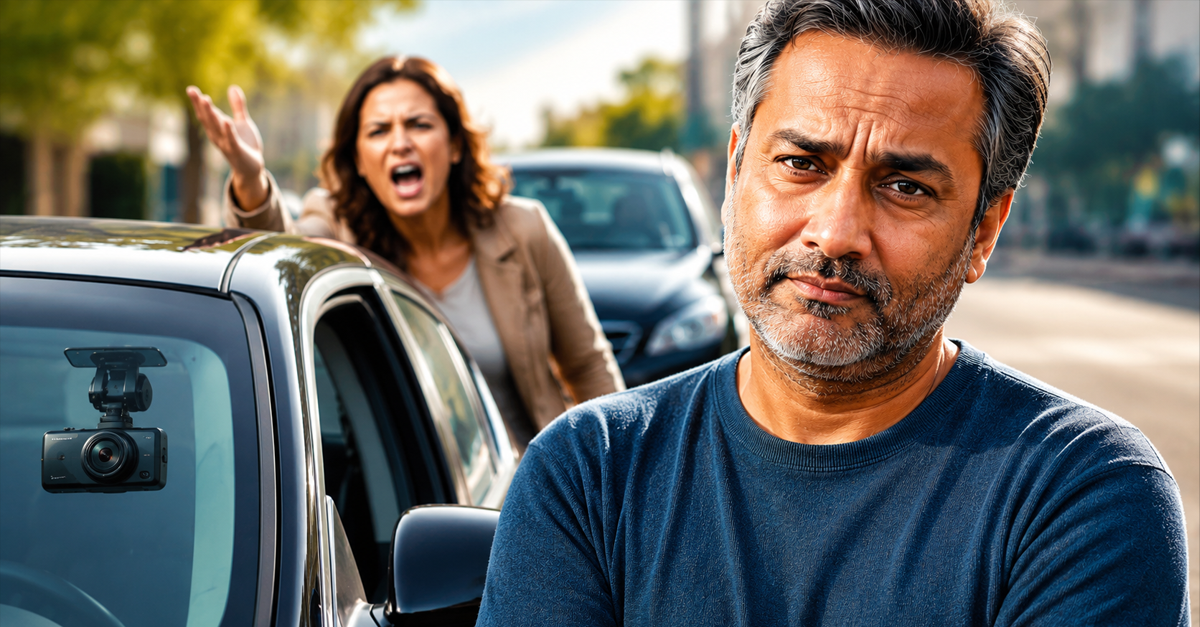
You are driving home from work when another car runs a red light and slams into your vehicle. The other driver immediately insists that the crash was your fault. Fortunately, you installed a dashcam a few months earlier, and the footage clearly shows exactly what happened.
The Surprising Threat
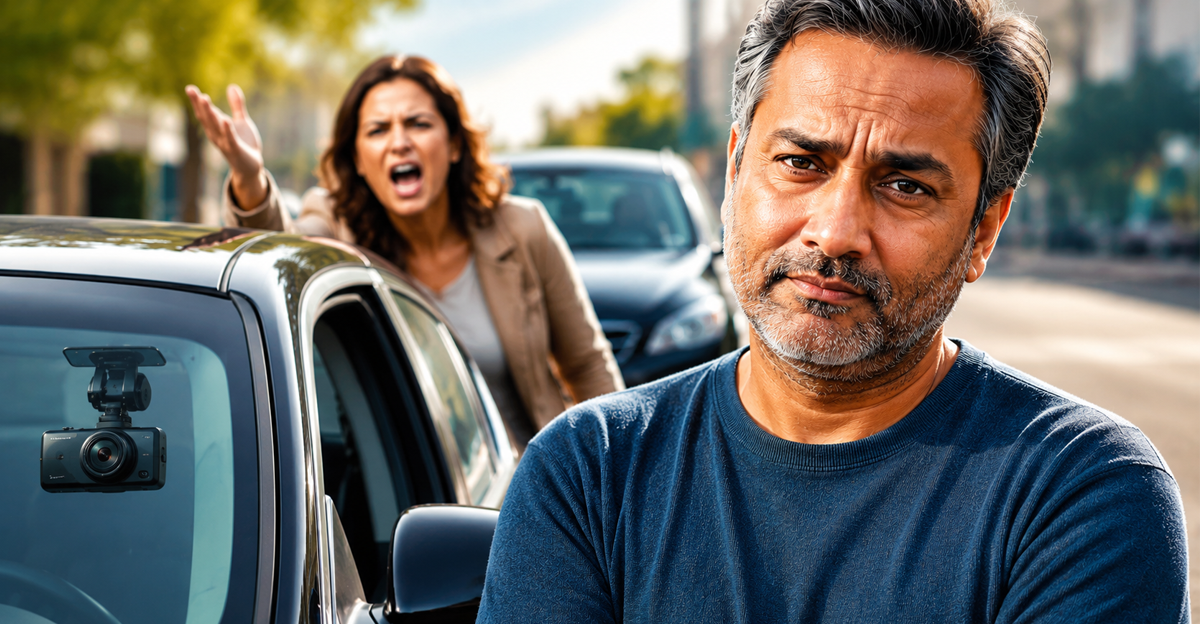
After seeing the video, the other driver changes tactics. Instead of arguing about the crash, he claims he will sue you for recording him without permission. Suddenly, what seemed like an open-and-shut case becomes a legal question about privacy and recording laws.

Why Dashcams Have Become So Popular
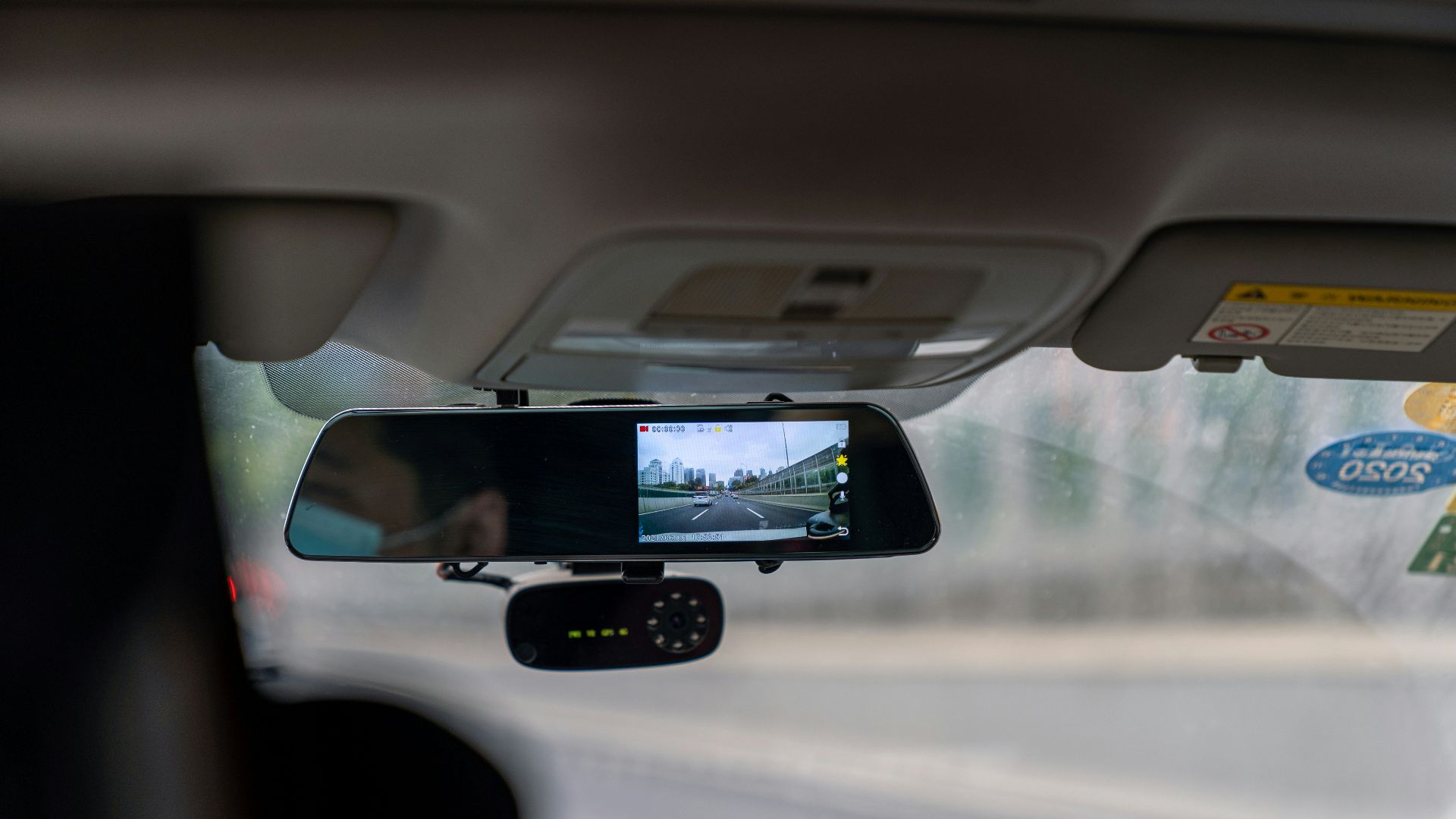
Dashcams have exploded in popularity because they provide an objective record of what happens on the road. They can help resolve insurance disputes, expose fraud, and protect drivers from false accusations. In many cases, a few seconds of footage can determine who is responsible for an accident.
Can Someone Really Sue Over Dashcam Footage?
Technically, anyone can file a lawsuit. The real question is whether they would have a valid legal claim. In most situations involving standard dashcam video recorded on public roads, the answer is usually no.
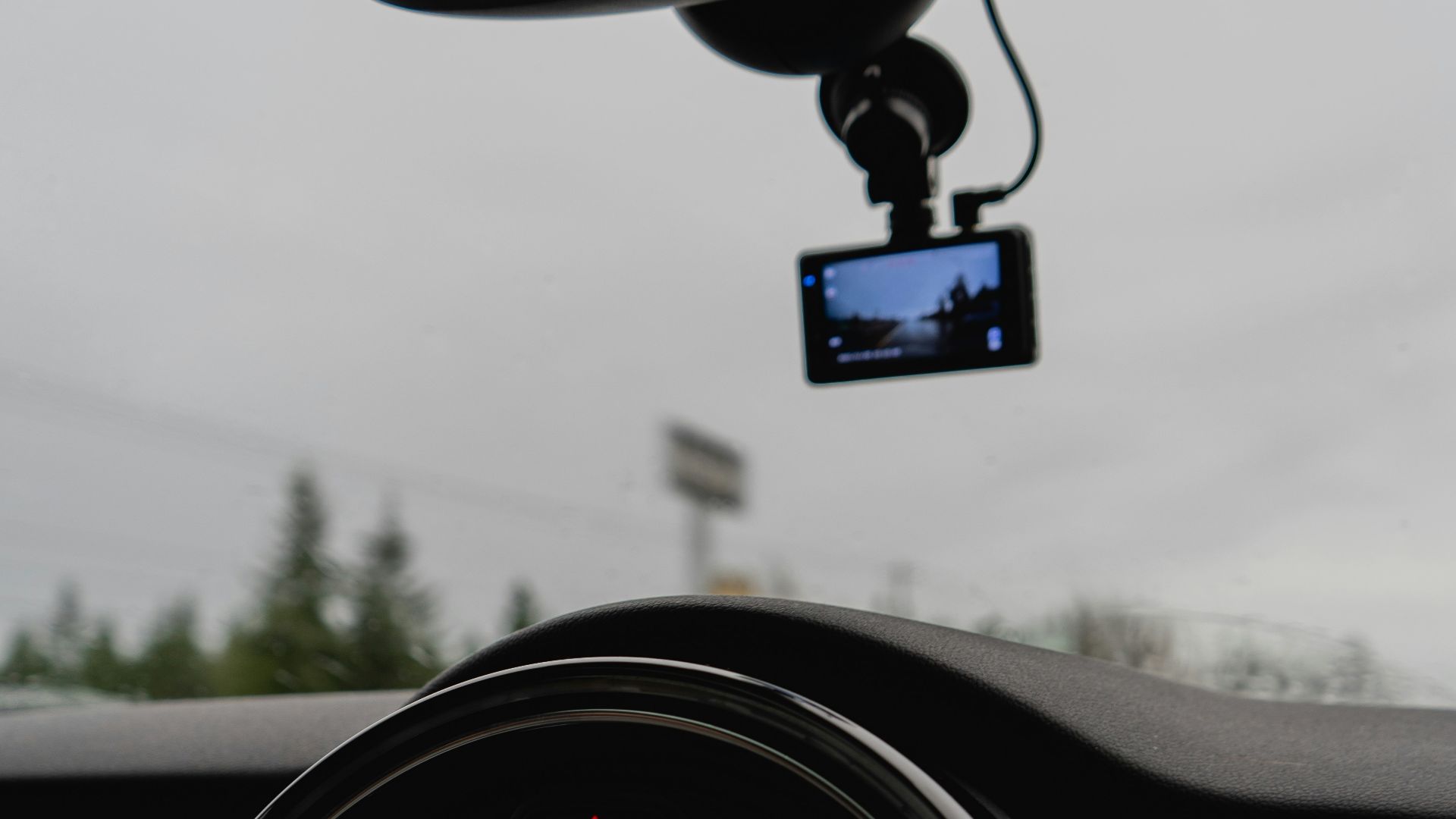
Public Roads Are Not Private Places
One of the key legal concepts is the "reasonable expectation of privacy." People generally do not have a reasonable expectation of privacy when they are driving on public streets. Courts have long recognized that activities visible to the public can usually be photographed or recorded.
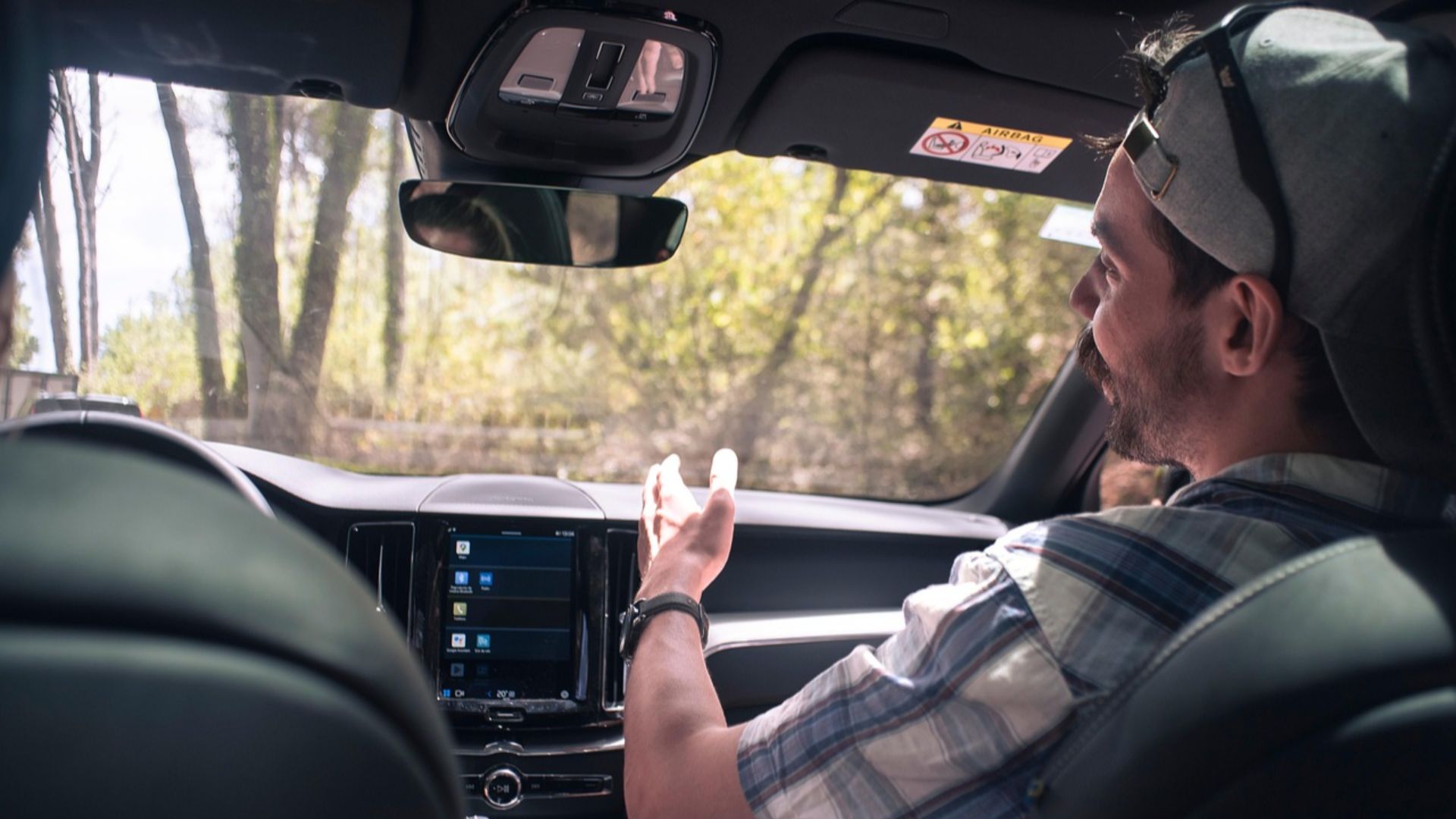
Why Video Recording Is Usually Legal
Dashcam video generally captures events taking place in public view. Other vehicles, pedestrians, traffic lights, and road conditions are all visible to anyone nearby. Because of that, simply recording what occurs on a public roadway is generally lawful throughout the United States.
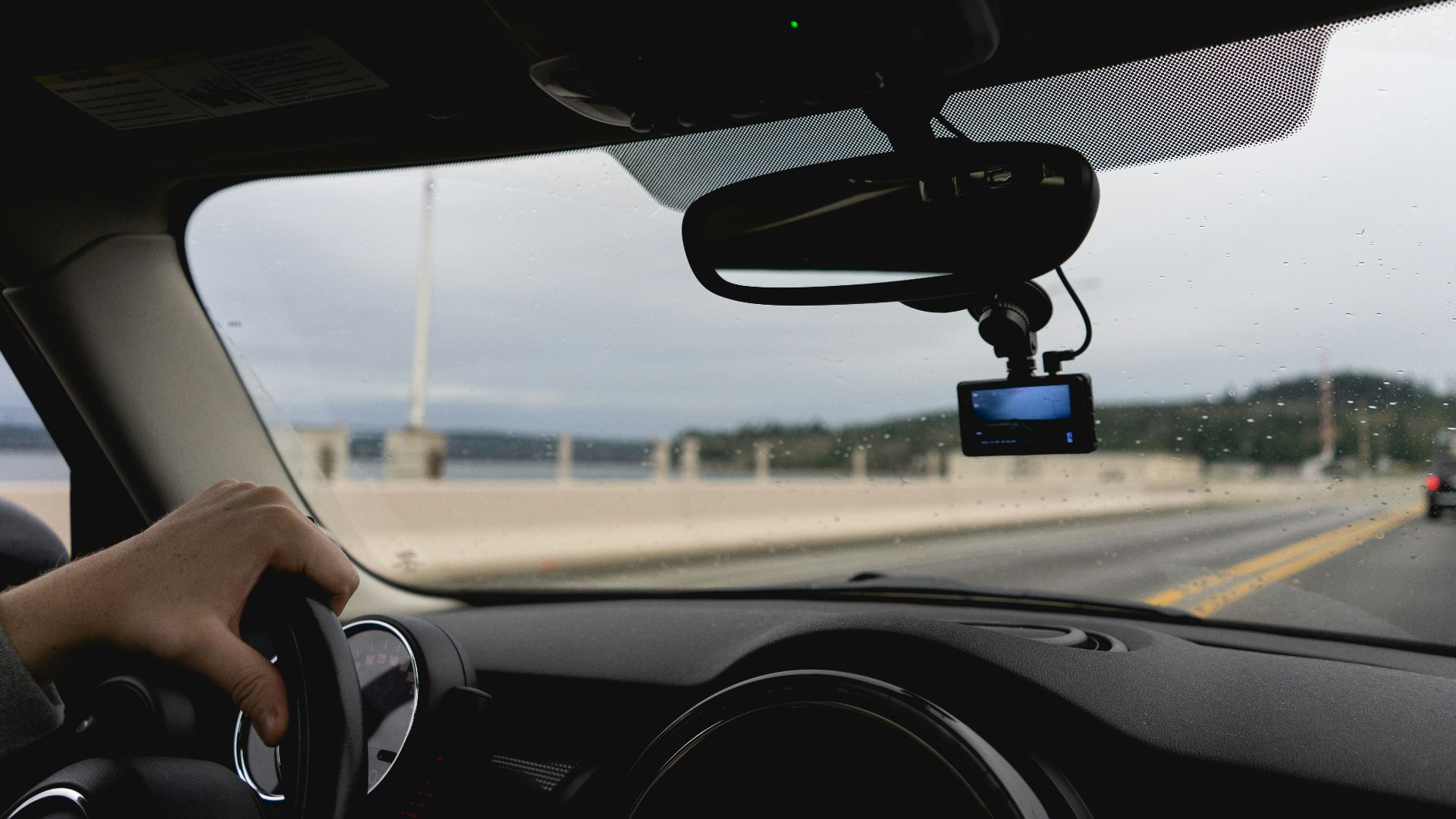
Your Dashcam Is Not Secret Surveillance
A dashcam is not the same thing as a hidden camera planted inside someone's home. It records what happens around your vehicle while you drive. That distinction matters because privacy laws are usually much stricter in places where people reasonably expect privacy.

The Accident Changes Everything
Once a collision occurs, evidence becomes incredibly important. Insurance companies, police officers, and courts often rely on available evidence to determine fault. Dashcam footage can become one of the most valuable pieces of evidence in the entire case.

Dashcam Footage Is Commonly Used In Court
Courts routinely accept dashcam footage when it is authentic, relevant, and properly preserved. Judges generally view it the same way they view other forms of video evidence. The footage can support a driver's version of events or contradict it.
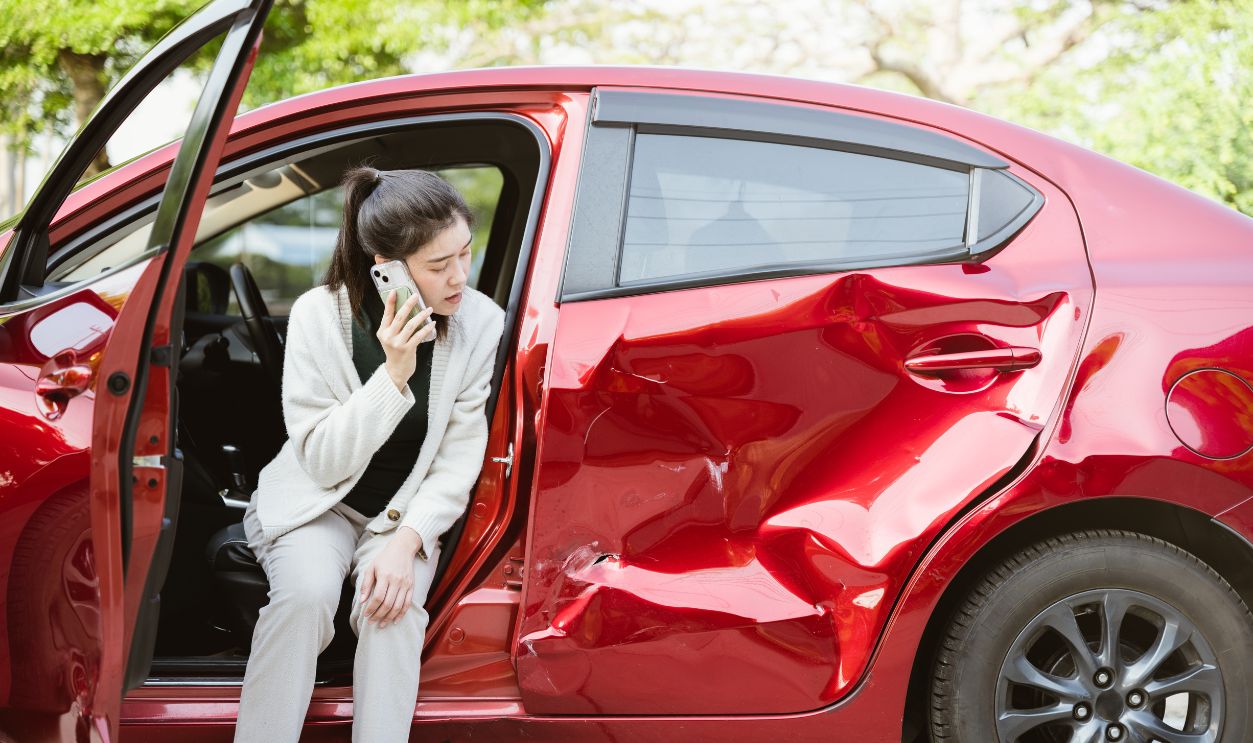
The Real Legal Risk Is Often Audio
Many drivers focus on the camera and forget about the microphone. In the United States, video recording and audio recording are often governed by different laws. This is where legal complications can arise.
 Shuets Udono, Wikimedia Commons
Audio Recording Laws Can Be Different
Federal law generally follows a one-party consent standard for many conversations. Some states, however, require all parties to consent before audio can be legally recorded. These rules can affect dashcams that record conversations inside the vehicle.
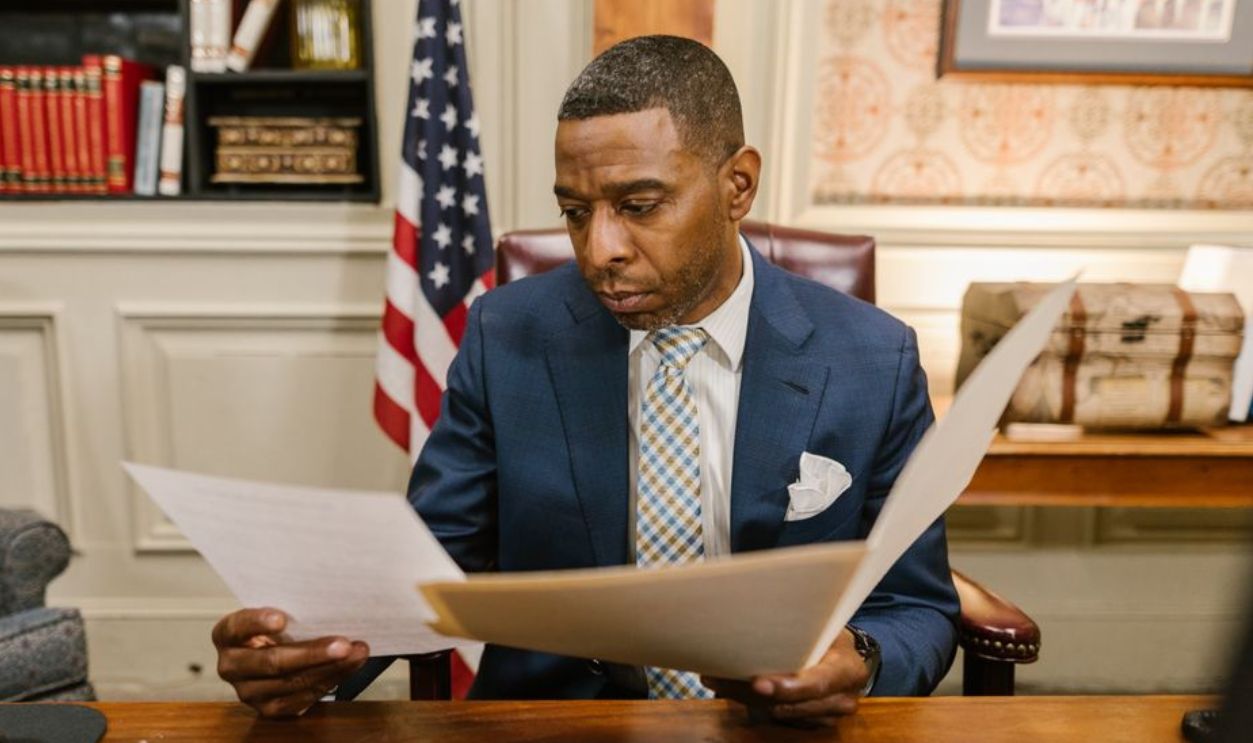
The Other Driver's Voice Matters
If your dashcam captured a conversation after the crash, audio recording laws may become relevant. The specific outcome depends on where the recording occurred and what state law applies. The legality of the audio is often a separate issue from the legality of the video itself.

Video And Audio Are Not The Same Thing
Many drivers mistakenly assume that if video recording is legal, audio recording must be legal too. That is not always true. In some jurisdictions, perfectly legal video can be paired with audio that raises legal concerns.
Most Threats Never Become Lawsuits
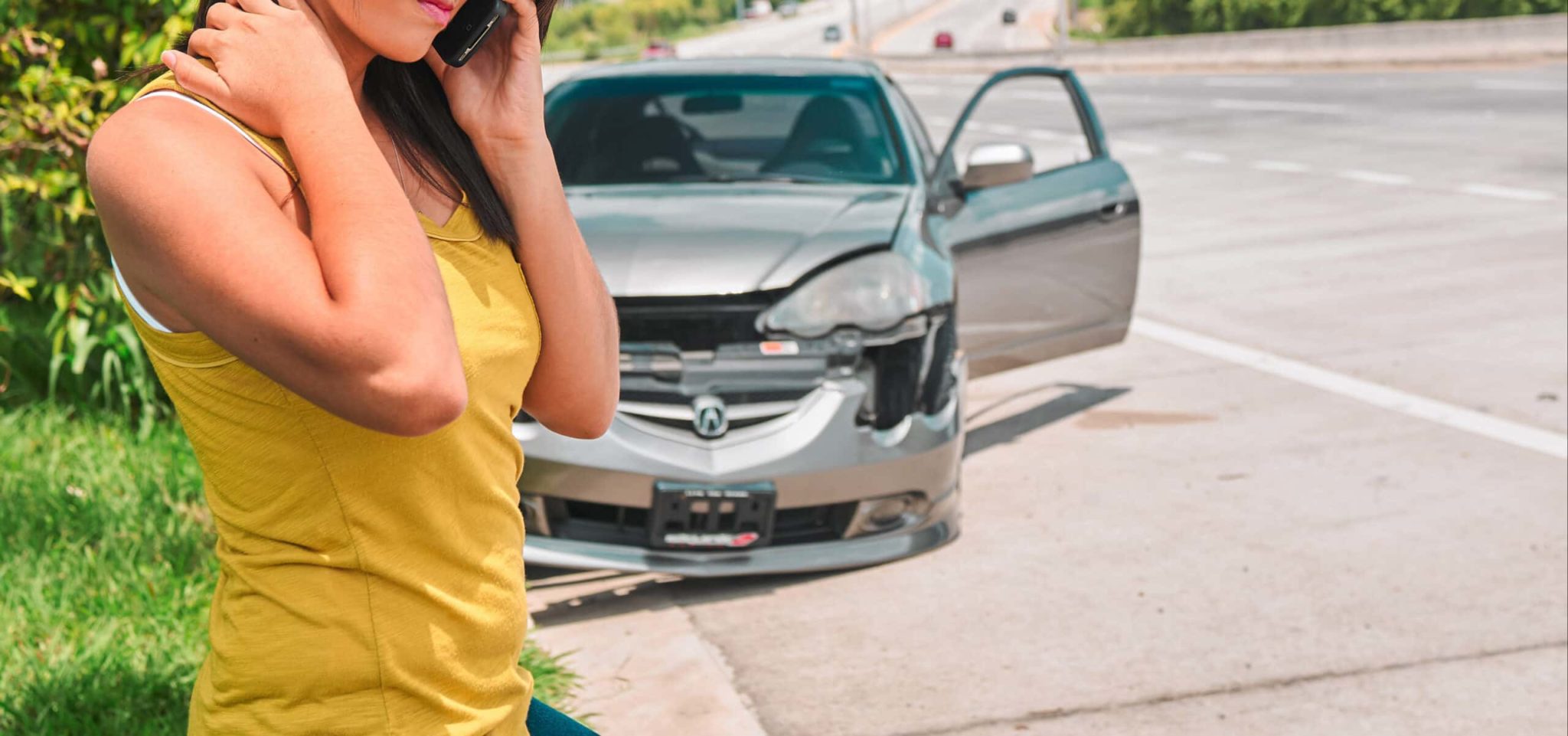
After an accident, emotions run high. People often make legal threats in the heat of the moment. A driver who realizes the footage proves he caused the crash may simply be looking for a way to undermine damaging evidence.

A Lawsuit Still Needs A Valid Basis
Winning a lawsuit requires more than filing paperwork. The person bringing the case must identify a legal violation and prove damages. Simply being recorded while driving on a public road is generally not enough by itself.

Dashcams Are Legal Across The United States
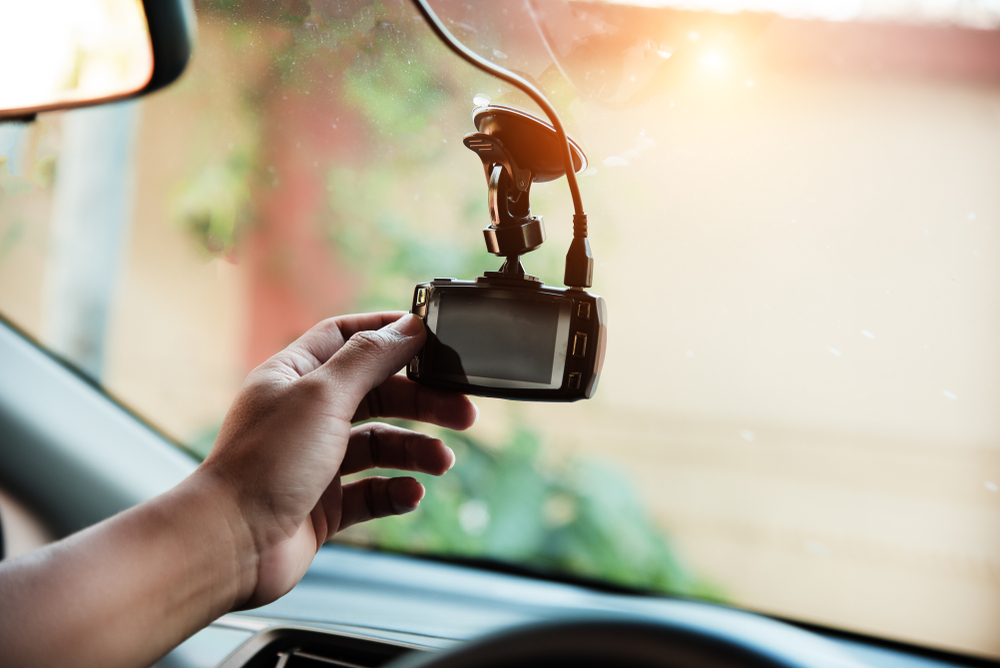
Dashcams themselves are legal in all 50 states. The biggest legal issues usually involve windshield placement rules and audio recording laws rather than the act of recording traffic.
Canada Takes A Similar Approach
Dashcams are also widely used in Canada. Drivers generally may record video in public places where no reasonable expectation of privacy exists. Privacy concerns become more significant when footage is widely shared online or when audio recording is involved.
Sharing Footage Online Is A Different Question
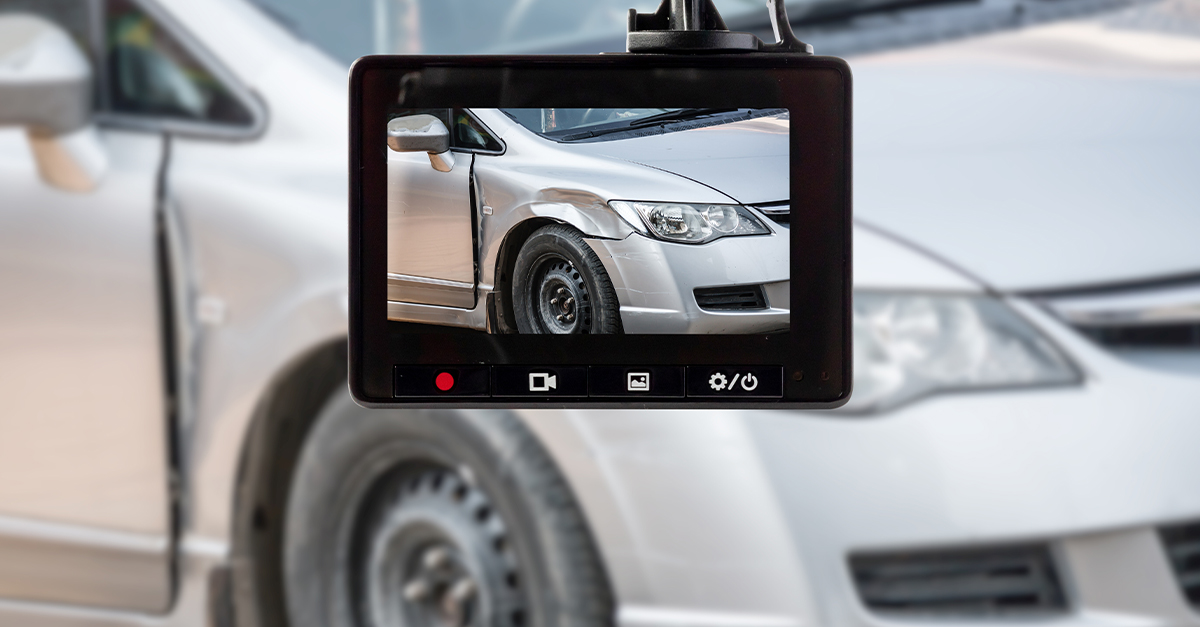
Recording footage and posting footage are not necessarily the same thing legally. Uploading a video to social media can create additional privacy concerns depending on the circumstances. Drivers should think carefully before publicly identifying other individuals.

Insurance Companies Love Objective Evidence
Insurance adjusters spend a great deal of time sorting through conflicting stories. Dashcam footage can shorten investigations and reduce uncertainty. A clear recording often carries more weight than competing recollections.

Police Officers Often Appreciate Dashcam Footage
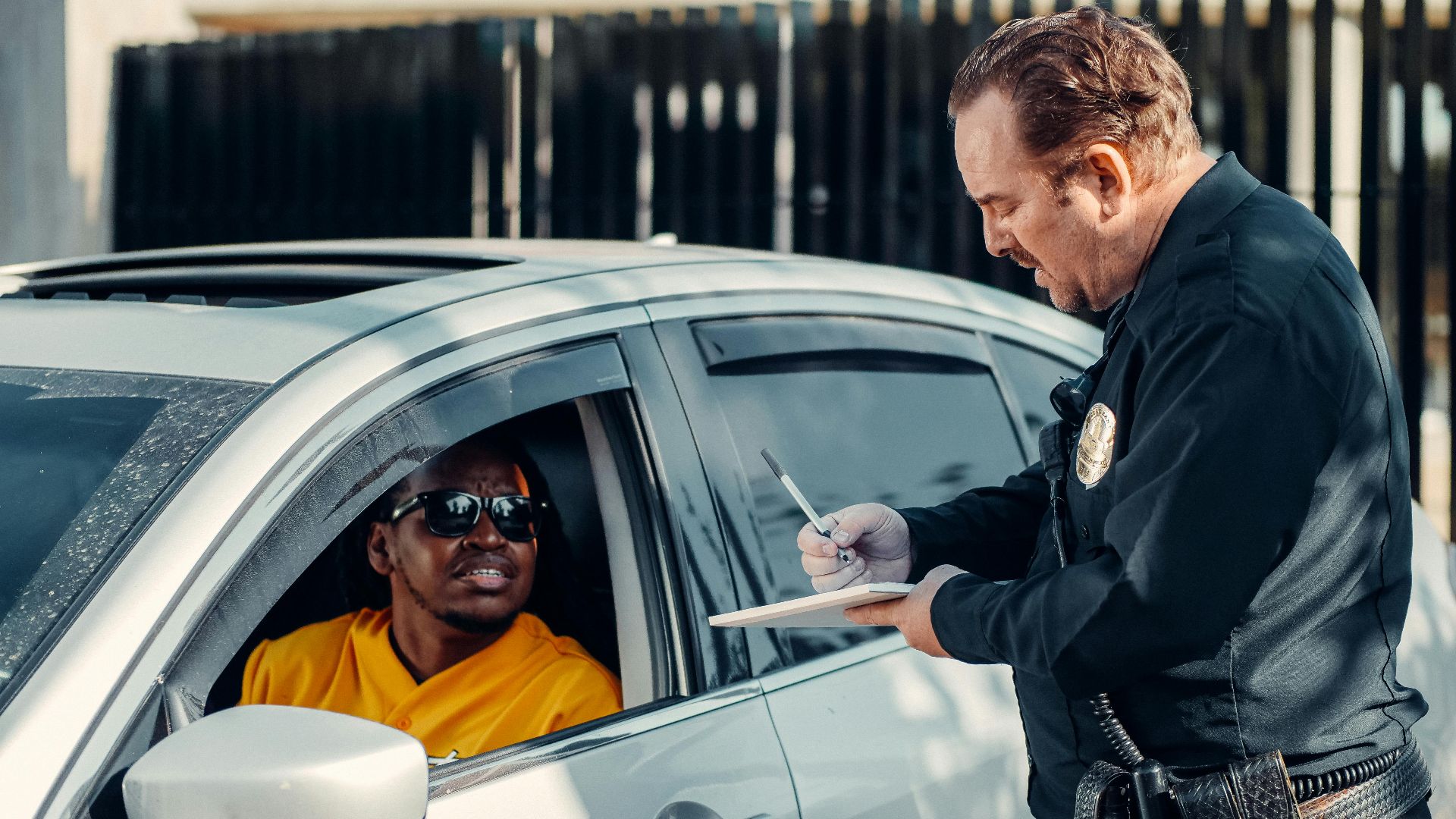
Officers responding to a crash are usually interested in reliable evidence. Dashcam video can help reconstruct the sequence of events. It may provide details that witnesses missed or forgot.
The Footage Can Help Or Hurt You
One important reality is that dashcam footage cuts both ways. A video that proves another driver ran a red light might also reveal that you were speeding. Drivers should never assume a recording automatically favors them.

Proper Preservation Matters
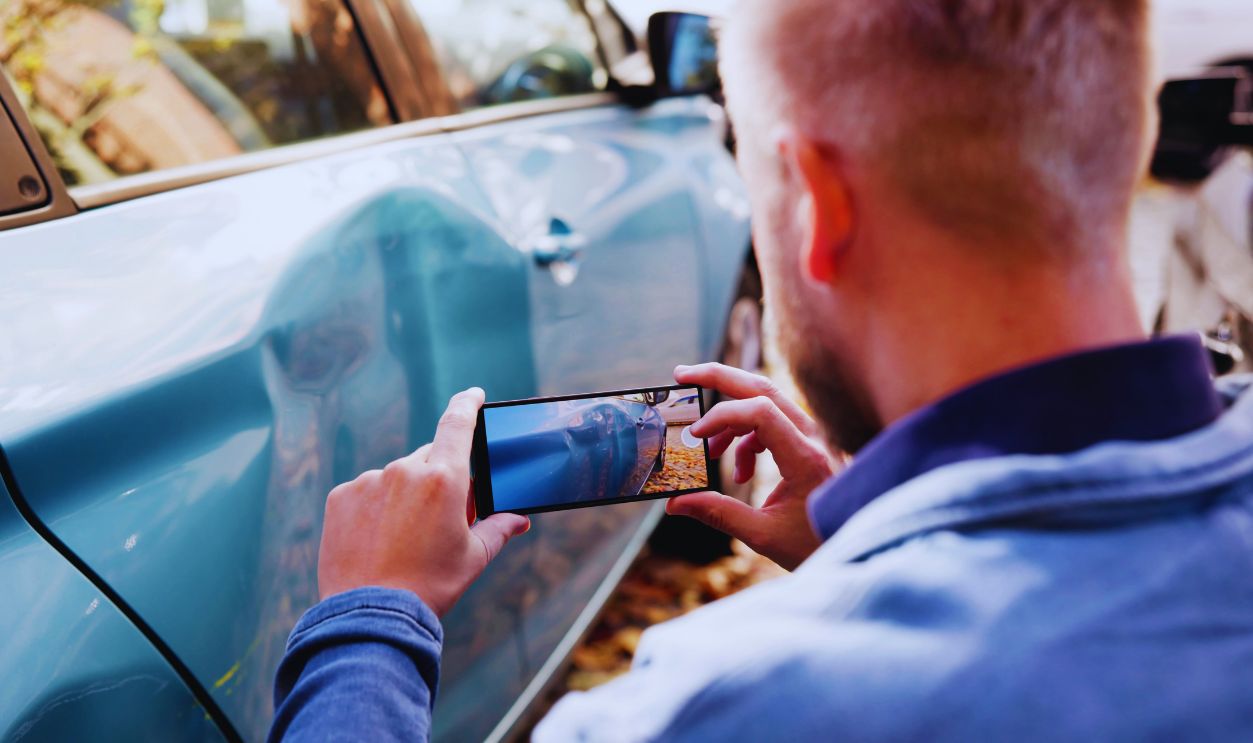
If you are involved in a crash, save the original recording immediately. Avoid editing the footage or making alterations. Preserving the original file helps establish credibility and authenticity later.
Could The Video Be Excluded?
In some circumstances, improperly obtained recordings can face challenges in court. This is more likely when recording laws were violated, particularly regarding audio. That is one reason understanding local laws is important.

Should You Disable Audio?
Many legal experts and dashcam guides recommend turning off audio if you do not specifically need it. Most of the benefits of a dashcam come from the video itself. Disabling the microphone can eliminate many potential consent issues.
What To Do If Someone Threatens To Sue
Stay calm and avoid arguing at the scene. Preserve your footage, cooperate with law enforcement, and notify your insurance company. If an actual lawsuit is filed, consult a qualified attorney who understands the laws in your jurisdiction.
The Bottom Line
If your dashcam legally recorded a crash on a public roadway and clearly proves you were not at fault, the other driver's threat to sue over being recorded is often more bark than bite. Public-road video recording is generally legal, and dashcam footage is commonly accepted as evidence. The biggest legal concern is usually audio recording, not the video itself, which is why understanding your local laws remains important.

You May Also Like:
My daughter got into an accident in my car, and now I’m being sued. Do I have any recourse?