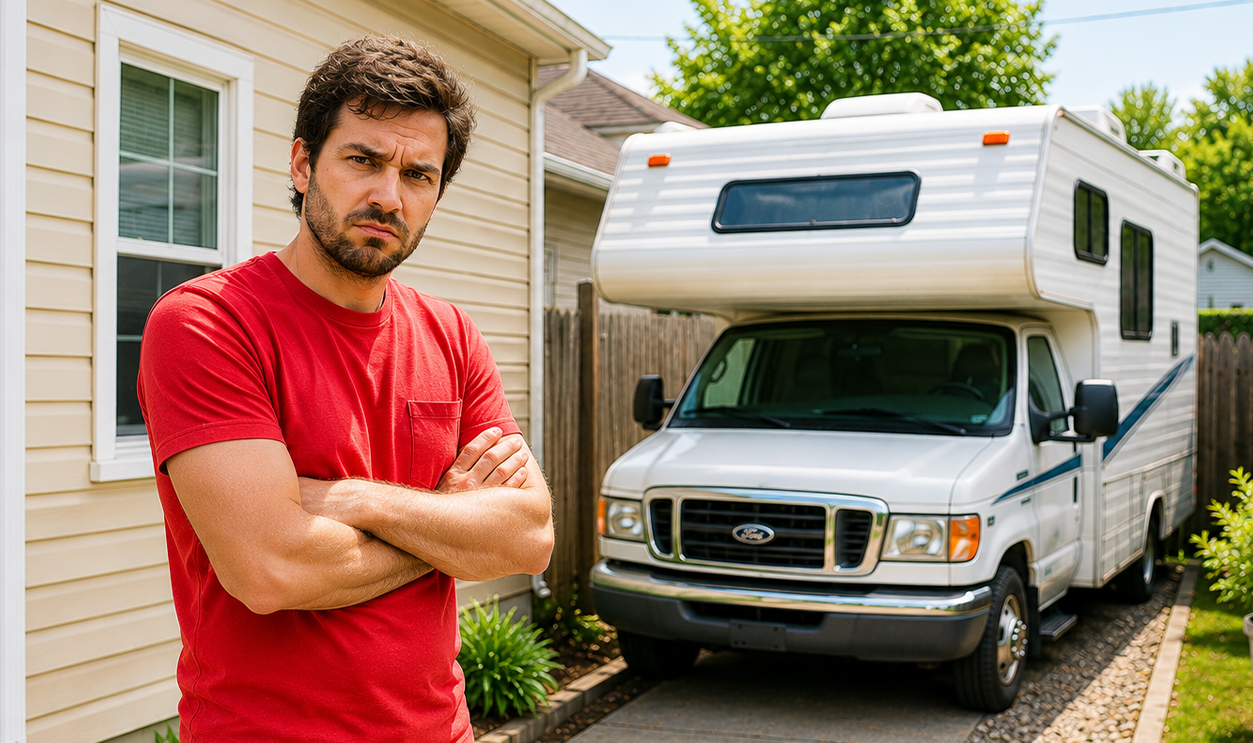
My RV Is On My Property, What’s The Big Deal?
It feels strange to get fined for parking your own RV beside your own house. Most owners assume private property means they can store their vehicle wherever it fits, especially if it isn't blocking traffic or bothering anyone. Then a city notice arrives citing zoning rules, oversized vehicle restrictions, driveway rules, or side-yard parking limits. The frustrating truth is that you may be able to fight the fine, but the city may also have more authority than many RV owners expect.
Private Property Still Has Local Rules
Owning the land does not automatically mean every use of that land is allowed. Cities and counties often regulate parking, storage, visibility, setbacks, surfaces, vehicle size, and whether an RV can be kept in a front yard, side yard, driveway, or backyard. These rules are usually found in zoning codes, property maintenance codes, or municipal parking ordinances. That means the first question isn't just whether the RV is yours, but whether your local code allows it where it is parked.
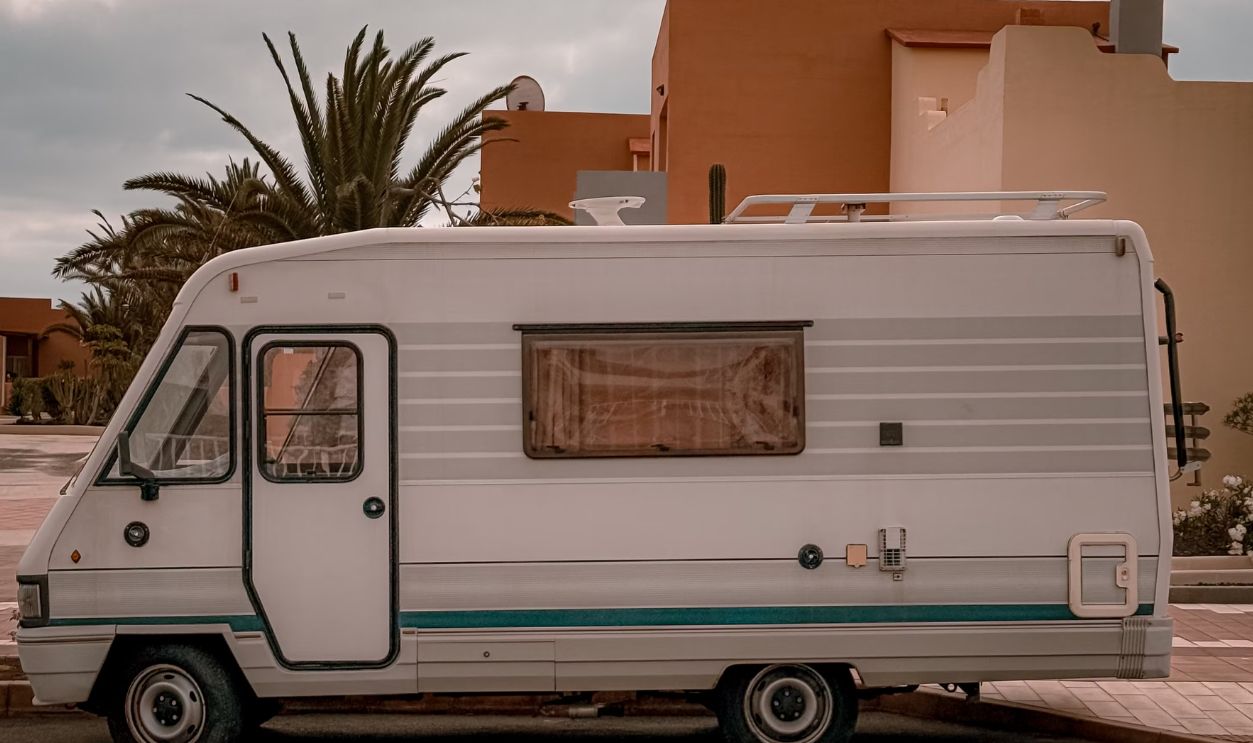
The Exact Ordinance Matters Most
Before arguing with the city, ask for the exact ordinance you allegedly violated. The notice should identify the code section, but if it does not, contact the enforcement office and request it in writing. Read the rule carefully because many RV parking laws contain exceptions, grace periods, permit options, screening requirements, or loading and unloading allowances. A surprising number of disputes turn on details buried inside the ordinance itself.

Side-Yard Parking Is Often Restricted
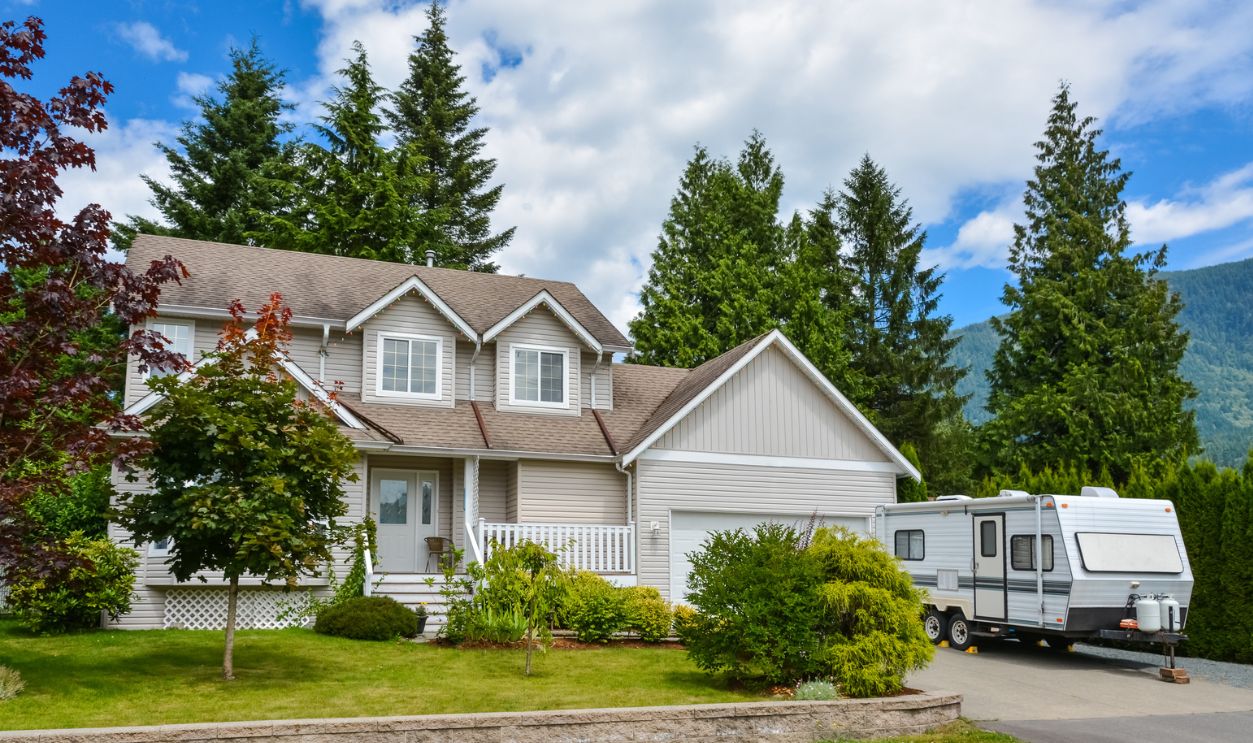
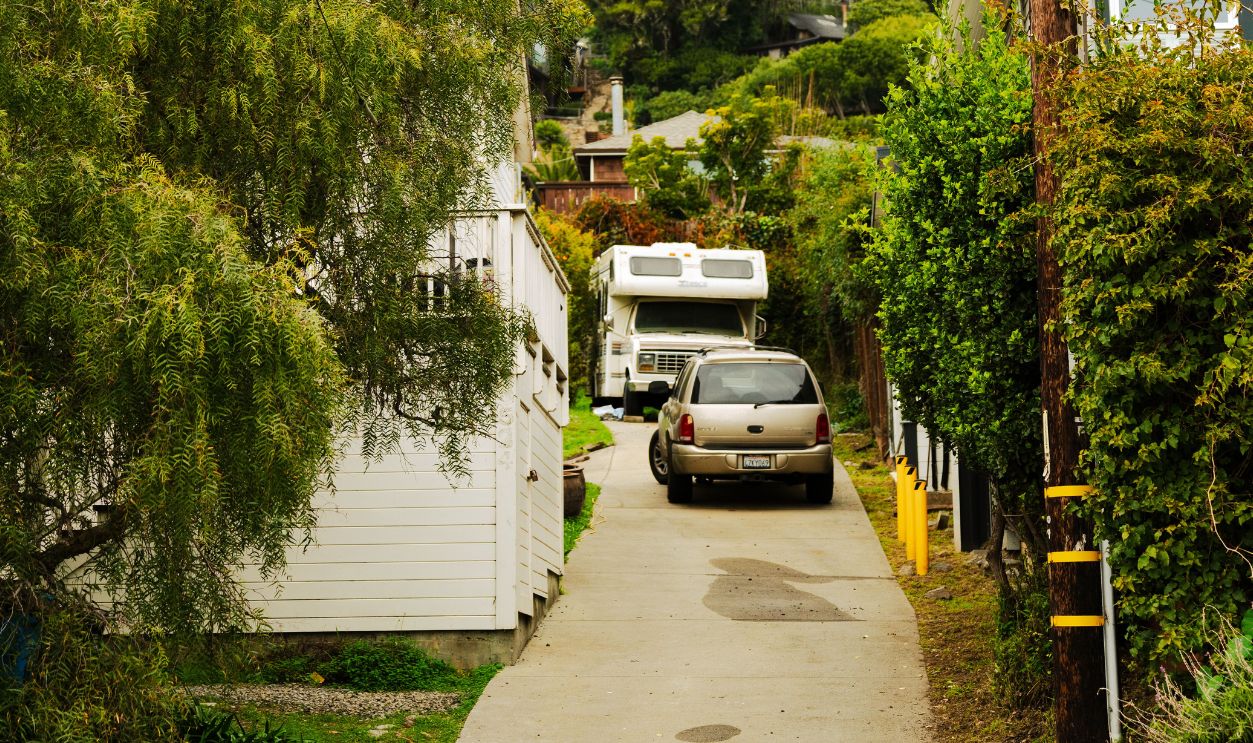
Many cities treat side-yard RV parking differently from driveway or backyard storage. A side yard may be subject to setback rules, visibility limits, screening requirements, paved-surface rules, or bans on storing oversized vehicles where they can be seen from the street. The city may argue that the issue is not the RV itself, but where and how it is being stored. Moving the RV a few feet, adding screening, or using an approved surface may sometimes solve the problem.
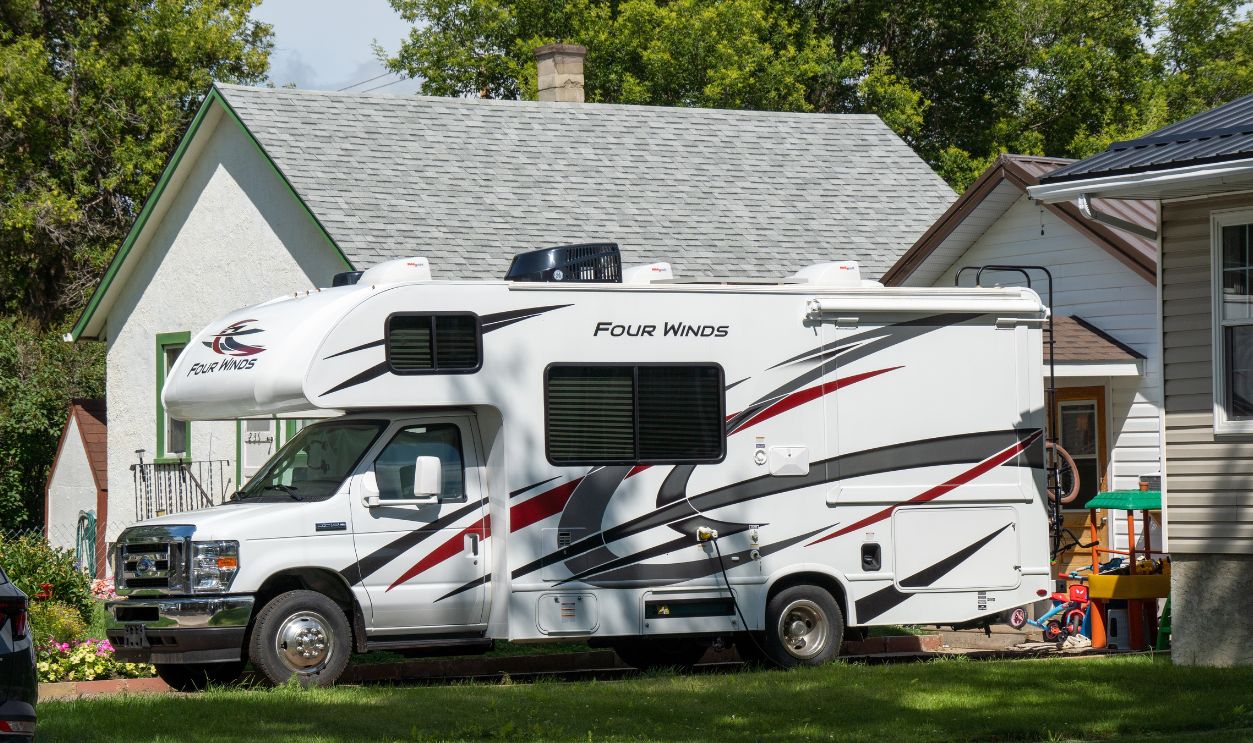
Some Cities Allow Temporary Parking Only
A common rule allows RVs to be parked at home for short periods while owners load, unload, clean, or prepare for a trip. The limit might be 24 hours, 48 hours, 72 hours, or another local timeframe. If your RV has been beside the house for weeks or months, the city may classify it as storage rather than temporary parking. That distinction can determine whether the fine is valid.

Living In The RV Changes Everything
Cities often regulate stored RVs much more leniently than occupied RVs. If someone is sleeping in the RV, using it as a guest room, connecting utilities, or treating it as a second dwelling, additional zoning, building, fire, sanitation, or housing rules may apply. Even if parking the RV is allowed, living in it may be prohibited. Make sure the city is not assuming occupancy if the RV is only being stored.

Permits May Be Available
Some municipalities allow RV parking with a permit. The permit may allow temporary driveway parking, visitor parking, seasonal storage, or an exception for loading and unloading. If the code allows a permit and you never knew about it, applying quickly may stop future fines. It may not erase the first citation automatically, but it can show the city you are trying to comply.

Screening Rules Are Common
Some cities allow RVs on residential property only if they are screened from public view. Screening may mean a solid fence, wall, gate, hedge, or other barrier of a certain height. These rules are often about neighborhood appearance rather than safety. If the RV is otherwise allowed, adding proper screening may be cheaper and easier than fighting the city for months.
Surface Rules Can Catch Owners Off Guard
Some ordinances require RVs to be parked on a paved, gravel, or otherwise approved surface. Parking on grass, dirt, or an unimproved side yard may violate local property maintenance rules even if RV storage is allowed in general. The city may be concerned about mud, drainage, weeds, or neighborhood appearance. Creating an approved parking pad may sometimes resolve the violation.
HOA Rules Can Be Even Stricter
If you live in a homeowners association, you may be dealing with two separate rule systems. The city may allow RV parking under certain conditions, while the HOA may ban it completely or require approval. The reverse can also happen, with the HOA seeming flexible while the city code still prohibits the setup. Always check both sets of rules before assuming one approval protects you from the other.

The City May Be Responding To A Complaint
Many RV parking enforcement cases begin because a neighbor complains. That can make the situation feel personal, but the city will usually focus on whether the code has been violated. It generally does not matter whether the complaint was motivated by annoyance, aesthetics, or a long-running neighborhood dispute. What matters is whether the ordinance actually applies to your RV.

Do Not Ignore The Notice
Ignoring a municipal citation is rarely a good idea. Fines can increase, additional violations can be issued, and some cities may eventually pursue towing, liens, or court enforcement. Even if you believe the city is wrong, respond before the deadline listed on the notice. Missing the appeal window can make the situation much harder to fix.

Take Photos Immediately
Document the RV exactly as it is parked. Take photos from the street, driveway, side yard, property line, and any angle relevant to visibility, setbacks, sidewalks, and neighboring properties. These photos can help if the city claims the RV blocks sightlines, encroaches on a right-of-way, or violates a specific location rule. Good evidence is especially useful if you later move the RV but still want to challenge the fine.

Measure Everything Carefully
Many ordinances turn on measurements. The RV may need to be a certain distance from the sidewalk, property line, driveway apron, intersection, or house. It may also exceed a local height, width, or length limit. Measuring the RV and its location can help determine whether the citation is accurate or whether the inspector made an assumption.

Ask For An Inspection Explanation
Contact the code enforcement office and ask what exactly needs to change. Sometimes the notice is vague, and owners assume the RV must be removed when the city would accept a smaller correction. The officer may explain that the problem is the surface, screening, location, expired registration, or duration of parking. Understanding the real issue gives you more options.

Check Whether Similar RVs Are Allowed Nearby
Selective enforcement is difficult to prove, but consistency can still matter. If many similar RVs are parked in the same neighborhood without citations, document them carefully and respectfully. This does not automatically defeat your fine, because cities can enforce violations one complaint at a time. Still, it may support a request for clarification, equal treatment, or a reasonable compliance period.
Registration And Condition May Matter
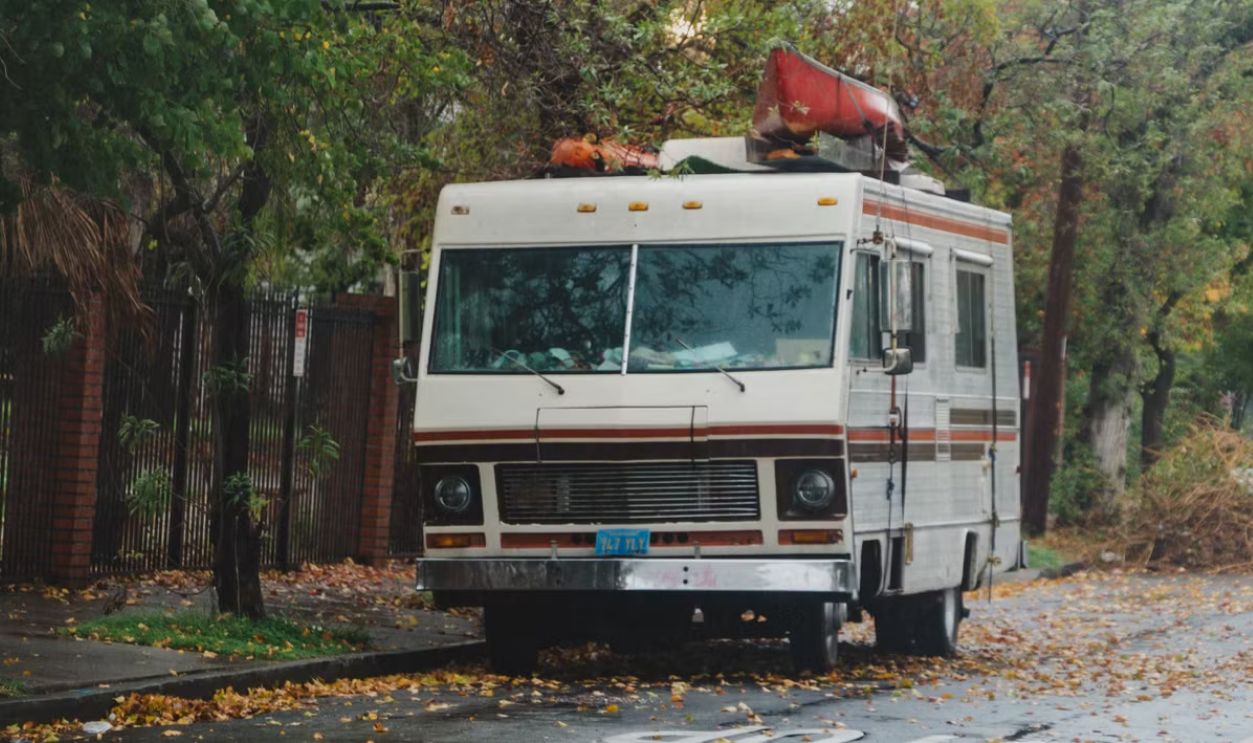
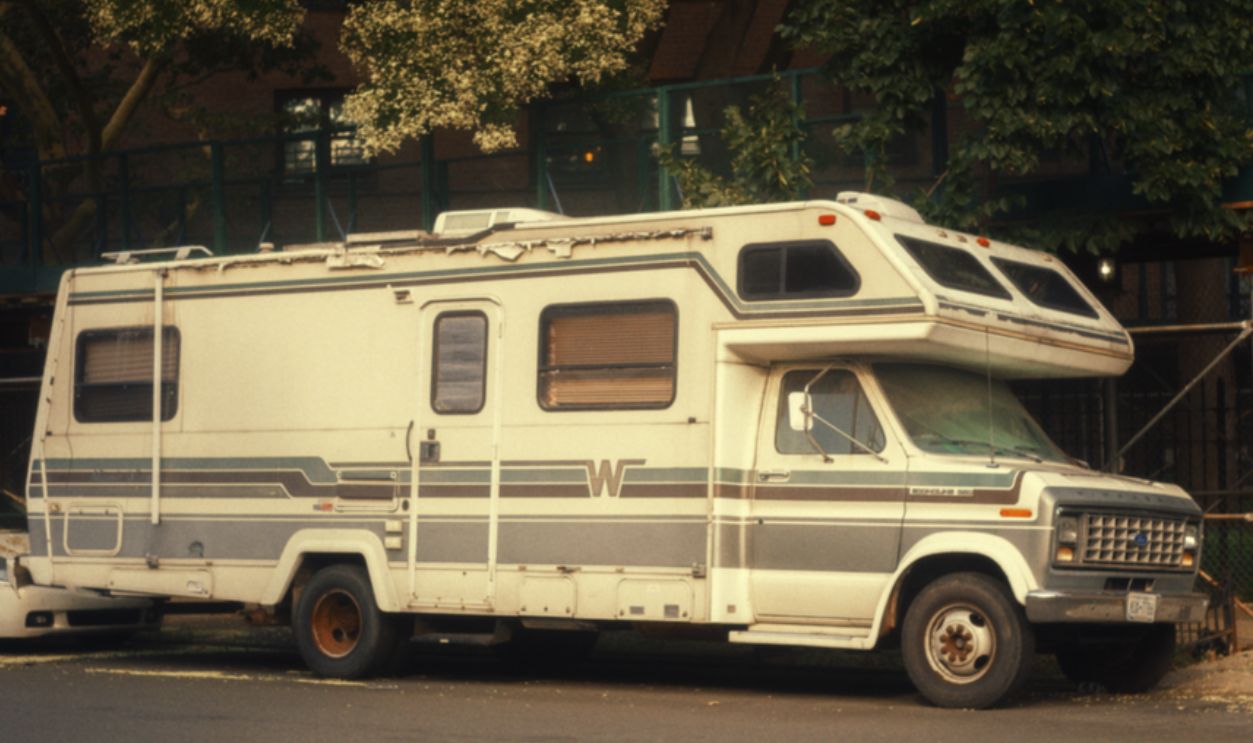
Some cities allow properly registered and operable RVs but prohibit inoperable, unlicensed, damaged, or visibly deteriorated vehicles. If your RV has expired tags, flat tires, missing parts, or obvious disrepair, the city may cite it under nuisance or property maintenance rules rather than ordinary parking rules. Updating registration, making repairs, and showing the RV is roadworthy may help your case.
You May Be Able To Request A Variance
If strict enforcement creates a hardship, some jurisdictions allow property owners to request a variance, special exception, or administrative review. These processes vary widely and may require fees, forms, hearings, or notice to neighbors. A variance isn't guaranteed, but it can be worth exploring if your lot shape, disability needs, lack of storage options, or unique property layout makes compliance unusually difficult.

Be Careful With The "It’s My Property" Argument
The emotional argument is understandable, but it is usually not enough by itself. Local governments have broad power to regulate land use, parking, aesthetics, safety, and neighborhood conditions through properly adopted ordinances. A stronger argument focuses on the actual code language, exceptions, procedural errors, uneven enforcement, or evidence that your RV already complies. The more specific your argument, the more seriously it is likely to be taken.

Appeal Deadlines Are Critical
Most citations include a deadline to appeal or request a hearing. That deadline may be short. If you miss it, you may lose the chance to challenge the fine even if you have a good argument. File the appeal on time, keep proof of submission, and continue communicating with the city about possible compliance options.

Ask About A Compliance Extension
Cities sometimes give property owners time to correct violations before additional penalties build up. If you need time to move the RV, build a fence, apply for a permit, pour a parking pad, or arrange storage, ask for a written extension. Code officers may be more flexible when owners communicate early. A cooperative approach can sometimes prevent the situation from escalating.

Storage May Be The Practical Backup Plan
Even if you want to fight, it is smart to research local RV storage options. Outdoor storage lots, covered storage, self-storage facilities, and RV parks may be cheaper than repeated fines. Having a backup plan can also help during negotiations with the city. Sometimes moving the RV temporarily protects you from penalties while you appeal or apply for permits.
A Local Attorney Can Help With Bigger Fights
If the fines are large, the RV is expensive to relocate, or the city is threatening towing or liens, legal advice may be worthwhile. A local land-use or municipal attorney can review the ordinance, citation, deadlines, and appeal options. They may also identify defenses that aren't obvious from reading the notice alone. This is especially useful if the city’s interpretation seems inconsistent or unusually harsh.

You May Be Able To Win Or Compromise
Not every RV parking citation is unbeatable. Some notices are based on misunderstandings, vague rules, outdated code sections, incorrect measurements, or assumptions about how the RV is being used. Even when the city is technically right, you may still be able to reduce fines, get more time, apply for a permit, add screening, or move the RV to a compliant spot on the property. The key is to act quickly, read the exact rule, document your setup, and focus on practical solutions rather than relying only on frustration.

You May Also Like:
My teen wants an old sports car as a first vehicle because it is "cheap." Am I right to refuse?