The Cheap Sports Car Trap
When a teen says an old sports car is “cheap,” they are usually talking about the asking price, not what it really costs to own. That is the part parents are right to question. A low price tag can hide higher insurance, expensive repairs, and safety trade-offs that matter a lot more for a first-time driver.

Why This Argument Comes Up So Often
Used sports cars from the 1990s and 2000s can look like bargains online. Some sell for prices close to older compact sedans, which makes them tempting to young buyers. The problem is that performance-car costs often stay high even after the resale value drops.

You Are Not Being Unreasonable
Yes, you are being reasonable if you say no. A first car should be forgiving, affordable to insure, and easy to fix. Older sports cars are often the opposite, especially if they have been modified, driven hard, or neglected by previous owners.

Crash Risk Is Higher For Teen Drivers
The Insurance Institute for Highway Safety says crash rates are higher for teenagers than for any other age group. That fact alone changes the first-car debate. Pairing an inexperienced driver with a car built to encourage speed and sharp handling is not the cautious choice.

Experience And Horsepower Are A Bad Mix
Teens are still learning basic judgment behind the wheel, including speed control and spotting hazards early. A sports car can feel planted at higher speeds, which can feed overconfidence instead of caution. That is exactly the kind of risk many parents are trying to avoid.

Safety Tech Matters More Than Styling
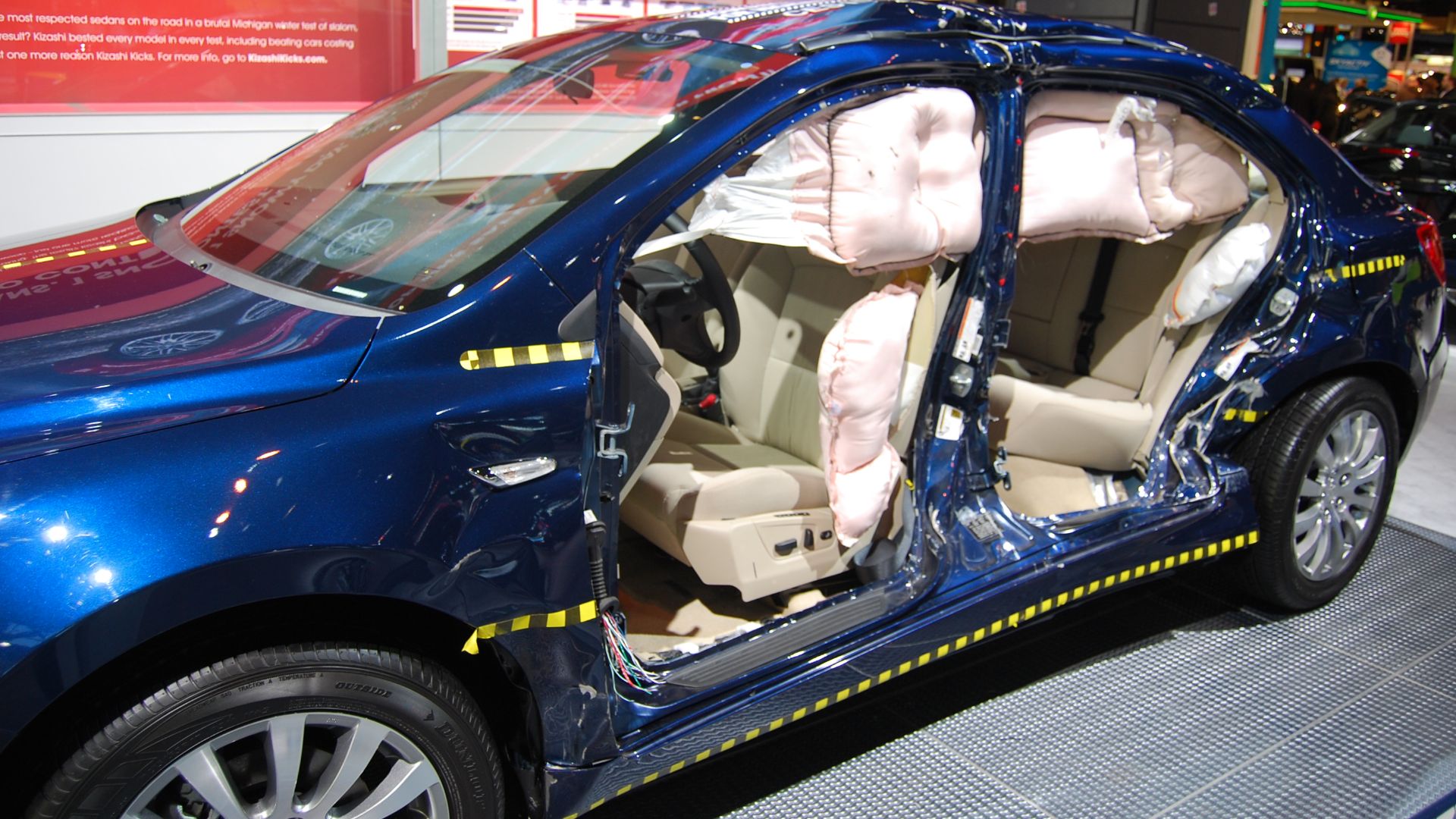
Many older sports cars were built before modern crash-avoidance systems became common. Features like electronic stability control and side curtain airbags matter a lot for new drivers. IIHS has repeatedly said teens benefit from vehicles with the strongest safety performance available.
Electronic Stability Control Was A Big Turning Point
The National Highway Traffic Safety Administration finalized a rule in 2007 requiring electronic stability control on new passenger vehicles, with the requirement phased in for model years 2009 through 2011. That matters because many older “cheap” sports cars were built before ESC became widely available. A teen may want a 1990s coupe, but it likely misses one of the most important safety technologies ever required.

Older Does Not Automatically Mean Unsafe
Not every old car is a bad choice, and that is worth saying clearly. Some older vehicles are solid, well cared for, and reasonably safe for their time. But sports cars tend to pile several risk factors together, including more power, rear-wheel drive in many cases, less practicality, and a history of hard use.

The Insurance Bill Can Ruin The Deal
A car can be cheap to buy and still expensive to insure. The Insurance Information Institute says insurers look at things like driver age, driving record, vehicle type, repair costs, and theft risk. A teen in a sporty two-door often checks several boxes that push premiums up fast.

Two Doors Often Mean Two Problems
Sport coupes can be less practical for family life, but the issue is not just convenience. Two-door cars can make passengers and cargo harder to manage, and that matters because distraction is already a major concern for young drivers. Parents may also want more control over who gets in the car and how often.

Back Seats In Sports Cars Are Usually A Joke
Many older sports cars have tiny rear seats or none at all. That may sound like a plus if you want to limit passengers, but it can create other trade-offs, including poor outward visibility and awkward seating. A first car should make everyday driving easier, not turn every errand into a packing puzzle.

Visibility Can Be Worse Than Teens Expect
Low rooflines, thick pillars, and small rear windows are common on sporty cars. Those design choices look great in photos but can make lane changes, parking, and backing up harder. For a new driver, good visibility is a safety feature on its own.

Maintenance Is Where The Bargain Starts Falling Apart
A low purchase price often means delayed maintenance. Timing belts, clutches, suspension bushings, tires, and cooling-system parts can quickly turn a “cheap” old sports car into a money pit. Sports cars also tend to need more expensive tires and brakes than basic commuter cars.
Modified Cars Are A Special Headache
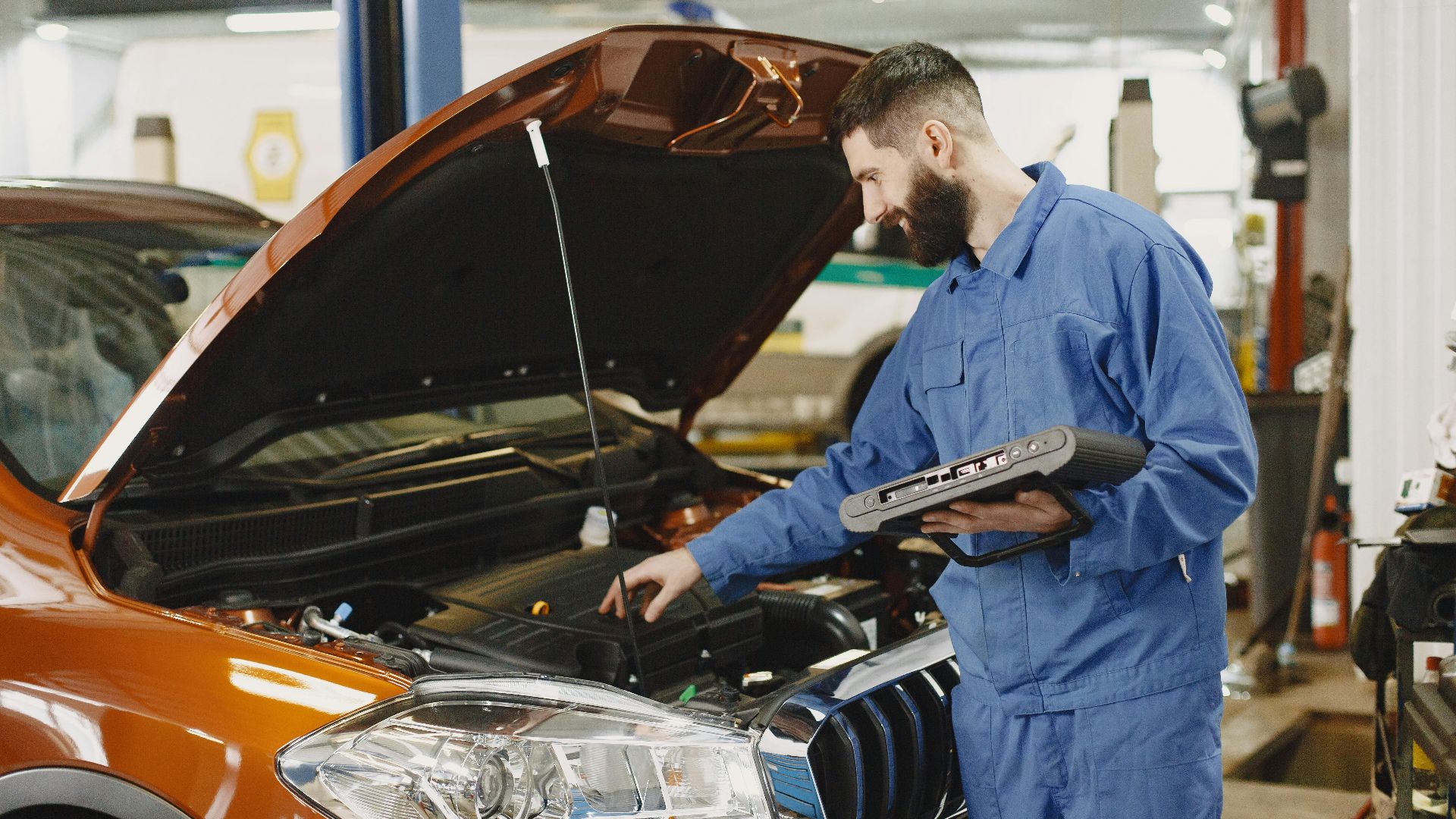
Many affordable older sports cars have been modified by previous owners. That can mean lowered suspensions, engine tuning, loud exhausts, and aftermarket wheels, but it can also mean mystery wiring and shaky workmanship. A first-time owner usually needs a dependable car, not an unfinished project.

Parts Prices Do Not Follow Kelley Blue Book
One of the most frustrating truths about old enthusiast cars is that repair costs do not always drop with resale values. A 20-year-old sports car may cost only a few thousand dollars to buy, but specialty parts and labor can still be expensive. The car’s market value and its upkeep costs often live in two different worlds.

Tires Alone Can Change The Math
Performance cars often need wider, stickier tires than ordinary compact cars. Those tires wear faster and cost more to replace, especially if the alignment is off or the suspension has been modified. Parents trying to manage a budget are right to count ongoing costs, not just the purchase price.

Rear-Wheel Drive Is Not The Villain, But It Is Less Forgiving
Many older sports cars send power to the rear wheels. That setup can be fun in experienced hands, but it usually asks more of the driver in rain, snow, and sudden emergency moves. For a teen still building skill and judgment, a calmer front-wheel-drive car is often the easier teacher.

Small Cars Are Not Always The Best Cars For Teens
IIHS has advised that teens should ideally drive vehicles with strong crash protection and good safety ratings, not just the smallest and cheapest options available. That surprises some parents because smaller cars can seem easier to handle. In a crash, though, size and crashworthiness still matter.

Used Sports Cars Are Often Bought After Their Hardest Years
There is a reason certain sports cars become affordable. Many have gone through multiple owners, hard driving, skipped maintenance, and cosmetic fixes that hide deeper issues. What your teen sees as a dream car may really be the last stop in someone else’s long problem.

Reliability Is A Safety Feature Too
A reliable car is less likely to leave a new driver stranded at night, on the shoulder, or far from home. It is also more likely to have working tires, brakes, lights, and cooling systems because it is worth maintaining properly. Dependability is not boring when your child is the one driving it.
There Is Also The Behavior Question
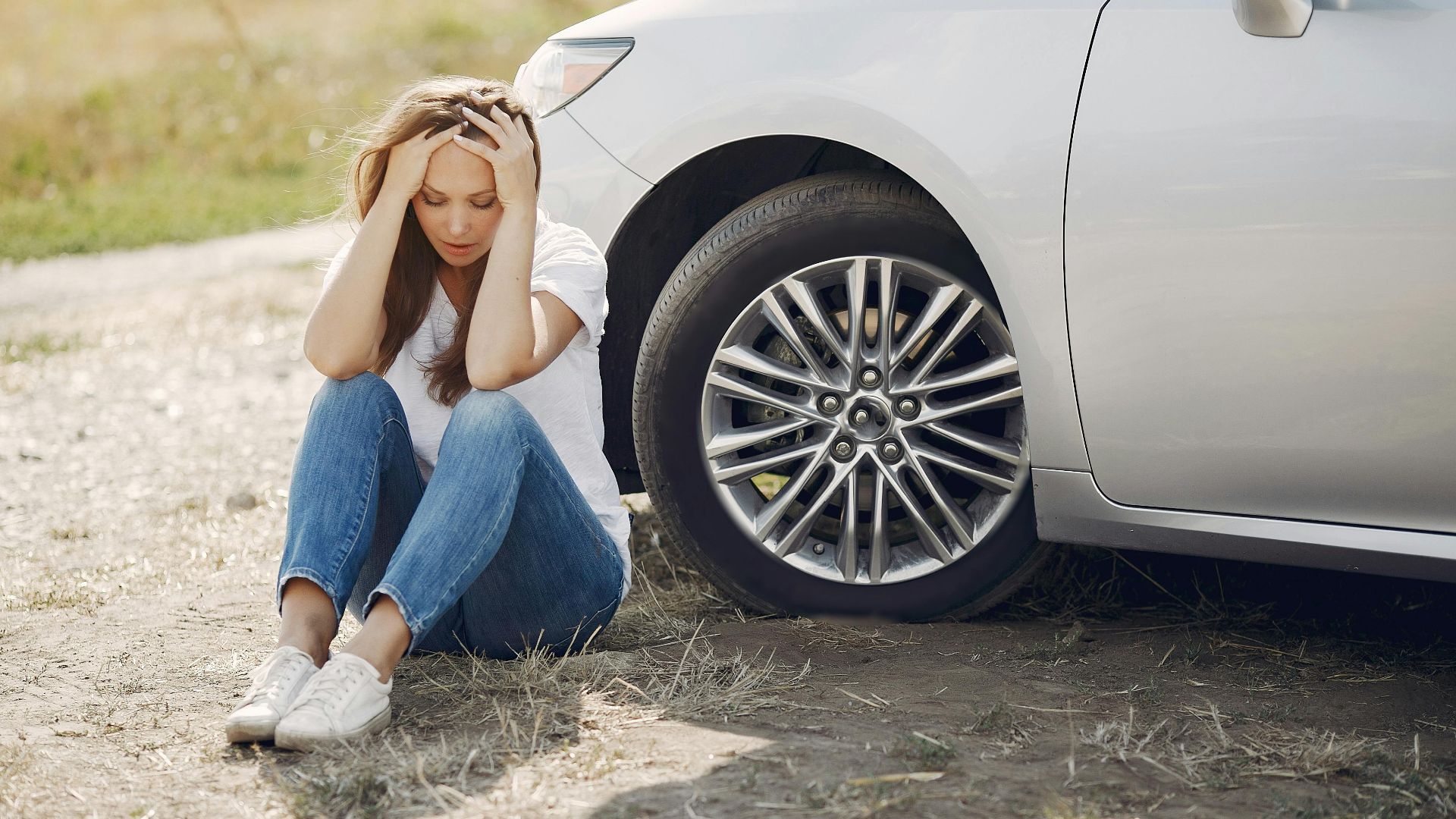
Cars send signals, and sporty cars send a pretty specific one. They can invite showing off, peer pressure, and risky choices even when the teen behind the wheel is usually responsible. That does not mean every young driver will misuse one, but parents are right to consider the temptation.

Insurance Industry Data Supports Caution
The Insurance Information Institute explains that young drivers pay more because they are statistically more likely to be involved in crashes. Add a sportier vehicle with higher repair costs, and the premium can climb even more. That is money many families would rather put toward college, emergency savings, or a safer car.

Set The Standard Before You Set The Budget
A smart way to handle the debate is to decide on the non-negotiables first. You might require electronic stability control, strong crash-test results, reasonable insurance costs, and a clean pre-purchase inspection. Once those rules are in place, the list of acceptable cars usually gets a lot shorter.

A Pre-Purchase Inspection Should Be Mandatory
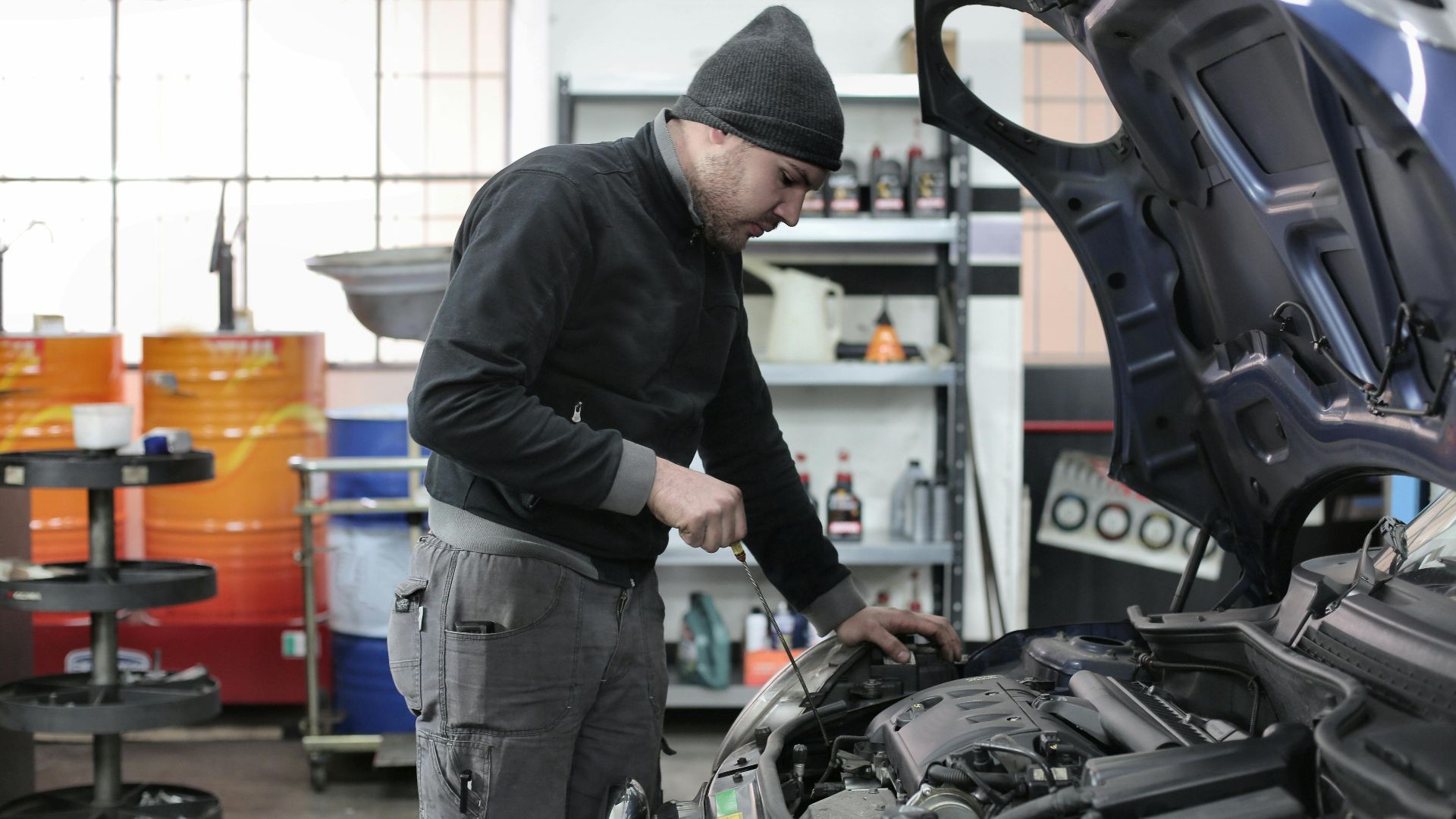
If you consider any used car, sports car or not, have an independent mechanic inspect it before money changes hands. That is where hidden crash damage, oil leaks, worn suspension parts, and overdue maintenance usually show up. Spending a little on an inspection can save thousands and prevent nasty surprises.
There Are Better Ways To Say No
A flat refusal may be the right call, but it usually lands better if you explain why. Show your teen the insurance quote, the likely maintenance bills, and the safety features the car lacks. Once the numbers are on the table, “cheap” often stops looking cheap.

Offer A Safer Alternative, Not Just A Rejection
You will probably get further if your no comes with a practical yes. Think older sedans, hatchbacks, or small crossovers with good reliability records, manageable repair costs, and modern safety features. The goal is not to kill enthusiasm, but to steer it toward a car that will not punish inexperience.

A Good First Car Should Be Boring In The Best Way
That may sound harsh to a teen, but boring is exactly what you want when insurance is due and winter roads get slick. Predictable handling, good visibility, affordable tires, and easy-to-find parts are real strengths. The exciting car can come later, once the driver has more experience and a bigger budget.

The Bottom Line For Parents
If your teen wants an old sports car because it is “cheap,” you are right to look past the asking price and refuse if the full picture does not make sense. The safest and smartest first vehicle is usually one that is easy to drive, cheap to insure, simple to repair, and equipped with modern safety features. That does not make you the bad guy. It makes you the adult who understands what “cheap” can really cost.