When The Parking Lot Becomes A Burnout Arena
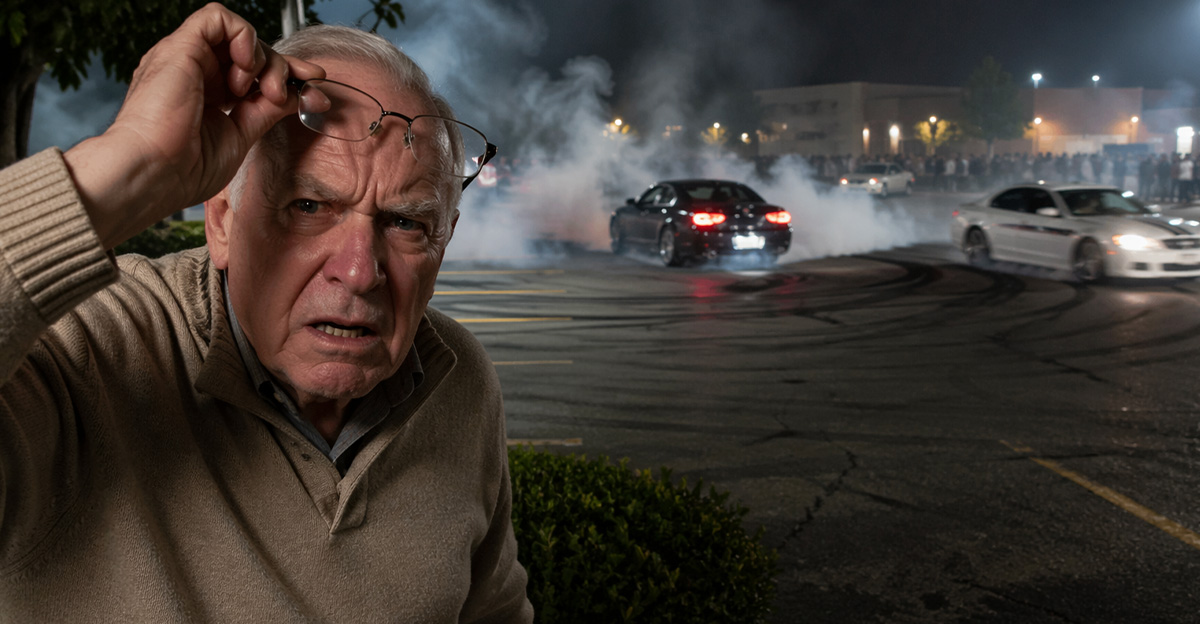
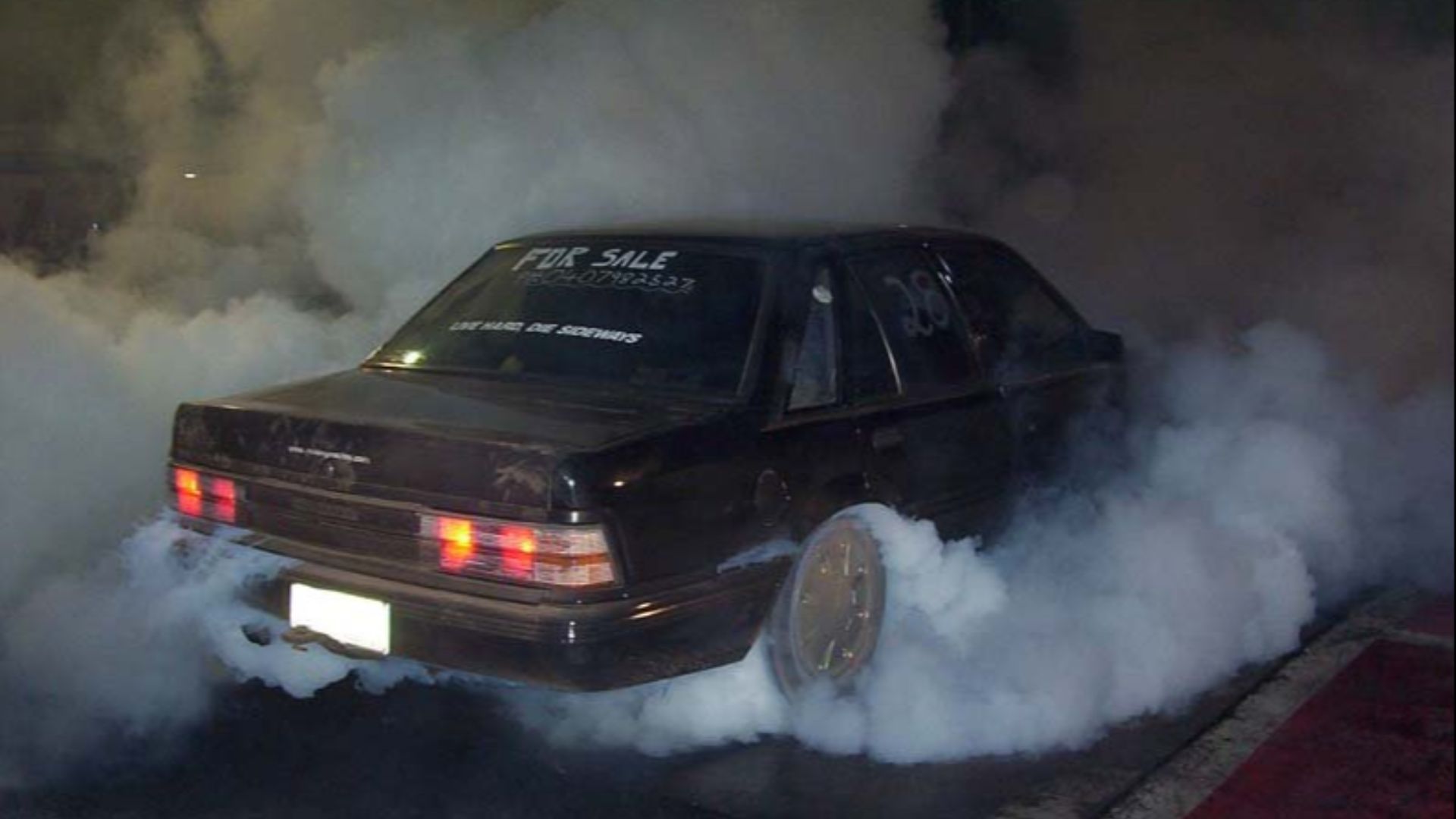
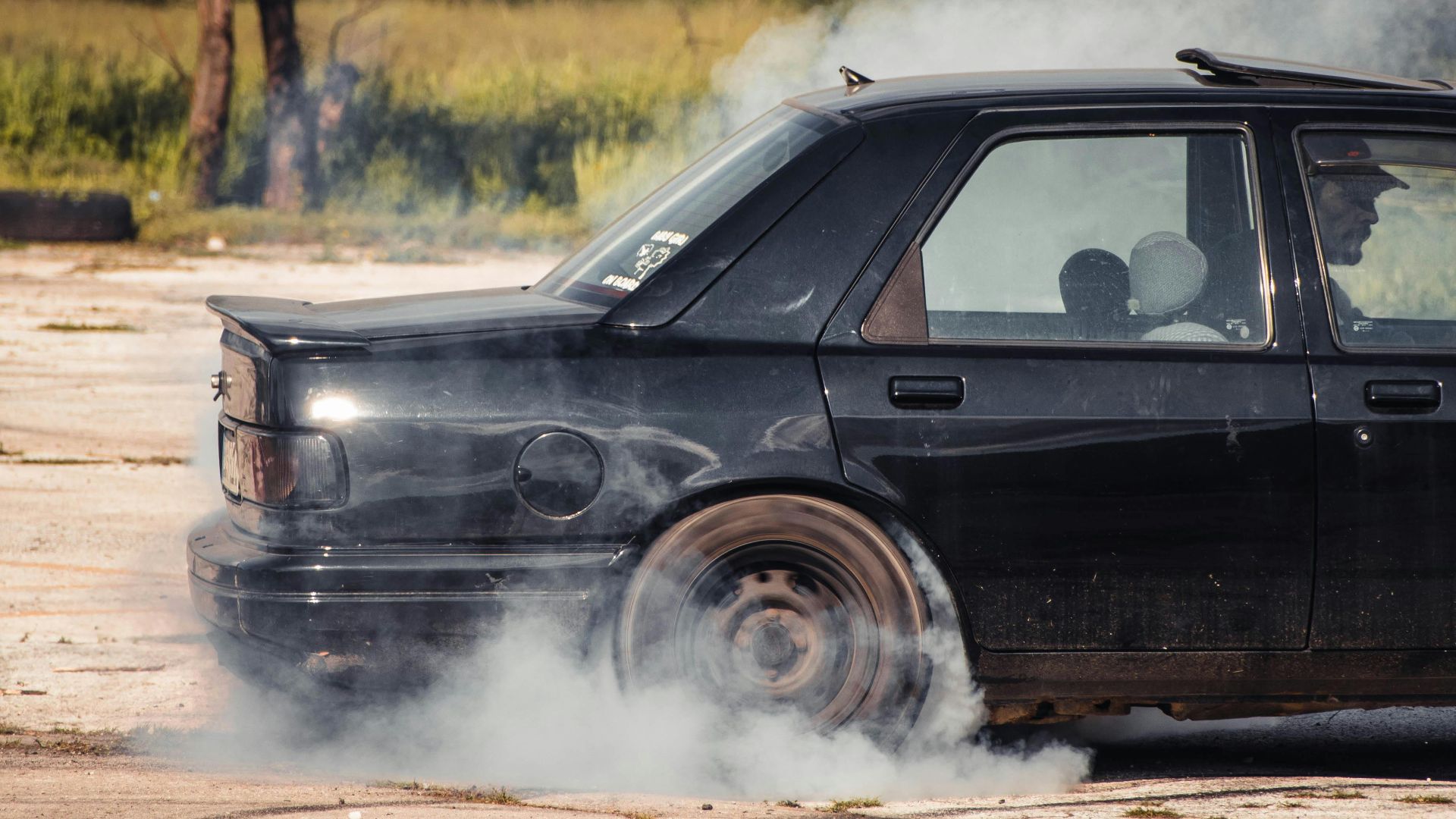
There’s nothing quite like settling in for a peaceful evening, only to hear tires screaming across the street like someone is auditioning for a low-budget Fast & Furious sequel. Burnouts may look exciting for five seconds, but when they happen at all hours, they get old fast.
First, Know You’re Not Being Dramatic
Constant tire noise, revving engines, and clouds of smoke are not “just kids being kids.” They can disturb sleep, scare pets, wake children, and make your home feel less relaxing. You’re allowed to want quiet, especially at night.
 Mr Satay at English Wikipedia, Wikimedia Commons
Figure Out What’s Actually Happening
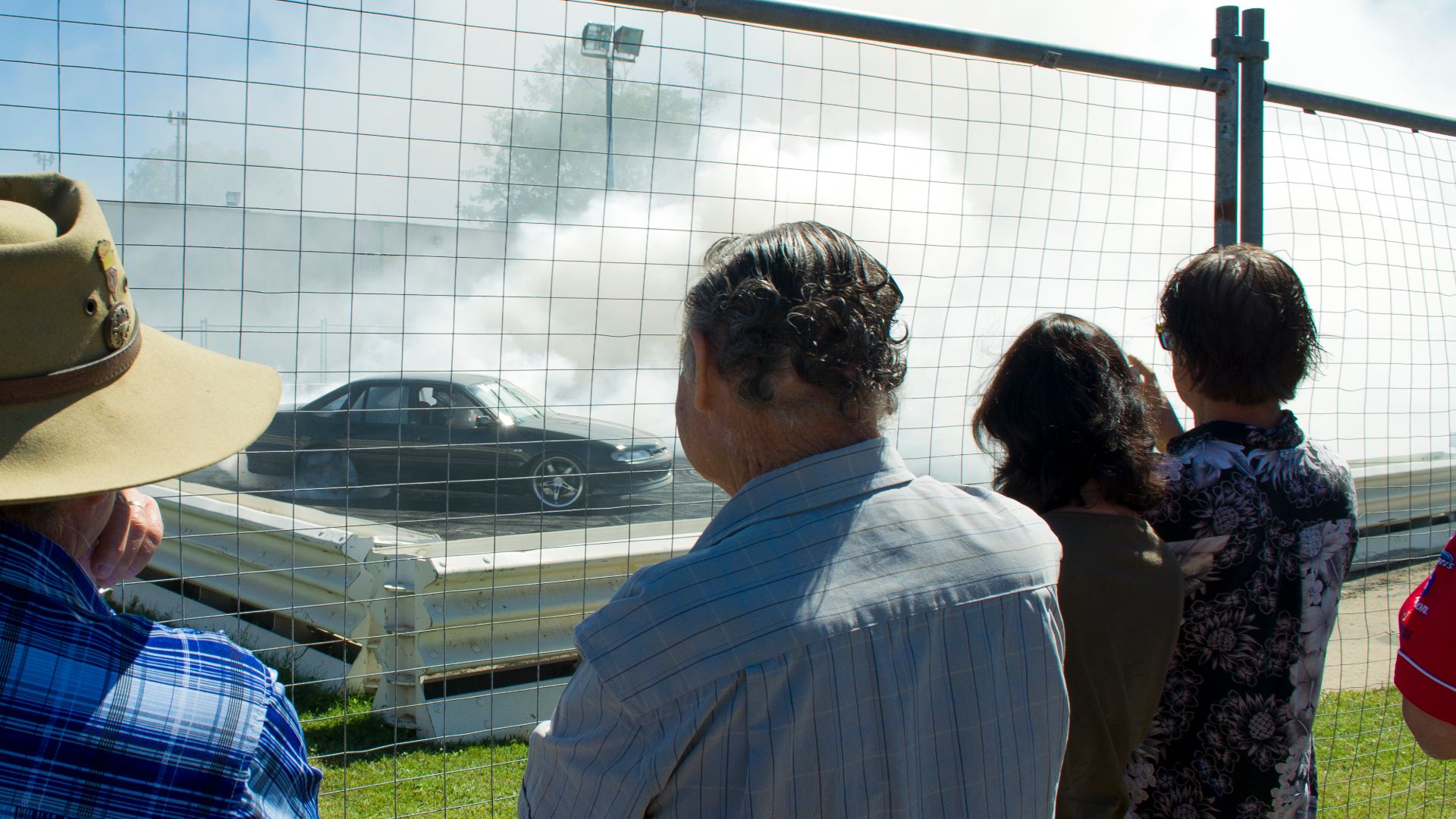
Before taking action, pay attention to the pattern. Is it the same car? The same group? Weekends only? Every night? Knowing when and where it happens helps you explain the problem clearly instead of sounding like you’re guessing.
 Shillings1005, Wikimedia Commons
Keep A Simple Noise Log
Write down dates, times, how long it lasts, and what you hear. You don’t need a detective board with red string. A basic note on your phone works. This makes your complaint much stronger if you call police, bylaw enforcement, or property management.

Take Video, But Stay Safe
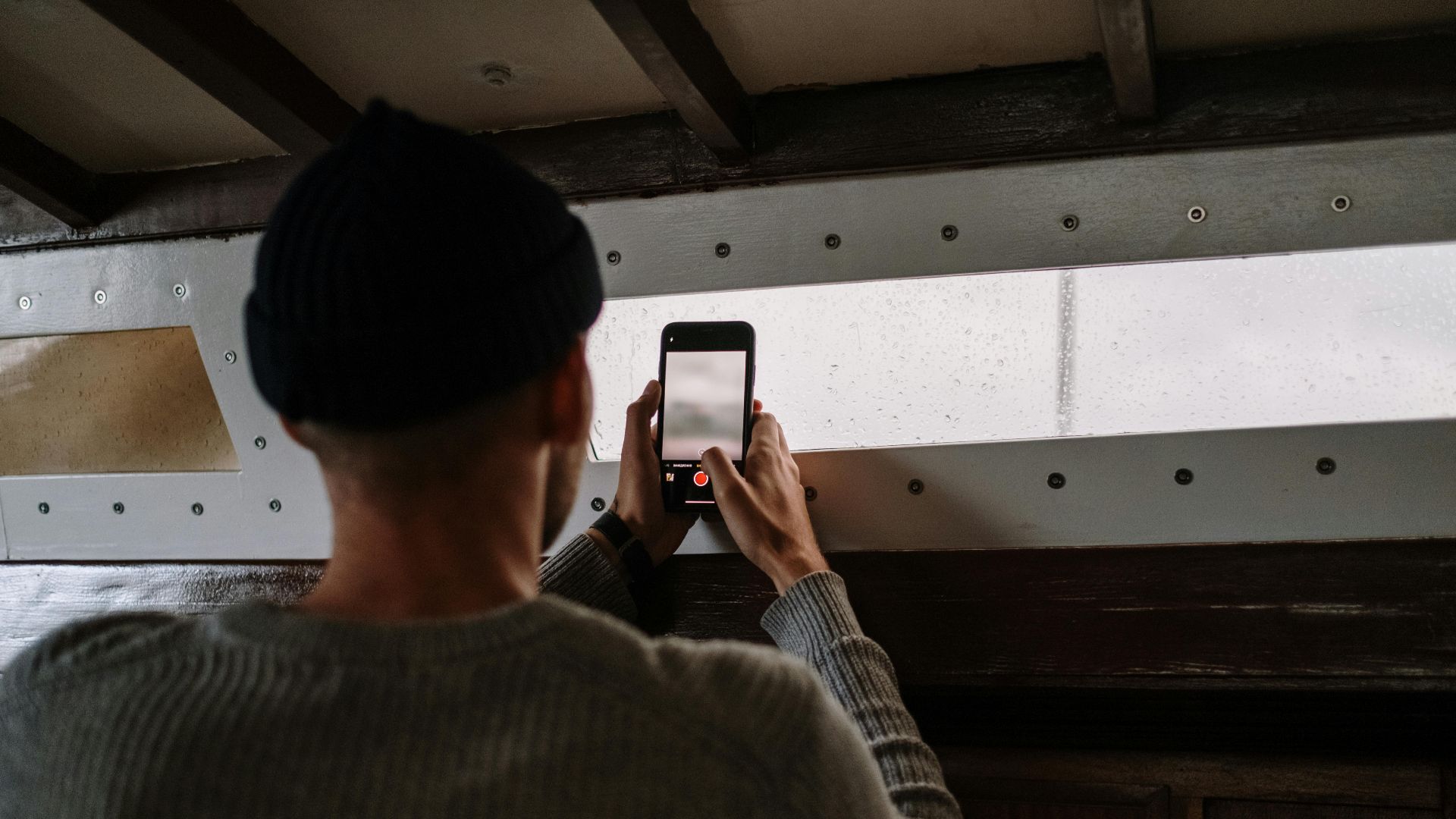
If you can safely record from your property, video can help. Capture the noise, vehicle, and location if possible. Don’t confront anyone with your phone out or step into the parking lot. A burnout is annoying; becoming part of the stunt show is worse.
Don’t March Over Angry
It’s tempting to storm across the street in slippers and righteous fury. Don’t. People doing burnouts may be showing off, drinking, or looking for attention. A face-to-face confrontation could escalate quickly, and you don’t need that headache.

Check Local Noise Rules
Most towns and cities have noise bylaws, especially for late-night hours. Many also have rules against unnecessary engine noise, racing, stunting, or reckless driving. The exact wording varies, but squealing tires at midnight usually won’t win any civic awards.

Call The Non-Emergency Police Line
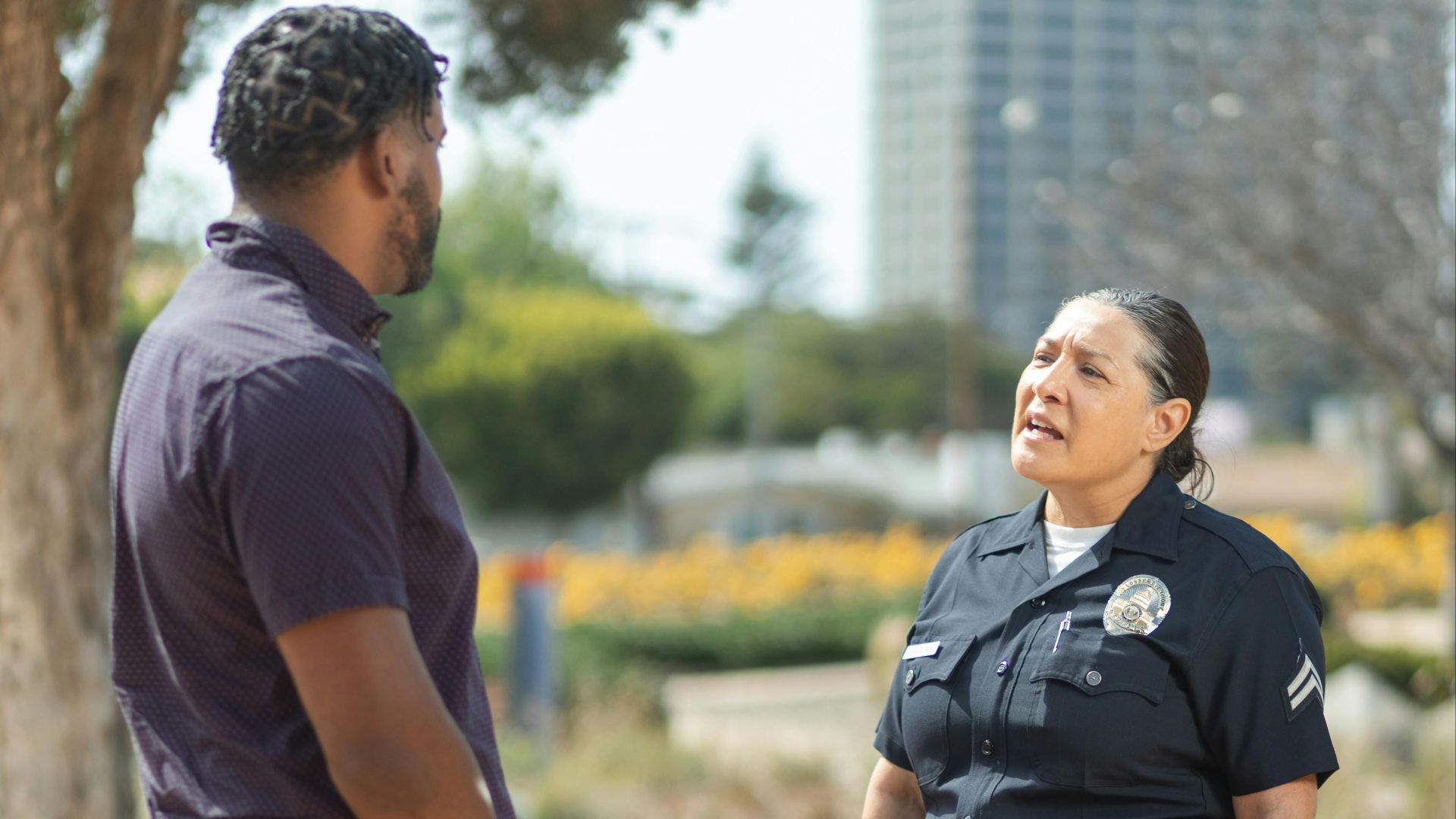
For repeated noise or dangerous driving, use the non-emergency police number. Explain that vehicles are doing burnouts in a parking lot, give the location, and mention the times it usually happens. If someone is in immediate danger, call emergency services.

Mention The Safety Issue
Burnouts are not just noisy. They can lead to loss of control, crashes, flying debris, and pedestrians getting hurt. When reporting it, describe it as unsafe driving, not just “loud kids.” That helps officials understand why it matters.
Contact The Property Owner
If the parking lot belongs to a store, school, apartment building, church, or office, contact the owner or manager. Property owners usually don’t want tire marks, liability problems, or neighbors furious enough to start sending strongly worded emails.

Ask About Cameras And Lighting
Many parking lots already have cameras, but nobody checks them until there’s a reason. Let the property owner know when the burnouts happen. Better lighting, visible cameras, or security patrols can make the lot a lot less attractive.
Suggest Physical Barriers
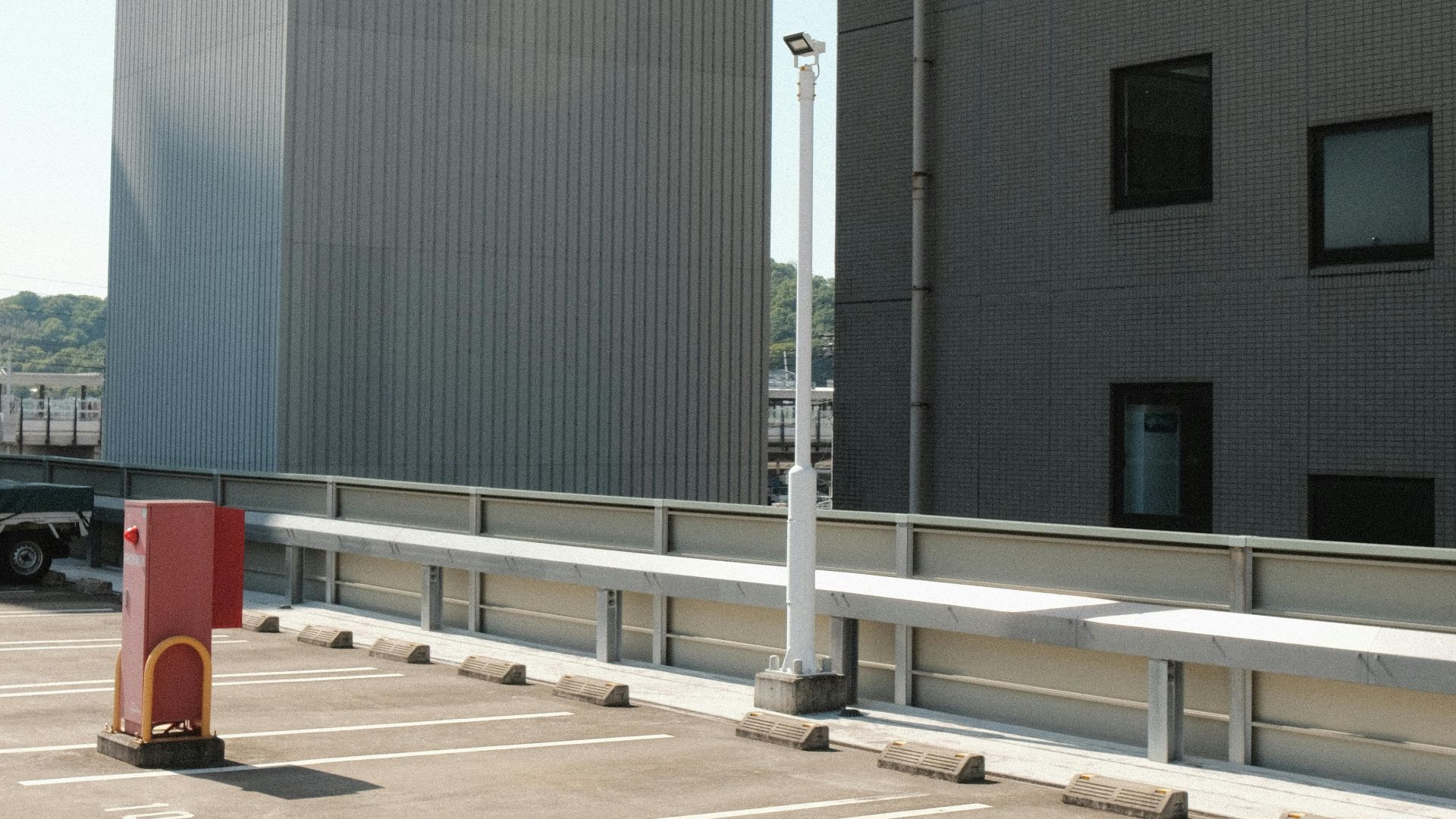
Speed bumps, gates, parking blocks, bollards, or locked chains can stop a parking lot from becoming a drift pad. You don’t need to design a racetrack-proof fortress. Just suggest simple changes that make reckless driving harder.
Talk To Other Neighbors
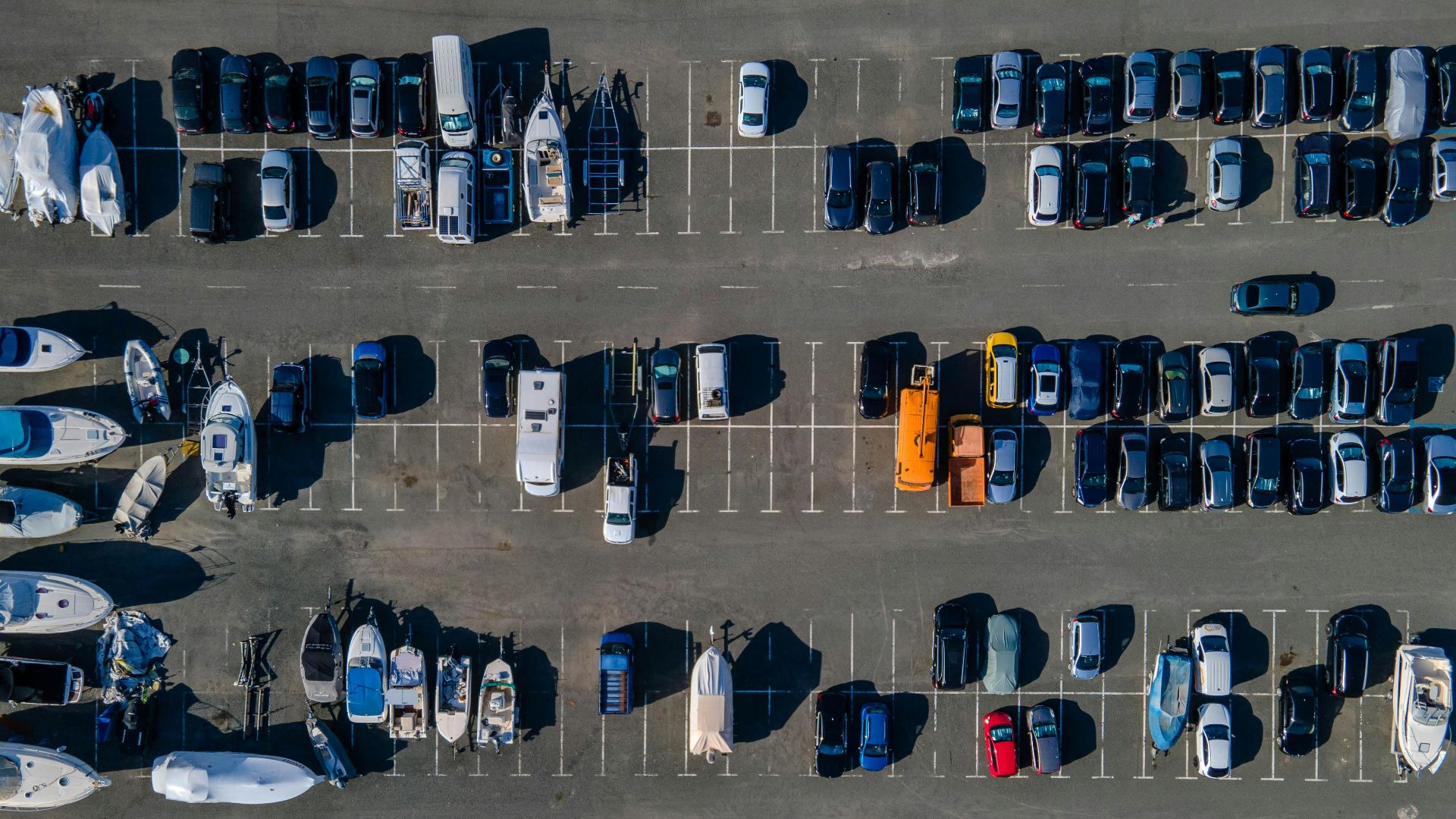
You’re probably not the only person hearing it. If several neighbors report the same issue, it carries more weight. A group complaint sounds like a community problem, not one cranky person declaring war on horsepower.

Use A Calm Tone
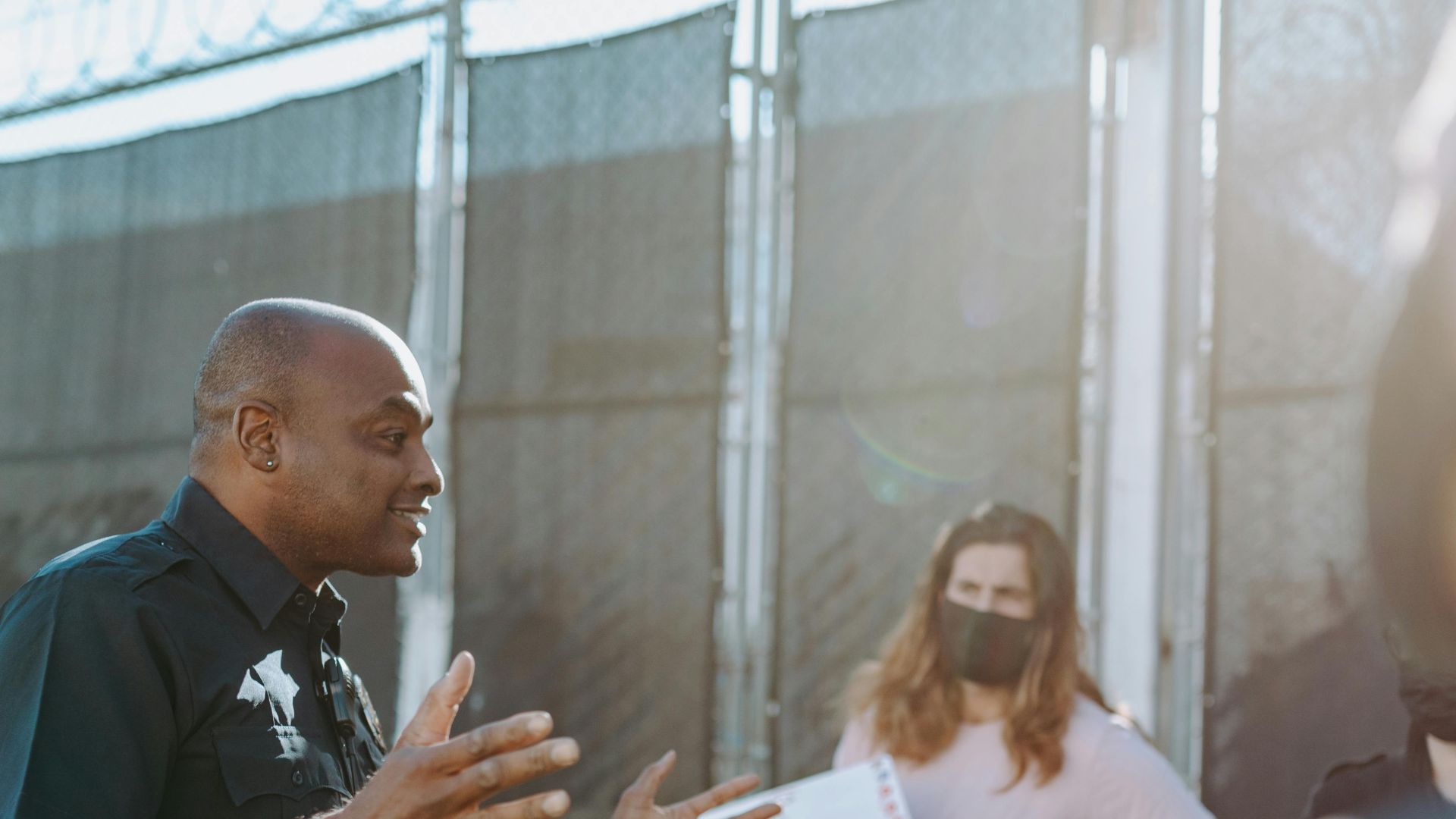
Whether you’re calling police, emailing a landlord, or messaging a business owner, stay calm and specific. “There are repeated burnouts at 11:30 p.m. behind your building” works better than “This neighborhood has become a tire-smoking wasteland.”
Avoid Social Media Drama
Posting blurry videos and angry captions might feel satisfying, but it can stir up more trouble than it solves. Public shaming can escalate things, especially if the drivers recognize your house. Report through official channels first.

Check If There’s A School Nearby
If the parking lot belongs to a school, contact the administration or district office. Schools usually take trespassing and after-hours vehicle activity seriously. They may already have a security contact or local police liaison.

Don’t Touch Their Cars
This should be obvious, but frustration makes people creative in bad ways. Don’t leave notes on vehicles, block them in, damage anything, or set up obstacles yourself. That can turn your valid complaint into a problem for you.
Ask About Trespassing Enforcement
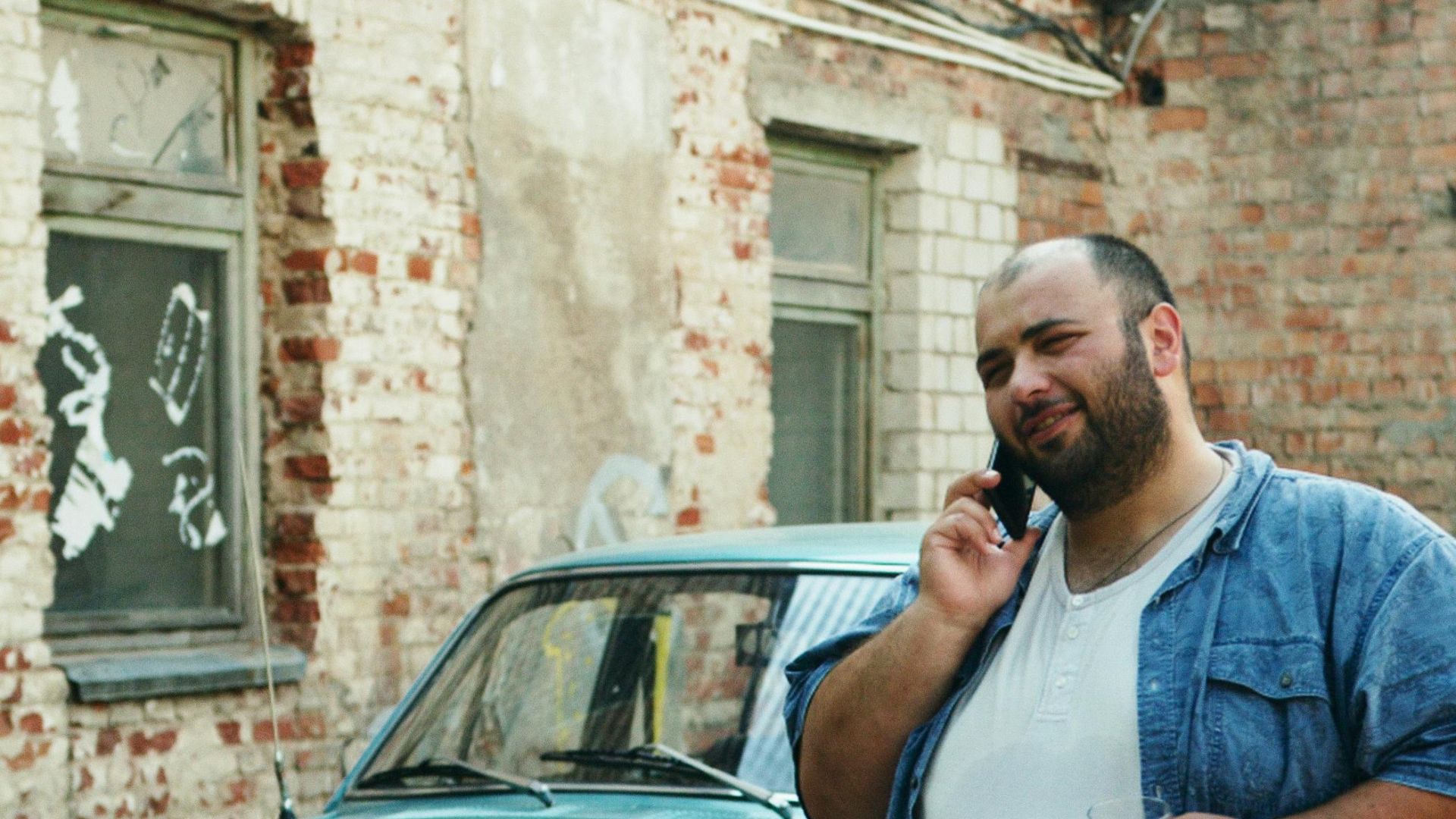
If it’s private property, the owner may need to authorize police to remove trespassers after hours. Some places can post signs stating the lot is closed overnight. Once posted, enforcement may become much easier.
Consider A Noise Complaint App
Some cities have online reporting tools or apps for noise, traffic, and nuisance complaints. These are useful because they create a paper trail. Even if nobody responds instantly, repeated reports can show there’s an ongoing issue.
Protect Your Sleep Meanwhile
While the official wheels turn, use fans, white noise, earplugs, or heavier curtains if you can. That’s not “letting them win.” It’s protecting your sanity while you work on the real fix.

Look For Patterns Around Events
Sometimes burnout crowds show up after school games, car meets, parties, or weekend hangouts. If you notice a pattern, include it in your report. “Every Friday after 10 p.m.” is easier to patrol than “random chaos forever.”
Don’t Blame All Car People
Most enthusiasts don’t want neighborhoods turned into burnout pits either. There’s a big difference between enjoying cars and making everyone within three blocks listen to tire torture at 1 a.m. This is about behavior, not the whole car community.
Ask For Patrols At Specific Times
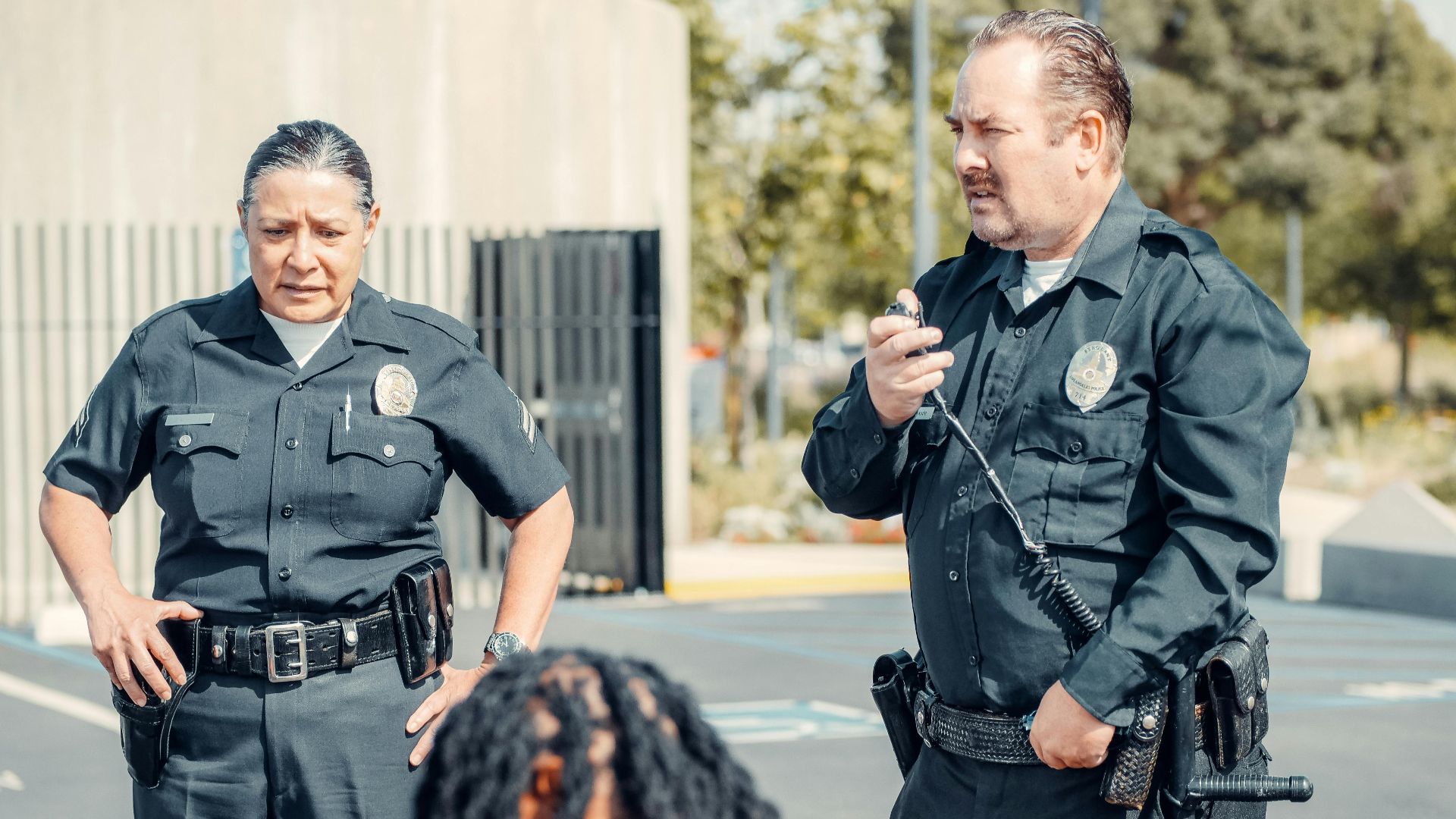
Police and security can’t camp out forever, but they may swing by if they know the hot hours. Give them your best time window. A cruiser appearing at the right moment can drain the fun out of the whole performance.
Keep Following Up
One complaint may not fix it. Keep logging incidents and follow up politely. The squeaky wheel gets the grease, though in this case, hopefully not the squealing tire. Persistence matters when dealing with recurring nuisance problems.

Know When It’s An Emergency
If drivers are hitting parked cars, nearly striking people, blocking traffic, fighting, or driving dangerously near homes, that’s beyond a routine noise complaint. Call emergency services when there’s an immediate threat to safety.

The Best Outcome Is Boring
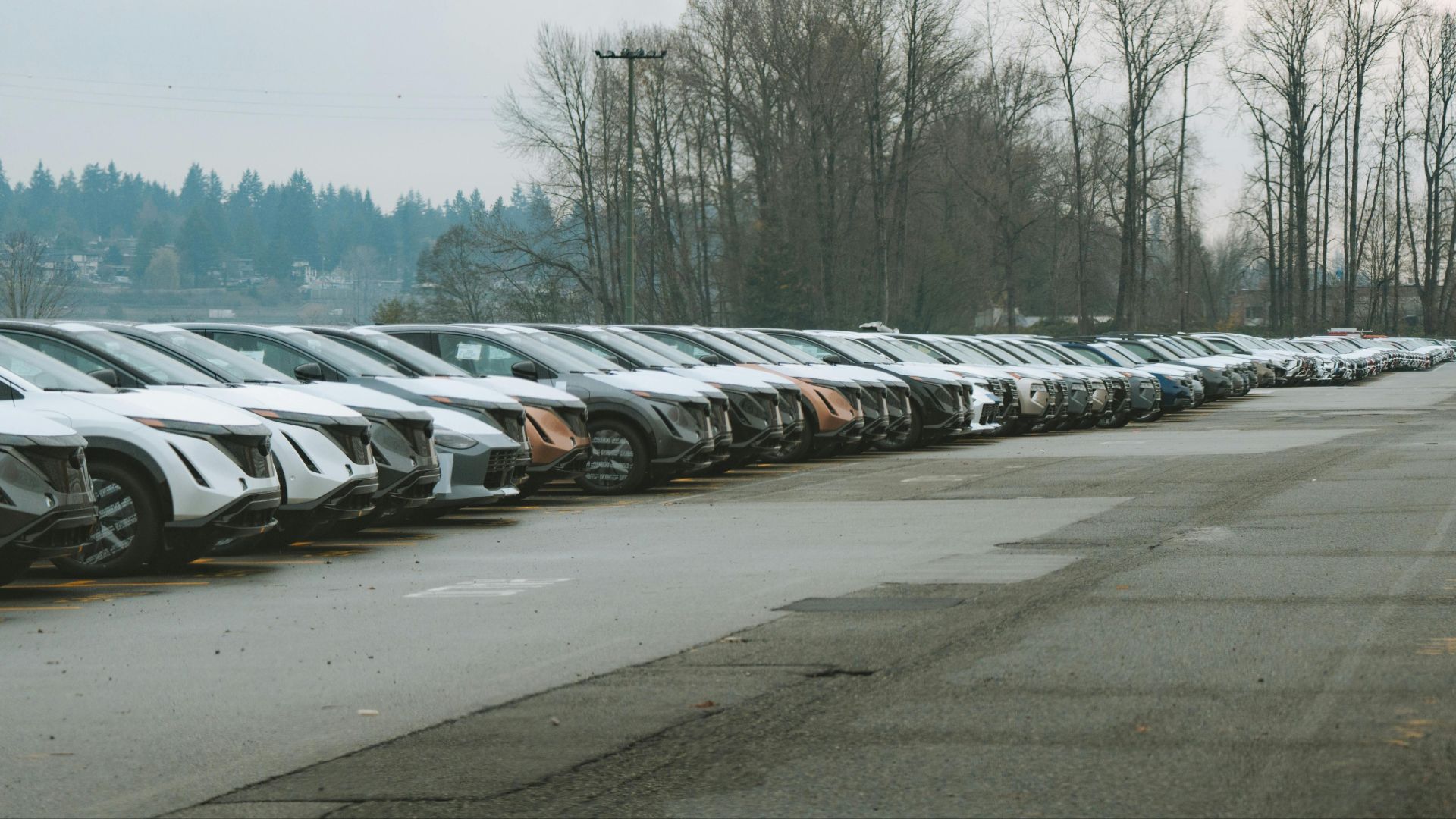
The goal isn’t revenge. It’s a boring parking lot. No tire smoke, no midnight rev battles, no amateur stunt auditions. Just pavement, parked cars, and the sweet sound of absolutely nothing happening across the street.
Peace, Quiet, And No More Tire Smoke
So yes, you can do something. Document the burnouts, report them through the right channels, contact the property owner, and get neighbors involved. Stay safe, stay calm, and let the proper people handle it. Your home should not come with a nightly burnout soundtrack.

You May Also Like:
I Bought A Used Car “As-Is,” And It Broke Down The Next Day. Do I Have Any Options?
My neighbor's kid keeps revving his car loudly late at night. Is there anything I can do about it?
Volkswagen Dieselgate: The Emissions Scandal That Shook The World