
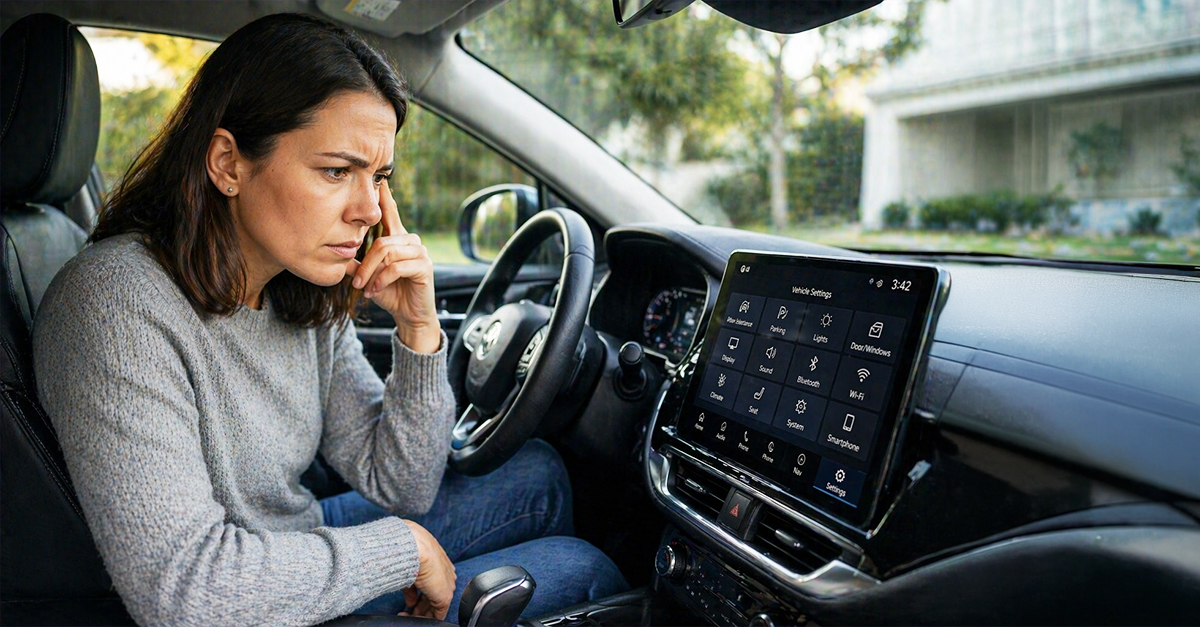
Feature Overload
Today’s vehicles are jam-packed with technology designed to impress buyers in showrooms, but the fact is that a lot of these features quickly fade into the background once the new owner starts driving. In fact, studies have found that more than a third of advanced car technologies go unused within the first 90 days of ownership, because these features are either too complicated or simply unnecessary.
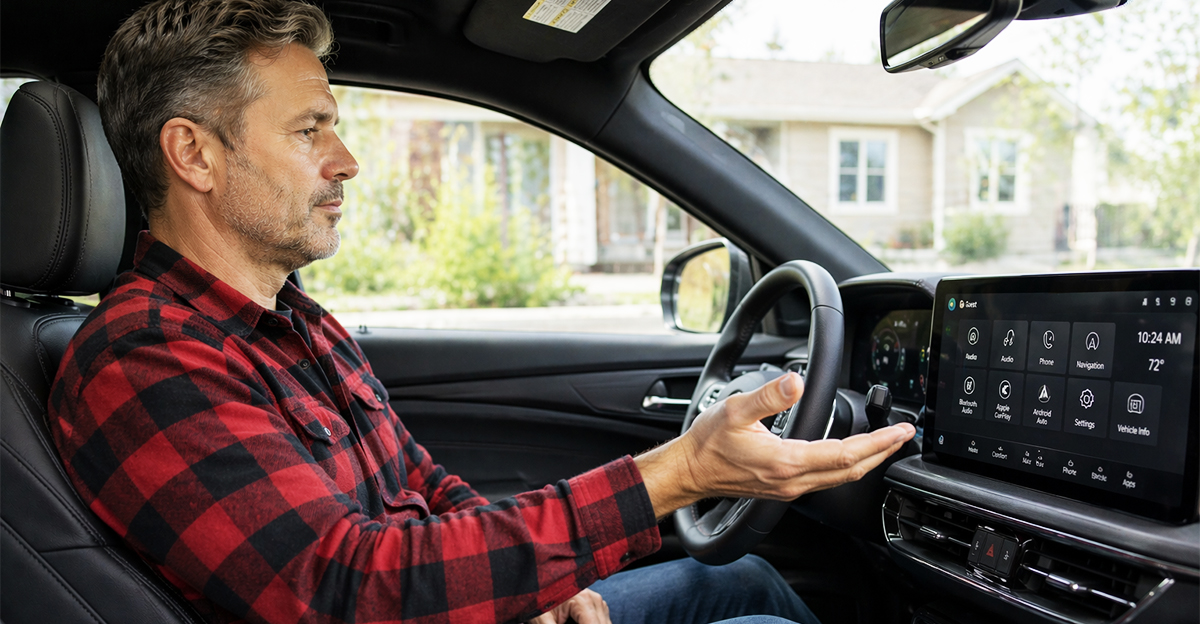
Gesture Controls
Gesture controls look futuristic, allowing the novelty of waving your hand to adjust volume or skip songs. But in reality, these controls can be inconsistent and distracting. A lot of drivers find themselves repeating gestures or accidentally triggering commands that they didn’t want, which defeats the purpose of convenience. Over time, most users just go back to the tried-and-true physical buttons or touchscreens instead.
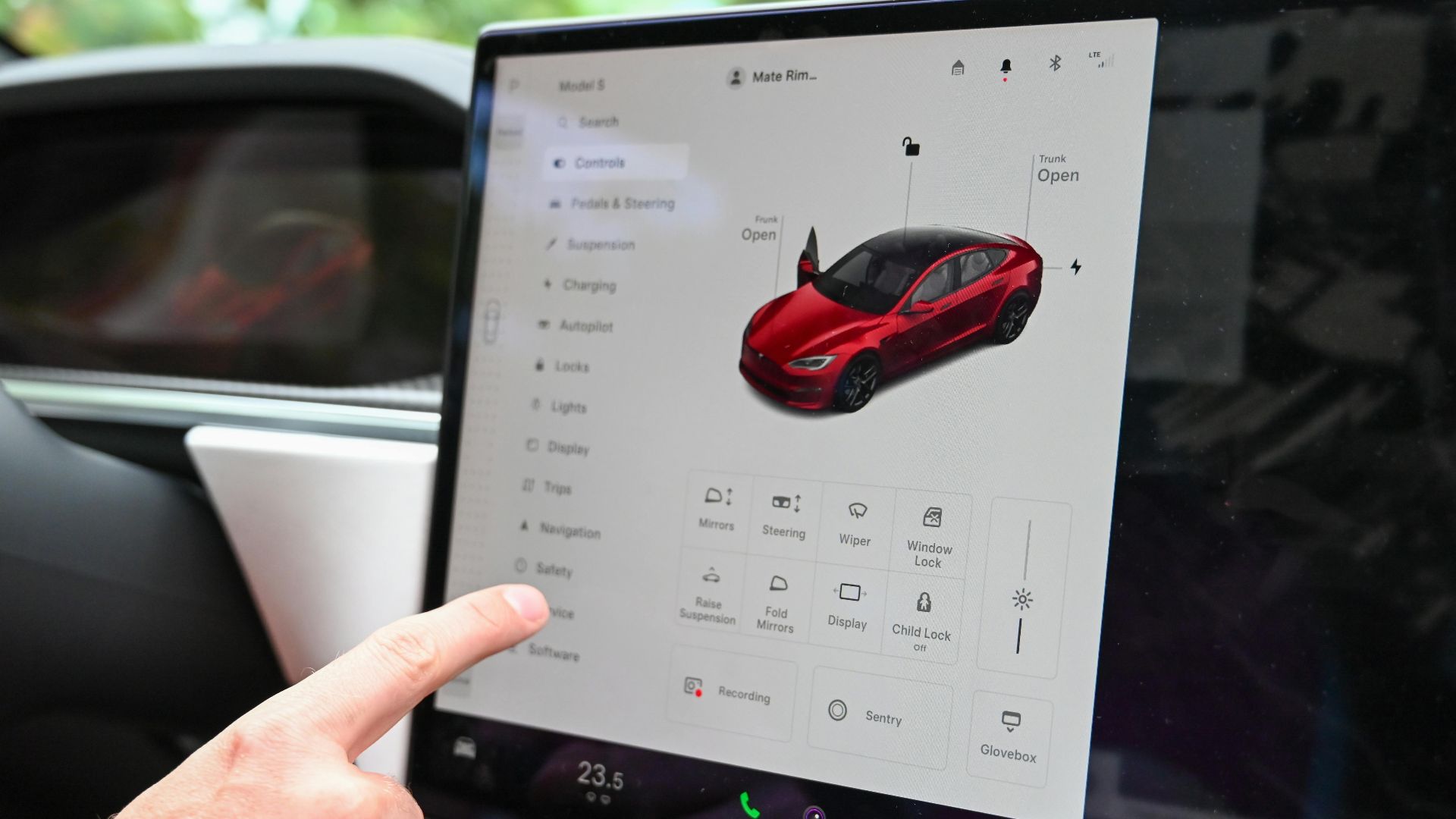
In-Car Marketplace Apps
Some vehicles now let you order food, reserve hotels, or pay for gas directly through the onboard infotainment system. This sounds innovative, but a lot of drivers already use their smartphones for these tasks. Surveys show that a majority of owners never bother with these systems, with many saying they basically just don’t need them.

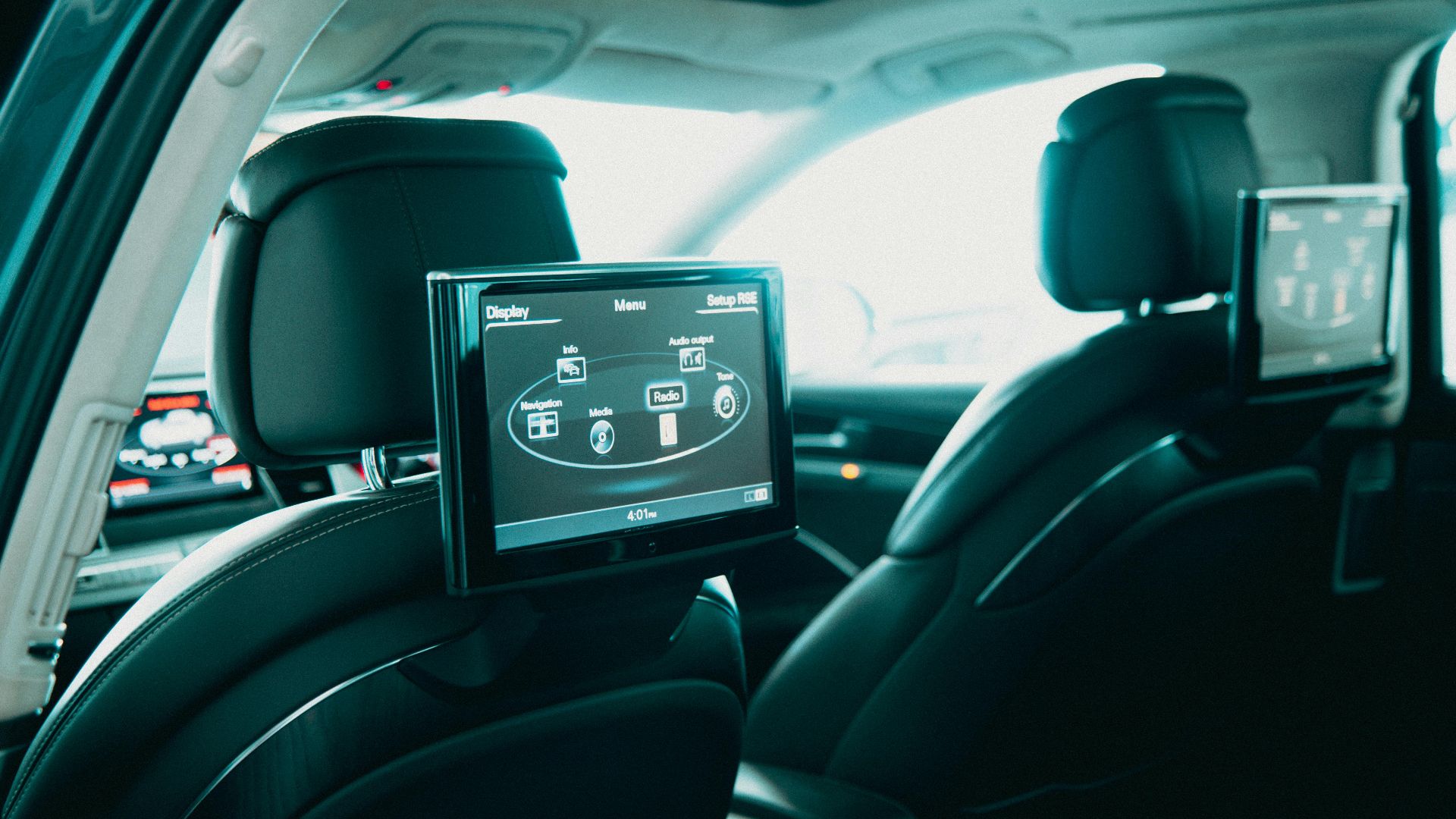
Rear-Seat Entertainment Screens
Built-in entertainment systems once felt like a luxury, especially in family vehicles. Today, they are largely redundant. Passengers now prefer their own tablets or smartphones, which offer more flexibility and better apps. These built-in systems now often end up going unused and they can become expensive to fix if they get damaged.
Voice Command Systems
Voice controls are a well-intentioned attempt at hands-free convenience, but these systems can struggle with accents, background noise, or complex commands. Drivers often end up trying them a few times, only to get frustrated when the system doesn’t understand them. Eventually, many stop using voice commands altogether and just go back to manual controls.

Wireless Charging Pads
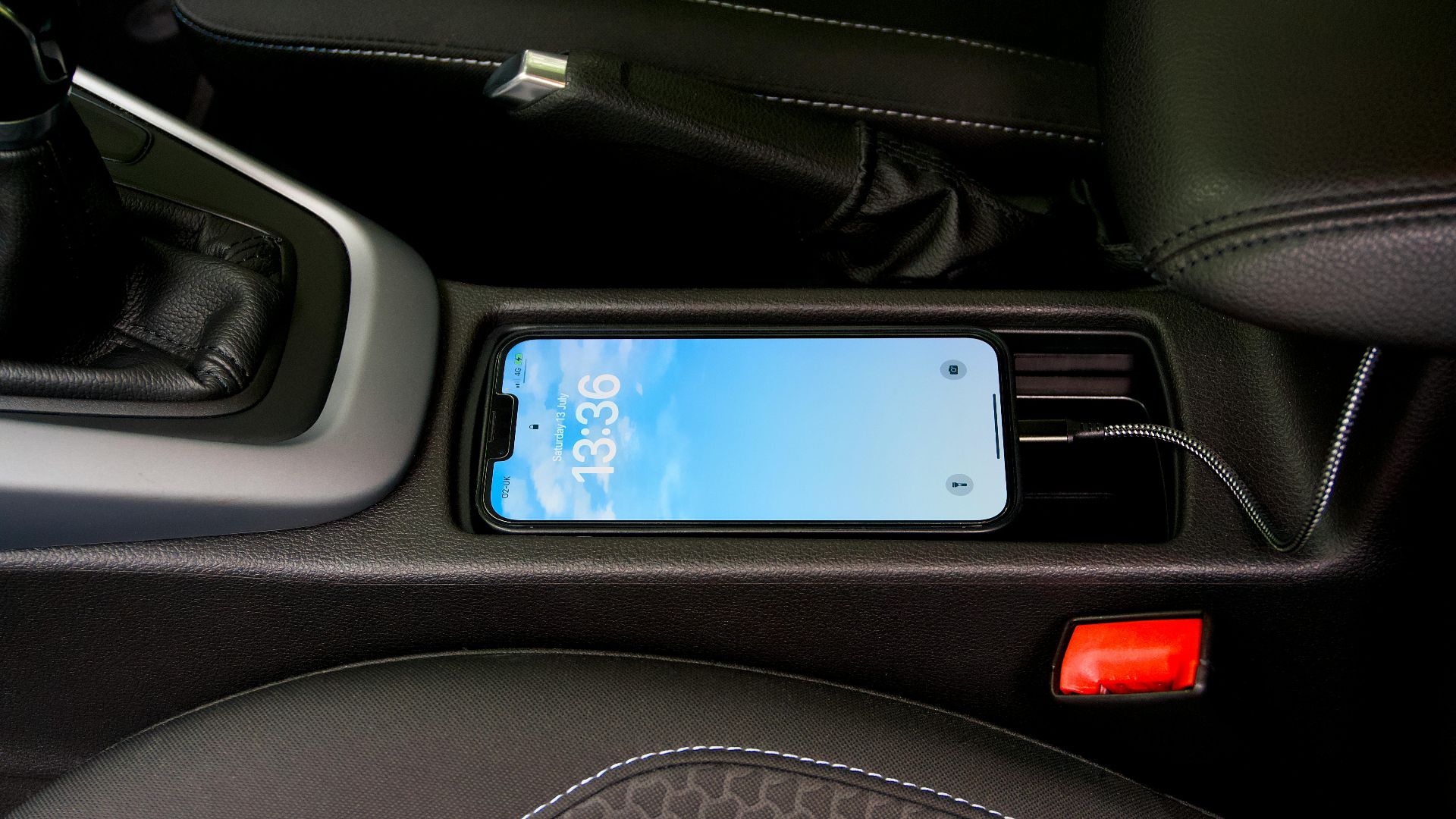
Wireless charging sounds convenient, but it’s often slower and less reliable than using a cable. Phones can overheat, shift around while driving, or fail to charge properly. As a result, many drivers ignore the feature and plug their devices in the old-fashioned way that they’ve trusted all their lives.
Automatic Parking Assist
Self-parking systems are impressive in demonstrations, but they also depend on ideal conditions. Tight spaces, unclear markings, and unpredictable environments can throw the system into confusion. Most drivers trust their own judgment more and rarely take advantage of this feature after trying it out once or twice.

Panoramic Sunroofs
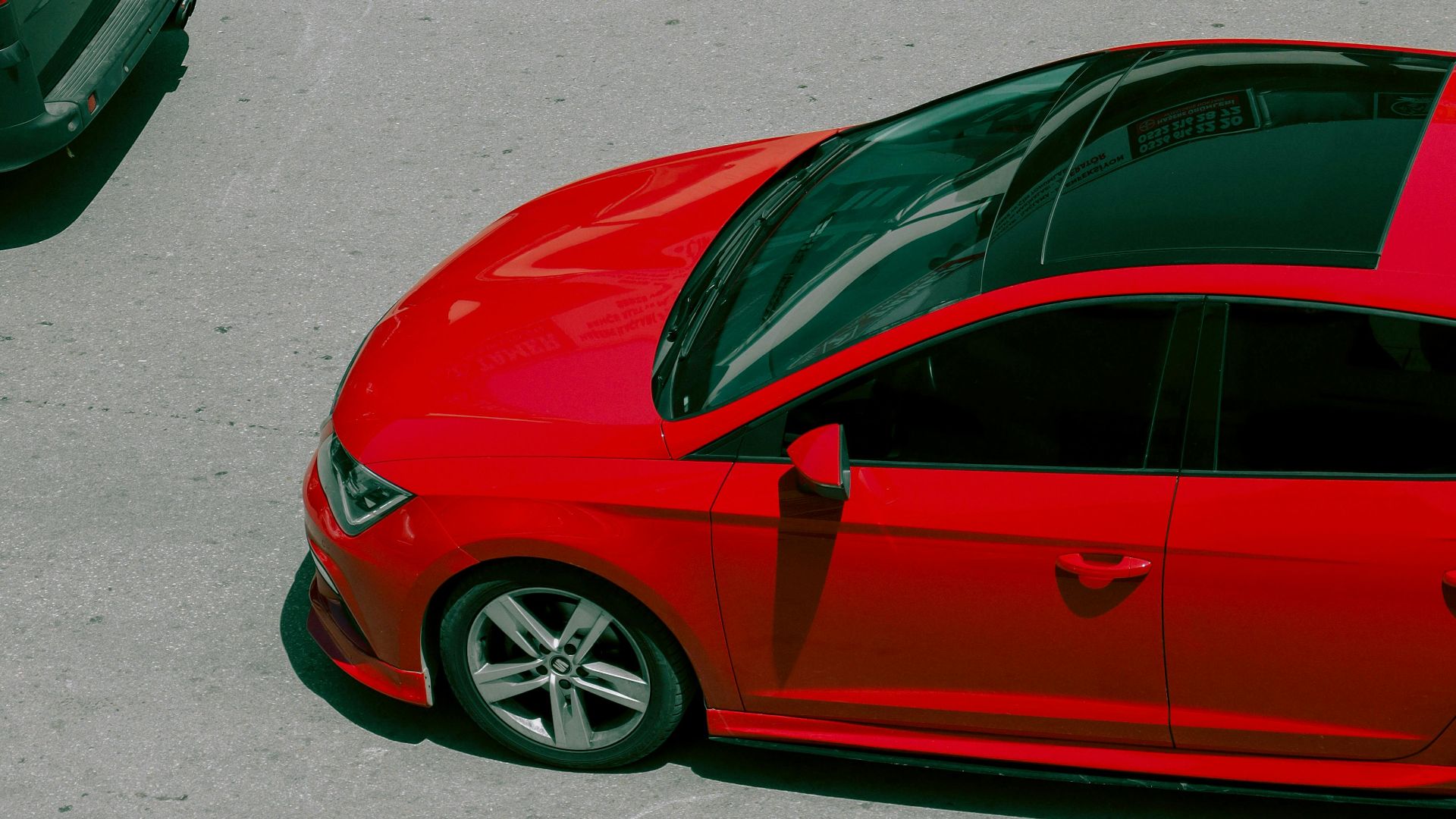
Large panoramic sunroofs are a big selling point for a lot of vehicles, but they often stay closed. In hot or cold climates, drivers keep the shade drawn to keep the cabin temperature from changing. Concerns about maintenance, leaks, or long-term wear also limit how often people actually use them.
Driver-To-Passenger Intercom Systems
Some larger vehicles include systems that amplify the driver’s voice for rear passengers. While this is a clever idea in theory, most families are content to talk normally, and shout to each other if necessary. Studies show that a majority of owners never bother with these systems, finding them unnecessary in everyday situations.

Auto Start-Stop Systems
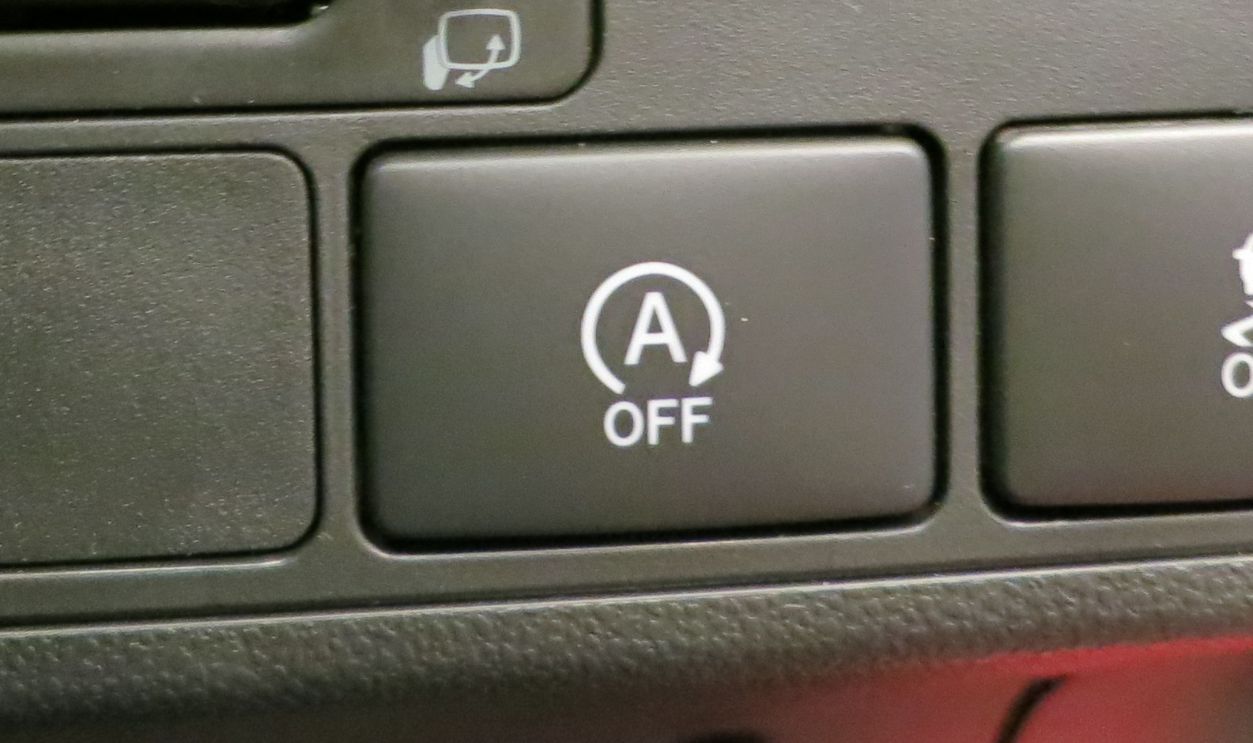
Automatic start-stop systems shut off the engine at stops to save fuel. While this is effective on paper, many drivers find the feature annoying due to the delays or rough restarts. As a result, people often disable it every time they start the car, which makes this particular feature one of the most ignored on the automotive market.
 Bindydad123, Wikimedia Commons
Built-In Navigation Systems
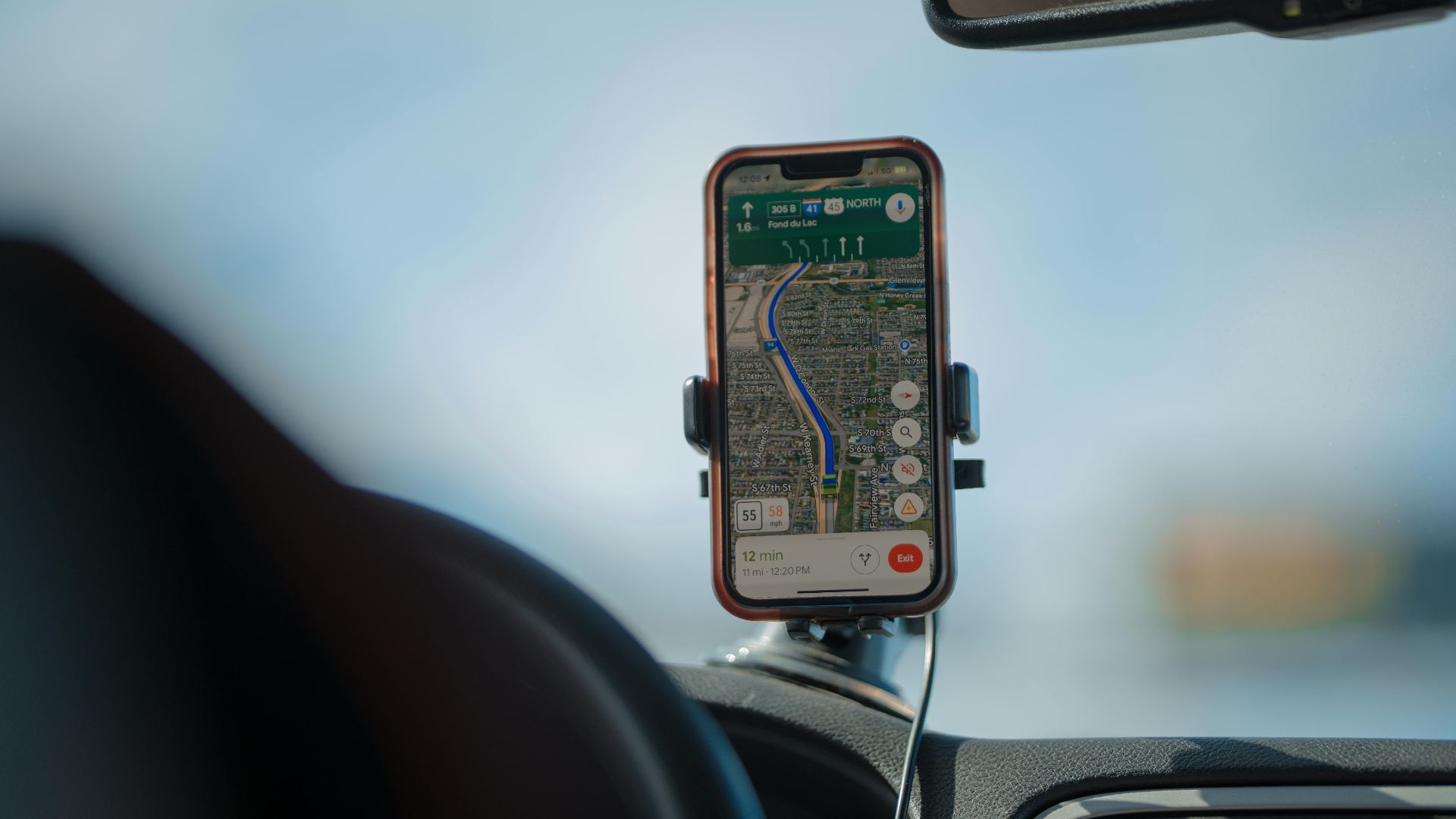
Factory-installed navigation systems used to be an essential feature that a lot of people started to rely on, but smartphones have largely replaced them. Apps offer real-time traffic updates, better interfaces, and constant updates. Many drivers never bother taking the time to learn their car’s built-in system and end up sticking to their phones instead.
Custom Drive Modes
Modern cars often offer multiple driving modes like Sport, Eco, and Comfort. While these can be useful in specific situations, a lot of drivers like to set one preferred mode and rarely change it. The extra customization ends up being more complexity than most people are looking for in their daily driving.
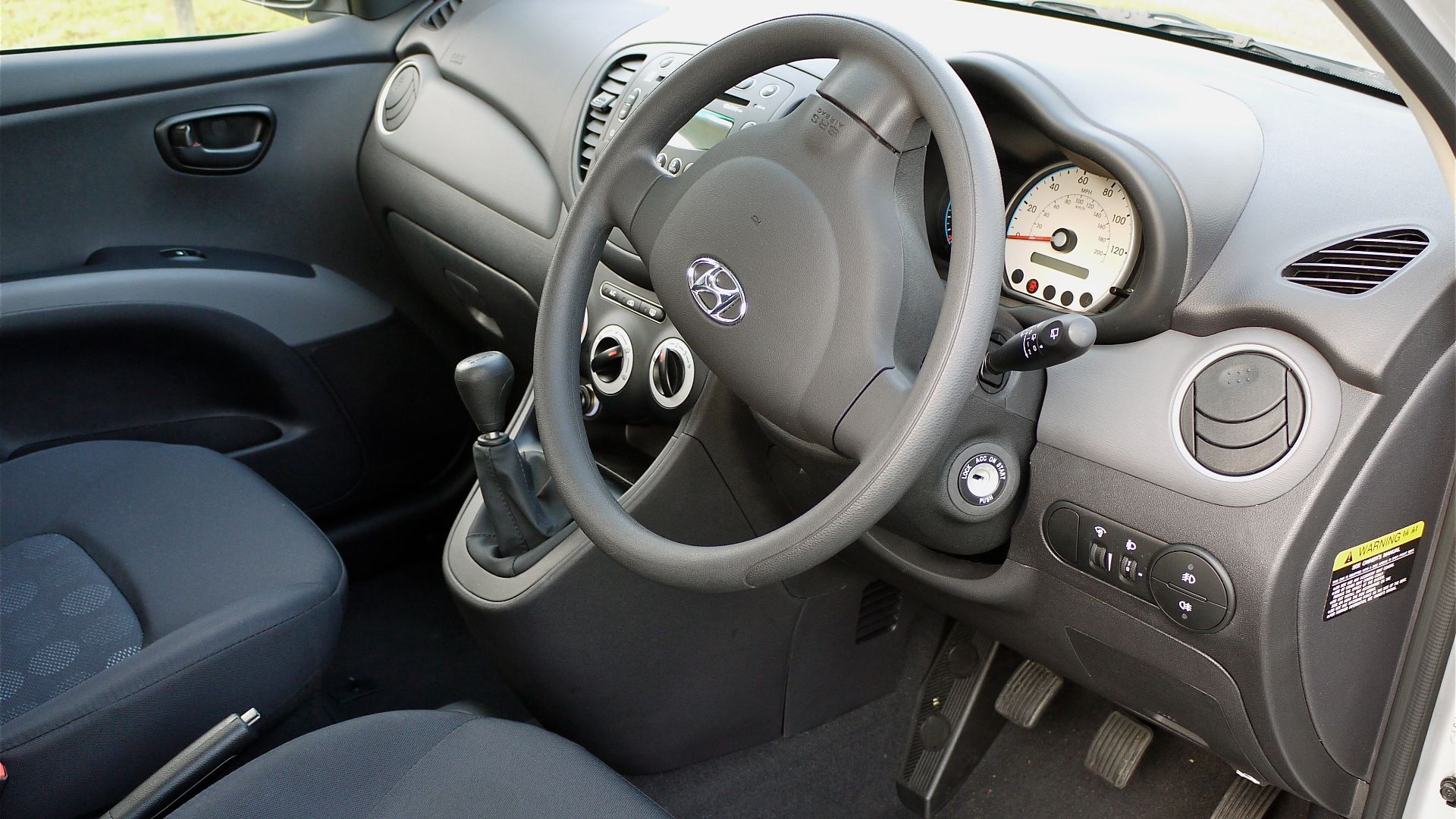 Mick from Northamptonshire, England, Wikimedia Commons
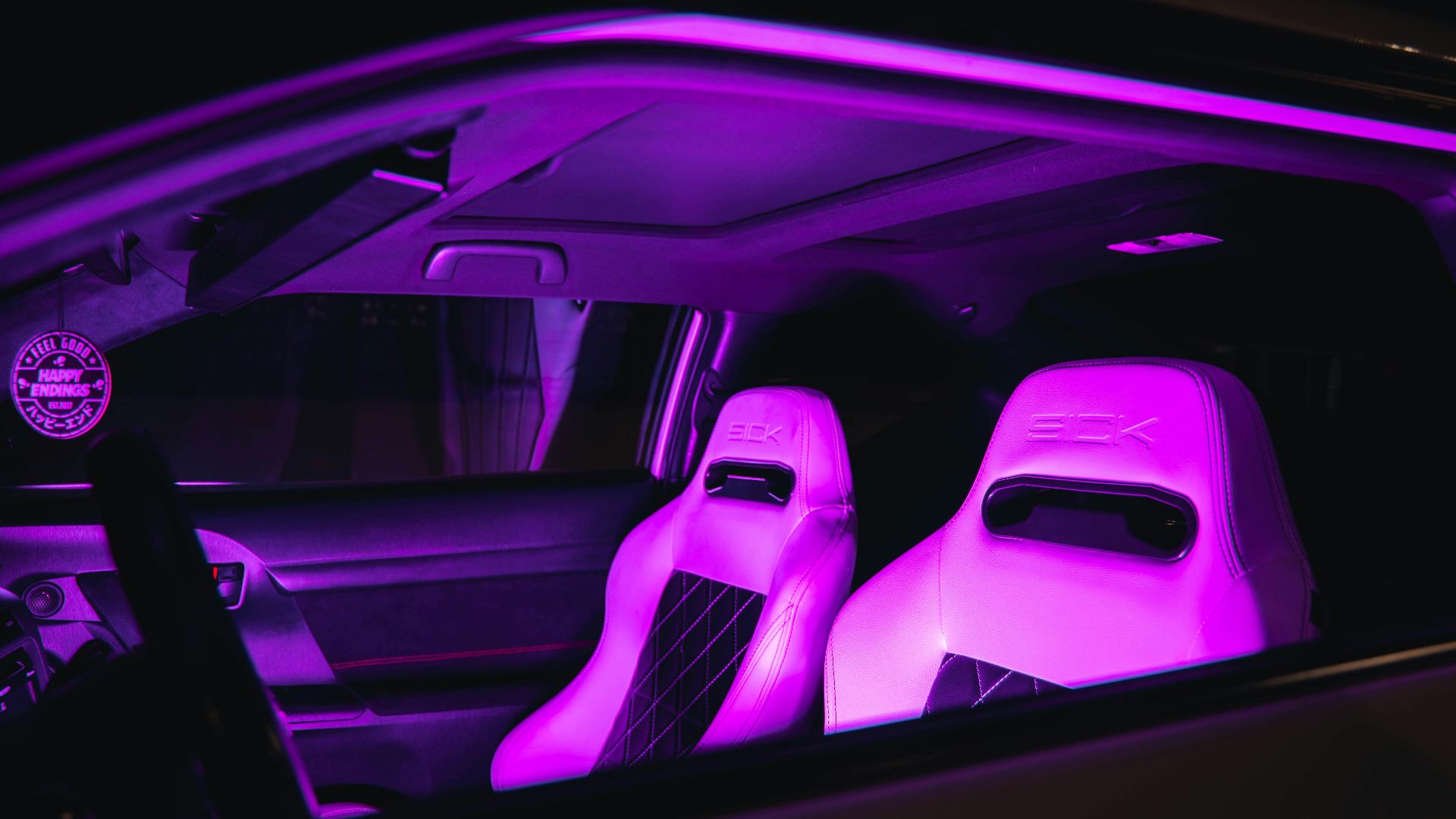
Ambient Lighting Customization
Color-changing interior lighting can create a unique atmosphere, but it is rarely adjusted after the initial novelty wears off. As with the custom drive modes, most drivers pick a color once and forget about it, making this feature more cosmetic than practical in the long run.
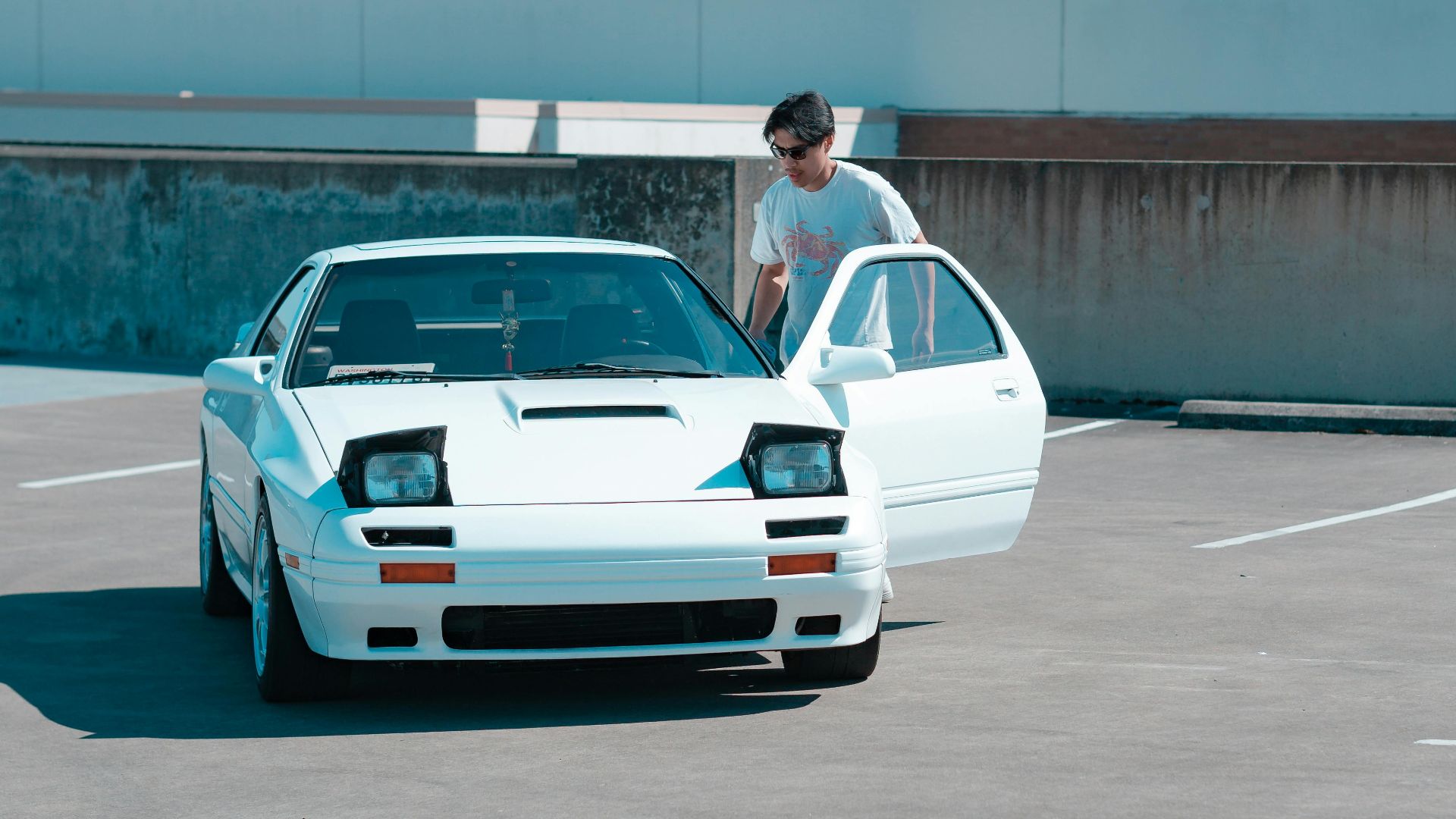
Hands-Free Power Tailgates
Hands-free tailgates that open with a foot gesture can be a big help if you’ve got your hands full with something heavy, but they’re not always reliable. Sensors may misread movements or fail to activate, leading drivers to just stop and open the trunk manually instead. Over time, many people stop using the feature altogether.

Auto High-Beam Systems
Automatic high beams are designed to switch between high and low beams based on traffic conditions. While this is useful, many drivers either don’t trust the system or they forget it exists. Some, if not most people prefer manual control, especially in areas with inconsistent lighting or traffic patterns.

Remote Climate Control Features
Remote start and climate pre-conditioning can be a great convenience, but not everyone uses them regularly. Some drivers forget the feature even exists, while others find it unnecessary unless they’re dealing with the extreme weather conditions that you might find in North Dakota in mid-January
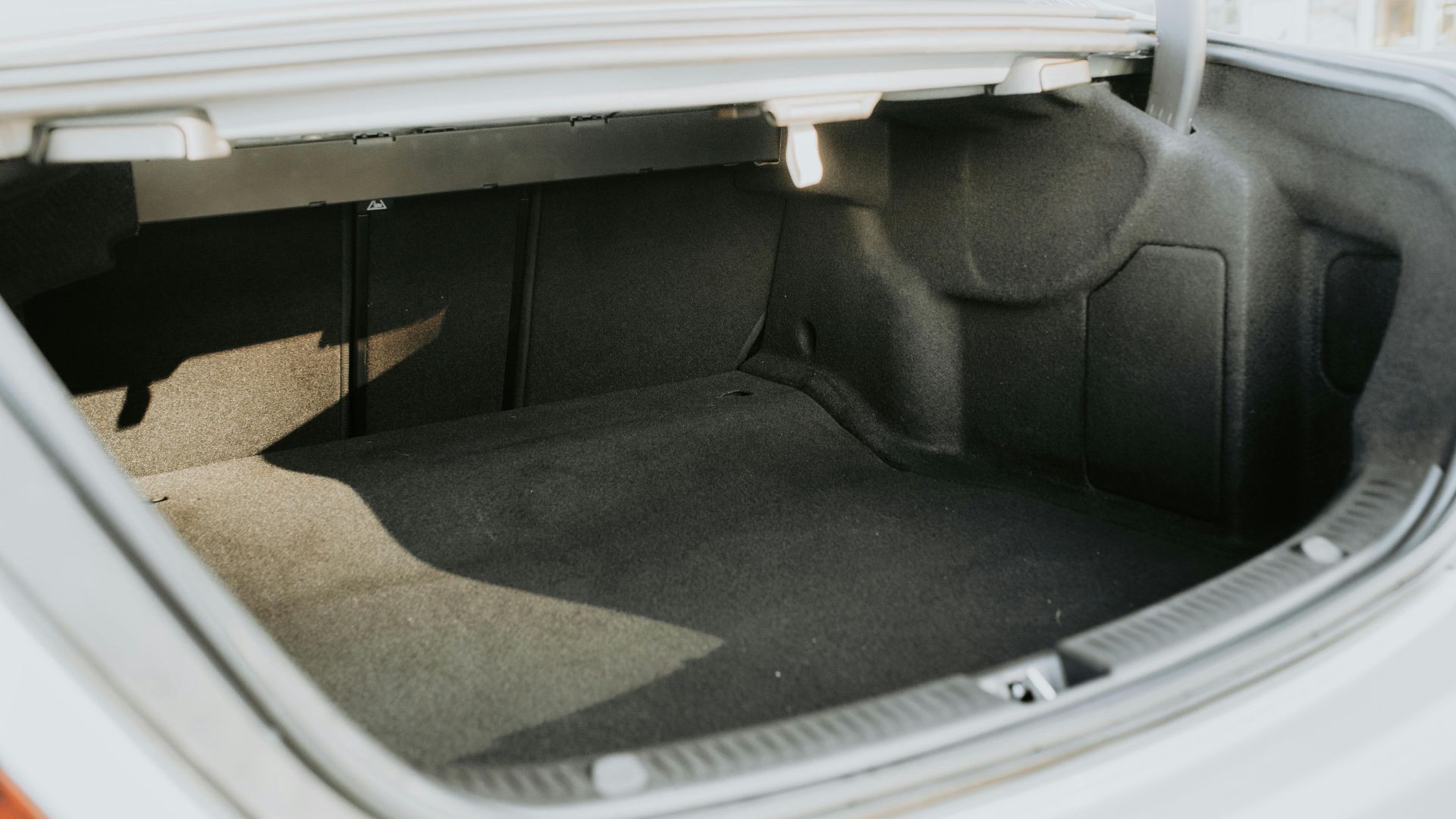
Hidden Storage Compartments
Many of today’s cars often include clever hidden storage spaces, but many drivers never get around to discovering them. Without reading the owner’s manual or exploring the vehicle thoroughly, these compartments can stay completely unused despite being practical additions.
Advanced Infotainment Menus
Modern infotainment (information and entertainment) systems offer deep customization, from lighting preferences to locking behavior. However, many drivers never explore these menus fully. Let’s face it, people are busy and just want to put on some music and drive without having to master a complicated digital entertainment system. This means that a lot of these sophisticated features remain untouched long after purchase.
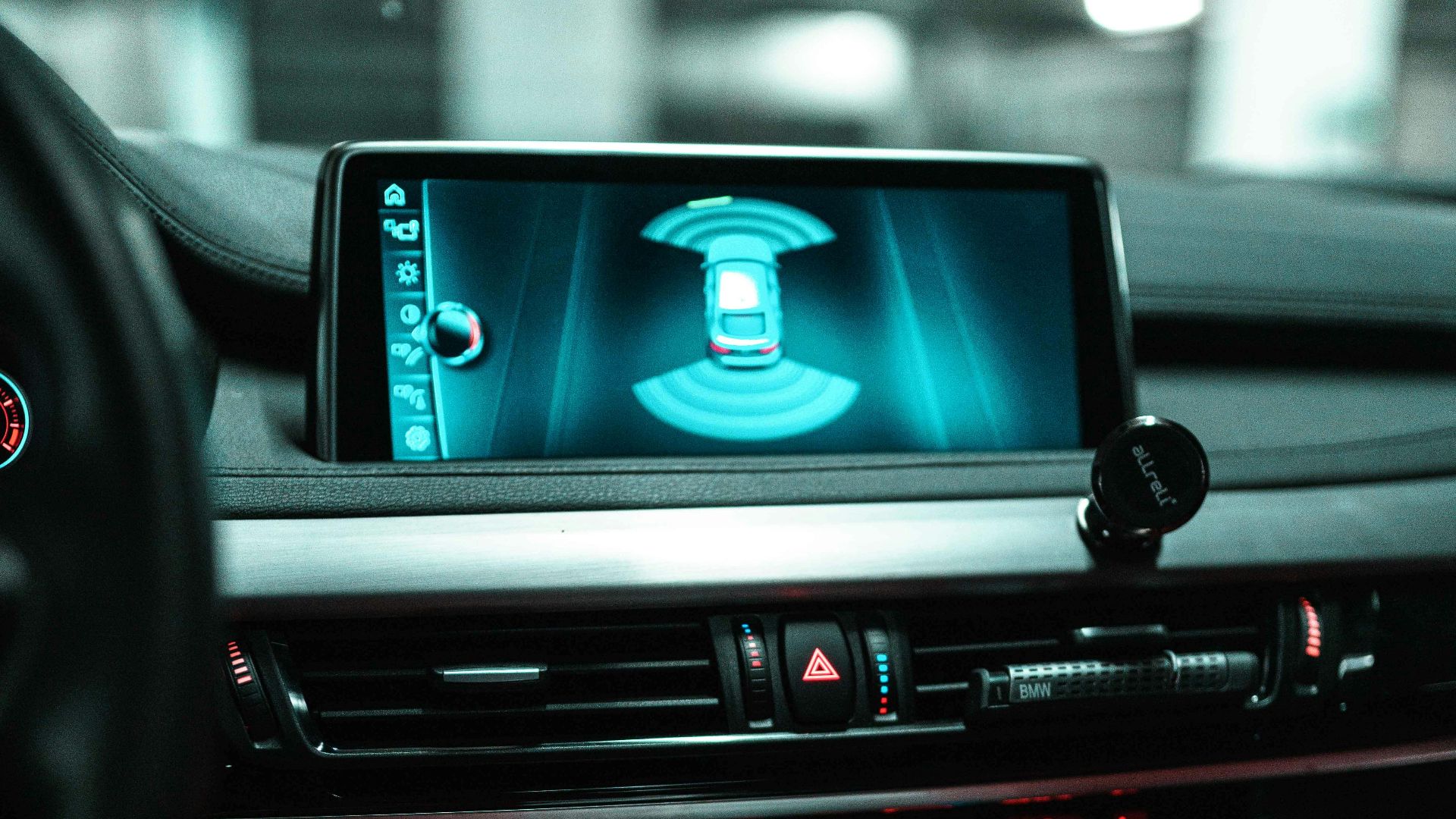
Auto-Tilt Side Mirrors
Some vehicles tilt side mirrors downward when reversing to help with parking. While this is useful, a lot of drivers are unaware of the feature or if they are aware, they never enable it. Without proper setup, the feature simply goes unused.

Why These Features Go Unused
The main reasons these features go unused are simple, and we see them over and over again: they are unnecessary, difficult to use, or overshadowed by better alternatives like smartphones. Drivers tend to stick with what works quickly and reliably, ignoring features that require extra time and effort to understand while offering minimal benefit.

Bottom Line On Modern Car Tech
Automakers keep adding more and more features every year to stand out in a competitive market, but more technology doesn’t always mean a better user experience. Many drivers end up paying for features they rarely use. In the end, the most valuable car features are still the simplest ones that make everyday driving easier and safer.

You May Also Like:




_(cropped).jpg)