Brake Fluid Debate
Your mechanic recommends replacing your brake fluid every two years, but your brakes feel perfectly fine. It is natural to wonder whether this is genuinely important or simply another maintenance upsell. The answer depends on your vehicle, driving habits, and manufacturer recommendations, but brake fluid deserves more attention than many drivers realize.
Why Brake Fluid Matters
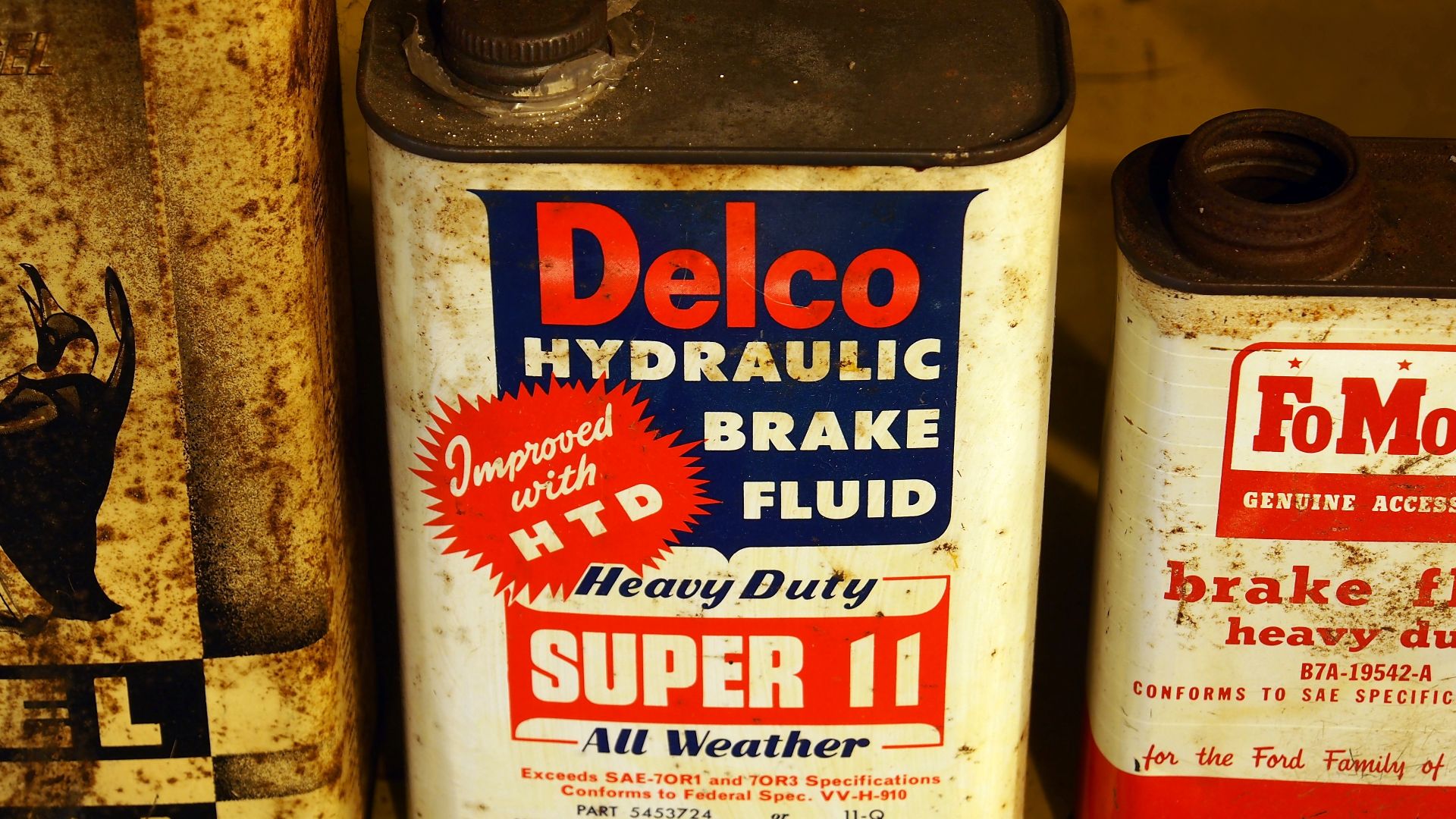
Brake fluid transfers the force from your foot on the brake pedal to the brakes at each wheel. Because liquids resist compression, hydraulic pressure allows your vehicle to stop quickly and predictably. Without healthy brake fluid, even perfectly good brake pads cannot perform at their best.
 Alf van Beem, Wikimedia Commons
A Sealed System
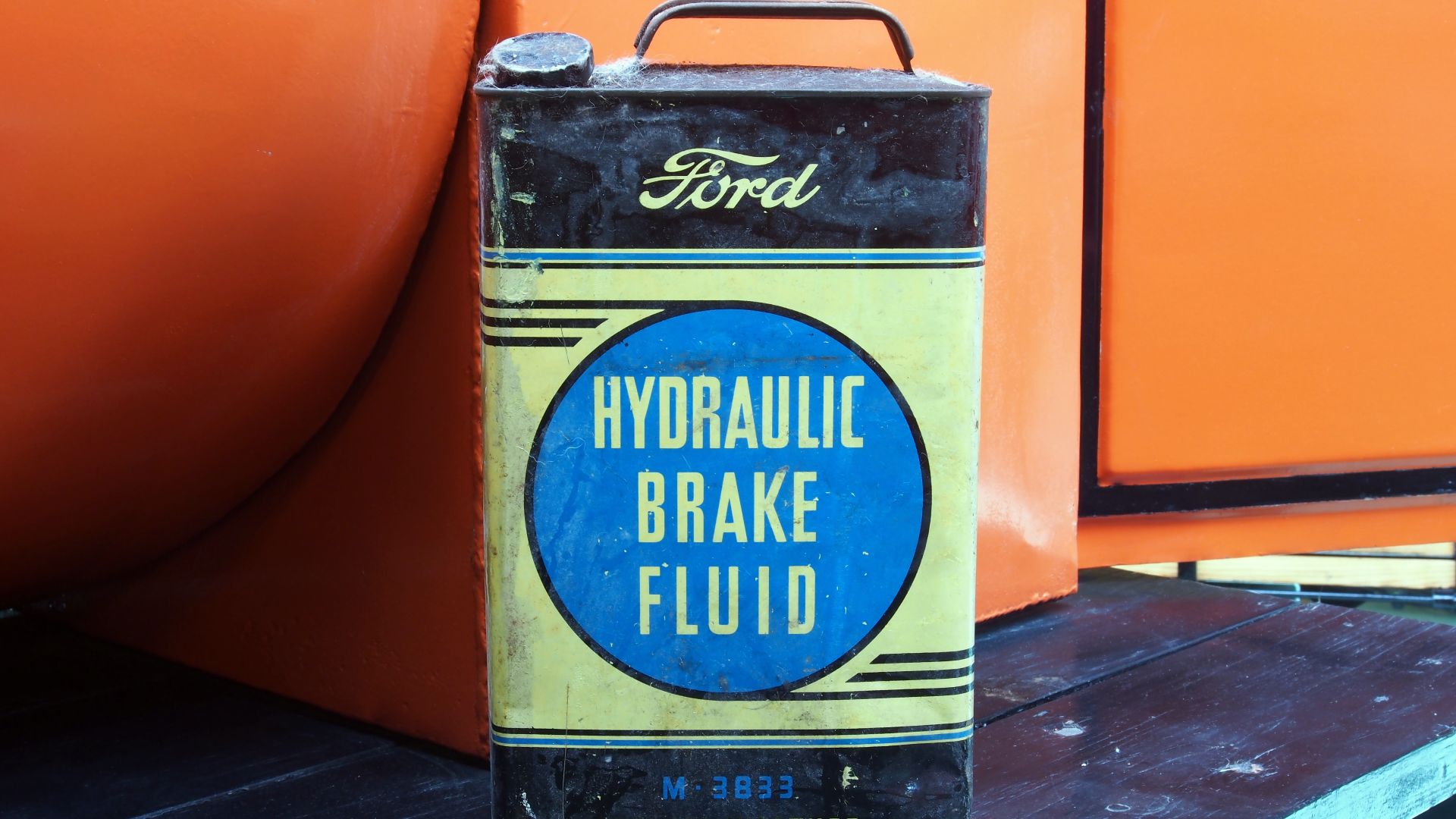
Modern brake systems are largely sealed to keep contaminants out. Even so, tiny amounts of moisture gradually enter through hoses, seals, and the brake fluid reservoir vent. This slow process happens over months and years, even if you rarely drive the vehicle.
 Alf van Beem, Wikimedia Commons
Moisture Is The Enemy
Most vehicles use glycol based brake fluid, which naturally absorbs moisture from the surrounding air. This property helps prevent water from pooling inside the system, but it also means the fluid slowly becomes contaminated and less effective as time passes.
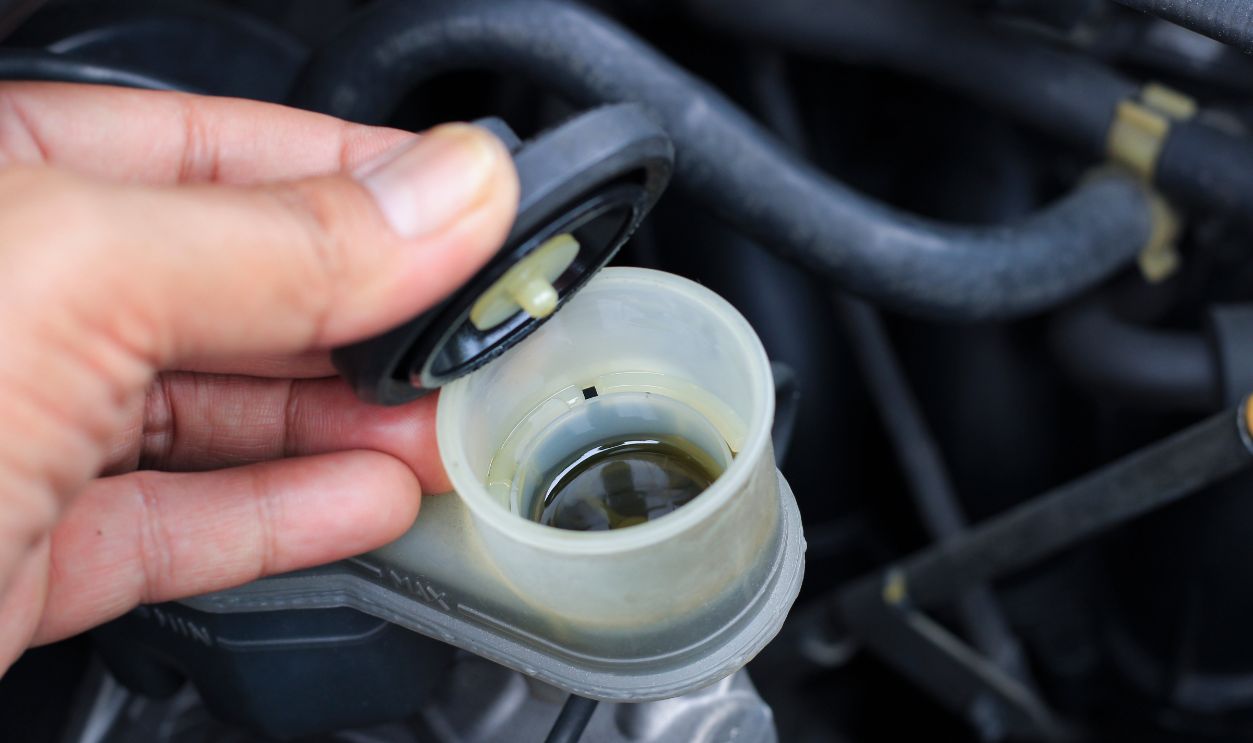 ANECEPTIUS BAMBANG SUTOPO, Shutterstock
Lower Boiling Point
Fresh brake fluid can withstand very high temperatures generated during heavy braking. As moisture accumulates, the fluid's boiling point drops. Under demanding conditions, such as mountain driving or repeated hard stops, contaminated fluid can form vapor bubbles that reduce braking performance.
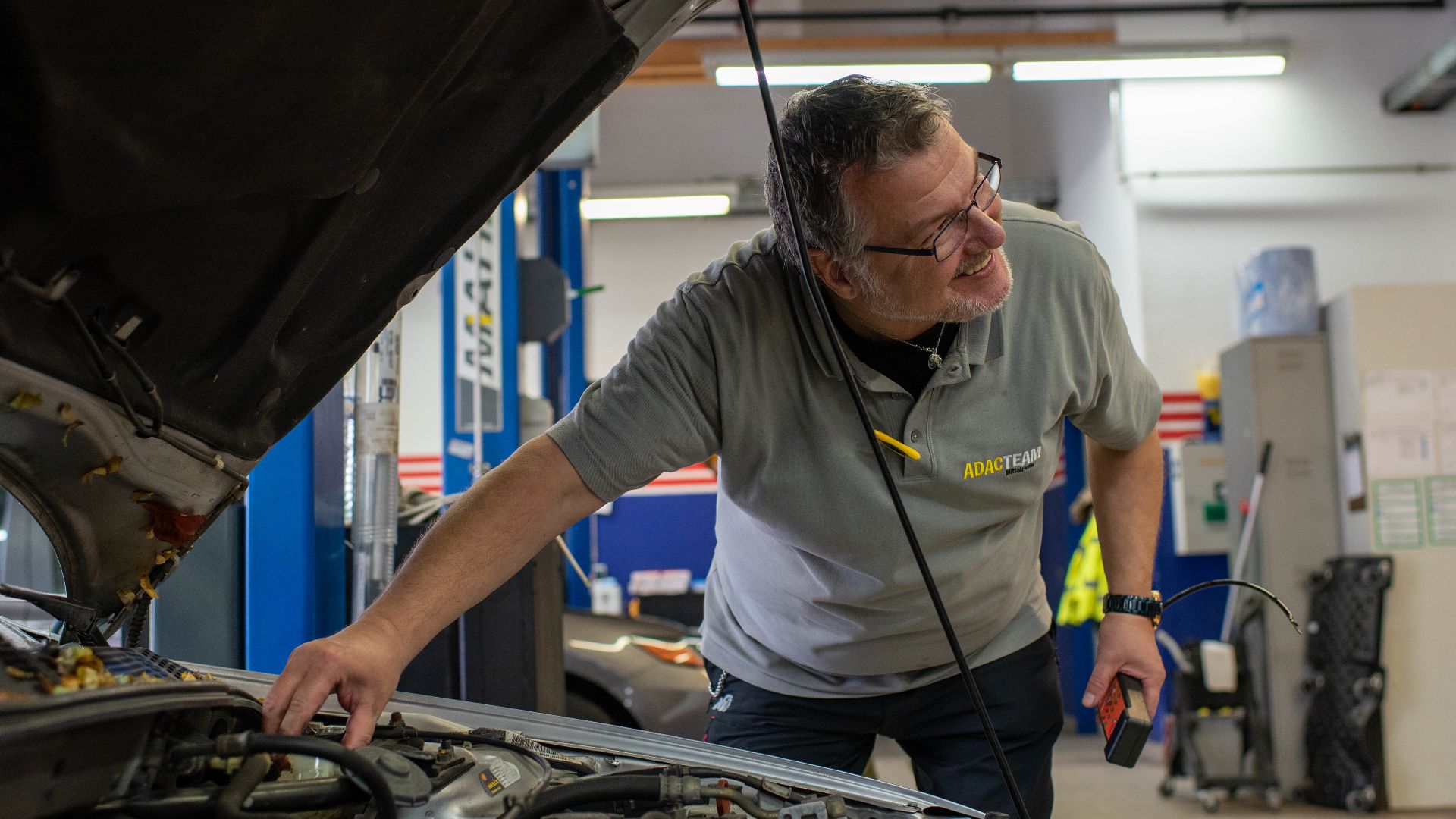 U.S. Air Force photo by Airman 1st Class Imani West, Wikimedia Commons
Air Causes Problems
Unlike brake fluid, air compresses easily. If air enters the hydraulic lines during repairs or because of a leak, the brake pedal may feel soft or spongy. Proper bleeding removes trapped air so hydraulic pressure remains firm and consistent.

Corrosion Risks
Moisture inside the brake system can also promote internal corrosion. Rust may damage expensive components such as the master cylinder, ABS hydraulic control unit, brake calipers, and steel brake lines. Preventive maintenance is usually far less expensive than replacing those parts.
Time Vs Mileage
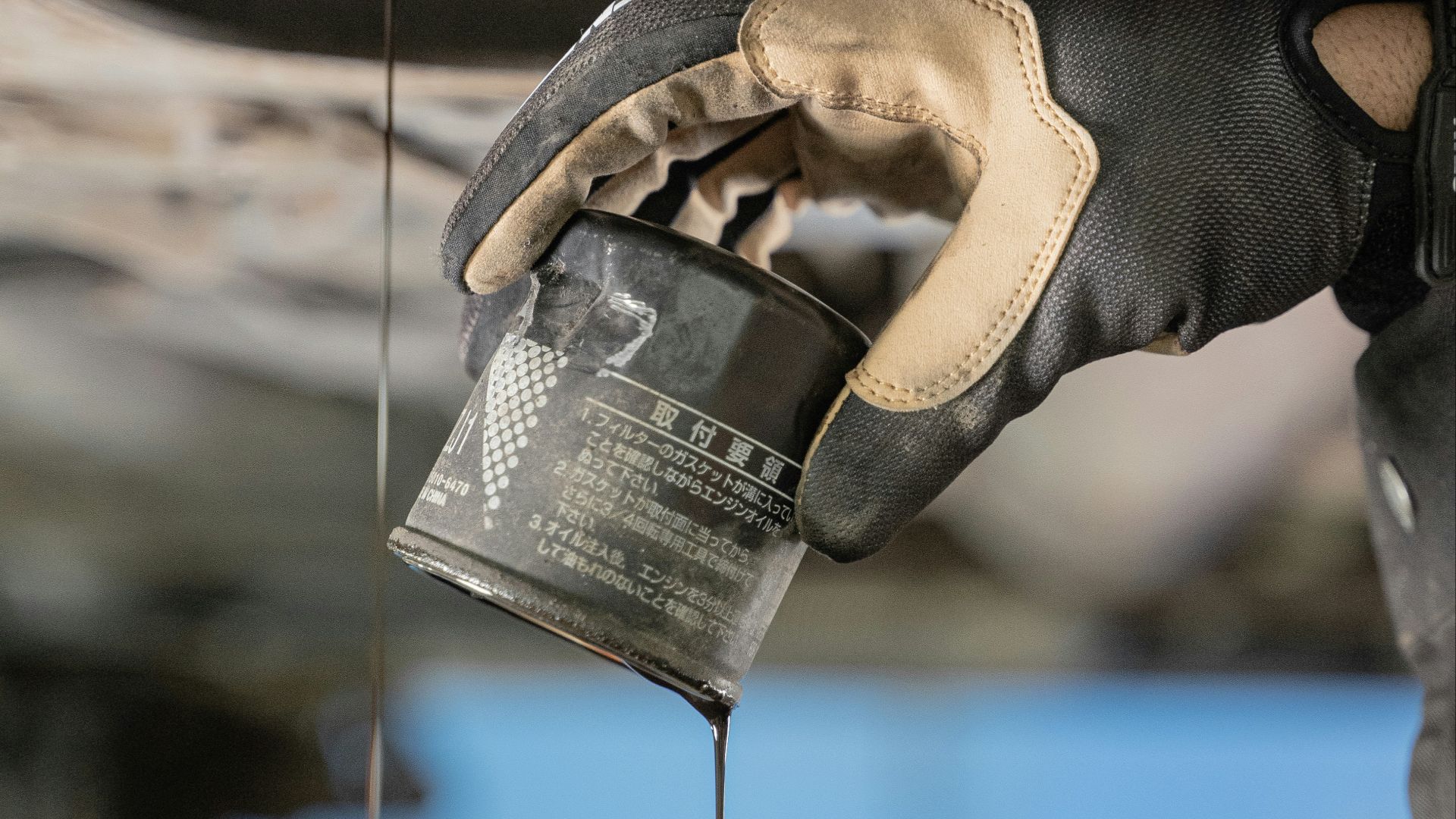
Brake fluid ages because of both time and use. A car driven only a few thousand miles each year still experiences moisture absorption. That is why many maintenance schedules include both mileage limits and calendar based intervals rather than mileage alone.
Follow Your Manual
Your owner's manual should always be your primary guide. Some manufacturers recommend replacing brake fluid every two years, others every three years, while some specify inspections instead of fixed replacement intervals. Your vehicle's requirements matter more than generic advice.
Driving Conditions Count
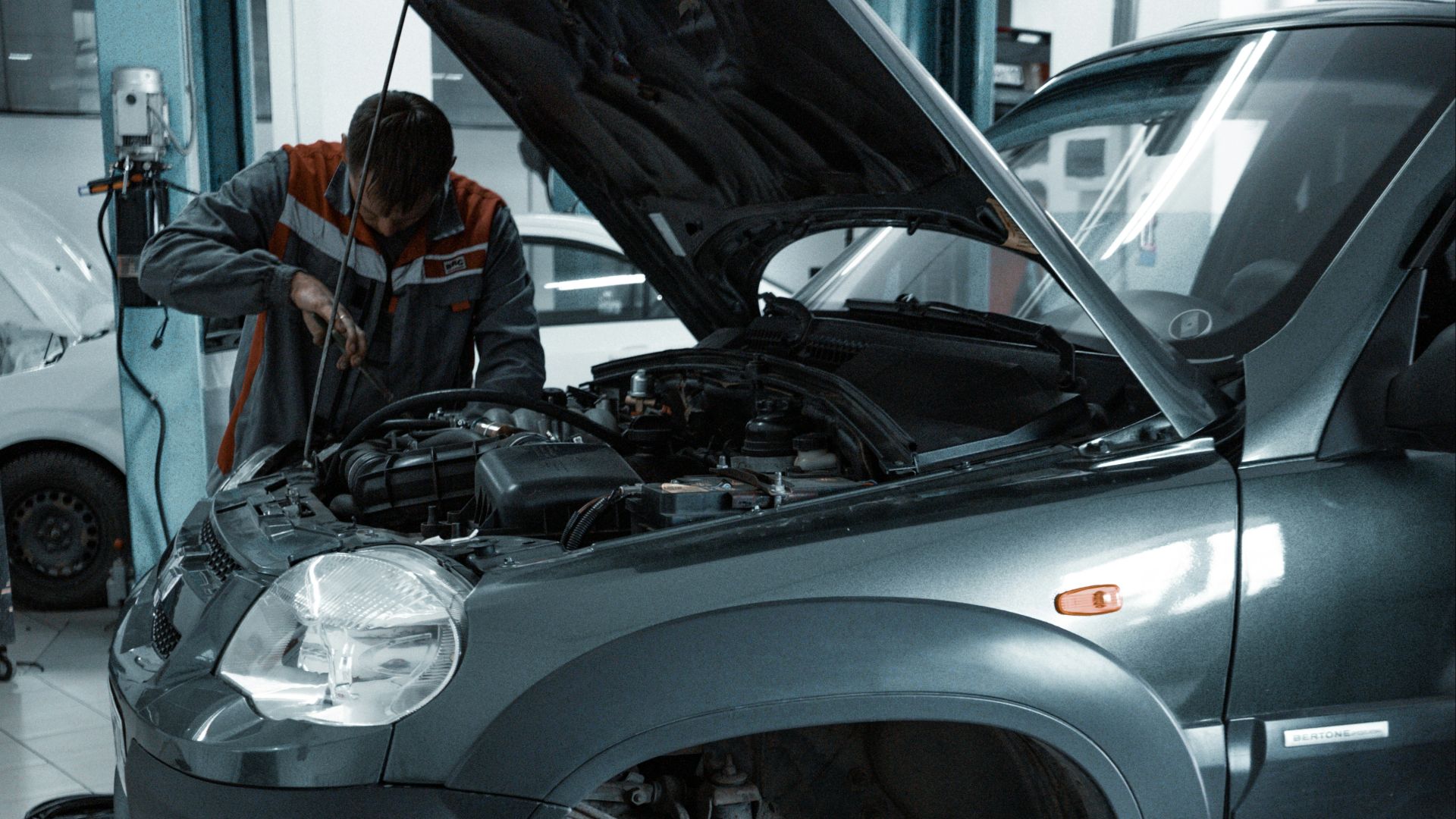
Drivers who regularly tow trailers, descend long mountain grades, participate in track events, or operate in humid climates may benefit from more frequent brake fluid service. Those conditions generate additional heat and can accelerate fluid degradation over time.

Everyday Commuters
For drivers who mainly commute on flat roads and accumulate moderate annual mileage, the manufacturer's recommended interval is usually appropriate. There is rarely a need to replace brake fluid more often unless testing shows excessive moisture or contamination.

Brake Fluid Testing
Many repair shops use electronic moisture testers or chemical test strips to evaluate brake fluid condition. These tests provide additional information about whether replacement is appropriate, although they should complement, not replace, the manufacturer's maintenance schedule.
Watch The Color
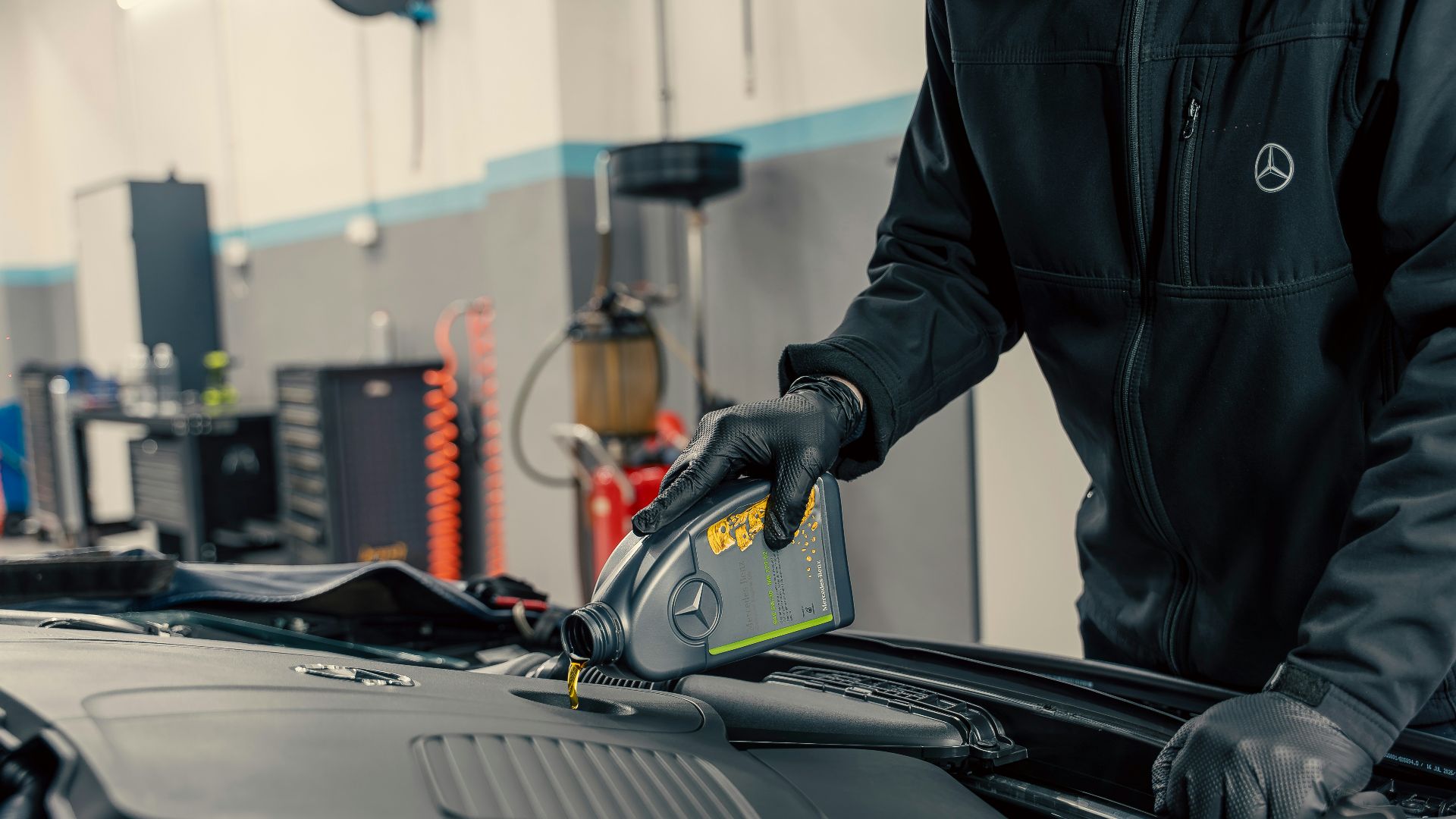
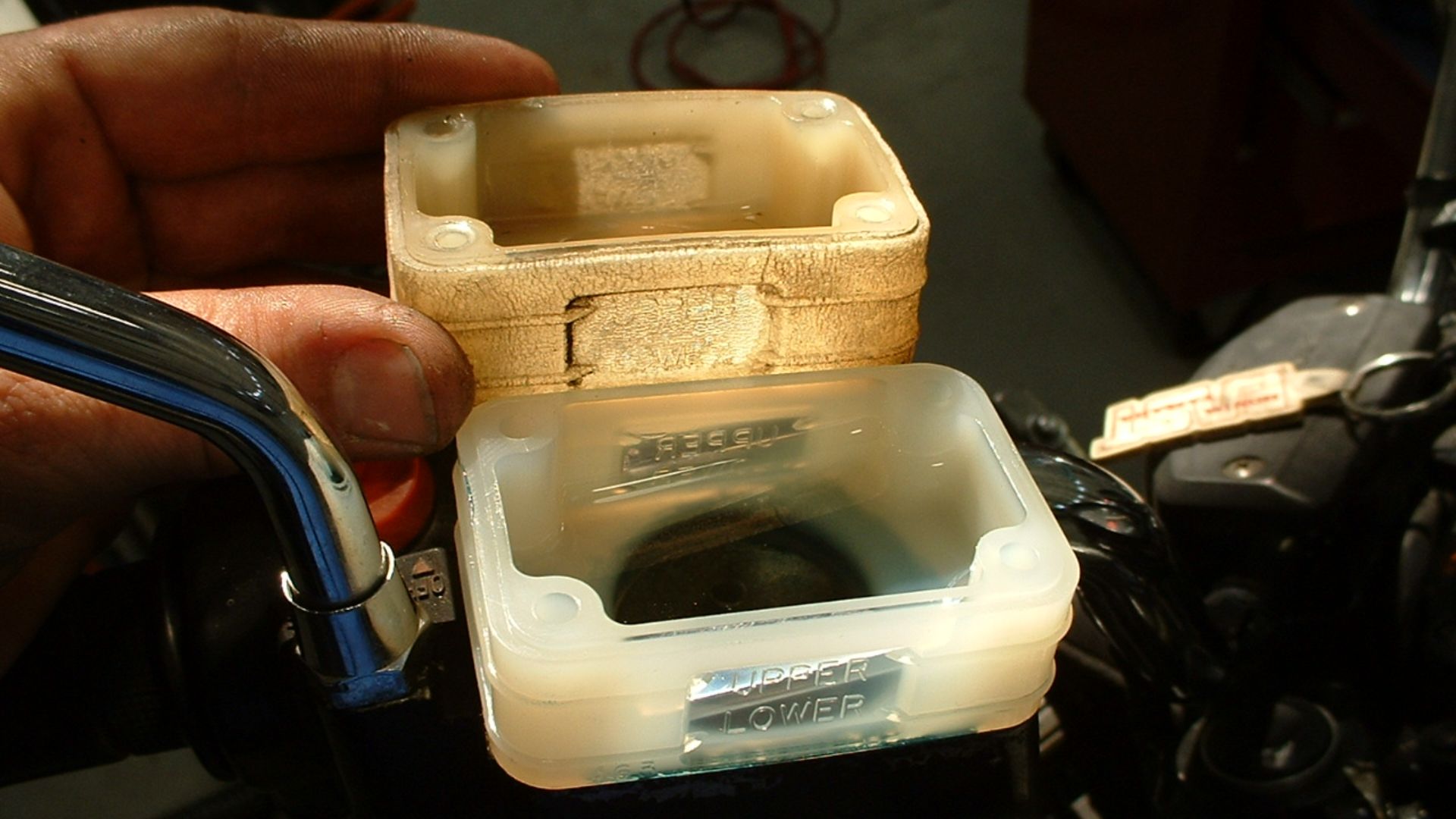
Dark brake fluid often indicates contamination or aging, but color alone does not always reveal the fluid's true condition. Some fluids naturally darken over time. Moisture testing and following scheduled maintenance provide a more reliable basis for replacement decisions.
 Shiftgearbox, Wikimedia Commons
The Replacement Process
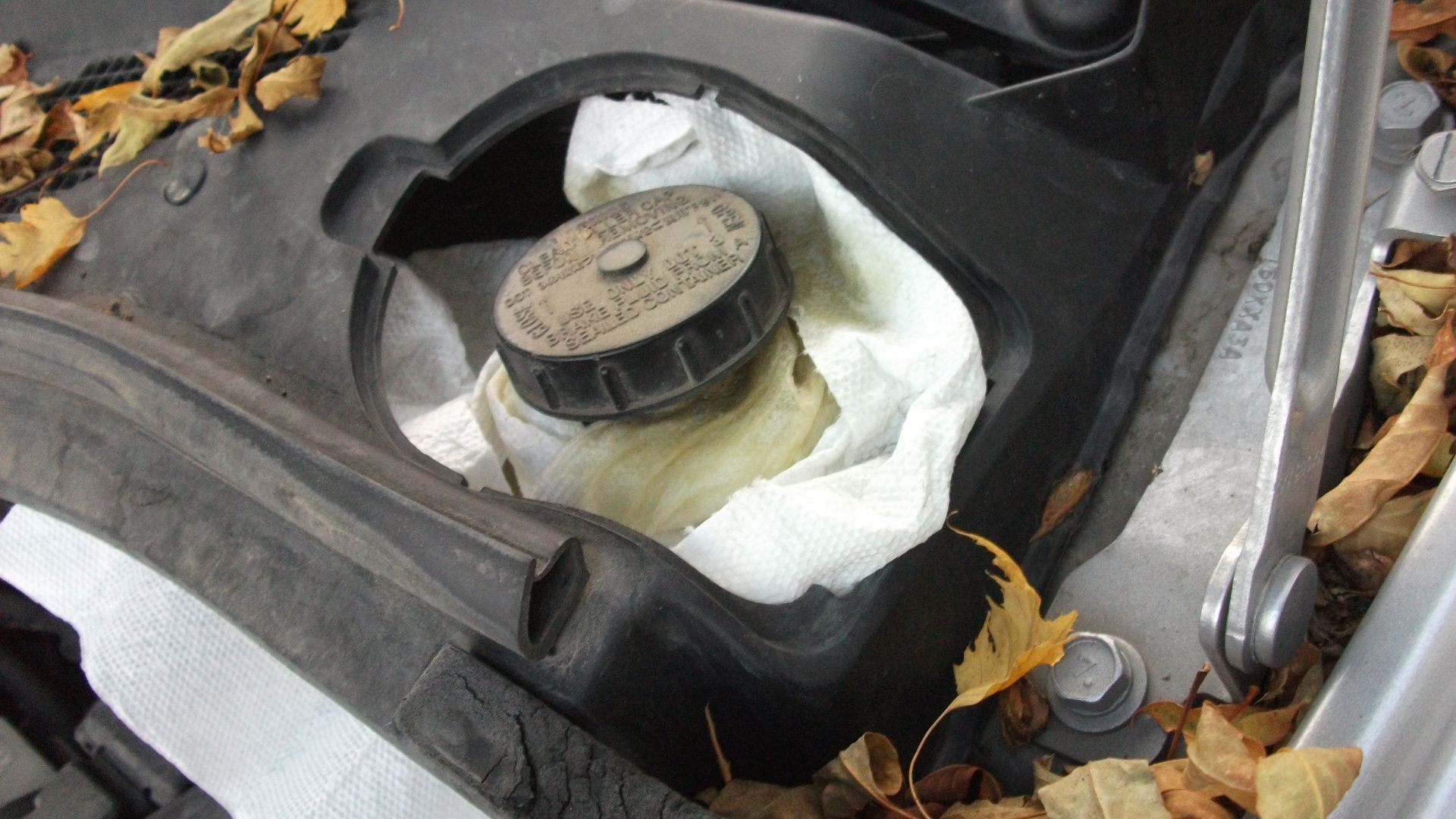
Replacing brake fluid generally involves draining old fluid from the hydraulic system while introducing fresh fluid into the master cylinder reservoir. Each brake line is bled until clean fluid emerges without air bubbles, ensuring the entire system contains fresh hydraulic fluid.
 dave_7 from Lethbridge, Canada, Wikimedia Commons
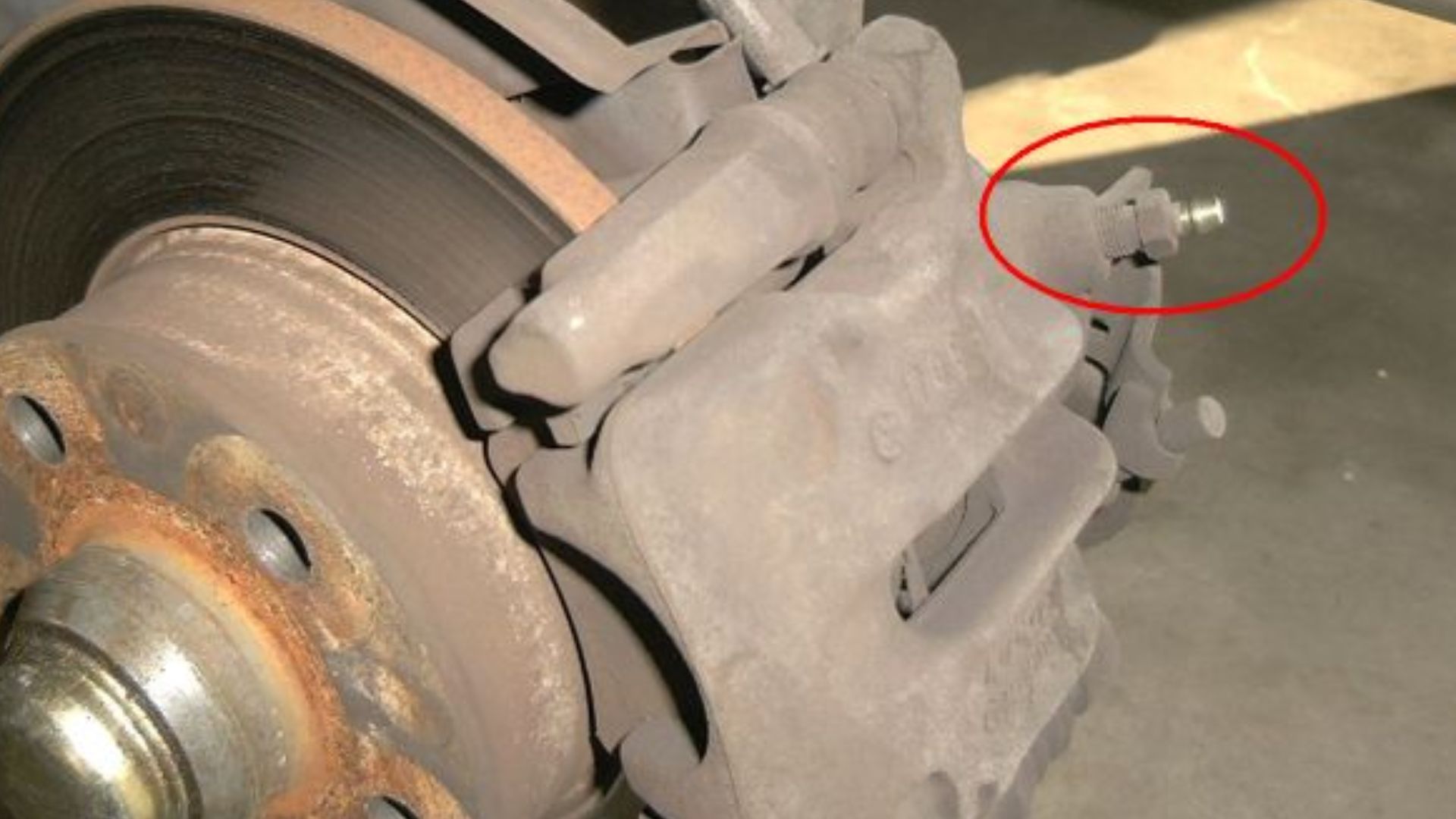
Proper Bleeding Matters
Bleeding brakes requires careful attention to sequence and technique. Introducing air into the system can create braking problems instead of solving them. Many newer vehicles also require specific procedures because of sophisticated anti-lock braking systems.
 Ibjoe at English Wikipedia, Wikimedia Commons
Use The Correct Fluid
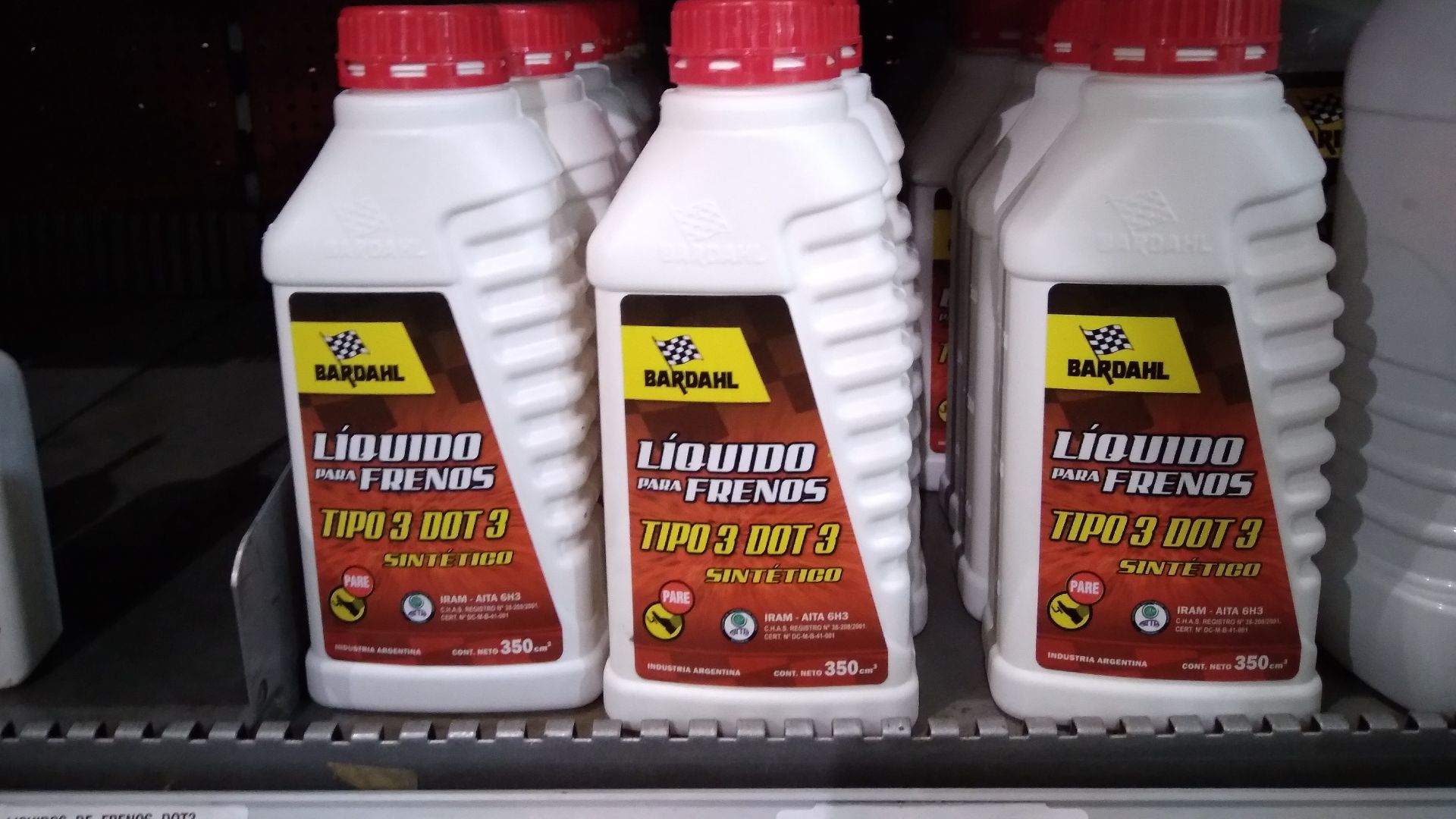
Never assume all brake fluids are interchangeable. Your owner's manual specifies the proper DOT rating, such as DOT 3, DOT 4, or DOT 5.1. Using the wrong fluid may damage seals or reduce braking performance, particularly on vehicles with ABS.
Avoid Mixing Types
Some brake fluids can safely mix, while others cannot. Silicone based DOT 5 fluid should generally never be mixed with conventional glycol based fluids. Using incompatible products can cause expensive brake system damage and create serious safety concerns.
Do Not Delay Repairs
If you notice a soft brake pedal, warning lights, fluid leaks, or declining braking performance, schedule an inspection immediately. Those symptoms may indicate problems that go far beyond routine fluid replacement and could affect your ability to stop safely.
 Quality Stock Arts, Shutterstock
Brake Pads Differ
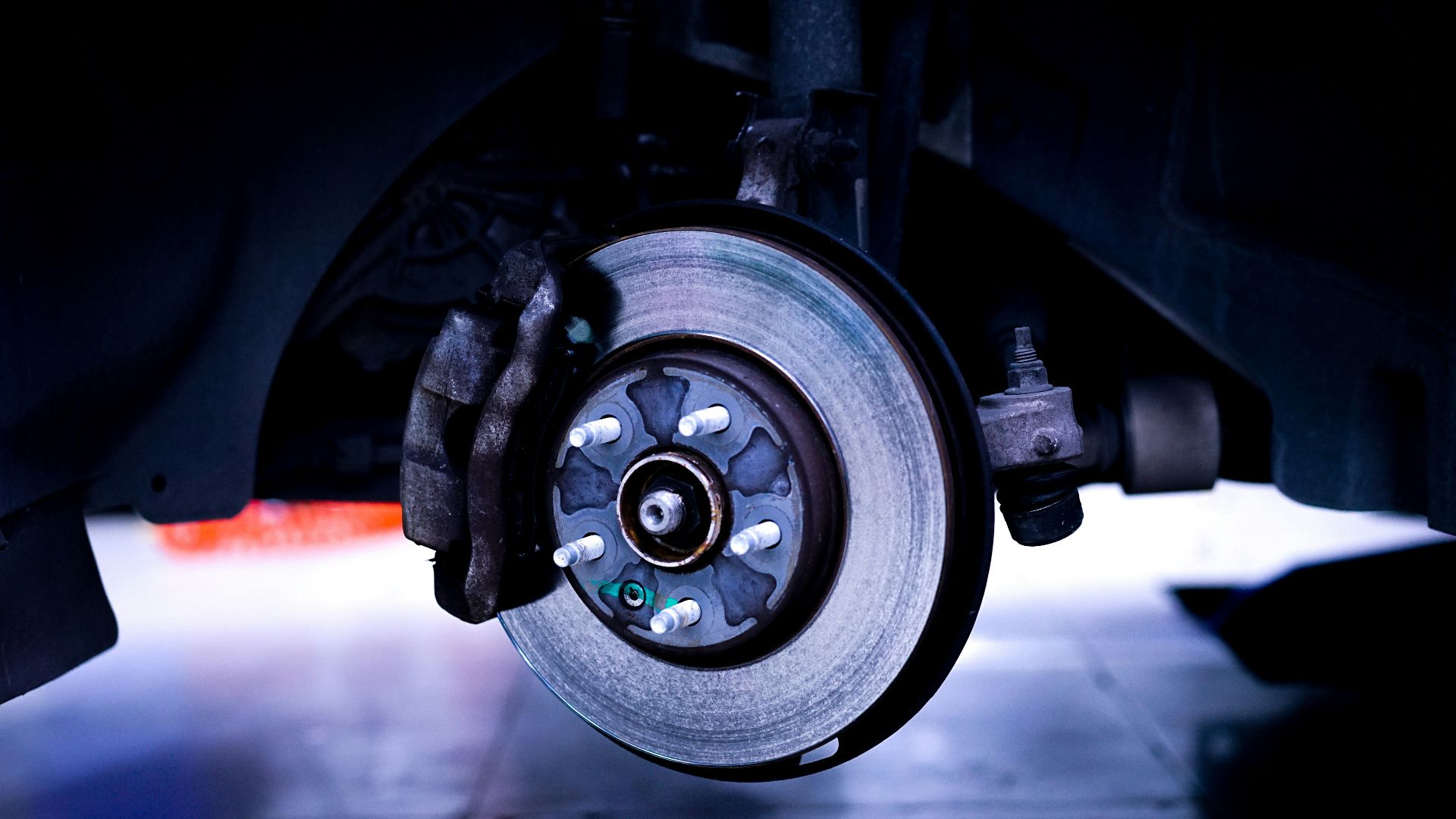
Brake fluid replacement is separate from replacing brake pads and rotors. Pads wear through friction, while brake fluid deteriorates chemically over time. Both maintenance items are important, but they follow different service schedules and solve different problems.
 Retired electrician, Wikimedia Commons
Cost Vs Consequences
A brake fluid exchange typically costs far less than replacing a corroded ABS module, seized brake calipers, or damaged brake lines. Preventive maintenance often represents a modest investment that may help avoid much larger repair bills later.
DIY Or Professional
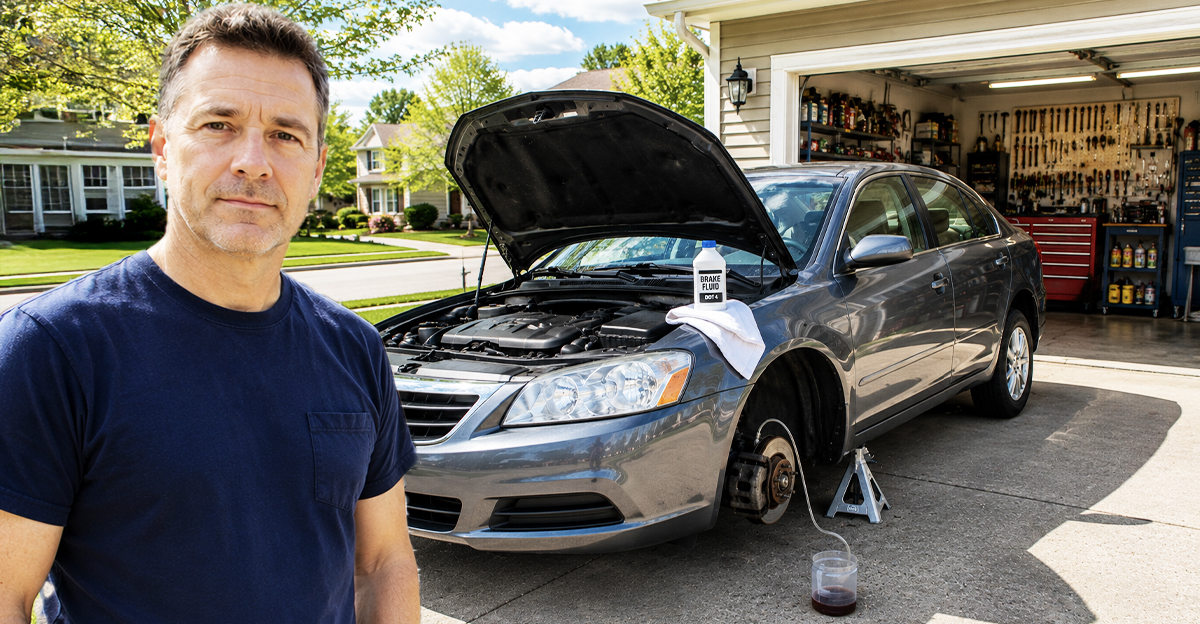
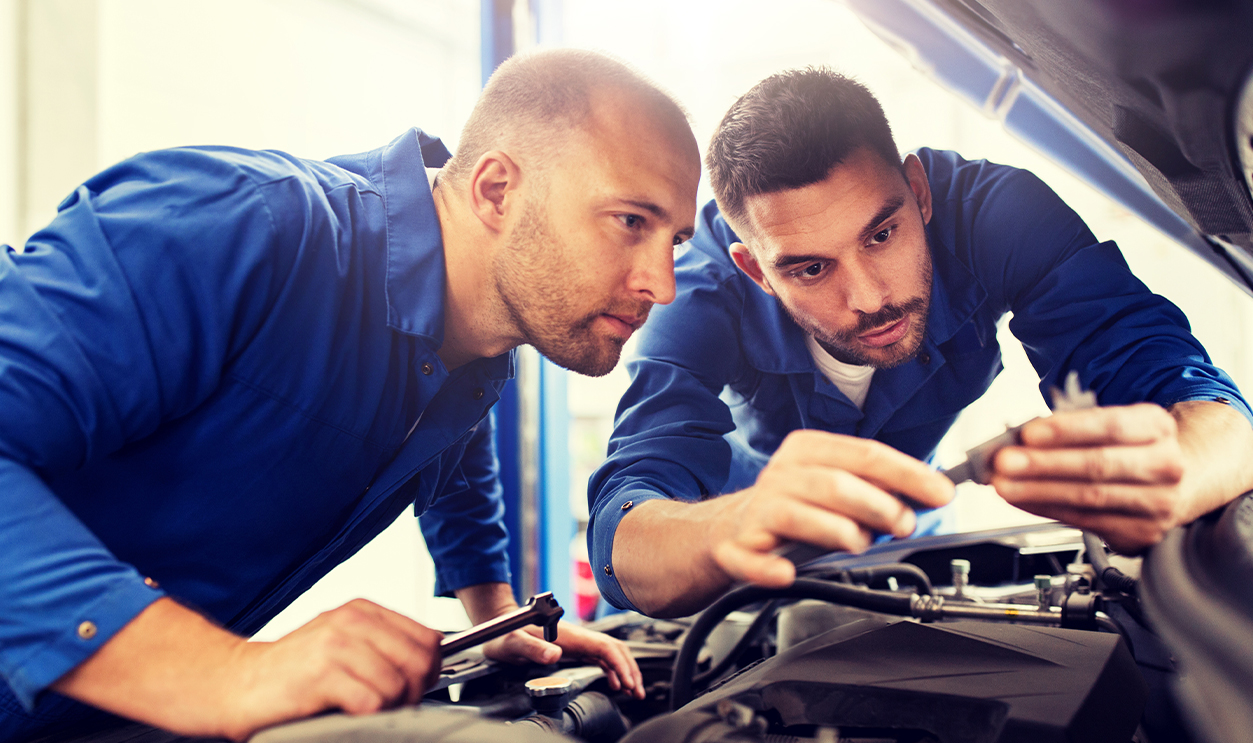
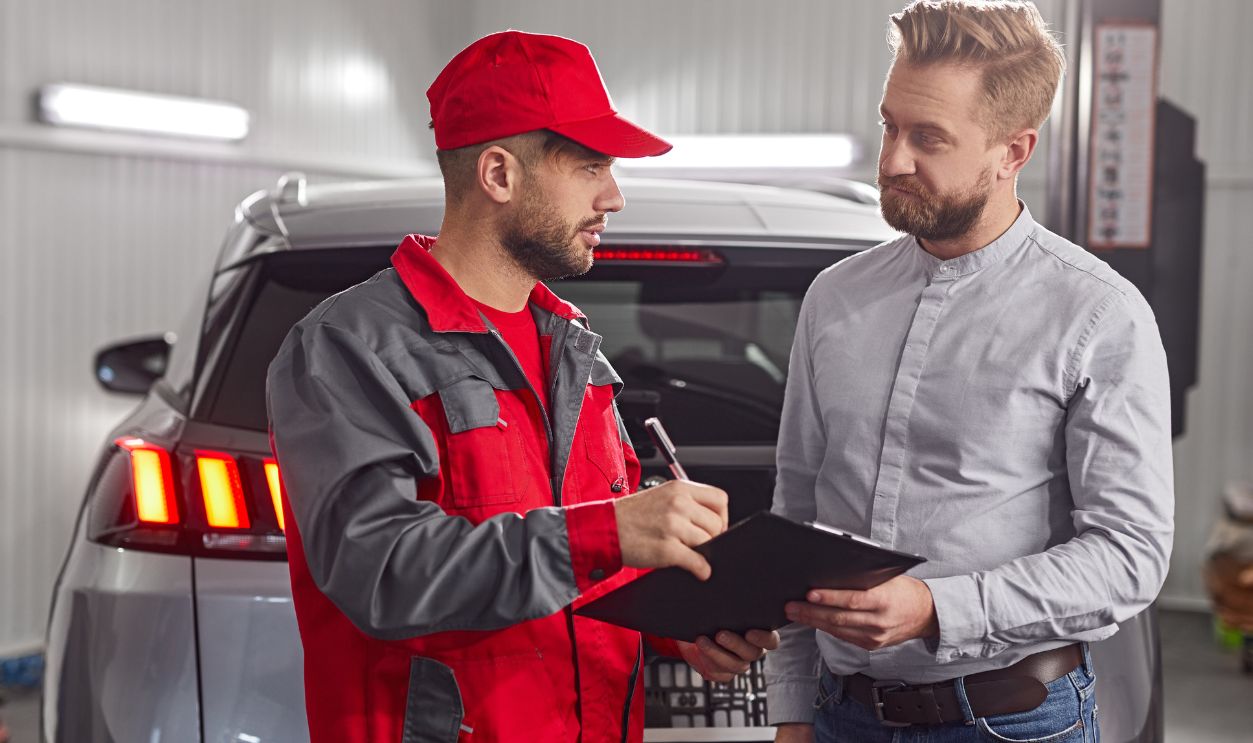
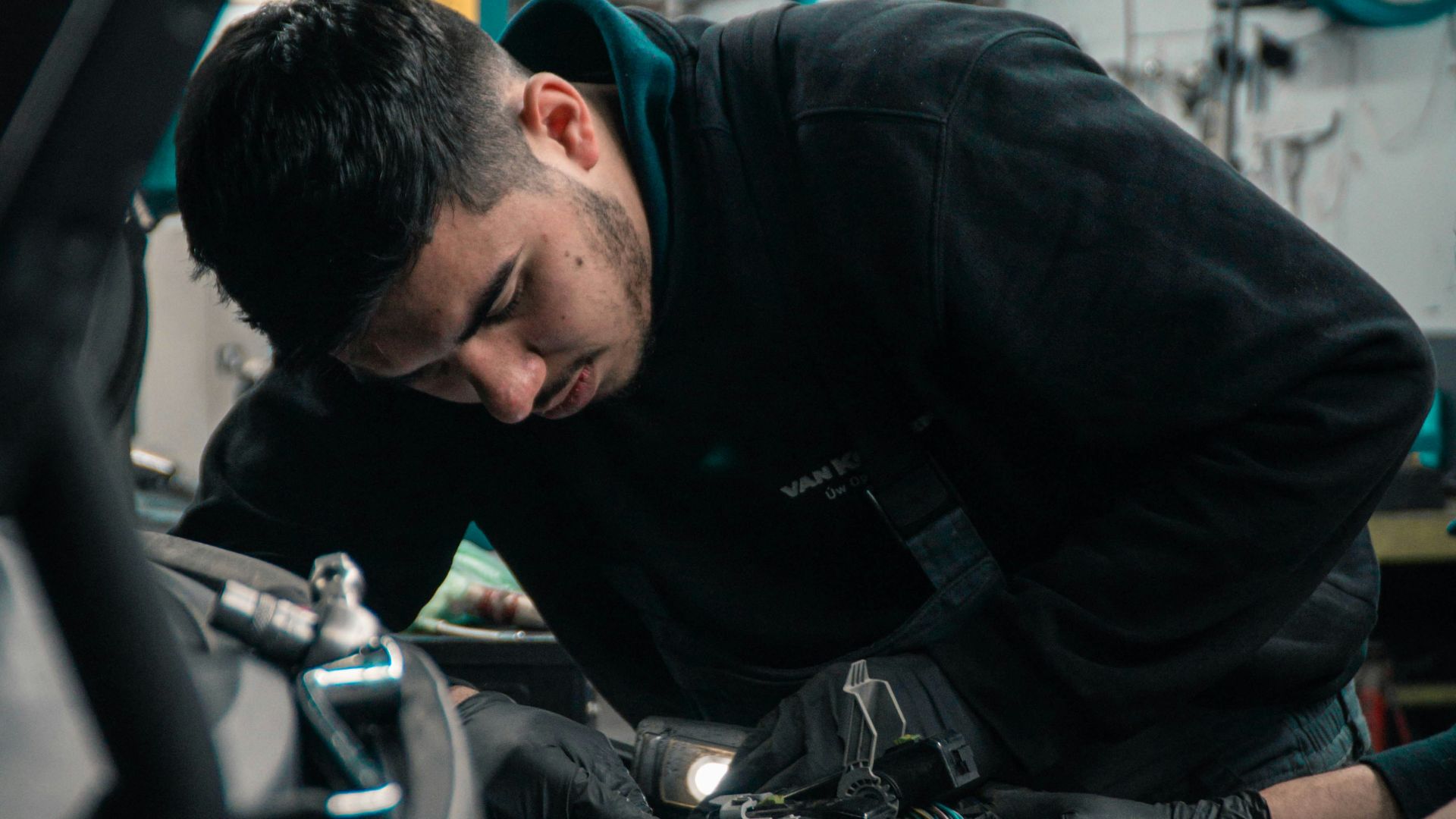
Experienced do it yourself owners can replace brake fluid using proper tools and procedures. However, mistakes during bleeding or fluid selection can compromise braking performance. Many drivers find professional service worthwhile because brakes are among the vehicle's most critical safety systems.
Keep The Reservoir Clean
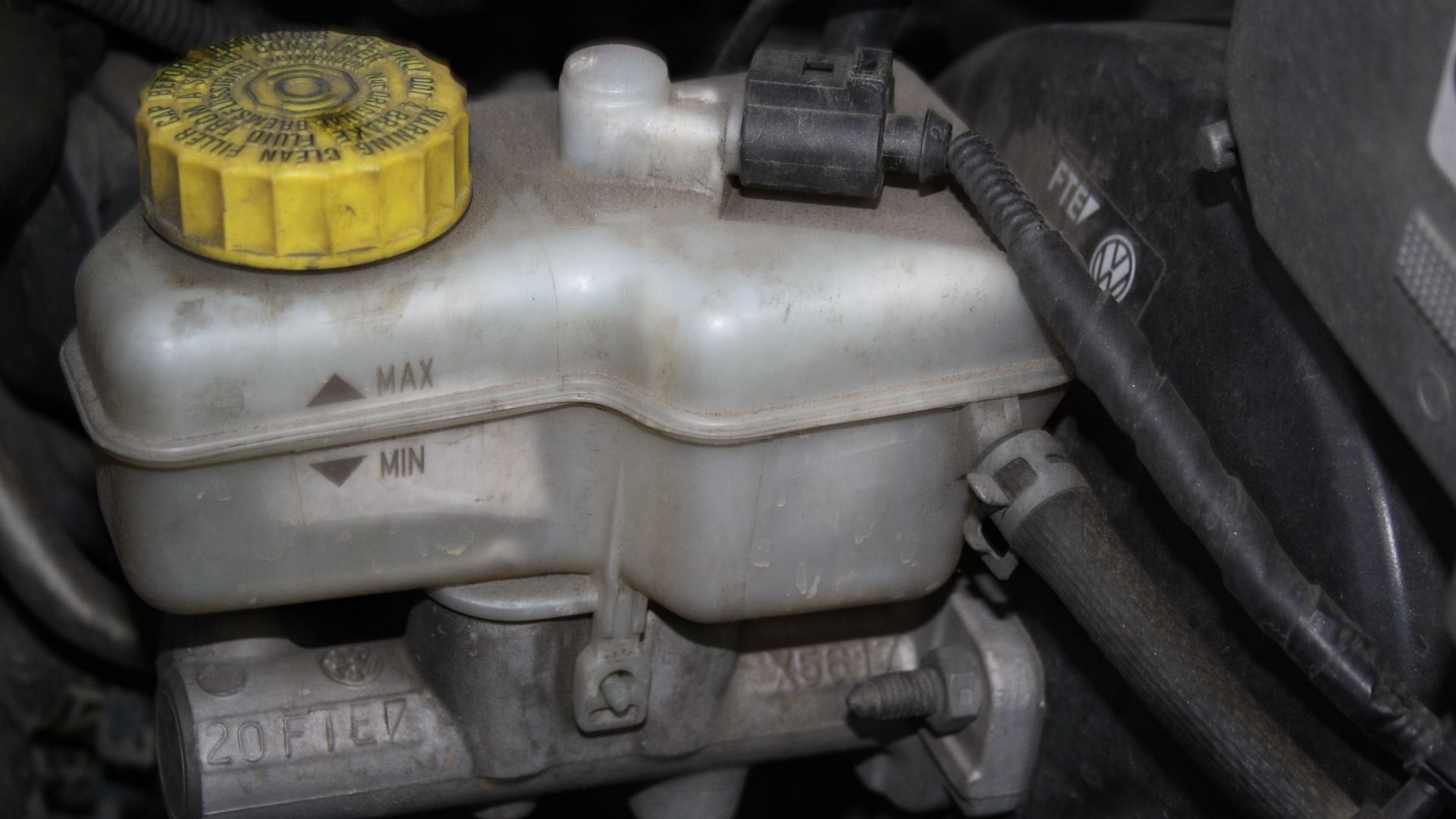
Whenever brake fluid is serviced, the reservoir should remain as clean as possible. Dirt, moisture, and debris entering the system can contaminate fresh fluid and shorten its useful life. Always use unopened brake fluid from a properly sealed container.
Warranty Considerations
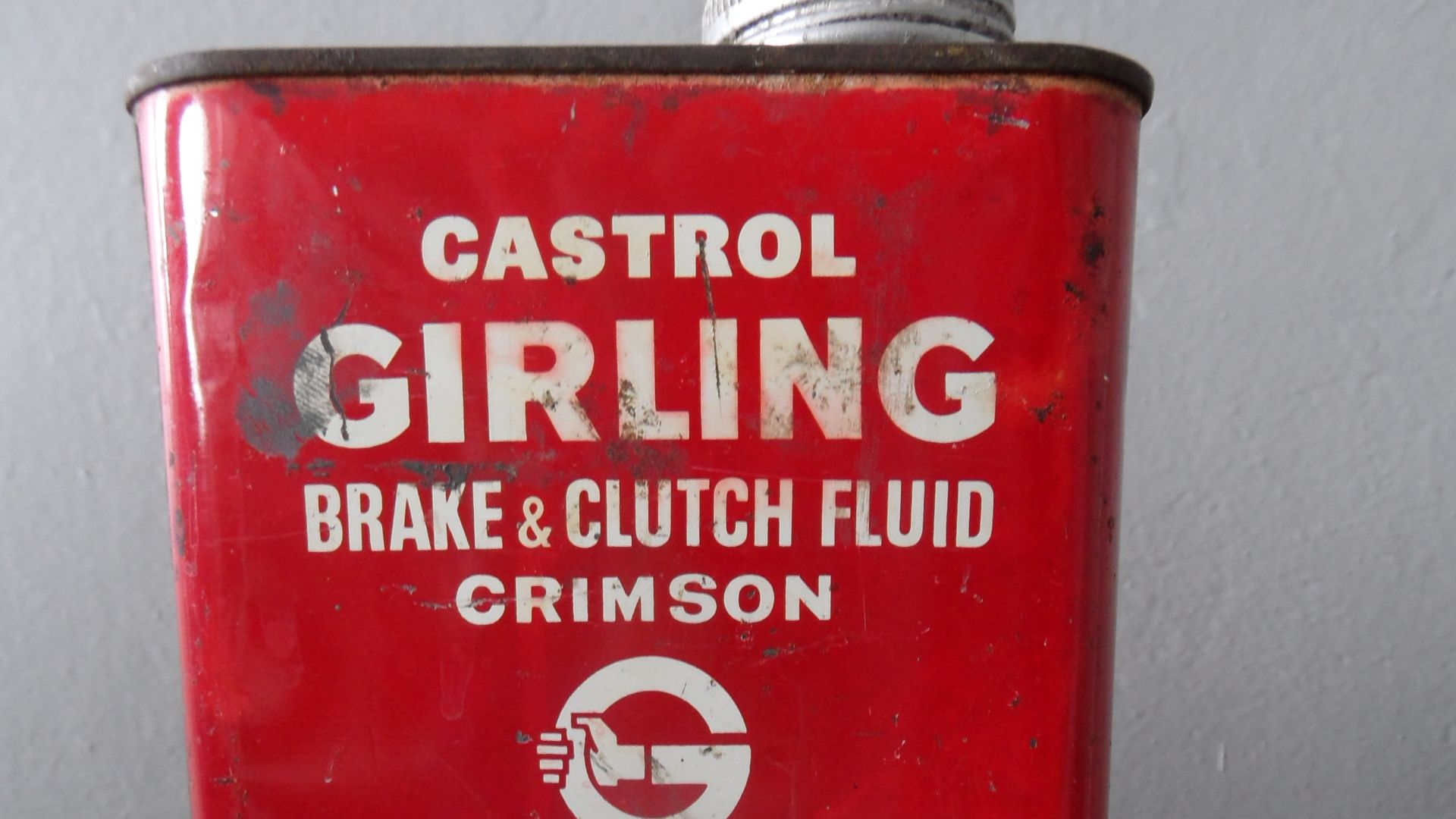
Following the manufacturer's maintenance schedule also protects owners during the warranty period. Skipping recommended brake fluid service could complicate warranty claims if brake system problems develop later. Keeping maintenance records is a smart financial and legal precaution.
 LukaszKatlewa, Wikimedia Commons
Is Every Two Years Necessary?
A two year brake fluid interval is not a universal rule, but it is a common recommendation for many vehicles. If your owner's manual specifies two years, following that guidance is generally wise. If it specifies something different, trust the manufacturer's schedule over generalized advice.
The Bottom Line
Brake fluid rarely attracts much attention because drivers cannot see it working. Yet it plays a critical role every time you slow down. Replacing it at the recommended interval helps maintain consistent braking performance, reduces corrosion risk, and may save money by protecting expensive hydraulic components.
You May Also Like: