An American Engineer Who Challenged European Racing Dominance
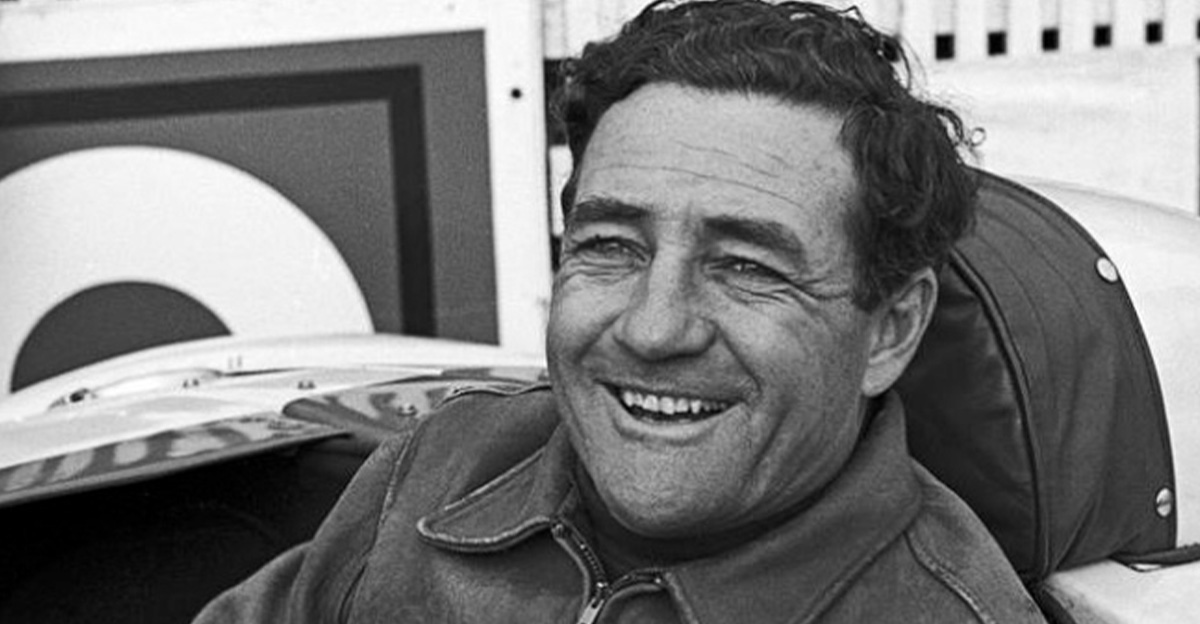
Briggs Swift Cunningham II is one of those names that should sit comfortably alongside Shelby, Penske, and Ford in the pantheon of American motorsport. Yet outside of hardcore racing circles, he’s often overlooked. Cunningham was a patrician racer, a Le Mans dreamer, a constructor, and a gentleman sportsman who believed—almost stubbornly—that Americans could beat the Europeans at their own game. His story is equal parts passion, privilege, ingenuity, and heartbreak, wrapped in the sound of roaring V8s and the smell of hot oil on French tarmac.
Born To Speed And Privilege
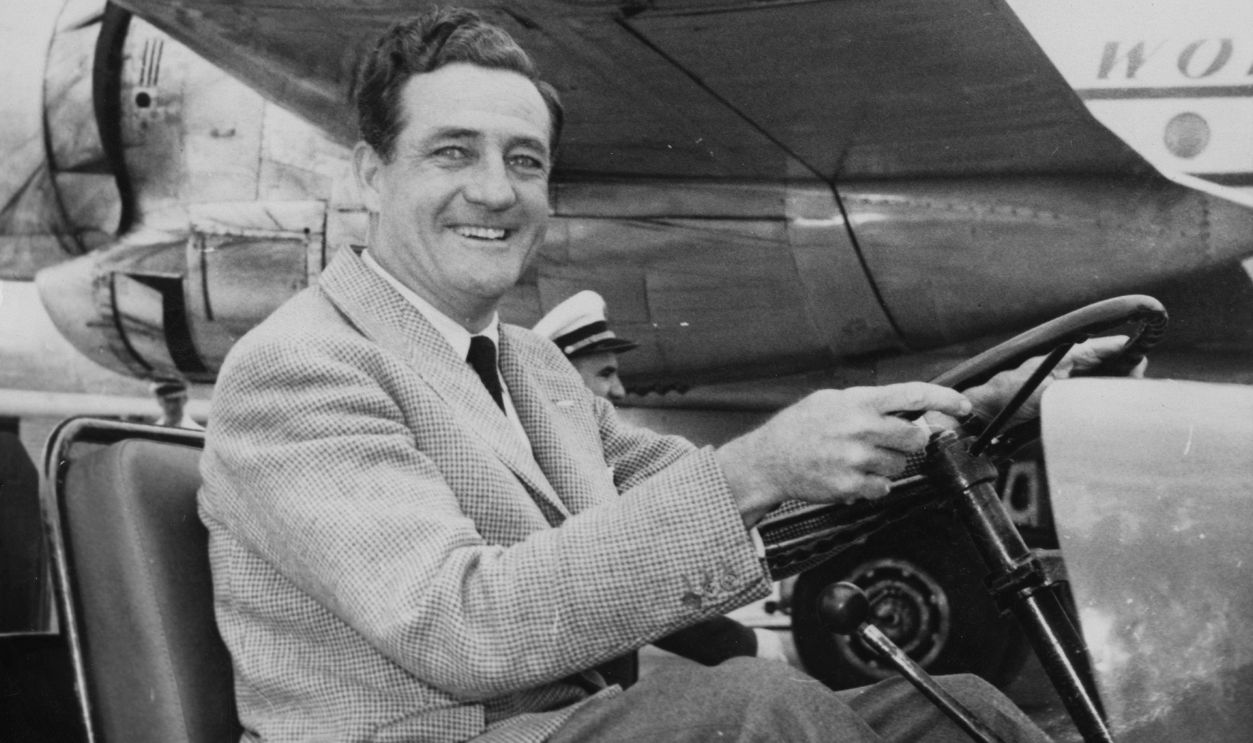
Born in 1907 into a wealthy Cincinnati family, Briggs Cunningham grew up with resources most racers could only dream of. His family fortune came from Procter & Gamble stock, and unlike many heirs, Cunningham didn’t squander it on idle luxury. Instead, he poured his money into machinery. Boats, cars, airplanes—if it went fast, Briggs wanted to master it. From an early age, speed wasn’t just a hobby; it was a calling.
The Gentleman Racer Ethos
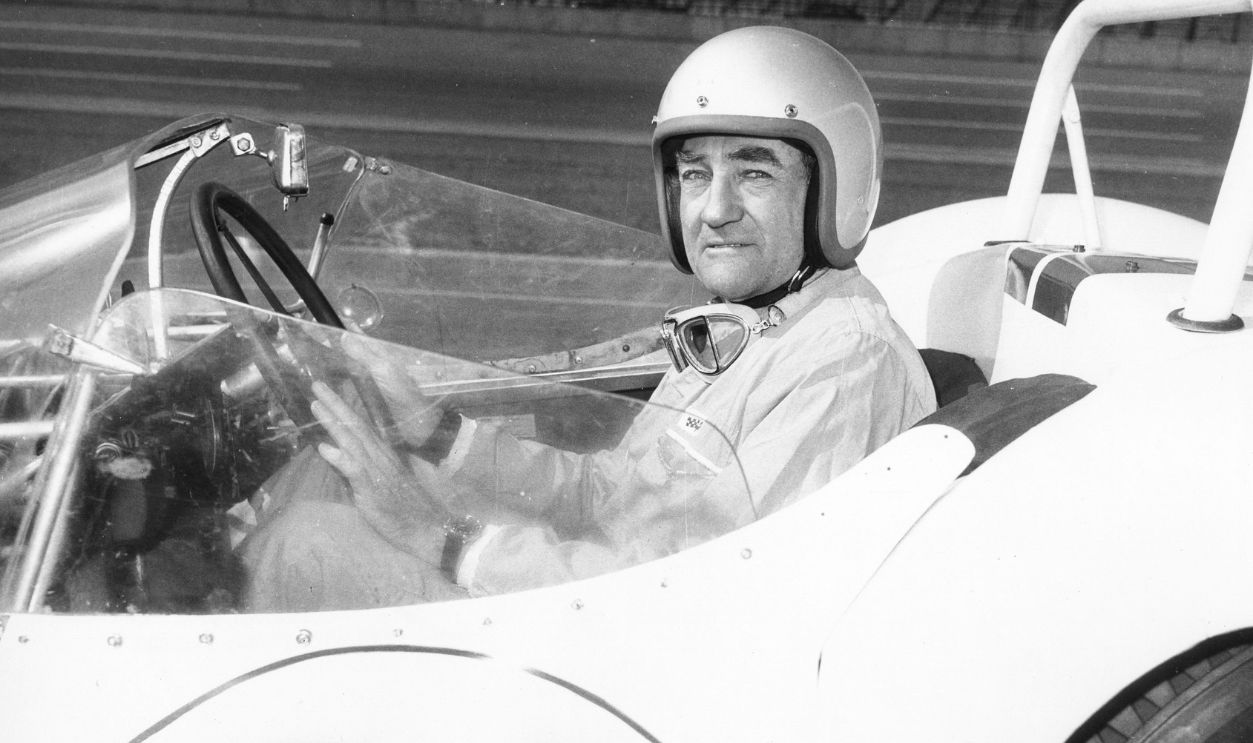
Cunningham embodied the idea of the “gentleman racer.” He was impeccably dressed, unfailingly polite, and fiercely competitive. Racing, for him, wasn’t about bravado or trash talk—it was about craftsmanship and honor. He believed in winning the right way, respecting rivals, and pushing technology forward. This attitude would define his career and set him apart from the rougher edges of American racing culture.
 Klemantaski Collection, Getty Images
Early Love For Boats And Speed
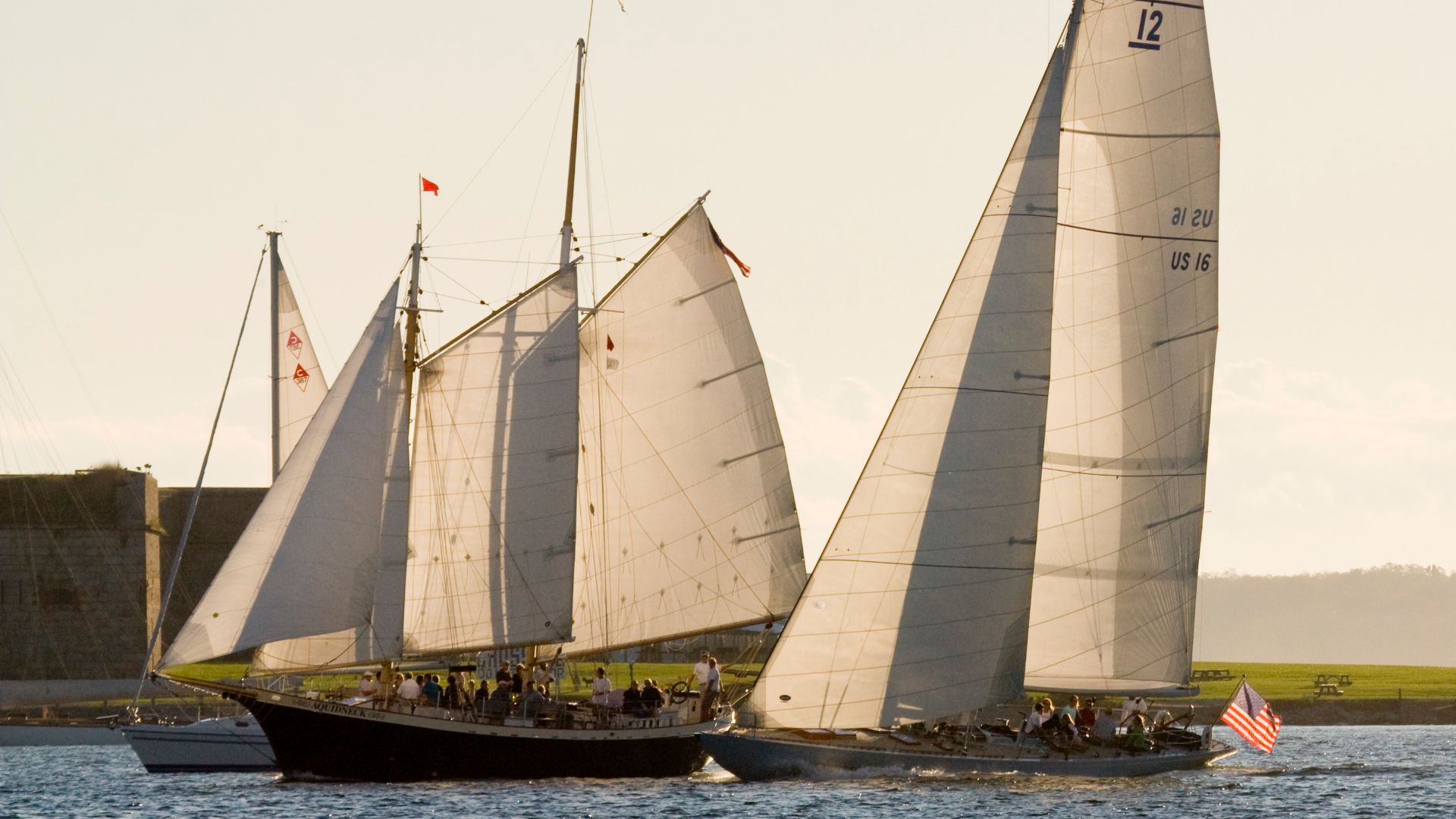
Before cars truly took over his life, Cunningham made his mark in powerboat racing. He won the America’s Cup in 1958 with the yacht Columbia, but long before that, offshore racing sharpened his mechanical instincts. Boats taught him about aerodynamics, balance, and endurance—lessons that would later influence his automotive designs and racing strategies.
Discovering Road Racing
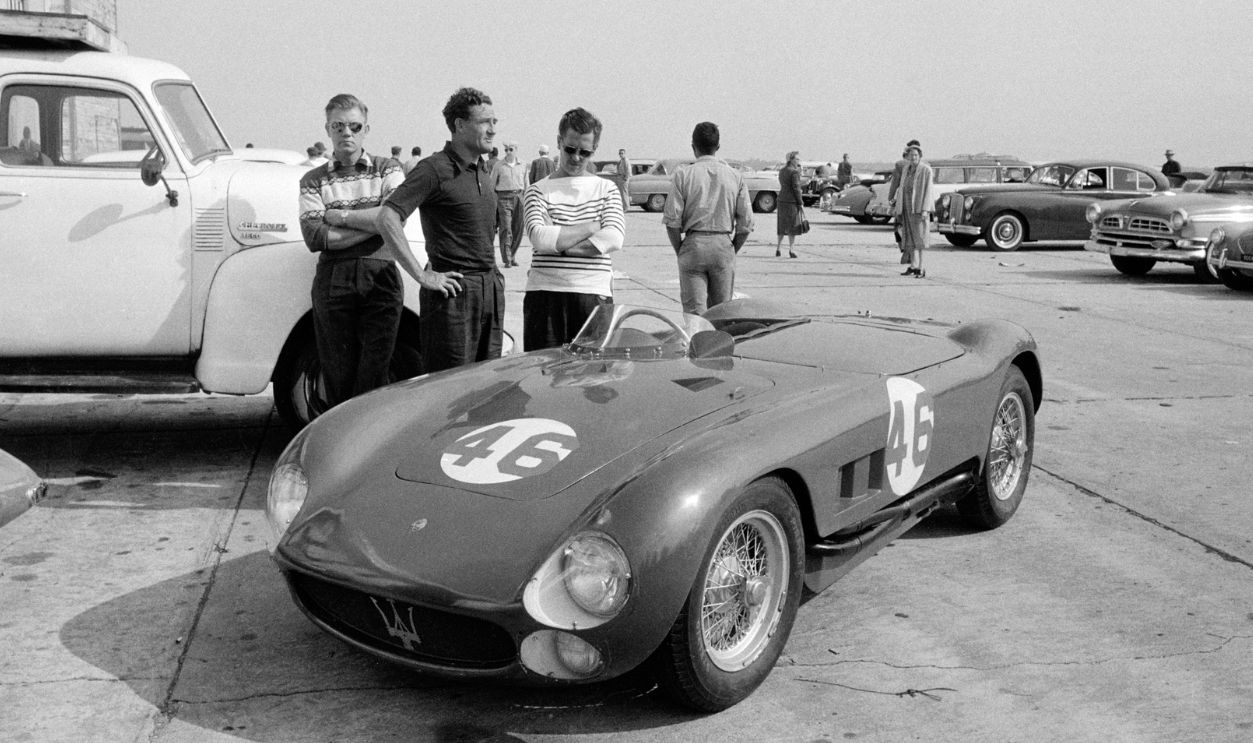
Cunningham entered road racing in the late 1930s, driving European sports cars at American events. He gravitated toward endurance racing, where strategy and reliability mattered as much as outright speed. Postwar America was hungry for motorsport, and Cunningham found himself perfectly positioned to help shape its future.
 Klemantaski Collection, Getty Images
Le Mans Becomes The Obsession
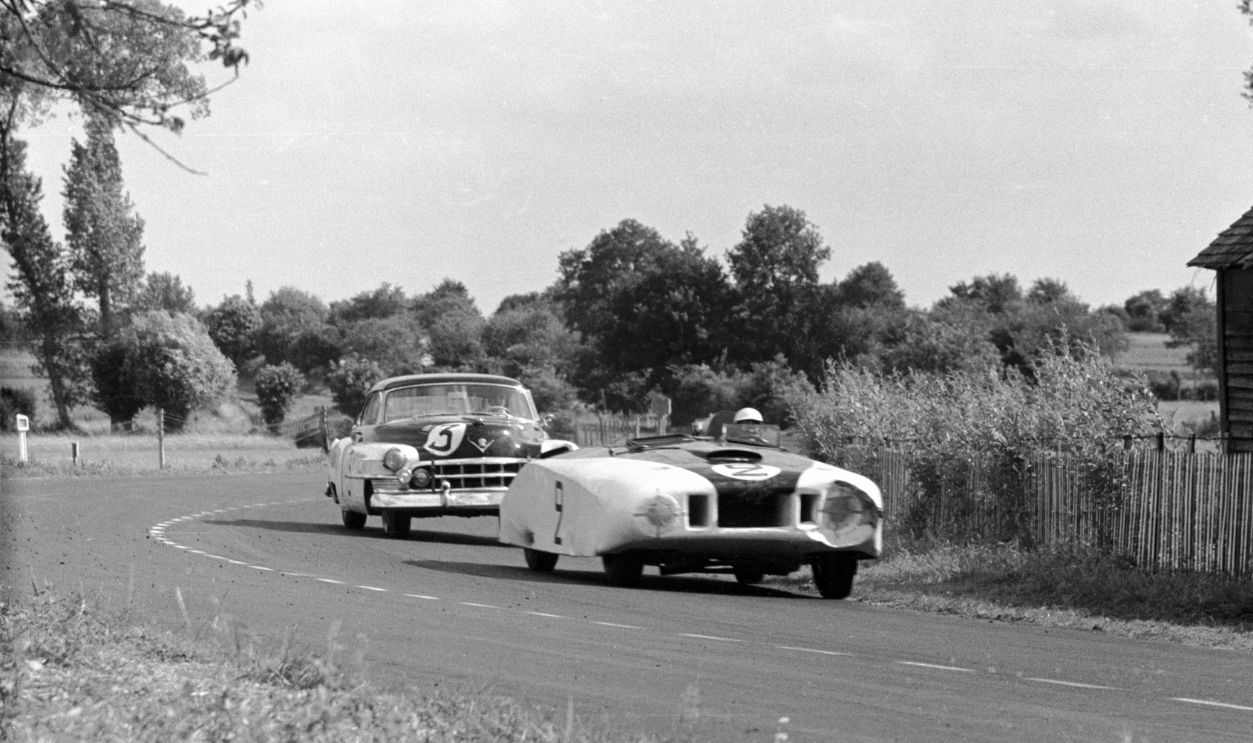
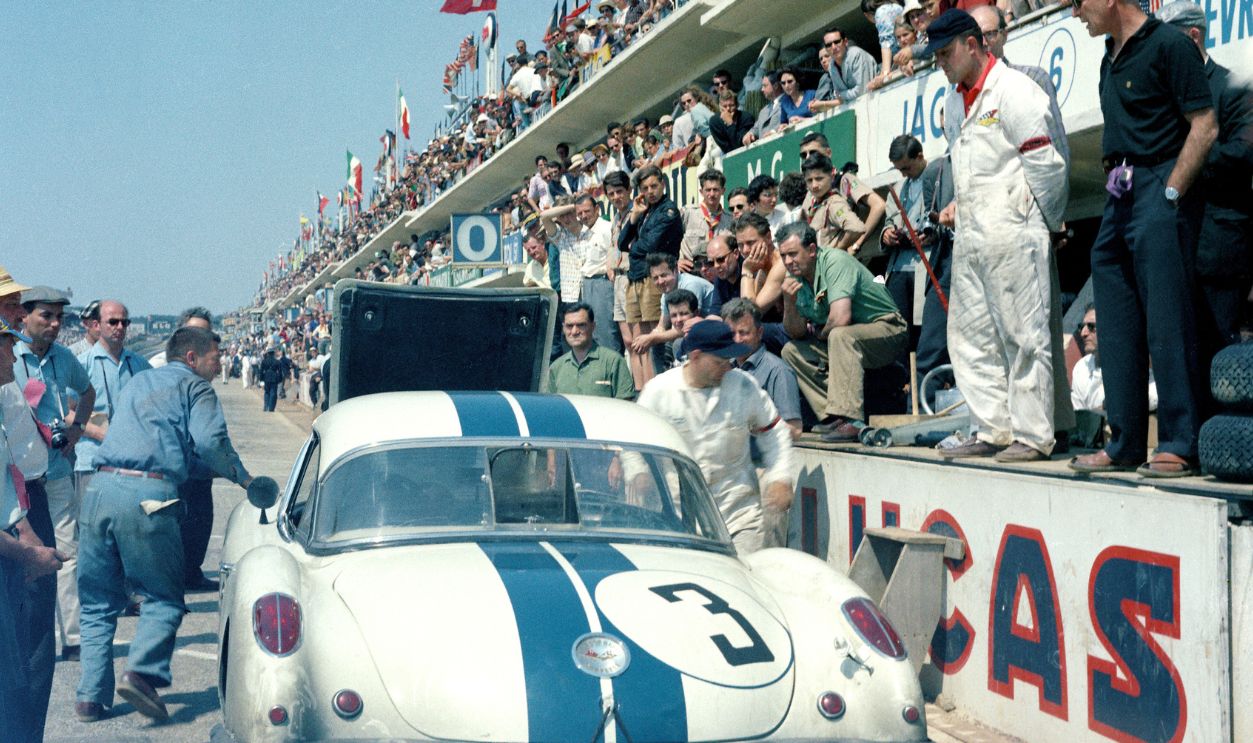
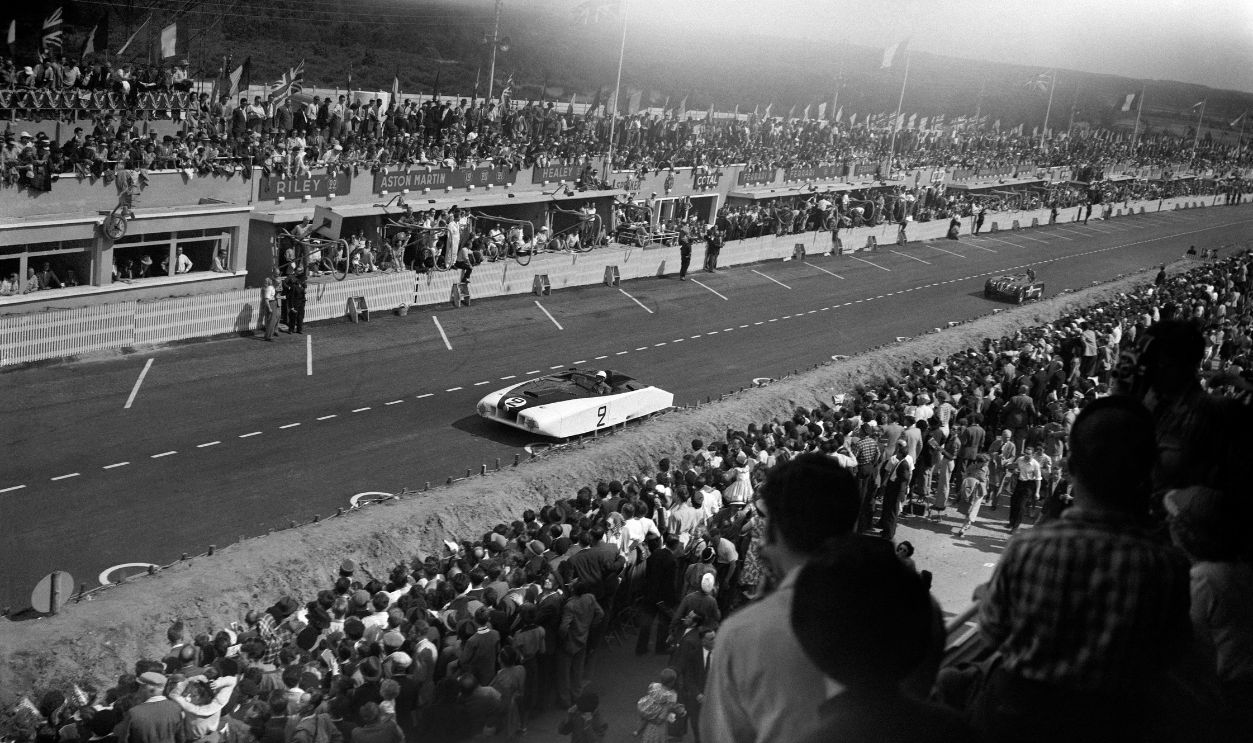
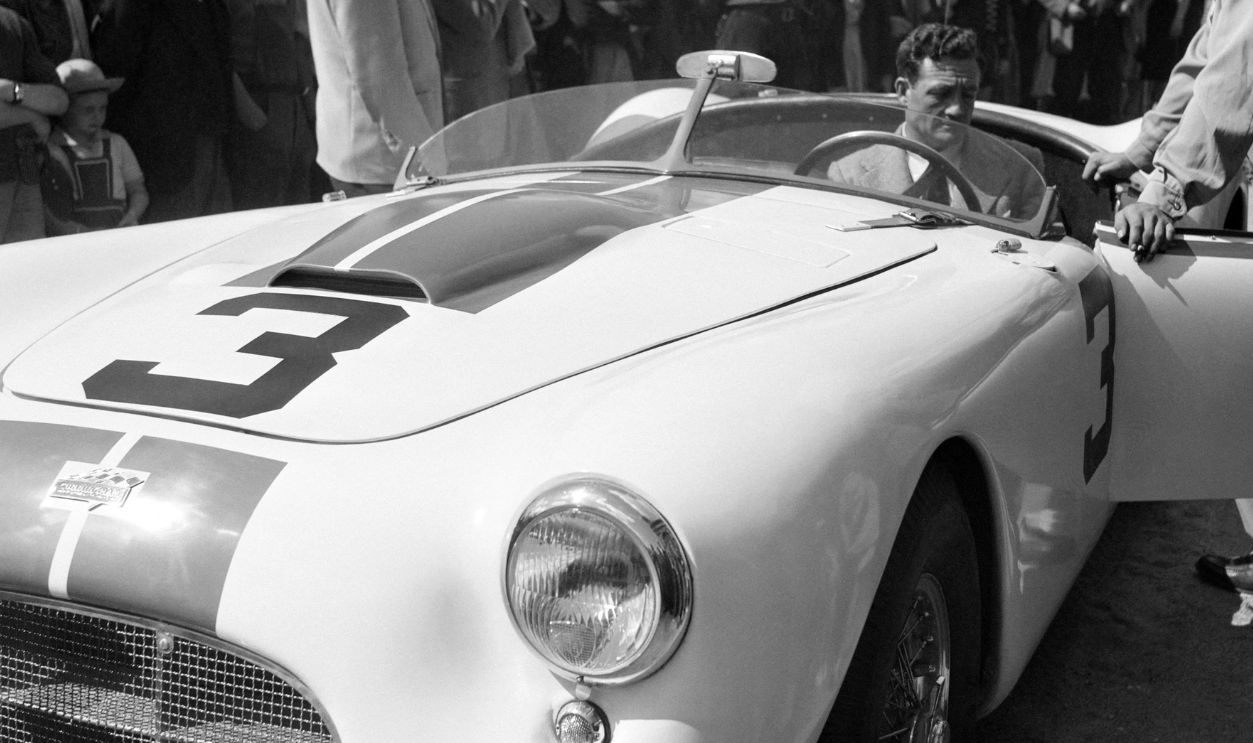
For Cunningham, the 24 Hours of Le Mans wasn’t just a race—it was the ultimate test. European manufacturers dominated the event, and American teams were often dismissed as underprepared outsiders. Cunningham took that personally. He believed the United States could build cars capable of beating Ferrari, Jaguar, and Aston Martin on their own turf.
 Klemantaski Collection, Getty Images
Racing European Cars, American Dreams
In the late 1940s and early 1950s, Cunningham campaigned Ferraris, Jaguars, and other European machines at Le Mans and Sebring. He came close to victory multiple times, most notably finishing second overall at Le Mans in 1954 driving a Ferrari 375 Plus. That near-miss convinced him that borrowing European cars wasn’t enough—America needed its own.
The Birth Of Cunningham Motorsports
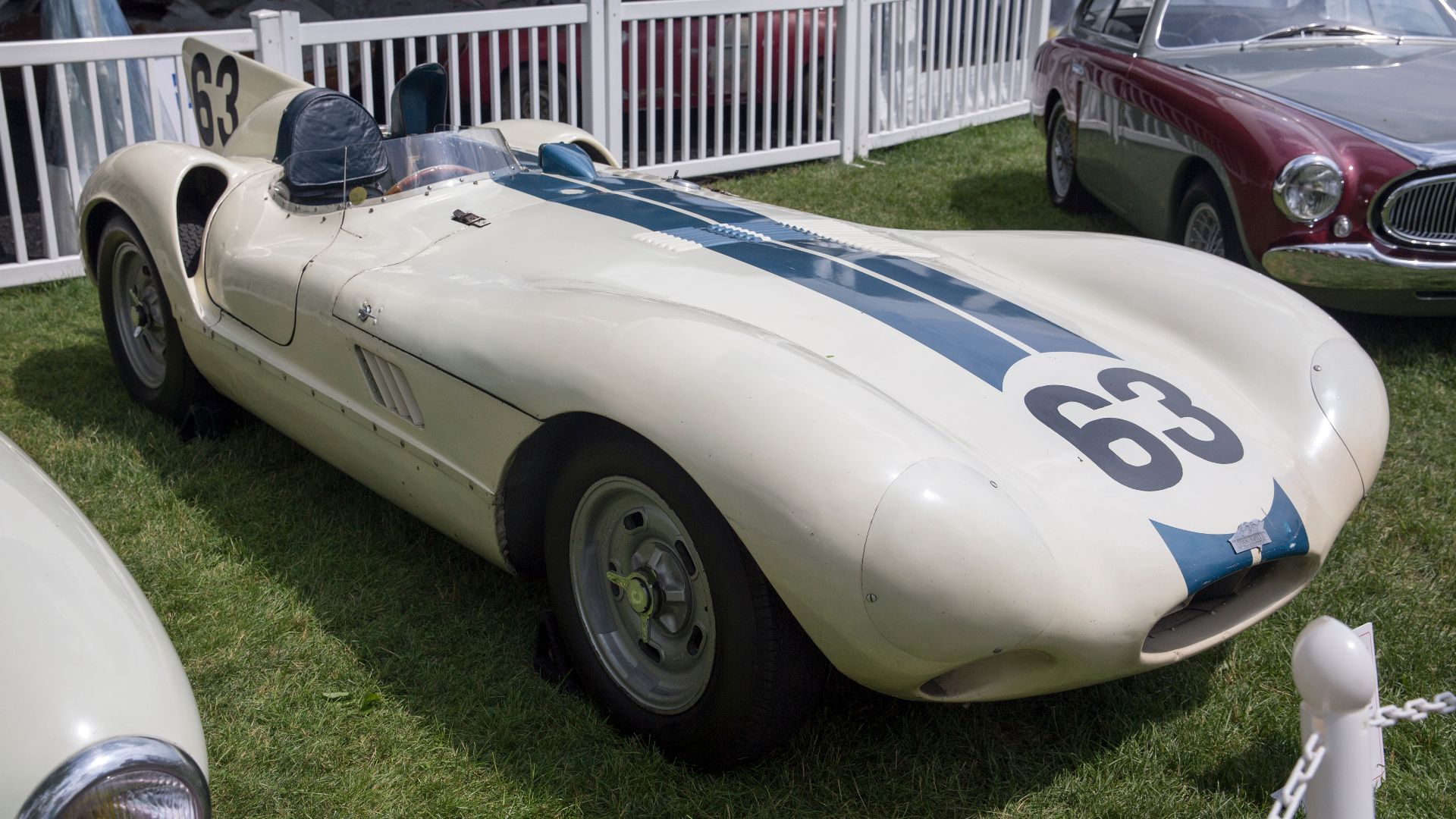
In 1950, Cunningham founded B.S. Cunningham Company, determined to build American-built sports cars capable of winning Le Mans. This wasn’t hot-rodding or backyard tinkering; it was a serious engineering effort. Cunningham recruited top talent, including engineer Vance Gardner, and spared no expense in the pursuit of excellence.
 Mr.choppers, Wikimedia Commons
The C-1 And Early Experiments
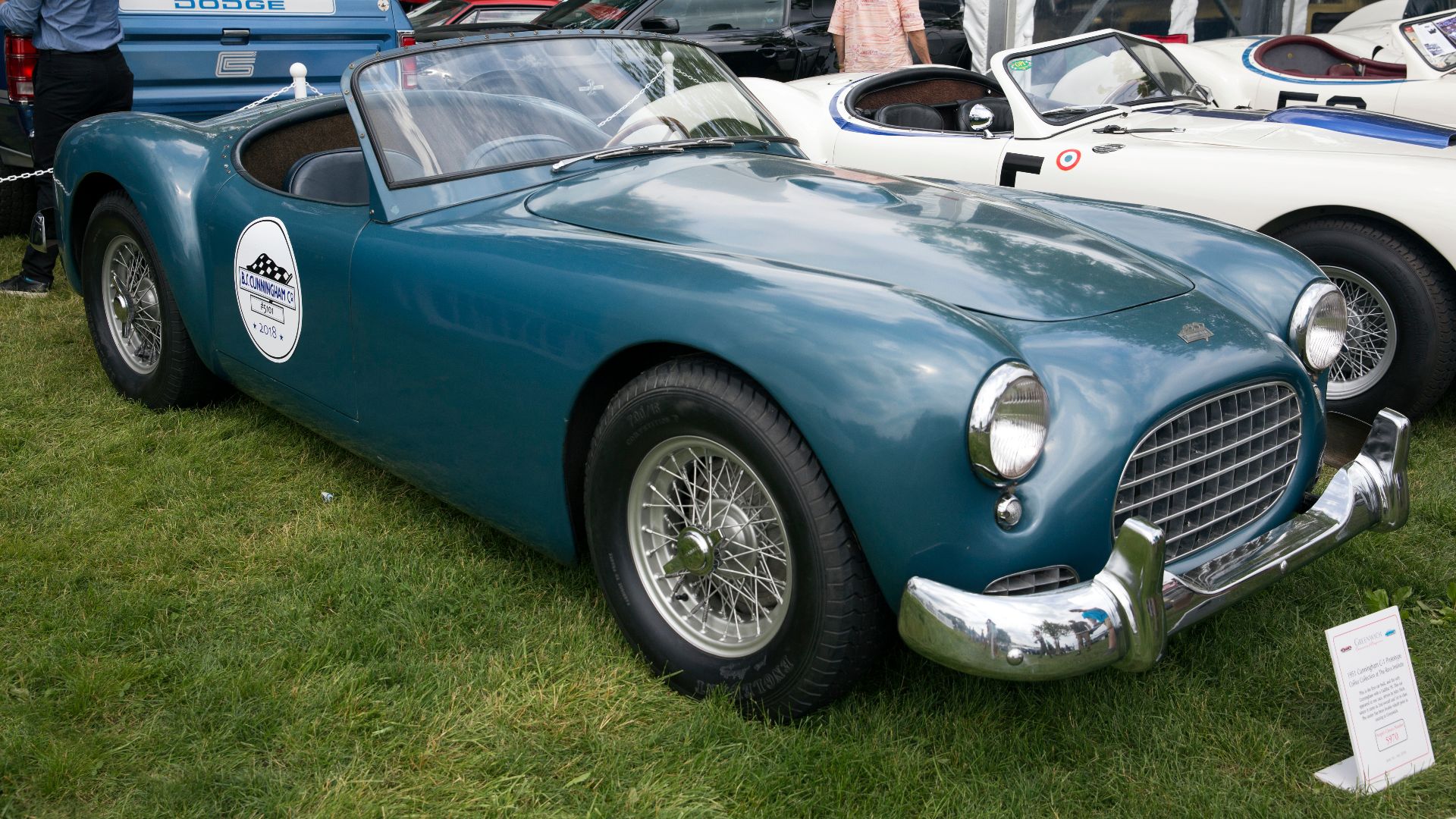
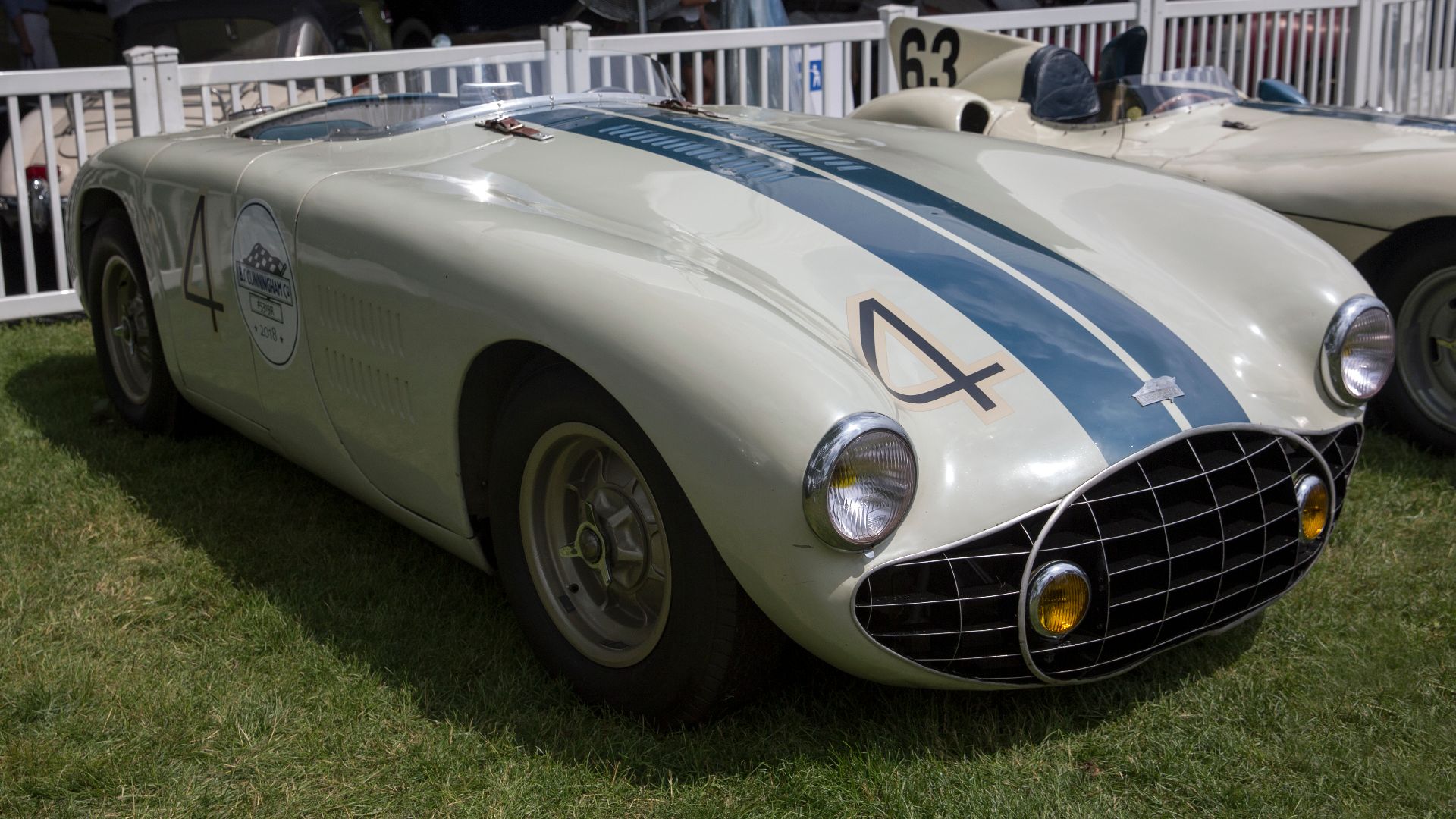
The first Cunningham cars, known as C-1s, were experimental and unconventional. One version featured Cadillac power, another Chrysler’s Hemi V8. They were fast but flawed—heavy, difficult to handle, and not quite ready to dethrone Europe. Still, they proved a crucial point: American engines could survive the brutal demands of endurance racing.
 Mr.choppers, Wikimedia Commons
American Power Meets European Style
Cunningham’s philosophy was simple but bold: combine the brute strength of American V8s with European-style chassis and aerodynamics. This hybrid approach was years ahead of its time and would later be echoed by Carroll Shelby with the Cobra. Cunningham just got there first.
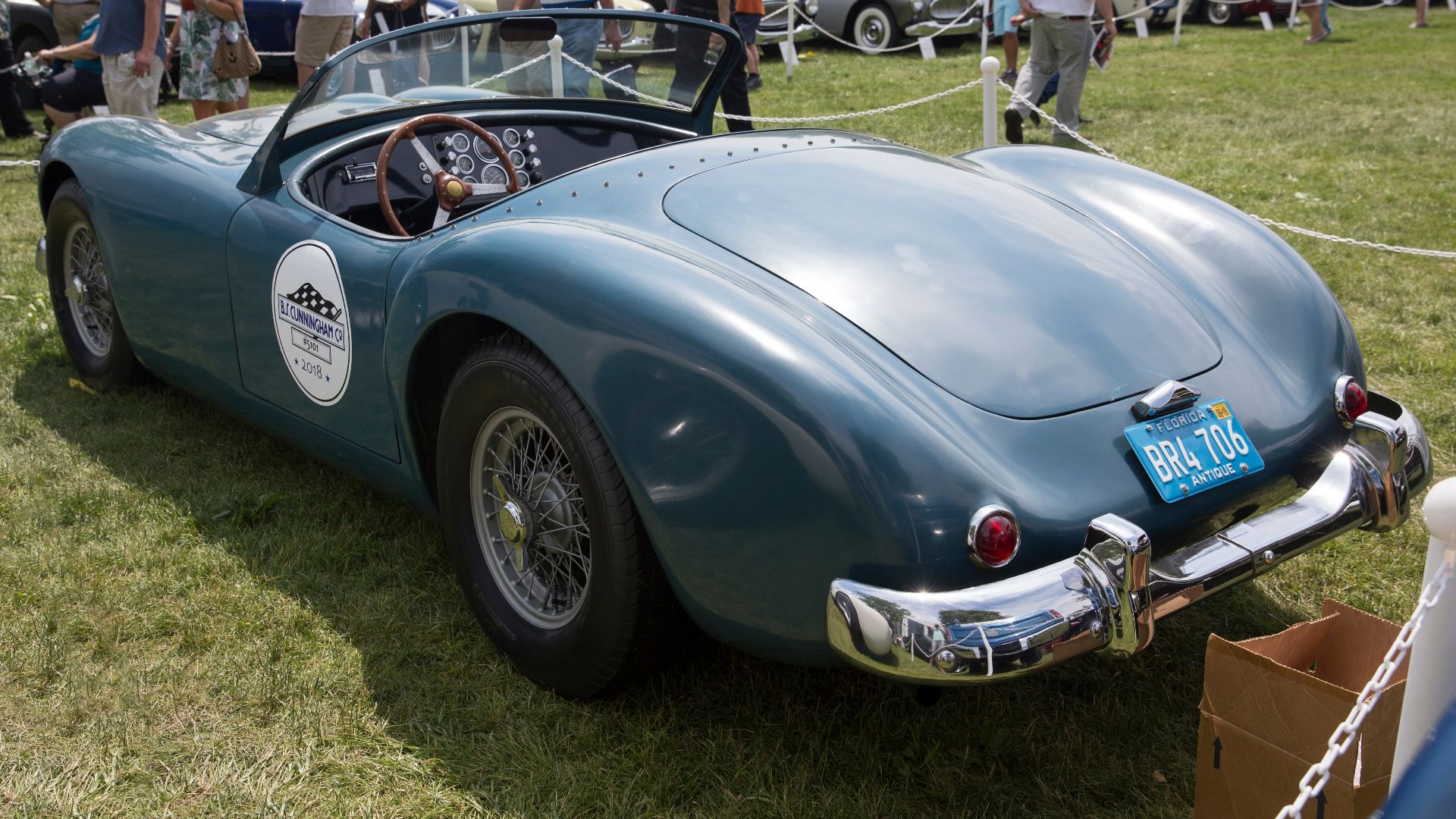 Mr.choppers, Wikimedia Commons
The C-4R And The Road To Glory
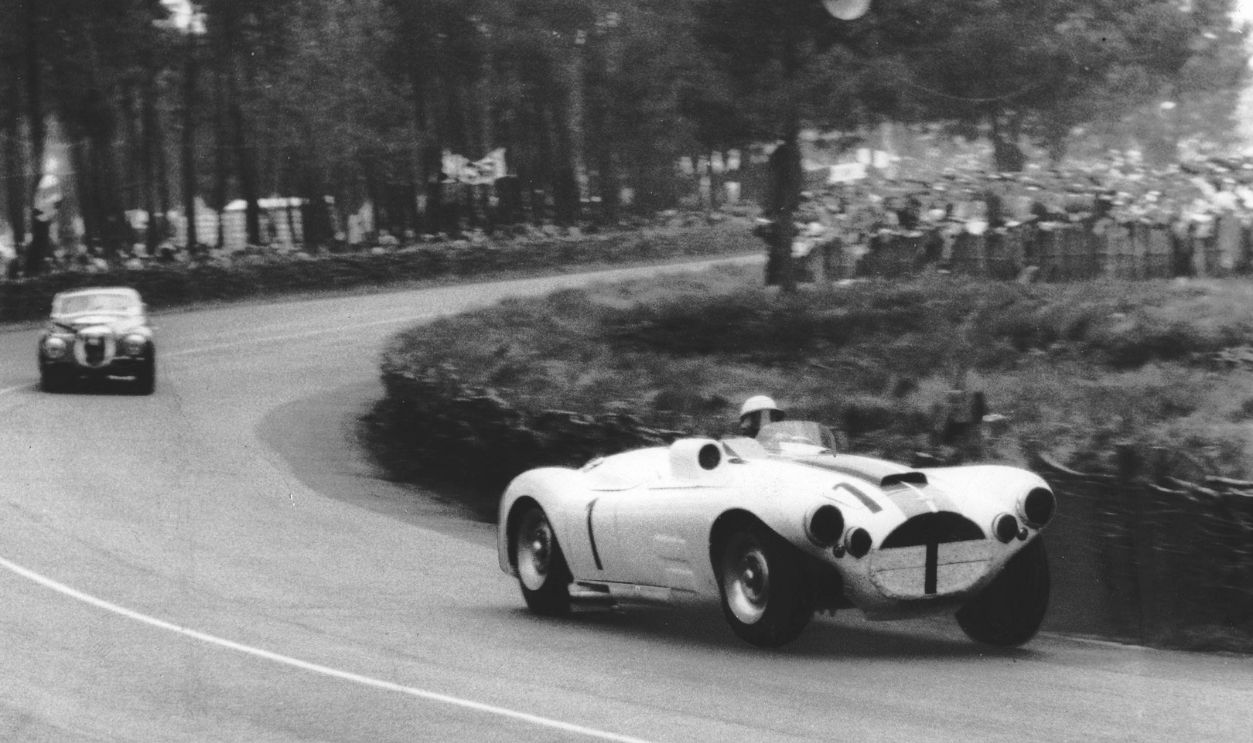
The most successful Cunningham racer was the C-4R. Powered by a Chrysler Hemi and clothed in sleek, European-influenced bodywork, it was genuinely competitive. At Le Mans in 1953, Cunningham entered three cars, finishing fourth overall—an incredible achievement for a small American constructor going up against factory teams.
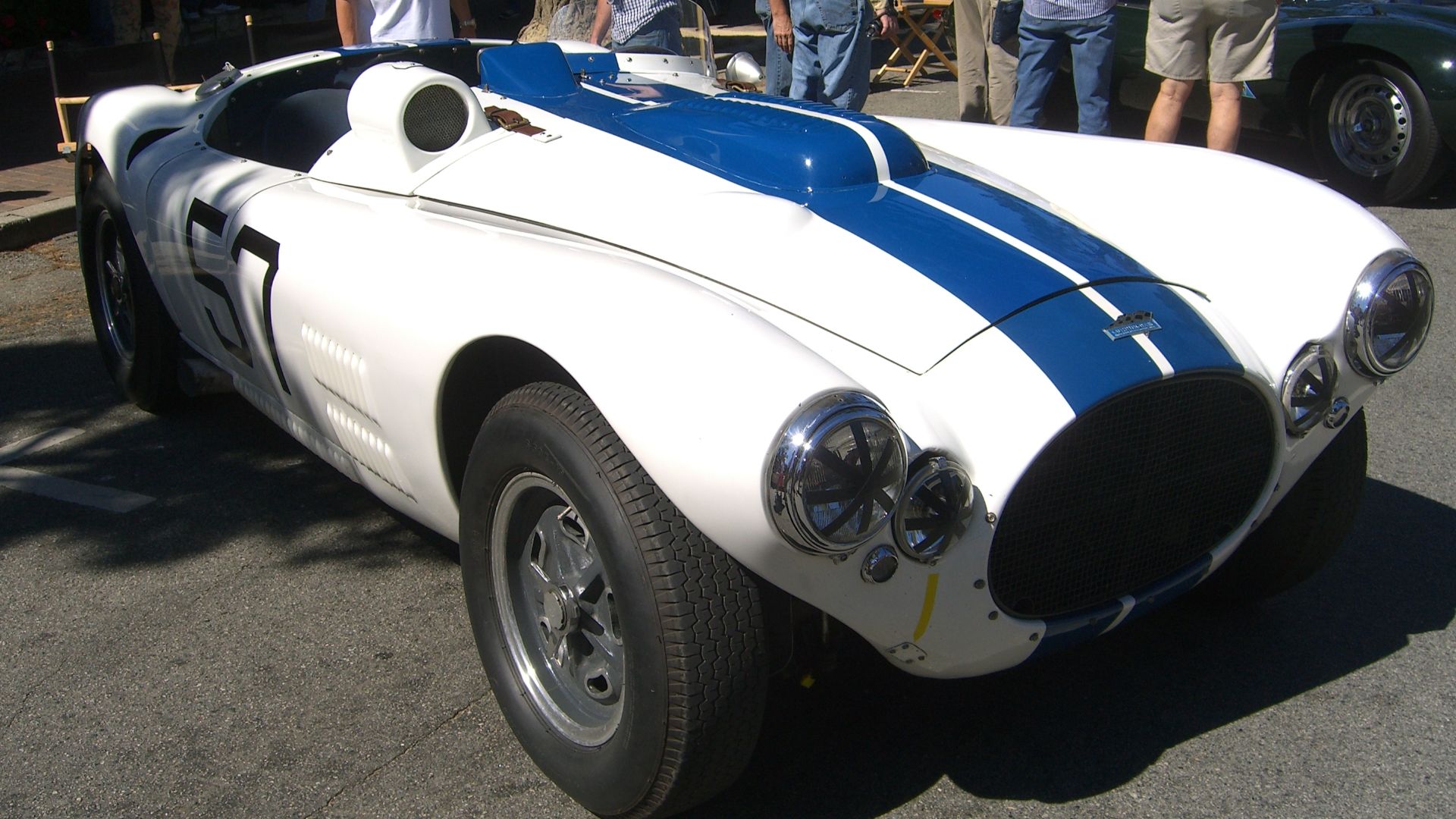
The Stars And Stripes At Le Mans
One of Cunningham’s lasting legacies is visual rather than mechanical: the red, white, and blue livery. He popularized the American racing colors on the international stage, making his cars instantly recognizable. Seeing an American flag-inspired race car charging down the Mulsanne Straight was a powerful statement in the early 1950s.
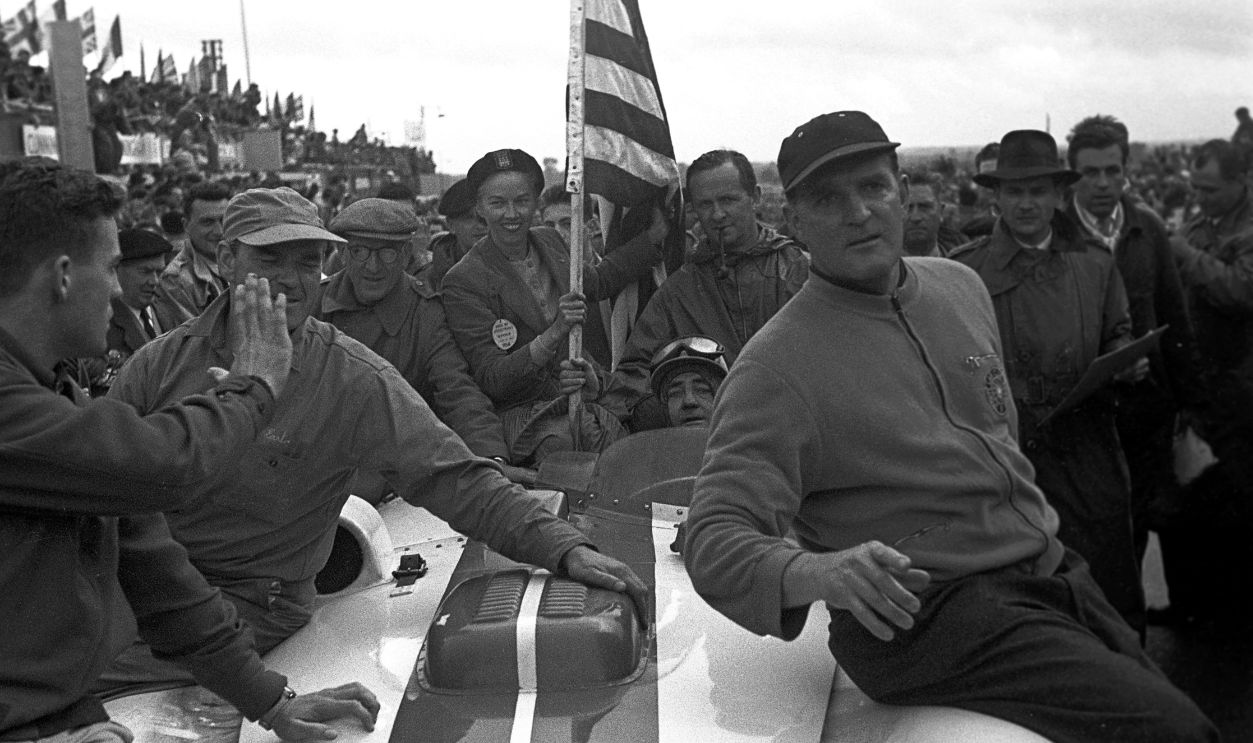
Racing Against The Giants
Cunningham’s cars battled Ferrari, Jaguar, Mercedes-Benz, and Aston Martin at the height of their powers. He wasn’t just competing—he was earning respect. European teams admired his professionalism, preparation, and sportsmanship, even as they worked tirelessly to keep him off the top step of the podium.
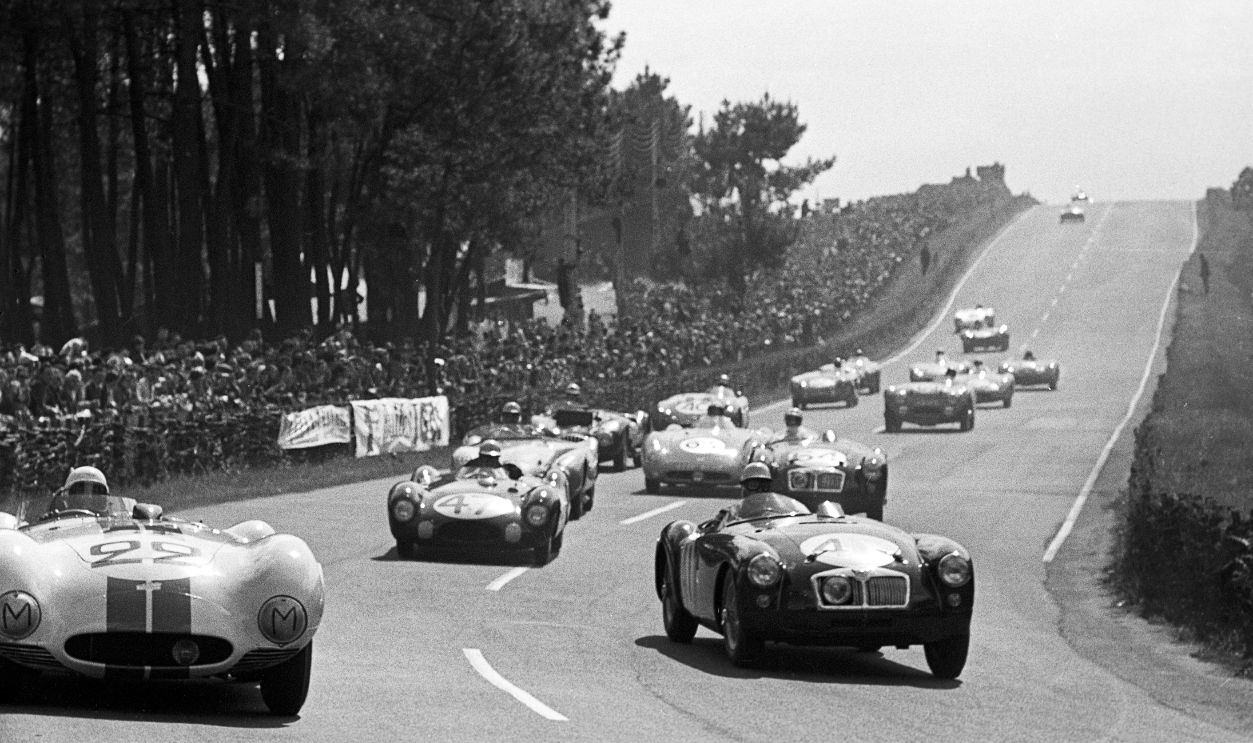
The Crushing Weight Of Regulations
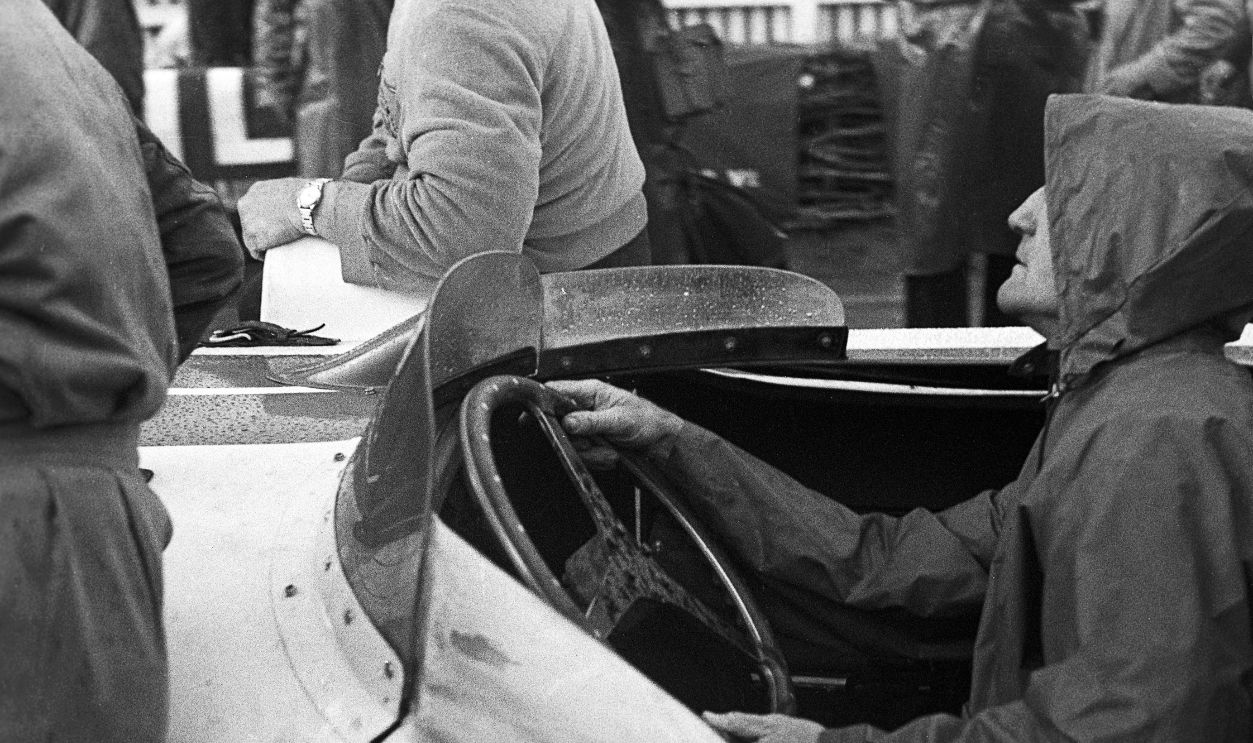
Despite competitive results, Cunningham faced an uphill battle. Le Mans regulations favored smaller-displacement engines and lighter cars, putting his big V8-powered machines at a disadvantage. Constant rule changes made development expensive and unpredictable, even for a man of Cunningham’s wealth.
The Business Reality Of Racing
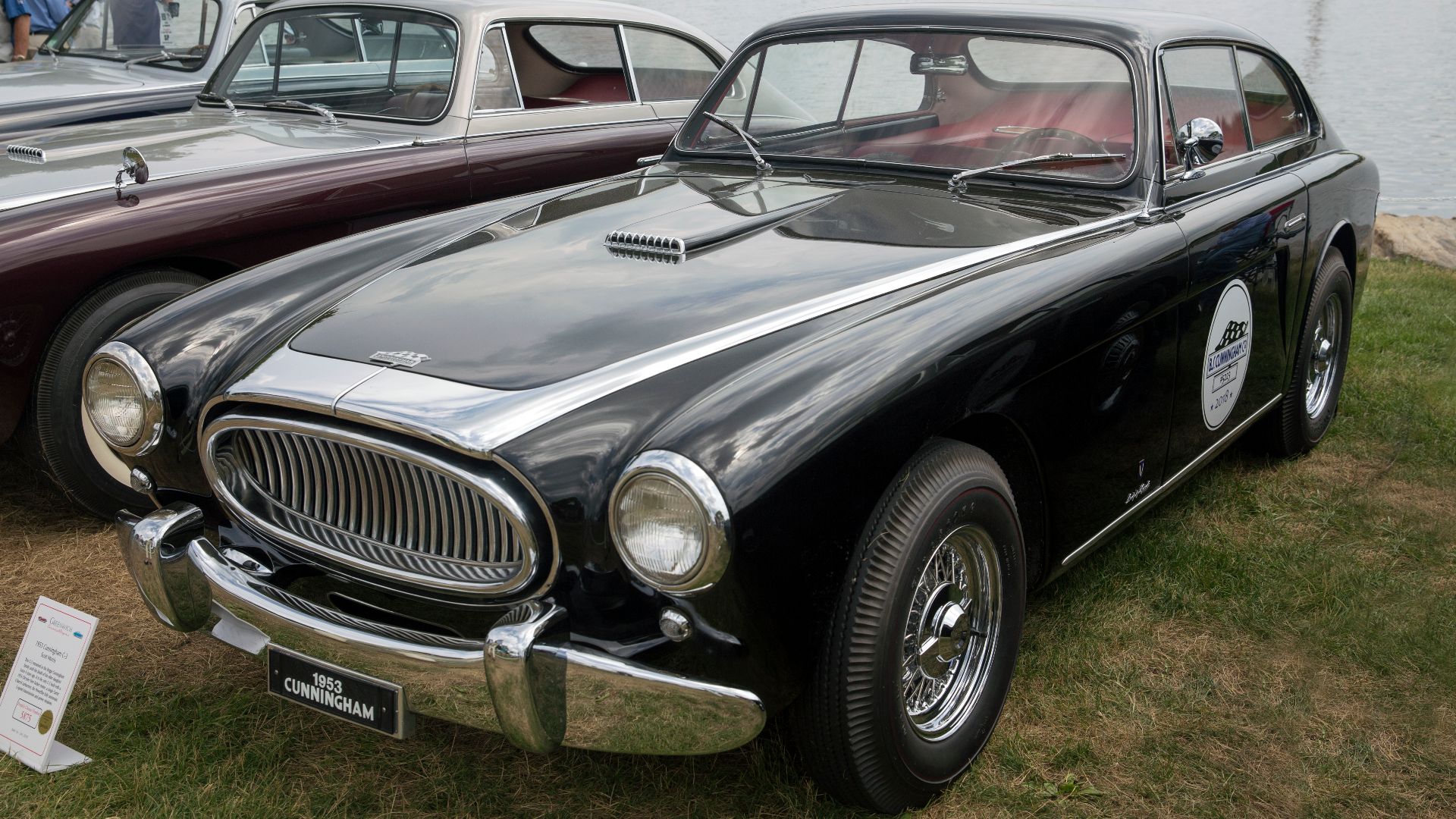
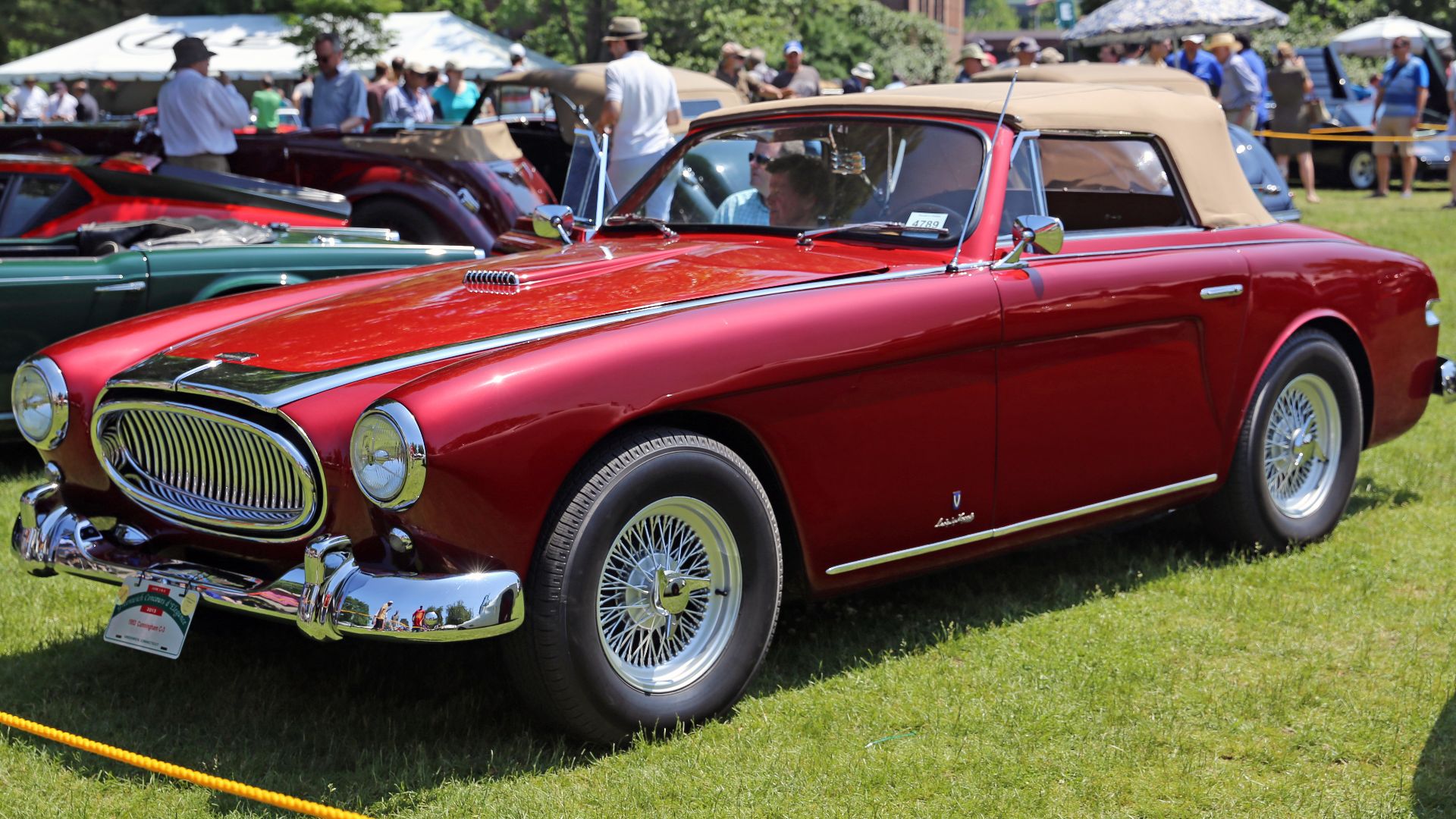
Building race cars was one thing; selling road cars to homologate them was another. Cunningham produced a limited run of street-legal C-3 coupes, elegant machines powered by Chrysler V8s. They were beautifully built—but expensive. Only about 20 were made, and the venture struggled financially.
 Mr.choppers, Wikimedia Commons
Stepping Away From Car Manufacturing
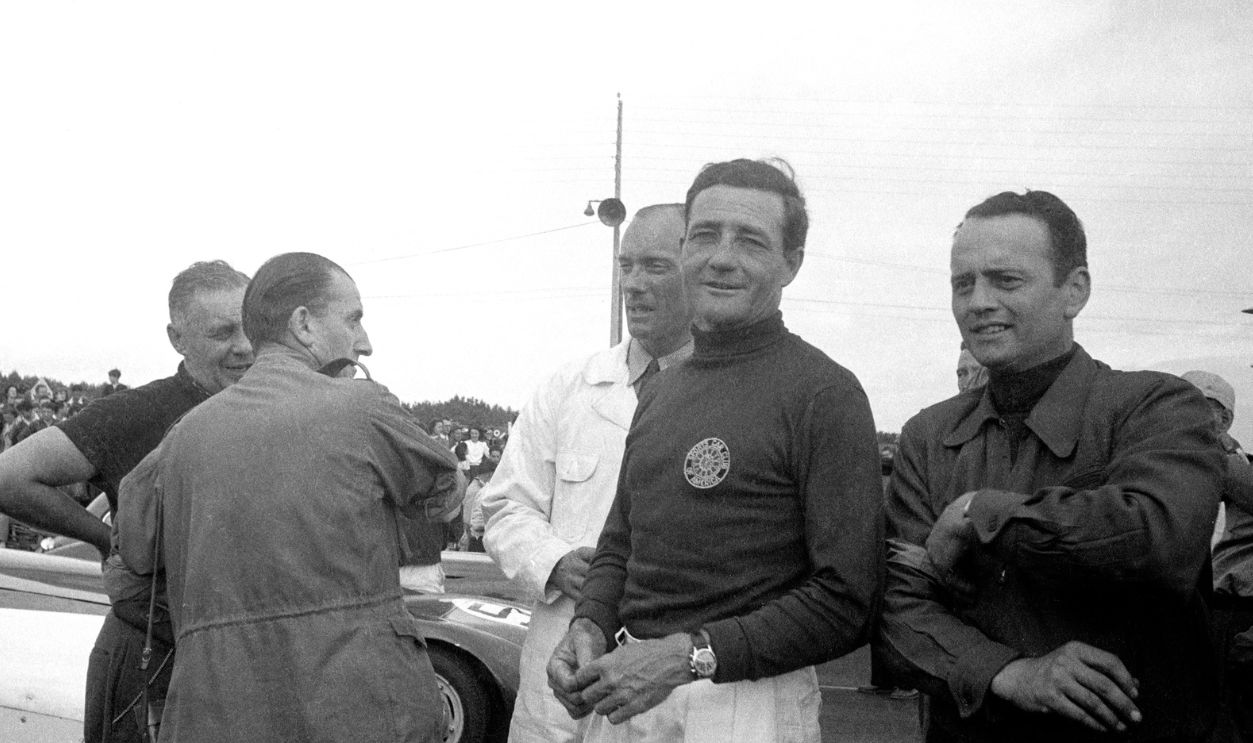
By 1955, Cunningham made the difficult decision to stop building cars. The emotional and financial toll was immense, and the dream of an all-American Le Mans winner seemed increasingly out of reach. Yet he didn’t leave racing behind—he simply changed roles.
 Klemantaski Collection, Getty Images
Cunningham The Team Owner
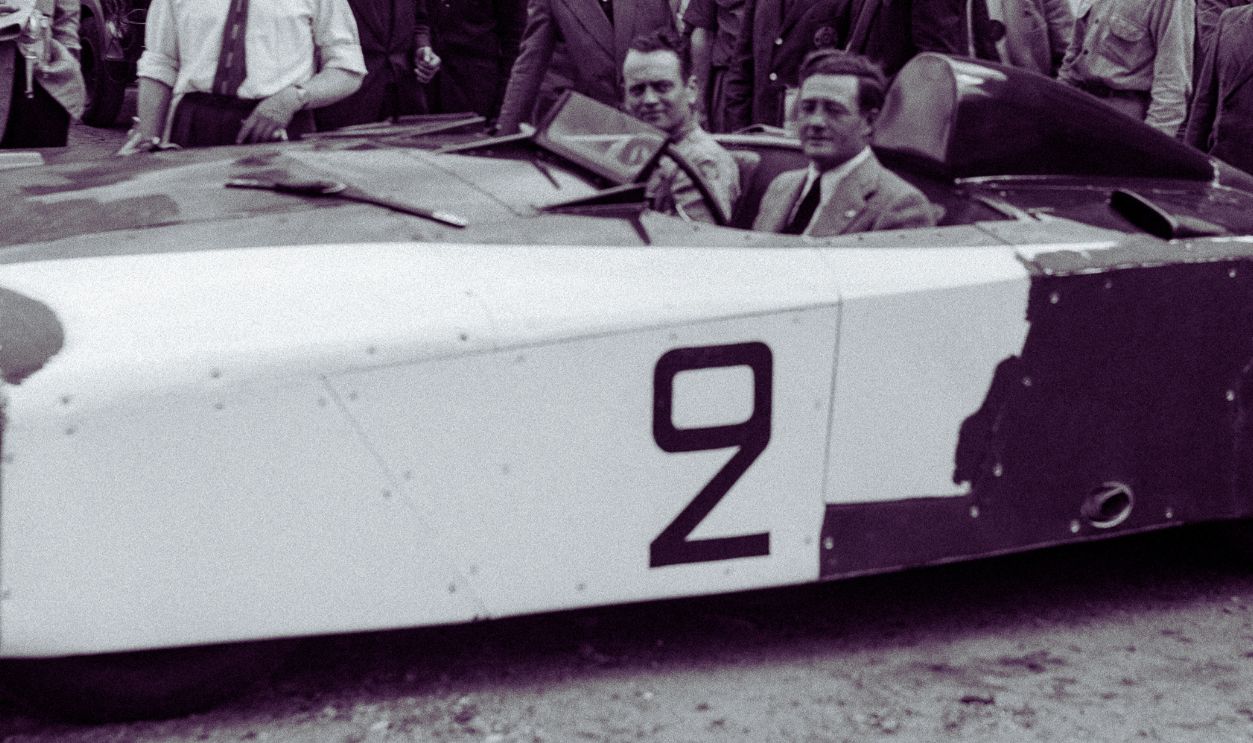
Cunningham continued racing as a team owner, running Jaguars, Corvettes, and other machines in international competition. He remained a respected figure in paddocks around the world, known for his integrity and meticulous preparation.
A Champion Of American Talent
Beyond building cars, Cunningham helped legitimize American road racing. He supported events like Sebring and helped elevate the sport domestically. His efforts laid groundwork that later benefited drivers, teams, and manufacturers across the United States.
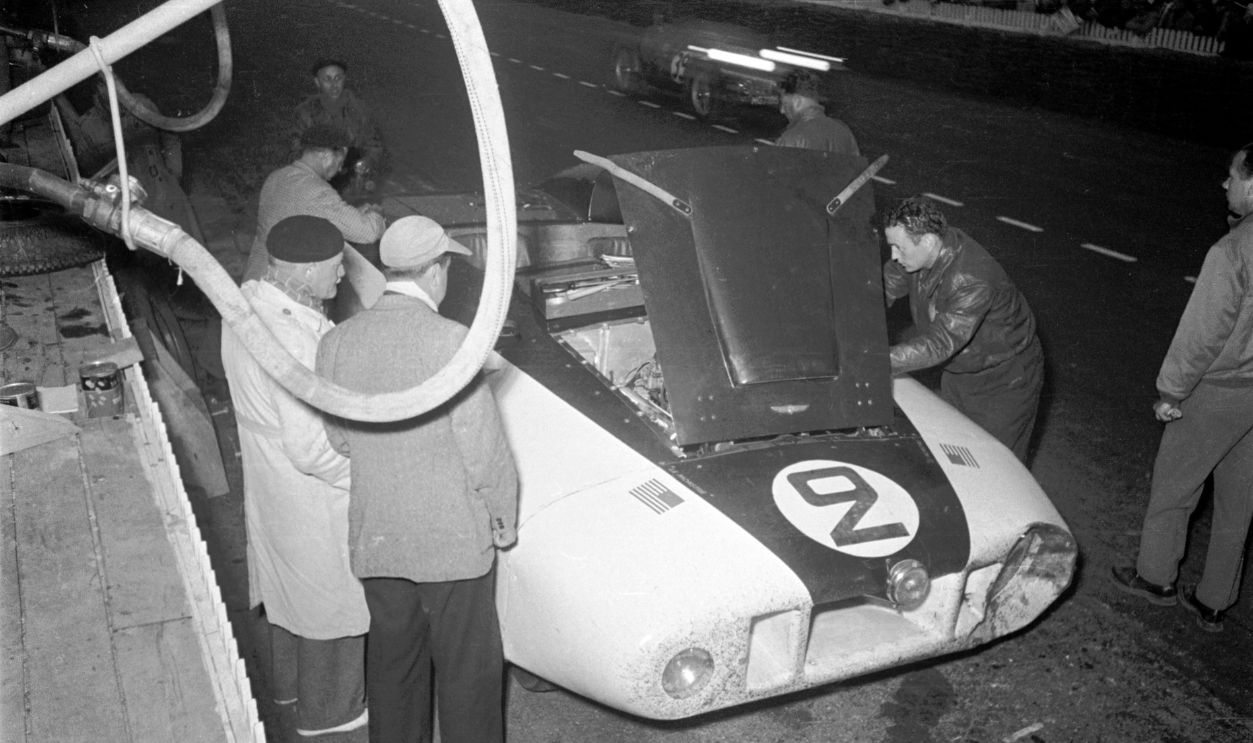 Klemantaski Collection, Getty Images
The Gentleman In The Paddock
Stories of Cunningham’s kindness and sportsmanship are legendary. He was known to lend parts to rivals, congratulate competitors who beat him, and treat mechanics with genuine respect. In a cutthroat sport, he remained steadfastly human.
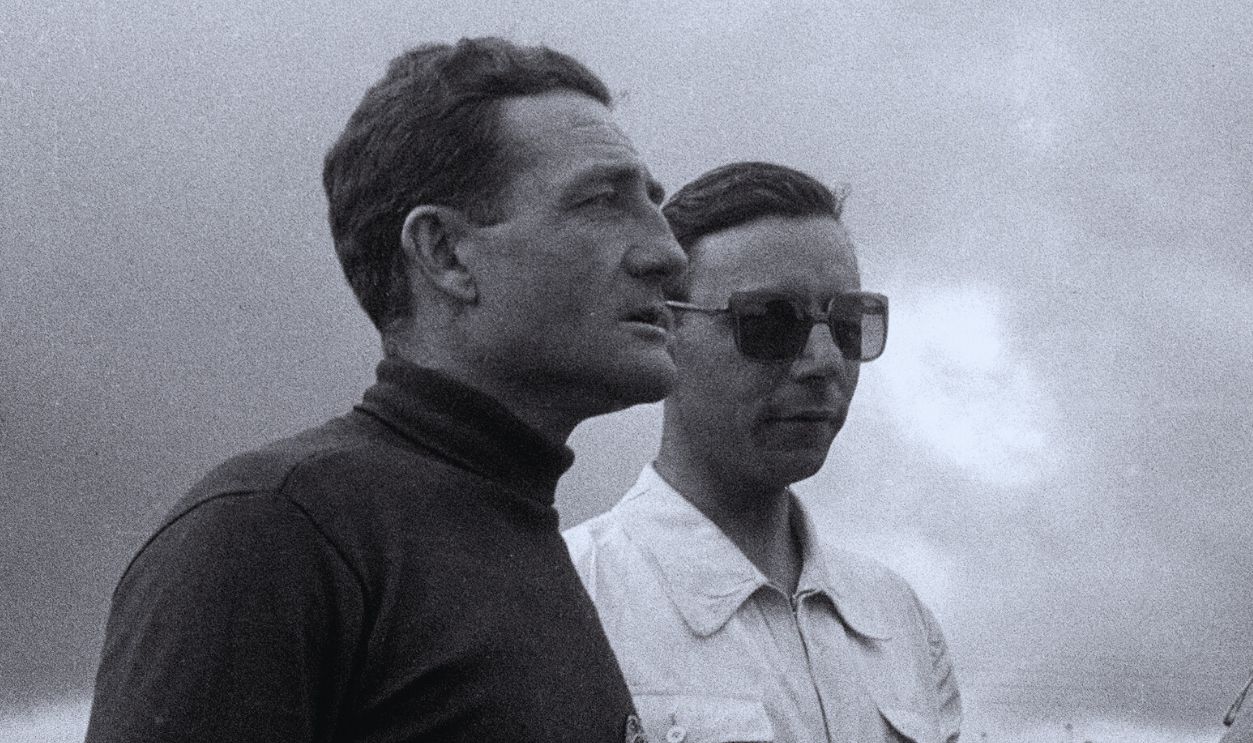 Klemantaski Collection, Getty Images
Why He Never Won Le Mans
The irony of Cunningham’s career is painful: he came so close, so many times, yet never claimed overall victory at Le Mans. Timing, regulations, and sheer bad luck all played their parts. But his impact transcended trophies.
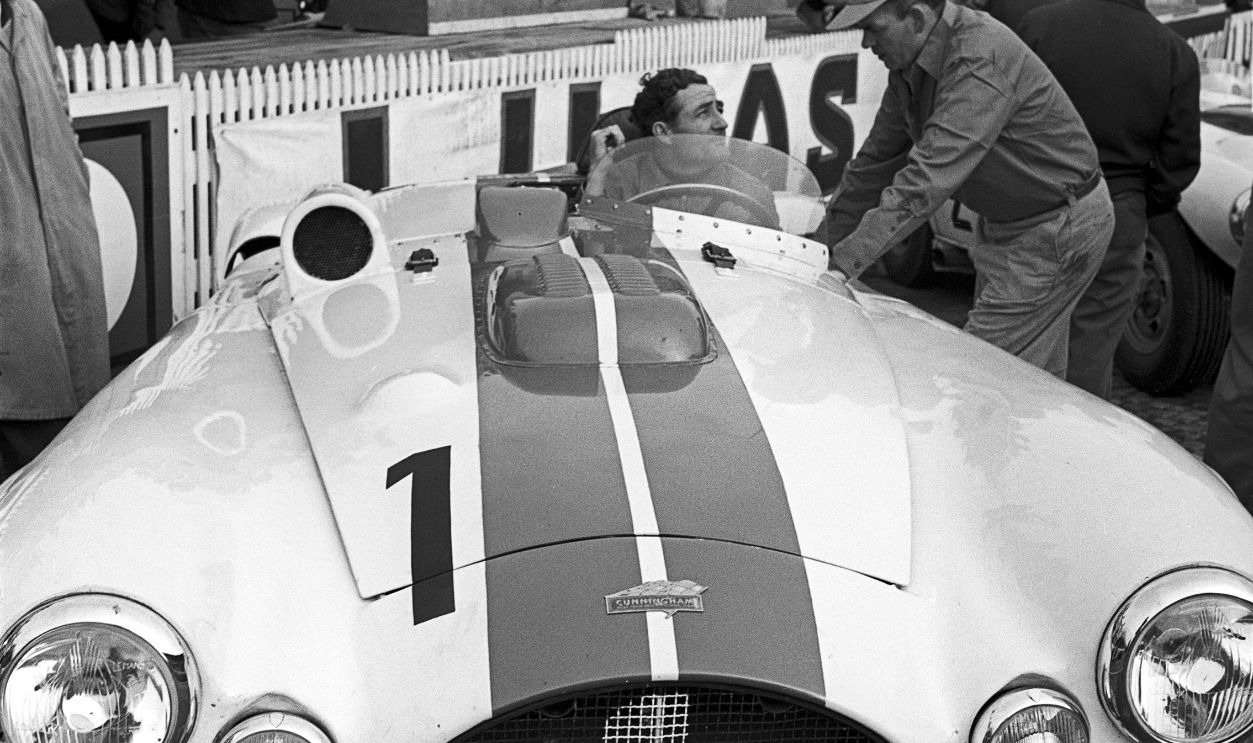
Overshadowed By Later Legends
As decades passed, figures like Carroll Shelby and Roger Penske came to define American racing success. Their stories, bolstered by major victories, eclipsed Cunningham’s quieter legacy. Yet without Cunningham’s early vision, the path they walked might never have existed.
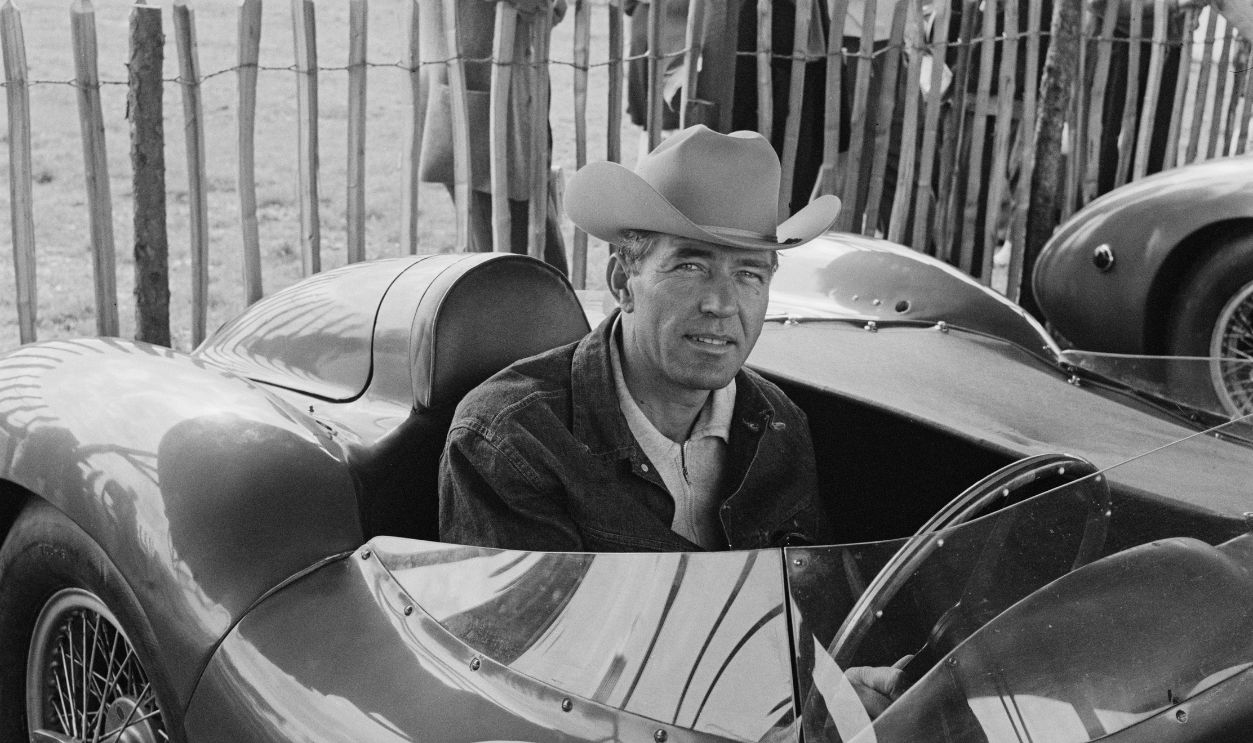 Evening Standard, Getty Images
Rediscovering Cunningham Today
In recent years, interest in Cunningham has resurged. His cars are now prized museum pieces, celebrated at concours events and vintage races. Historians increasingly recognize him as a foundational figure in American motorsport history.
 Mr.choppers, Wikimedia Commons
The Cars That Time Forgot
Original Cunningham cars are rare, valuable, and deeply revered. They represent a moment when American ambition met European tradition head-on—when one man dared to believe that Detroit muscle and refined engineering could coexist.
 Mr.choppers, Wikimedia Commons
A Legacy Beyond Winning
Cunningham’s legacy isn’t defined by championships. It’s defined by courage, vision, and an unshakable belief in American potential. He proved that Americans belonged on the world stage, not as spectators, but as equals.
The Spirit Of Innovation
Long before “global platforms” and cross-continental collaborations, Cunningham understood the power of blending ideas. His philosophy lives on in modern endurance racing, where reliability, teamwork, and adaptability reign supreme.
Remembering America’s Racing Gentleman
Briggs Cunningham may never have stood atop the Le Mans podium, but he stood tall in the history of motorsport. He raced with honor, built with conviction, and dreamed bigger than most. In remembering him, we don’t just honor a racer—we honor the spirit of American ingenuity and the belief that sometimes, the journey matters more than the finish line.
Chevrolet’s SS Wagon Was The Most Unlikely Muscle Car Of The 1970
The Unbelievable Story Of The World’s First Wooden Motorcycle