Saab Never Tried To Be Normal
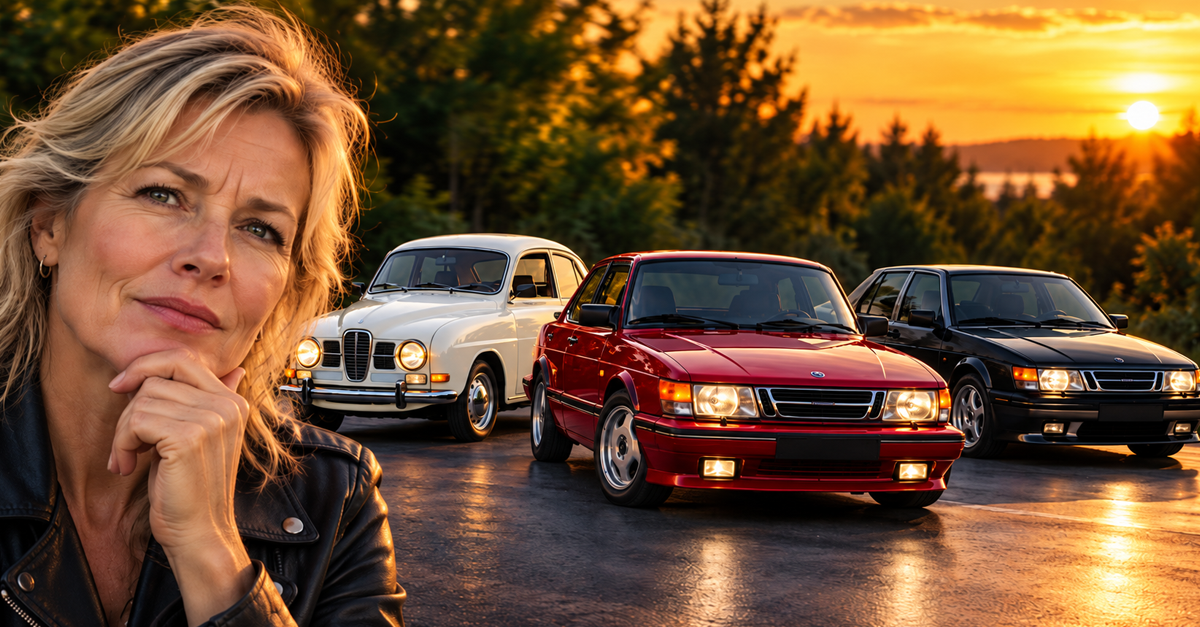
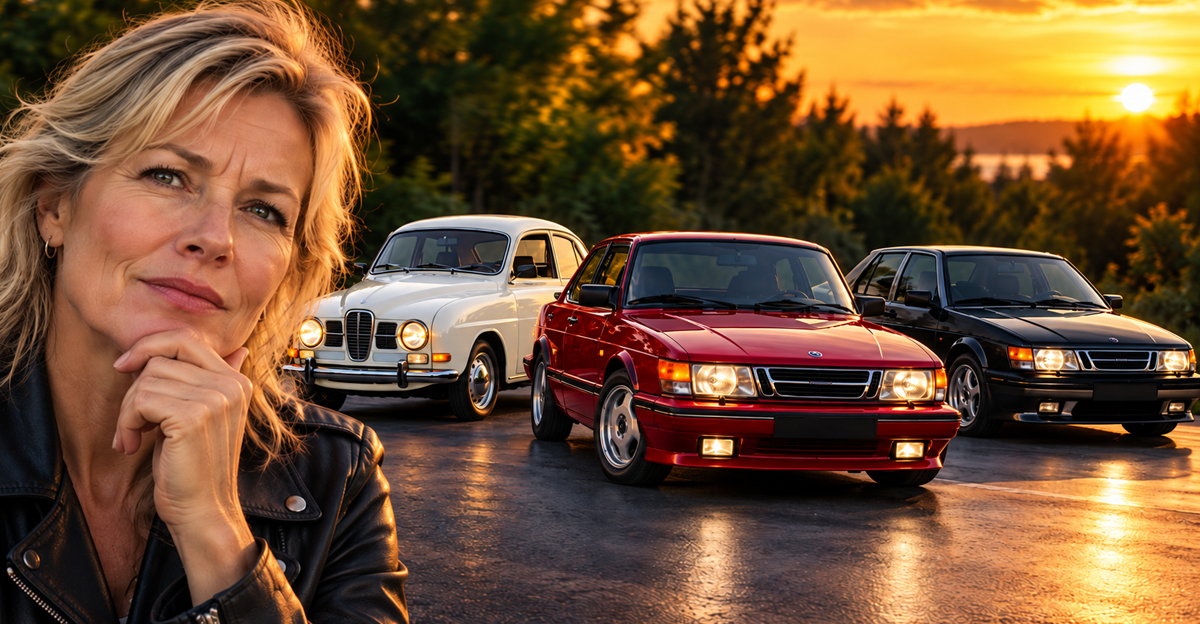
Saab is gone, and somehow that still feels strange. For more than 60 years, the Swedish automaker built cars with turbocharged engines, aircraft-inspired dashboards, huge hatchbacks, unusual safety systems, and an ignition switch in a place no other company seemed interested in using. Saab filed for bankruptcy in 2011, ending one of the industry's most distinctive runs.
If you could bring one Saab back exactly as you remember it, which would you choose?
Saab Started With Airplanes
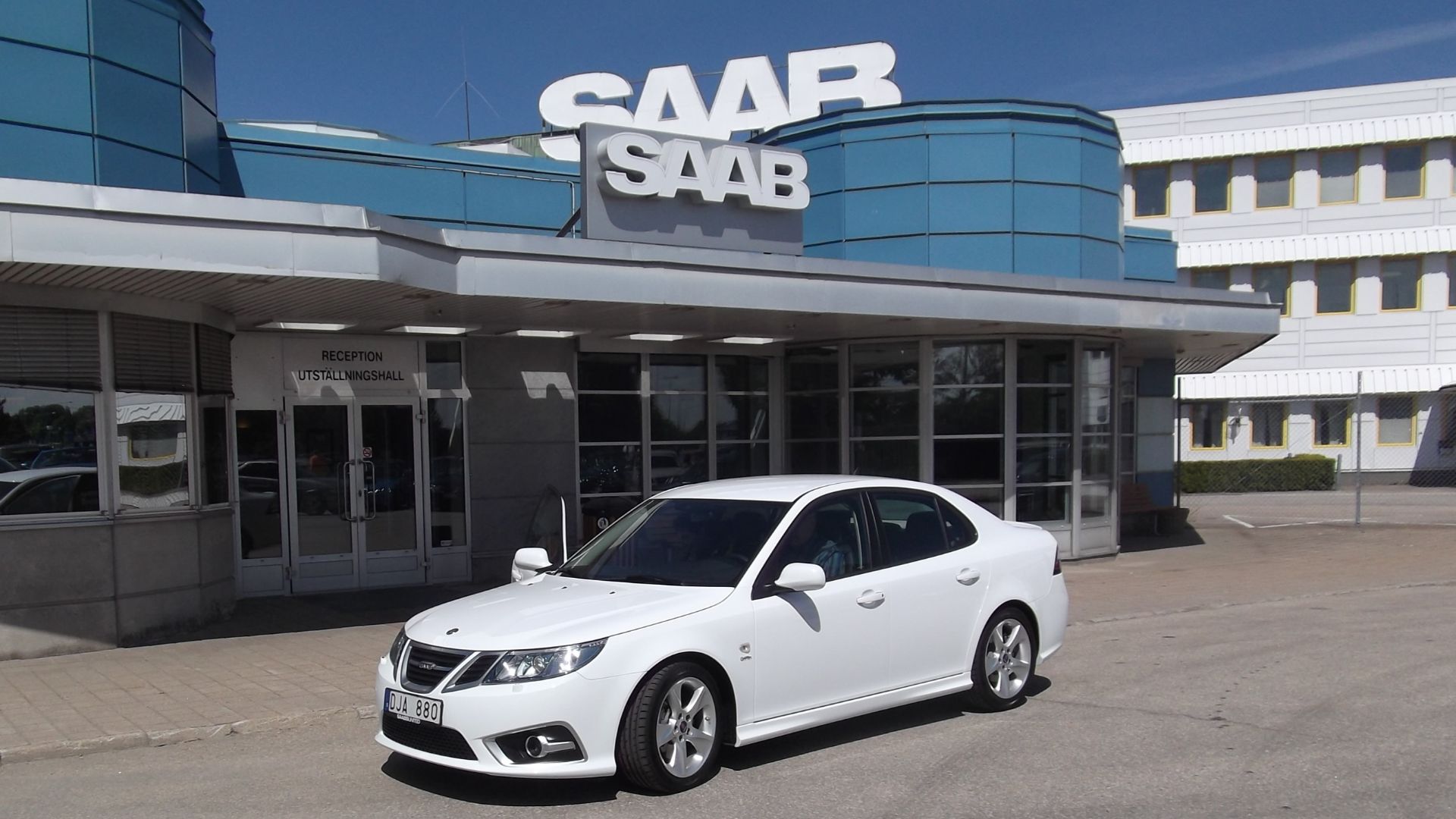
Saab's automotive story began after the Swedish aircraft manufacturer decided to enter the car business in 1947. Series production started in December 1949, bringing aircraft engineers and their interest in aerodynamics into an industry they had little experience with. Rather than imitate established automakers, Saab developed many of its own solutions. That outsider mentality shaped almost everything that followed.
Saab 92
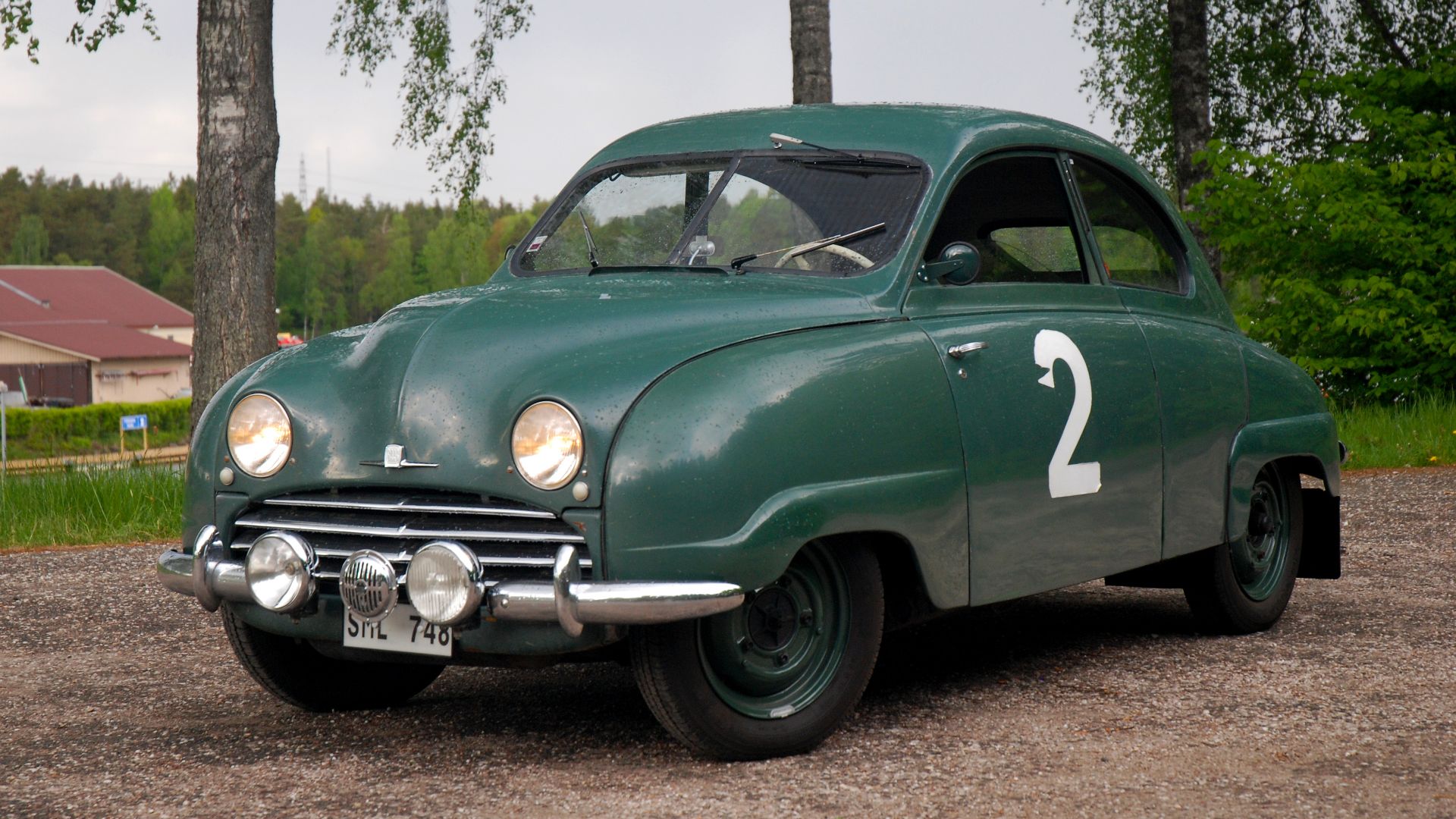
The Saab 92 was the company's first production car, and its rounded body immediately looked different from most postwar automobiles. Beneath it sat a 764cc two-cylinder, two-stroke engine driving the front wheels. Saab produced 1,246 examples during 1950, all painted green. The company's first car already showed that convention was not much of a priority.
 Jelger Groeneveld, Wikimedia Commons
Saab 95
The Saab 95 station wagon arrived in 1959 and packed remarkable practicality into a relatively small body. A folding rear bench increased seating capacity from five passengers to seven, while the cargo area could handle up to 500 kilograms of luggage. Later versions used a roof spoiler to help direct air across the rear window and keep it cleaner. Saab was already finding unusual answers to ordinary family-car problems.
 Jon Callas from San Jose, USA, Wikimedia Commons
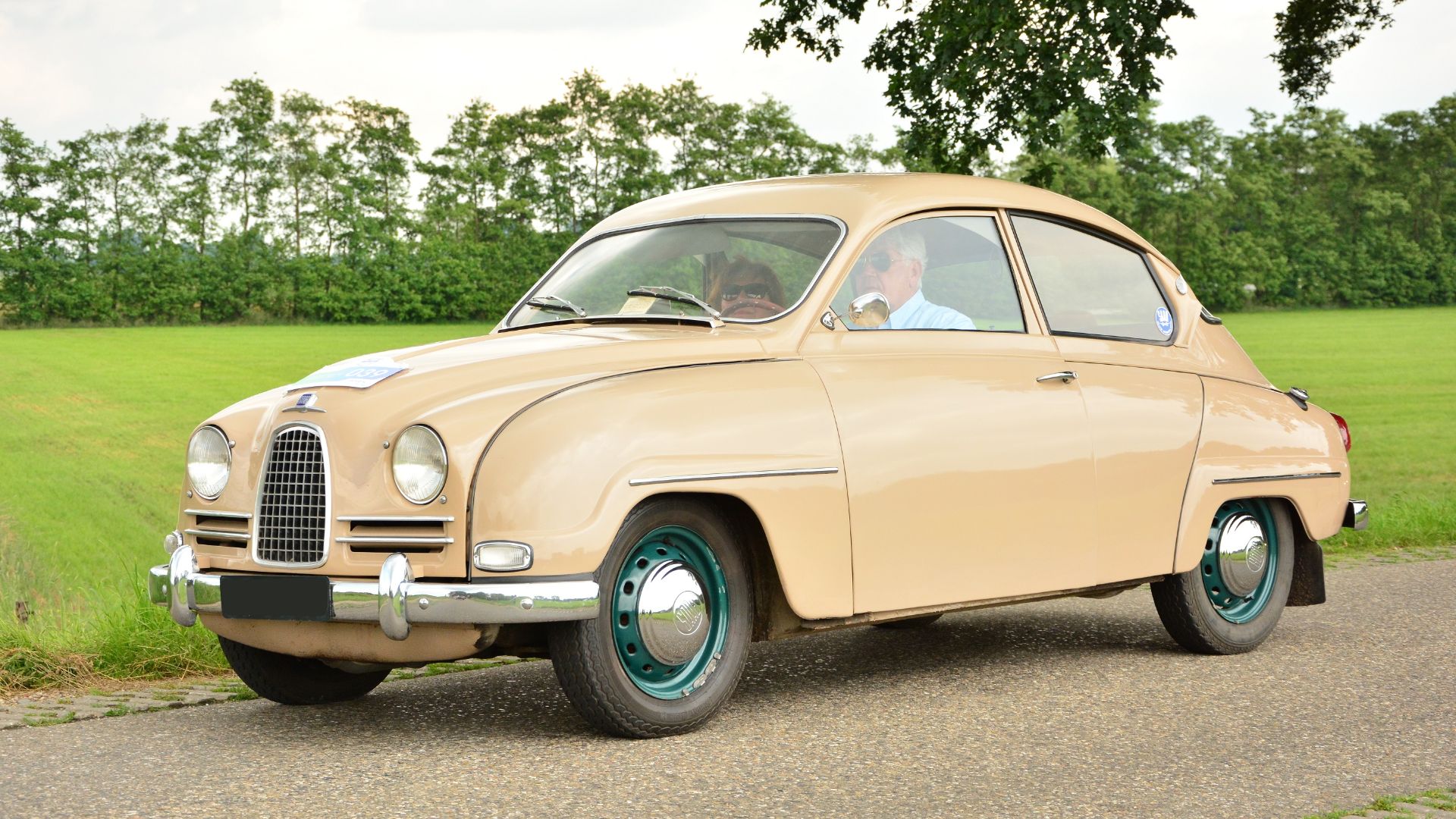
Saab 96
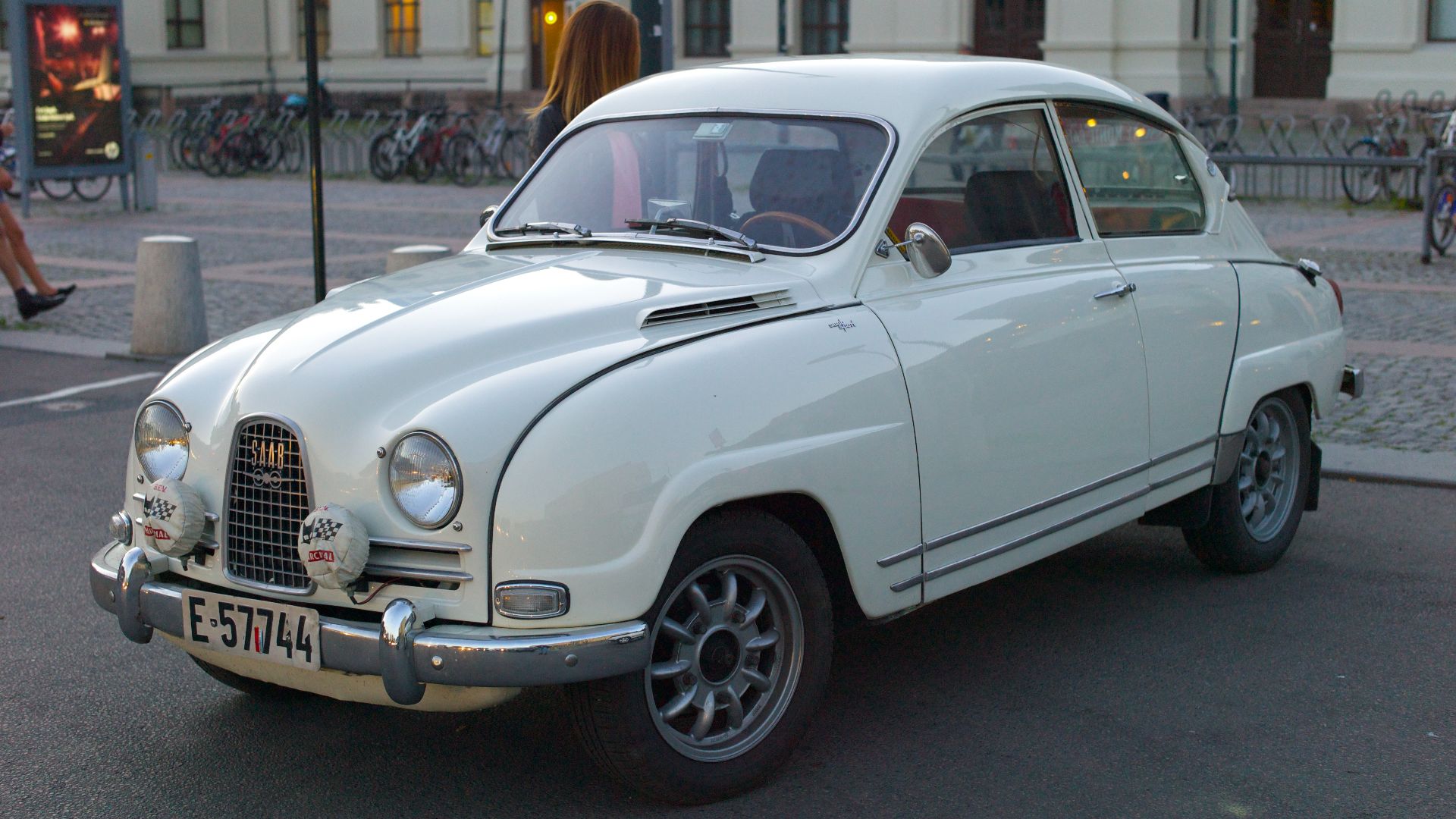
The Saab 96 arrived in 1960 with an 841cc three-cylinder two-stroke producing 38 horsepower. It offered a larger rear window, wider rear seat, and more luggage space than the 93 it replaced. The basic design proved remarkably durable, with later V4 versions remaining in production until 1980. Few cars stayed so closely tied to Saab's identity for so long.
 Jan Derk Remmers, Wikimedia Commons
The 96 Became A Rally Hero
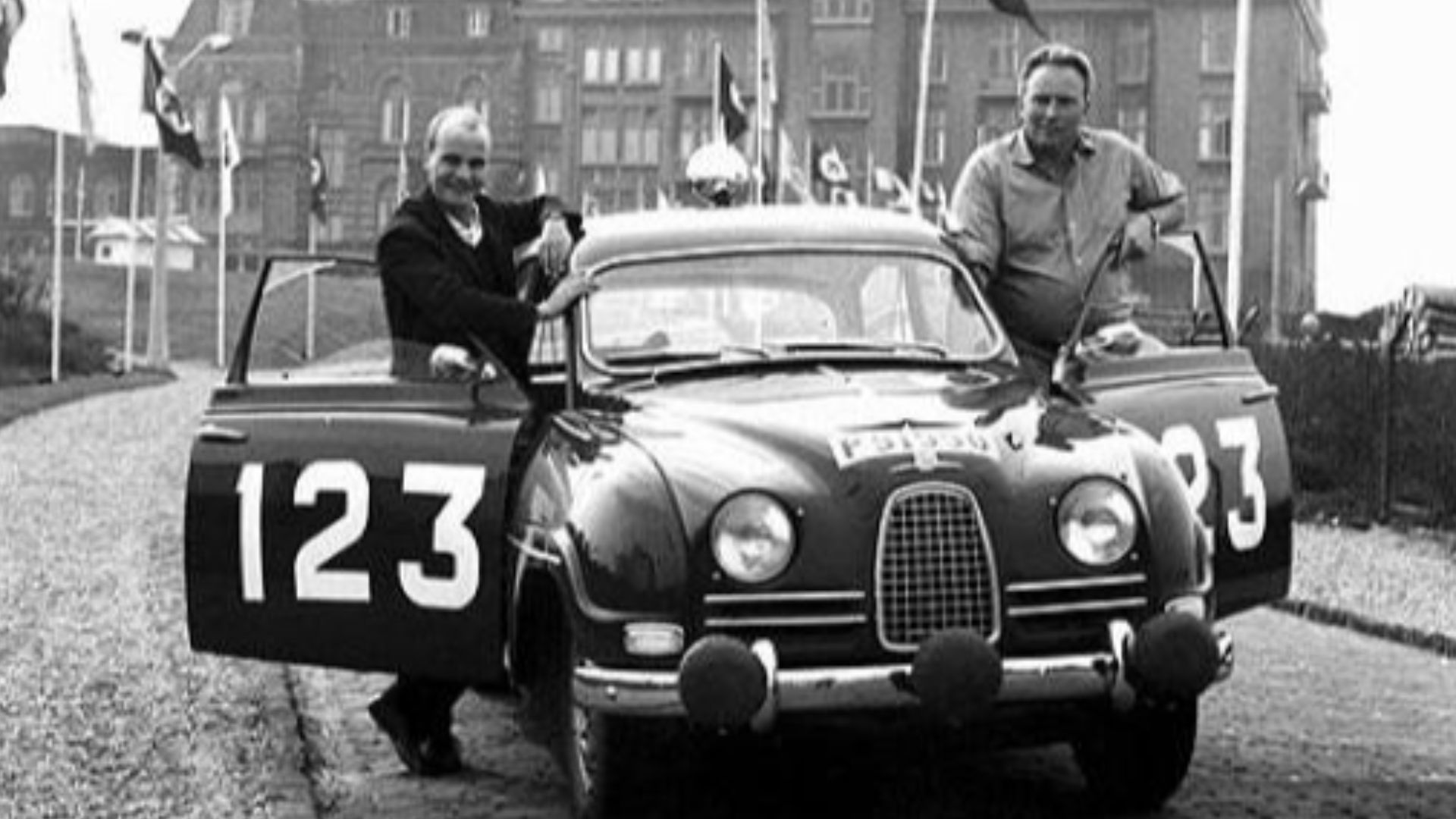
The Saab 96's odd proportions did not stop it from becoming a serious rally car. Front-wheel drive and relatively low weight helped it perform well on difficult surfaces, while driver Erik Carlsson became closely associated with Saab's competition success. Carlsson later drove the final 96 from Finland to Saab's museum after production ended in 1980. Racing helped turn Saab's unusual engineering into part of the brand's appeal.
Saab 96 V4
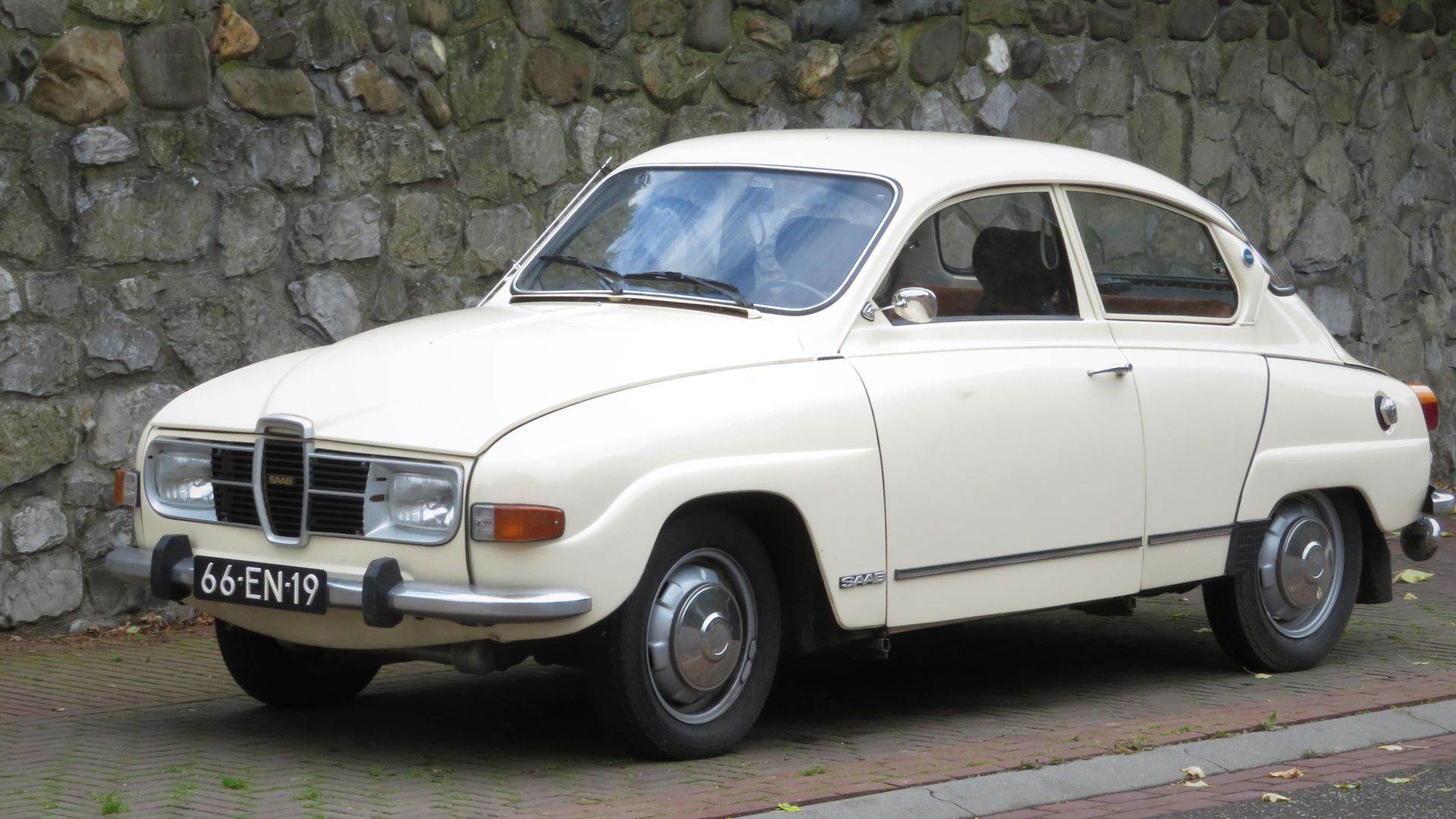
For the 1967 model year, Saab added a 1.5-liter Ford V4 alongside the familiar two-stroke engine. The V4 produced 65 horsepower and appealed to buyers who liked Saab's shape but wanted a more conventional powertrain. It helped extend the life of a design that had already been around for years. Saab had found a way to modernize the 96 without stripping away its character.
Saab Sonett
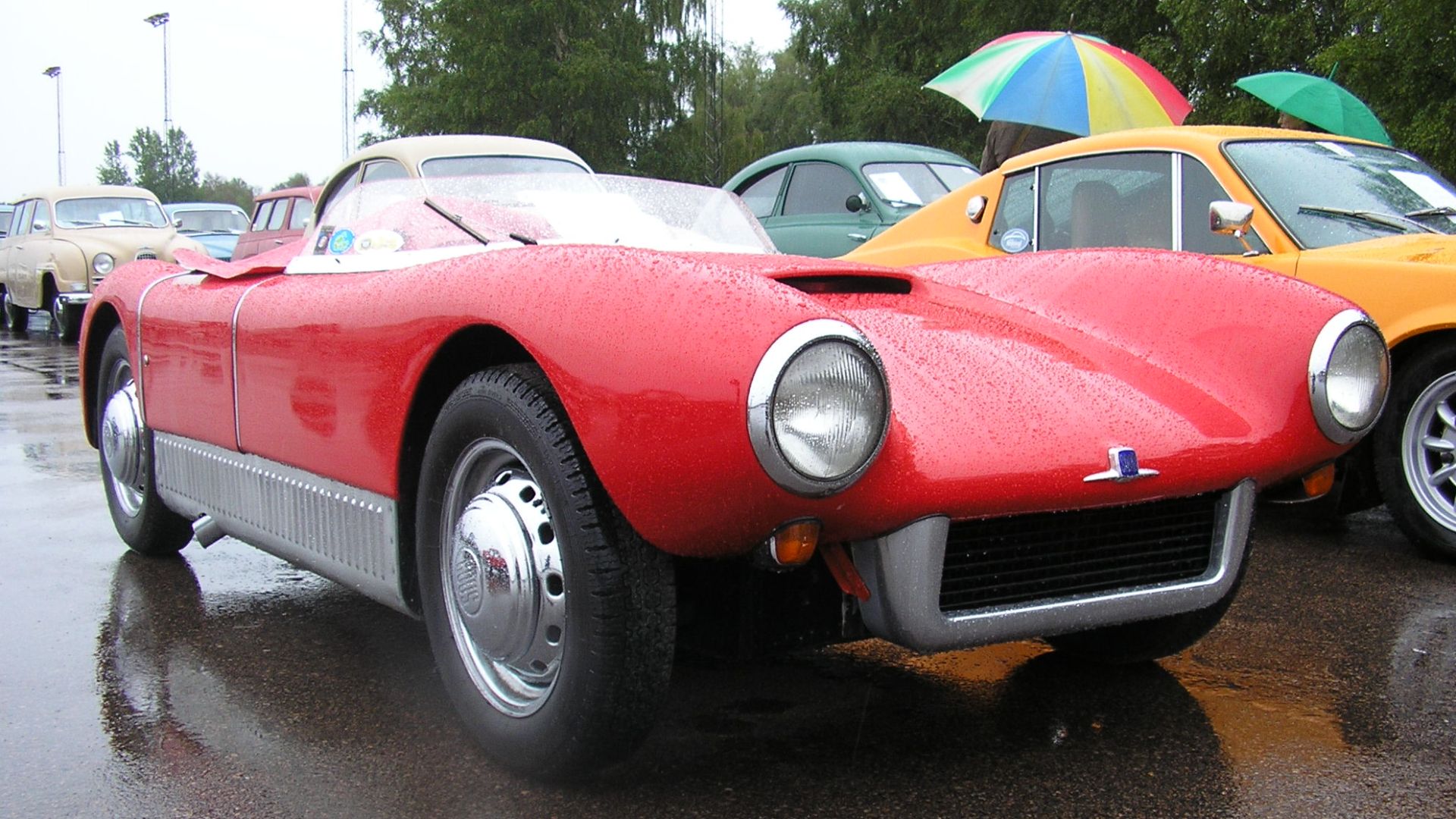
The original Sonett was one of Saab's strangest experiments. Only six examples were built after engineer Rolf Mellde began developing the lightweight sports car largely outside Saab's regular production program. Its construction included a fiberglass-reinforced plastic body, still an unusual material for a road car at the time. Even by Saab standards, the Sonett was something different.
Saab Sonett III
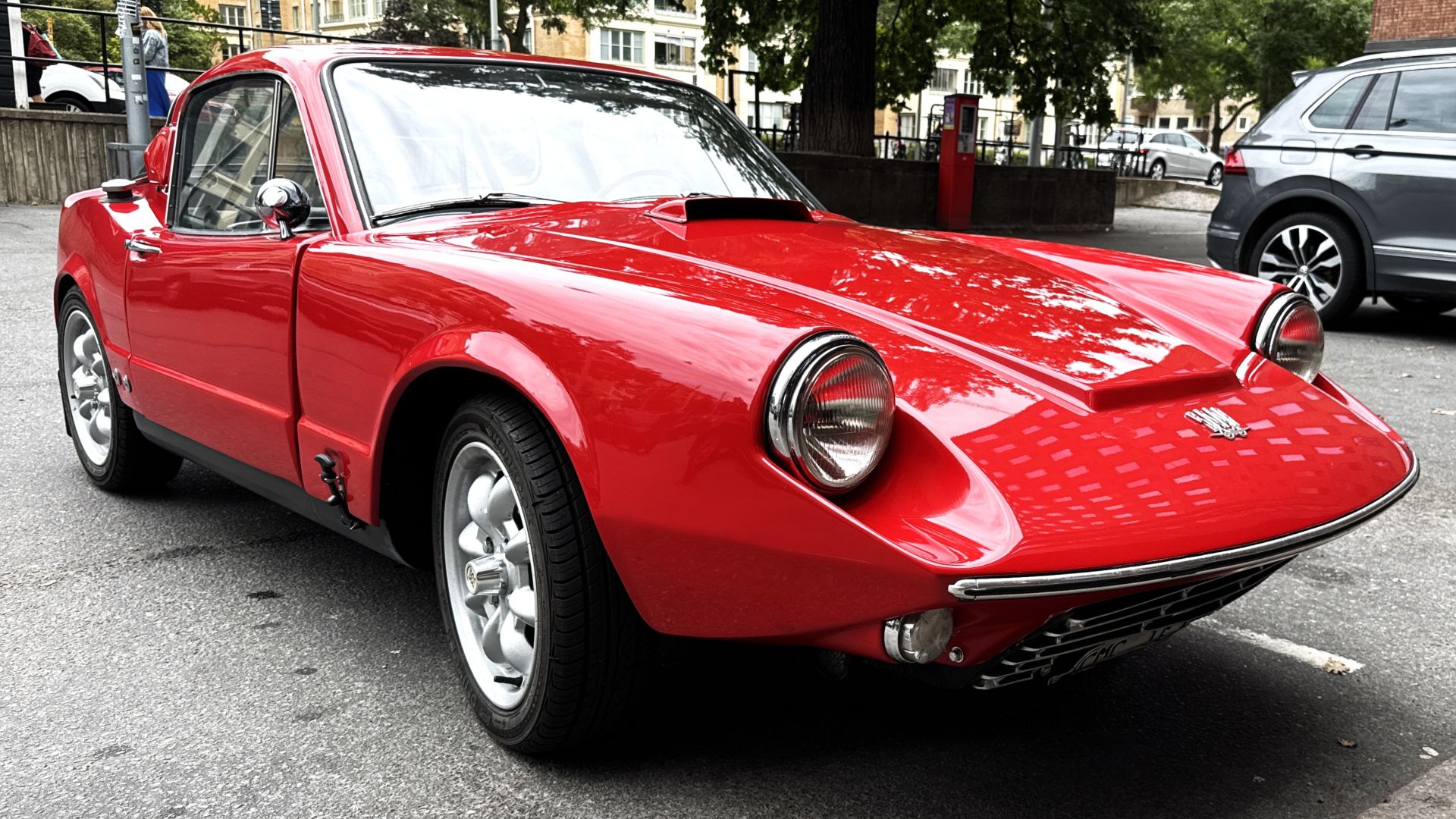
The Sonett III arrived in 1970 after Saab asked Italian designer Sergio Coggiola to rethink the previous Sonett's styling. Saab designer Gunnar A. Sjögren further developed the shape before production began. Underneath sat a front-wheel-drive layout and Ford-derived V4 engine. Most examples went to the United States, giving American buyers one of Saab's most exotic-looking cars.
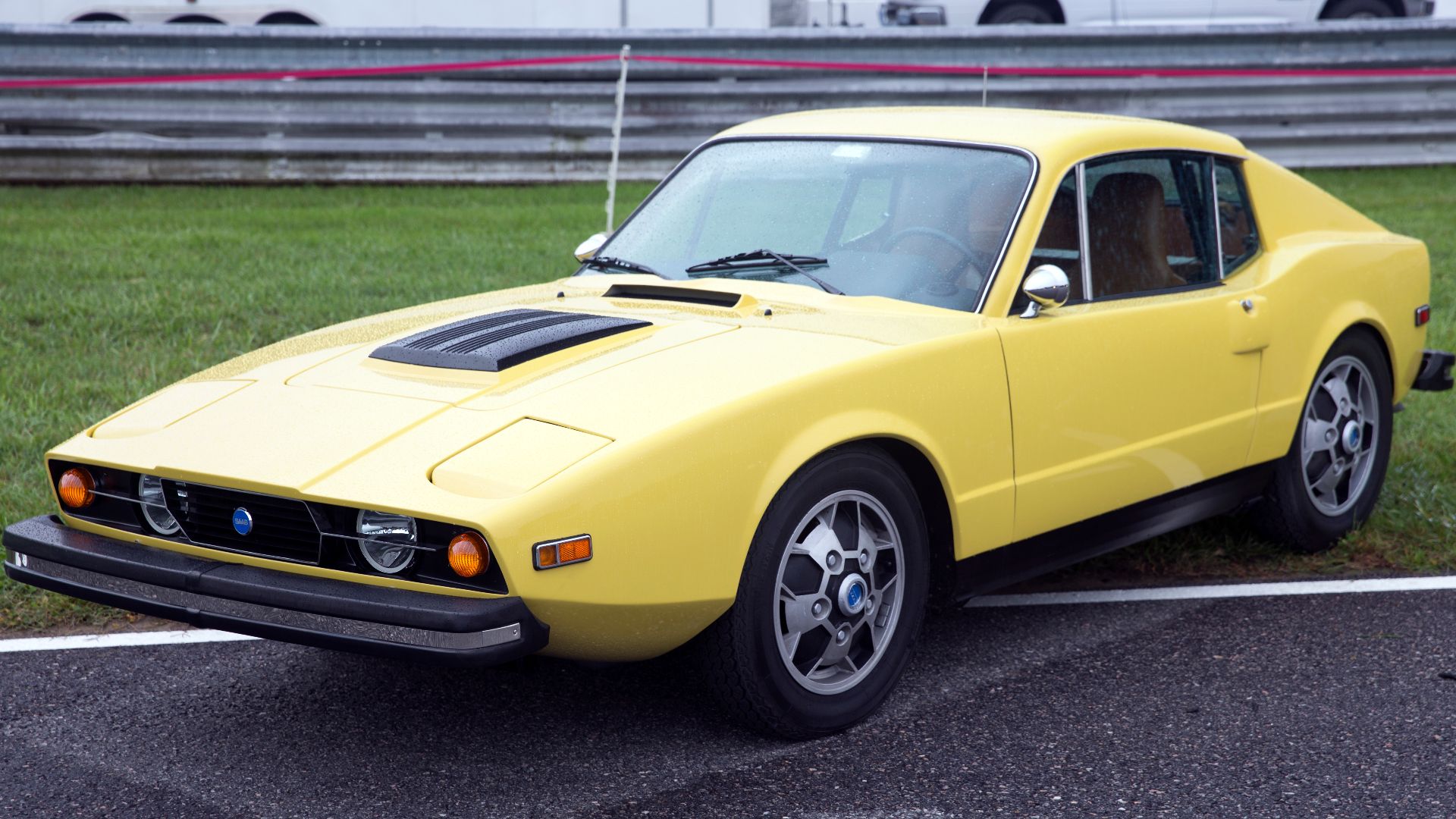 Mr.choppers, Wikimedia Commons
Saab 99
Development of the Saab 99 began when the company needed something larger and more modern than the 96. The car was revealed in November 1967 with a new body and a four-stroke engine developed from work involving Triumph and engineering firm Ricardo. It also incorporated safety-focused features including crumple zones and a collapsible steering column. The 99 moved Saab forward without making it look like everyone else.
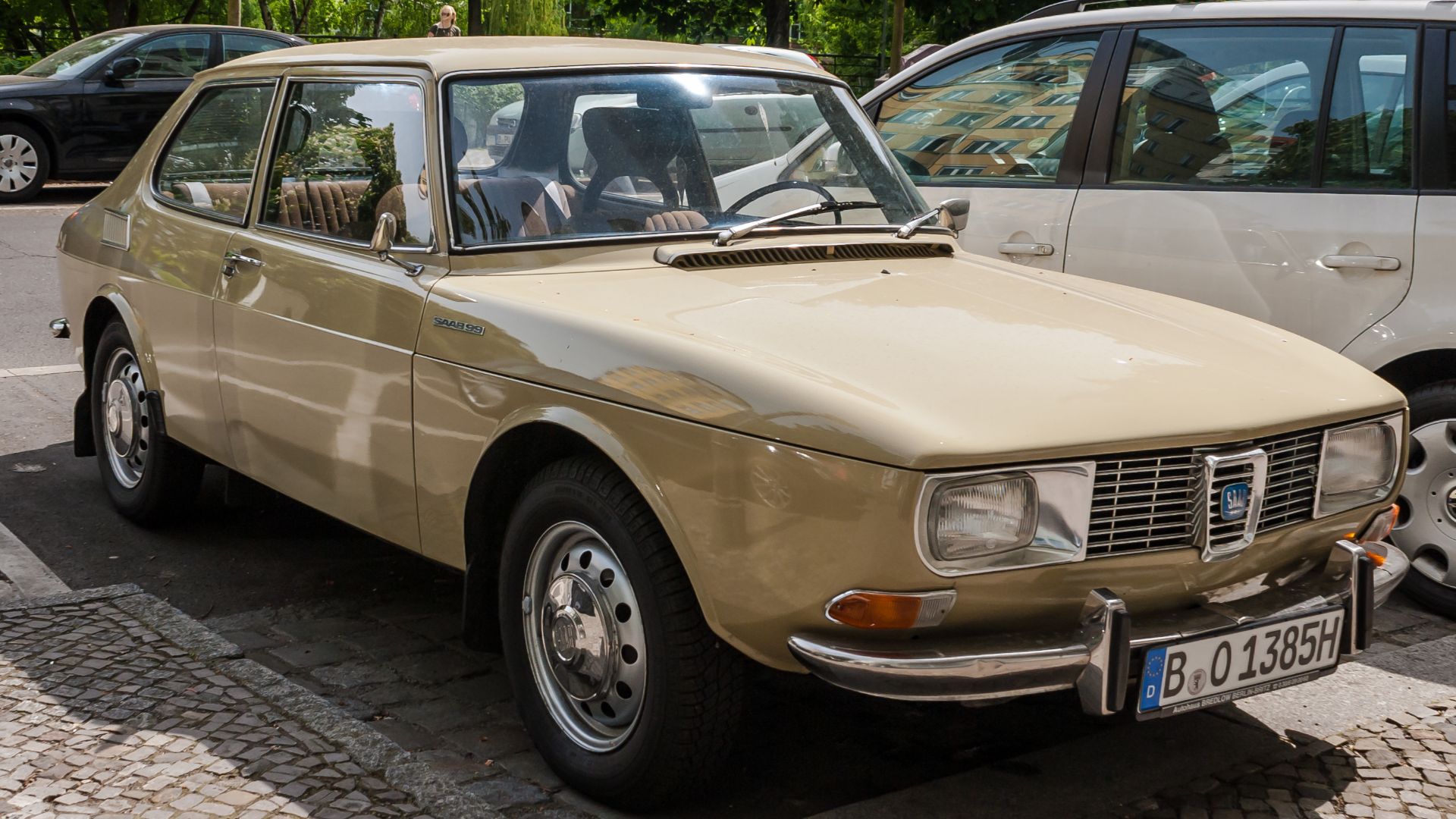 Matti Blume, Wikimedia Commons
Saab Put The Ignition Somewhere Else
The 99 introduced one of Saab's most famous interior quirks. Instead of placing the ignition beside the steering column, Saab mounted it on the floor between the front seats. That location would survive through multiple later generations of Saab cars. It initially felt bizarre, but for longtime owners it became part of the ritual of driving one.
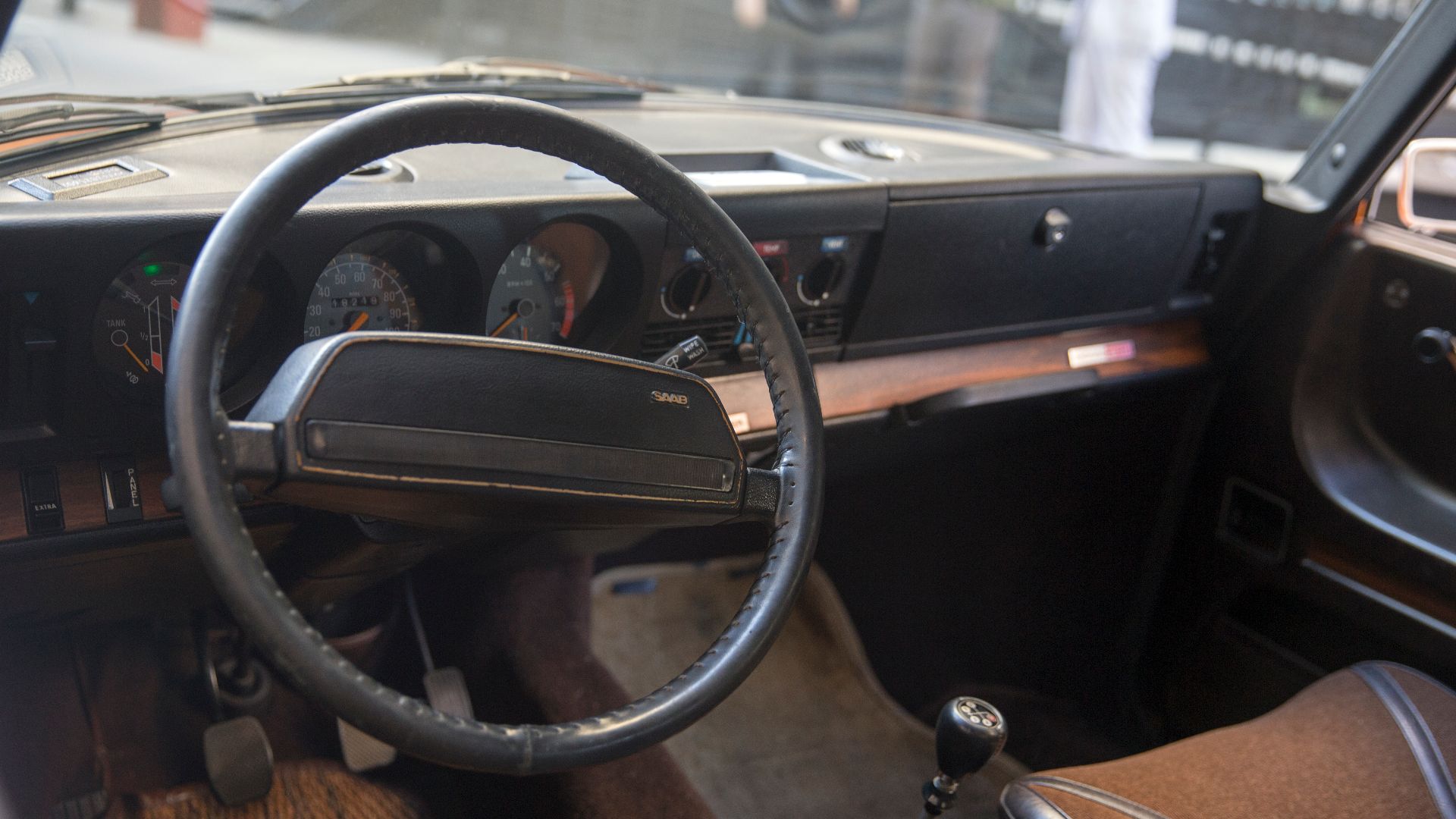 Mr.choppers, Wikimedia Commons
Saab 99 Turbo
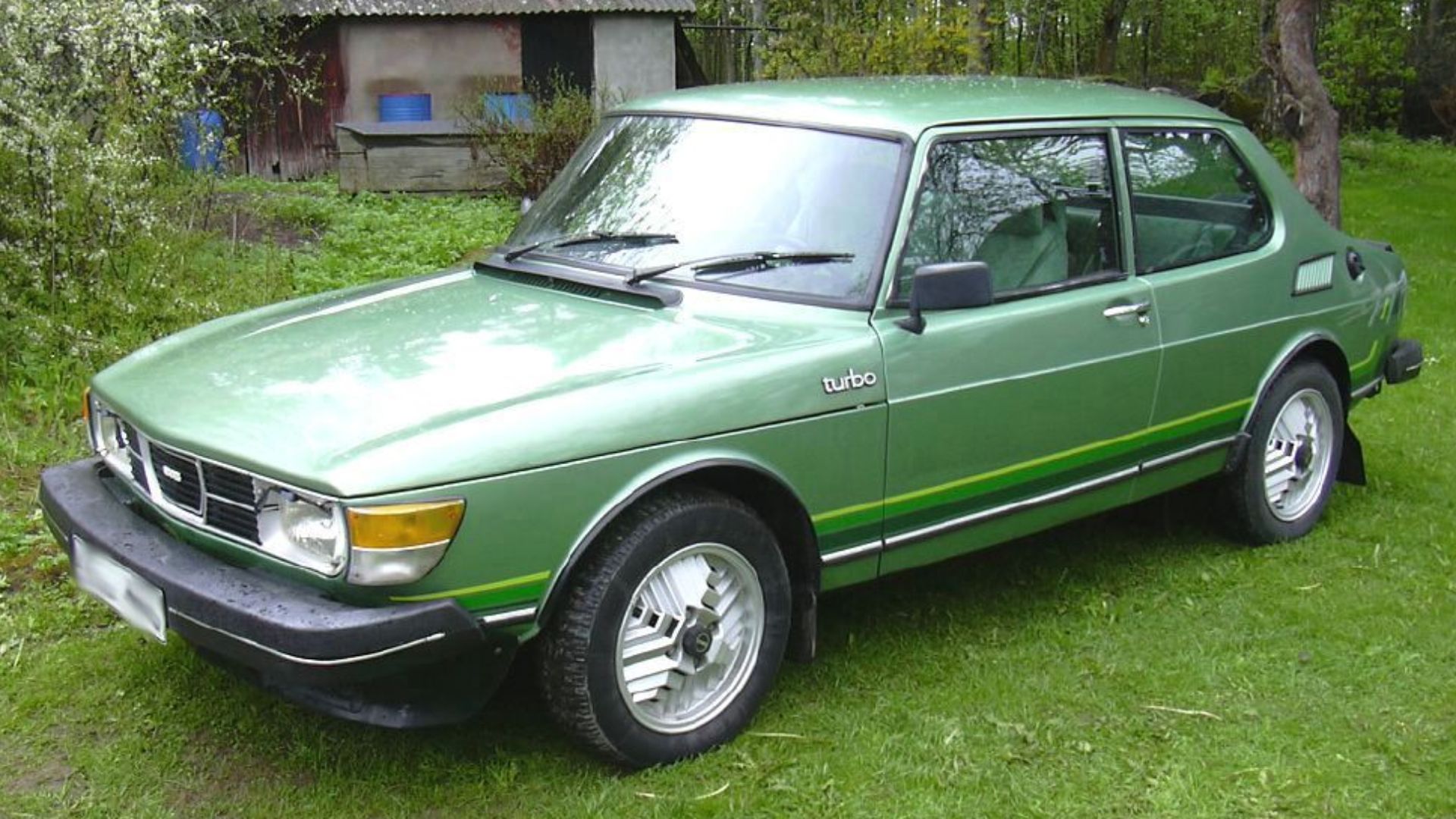
Saab showed its turbo concept in 1976, then launched the production 99 Turbo for the 1978 model year. The big idea was not simply adding more power. Saab put turbocharging into a practical family hatchback instead of limiting it to an exotic sports car. That mix of useful packaging and unexpected performance would become one of the brand's defining formulas.
Saab 900
The original Saab 900 arrived for the 1979 model year as an evolution of the 99. Saab redesigned the body ahead of the A-pillars and created a curved, driver-focused dashboard with major controls placed close at hand. Hatchback versions offered enormous cargo space without looking like traditional wagons. More than 900,000 classic 900s were eventually produced.
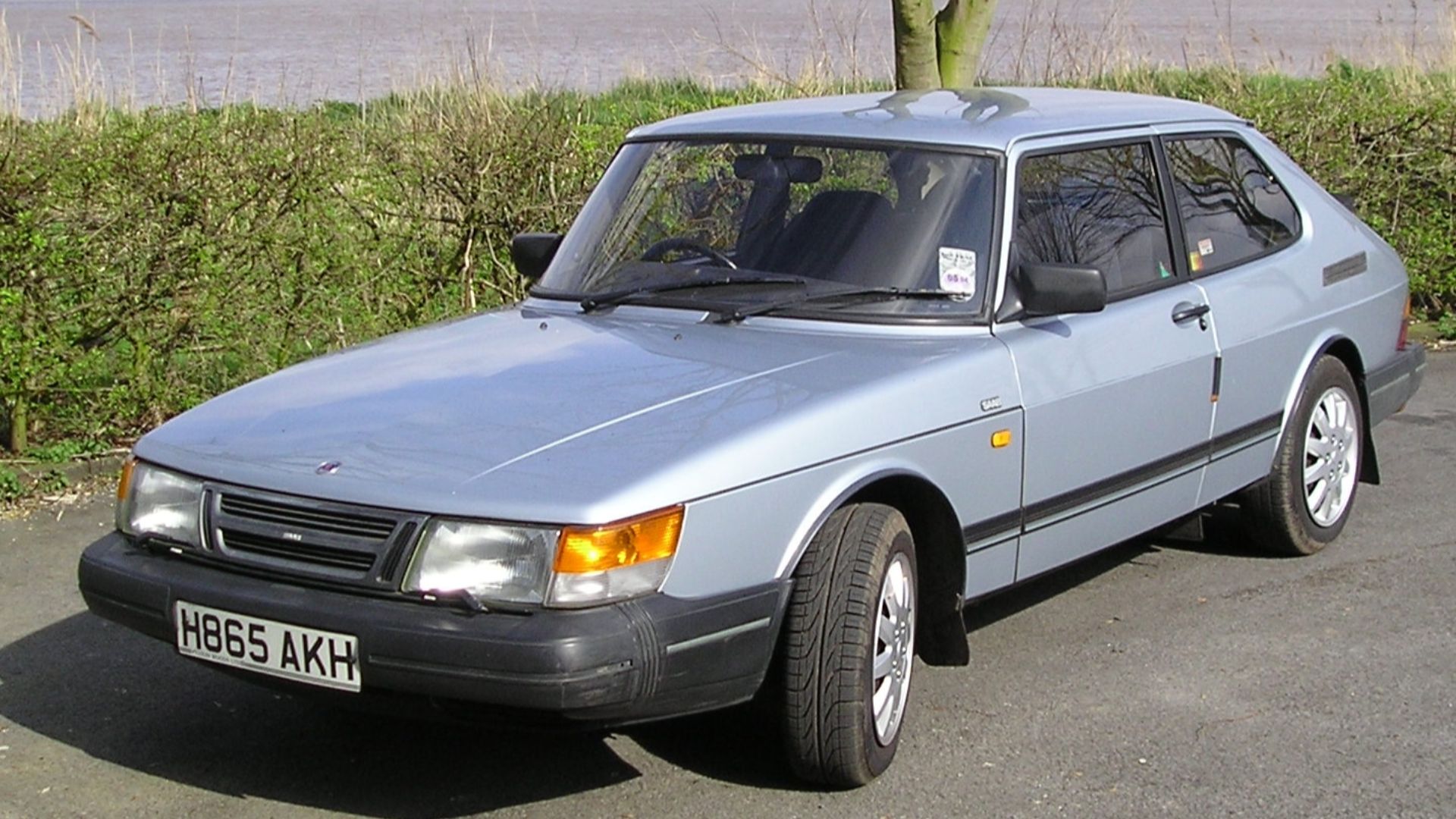 David Wright, Wikimedia Commons
Saab 900 Turbo
The 900 Turbo wrapped Saab's signature shape around the performance advantage of turbocharging. Early versions produced around 145 horsepower, while later 16-valve models made considerably more. Saab also developed Automatic Performance Control, or APC, which detected engine knock and adjusted turbo boost accordingly. The result was high-tech performance in a car that looked unmistakably Swedish.
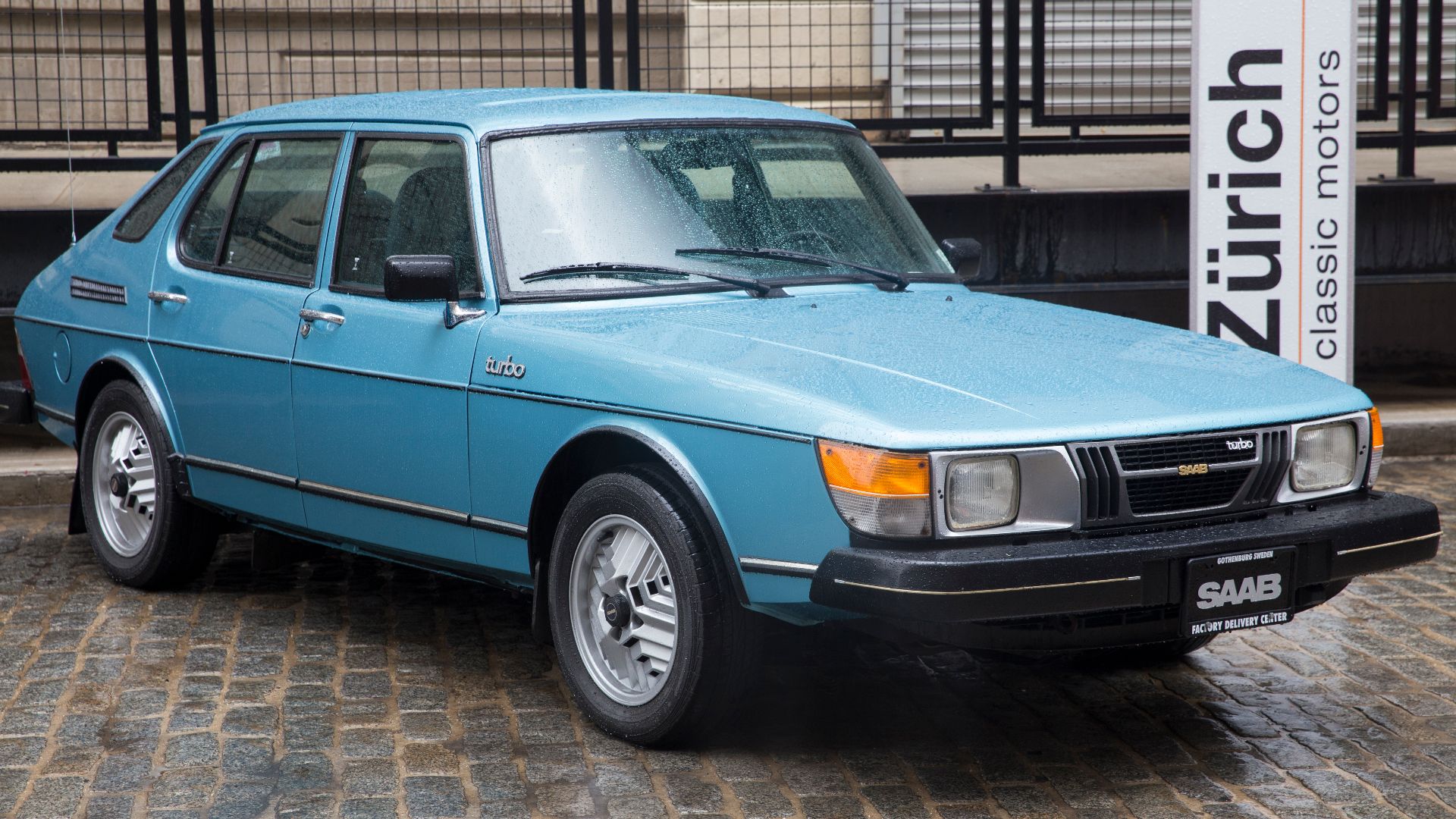 Mr.choppers, Wikimedia Commons
Saab 900 Turbo 16
For 1984, Saab introduced a 16-valve turbo engine with double overhead camshafts. Production versions could produce 175 horsepower, and performance-focused Aero variants followed in some markets. Buyers still got front-wheel drive and hatchback practicality, but now with far stronger performance. Few rival cars combined those qualities in quite the same way.
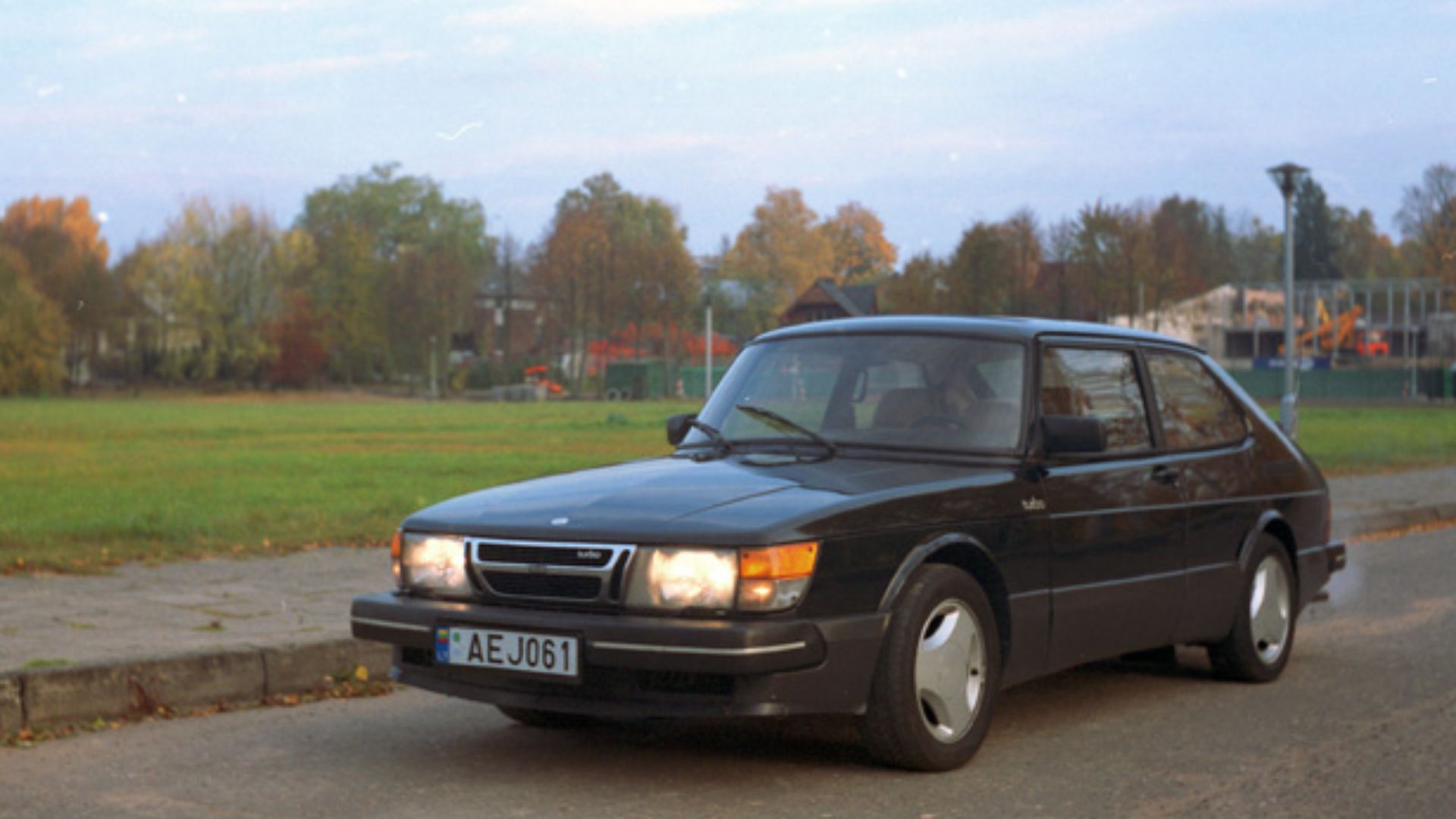
Saab 900 Convertible
Saab first showed the 900 Convertible concept in 1983 before putting it into production a few years later. The car was developed with the American market in mind, and the first 400 examples were sold in the United States. By the end of classic 900 production, Saab had built 48,888 convertibles. Somehow, the company's sensible hatchback-based design also worked as a stylish open-top car.
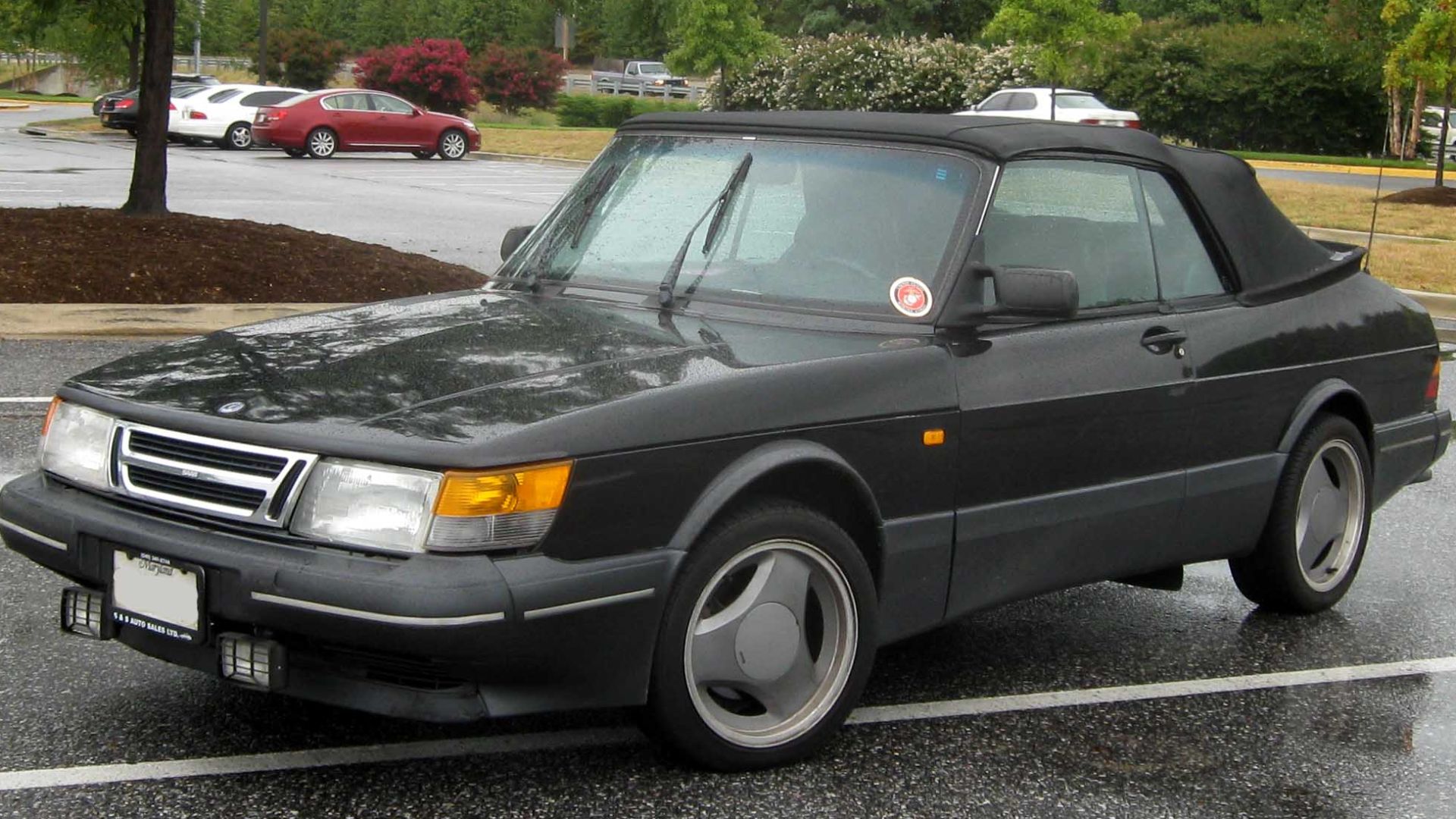
Saab 9000
The Saab 9000 moved the company into the executive-car market for the 1985 model year. It emerged from the Type Four collaboration with Fiat and Lancia, although Saab extensively revised the concept for its own needs. A transverse engine and front-wheel-drive layout created impressive interior room, while the hatchback body kept it practical. Even Saab's luxury car avoided the obvious formula.
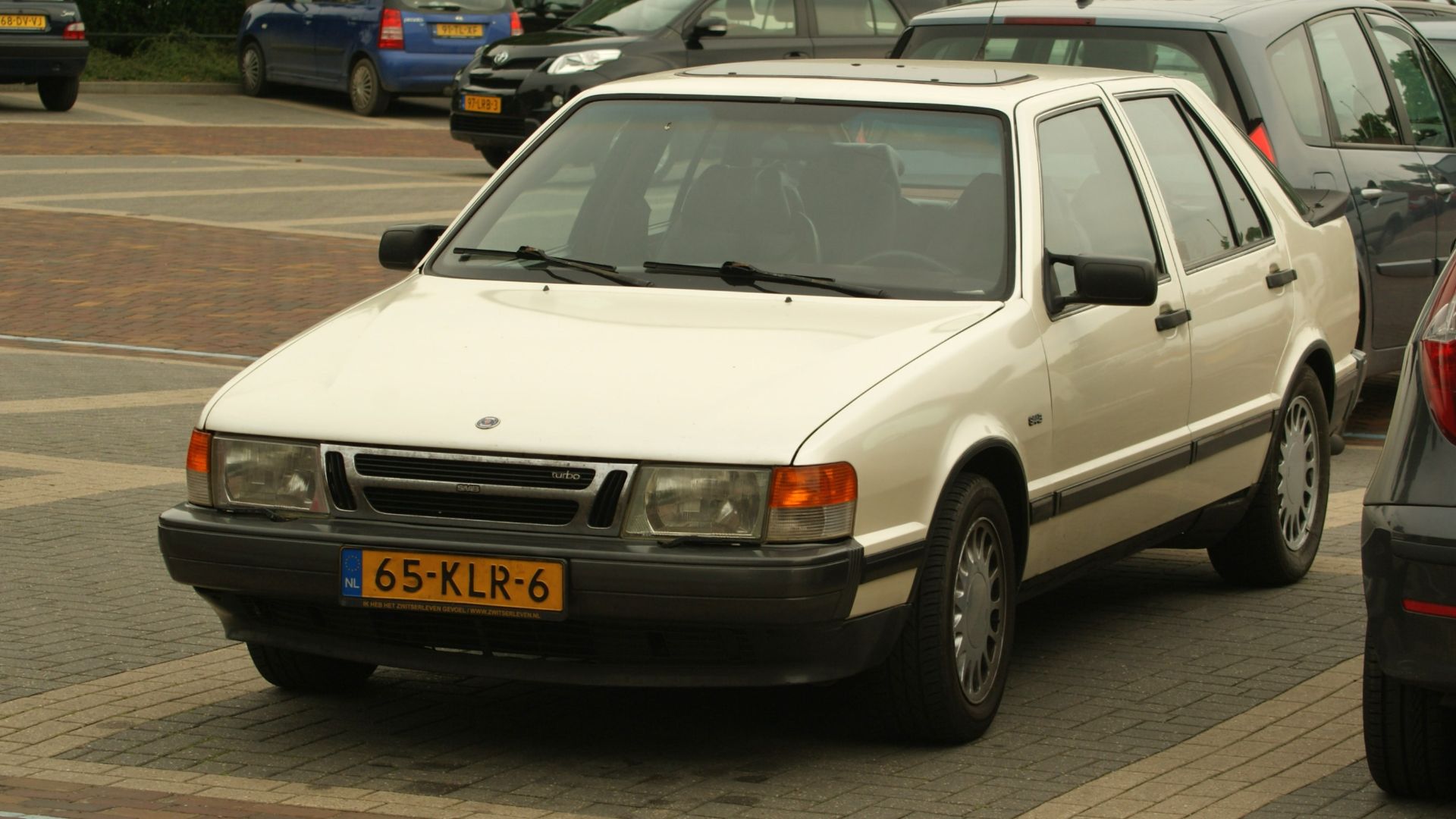 Niels de Wit from Lunteren, The Netherlands, Wikimedia Commons
Saab 9000 Aero
The 9000 Aero became the performance flagship of Saab's big hatchback range. Manual versions used a turbocharged 2.3-liter four-cylinder producing 225 horsepower, along with strong midrange torque. Visually, it remained fairly understated compared with many performance cars. That combination made it one of Saab's best sleepers.
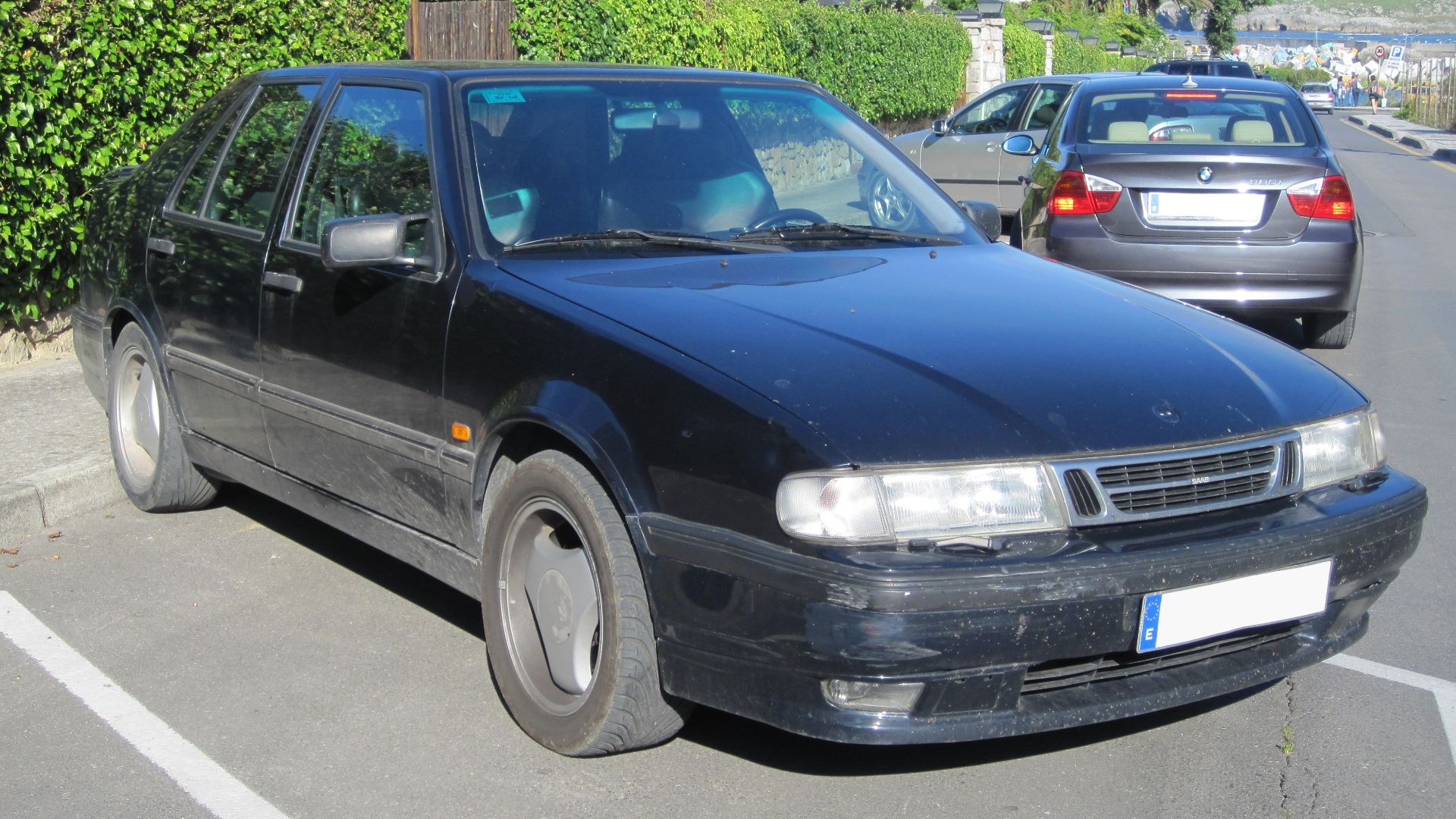 Spanish Coches, Wikimedia Commons
Saab EV-1
The 1985 Saab EV-1 was a fully functional experimental sports coupe based on the 900 Turbo 16. Its futuristic body used lightweight materials including aramid-reinforced fiberglass, while solar cells in the roof powered a ventilation fan. Saab claimed it could accelerate from 0 to 100 km/h in 5.9 seconds. It never entered production, but it showed how far Saab was willing to push an idea.
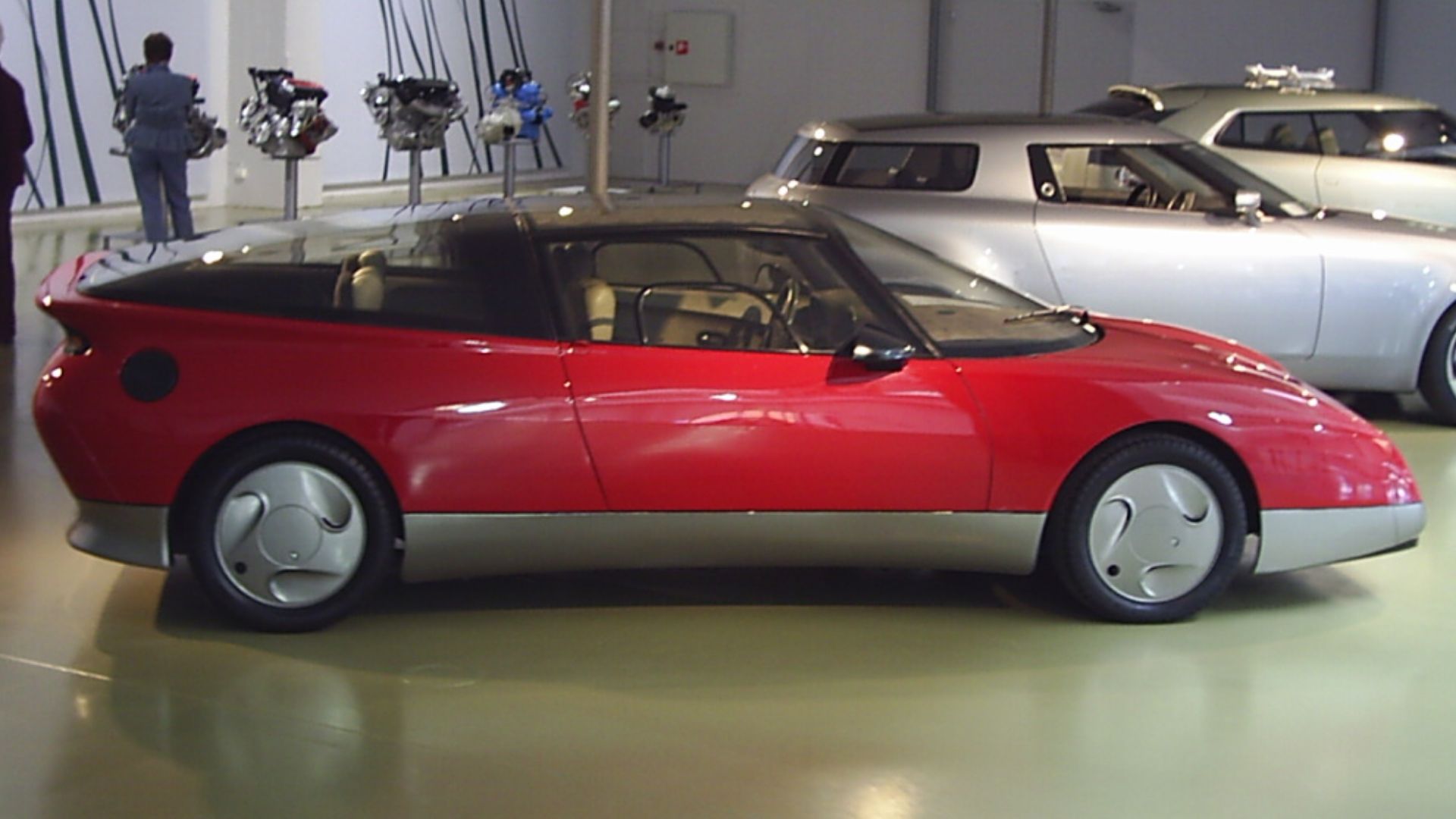
Second-Generation Saab 900
The second-generation Saab 900 debuted in 1993 after General Motors had acquired 50 percent of Saab's automotive operation. It represented a major break from the long-running classic 900 and was developed during a new corporate era. Saab reportedly received more than 3,000 orders within ten days of its unveiling. The challenge now was keeping Saab's personality while sharing more technology with a larger parent company.
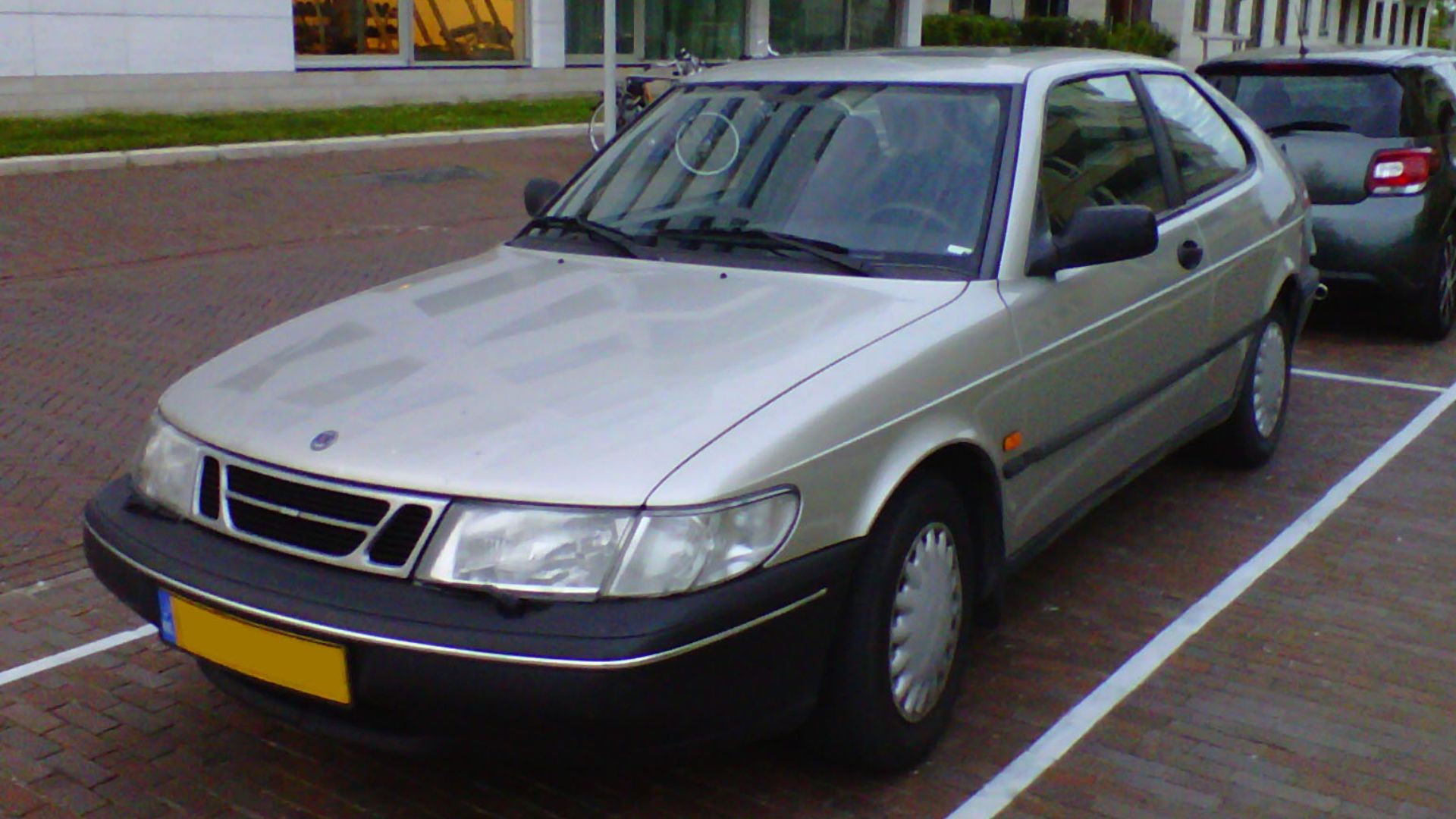 Planereader, Wikimedia Commons
Saab 9-3
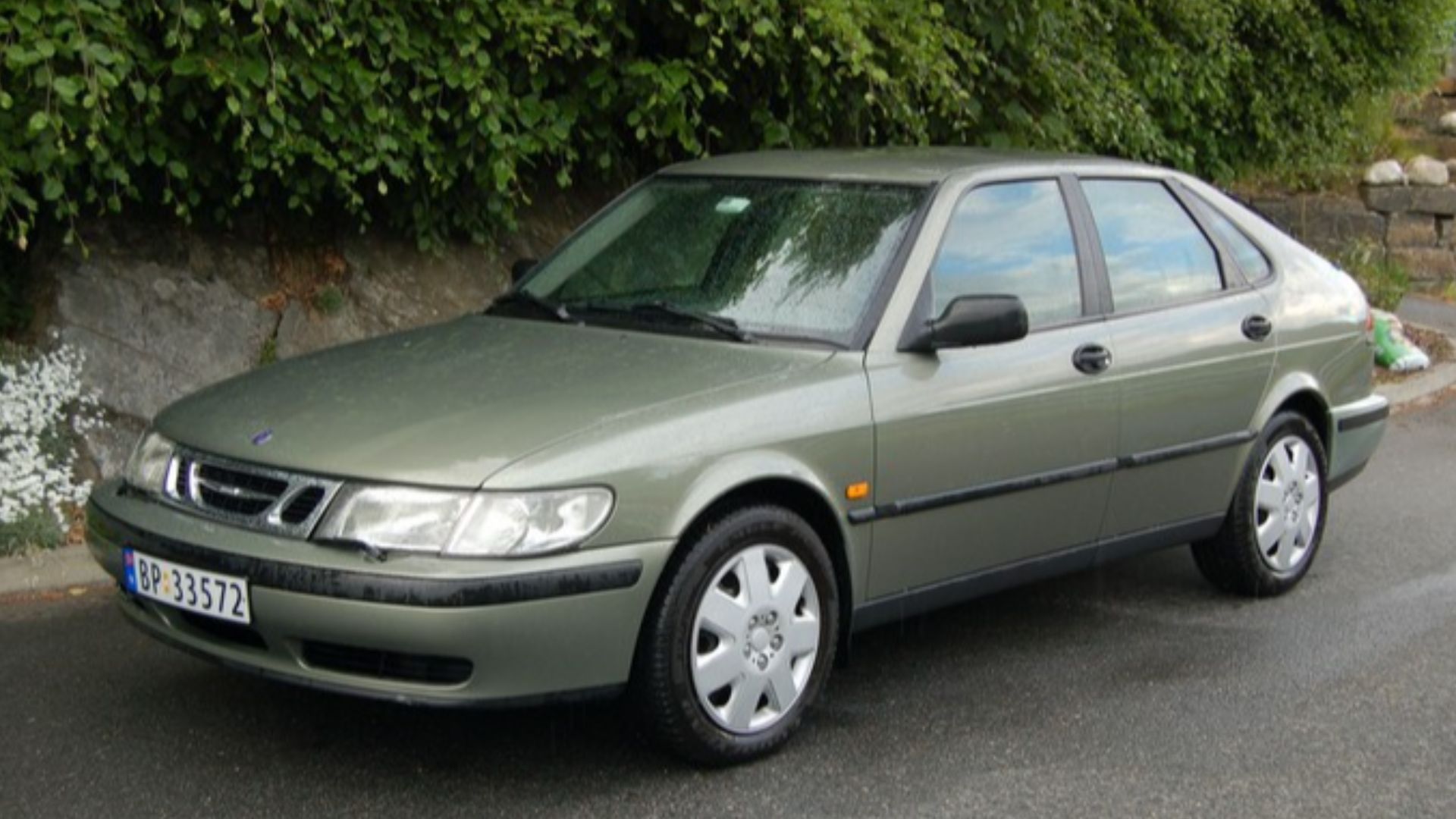
The first Saab 9-3 arrived in 1998 as a heavily revised evolution of the second-generation 900. Although the cars looked similar, Saab said more than 1,000 changes had been made. Turbocharged engines remained important, while new safety technology helped distinguish the model. Saab's formula was evolving rather than disappearing.
 Jan-Rune Lund, Wikimedia Commons
Saab 9-3 Viggen
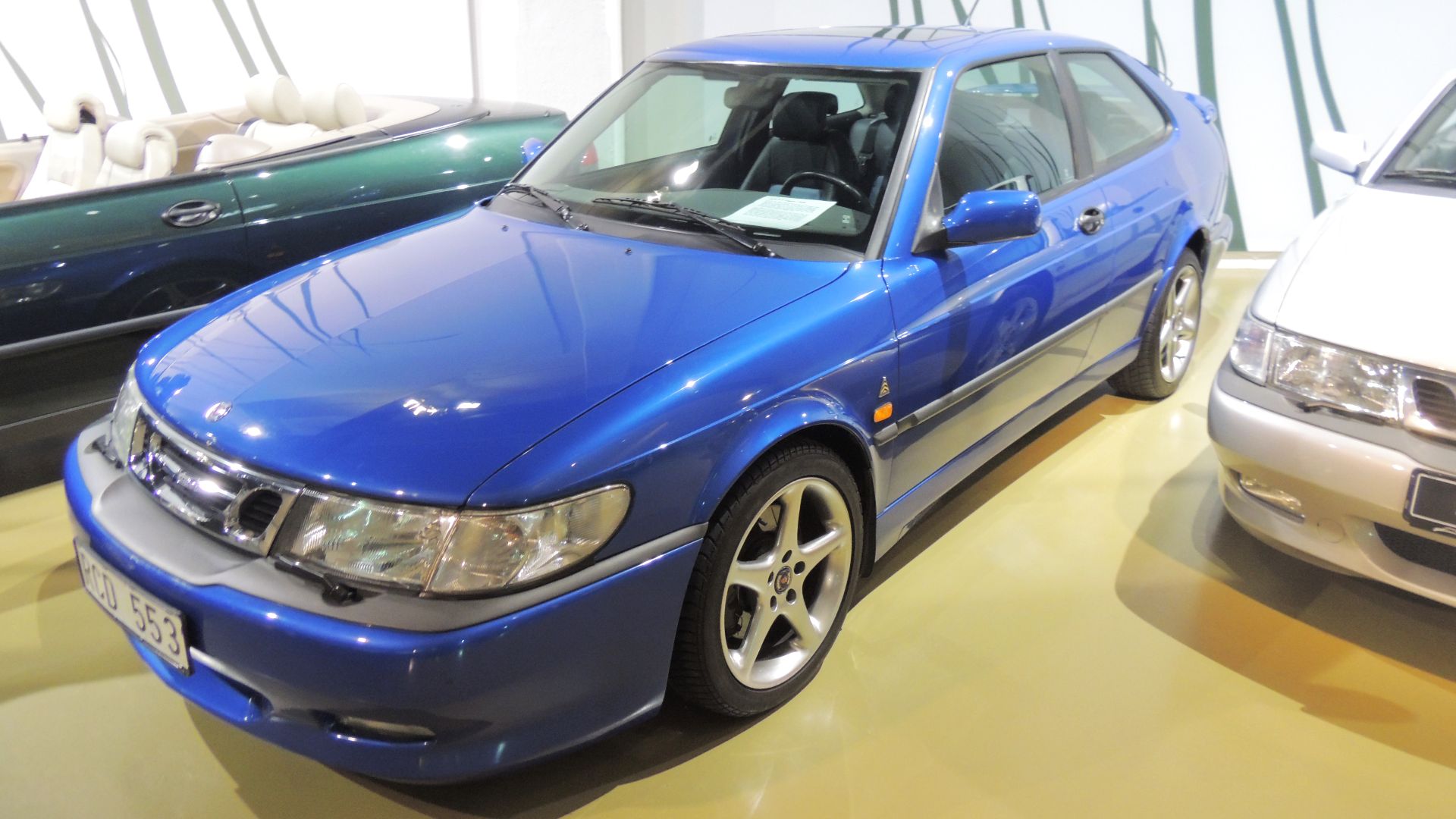
The 9-3 Viggen took its name from Saab's Viggen fighter aircraft and pushed the original 9-3 into serious performance territory. Its turbocharged 2.3-liter four-cylinder produced 225 horsepower and 252 lb-ft of torque. Car and Driver recorded a 6.5-second run from 0 to 60 mph in 1999, while also noting considerable torque steer. The Viggen was quick, useful, and just unruly enough to feel memorable.
 Lukasz19930915, Wikimedia Commons
Saab 9-5
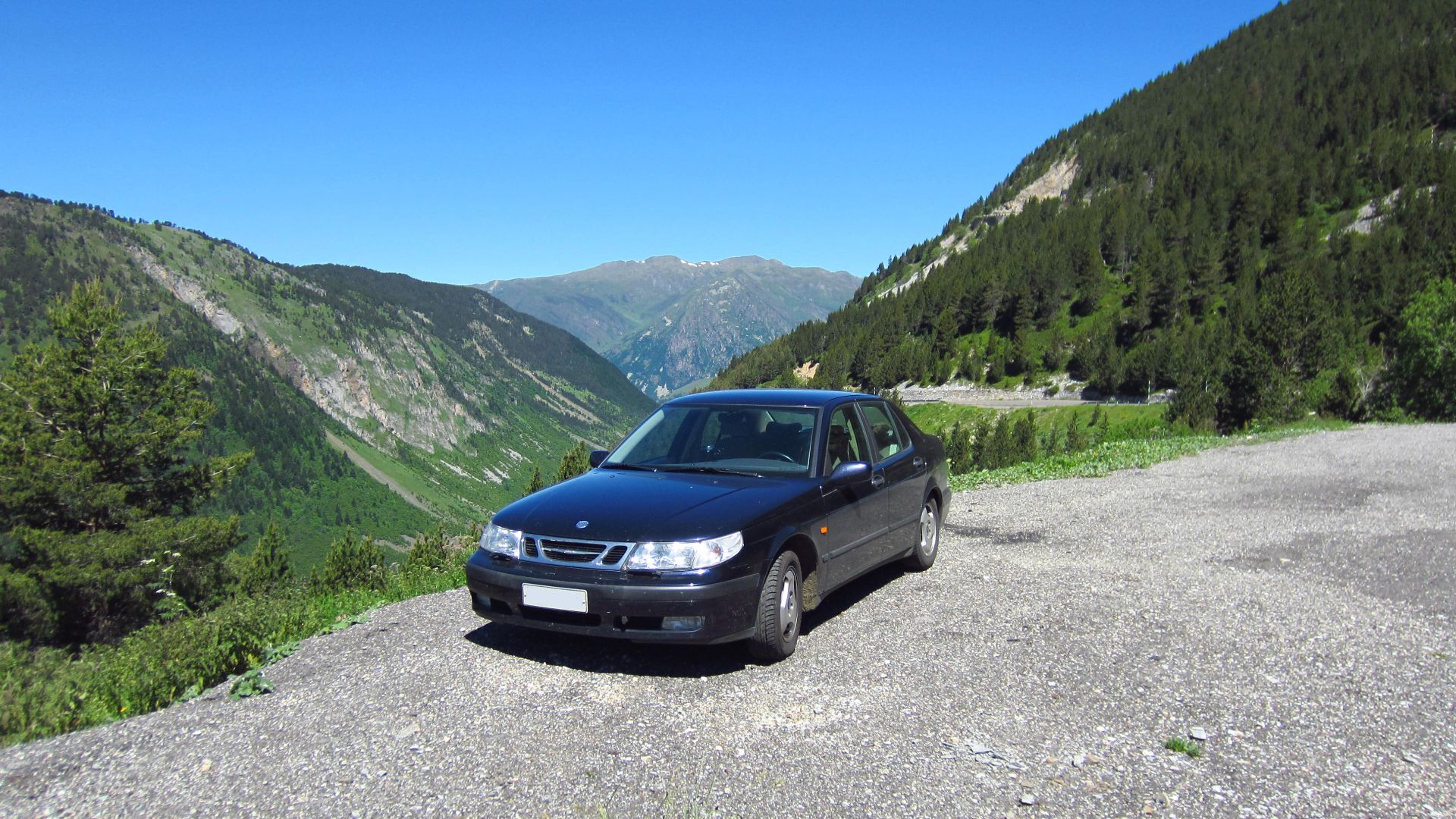
Saab introduced the first 9-5 in 1997 as its new premium sedan. Familiar elements remained, including turbocharged engines and the centrally mounted ignition switch, but the car brought a more polished interior and more modern chassis. Contemporary reviews noted that it still felt recognizably like a Saab despite its GM-era engineering. The eccentricity had simply become more grown-up.
Night Panel Was Peak Saab
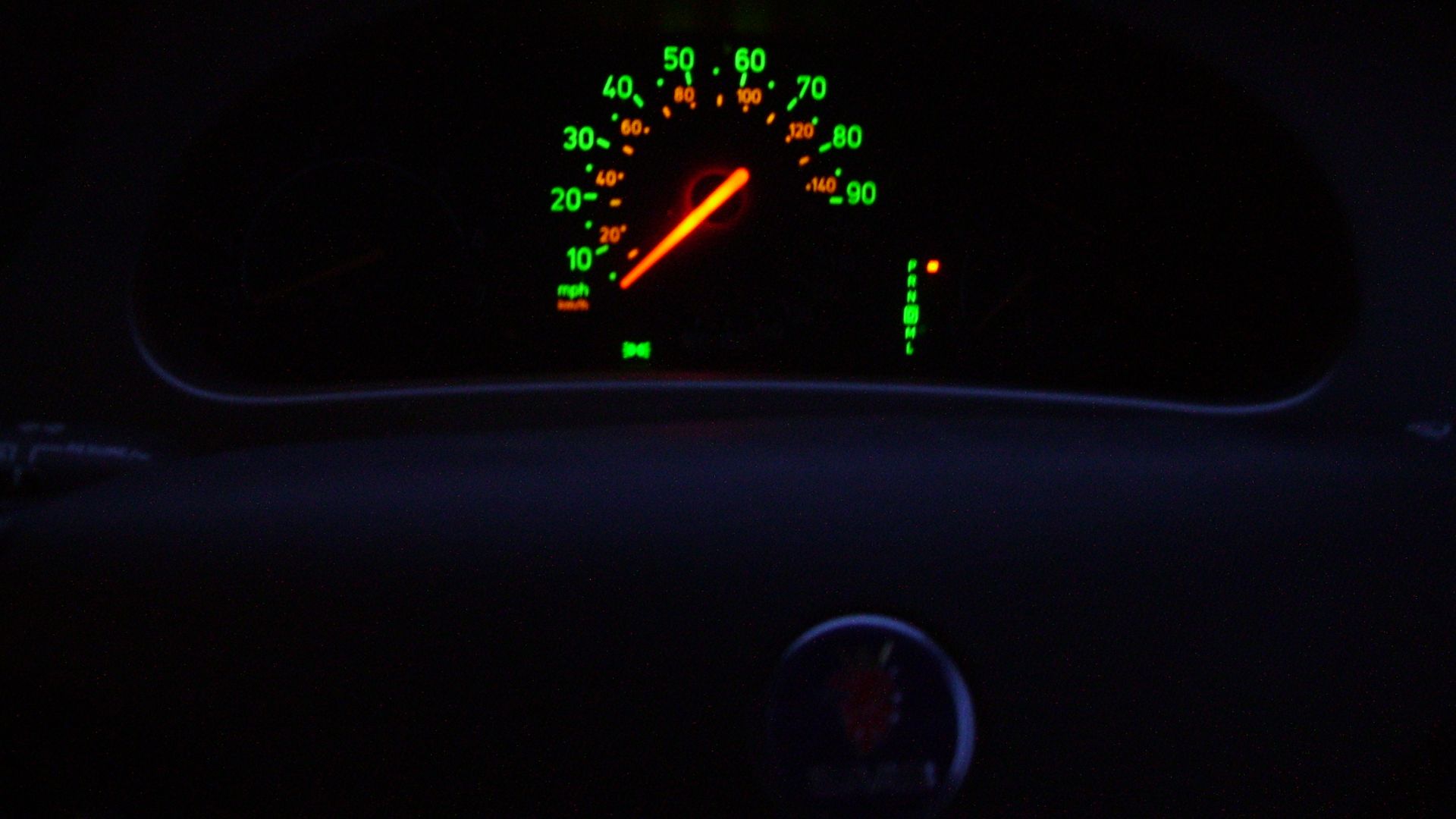
The 9-5 introduced one of Saab's cleverest cabin features. Pressing the Night Panel button switched off most instrument illumination, leaving the speedometer and essential warnings visible. Other gauges could illuminate automatically when their information became important. It was an unusual feature that made perfect sense on a dark highway.
 Ballista at English Wikipedia, Wikimedia Commons
Saab Active Head Restraints
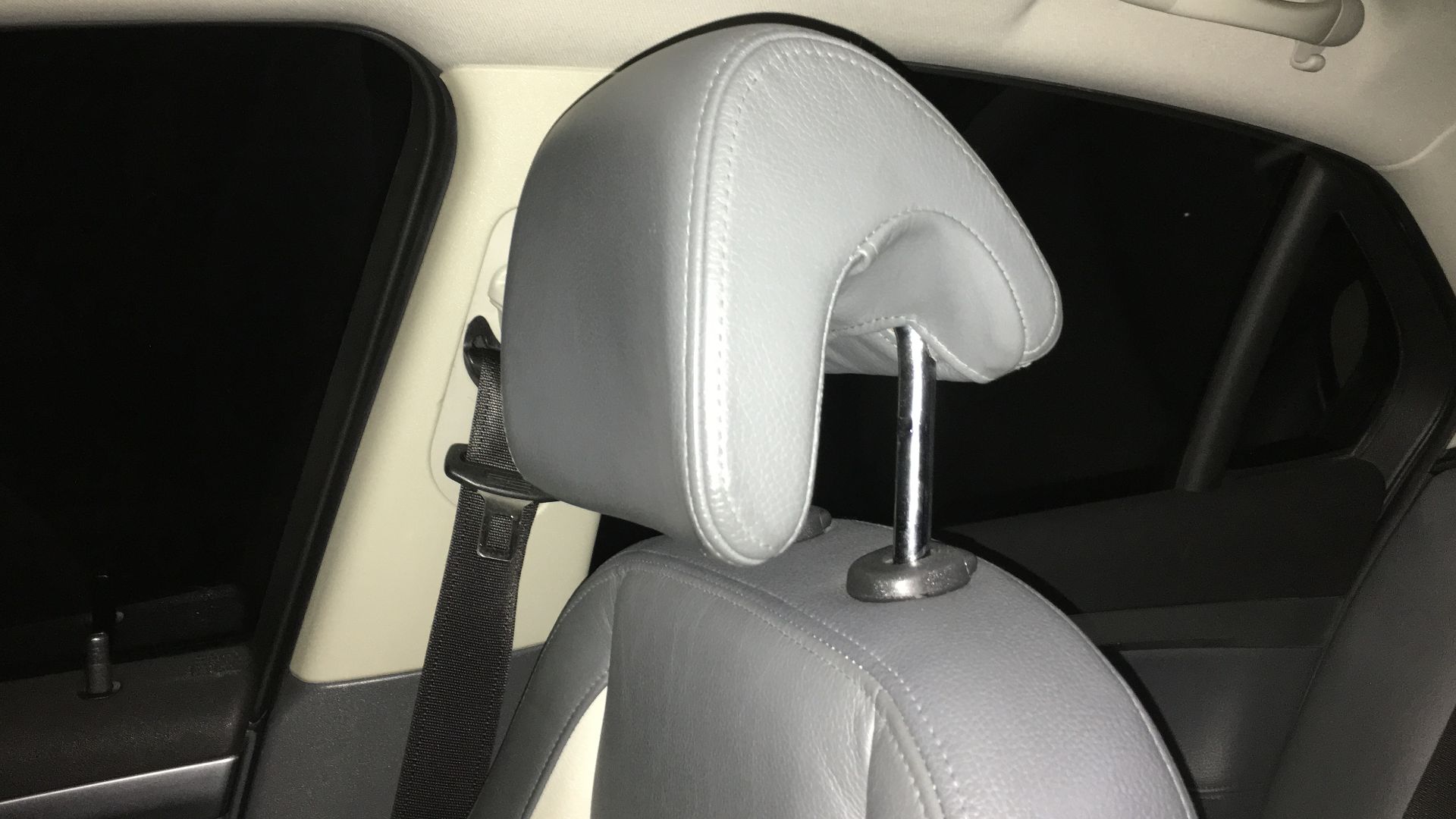
The first 9-5 also introduced Saab Active Head Restraint technology, known as SAHR. During certain rear impacts, a mechanical system inside the seat moved the head restraint upward and forward to better support the occupant's head. Saab engineers detailed the system in a 1998 SAE technical paper focused on reducing the risk of neck injuries. It was another example of the company quietly attacking a real-world problem.
 Aaron Dominguez, Wikimedia Commons
Saab 9-5 Aero Wagon
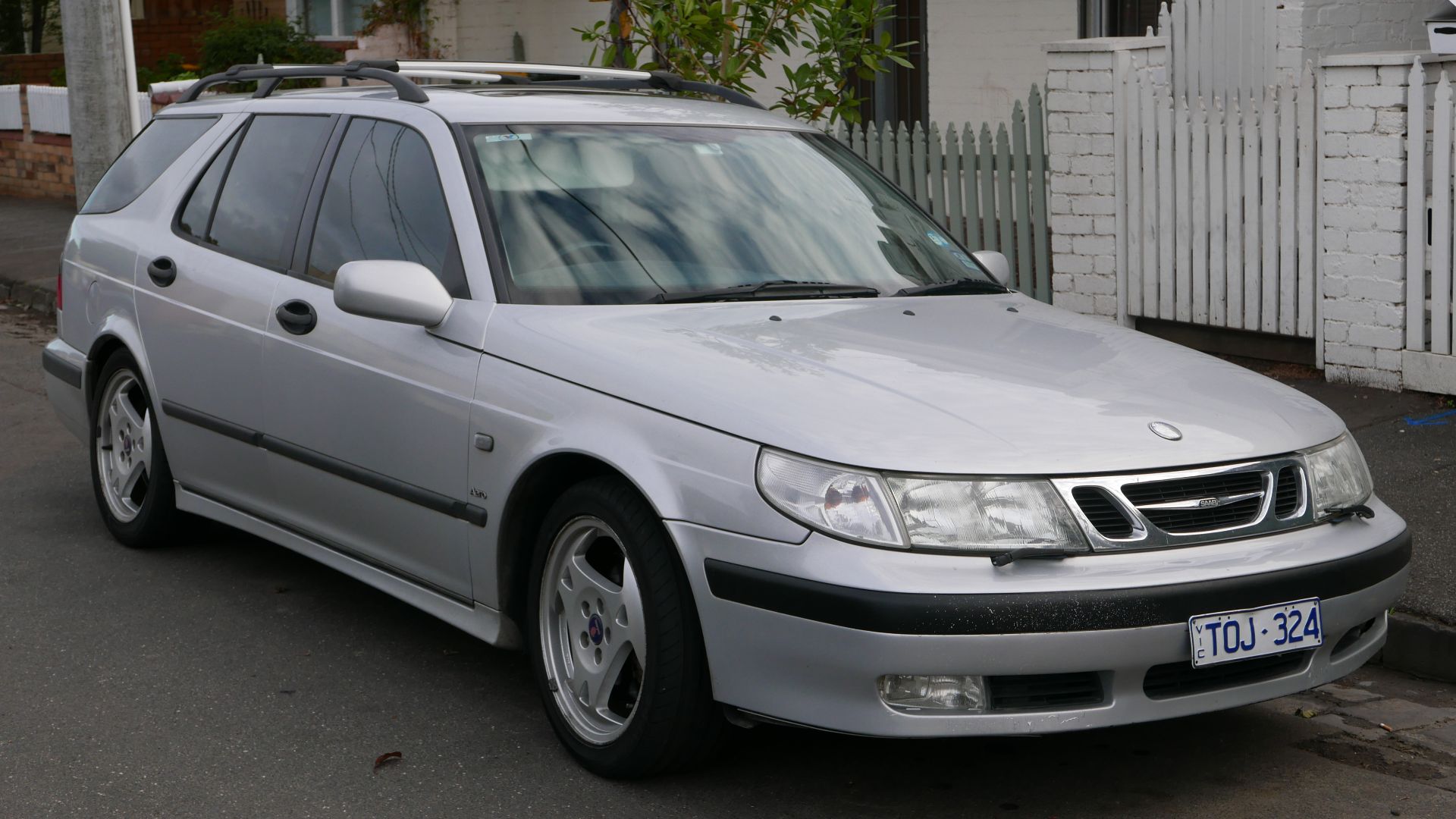
The 9-5 Aero wagon combined Saab's practical instincts with serious turbocharged performance. In 2000, its 2.3-liter four-cylinder produced 230 horsepower, supported by upgraded suspension and brakes. Car and Driver praised its acceleration, cargo versatility, and agile handling. This was the classic Saab idea distilled into one car: fast, useful, and slightly unexpected.
Redesigned Saab 9-5
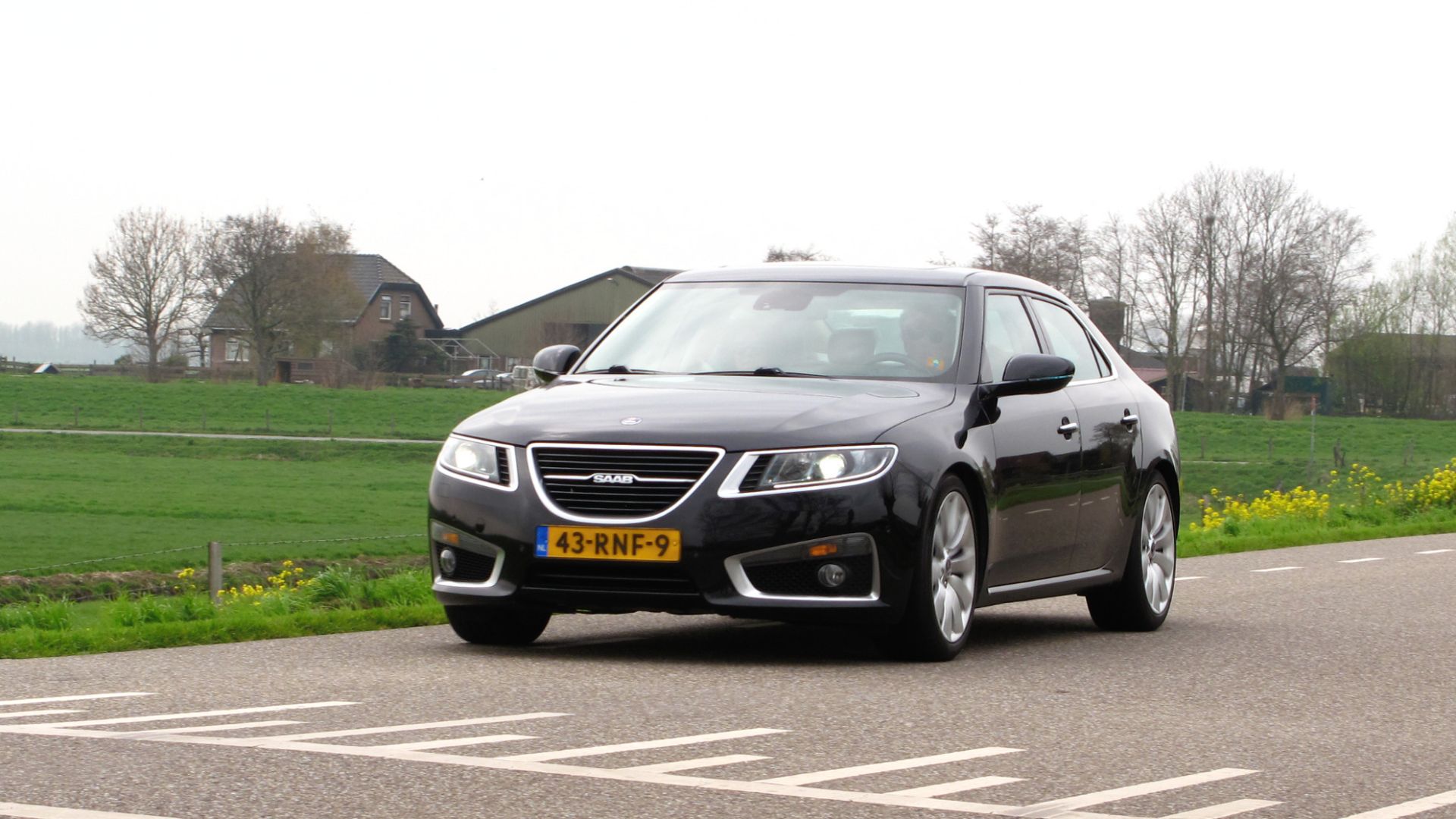
A completely redesigned 9-5 arrived for the 2011 model year just as Saab's future was becoming increasingly uncertain. Available technology included XWD all-wheel drive, a head-up display, and adjustable DriveSense chassis settings. The Aero's turbocharged 2.8-liter V6 produced 300 horsepower and 295 lb-ft of torque. It looked like the beginning of a new Saab era, but instead it became one of the company's final major models.
 Rutger van der Maar, Wikimedia Commons
Saab Finally Ran Out Of Road
Saab filed for bankruptcy in December 2011 after prolonged financial problems and repeated production disruptions. That effectively ended more than six decades of Saab-branded car production and left enthusiasts with a lineup unlike anything another automaker had created. The 96, Sonett, 99 Turbo, classic 900, 9000 Aero, Viggen, and 9-5 Aero all represent very different versions of the Saab idea. If one of them could return tomorrow, which one are you bringing back?
 Sinikka Halme, Wikimedia Commons
You May Also Like:
GM Axed Pontiac After 84 Years—But Did It Save The Wrong Brand?
Ford Used The Mustang Name On An Electric SUV—Did Their Gamble Pay Off?
GM Built The EV1 Then Took It Back—Was It Too Far Ahead Of Its Time?