Solid Vs Sketchy
Used car shopping feels like gambling sometimes. You're betting your money on someone else's old ride, hoping it won't turn into an expensive nightmare. Some bets pay off beautifully. Others just drain your wallet fast.

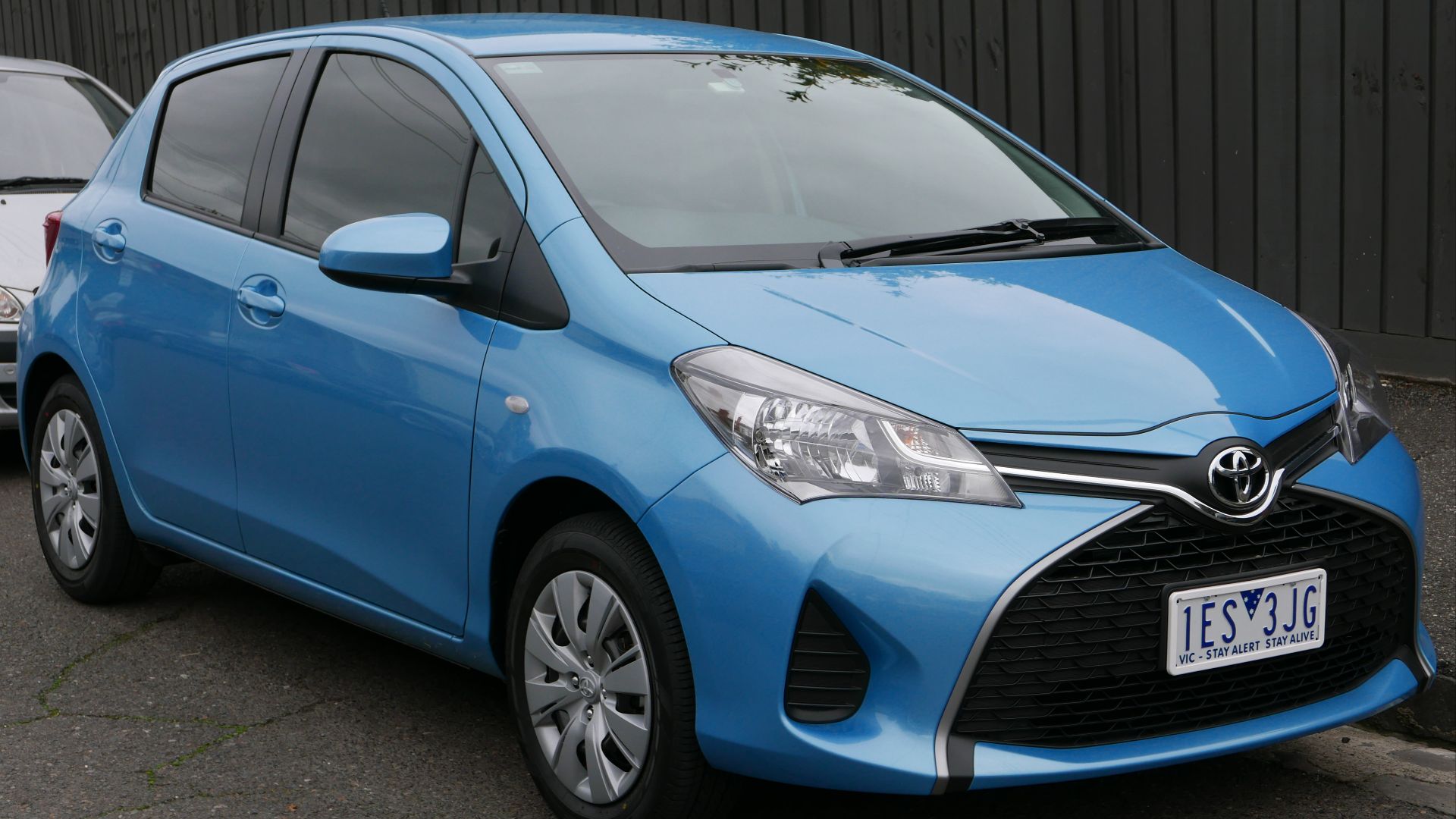
Toyota Yaris (2015–2020)
Walk into any taxi depot around the world, and you'll find Yaris models that have racked up absurd mileage counts—yet they're running daily routes without complaint. Toyota engineered this little hatchback with deliberately simple, proven mechanical components, designing primarily for fuel efficiency and genuinely low running costs.
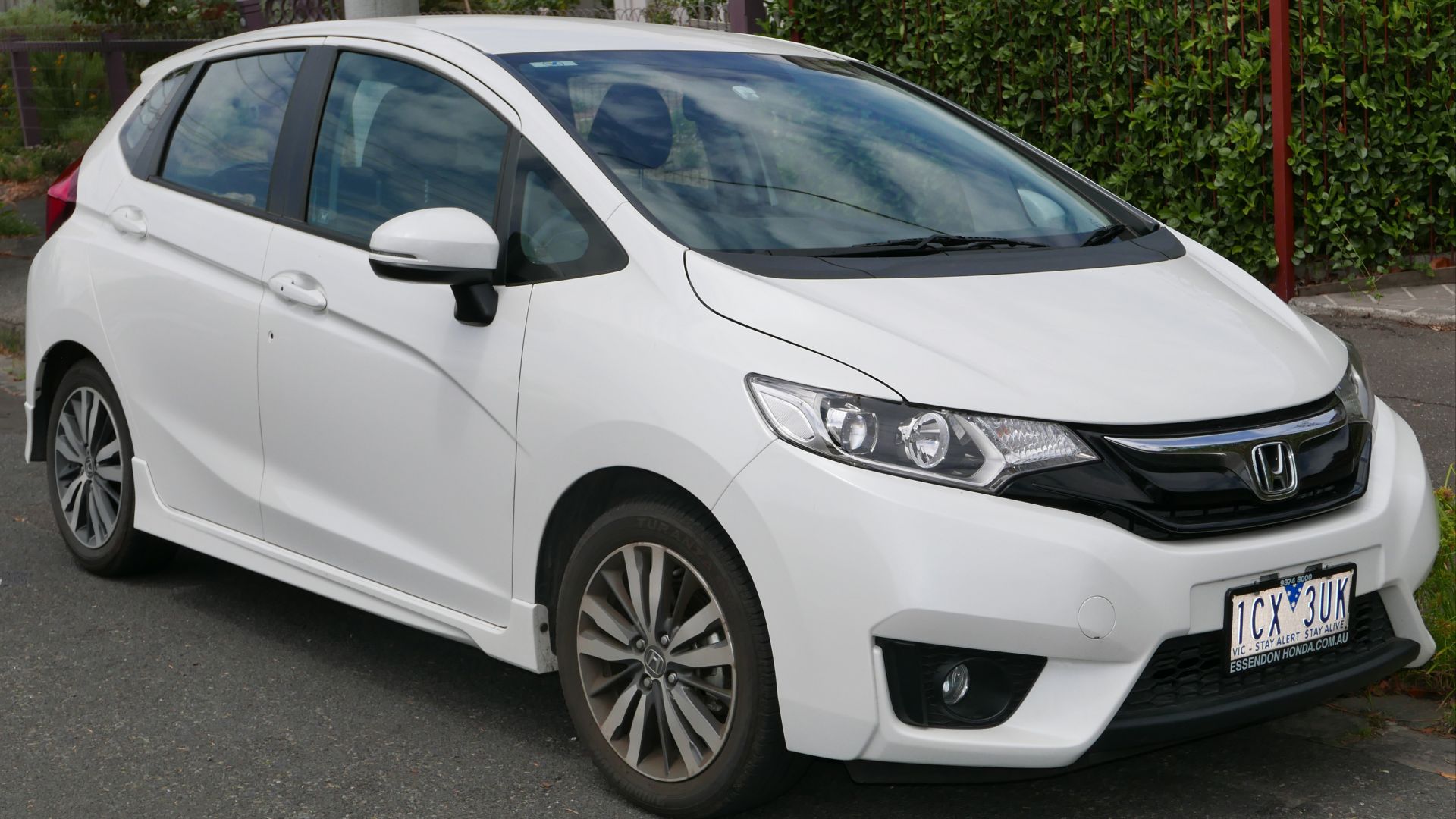
Honda Jazz / Fit (2014–2019)
The "Magic Seat" system is admittedly clever. Fold things in different ways, and this compact suddenly swallows surprisingly bulky cargo. But that's not really why used buyers should care. What matters is that Honda built these with naturally aspirated engines during this period, avoiding turbos and keeping stress levels low on components.
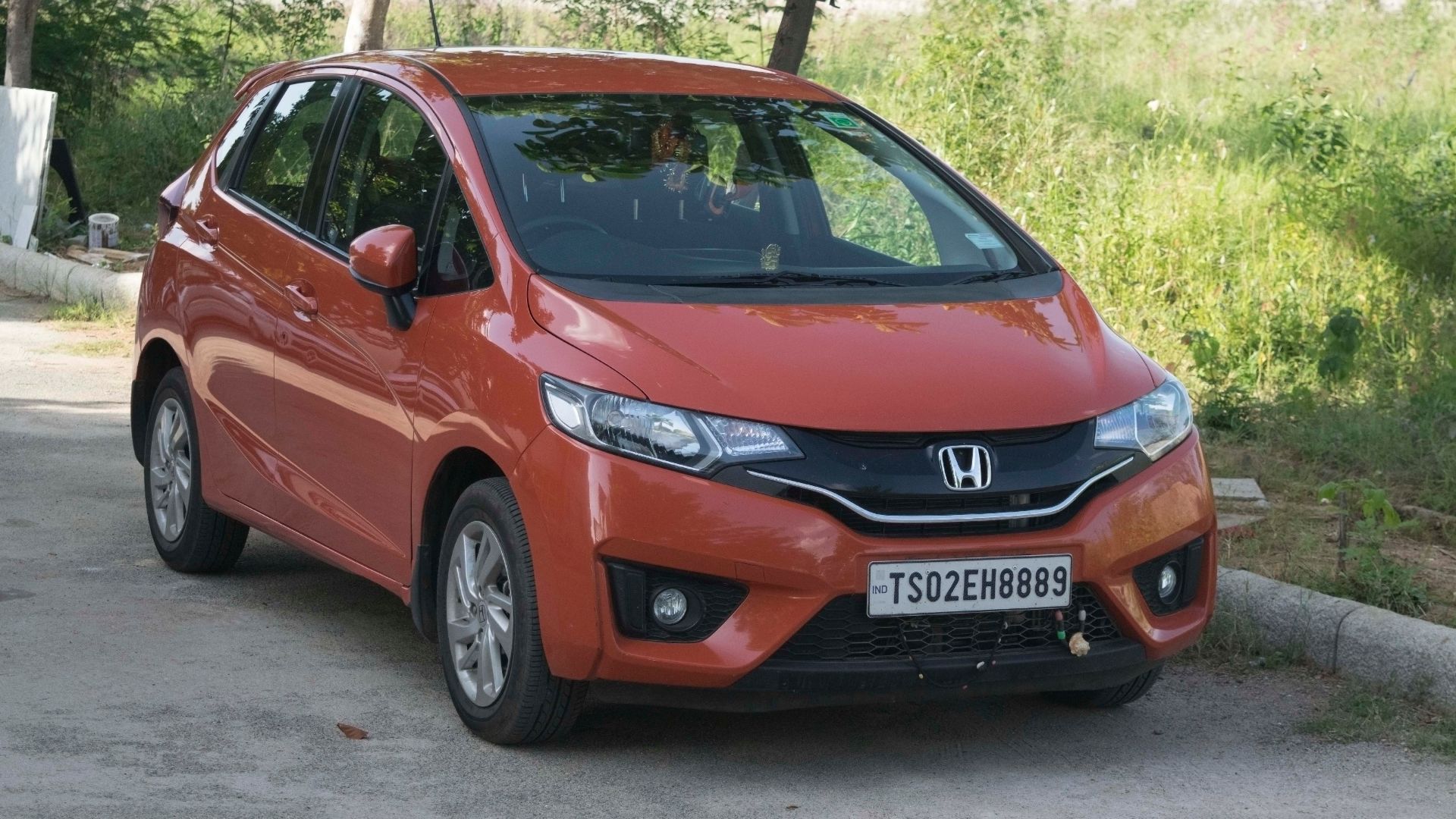
Honda Jazz / Fit (Cont.)
The Jazz earned its reputation for long-term mechanical reliability the old-fashioned way: by actually delivering it year after year. Despite the small footprint, the engineering is straightforward and proven, which means fewer expensive surprises down the road when warranties have long expired.
Volkswagen Golf (2016–2021)
Slide into a Golf, and the interior quality immediately announces itself. Materials feel substantial, controls operate with satisfying precision, and everything just feels more permanent than cheaper compact rivals. Volkswagen's MQB platform underneath provides the foundation for comfort, handling, and practicality that exist in rare balance together.
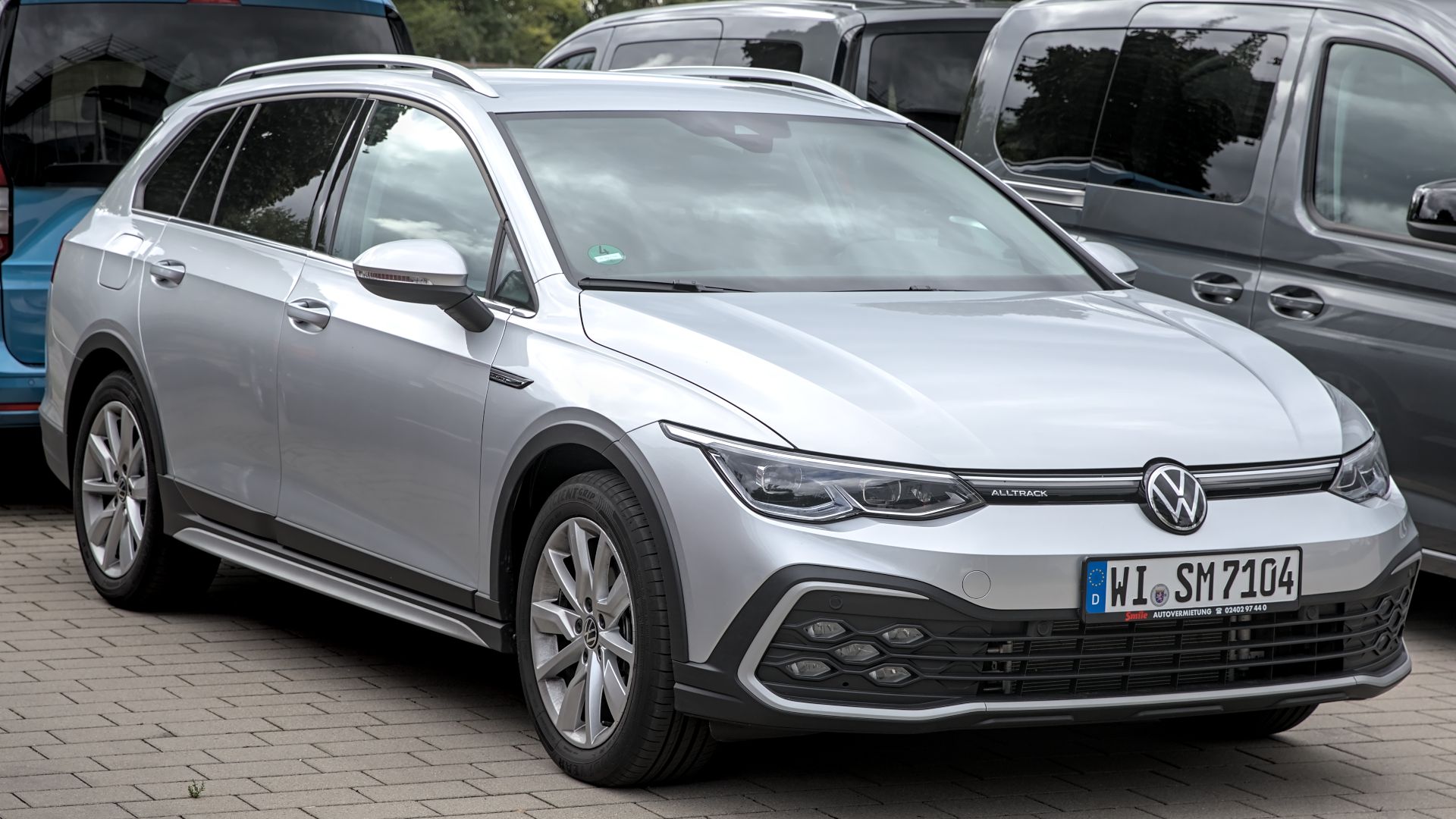 Alexander Migl, Wikimedia Commons
Volkswagen Golf (Cont.)
There's a reason this has been one of the world's best-selling cars for decades. It genuinely makes everyday driving pleasant rather than merely tolerable. The drive offers enough refinement that you won't feel shortchanged compared to pricier options.
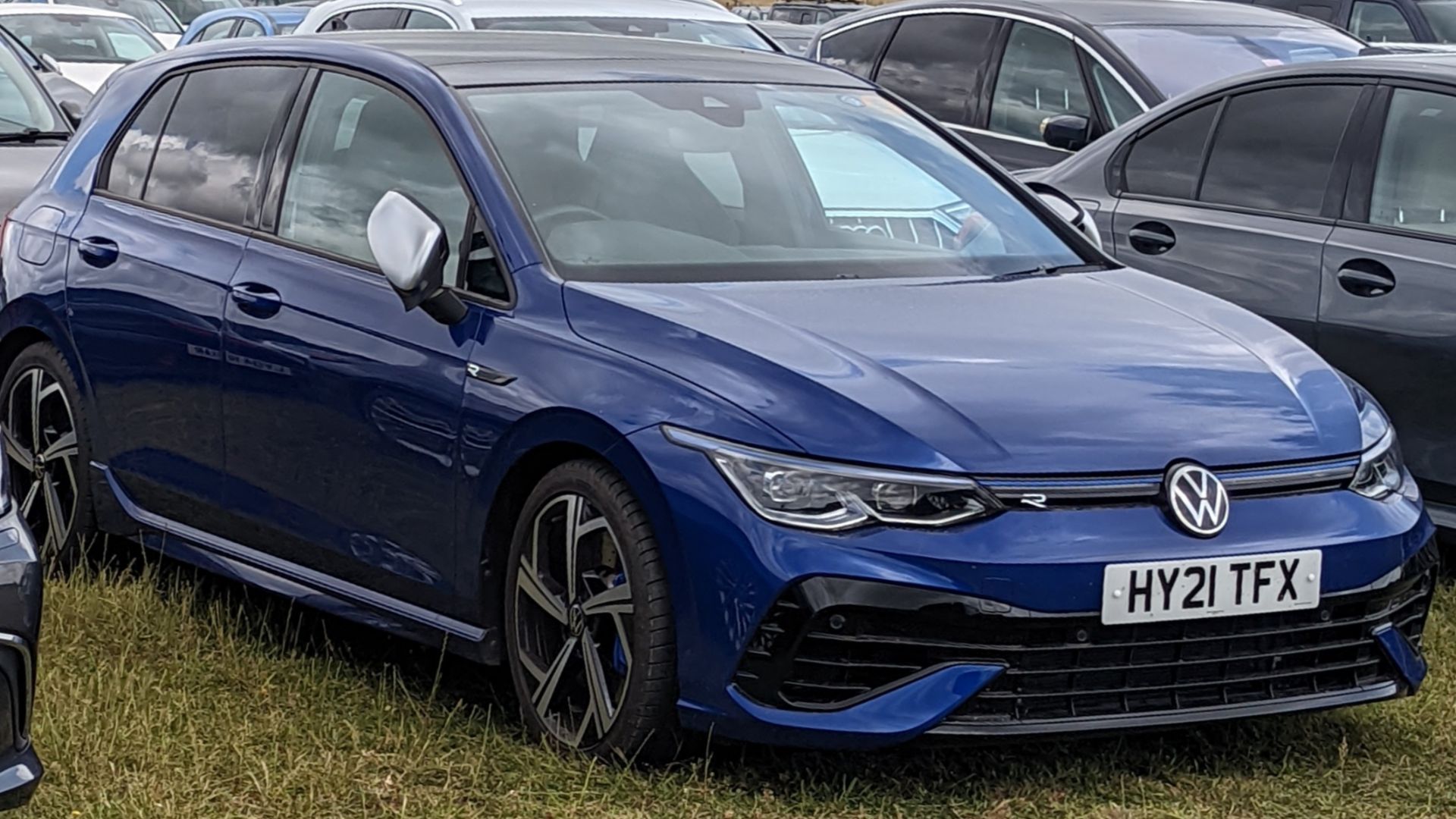
Mazda MX-5 (2015–2020)
Mazda made a conscious choice with this roadster: to prioritize simplicity and driving balance over outright horsepower. That lightweight rear-wheel-drive layout focuses on feel rather than straight-line speed, which actually works beautifully for reliability because minimal complexity means fewer systems that can break.
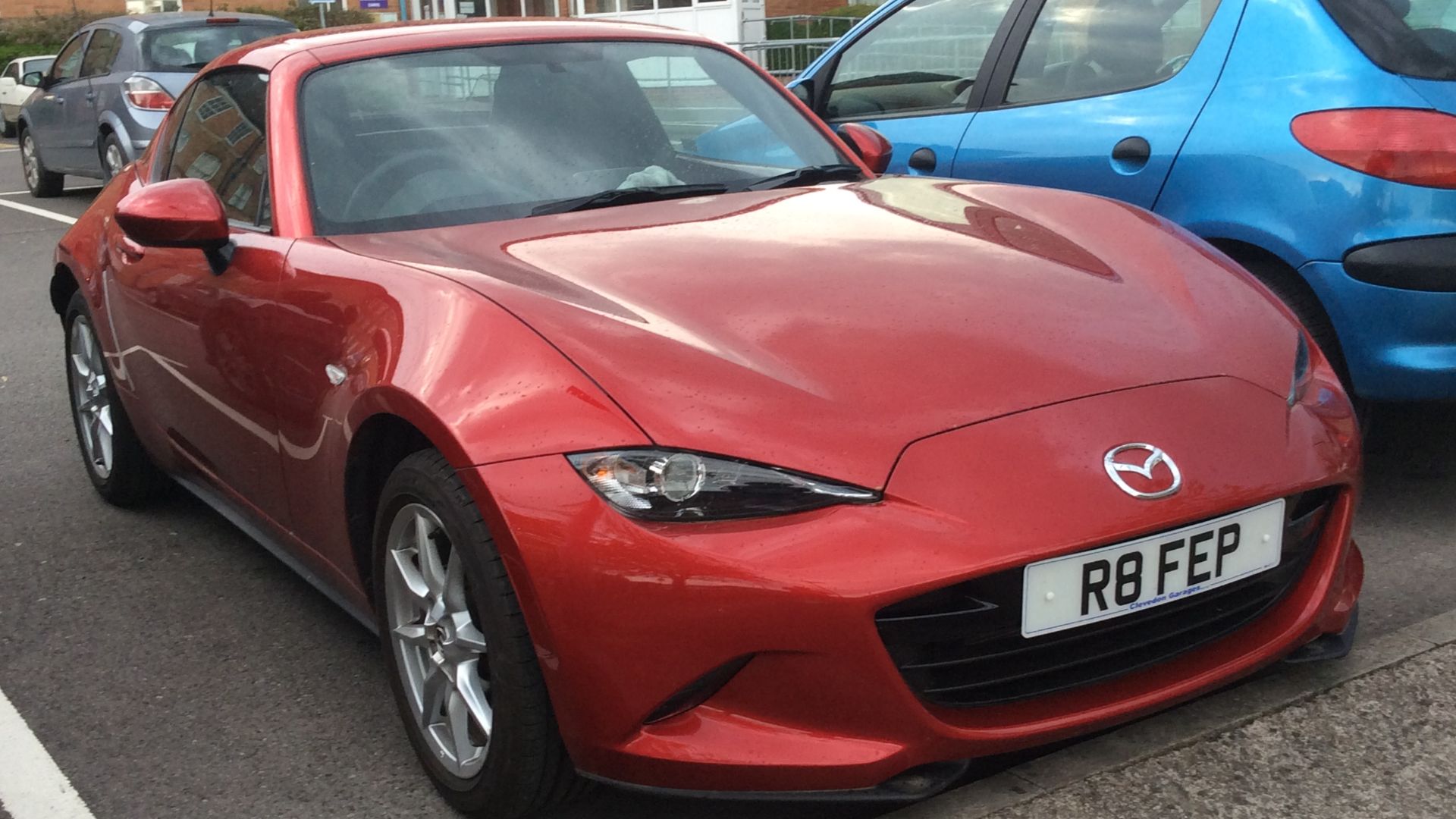 Carfanatic2019, Wikimedia Commons
Ford Focus (2015–2020)
The Focus earned genuine respect from driving enthusiasts for sharp steering and handling that made it one of Ford's best compact efforts. Manual transmission versions prove especially durable here. It avoids the problematic dual-clutch automatic that plagued earlier years and caused so many headaches.
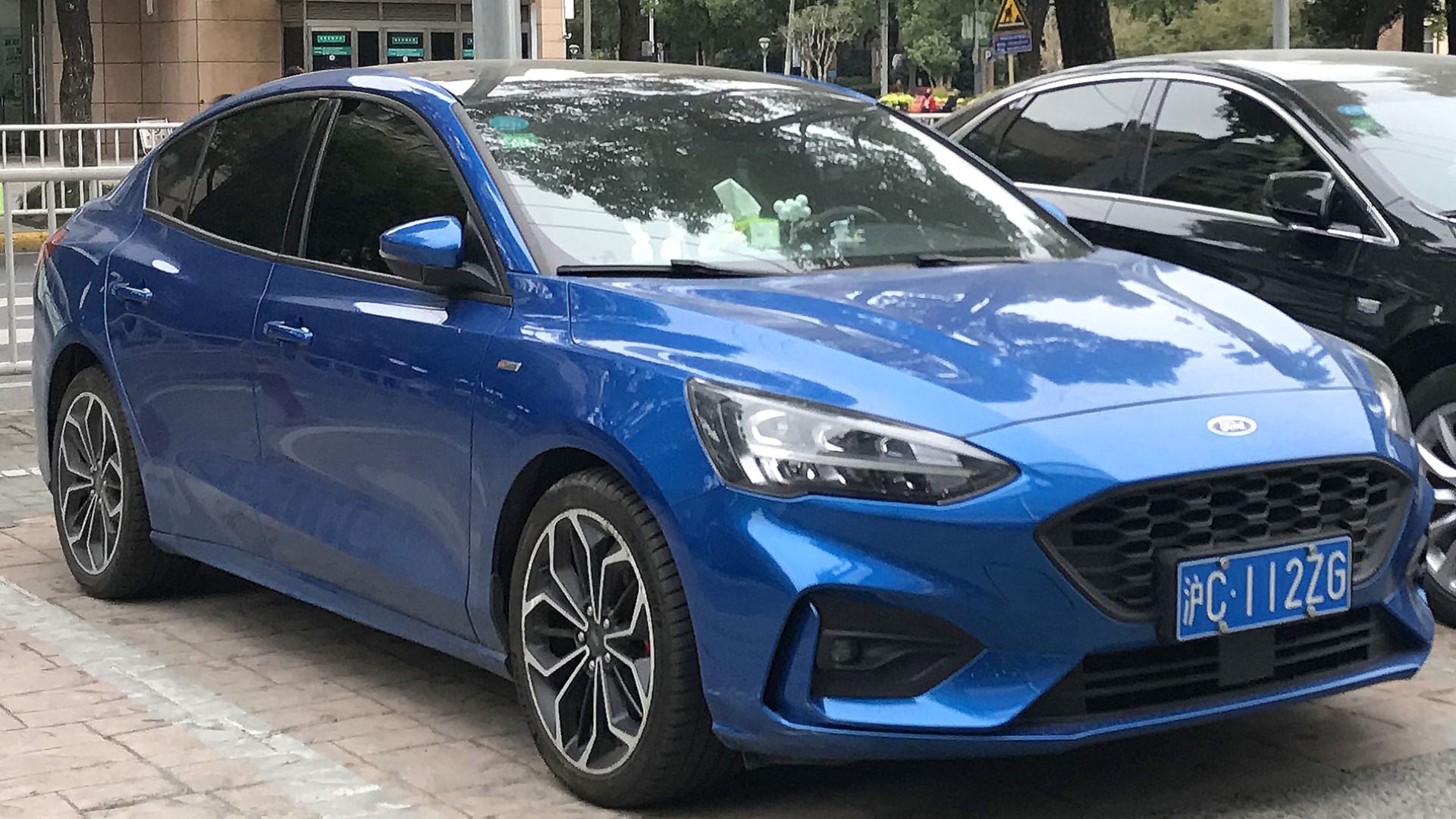 Jengtingchen, Wikimedia Commons
Ford Focus (Cont.)
Because Ford sold these widely, parts remain easy to find and affordable when maintenance time arrives. It was engineered with enough precision that twisty roads become genuinely enjoyable rather than just obstacles between destinations, yet practical enough for daily commuting without drama.
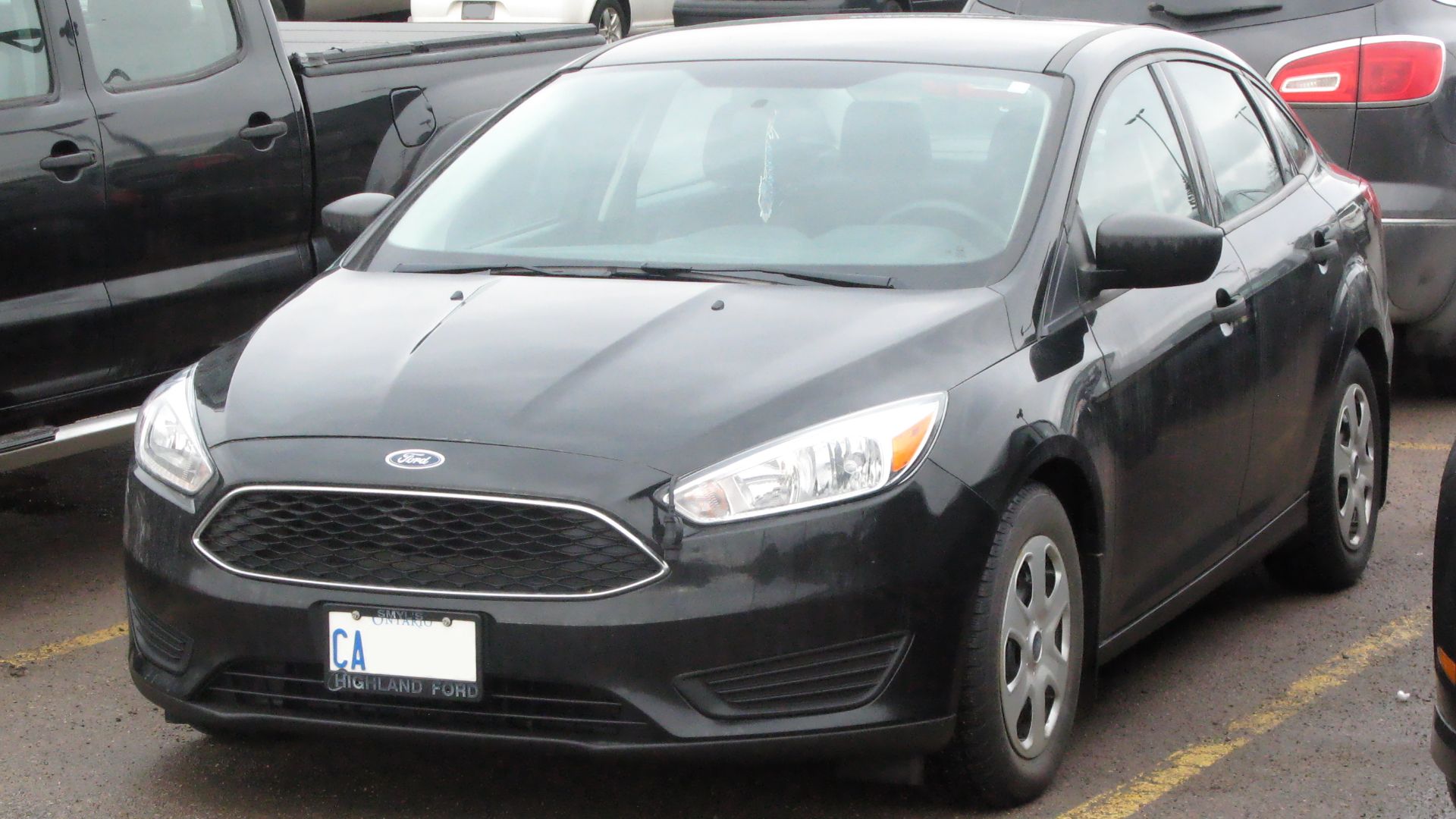 SsmIntrigue, Wikimedia Commons
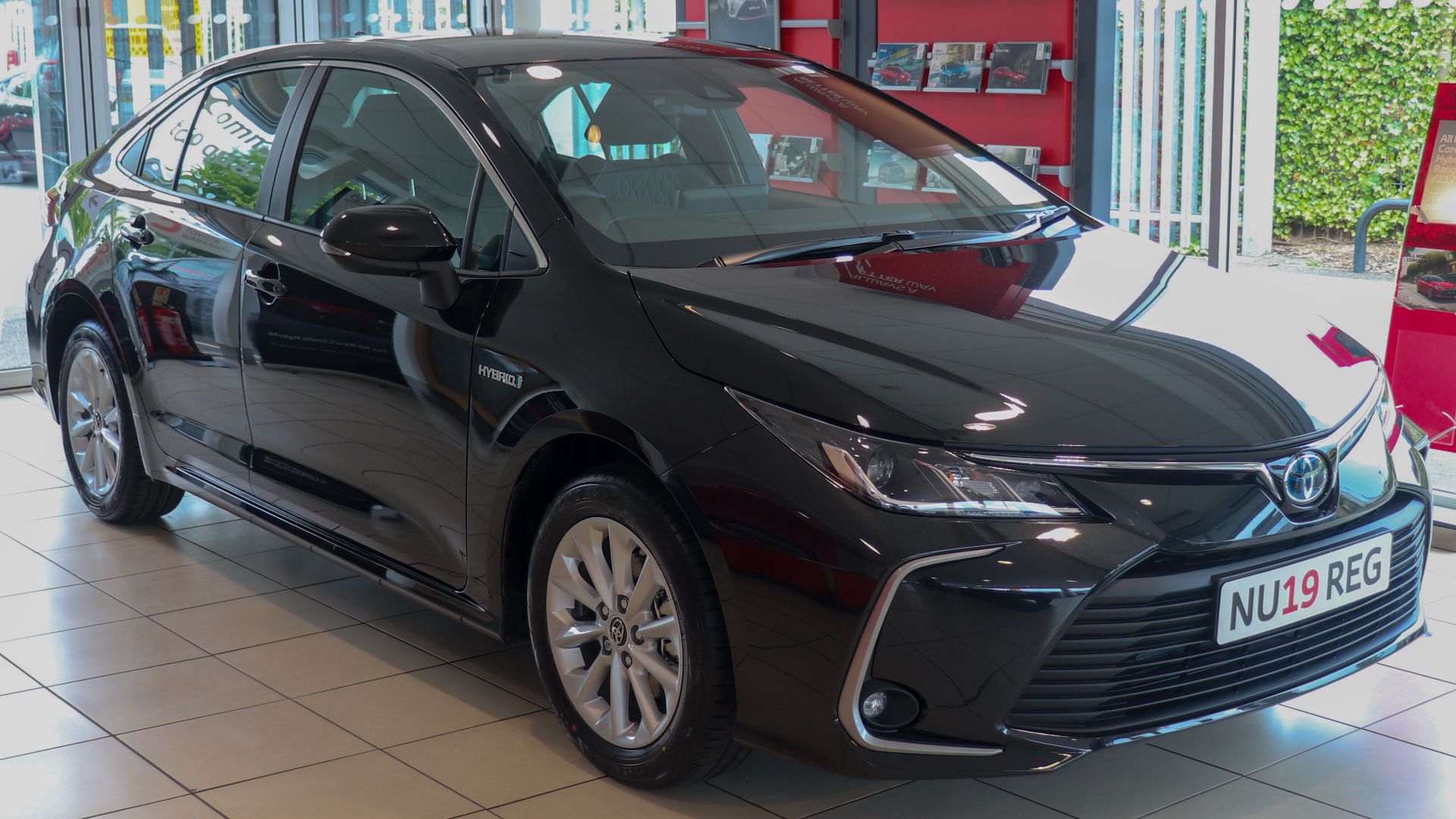
Toyota Corolla (2014–2019)
Few nameplates carry the weight of reputation like the Corolla. It's literally one of the best-selling cars in history, built on decades of proven dependability. These 2014–2019 models specifically avoid complex turbocharging. They stick with naturally aspirated engines that focus on longevity.
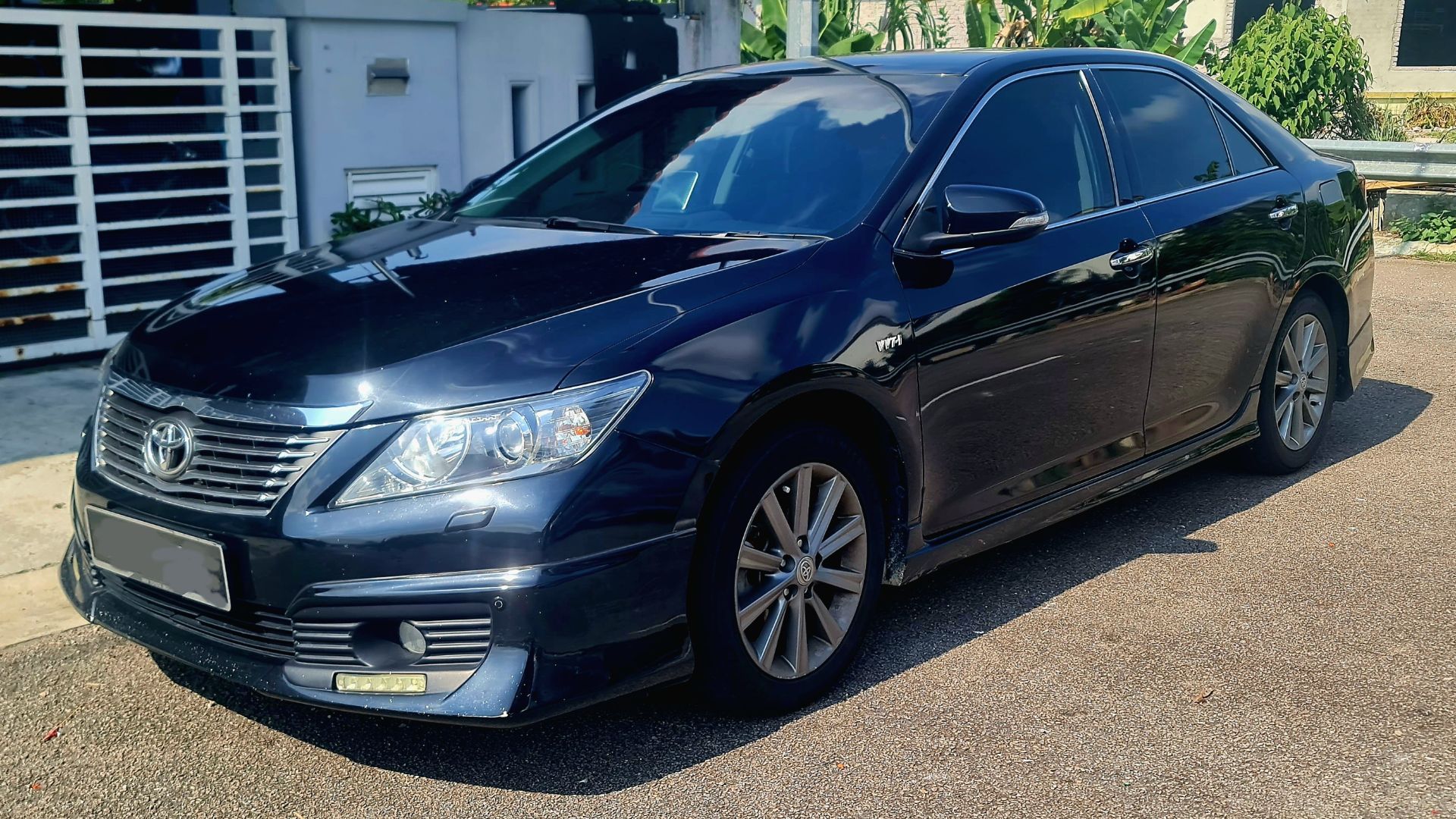
Toyota Camry (2018–2023)
The Camry completely shed its "boring" reputation with this generation's bold redesign. Suddenly, the safe family sedan had aggressive styling and improved driving dynamics. Built on Toyota's modern TNGA platform, it finally felt like something you'd want to drive rather than merely tolerate.
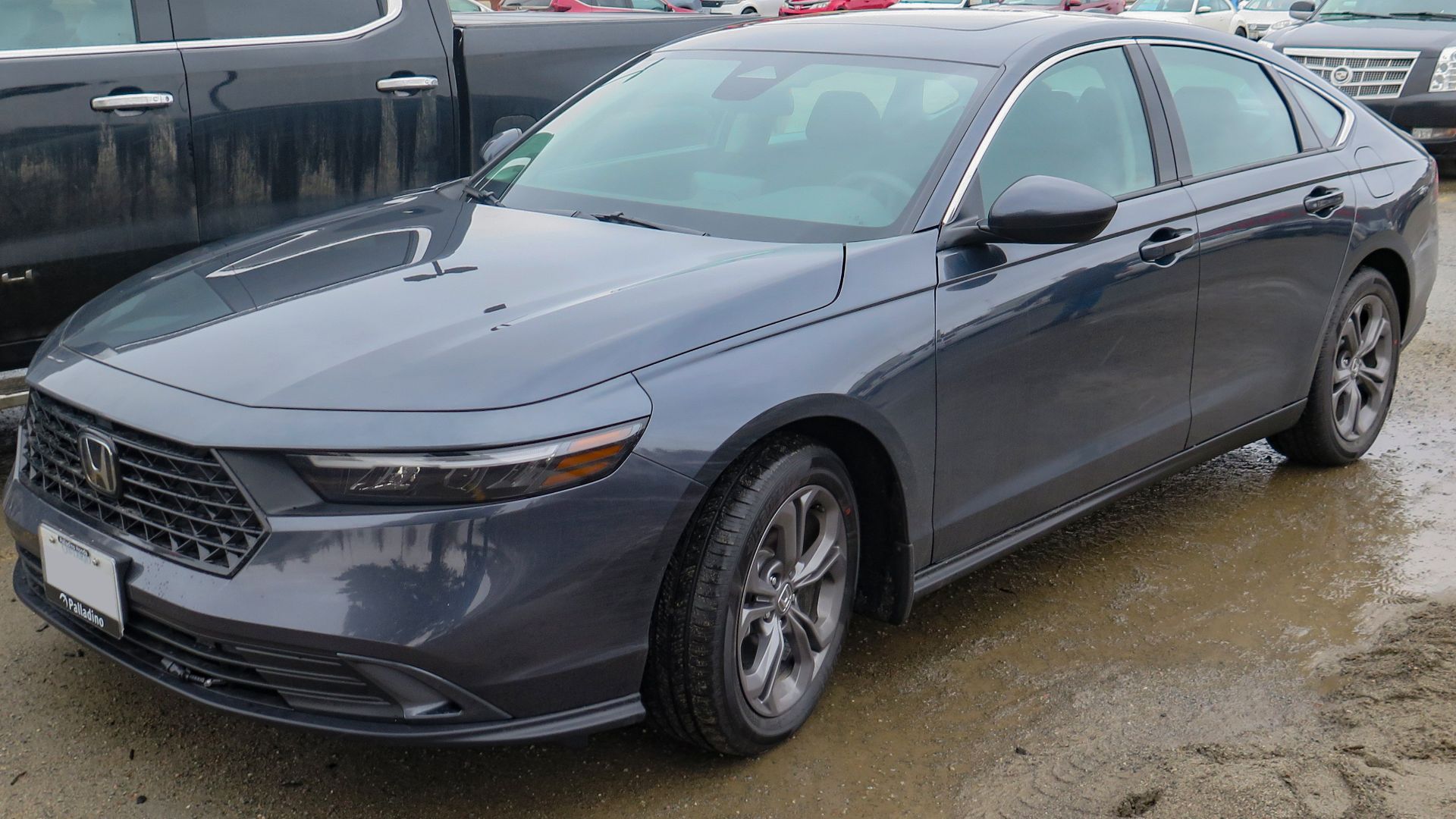
Honda Accord (2018–2023)
Owners consistently report being surprised by how sporty the Accord feels despite its midsize sedan practicality. The turbocharged engines were specifically designed for everyday reliability rather than track performance. This beast delivers smooth power without the fragility that sometimes accompanies forced induction.
Mazda6 (2014–2021)
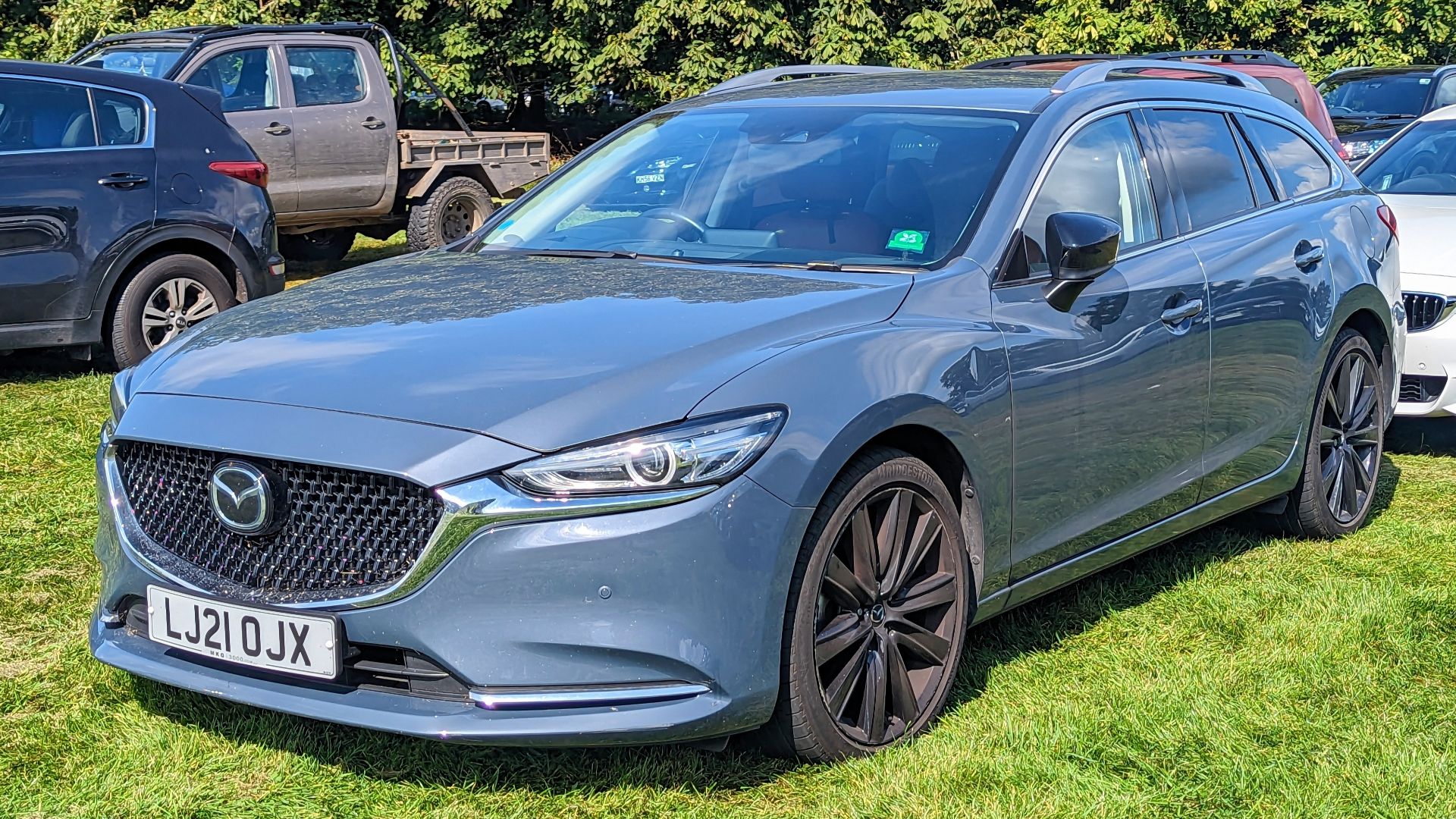
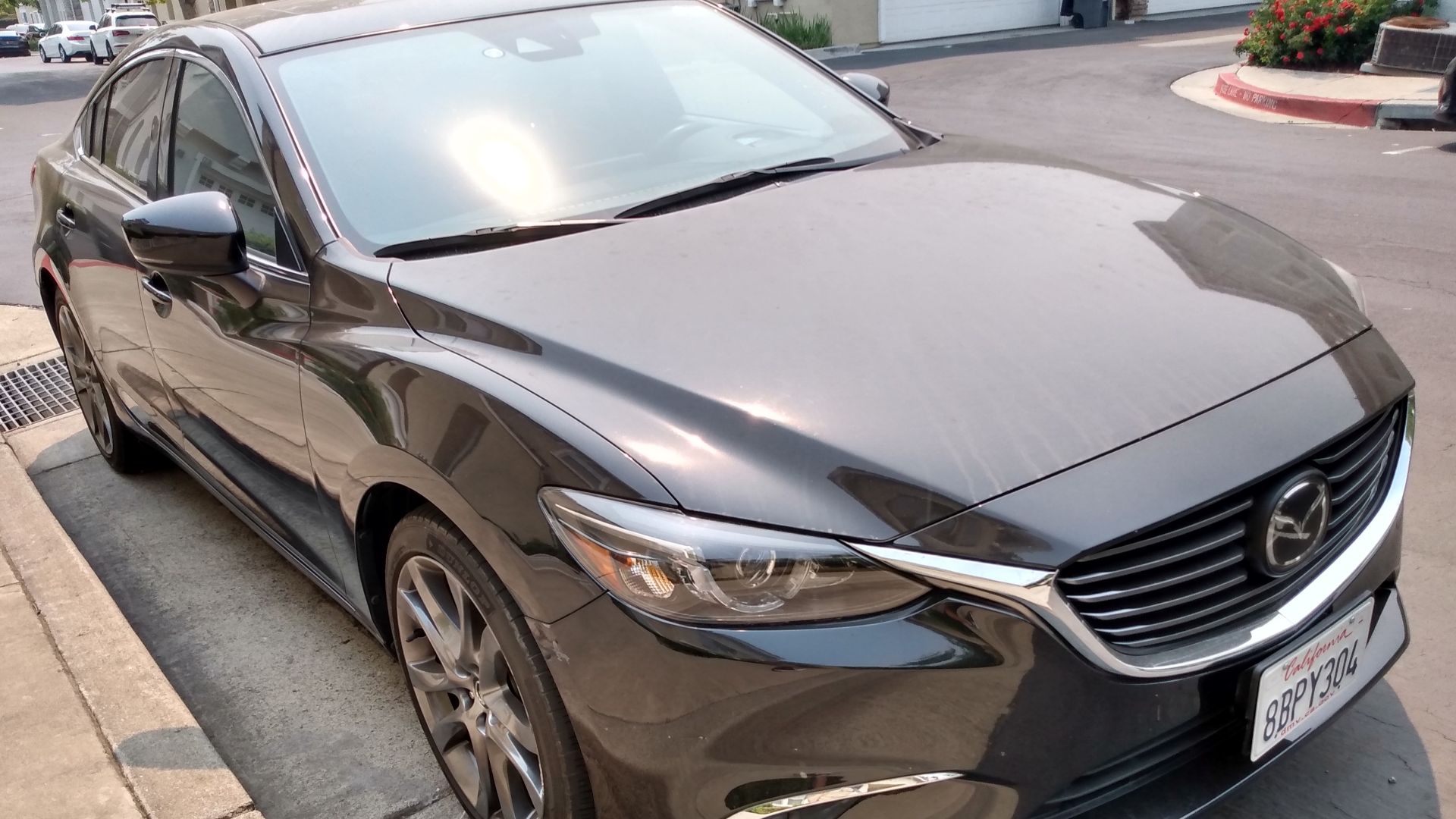
Mazda prioritized two things other brands often neglect. These are actual driving feel and genuinely attractive styling. Interior materials rival more expensive competitors, creating an unexpectedly premium atmosphere that makes the Mazda6 feel like it should cost considerably more than it actually does.
Mazda6 (Cont.)
Most trims use naturally aspirated engines, keeping mechanical complexity down while still delivering responsive performance. Owners frequently praise how the entire package feels more refined than the price tag suggests—both new and especially used, where that quality-to-cost ratio becomes even more compelling.
 DestinationFearFan, Wikimedia Commons
Lexus ES (2019–2024)
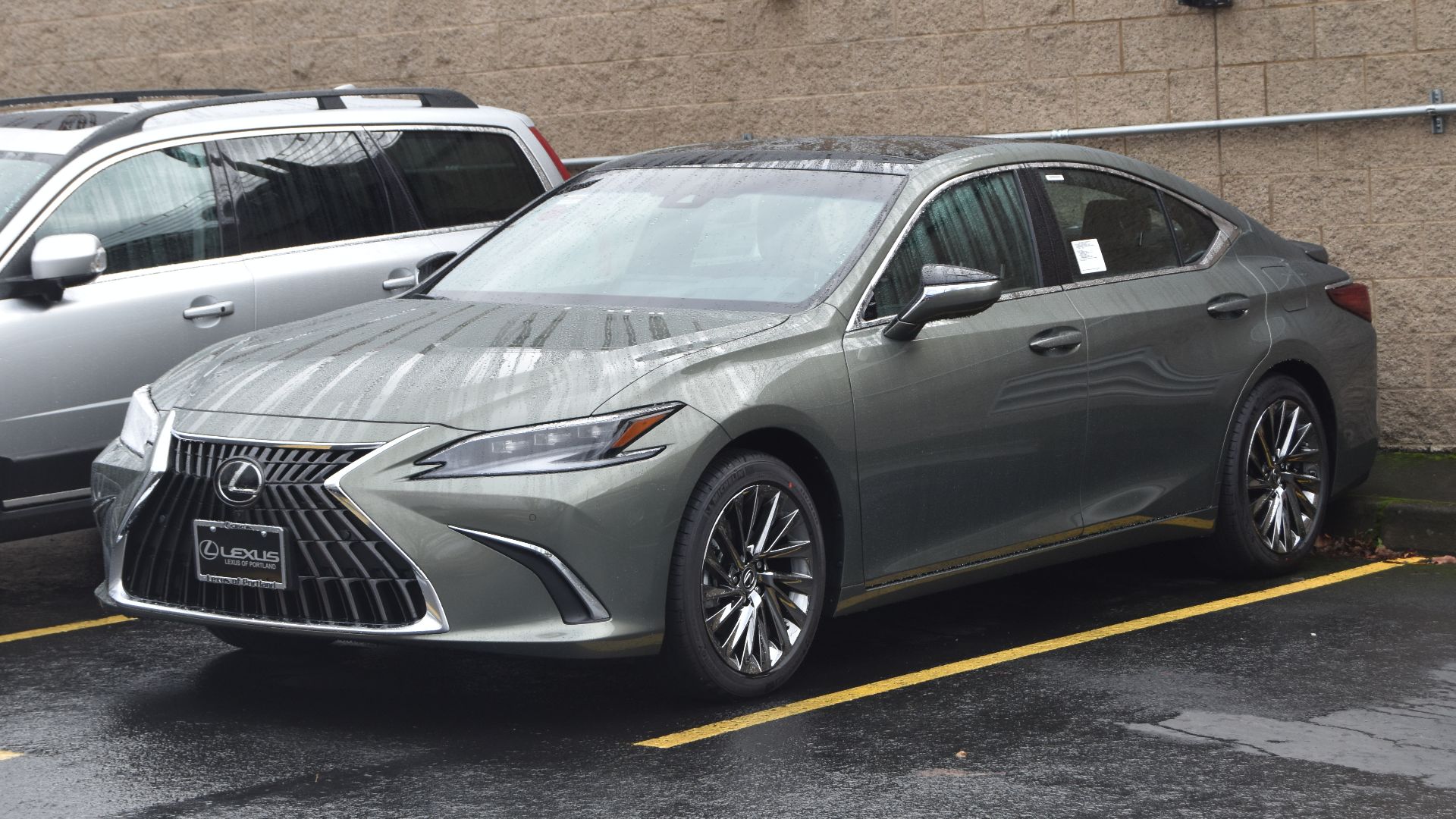
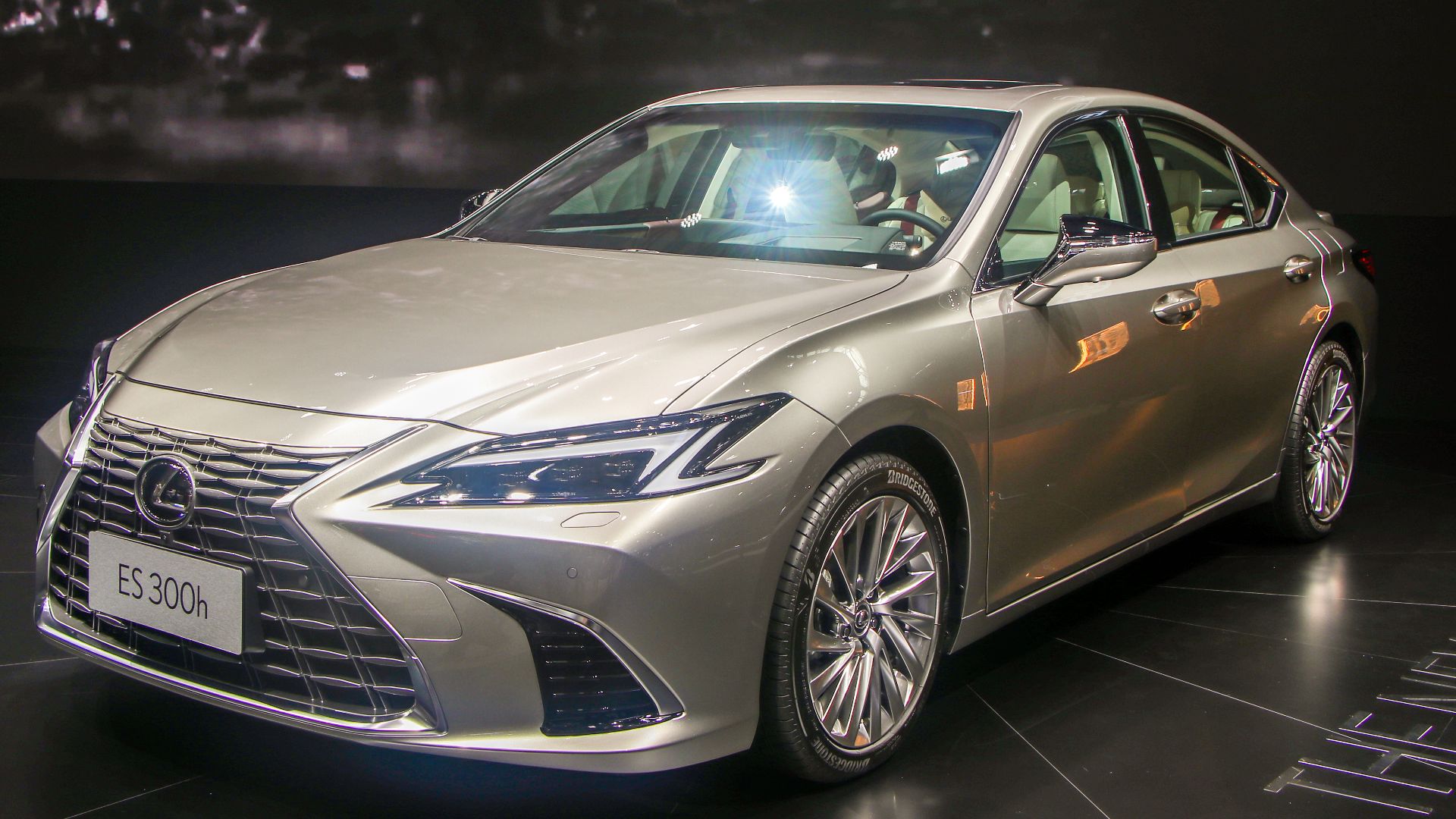
Slide behind the wheel, and "effortless" immediately makes sense. The ES emphasizes comfort and quietness above everything else. It creates a serene driving experience, many owners describe using exactly that word. It shares reliable components with Toyota models underneath the luxury badge.
Lexus ES (Cont.)
Hybrid versions prove especially smooth and durable, delivering that seamless power delivery that hybrids do best. Used examples benefit enormously from Lexus's build quality, designed to last. It offers premium comfort without the maintenance nightmares that usually accompany European luxury competitors. Now for the options you shouldn't go for.
 Nissangeniss, Wikimedia Commons
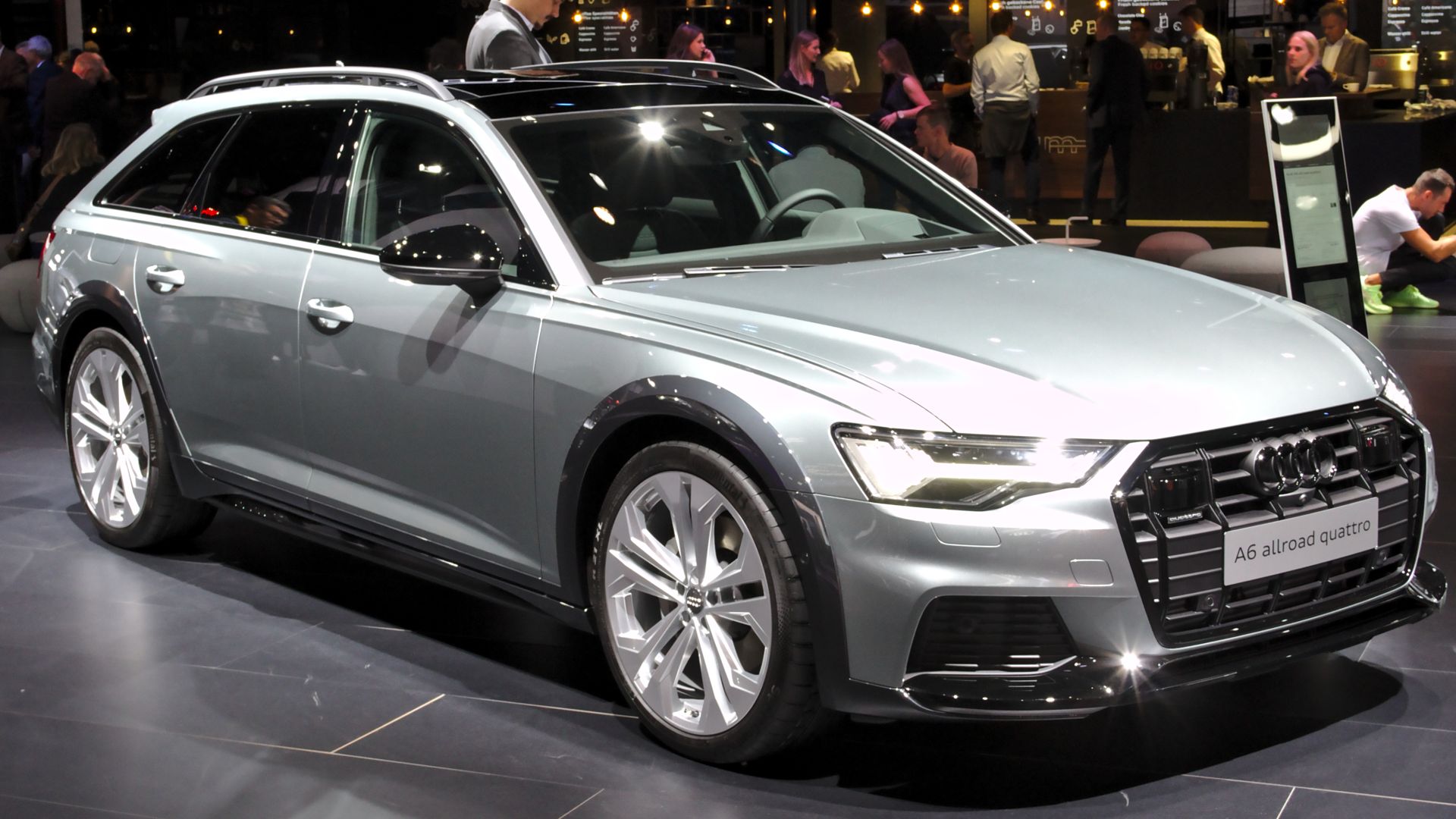
Audi A6 (2019)
Complex infotainment and electronics made this model year feel crazy when new. Reviewers praised the technology extensively. But that same tech ages poorly. It requires specialized tools and dealer servicing for repairs that become exponentially expensive once the factory warranty expires.
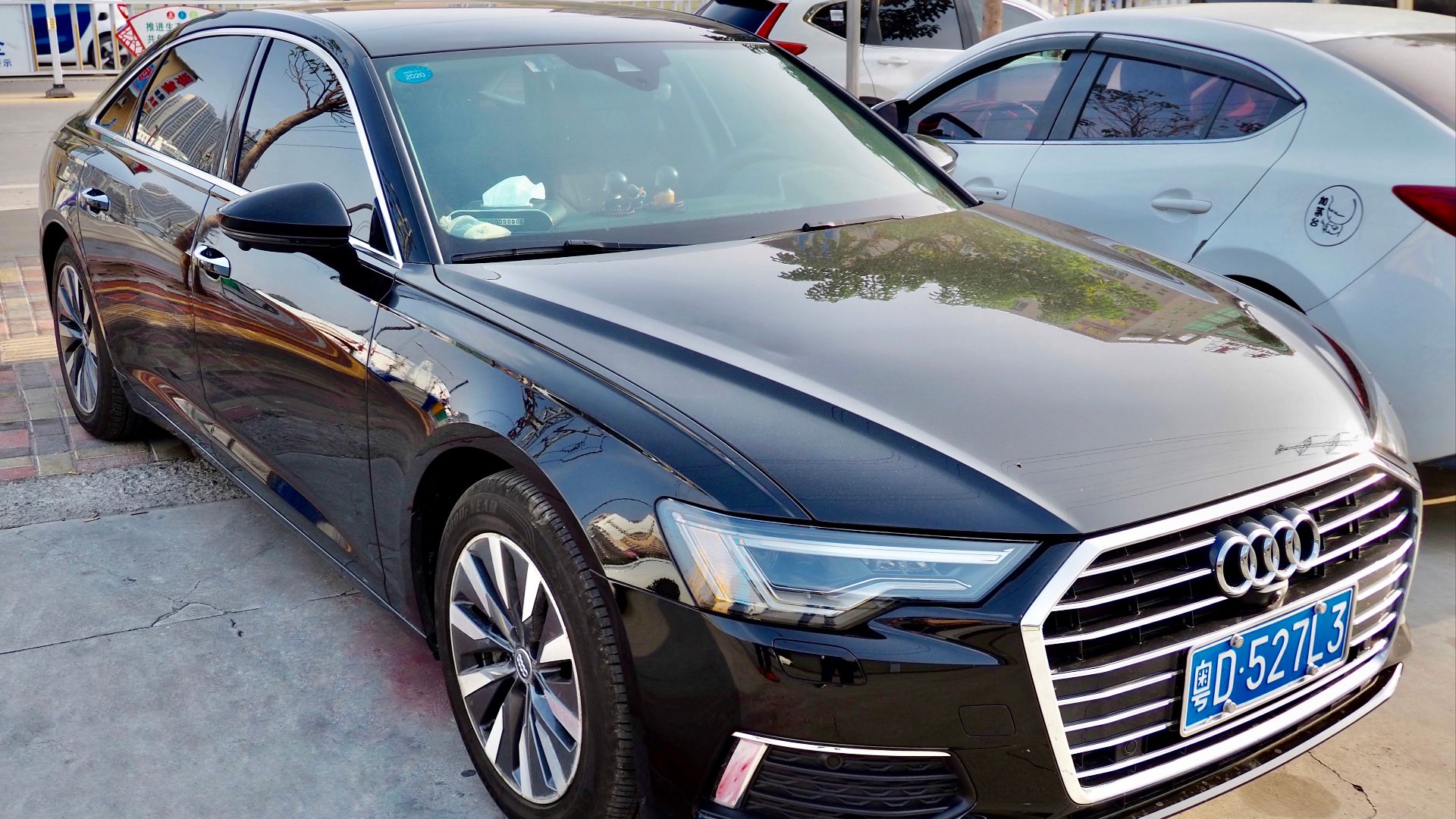
Audi A6 (Cont.)
Ownership costs rise sharply after that protective coverage ends. What seemed like innovative features become expensive liabilities, turning routine fixes into wallet-draining visits. Consumer Reports data shows the 2019 A6’s overall reliability is below average compared with other cars of its year.
 Alexander Migl, Wikimedia Commons
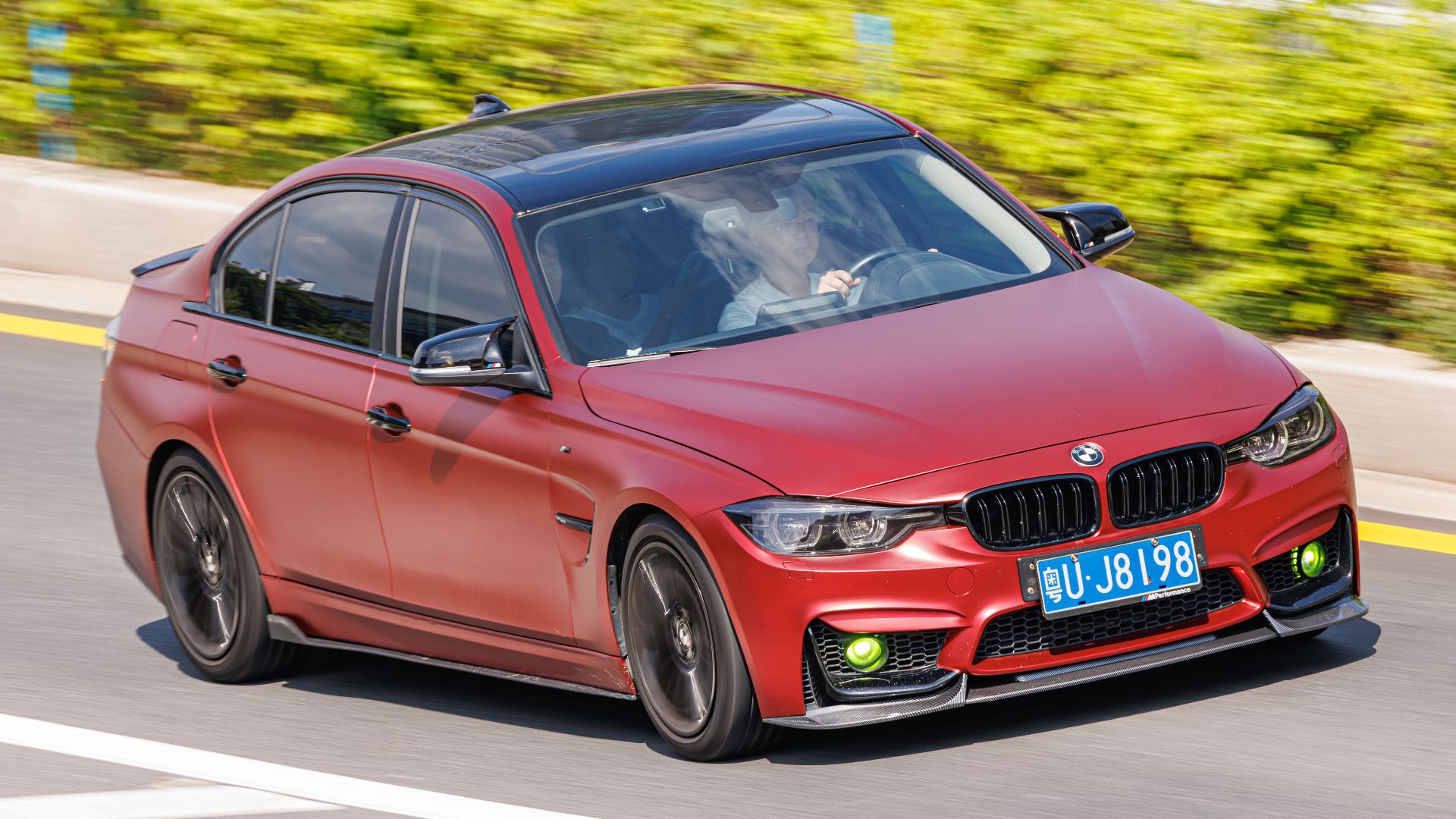
BMW 3 Series (2024)
Minor issues often require dealership diagnostics because independent shops lack the proprietary tools needed, and maintenance costs remain stubbornly high even for routine service intervals. The 3 Series has had multiple recalls, including some relating to serious safety-related components.
 Dinkun Chen, Wikimedia Commons
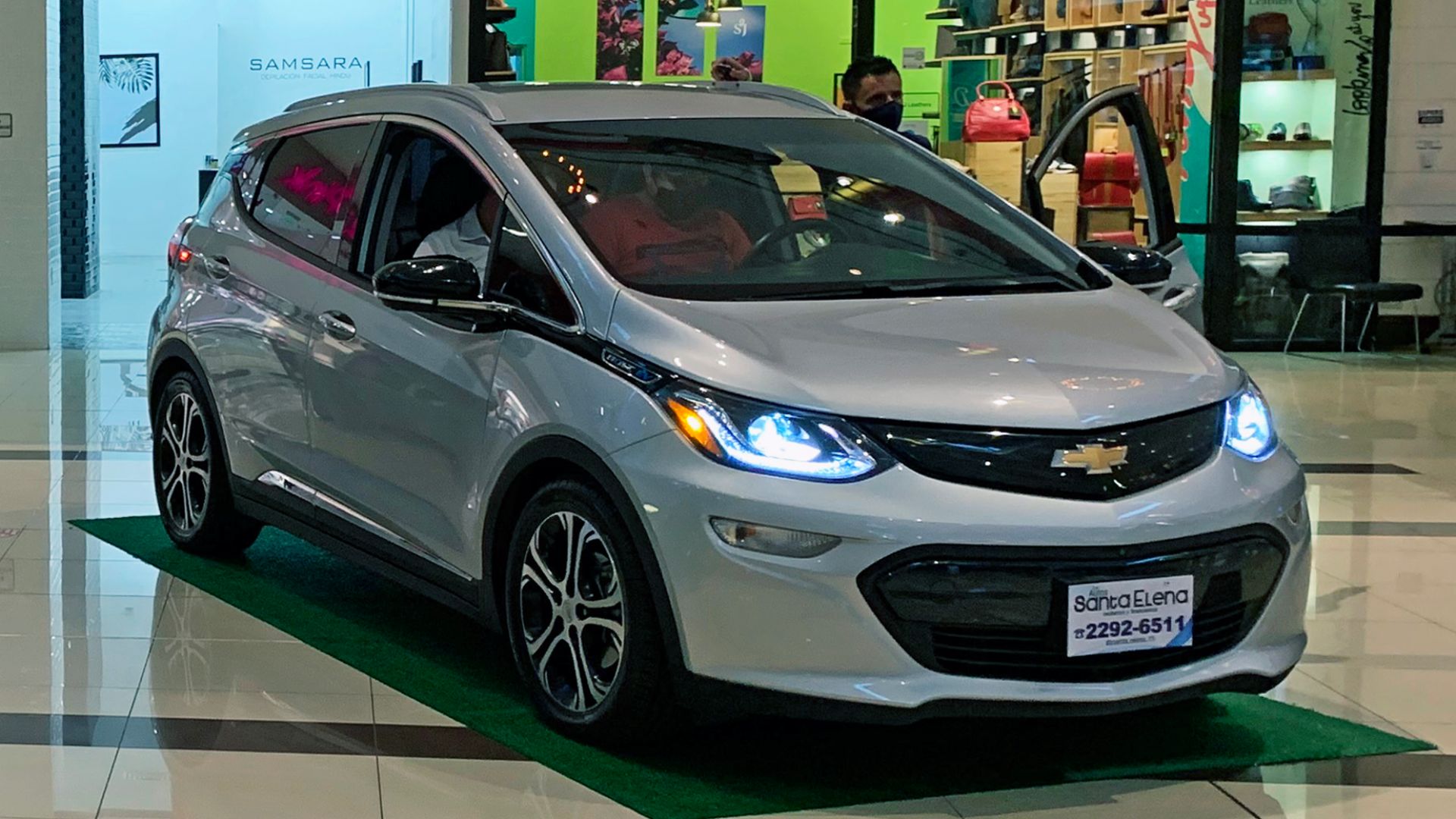
Chevrolet Bolt (2020–2021)
Battery recall issues affected these specific model years so severely that some owners received complete buybacks from General Motors. Battery-related concerns didn't just impact individual cars. It is said that they damaged resale confidence across the entire used Bolt market for this generation.
 Mariordo (Mario Roberto Duran Ortiz), Wikimedia Commons
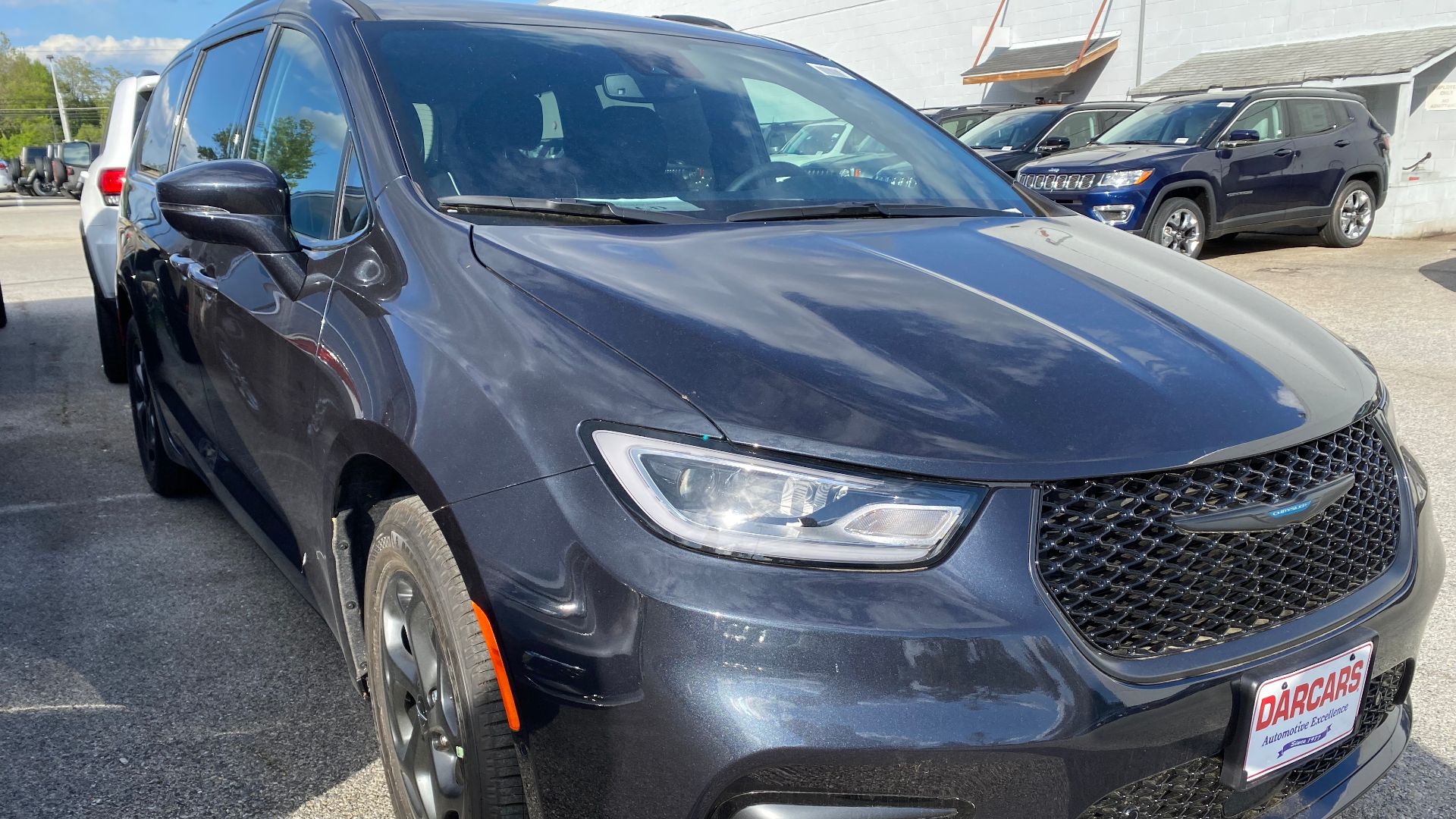
Chrysler Pacifica Hybrid (2018, 2021)
Innovation brought growing pains here—the Pacifica Hybrid added complexity compared to the simpler gas-only version, and electrical faults were commonly reported by frustrated owners. The hybrid system itself proved problematic, creating issues that rarely appeared in the conventional powertrain model.
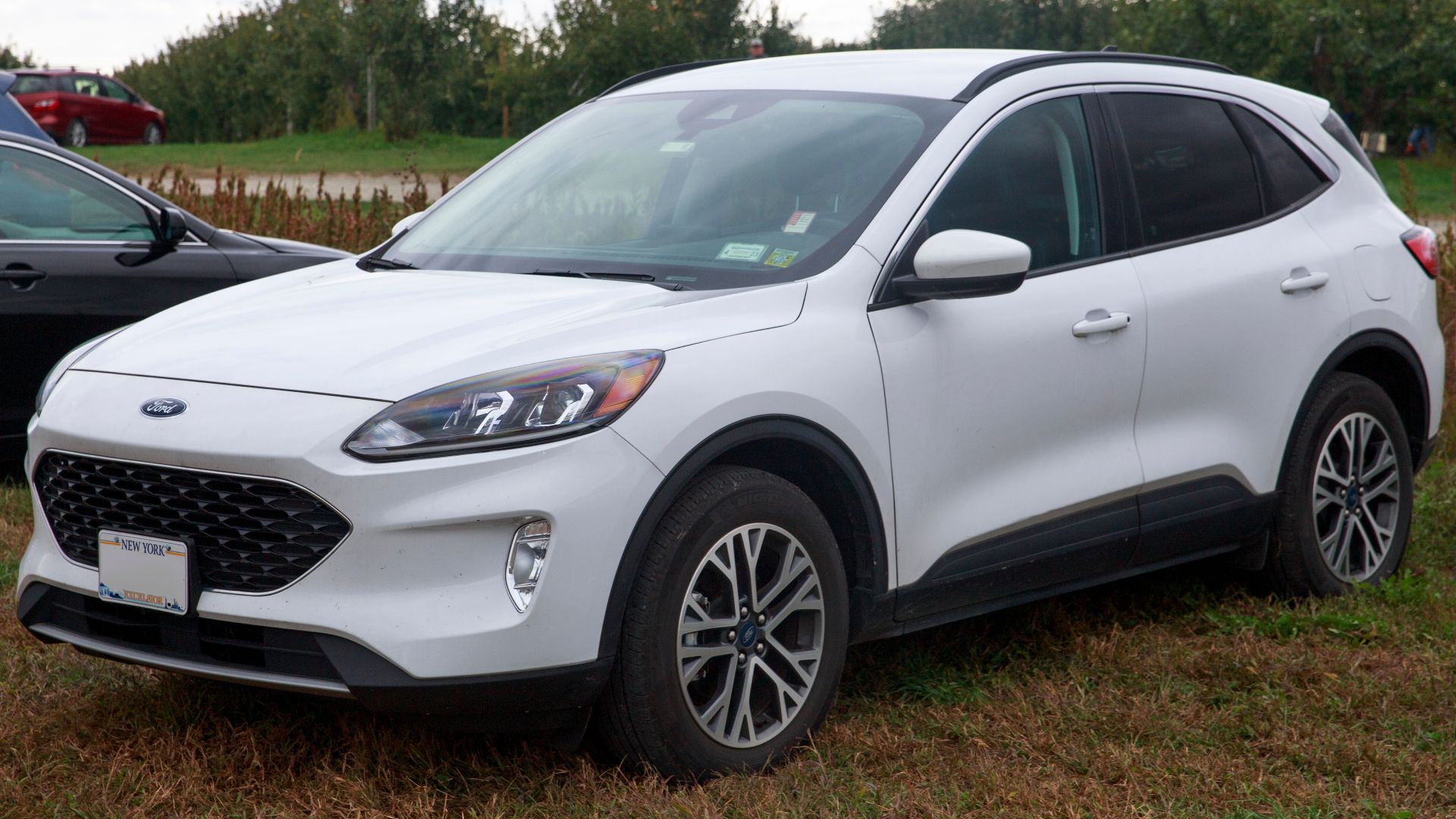
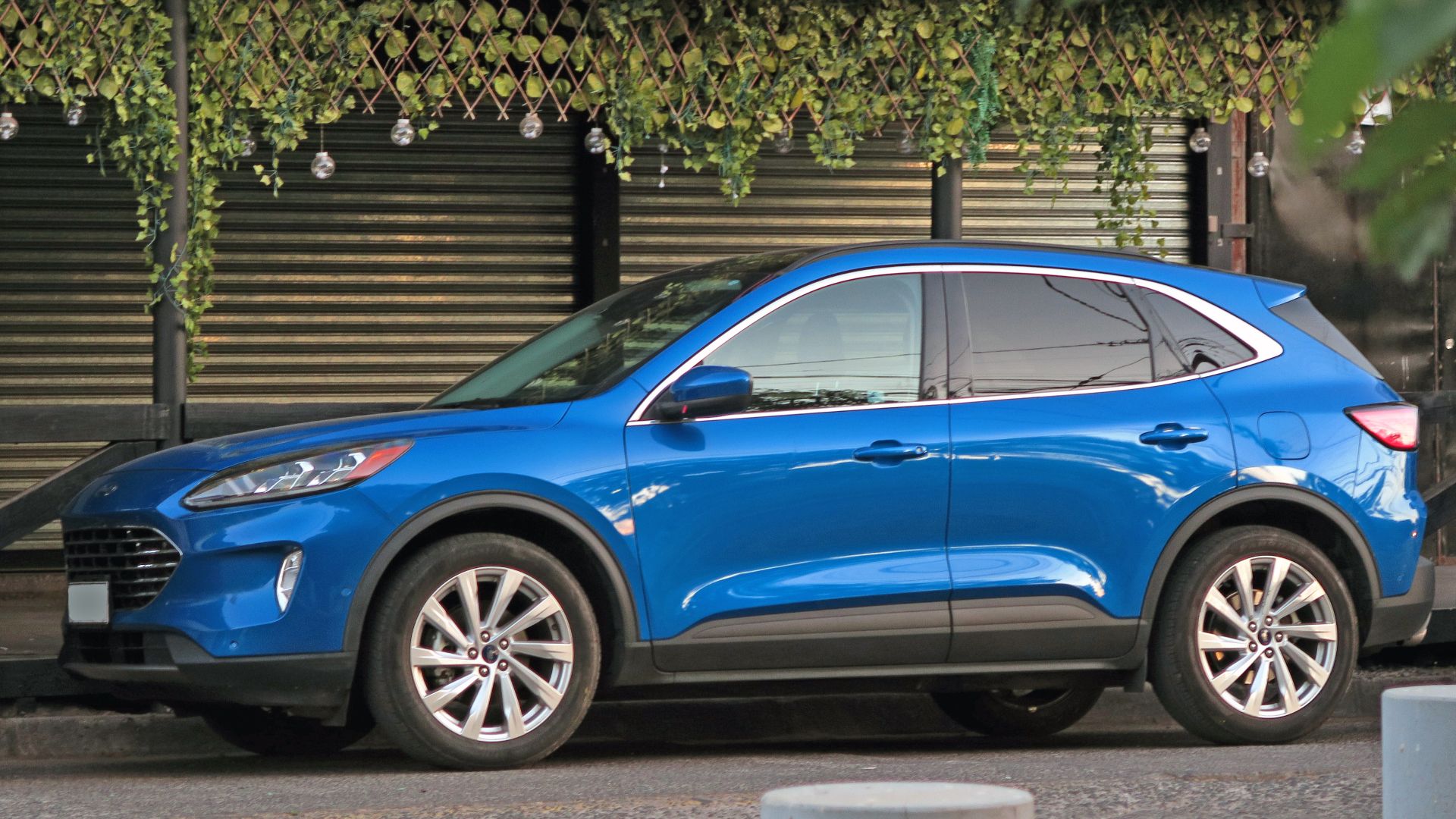
Ford Escape (2021)
The Escape nameplate once symbolized simplicity and reliability in Ford's compact SUV lineup. But certain engines from this 2021 period were linked to mechanical concerns, and transmission behavior drew frequent criticism from owners expecting the dependability that earlier Escapes delivered.
 Mr.choppers, Wikimedia Commons
Ford Escape (Cont.)
Reliability ratings dropped compared to previous generations, marking a disappointing decline. What made matters worse was that this happened to a model with a strong reputation. Buyers expecting Ford's usual truck-derived durability found themselves dealing with unexpected problems instead.
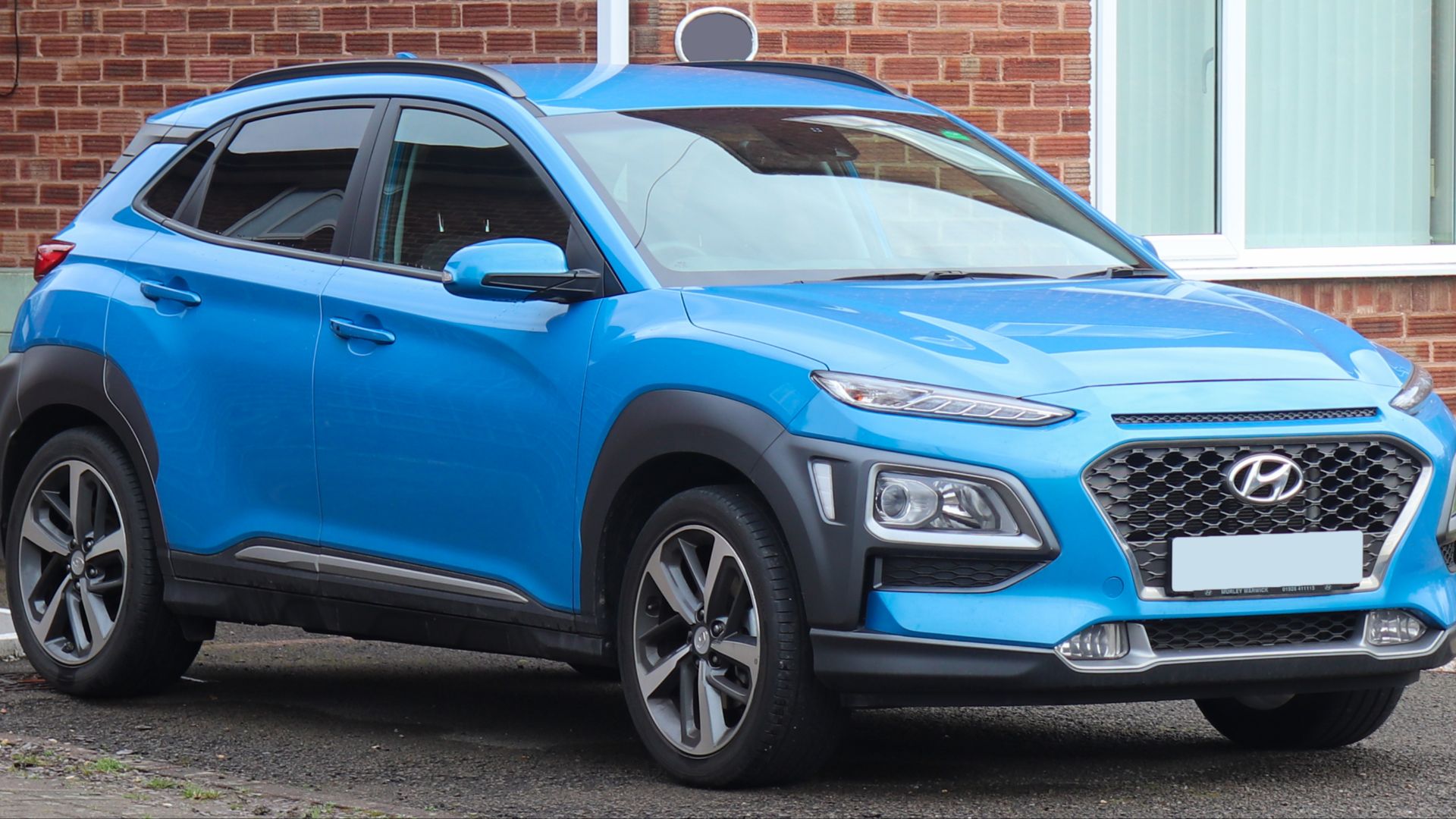
Hyundai Kona (2019)
Early Kona models experienced engine-related complaints that overshadowed the crossover's otherwise appealing design and features. Electrical glitches affected driver-assistance features. Hyundai clearly identified and addressed the problems in subsequent production, leaving this model year as the one to avoid when better alternatives exist just slightly newer.
Hyundai Sonata (2016)
Engine reliability issues were widely reported for this model year. Oil consumption complaints flooded owner forums and service departments. Repairs often involved major engine work, the kind of expensive intervention that quickly exceeds what many used car buyers want to invest.
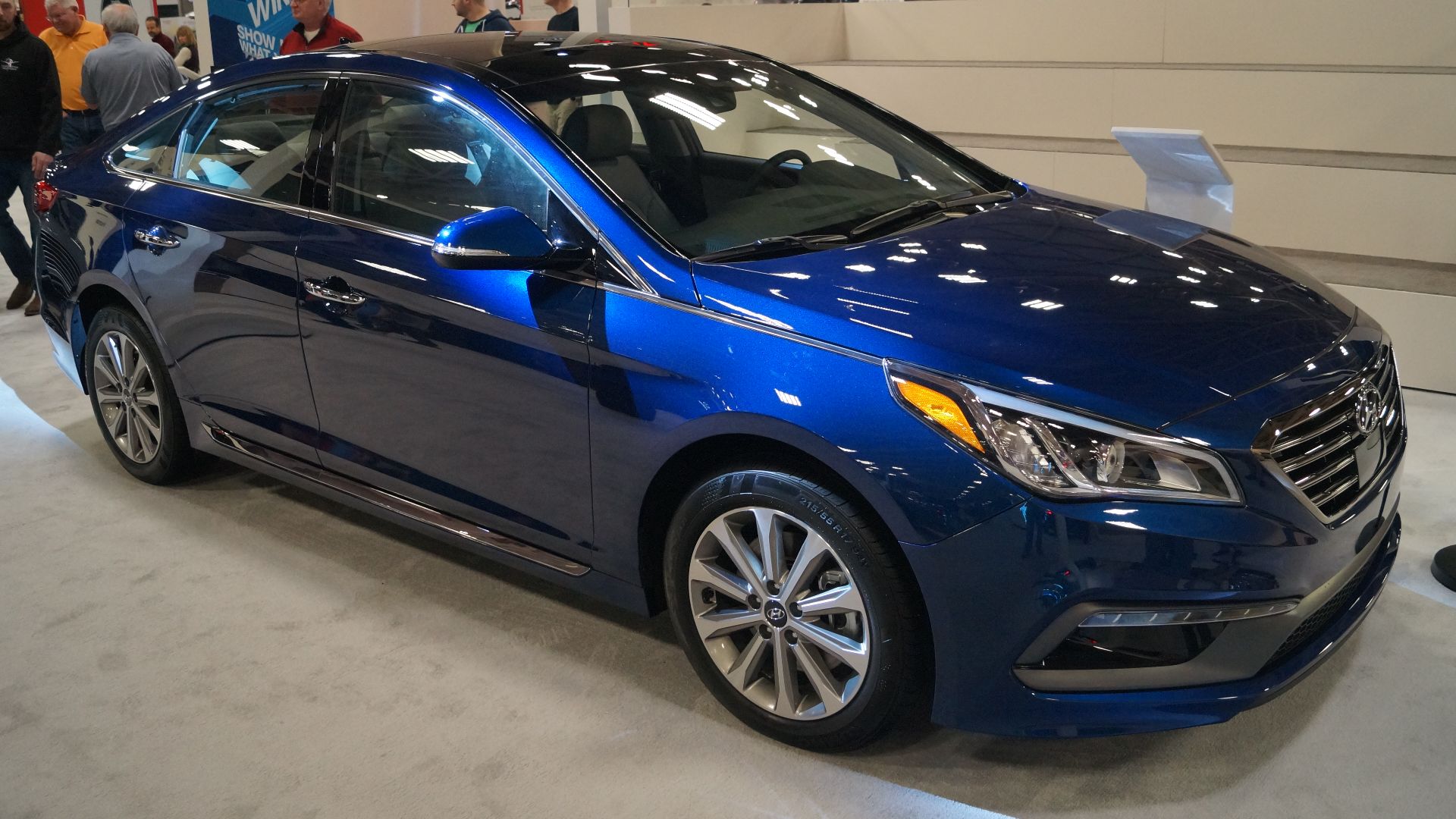 Greg Gjerdingen from Willmar, USA, Wikimedia Commons