The Lease Vs Buy Argument Never Dies
Your friend is not crazy, but the claim that you should always lease is way too simple. Leasing can be the smarter move for some drivers, especially if they want lower monthly payments and a new car every few years. Buying can be better if you keep cars for a long time, drive a lot, or want to stop making payments and build some equity.
What Leasing Really Means
When you lease a car, you are usually paying for the vehicle’s depreciation during the lease term, plus rent charges and fees. The Consumer Financial Protection Bureau explains that leases often run two to three years and usually come with mileage limits and wear-and-tear rules. At the end, you usually return the car unless your contract gives you a buyout option.

What Buying Really Means
Buying means you are paying for the whole vehicle, either with cash or an auto loan. Once the loan is paid off, the car is yours and you can keep driving it without a monthly payment. That changes the math in a big way if you keep the car for years after it is paid off.

Why Leasing Feels So Tempting
Leases often come with lower monthly payments than loans on the same vehicle. That is one reason dealers like to pitch leasing as an easy way to get into a pricier trim or a more upscale brand. The Federal Trade Commission notes that lease ads must disclose certain terms, but the low monthly number can still hide a lot.

Lower Payments Do Not Always Mean Lower Cost
This is where a lot of shoppers get tripped up. A lower monthly bill can make leasing look cheaper, but total cost depends on how long you keep the vehicle and what fees you pay along the way. If you lease one car after another for years, you may always have a payment and never own anything at the end.
The Mileage Limit Can Change Everything
Most closed-end leases include annual mileage limits, often around 10,000 to 15,000 miles. Go over that and you can get hit with per-mile charges written into the contract. If you have a long commute, take lots of road trips, or just drive more than expected, leasing can get expensive fast.

Wear And Tear Is Not Just Fine Print
Lease contracts also usually hold you responsible for excess wear beyond normal use. That can include damage to tires, wheels, glass, upholstery, or body panels. The result is that some drivers return a car and get surprised by charges they never planned for.

Buying Rewards The Long Haul Driver
If you buy a reliable car and keep it well past the loan term, ownership usually looks better and better over time. Edmunds points out that buying tends to make more sense for people who plan to keep a vehicle for many years. The turning point comes when you are driving a paid-off car while a serial lessee is still sending in monthly payments.
Leasing Can Work For People Who Crave New Cars
Some drivers really value having a new vehicle every two or three years, always under a factory warranty, with the latest safety and tech features. For them, leasing can be a reasonable lifestyle choice instead of a financial mistake. It can also cut down on the hassle of selling or trading in a used vehicle later.

Warranty Coverage Is A Real Lease Advantage
Because many lease terms are short, the car often stays under the manufacturer’s bumper-to-bumper or powertrain warranty for much of the lease. That can mean fewer surprise repair bills while you have it. For drivers who want more predictable costs, that is a real plus.

Buying Gives You Freedom Leasing Cannot
Owners can drive as much as they want, customize the car, and decide when to sell it. Lessees usually have to stay within mileage and condition rules and may need approval for major changes. If you like road trips, add-ons, or simply not asking permission, buying is usually the more flexible option.
Equity Is The Big Thing Your Friend Is Overlooking
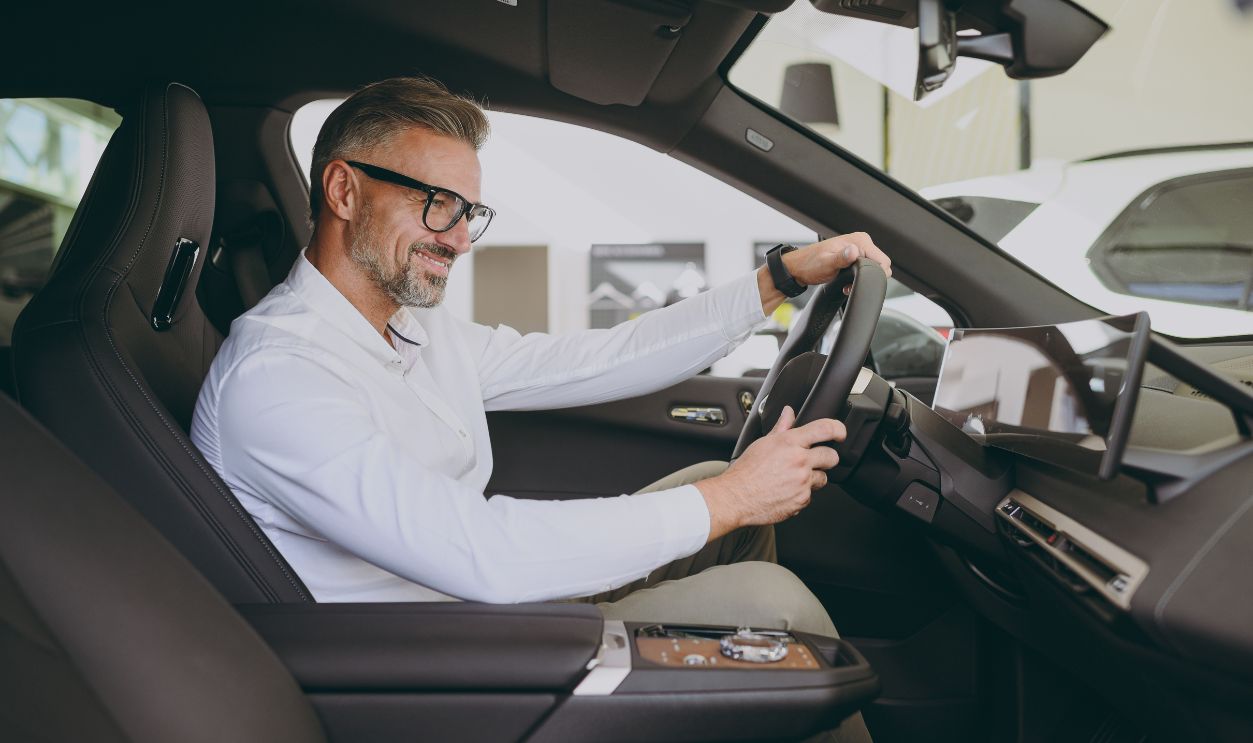
A purchased vehicle is a depreciating asset, but it can still have trade-in or resale value. If the market is favorable or you take care of the car, that value can help offset your next purchase. A standard lease usually ends with you handing back the vehicle and walking away without ownership unless you use a purchase option.
Depreciation Hurts Buyers Most In The Early Years
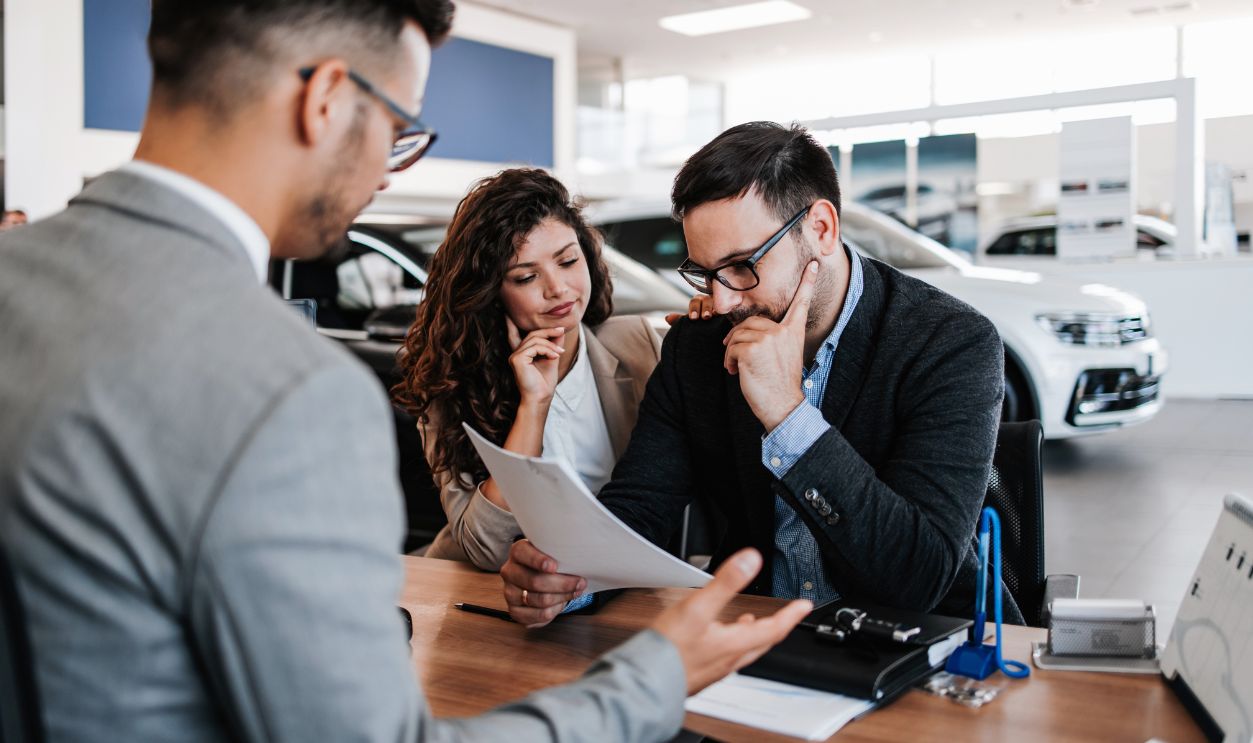
New cars tend to lose value fastest in their first few years, which is one reason leasing exists in the first place. With a lease, you are paying for that early depreciation rather than financing the whole vehicle. That can be useful, but it does not automatically make leasing the better financial move over the long run.

There Is A Catch Called The Acquisition Fee
Lease deals often include an acquisition fee charged at the start of the contract. There may also be a disposition fee at the end if you return the car. Those charges are easy to overlook when shoppers compare a lease payment with a loan payment, but they need to be part of the math.

Buying Usually Wins If You Keep Cars For A Decade
This is the heart of the argument. If you buy a dependable model, pay it off, and keep it for eight to ten years or longer, your average monthly cost can fall well below the cost of leasing one car after another. That is why blanket claims about buying being a waste of money do not really hold up.

Leasing Can Be Smart For Business Use
For some business owners, leasing may offer tax advantages or fit a planned replacement cycle. The IRS has rules covering business use of leased vehicles, including how deductions are handled. This is one area where the best answer depends on the details, so a tax professional matters more than a friend with a strong opinion.
Insurance Can Also Shift The Equation
Leases often require higher insurance coverage levels than a driver might carry on an older owned car. Gap coverage may also be included or required depending on the contract. That means the sticker payment alone does not tell you what the car will really cost each month.

Interest Rates Matter Whether You Lease Or Buy
Loan APR affects monthly payments on a purchase, while the lease money factor affects finance charges on a lease. In high-rate environments, both options can look worse. The smart comparison is not lease versus buy in the abstract, but lease versus buy on the same vehicle, at the same time, using real numbers.

Used Car Buying Changes The Debate
Your friend’s argument usually compares leasing a new car with buying a new car. That leaves out a powerful third option, which is buying a used or certified pre-owned vehicle. A lightly used car has already taken some of the depreciation hit, which can make ownership far more cost-effective than either leasing new or buying new.
Some Lease Deals Are Better Than Others
Not all leases are equal. Strong lease offers usually depend on high residual values, competitive money factors, and incentives from the automaker. That means one month’s lease on a specific model can be excellent while another model sitting right next to it is just average.
 Bodgan Vacarcuic, Shutterstock
Residual Value Is The Secret Sauce
A lease payment is heavily shaped by the car’s predicted value at the end of the lease, known as residual value. Vehicles expected to hold value well often lease better because you are paying for less depreciation. That is one reason some brands and models show surprisingly low advertised lease payments compared with others.
Buying Protects You From Endless Car Payments
Many households underestimate how good it feels to have no car payment. Once you own the car outright, you can put that money toward maintenance, savings, insurance, or your next vehicle fund. Leasing can keep you in a newer car, but it can also keep you stuck on a payment treadmill.

Leasing Can Reduce Resale Hassles
There is one real convenience advantage your friend may be thinking of. When the lease ends, you usually return the car and move on, instead of negotiating trade-in value or trying to sell it yourself. For people who hate dealing with the used-car market, that simplicity has real value.

Buying Carries More Repair Risk Later On
The longer you own a vehicle past its warranty period, the more you are exposed to repair costs. If you pick an unreliable model, the math that looked great on paper can turn ugly fast. That is why buying works best when it is paired with careful model selection, regular maintenance, and a long ownership horizon.
Your Driving Habits Should Decide This
This choice is less about ideology and more about how you live. High-mileage drivers, people who keep cars for years, and shoppers focused on long-term value usually do better buying. Drivers who want a new car often, stay within mileage caps, and want predictable short-term costs may prefer leasing.
The Friend Test Fails In Real Life
Advice like always lease or always buy sounds confident, but real-world car finance is messier than that. The Federal Reserve Bank of New York has reported that auto debt is a major household obligation in the United States, which is exactly why one-size-fits-all advice can get expensive. A decision this big deserves a calculator, not a slogan.

How To Compare Lease And Buy The Right Way
Start with the out-the-door price of the vehicle, then compare the total cost over the time you realistically expect to keep it. Include down payment, monthly payments, taxes, fees, insurance differences, expected mileage charges, maintenance, and resale or trade-in value. If you are likely to keep a car long after payoff, run that version too, because it often flips the result in favor of buying.

So Is Leasing Really Better
Sometimes, yes. Always, no. Leasing is better for a narrow set of priorities, while buying is usually better for drivers who want long-term value, unlimited use, and a path to payment-free ownership.