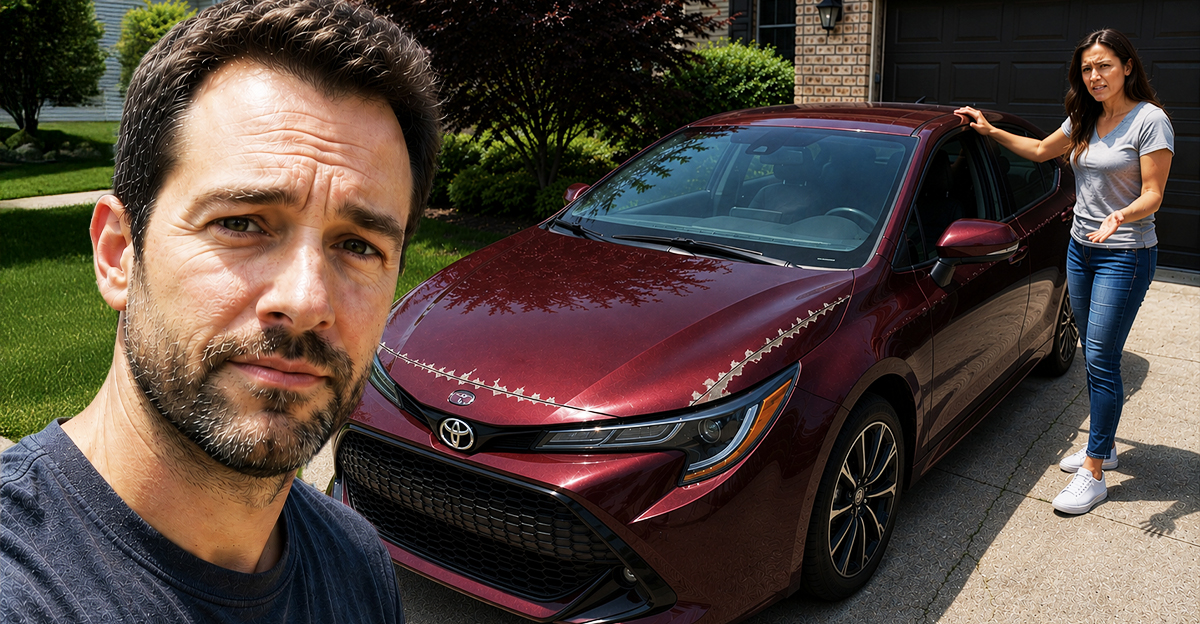
The Red Flags That Can Cost You Thousands
Car loans are supposed to help you get on the road, not trap you in years of regret. But between confusing paperwork, aggressive finance tactics, and “great monthly payments” that hide ugly math, it’s surprisingly easy to sign a bad deal. The truth is, a car loan can look affordable on the surface while quietly draining your bank account for years. Here are 20 major red flags that your car loan might be working against you instead of for you.

The Interest Rate Is Way Above Average
If your rate is significantly higher than current market averages for your credit tier, that’s a red flag. Even a few extra percentage points can add thousands over the life of the loan. Always compare rates from banks, credit unions, and online lenders before signing anything.
The Loan Term Is Extremely Long (72–96 Months)
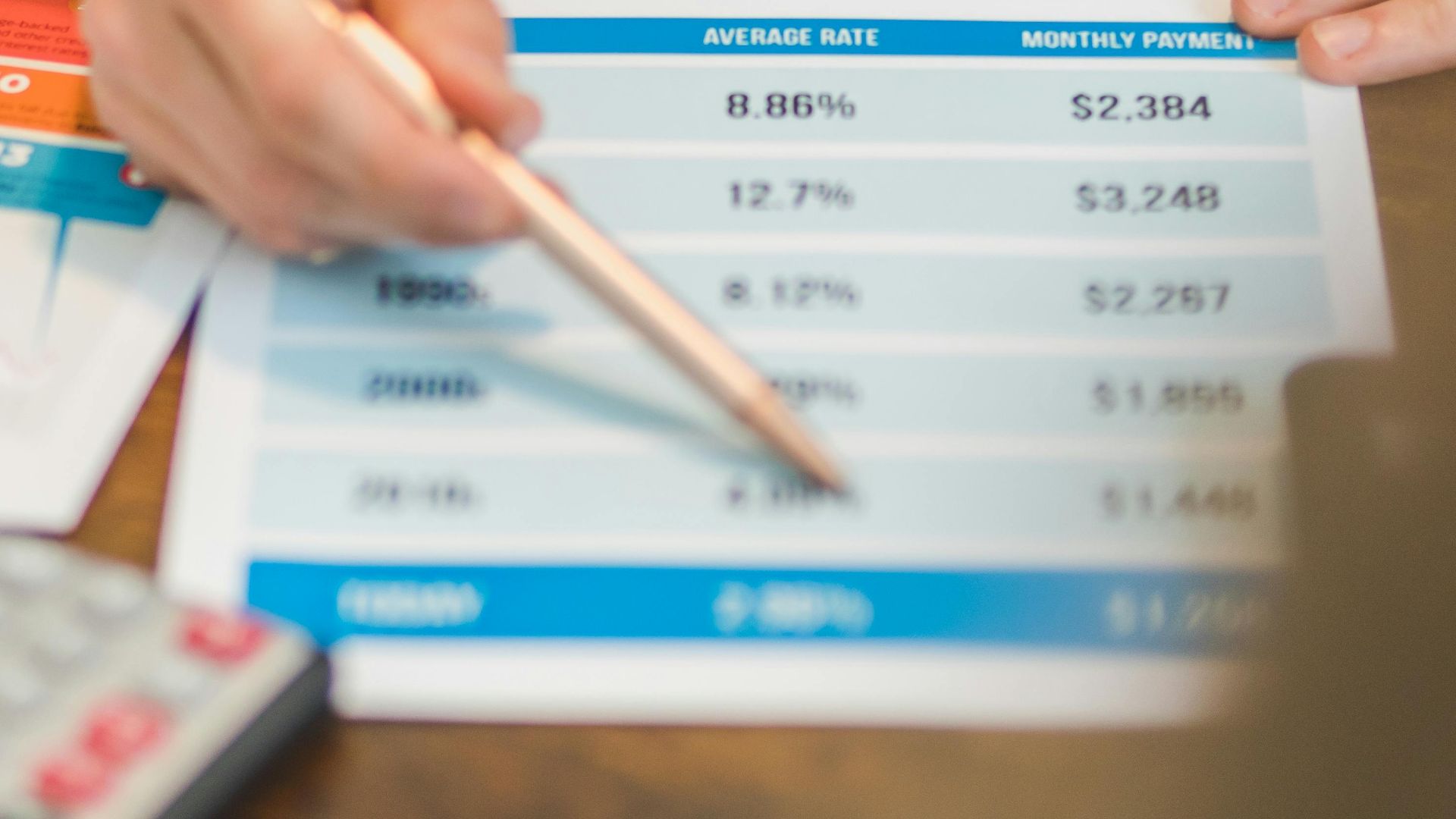
Long loan terms lower the monthly payment, which makes the deal feel manageable. However, they dramatically increase total interest paid. An 84-month loan often means you’ll still be paying for the car long after the excitement of buying it is gone.
Your Monthly Payment Is The Only Thing Being Discussed
If the dealership keeps steering the conversation back to “What monthly payment do you want?” instead of the total loan cost, that’s a warning sign. Payments can be manipulated by stretching the term or inflating the loan amount.

You Don’t Know The Total Amount You’ll Pay
If you haven’t calculated the full cost of the loan (including interest) you’re flying blind. Always ask for the total of payments over the entire term. That number is often eye-opening.

There’s A Prepayment Penalty
Some loans charge you a fee for paying off the balance early. That means you’re essentially punished for trying to save on interest. A good auto loan should not make it expensive to get out of debt faster.

You’re Rolling Over Negative Equity
If you still owe money on your current car and that balance is being added to your new loan, you’re starting underwater. Rolling over negative equity can trap you in a cycle of debt that’s hard to escape.
The Down Payment Is Suspiciously Low (Or Zero)
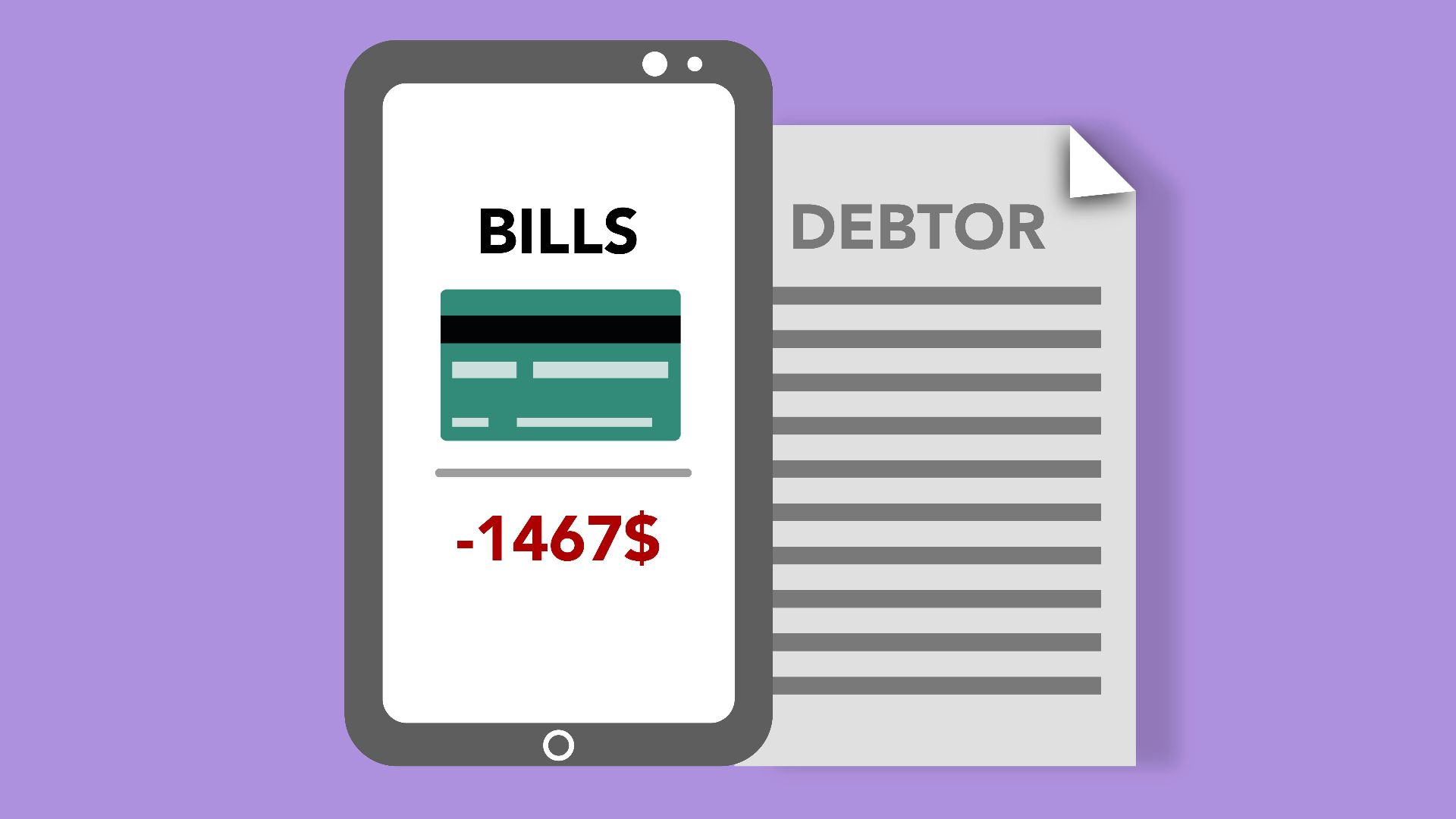
While zero-down deals sound appealing, they usually mean higher payments and higher interest costs. Without a solid down payment, you’re more likely to owe more than the car is worth for most of the loan term.

You’re Already Upside Down On The Loan
If your loan balance exceeds the car’s actual value shortly after purchase, that’s a bad sign. Depreciation hits fast, and long loan terms make it worse. Being upside down limits your options if you need to sell or trade in.

The APR Changed At The Last Minute
If you were quoted one rate and shown another during signing, stop immediately. Changes to APR without clear explanation can significantly increase your total cost.

There Are Add-Ons Rolled Into The Loan Without Clarity
Extended warranties, GAP insurance, paint protection, and service packages can quietly inflate your loan. If they’re financed instead of paid upfront, you’re paying interest on them too.

The Dealer Is Pressuring You To Sign Immediately
High-pressure tactics are rarely a sign of a great deal. If you’re told the offer “expires today” or you’re rushed through paperwork, take a step back. A solid loan doesn’t require panic signing.

Your Credit Score Wasn’t Clearly Used In The Rate Decision
If no one explains how your credit impacted the rate, or if you’re not shown competing offers, you may not be getting the best financing available for your profile.

The Loan Includes Mandatory Insurance Products
Some lenders try to bundle credit insurance or other protection products into the loan. If you didn’t request them and they’re not optional, that’s a red flag.
There’s A Large Origination Or Documentation Fee
Some fees are normal, but excessive or unexplained charges add unnecessary cost. Always review the breakdown and question anything that seems inflated.

You Didn’t Get Preapproved Elsewhere
If you walked into the dealership without checking rates from a credit union or bank first, you may have lost negotiating leverage. Dealership financing isn’t always the most competitive.
The Loan Payment Is Stretching Your Budget
If your car payment eats up a big chunk of your take-home pay, the loan may not be sustainable. Financial experts often recommend keeping total car expenses under 15–20% of monthly income.

There’s No Clear Amortization Schedule
You should know how much of each payment goes toward principal versus interest. If you’re not shown a breakdown, you may not realize how slowly the balance declines early in the loan.

You Needed A Co-Signer Just To Qualify
While co-signers can help, needing one for a high-interest loan could signal that the terms are risky. If you default, both you and your co-signer take the hit.

The Loan Includes A Balloon Payment
Some loans advertise low monthly payments but require a large lump-sum payment at the end. If you’re not fully prepared for that balloon payment, you could be forced into refinancing under worse terms.
 Photo By: Kaboompics.com, Pexels
You Feel Confused Or Regretful After Signing
This might be the biggest red flag of all. If the paperwork felt rushed, unclear, or overwhelming, and you left unsure of what you agreed to, that’s a sign the deal wasn’t transparent.

Final Thoughts
A car loan should help you build credit and enjoy your vehicle, not become a financial anchor. The key is understanding the full cost, not just the monthly payment. Take your time, compare offers, read every line, and remember: if something feels off, it probably is.

You May Also Like:
Major Red Flags To Watch For When Buying A Used Car
DIY Car Repairs That Will Probably Just Wreck Your Vehicle
My car loan company repossessed my vehicle after one late payment. Can they really do that?