
A Surprising Discovery
You purchased a used car advertised as having "new tires," expecting years of safe driving ahead. Then your mechanic checked the DOT date codes and explained the tires had actually been manufactured several years earlier. They still looked nearly unused, but their age raised important questions about safety, value, and disclosure.
New Does Not Mean New
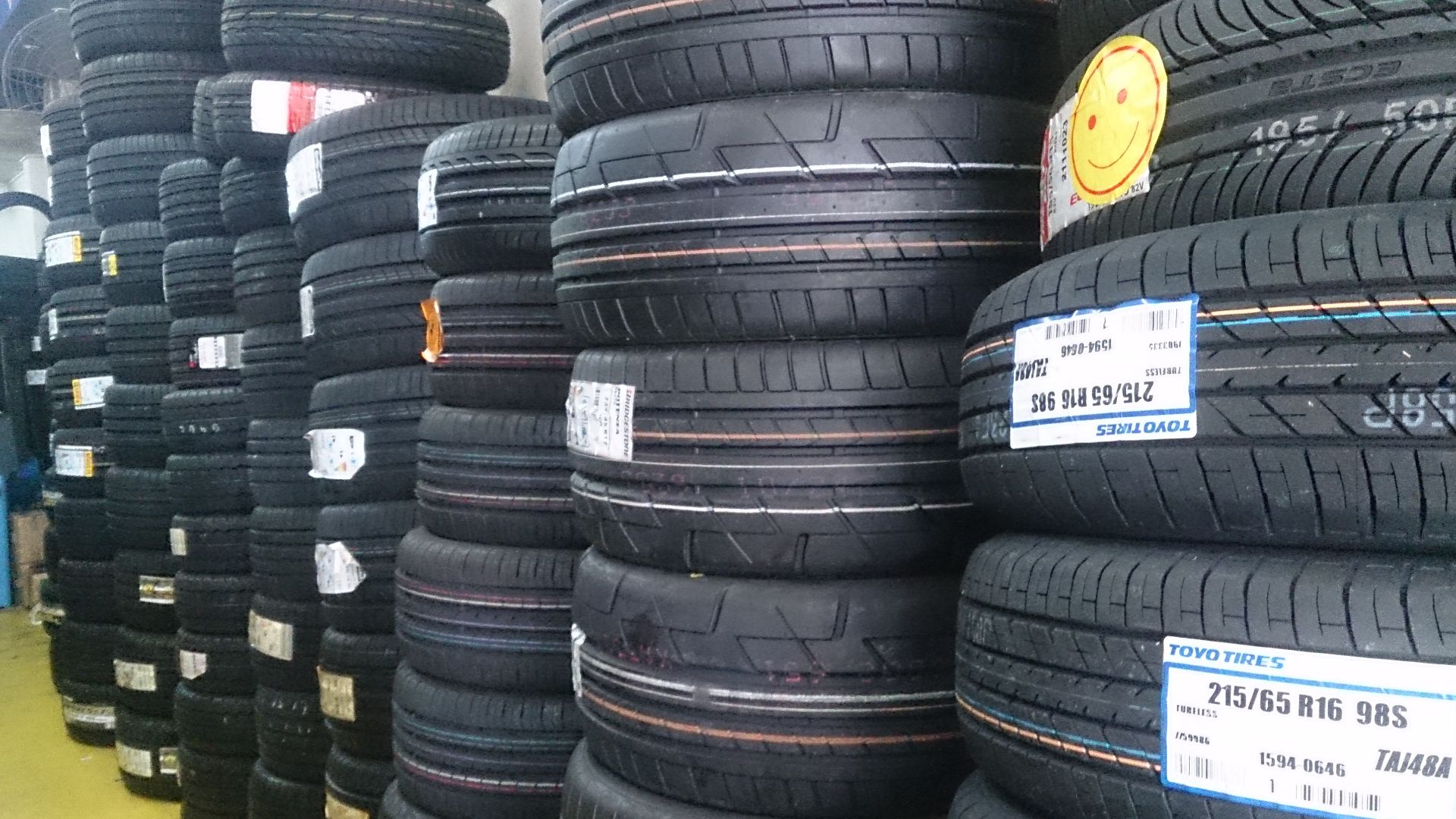
Many buyers assume "new tires" means recently manufactured tires. In reality, the phrase usually means the tires have not previously been used on another vehicle. A tire can sit in storage for years before being installed and still legally be sold as new.
 ProjectManhattan, Wikimedia Commons
Why Rubber Ages
Tires begin aging from the moment they leave the factory. Heat, oxygen, ozone, and ultraviolet light slowly change the rubber compounds over time. Even when a tire has never touched the road, these natural processes gradually reduce its flexibility and performance.

Tread Is Not Everything
Many drivers judge tire condition by tread depth alone. While tread certainly matters, it tells only part of the story. A tire with deep tread but aged rubber may offer less grip and be more vulnerable to cracking than a newer tire with moderate wear.

Find The Date Code
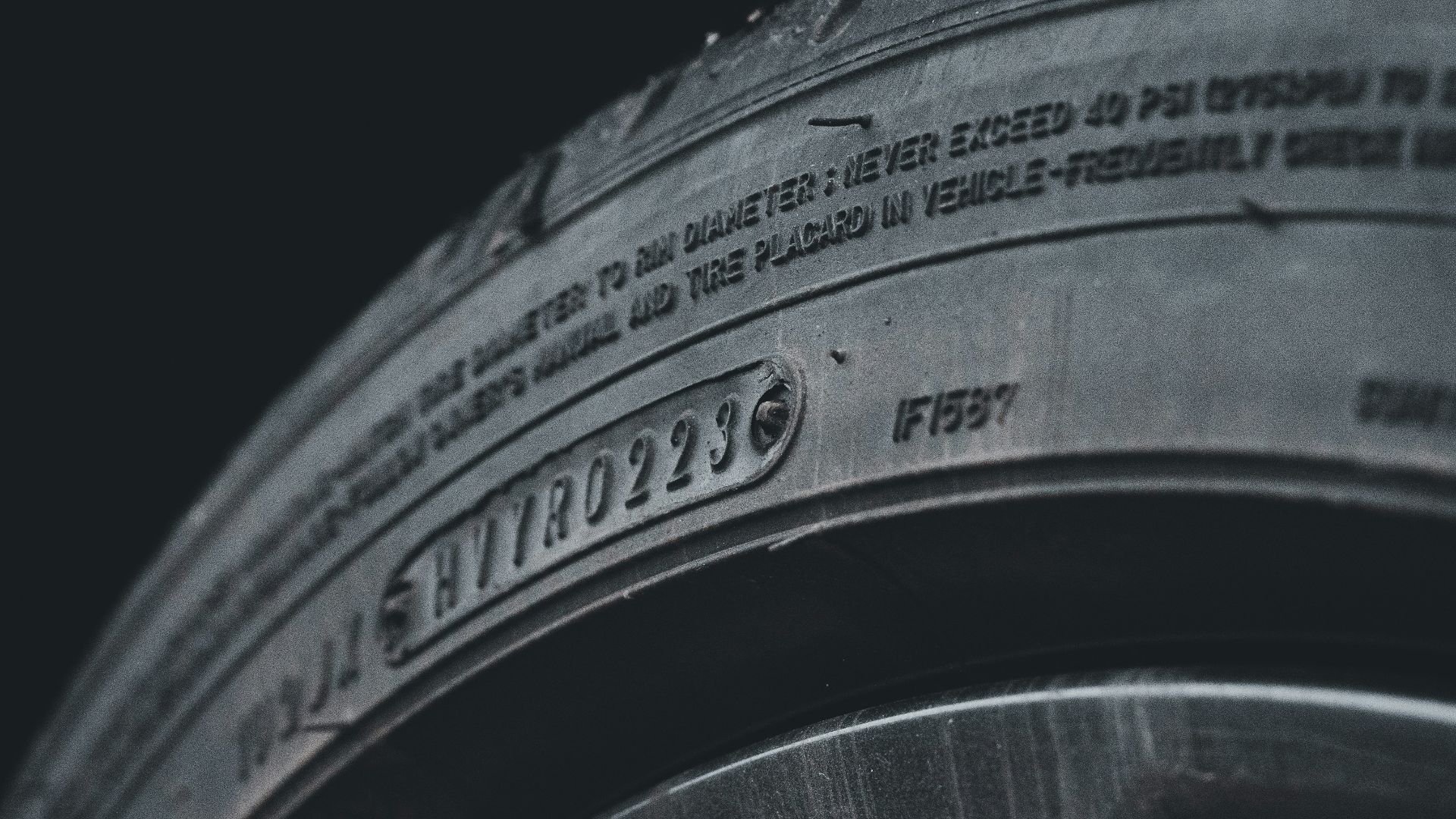
Every tire sold in the United States includes a Department of Transportation identification number molded into the sidewall. The last four digits indicate the week and year the tire was manufactured. For example, "1523" means the tire was produced during the fifteenth week of 2023.
Storage Makes A Difference
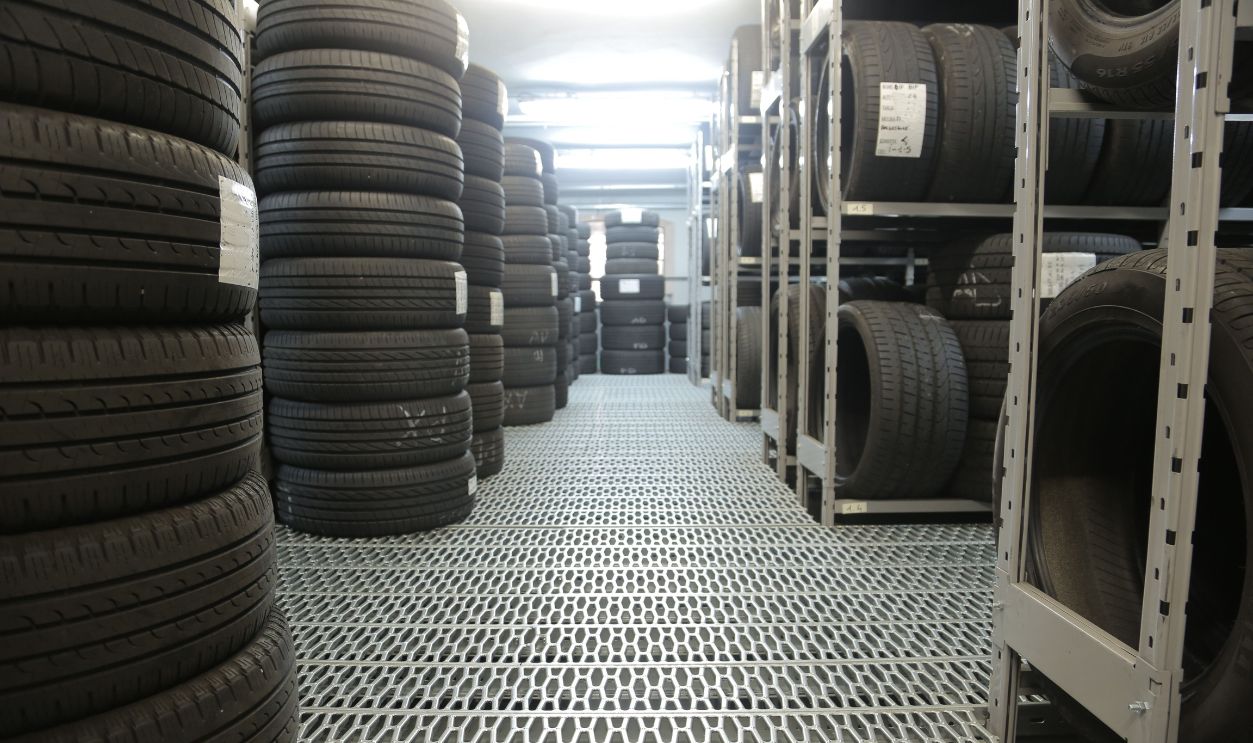
Not every older tire ages at the same rate. Tires stored indoors in cool, dry conditions generally remain in much better shape than those exposed to sunlight, extreme temperatures, or moisture. Proper storage can significantly slow the aging process, although it cannot stop it entirely.
No Federal Age Limit
Federal law does not establish a maximum age at which an unused tire can no longer be sold. Instead, manufacturers, retailers, and industry organizations rely on inspection guidelines and best practices rather than a single nationwide expiration date.

Manufacturer Recommendations
Many tire manufacturers recommend careful inspections after approximately five years of service and replacement by around ten years from the manufacturing date, regardless of remaining tread. These recommendations vary somewhat among brands, making it important to review guidance for your specific tires.
Used Car Advertising
A dealer who advertises "new tires" may be describing their unused condition rather than their manufacturing date. Unless state consumer protection laws or specific advertising rules apply, sellers are often not legally required to disclose exactly when those tires were produced.

Private Seller Differences
Private-party sales generally involve fewer disclosure requirements than dealership transactions. While intentionally misleading buyers can create legal issues, many private sellers simply may not know how old the tires actually are unless they have examined the DOT codes themselves.

Ask Before Buying
One of the easiest ways to avoid surprises is simply asking about tire age before purchasing a vehicle. Request close-up photographs of the DOT codes or inspect them yourself during the test drive. Most reputable sellers should have no objection.

Your Mechanic Knows
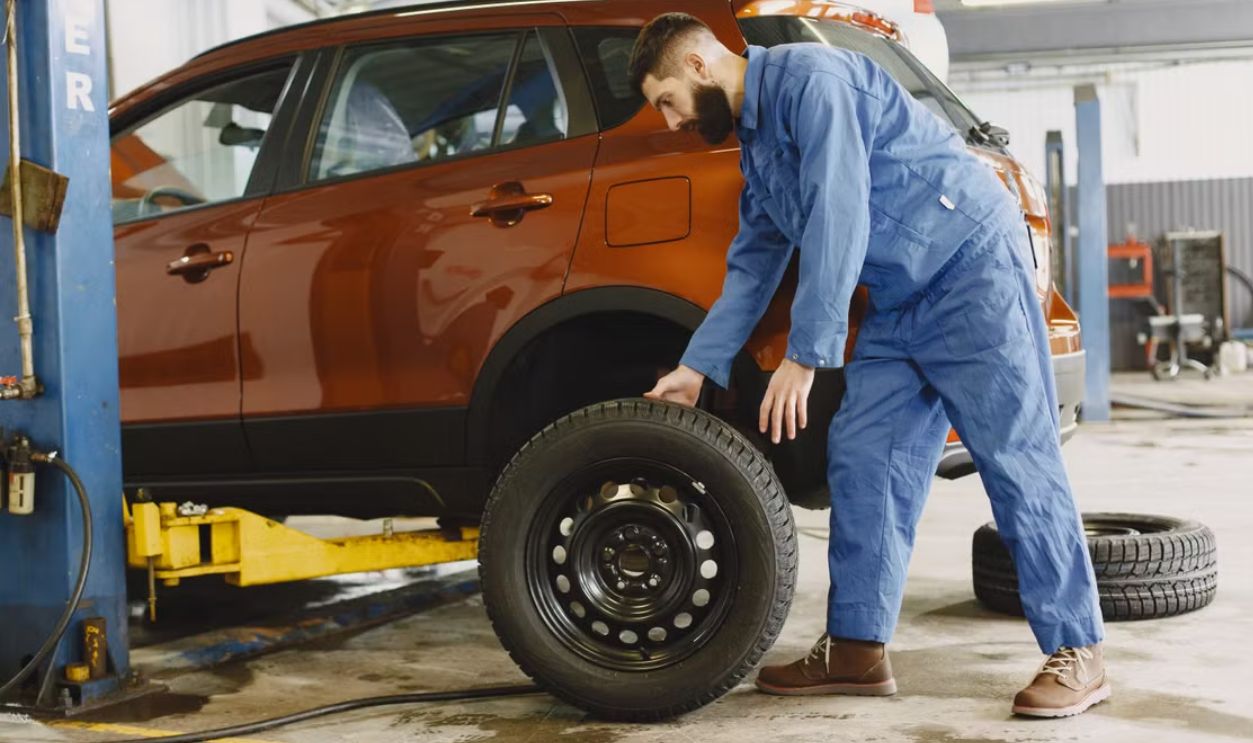
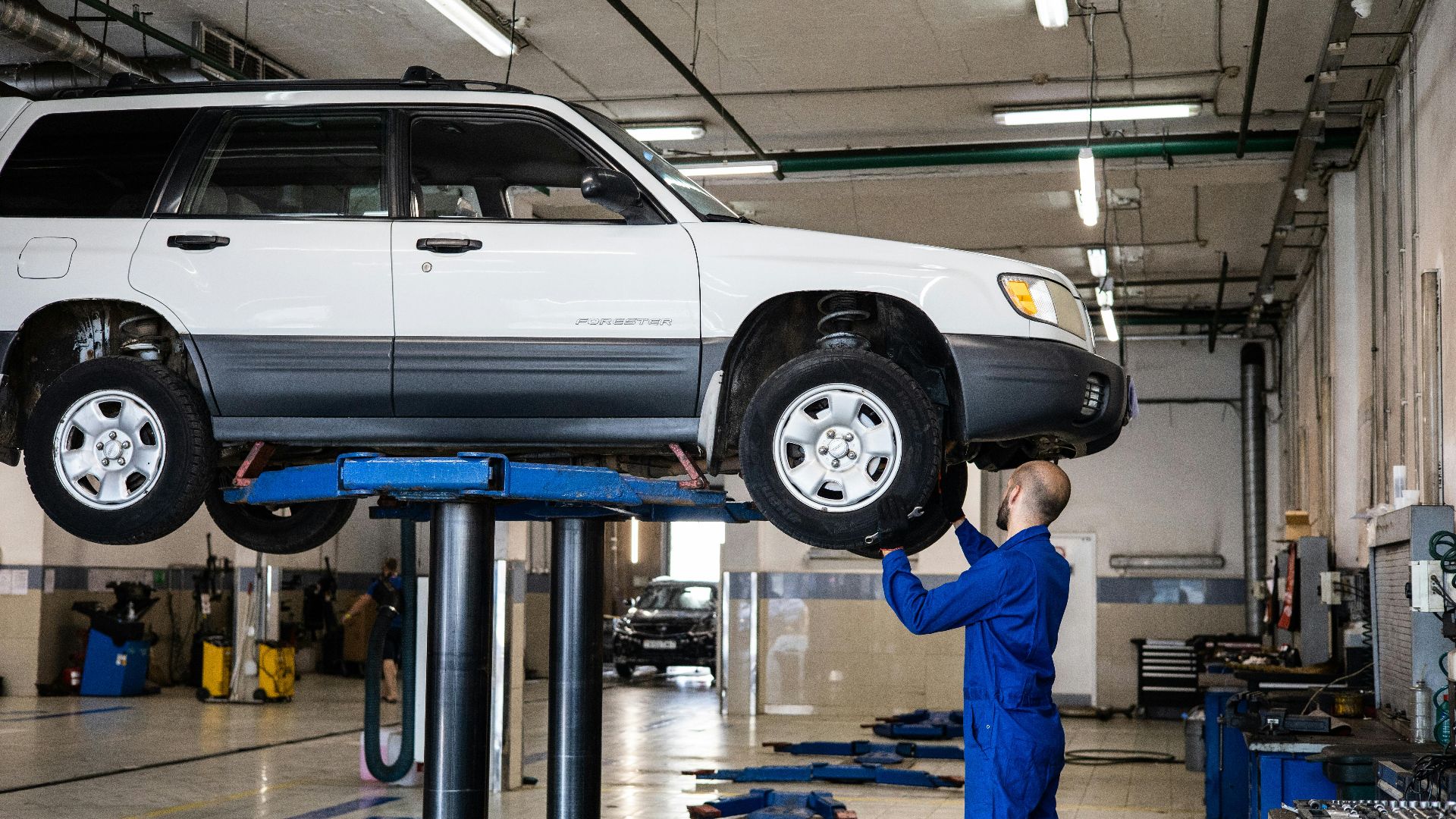
A pre-purchase inspection remains one of the smartest investments when buying any used vehicle. Experienced mechanics routinely inspect tires for age, cracking, uneven wear, sidewall damage, and other issues that many buyers overlook during a quick visual examination.
Watch For Cracking
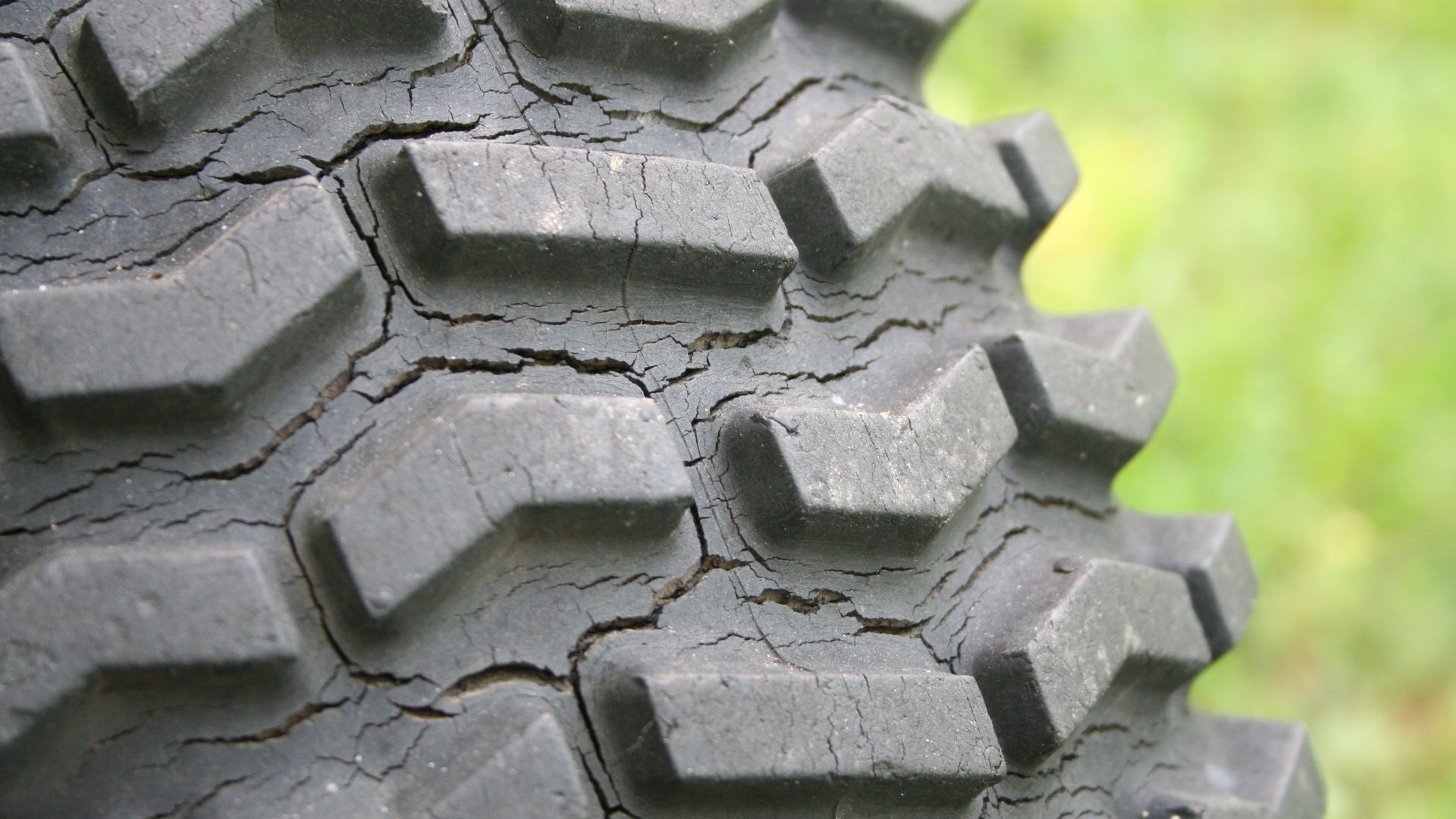
Small cracks in the sidewalls or between tread blocks often indicate aging rubber. While minor surface cracking does not always require immediate replacement, significant cracking can signal that the tire's structural integrity is beginning to deteriorate.
 Griffinstorm, Wikimedia Commons
Performance Can Decline
Older tires may still hold air and look perfectly acceptable while delivering reduced wet-weather traction, longer stopping distances, and diminished flexibility. These changes often occur gradually enough that drivers never notice until an emergency braking or avoidance situation develops.

Heat Accelerates Aging
Vehicles parked outdoors in hot climates generally experience faster tire aging than those stored inside garages or driven in milder regions. High pavement temperatures and prolonged sun exposure accelerate the chemical processes that slowly harden tire rubber.

Unused Does Not Mean Fresh
Some vehicles sit on dealership lots or in storage for extended periods before being sold. Their tires may accumulate several years of age despite having almost no mileage, illustrating why manufacturing dates matter independently from tread wear.

Replacement Costs Matter
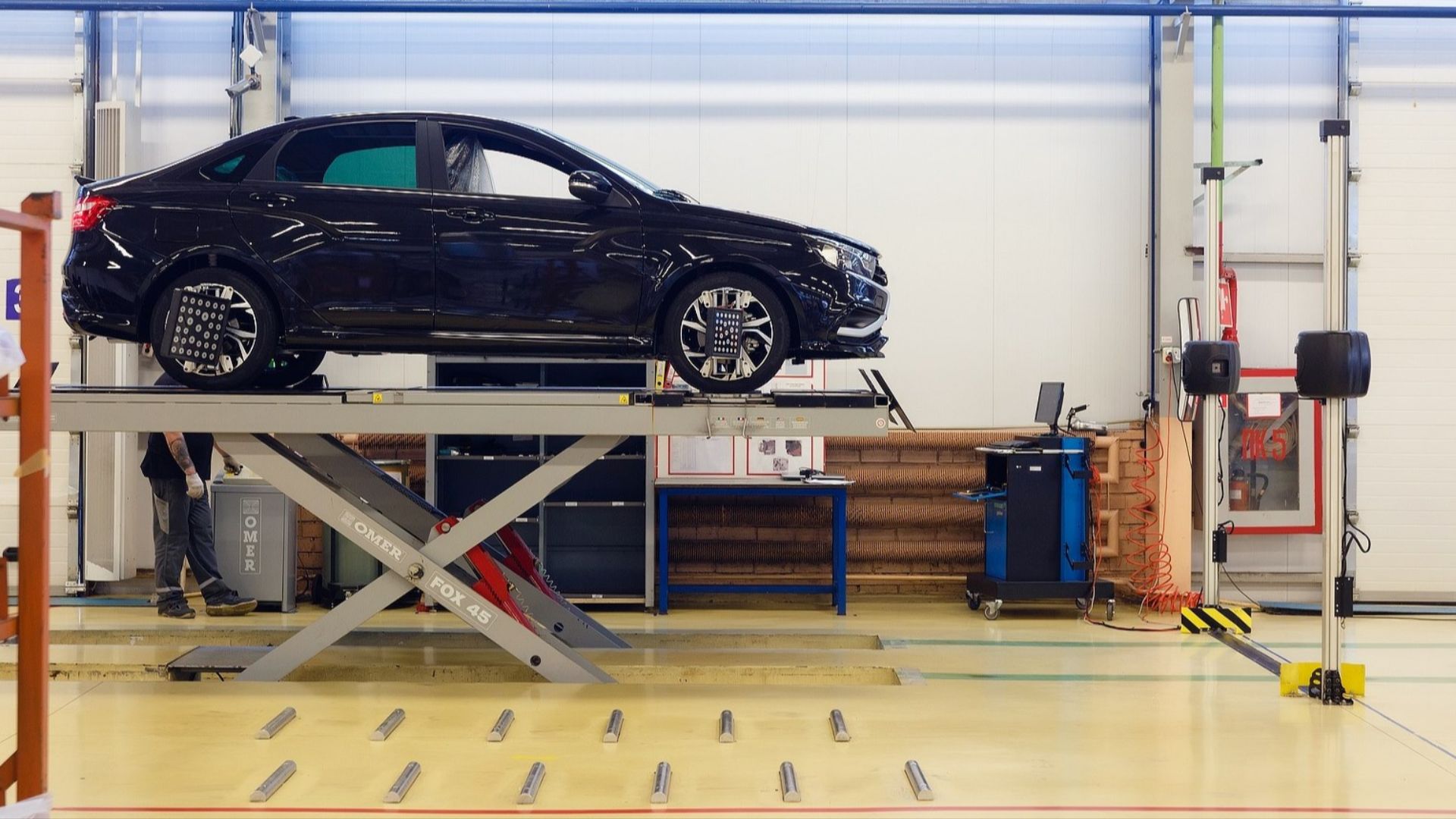
If your newly purchased vehicle requires replacement tires sooner than expected because of age, ownership costs rise immediately. Four quality tires, installation, balancing, and alignment can easily add hundreds or even thousands of dollars to the true purchase price.
 Dmitry Racer, Wikimedia Commons
Could Laws Change?
Some consumer advocates argue dealerships should disclose tire manufacturing dates whenever advertising new tires on used vehicles. Greater transparency would help buyers compare vehicles more accurately and better understand future maintenance costs before completing the purchase.

Current Disclosure Rules
Consumer protection laws vary from state to state. General rules prohibit deceptive advertising, but relatively few jurisdictions specifically require sellers to disclose tire manufacturing dates. Buyers therefore remain responsible for asking questions and performing careful inspections.

Negotiation Opportunity
If you discover older tires before completing the purchase, use that information during negotiations. A seller may agree to lower the purchase price, install newer tires, or provide another concession rather than risk losing the sale altogether.

Document Everything
If a seller specifically represented the tires as recently installed or recently manufactured, keep copies of advertisements, emails, and text messages. Written documentation can become valuable if a dispute later arises over misrepresentation or warranty claims.

Inspect Regularly
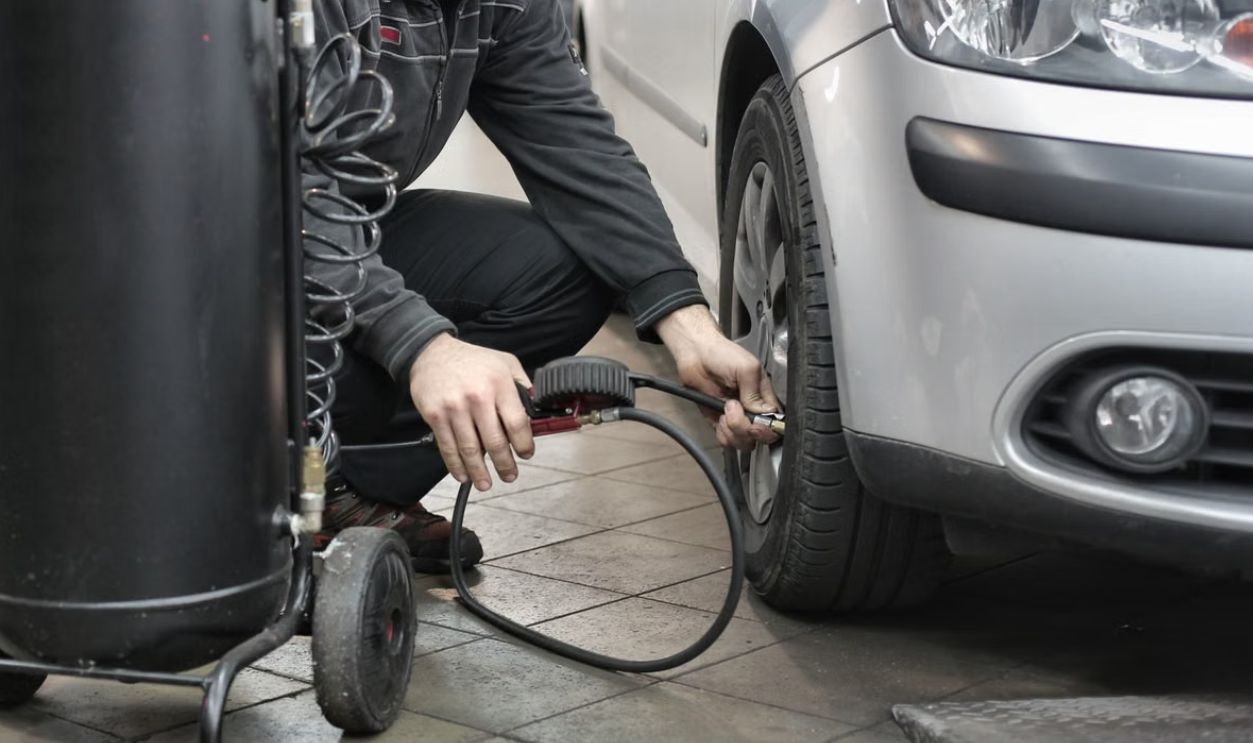
Regardless of age, every driver should inspect tires regularly for proper inflation, tread depth, uneven wear, cuts, bulges, and cracking. Routine inspections improve safety while helping maximize tire life and avoid unexpected roadside failures.
When In Doubt
If a trusted mechanic expresses concern about aging tires, take the recommendation seriously. Tires are your vehicle's only contact with the road, making them one of the most important safety components on the entire automobile.

Knowledge Saves Money
Learning how to read tire date codes takes only a few minutes but can prevent expensive surprises. Whether buying a used car or purchasing replacement tires, checking manufacturing dates helps ensure you receive the value and safety you expect.

Buy With Confidence
Tire age should be one of many factors you evaluate before purchasing a used vehicle. By inspecting the DOT codes, asking informed questions, and obtaining a professional inspection, you can avoid unpleasant surprises and make a smarter long-term investment.

You May Also Like:
Exactly What You Need To Do To Get The Most Out Of Your Tires