The Short Answer
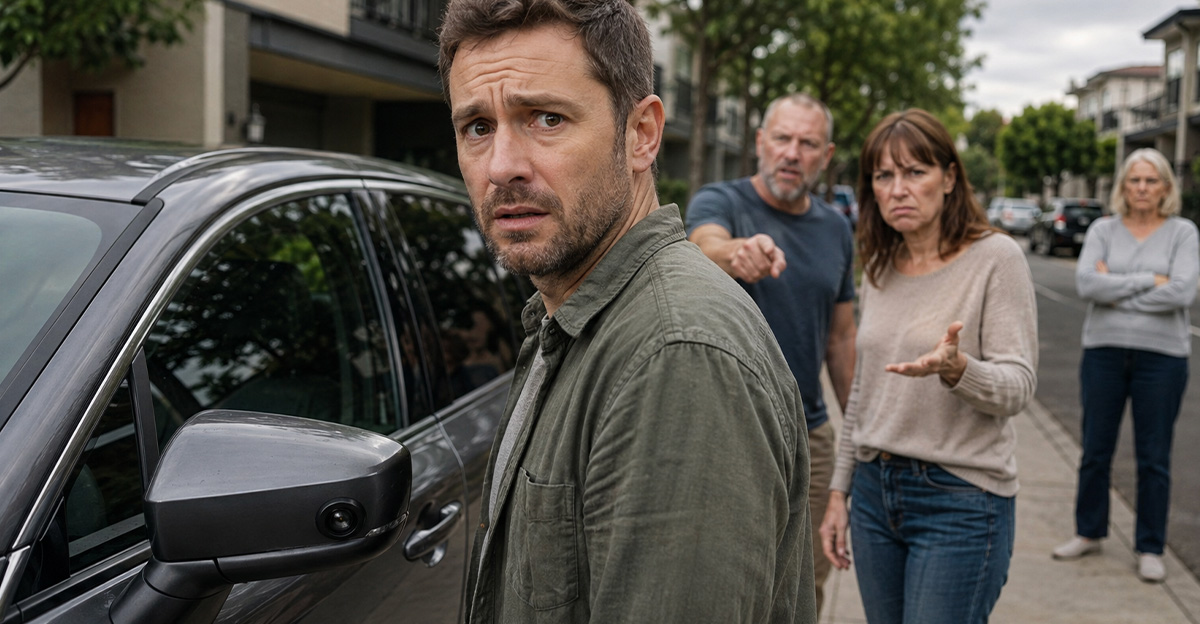
Your car’s security cameras may be perfectly legitimate, but a neighbor’s complaint can still create headaches. Simply appearing on footage does not automatically make you liable. What matters is what you record, where you record it, and what you do with the footage afterward.
Why Cars Now Watch While Parked
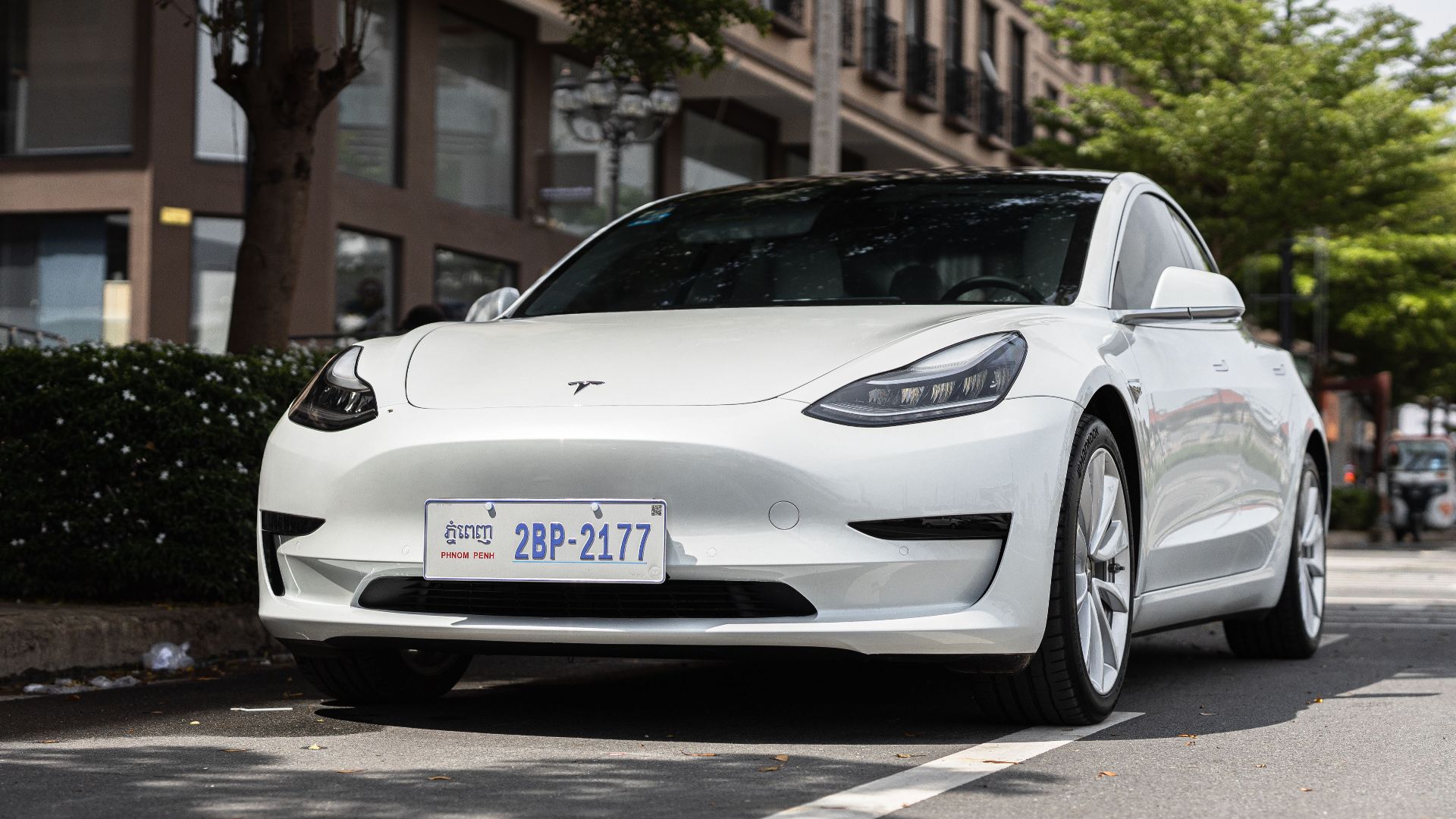
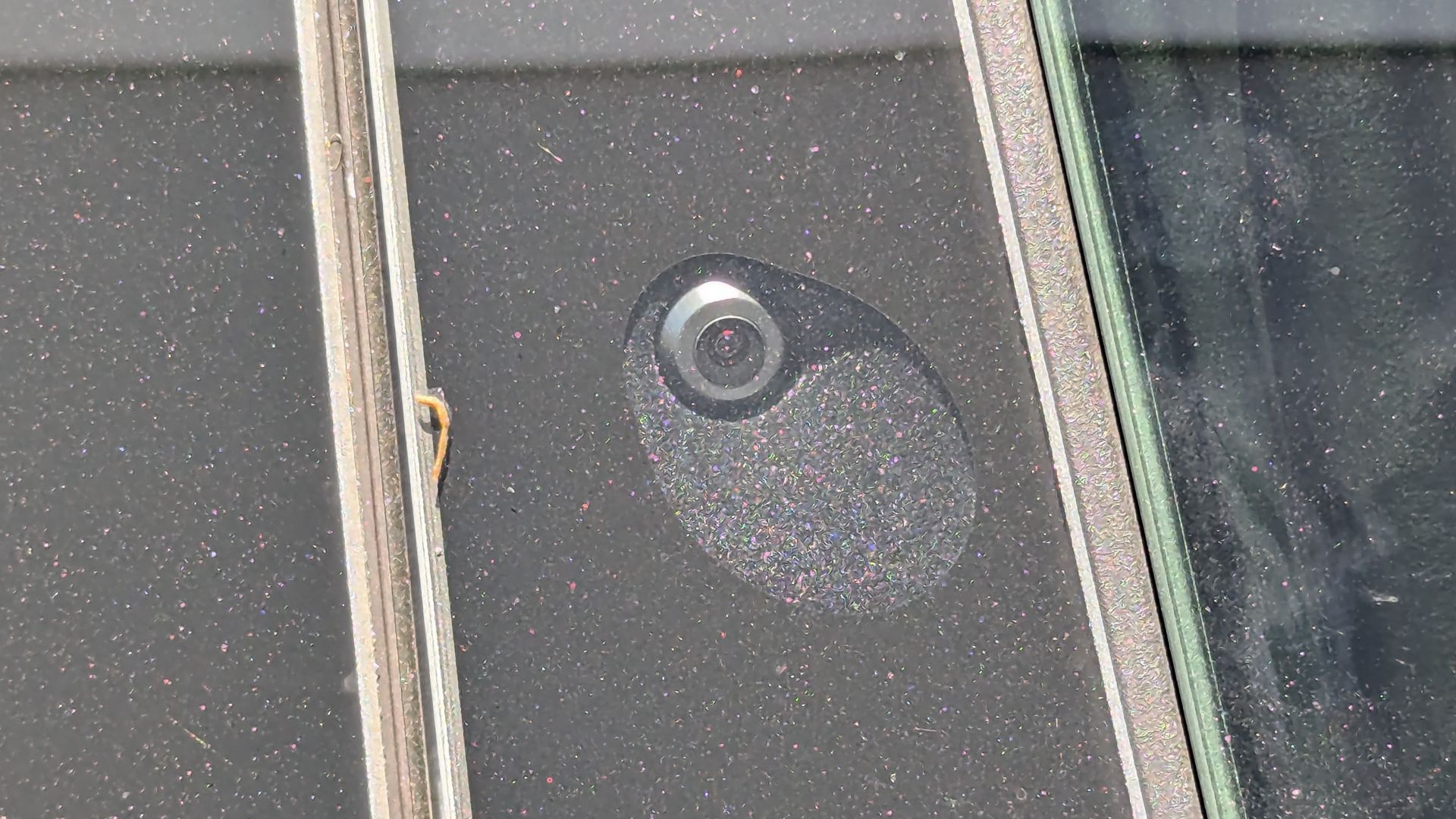
Modern cars increasingly behave like security systems on wheels. Some use exterior cameras to detect suspicious activity while parked, saving clips when something happens nearby. Tesla’s Sentry Mode, for example, can monitor the area around a locked vehicle and record detected events.
A Complaint Is Not A Conviction
Your neighbor can complain to you, building management, an HOA, or even police. That does not mean you have broken a law. Whether there is an actual violation depends on local privacy rules, recording laws, property restrictions, and the circumstances surrounding the camera use.

Public View Changes The Equation
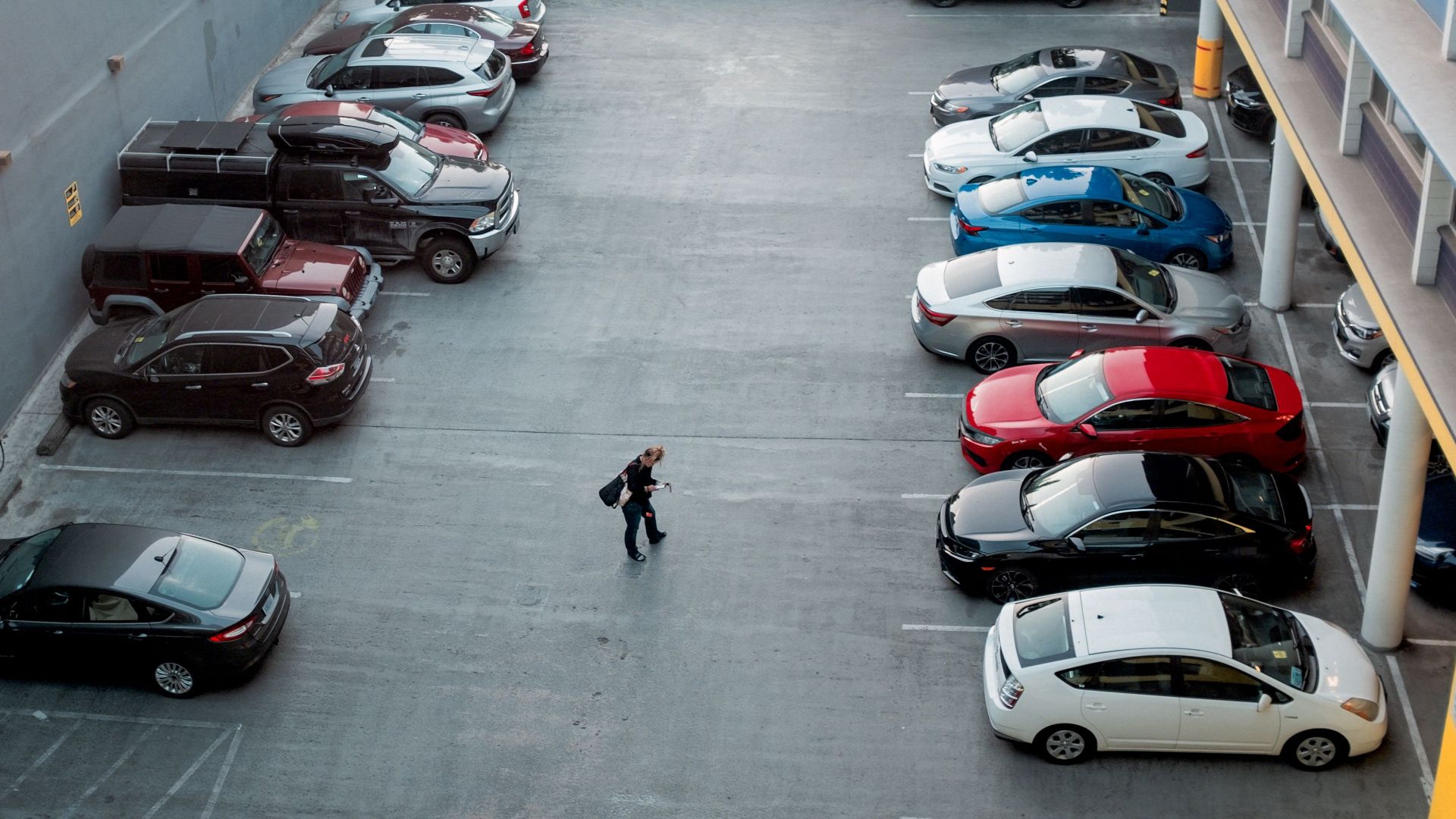
A camera capturing people walking beside your car on a street or through a public parking lot generally raises fewer privacy concerns than one peering somewhere private. Privacy claims commonly become stronger where someone reasonably expects seclusion rather than simply being visible in public.
Private Spaces Are Different
Trouble becomes more likely if your parked car has a clear view into somebody’s home, enclosed backyard, bedroom window, or another private area. California law, for example, specifically addresses attempts to capture people engaged in private activities using intrusive camera technology.
The Camera Angle Matters
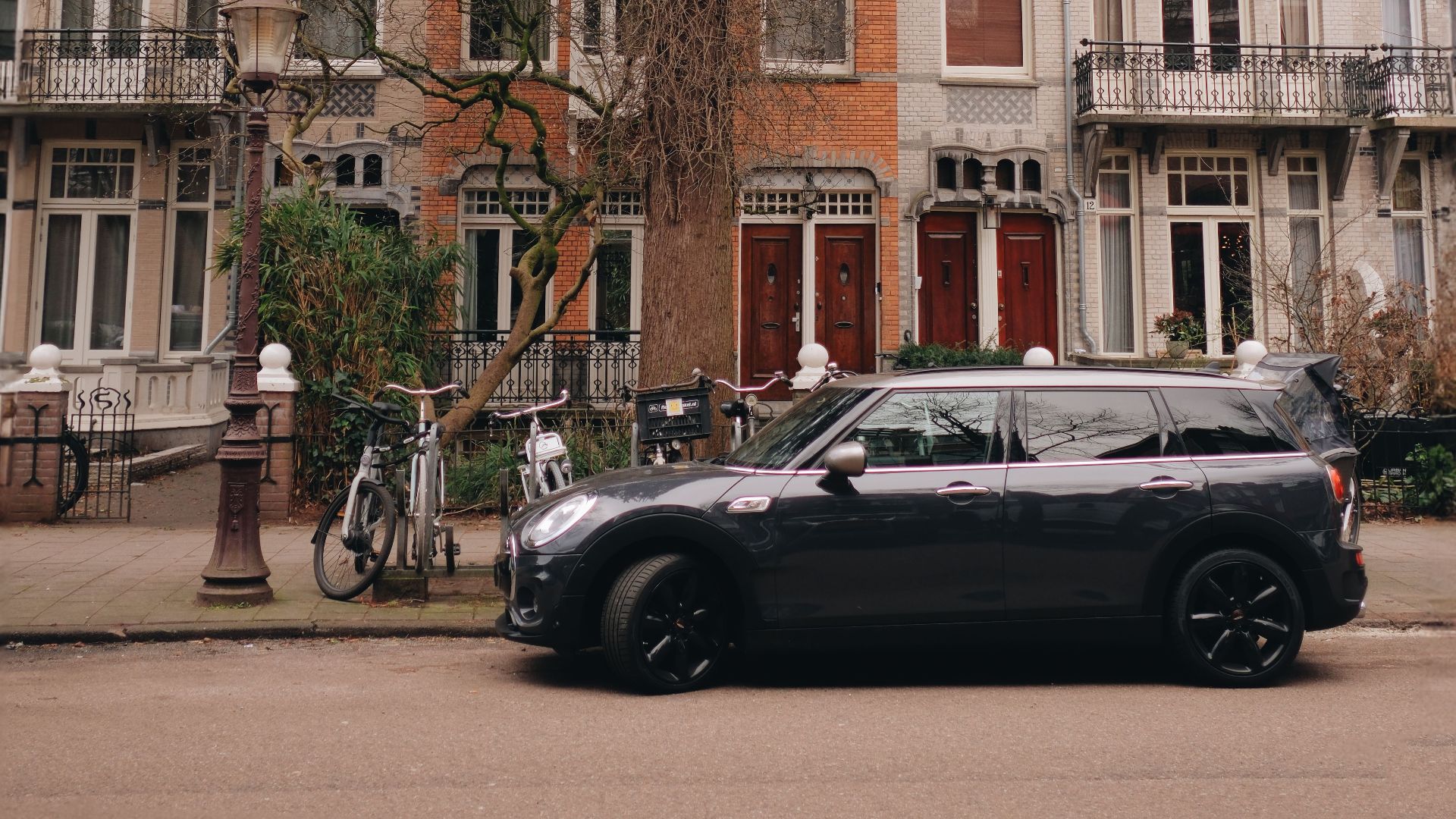
Where your vehicle happens to be parked is one thing. Deliberately positioning it so the cameras watch a neighbor’s windows is another. Privacy authorities generally recommend limiting a surveillance camera’s viewing range and avoiding areas where people have heightened expectations of privacy.

Audio Can Be The Bigger Problem
Video gets most of the attention, but microphones can turn an ordinary parking-camera dispute into something more serious. Laws covering private conversations can be stricter than rules surrounding images, making it worth checking whether your vehicle actually records sound while its security system operates.
Recording Laws Change Across Borders
Rules governing conversations vary dramatically. California generally requires consent from all parties before intentionally recording a confidential communication, while Washington also requires all participants’ consent for many private conversations. New York’s statute, by contrast, generally requires consent from at least one party in covered situations.
Built-In Does Not Mean Automatically Legal
The fact that your automaker installed the cameras does not give you a universal permission slip. Cars are sold across countless states, provinces, and countries. The hardware may be legal to own while particular ways of using its recording features remain restricted locally.
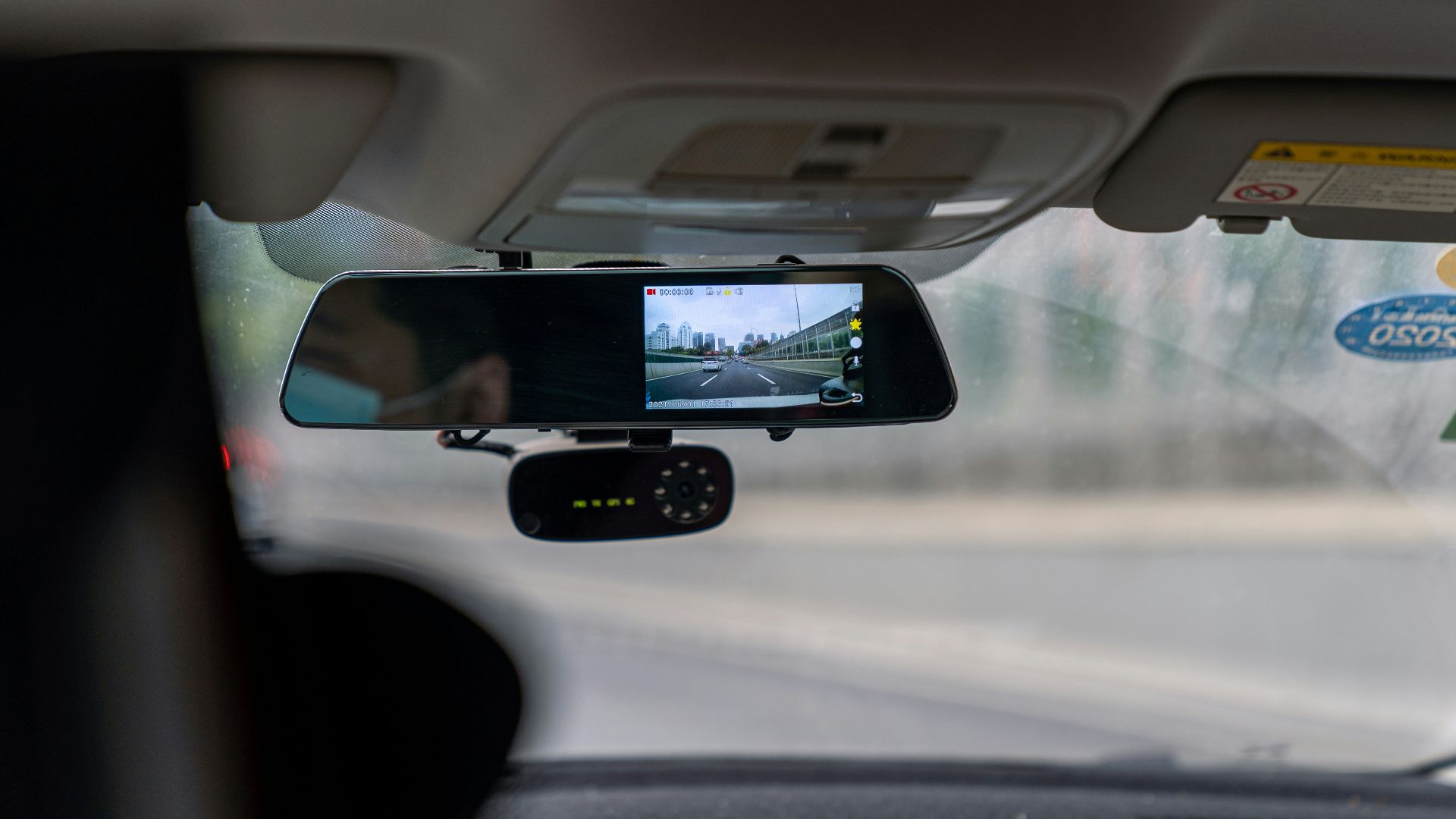
Manufacturer Warnings Matter
Automakers know this issue exists. Tesla’s own manual specifically tells owners that they are responsible for complying with local regulations and property restrictions when using cameras. In other words, “the car did it automatically” may not be a winning argument.

Continuous Recording Raises More Questions
A security system that quietly records everything around your vehicle for hours may attract more scrutiny than one saving short clips after detecting suspicious activity. Privacy guidance commonly favors minimizing surveillance and collecting only what is reasonably necessary for the security purpose involved.
Event-Triggered Recording Looks More Reasonable
If your camera activates because somebody bumps the car, approaches unusually closely, or triggers an alarm, its security purpose is easier to explain. That does not guarantee legality, but it can make the system look less like neighborhood surveillance and more like vehicle protection.
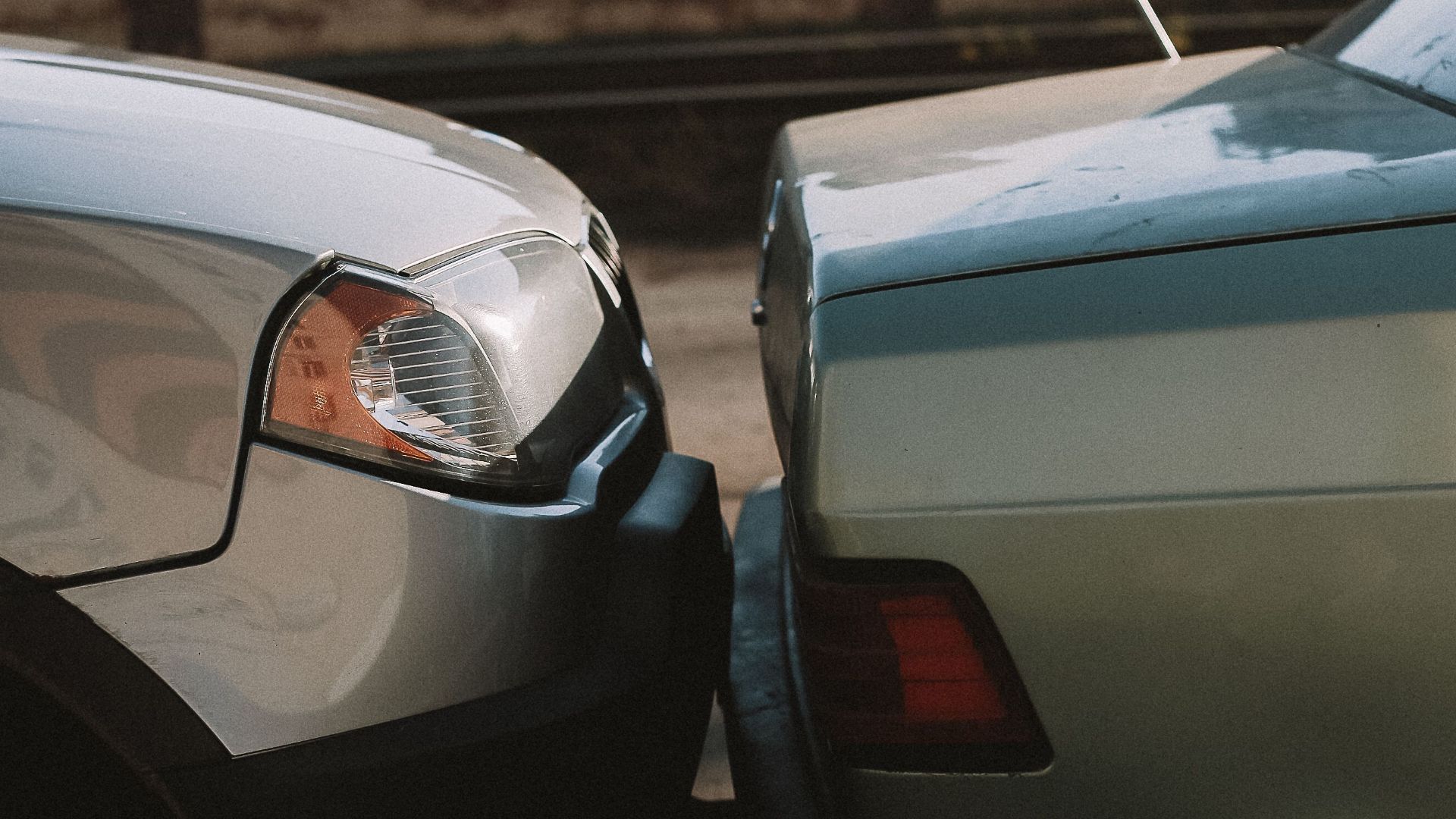
Live Viewing Feels More Intrusive
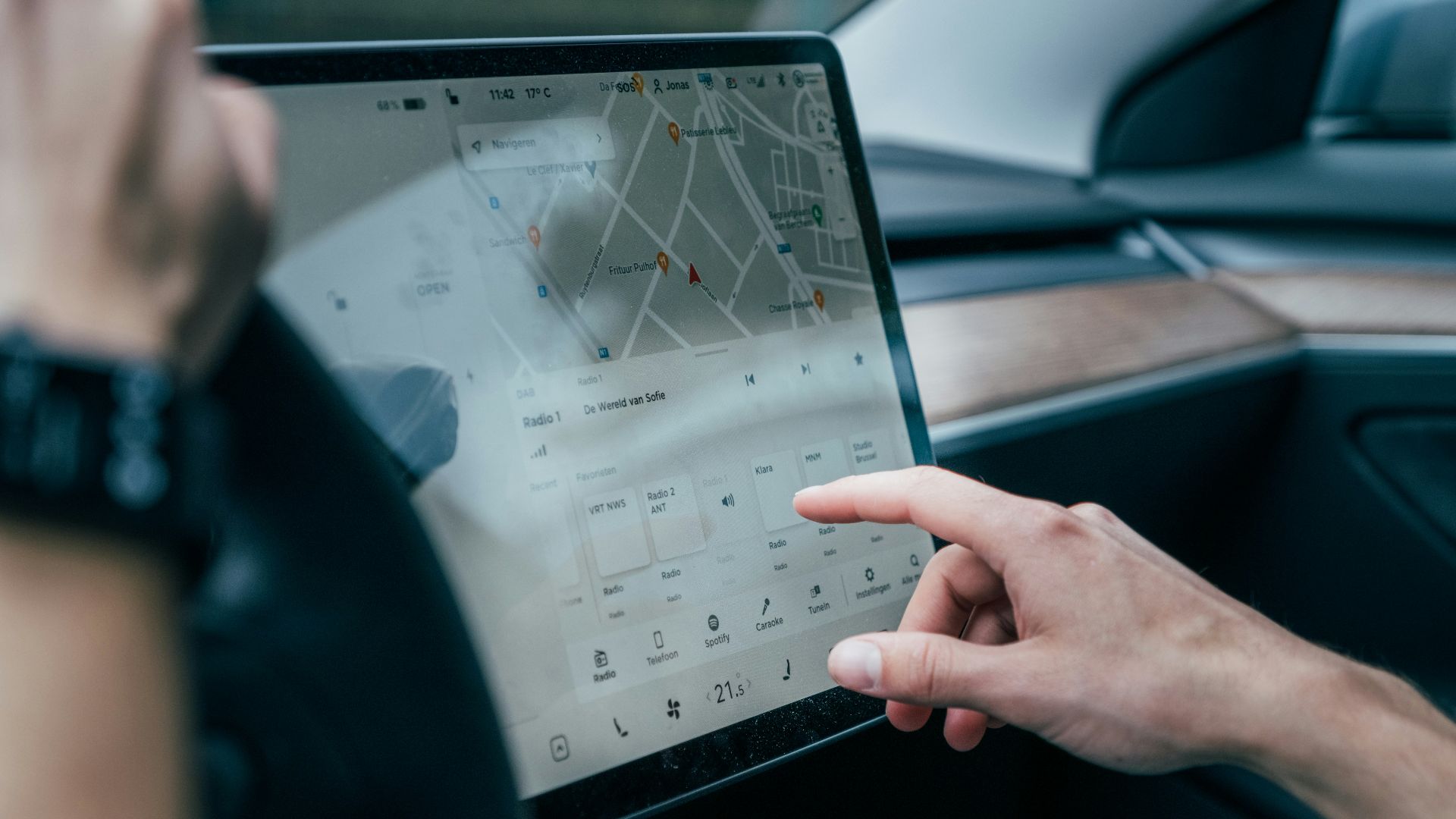
Some vehicle systems let owners remotely check exterior cameras. Tesla, for example, offers a Live Camera feature in supported configurations and displays a notice when the surroundings are being viewed. Tesla also states that its current Live Camera feature does not capture audio.
Recording Is Different From Publishing
Keeping a clip because somebody scratched your bumper is one situation. Uploading a video of your neighbor to social media with their name, address, and accusations is quite another. Privacy, defamation, harassment, and disclosure rules can create separate issues after the original recording occurs.

Social Media Can Create New Problems
That hilarious clip of your neighbor arguing beside your car might earn likes, but posting it publicly could dramatically widen the dispute. Before sharing identifiable footage, ask whether there is actually a good reason. Evidence for police or an insurer does not automatically belong on TikTok.
Keep Footage For A Reason
If nothing happened, there is rarely much benefit in building a personal archive of everyone who walked past your bumper. Canadian privacy guidance for organizations recommends limiting retention and keeping surveillance information only as long as reasonably necessary—a sensible principle for drivers too.
Delete Routine Clips
Your car may generate plenty of thrilling cinematic masterpieces featuring grocery carts, squirrels, and people looking for their keys. Unless a clip documents damage, theft, or another legitimate incident, routinely deleting unnecessary footage can reduce both privacy concerns and needless digital clutter.
Secure The Storage
A privacy-conscious camera owner should also protect the recordings themselves. Keep storage devices secure, restrict access, and avoid casually copying clips onto multiple phones or computers. Privacy regulators recommend safeguards against unauthorized access, use, disclosure, or loss of surveillance recordings.
Condo And HOA Rules May Apply
Even when local law does not prohibit your recording, a condominium corporation, homeowners association, or private parking facility might have relevant rules. Tesla specifically warns owners to consider property restrictions as well as local regulations when using its camera-based security features.
Apartment Parking Adds Another Layer
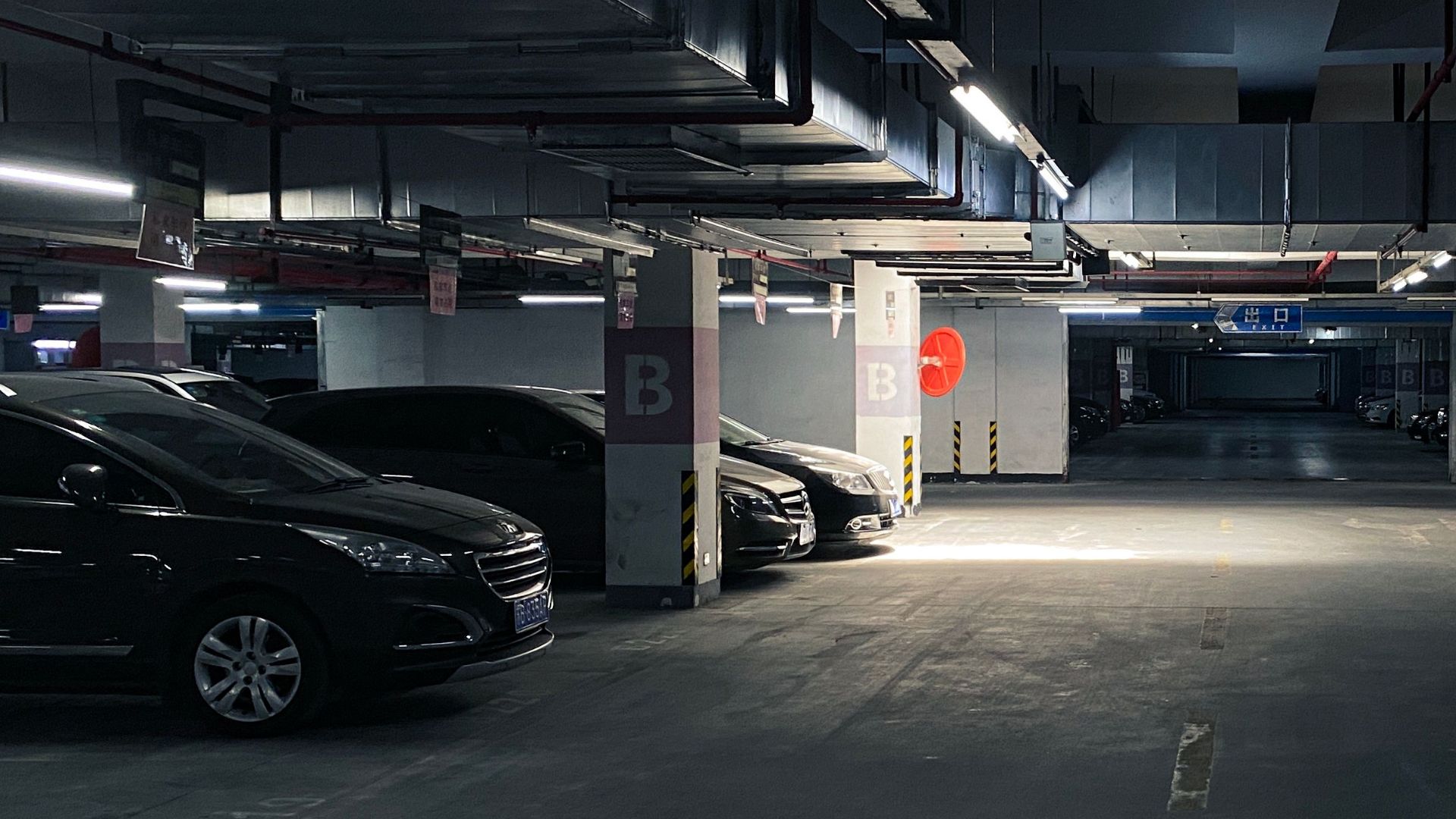
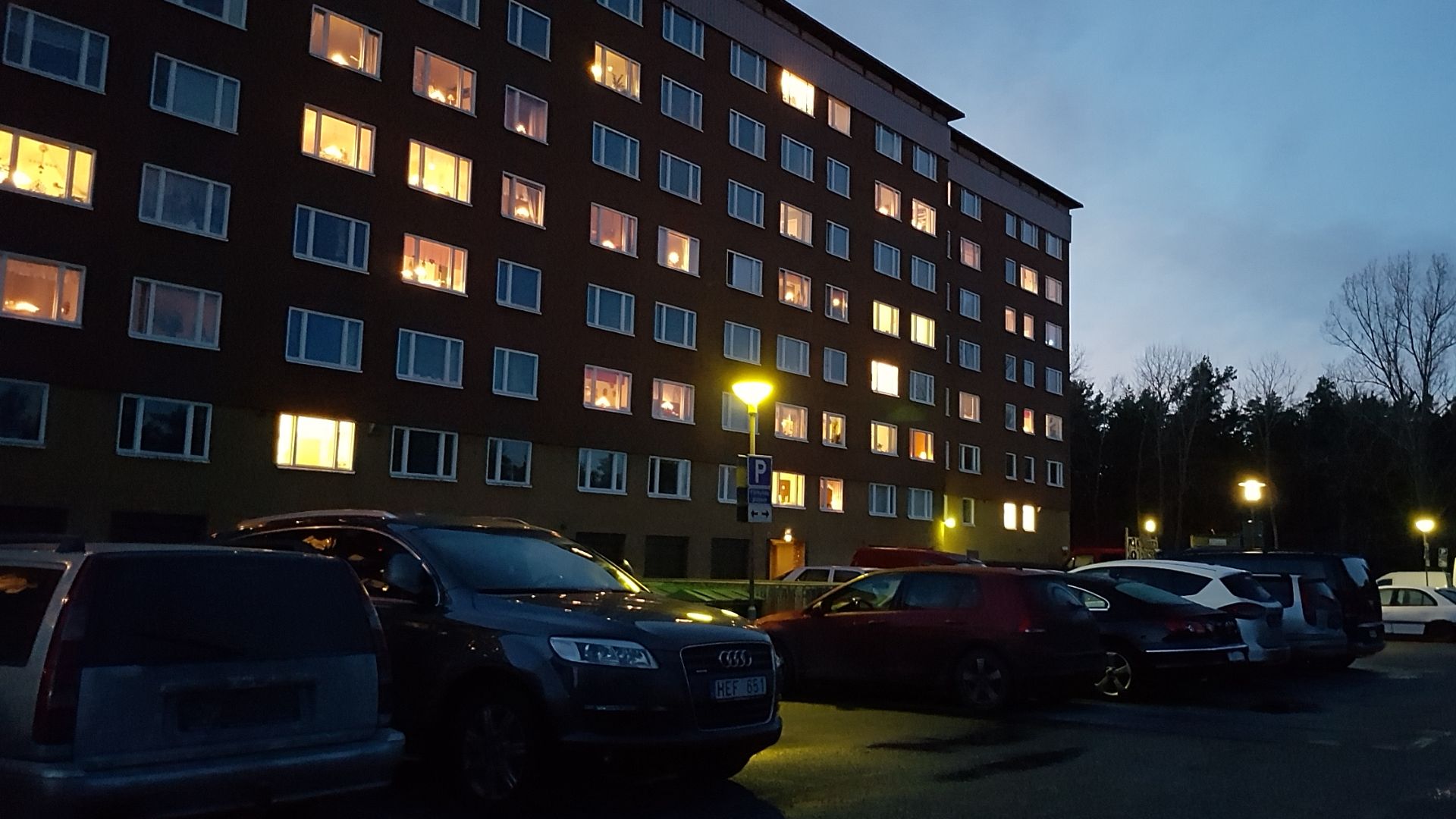
A rented parking spot may feel like your territory, but it still sits on somebody else’s property. If management receives repeated complaints about a recording vehicle, your lease, parking agreement, or building rules may matter alongside privacy law.
 HendrixHammer, Wikimedia Commons
Workplace Lots Have Their Own Rules
Leaving your camera active outside the office can produce another interesting situation: coworkers may be recorded arriving, leaving, or talking near the vehicle. Company parking policies and workplace privacy rules can complicate matters, so check them before assuming the lot is camera-friendly.

A Neighbor Can Still Call Police
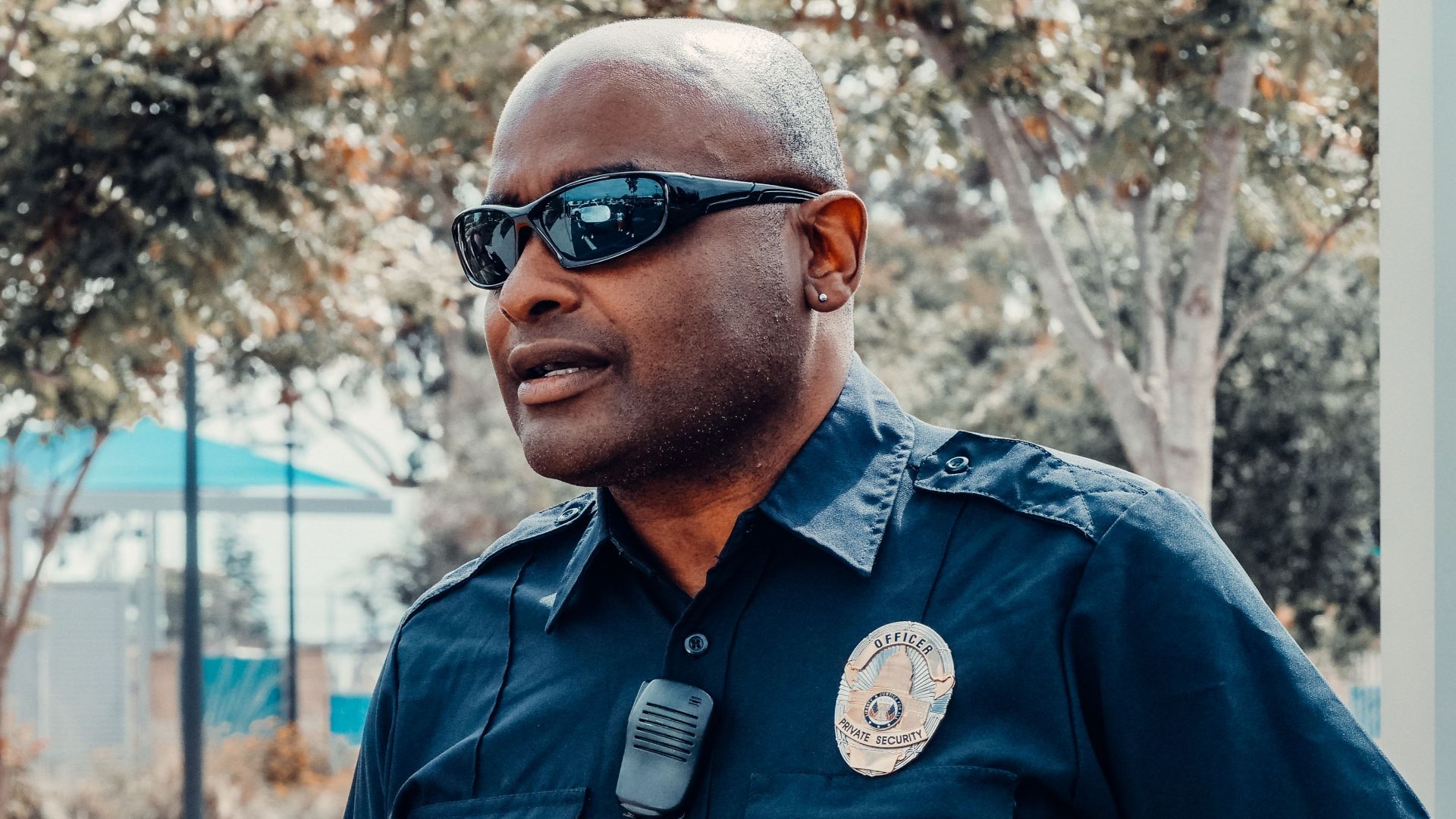
Even if you believe your system is lawful, an uncomfortable neighbor can report it. Police might simply explain that no offense occurred, or they may investigate further if private conversations, targeted surveillance, harassment, or filming into private spaces appears to be involved.
De-Escalation Is Usually The Smart Move
You do not have to admit wrongdoing just because someone dislikes your cameras. Still, calmly explaining that the system protects the vehicle and is not intended to monitor them personally can prevent a parking-space disagreement from turning into the neighborhood’s next prestige drama.

Adjust The Settings Before The Feud Grows
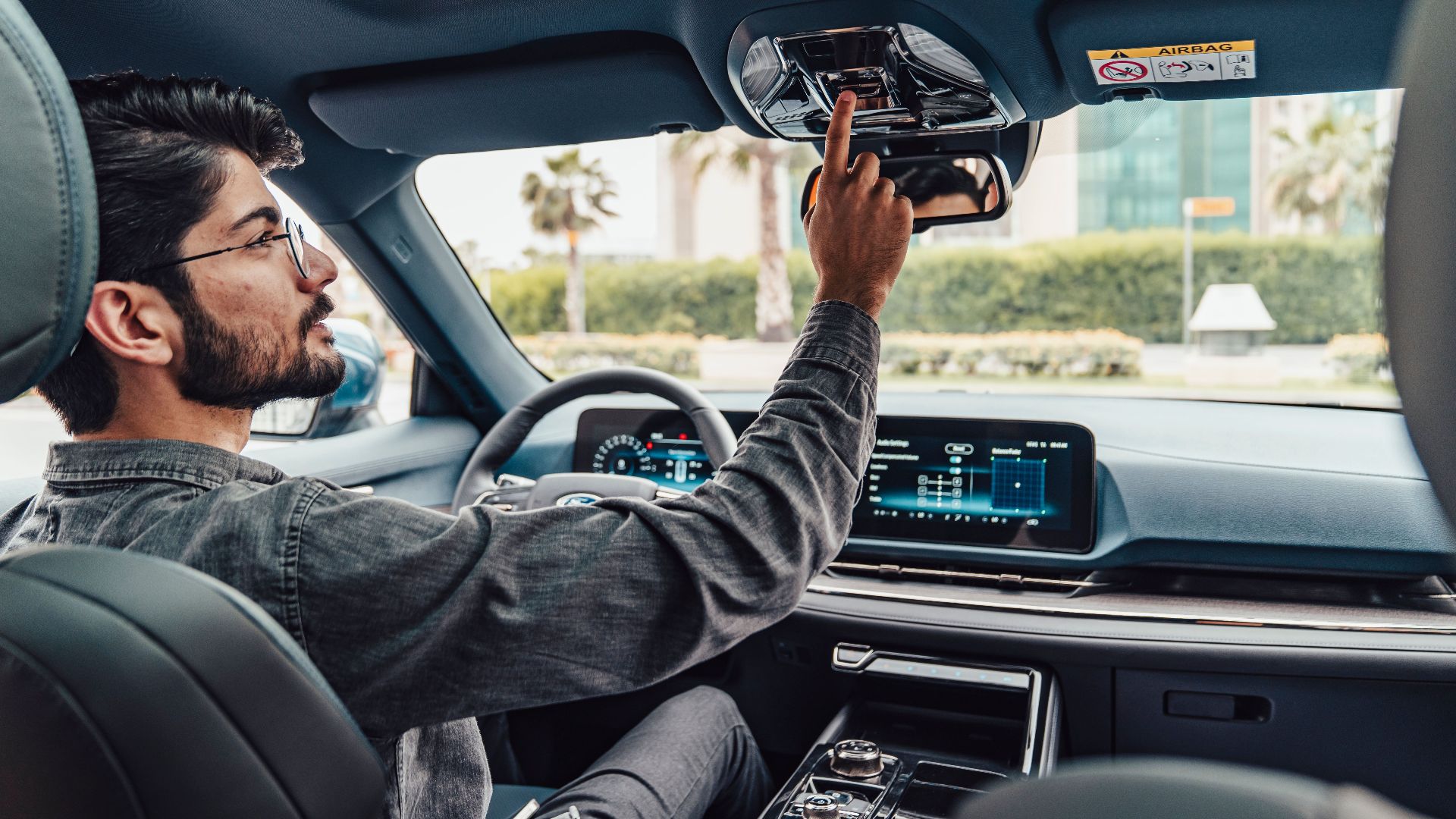
Look through your vehicle’s security options. You may be able to disable camera-based detection, exclude certain locations, reduce unnecessary recording, or turn the system off at home. Tesla, for example, allows owners to exclude Home, Work, and favorite destinations from automatic Sentry activation.
Document Why You Use The Camera
If vandalism, theft, door dings, or previous damage prompted you to activate the system, keep records of those incidents. A clearly defined security purpose is easier to explain than simply saying you enjoy watching everything happening around your driveway.

When To Get Local Legal Advice
If a neighbor threatens legal action, your camera captures their property extensively, audio recording is involved, or police have contacted you, general internet advice has reached its limit. Recording laws are extremely location-specific, so a local lawyer can tell you exactly where you stand.

The Bottom Line
Your neighbor’s complaint does not automatically make you responsible for wrongdoing. A parked-car camera used reasonably for security may be unremarkable, but private spaces, audio, targeted surveillance, property rules, and careless sharing can change the picture quickly. Use the technology like a security system—not a spy satellite.
You May Also Like:
Everyday Cars That Secretly Became Collectible While Nobody Was Paying Attention
Once-Affordable Classics That Used To Be Everywhere And Are Suddenly Hard To Find