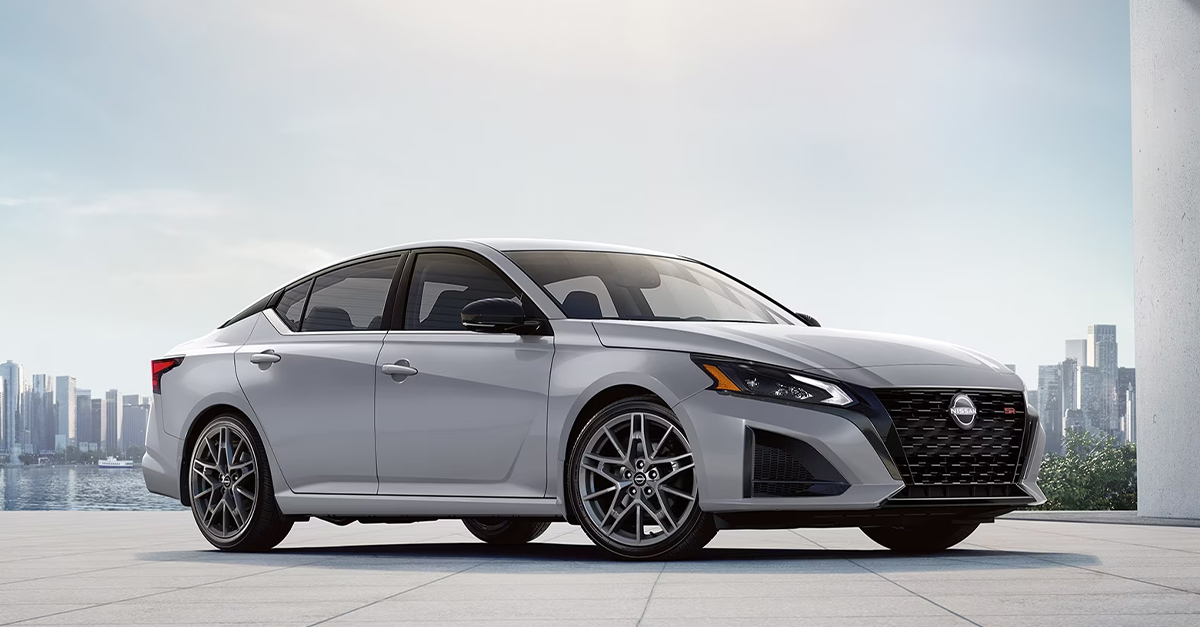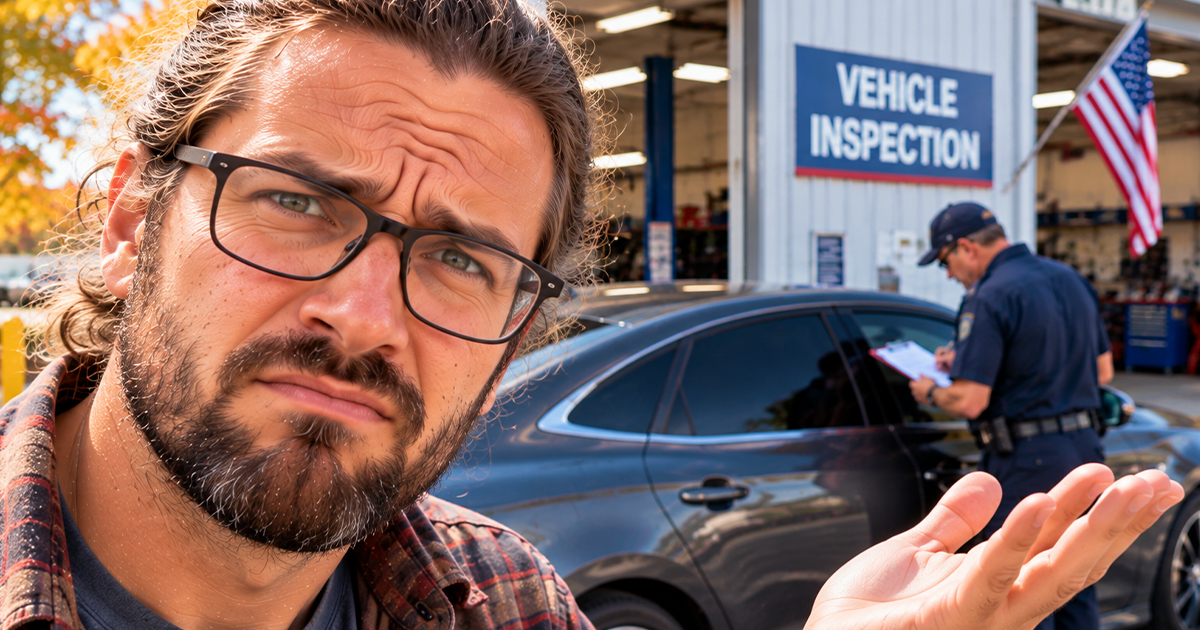
Wait, The Dealership Installed That!
You bought a car from a dealership, complete with tinted windows that were already installed when you drove off the lot. Everything seemed fine until your vehicle inspection, when the inspector informed you that the tint was too dark to pass. Now you're facing another bill to remove something you never installed yourself. Shouldn't the dealership be responsible for selling you a car that meets your state's legal requirements?
This Happens More Often Than You Might Think
Window tint is a popular dealership accessory, especially on vehicles advertised as having upgraded appearance packages. Some dealers install it themselves, while others hire outside tint shops. Either way, customers can reasonably assume that a professional dealership knows which modifications are legal. Unfortunately, that assumption doesn't always hold up.
The Problem Isn't Necessarily The Tint Itself
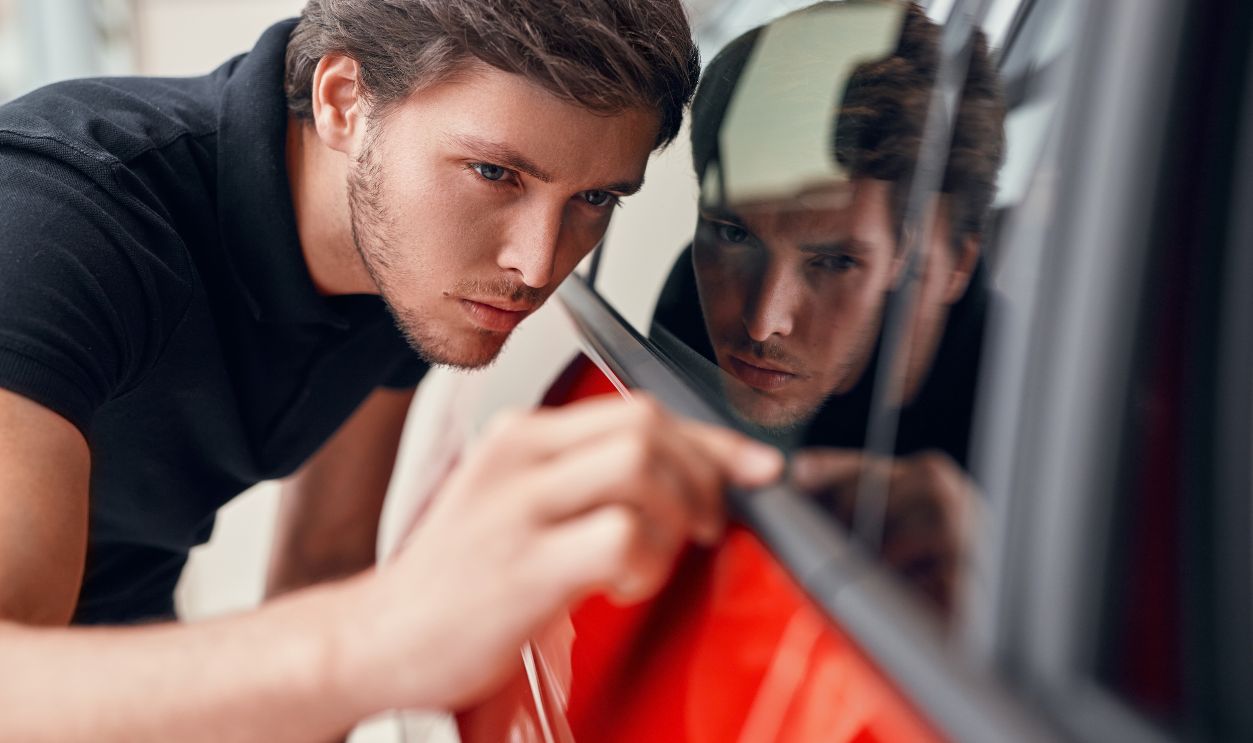
Having tinted windows isn't automatically illegal in the United States. Every state has rules governing how dark certain windows can be, and those requirements vary considerably. The trouble begins when the tint prevents too much light from passing through a window that must meet a particular legal standard.
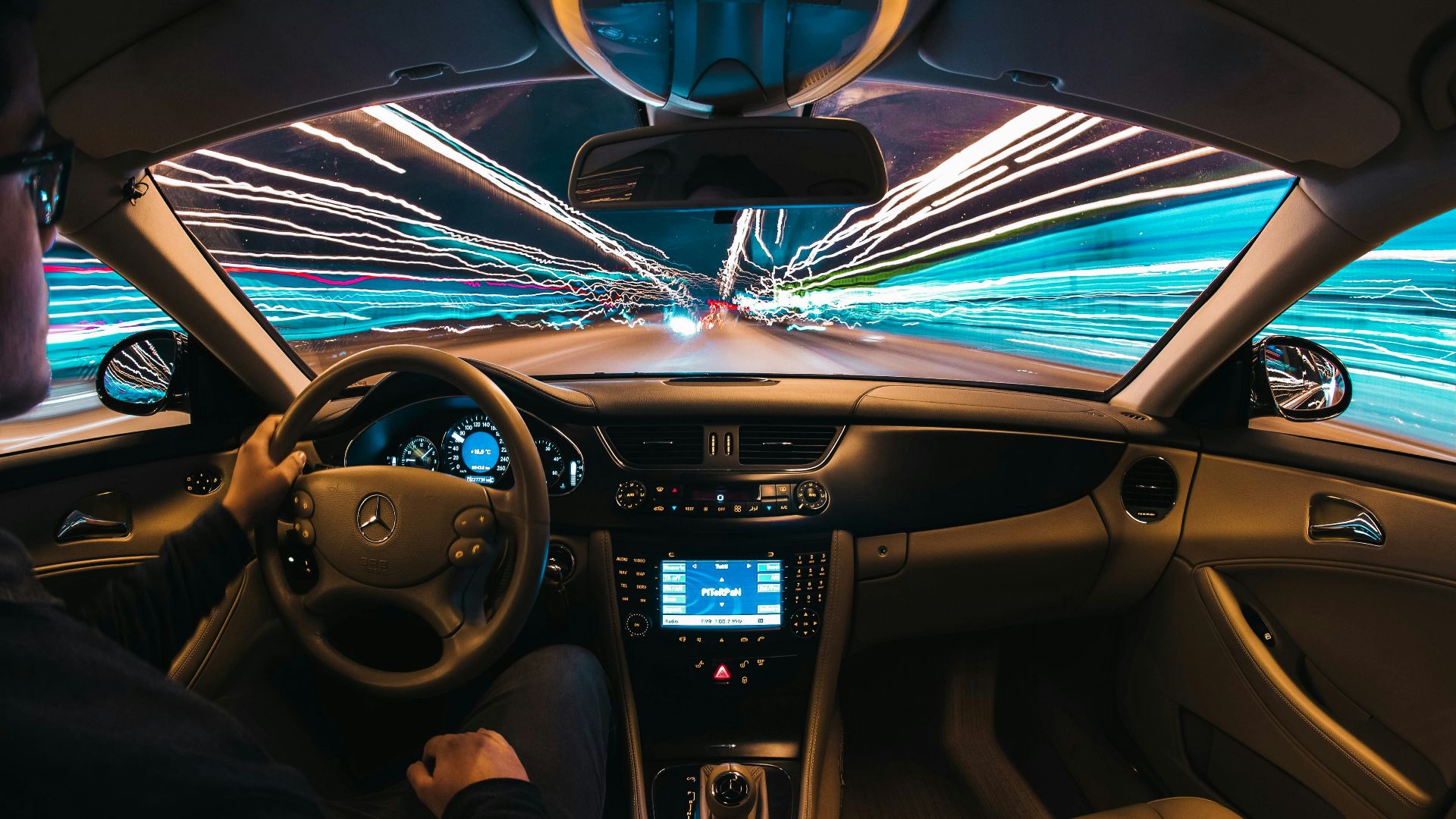 Samuele Errico Piccarini, Unsplash
What Does "Too Dark" Actually Mean?
Window tint is commonly measured using visible light transmission, or VLT. This percentage describes how much visible light passes through the glass. A window with 70% VLT allows approximately 70% of visible light through, while a window with 20% VLT is considerably darker. Lower numbers mean darker windows.
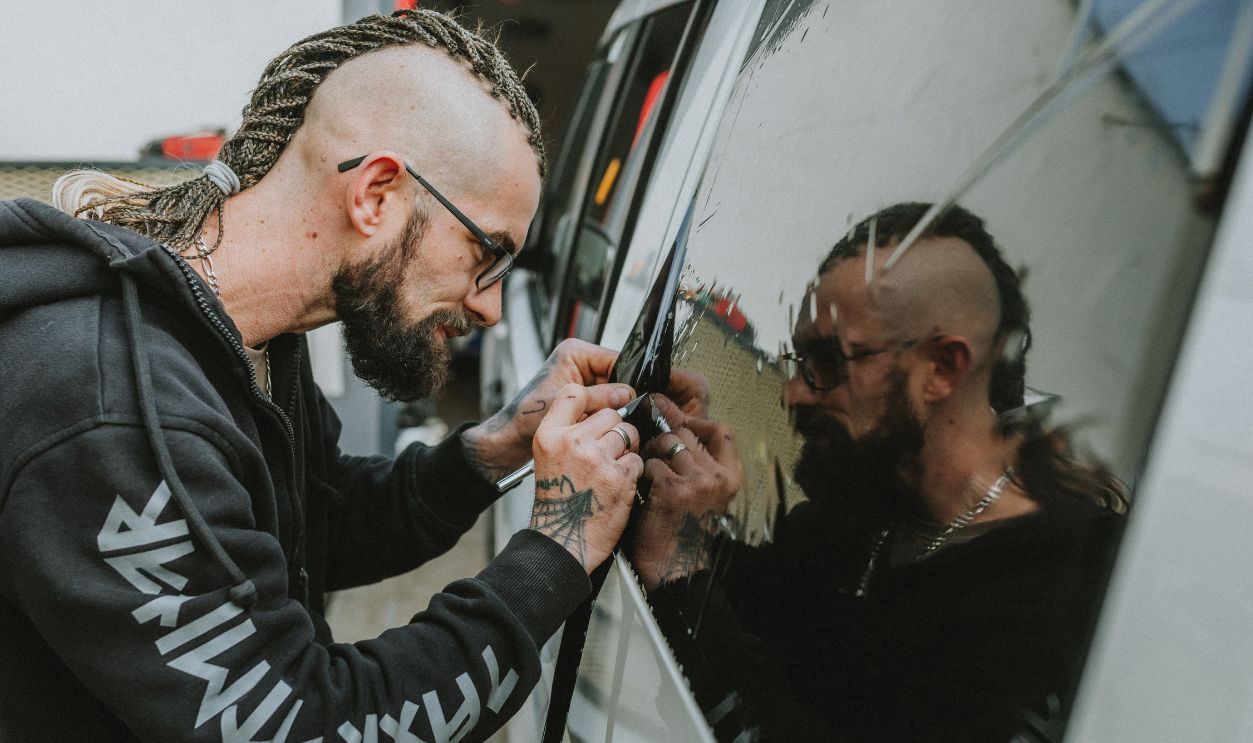 Helena Jankovičová Kováčová, Pexels
The Glass Itself Already Has Some Tint
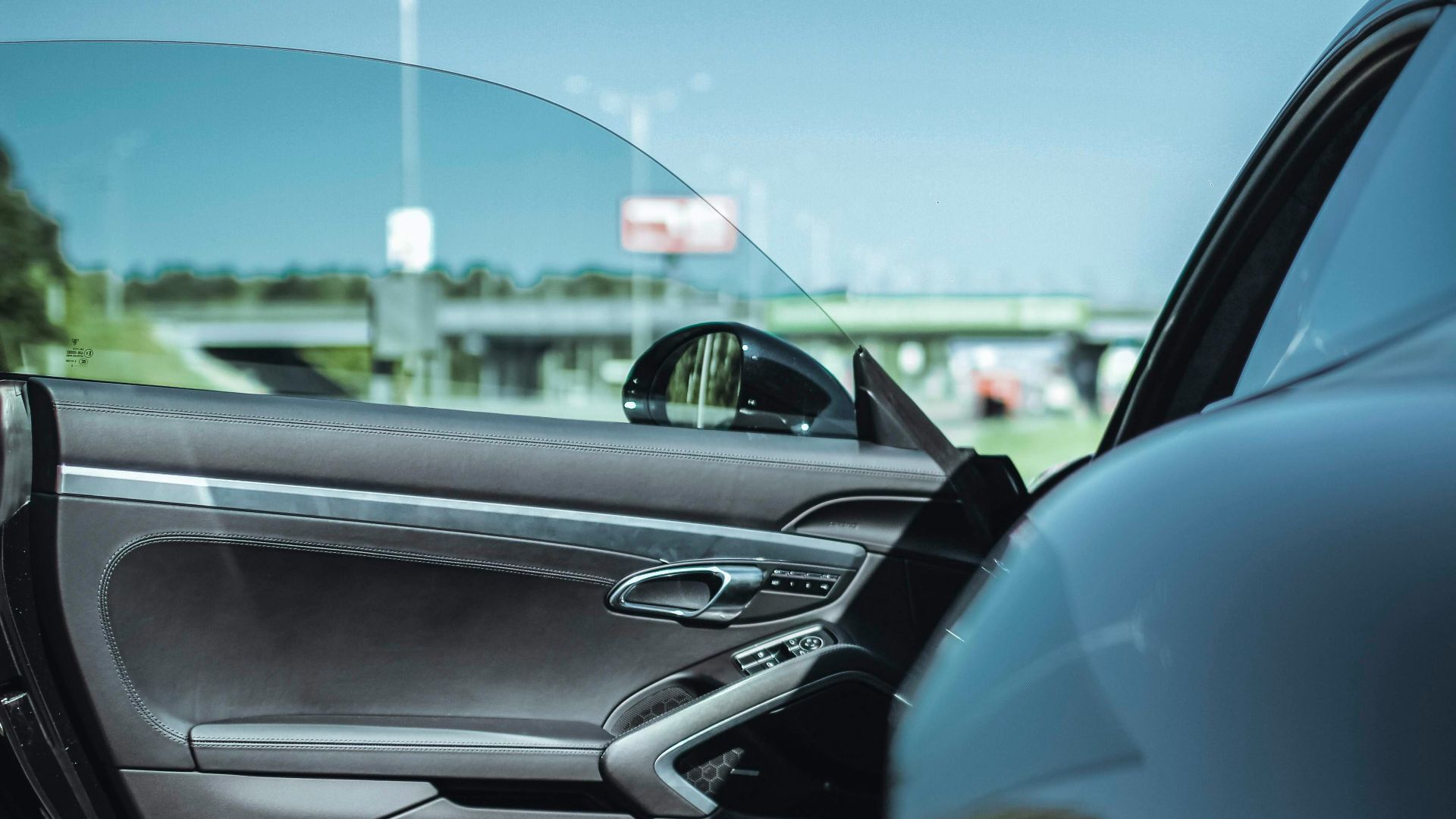
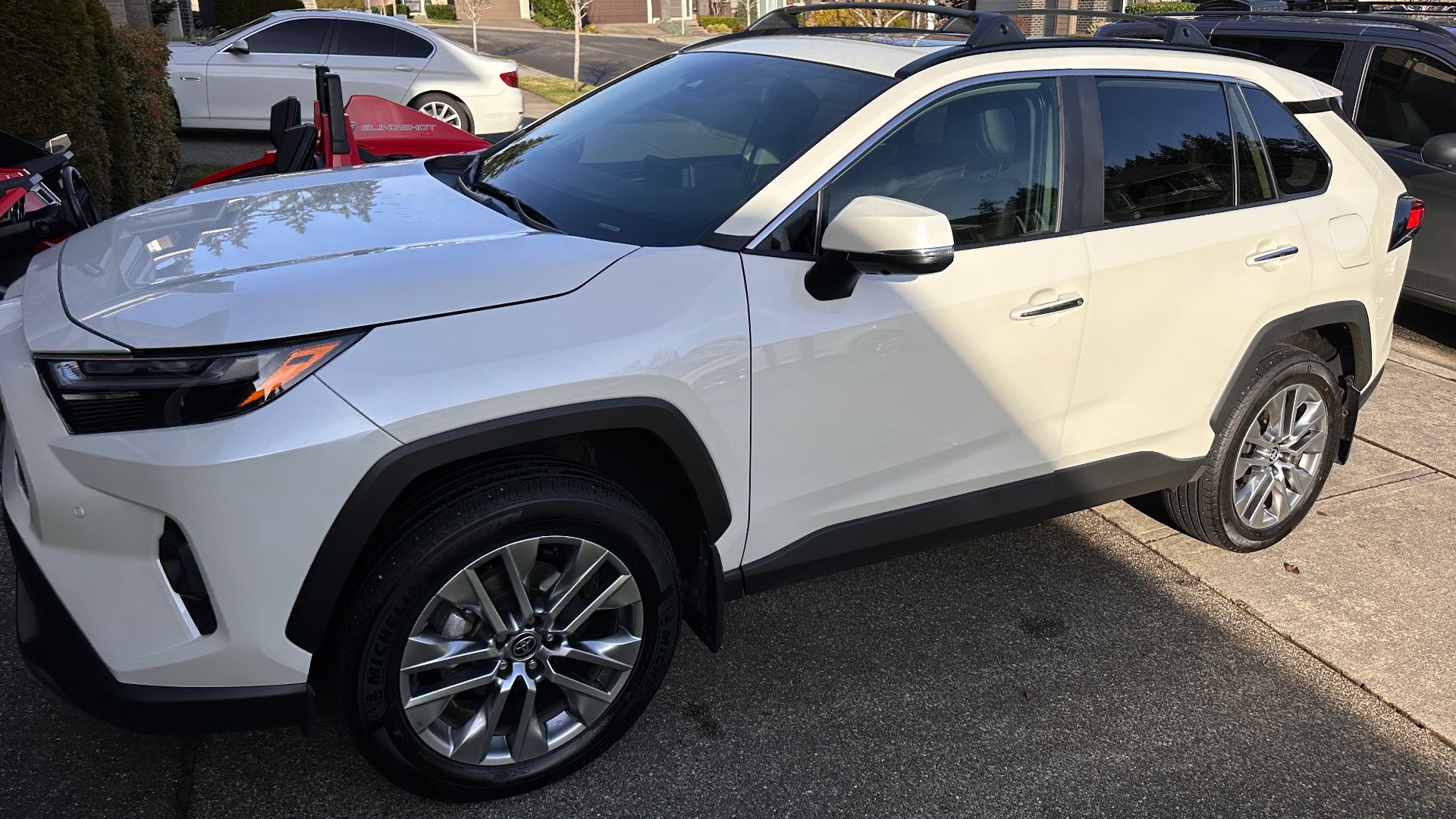
Here's something dealerships don't always explain clearly. Even windows that appear perfectly clear may already reduce the amount of light passing through them. When additional film is applied, the combined light transmission can drop below the legal limit. That's why choosing a film advertised as a particular percentage doesn't automatically guarantee the finished window will comply.
Every State Has Its Own Rules
There isn't one nationwide tint percentage that applies to every passenger vehicle on American roads. States establish their own restrictions, often distinguishing between windshields, front side windows, rear side windows, and rear windshields. The type of vehicle can also matter, particularly when comparing passenger cars with SUVs and trucks.
New York Is Particularly Strict
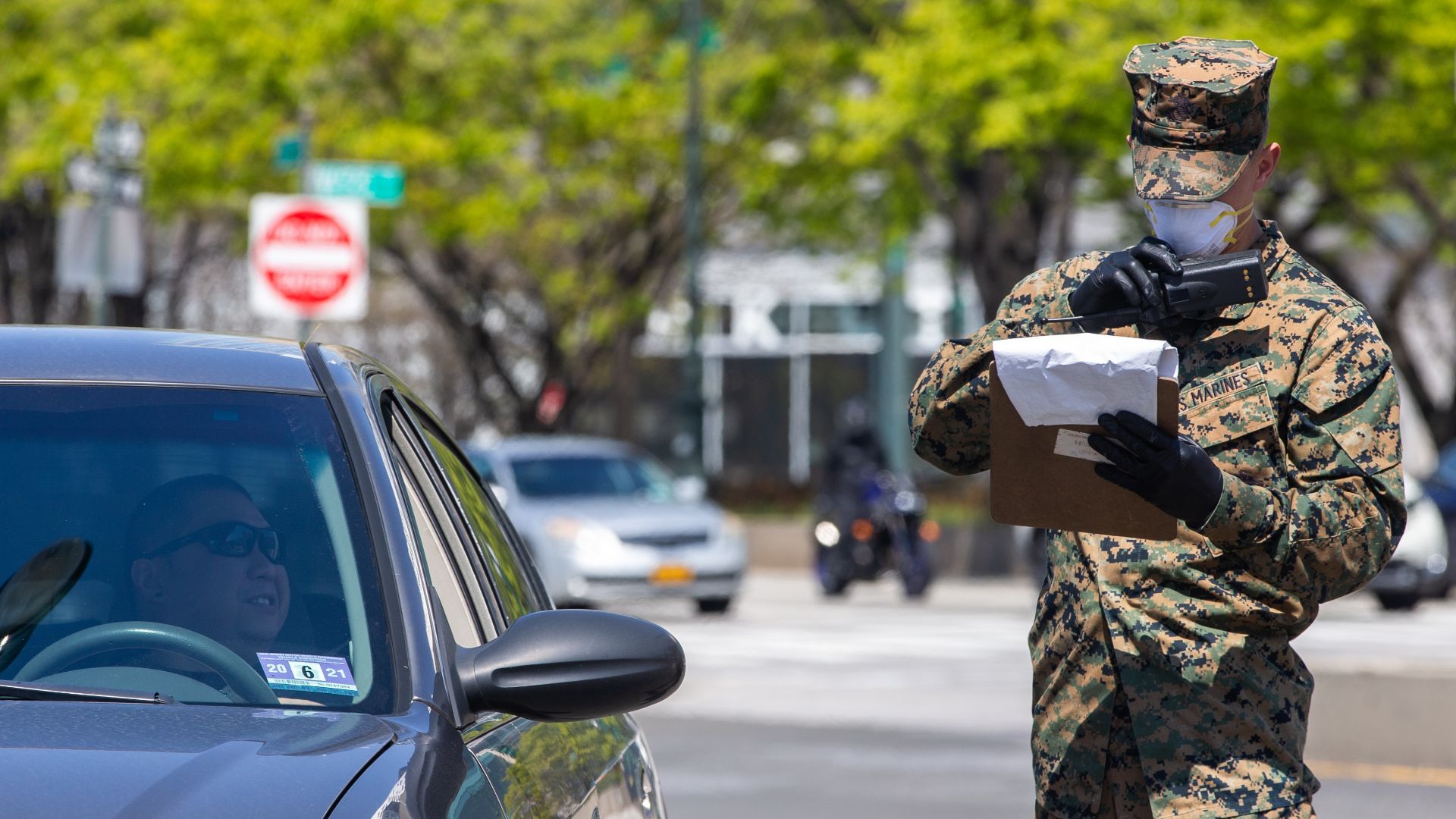
New York generally requires front side windows on passenger vehicles to allow at least 70% of visible light through. Its inspection program includes checking window tint, meaning excessively dark film can prevent a vehicle from passing. A car that looks perfectly normal in another state might fail inspection in New York.
 Navy Medicine from Washington, DC, USA, Wikimedia Commons
Texas Has Different Standards
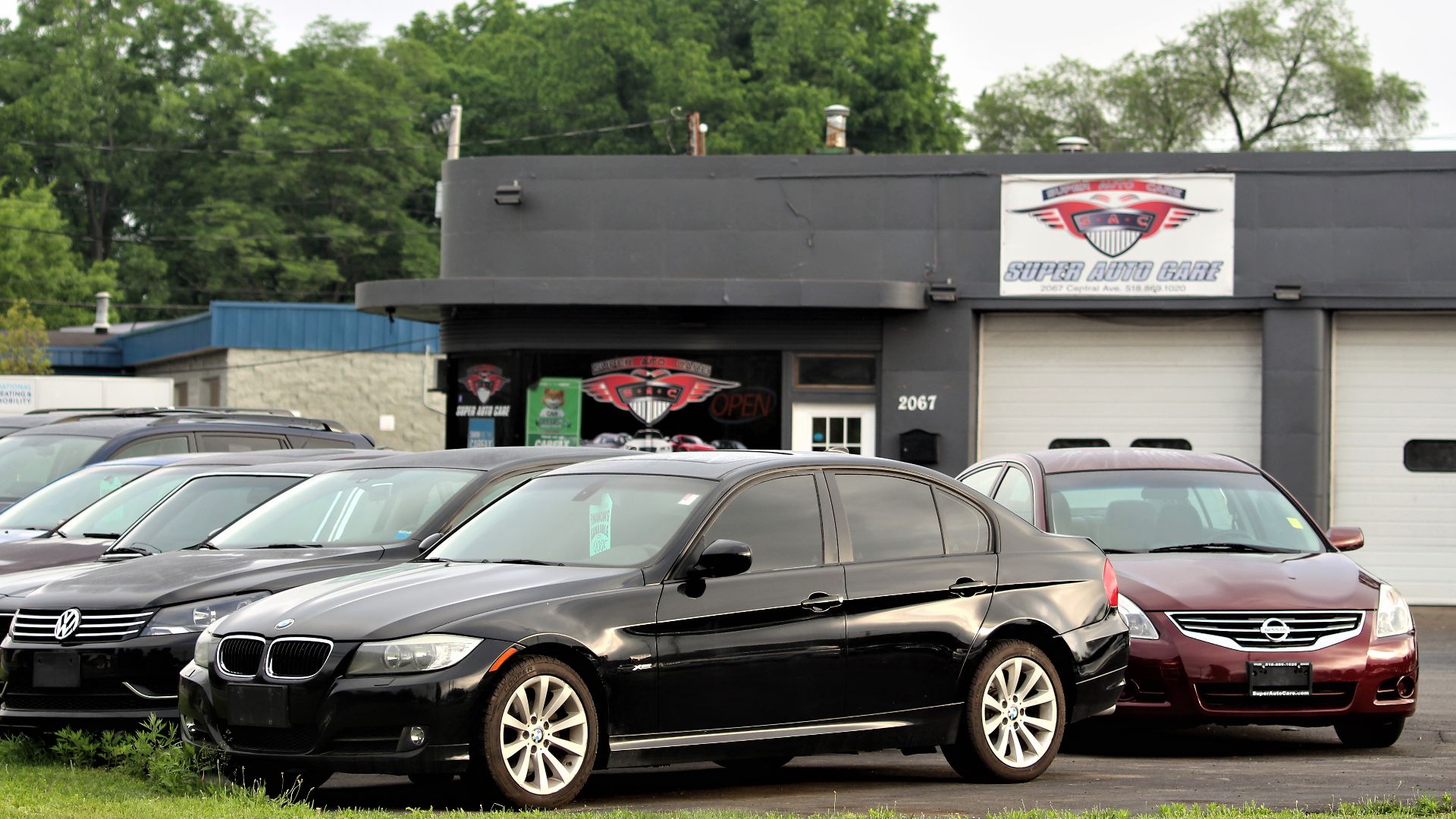
Texas generally allows front side windows with at least 25% light transmission, subject to additional requirements. That's considerably darker than New York's general standard. However, the windshield has separate restrictions, and some rear windows are treated differently. The lesson is simple: legal tint in one state isn't necessarily legal everywhere.
 Tyler A. McNeil, Wikimedia Commons
Not Every State Checks Tint During Inspection
Here's another complication. Some states don't have periodic passenger-vehicle safety inspections, while others don't include tint measurements in their inspection procedures. Pennsylvania, for example, explains that its tint regulations are enforced separately from its regular inspection process. Drivers can still receive citations for illegal tint even when it isn't checked during inspection.
So The Inspection Station Might Be Correct
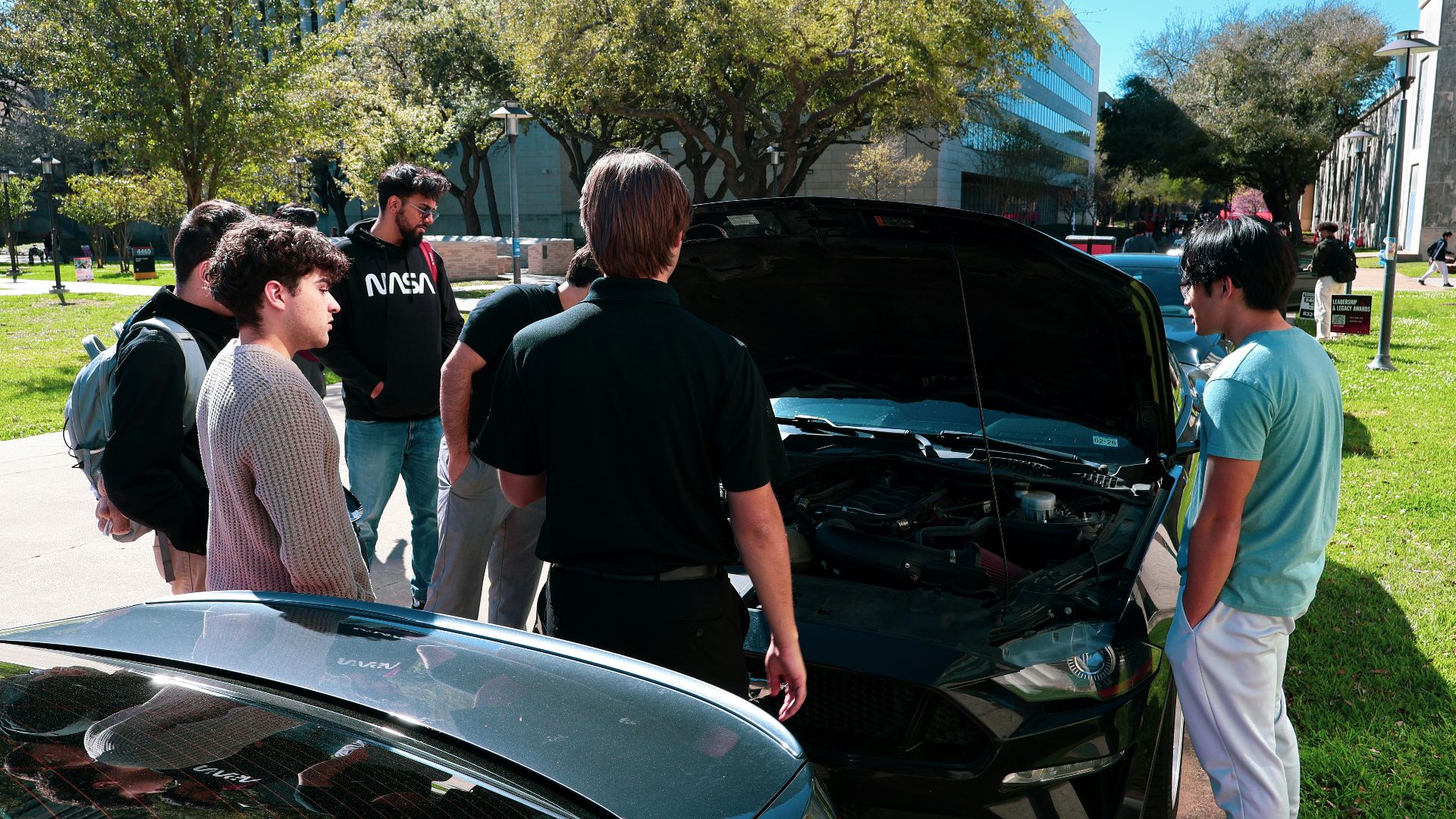
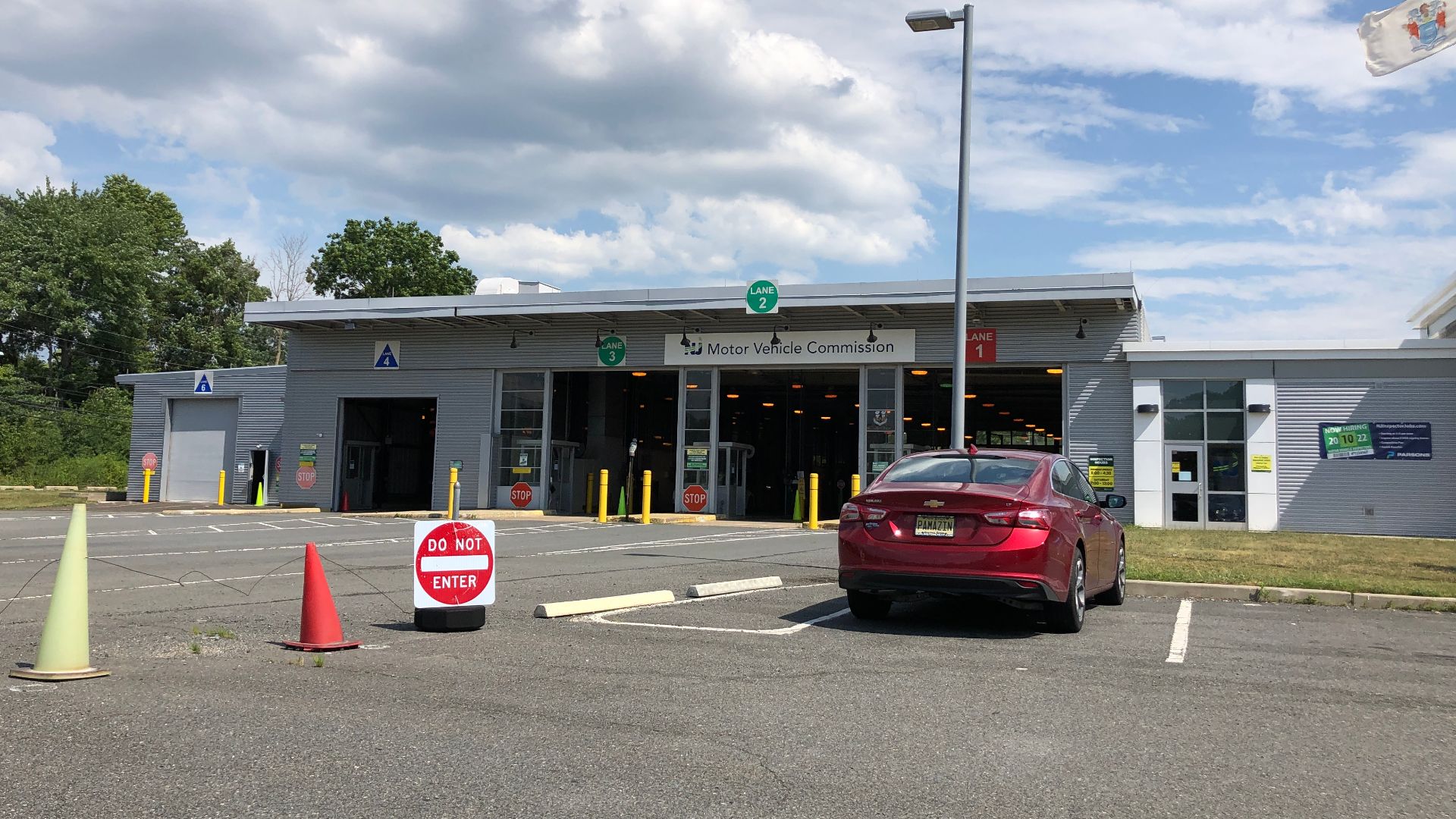
Before confronting the dealership, make sure you understand exactly why your vehicle failed. A licensed inspection station may be required to reject a vehicle when its tint doesn't meet applicable inspection standards. The fact that a dealership installed the film doesn't give an inspector permission to ignore the rules.
Ask For The Actual Tint Measurement
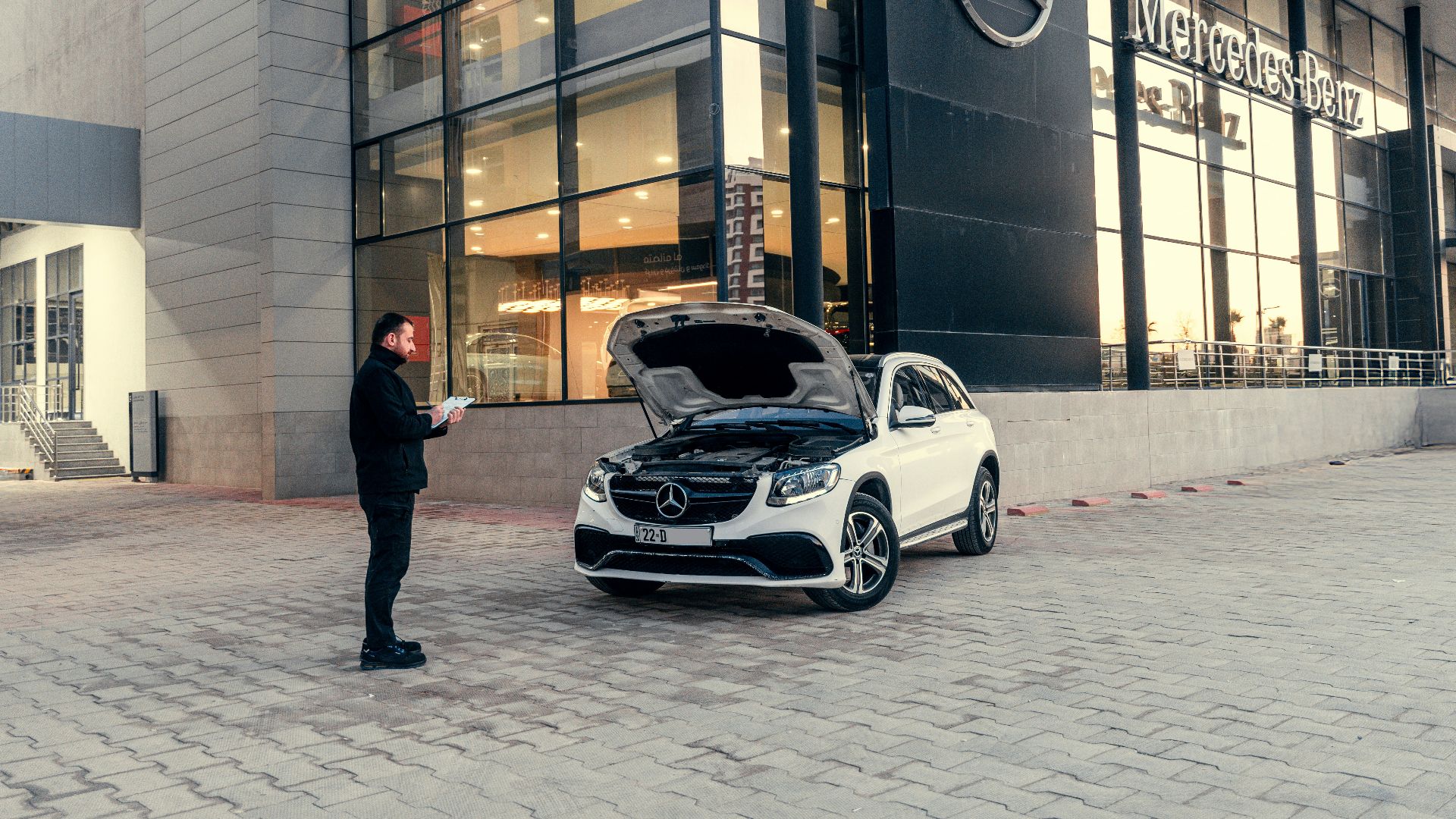
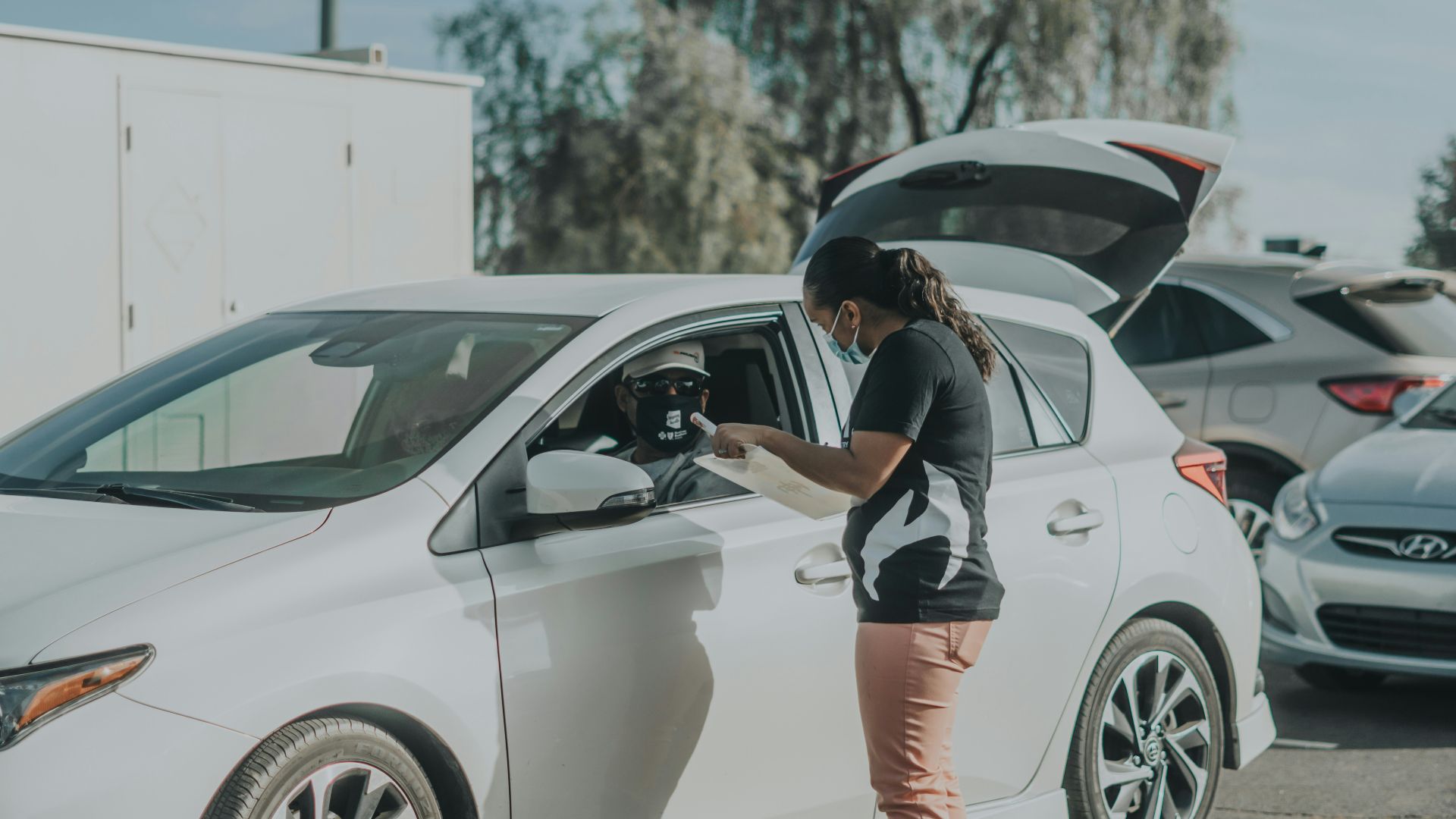
Don't settle for being told that your windows are simply too dark. Ask which windows failed, what percentage the inspector measured, and what legal threshold applies. A written inspection report is particularly useful because it gives you something concrete to show the dealership rather than relying on a conversation you had at the inspection counter.
Make Sure The Reading Is Accurate
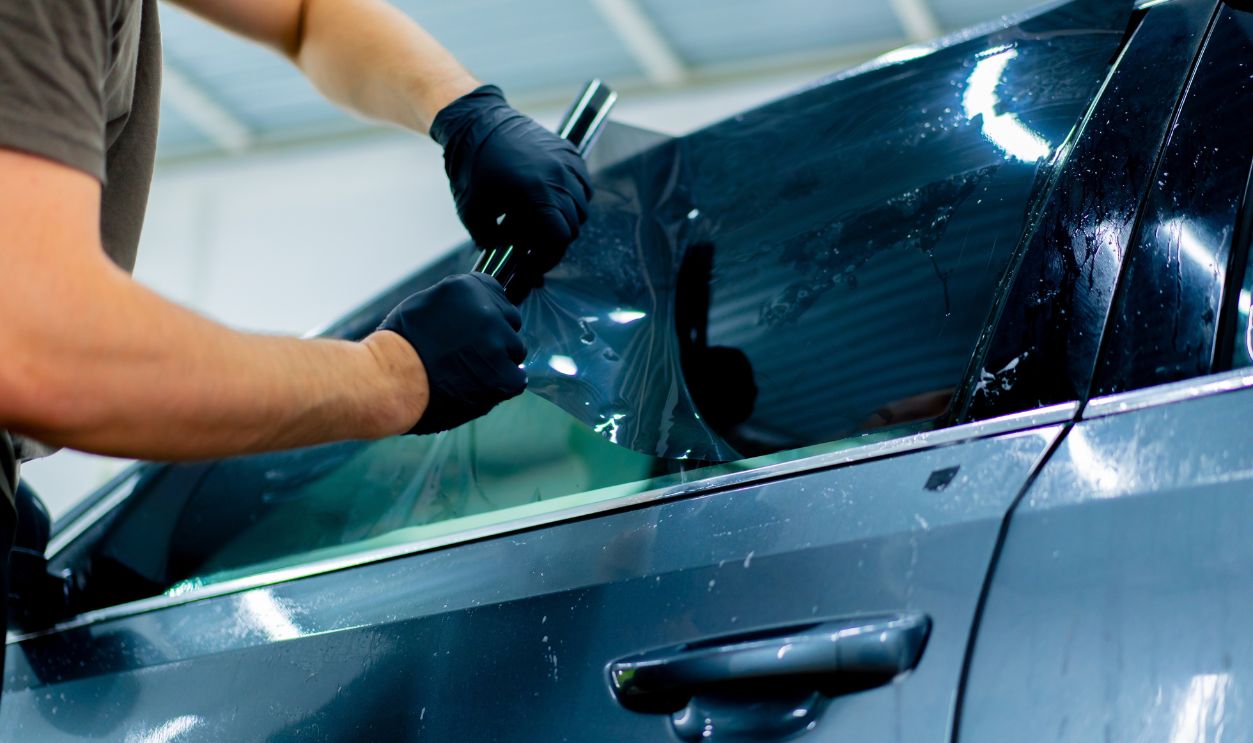
Tint meters measure the light passing through the window, and the equipment must be used properly. If the reading is close to the legal limit, it may be worth requesting another measurement from a qualified inspection station or reputable tint shop. You don't want to remove perfectly legal film because of a questionable reading.
Now, Who Actually Installed The Tint?
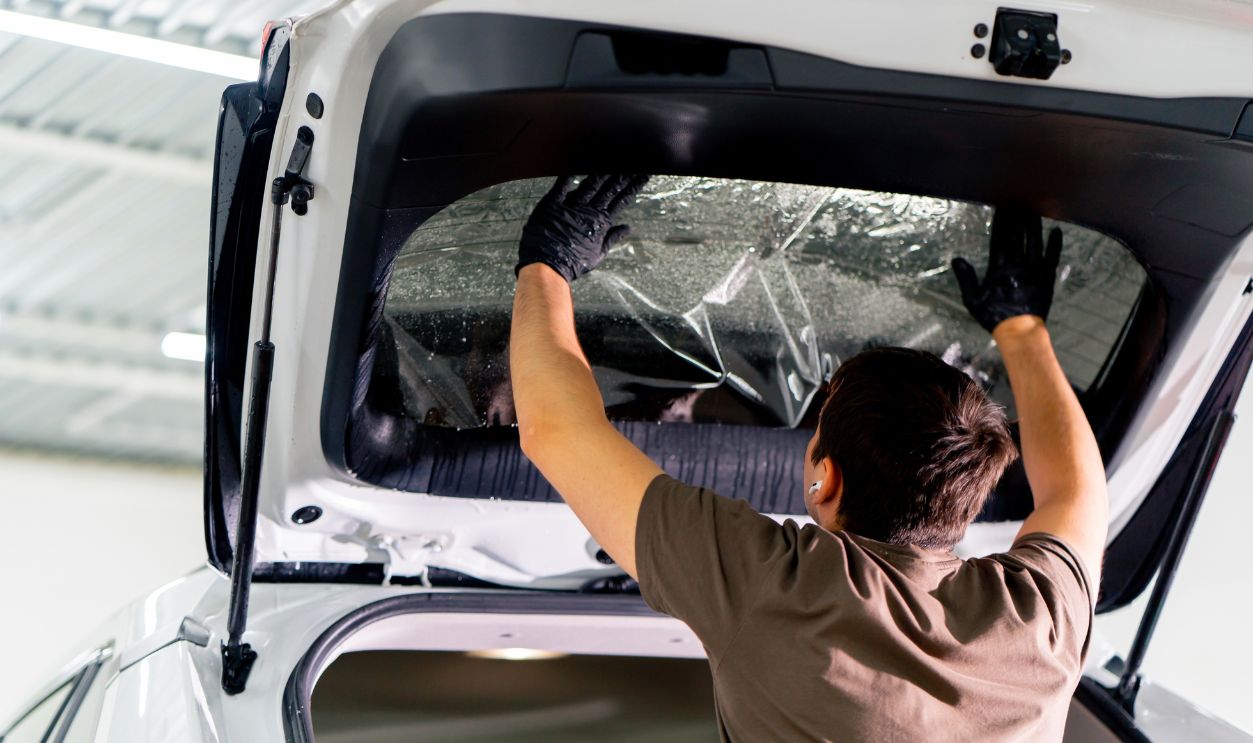
This is where your situation becomes more interesting. Did the dealership install the film as part of the sale, or was it already on a used vehicle when the dealer acquired it? Those situations aren't necessarily treated identically. A dealership that specifically sold and installed the tint may have clearer obligations than one that sold an older vehicle with existing modifications.
Check Your Purchase Agreement
Dig out the paperwork from when you bought the car. Look for an itemized charge for window tint, an appearance package, or dealer-installed accessories. If the tint was specifically included in the transaction, that documentation could become extremely important when asking the dealership to correct the problem.
That Expensive Appearance Package Could Matter
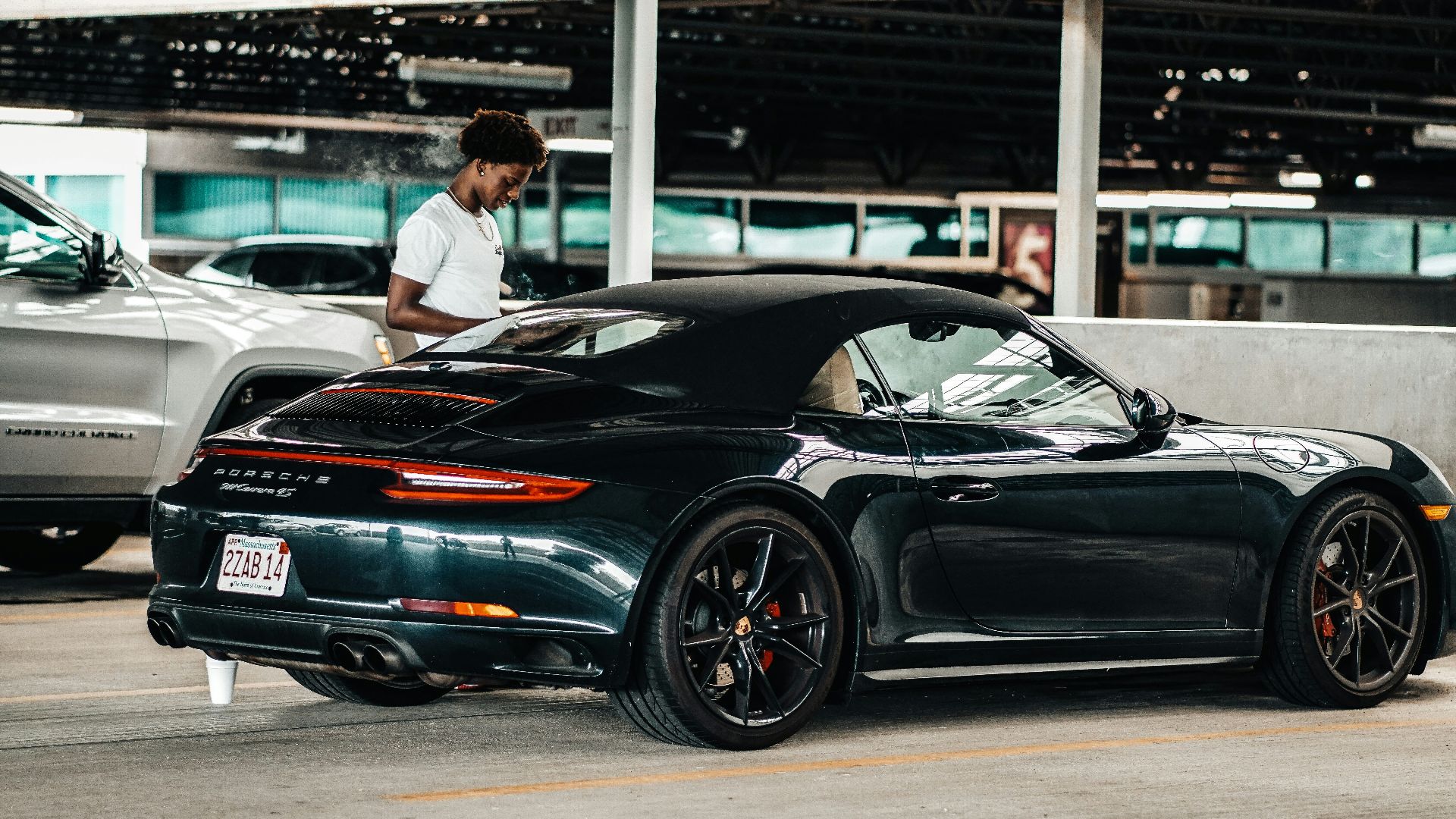
Imagine paying an additional $700 for a dealership appearance package that includes tinted windows. Months later, an inspection station tells you those windows violate state law. You now have a much stronger argument that the dealership should address the problem than someone who independently hired a tint shop after purchasing the vehicle.

What If The Dealership Promised It Was Legal?
That could matter even more. Perhaps the salesperson specifically assured you that the tint complied with your state's requirements. If you have that statement in an email, text message, advertisement, or signed document, preserve it. Written representations can help establish what the dealership promised when it sold you the vehicle.
Verbal Promises Are Harder To Prove
Unfortunately, a salesperson saying something during a test drive isn't always enough to settle a dispute. The Federal Trade Commission advises used-car buyers to get promises in writing because spoken assurances can be difficult to enforce. If the dealership insists it never guaranteed the tint was legal, the argument may become more complicated.

What About The Dealership Warranty?
Some vehicles come with dealership warranties, while others are sold without one. A warranty may cover specific equipment or repairs, but it doesn't automatically cover every accessory. Read the terms carefully to determine whether dealer-installed modifications are included and whether the dealership promised to correct problems with them.
An "As Is" Sale Changes The Conversation
If you purchased a used vehicle marked "as is," the dealership may argue that you accepted responsibility for existing problems. However, that doesn't necessarily settle everything. State laws differ, some states restrict as-is sales, and warranty disclaimers don't automatically excuse deceptive statements or every violation of dealer sales requirements.
Federal Rules Offer Some Protection
The FTC requires most used-car dealers to provide a Buyers Guide explaining whether a vehicle is sold with a warranty or as is. That document becomes part of the sales agreement and can override conflicting warranty language elsewhere in the contract. If you bought a used vehicle, find your copy before deciding what the dealership owes you.
 Centre for Ageing Better, Unsplash
But Don't Assume The Lemon Law Applies
Many drivers immediately think of lemon laws whenever a dealership refuses to fix something. However, lemon laws generally focus on qualifying vehicle defects and repeated unsuccessful repair attempts, with requirements varying by state. Illegal aftermarket tint doesn't automatically qualify as a lemon-law defect, especially when removing the film would solve the problem.
The Timing Of Your Inspection Matters
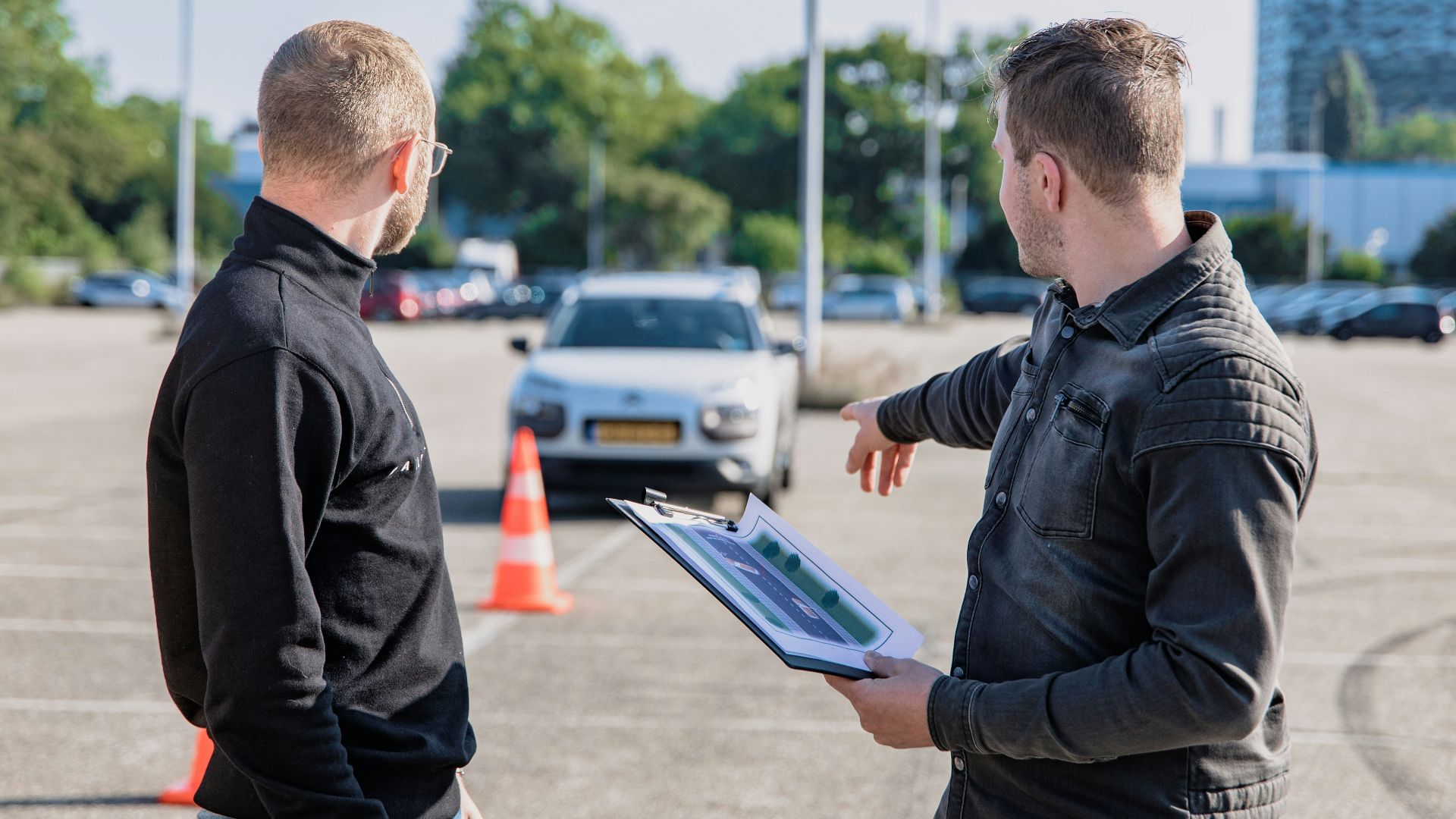
Did the vehicle fail inspection three days after purchase or three years later? That difference could be significant. A recent failure involving unchanged dealer-installed tint provides a clearer connection to the original sale. If considerable time has passed, the dealership may question whether the tint was altered after delivery or whether the applicable law changed.
What If You Bought The Car In Another State?
This situation can get especially frustrating for Americans living near state borders. Suppose you purchase a vehicle from a dealership in one state but register and inspect it in another. The tint might comply with the dealership's local requirements while violating those where you live. Responsibility may depend on what the dealer knew, represented, and agreed to provide.
Did The Dealer Know Where You Were Registering It?
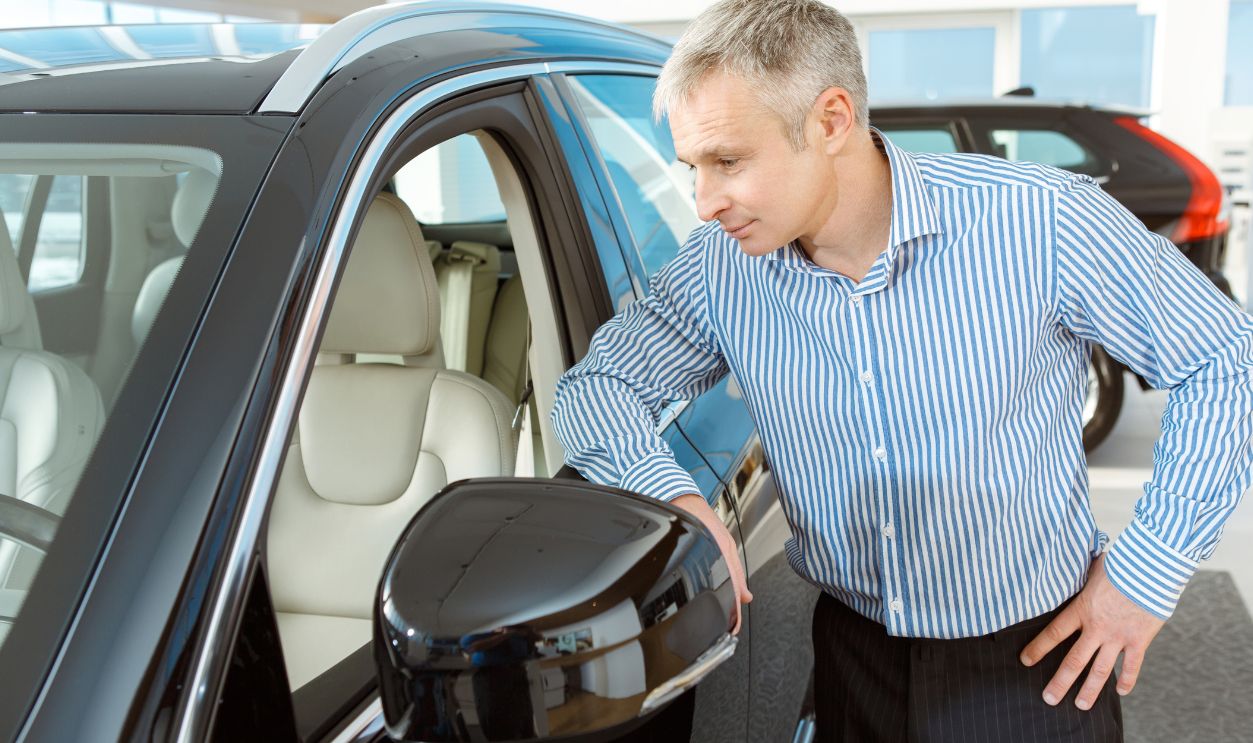
That's an important detail. If the dealership knew you lived in another state and specifically promised a vehicle that would meet your registration requirements, that could strengthen your position. If you purchased a car legally equipped for one state and later moved elsewhere, the argument for dealership responsibility may be considerably weaker.
Medical Exemptions Are Another Possibility
Some states allow darker tint for qualifying medical conditions, but the requirements vary. New York and Texas, for example, have procedures for certain medical exemptions. However, simply wanting darker windows or having a dealership install them doesn't create an exemption. You generally need to satisfy your state's specific documentation requirements.
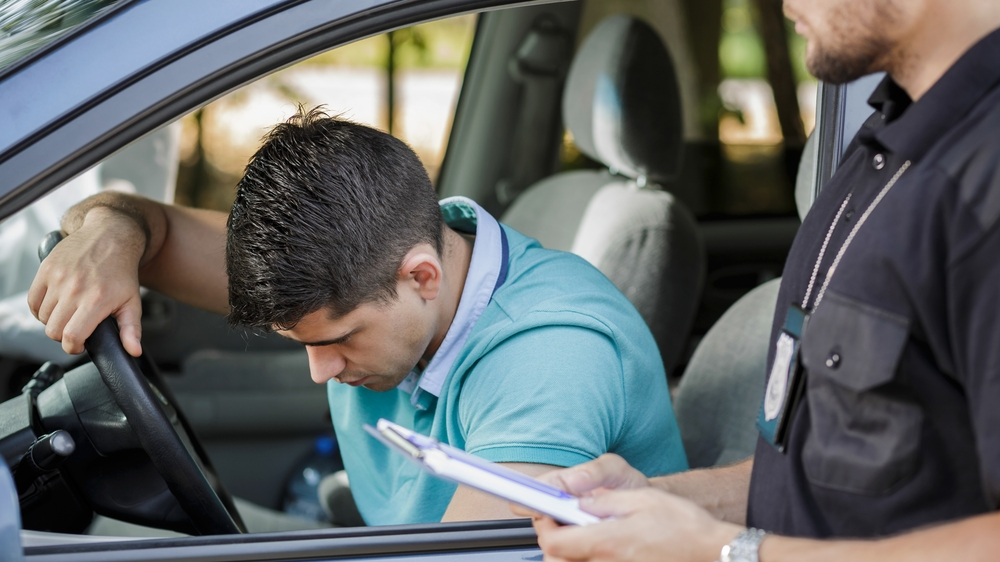
Don't Remove The Tint Immediately
Unless you must act quickly to comply with an inspection deadline or avoid operating an unlawfully equipped vehicle, consider documenting the problem before authorizing removal. Photograph the windows, preserve the failed inspection report, and gather your sales paperwork. Once the film is gone, proving exactly what was installed may become more difficult.
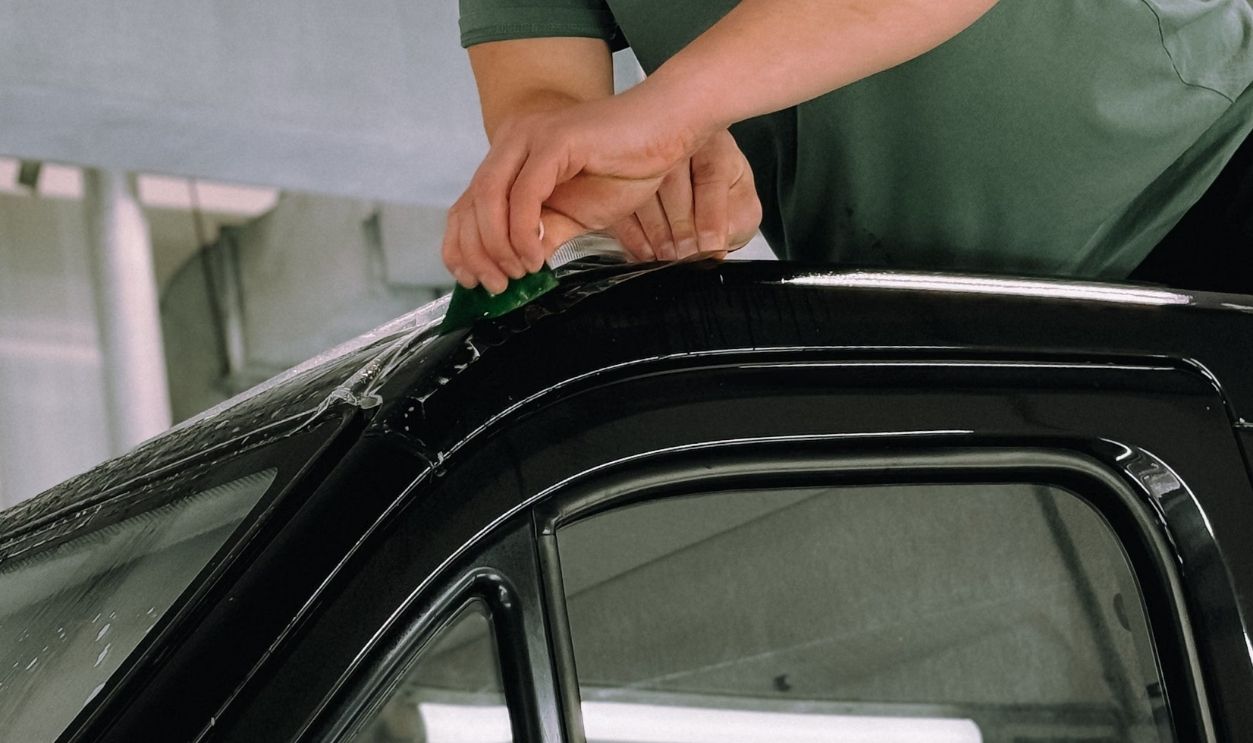
Contact The Dealership's Management
Start with the service manager or general manager rather than arguing with the salesperson who originally sold you the car. Explain that the dealer-installed tint caused an inspection failure, provide the measured VLT and applicable state requirement, and ask for a no-cost correction. Keep the conversation professional and follow up in writing.
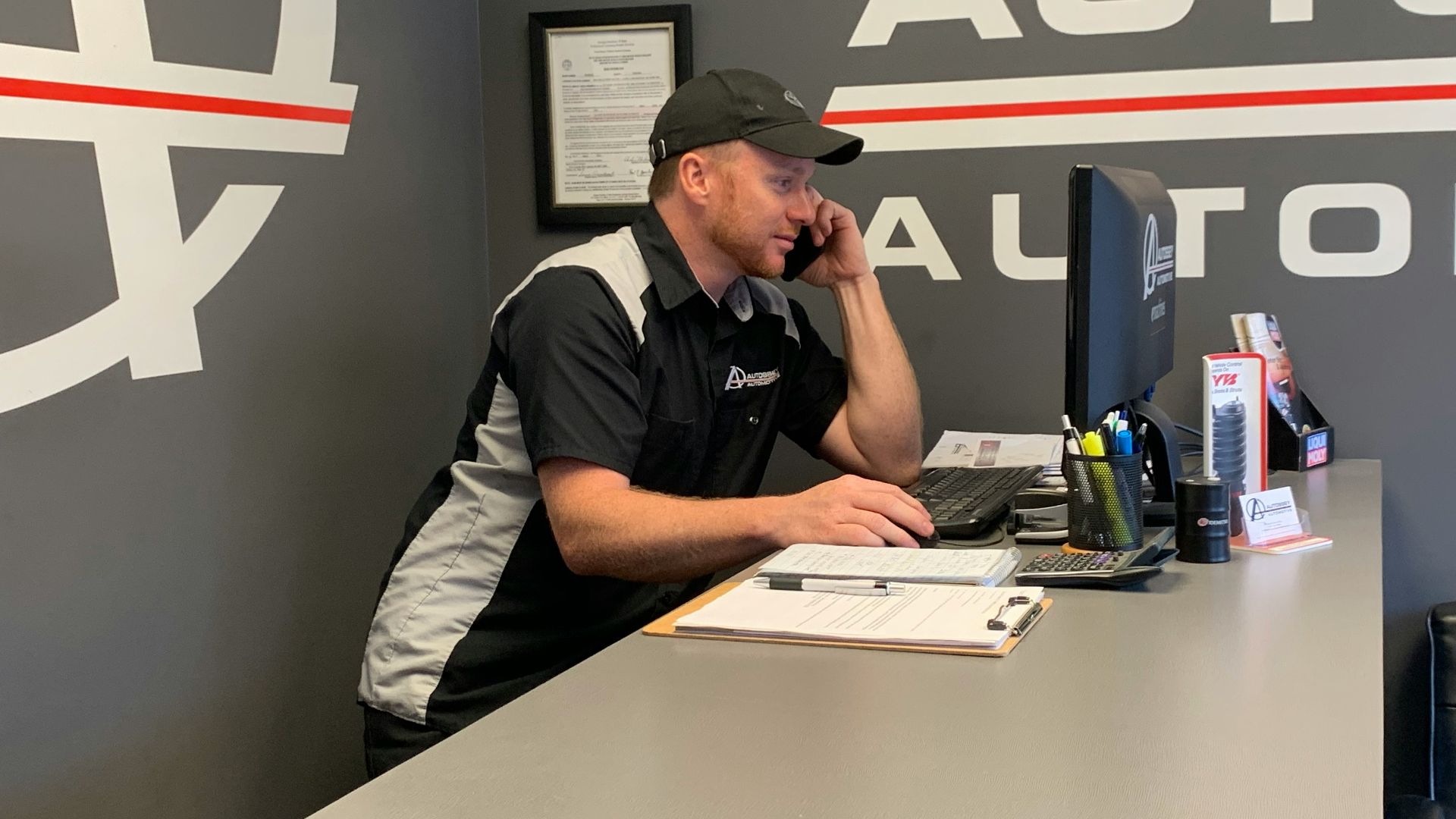
Ask For More Than A Quick Removal
If the dealership agrees to help, clarify exactly what it's offering. Will it remove the illegal film without damaging the glass or defroster lines? Will it install compliant tint if that was part of the package you purchased? Will it cover the inspection or reinspection fee? Get the arrangement in writing before handing over the keys.

What If They Refuse?
Don't assume the first refusal ends the matter. You can contact your state's attorney general's consumer protection division, the agency that licenses automobile dealers, or another appropriate state consumer agency. Depending on the facts, a written complaint may encourage the dealership to reconsider its position.

Small Claims Court May Be An Option
If the dealership refuses to reimburse a reasonable correction cost, small claims court may be worth considering. You'll generally need evidence of what was promised, what was installed, why it violated applicable requirements, and what you paid to fix it. Filing limits, fees, and procedures vary by state, so compare the potential recovery with the effort involved.
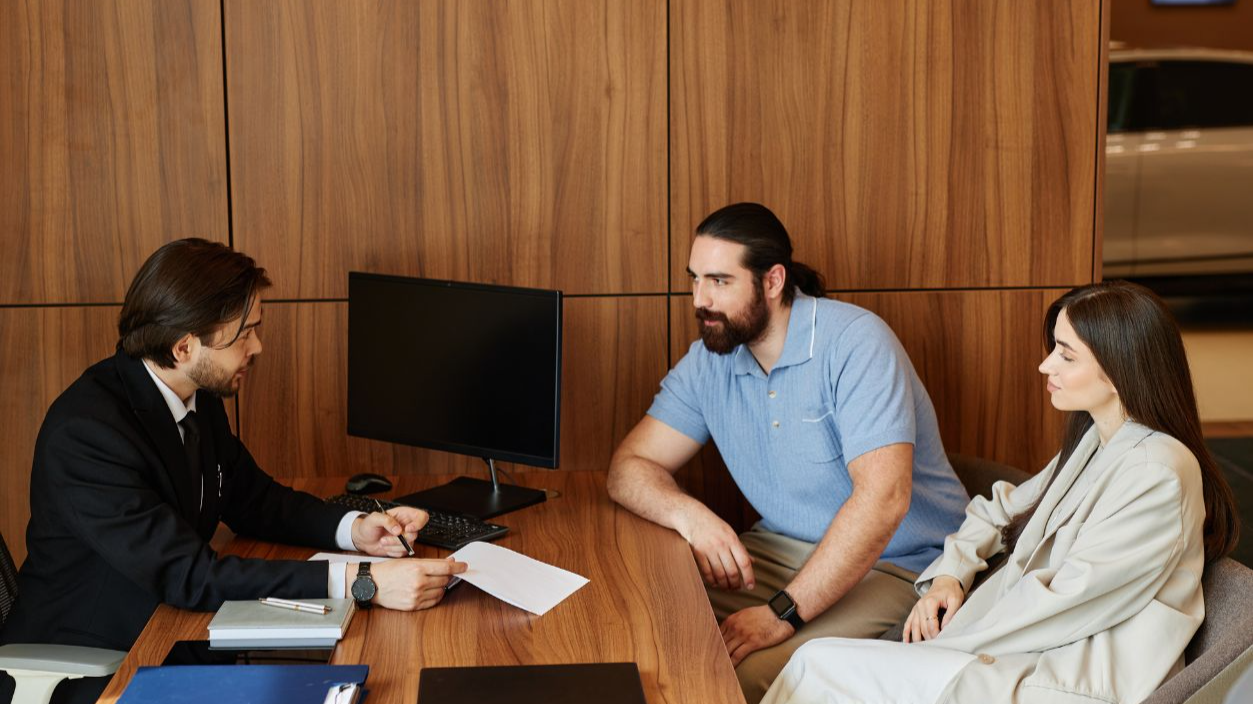
Here's The Question That Really Matters
Did the dealership sell or install tint that violated the legal requirements applicable to your vehicle, and did it promise that the car would comply? That's more important than simply establishing that the dealership installed the film. Responsibility can depend on state consumer protection laws, the sales agreement, warranty terms, and what the dealer represented.
 Quality Stock Arts, Shutterstock
So... Does The Dealership Have To Pay To Fix It?
Possibly, but not automatically. There is no universal federal rule requiring every dealership to pay for removing window tint whenever a customer's vehicle fails inspection. However, if the dealership installed noncompliant tint, charged you for it, or represented that the vehicle met applicable legal requirements, you may have a legitimate claim under your state's contract, warranty, or consumer protection laws.
An as-is sale, an out-of-state purchase, or a modification made after delivery can complicate that claim. The exact circumstances matter.
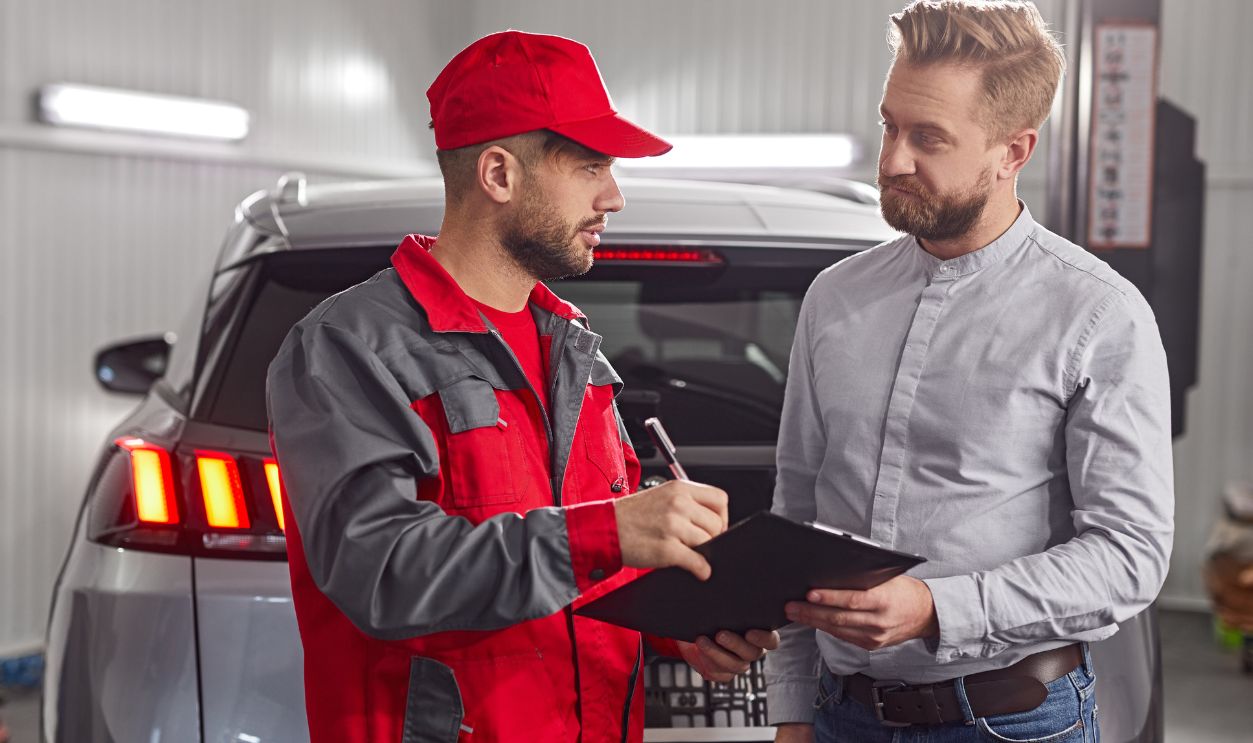
Don't Pay For Their Mistake Without Asking Questions
Your best move is to obtain the inspection measurements, verify your state's tint requirements, gather your sales documents, and request a written correction from dealership management. If the dealer refuses, consider filing a consumer complaint before paying for the work yourself.
And if you do have to pay for removal to get the vehicle legally inspected, keep every receipt. You may need those records if you pursue reimbursement.
After all, paying extra for professionally installed tint is frustrating enough. Paying again to have that same tint removed is a particularly expensive way to discover that the dealership's appearance package wasn't quite as impressive as advertised.
You May Also Like:
Car Brands That Break Down The Most—According To Mechanics
New Car Models Baby Boomers Can’t Stand
Studies Now Show That Advanced Driver-Assistance Systems (ADAS) May Be Doing More Harm Than Good