The Charger Failed, But The Bill Kept Growing
Something doesn't add up. Your electric vehicle stopped charging because the station malfunctioned, yet the charging company still billed you for leaving your car plugged in, raising a frustrating question about who should pay when the equipment fails.
An Idle Fee Isn't The Same As A Charging Fee
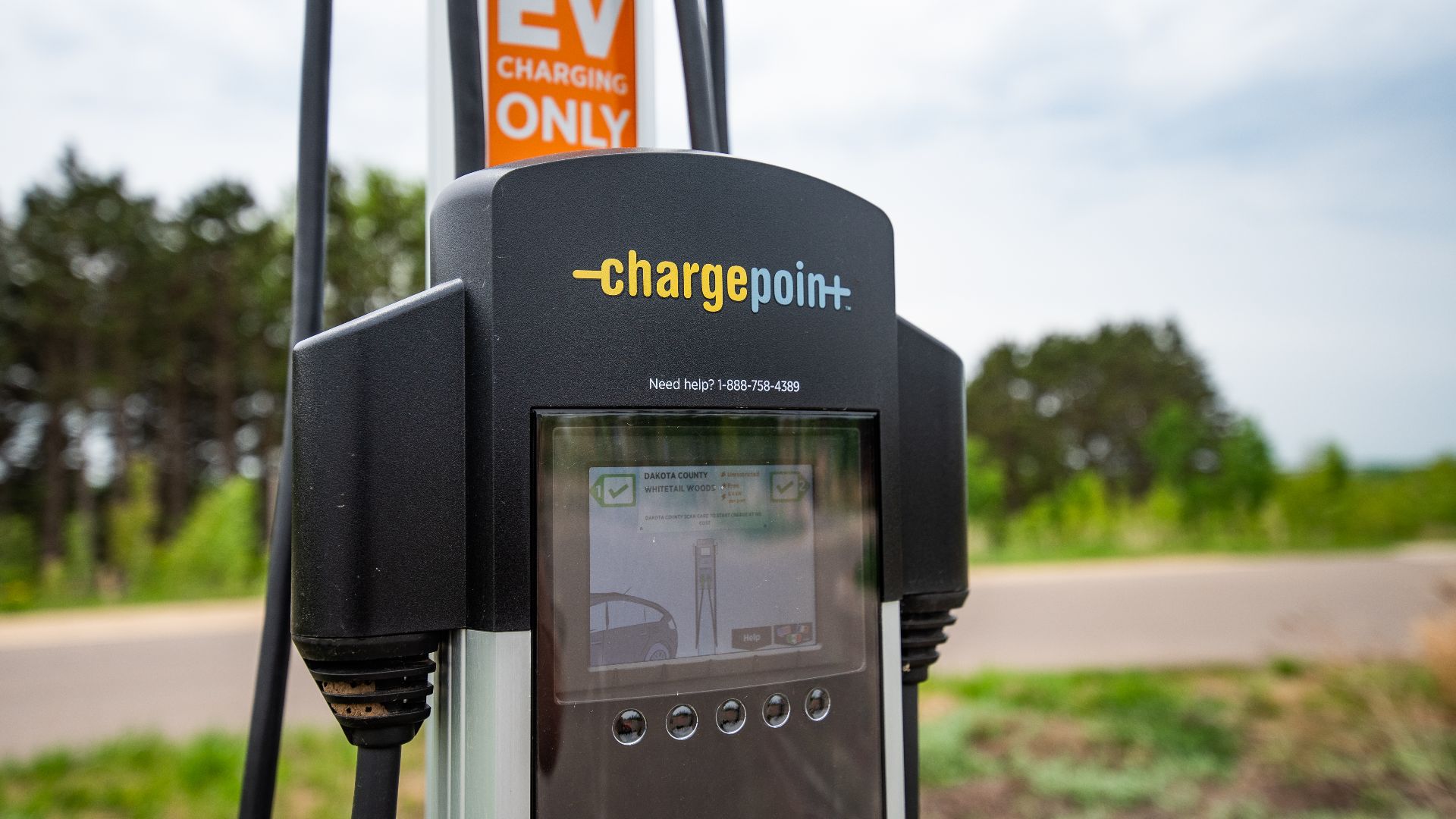
Public charging companies sometimes charge drivers for occupying a station after their vehicles finish charging. These penalties, commonly called idle fees or overstay fees, are intended to encourage drivers to free up charging spaces. ChargePoint explains that some station owners charge for time spent connected even when electricity isn't being delivered. That distinction becomes important when a technical problem interrupts a charging session.
Why Charging Companies Impose These Fees
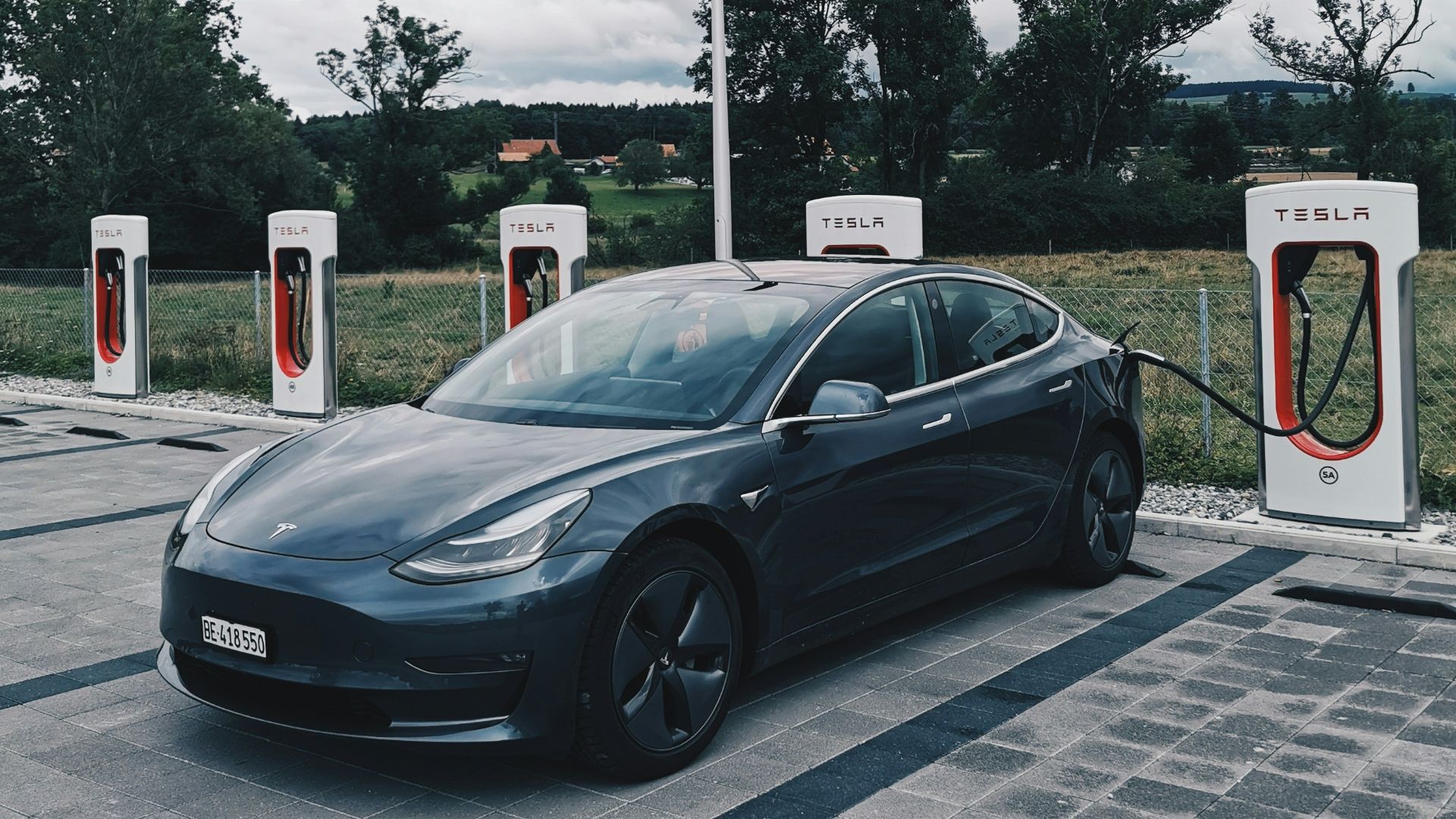
A public charging station can serve only a limited number of vehicles at once. When a driver leaves a vehicle connected after charging finishes, other drivers may be unable to use the equipment. Tesla explains that its congestion fees are intended to improve access at busy Supercharger locations. The policy makes sense when a driver is unnecessarily occupying a working charger, but an equipment malfunction raises a different question.
Not Every Charging Network Uses The Same Rules
There is no single idle-fee policy covering every public EV charging station in the United States. ChargePoint says its independently owned stations can have different pricing structures, including time-based charges and overstay fees. Tesla uses congestion fees with conditions tied to station occupancy and charging status. Before challenging a charge, identify the exact rules that applied to your session.
 Tony Webster from Minneapolis, Minnesota, United States, Wikimedia Commons
Some Fees Start Before Charging Actually Ends
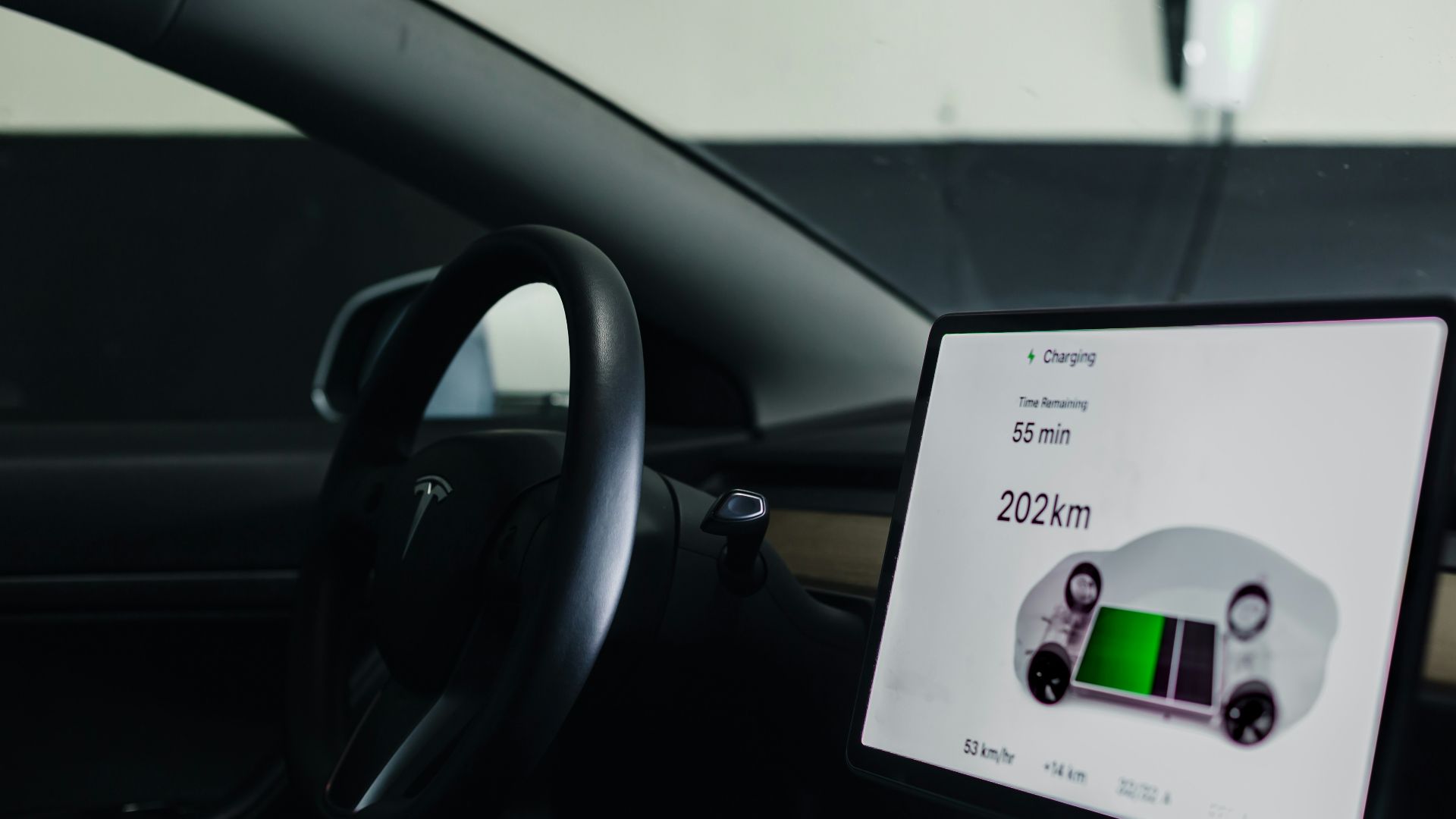
Drivers shouldn't assume that idle-related fees always begin after the battery reaches 100 percent. Tesla says its congestion fees can begin at busy locations when a vehicle reaches a designated battery level, even if charging continues. The company also applies them after a charging session ends when the applicable occupancy conditions are met. Understanding the actual trigger matters because a fee appearing during charging isn't necessarily a billing mistake.
 Priscilla Du Preez 🇨🇦, Unsplash
The Grace Period Could Make A Difference
Some networks give drivers a short period to move their vehicles before additional charges begin. Tesla currently provides a five-minute grace period under its Supercharger congestion-fee policy. ChargePoint describes overstay pricing that can begin after a grace period, although individual station owners establish their own terms. If your receipt shows fees beginning earlier than the applicable policy allows, that is a specific billing discrepancy worth challenging.
A Charger Malfunction Changes The Argument
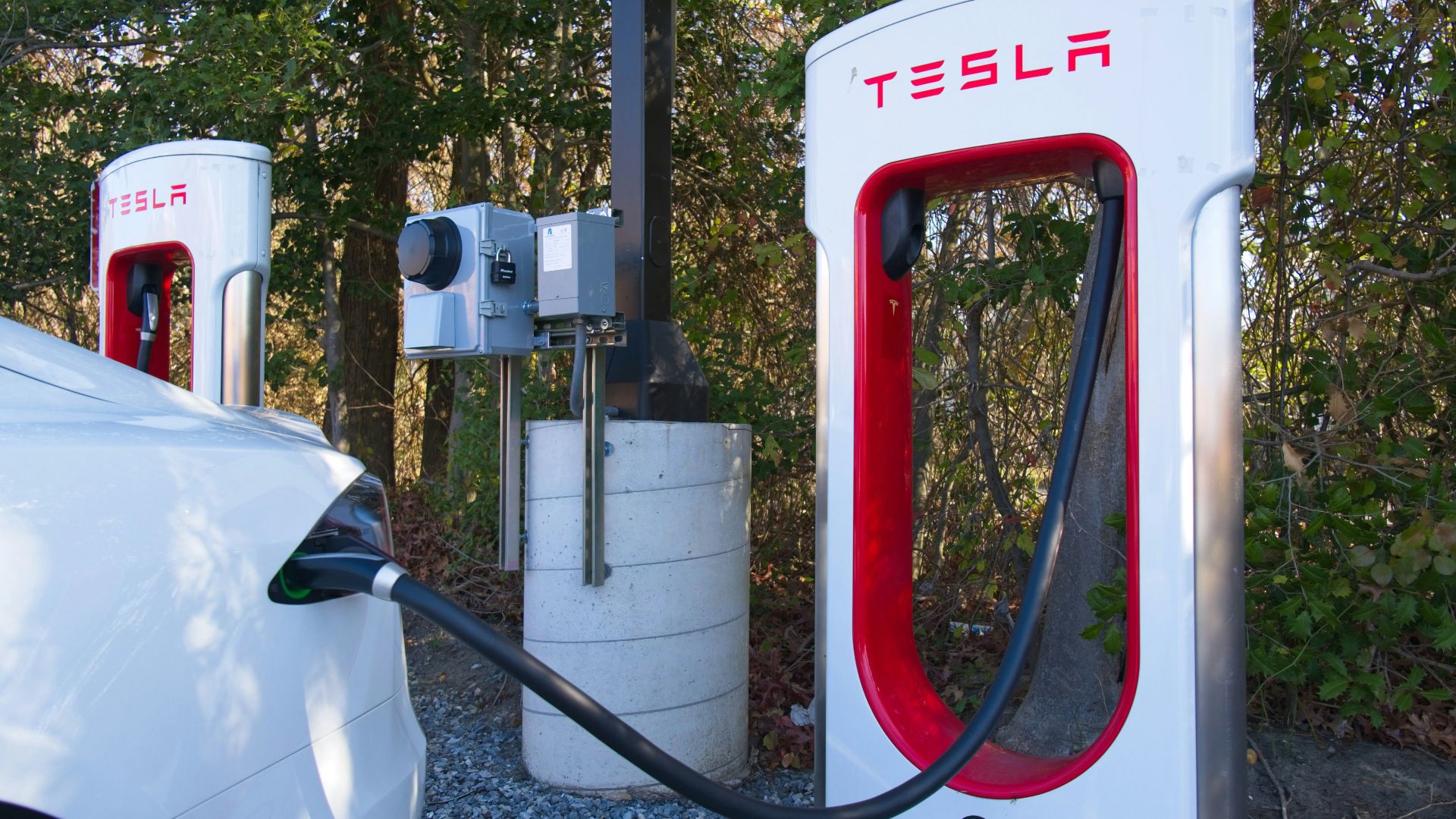
A failed charging session isn't necessarily the same as a driver deliberately leaving a fully charged vehicle connected. The important questions are when the equipment stopped delivering electricity, what triggered the additional fees, and whether the published terms permitted those charges. ChargePoint distinguishes energy charges from connected-time and overstay charges, making the exact billing category important. An equipment failure gives you a reason to request a review, but it doesn't automatically establish that every subsequent fee was improper.
First, Determine What Actually Stopped
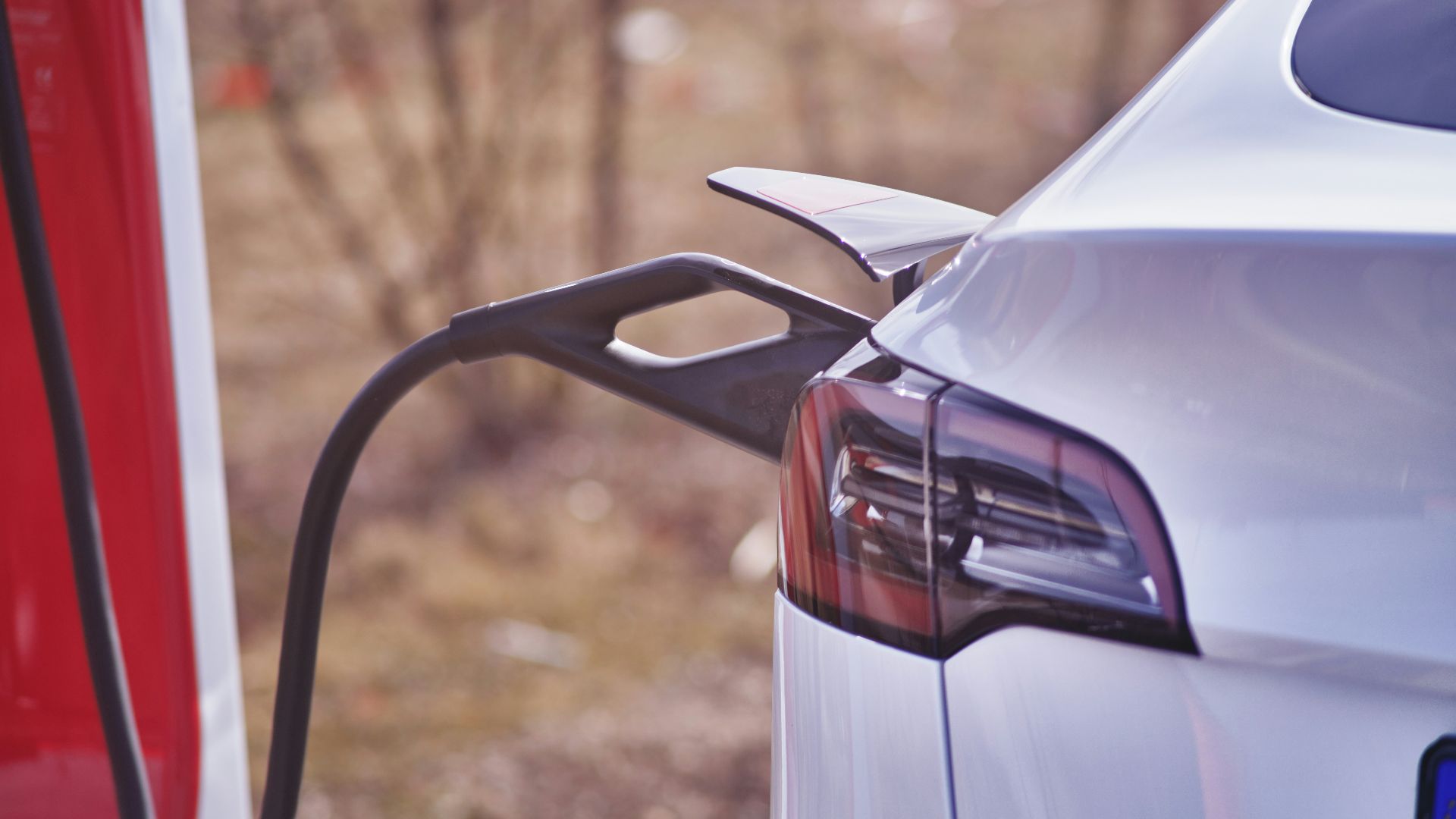
An interrupted session can involve several different conditions, including a charger error, an ended session, or a vehicle that is no longer accepting power. ChargePoint provides a formal process for reporting stations that aren't operating correctly. Before claiming the equipment failed, record the message displayed by the station and compare it with the information shown in your vehicle or charging app. The goal is to identify the observed problem without guessing at its technical cause.
Take Pictures Before Leaving The Station
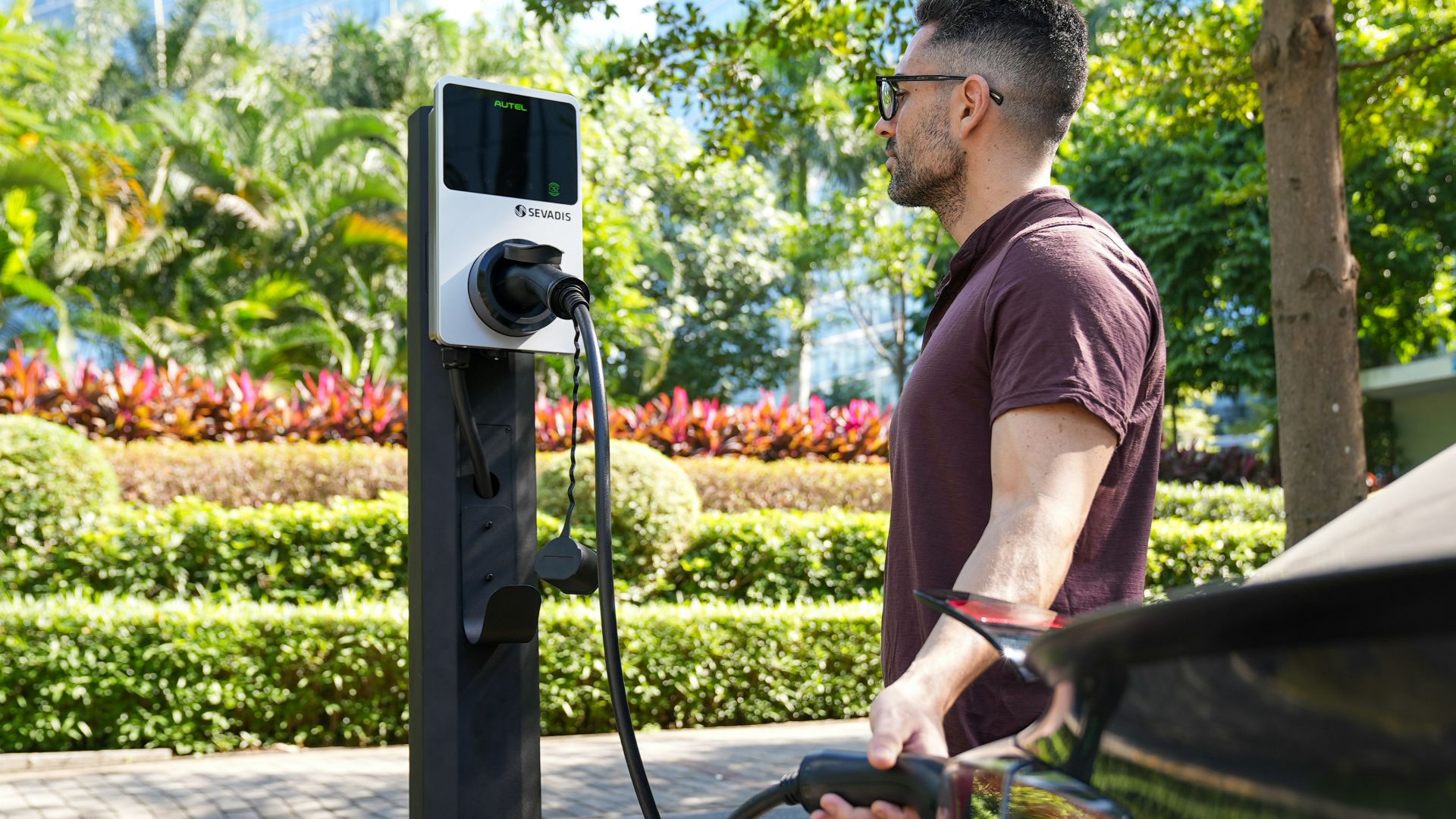
If you're still at the charger, photograph any error messages displayed on the equipment. Include the station identification number, connector number, and any posted pricing information. ChargePoint's station-reporting process allows drivers to describe the exact problem encountered, while its charging records provide details about individual sessions. Photographs help preserve information that might disappear once the station resets or another driver uses it.
Your Charging App Could Be Your Best Witness
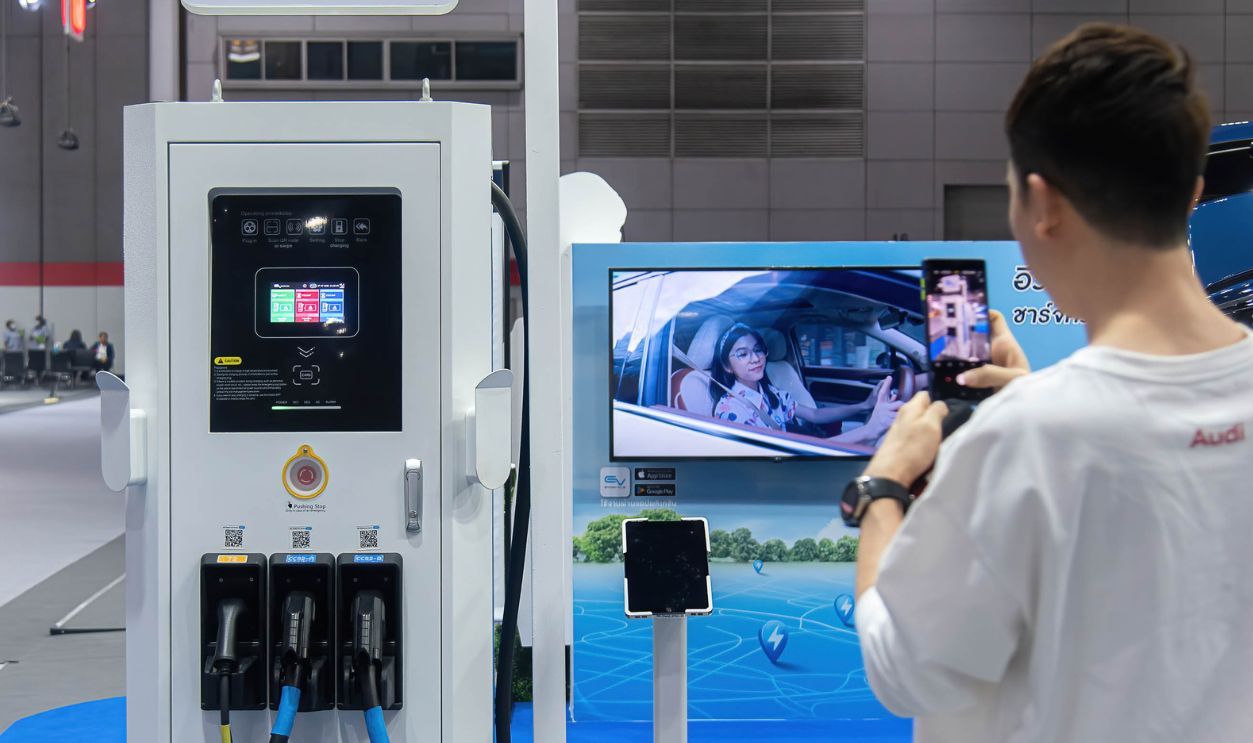
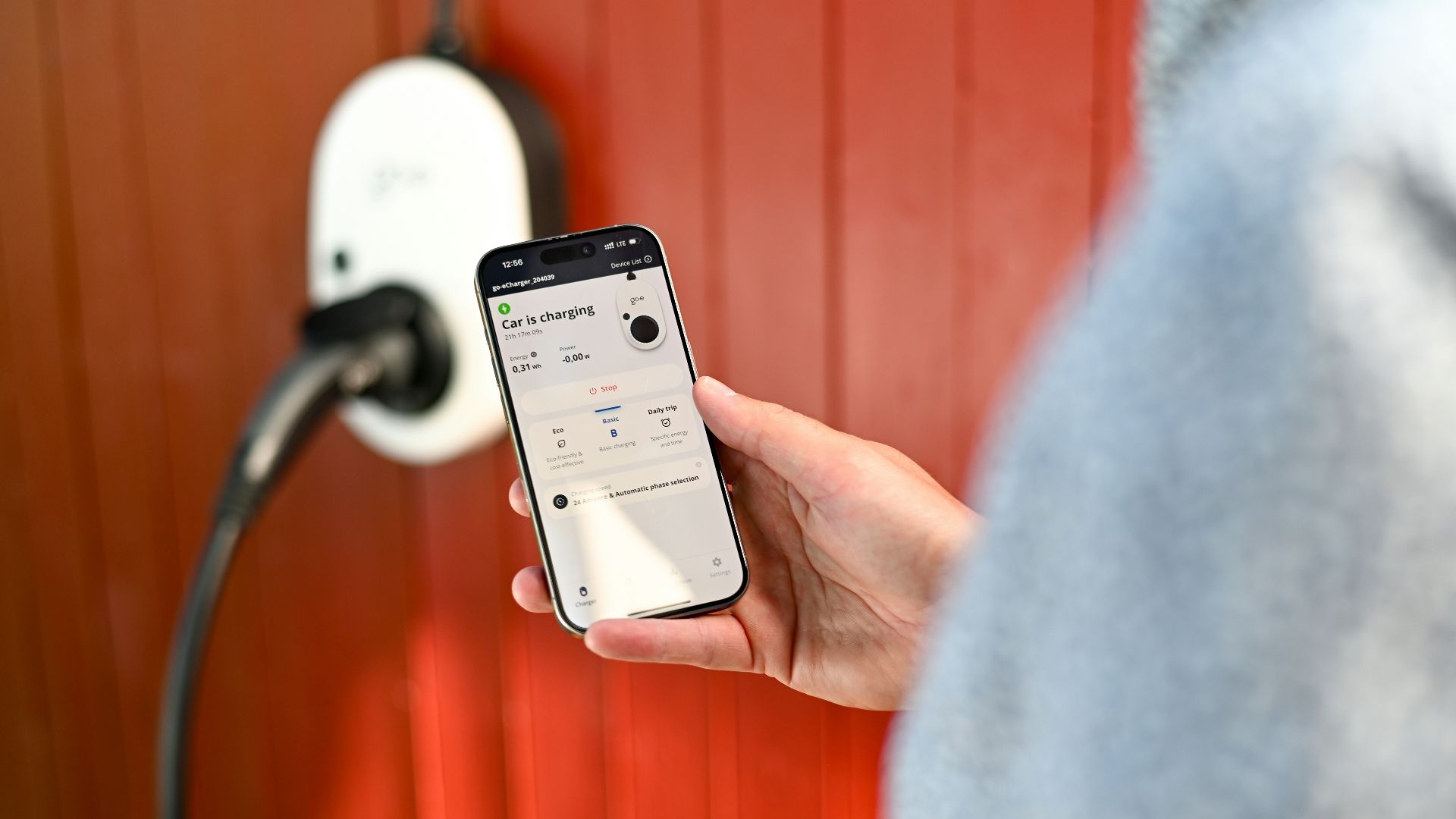
Many charging networks maintain records of individual charging sessions. ChargePoint's app displays information such as session time, energy delivered, cost breakdown, payment method, and station address. Tesla also allows drivers to review their Supercharging history and download invoices. Save those records before beginning a dispute so you can identify the exact transaction and amount involved.
Compare The Energy Delivered With The Time Billed
Charging receipts can distinguish the electricity purchased from the time a vehicle remained connected. ChargePoint specifically identifies energy rates, connected-time rates, and overstay rates as separate pricing categories. If your receipt shows little or no energy delivery during the period when additional fees accumulated, highlight that discrepancy. It won't prove the charger was defective by itself, but it gives customer support a concrete issue to investigate.

Write Down The Exact Timeline
A useful dispute should explain when charging started, when the problem appeared, and when the vehicle was disconnected. Charging-session records and app receipts can help establish those details. The Federal Trade Commission also recommends keeping records of the dates and conversations involved in payment disputes. A precise timeline is more persuasive than simply telling customer service that the charger wasn't working.

Check Whether You Received A Warning
Some charging networks send notifications when a session ends or additional fees become possible. Tesla says drivers receive notifications through its app and vehicle touchscreen when congestion-fee conditions are met. ChargePoint also provides charging notifications through its driver app. If you didn't receive an expected alert, include that detail in your complaint without assuming that the absence of a notification automatically cancels the charge.
Find The Station's Actual Pricing Terms
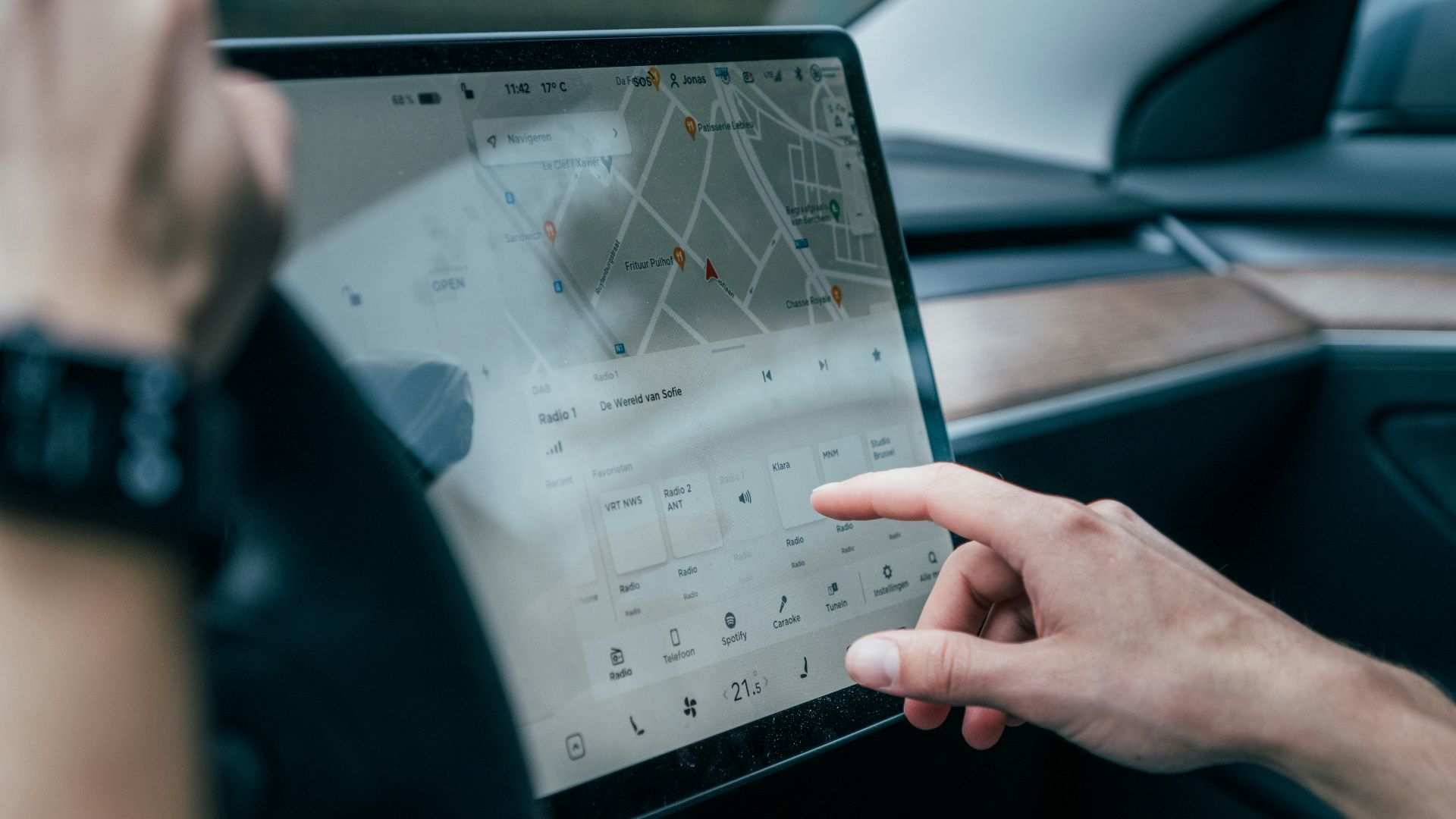
Before demanding a refund, check the pricing displayed for the station you used. ChargePoint says station owners may set different prices, including flat fees, connected-time charges, and overstay rates. Its app provides pricing information for individual locations. Compare the posted terms with the receipt and identify the specific condition you believe was applied incorrectly.

The Company On The Charger Might Not Set The Price
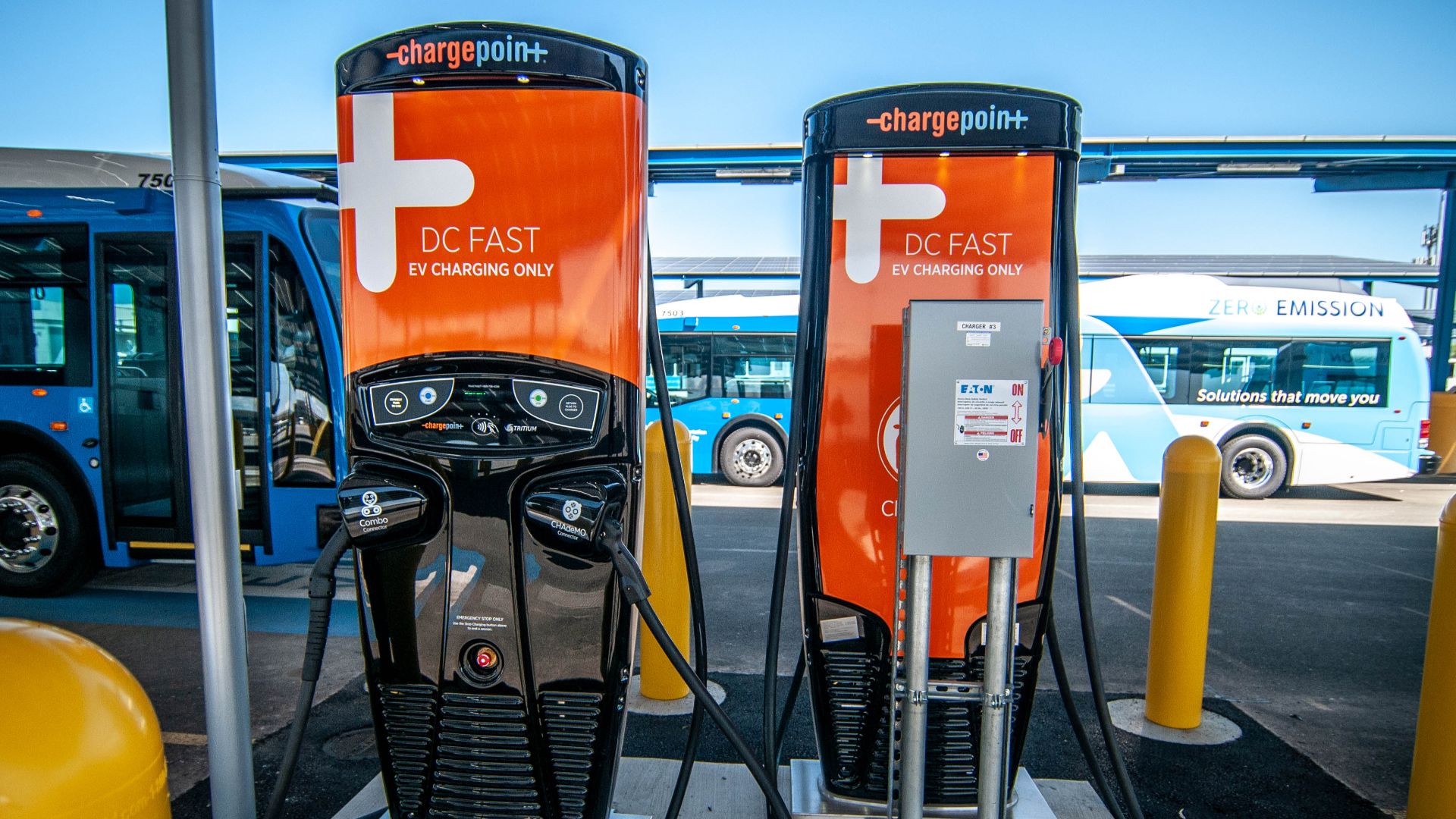
One complication is that the charging network and the station owner may be different businesses. ChargePoint explains that many stations using its platform are independently owned, with owners or roaming partners determining the pricing. ChargePoint may process the payment without being the party that originally established the fee. This means your complaint should identify both the network handling the transaction and, where available, the station operator.
 Santa Clara Valley Transportation Authority, Wikimedia Commons
Report The Broken Charger Separately
A billing complaint and an equipment-failure report serve different purposes. ChargePoint allows drivers to report a malfunction by selecting the station and port in its app, choosing Report a Problem, and describing the issue. The company says it contacts station owners when a problem is reported and helps coordinate repairs. Filing a station report also creates a useful record of the malfunction you're describing in your refund request.

Contact Customer Support While The Details Are Fresh
The charging provider should generally be your first contact when disputing a questionable fee. ChargePoint directs customers who believe they were charged incorrectly to its support team, and it offers round-the-clock driver assistance. Its support guidance specifically recommends calling for complicated billing issues involving refunds or multiple sessions. Explain that you're disputing the idle-related charges because the charging equipment appeared to fail.

Ask For A Refund Of The Specific Fee
Your request will be clearer if you separate legitimate charging costs from the charges you believe were improper. For example, you might accept the amount billed for electricity successfully delivered while challenging a later overstay fee. The Consumer Financial Protection Bureau recommends first asking the seller to correct a charge when a purchased service was defective or not delivered as agreed. Request the exact amount you believe should be refunded rather than assuming the entire session must be canceled.

Request The Charging Session Records
If customer support disputes your account, ask the provider to review its available session information. Useful records may include the session start and end times, the recorded energy delivered, the fee breakdown, and any documented station fault. ChargePoint makes several of these details available through its receipts, while Tesla provides downloadable charging invoices. You can also ask whether the operator has additional technical records, although it may not provide every internal diagnostic detail.

Get A Case Number Before Ending The Conversation
A customer-service conversation is much easier to follow up when it has a reference number. Ask the representative to identify the complaint and confirm what information has been submitted for review. The FTC recommends recording the names of people contacted and the dates of those conversations when disputing charges. Keep that information alongside your screenshots, receipts, and any emails you receive.

A Refused Refund Isn't Necessarily The End
The charging provider may conclude that its posted pricing rules were applied correctly. If that happens, ask for a written explanation identifying the rule and the session details supporting its decision. The FTC recommends preserving correspondence and supporting documents when pursuing a payment dispute. A written refusal can help you determine whether the disagreement concerns the equipment failure, the fee calculation, or the contract terms.

Your Credit Card Company May Be Able To Help
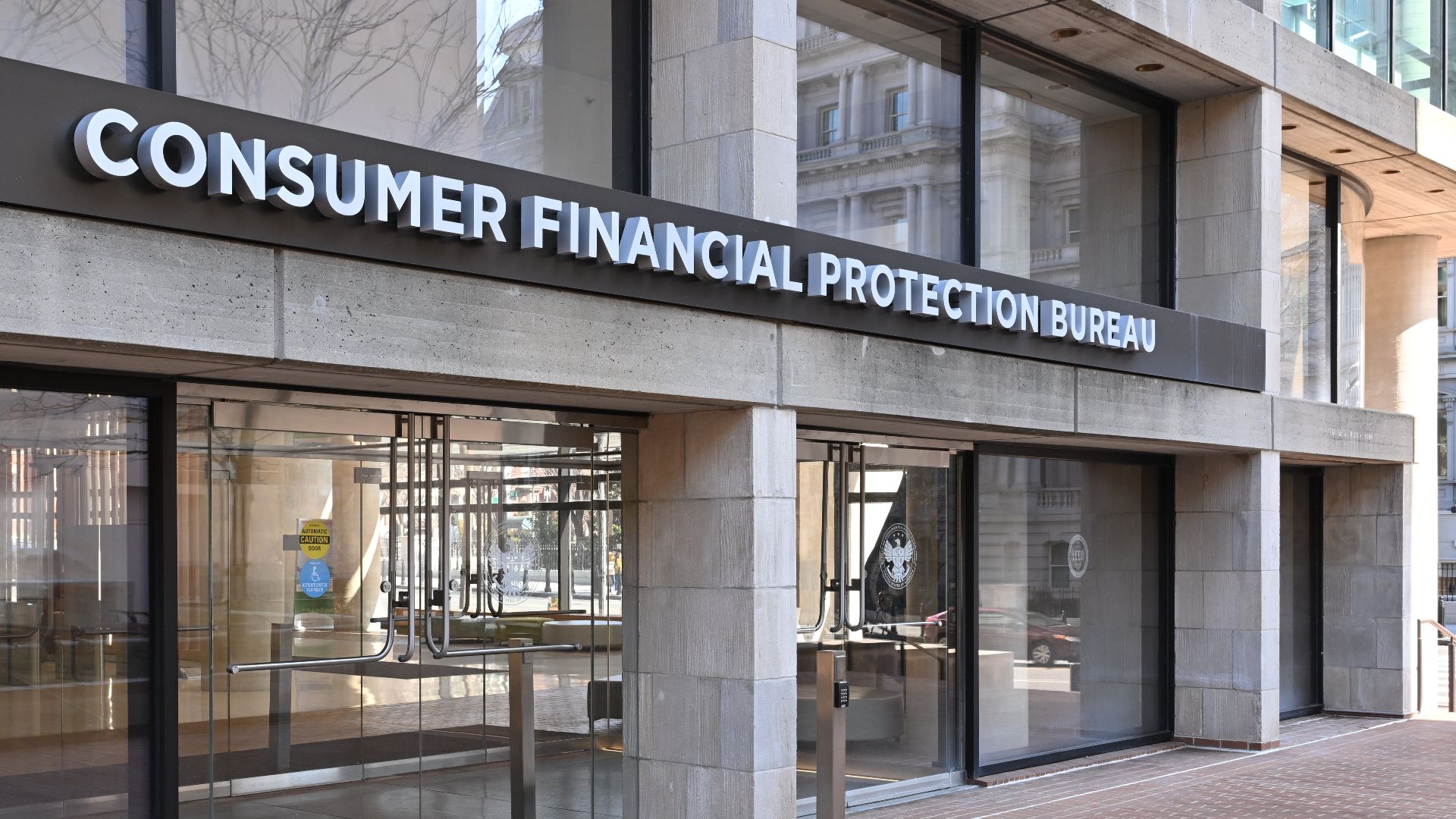
If the charging provider won't resolve the issue, contact the credit card company used for payment. The CFPB explains that consumers may be able to dispute charges for defective services or services not delivered as agreed. A successful dispute can result in the card issuer reversing the disputed amount. However, a chargeback isn't guaranteed simply because the customer believes the service was unsatisfactory.

Don't Miss The 60-Day Dispute Deadline
Under the federal credit card billing-error process, timing matters. The CFPB says consumers generally must send a written billing-error notice within 60 calendar days after the disputed charge first appears on their statement to preserve those protections. The notice should go to the address designated for billing disputes, which may differ from the ordinary payment address. Contacting the merchant is useful, but don't let a prolonged refund discussion cause you to miss that deadline.

Explain That You Authorized The Charging Session
When disputing an idle fee, distinguish an incorrect charge from a transaction you never authorized. If you willingly started the charging session, the problem isn't necessarily that someone used your card without permission. The FTC recognizes disputes involving services that weren't delivered as agreed or charges that were incorrect. Describe the actual billing problem accurately so the card issuer can evaluate the appropriate dispute category.
Send The Evidence, Not Just The Complaint
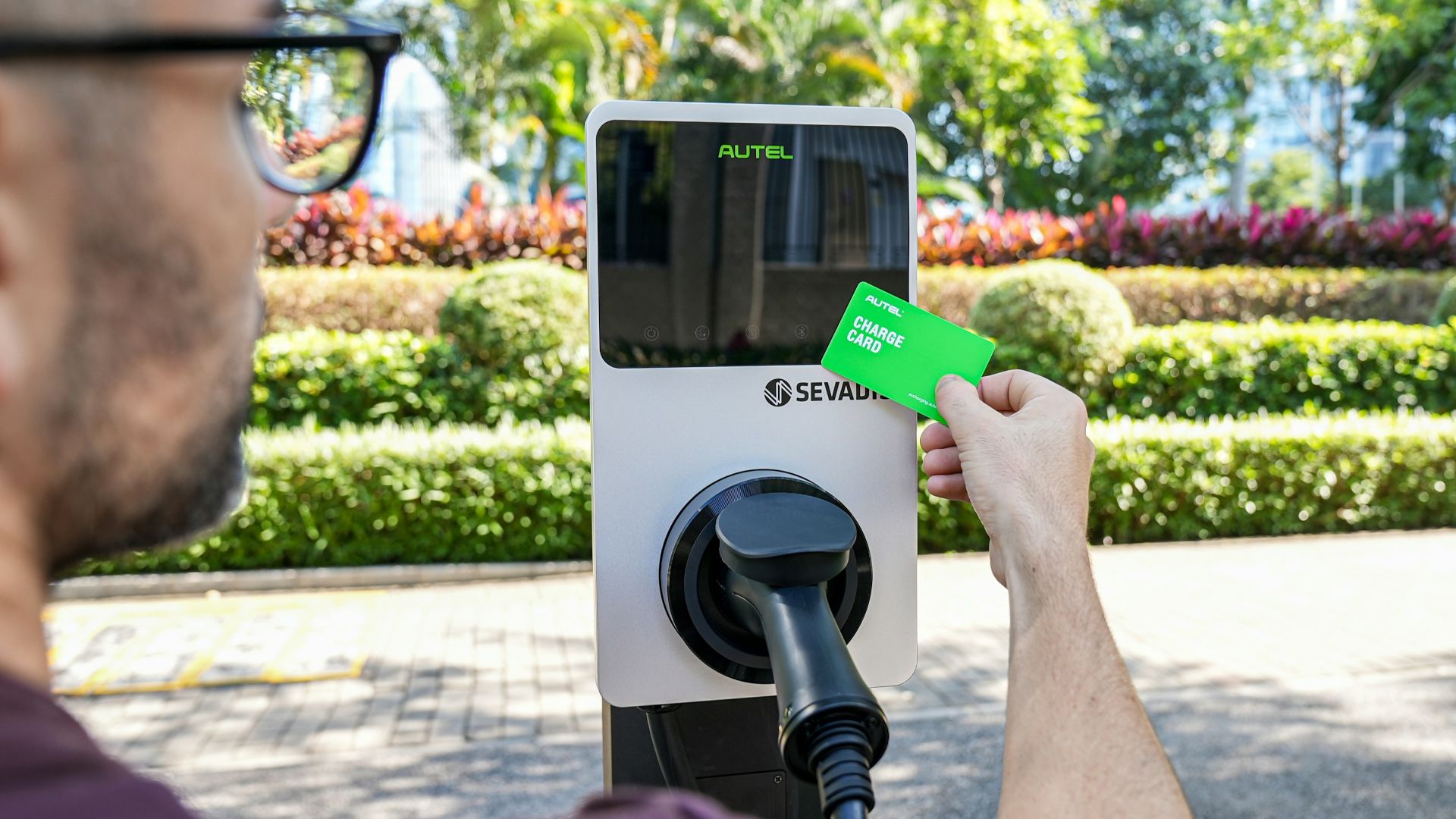
The FTC recommends including copies of receipts and other supporting documents with a written billing dispute. For an EV charging problem, useful attachments could include the session receipt, error-message photographs, pricing terms, and correspondence with the network. Explain which portion of the transaction you dispute and why the equipment failure matters. Keep your original documents and retain a copy of everything submitted.
 https://kaboompics.com/, Pexels
You Still Have To Pay The Undisputed Amount
Federal credit card billing-error protections don't allow customers to ignore an entire statement because one charge is being questioned. The CFPB explains that consumers must continue paying undisputed charges while a qualifying billing-error investigation proceeds. The disputed amount and related finance charges generally don't have to be paid during that investigation. This protection depends on using the applicable dispute process, so follow your issuer's instructions carefully.
 Photo By: Kaboompics.com, Pexels
The Card Company Has Investigation Deadlines
The CFPB says a credit card issuer generally must acknowledge a qualifying written billing-error notice within 30 days unless the issue has already been resolved. The investigation must then be completed within two billing cycles, with an outside limit of 90 days. If the issuer determines that the charge was incorrect, it must make the required correction. If it concludes the charge was valid, it must explain the decision and the amount owed.
 G. Edward Johnson, Wikimedia Commons
Debit Card Payments Can Be More Complicated
A debit card dispute doesn't necessarily provide the same protections as a credit card billing-error claim. The FTC explains that debit and credit card transactions are governed by different consumer-protection rules. A merchant dispute involving an authorized purchase also differs from reporting an unauthorized electronic transfer. Contact your bank promptly, explain that the charging service was defective or incorrectly billed, and ask which dispute procedures apply.

You Can Escalate An Unresolved Billing Complaint
If your credit card company mishandles the dispute, the CFPB accepts consumer complaints involving credit card problems. The FTC also provides guidance on reporting unresolved payment and billing issues. These channels don't guarantee that an EV charging operator will refund a particular fee. However, they provide additional options when the problem extends beyond an ordinary disagreement with the charging provider.
The Best Defense Is A Clear Paper Trail
The strongest approach is to establish what the charger displayed, what the network billed, and which pricing rule supposedly justified the fee. Save the charging receipt, report the equipment problem, request a specific refund, and preserve the company's response. If the provider refuses to correct a questionable charge, investigate your card-dispute rights before the applicable deadline expires. You may not win every idle-fee dispute, but documented equipment problems and a precise billing complaint give you a much stronger case.

You May Also Like:
The Five Most Stolen Cars In North America