That Quiet “It’s Fine” Might Cost You
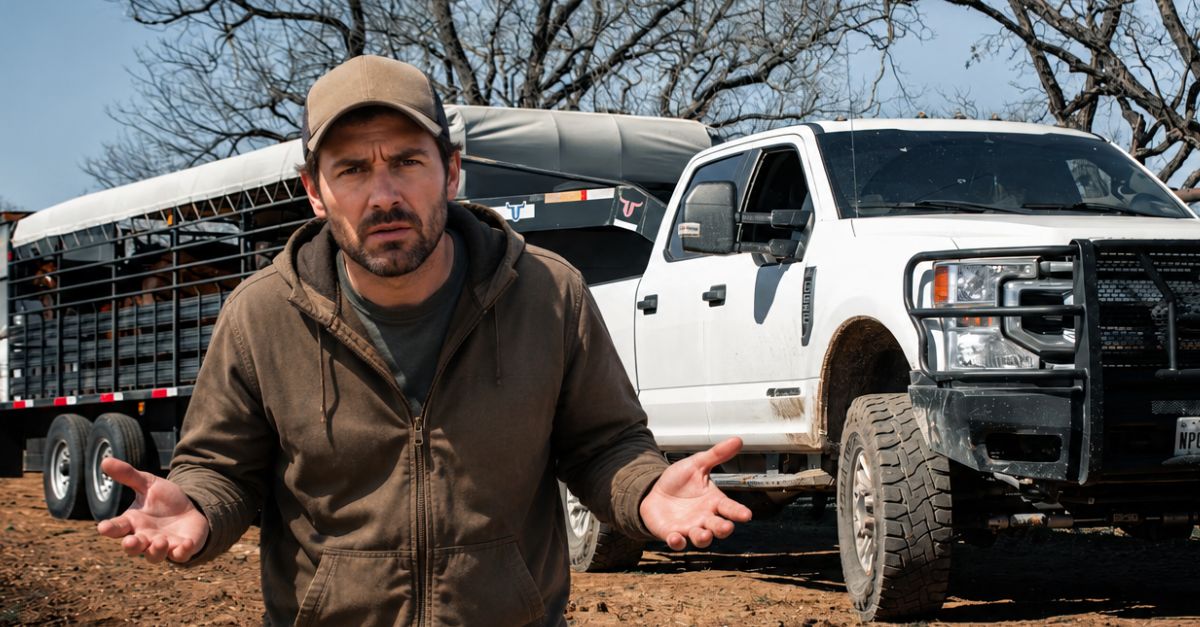
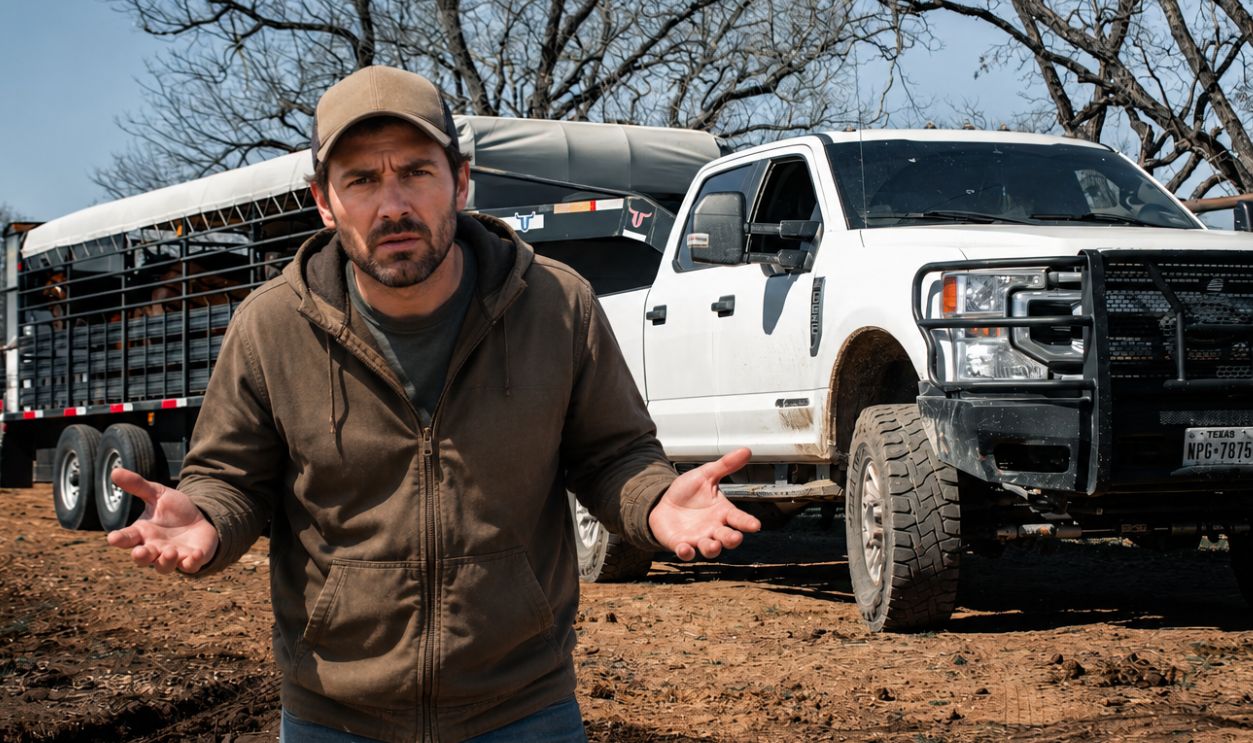
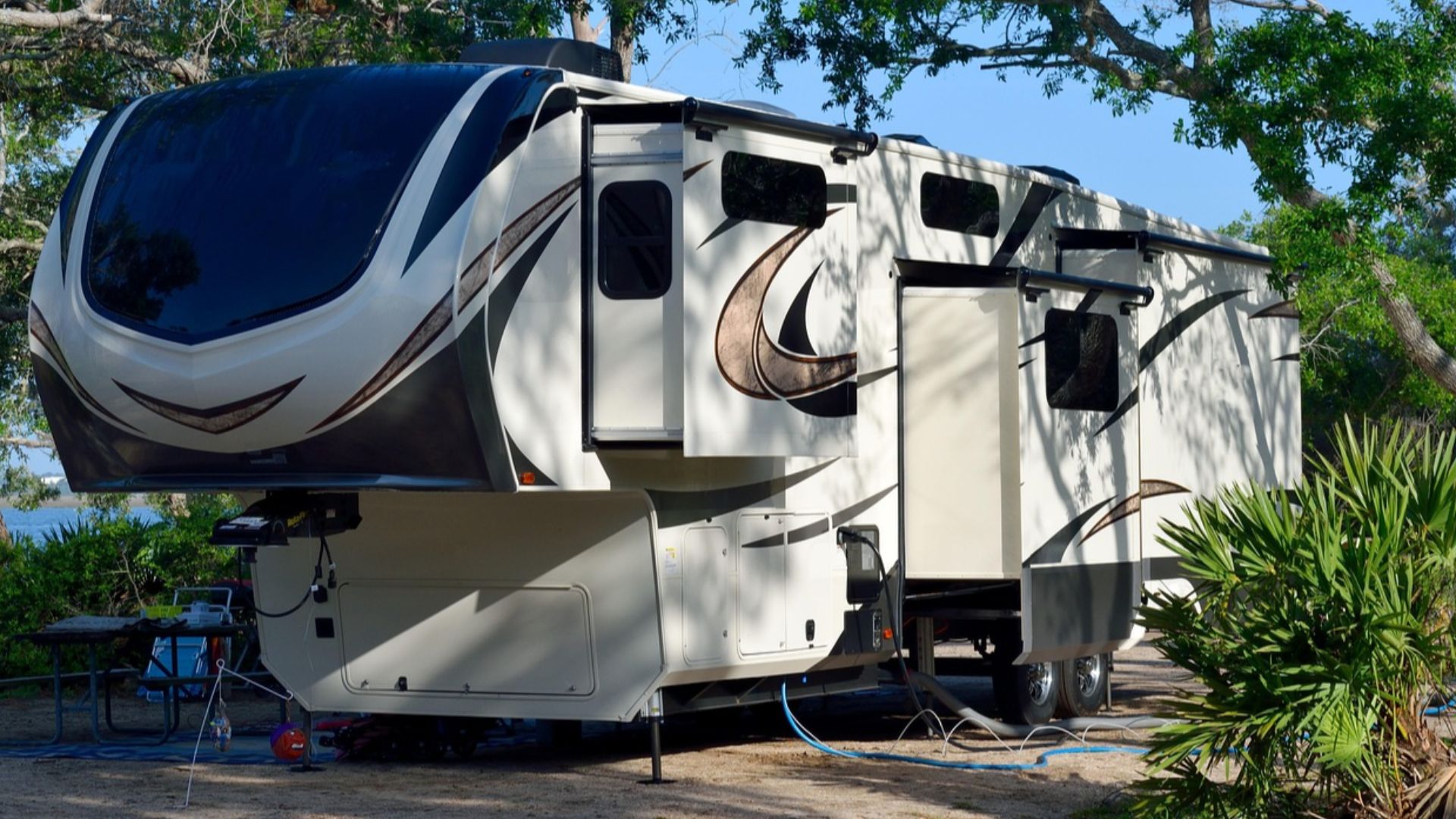
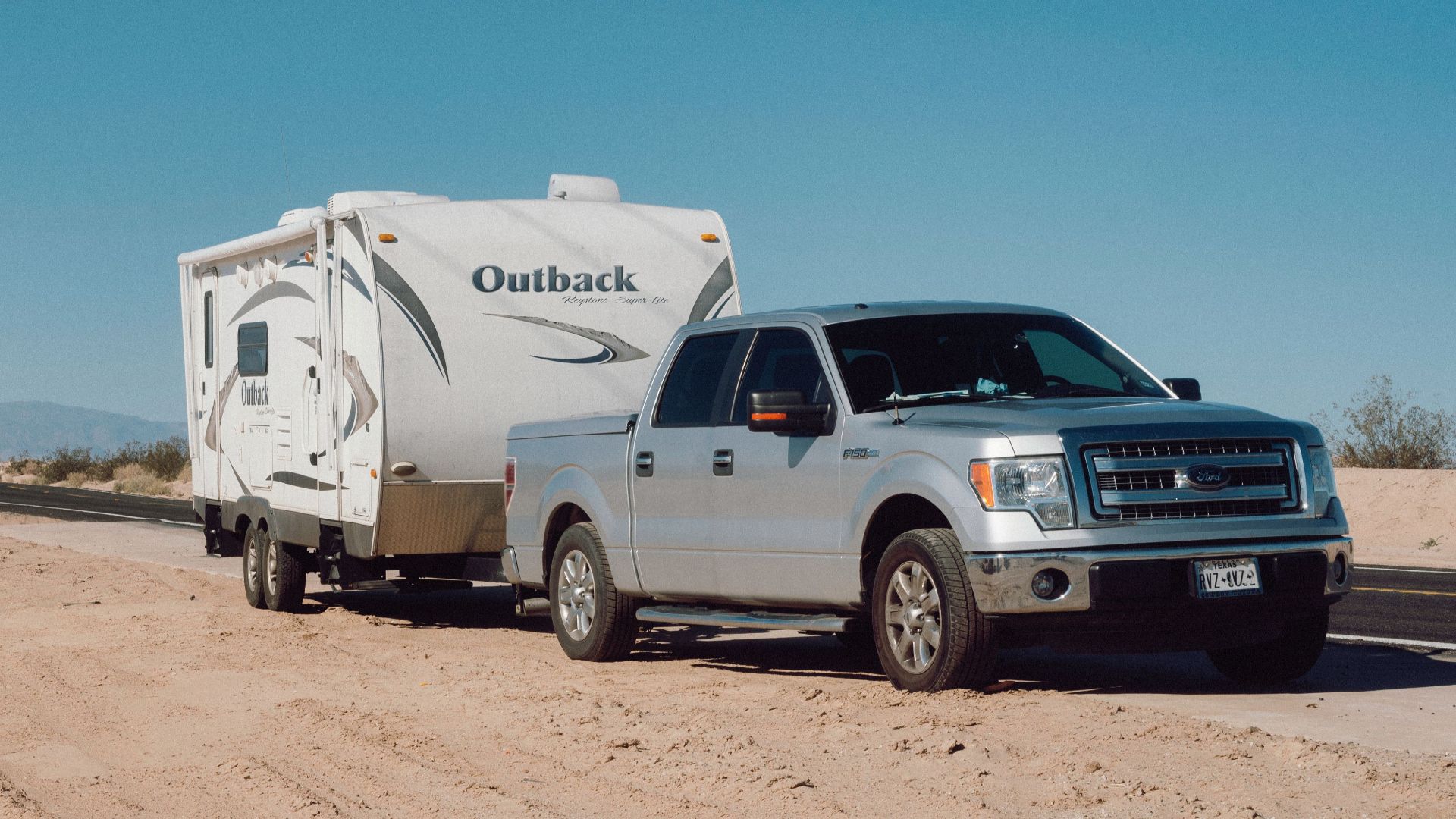
If your brother used your pickup to tow way more than it was rated for, “no damage was done” isn't necessarily something you should just accept. Tow ratings exist for a reason. They're tied to braking, cooling, structure, tires, axle loads, and drivetrain stress. If the truck was overloaded by a meaningful amount, getting it checked is the smart move if you care about your truck.
 Howard R Wheeler, Unsplash, Modified
Tow Ratings Are Not Just Suggestions
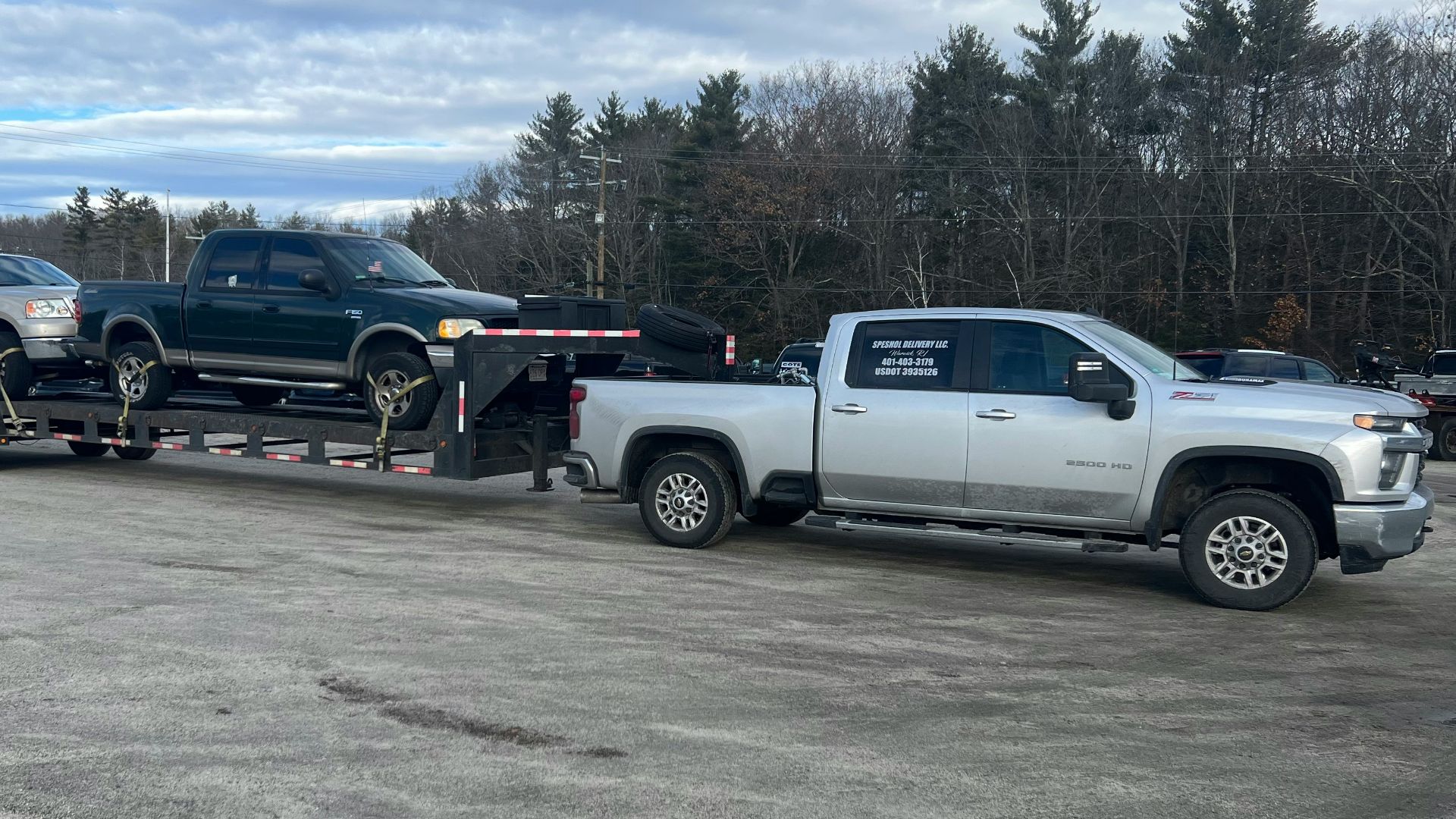
Modern tow ratings are based on standardized testing, including the SAE J2807 framework that many manufacturers have adopted. That standard looks at acceleration, braking, cooling, handling, and hill-climbing under set conditions. Put simply, the number on the sticker is what the truck was built and tested to handle, not a rough estimate.
What The Official Rating Really Covers
Your truck’s tow rating is only part of the picture. Gross Vehicle Weight Rating, Gross Combined Weight Rating, payload, axle ratings, and hitch limits matter too. A truck can be under its main tow number and still be overloaded if tongue weight, cargo, passengers, or hitch hardware push another limit too far.
Why “It Towed Fine” Does Not Prove Anything
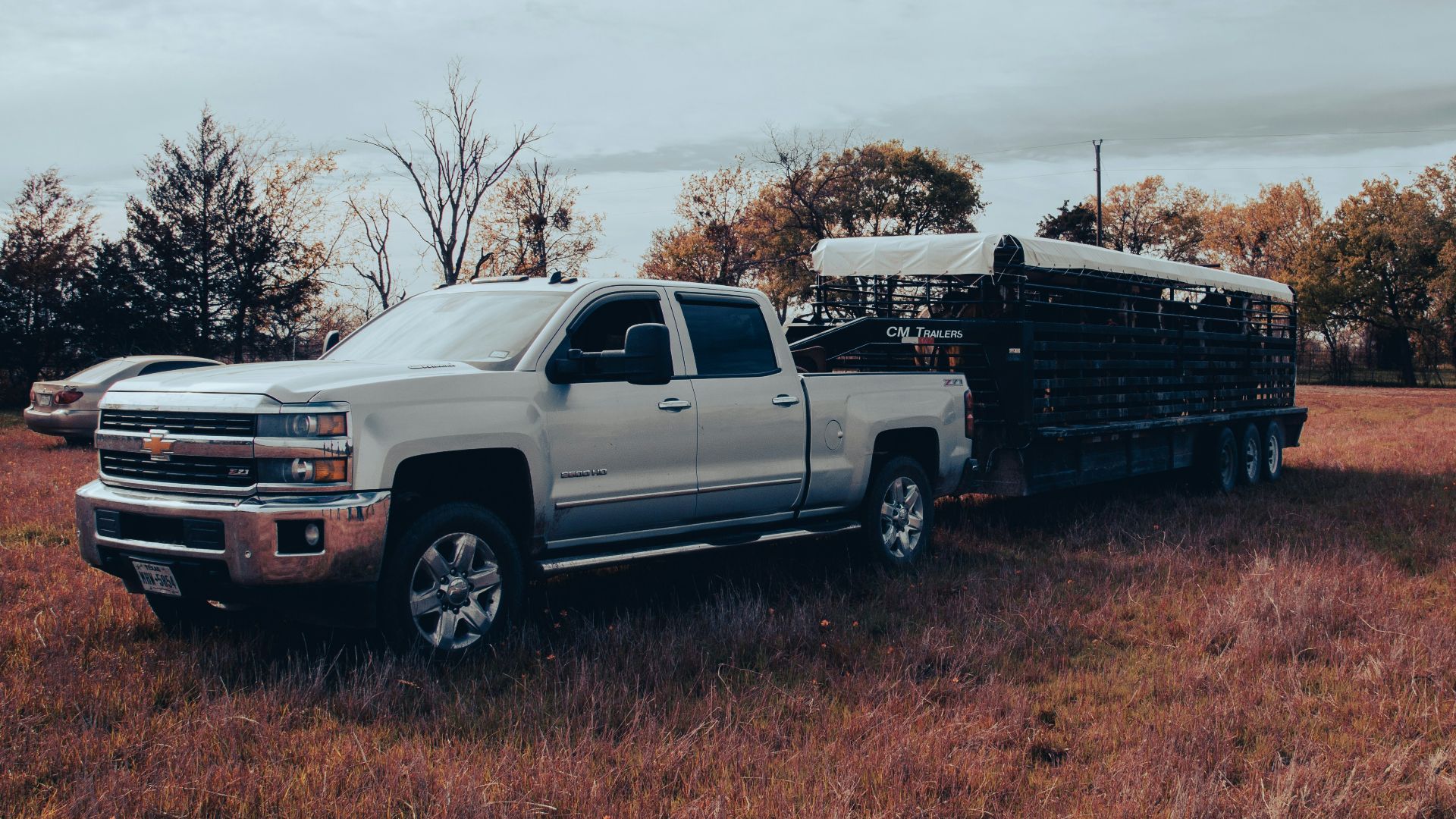
An overloaded truck can feel normal on a short drive, especially on flat roads at low speed. Damage from too much weight is often caused by heat or builds up over time, which means you may not notice it right away. Transmission fluid, brakes, wheel bearings, suspension parts, and tires can all take a hit without any instant dramatic warning.
The Biggest Immediate Threat Is Usually Heat
Towing heavy loads creates heat in the transmission, engine cooling system, differential, and brakes. That matters because heat is one of the fastest ways to shorten the life of mechanical parts. The National Highway Traffic Safety Administration has long warned drivers to stay within a vehicle’s load and towing limits because overloading can hurt handling, increase braking distance, and strain tires.
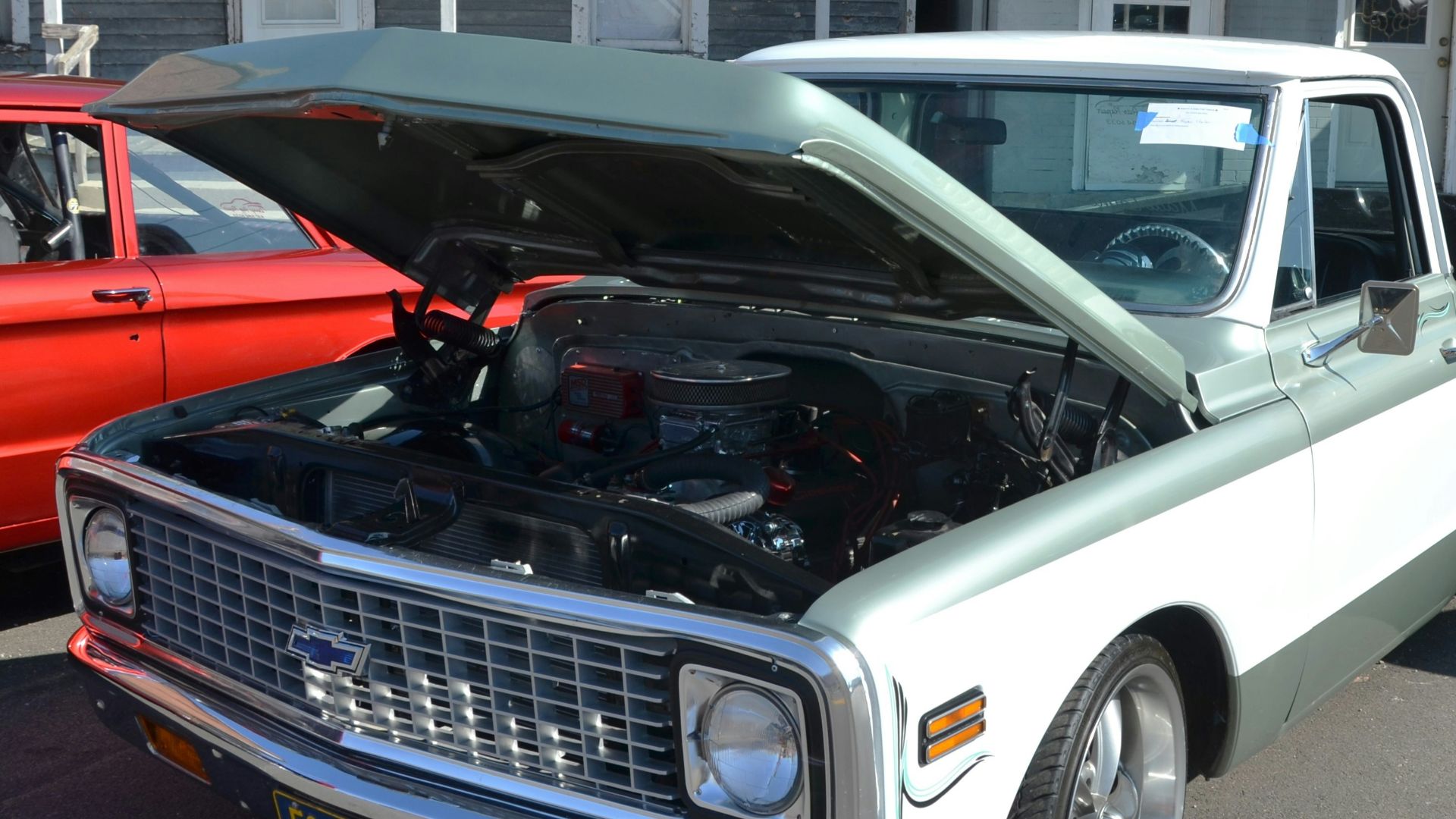
Brakes Can Be Damaged Even If They Still Work
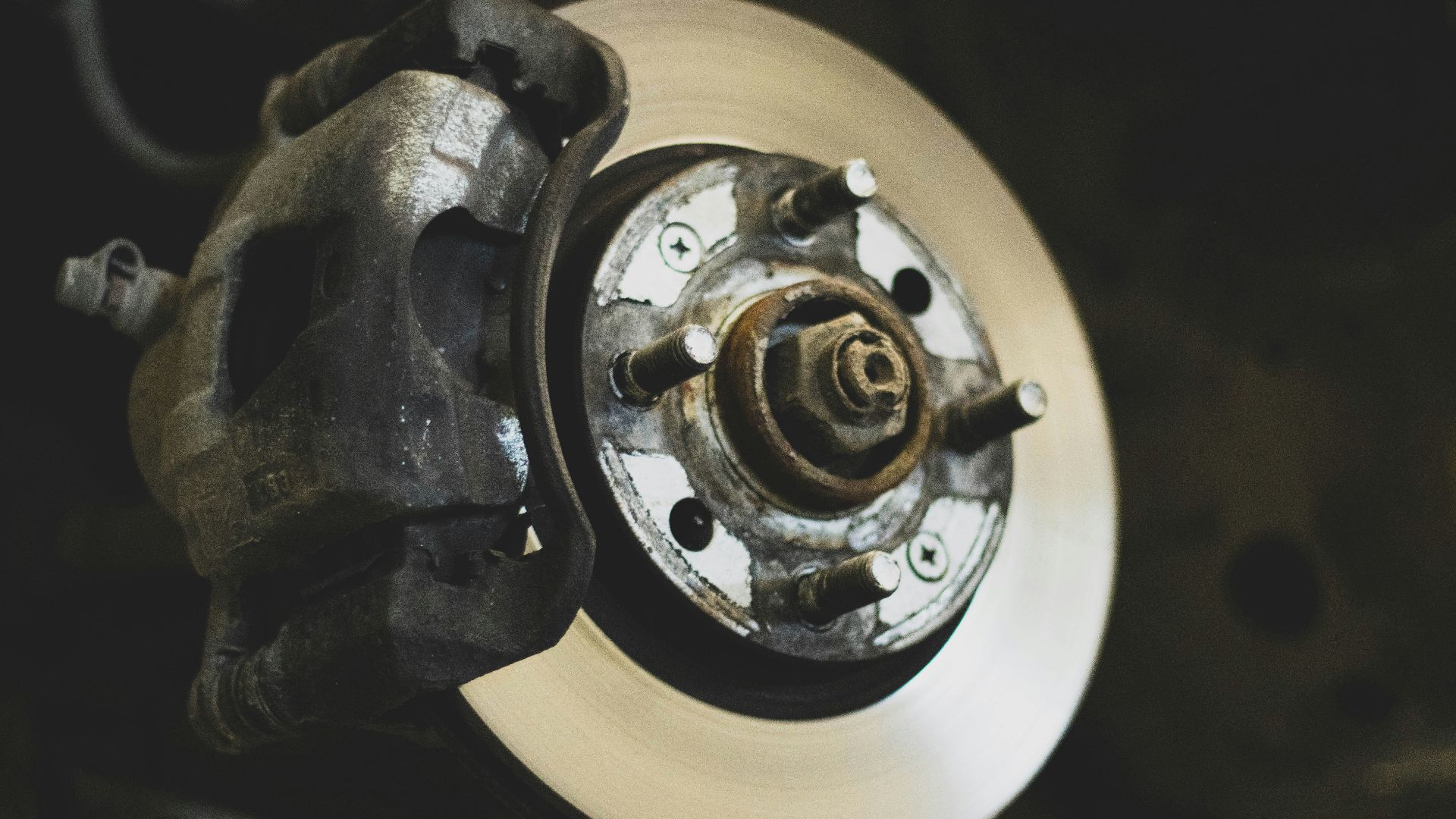
One of the fastest ways to stress a pickup while towing too much is by overworking the brakes. The truck may still stop afterward, but rotors can warp, pads can glaze, and brake fluid can get too hot. If the trailer’s brakes were weak, badly adjusted, or missing when they should have been there, the strain on the pickup would have been even worse.
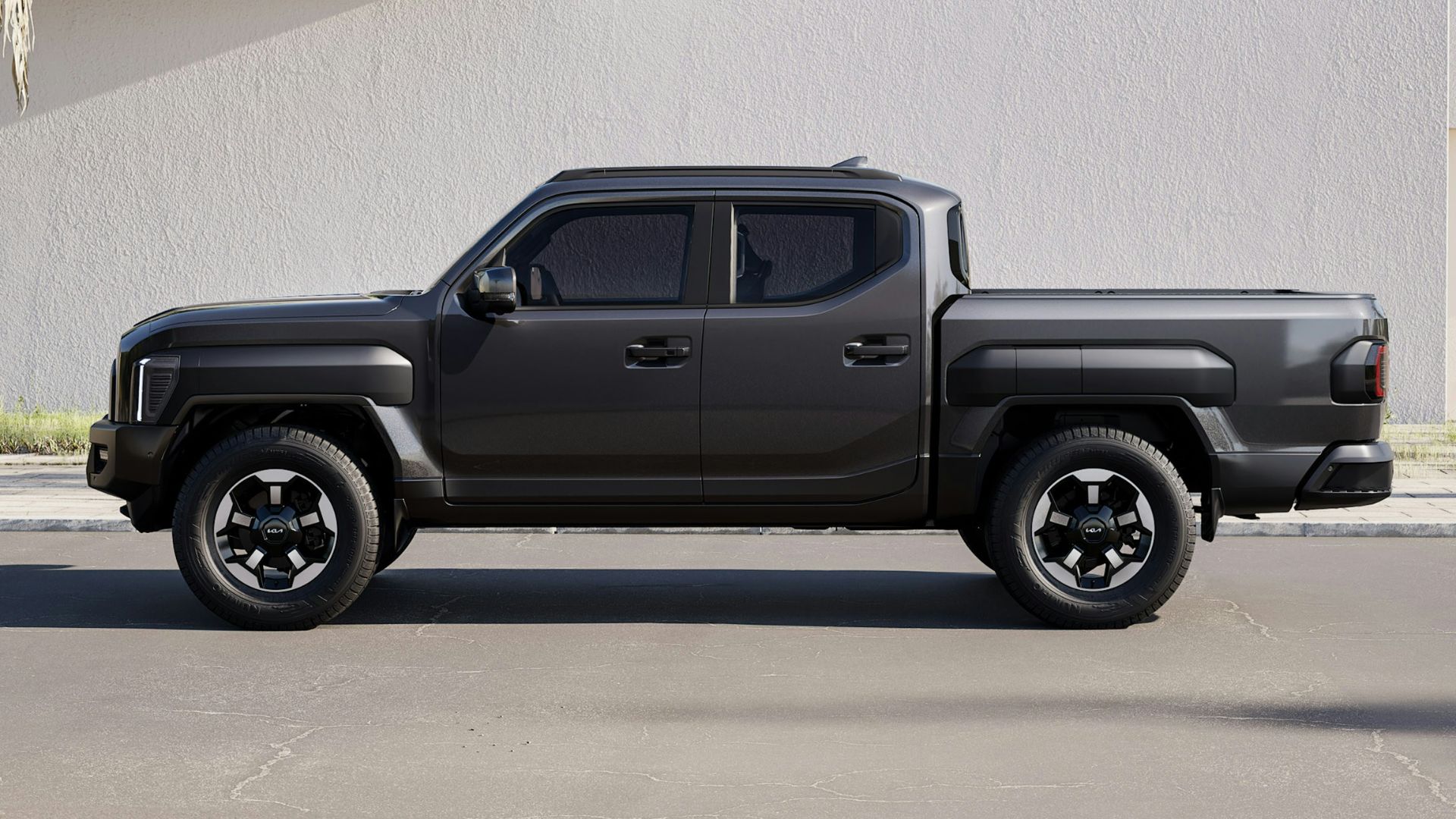
Transmission Damage Does Not Have To Be Obvious
Many people expect transmission damage to show up right away as slipping or a warning light, but that is not always how it starts. Overheating can break down transmission fluid and speed up wear inside the unit. Owner’s manuals and towing guides regularly warn that towing beyond rated capacity can overheat the transmission and shorten its life.
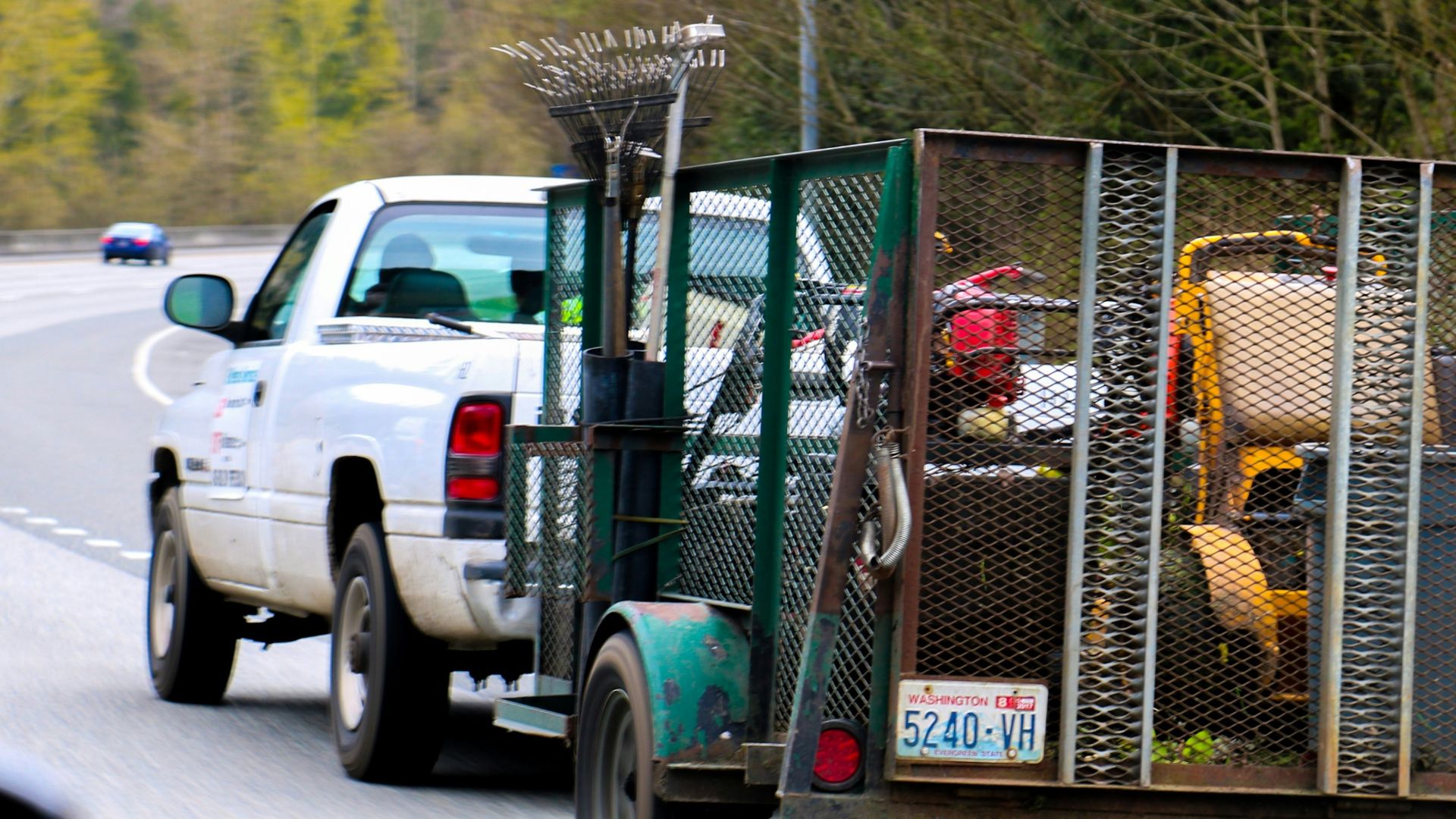
Frames And Hitches Take Stress Too
The risk is not limited to the powertrain. Too much trailer weight or tongue weight can overload the receiver hitch, rear suspension, and even the frame. The hitch has its own rating, and using a weight-carrying setup past its limit can cause damage that is not always easy to spot unless you inspect mounting points, welds, and hardware closely.
Tires May Show The First Signs
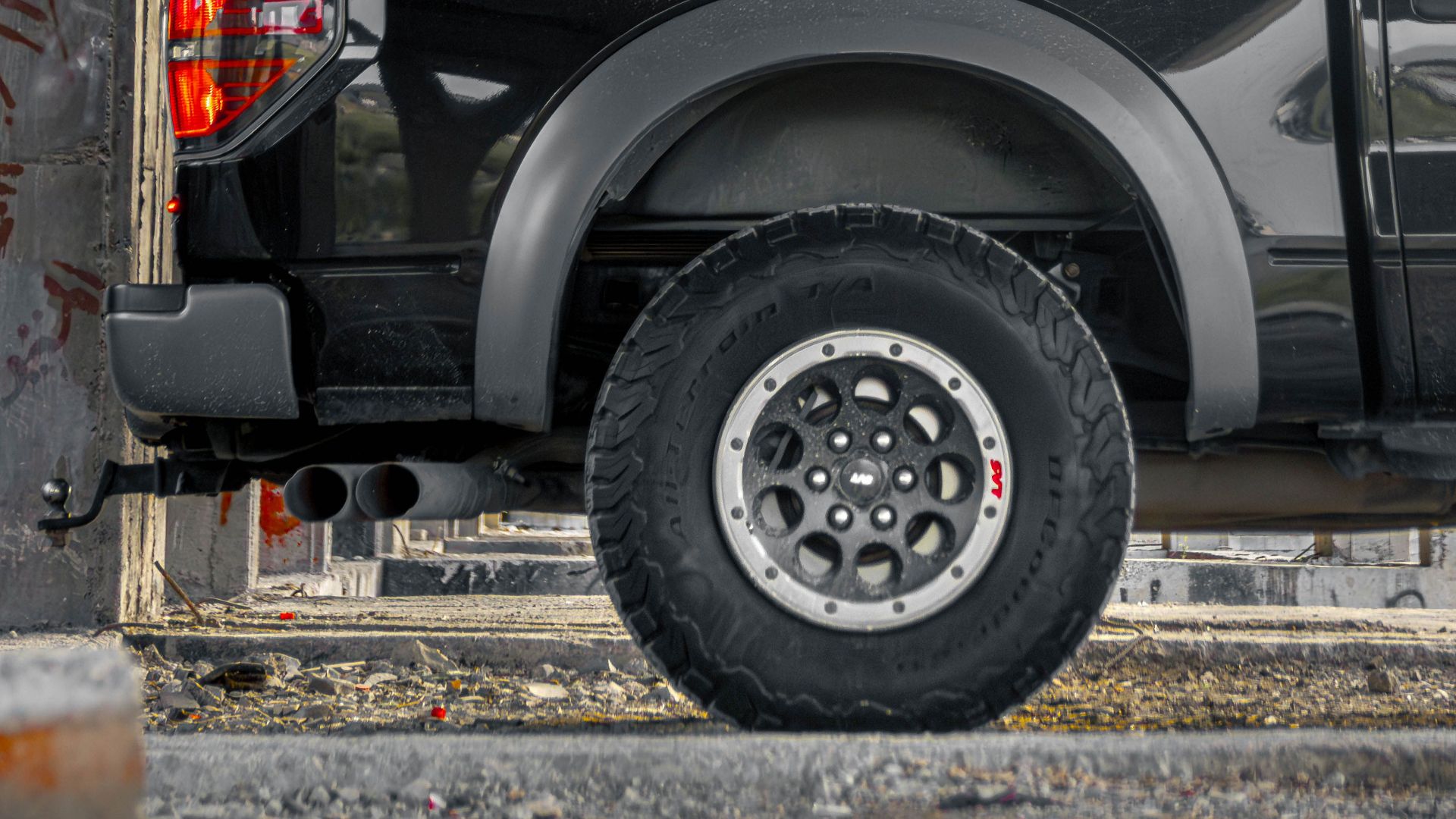
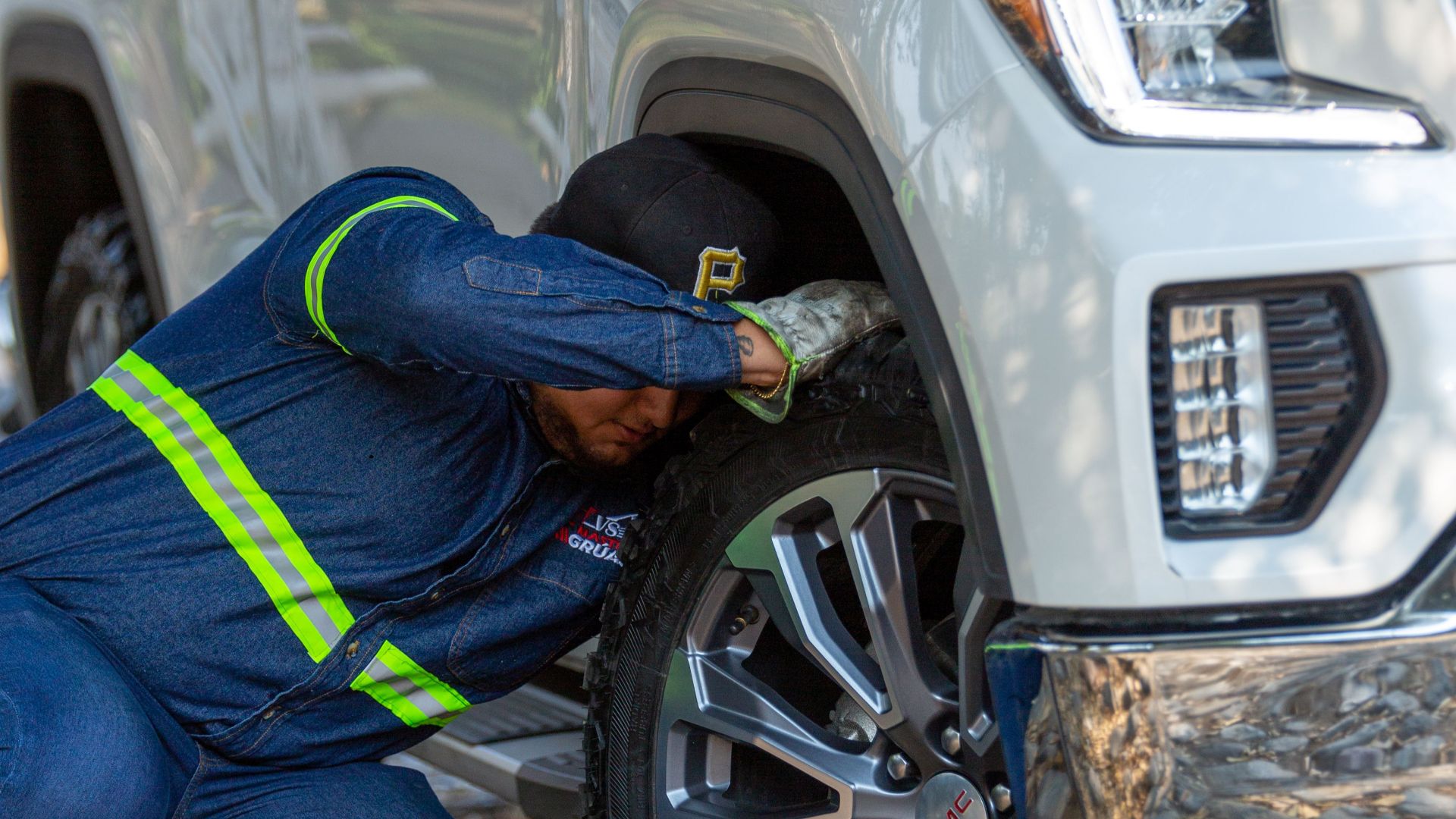
Tires are often the first clear clue that a truck was pushed too hard. Overloading raises heat and can lead to uneven wear, sidewall damage, or a higher risk of belt separation. The tire placard and load ratings matter just as much as the tow rating because a truck sagging under too much tongue weight is putting real strain on the rear tires.
Suspension Damage Can Stay Hidden For A While
Leaf springs, shocks, bushings, and bump stops can all be overworked by too much trailer weight. Sometimes the truck comes back looking fine, but the suspension has still been stressed enough to speed up wear or make the rear end sag later. A bent part or changed ride height may not be obvious until days or weeks afterward.
Wheel Bearings And Axles Can Take A Beating
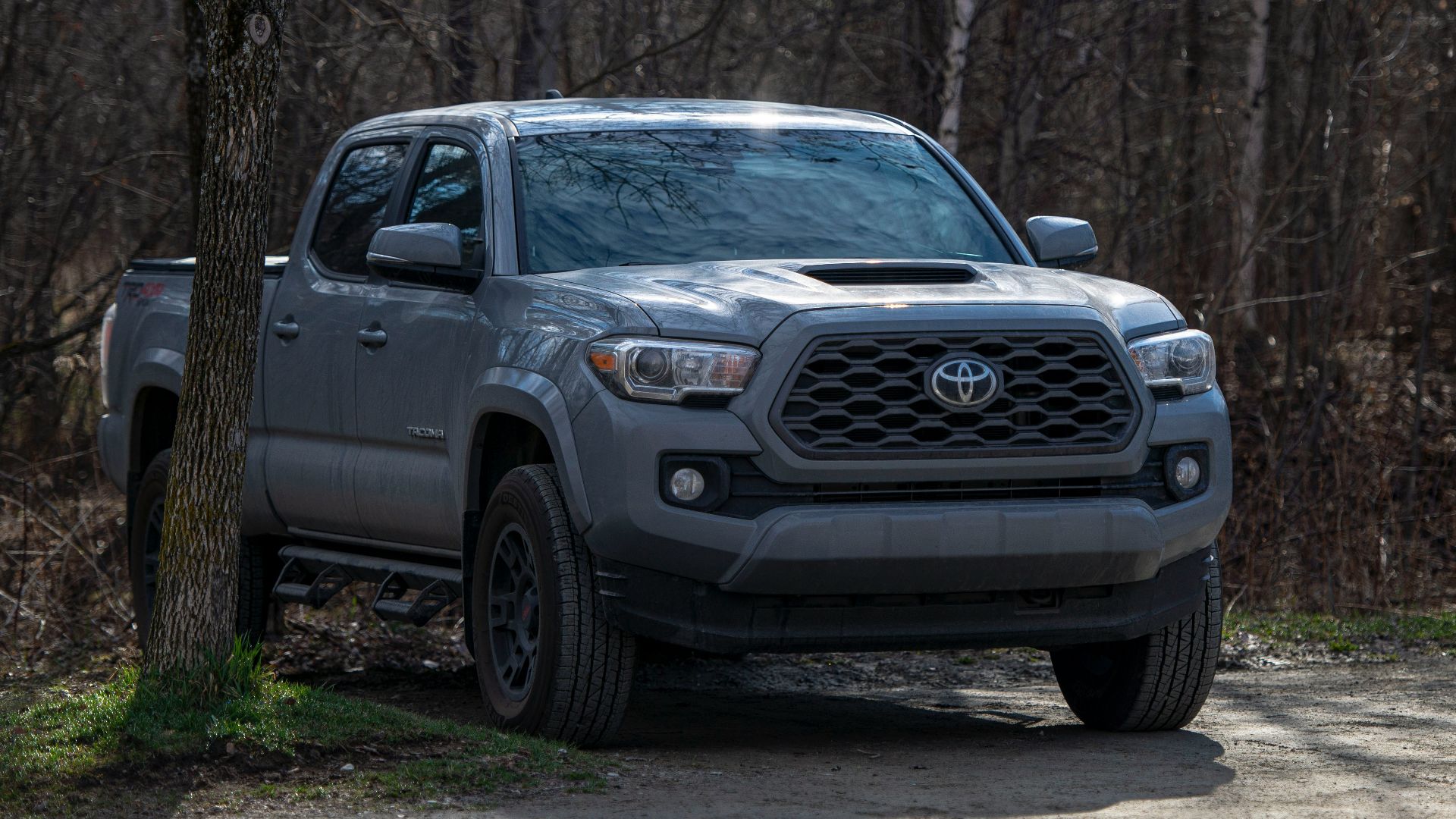
Heavy towing loads put more stress on the wheel ends and axle assembly. Bearings can overheat, and axle parts can wear faster when the truck is carrying too much tongue weight or combined load. If your brother towed something far beyond the truck’s rating, these are exactly the kinds of areas worth checking.
Steering And Handling Can Change Fast
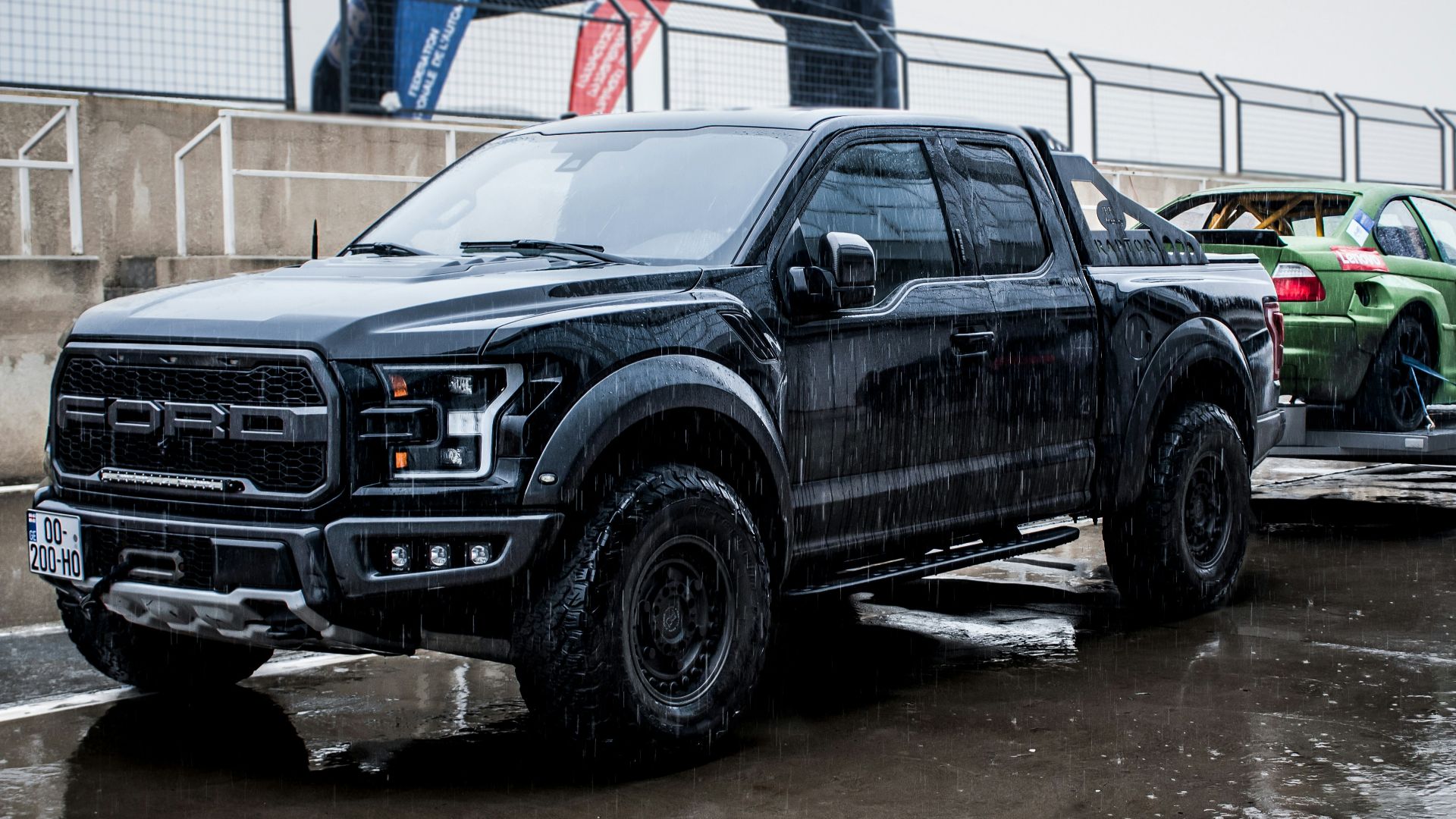
Too much trailer or tongue weight can lighten the front axle, which hurts steering feel and braking confidence. That is one reason the SAE towing standard includes handling and control tests instead of focusing only on whether the engine can pull the load. A truck that could move the trailer is not automatically a truck that could control it safely.
You Need To Know How Overloaded It Really Was
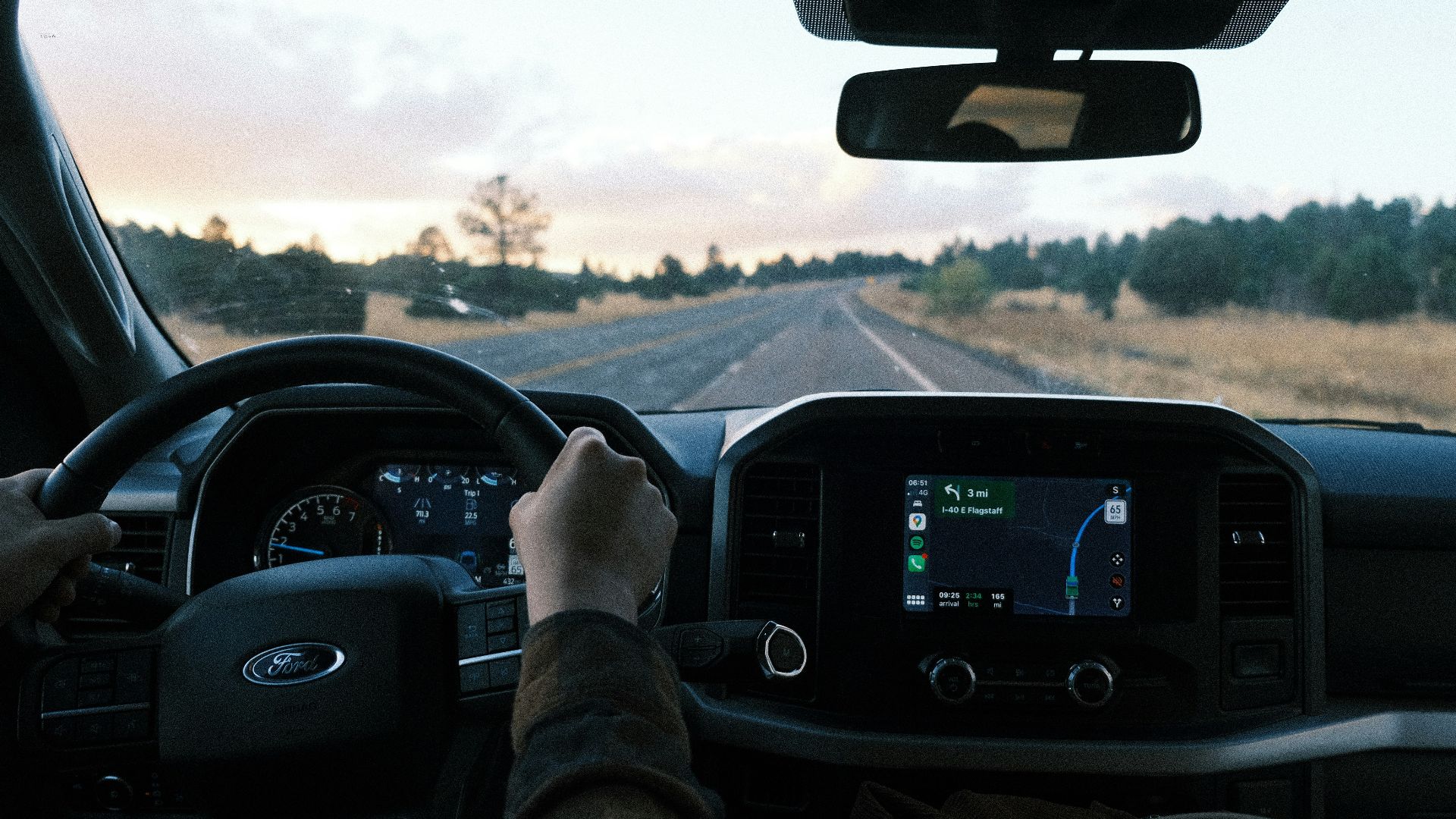
The amount of overload matters a lot. Being a few hundred pounds over is very different from being thousands of pounds over, especially if the trip involved highway speeds, steep grades, stop-and-go traffic, or hot weather. Before doing anything else, try to find out the trailer weight, cargo weight, tongue weight, distance traveled, and route conditions.

The Route Matters More Than Most People Realize
A short, flat trip at low speed is still not ideal, but it is usually less punishing than a long highway haul over hills in summer. Long grades create huge amounts of heat in the engine, transmission, and brakes. Backing a trailer uphill, pulling away on ramps, and repeated low-speed maneuvering can also be surprisingly hard on a truck.
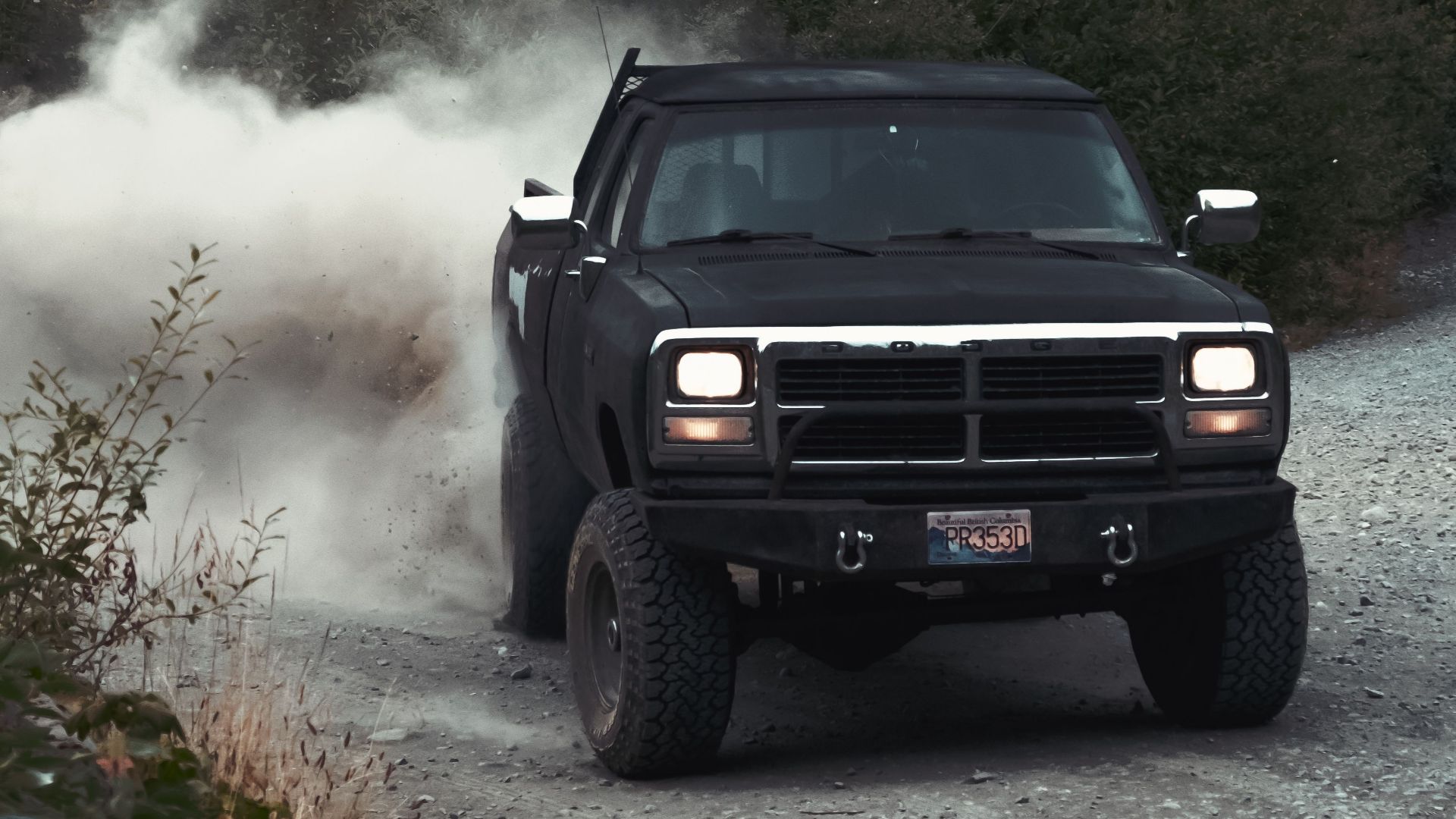
Start With A Careful Walkaround
Before you drive it much more, do a basic visual check at home. Look for rear-end sag, fluid leaks, a burnt smell, damaged hitch parts, cracked electrical plugs, uneven tire wear, and anything loose around the receiver or suspension. Check whether the truck now sits unevenly or if the steering wheel is off-center.
Watch For Warning Signs On The Road
On your next drive, pay attention to harsh shifting, slipping, shuddering, brake vibration, pulling, clunks, or new noises from the rear. Also keep an eye on the temperature gauge and any transmission temperature display if your truck has one. The problem does not have to be severe to justify an inspection after a major overload.

Check The Fluids Early
Fluids can provide some of the earliest clues. Transmission fluid that smells burnt or looks darker than normal can point to overheating, and brake fluid that got too hot may still deserve professional attention even if it looks normal. Differential fluid and engine oil condition can also be worth checking if the tow was extreme or lasted a while.
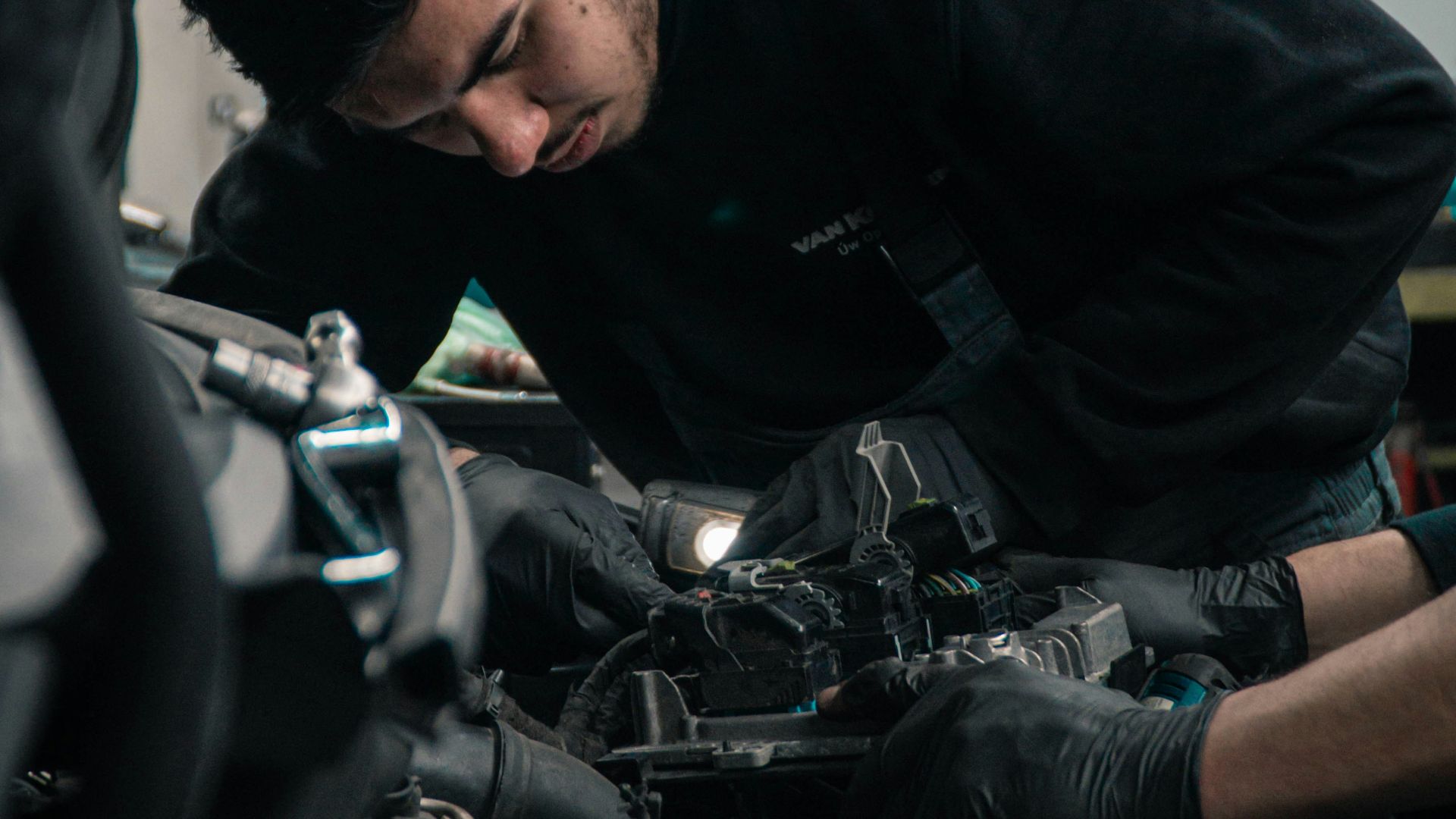
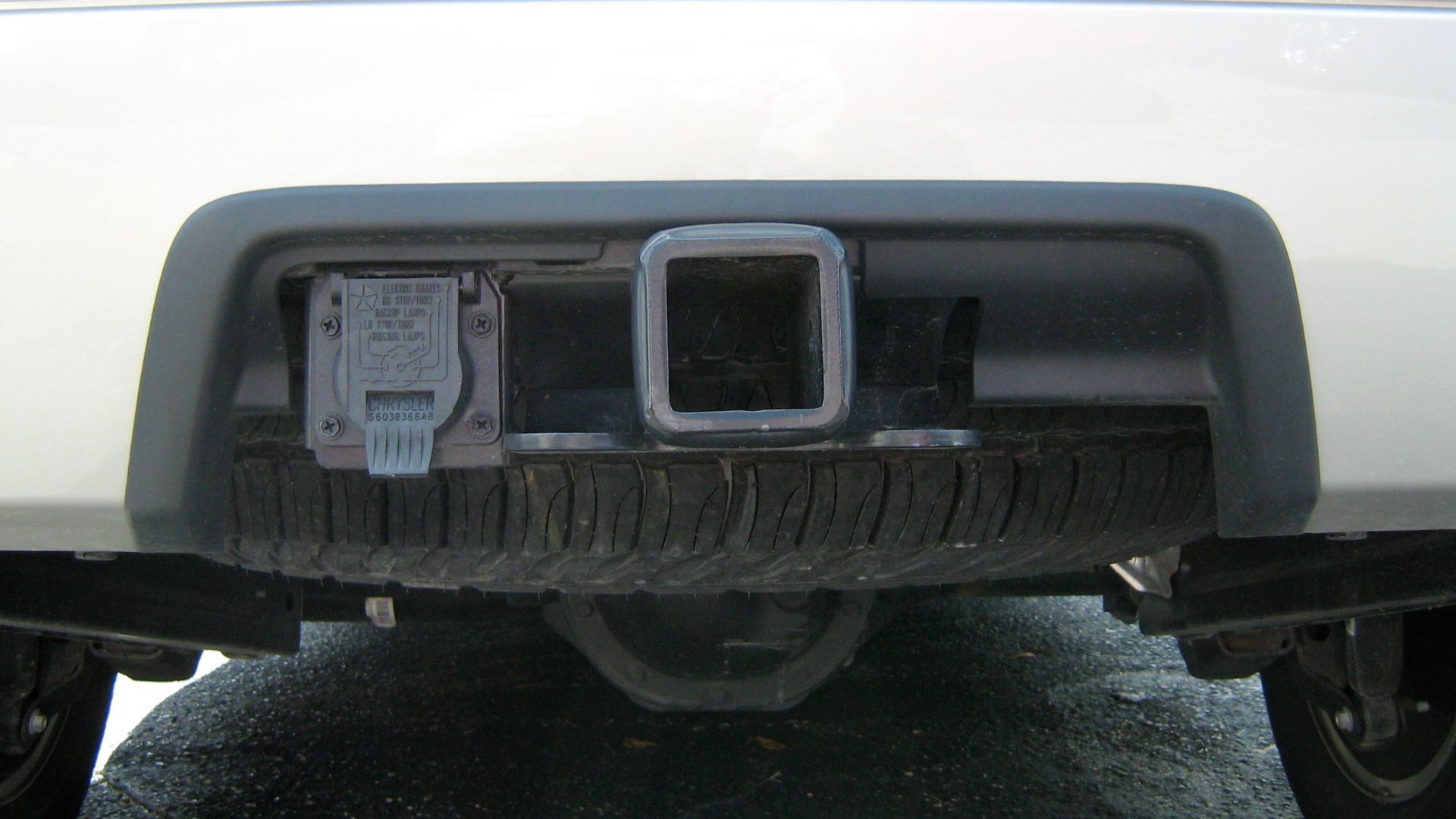
The Hitch Setup Needs A Close Look
Receiver hitches, ball mounts, hitch balls, and drawbars all have separate ratings. If your brother used the wrong hitch hardware, that adds risk on top of exceeding the truck’s tow rating. Look for stretched pin holes, bent mounts, cracked paint around stress points, or any sign of bending around the receiver.
Trailer Brakes Could Change The Whole Story
Find out whether the trailer had working brakes and whether a brake controller was used properly. Many states require trailer brakes above certain weight limits, and manufacturers assume proper trailer brake operation when they evaluate safe towing setups. If the trailer brakes were missing or not working, your pickup probably took far more braking load than it should have.
Use A Scale If You Are Not Sure About The Numbers
If you are trying to figure out whether your truck may have been overloaded at the axle or gross vehicle level, a public scale can help. Weighing the truck by axle gives you something far more useful than guesses. That matters because axle ratings and payload are often exceeded before owners realize it, especially when tongue weight is high.
![Ilchester features [7]](https://www.factinate.com/storage/app/media/driversdaily/2026/8/22/1787371901c2692c7b6a3609325435a95845c388042aec286d.jpg) Michael Dibb, Wikimedia Commons
Michael Dibb, Wikimedia Commons
A Shop Inspection Is Often Worth It
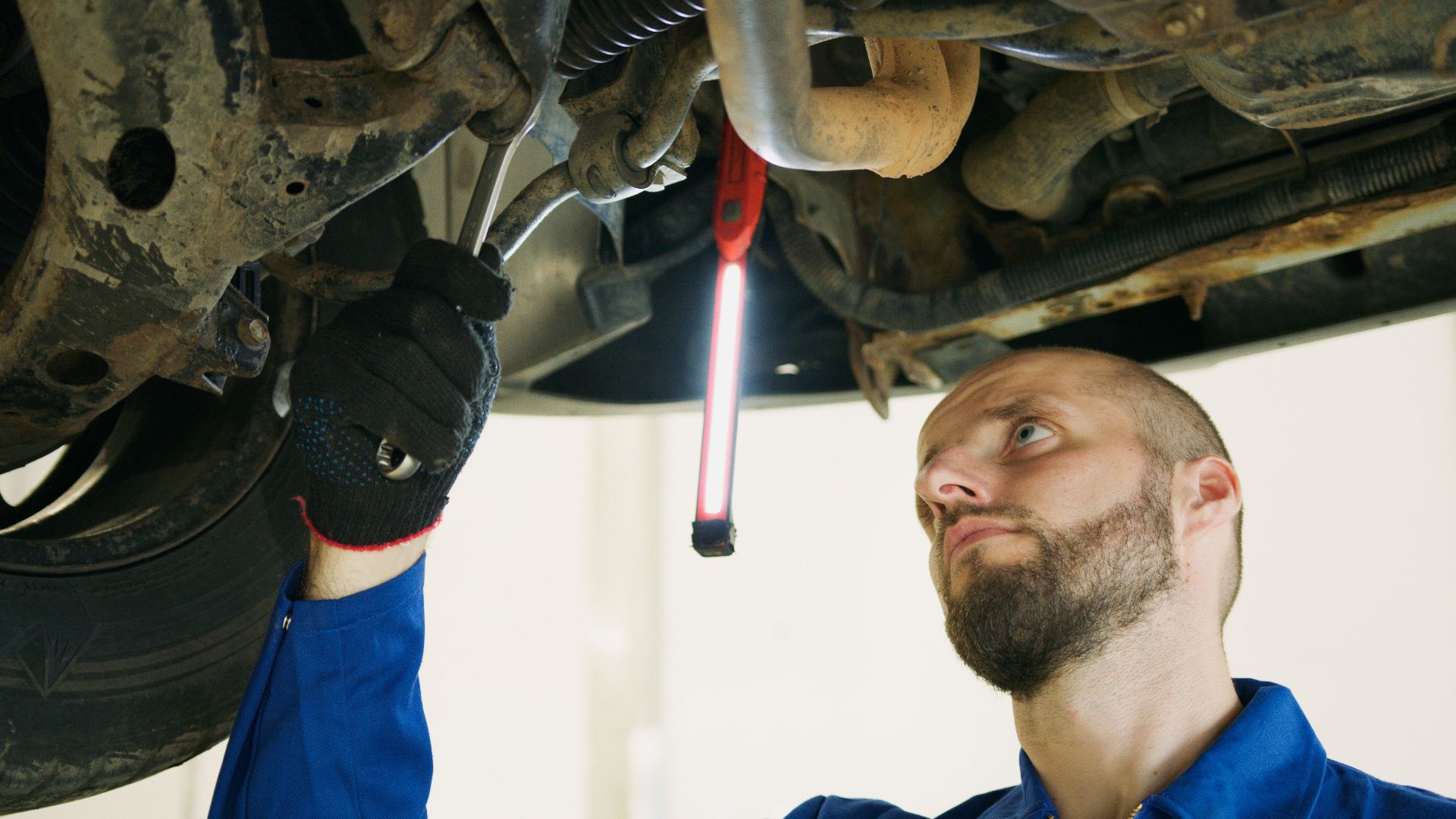
If the overload was serious, a professional inspection is a good idea even if the truck seems fine. Ask for a check of the brakes, transmission operation, cooling system, suspension, wheel bearings, tires, hitch, frame attachment points, and underbody. You may not need repairs, but you do want experienced eyes on the parts most likely to have been stressed.
Ask For Written Notes, Not Just A Verbal Opinion
When you take the truck in, explain exactly what was towed, how far, and under what conditions. Ask the shop to note any signs of overheating, unusual wear, or bent components. A written inspection record can be useful if a problem shows up later.

Warranty Issues Can Get Messy
Overloading a vehicle can cause warranty trouble if a later failure is linked to misuse. That does not mean every future repair will be denied, but it is another reason to document the truck’s condition now. If your pickup is newer, it is especially worth reading the towing and loading sections of the owner’s manual before deciding what to do next.
Insurance Will Not Tell You If The Truck Is Fine
Some owners focus first on insurance or liability, but that does not answer the mechanical question. The real issue is whether too much weight shortened the life of expensive parts. An inspection now can cost a lot less than waiting for a transmission, brake, or axle problem to show up later.
If It Was Only Slightly Over, Use Common Sense
Not every overload leads to hidden disaster. If the truck was only slightly over, the trip was short, and nothing feels wrong, you might choose to do a careful check yourself and keep watching it closely. But if “far heavier than its rating” is accurate, the better move is getting it inspected.

What To Tell Your Brother Next Time
The cheapest repair is the one you never have to make. Make it clear that the truck’s ratings are not optional and that he should ask before towing anything substantial with your pickup again. If heavy towing is going to happen, matching the trailer and load to the right truck is a lot cheaper than gambling with yours.

The Bottom Line
Yes, you should seriously think about getting the truck inspected if your brother towed something far heavier than your pickup’s rating, even if he says nothing happened. Tow ratings are based on tested limits tied to safety and durability, and overload damage often does not show up right away. At minimum, inspect it carefully yourself, document what was towed, and have a qualified shop check it if the overload was significant or the truck shows even small new symptoms.