The Real Question Isn’t Emotional
Keeping an old car until it finally quits can sound practical, even admirable. But once repair bills start showing up every month and the total climbs into the hundreds, the real question changes. It stops being “Can this car still run?” and becomes “Does this car still make financial sense?”

Why So Many People End Up Having This Argument
A 15-year-old car sits in a tough middle ground. It may be paid off, familiar, and still useful, which makes replacing it hard both emotionally and financially. But this is also the age when breakdowns start piling up, and that is when a lot of households start debating repair bills versus replacement costs.

What The Average Car On The Road Says About This
This is not some rare problem. S&P Global Mobility says the average age of passenger cars and light trucks in the United States hit 12.6 years in 2024, up from 12.5 years in 2023. Americans are keeping vehicles longer than ever, which means more drivers are landing at exactly this decision point.
 Sixflashphoto, Wikimedia Commons
Older Cars Can Be Cheap Right Up Until They Aren’t
The first few years after a car is paid off can feel like a sweet deal. Insurance may be lower, registration may be manageable, and there is no loan payment draining the budget every month. That math works well until repairs start showing up so often that they basically turn into a car payment under a different name.
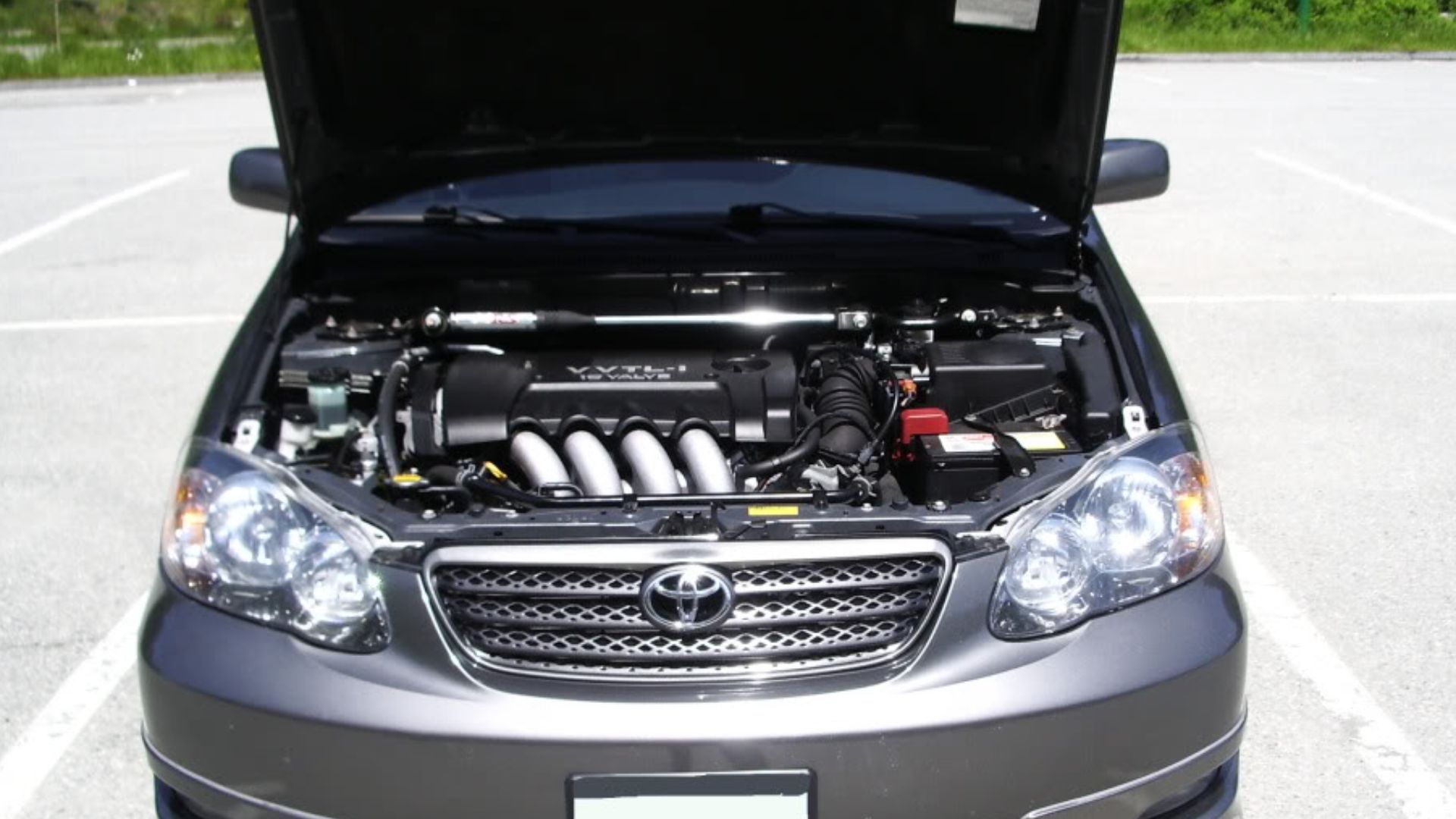
Monthly Repairs Are The Warning Sign People Miss
If your old car is burning through a few hundred dollars almost every month, that is not just bad luck. It is a pattern. And patterns usually mean age, wear, and delayed maintenance are turning into a long-term money problem.
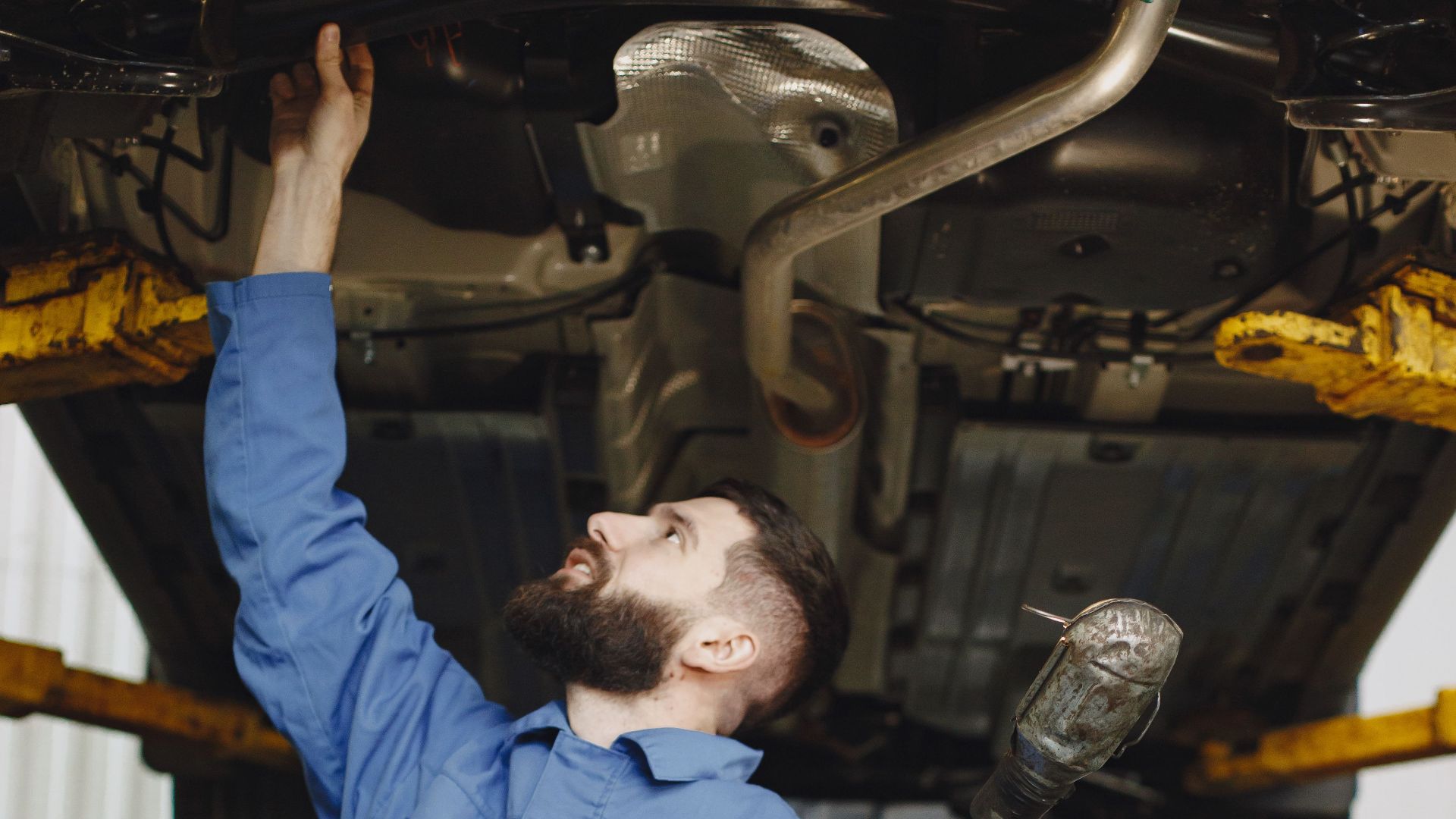
AAA Put A Price Tag On Car Ownership
AAA’s 2024 Your Driving Costs study found that the average cost to own and operate a new vehicle driven 15,000 miles per year was $12,297, or 81.8 cents per mile. That includes depreciation, fuel, maintenance, insurance, financing, and other costs. It is a helpful benchmark because it shows just how expensive replacing a car can be, while also giving you a way to judge an older car’s rising monthly costs.

Repair Cost By Itself Doesn’t Tell The Whole Story
A lot of people compare one repair bill with one monthly car payment and stop there. That can be misleading, because a replacement car also brings insurance, taxes, registration, and financing costs. The better comparison is the total monthly cost of keeping the old car versus the total monthly cost of replacing it.

Start With A Basic Monthly Cost Check
Add up the last 12 months of repair and maintenance costs for the old car. Then add insurance, fuel, registration, and any towing or rental-car costs caused by breakdowns. Divide by 12, and you will get a much more honest look at what that “cheap” old car is really costing you each month.
 https://kaboompics.com/, Pexels
Maintenance And Repairs Are Not The Same Thing
Oil changes, tires, brake pads, and batteries are normal costs on almost any vehicle. They do not automatically mean a car is no longer worth keeping. What changes the picture is repeated failure in major systems like the transmission, engine, cooling system, steering, electronics, or air conditioning.
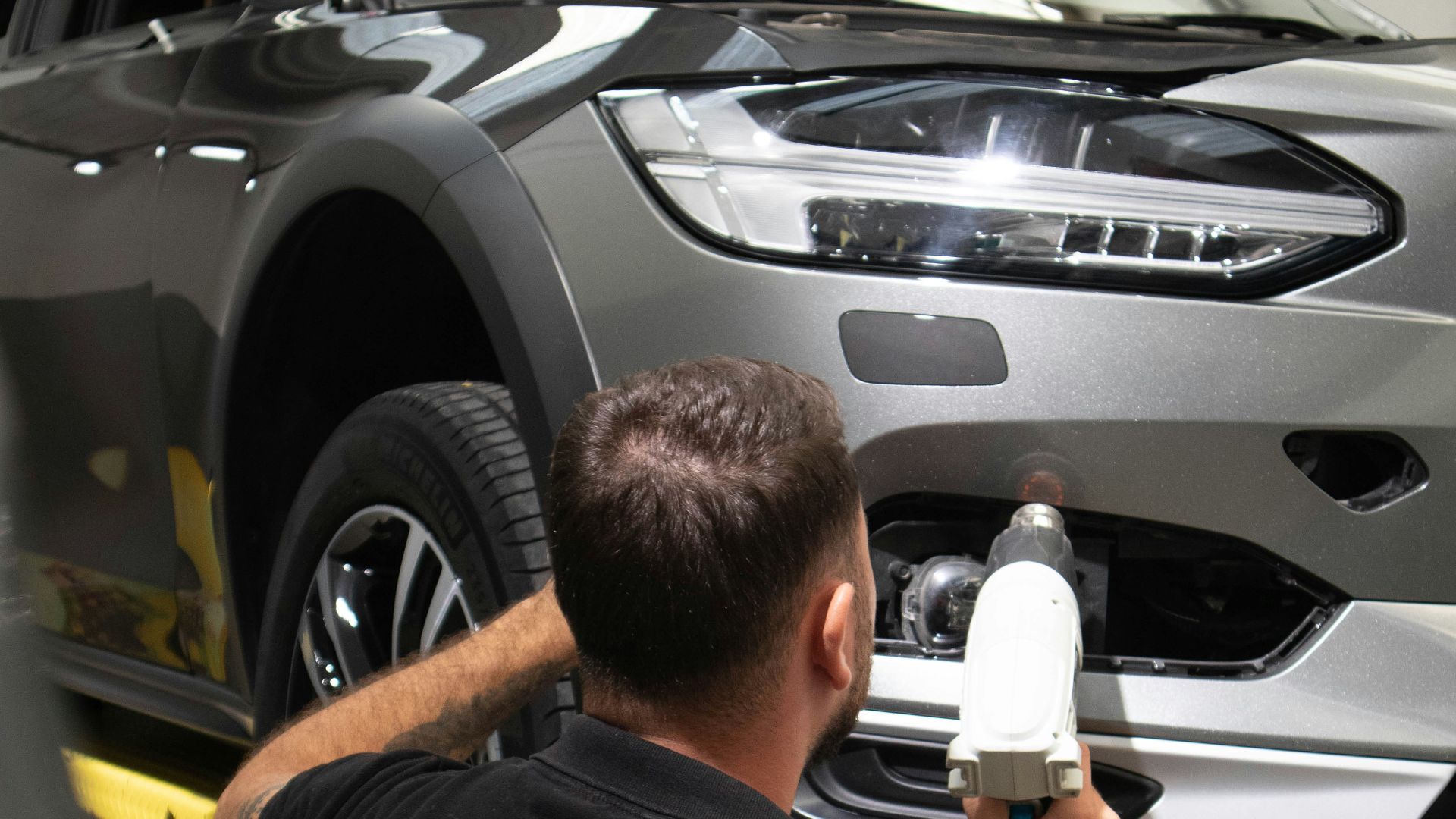
One Big Repair Isn’t Always The Dealbreaker
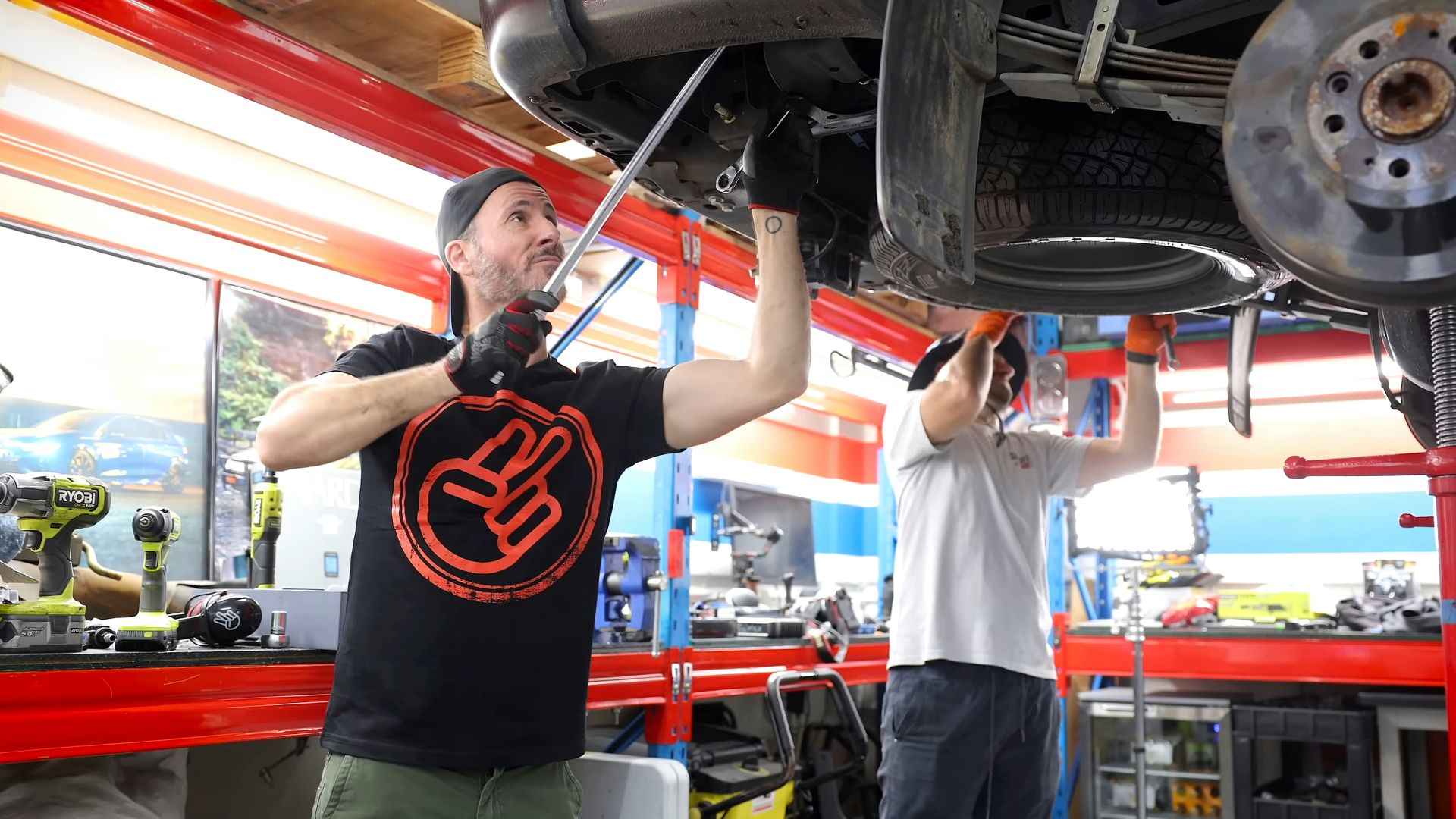
One expensive repair is frustrating, but it does not always mean the car should go. If the vehicle has otherwise been reliable and the fix takes care of a known issue cleanly, keeping it may still make sense. The real trouble starts when one repair turns into another, and then another, with no clear end in sight.
 Bengkel Mobil Matic Bandung, Unsplash
Consumer Reports Has A Useful Rule Of Thumb
Consumer Reports has advised that if your repair costs for a year are higher than a year’s worth of monthly payments on a replacement vehicle, it may be time to move on. It is not a hard rule or some magic cutoff. It is just a practical way to stop thinking one repair at a time and start looking at the full year.
The 50 Percent Value Rule Still Matters
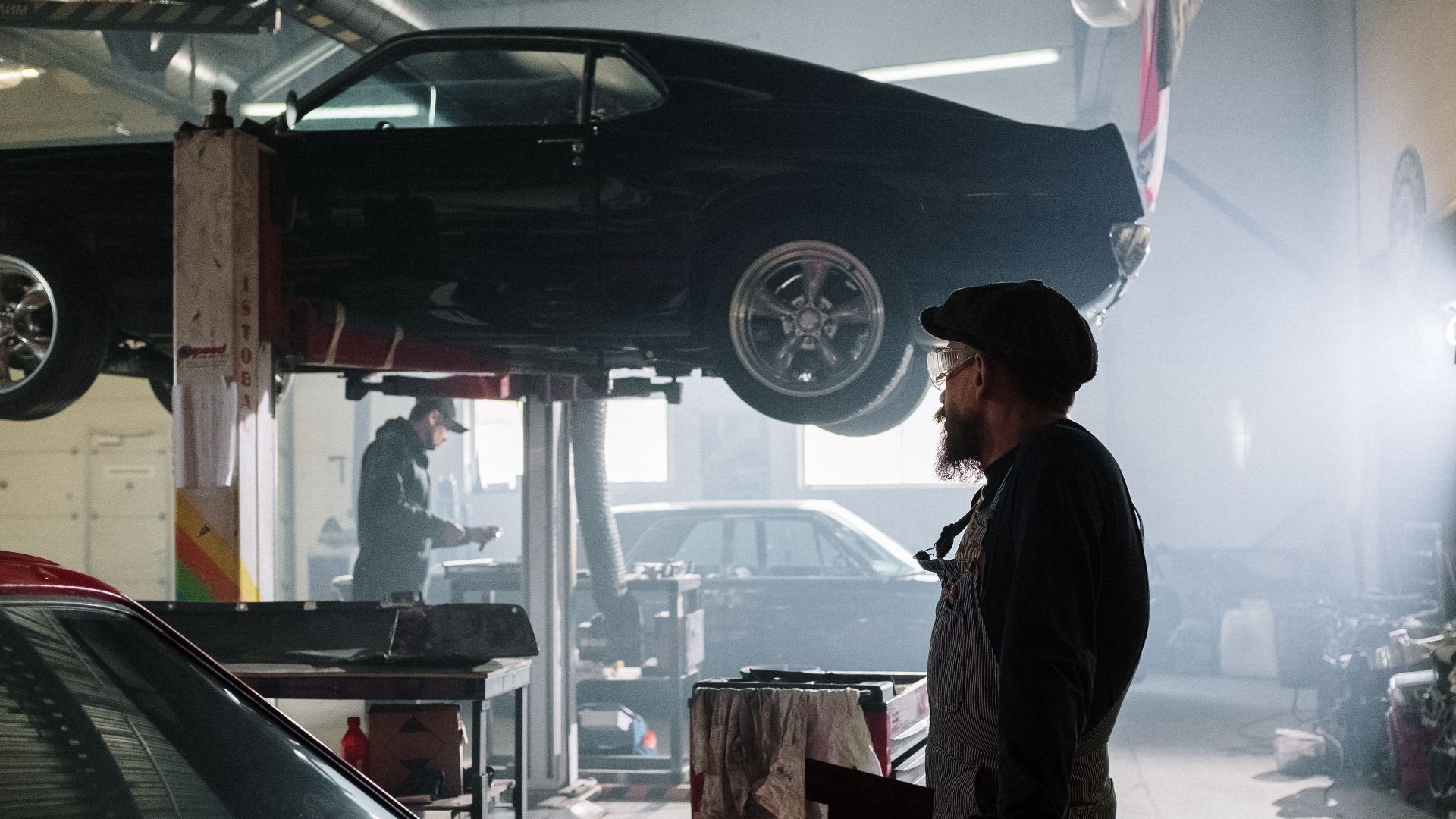
Another common guideline is to compare the repair bill with the car’s market value. If a repair costs more than about half the vehicle’s value, many experts say it is time to seriously think about replacing it. That matters even more with a 15-year-old car, because the car may only be worth a few thousand dollars while the next major repair can still run well into four figures.
Value Is More Than A Number From One Website
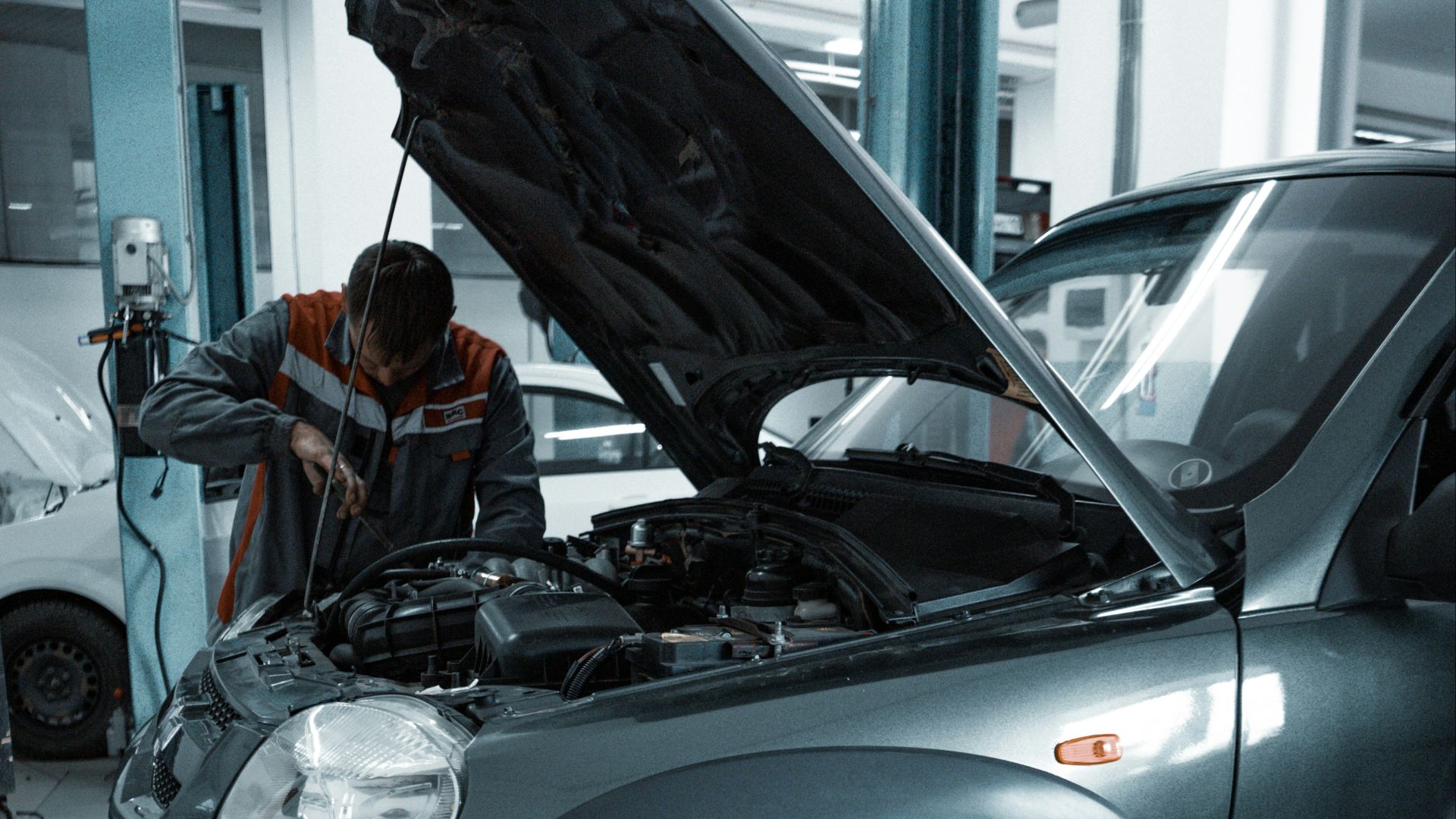
Market value should come from real numbers like local listings, trade-in estimates, and private-party values. Kelley Blue Book and Edmunds are good places to start, but local condition matters a lot. A clean, rust-free car with full records in one area may be worth much more than a rough version of the same car somewhere else.

Breakdowns Cost More Than The Repair Bill
Repair bills are easy to track because they come with receipts. Lost work time, missed appointments, towing charges, emergency ride-share trips, and the stress of wondering if the car will start tomorrow are harder to measure. But those hidden costs are often what push an old car from annoying to financially hard to justify.
 Karolina Grabowska www.kaboompics.com, Pexels
Safety Can End The Debate Fast
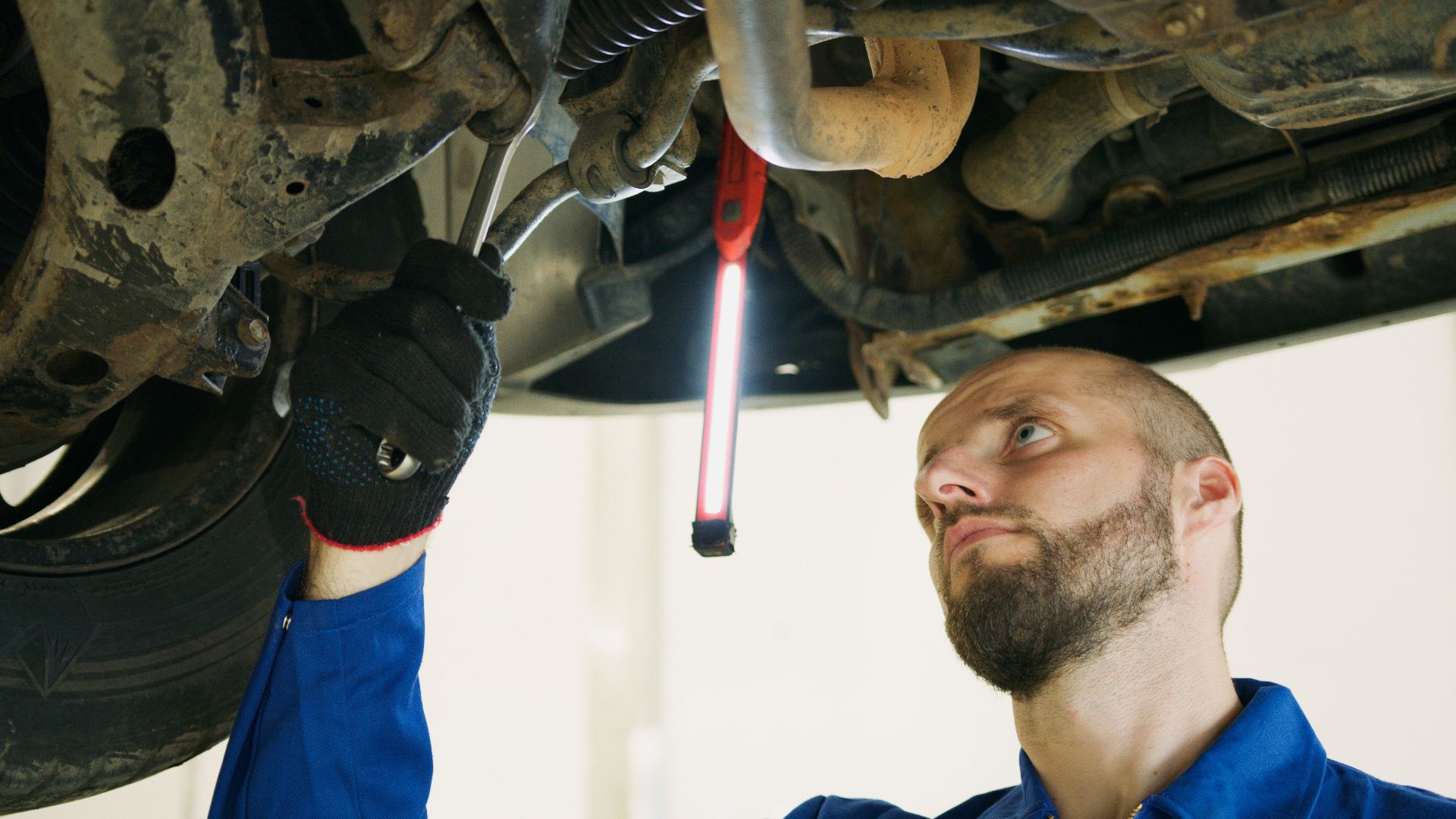
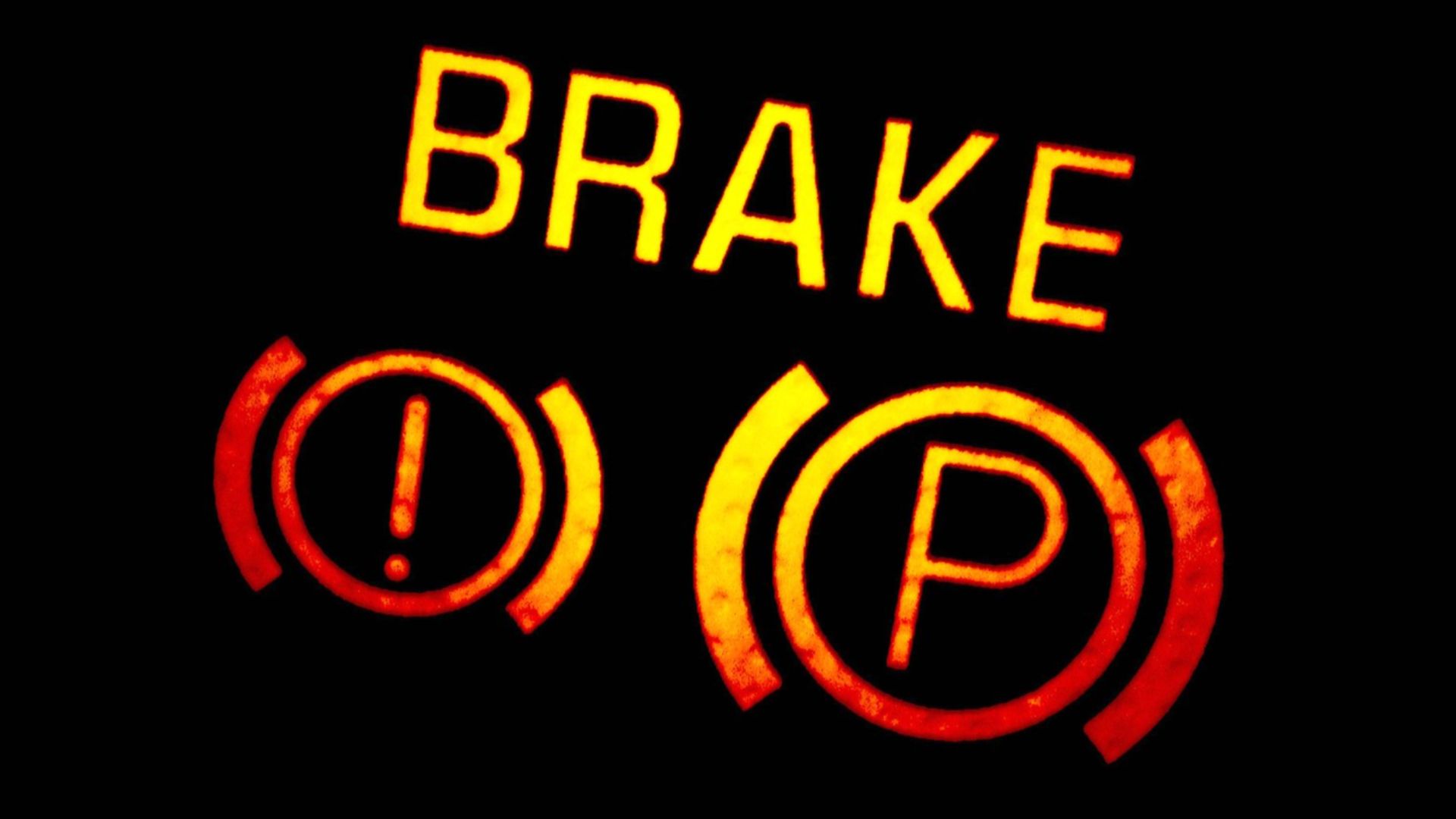
At some point, this stops being just a money question. If the car has structural rust, failing airbags, serious brake problems, or recurring steering and suspension issues, keeping it may not be worth the risk. The Insurance Institute for Highway Safety has repeatedly shown that newer vehicles generally protect people better than older ones, especially as crash design and driver-assistance features have improved over time.
Safety Tech Has Changed More Than Many Drivers Think
A 15-year-old car may come from before features like automatic emergency braking and stronger side-impact protection became common. The IIHS and the National Highway Traffic Safety Administration have both documented major gains in vehicle safety over the past decade. That does not mean every old car is unsafe, but it does mean an aging vehicle may be giving up more than comfort and convenience.
 Tony Webster, Wikimedia Commons
Rust And Leaks Can Be Bigger Problems Than They Seem
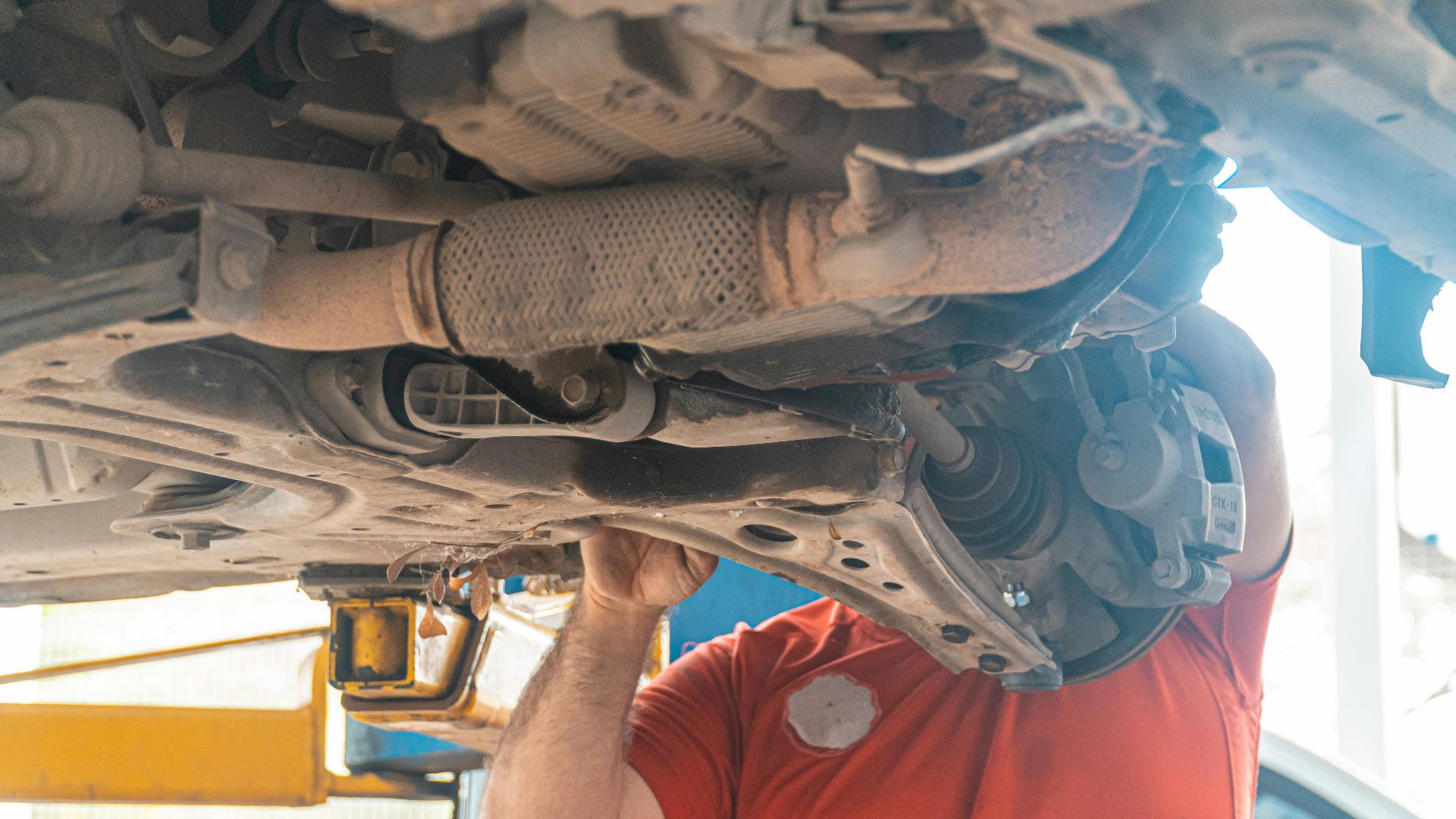
Cosmetic wear is one thing. Structural rust, recurring coolant loss, oil leaking onto hot parts, and water getting into electronics are signs that age is hitting the car at a deeper level. Those are the kinds of problems that can turn one repair into a whole chain reaction.
 Jose Ricardo Barraza Morachis, Pexels
The Best Time To Decide Is Before Something Major Fails
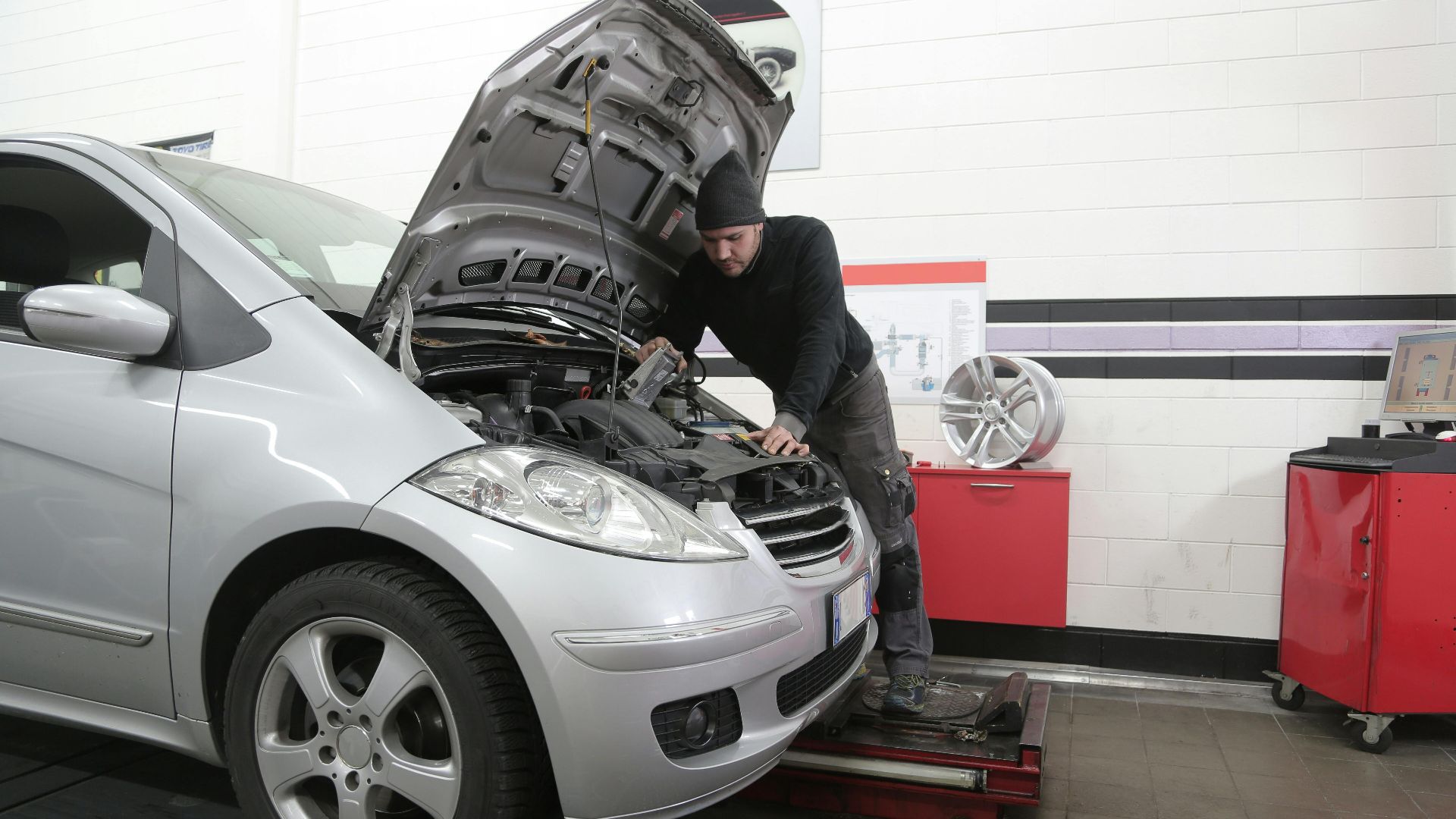
A lot of owners wait until the engine or transmission completely gives out before making a move. That is often the worst time to decide, because it forces a rushed purchase while the broken car has little trade-in value. If repairs are already averaging hundreds per month, the smarter move may be to plan your exit before the next breakdown makes the choice for you.
A Pre-Purchase Inspection Can Help You Keep Or Quit
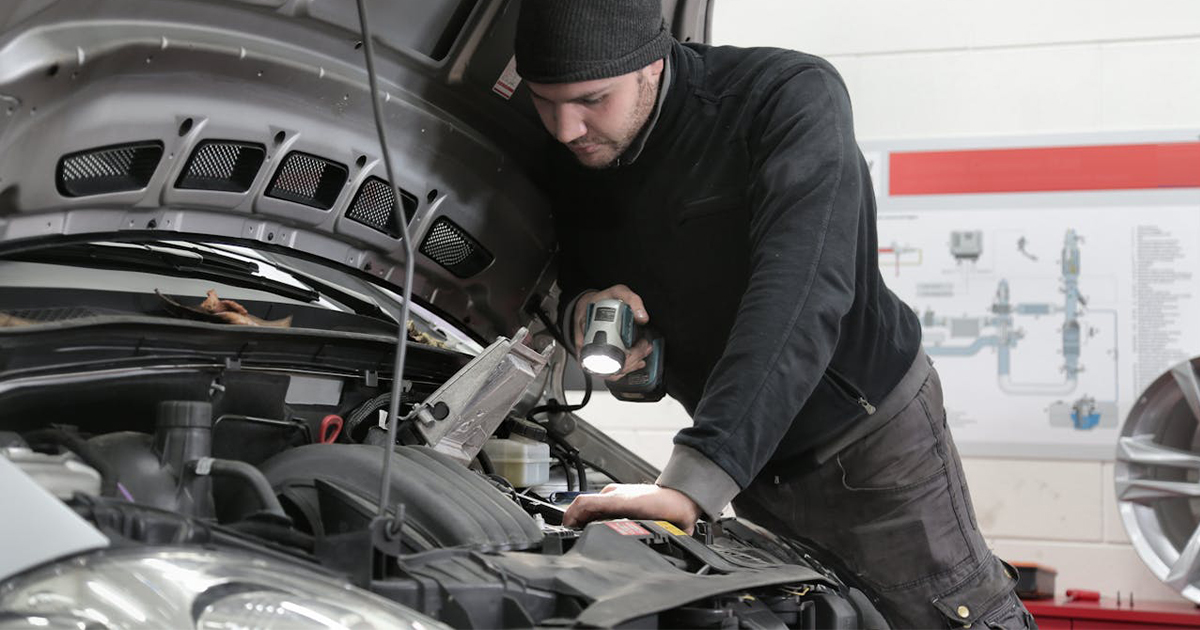
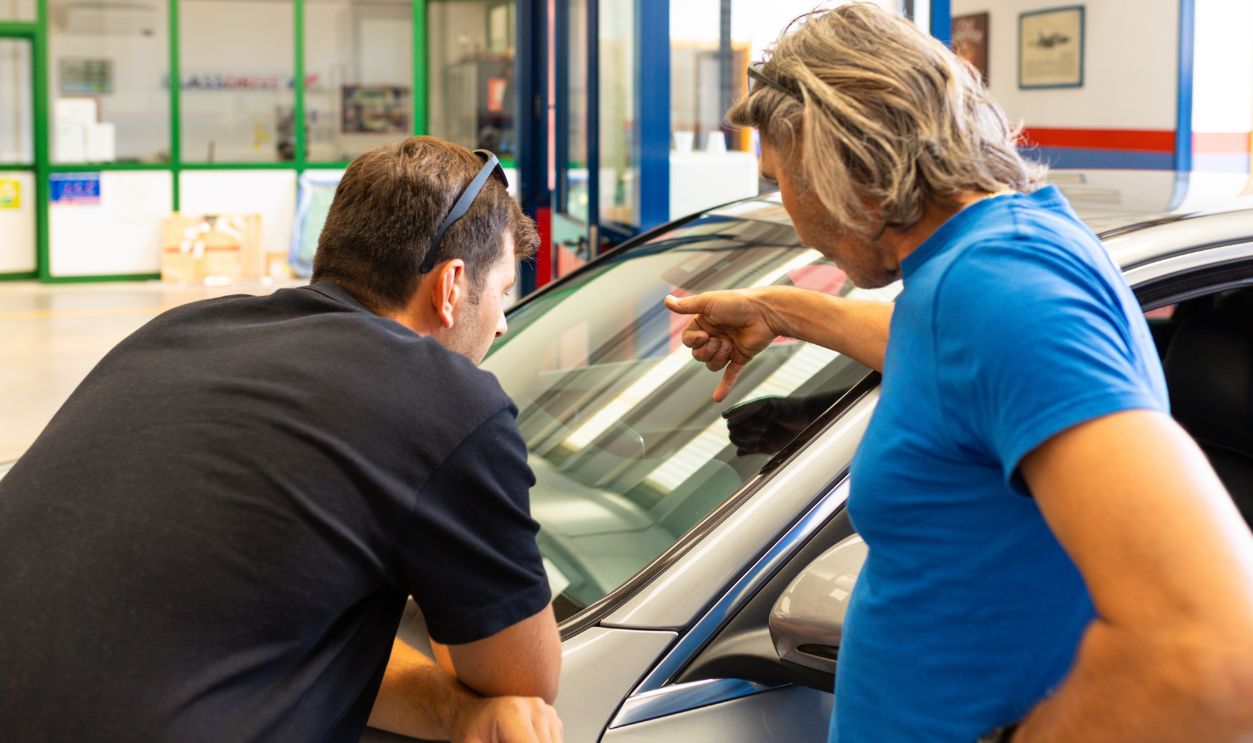
If you are not sure whether to keep an aging car, pay a trusted independent mechanic for a full inspection and a forward-looking estimate. Ask what is likely to happen over the next 12 months, not just what is wrong today. One visit like that can turn a vague argument into a fact-based decision.

Ask The Mechanic These Questions
Ask whether the car has one isolated problem or a pattern of age-related failures. Ask which major components are wearing out and what repairs are likely in the next six to 12 months. Most of all, ask whether the car is sound enough that spending more money now is likely to buy you reliable time on the road.
 PixelsMD Production, Shutterstock
When A Paid-Off Car Still Comes Out Ahead
There are plenty of times when fixing an old car is still the better call. If the vehicle is structurally sound, parts are easy to get, the repair history is light, and your yearly costs are still well below replacement costs, keeping it can be the smart move. That is especially true if you do not drive a lot and can live with the occasional hassle.
When Repair Bills Start Looking Like A Car Payment
If repairs are averaging $300 to $600 a month, the math gets uncomfortable fast. That level of spending can overlap with the monthly cost of stepping into a used replacement, especially if the old car is also unreliable. Once you are basically making a repair payment every month, loyalty to the old car starts getting expensive.

Don’t Forget Insurance On The Next Car
One reason people keep older cars is that replacing them can mean higher insurance costs. Before you decide, get actual quotes on the specific vehicles you are thinking about buying. Sometimes the increase is manageable. Sometimes it is big enough to change the whole answer.
 f.t.Photographer, Shutterstock
Used Replacements Need A Close Look Too
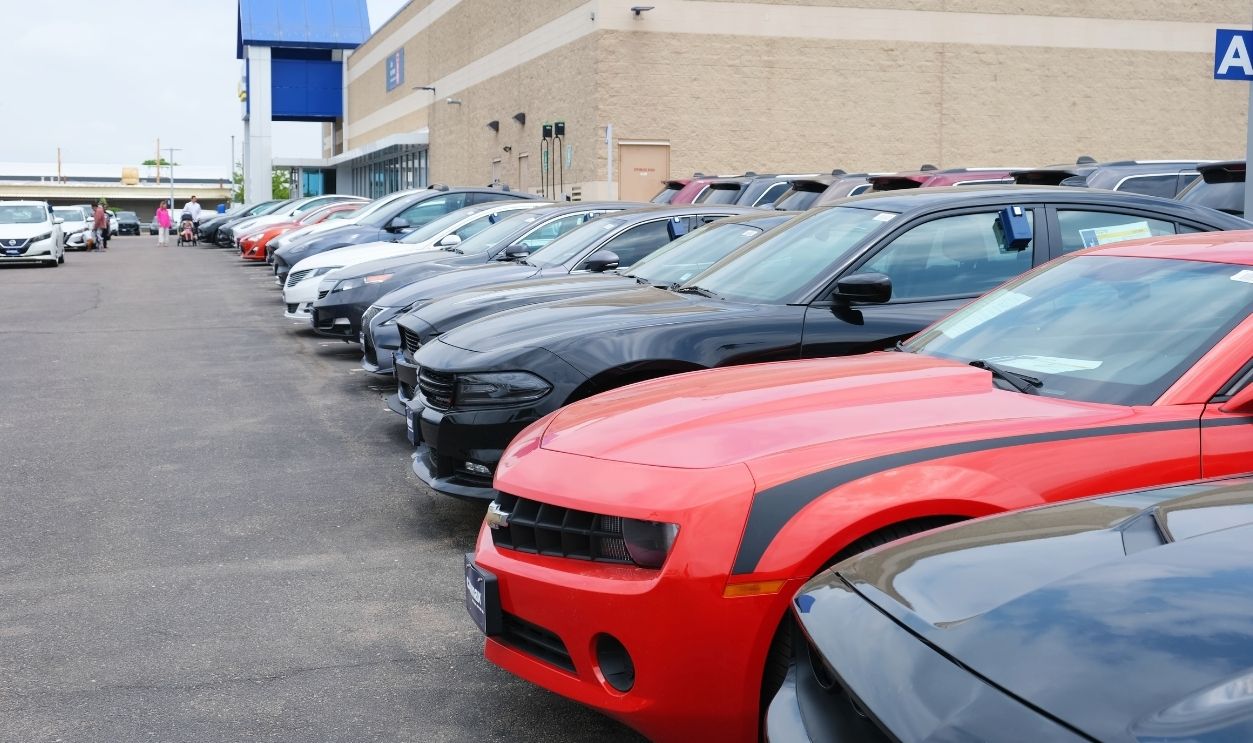
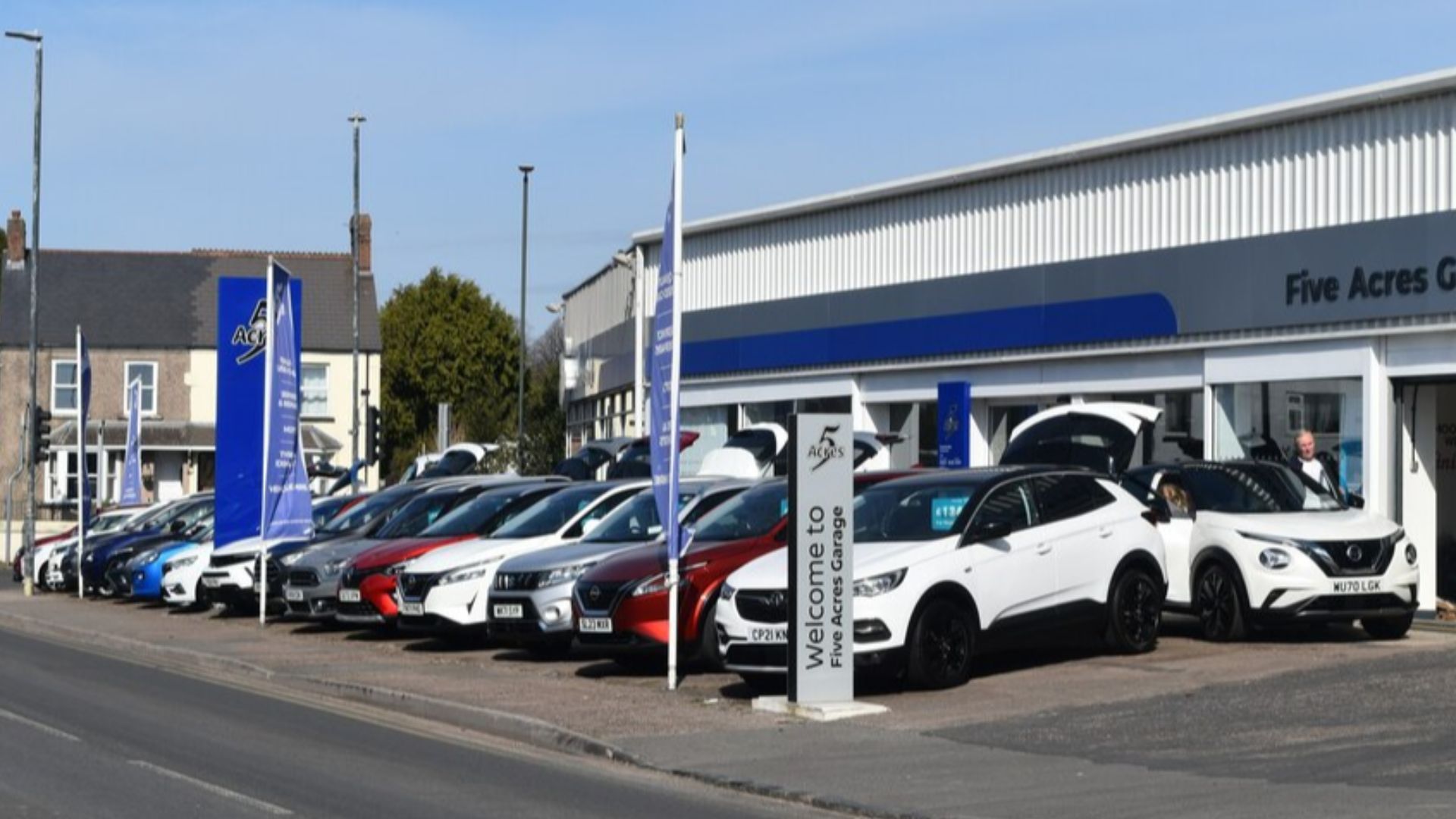
Replacing an old car with another old car can work, but only if the next one is truly better. A newer used vehicle with a strong reliability record and a clean inspection can lower both stress and cost. A random cheap used car with hidden problems can just start the whole cycle over again.
 David Martin , Wikimedia Commons
The Emotional Side Is Real, But It Shouldn’t Make The Decision
People get attached to cars. They carry memories, routines, and a sense of comfort. That is completely normal, especially if the car has served you well for years. But nostalgia is a bad mechanic and an even worse accountant.

So When Does Fixing An Old Car Stop Making Sense
Usually, it stops making sense when the car is no longer dependable, when yearly repairs are close to what it would cost to replace it, when safety concerns are growing, or when a major repair eats up a big share of the car’s value. It also stops making sense when breakdowns start messing with work, family life, and peace of mind. In plain terms, the car is done when keeping it costs too much money, too much time, and too much trust.

The Practical Answer Most Drivers Need
If your 15-year-old car is costing hundreds every month and that has become normal, you are probably near the tipping point already. Run the numbers for the last 12 months, check the car’s real market value, and get a mechanic’s best guess for the next year. If the costs are ugly and the reliability trend looks worse, replacing it before a major failure is usually the smarter move.