Can You Control Who Parks Infront Of Your House?
It feels pretty reasonable, doesn't it? You own the house, you mow the lawn, you shovel the sidewalk, and you pay the property taxes—so surely the curb in front of your home belongs to you too. Not so fast. In most of the United States, that stretch of street is public property, which means putting up your own "No Parking" sign usually doesn't give you the authority to keep anyone away. But there's more to it than that.
You Probably Don't Own The Curb
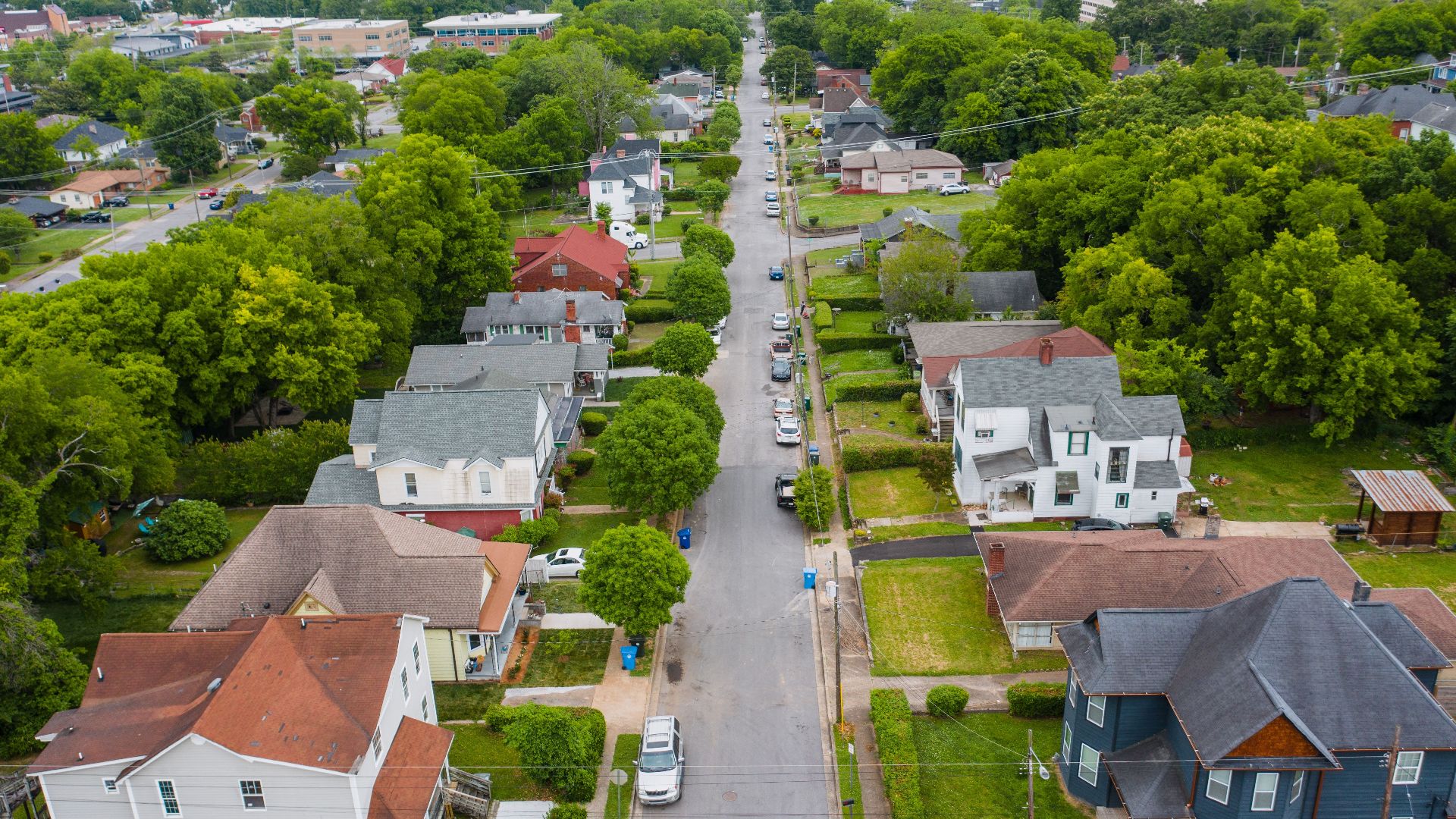
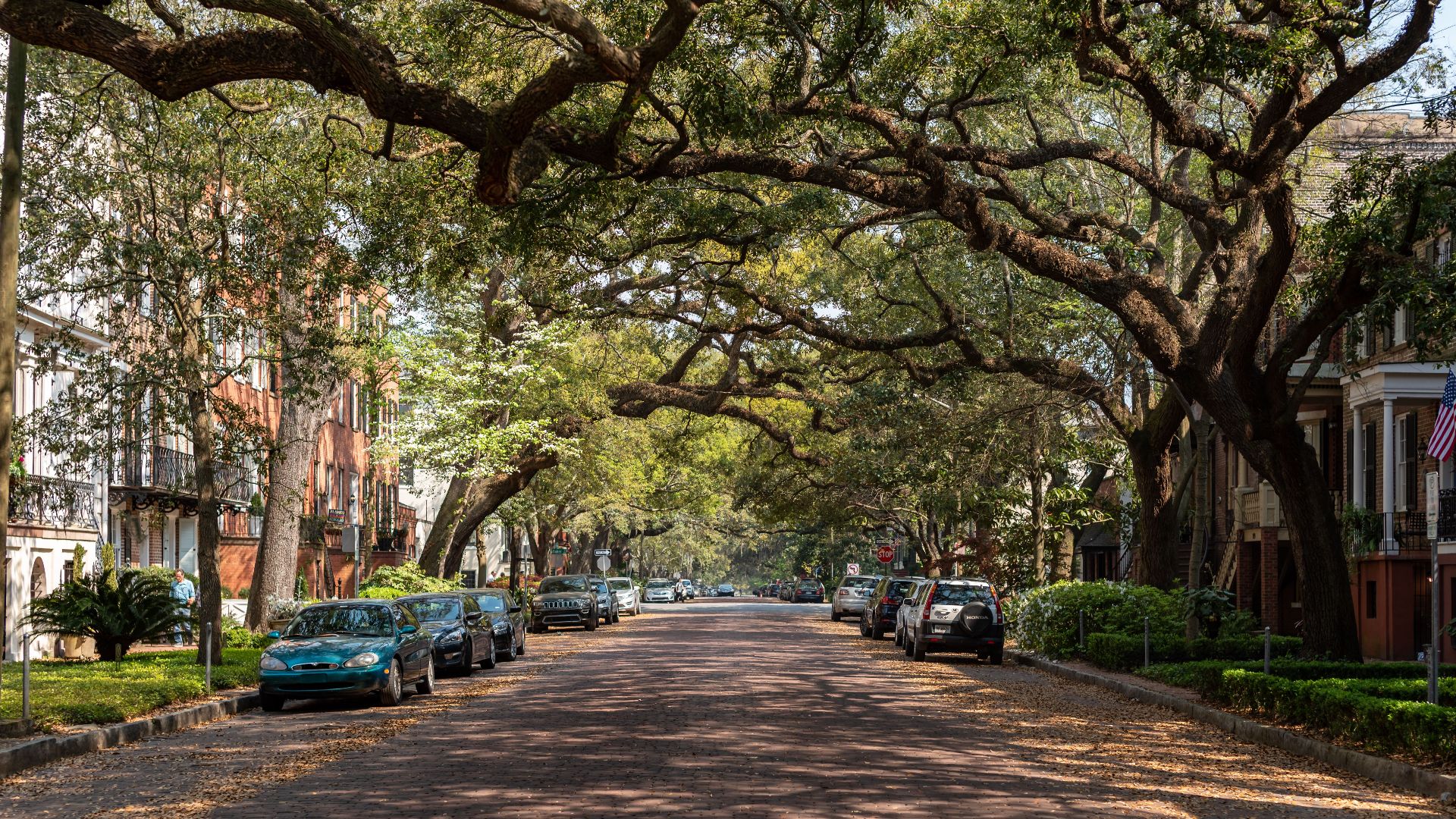
This surprises a lot of homeowners. While you own your property, the street and curb in front of it are typically part of the public right-of-way, controlled by your city or county. That means anyone can usually park there unless local parking rules say otherwise.
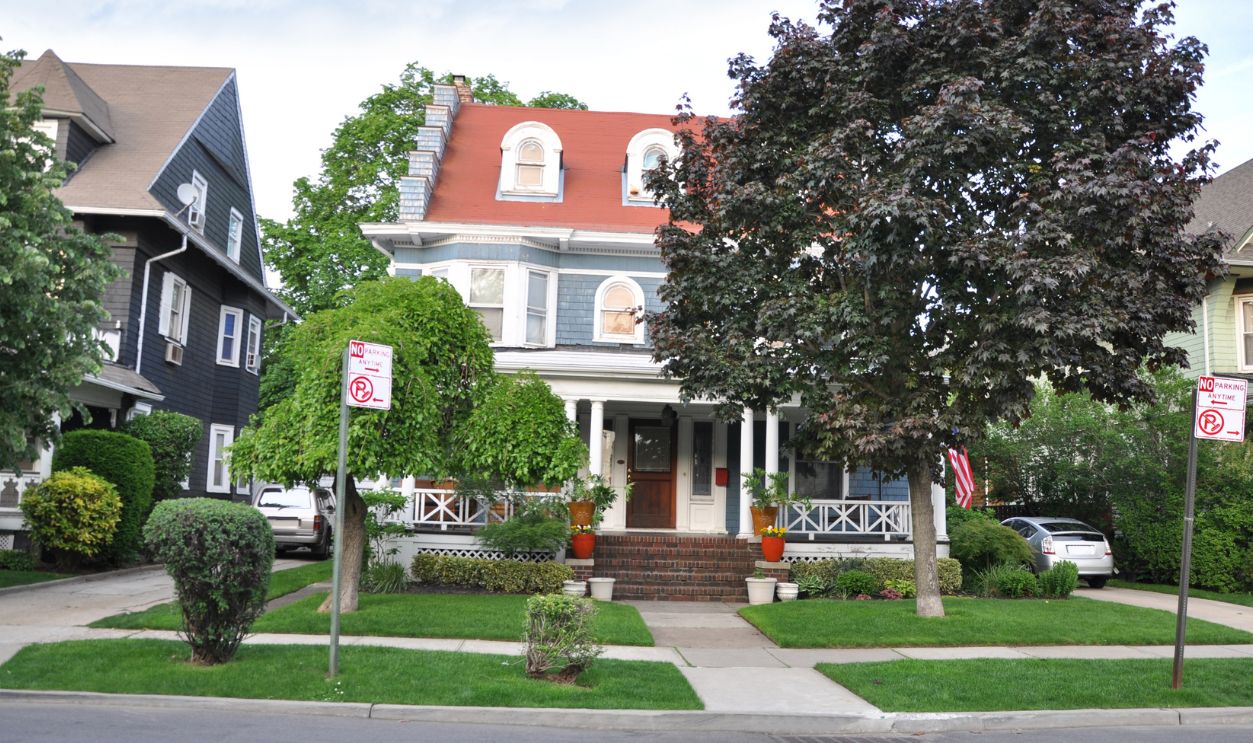
Your Neighbor Might Actually Be Right
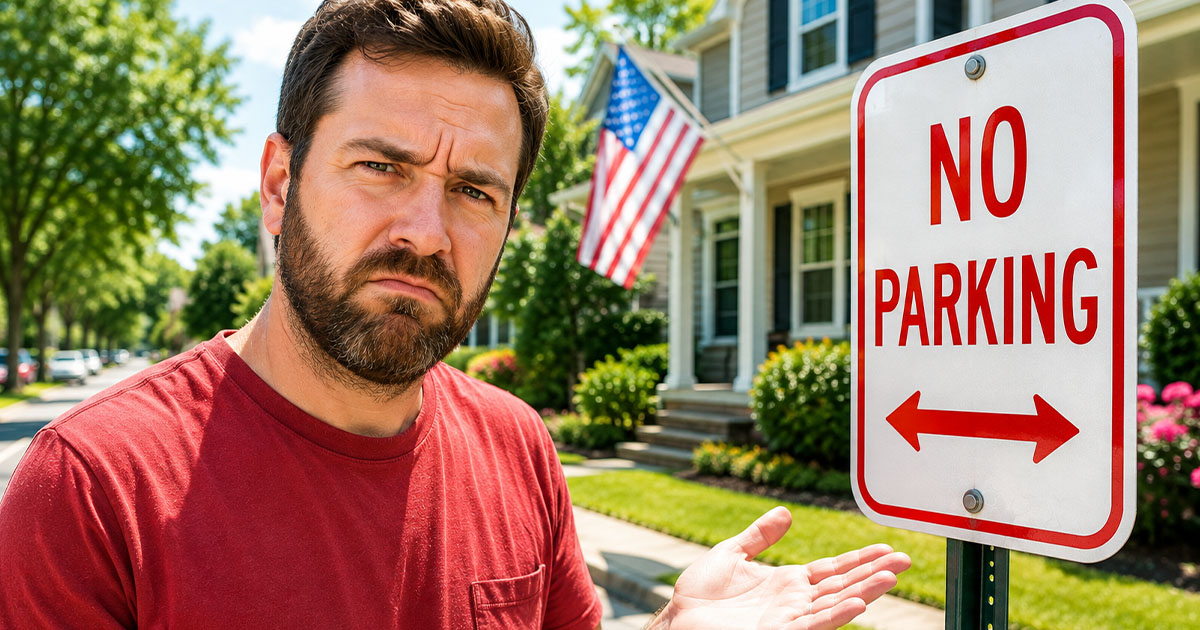
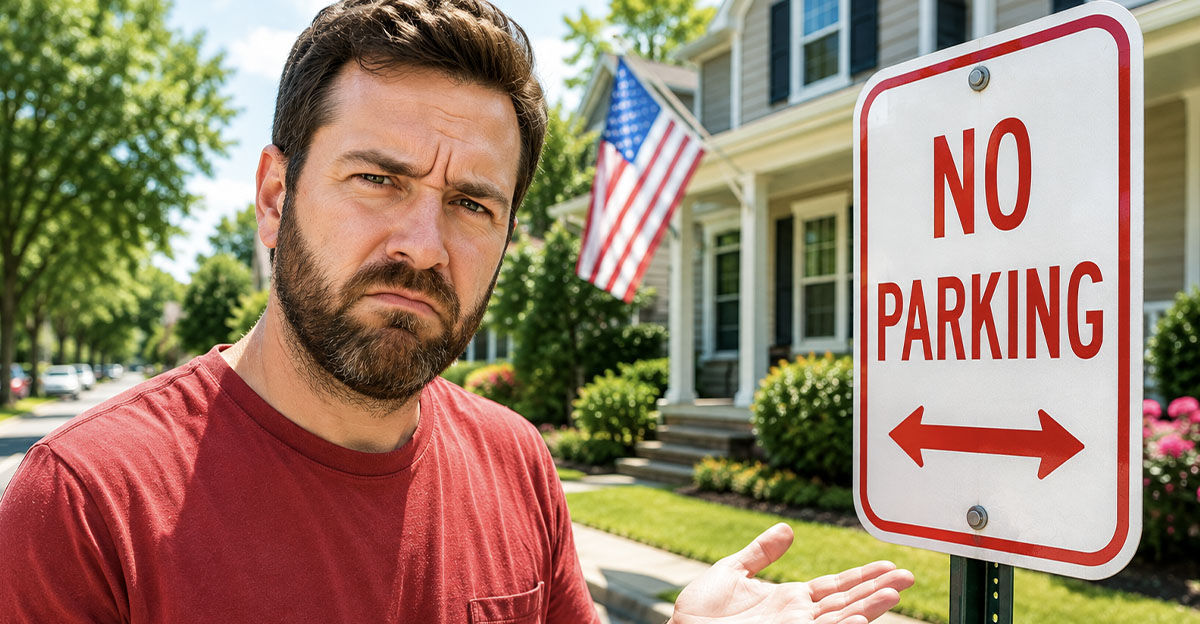
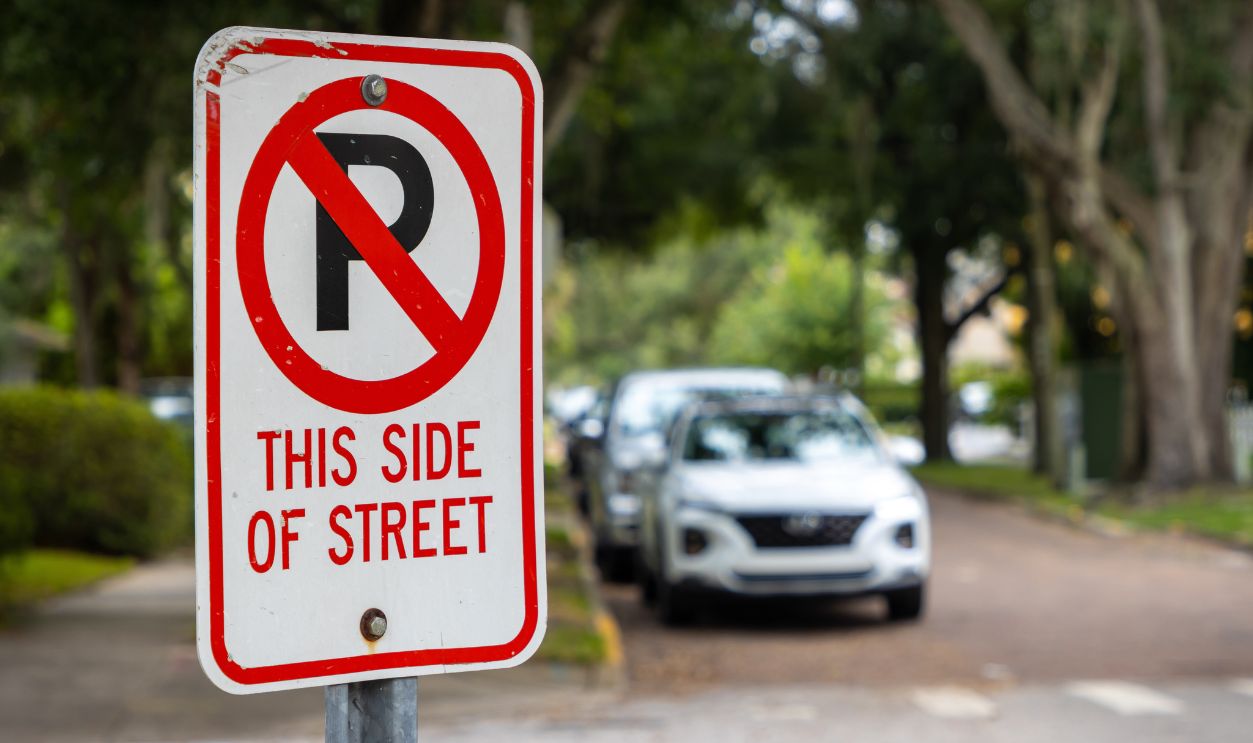
If you installed your own "No Parking" sign on or next to a public street, there's a good chance it isn't legally enforceable. In many places, only the local government can install official traffic control signs.
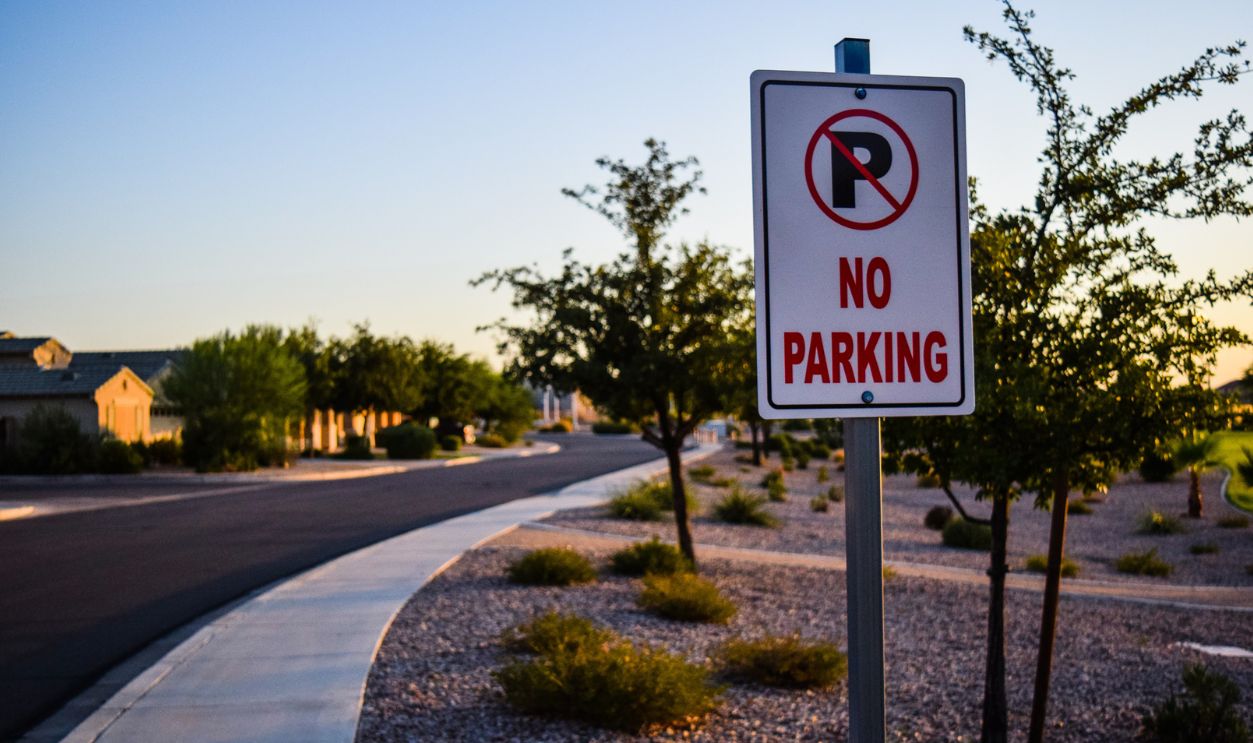 jlevinephotography, Shutterstock
Buying A Sign Doesn't Make It Official
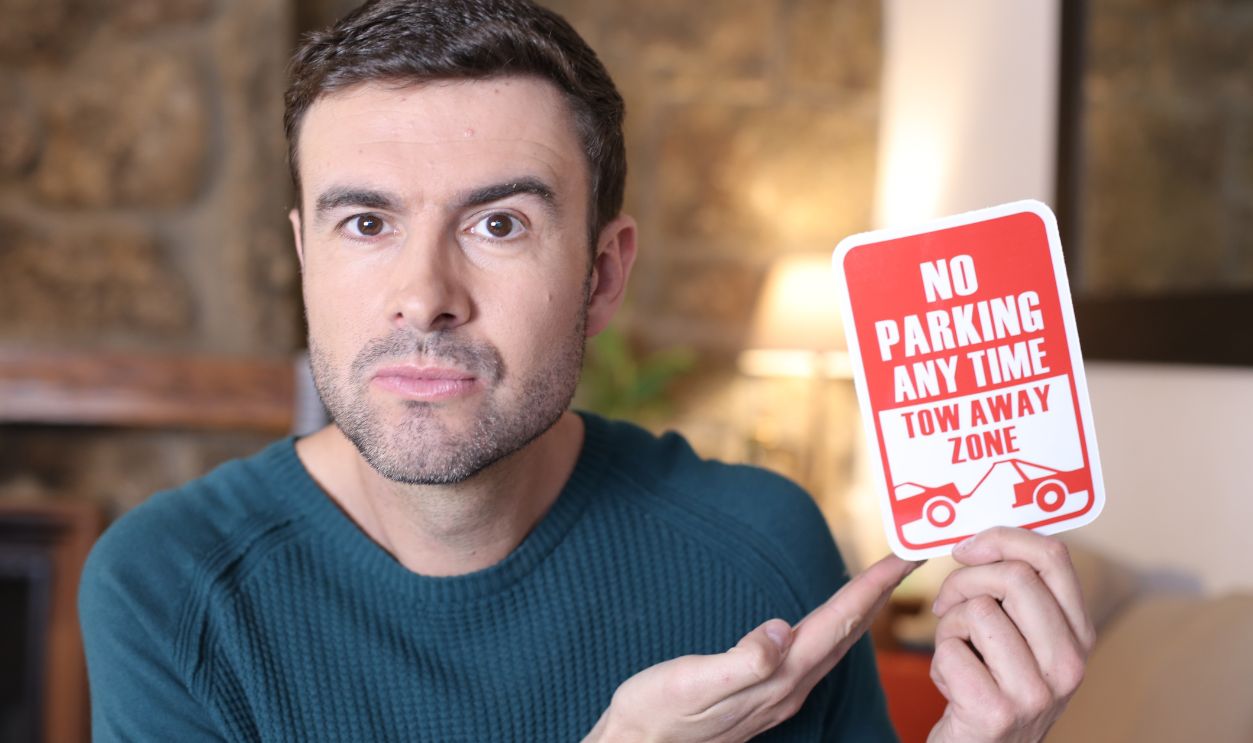
You can order a professional-looking "No Parking" sign online in about five minutes. That doesn't make it a real traffic sign. Police generally won't issue tickets based on privately installed signs, and drivers aren't legally required to obey them on public streets.
Property Taxes Don't Buy Reserved Parking
Paying property taxes doesn't give you exclusive rights to the parking space outside your house. Public parking is generally first-come, first-served unless your city has permit zones or posted restrictions.
There Are A Few Exceptions
If you live on a private road or in an HOA that owns the streets, the rules may be different. Some private communities are allowed to establish their own parking restrictions.
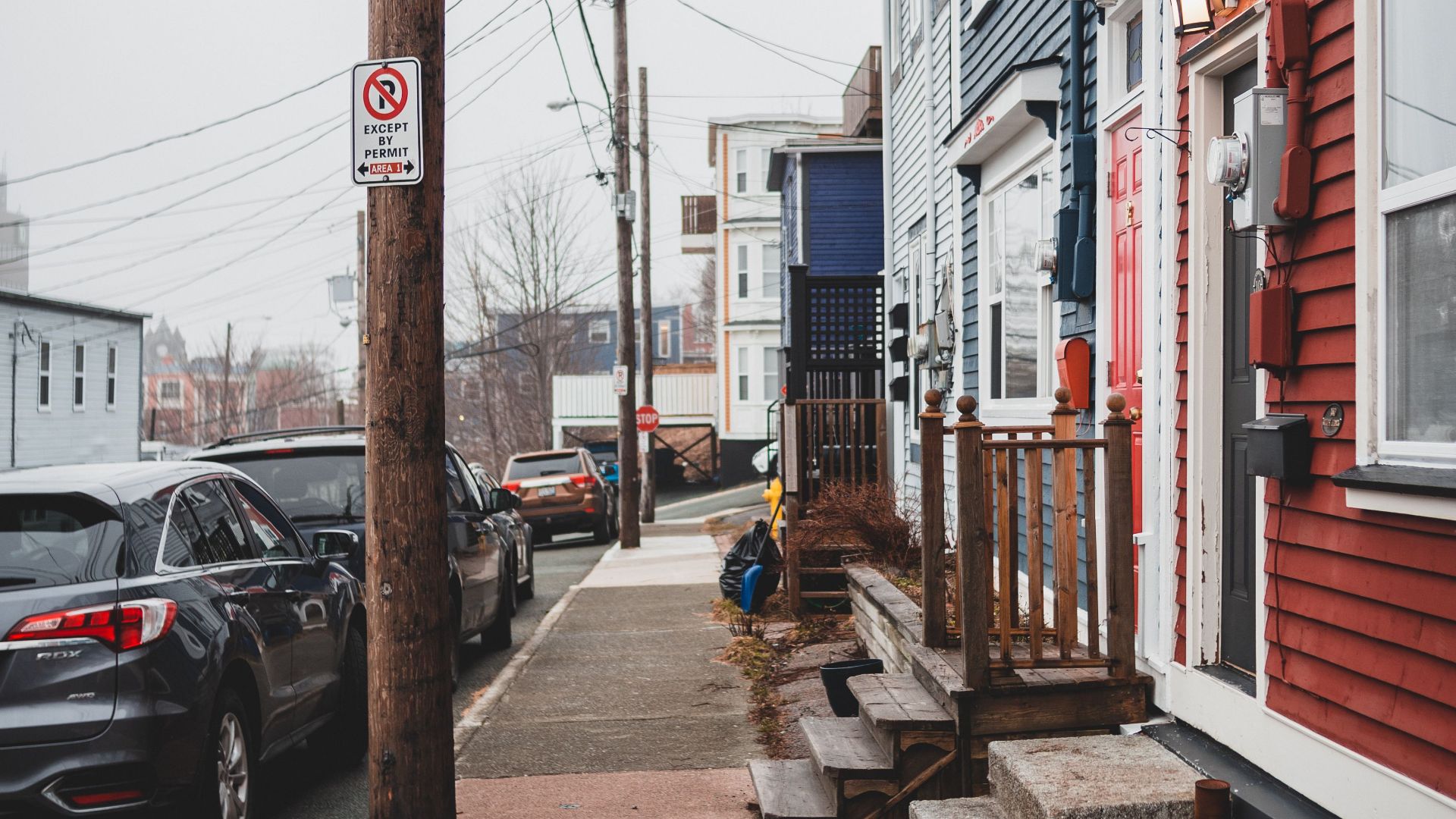
You Still Control Your Driveway
Nobody has the right to block your driveway. Parking across a driveway or violating local parking laws can still result in enforcement regardless of who owns the nearby home.
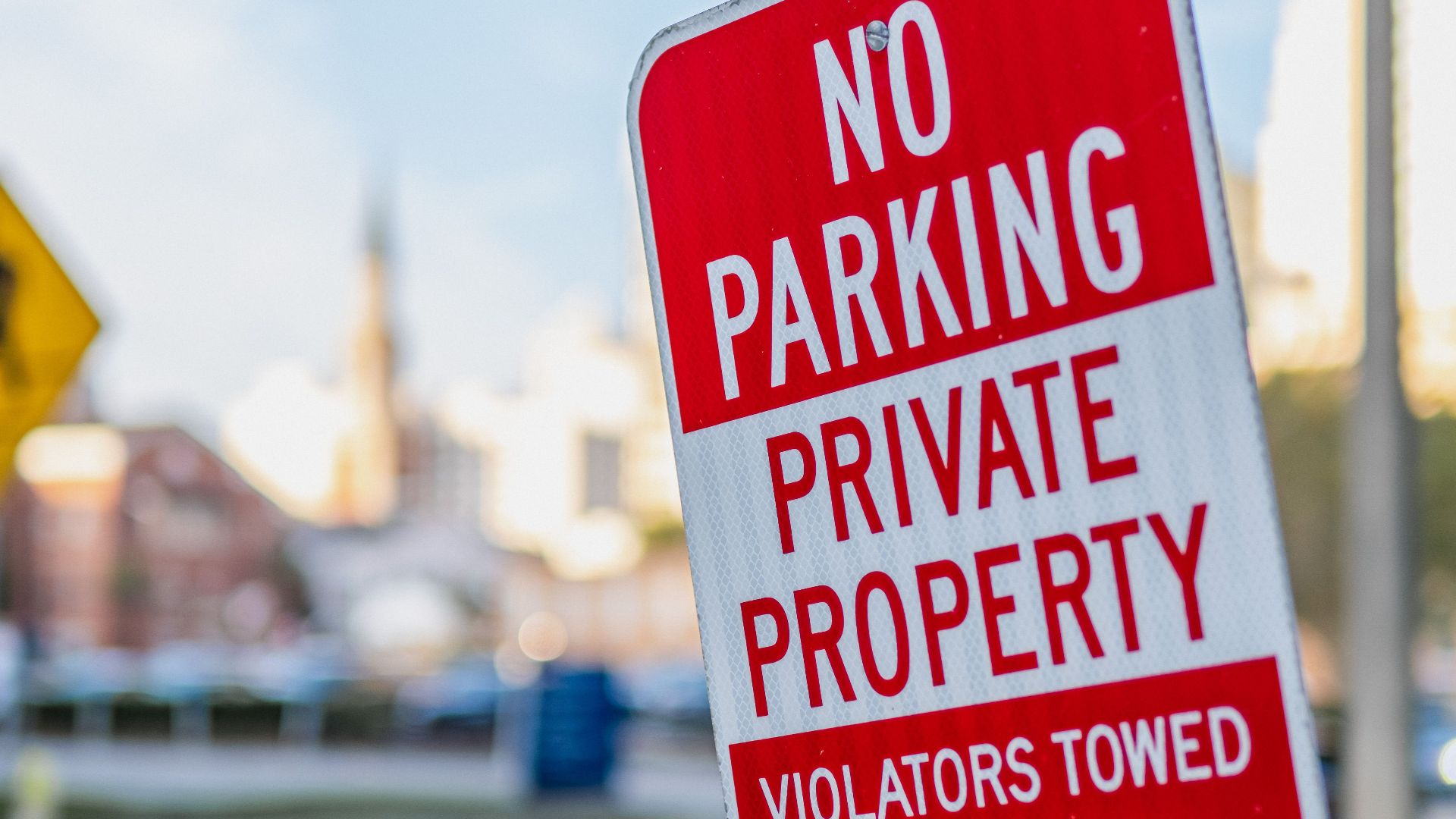
Fake Signs Can Create Real Problems
Making a homemade sign look official can lead to code enforcement issues or fines in some jurisdictions, especially if it's placed within the public right-of-way.
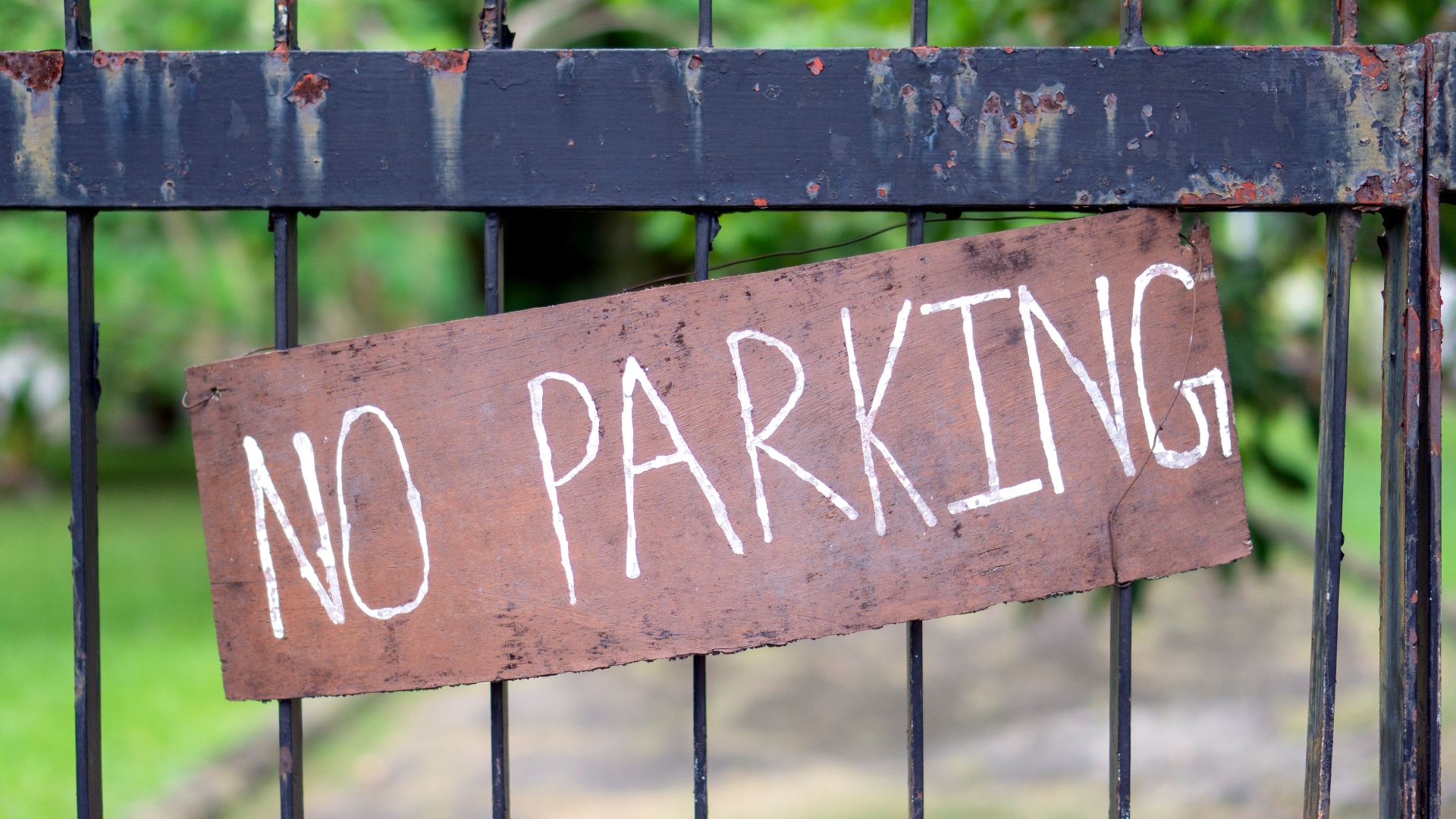
Cones Usually Don't Work Either
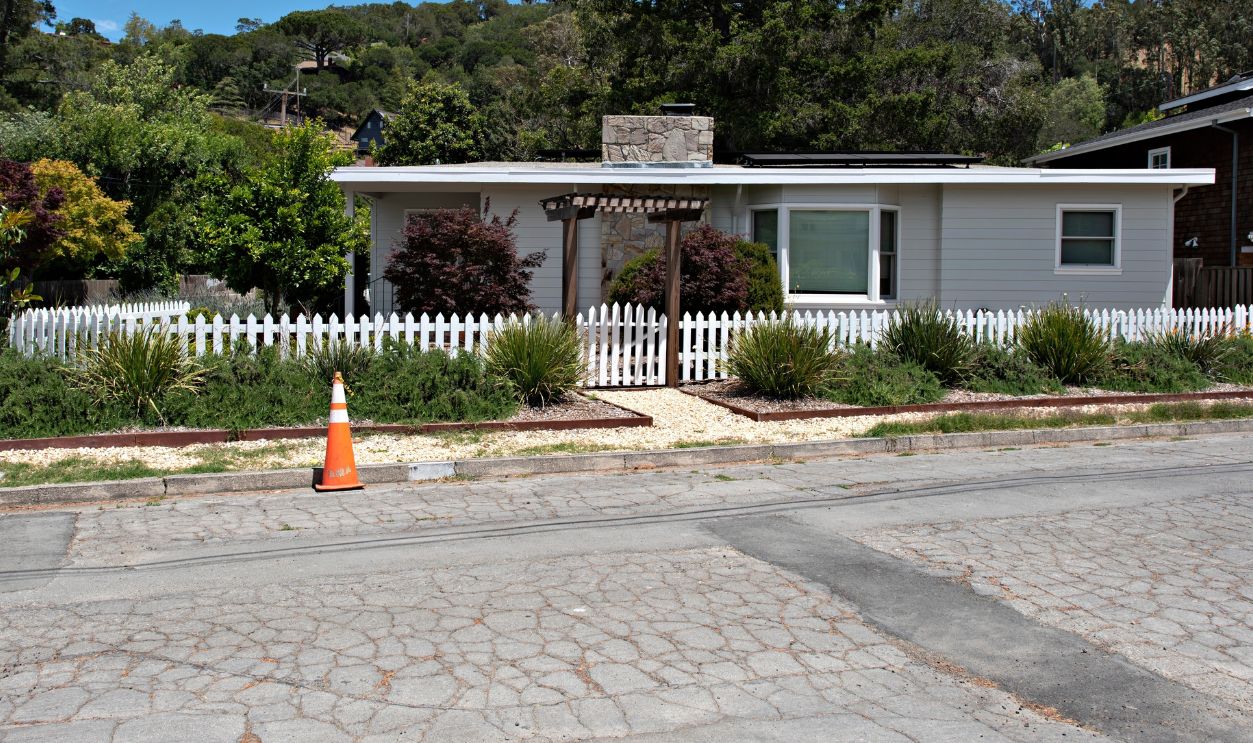
Traffic cones, garbage cans, and lawn chairs may discourage polite drivers, but they rarely create any legal right to reserve public parking.
 Lucy Autrey Wilson, Shutterstock
What If Parking Is Becoming A Safety Issue?
If parked vehicles create visibility or safety problems, contact your city's transportation or public works department. They can evaluate whether official restrictions are justified.
You Can Request An Official Sign
Many cities allow residents to request parking studies or official "No Parking" signs if there is a legitimate safety concern.
Be Careful About Towing
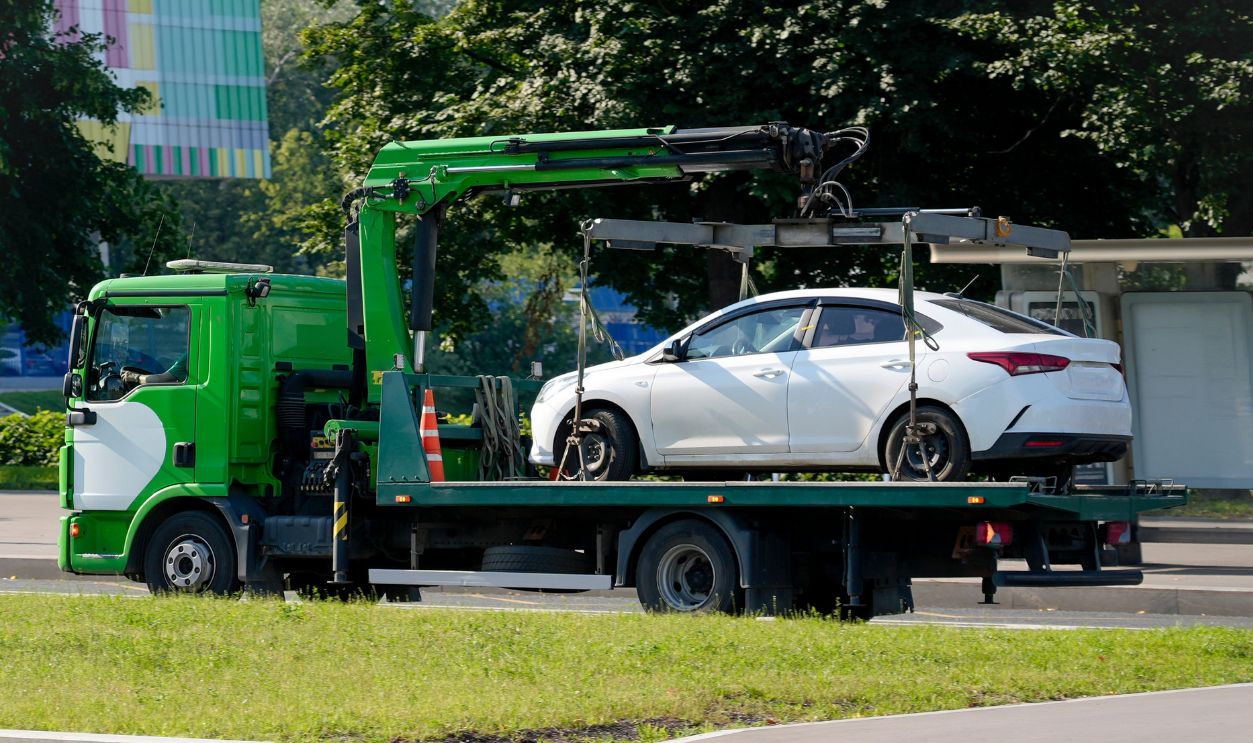
A homemade sign usually doesn't give you the legal authority to tow a vehicle that's otherwise parked legally on a public street.
Sometimes A Conversation Works Better
Before buying signs or calling the city, it may be worth talking with your neighbor. A friendly conversation often solves the problem without creating lasting tension.

Street Parking Is Meant To Be Shared
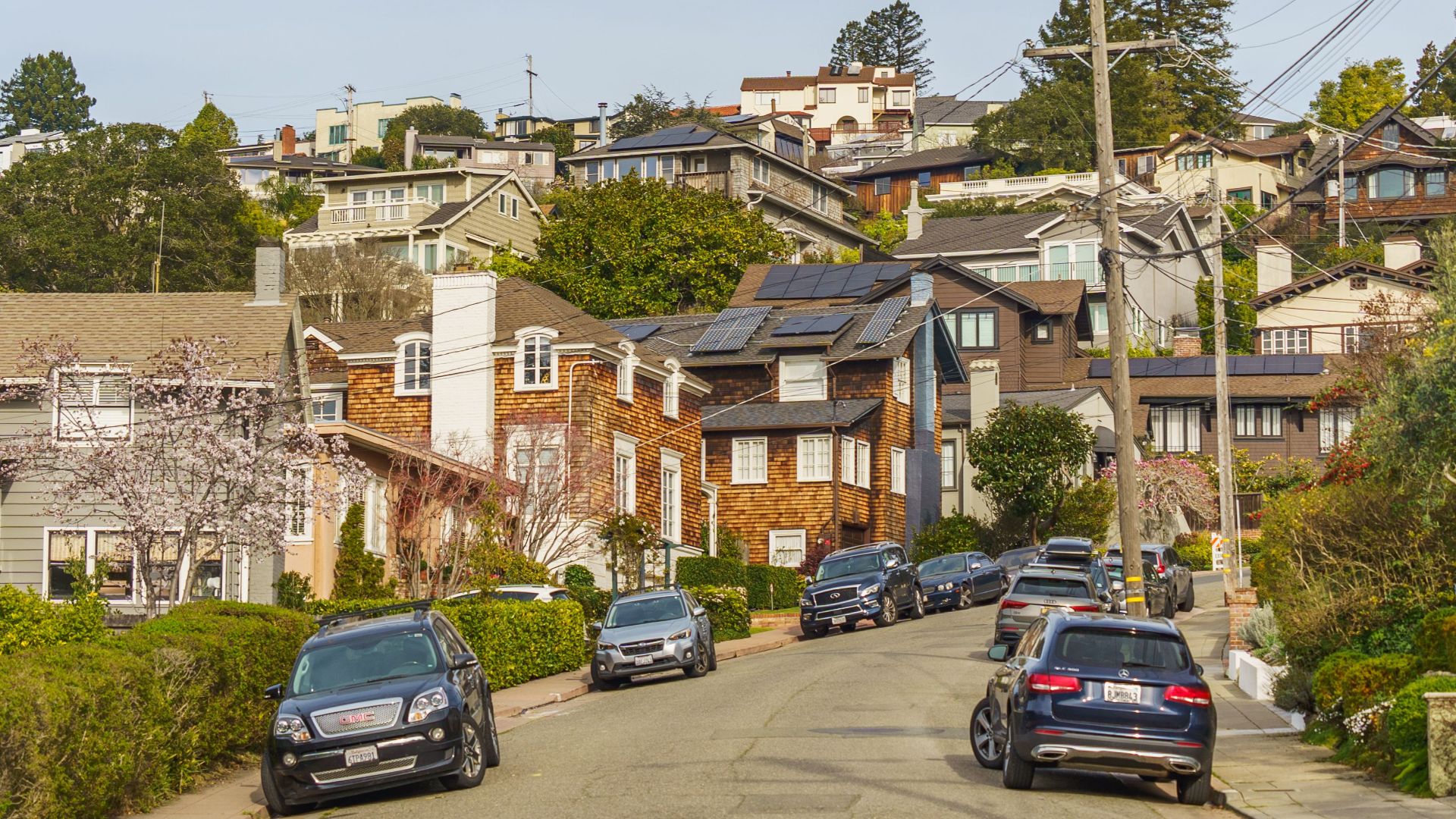
Public street parking generally belongs to everyone. It may be frustrating, but homeowners don't usually receive reserved spaces simply because they live there.
Don't Assume Every Sign Is Fake
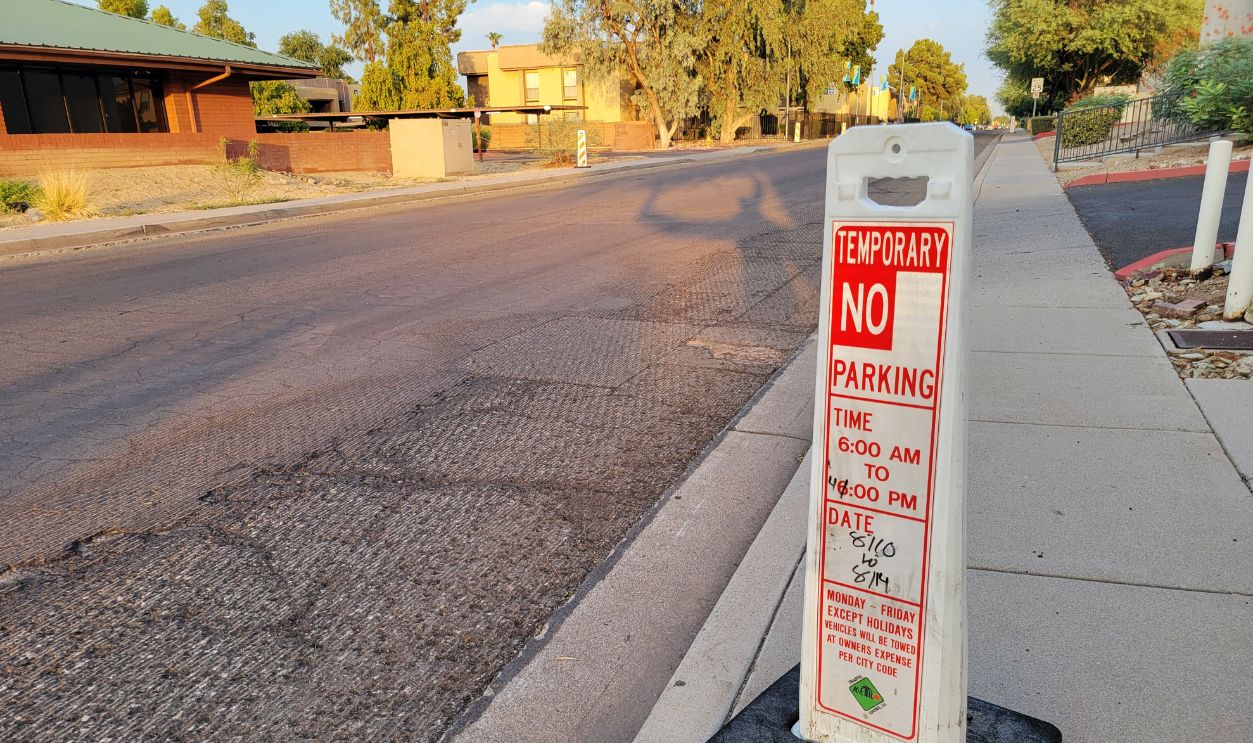
Many residential parking signs are legitimate, including permit parking, handicap spaces, fire lanes, and temporary city restrictions.
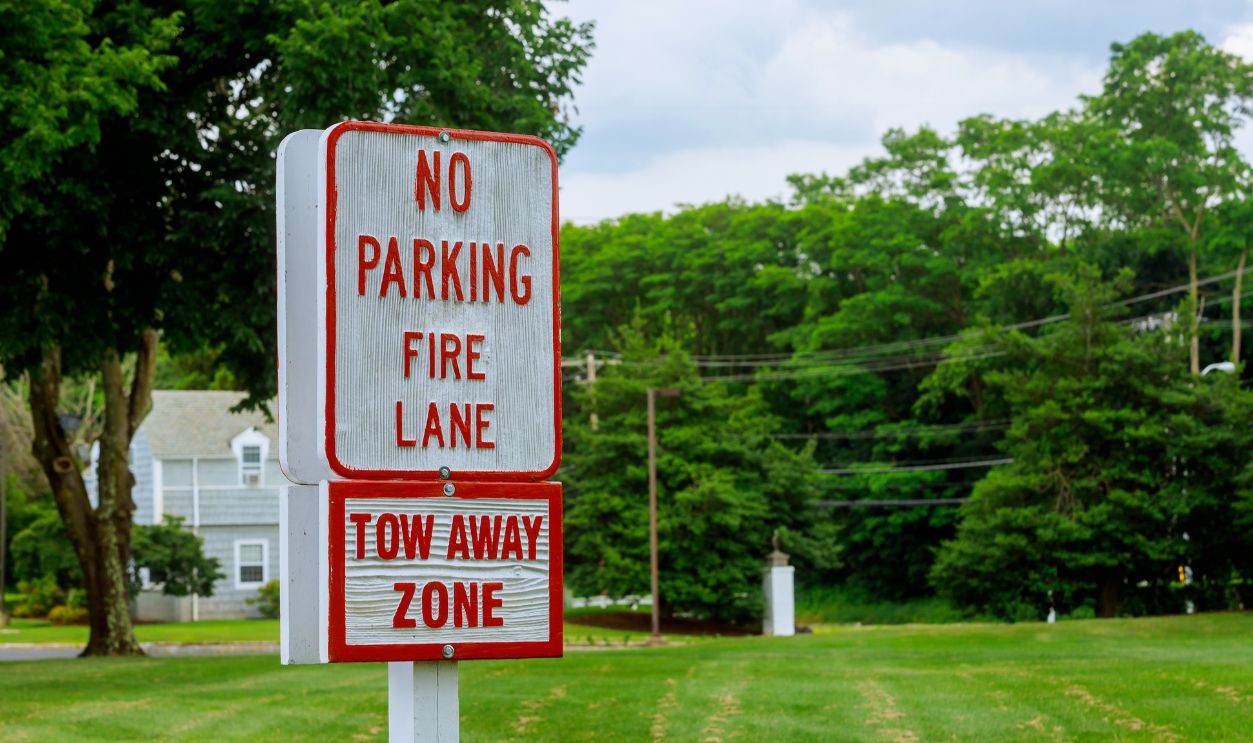
Here's The Question That Really Matters
Is the street public or privately owned? That one detail usually determines whether your sign has any legal authority.
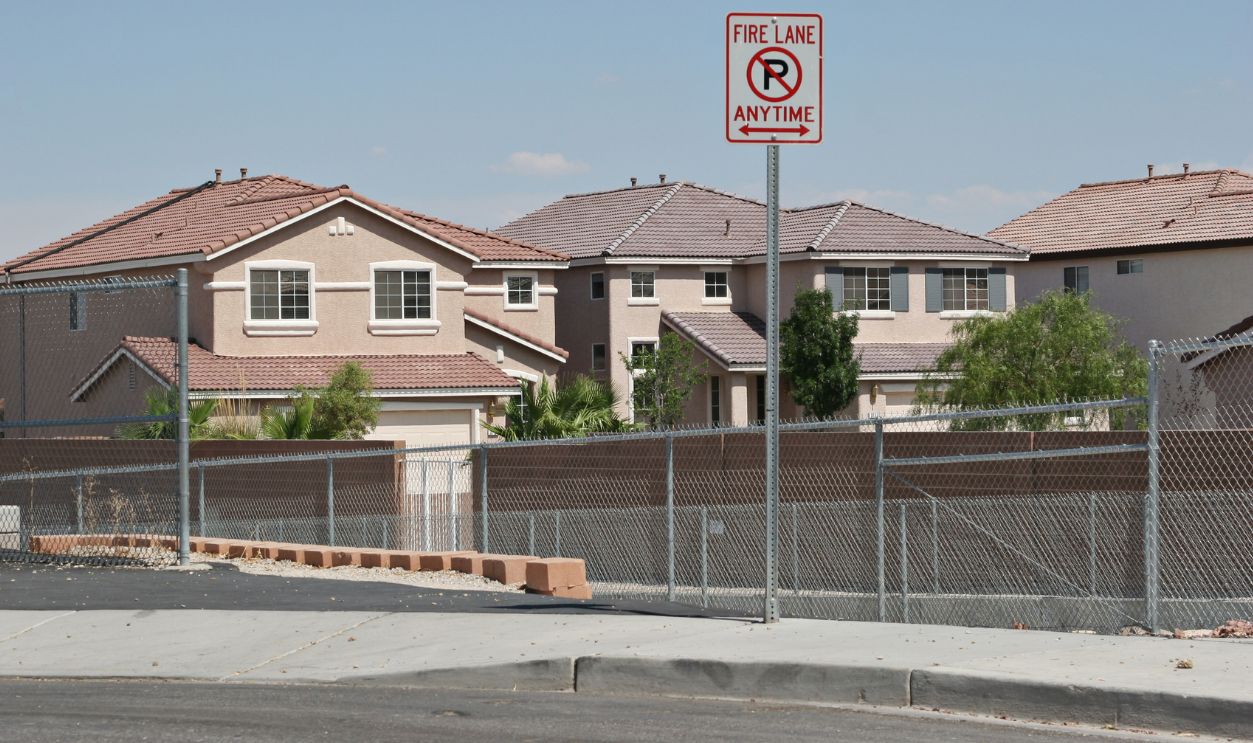
So... Can You Put Up A "No Parking" Sign?
Usually not if you're trying to control parking on a public street. If parking has become a genuine safety concern, requesting an official review from your local government is generally the better solution.
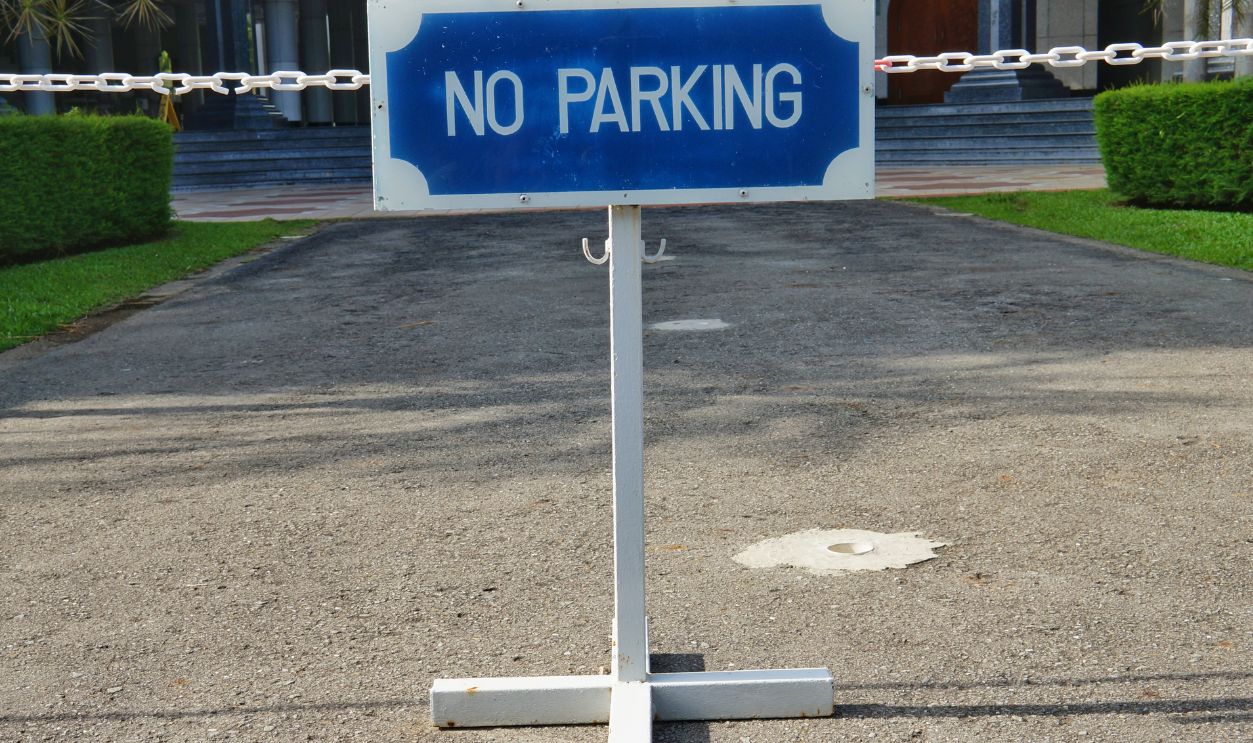
Saving Yourself A Neighborhood Argument
Putting up an unofficial sign often creates more tension than it solves. If restrictions are truly needed, it's better to let the city make the decision.
 You Touch Pix of EuToch, Shutterstock
You May Also Like: