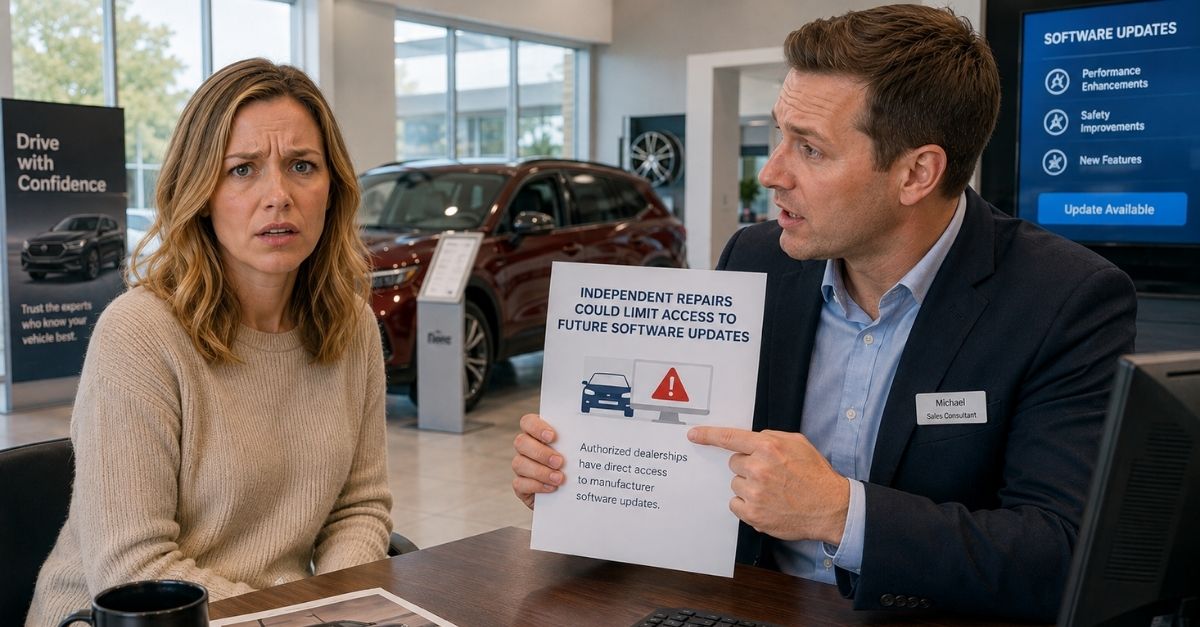
The Warning That Makes Owners Nervous
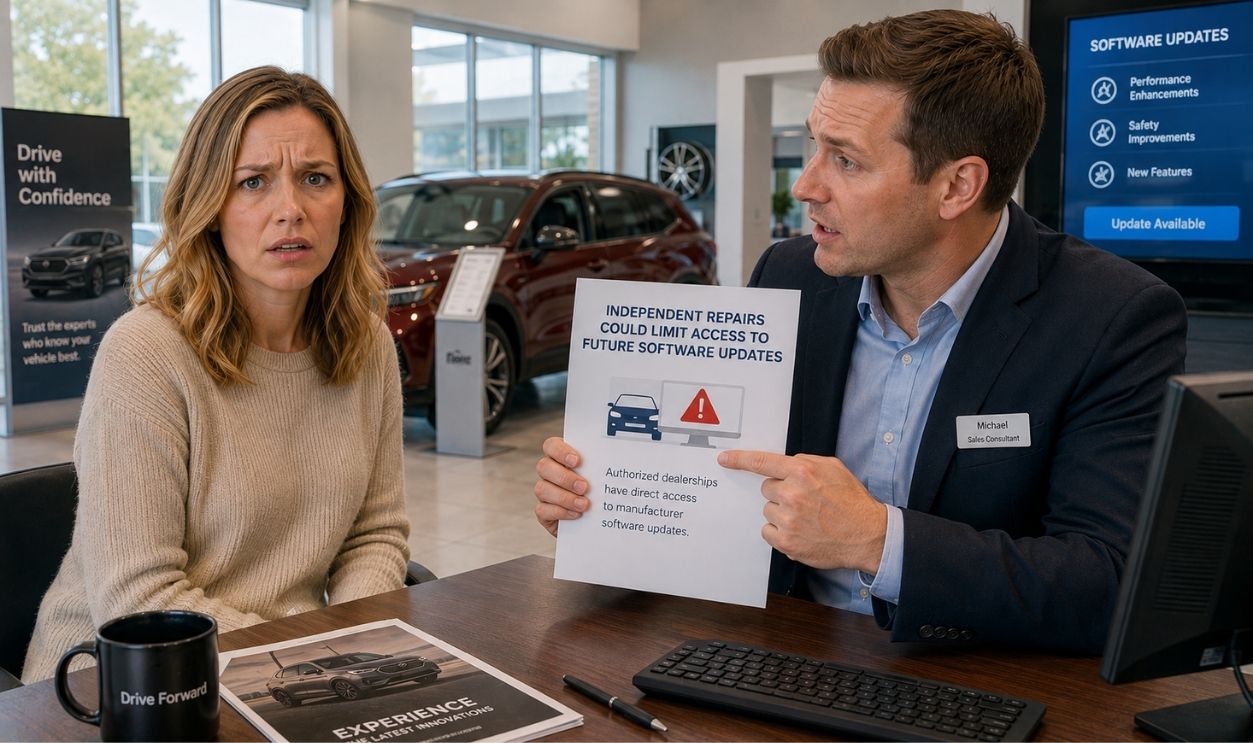
If your automaker hints that going to an independent repair shop could affect future software updates, it sounds like a new version of the old dealership lock-in tactic. That fear is not made up. As cars turn into rolling computers, software access has become one of the biggest pressure points in the fight over who gets to repair them.
Why This Feels Different Now
For decades, most owners worried about parts, labor rates, and warranty coverage. Today, many repairs also involve coding, calibration, telematics, and cloud-connected systems. That means the company controlling the software pipeline can keep influencing what happens to the car long after it leaves the showroom.
The Right To Repair Fight Did Not Start Yesterday
The modern auto right to repair battle has been building for years, but one of the biggest public turning points came in Massachusetts in 2020. Voters approved a ballot measure expanding access to vehicle mechanical data, including telematics-generated data needed for diagnosis, maintenance, and repair. The result showed broad public support for giving owners and independent shops more access.

Massachusetts Voters Made A Big Move In 2020
On November 3, 2020, Massachusetts voters approved the updated Right to Repair law by a wide margin. The measure required manufacturers selling vehicles in the state to equip certain models with a standardized open-access data platform beginning with model year 2022 vehicles. Supporters argued that without access to wireless diagnostic data, independent repairers would be shut out of newer cars.

Automakers Pushed Back In Court
Not long after the vote, the Alliance for Automotive Innovation challenged the Massachusetts law in federal court. The group argued that the telematics access requirements conflicted with federal safety and cybersecurity rules. The lawsuit mattered because it spotlighted a key industry argument: software and remote access are too sensitive to open up easily.

The Industry's Security Argument Is Real But Complicated
Automakers often say they are protecting customers from hacking, unsafe repairs, and bad software changes. Those concerns are real, especially in cars that rely on advanced driver-assistance systems and over-the-air updates. But critics say cybersecurity can also become a handy reason to keep control of service revenue and customer loyalty.

The FTC Has Been Watching
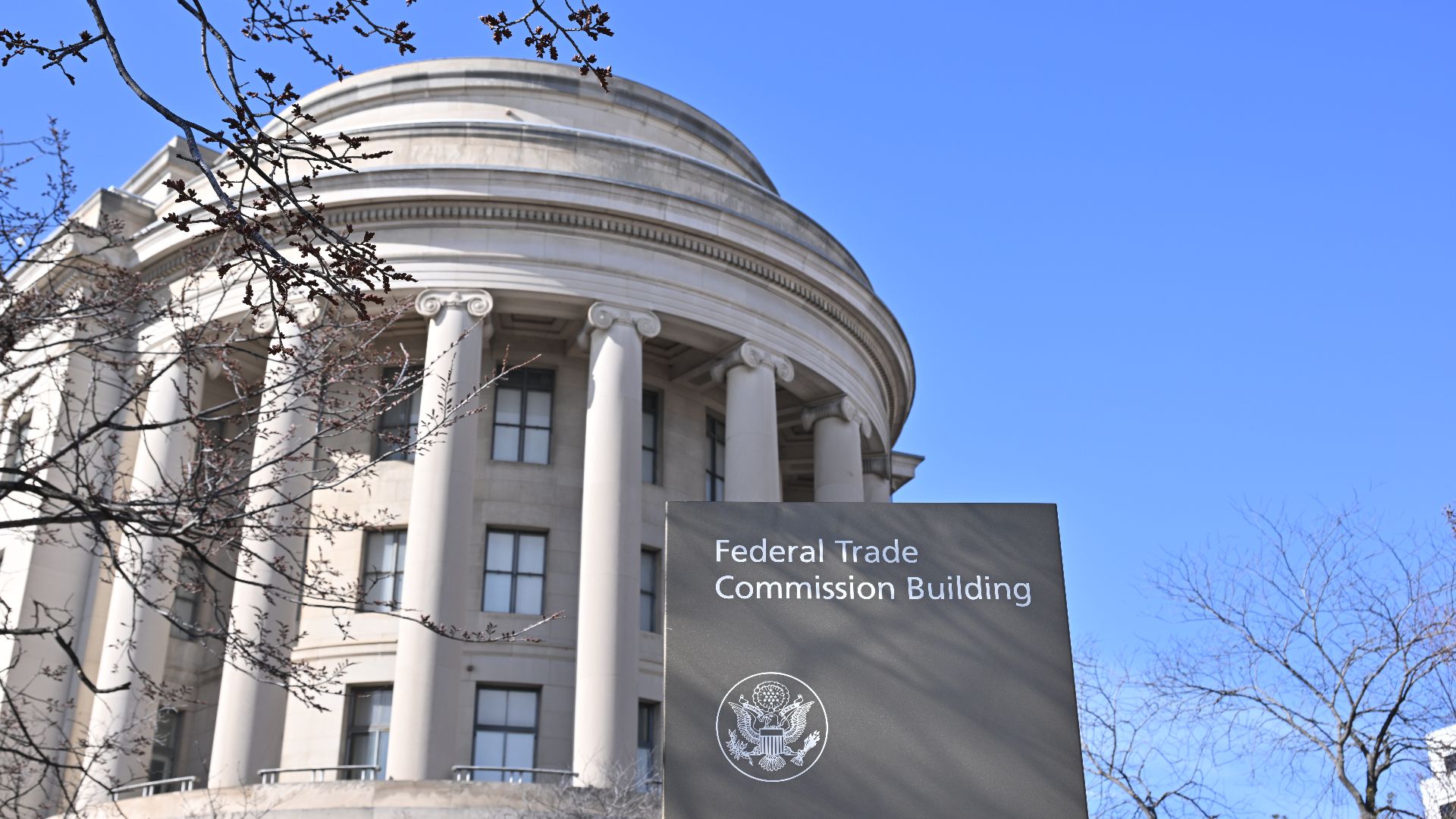
In July 2021, the Federal Trade Commission released a report to Congress called Nixing the Fix. The agency said there was little evidence to support manufacturers' justifications for repair restrictions in many consumer product markets. The report was broader than just cars, but it gave right to repair advocates a major federal document questioning whether these limits are really about safety and security.
 G. Edward Johnson, Wikimedia Commons
Why Software Updates Matter So Much
Software updates are no longer just about maps and infotainment. They can affect battery management, charging performance, emissions controls, driver-assistance functions, and how replacement parts are recognized by the vehicle. If update access becomes conditional, owners could end up with a car that still runs but slowly falls behind.

John Deere Helped Put The Issue On The National Radar
The broader lock-in pattern became easier to spot when other industries ran into the same fight. Farmers had been saying for years that John Deere restricted access to diagnostic tools and software needed to fix modern equipment. In January 2023, the American Farm Bureau Federation and John Deere signed a memorandum of understanding on right to repair, showing just how much pressure had built.

Cars And Tractors Are Different But The Strategy Looks Familiar
No, your crossover is not a combine. But the business logic looks similar when a product depends on software and manufacturer-controlled tools. If owners can replace hardware but cannot fully restore software functions, they are never truly free to choose where to get repairs.

Tesla Put The Spotlight On Software Control
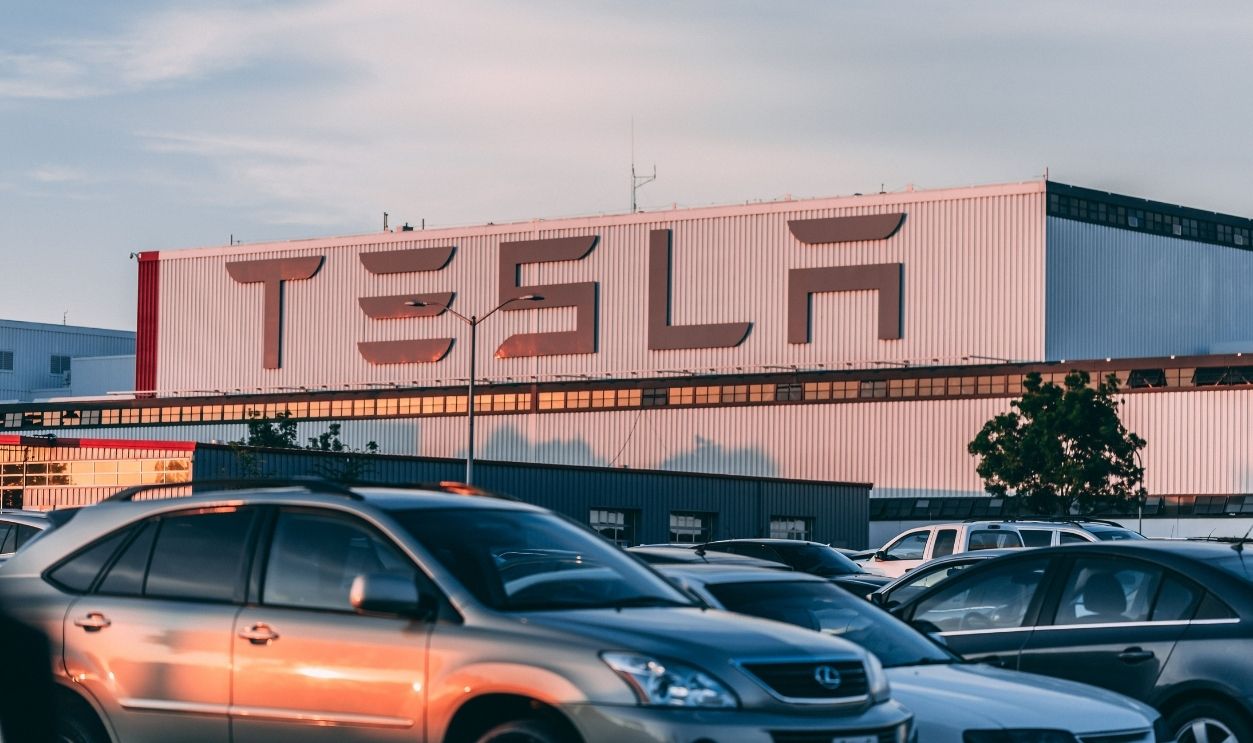
Tesla did not invent software-defined vehicles, but it helped make the issue impossible to ignore. Owners and repair specialists have long documented how features, parts pairing, and service capabilities can depend on software authorization. That has made Tesla a regular example in the wider right to repair debate, even when other brands use different systems.
Independent Repairers Have Been Raising The Alarm
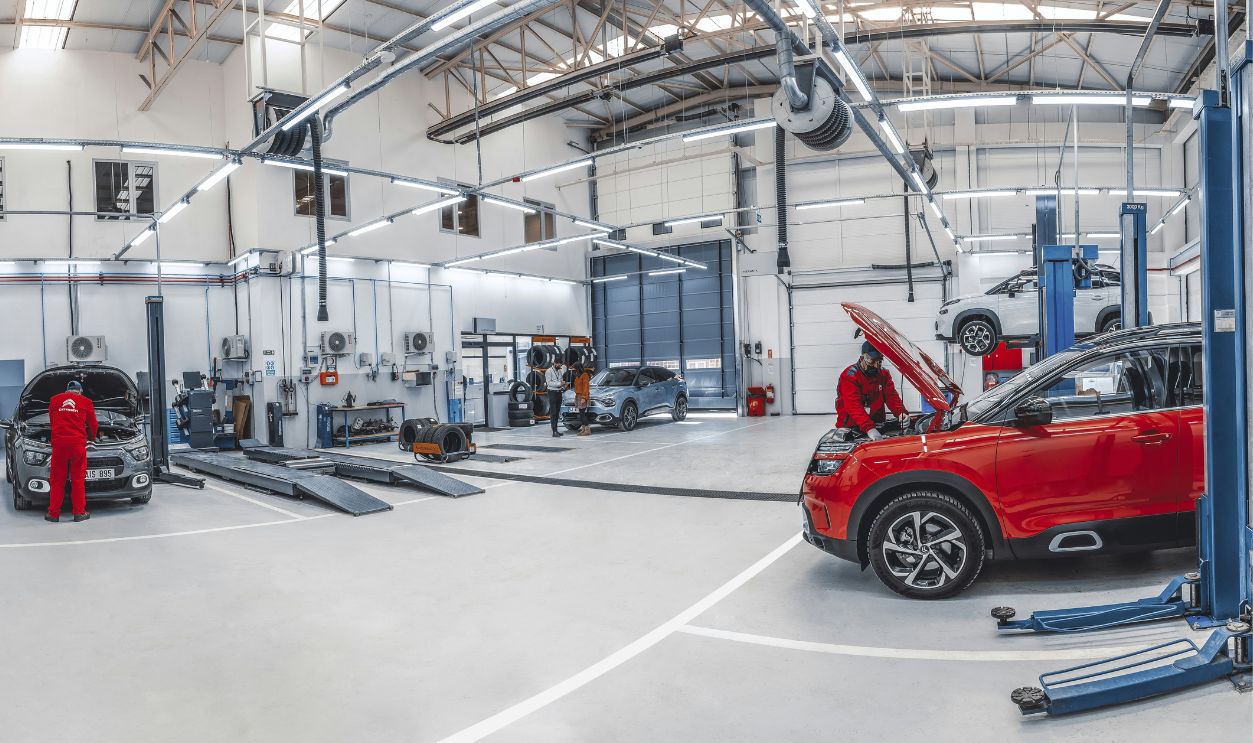
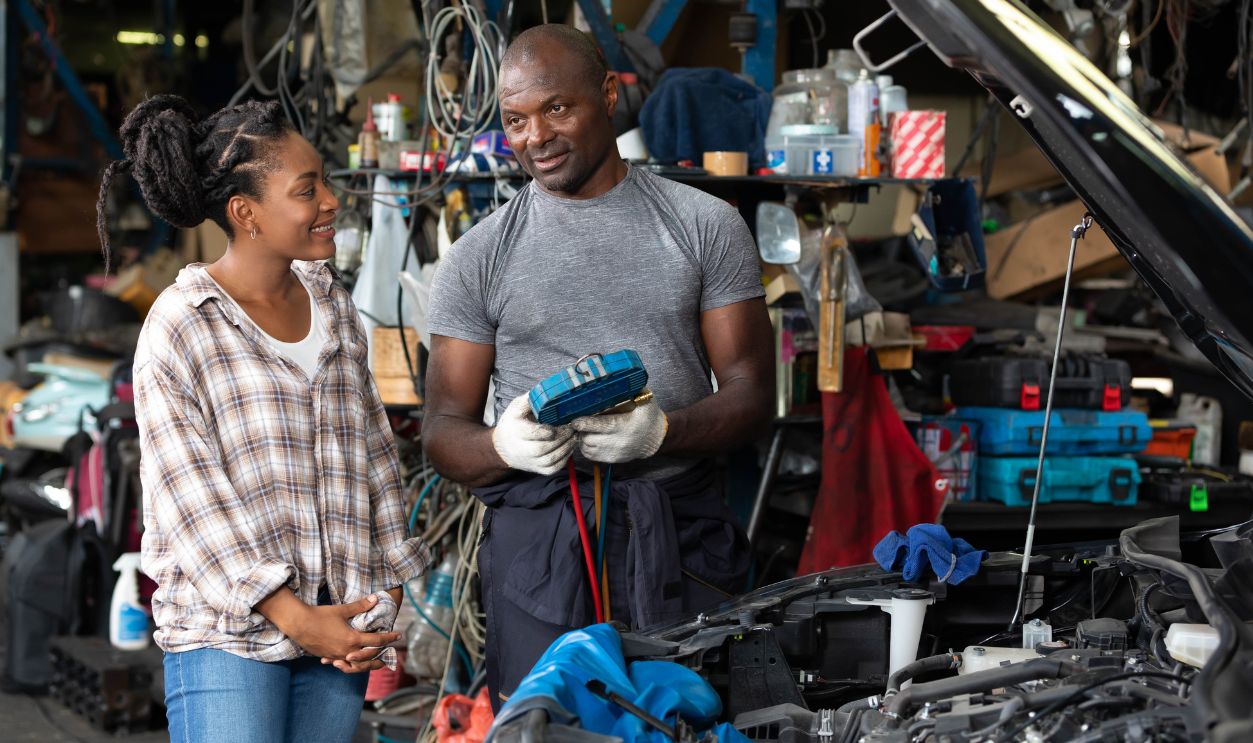
Groups like the Automotive Service Association and the Auto Care Association have argued that access to data, tools, and procedures is essential if independent shops are going to keep up. Their concern is simple. If a shop can physically repair the car but cannot finish coding or secure software access, the customer still gets pushed back to the dealer.
The Auto Care Association Framed It As A Consumer Choice Issue
The Auto Care Association has consistently argued that control of telematics and repair data decides whether drivers can really choose where to service a vehicle. The group's position is that access should not disappear just because automakers moved diagnostics from a physical port to a wireless connection. In other words, the format changed, but the owner's need did not.

What The Massachusetts Case Revealed
The legal fight over the Massachusetts law exposed the real stakes. Independent repair access used to center on the OBD-II port and service manuals. Newer connected cars can send valuable diagnostic and repair-related data straight to the manufacturer, which means the carmaker can become the gatekeeper unless rules force broader access.

There Was A Major Court Update In 2025
In February 2025, a federal judge largely upheld the Massachusetts right to repair law after years of litigation. Reporting from Reuters said the ruling rejected major portions of the automakers' challenge. The decision mattered because it gave fresh momentum to the idea that repair access in the software era can be required by law.
 Mangkorn Danggura, Shutterstock
Why Owners Hear Carefully Worded Warnings
Automakers are usually careful about how they say these things. A company may not flatly say, "Use an independent shop and lose your updates," but it may warn that some repairs require authorized tools, certified procedures, or backend software validation. To an owner, the practical message can sound almost the same.

Warranty Law Still Matters Here
The Magnuson-Moss Warranty Act generally prevents companies from voiding a warranty simply because a customer used an independent shop or aftermarket part, unless the manufacturer provides the service or part for free or can show the outside repair caused the problem. The FTC has repeatedly reminded companies of this rule. That does not solve every software-access fight, but it does limit some of the broadest threats.
 f.t.Photographer, Shutterstock
What An Automaker Can Legitimately Control
A manufacturer can require that certain software functions, security credentials, or safety calibrations be handled in specific ways. It can also deny warranty coverage for damage caused by improper repairs. What it cannot fairly do is use vague warnings to make owners think any visit to a reputable independent shop automatically puts all future support at risk.

The Gray Area Is Where Customers Get Squeezed
The biggest problem is often not an outright ban. It is the murky middle where a shop can do 90 percent of the work, but the last 10 percent requires factory authorization, server access, or a digital handshake. That final step can be enough to steer the job back to the dealership.

Software Pairing Is A Quiet Power Tool
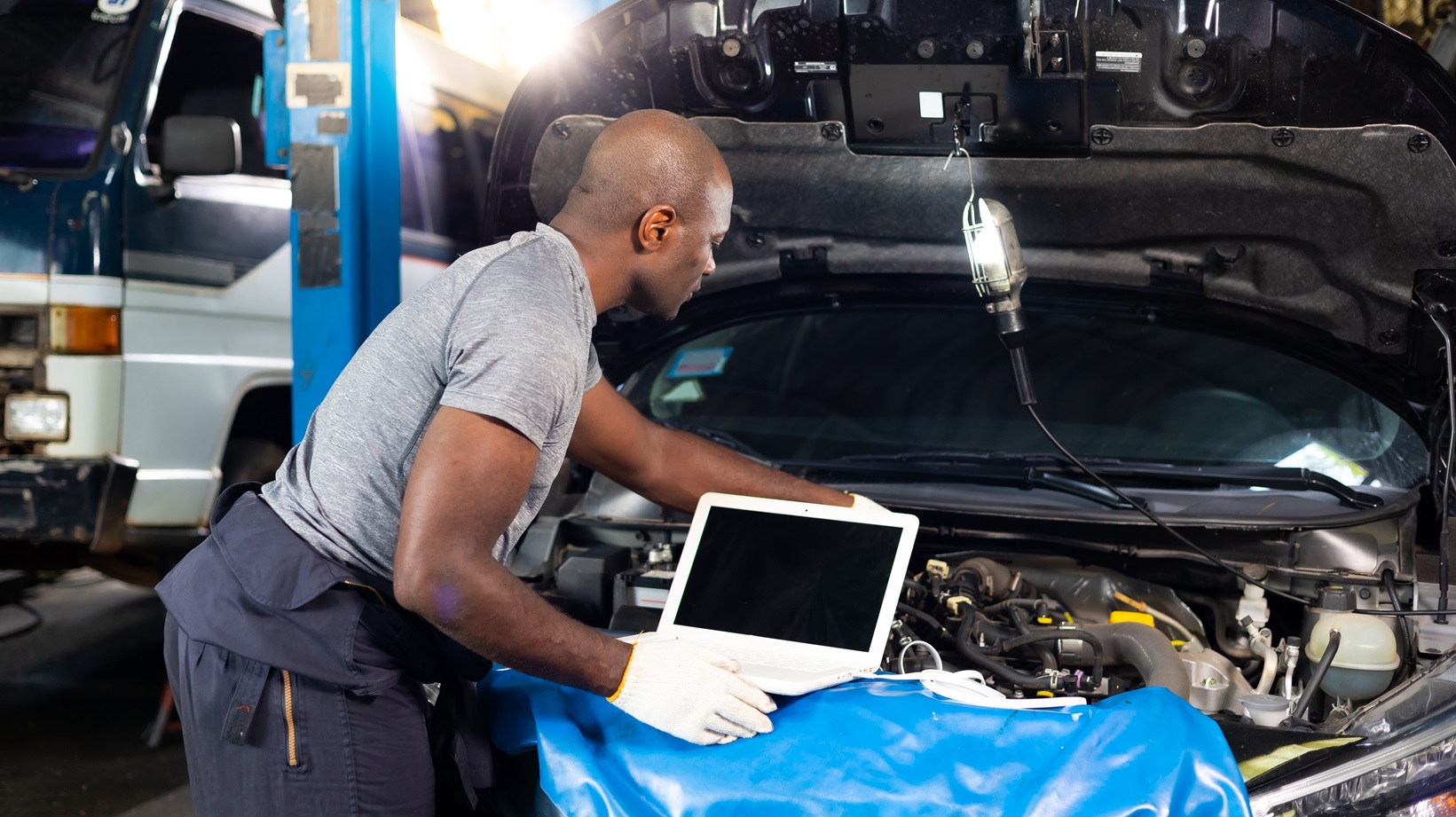
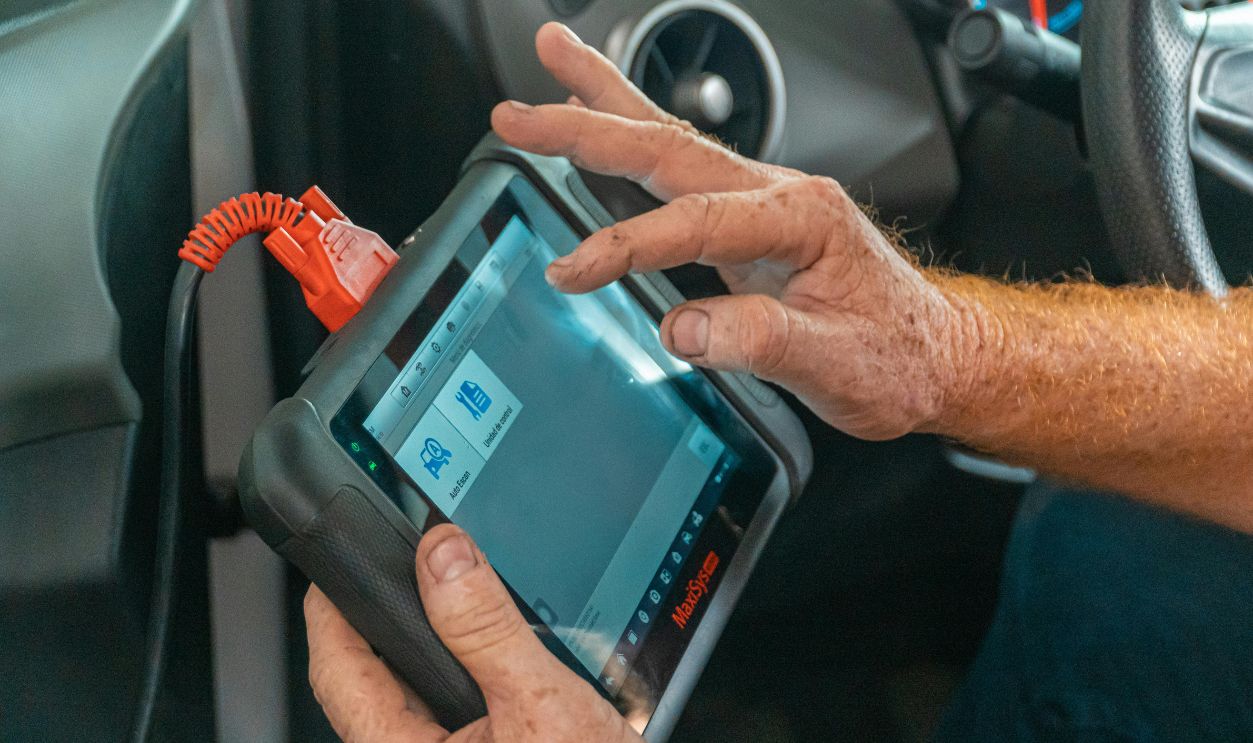
In many modern vehicles, replacing a module is not like swapping a starter motor on an older sedan. The replacement may need to be paired to the car, configured to the VIN, or approved through a factory system. If independent shops cannot finish that process, they may be left with a repaired car that still shows faults or disabled features.
 Jose Ricardo Barraza Morachis, Pexels
Over The Air Updates Raise The Stakes Again
Over-the-air updates can improve a vehicle without a shop visit, but they also centralize control with the manufacturer. If an automaker controls both the update pipeline and the credentials needed to recognize repaired components, it gains leverage over the aftersales ecosystem. That is why right to repair advocates pay such close attention to update-related language.

This Is Not Just About Luxury EVs
The issue is easy to connect with tech-heavy electric vehicles, but it goes far beyond that niche. Mainstream gas cars, hybrids, and trucks increasingly rely on connected systems and software-managed components. The more software touches routine service, the more this debate matters for ordinary drivers.
Consumer Reports Has Also Backed Repair Access
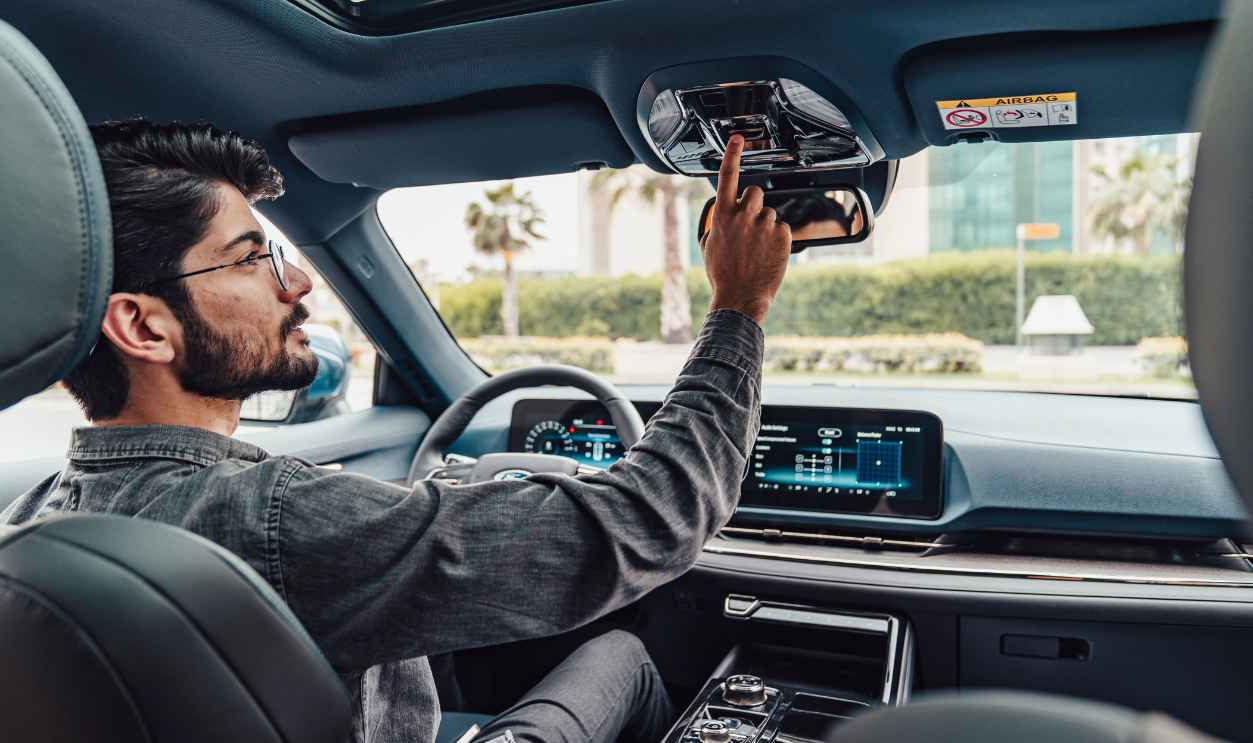
Consumer Reports has supported right to repair efforts and argued that consumers benefit when they can choose among service providers. The organization has also pointed out that competition can lower costs and improve convenience. That matters when dealership service departments are booked out or far away, especially for rural owners.
What Independent Shops Want Is Not A Free For All
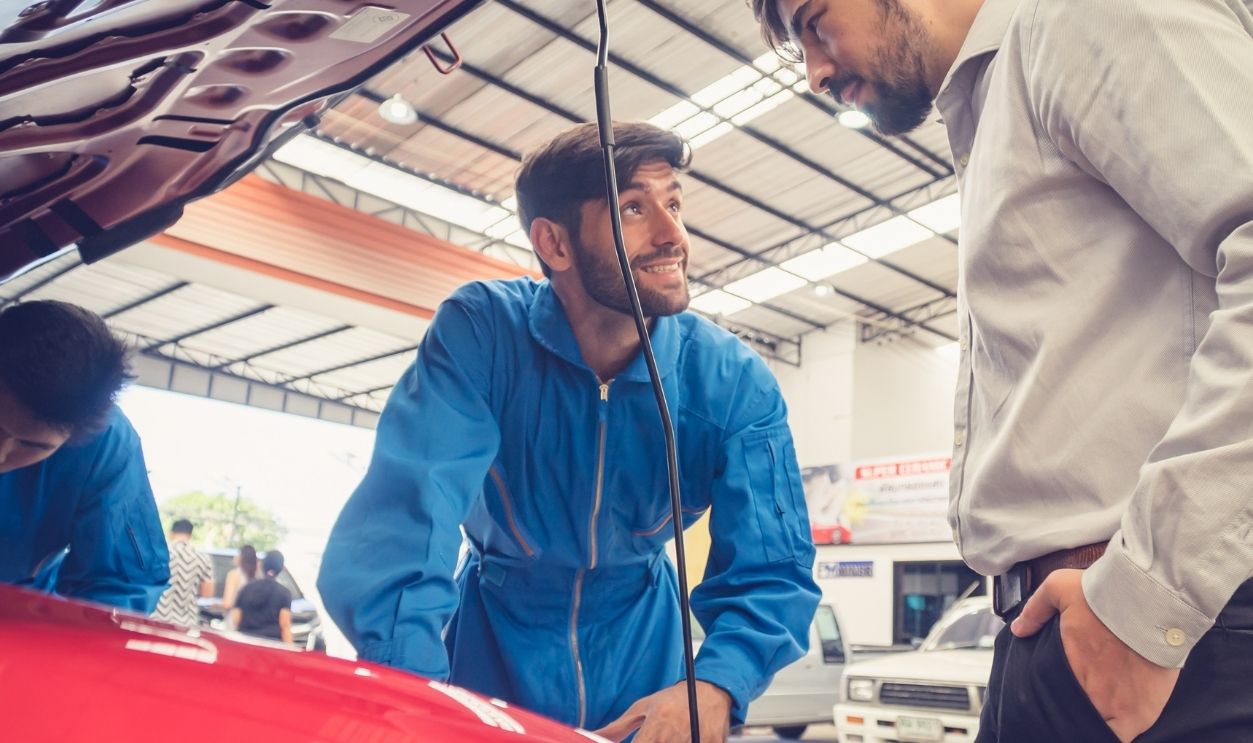
Independent repairers generally are not asking to bypass safety protections or cybersecurity altogether. They want fair access to the same repair information, diagnostic tools, software functions, and parts programming capabilities needed to complete legitimate repairs. The core argument is that ownership should mean more than just having the keys.
So Is This The New Way To Lock In Customers
In some cases, yes. Software control can work like a modern customer-retention tool even if no one says it that bluntly. The combination of telematics, update pipelines, parts pairing, and restricted factory tools can make independent repair harder and dealership dependence more likely. That does not mean every automaker warning is abusive, but it does mean owners should treat broad claims with healthy skepticism.

How To Protect Yourself Before You Need Repairs
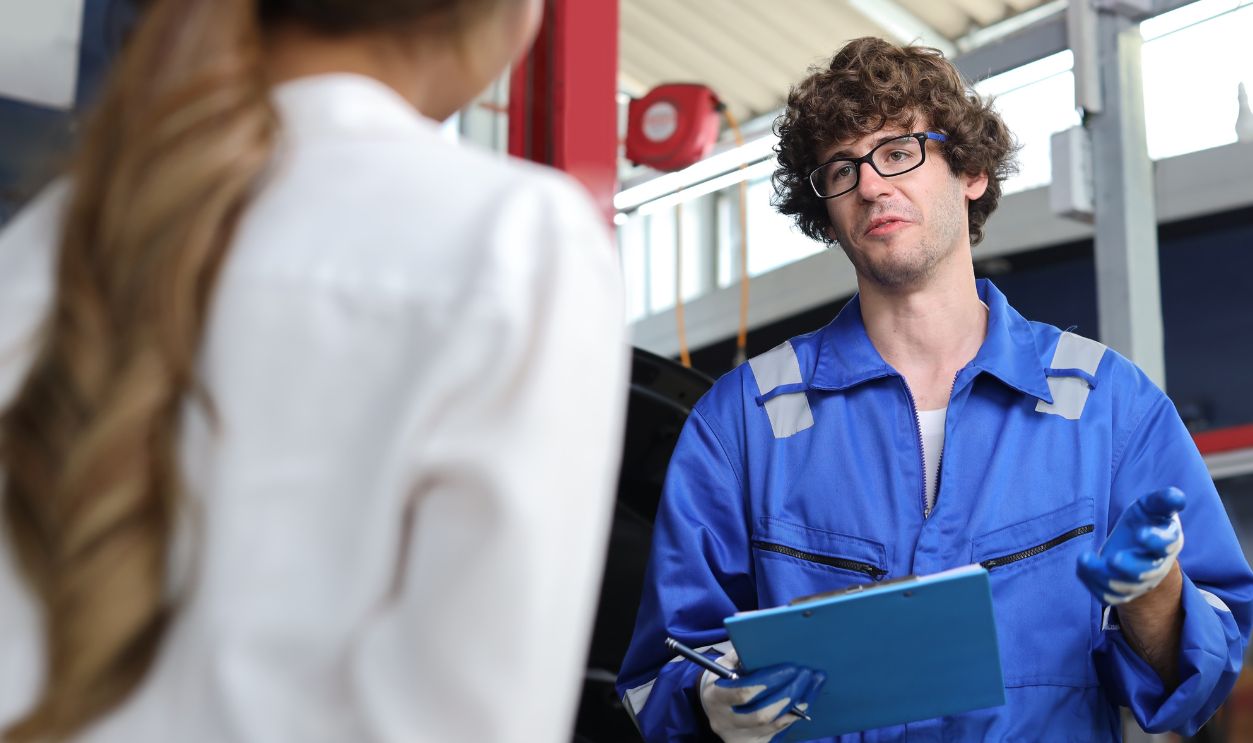
Ask specific questions before approving work. Find out whether the repair involves module programming, calibration, security access, or future software compatibility, and ask the shop whether it has factory-authorized tools or subcontracted programming support. A good independent shop should be able to explain where its capabilities end and whether a dealer visit might still be required.

What To Do If You Hear A Scary Warning
Ask for the warning in writing and have the automaker or dealer point to the exact policy. If the message sounds like a warranty threat, review FTC guidance on tying warranty coverage to branded service. And if the issue is really about access rather than warranty, then you have found the real battleground in the software-defined car era.

The Bottom Line For Drivers
The fight is no longer just about wrenches and replacement parts. It is about data, authorization, and who controls the digital life of the vehicle after you buy it. If that sounds like a new way to lock in customers, in many cases it is close enough to feel exactly that way.