The Warranty Cliff Feels Scarier Than It Is
When the factory warranty is about to run out, one spouse might see freedom from a car payment, while the other sees a giant repair bill waiting to happen. So, is one of you right and the other wrong? That actually depends a lot on your specific situation.

What A New Car Warranty Usually Covers
Most new vehicles come with a basic limited warranty for about three years or 36,000 miles, plus a longer powertrain warranty that often lasts five years or 60,000 miles. The exact terms vary by brand, but the point is the same. When that coverage ends, your car does not suddenly become unreliable overnight.
Why So Many Drivers Trade Right Before Expiration
Dealers know warranty deadlines make people nervous. Trading in before coverage ends sounds neat and safe, and it often lines up with the point when a car still has solid resale value. That does not always make it the smartest money move, especially if the car has been dependable and is close to paid off.

Reliability Data Tells A More Useful Story
If you want to judge risk, reliability data is far more useful than fear. Consumer Reports’ Annual Auto Surveys collect data from hundreds of thousands of vehicles to spot common trouble areas and compare dependability by model. J.D. Power’s Vehicle Dependability Study also tracks problems reported by original owners after three years, which gives a better picture of how cars behave as warranties start to end.

Three Years Is Not The End Of The Road
J.D. Power’s 2024 U.S. Vehicle Dependability Study, released in February 2024, measured problems experienced during the previous 12 months by original owners of 2021 model-year vehicles. That matters because it looks at cars just beyond the usual basic warranty period. The study showed clear differences by brand and system, but it did not suggest that every out-of-warranty car suddenly turns into a money pit.

Repair Costs Are Real, But Usually Not Constant
AAA said in its 2024 Your Driving Costs study that maintenance, repair, and tires cost an average of 10.13 cents per mile for 2024 based on vehicles driven 15,000 miles a year. That is a real expense, but it is not the same as nonstop breakdowns. For many households, routine upkeep and some repair risk still cost less than taking on a brand-new monthly payment.

The Average Monthly Payment Is The Real Gut Check
One of the biggest facts in this debate has nothing to do with the engine. According to Experian’s State of the Automotive Finance Market report for the fourth quarter of 2024, the average monthly payment was $742 for a new vehicle and $525 for a used vehicle. If your current car is nearly paid off, repairs would have to pile up fast to match the cost of replacing it.

Depreciation Often Hits Harder Than Repairs
New cars lose value quickly, especially in the first few years. If you trade early just to stay under warranty, you lock yourself into more depreciation over time. That can quietly cost more than fixing a water pump, alternator, or suspension part on a car you already know.
 f.t.Photographer, Shutterstock
Maintenance Is Not The Same As A Breakdown
Brakes, tires, batteries, filters, and fluids are normal ownership costs whether your car is under warranty or not. A lot of people blame the end of warranty coverage for expenses that were going to happen anyway. A simple budget that separates routine maintenance from actual repair risk can make this decision feel a lot less loaded.
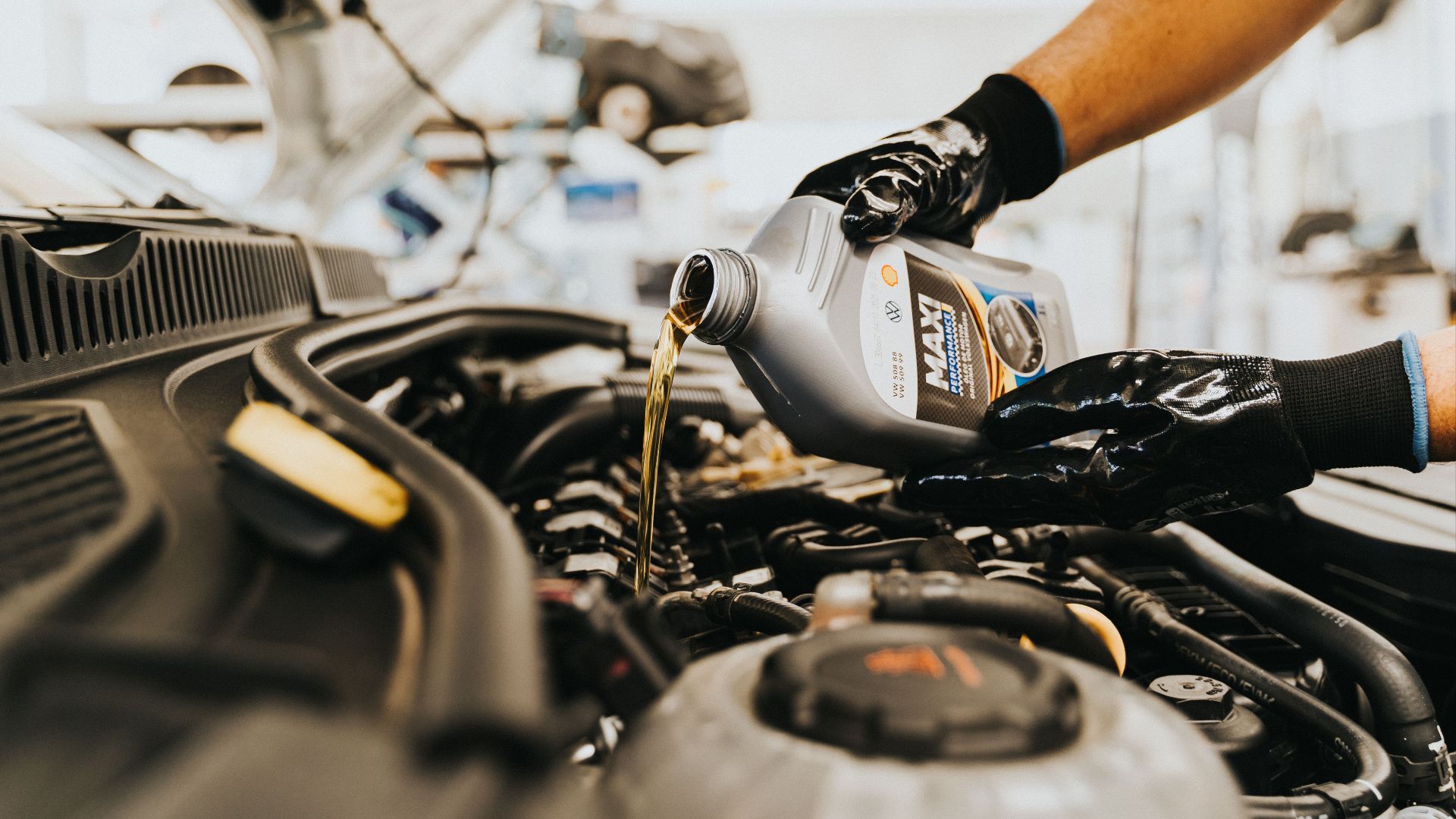
Some Cars Deserve More Caution Than Others
Not every model earns the same trust once coverage ends. If your car has a known history of expensive engine, transmission, electrical, or hybrid battery trouble, the math changes. That is where service bulletins, recall history, owner forums, and model-specific reliability data matter much more than the calendar.
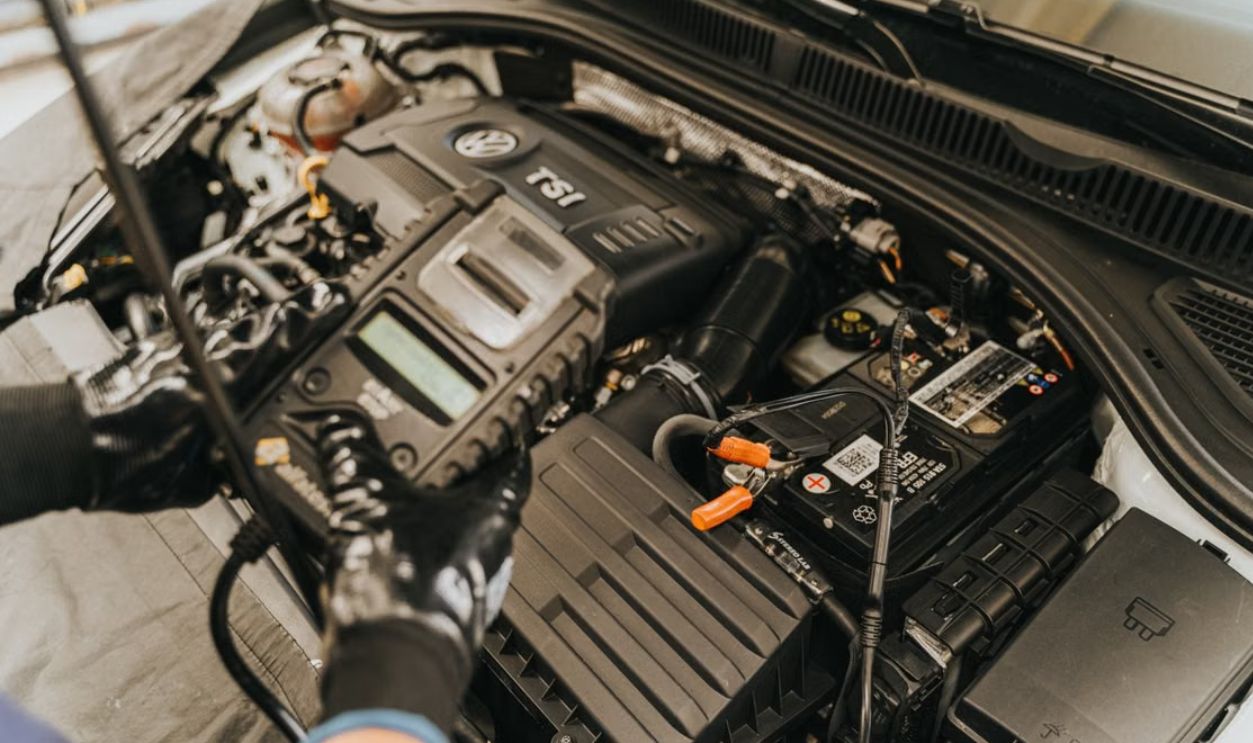
Recalls Should Not Be Confused With Warranty Coverage
A recall is not the same thing as a warranty, and that matters. The National Highway Traffic Safety Administration requires safety recalls to be fixed at no charge no matter whether the vehicle is still under the original warranty. Before you trade out of fear, check your VIN on NHTSA’s recall lookup tool to see whether any open safety recalls are already covered.

Extended Warranties Are Not Magic Shields
Extended warranties, often sold as vehicle service contracts, can help in some cases, but they are not all the same. The Federal Trade Commission advises buyers to read exactly what is covered, what is excluded, and whether repairs have to be done at certain shops. Many plans come with deductibles, limits, and fine print that make them less valuable than they sound in the finance office.

Emergency Savings Can Replace Warranty Anxiety
If your spouse is worried about a surprise repair bill, a repair fund can be a smart middle ground. Setting aside even a modest amount each month creates your own backup plan. In many cases, that money stays yours if the car holds up, unlike a payment on a replacement vehicle that goes out every month no matter what.

Your Driving Habits Matter More Than You Think
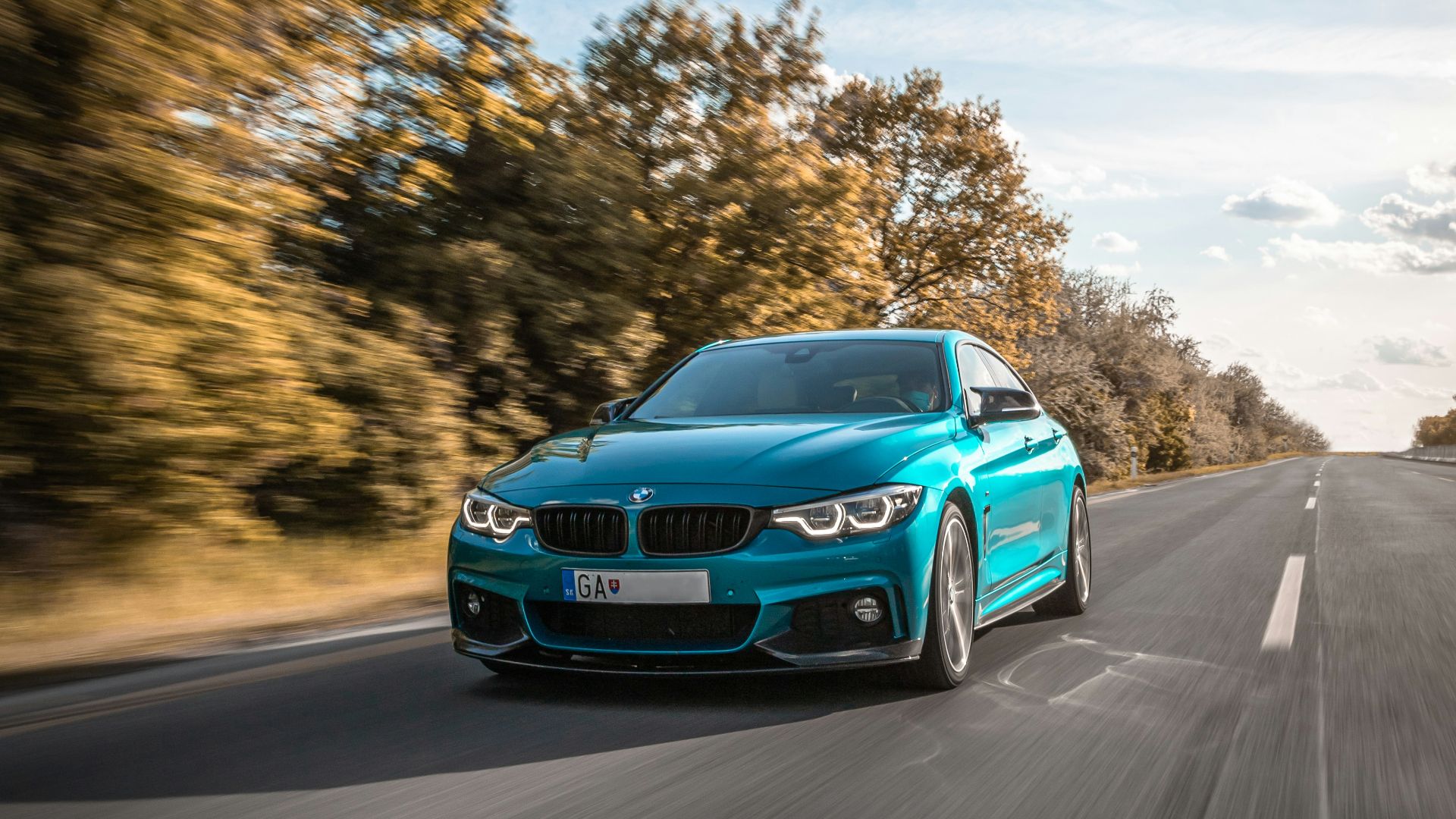
A commuter putting on 18,000 to 20,000 miles a year faces a very different risk than someone who drives 6,000 miles and keeps the car in a garage. Heat, road salt, potholes, towing, and skipped maintenance all speed up wear. The same out-of-warranty car can be a smart keeper in one home and a headache in another.
Maintenance Records Are A Powerful Truth Serum
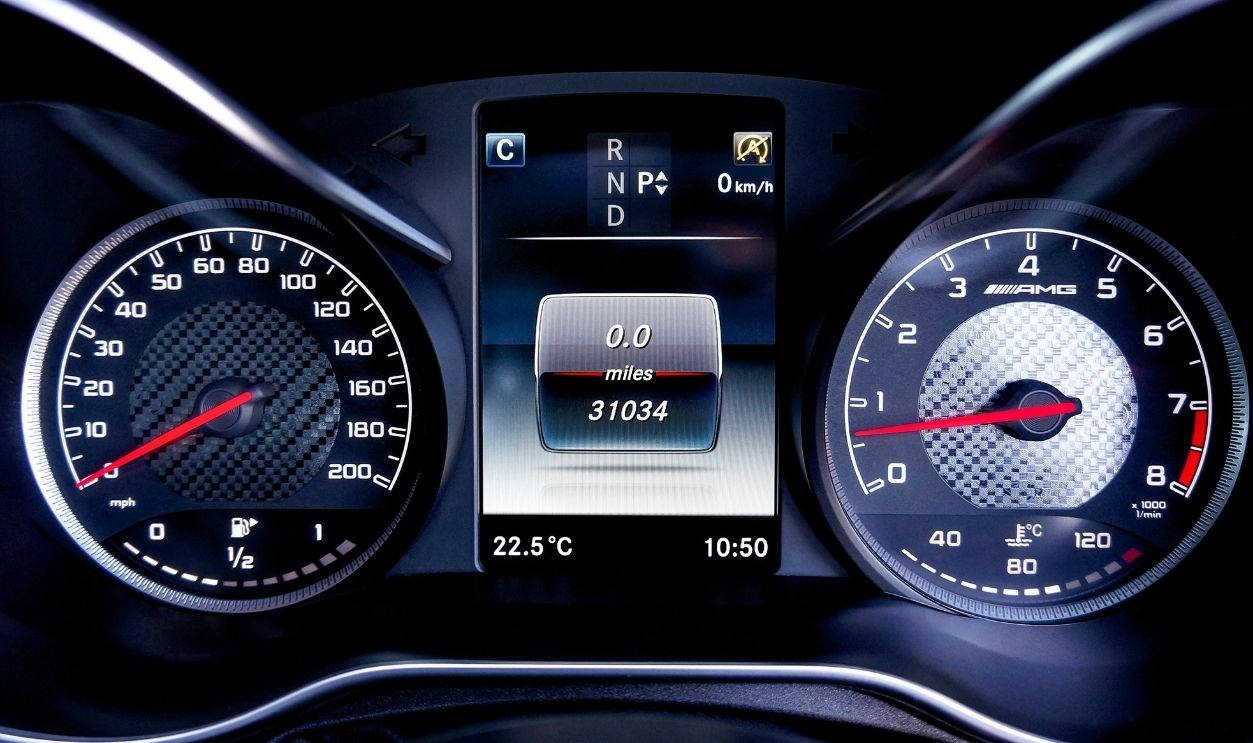
If you have oil change records, fluid service receipts, tire rotation paperwork, and proof that the recommended maintenance was done on time, you know a lot more than a warranty label can tell you. A well-documented car is easier to judge and usually easier to sell later. Missing records make things murkier because neglect often shows up after the coverage is gone.

The First Owner Often Takes The Biggest Financial Hit
There is a reason some value-focused buyers like lightly used vehicles that are just outside the original basic warranty. The first owner already took much of the depreciation hit, while the next owner may still get years of solid use. That does not mean out-of-warranty cars are carefree. It does show that plenty of buyers are willing to take that deal because the numbers can work in their favor.

Certified Pre-Owned Offers A Middle Ground
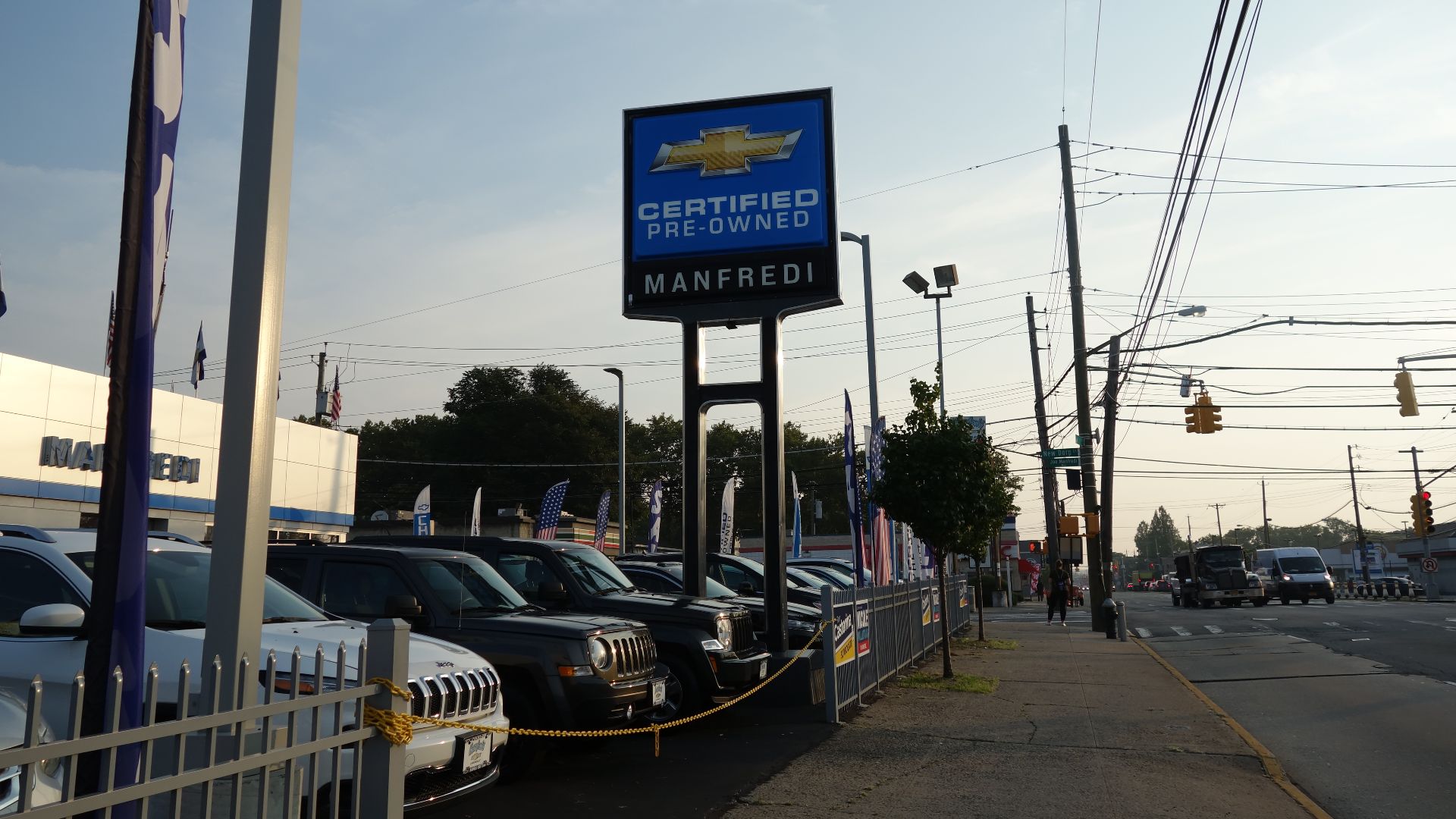
If the warranty issue is causing stress at home, certified pre-owned shopping can be a reasonable compromise. Manufacturer-backed CPO vehicles usually include an inspection process and some added warranty coverage beyond the original term. That can ease repair worries without pushing you into the most expensive part of new-car depreciation.
Brand Reputation Still Carries Weight
Some automakers have earned stronger reputations for long-term durability than others, and that did not happen by accident. Consumer Reports and J.D. Power both publish brand and model dependability insights that can help you compare your current vehicle with the broader market. If your model regularly scores well, trading just because the warranty is ending gets harder to justify.

Technology Can Raise The Stakes
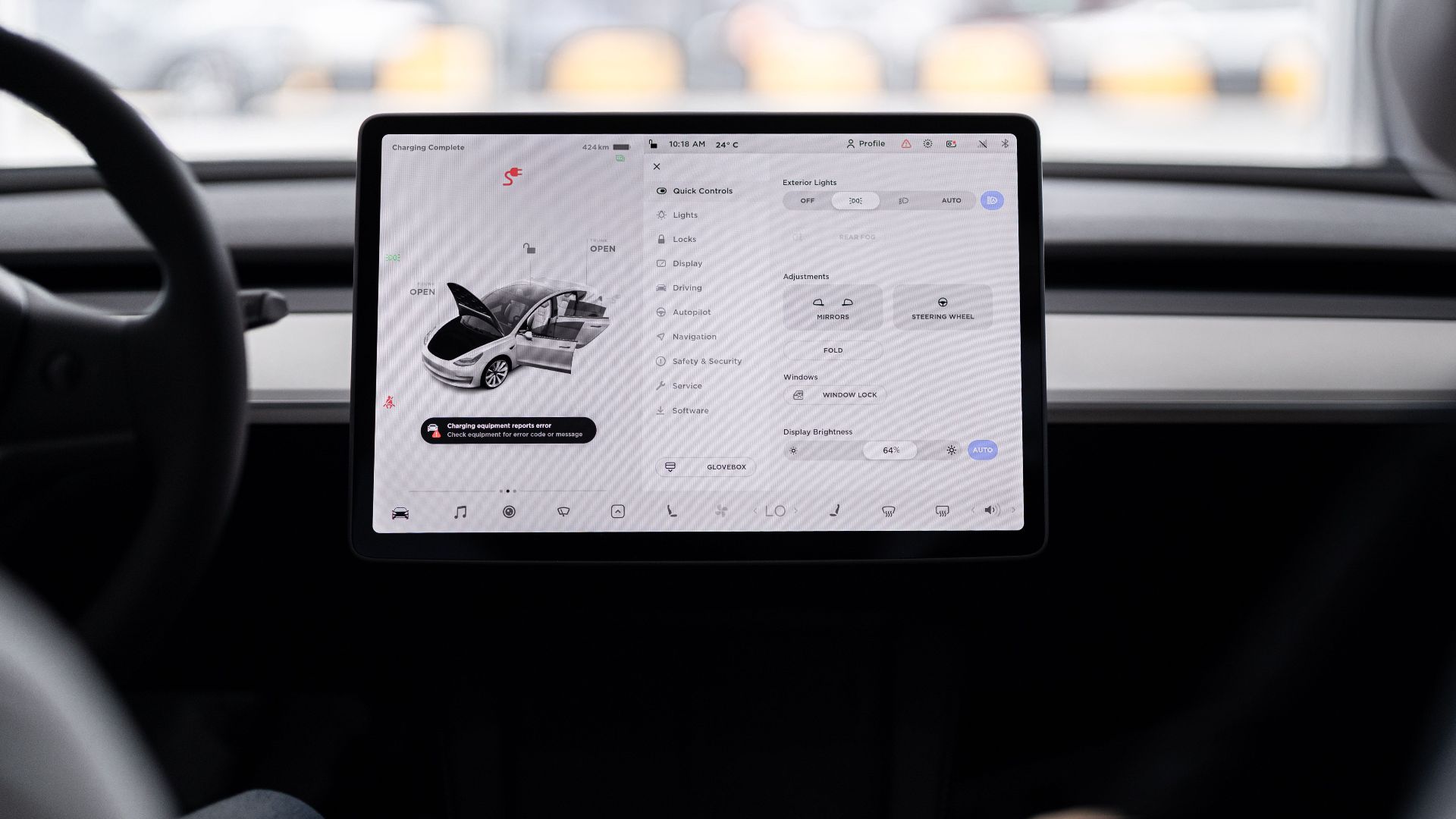
Modern cars are safer and more capable, but they are also packed with sensors, screens, cameras, turbochargers, and driver-assistance systems. When those features fail outside warranty, repairs can cost more than old-school mechanical fixes. That does not mean you should panic, but it does mean added complexity is part of the equation.
A Pre-Purchase Style Inspection Works For Current Cars Too
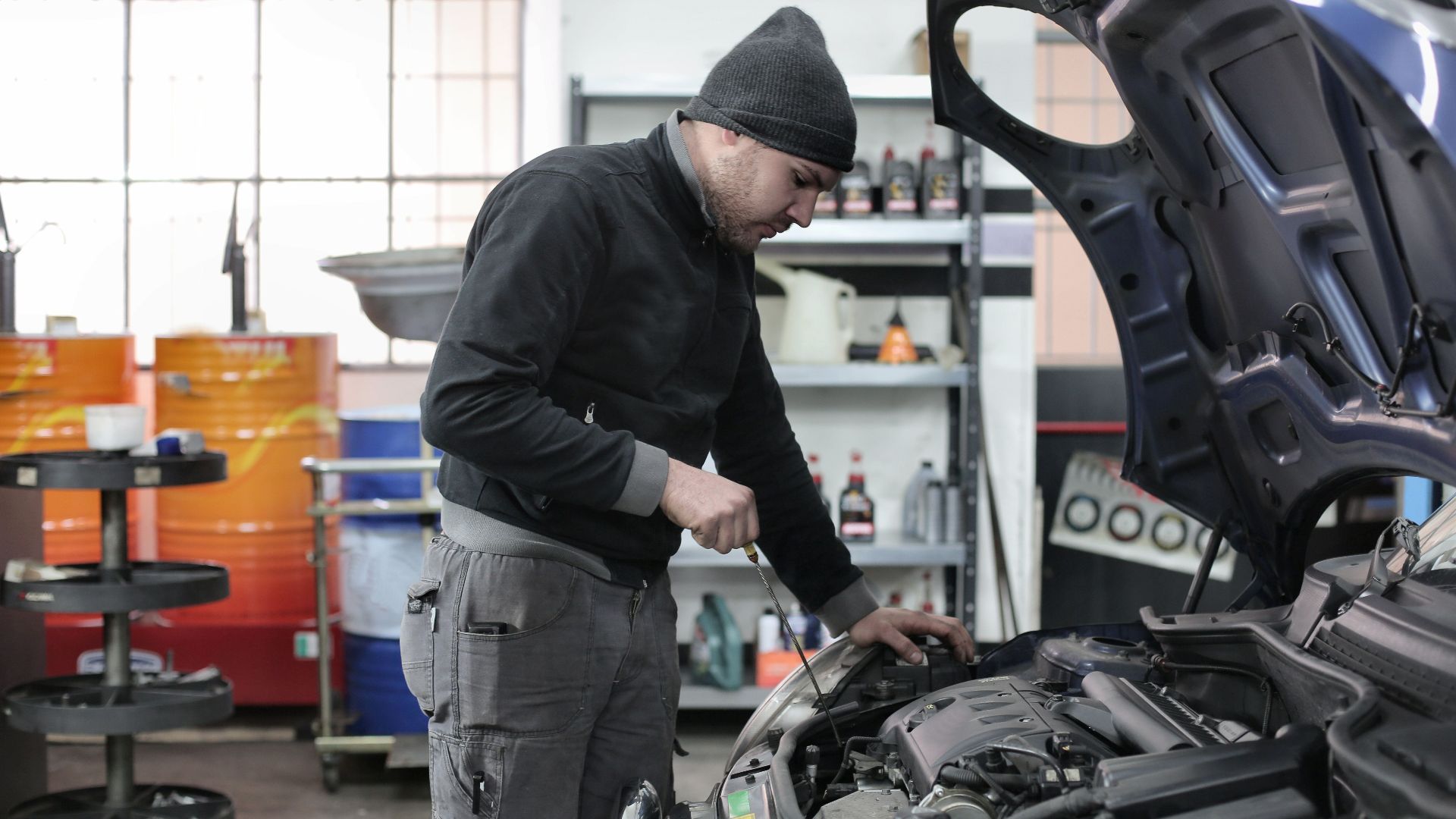
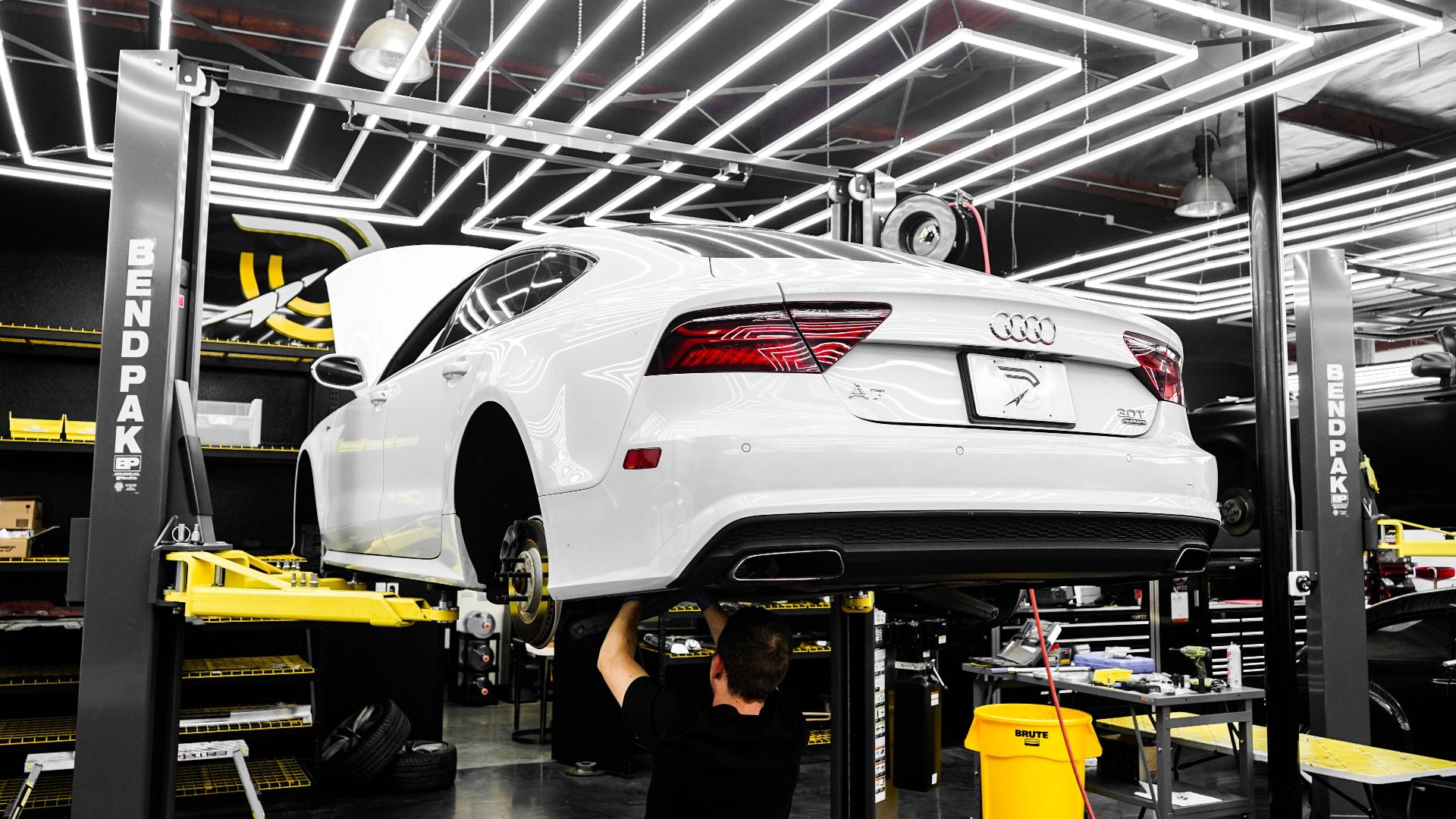
You do not need to be shopping for a used car to benefit from an independent inspection. Paying a trusted mechanic to check your current vehicle before the warranty ends can uncover leaks, weak batteries, worn suspension parts, or tire issues that are starting to show. That gives you a fact-based snapshot instead of relying on fear, guesswork, or a salesperson’s pressure.
Check For Remaining Powertrain Or Emissions Coverage
Many owners assume all coverage disappears at once, but that is not always true. Your basic warranty may be ending while powertrain coverage still remains, and some emissions-related parts may be covered longer under federal rules. Read the warranty booklet for your exact model year before deciding you are about to be completely on your own.

Repair Probability Is Different From Repair Severity
A smart way to think about this is to separate the odds of something going wrong from the cost if it does. A reliable car might rarely need work but still carry the risk of one expensive failure. Another vehicle might have more frequent problems, but each one is smaller and easier to manage. Your budget may handle one pattern much better than the other.
If You Owe More Than The Car Is Worth, Trading Gets Trickier
Negative equity can turn an emotional decision into an expensive one fast. Rolling old debt into a new loan often means paying interest on a car you no longer own while also taking on a higher monthly payment. If warranty worries are the main reason for trading, it is worth slowing down and running the numbers first.

There Is No Universal Mileage To Bail Out
Some drivers treat 36,000 miles, 60,000 miles, or 100,000 miles like magic cutoff points. Real life is not that tidy. A well-kept vehicle with a strong reliability record can still make sense well past all of those milestones, while a trouble-prone model may deserve an exit plan much earlier.
The Best Answer Is Usually A Math Problem
Add up your current payment, expected maintenance, insurance, taxes, and the likely resale hit from trading now. Then compare that with the full cost of the replacement vehicle, not just the monthly payment. When you do the math honestly, keeping the car often looks less risky than it first seemed.

When Trading Early Actually Makes Sense
Sometimes the cautious spouse has a point. If the car has a documented history of repeated major failures, weak reliability ratings, an expensive known issue, or no longer fits your safety or family needs, moving on before a major repair can be the right call. The key is making that decision based on evidence, not just the fact that a date on the warranty is coming up.
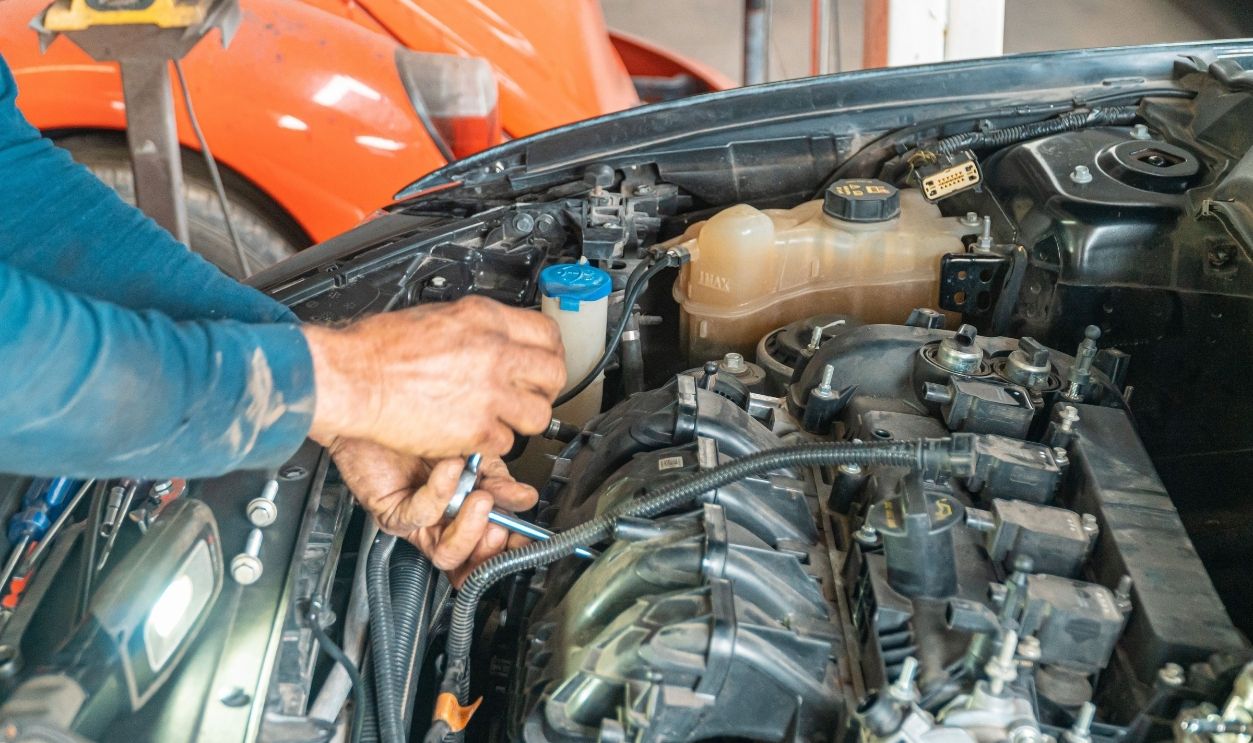 Jose Ricardo Barraza Morachis, Pexels
The Calm, Practical Bottom Line
Keeping a car after the warranty ends is not automatically reckless. For many drivers, it is the smarter financial move, especially if the vehicle has been reliable, the maintenance is current, and there is some cash set aside for repairs. The best move is not to fear the warranty cliff. It is to replace guesswork with real data about your specific car, your budget, and your tolerance for risk.