
The Recommendation Sounds Expensive, But The Explanation Sounds Technical
Your car still runs, the check-engine light may not even be on, and suddenly the service advisor is recommending a carbon-cleaning procedure you’ve never heard of before. That’s enough to make anyone suspicious. Direct-injection engines really do have some unusual maintenance quirks, but whether yours actually needs cleaning depends on more than mileage alone.
Direct Injection Changed Where The Fuel Goes
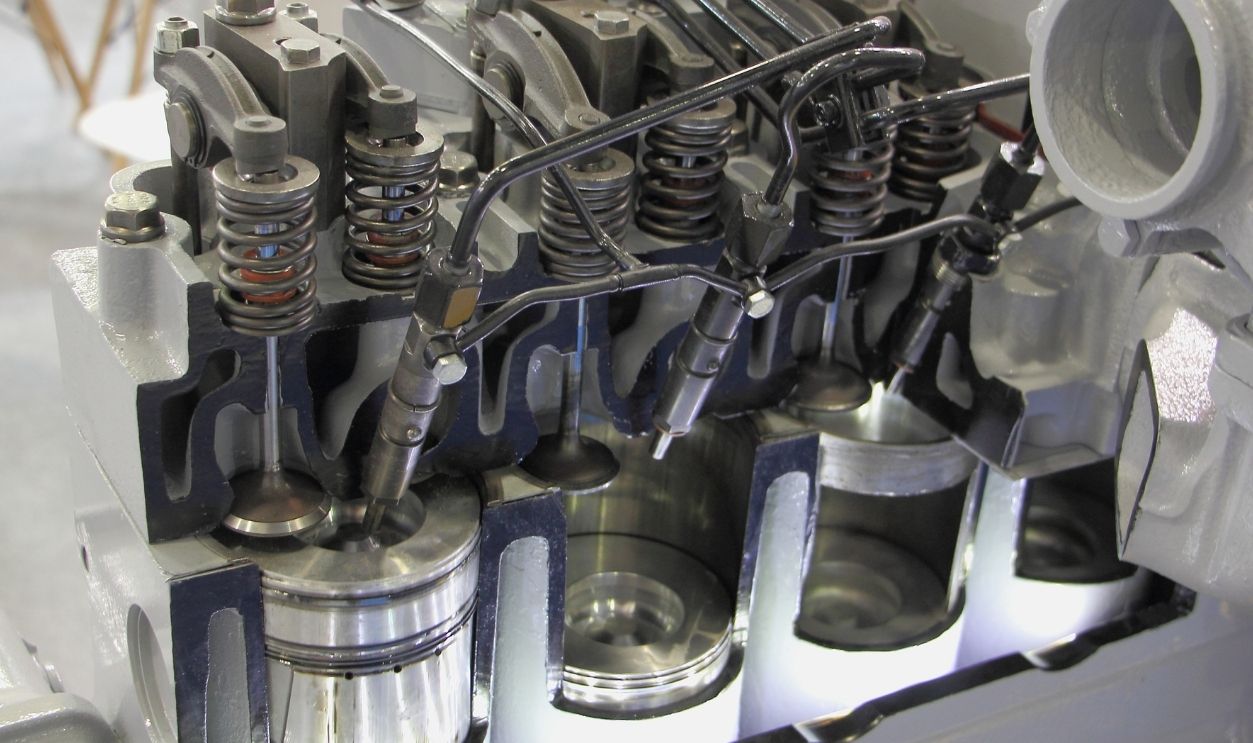
In a traditional port-injected engine, fuel is sprayed into the intake port before entering the combustion chamber. That means gasoline passes over the backs of the intake valves on its way in. A gasoline direct-injection engine sprays fuel straight into the combustion chamber instead.
That Missing Fuel Wash Matters
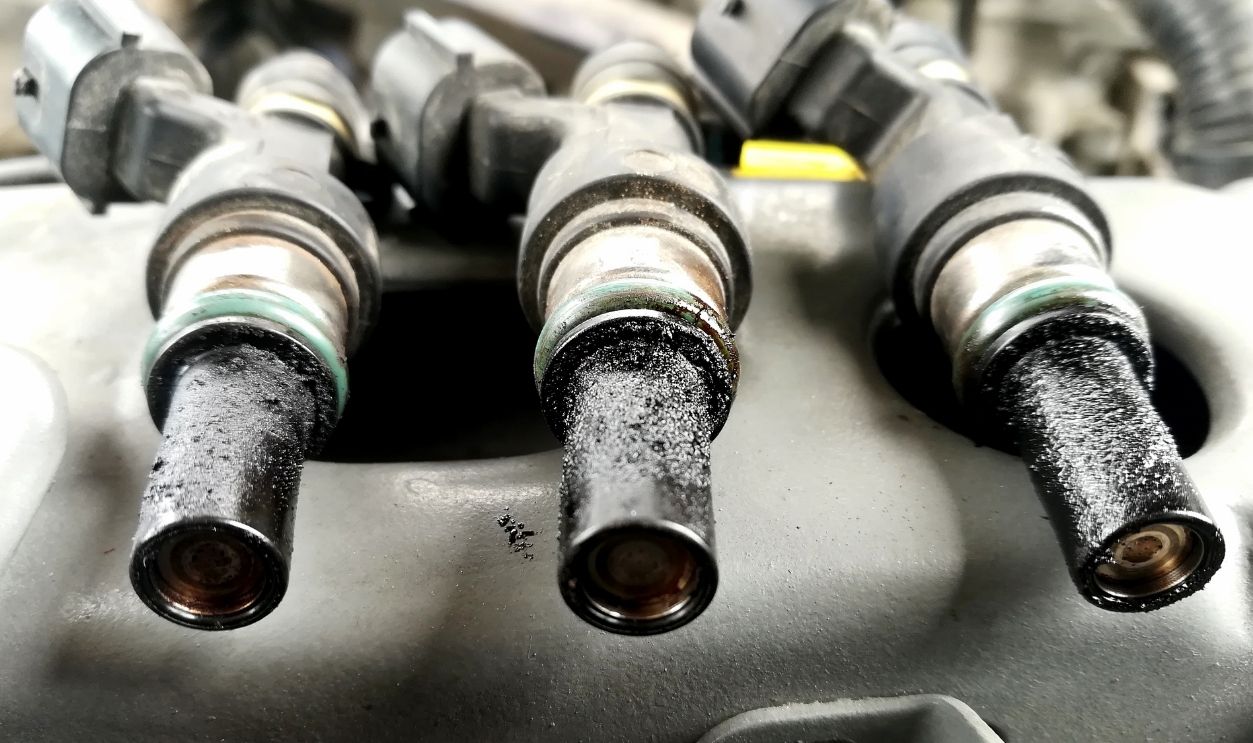
Gasoline contains detergents that help keep parts of the fuel system cleaner. Because direct-injected fuel never washes across the backs of the intake valves, those valves lose that cleaning effect. Oil vapor and other residues can gradually collect there instead.

Carbon Can Build Up On The Intake Valves
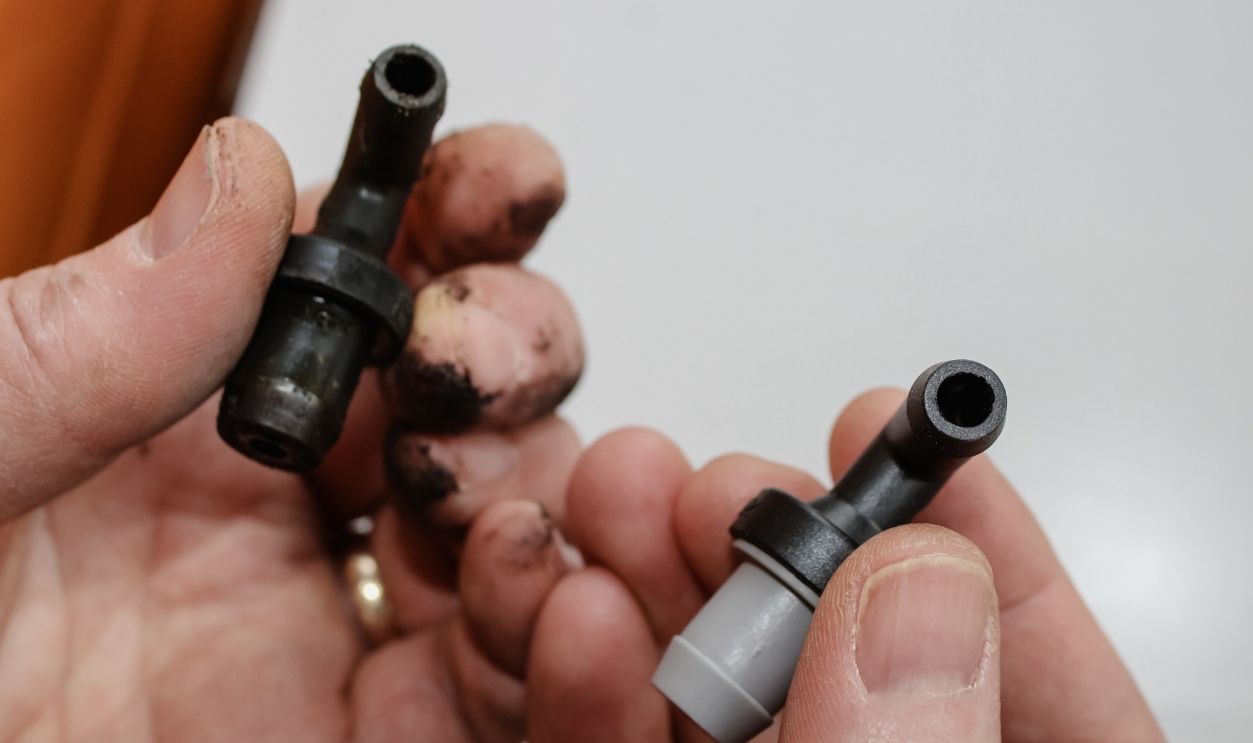
Small amounts of oil vapor normally travel through the engine’s crankcase ventilation system. Some of that residue can reach the intake tract and stick to hot valve surfaces. Over thousands of miles, repeated heating can bake those deposits into hard carbon.
This Isn’t Just A Mechanic-Shop Theory
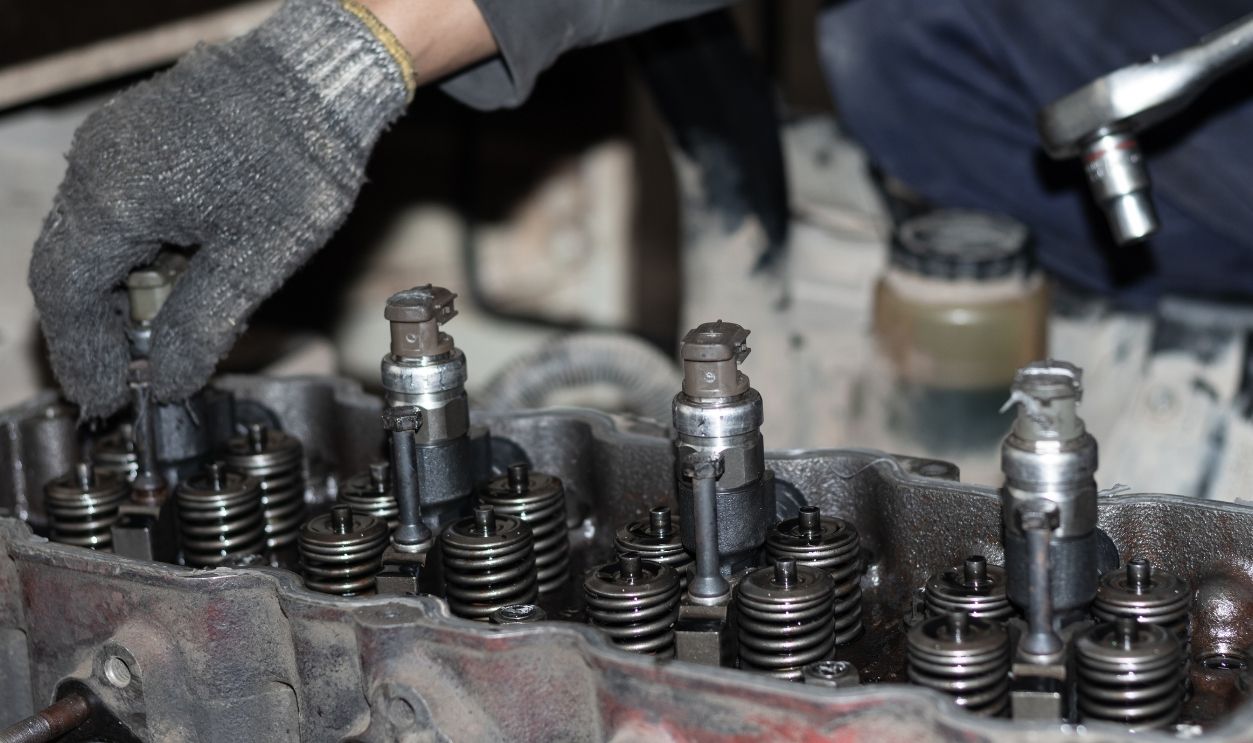
Automakers have issued technical service bulletins addressing carbon deposits in certain direct-injection engines. Some specify procedures for cleaning intake valves when deposits are linked to rough idle, misfires, reduced power, knocking, or other symptoms.
But Not Every Direct-Injection Engine Has The Same Problem
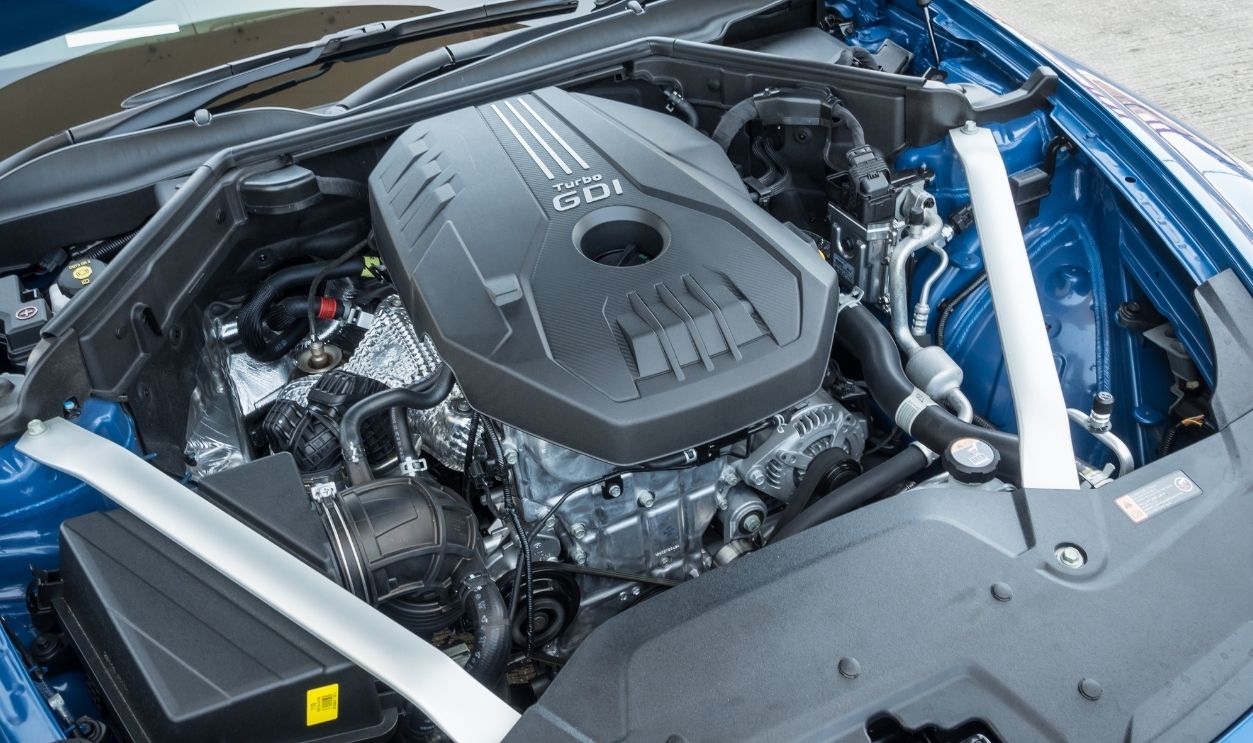
This is where blanket recommendations become questionable. Engine design, crankcase ventilation, operating temperature, driving habits, fuel system design, and software all affect deposit formation. Some engines develop serious buildup while others go very high mileage without needing intake-valve cleaning.
Newer Engines May Handle It Better
Manufacturers have learned from earlier direct-injection designs. Some modern engines combine direct injection with port injection, allowing fuel to pass over the intake valves under certain conditions. That can reduce the deposit problem while preserving many of direct injection’s efficiency benefits.
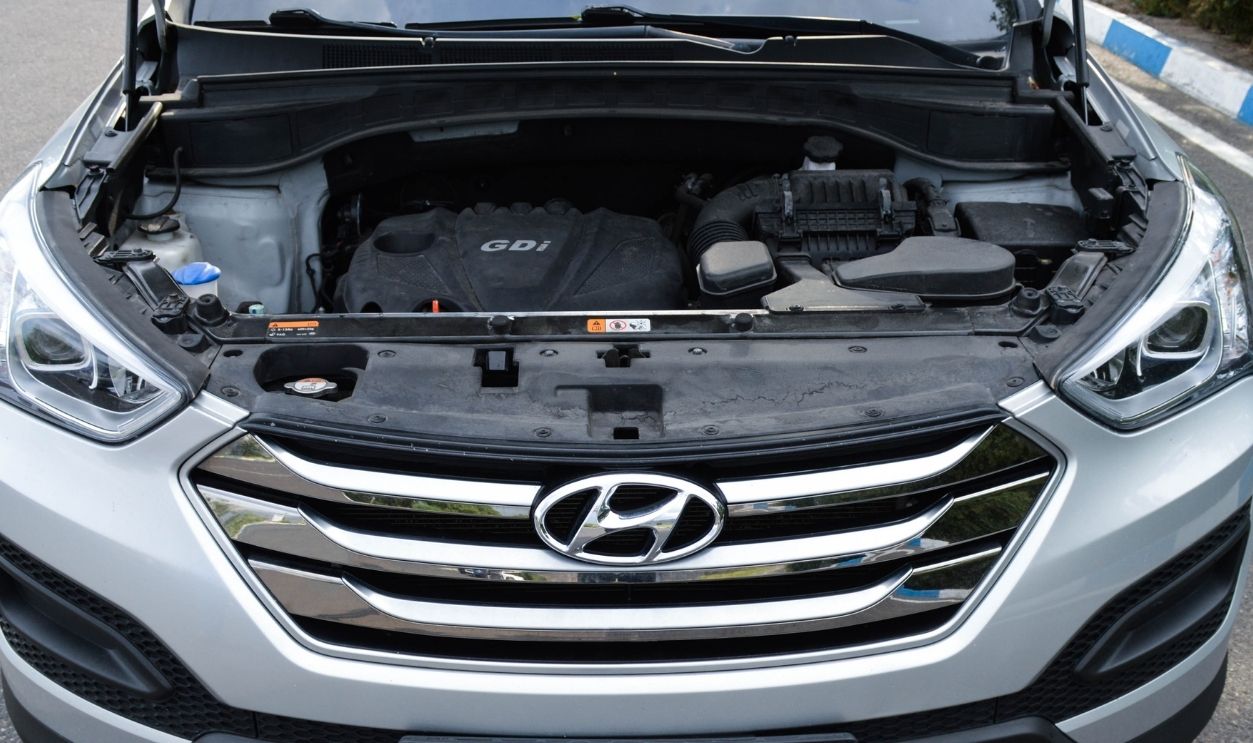
Dual Injection Is A Useful Clue
If your engine has both port and direct injectors, it may be less prone to the classic intake-valve buildup associated with direct injection alone. That doesn’t make deposits impossible, but it changes the maintenance picture. Find out which system your exact engine uses before agreeing to anything.
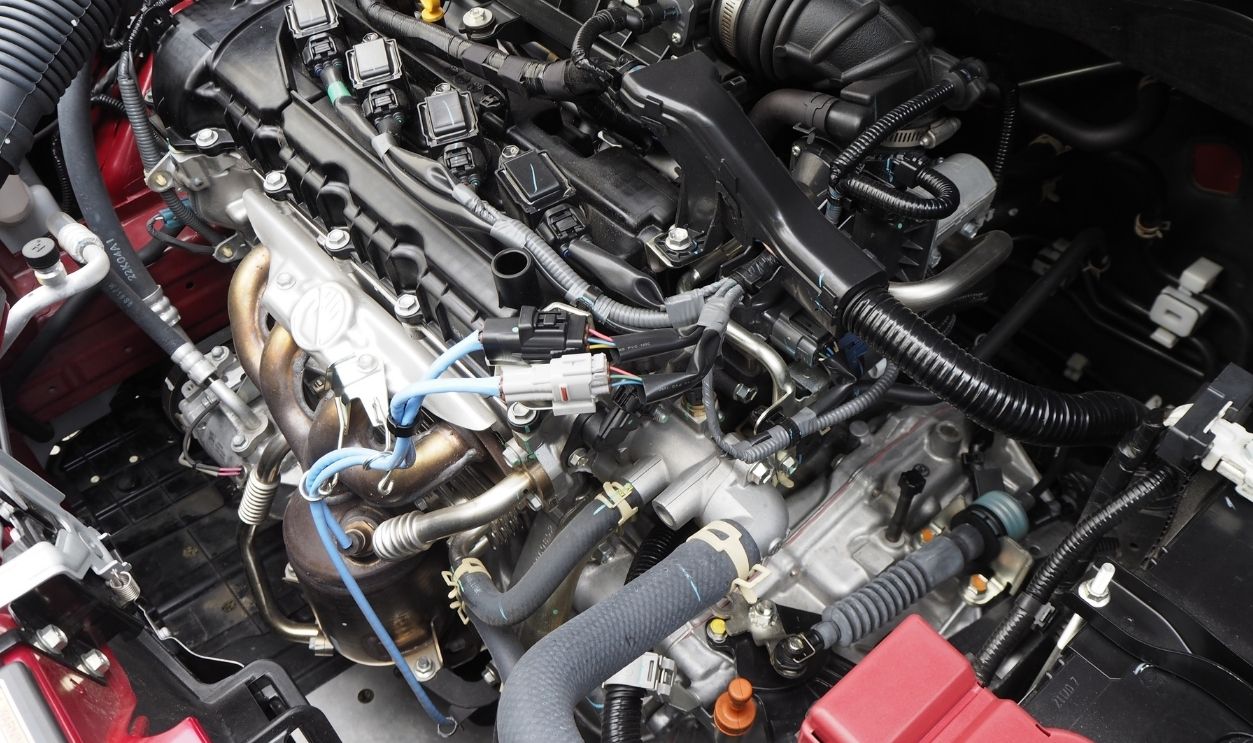
Mileage Alone Isn’t A Diagnosis
A shop saying every direct-injection engine needs carbon cleaning at exactly 30,000, 50,000, or 60,000 miles deserves some scrutiny. Some manufacturers have specific procedures or recommendations, while others don’t list routine intake-valve cleaning at all. Ask what recommendation applies specifically to your model.

Check The Owner’s Manual First
Look through the scheduled maintenance section for intake cleaning, fuel-system service, or related procedures. If the service isn’t listed, that doesn’t automatically make it unnecessary, but it does mean the shop should have another reason for recommending it.

Ask Whether There’s A Technical Service Bulletin
A manufacturer technical service bulletin, or TSB, can be much more useful than a generic maintenance menu. It may describe symptoms, diagnostic codes, affected engines, and an approved cleaning method. Ask the mechanic whether your recommendation is based on one.

Rough Idle Can Be A Warning
Carbon buildup can disrupt airflow around the intake valves. When deposits become severe enough, the engine may idle roughly or feel uneven, particularly during cold starts. That’s more convincing evidence than simply reaching an arbitrary mileage milestone.
 iTsMe.9iNe.YospoL15, Shutterstock
Misfires Are Another Important Clue
A contaminated intake valve may contribute to poor combustion and misfire codes. Some manufacturer bulletins specifically recommend carbon-cleaning procedures when certain misfires appear alongside other symptoms. A diagnostic scan can help establish whether there’s actually a problem to investigate.
 A Santi Wajitdol, Shutterstock
Loss Of Power Can Point In The Same Direction
Heavy deposits can restrict airflow into the cylinders. Drivers may notice weaker acceleration, hesitation, or a general feeling that the engine isn’t as responsive as it used to be. Those symptoms have many possible causes, though, so carbon shouldn’t be blamed automatically.

A Check-Engine Light Should Be Diagnosed Before Cleaning
If a warning light is on, ask what codes were stored and how those codes point toward carbon deposits. Fuel injectors, ignition coils, spark plugs, vacuum leaks, sensors, and other faults can produce similar symptoms. Cleaning shouldn’t substitute for proper diagnosis.
 Bartolomiej Pietrzyk, Shutterstock
Ask To See The Deposits
One of the easiest ways to push back on a vague recommendation is to ask for evidence. Depending on the engine, a technician may be able to inspect the intake valves with a borescope or show photographs after removing part of the intake system. Visible heavy buildup makes the recommendation much easier to justify.
 Roman Samborskyi, Shutterstock
“They All Need It” Isn’t A Great Explanation
A good technician should be able to explain why your car needs the service. That might mean symptoms, fault codes, a known issue for that engine, inspection evidence, or an automaker procedure. A sales pitch based only on the words “direct injection” is much less convincing.
 Sergei Gontsarov, Shutterstock
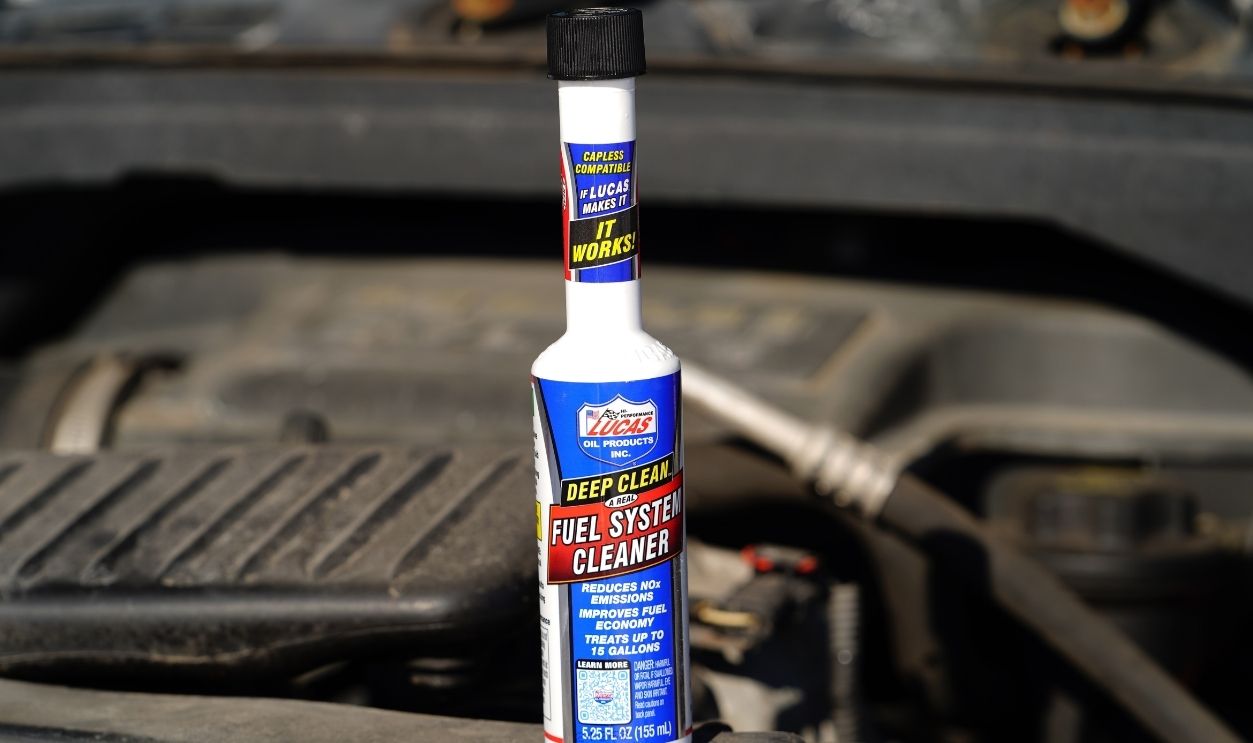
Fuel-System Cleaner Isn’t The Same Thing
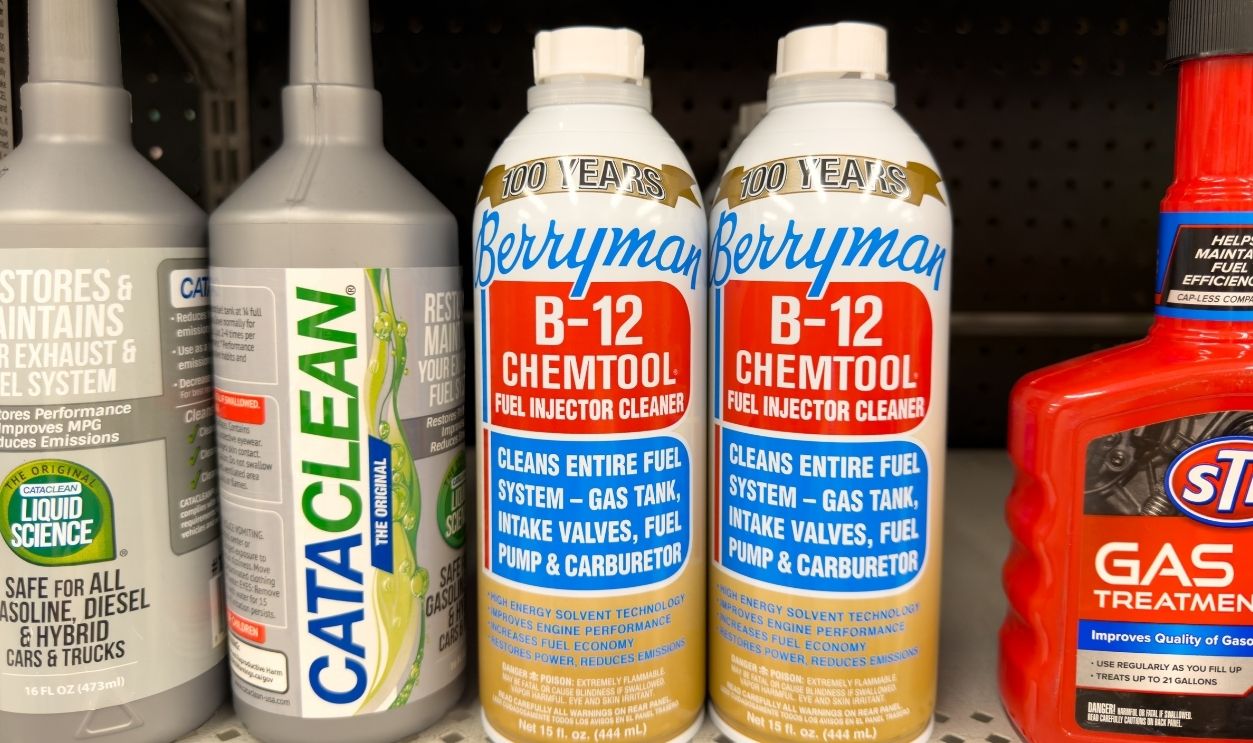
This is an important distinction. Pouring a cleaner into the gas tank can help clean fuel injectors and certain parts of the combustion system. But on a direct-injection-only engine, gasoline never flows over the backs of the intake valves.
 Aaron of L.A. Photography, Shutterstock
A Bottle In The Tank Can’t Wash Those Valves
That means a fuel additive generally can’t directly clean heavy deposits from the intake valves of a pure direct-injection engine. It may still help with injector cleanliness, but it shouldn’t be sold as the equivalent of physically cleaning the intake valves.
Intake Cleaning Sprays Are Another Option
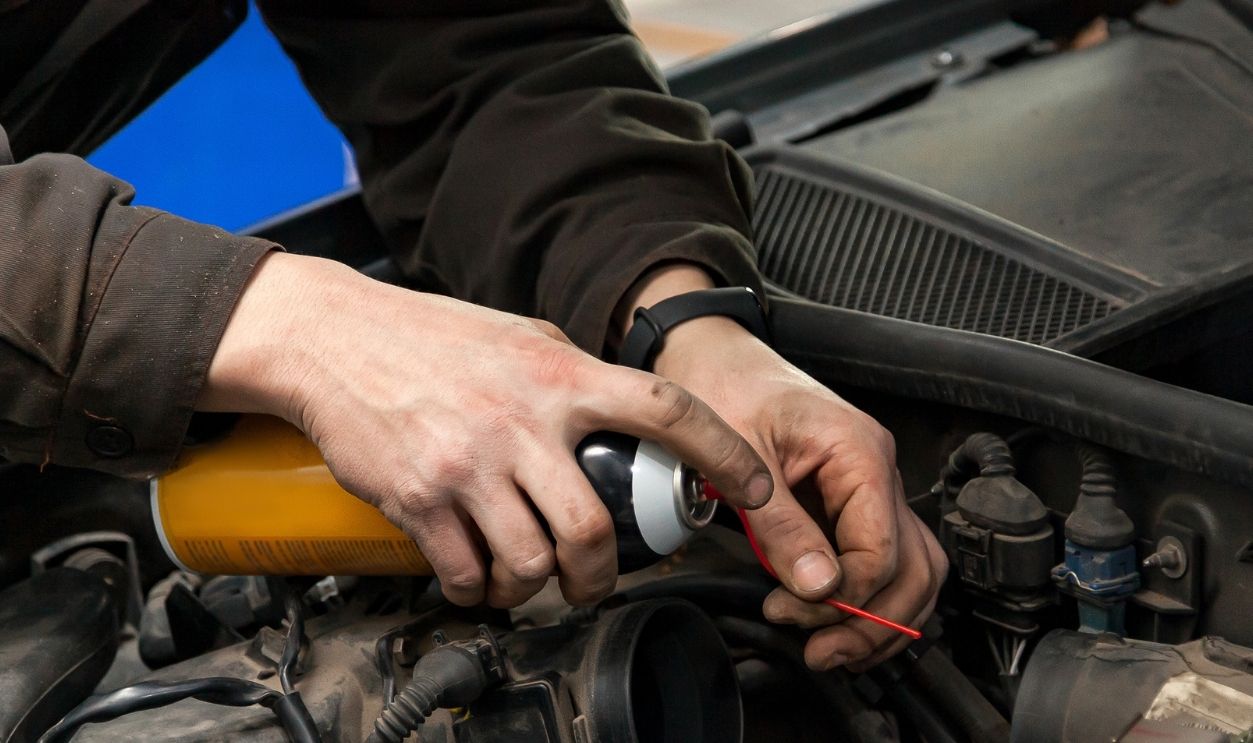
Some manufacturers have approved chemical procedures that introduce cleaner through the intake system. These can be useful for certain types or levels of buildup. Whether they work well enough depends on the engine, deposit severity, and the specific procedure.
 Aleksandr Kondratov, Shutterstock
Walnut Blasting Is A Real Procedure
Yes, crushed walnut shells really are used to clean engines. The intake manifold is removed, the valves are positioned correctly, and finely crushed walnut-shell media is blasted against the deposits while being vacuumed away. The abrasive can remove hardened carbon without damaging properly serviced metal valve surfaces.

Automakers Have Actually Specified Walnut Blasting
This isn’t an internet garage trick. Manufacturers including BMW and Subaru have published service procedures involving walnut-shell blasting for particular engines and symptoms. Consumer Reports and AAA have also discussed the procedure as a legitimate method for removing heavy direct-injection carbon buildup.

It’s More Labor-Intensive Than Pouring In A Cleaner
The intake manifold often has to come off to properly access the valves. That means labor can make up a large portion of the bill. On tightly packaged engines, getting access can take considerably longer than the actual blasting process.
Price Depends Heavily On The Engine
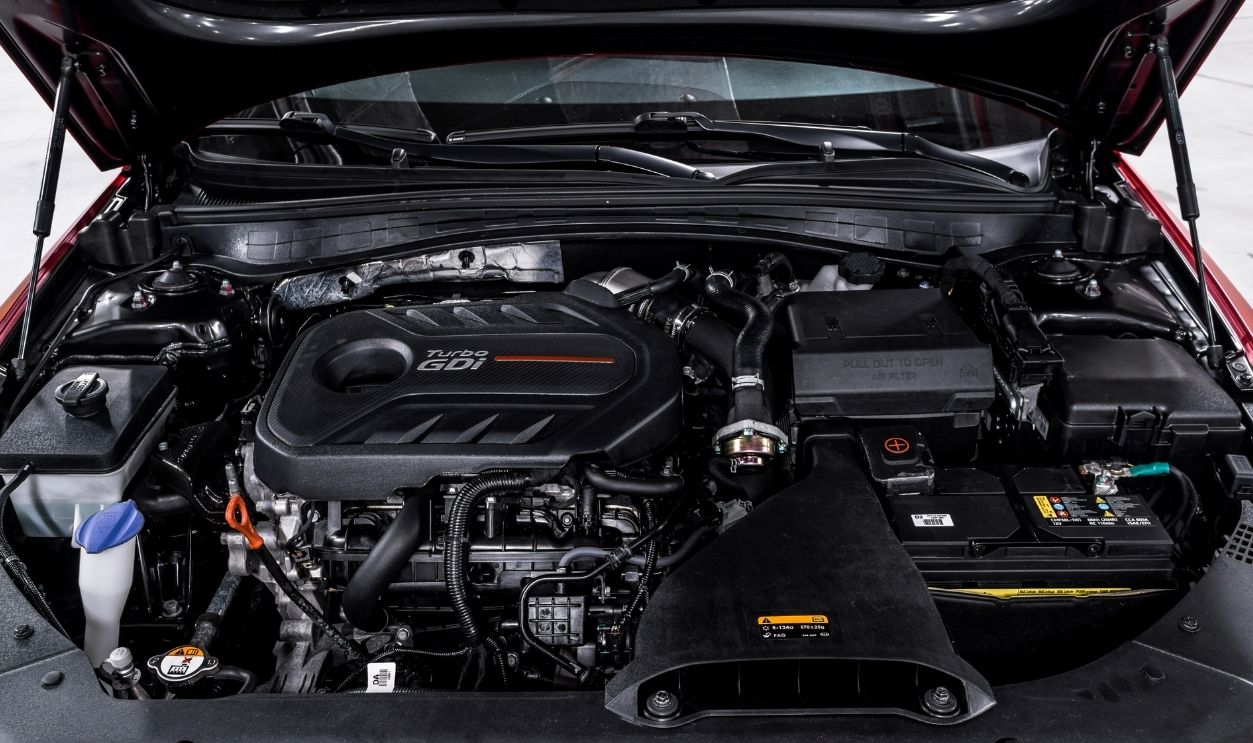
A straightforward four-cylinder may be relatively accessible, while a turbocharged V6 packed into a crowded engine bay can require much more disassembly. Ask how many labor hours the job requires and whether new intake gaskets or other parts are included in the estimate.
Driving Habits Can Affect Deposit Formation
Short trips, extended idling, repeated cold starts, and other operating patterns can contribute to deposit problems on some engines. Engines that regularly reach full operating temperature may behave differently. There still isn’t one driving pattern that guarantees a deposit-free direct-injection engine.

Good Fuel Still Has Value
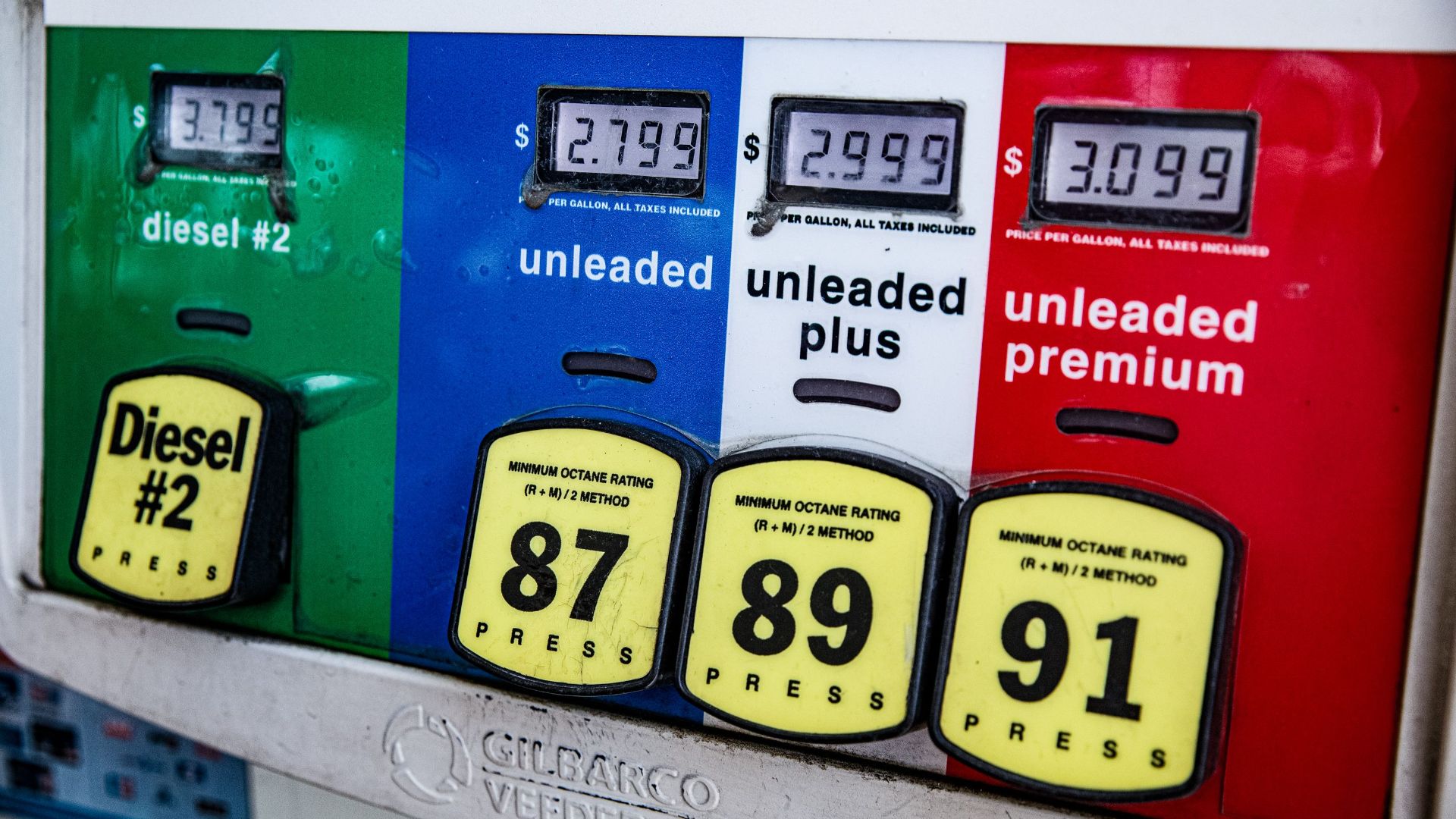
Using gasoline that meets strong detergent standards can help keep injectors and other fuel-system components cleaner. AAA has found meaningful differences in deposit formation between fuels with different detergent levels. Just remember that detergent fuel can’t provide the same intake-valve washing effect that port injection does on a direct-injection-only engine.

Don’t Buy Premium Just To Cure Carbon
Higher octane and higher detergent content aren’t the same thing. If your vehicle is designed for regular gasoline, buying premium solely because you think it will scrub carbon from the intake valves generally misses the underlying issue. Follow the manufacturer’s octane recommendation.
Preventive Cleaning And Repair Cleaning Aren’t The Same Thing
A shop may recommend cleaning preventively before symptoms become severe, while an automaker bulletin may call for it only after misfires or other problems develop. Neither approach is automatically wrong. What matters is whether the shop can explain the benefit, interval, and evidence behind its recommendation for your engine.

Get A Second Opinion On Expensive Preventive Cleaning
If the car runs perfectly, the manufacturer doesn’t list the service, there are no relevant codes, and the shop can’t show significant deposits, there’s no harm in asking another qualified mechanic. A specialist familiar with your particular engine may know whether carbon cleaning is genuinely common or simply being added to every service ticket.

Real Maintenance Needs A Real Reason
Direct-injection engines can develop intake-valve carbon deposits, and cleaning them can be legitimate maintenance or repair when buildup actually becomes significant. But that doesn’t mean every direct-injection car automatically needs an expensive cleaning on a fixed schedule. Ask what symptoms the mechanic found, whether your engine has a known deposit issue, whether there’s an applicable manufacturer procedure, and whether they can show you the buildup. The service itself is real. The question is whether your engine is actually asking for it.

You May Also Like: