Another Night, Another Car Alarm
It goes off at midnight. Then again at 2 a.m. By the fifth or sixth night, your neighbor's car alarm stops feeling like an occasional annoyance and starts feeling like a neighborhood problem. But at what point can repeated noise actually become a legal nuisance?

There Is No National Time Limit
There is no single U.S. rule saying a car alarm becomes illegal after a certain number of minutes or nights. Noise laws are generally set at the state and local level, which means the answer can change from one city to another. Your local noise ordinance is the first place to look.
Five Minutes Can Be Enough
Some cities impose surprisingly short limits. Los Angeles prohibits vehicle theft alarms that fail to silence themselves completely within five minutes of activation. Washington, D.C. also requires car alarms to automatically silence within five minutes.
Other Cities Give Alarms Longer
Not every city uses the same threshold. Detroit's code treats the continued emission of an automotive theft alarm as a public nuisance and generally requires certain alarm systems to stop automatically within 15 minutes. A perfectly legal alarm in one city could therefore violate the rules somewhere else.

Repeated Activations Can Also Break The Rules
Duration is not always the only thing authorities consider. Hidden Hills, California prohibits a vehicle alarm from sounding more than three times within a 24-hour period, regardless of how long each activation lasts. Its rules also require individual activations to stop within five minutes.

One Accidental Alarm Is Different
A single alarm that accidentally activates and is quickly silenced is unlikely to create the same legal concern as a recurring disturbance. Nuisance law generally focuses on interference that is substantial and unreasonable rather than every ordinary neighborhood irritation. Frequency and duration can therefore make a major difference.

Almost Every Night Is A Different Story
Once the alarm becomes a regular nighttime occurrence, the situation changes. Private nuisance claims generally involve substantial and unreasonable interference with someone's use and enjoyment of property. A documented pattern of sleep disruption is much more significant than one isolated incident.

Nighttime Noise Gets More Attention
Many local noise laws recognize that sound is more disruptive during normal sleeping hours. Seattle, for example, applies particular rules to loud, frequent or continuous noise during nighttime hours. Other municipalities use their own quiet periods and enforcement standards.

Sleep Disruption Is A Real Impact
Repeated nighttime noise is more than irritating. Research reviewed for the World Health Organization has linked environmental noise with sleep disturbance, including awakenings and difficulty falling asleep. That helps explain why nighttime noise often receives stricter treatment in local regulations.
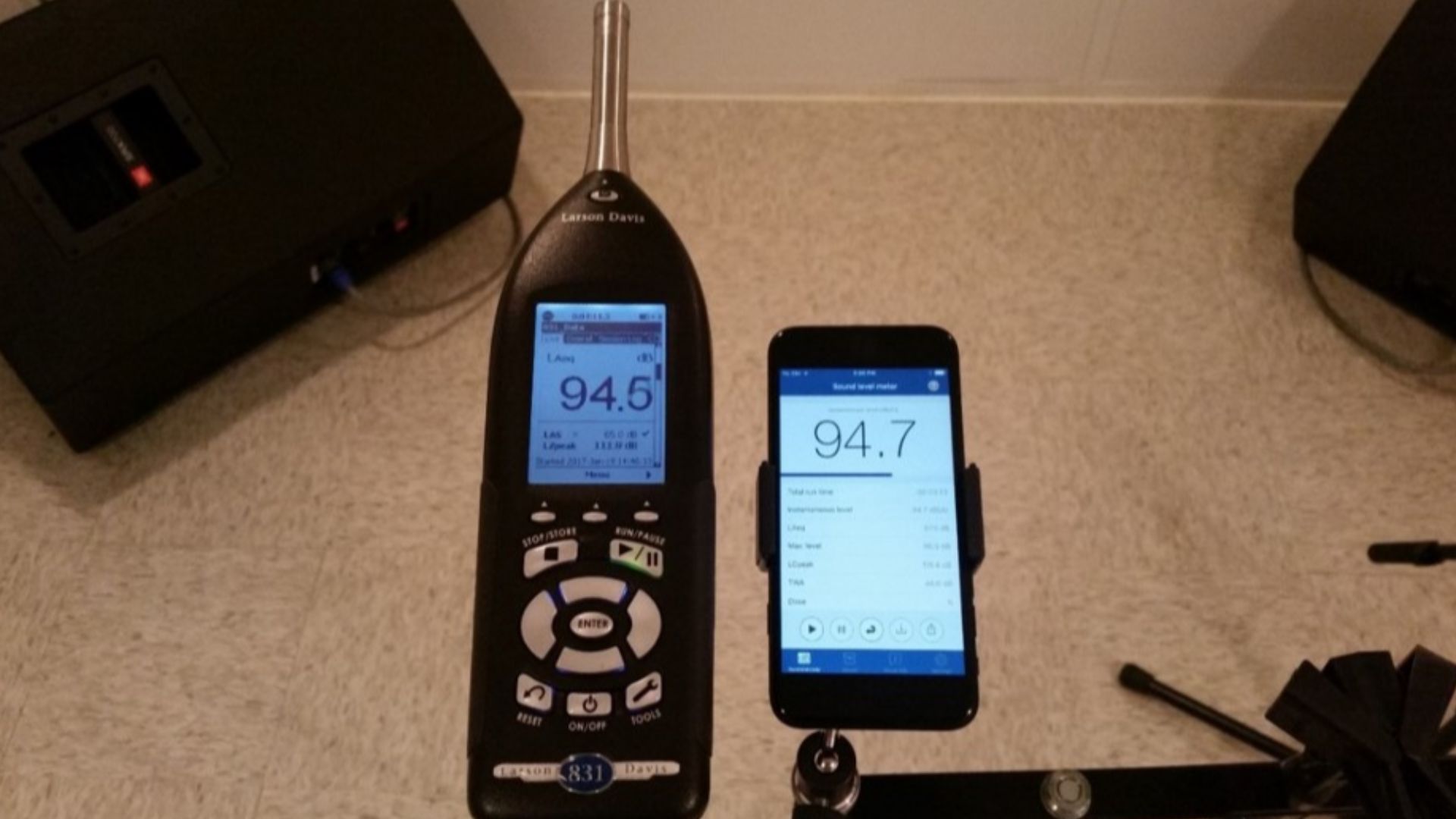
You May Not Need A Decibel Reading
People often assume a noise violation must be proven with a sound meter. That is not always true. Some cities regulate vehicle alarms according to how long they sound or how often they activate, making the alarm itself the issue rather than a precise decibel level.
 Chuck Kardous, Wikimedia Commons
Broader Noise Rules May Still Apply
A city does not necessarily need a special car-alarm law for repeated noise to become a problem. Some ordinances prohibit unreasonable, frequent or continuous noise more generally. In those places, officers or inspectors may consider the circumstances rather than applying one simple numerical threshold.

Start With Your Local Code
Search your city or county government website for terms such as "noise ordinance," "vehicle alarm," "car alarm" and "public nuisance." Look for both specific vehicle-alarm provisions and general neighborhood noise rules. The exact wording can tell you whether duration, frequency, nighttime disturbance or several factors matter.

Document The Pattern
If the alarm keeps happening, keep a simple record of the dates, approximate start times and how long it sounds. Where legally permitted, a recording made from your own property can also help document what you are experiencing. Notes collected over several nights are far more useful than simply saying the alarm goes off constantly.

Note Which Vehicle Is Responsible
Make sure you can identify the correct vehicle before making a formal complaint. New York City's 311 guidance asks for information such as the vehicle description and license plate when reporting car alarms. That can save confusion on streets or parking lots containing several similar vehicles.
Multiple Neighbors Can Help Establish A Pattern
If several households are being disturbed, independent complaints can help show that the problem is not limited to one disagreement between two neighbors. Authorities may still apply the same legal standard, but multiple consistent reports can provide additional evidence about frequency and impact. Each person should report only what they personally heard or experienced.

Talking To The Owner May Solve It
If you feel comfortable doing so, a calm conversation can sometimes fix the problem faster than enforcement. The owner may not know the alarm is activating while they are asleep or away from home. Giving them specific dates and times keeps the conversation focused on the malfunction rather than turning it into a broader argument.
The Owner May Be Away
Sometimes the obvious solution of knocking on the door does not work because the vehicle owner is traveling or cannot be located. That is one reason some cities have procedures for dealing with alarms that continue for extended periods. Local police, parking enforcement or code officials may be able to determine what action is permitted.

Apartment Buildings Add Another Layer
If the vehicle belongs to another tenant, the landlord or property manager may be another useful contact. Lease agreements and building rules often address excessive noise or disturbances separately from municipal law. That can create a faster route to a solution than waiting for a city violation.

HOAs May Have Their Own Noise Rules
Homeowners associations and condominium associations can also impose community restrictions. Their governing documents may contain nuisance or quiet-enjoyment provisions that apply even when the city's enforcement threshold is unclear. Check the actual rules before assuming the association can or cannot intervene.

Find Out Who Handles Complaints
The responsible agency varies by jurisdiction. Some communities use police non-emergency lines, while others send noise complaints to 311, code enforcement or an environmental department. New York City, for example, accepts certain chronic or past car-alarm complaints through 311.

Active Alarms May Use A Different Channel
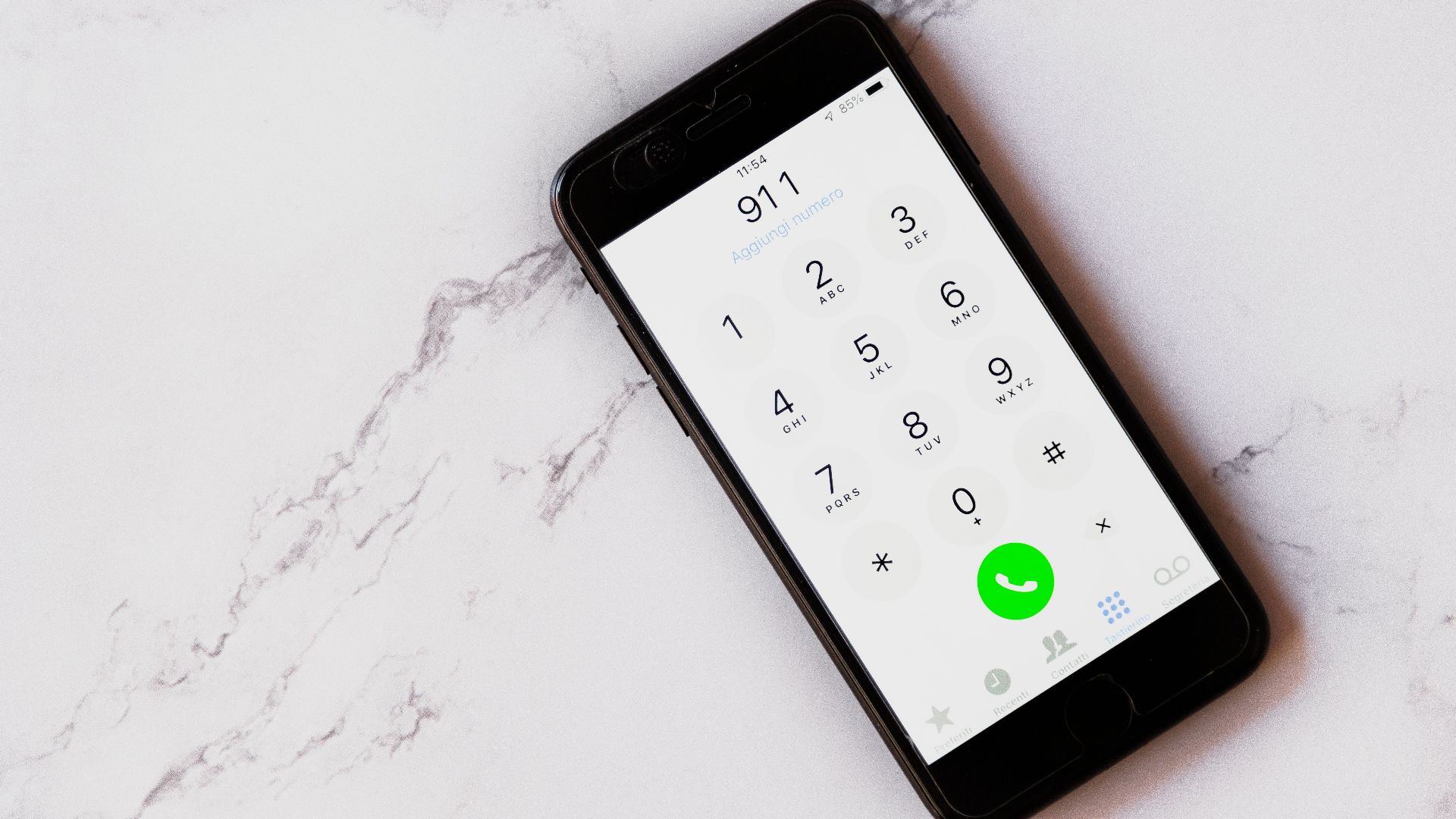
Some cities distinguish between an alarm that is sounding right now and one that repeatedly caused problems in the past. New York City's guidance directs people to 911 for an alarm actively sounding, while chronic or past complaints can be filed through 311. Other cities have different procedures, so always follow local instructions.
Report It While It Is Happening
When possible, reporting an alarm while it is sounding can make verification easier. An officer or inspector may need to hear the disturbance firsthand or confirm how long it continues. Your earlier log still matters because it shows whether the incident is part of a larger pattern.

A Warning May Come First
A complaint does not automatically mean the owner receives a ticket. Some local enforcement systems begin with a warning and escalate only if the problem continues. Seattle's guidance, for example, describes warnings as part of the process for certain unreasonable-noise violations.

Persistent Alarms Can Have Bigger Consequences
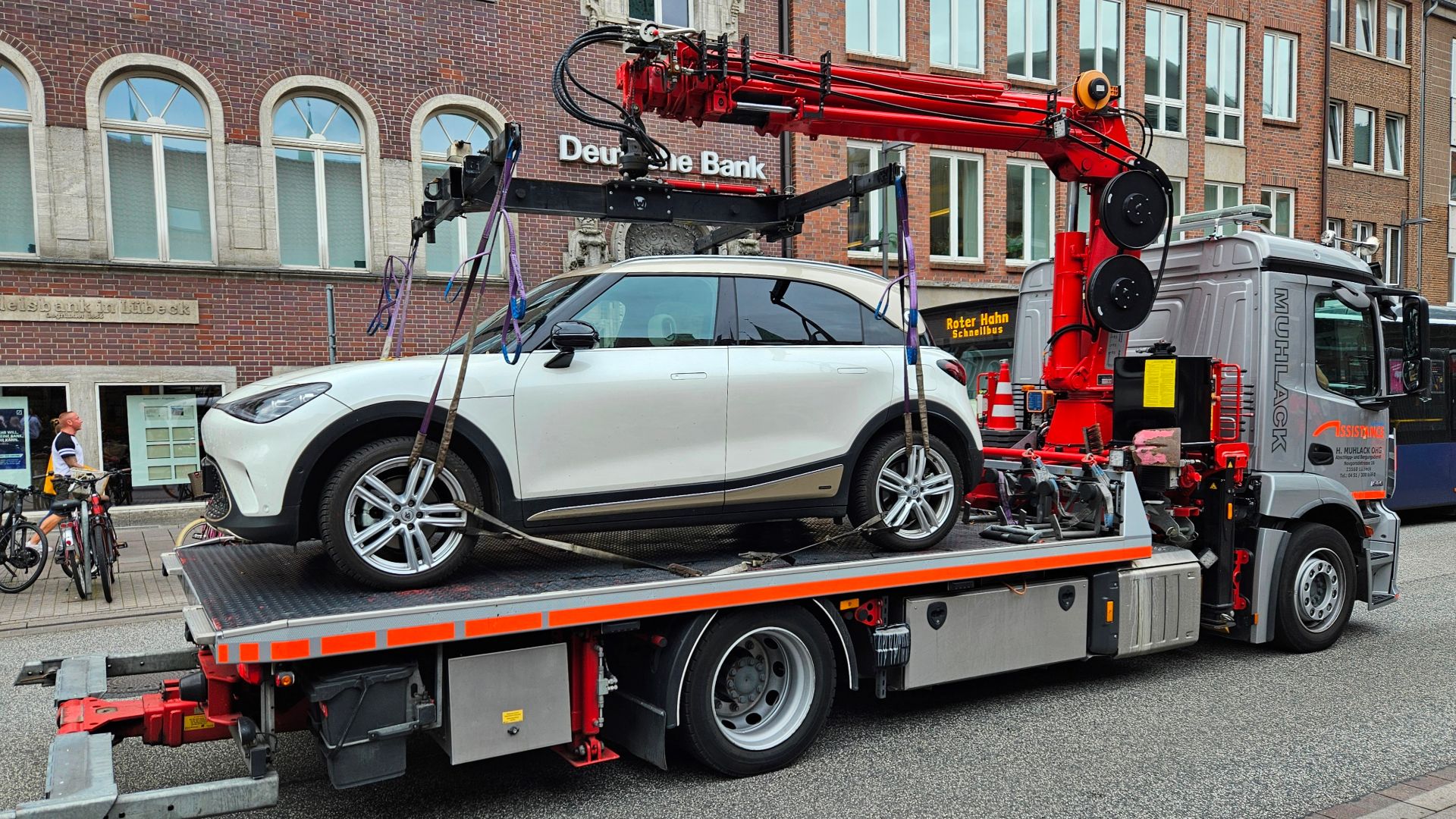
Some jurisdictions authorize stronger action when an alarm will not stop. The Los Angeles Police Department says California law allows officers, after receiving a complaint, to remove a vehicle when its theft alarm remains activated for 20 minutes after an officer arrives and does not silence during that period. Exact towing and impound rules depend on local and state law.
Do Not Try To Fix The Car Yourself
However frustrating the alarm becomes, do not enter, damage or disconnect someone else's vehicle. Interfering with the car could create a much bigger legal problem than the noise complaint you started with. Stick to documentation, communication and official enforcement channels.

Civil Nuisance Is The Bigger Legal Option
If repeated noise seriously interferes with the use and enjoyment of property, civil nuisance law may offer another remedy. Depending on state law, a court can sometimes award damages or order the offending condition to stop. Lawsuits are normally a much bigger step than informal resolution, mediation or municipal enforcement.

Mediation Can Be A Middle Ground
Some communities offer neighborhood mediation programs for recurring disputes. Mediation can be useful when the alarm problem is real but neither neighbor wants the dispute to escalate into citations or court. Availability varies, so check whether your city, county or local court provides such a service.

So When Does It Become A Legal Nuisance?
There is no magic nationwide number of nights. A car alarm can become legally actionable when it exceeds a local time limit, activates too frequently, violates a broader noise ordinance or creates substantial and unreasonable interference with nearby property. If it is waking you almost every night, document it, check the local rules and use the complaint process your community provides.

You May Also Like:
My neighbor’s tree dropped a huge branch on my car. Who actually has to pay for the damage?