The Upsell Question Almost Every Driver Hears
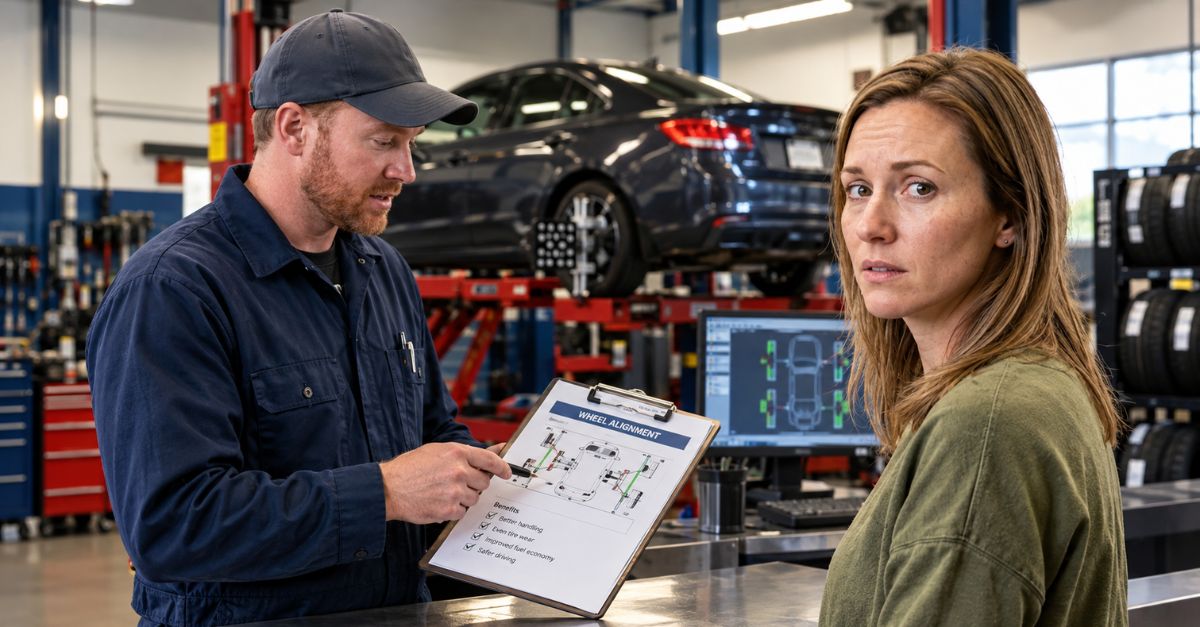
You buy a new set of tires and before the keys come back, someone at the counter says you already need to book your car in for more maintenance. Most wheel shops do this, and it definitely sounds a little too convenient for the shop's bottom lime, but the truth is simpler than that. An alignment is sometimes a smart move after new tires, but that doesn't mean it's automatically necessary every time.
Why This Question Matters More Than It Seems
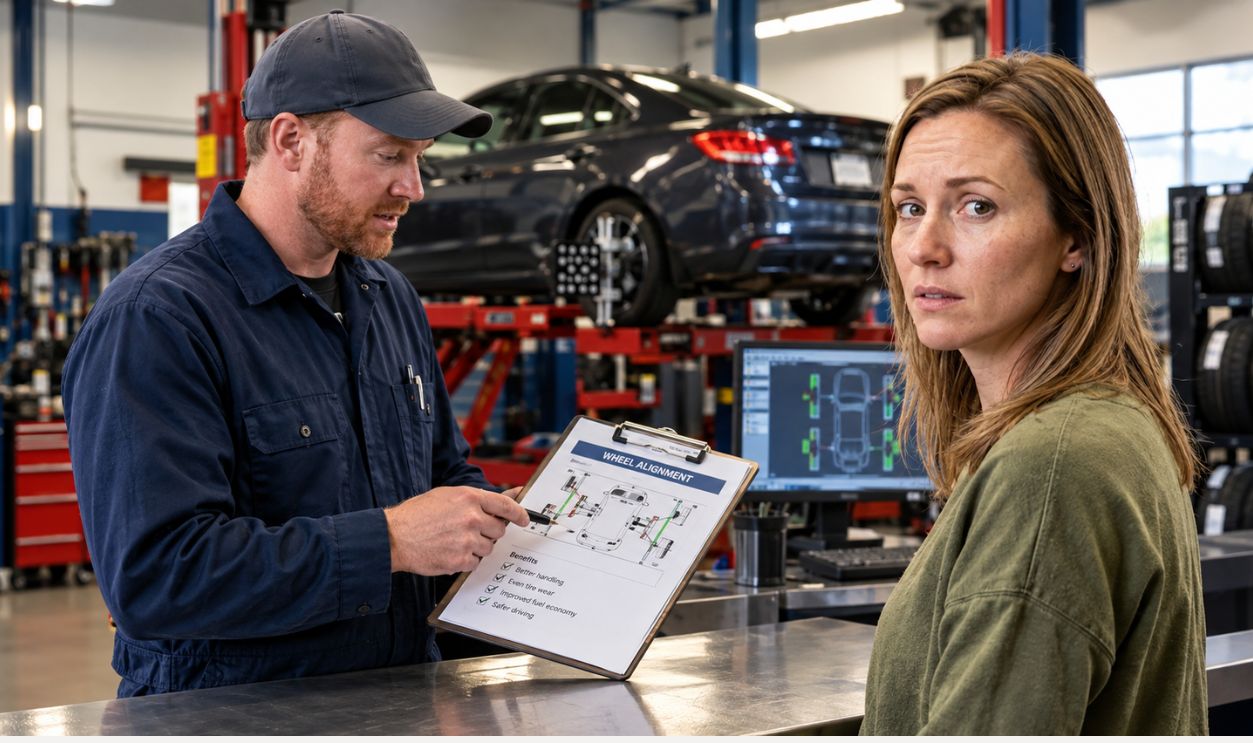
Tires are expensive, and alignments are not cheap enough to shrug off as a minor extra. The National Highway Traffic Safety Administration says tires are a major safety item because they affect traction, braking, and handling. If alignment is already off, a brand-new set of tires can start wearing unevenly right away. That makes this a real maintenance question, not just a sales add-on.
What An Alignment Actually Changes
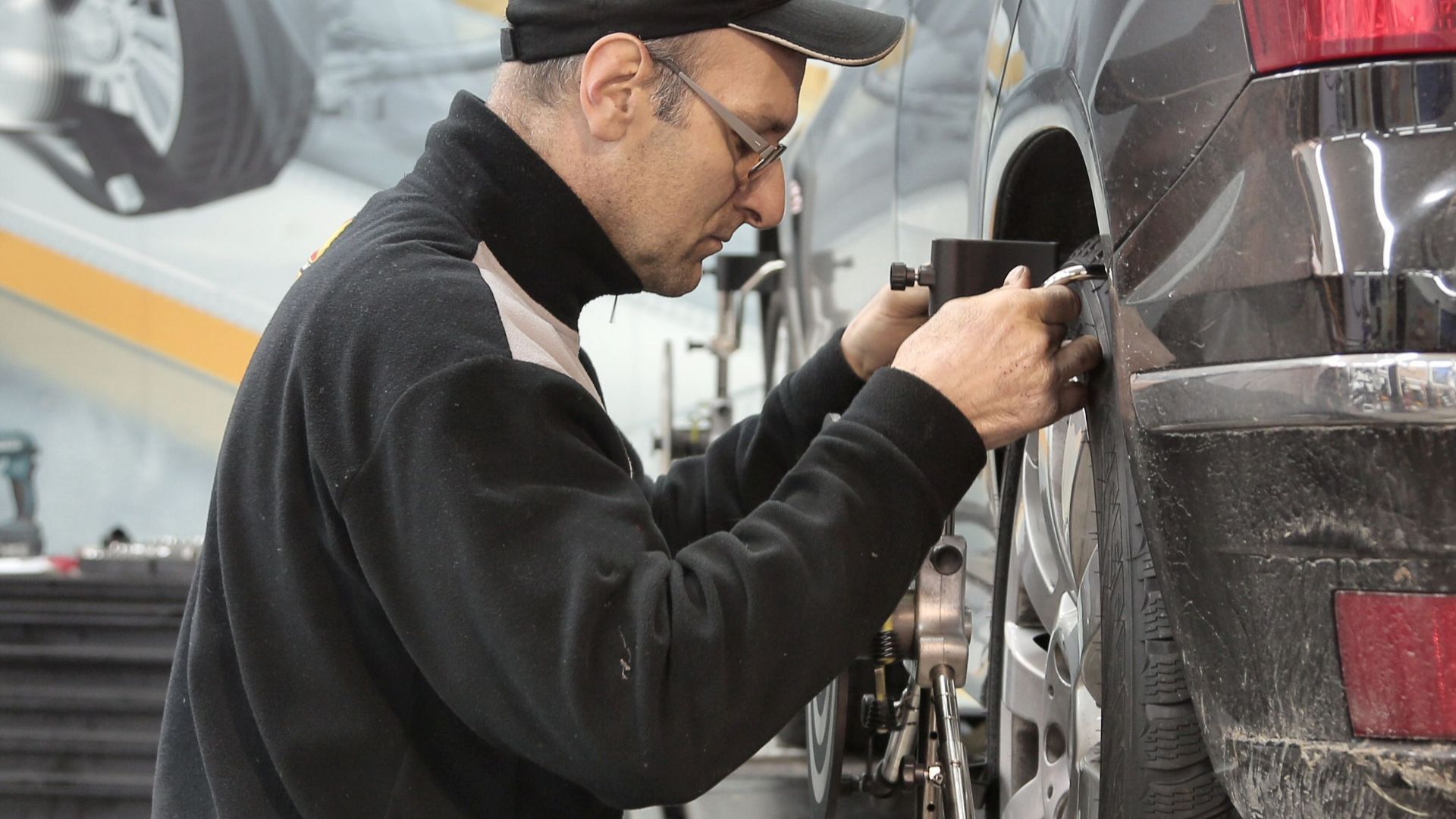
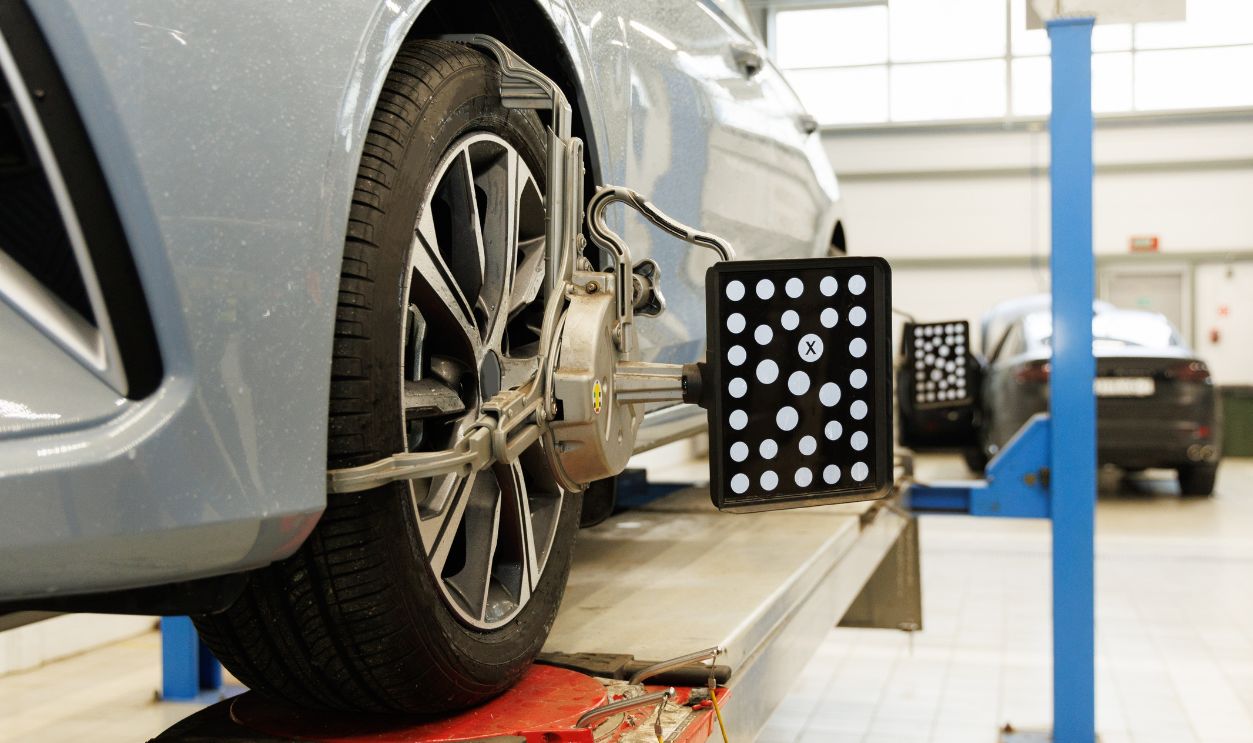
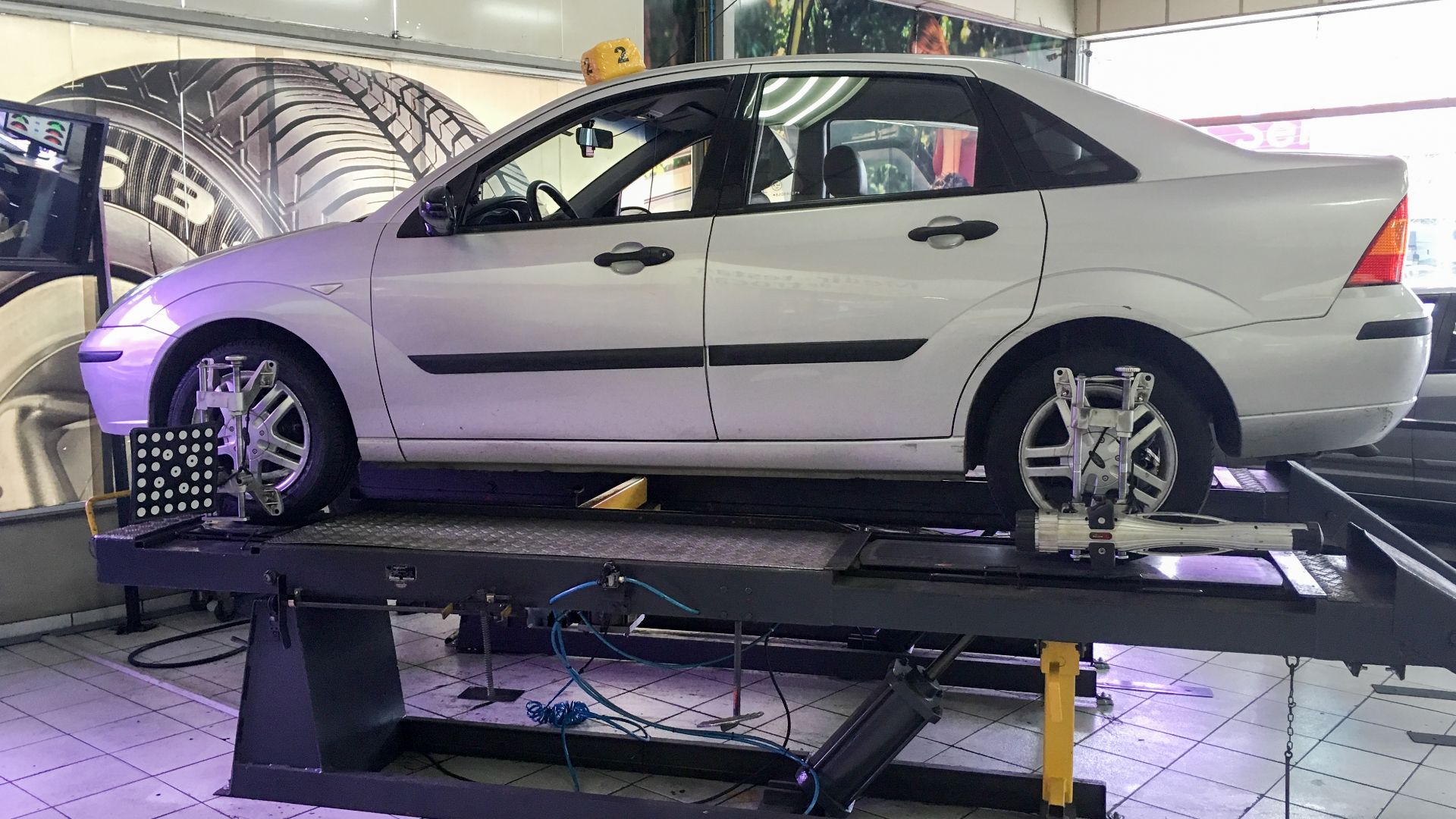
A wheel alignment does not mean a technician is “aligning the tires” themselves. The adjustment is made to suspension angles, mainly toe, camber, and caster, so the wheels point and track the way the manufacturer intended. Tire Rack explains that these settings affect straight-line stability, steering feel, and tire wear. If those angles are wrong, new tires will not fix the real problem.
 Dmitry Racer, Wikimedia Commons
Toe Is Often The Biggest Tire Killer
Of the main alignment angles, toe is often the one that eats through tires fastest. Toe describes whether the fronts of the tires point slightly inward or outward when viewed from above. Even a small toe error can scrub tread away as the car rolls down the road. That is how a car can seem mostly fine and still chew up a costly set of tires.
Camber And Caster Matter Too
Camber is the inward or outward tilt of the wheel when viewed from the front of the vehicle. Too much negative or positive camber can wear one shoulder of the tire faster than the other. Caster often affects steering stability and return-to-center more than tire wear, but it still matters for how the car feels. Together, these angles decide whether the car tracks cleanly or keeps needing correction on the highway.

New Tires Do Not Cause Misalignment
This is the big thing many drivers want cleared up. Installing new tires does not, by itself, knock a vehicle out of alignment. Consumer Reports notes that an alignment is not automatically required just because tires were replaced. If the alignment was good before the tire change and no suspension issue showed up, the car may not need one now.
So Why Do Shops Recommend It So Often
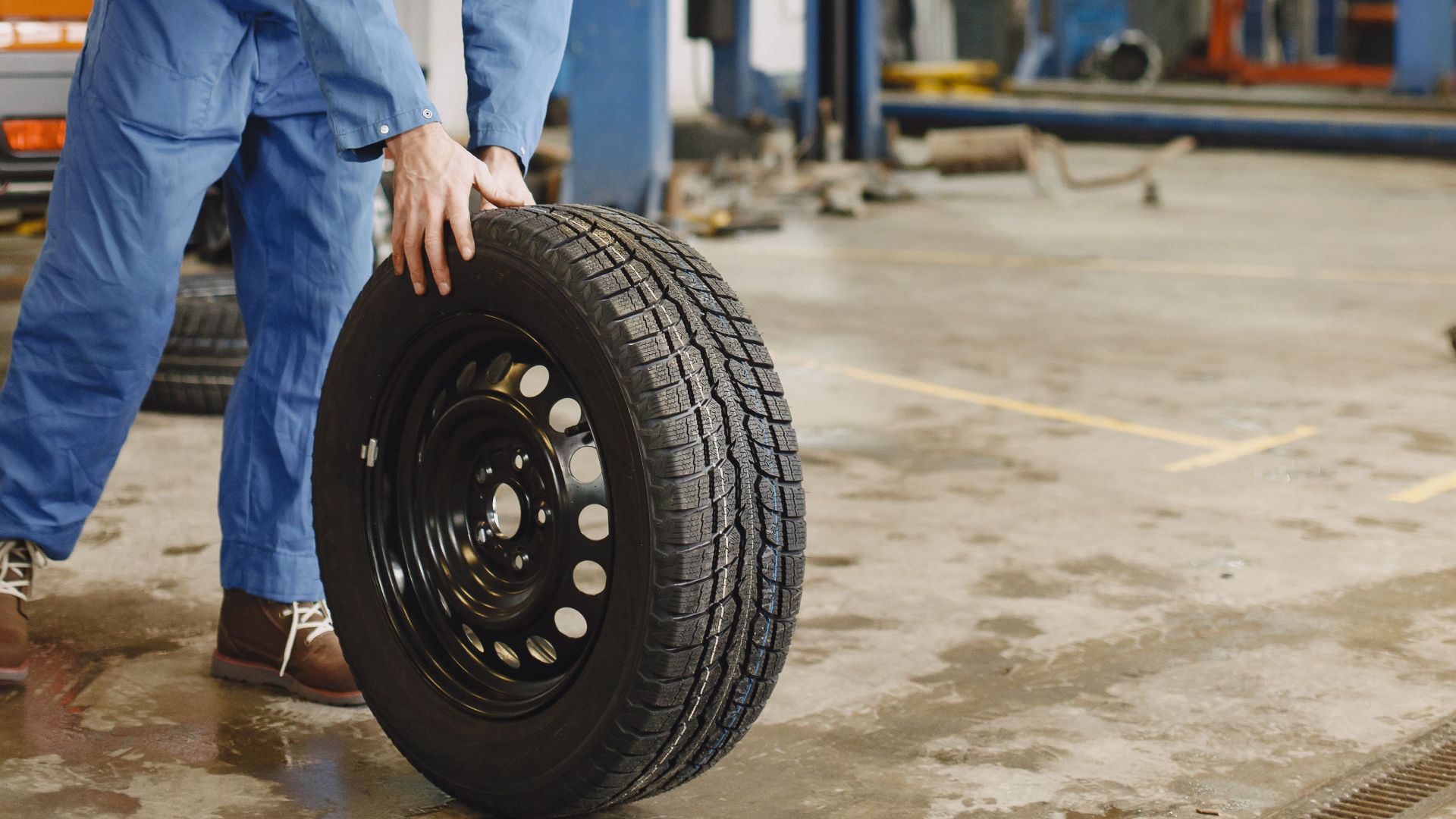
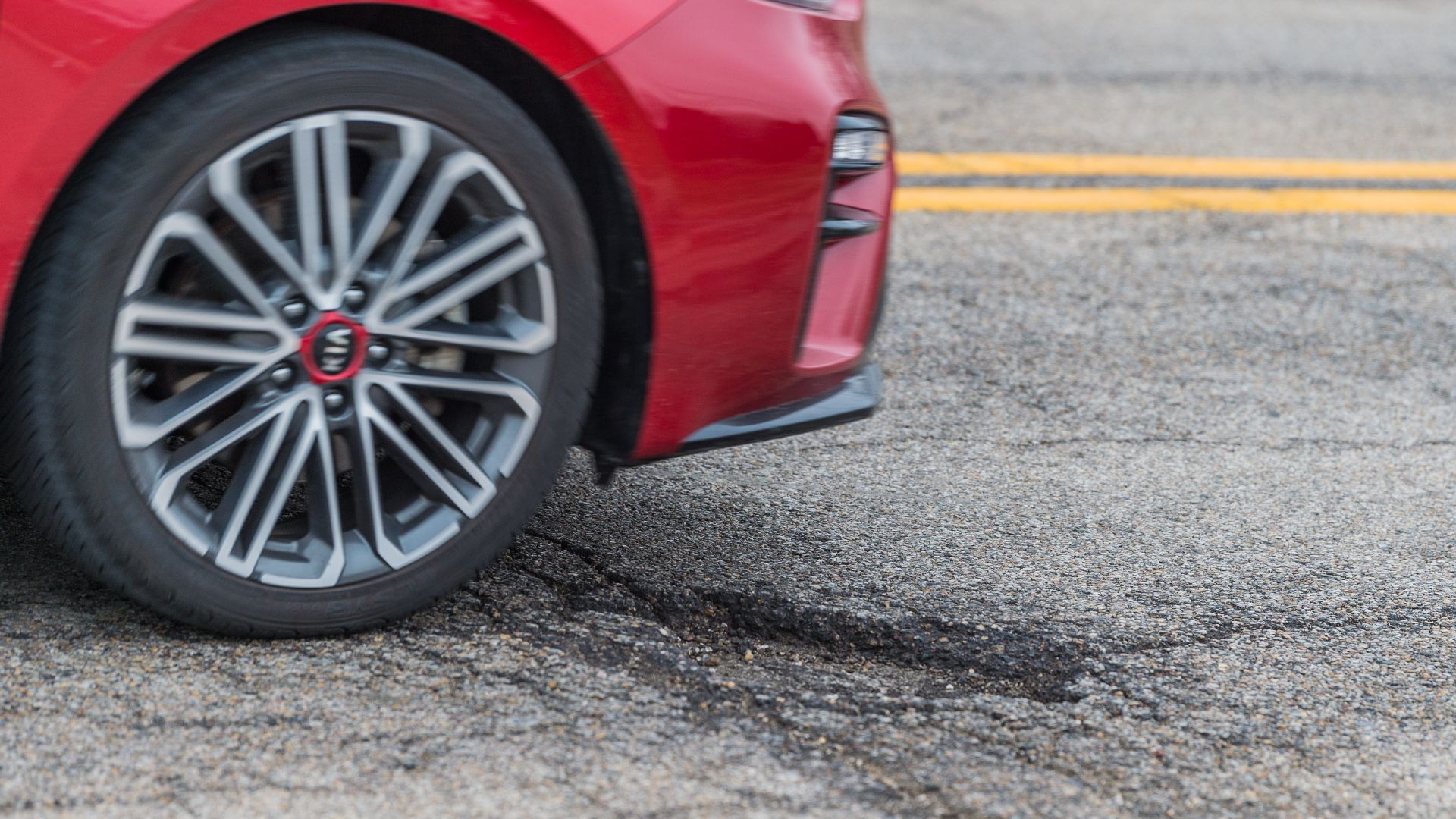
Because a lot of cars really are out of alignment by the time they need tires. Potholes, curb hits, worn suspension parts, and plain old mileage can slowly push alignment angles out of spec. Shops also know uneven tire wear is common, and they do not want fresh tires blamed later for a problem the vehicle already had. In other words, the recommendation can be solid preventive advice or a lazy one-size-fits-all pitch, depending on the car.
The Best Clue Might Be On Your Old Tires
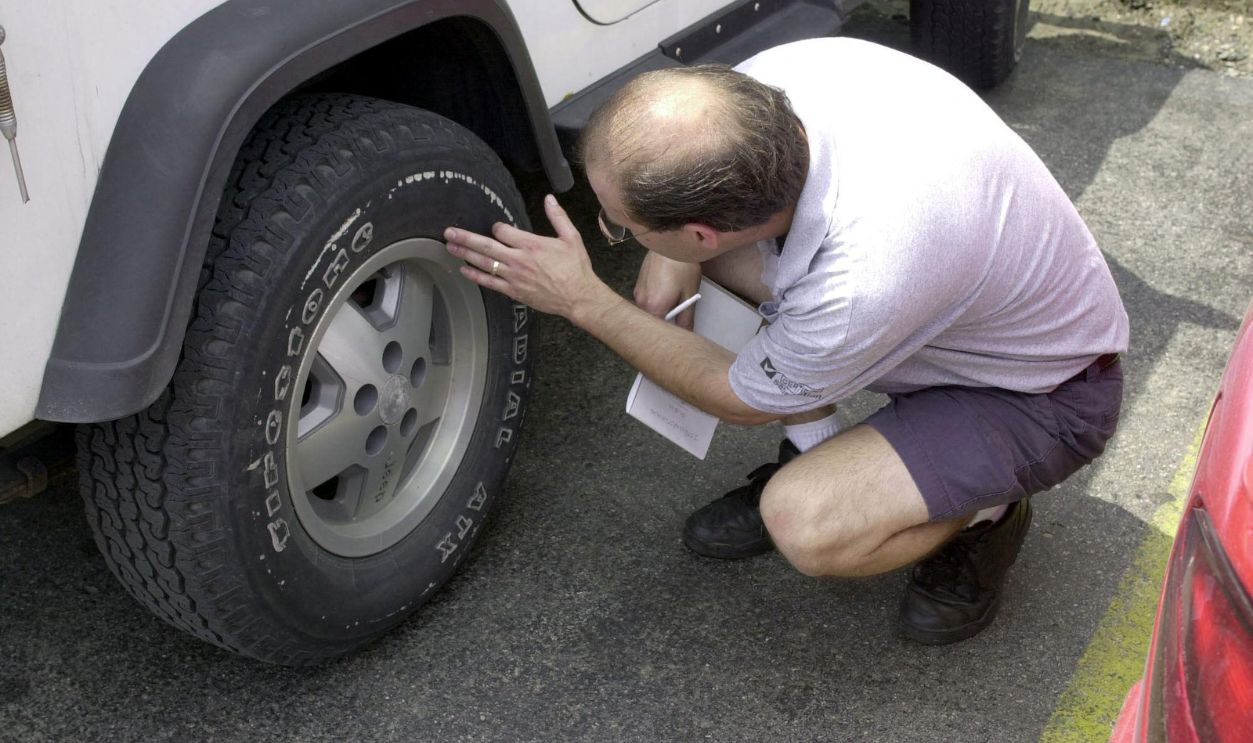
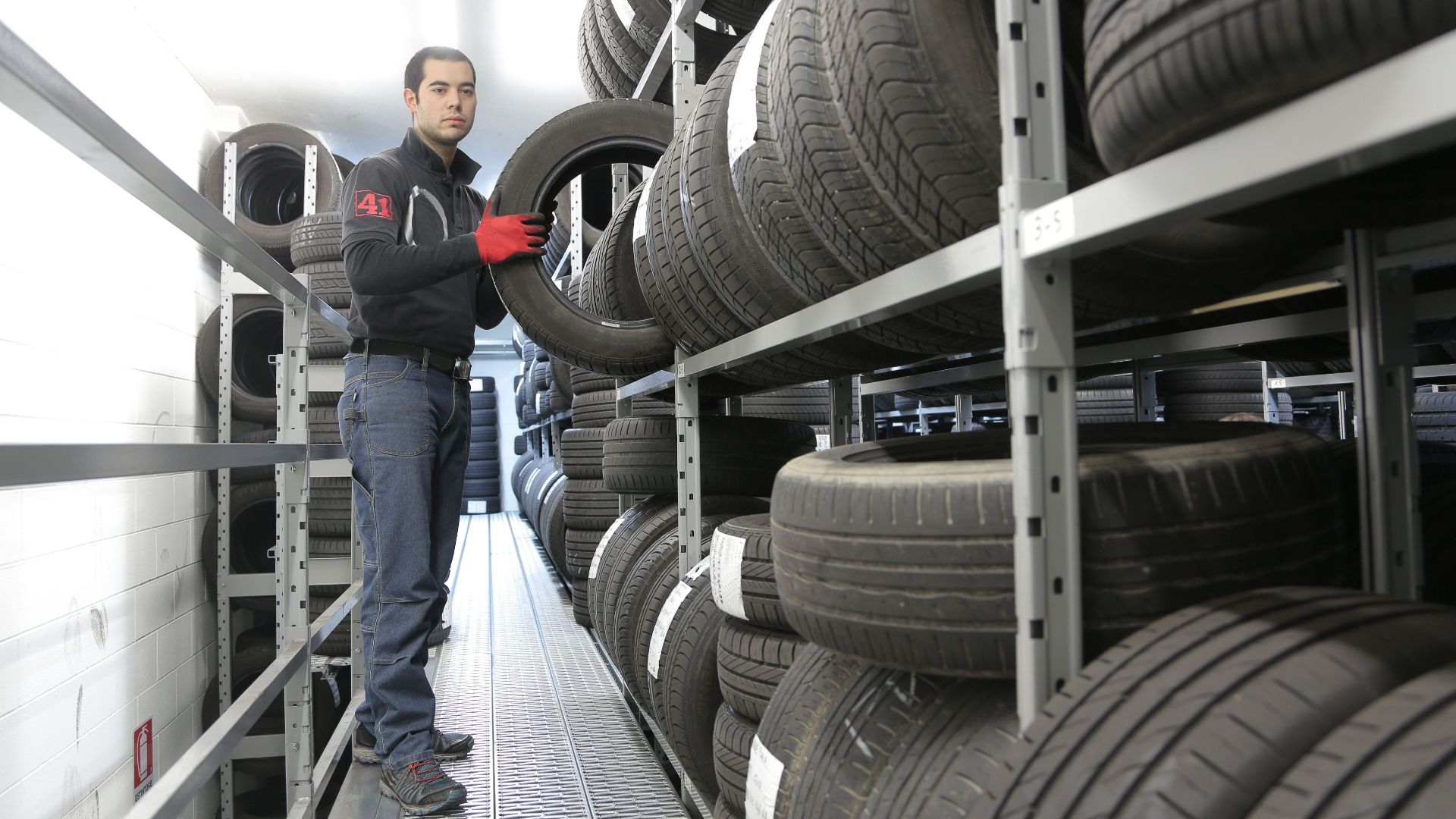
Your old tires can tell the story pretty clearly. If the inner or outer edges are more worn than the center, or one side of the tread looks more scrubbed than the other, alignment becomes a much stronger recommendation. The Tire Industry Association lists irregular wear patterns as a classic sign of alignment or suspension trouble. If the wear was even across all four tires, the case for an immediate alignment gets weaker.
Pulling To One Side Is Another Red Flag
If the car drifts left or right on a level road, pay attention. The same goes for a steering wheel that sits off-center while you are driving straight. Firestone and other service guides consistently list pulling and an off-center wheel among the common signs of poor alignment. Those symptoms do not prove alignment is the only issue, but they are a strong reason to check it.
A Crooked Steering Wheel Should Not Be Ignored
Many drivers get used to a slightly tilted steering wheel and stop thinking about it. But that small annoyance can point to toe settings that are not quite right. It can also be an early warning before obvious tire wear shows up. If you are buying new tires and the wheel has been crooked for months, skipping an alignment is usually a gamble.

Vibration Is Not Always An Alignment Problem
This is where shops and customers often talk past each other. Vibration is more often caused by tire balance problems, wheel damage, or worn parts than by alignment alone. Bridgestone notes that balancing and alignment are separate services that fix different problems. So if your only complaint is a shake at certain speeds, ask whether the issue points more to balancing than alignment.
When An Alignment Is Strongly Recommended
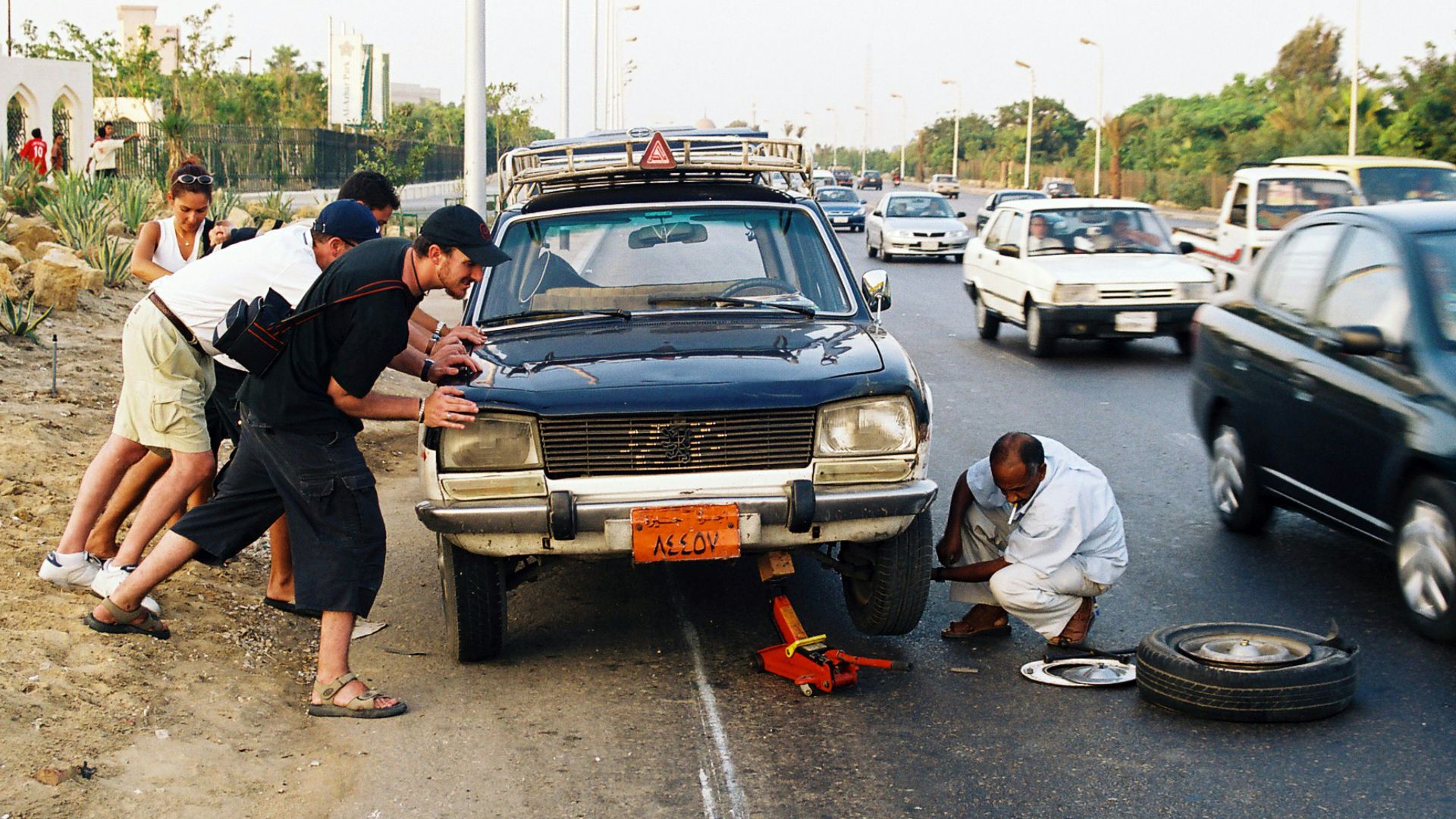
Sometimes the answer moves from maybe to probably yes. If your old tires wore unevenly, if the car pulls, if the steering wheel is off-center, or if you recently hit a pothole or curb hard, an alignment check makes sense. It is also smart after suspension or steering parts are replaced. In those cases, the service is not fluff. It is protection for the new tires you just bought.
When It Might Truly Be Unnecessary
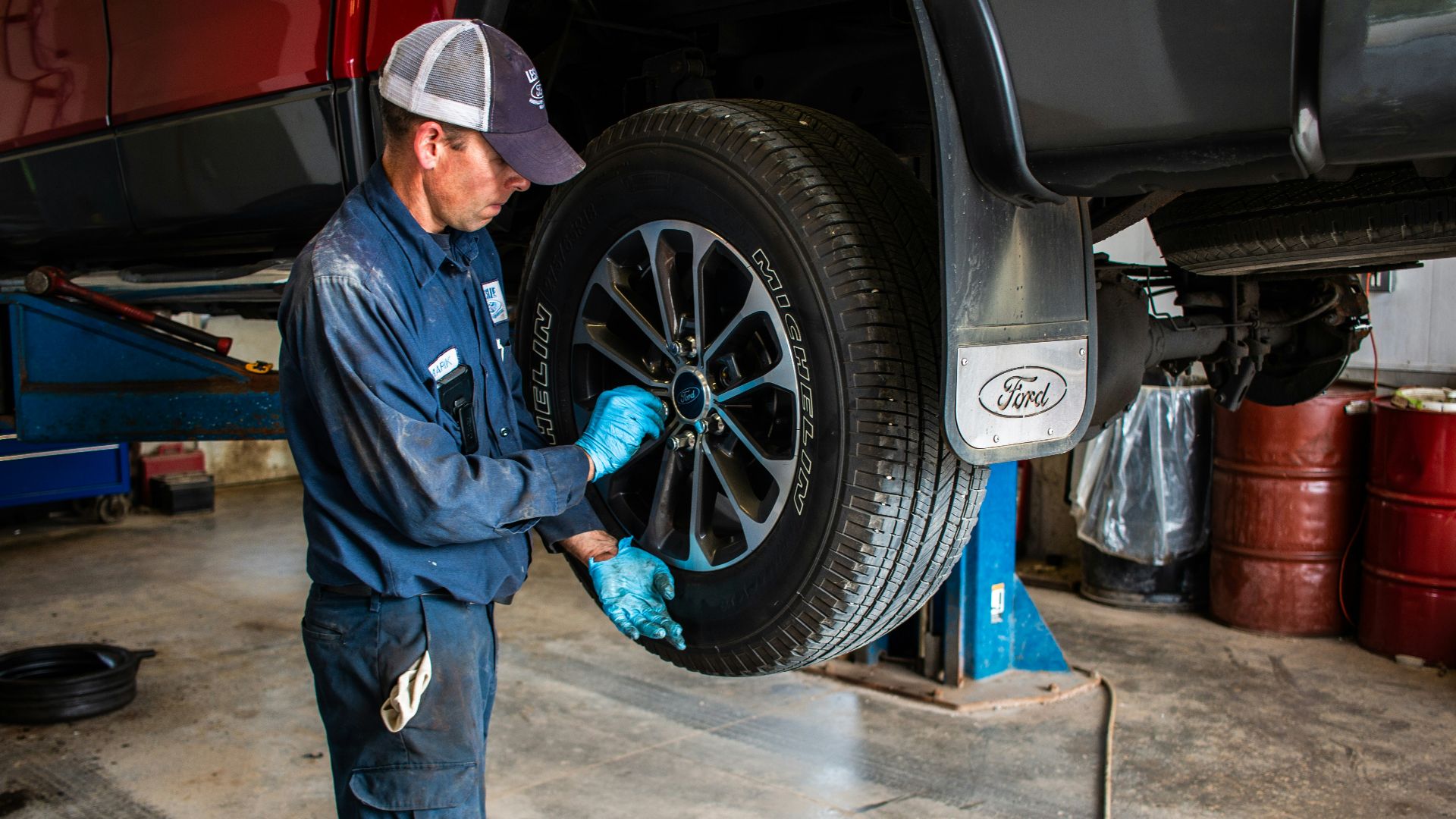
If the old tires wore evenly, the car tracks straight, the steering wheel is centered, and there has been no recent impact or suspension repair, an alignment may not be needed at that moment. That does not mean it is a bad idea. It just means it is not automatically required. That difference matters because drivers should be paying for a real need, not a script.

What Automakers Usually Say
Automakers generally do not publish a rule saying every tire replacement must include an alignment. Owner’s manuals are more likely to recommend an inspection if abnormal wear or handling changes show up. Alignment is usually condition-based maintenance, not always time-based maintenance. That is another reason a flat “every new set” claim is too broad.
 ANDRANIK HAKOBYAN, Shutterstock
Suspension Wear Can Mimic Or Cause Alignment Trouble
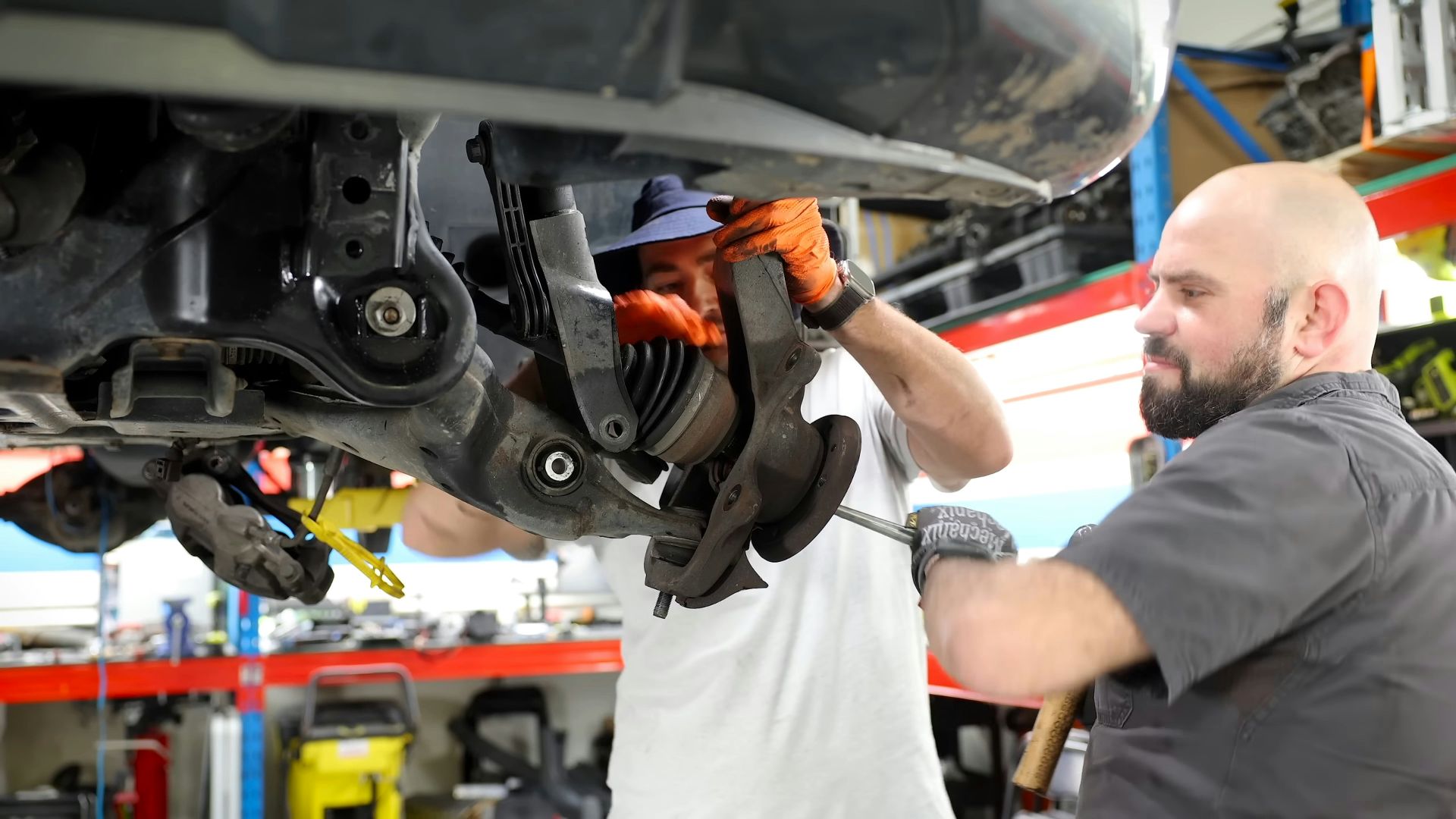
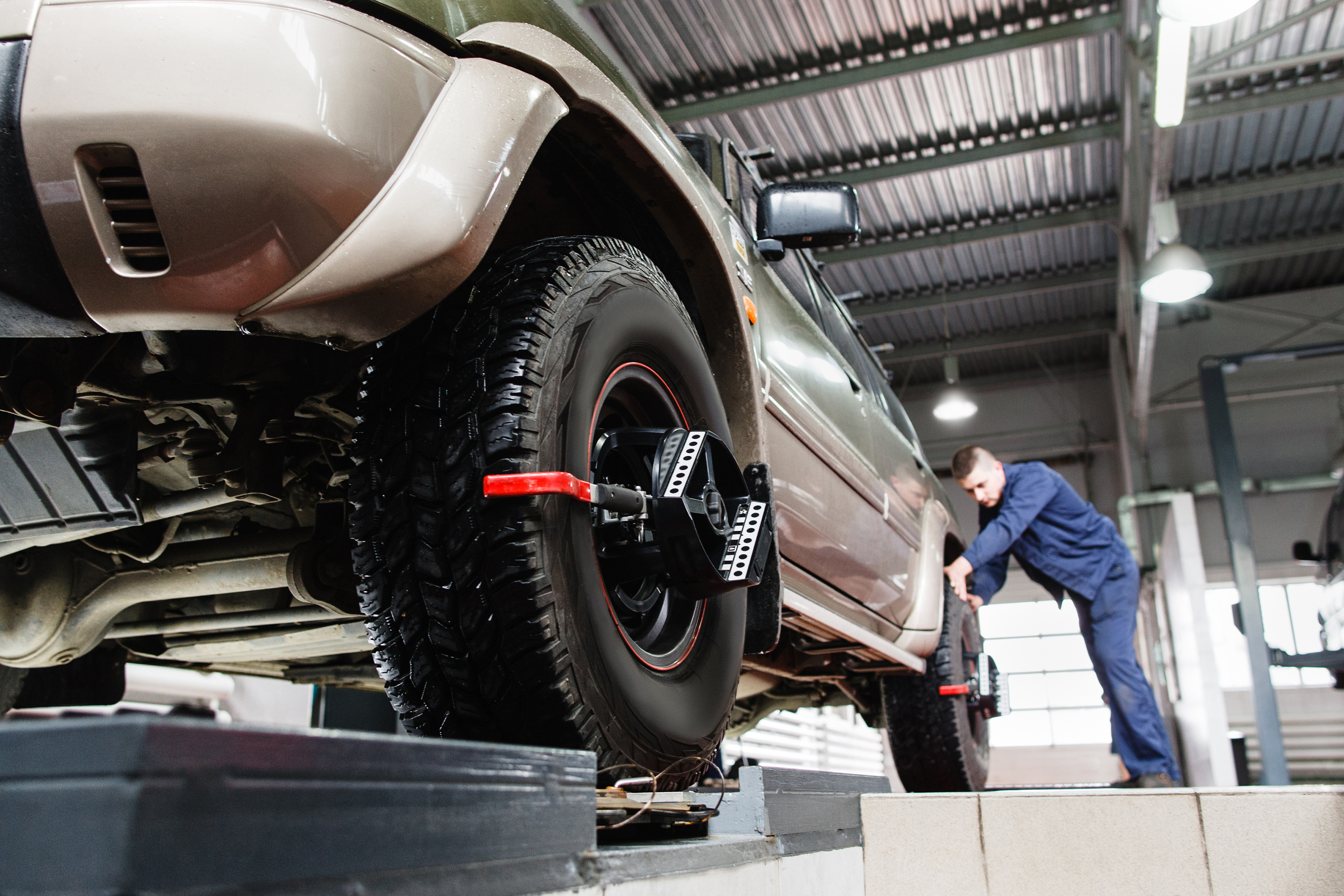
There is another piece to this that is easy to miss. Worn ball joints, tie-rod ends, control arm bushings, or shocks can make it hard or impossible to hold alignment properly. The Tire Industry Association and many manufacturer service guides warn that alignment numbers mean less if parts are loose or damaged. If a shop wants to align your car, it should also be able to tell you whether the suspension is solid enough for the adjustment to last.
 Bengkel Mobil Matic Bandung, Unsplash
The Hidden Cost Of Saying No When You Should Not
A bad alignment can wreck a set of tires long before they should be worn out. So the real cost is not just the alignment fee you skipped. It is the risk of replacing tires early, along with worse fuel economy and less stable handling. If you are trying to save money, turning down a needed alignment can end up costing more.
 Photograph by Mike Peel (www.mikepeel.net)., Wikimedia Commons
The Hidden Cost Of Saying Yes When You Do Not Need It
On the other hand, paying for service you do not need adds up fast, especially when it is stacked on top of mounting, balancing, disposal fees, and road hazard coverage. A shop that cannot point to a reason for the recommendation is asking for trust without evidence. That is not enough when the car shows no symptoms. You can ask what they found and why it matters.

Ask For The Alignment Measurements
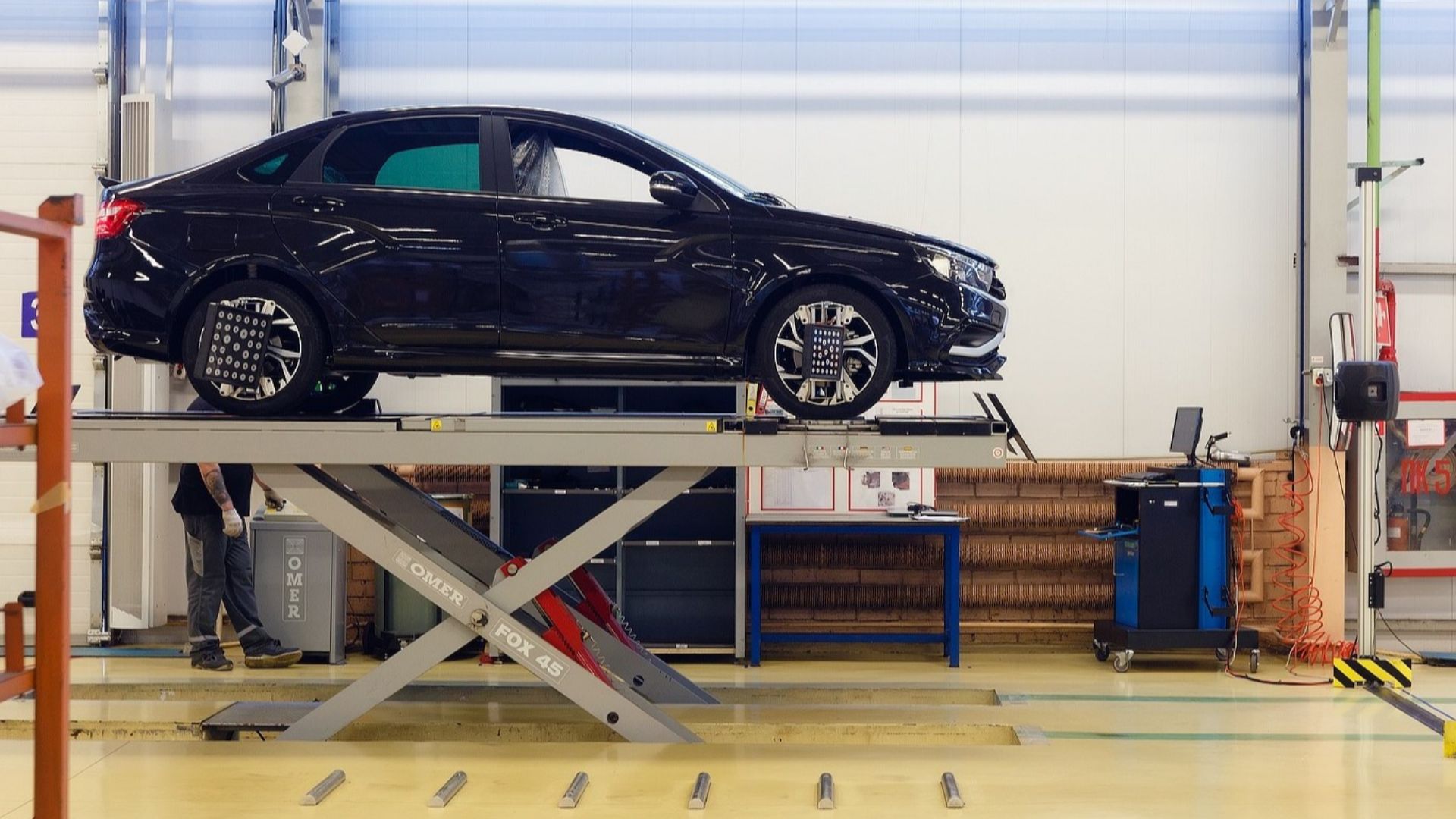
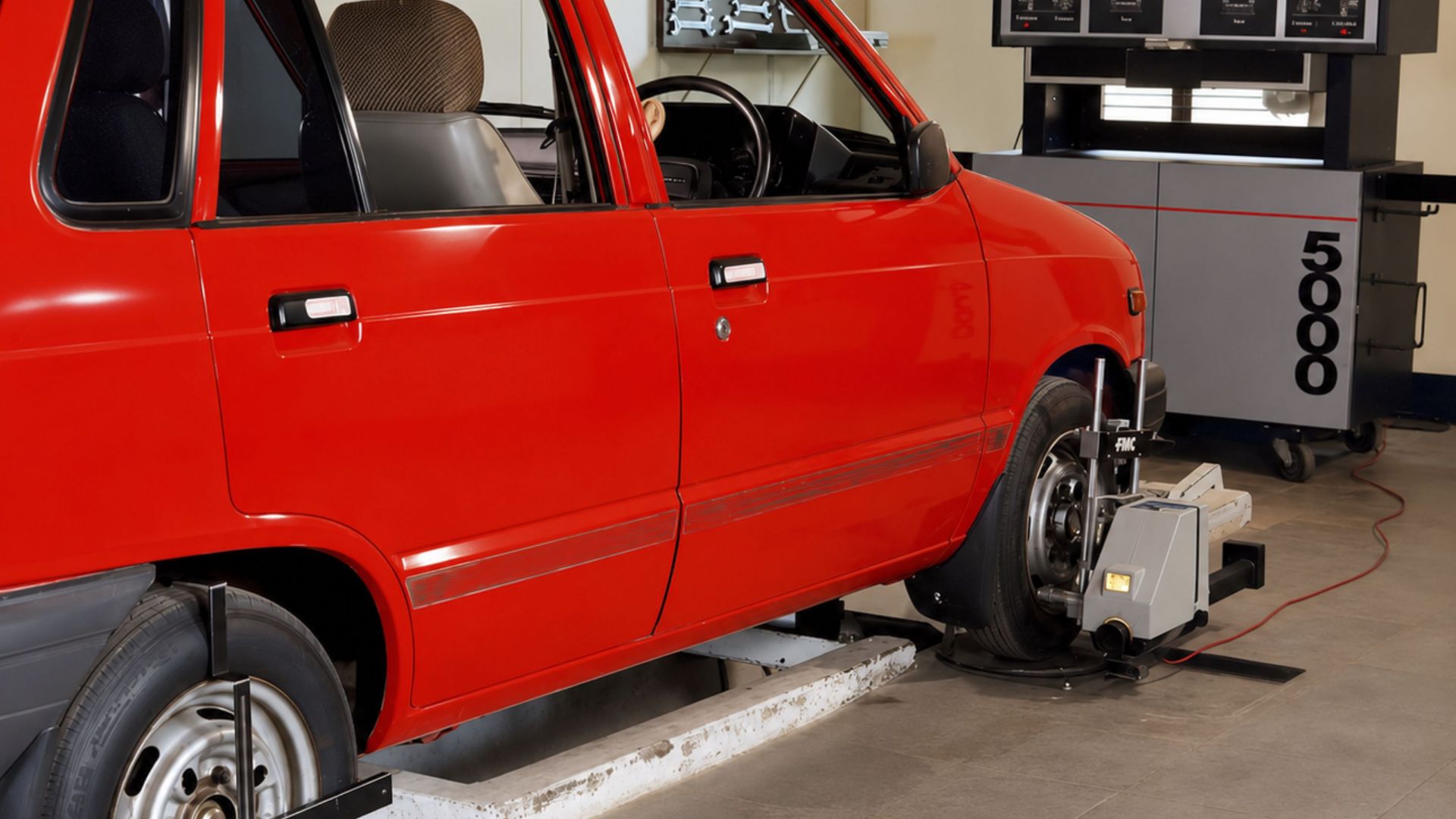
If a shop recommends the service, ask whether they measured the current alignment or are just suggesting it based on mileage or store policy. A proper alignment rack produces before-and-after readings for toe, camber, and caster where adjustable. Those numbers can show whether the vehicle is out of spec and by how much. If the shop cannot provide data, the sales pitch deserves a closer look.
 picture alliance, Getty Images
A Pre-Alignment Check Is Worth More Than A Blind Yes
Some shops offer a quick alignment check before doing the full service. That can be a good middle ground if you are not sure. It gives you actual measurements instead of a generic recommendation. For many drivers, that is the easiest way to tell the difference between preventive maintenance and a plain upsell.
Road Conditions Are A Bigger Deal Than Many Drivers Realize
Alignment is not just about age or mileage. It is also about what the car has been through. Rough roads, frost heaves, speed humps taken too fast, and city potholes can all nudge suspension geometry out of spec over time. If your daily drive feels like an obstacle course, your mechanic’s advice may be more grounded than it first sounds.

New Tires Can Make Old Problems More Noticeable
Sometimes drivers think the alignment issue started after the tire install, when the old tires had really been hiding it. Fresh tread, sharper response, and different tire construction can make a pull or off-center wheel easier to notice. The new tires did not create the problem. They just stopped masking it. That timing can feel suspicious even when the diagnosis is right.
Do Front And Rear Wheels Both Matter
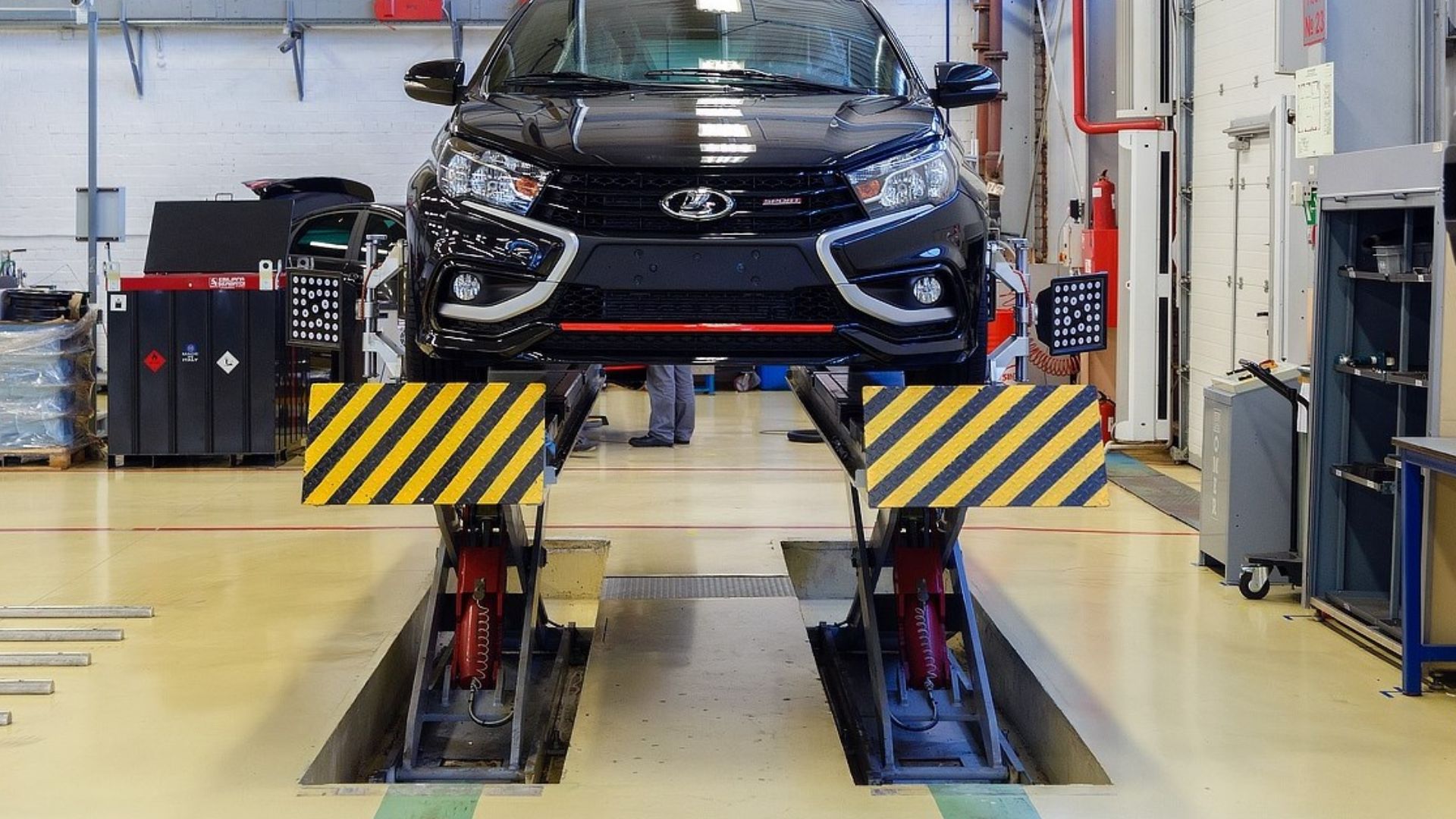
Yes, especially on modern vehicles with four-wheel independent suspension. A proper four-wheel alignment looks at all four corners, even though the actual adjustment points vary by vehicle. Rear alignment angles can affect thrust angle, which influences whether the steering wheel sits straight and whether the car tracks properly. So this is not just a front-end issue anymore.

Alignment And Tire Life Are Closely Linked
Tire makers have been saying this for years because they see the warranty claims. Michelin and Tire Rack both stress that proper inflation, rotation, balancing, and alignment all work together to help tires last. New tires are when many shops push the service because the financial stakes are highest. That can feel sales-driven, but it is also the moment alignment matters most if a problem is already there.
 Dmitry Racer, Wikimedia Commons
There Is No Universal Mileage Rule
You may hear rough advice like checking alignment every 6,000 miles or once a year. Those intervals can be useful reminders, but they are not hard rules. Different vehicles, roads, tire types, and driving habits lead to very different results. A better approach is to combine symptom checks, tire wear inspection, and actual measurements.
How To Respond At The Service Counter
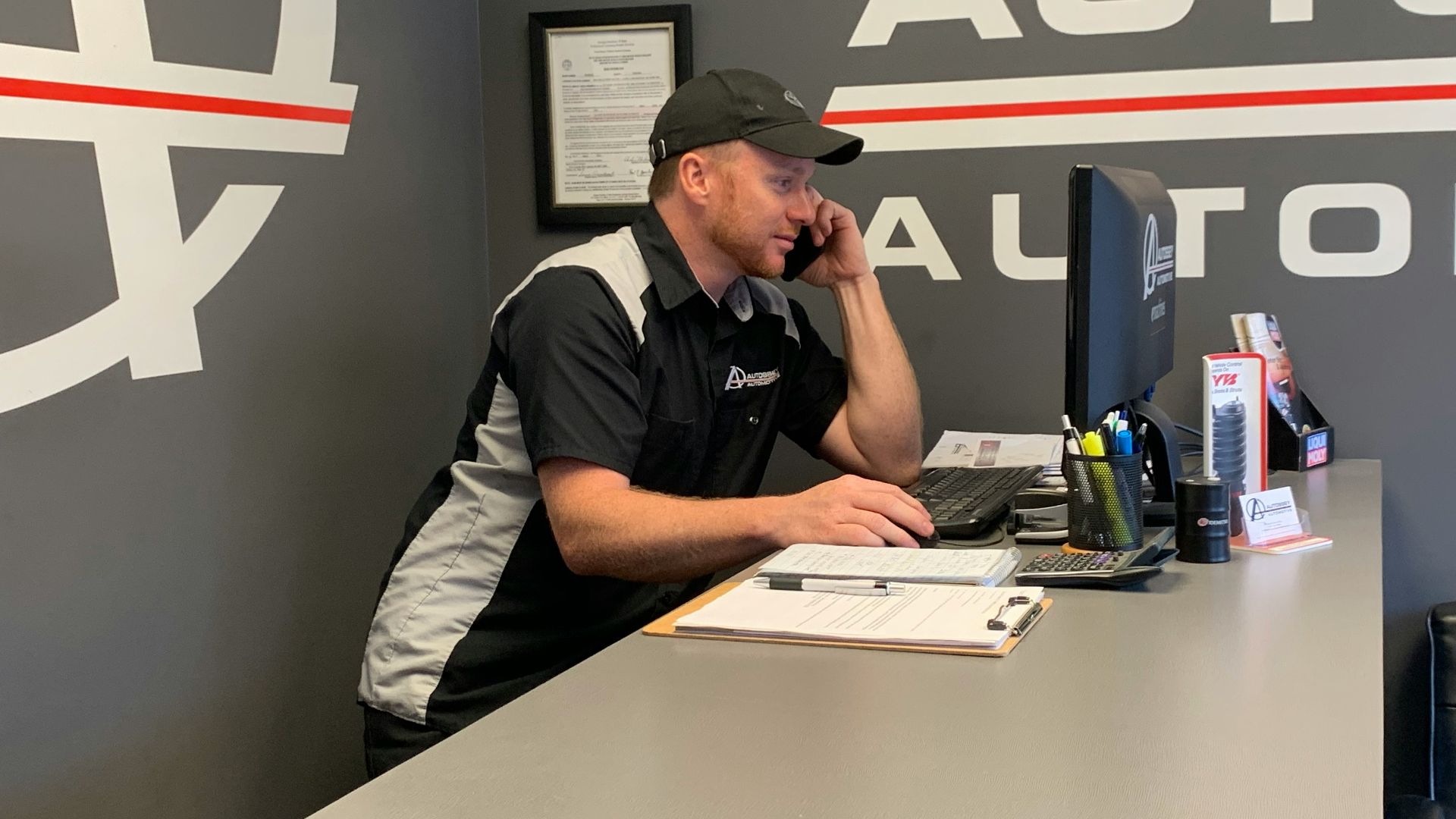
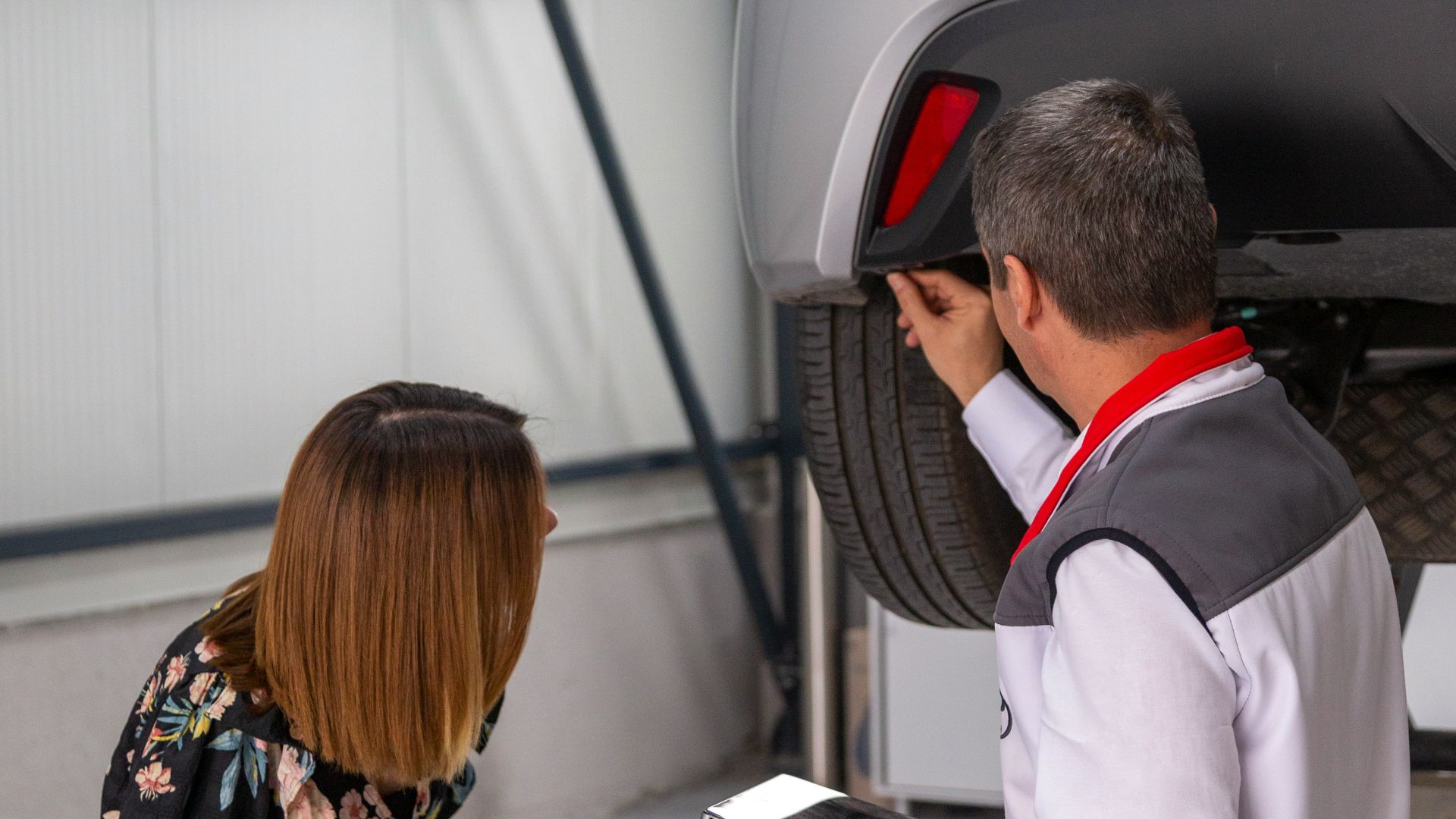
You do not need to argue, and you do not need to say yes on the spot. Ask three simple questions. Are there symptoms or wear patterns that suggest an alignment problem, did you measure it, and can I see the printout. A good shop should be able to answer all three clearly.
The Short Answer Drivers Actually Need
No, your car does not automatically need an alignment after every new set of tires. Yes, it can be a very smart idea if the old tires wore unevenly, the car pulls, the steering wheel is off-center, or the suspension has taken some hits. The difference between maintenance and upsell comes down to evidence. If the shop can show you symptoms or measurements, pay attention. If it cannot, ask harder questions before opening your wallet.