That “We Want To Buy Your Car” Message Keeps Showing Up
If you've recently purchased certain vehicles, your dealership is probably sending you frequent offers to buy it back from you. This has become a standard tactic across the auto industry, especially after the pandemic-era supply crunch tightened the market for both new and used cars.
But you aren't being tricked. The offer probably says more about inventory, profit margins, and sales strategy than about some hidden issue with your specific vehicle.
The Short Answer Is Usually No
Most of the time, the dealer does not know some secret mechanical problem that you do not. These messages usually go out because your vehicle fits a profitable resale profile or because the store wants to move you into another financed or leased car. It may sound personal, but it is often driven by software, market data, and sales targets.
Why These Offers Took Off After 2020
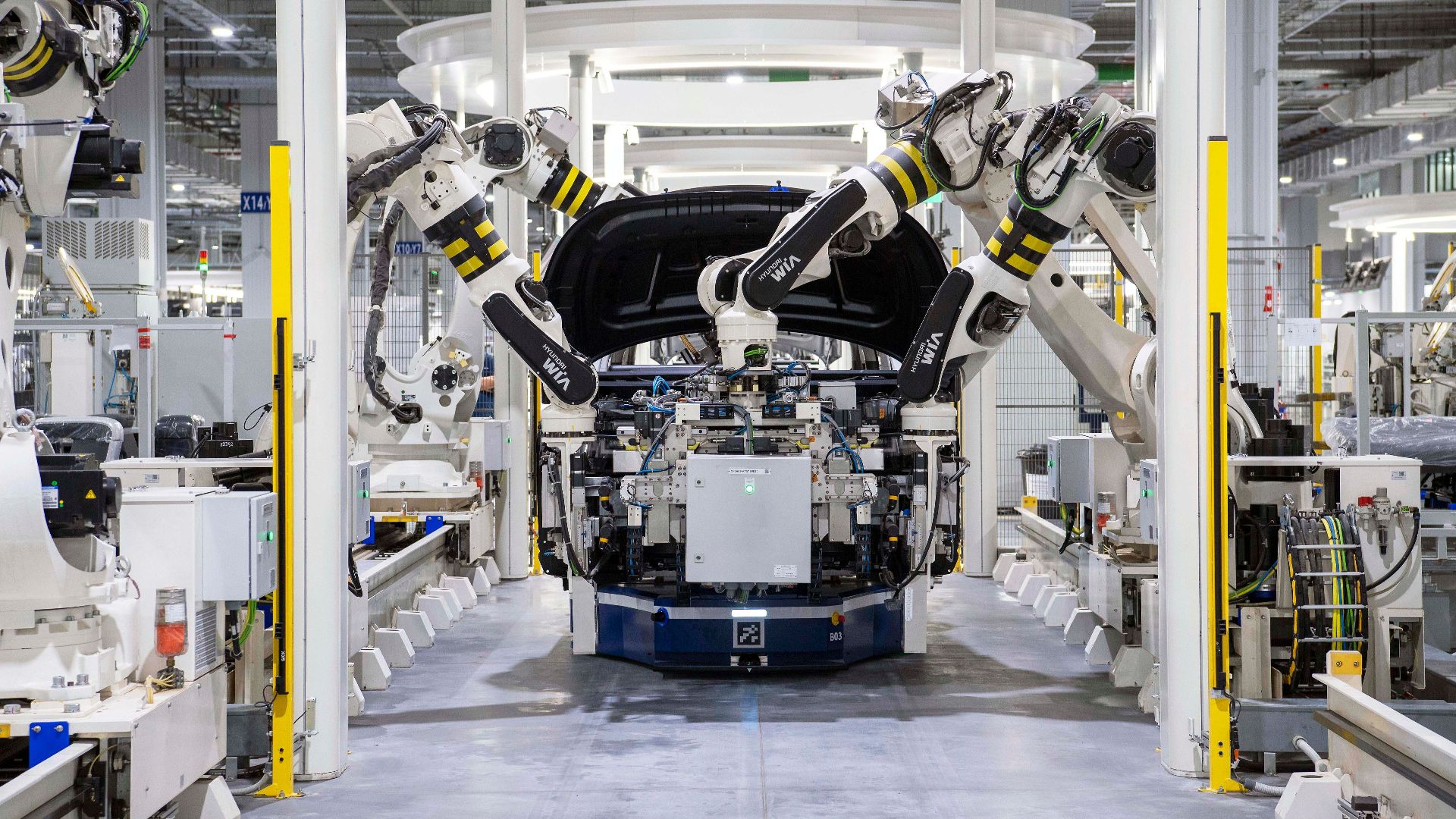
In 2020 and 2021, car production was hit by plant shutdowns and then by a semiconductor shortage that choked new-car inventory. That sent used-car prices way up, and dealers suddenly needed late-model trade-ins to stock their lots. Cox Automotive and other market trackers documented how tight supply pushed pricing higher and made desirable used vehicles far more valuable than normal.
Used Cars Became Gold For Dealers
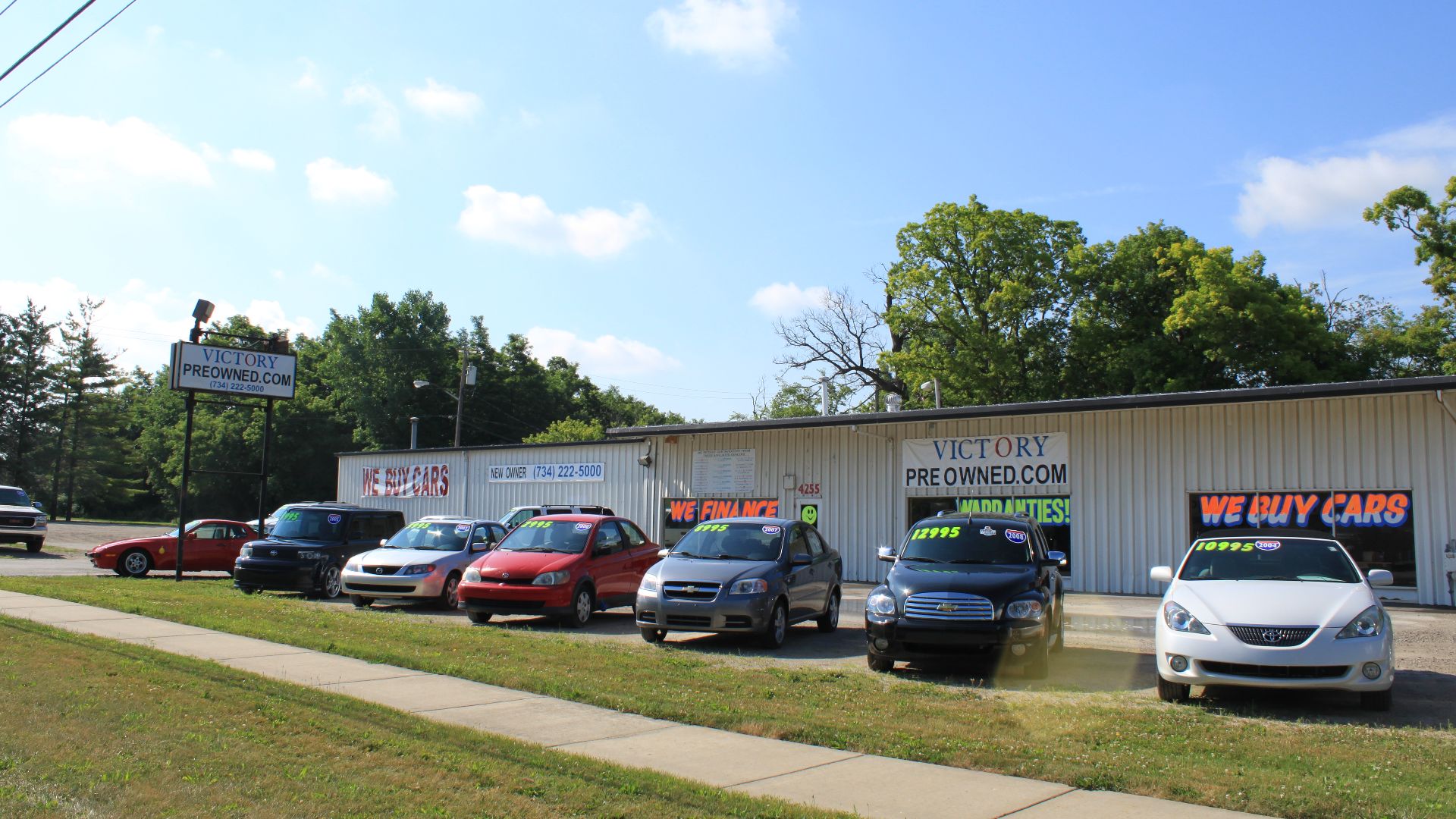
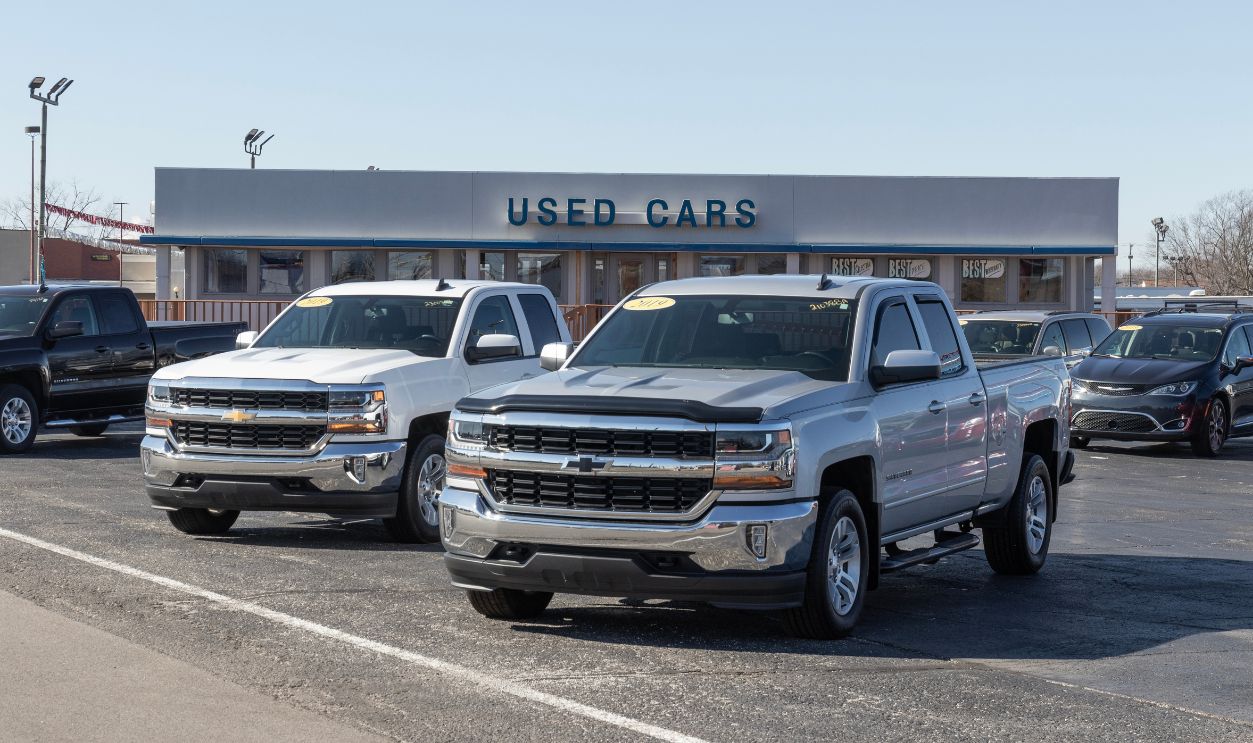
When new inventory gets tight, a clean used vehicle with a known service history becomes a big asset. Dealers often prefer buying vehicles straight from local owners because it cuts down on auction risk and transportation costs. A car they originally sold and serviced can be even more appealing because they may already have records that make reconditioning and resale easier.
 Dwight Burdette, Wikimedia Commons
Your Car Might Be In The Sweet Spot
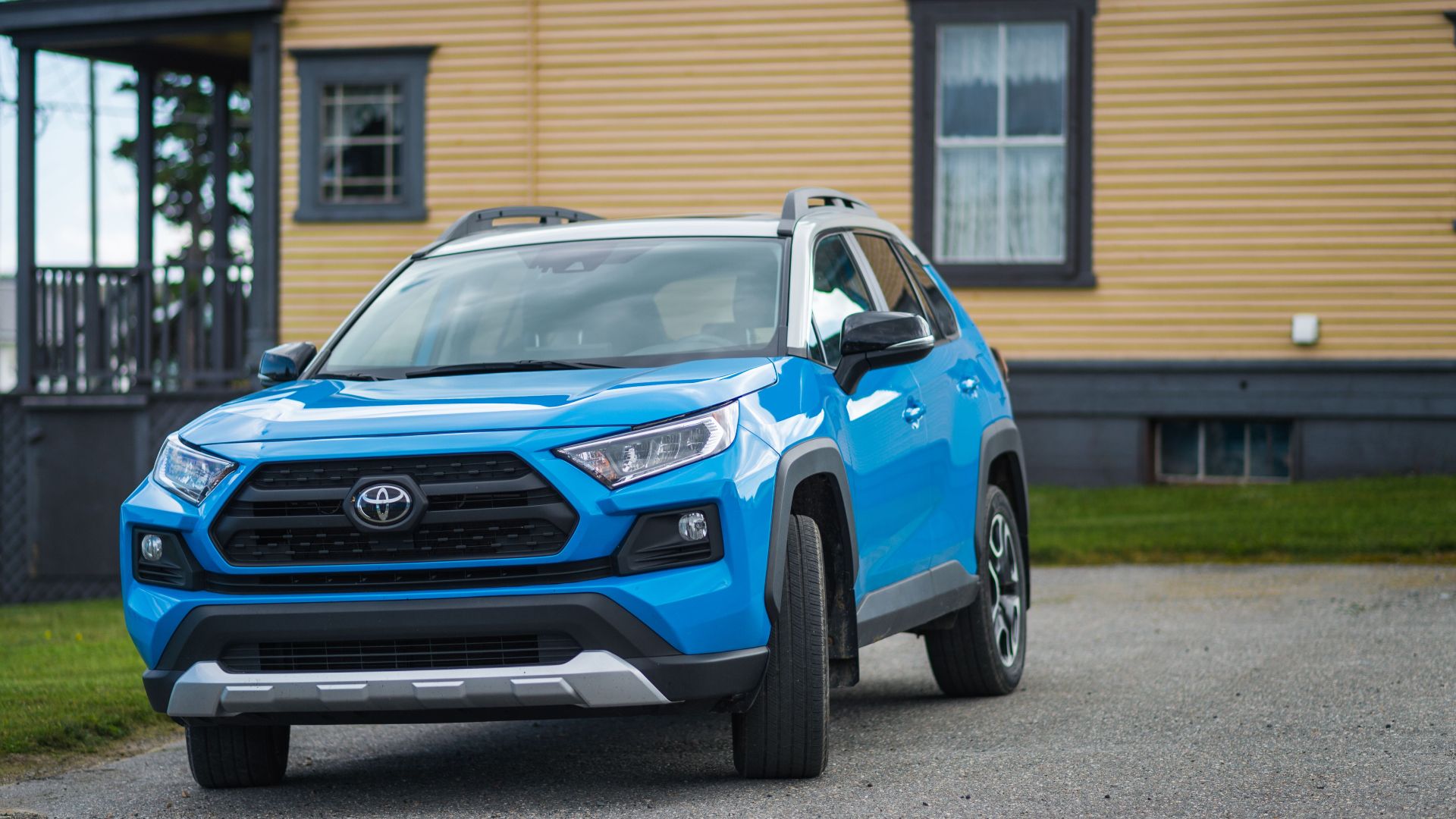
If your vehicle is only a few years old, has reasonable mileage, and falls into a popular category, it may be exactly what a dealer wants. That is especially true for compact SUVs, pickups, and brands with strong used demand. The dealership may simply know that a vehicle like yours can sell fast and bring in a solid margin.
Dealers Often Already Know A Lot About Your Car
If you bought, financed, leased, or serviced your vehicle at that dealership, they may already know its trim, mileage range, payoff estimate, and maintenance history. They do not need inside information or a conspiracy. They just need customer data and a market where your kind of vehicle is in demand.

These Messages Are Usually Marketing, Not A Warning
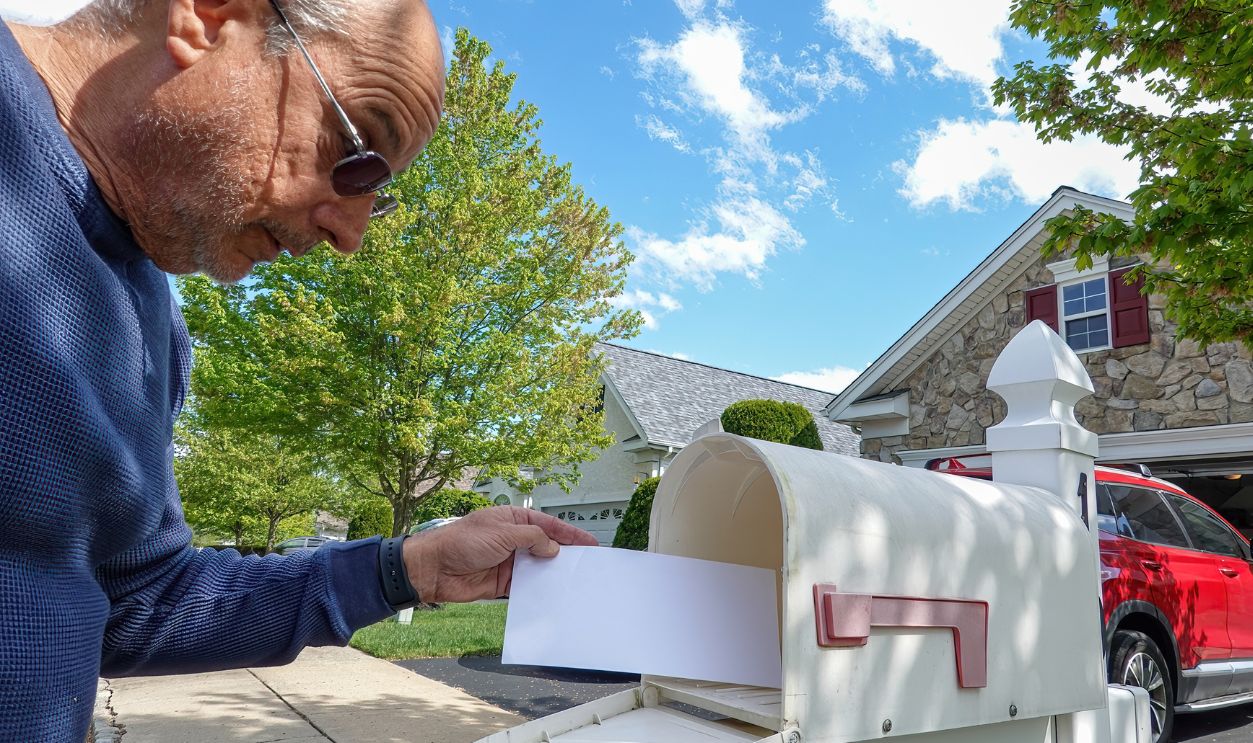
Many buyback offers are mass-marketing campaigns sent to hundreds or even thousands of customers at once. Some are triggered by lease-end dates, estimated equity, or recent service visits. The language can sound urgent or exclusive, but the real goal is often simple: get you back into the showroom.

There Is A Clear Money Reason Dealers Love Trade-Ins
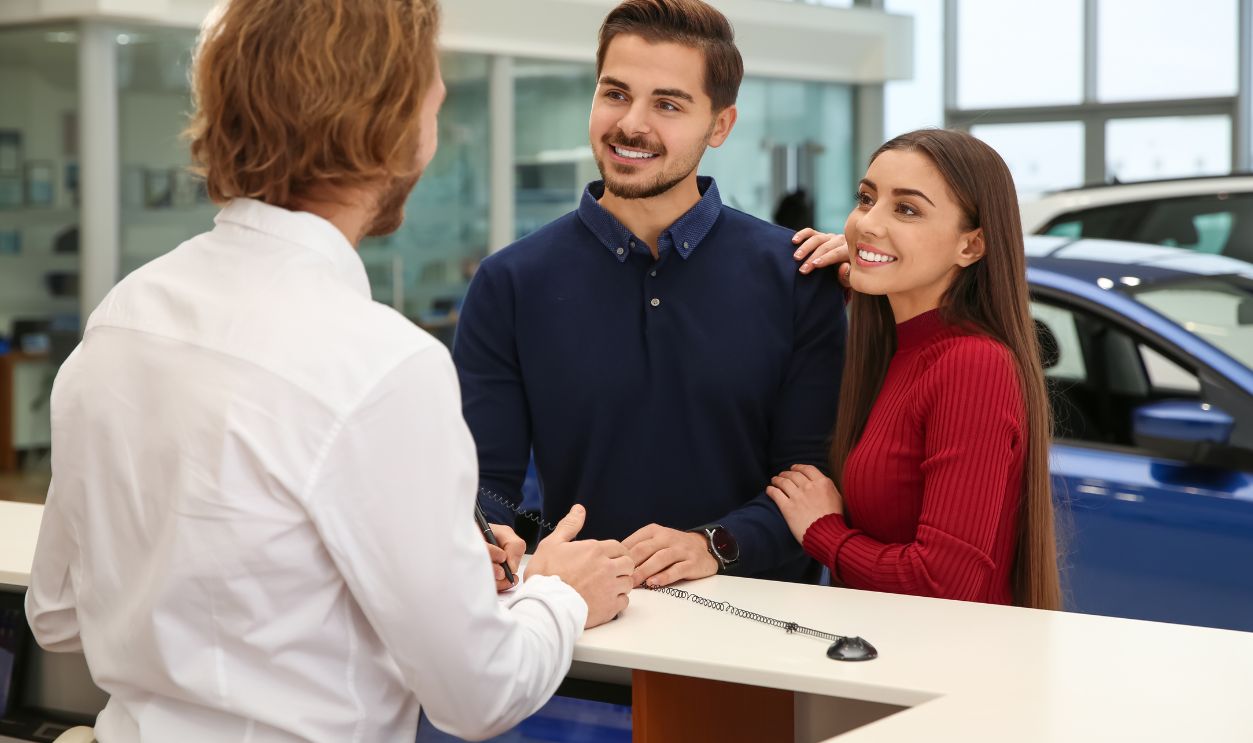
Trade-ins can pay off for dealers on both sides of the deal. They may make money selling you your next car, arranging financing, adding extras, and then reselling your old vehicle. One buyback pitch can open the door to several profit streams at once.
 Zoriana Zaitseva, Shutterstock
Your Positive Equity Is Often The Real Hook
If your car is worth more than what you still owe on your loan, you have positive equity. Dealers like that because they can roll it into your next purchase or lease and make the monthly payment look appealing. The line about “lowering your payment” often depends on stretching the loan term, changing the vehicle price, or using your equity to make the numbers look smoother.

Monthly Payment Talk Can Hide The Real Cost
A lower monthly payment does not automatically mean a better deal. The dealer may extend the loan term, raise the total price, or add products that increase what you pay overall. The Federal Trade Commission has long warned shoppers to focus on the full transaction price, financing terms, and trade-in value, not just the monthly number.
Shortages Created The Perfect Sales Pitch
During the inventory crunch in 2021 and 2022, many drivers heard some version of the same message: dealers badly needed used cars and were willing to pay top dollar. That was often true. It was also a strong way to create urgency and pull customers into a new deal.
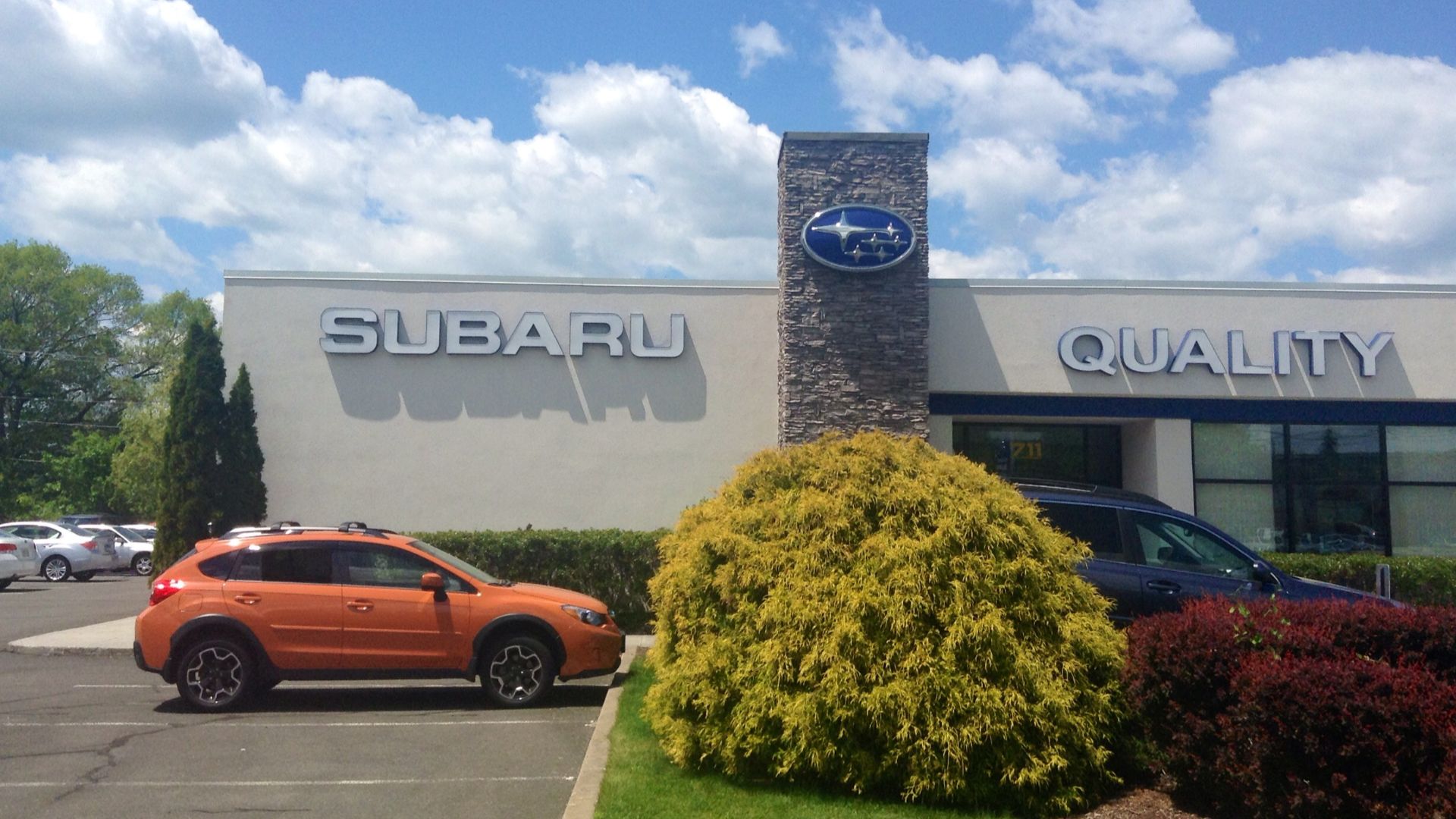 Mike Mozart from Funny YouTube, USA, Wikimedia Commons
It Is Usually Not About A Coming Recall
One common fear is that the dealership somehow knows a recall or major reliability problem is about to hit. In most ordinary buyback campaigns, that is not the reason. Recall information is generally public through automakers, the National Highway Traffic Safety Administration, and dealer service systems. It is not usually part of some quiet effort to scoop up customer cars before bad news gets out.

But You Should Still Check For Open Recalls
Even if the buyback offer is probably just marketing, checking your VIN for open recalls is still smart. NHTSA has a free lookup tool that lets owners see unrepaired safety recalls. It takes only a minute and can help if the dealer’s sudden interest makes you uneasy.
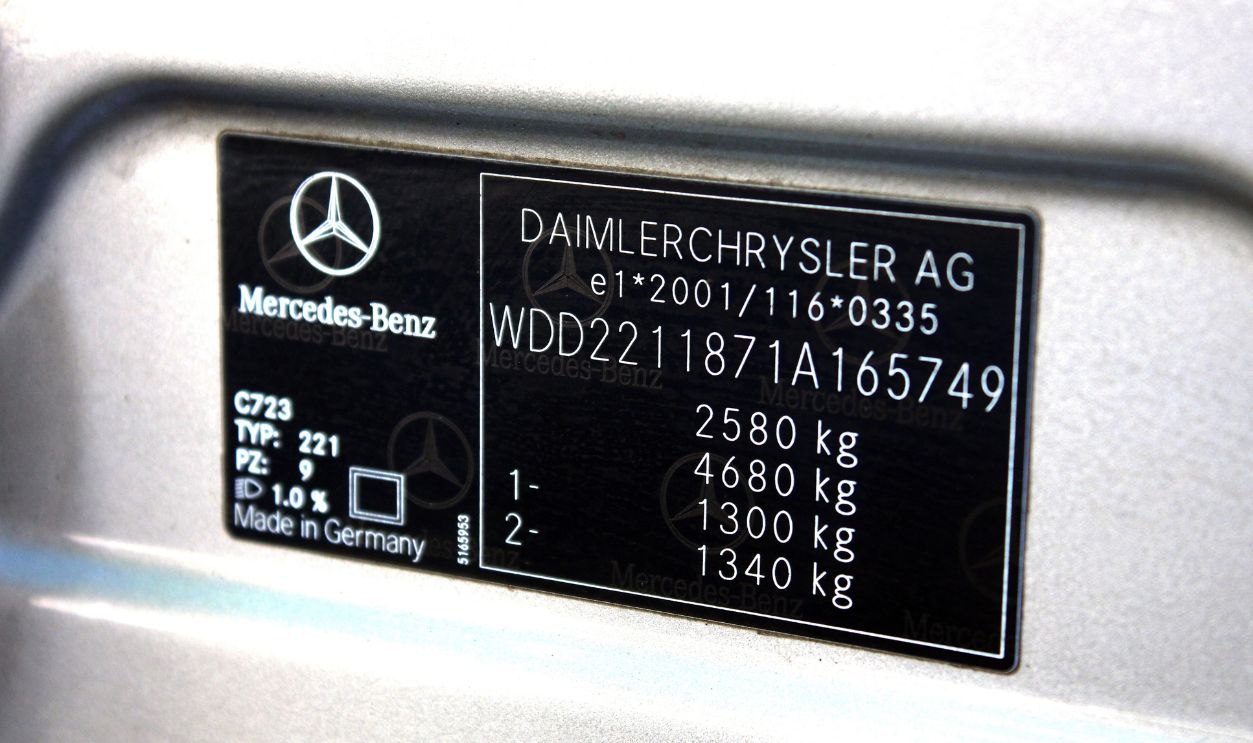
Service History Can Make Your Car More Desirable
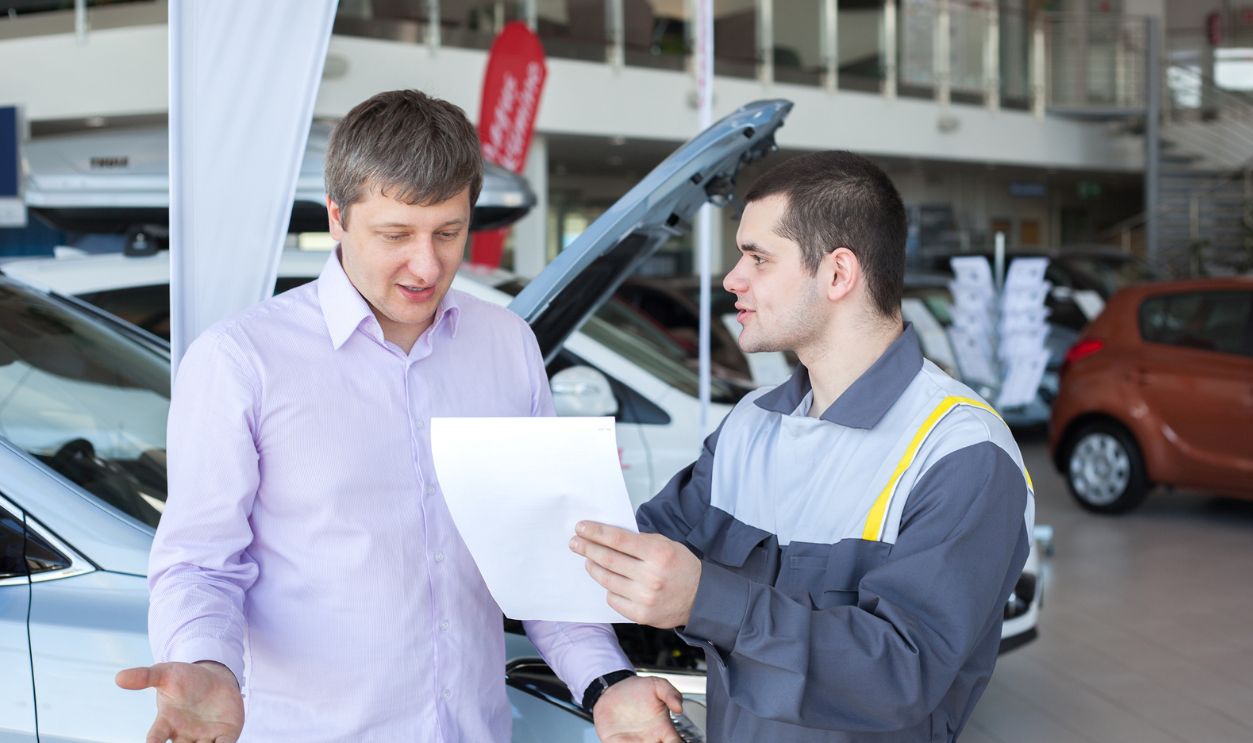
A vehicle that has been serviced regularly at the selling dealer is easier for that store to judge. The dealer may already know whether you stayed on top of oil changes, tires, brakes, and factory maintenance. That lowers uncertainty, which makes your car more attractive to buy.
 Sergei Gontsarov, Shutterstock
Off-Lease Timing Is A Major Trigger
If you leased your vehicle, buyback outreach often ramps up as the lease end gets closer. Dealers and captive finance companies know the maturity date, estimated mileage, and residual value. If market value is above that residual, they may be especially eager to capture the vehicle and use the moment to sell you another one.
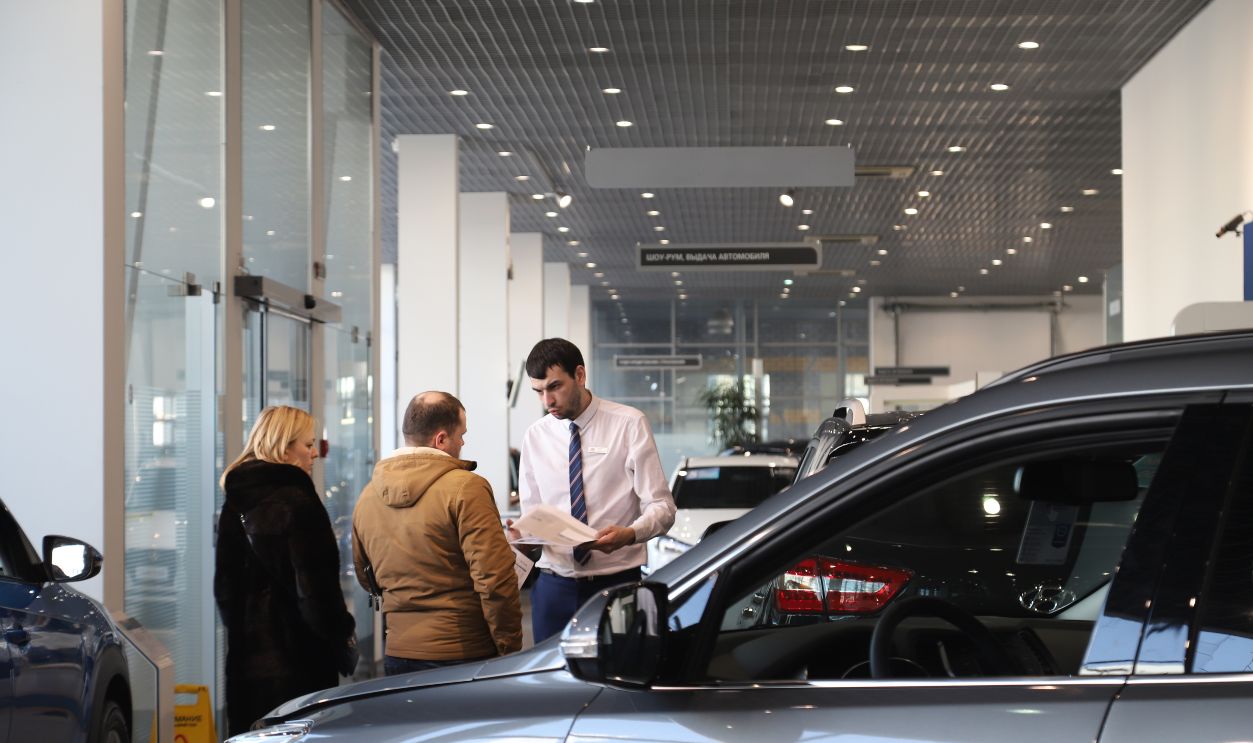
Some Automakers Have Seen Strange Buyback Moments
There have been real moments when automakers or dealers went hard after certain vehicles because the market got distorted. During the used-car price spike, some lessees discovered their cars were worth far more than expected at lease end. That did not mean the dealer knew the car was secretly flawed. It meant the market had become so unusual that the vehicle was suddenly worth much more than anyone expected.
Online Buyers Changed The Market Too
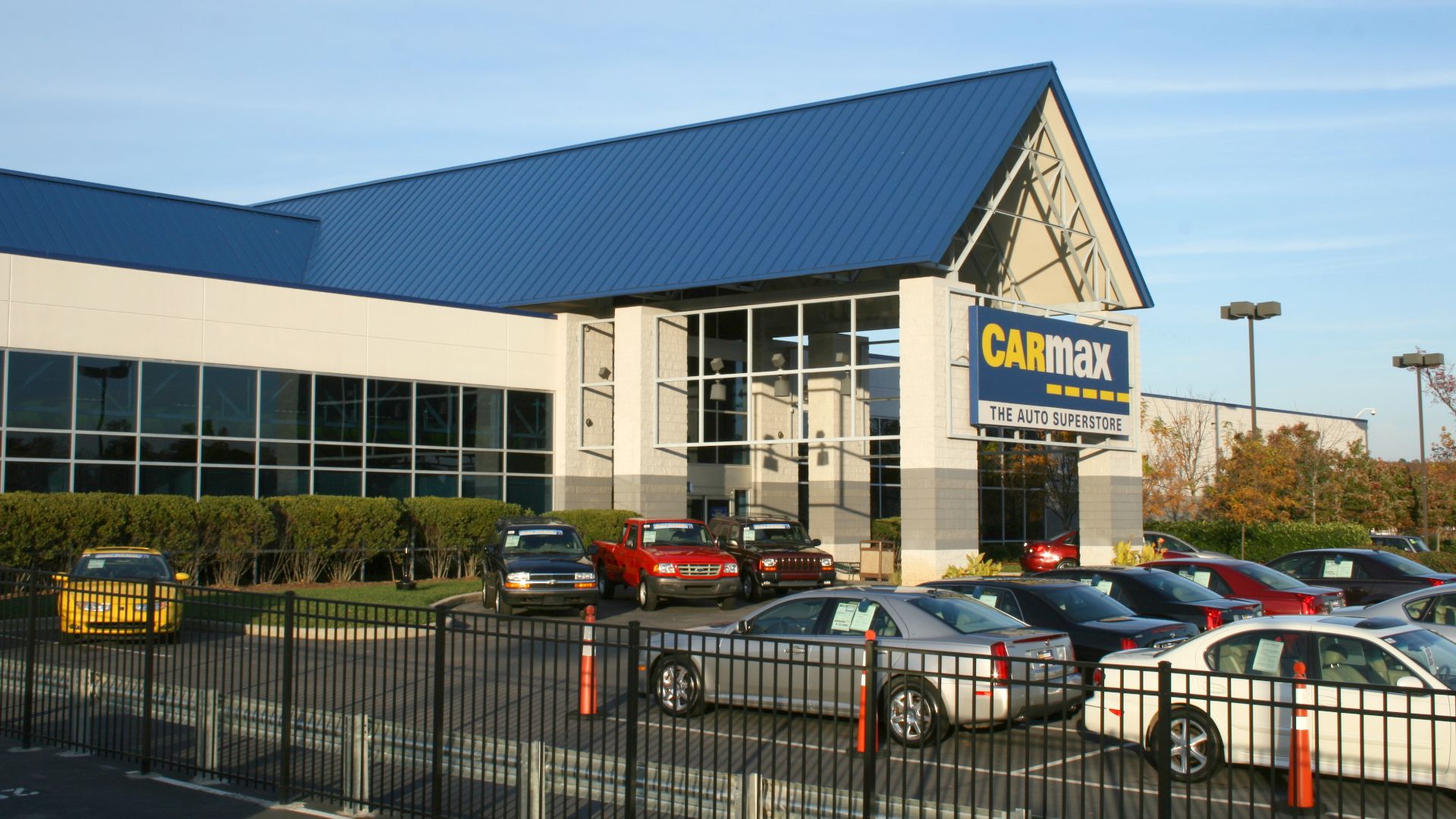
CarMax, Carvana, and other instant-offer platforms pushed the whole industry to get more aggressive about buying used cars directly from owners. Traditional dealers had to compete harder for local inventory. If your inbox feels packed with offers, part of the reason is that retailers now know sourcing cars matters just as much as selling them.
 Ildar Sagdejev (Specious), Wikimedia Commons
Dealers May Hope You Do Not Compare Offers
A buyback pitch works best for the store if you treat it like a convenient favor instead of a market transaction. That is why the smart move is to compare offers from multiple dealers and online buyers. Kelley Blue Book, Edmunds, CarMax, and other valuation tools can help you figure out whether the number is actually strong or just good enough to get you through the door.

The Appraisal May Be Real, But It May Come With Strings
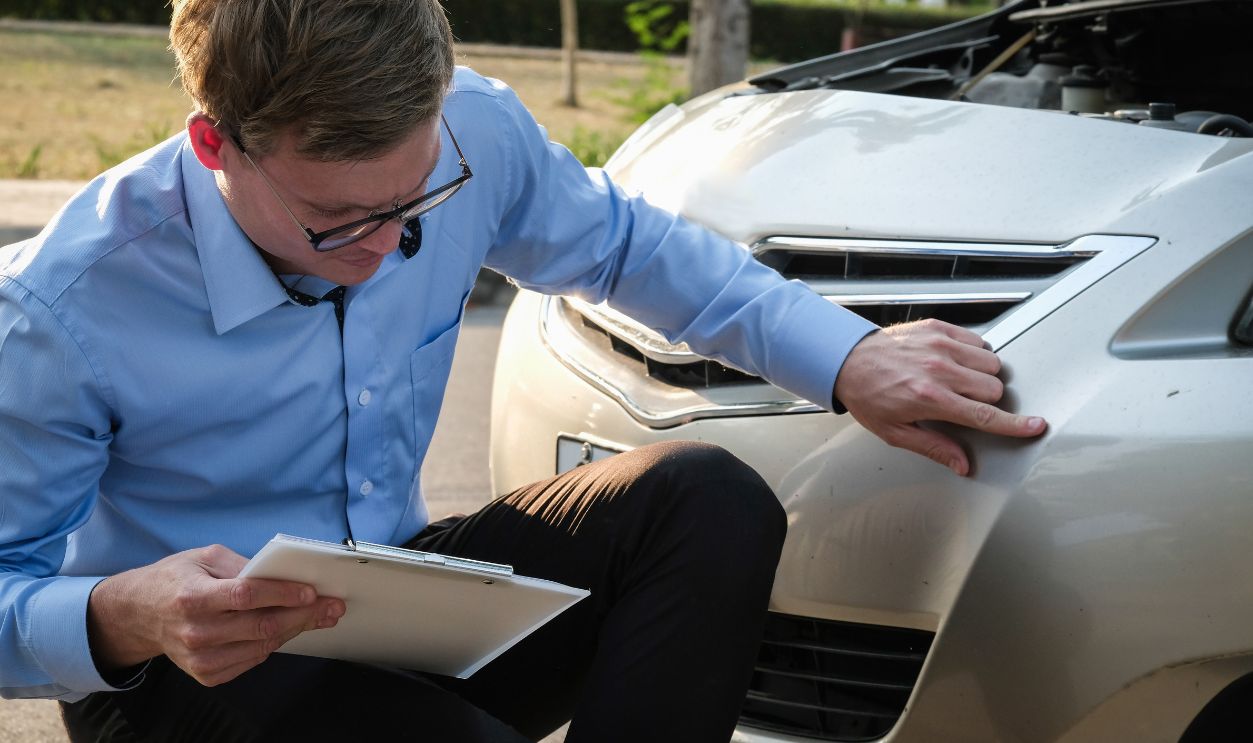
Some offers sound firm, but the final value may depend on inspection, mileage, title status, tires, body condition, and local demand. Fine print matters. A flashy number in a mailer can shrink quickly once the vehicle is actually inspected.
Watch Out For The “Upgrade” Trap
The dealer may frame the buyback as an easy way into a newer car with almost no hassle. Sometimes that is true. But newer vehicles often come with higher prices, higher insurance costs, and longer loan terms. A smooth trade is not automatically a smart money move if your current car is doing the job just fine.

Your Interest Rate Matters More Than The Pitch
If you bought when rates were very low, replacing your current vehicle could mean taking on a much higher rate today. Even if the trade allowance looks generous, the financing may wipe out the benefit. Always compare the full out-the-door cost and the total interest you would pay over the life of the next loan.

There Are Times When Selling Makes Sense
If you no longer need the vehicle, if you have strong equity, or if the market value is unusually high compared with your plans, taking a buyback offer can make sense. It can also be a smart move if you were already planning to downsize, switch to one household car, or get out of a lease with positive equity. The key is making the decision based on your needs, not the dealer’s timeline.
 Karolina Grabowska www.kaboompics.com, Pexels
There Are Also Times To Ignore It
If your car is reliable, affordable, and mostly paid down, a buyback letter may be nothing more than a tempting distraction. Trading into a more expensive vehicle can raise your long-term costs even when the paperwork looks clean. Sometimes the smartest move is keeping the car you already know.

How To Tell If The Dealer Is Serious
Ask for a written appraisal after an in-person inspection, and keep that number separate from any talk about a replacement vehicle. Then check the payoff amount on your current loan and compare it with outside offers. If the dealership will not discuss the trade value on its own, the offer may be more about selling you another car than truly buying yours.
Questions To Ask Before You Go In
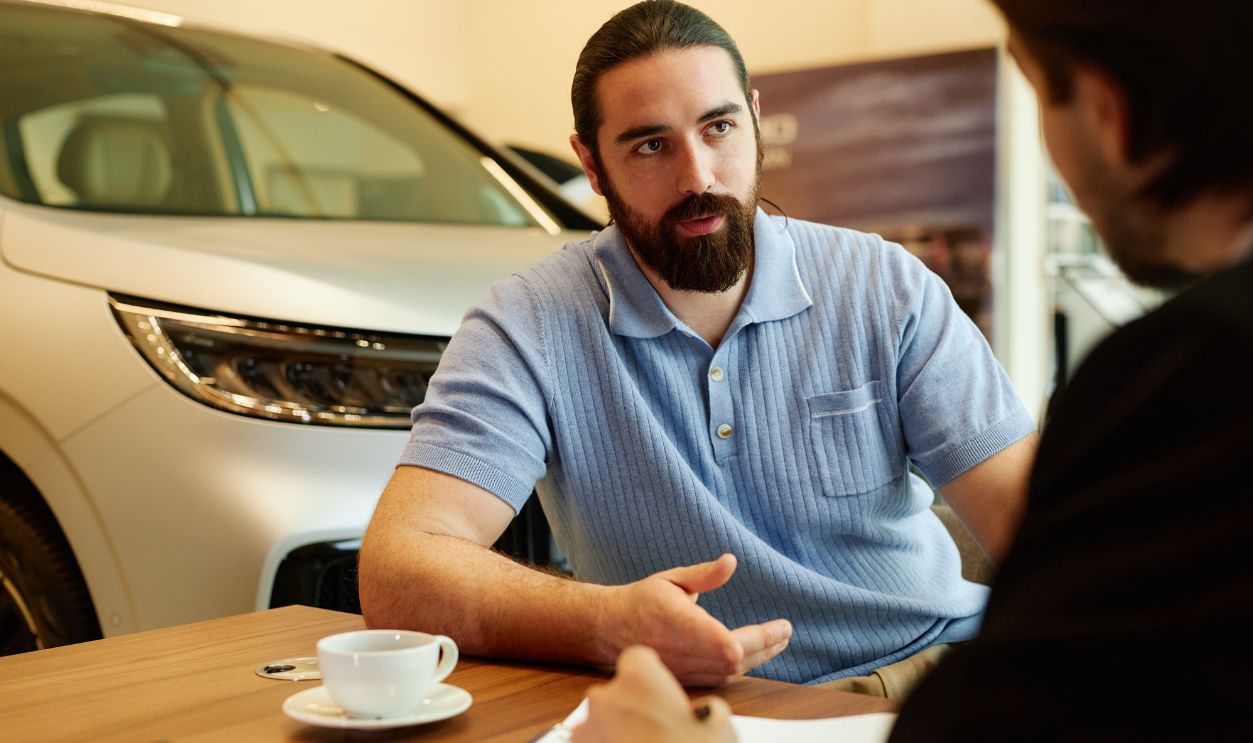
Ask whether the offer depends on buying another vehicle. Ask how long the appraisal is valid, whether there are doc fees, and whether they will match a competing bid. Also ask for a full breakdown of any replacement deal, including selling price, taxes, fees, rate, term, and trade credit.
The Best Defense Is Simple Homework
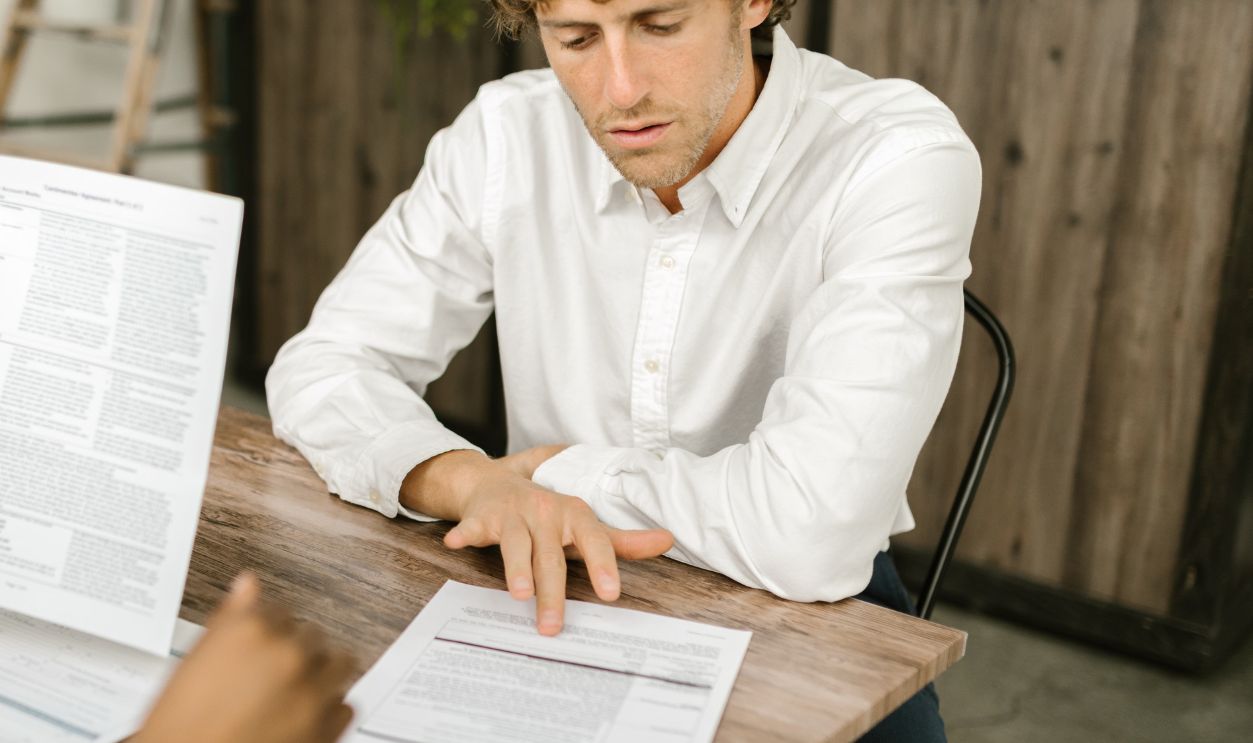
Check your current payoff. Look up your car’s private-party and trade-in value. Get at least two or three competing offers, and check your recall status and maintenance needs before you make any move. Once you know the numbers, most of the mystery disappears.

So, Do They Know Something You Do Not
Usually, yes, but it is not some hidden disaster about your car. What they often know is that your vehicle is easy to sell, that your equity may make you easier to move into another deal, and that getting you back into the store creates profit opportunities. The real takeaway is not paranoia. It is understanding that the dealer’s buyback enthusiasm is usually about business, not a secret warning.