Your Nearly New Car, Somebody Else’s Old Parts
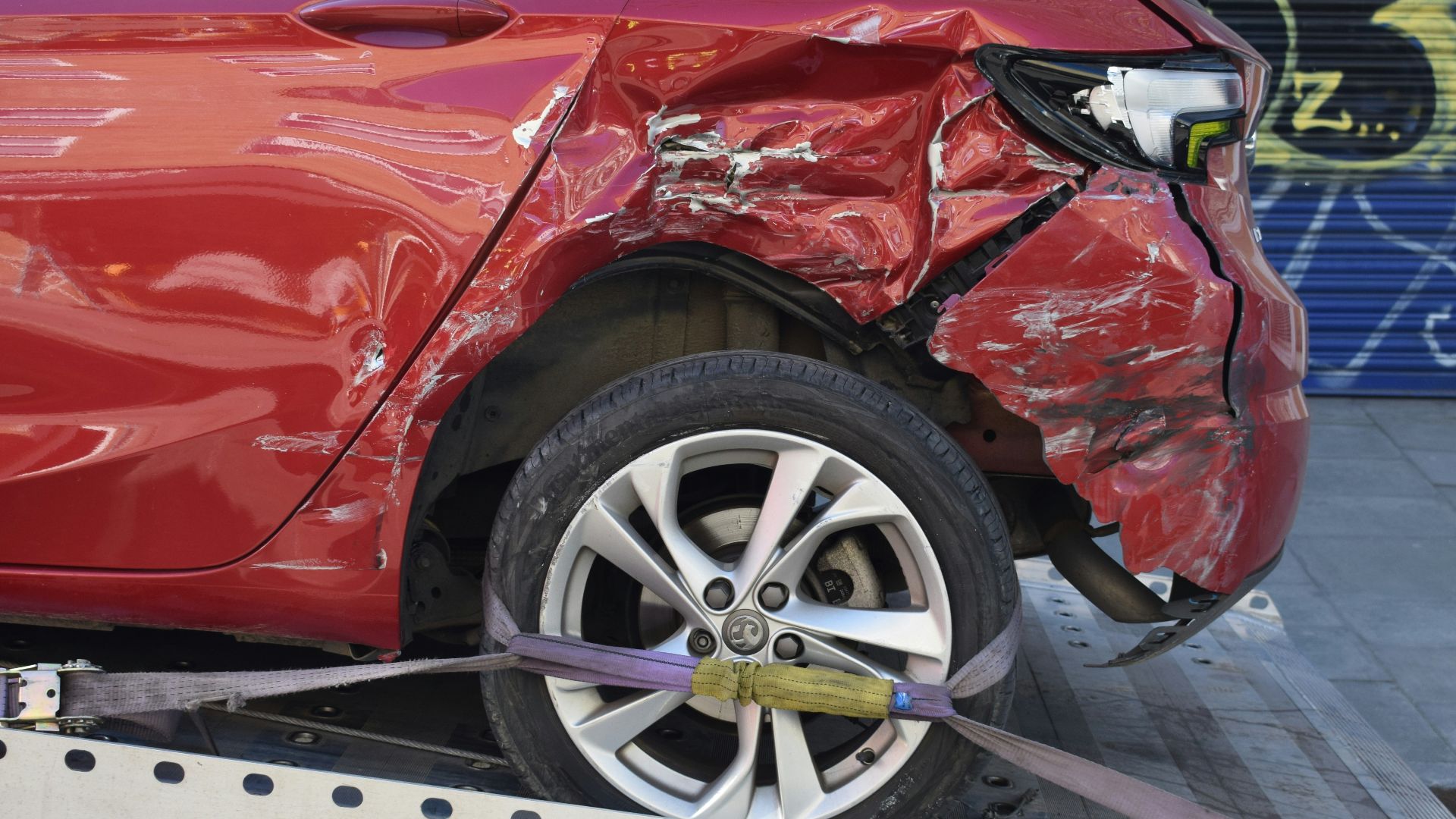
It sounds wrong at first. Your almost-new car gets hit, and now the insurer wants to fix it with recycled parts from another vehicle. In many cases, you usually cannot simply demand brand-new parts. But the real answer depends on your state, your policy, and the kind of part involved.

Why This Comes As A Shock
Many drivers assume insurance will put the car back exactly as it was before the crash. In reality, insurers are generally required to restore the vehicle to its pre-loss condition, not to use factory-fresh parts for every repair. That gap is where a lot of these fights start.
What “Recycled Parts” Usually Means
Recycled parts are usually original equipment parts taken from another vehicle, often through a salvage yard. In the repair world, they may also be called used, salvage, or recycled OEM parts. They are different from aftermarket parts, which are newly made by a company other than the original automaker.

Why Insurers Like Them
The reason is simple. Recycled parts often cost less than new OEM parts, and insurers want to control claim costs. Industry groups also point out that reusing parts can cut waste and keep usable components out of landfills.

What Insurers Usually Owe You
Insurance policies often promise repairs using parts of like kind and quality. That wording matters because it does not always mean brand new. It usually means the replacement part should be similar in fit, function, and appearance to the one that was damaged.

State Law Often Decides The Fight
If you want to know whether you can push back, start with your state’s rules. Laws on recycled, aftermarket, and non-OEM parts vary a lot. Some states require written disclosure, some set quality standards, and some give extra protections for newer vehicles.

California Is A Good Example
California’s insurance rules are especially detailed, which is why they come up so often in these disputes. Under California Code of Regulations, Title 10, section 2695.8, replacement crash parts must be clearly identified, and used parts have to meet certain standards. The rule also says used parts cannot be supplied if they would hurt the safety of the vehicle.
California’s Rules On Used Parts
California requires that a used replacement part come from a vehicle of the same year or newer, with the same or lower mileage than the car being repaired, unless the insurer and claimant agree otherwise. The part also has to be free from corrosion and other damage that would affect how it works. That does not mean your insurer must use new parts on a nearly new car, but it does mean they cannot just grab any junkyard part and call it good.
Texas Takes A Similar But Different Approach
Texas also regulates the use of non-OEM and used parts in auto claims. The Texas Administrative Code says insurers may specify used or aftermarket parts if those parts are of like kind and quality. The rules also require disclosure in the estimate when a non-original manufacturer part is being used.

New York Adds Disclosure Rules Too
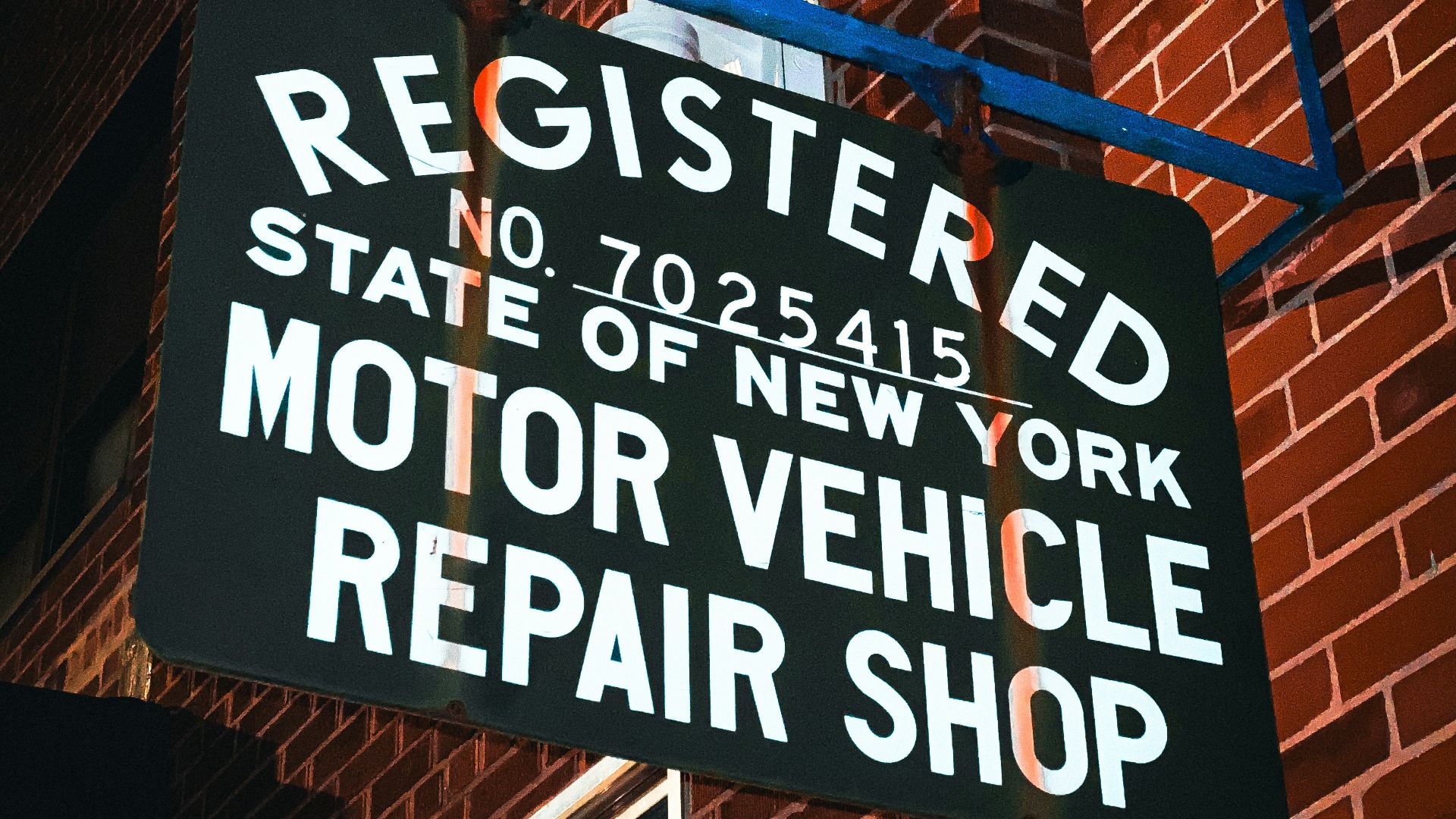
New York insurance regulations also require disclosure when an estimate includes non-OEM crash parts. The rule lays out standards for identifying those parts and informing the vehicle owner. That still does not create a blanket right to demand all-new OEM replacements after every accident.
Your Policy Language Matters More Than You Think
Before you argue with the adjuster, read the actual policy. Some policies clearly allow repairs with parts made by or for the original manufacturer, aftermarket parts, reconditioned parts, or recycled parts. If your contract allows parts of like kind and quality, your best argument may come from state law or the condition of the part, not from asking for more than the policy promises.
 Natthawadee Jana, Shutterstock
If You Bought OEM Parts Coverage, That Changes Things
Some insurers sell endorsements that pay for new OEM parts after a covered loss. Availability depends on the carrier, the state, and sometimes the age of the vehicle. If you bought that option before the crash, now is the time to pull out the declarations page.

Nearly New Does Not Always Mean New Parts
This is the tough part for owners of newer cars. The age of the vehicle alone does not automatically entitle you to brand-new replacement parts. What matters is whether your state has a special rule for newer vehicles, whether your insurer sold you extra OEM coverage, and whether the proposed recycled part really matches your car’s pre-accident condition.
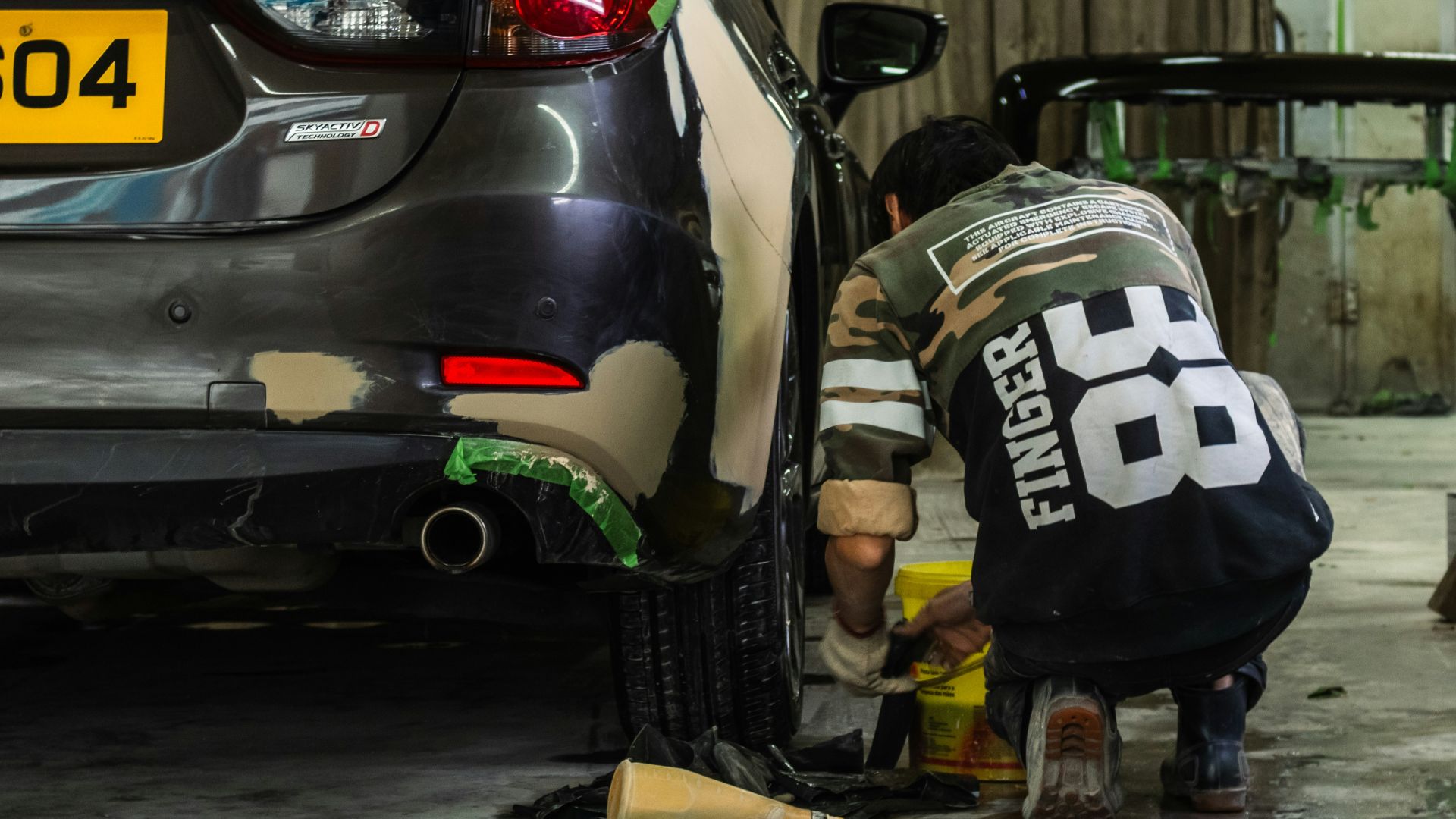
Safety Parts Are Where The Argument Gets Serious
Not all parts are treated the same. Structural and safety-related parts get more scrutiny because fit and strength matter so much. If the proposed recycled part affects crashworthiness, airbag sensor operation, or advanced driver assistance systems, ask for proof that the part is appropriate and that the repair follows the automaker’s procedures.
 Ian Maddox, CC BY-SA 4.0, Wikimedia Commons
Modern Cars Make This More Complicated
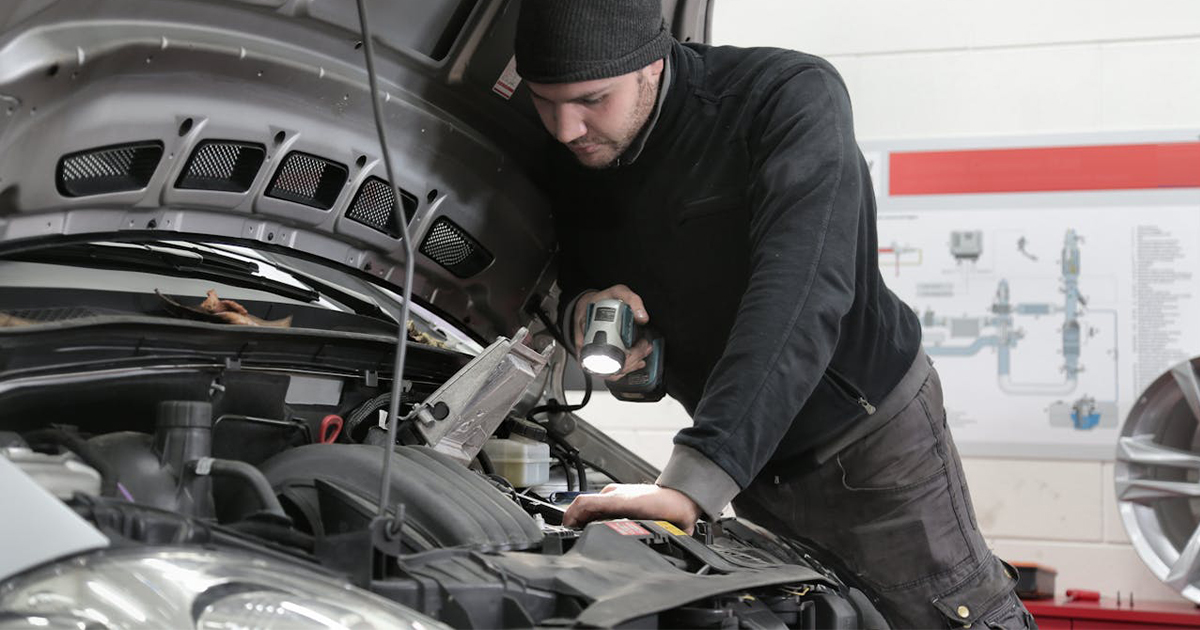
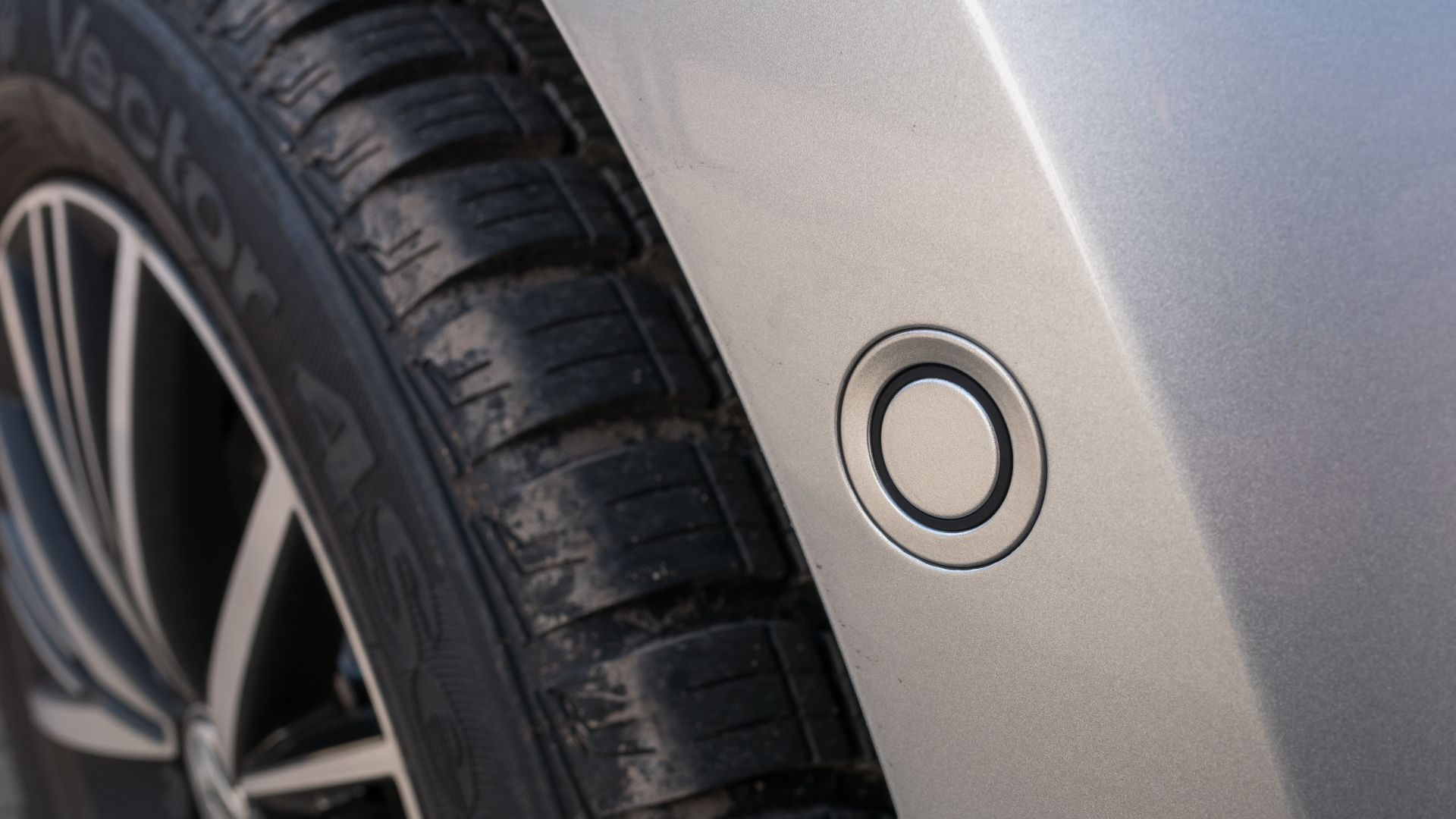
Today’s cars are packed with cameras, radar modules, parking sensors, and parts that need careful calibration. A bumper cover is not always just a bumper cover anymore. Even if a recycled part looks fine, the repair may still require scans, calibrations, and steps set by the manufacturer.
What Consumer Reports Found
Consumer Reports has warned that crash repairs on modern vehicles can be more complex than many drivers realize, especially when advanced safety systems are involved. The publication has reported that even minor damage can affect driver-assistance features if repairs are not done correctly. That makes the fight over replacement parts about more than looks.
 Consumer Reports, Inc.
, Wikimedia Commons
Consumer Reports, Inc.
, Wikimedia Commons
The Repair Shop’s Voice Matters
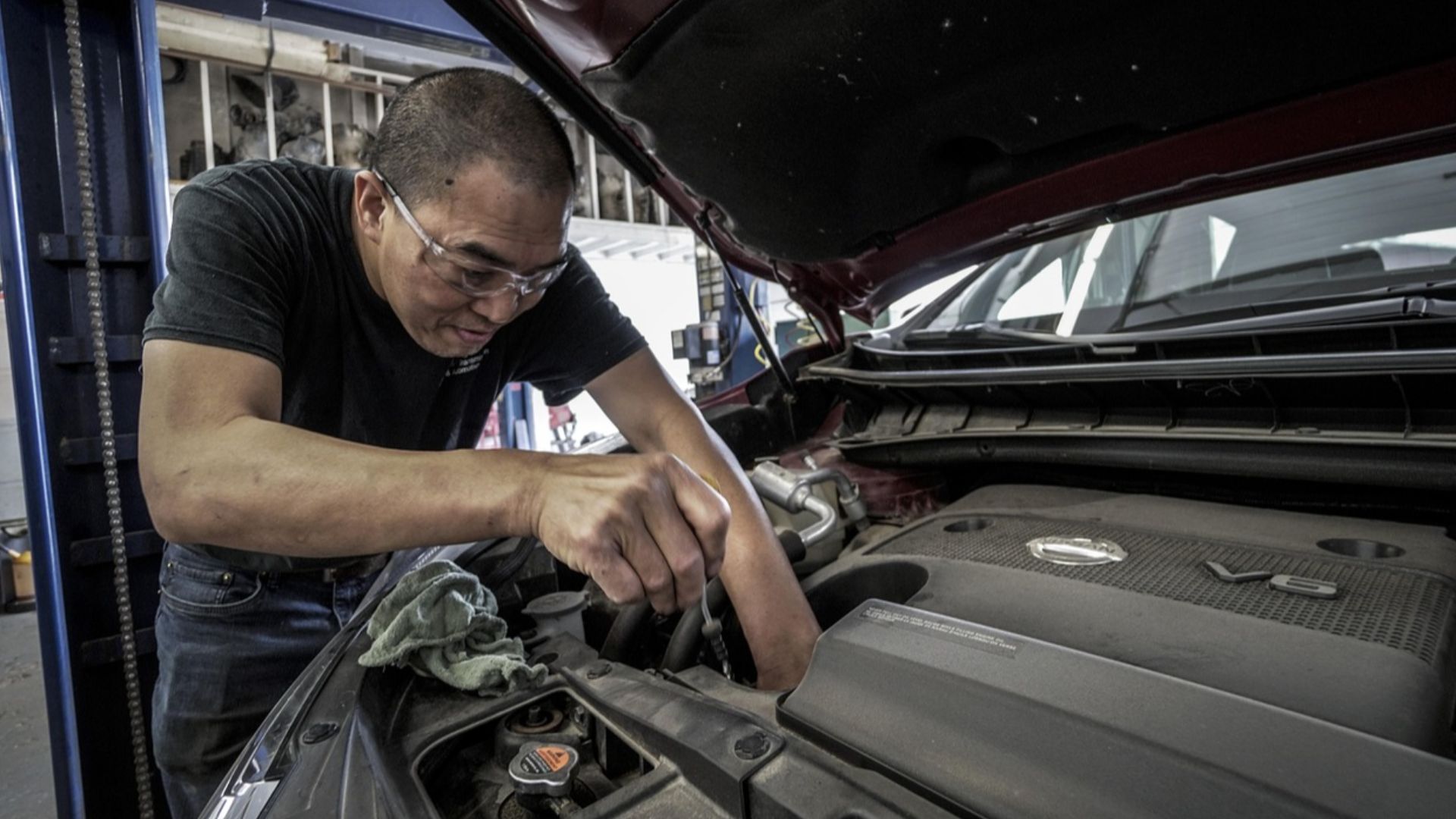
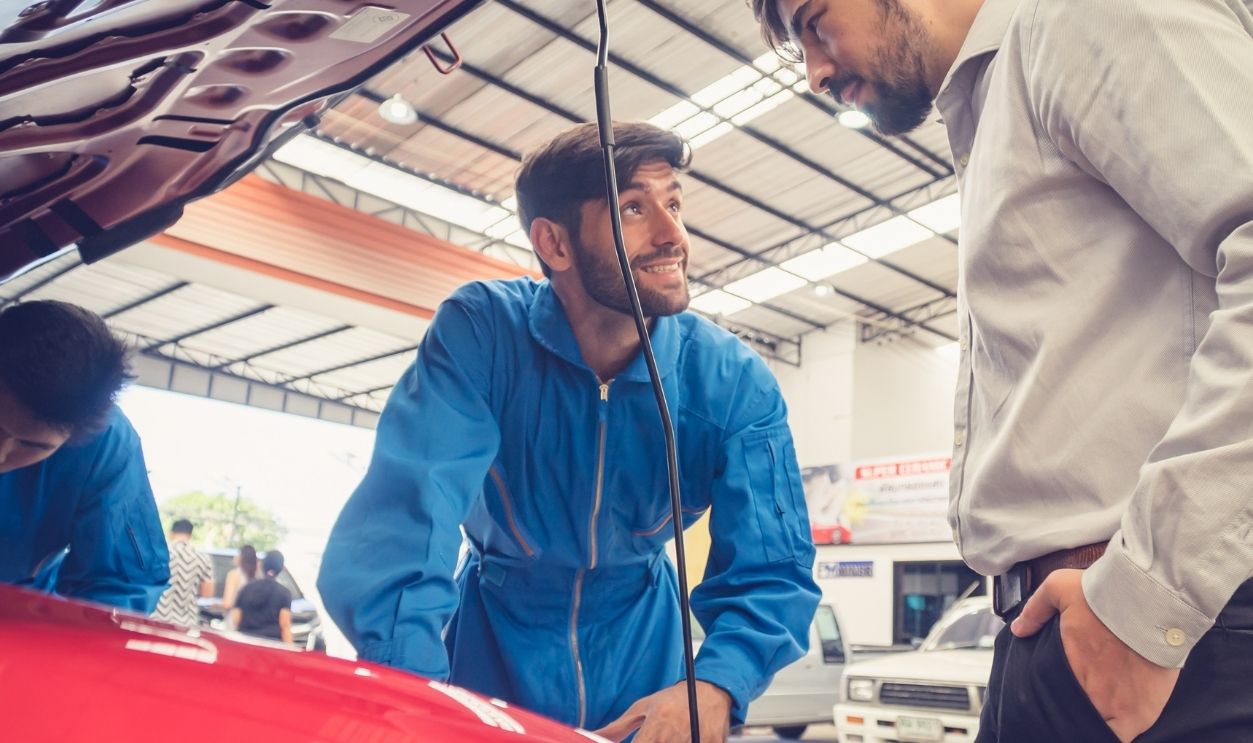
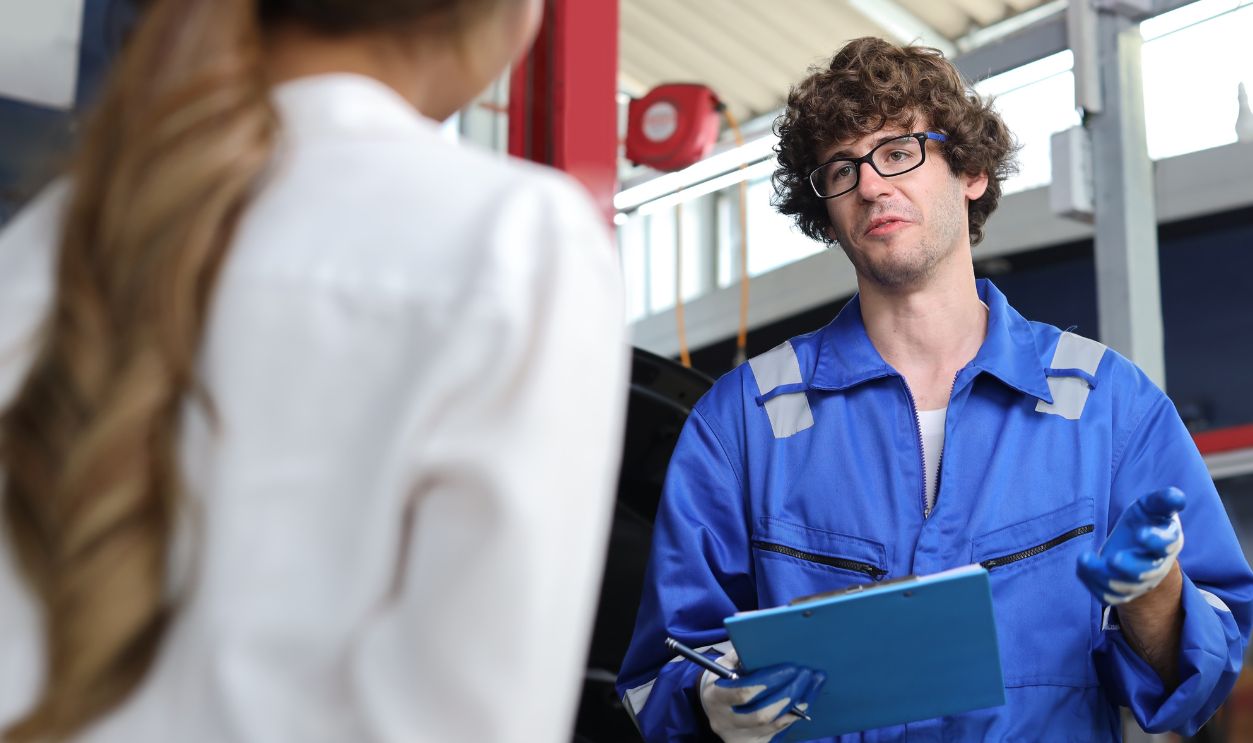
Your body shop can be your best ally if it is willing to put concerns in writing. If the shop believes the insurer’s proposed recycled part is not comparable in quality, does not fit right, or could cause repair issues, ask for that in writing. Specific technical objections carry more weight than simply saying you want new parts.
You Can Ask For Proof Of Quality
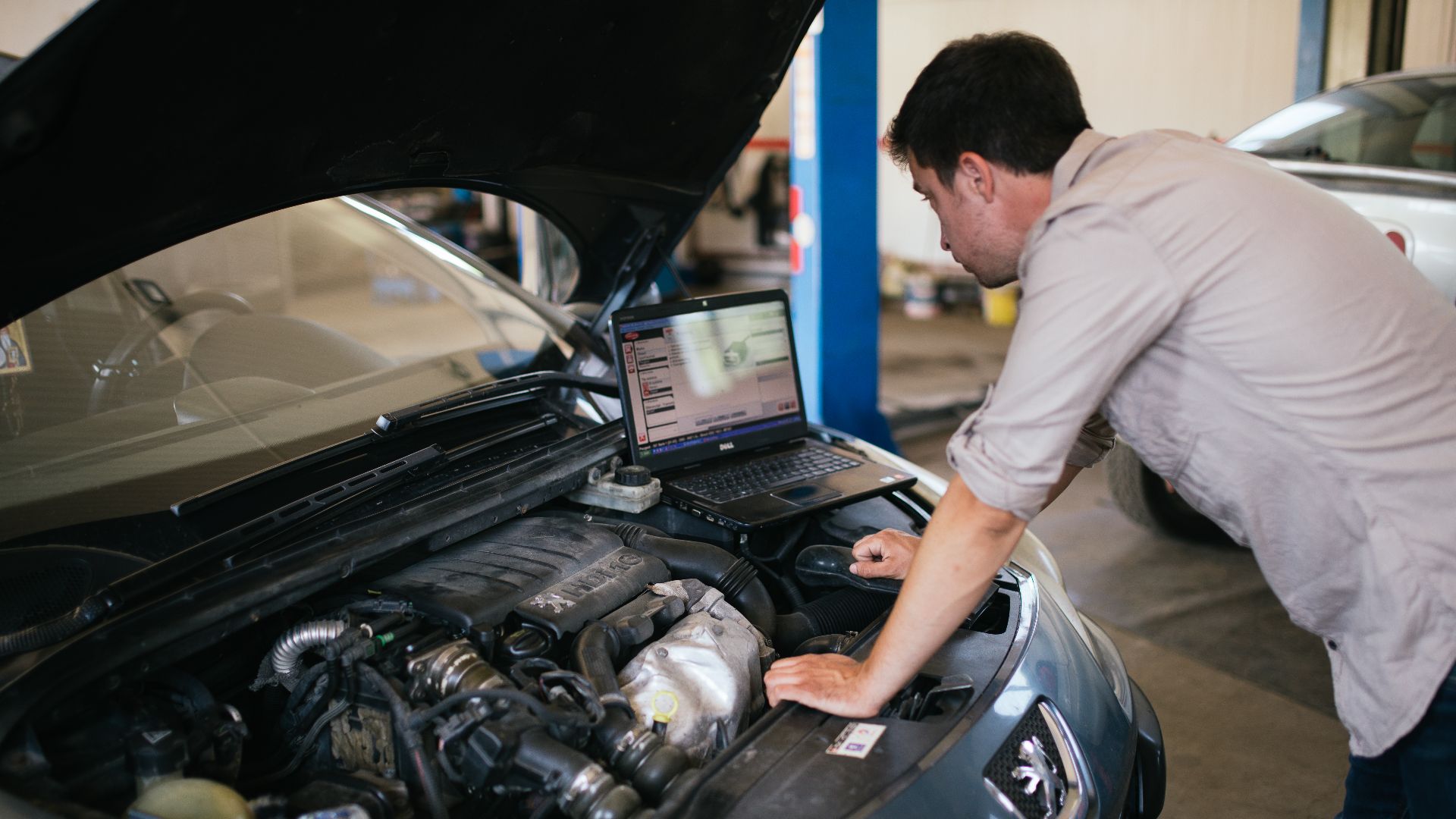
Ask the insurer where the recycled part is coming from and what standards it must meet. In some cases, insurers and repair networks use sourcing systems that grade condition and confirm compatibility. A properly sourced recycled OEM part from a similar vehicle is very different from an unidentified part with a murky history.
 Shixart1985, Wikimedia Commons
You Can Also Ask Who Warrants The Part
Warranty language is worth reading closely. Ask whether the insurer, the repair shop, the recycler, or some mix of them stands behind the part and for how long. A solid written warranty can lower the risk that you are left on your own if paint, fit, corrosion, or function becomes a problem later.

When You Probably Have A Stronger Case
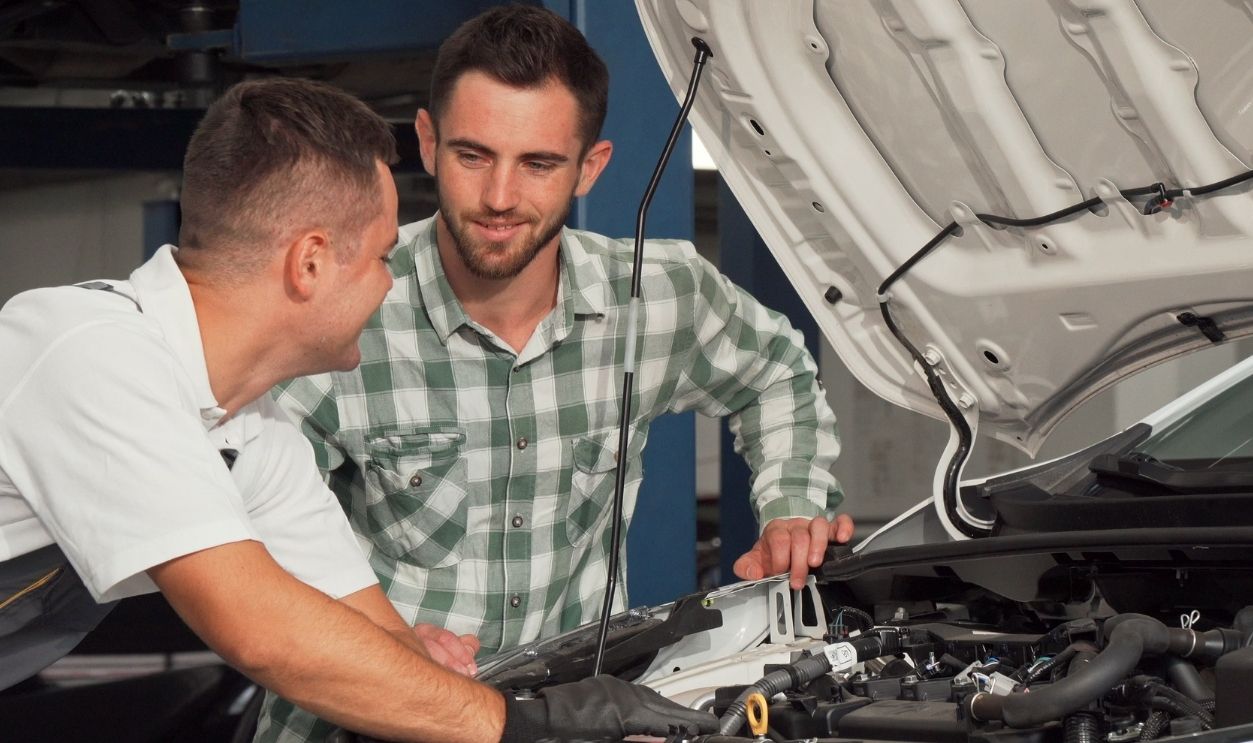
You may have better grounds to object if the part is safety-related, visibly worse, damaged, corroded, or not from a comparable vehicle where the law requires that. You may also have a stronger argument if the part would interfere with manufacturer repair procedures or needed calibrations. In those cases, the issue is not that you prefer new parts. It is whether the proposed repair would actually restore the vehicle the right way.
When Your Case Is Weaker
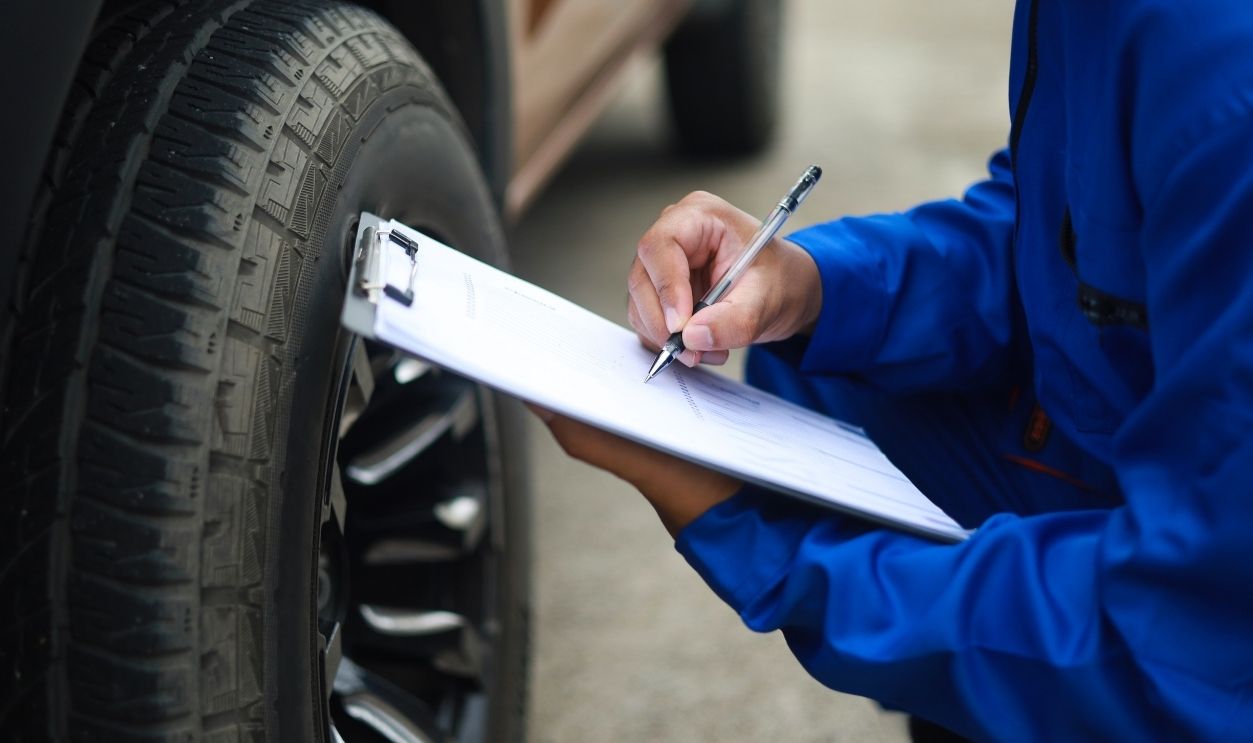
If the insurer is proposing a properly sourced recycled OEM part that meets state rules and your policy allows like-kind-and-quality parts, it may be hard to force new OEM replacements. The fact that your car is only months old may feel important, but it is not always legally decisive. That is frustrating, but it is often how these claims play out.
Can You Pay The Difference Yourself
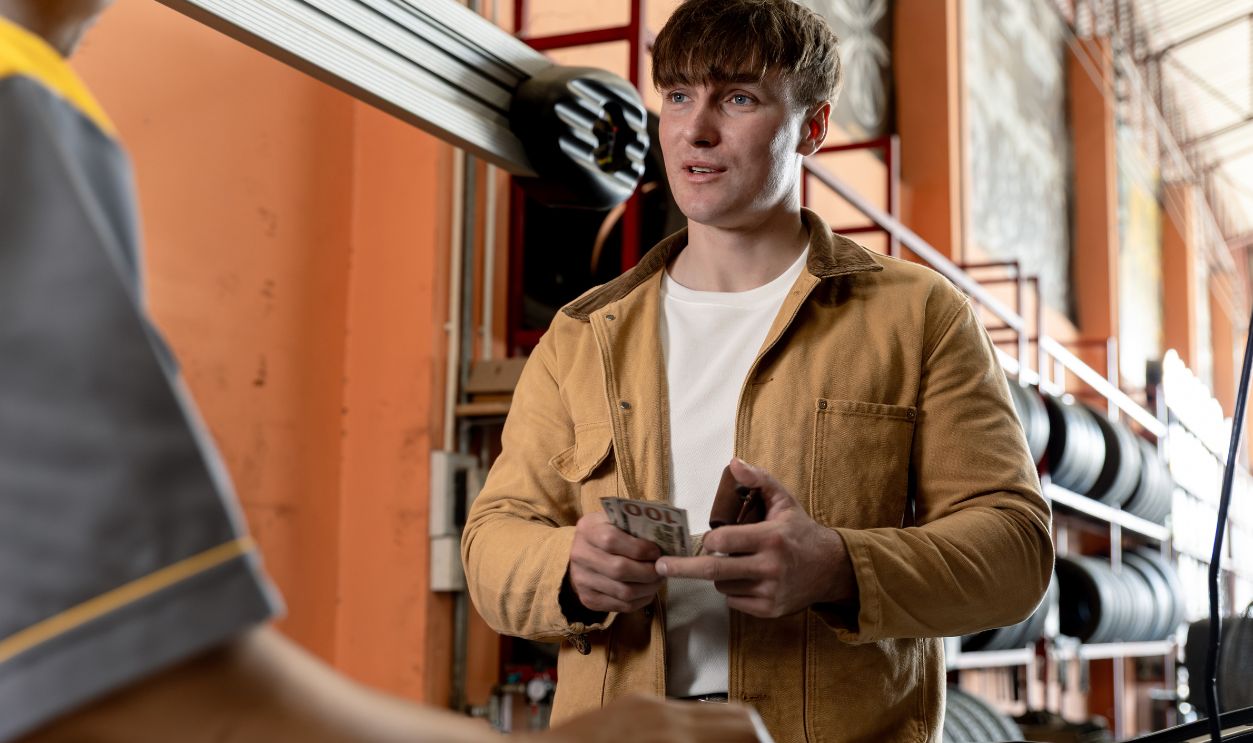
Sometimes, yes. If you want new OEM parts and the insurer will only pay for recycled or aftermarket parts, you can ask whether the shop will install your preferred parts if you cover the difference in cost. It may not feel fair, but it can be the fastest way to get the repair done your way.
Don’t Forget Diminished Value
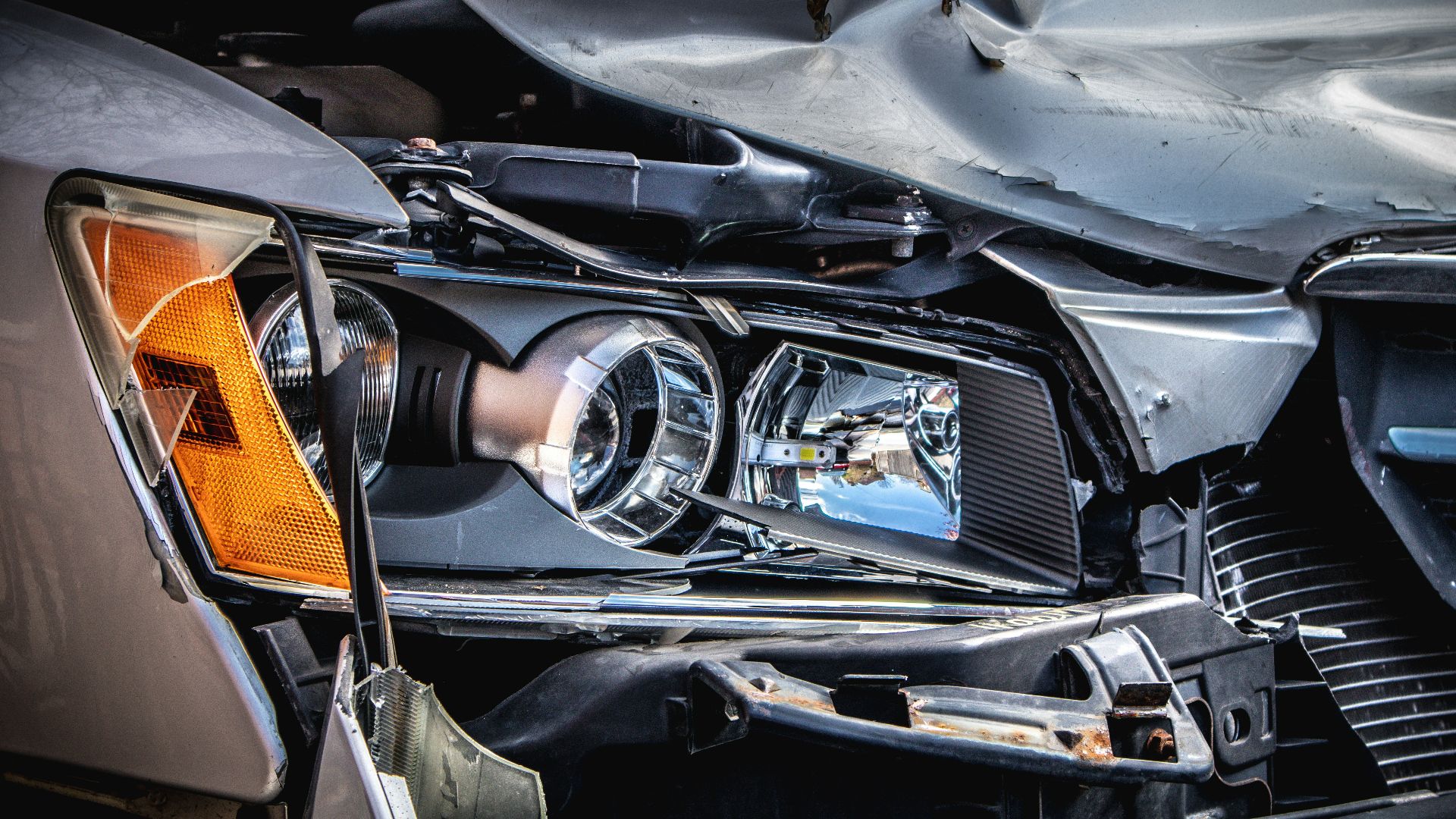
Even a perfect repair may not erase the market stigma of an accident on a nearly new car. Depending on your state and the type of claim, you may be able to pursue diminished value, especially against another driver’s insurer. That is a separate issue from whether recycled parts are allowed, but for owners of late-model vehicles it can matter a lot.

How To Push Back Effectively
Start by asking for the insurer’s estimate in writing and identify every part marked as used, recycled, reconditioned, aftermarket, or non-OEM. Then compare that estimate with your state’s rules and the shop’s repair plan. A calm, specific objection based on law, policy wording, repair procedures, or part condition usually works better than a broad demand for all-new parts.

Escalation Options If The Adjuster Says No
If you believe the insurer is violating your policy or your state’s claims-settlement rules, start with a supervisor. After that, you can file a complaint with your state insurance department. State regulators routinely offer consumer complaint channels for disputes over repair parts and claim handling.

Questions To Ask Before You Agree
Ask whether the part is OEM or aftermarket, what vehicle it came from, how its mileage compares, whether it has a warranty, and whether the automaker’s repair procedures allow its use. Ask whether any sensors, scans, or calibrations are required after installation. Those questions can quickly show whether the insurer’s plan makes sense or is simply the cheapest option.
The Bottom Line For Drivers
Can you demand new parts instead of recycled ones for a nearly new car? Sometimes, but not automatically. Your best shot usually comes from state rules, OEM-parts endorsements, documented quality or safety concerns, and a repair shop willing to explain why the insurer’s proposed part is not truly of like kind and quality.
The Smartest Next Step
Before you sign off on the repair, gather the estimate, your policy, and your state’s rules and read them side by side. That small amount of homework can save you from a bad repair or a pointless fight. In insurance disputes, the person with the best paperwork usually has the edge.
 Sergei Gontsarov, Shutterstock