The Surprise After a Break-In
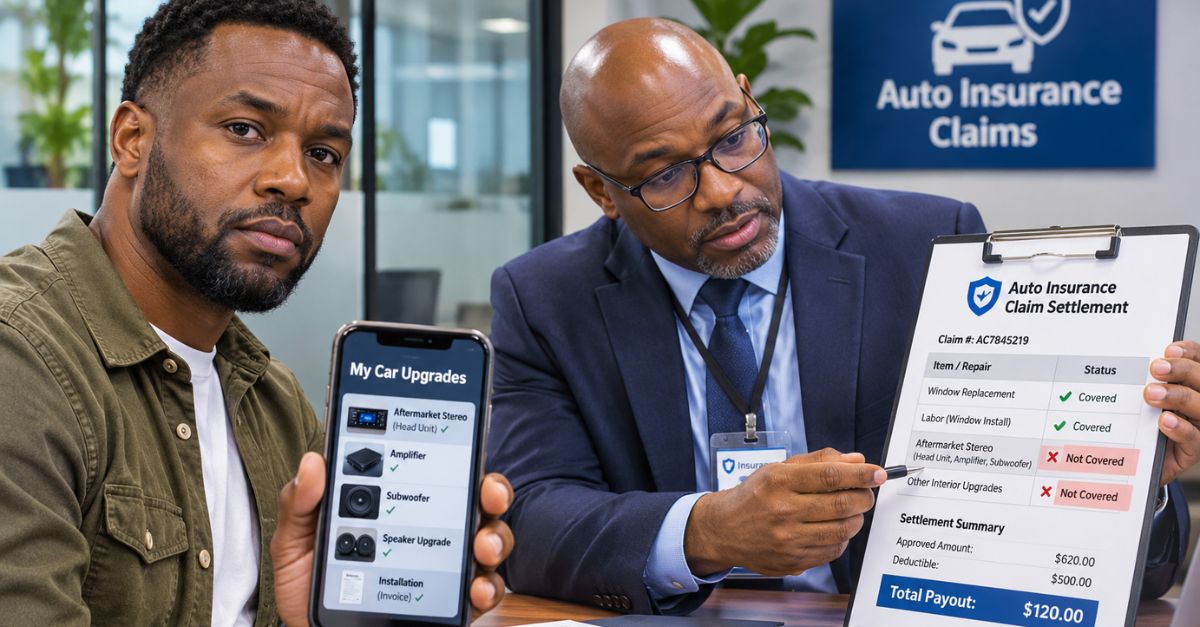
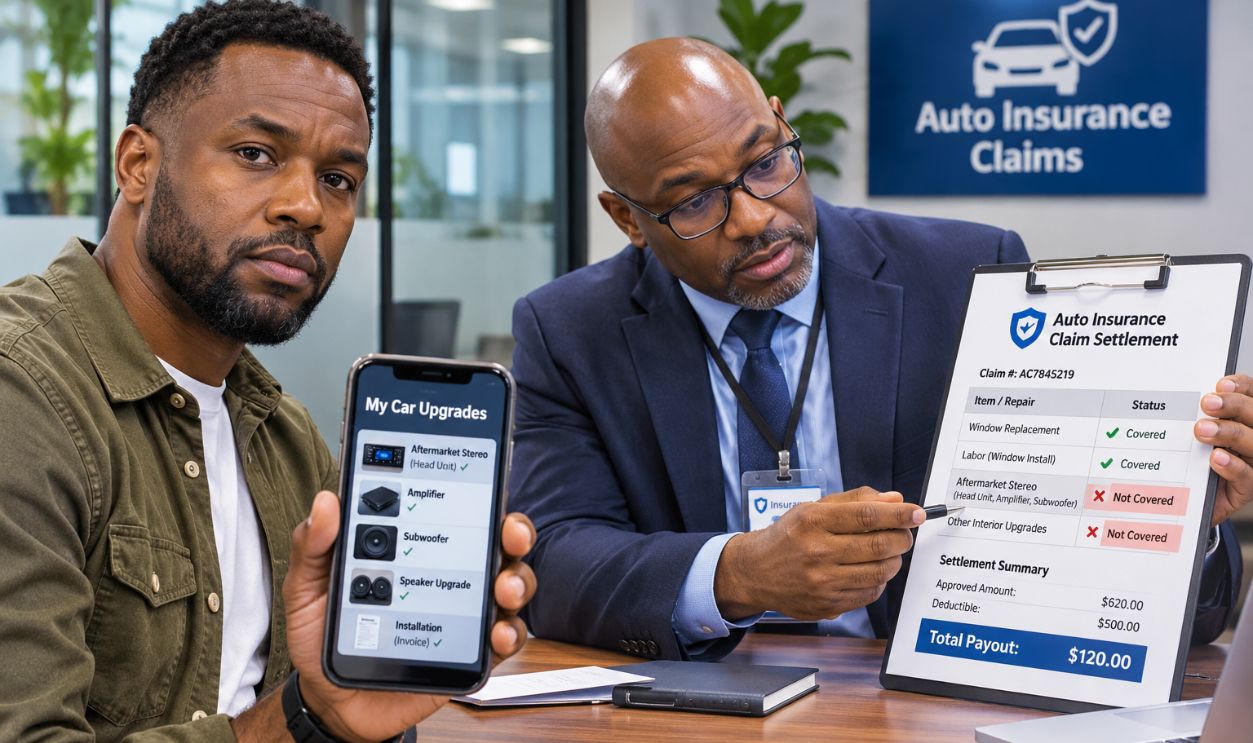
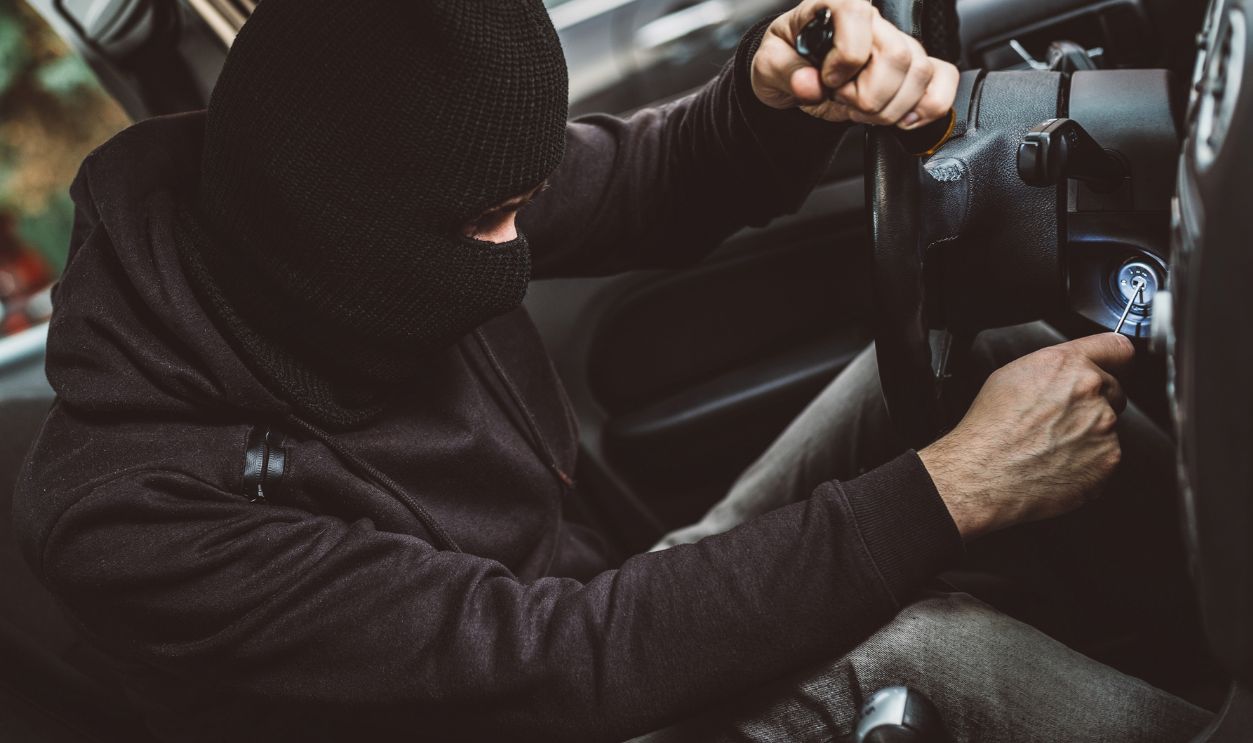
Any break in is miserable. Then your insurer tells you the expensive aftermarket stereo that was ripped out is not covered, or not covered the way you thought. Different auto policies treat custom equipment and personal property differently.
That's why it's important to know where you stand when you make just about any modification, but especially an expensive one.
Most People Don't Read The Fine Print
A lot of drivers assume that if something is bolted into the car, it is automatically covered as part of the car. But insurance often splits things into separate buckets: factory equipment, custom parts and equipment, and personal belongings left inside the vehicle. After a theft, break-in, or vandalism claim, that difference can decide everything.
Start With the Type of Claim
A break-in involving a stolen stereo is usually handled under comprehensive coverage, not collision. Comprehensive generally covers theft, vandalism, and glass damage, minus your deductible. If you do not carry comprehensive, there may be no coverage for the theft-related damage at all.

What Comprehensive Usually Covers
Comprehensive insurance often pays for theft of the vehicle or damage caused by a break-in if the loss is covered and the deductible is met. Insurers like Progressive explain that comprehensive can cover a stolen car and damage from break-ins. The big question is whether the stereo counts as covered vehicle equipment under your policy.
Factory Gear and Added Gear Are Not Always Treated the Same
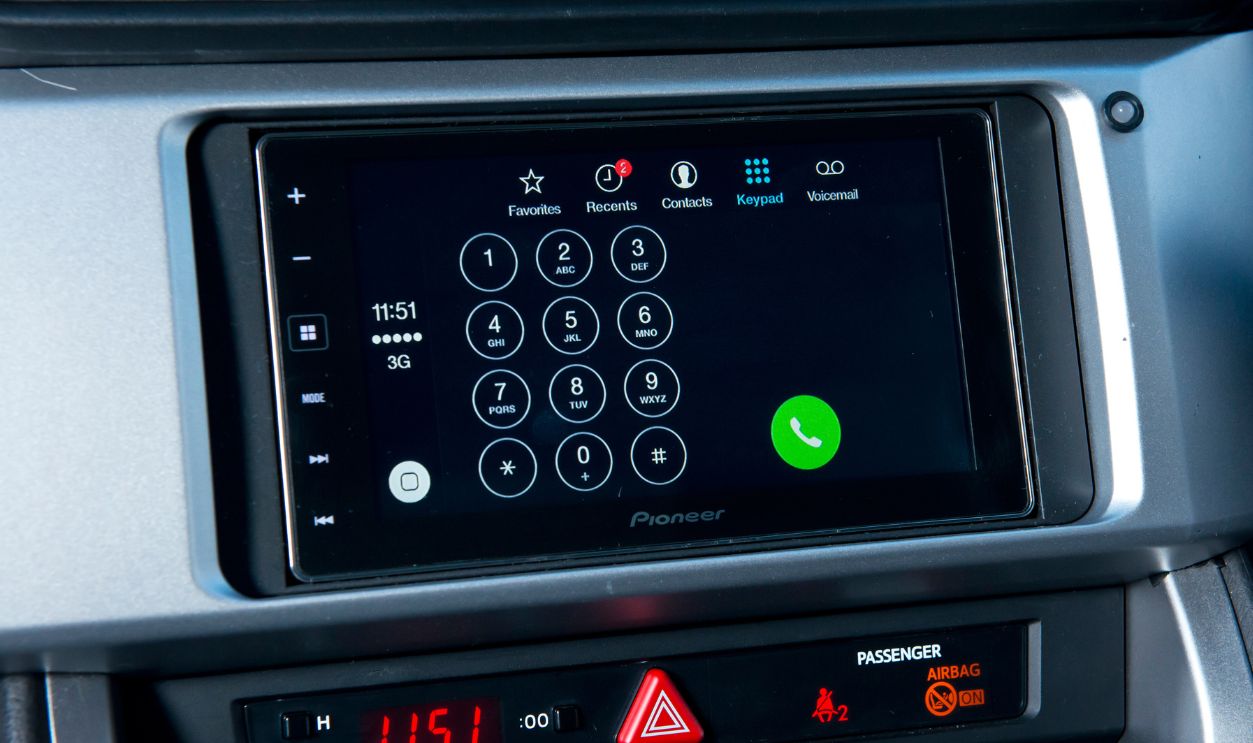
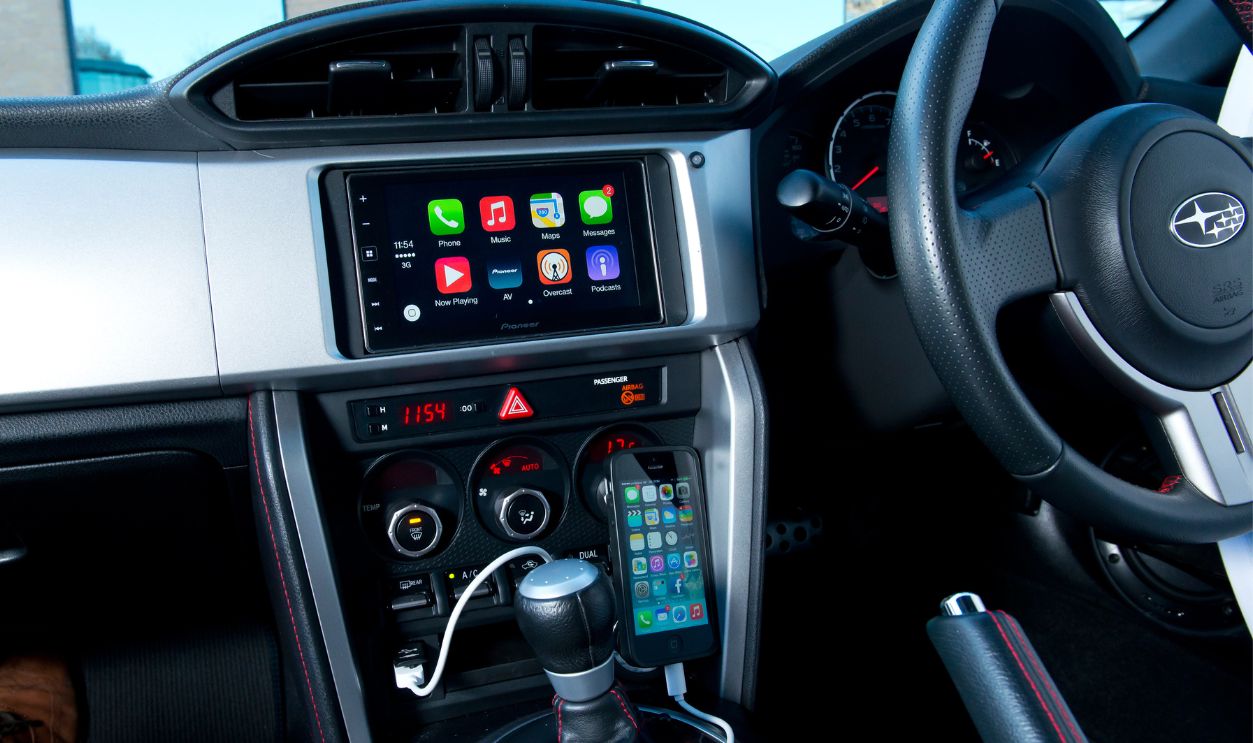
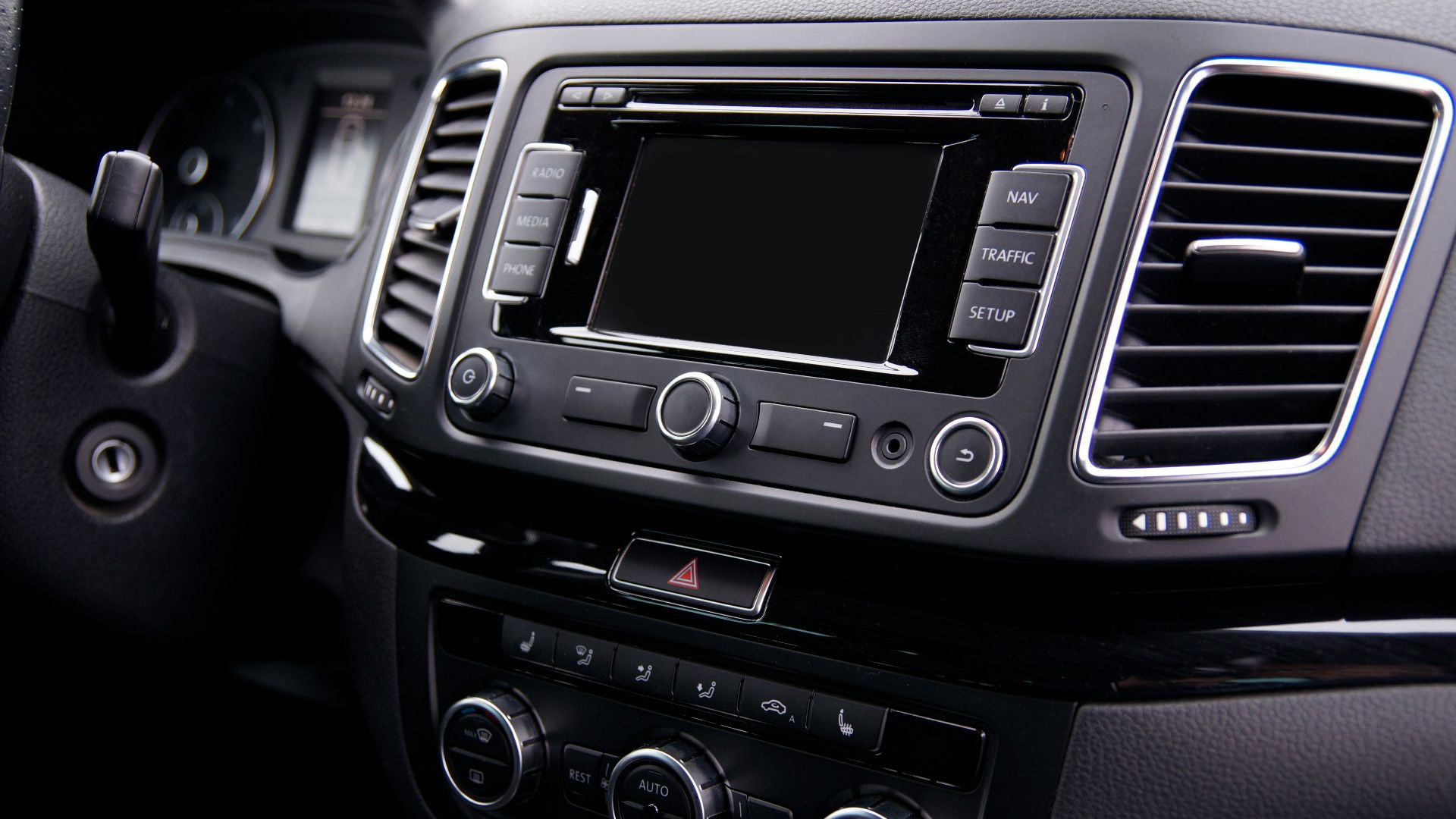
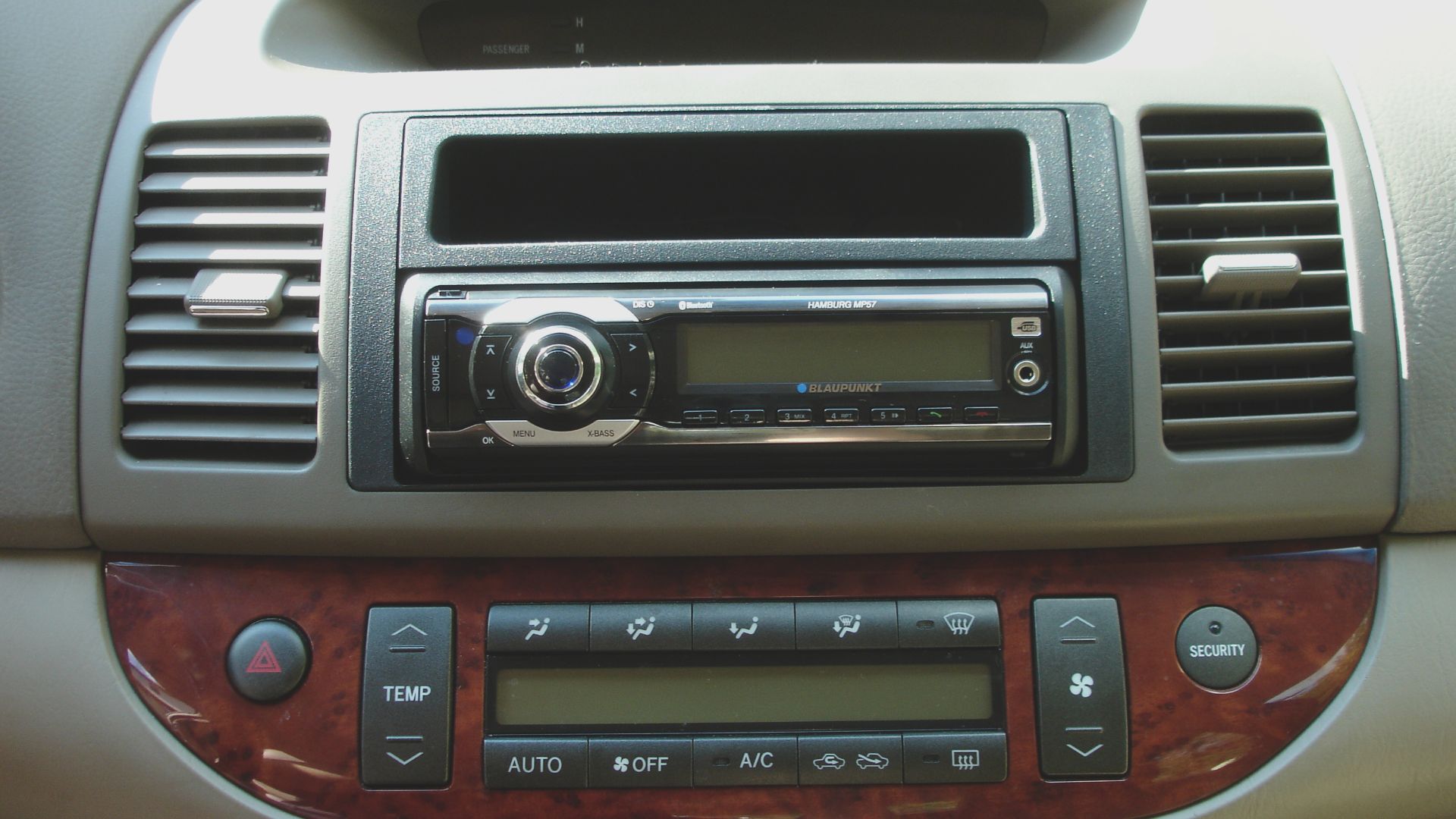
This is where many claims start to fall apart. A factory-installed stereo is usually treated as part of the vehicle as built. An aftermarket head unit, amplifier, subwoofer, or custom screen may be treated as custom parts and equipment, which can come with separate limits or require extra coverage.
State Farm Says It Clearly
State Farm says custom parts and equipment coverage can help protect permanently installed aftermarket items like stereo systems, custom wheels, and other modifications. It also says coverage depends on policy terms, conditions, and limits. In other words, your basic policy may not fully cover an expensive audio setup unless you added protection for it.
 Harrison Keely, Wikimedia Commons
Progressive Draws a Similar Line
Progressive says custom parts and equipment, sometimes called CPE, can include permanently installed electronics, stereos, navigation systems, and other upgrades that did not come from the original manufacturer. It also says this coverage is optional and meant for aftermarket additions. If your insurer uses a similar setup, the denial may be about a missing endorsement, not the fact that the theft happened.
 Stevehockey5, Wikimedia Commons
GEICO Uses the Same Basic Setup
GEICO also describes customized equipment as things like upgraded stereos, custom wheels, and other changes that were not part of the original vehicle. The key point is the same: custom equipment often needs its own coverage. That suggests this is a common industry practice, not just a one-time excuse.
 Coolcaesar at en.wikipedia, Wikimedia Commons
Personal Property Is a Different Bucket Too
If the stolen item was portable and not permanently installed, your auto insurer may send you in another direction. The Insurance Information Institute says items stolen from your car, like a laptop or golf clubs, are usually covered by homeowners or renters insurance, not auto insurance. That is different from a hardwired stereo, but the two can easily get mixed together during a claim.

Permanently Installed Matters a Lot
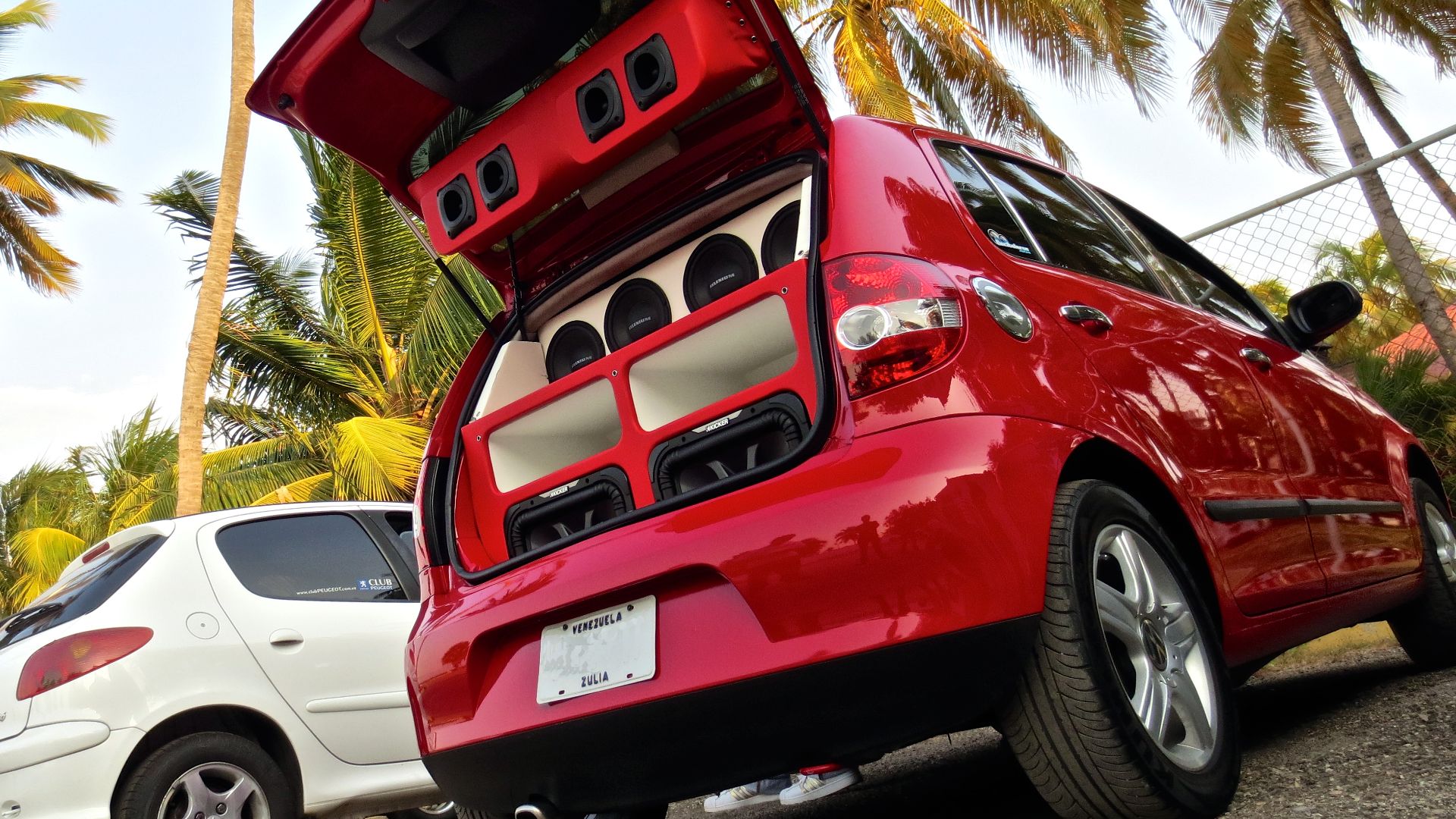
The phrase permanently installed comes up over and over for a reason. Insurers usually see a bolted-in head unit, amp rack, or built-in speaker setup differently from a detachable Bluetooth speaker or loose electronics sitting in the trunk. When you talk to the adjuster, be clear about what was wired in and what was simply inside the car.
 Jaimeluisgg, Wikimedia Commons
Your Policy Language Is What Really Decides It
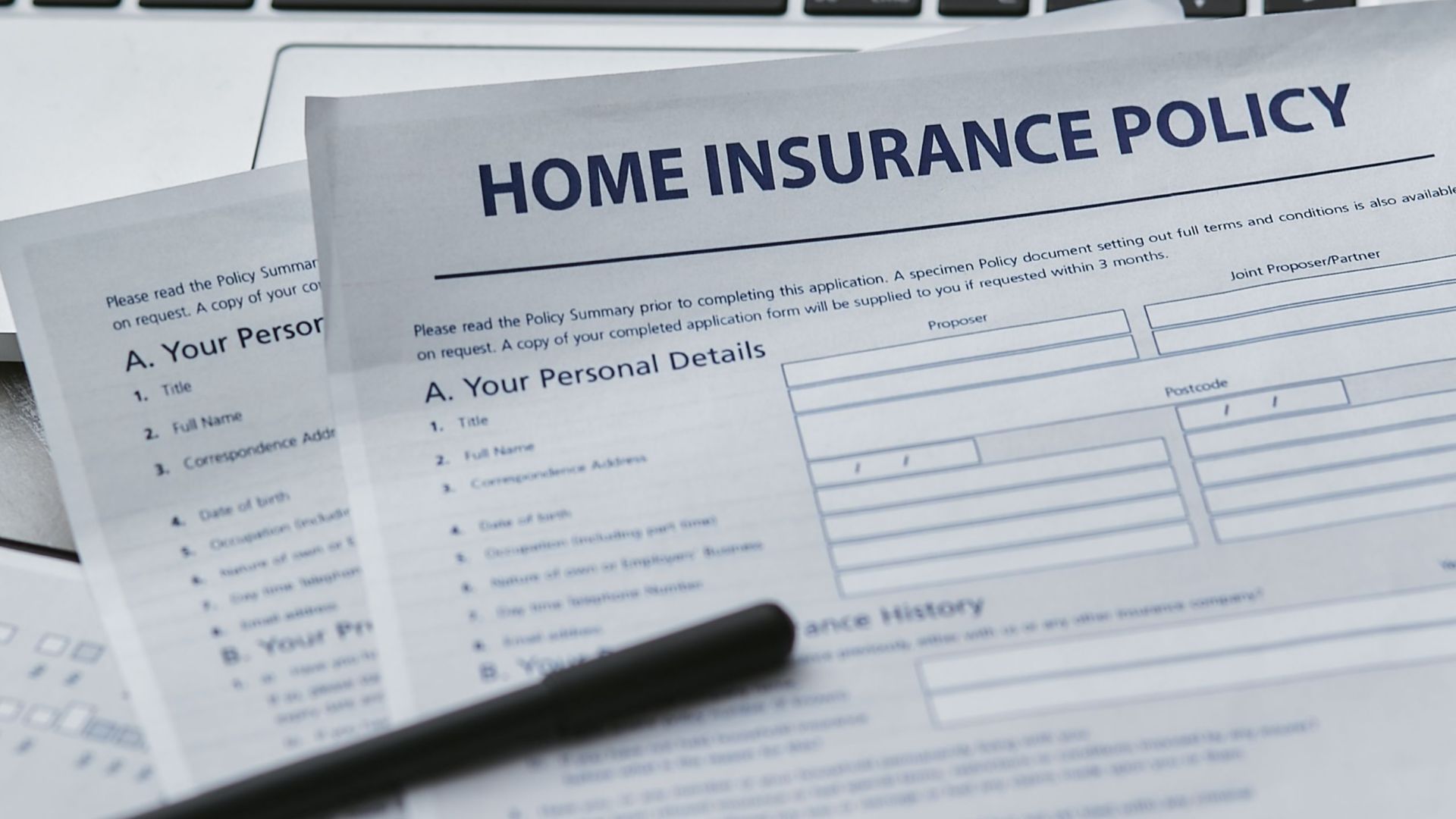
The real answer is in your declarations page and policy form. Look for wording like custom parts and equipment, customized equipment, aftermarket equipment, or limits on non-factory electronic equipment. If there is a dollar cap, that cap can matter even when the theft itself is otherwise covered.

Deductibles Can Wipe Out a Small Payout
Even if the stereo is covered, your deductible may eat up most of the claim. If a $700 head unit is stolen and your comprehensive deductible is $500, the payout may be pretty small after any depreciation or policy limit is applied. That is why some drivers hear the word covered and still end up disappointed.
 https://kaboompics.com/, Pexels
Actual Cash Value Can Be Another Blow
Many policies pay actual cash value unless they say otherwise. That means depreciation may apply based on the item’s age and condition. A stereo you bought for $1,500 a few years ago may be valued far below that now, even before the deductible comes off.
So Do You Need Extra Coverage
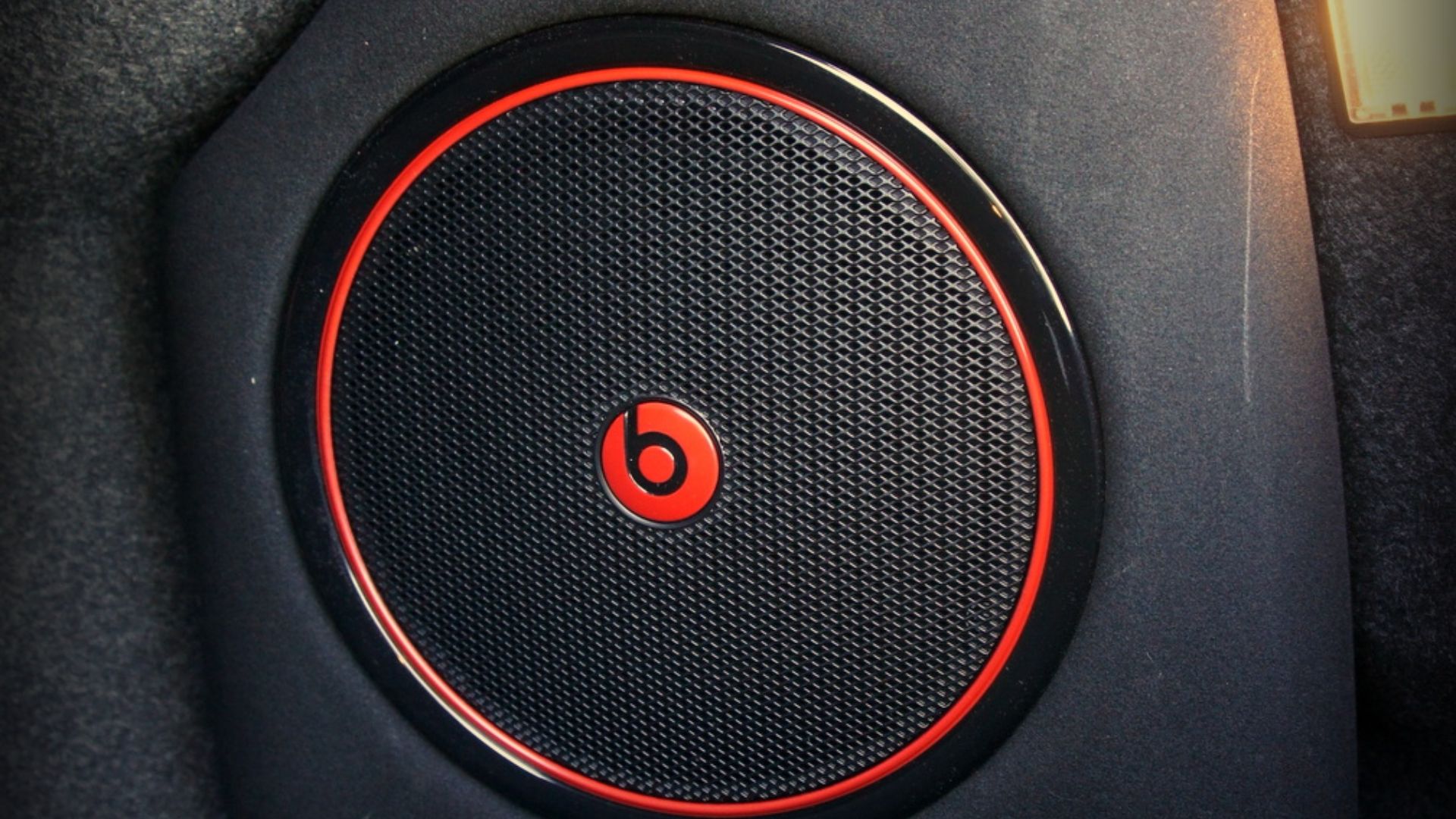
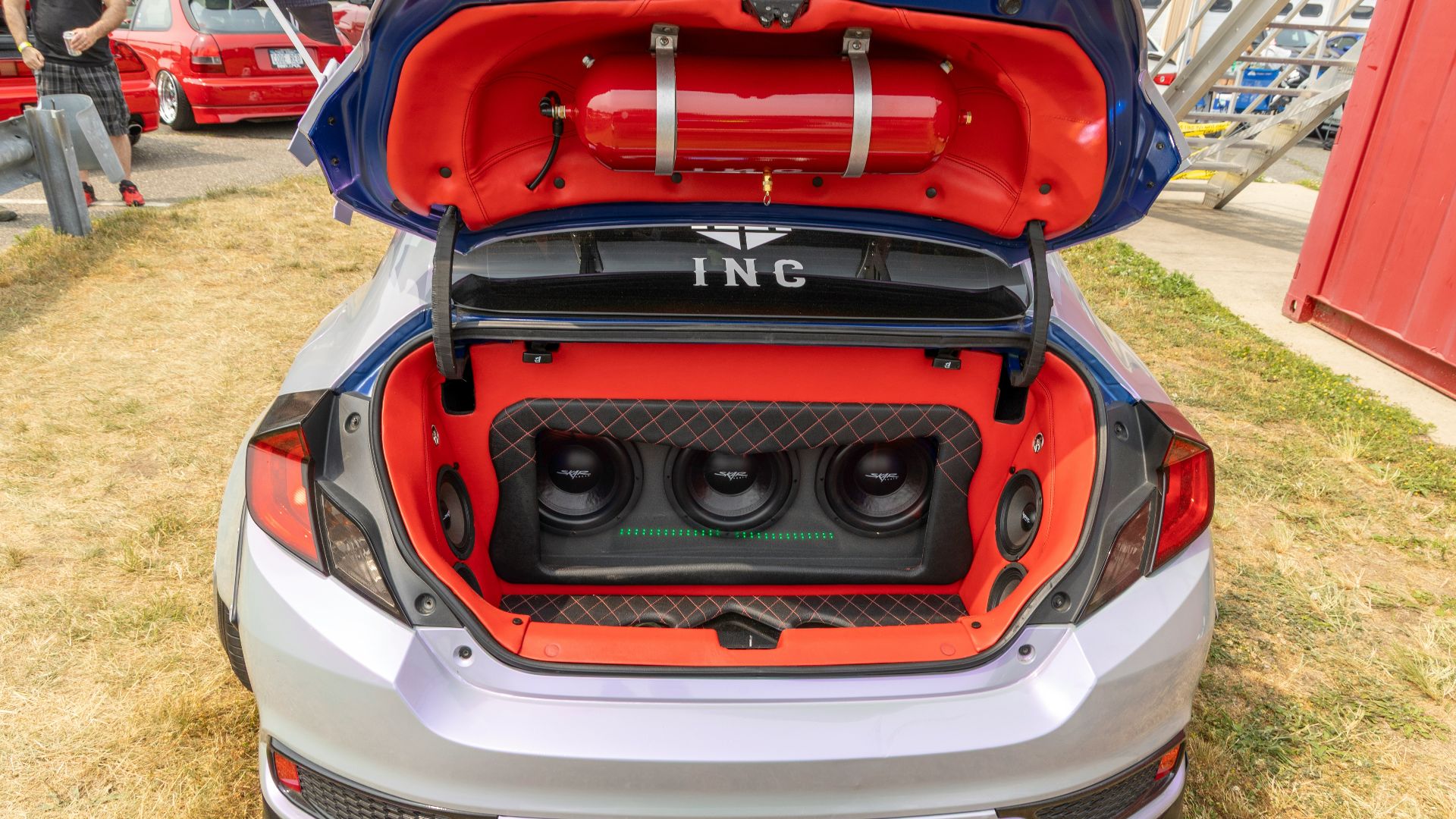
If your aftermarket stereo is worth more than you would want to replace out of pocket, extra coverage is worth a serious look. That is especially true if you have amps, subwoofers, custom fabrication, built-in screens, or other add-ons that push the total value far beyond a basic stereo swap. The more customized the setup, the riskier it is to assume your standard policy fully protects it.
 Michael Sheehan, Wikimedia Commons
When Extra Coverage Makes the Most Sense
It usually makes the most sense when the equipment is permanently installed, expensive, and likely to attract thieves. A flashy touchscreen, visible subwoofer box, or branded amp display can make your car stand out in the worst way. If replacing the system would hurt financially, getting specific coverage is the practical move.
How to Check Before the Next Claim
Call your insurer and ask one direct question: does your current policy cover permanently installed aftermarket stereo parts, for how much, and under what deductible and valuation method? Also ask whether you need a custom parts and equipment endorsement to insure the full value.

Ask for the Dollar Limit in Writing
Do not stop at a vague yes. Ask the agent or company representative to show you the declarations page, endorsement, or policy language that lists the limit. Having it in writing can save you a major headache later.

Document Everything You Installed
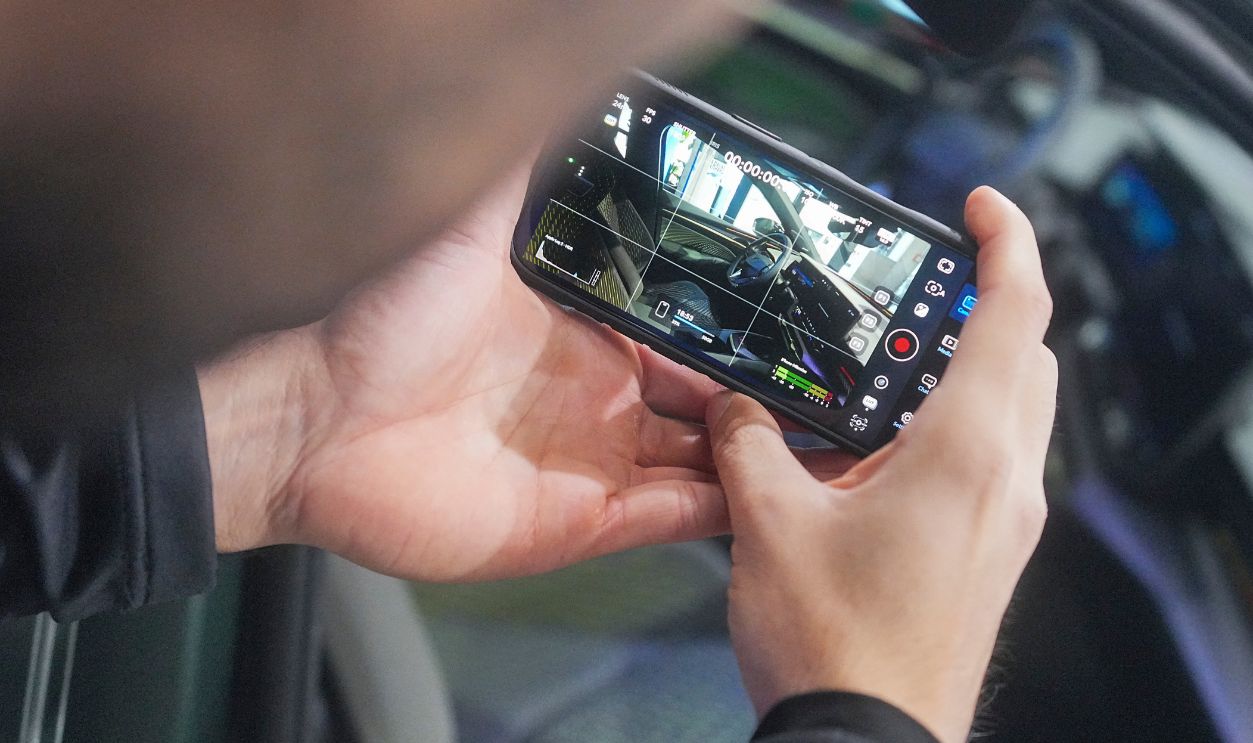
Receipts, installation invoices, serial numbers, and photos matter. If the gear is stolen, proof of what was installed can make the claim much smoother. Good photos of the dash, trunk build, and wiring can also help show that the equipment was permanently installed.

Keep a Before-and-After Record
Take photos when the system is first installed and again after any major upgrade. Save screenshots of product pages showing model names and prices at the time you bought them. If your claim turns into a dispute over value or whether something was really installed, those records can speak for you.
 picture alliance, Getty Images
Tell Your Insurer After Major Upgrades
Do not wait until after a theft to mention a $3,000 audio build. If you add high-value equipment, tell your insurer and ask whether your current limit is still enough. Mid-policy updates are a lot easier than arguing after a loss.

Be Ready for Premium Changes
Extra coverage costs money, and a lower deductible can push the premium higher too. But that increase may be small compared with the cost of replacing custom audio gear after a break-in. The right choice depends on what the equipment is worth and how much risk you are willing to take.

Watch for Other Gaps Too
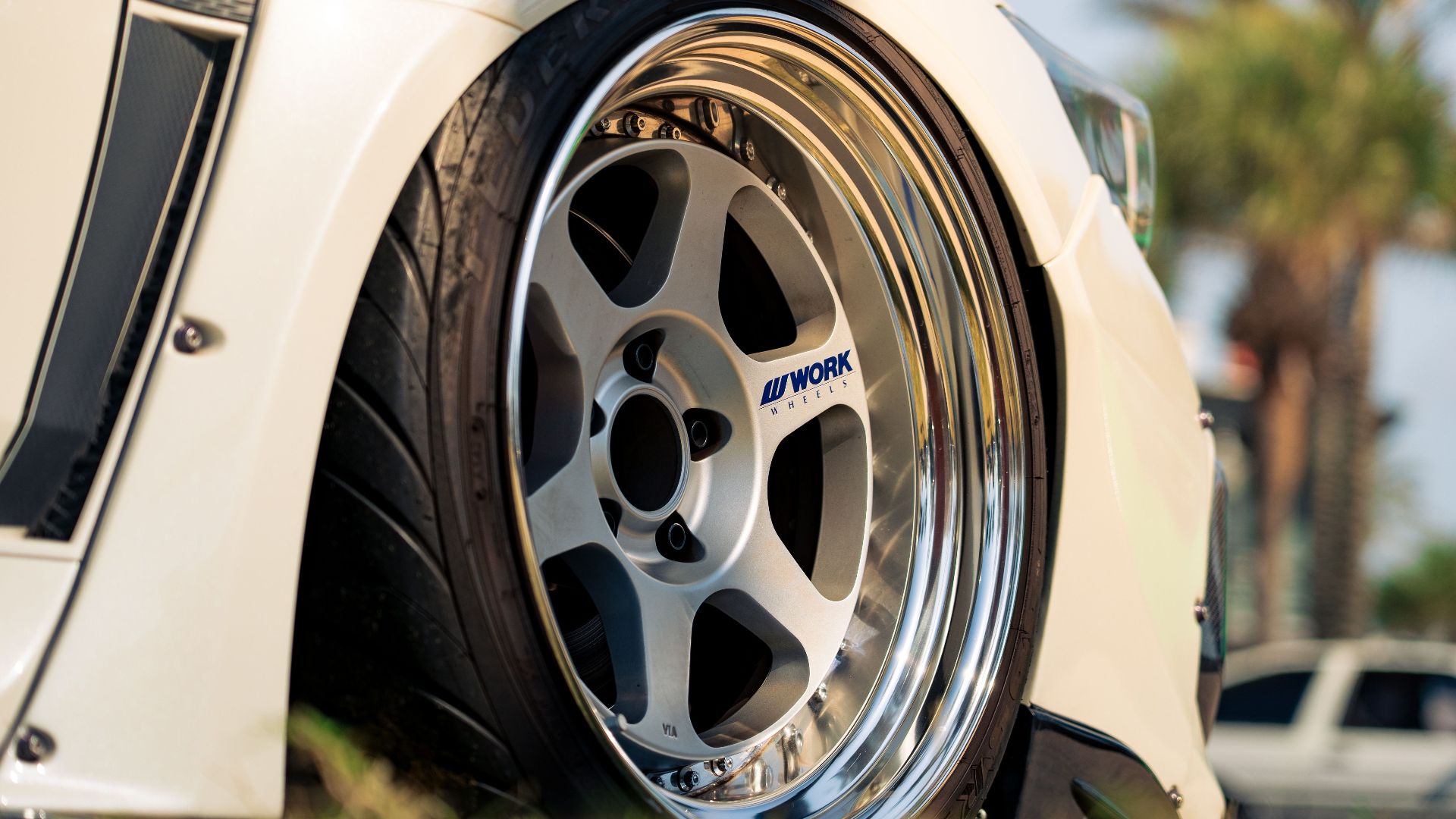
While you are checking on the stereo, it is smart to review glass coverage, deductible amounts, and coverage for other modifications. Custom wheels, lighting, suspension parts, and paint work can run into the same issue. A break-in claim often exposes bigger holes in a policy.
If Your Claim Was Denied, Ask Why
Ask the adjuster whether the denial happened because you had no comprehensive coverage, because of a custom-equipment exclusion, because of a low policy limit, or because the item was classified differently. Those are very different problems, and each one points to a different next step. Once you know the exact reason, you can decide whether to appeal, send more documentation, or change your coverage going forward.

You Can Escalate if the Explanation Does Not Make Sense
If the answer does not match your policy documents, ask for a written explanation and request a supervisor review. Stick to the facts and point to the exact wording in the policy. If needed, your state insurance department can explain your complaint options, though the policy language usually decides the outcome.

Portable Devices Usually Fall Under Another Policy
If the stolen item was a detachable faceplate, tablet, or other loose device, check your homeowners or renters policy. The Insurance Information Institute says personal items stolen from a vehicle are generally handled there, subject to that policy’s deductible and limits. That can help, but for lower-value items, filing a claim still may not be worth it.
Do Not Confuse Financing With Insurance
If you financed the stereo through a shop or rolled modifications into a vehicle loan, that does not mean the equipment is insured for full replacement value. How you paid for it and how it is insured are two separate things. What matters is what your policy says right now.

The Practical Bottom Line
Yes, you may need extra coverage if your aftermarket stereo has real value. Standard auto insurance often covers break-in damage through comprehensive, but the stereo itself may fall into a limited or optional custom-equipment category. The smartest move is to check your limit now, document the gear, and add coverage before the next smash-and-grab gets expensive.