Your Car May Have Been Talking
You filed an insurance claim after an accident, expecting questions about dents, witnesses, and repair estimates. Instead, the insurer started discussing your speed, braking, or driving habits. Surprise: modern cars can produce plenty of data. But before assuming you signed away your privacy, find out exactly what happened.
Start By Asking What Data They Used
“Driving data” can mean several completely different things. Your insurer might have obtained crash information stored inside the vehicle, records from an insurance tracking program, information transmitted by the manufacturer, or data collected through your phone. Your first job is getting the insurer to identify the source precisely.

Crash Data And Tracking Data Aren’t The Same
An event data recorder, or EDR, generally captures technical information surrounding a crash, such as speed, accelerator position, braking, and safety-system activity. It isn’t necessarily watching every grocery run you make. NHTSA describes EDRs as recording short periods surrounding crash events rather than ordinary continuous driving.
Telematics Can Follow Much More
Telematics is the broader tracking technology commonly used in usage-based insurance programs. Depending on the system, it can record mileage, driving times, location, acceleration, hard braking, cornering, and other behavior. The data might come from an insurer's app, a plug-in device, or technology built into your vehicle.

Remember That App You Installed?
Think back to when you bought your insurance. Did you download an app because it promised a safe-driving discount? Did it request motion, Bluetooth, or location permissions? You may have joined a telematics program without appreciating exactly how much information would eventually become available to the insurer.

Check Your Manufacturer’s App Too
The insurance company isn't necessarily collecting everything itself. Connected vehicles can transmit information to automakers through built-in cellular connections and companion apps. That creates another possible path between your car and an insurer or outside data company, which is why identifying the original source matters so much.

Your Dealership Visit May Matter
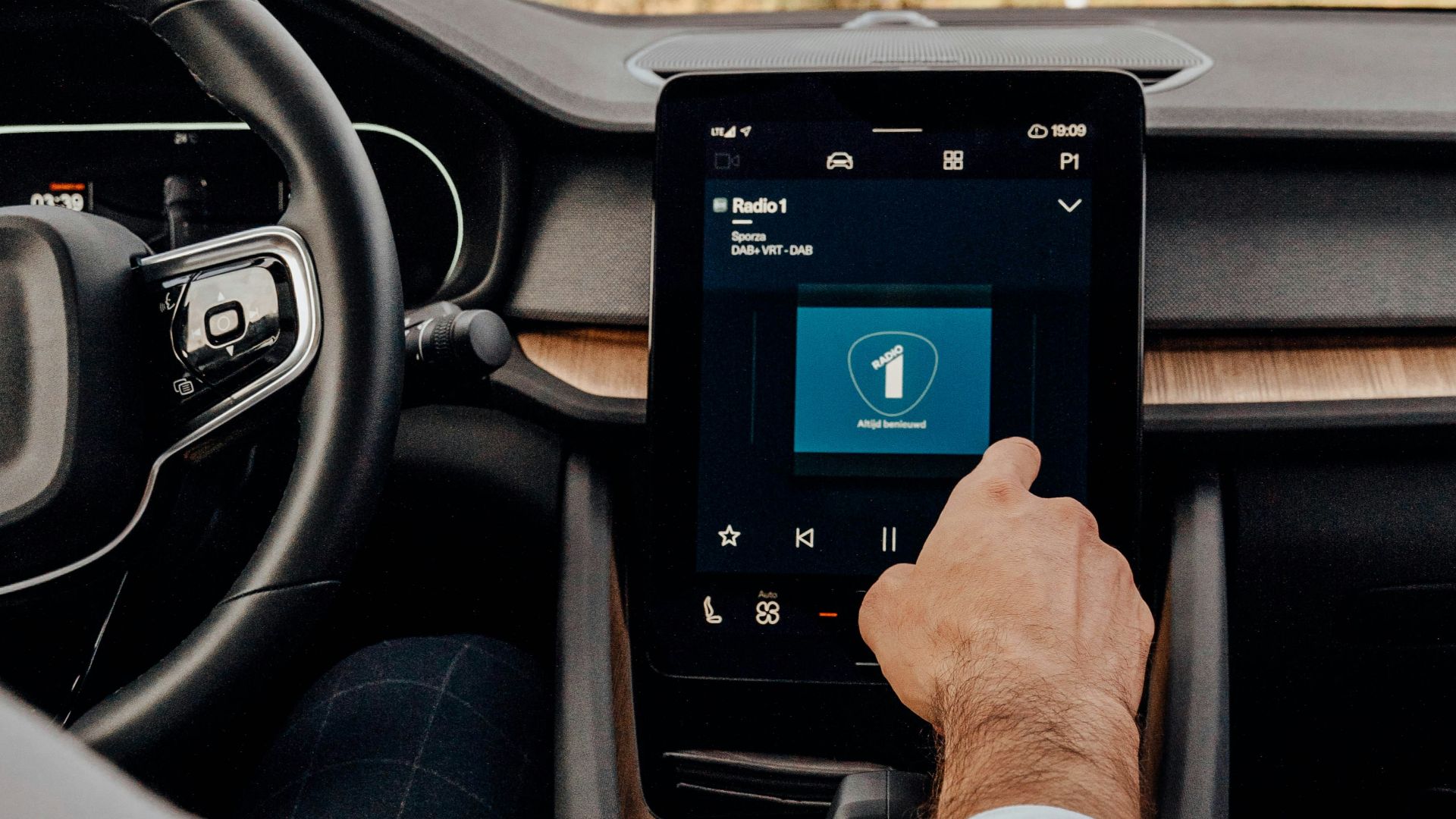
Remember the slightly rushed conversation when someone helped activate your new car's connected services? Review what happened. You might have agreed to terms on a touchscreen, app, tablet, or dealership document. That doesn't automatically settle whether every later use was properly disclosed, but those enrollment records could become important.
Read Your Insurance Policy Again
Insurance policies commonly require policyholders to cooperate with legitimate claim investigations. That can allow insurers to request relevant records and inspect damaged vehicles. However, a general cooperation requirement is not necessarily identical to permission for unlimited collection or sharing of connected-car information. The exact wording and local law matter.

Look At Everything You Signed After The Crash
Permission might also have been granted during the claims process rather than when you purchased the policy. Search your emails, online claim portal, electronic signatures, recorded calls, and paperwork for releases or authorizations. A routine-looking claims form could contain language allowing access to particular records or vehicle information.

Make The Insurer Name Its Source
Ask your adjuster in writing: What specific driving data was obtained? Who supplied it? When was it collected? What authorization allowed access? Was it obtained directly from the vehicle, an app, the manufacturer, or another company? You want specifics instead of a vague answer about “vehicle information.”

Ask For A Copy Of The Data
Don't argue about information you haven't actually seen. Request the records the insurer relied upon, including timestamps, trip information, event reports, scoring information, and any explanatory documentation available. You also want to know whether the insurer received raw measurements or a third party's interpretation of those measurements.

Ask For Your Consent Records
If the company says you authorized collection, politely ask it to show you when and how. Request the applicable policy terms, telematics enrollment agreement, privacy disclosure, app permissions, or recorded authorization. “You agreed to it” becomes considerably easier to evaluate once somebody produces the agreement they are talking about.

Permission Can Be Surprisingly Complicated
Clicking “accept” somewhere doesn't necessarily mean you knowingly authorized every possible use forever. Consent questions can turn on exactly what information was disclosed, what you agreed to, who received the data, and why it was used. Privacy requirements also vary considerably between states, provinces, and individual programs.

Regulators Are Paying Attention
This isn't merely theoretical. In January 2026, the FTC finalized an order concerning GM and OnStar after alleging that driving-behavior and precise geolocation information had been collected and sold without adequate notice and affirmative consent. The order imposed new requirements involving consent, access, deletion, and certain opt-outs.

That Case Offers An Important Lesson
The GM case doesn't mean every insurer's use of vehicle information is unlawful. What it demonstrates is that disclosures matter. The FTC alleged that some consumers hadn't been clearly told how their driving information would be shared and potentially used for insurance purposes. Simply having connected features doesn't erase privacy questions.

EDR Information Has Special Protection
In the United States, the Driver Privacy Act says data retained by an event data recorder generally belongs to the vehicle's owner, or lessee for a leased vehicle. Access by someone else is subject to specified exceptions, including consent, certain authorized investigations, emergency response, research, or judicial authorization.

Consent Can Still Unlock EDR Data
The same federal law recognizes written, electronic, or recorded audio consent as one route for retrieving EDR information. It also references agreements to subscriptions describing how information will be retrieved and used. That's another reason to find the exact authorization instead of assuming permission either definitely existed or definitely didn't.

Ask How The Information Affected Your Claim
Finding out that information was collected is only half the story. Ask precisely how it influenced the insurer's decision. Did it affect fault? Was your payout reduced? Did the insurer question your account of the crash? Did it trigger an investigation? Get that explanation documented whenever possible.

Data Isn't Automatically The Whole Story
Suppose the record shows sudden braking immediately before impact. That sounds dramatic, but perhaps another vehicle cut across your lane. Speed information also needs context, including road conditions and timing. Electronic measurements can be useful evidence, but interpreting an accident still involves understanding what was actually happening around the vehicle.

Challenge Information That Looks Wrong
If the insurer's records don't match reality, say so promptly and specifically. Identify incorrect trips, dates, speeds, locations, drivers, or events. Ask whether a formal dispute procedure exists. An algorithmic score or telematics report shouldn't become unquestionable simply because it arrived wrapped in impressive-looking charts and numbers.
 Henri Mathieu-Saint-Laurent, Pexels
Phones Create Another Potential Problem
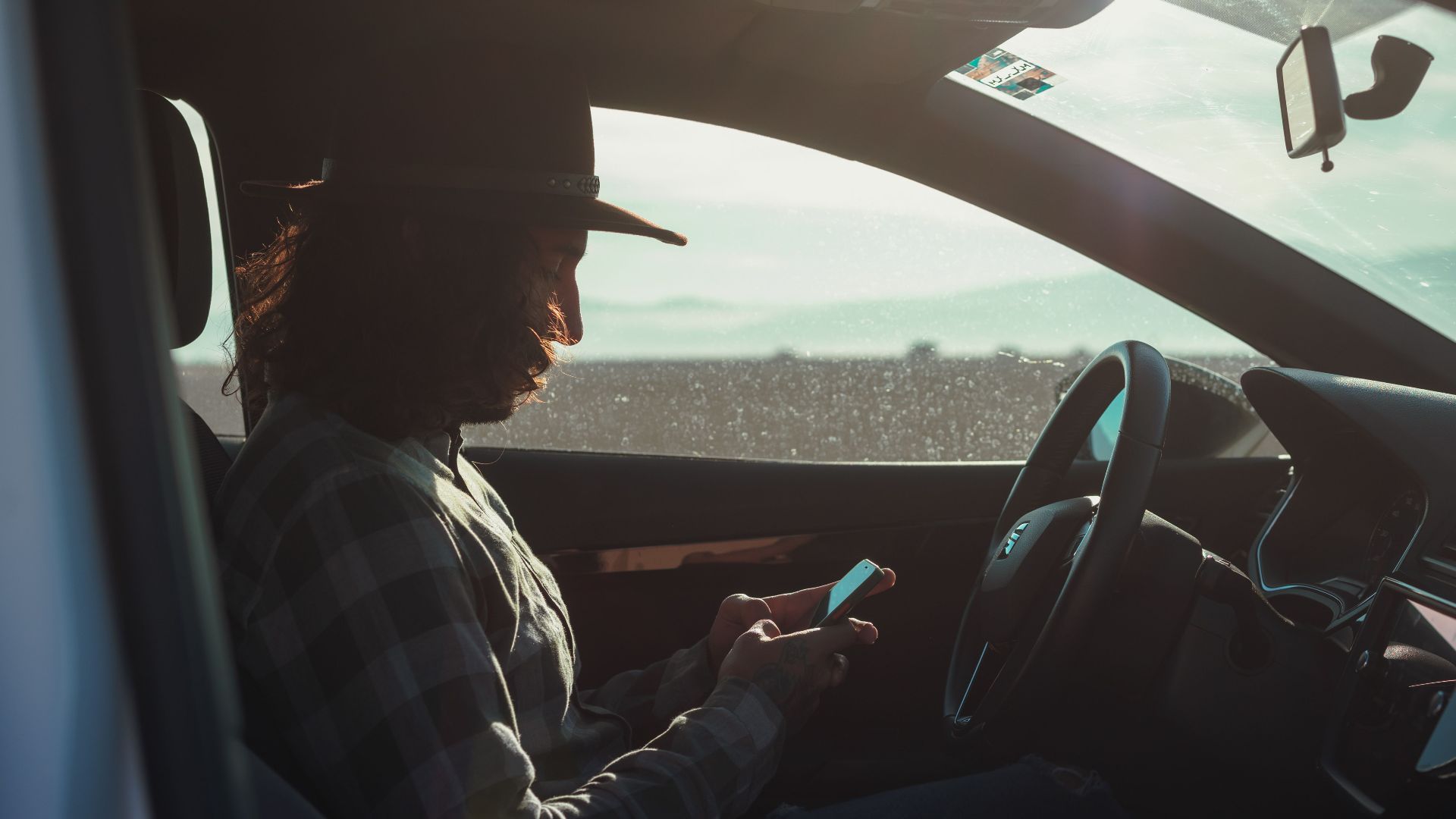
Smartphone-based insurance tracking has its own quirks. A phone can travel when you aren't driving, move between vehicles, or be used by passengers. If app-based measurements influenced the claim, ask how the insurer determined that you were driving your insured vehicle during the events being cited.

Preserve Your Own Evidence
Keep photographs, dashcam footage, repair records, police reports, witness information, messages, and documents from the crash. Save screenshots of relevant app settings and privacy pages too. If a disagreement develops, your claim shouldn't depend entirely on one company's interpretation of a stream of electronic information you never knew existed.

Be Careful About Deleting Things
Once a serious claim dispute is underway, don't start wiping apps, factory-resetting the vehicle, or destroying records simply because you're uncomfortable with the tracking. Relevant evidence may need to be preserved. Instead, save what matters and get advice before making major changes that could complicate the claim.
Review Your Privacy Settings Going Forward
After dealing with the current claim, investigate what your car is sharing today. Check the manufacturer's account, vehicle touchscreen, insurer app, connected-services subscriptions, and phone permissions. The FTC's GM order, for example, requires certain options involving geolocation and driving-behavior collection for affected consumers.
Reconsider Usage-Based Insurance
Telematics programs can produce worthwhile discounts for some drivers, but consumers should understand the tradeoff. NAIC guidance recommends examining what information is collected and how an insurer may use it. Before signing up again, find out whether participation could affect premiums or claims as well as discounts.

Escalate The Dispute When Necessary
If the insurer cannot explain where the information came from, produces questionable consent, or refuses to correct inaccurate records, consider contacting your state insurance department or other relevant privacy regulator. NAIC specifically directs consumers with insurance concerns toward their state insurance regulators. Canadian drivers can similarly investigate provincial regulatory and privacy complaint options.

Consider Legal Advice For A High-Stakes Claim
For a small dispute, written questions and a regulator complaint may be enough. If substantial money, serious injuries, coverage denial, fraud allegations, or liability are involved, however, consider speaking with an attorney familiar with insurance disputes and privacy law. The stakes may justify having someone examine the authorization and evidence closely.
 https://kaboompics.com/, Pexels
Find Out What You Actually Agreed To
Discovering that your insurance company knows how fast you were driving can feel alarmingly Big Brother-ish. But don't jump straight to either conclusion—that the insurer obviously violated your privacy or that you must have unknowingly surrendered every right. Trace the data, demand the authorization, check its accuracy, and challenge questionable use.
You May Also Like:
Cars That Made It Past 1 Million Miles—And Believe It Or Not, Some Still Had Their Original Engines
The 25 Greatest Bikes In Billy Joel’s Legendary Motorcycle Collection