The Rumor Sounds Plausible For A Reason
If you own an EV, you've probably heard this already. Someone says governments are about to tax home charging, and suddenly your garage outlet sounds like a toll booth. The truth is, states really are looking for new ways to replace gas tax revenue as more drivers switch to electric cars—but the reality is a lot more complicated than you're being told.
Here Is The Short Answer
Yes, separate taxation of EV energy use is realistic in a broad sense, but not as an immediate nationwide tax on every home charger. What already exists is a patchwork of EV registration fees, road-user charge pilot programs, and policy debates over mileage-based fees. A direct tax on electricity used at home for charging would be much harder to build and is not widely in place today.
Why This Question Keeps Coming Up
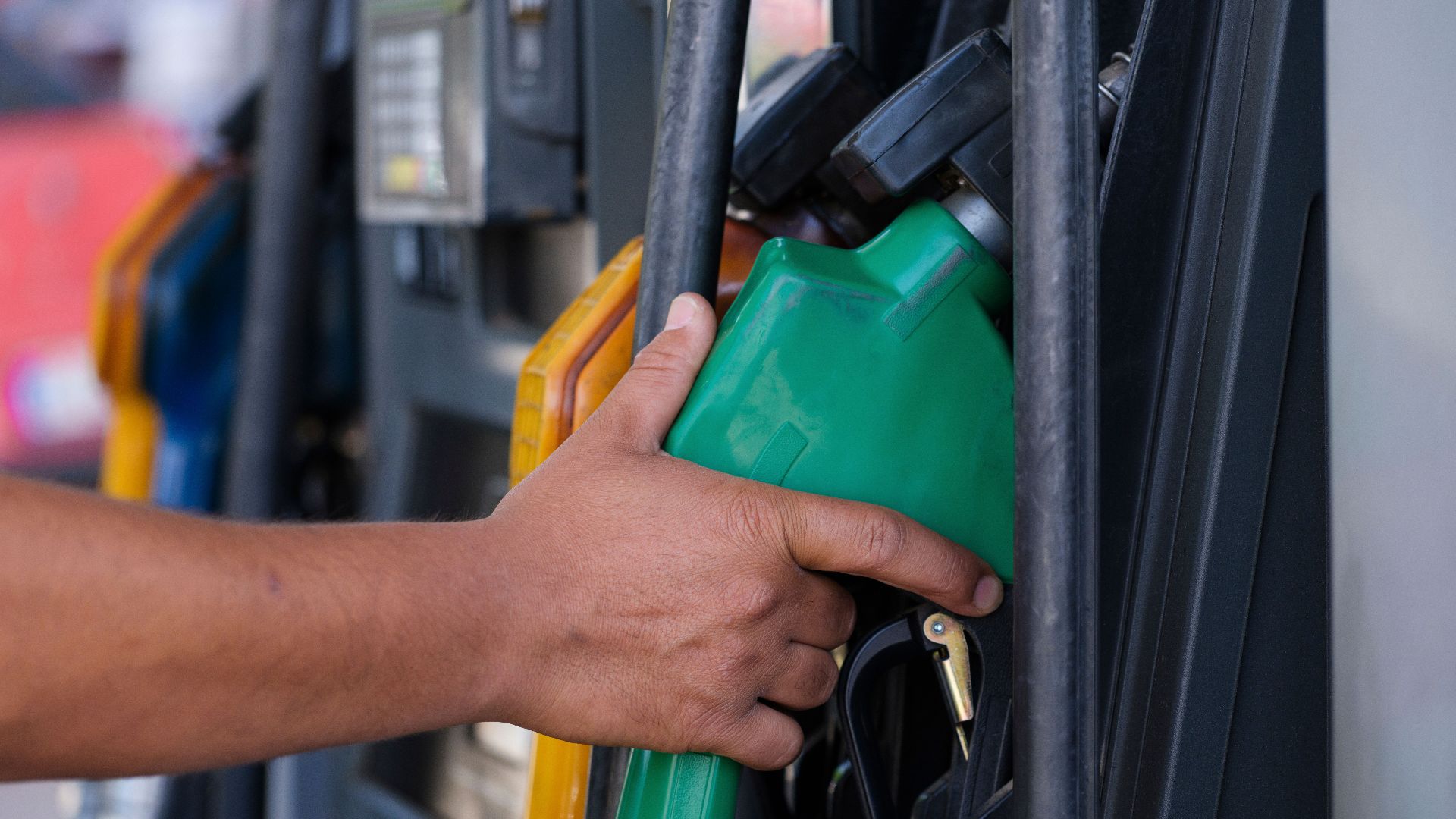
Gas and diesel taxes have long helped pay for roads and bridges. The Federal Highway Administration says fuel taxes are a major source of money for the Highway Trust Fund, but better fuel economy and rising EV adoption are weakening that system. That budget problem is the reason this rumor keeps coming back.
The Money Problem Is Real
The Congressional Budget Office has repeatedly warned that the Highway Trust Fund faces ongoing shortfalls under current tax rates and spending levels. In a 2024 report, the CBO said the trust fund would run out within a few years without more revenue or transfers. Once lawmakers see that gap, they start looking for replacement systems.

States Already Charge Many EV Owners More Up Front
The easiest fix so far has been charging EV owners at registration instead of trying to tax home electricity directly. The National Conference of State Legislatures tracks this trend and reports that most states now charge some kind of special registration fee for EVs or other alternative-fuel vehicles. So in one sense, separate EV taxation is not a future idea at all. It is already here, just not usually through the wall outlet.
 f.t.Photographer, Shutterstock
Those EV Fees Spread Quickly
Over the last several years, states moved fast as EV sales rose. NCSL shows these fees spread from a small group of early states to dozens more. That matters because it shows lawmakers do not need a complicated home-charging meter to collect money from EV drivers.

Home Charging Is The Real Technical Problem
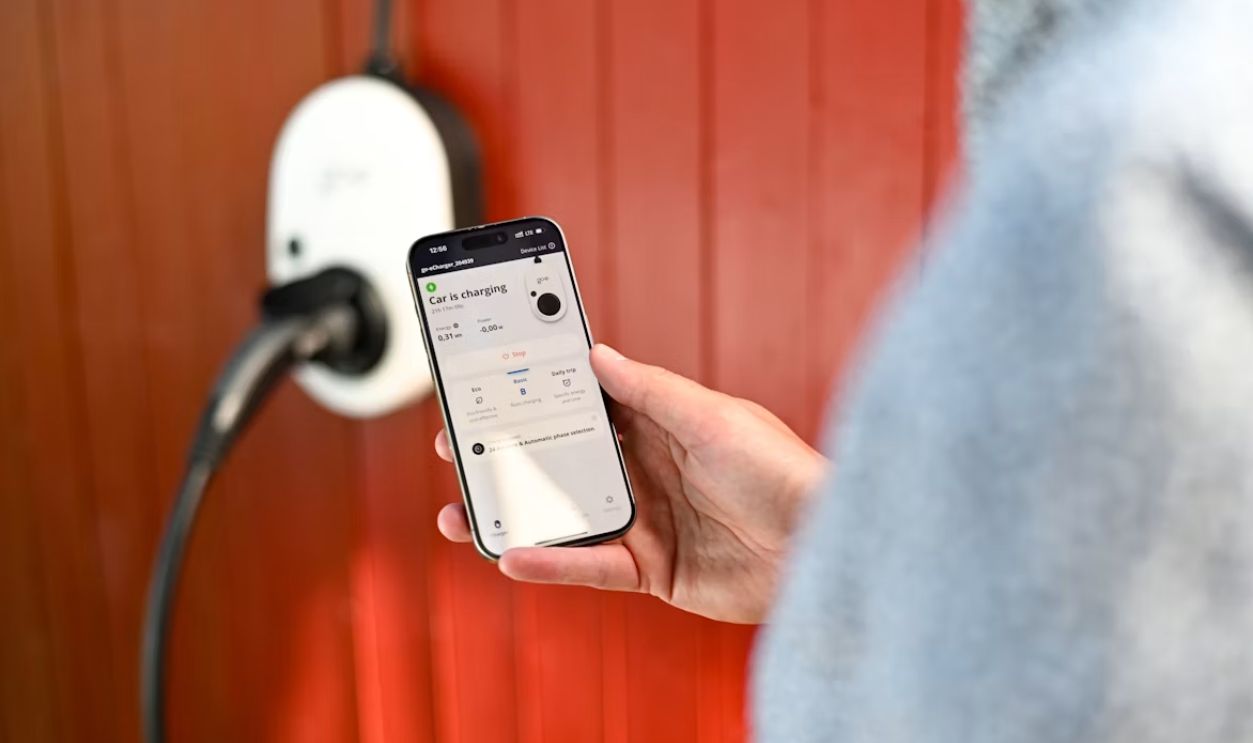
Most EV charging happens at home, according to transportation and energy research used by federal agencies and utilities. But your electric bill also covers your air conditioner, water heater, lights, and everything else in the house. Separating only the electricity used by your car is easy if you have dedicated equipment, but messy if you do not.
A Separate Meter Would Make It Easier
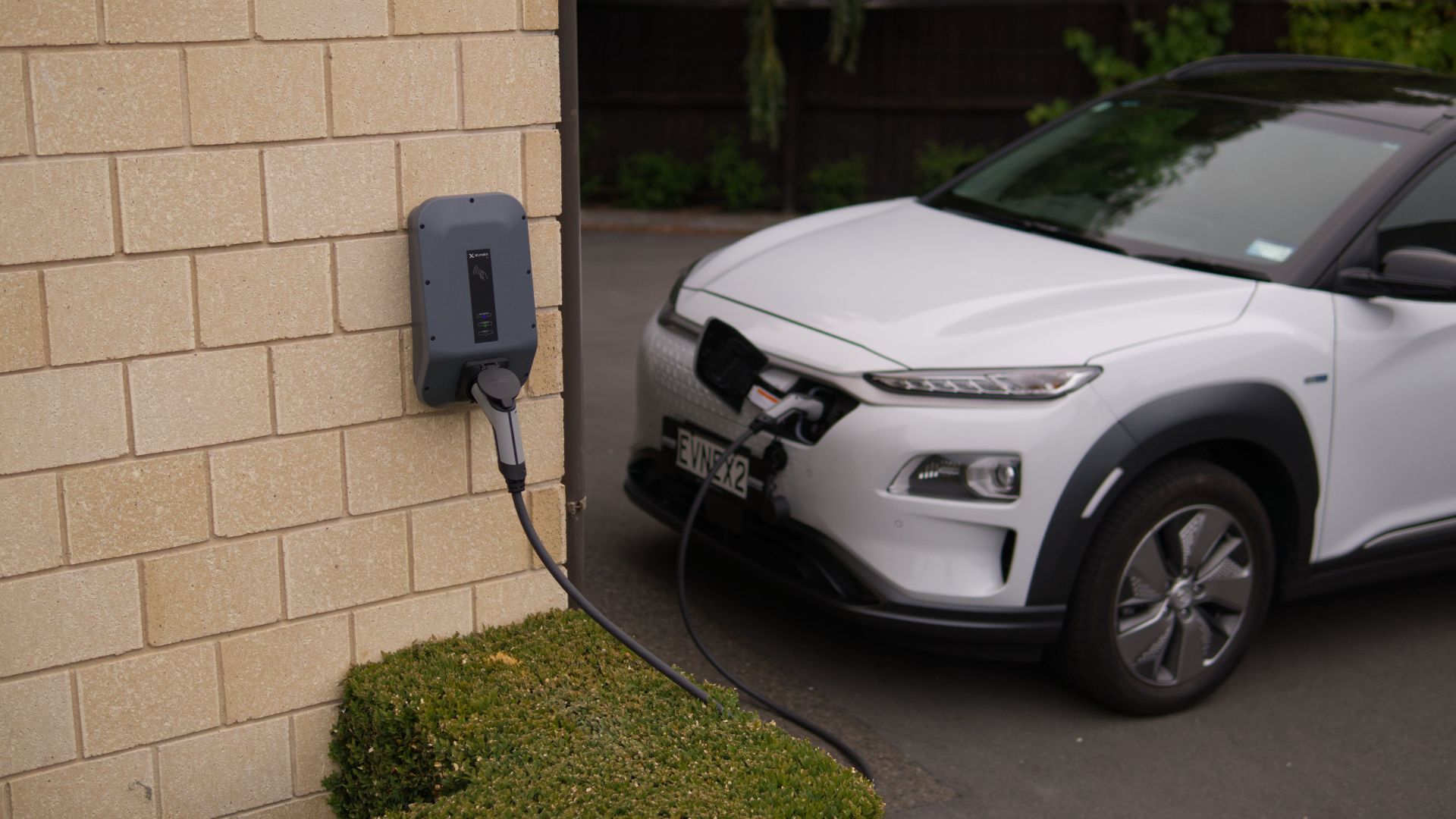
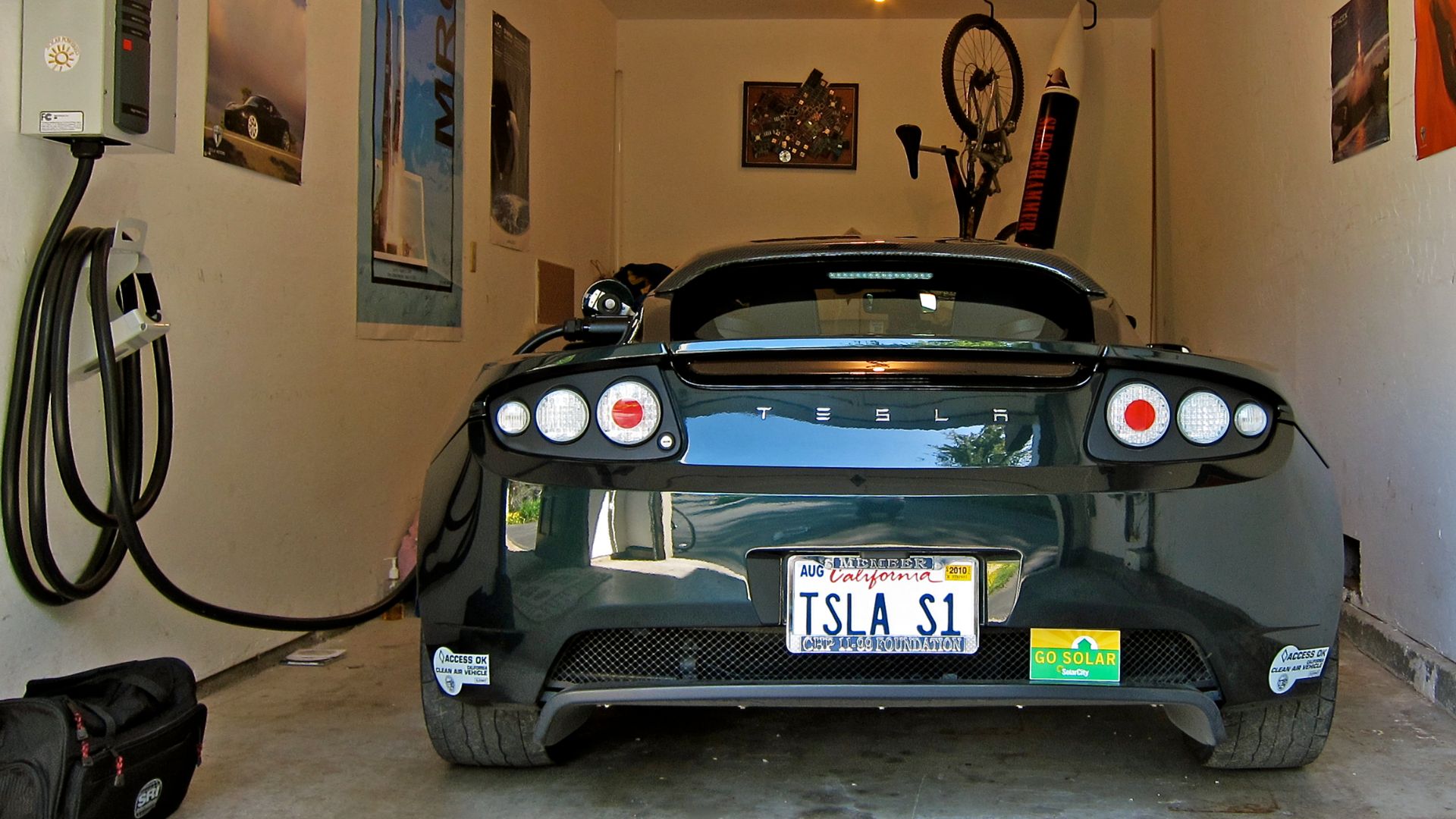
If a home had a second meter just for EV charging, taxing that electricity would be fairly simple. Some utilities already offer optional EV-specific rates that use separate metering, smart chargers, or vehicle data. But an optional rate plan is very different from a mandatory tax system that would have to work across millions of homes.
California Shows What Utilities Can Do
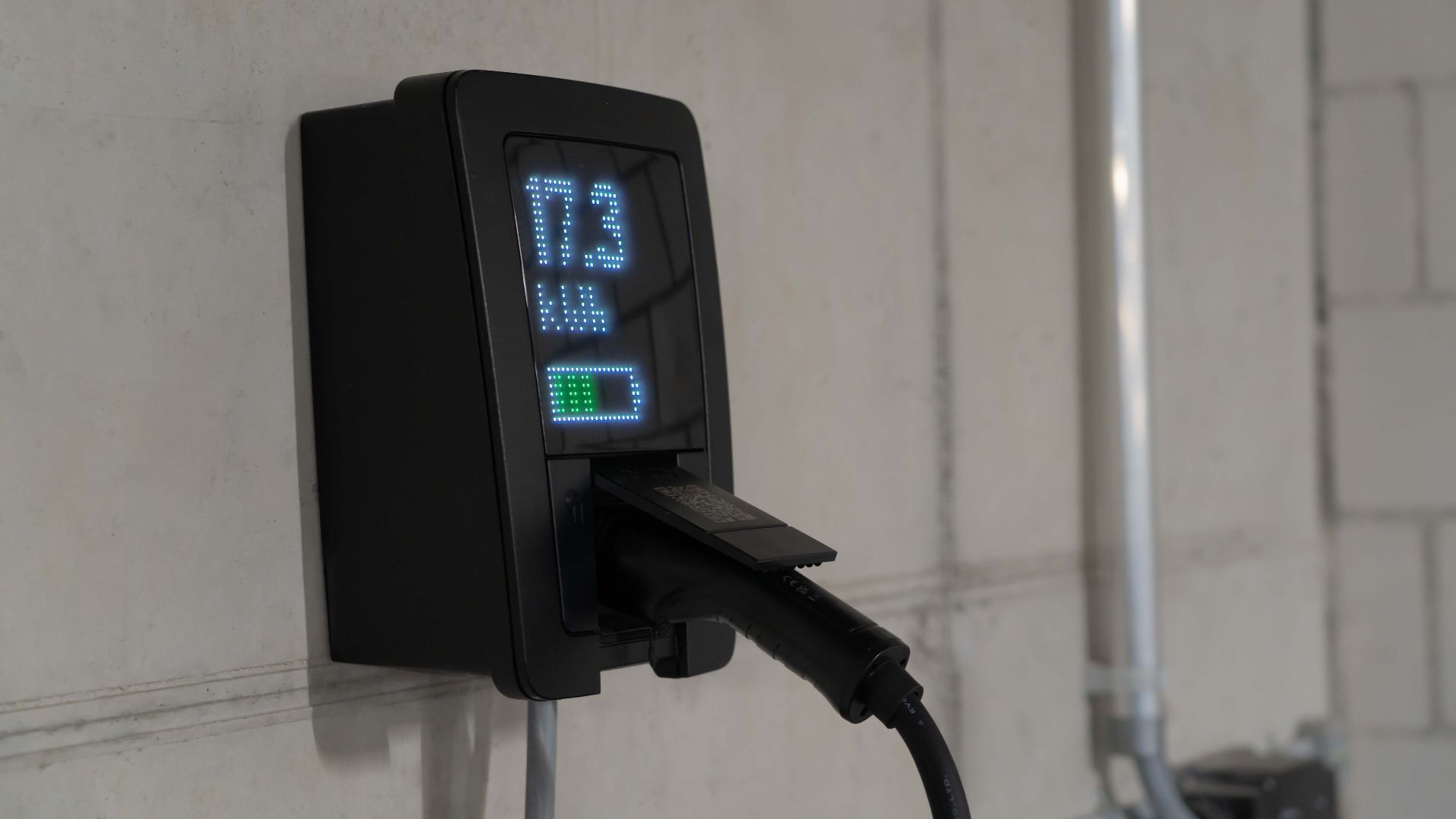
California utilities and regulators have been some of the most active in testing EV-specific home charging rates. The California Public Utilities Commission has approved time-of-use pricing and utility pilots meant to push charging into lower-demand hours. That shows utilities can identify EV charging in some cases, but it does not mean lawmakers are close to rolling out a universal charging tax through those programs.
Managed Charging Is Not The Same As Taxation
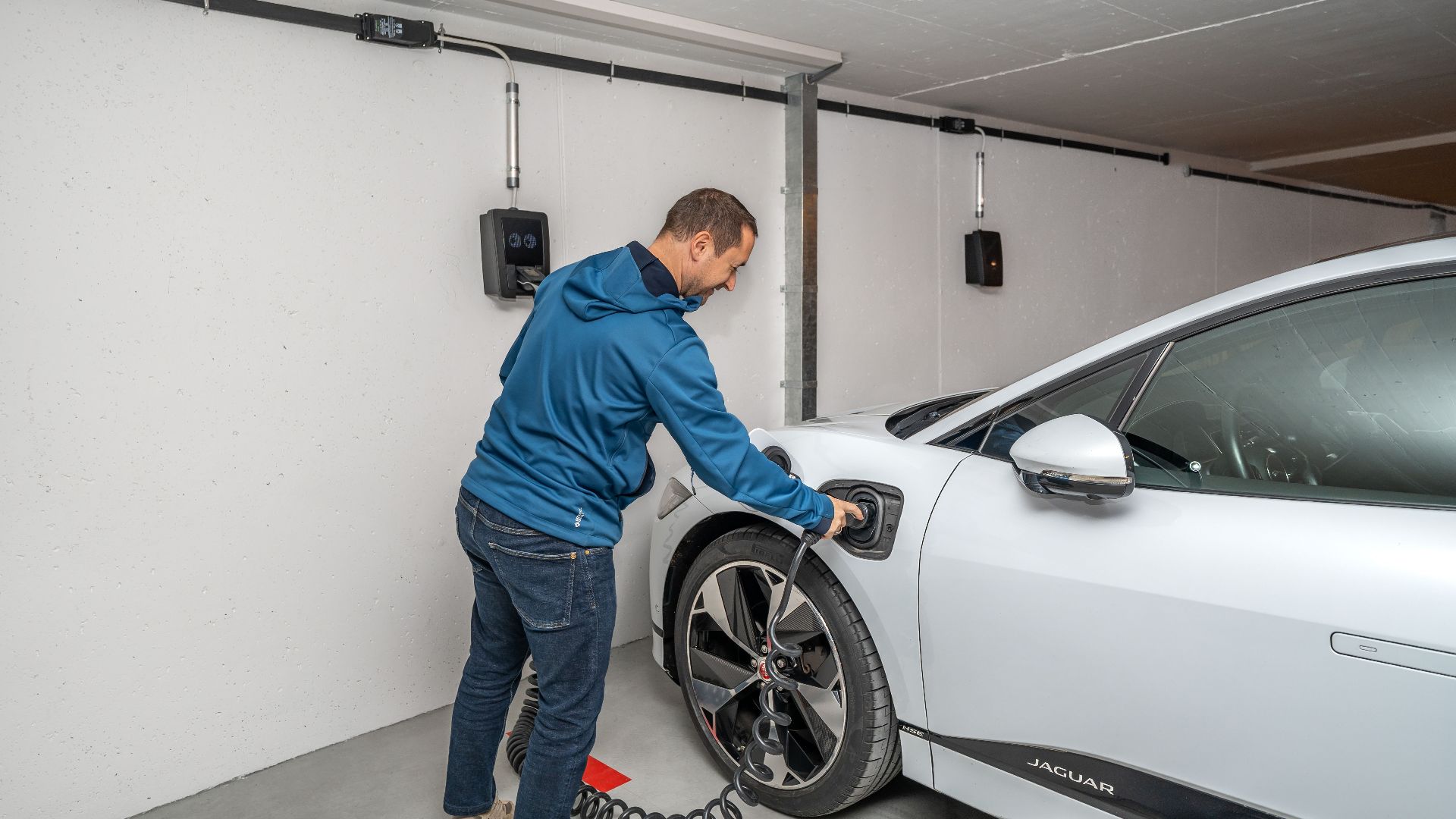
A lot of the confusion comes from mixing up managed charging programs with taxes. Utilities may give drivers a discount for charging overnight or let them enroll through a smart charger or vehicle app. That is about managing demand on the grid and setting power prices, not raising money for roads.
Oregon Started The Most-Watched Road-Use Experiment
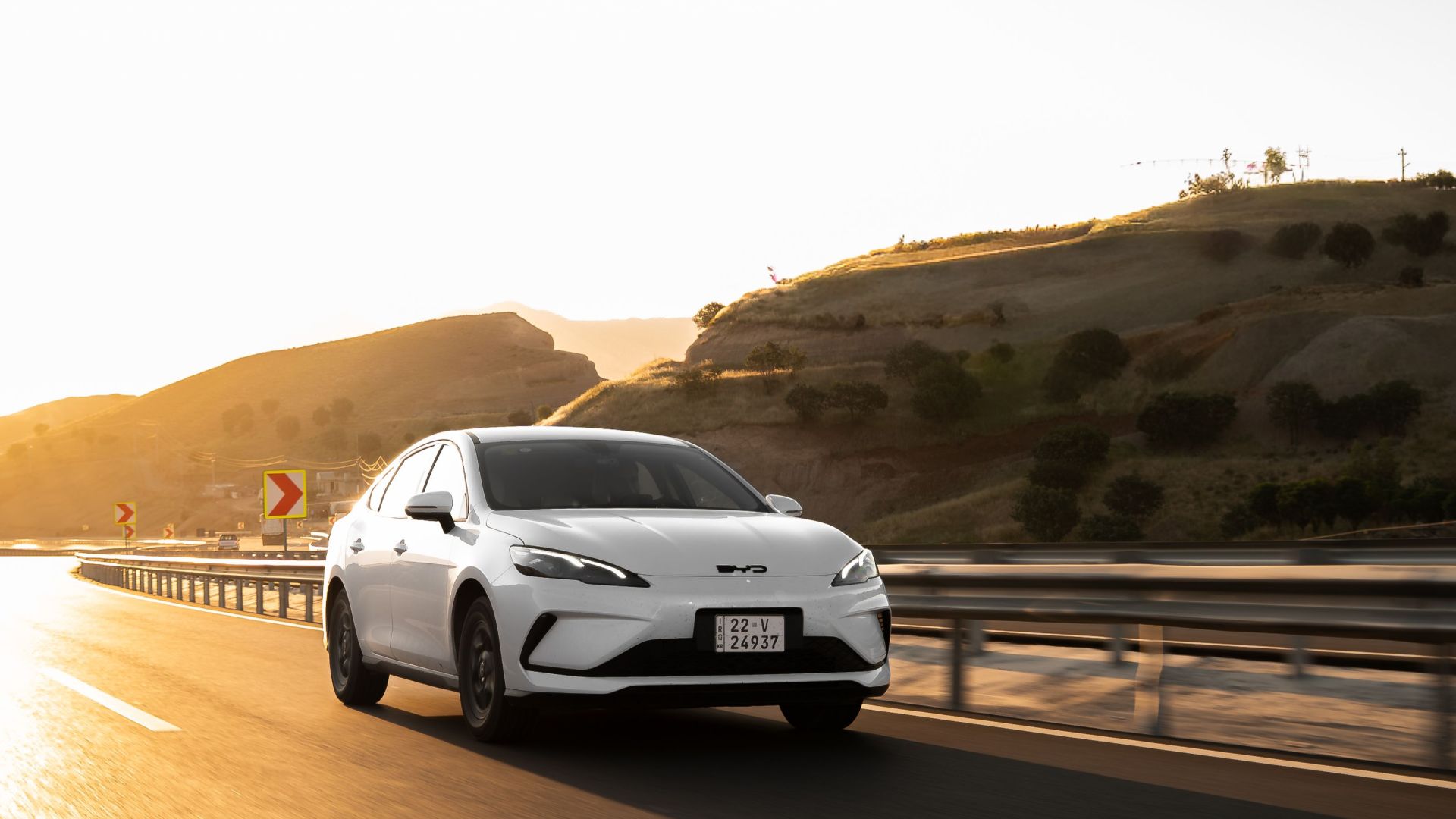
If you want the clearest sign of where policy may be heading, look at Oregon. In 2015, Oregon became the first state to launch a permanent road usage charge program called OReGO. Instead of taxing fuel, the state charges participating drivers by the mile.
Who Did It And When Matters Here
Oregon lawmakers passed the enabling law before the 2015 launch, and the Oregon Department of Transportation has kept the program running since then. OReGO was built to test whether mileage fees could replace shrinking fuel tax revenue. That is a much more realistic model than trying to tax every kilowatt-hour flowing into a home charger.

Other States Followed With Their Own Trials
The idea did not stay in Oregon. The University of Minnesota’s Center for Transportation Studies has documented road-user charge pilots in several states, and the federal government has backed more study with grant funding. In other words, the policy momentum is going toward mileage tracking, not broad home-electricity taxes.
The Federal Government Is Studying Mileage Fees Too
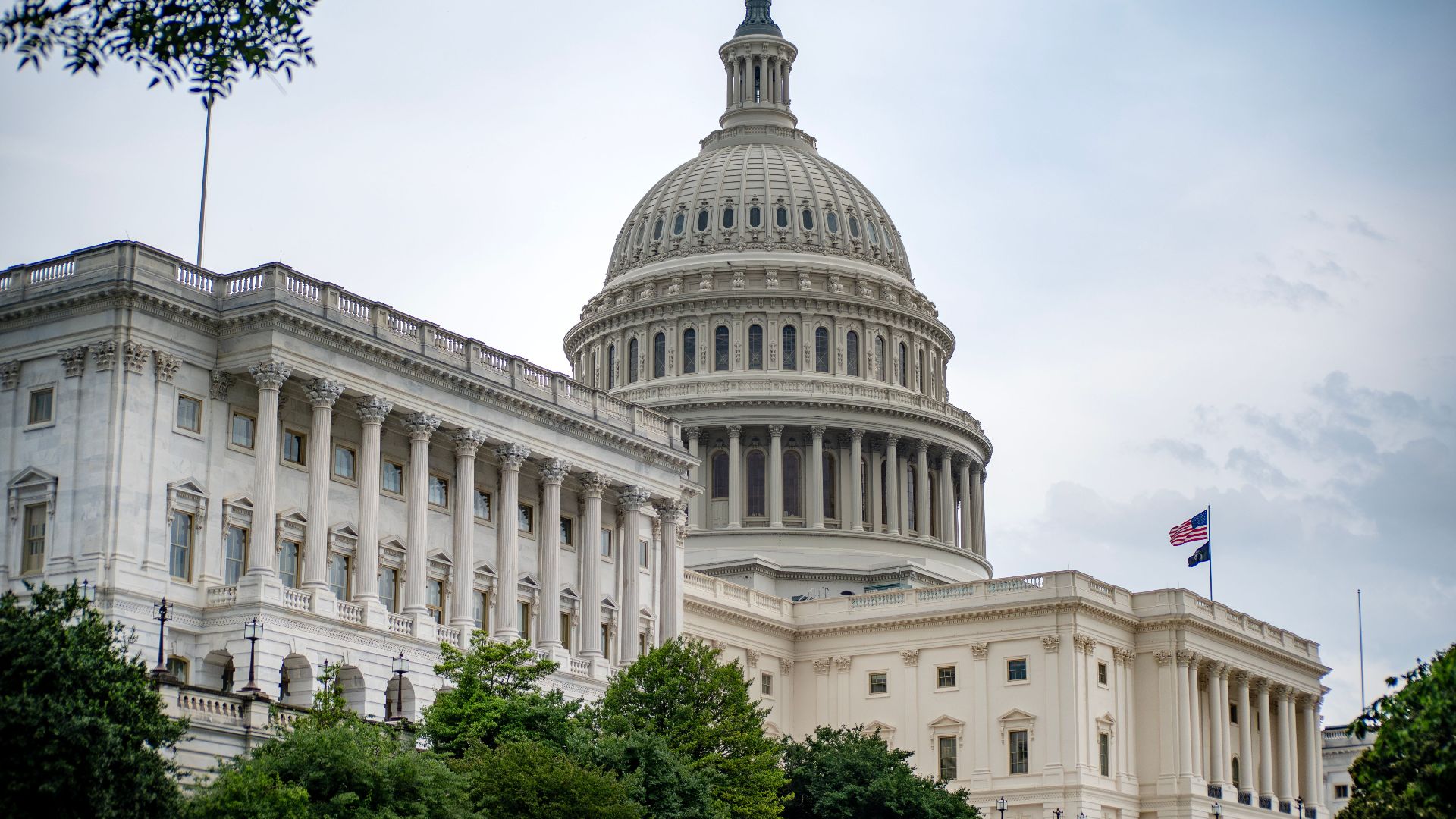
The *Infrastructure Investment and Jobs Act*, signed in 2021, created a national motor vehicle per-mile user fee pilot program. The U.S. Department of Transportation later announced grant activity tied to that effort. That does not create a tax by itself, but it does show what Washington is taking seriously.
Why Mileage Fees Appeal To Policymakers
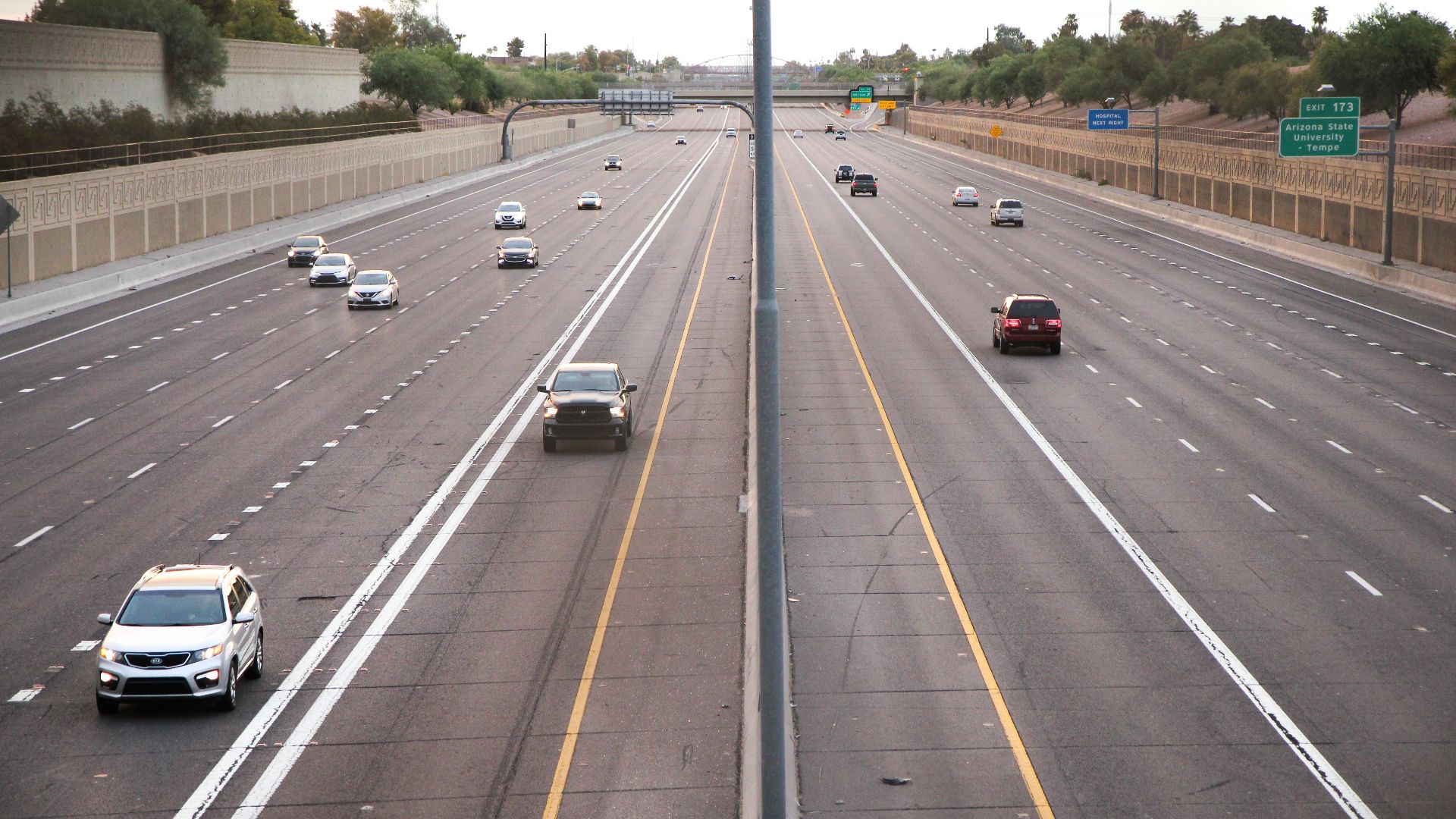
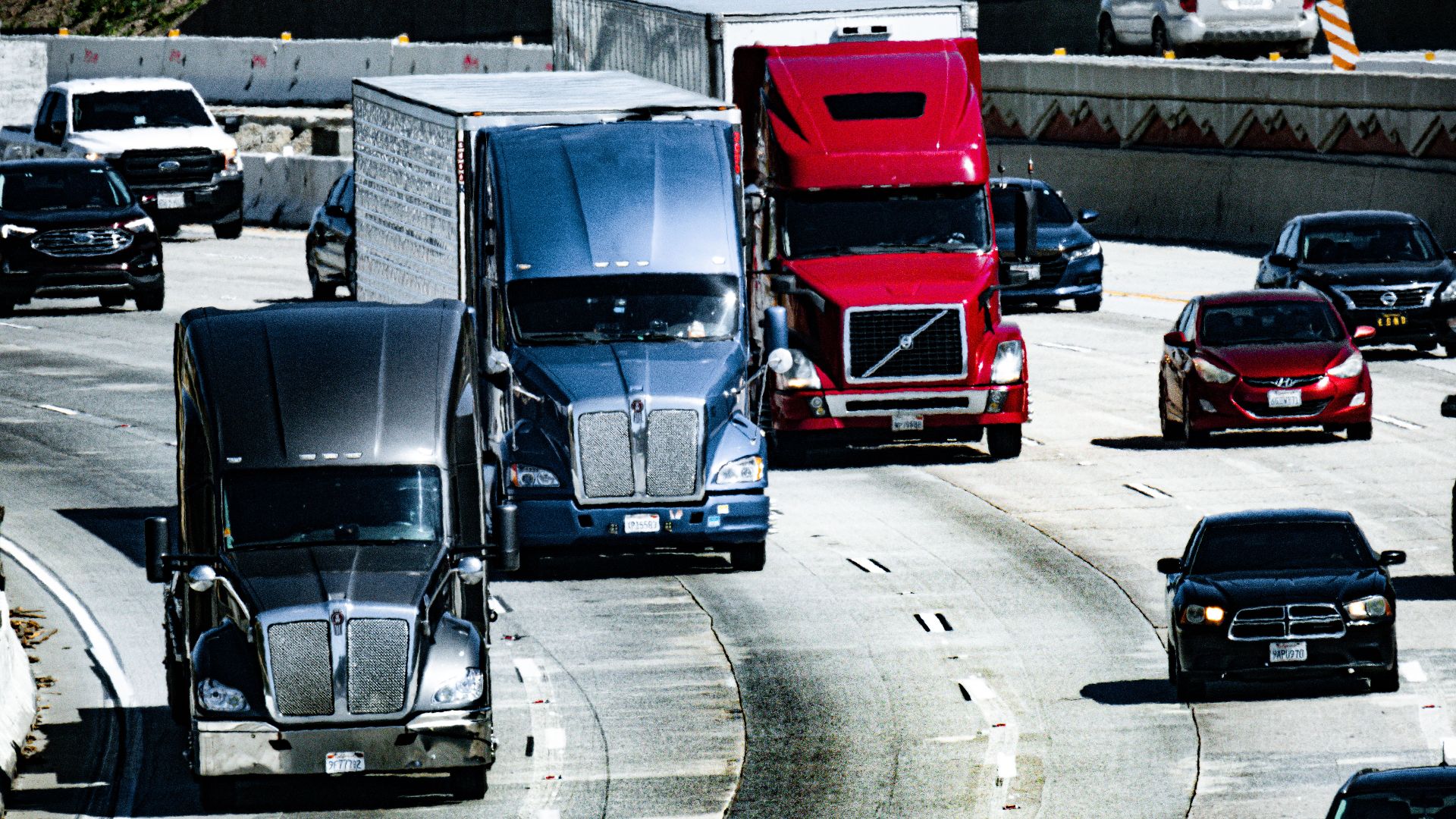
Mileage-based systems try to charge all drivers for road use whether they burn gas, diesel, or electrons. From a tax-design point of view, that is cleaner than targeting only home charging. It also avoids charging people differently depending on whether they power up at home, at work, or at a public fast charger.
Public Charging Could Be Easier To Tax
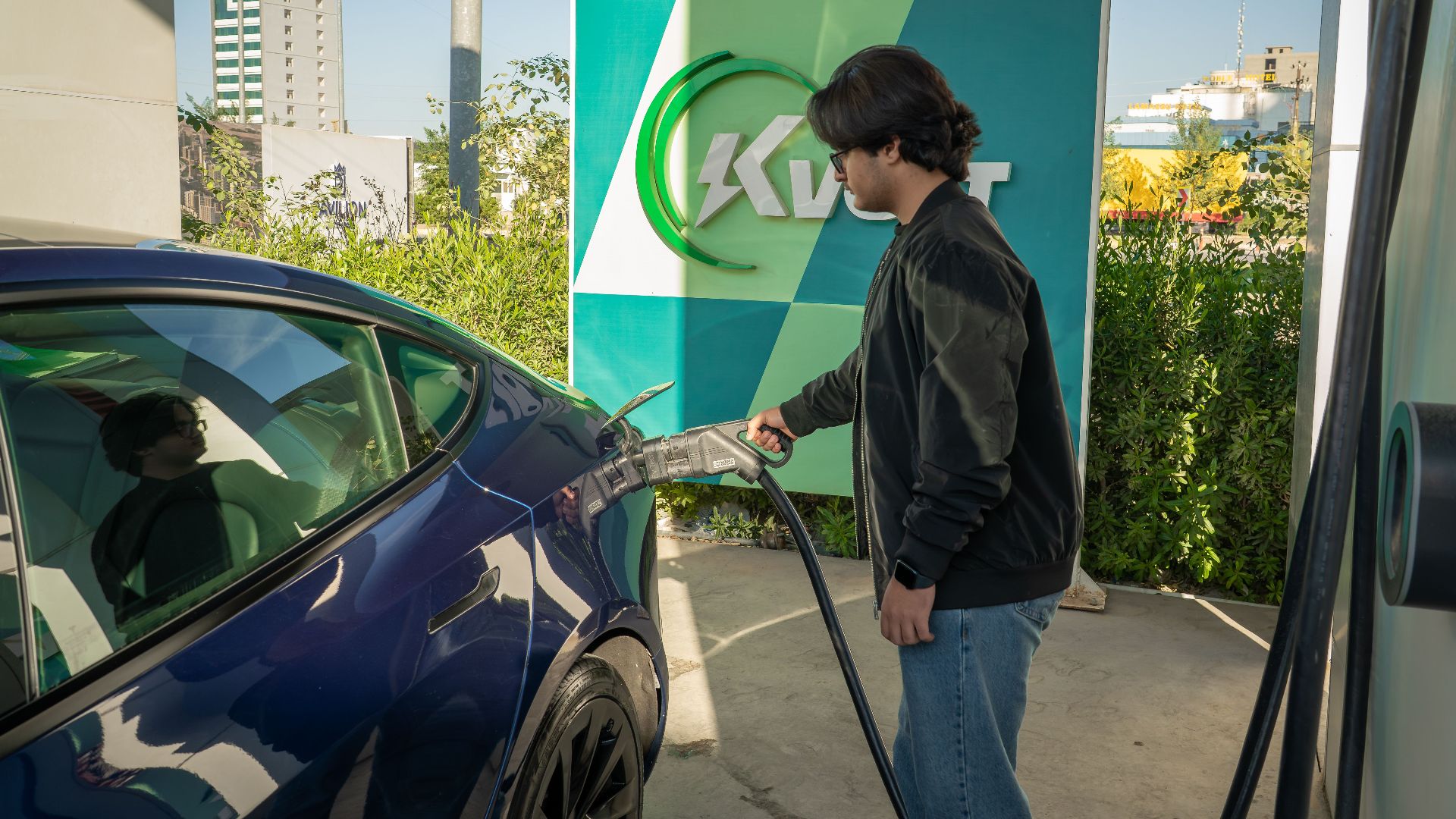
If lawmakers ever wanted a more direct electricity-based EV tax, public charging stations would be the easier first target. Charging companies already meter and bill each session. Some states also regulate how public charging can be priced, which means the usage data is already being captured in an organized way.
Home Charging Stays Hard Because People Charge In Different Ways
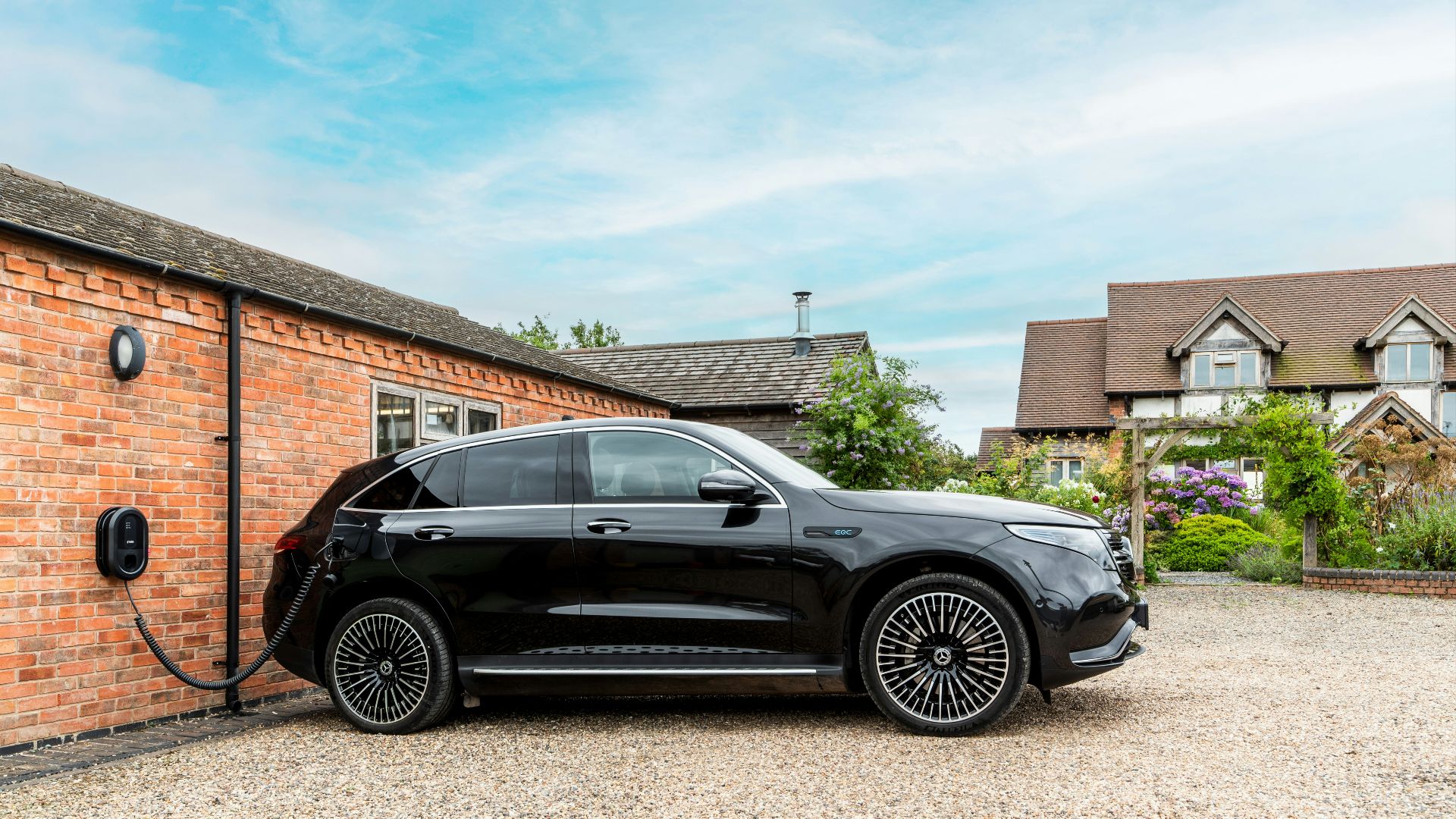
Some drivers use a Level 2 wall unit on a dedicated circuit. Others plug into a standard 120-volt outlet. Some join utility-managed charging programs and some do not. A mandatory tax system would have to deal with all of that while avoiding billing mistakes and privacy complaints.
 TSLA_S1.jpg: jurvetson (Steve Jurvetson)
derivative work: Mariordo, Wikimedia Commons
TSLA_S1.jpg: jurvetson (Steve Jurvetson)
derivative work: Mariordo, Wikimedia Commons
Privacy Is A Big Reason This Gets Complicated
The moment government starts linking taxes to detailed charging habits or vehicle movement, privacy concerns grow fast. That has been true in mileage-fee debates for years. Oregon and other pilot programs have spent a lot of time explaining data choices and privacy protections because drivers do not like the idea of being tracked.

There Is Also A Fairness Fight Underneath The Debate
EV owners often argue that they already face high vehicle prices, registration charges, and in some cases electricity costs that rise with heavy use. Policymakers answer that everyone who uses the roads should help pay for them. The real fight is not over whether roads cost money. It is over the fairest and least annoying way to collect that money.
What About Smart Chargers Reporting Your Usage
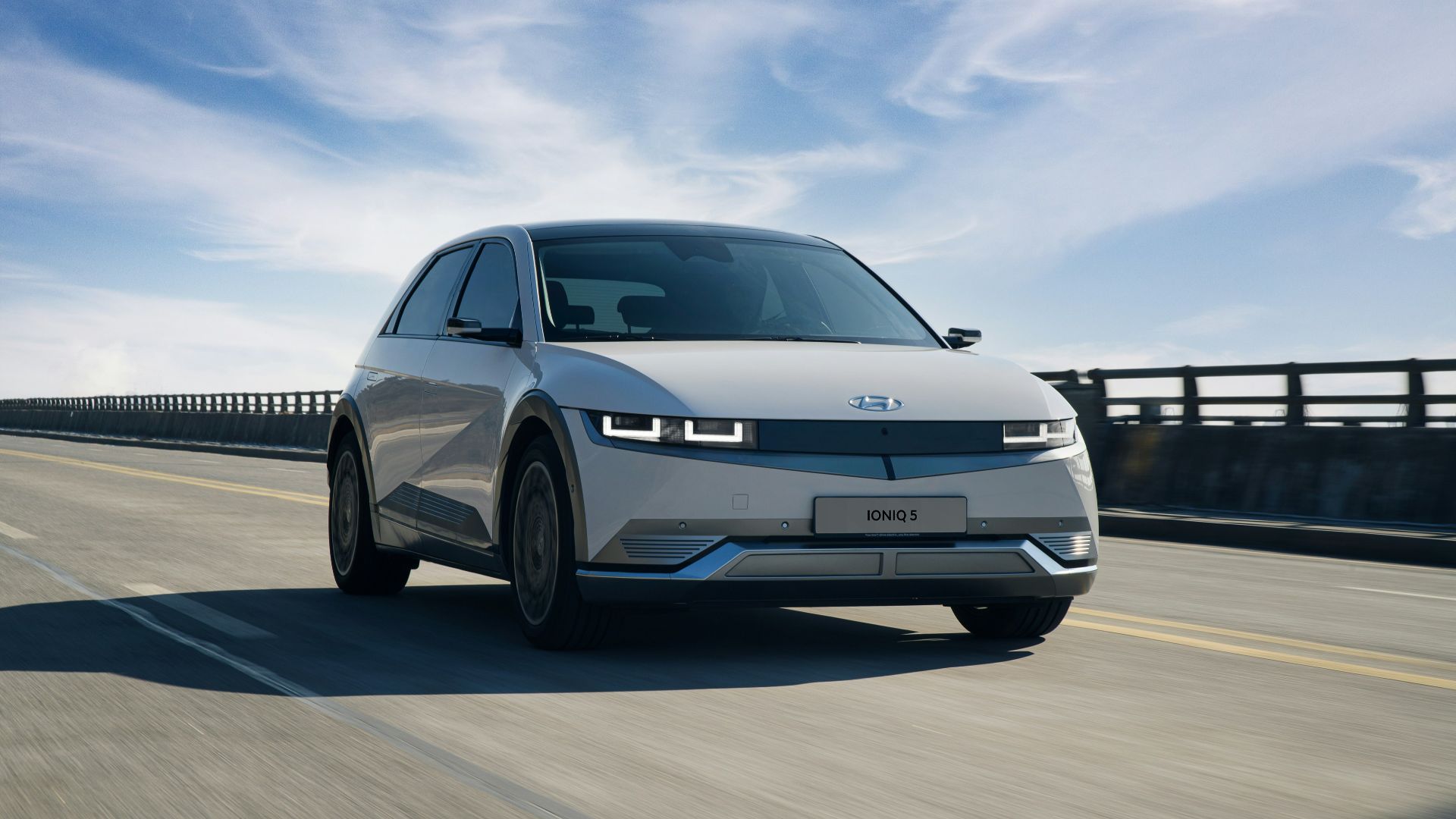
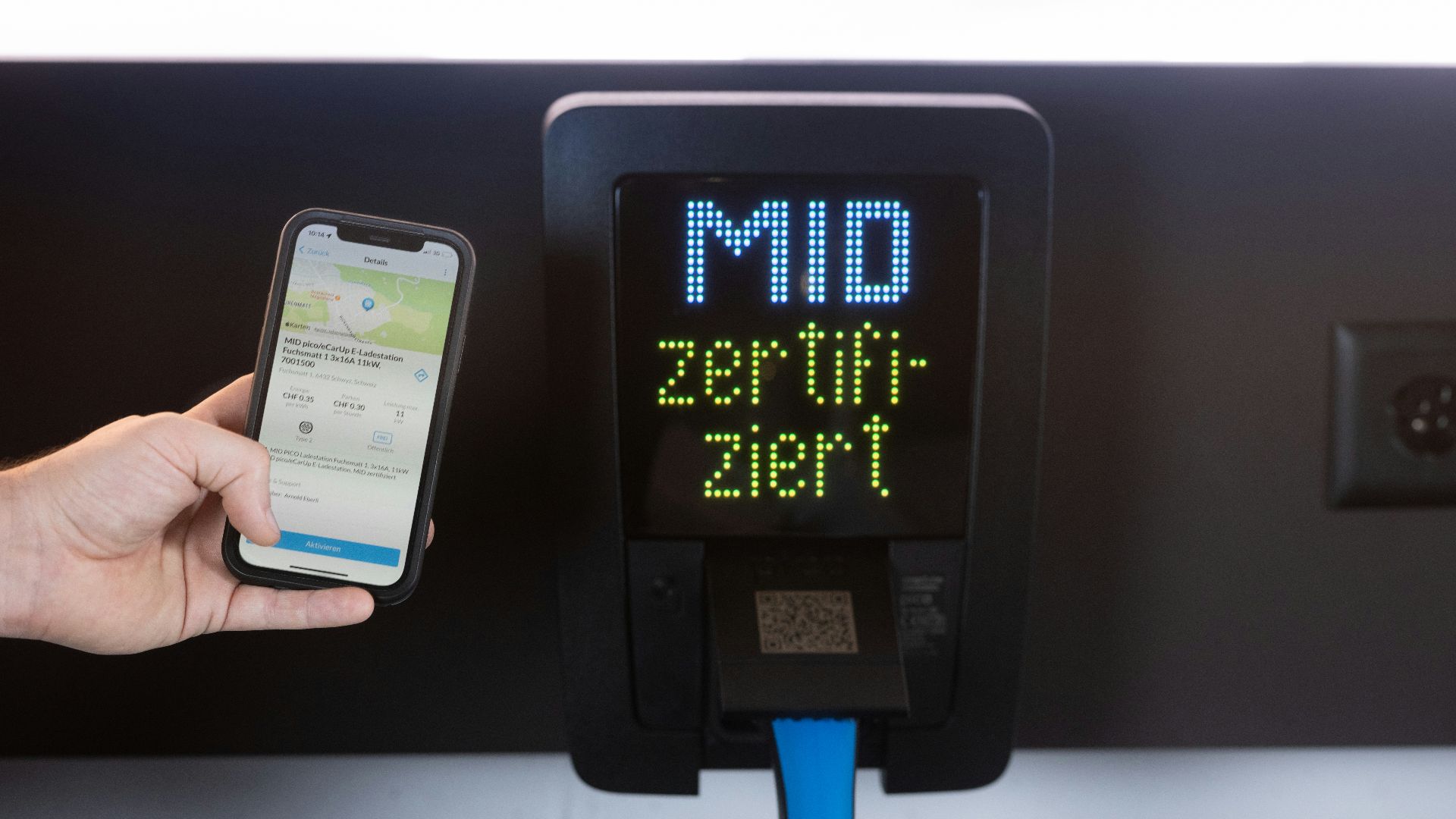
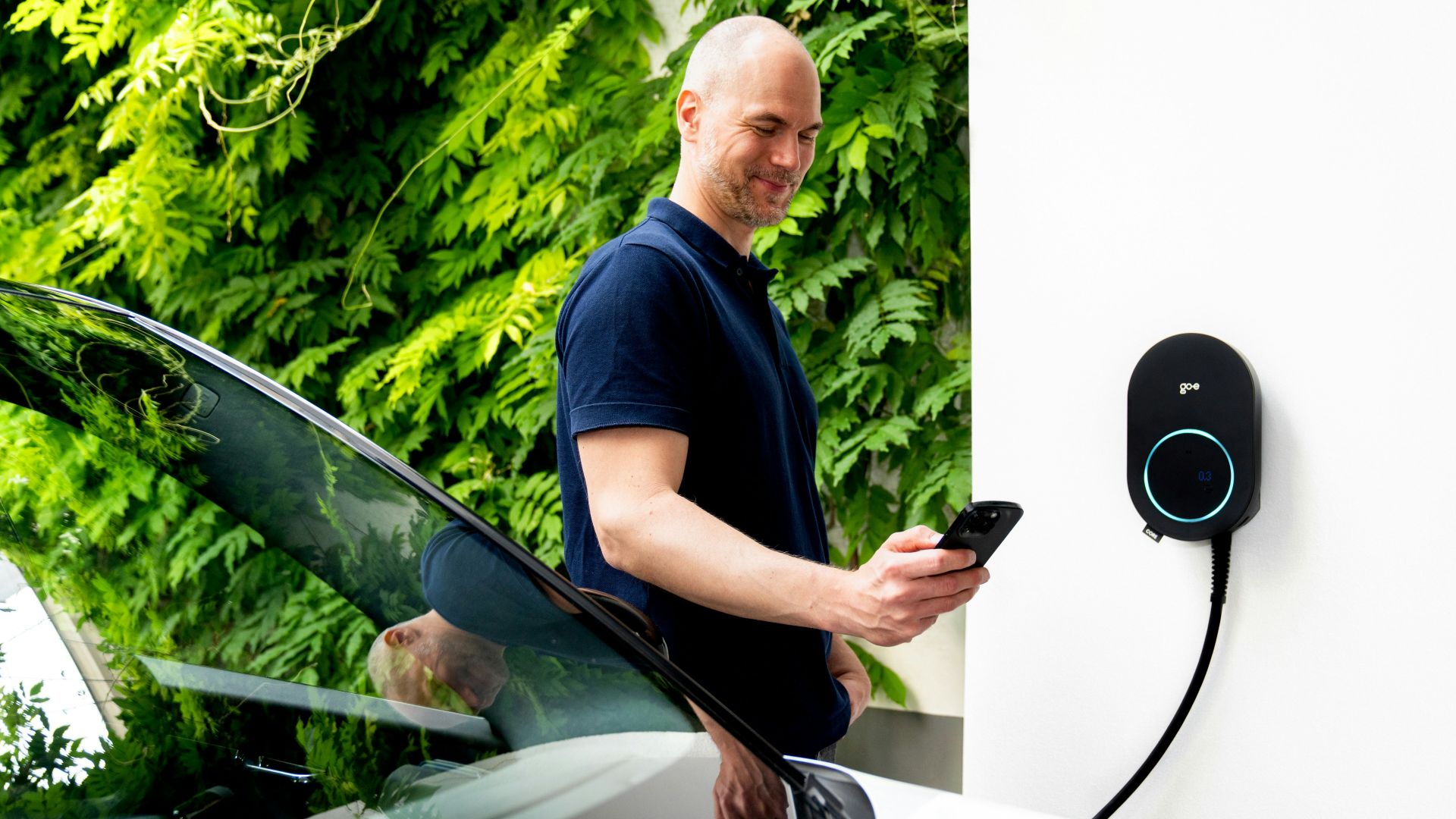
Technically, a smart charger can measure exactly how much electricity your EV used. Some chargers already do that for utility rebates, managed charging, or employer reimbursement. But turning that ability into a tax system would require new laws, utility coordination, and likely years of rulemaking.
Your Power Company Is Not Secretly Taxing EV Charging Today
Higher EV charging costs on your electric bill can come from time-of-use rates, higher overall power use, or the utility plan you picked. That is different from a government tax aimed specifically at home EV charging. If you want to know what you are paying now, check your utility tariff or rate plan before trusting the neighborhood rumor mill.

What Is Happening Right Now Is Less Dramatic
Today’s reality is much less dramatic than the rumor. Most EV owners are dealing with standard household electric rates, optional EV charging rates, or state registration fees. The biggest policy experiments are testing per-mile charges, not trying to install a tax sensor in every garage.

Could A State Try A Home Charging Tax Anyway
Yes, a state could try. Lawmakers can propose almost anything, and some local or utility-based systems could in theory evolve into something tax-like if they used dedicated meters or approved charging hardware. But building that system across a whole state would be expensive, politically tough, and probably slower than simply raising registration fees or using mileage charges.
The Strongest Clue Is Where Governments Are Spending Their Time
If you want to guess where policy is going, watch the pilot programs and legislative tracking. The biggest documented efforts in recent years have focused on EV registration surcharges and road-user charge pilots. That is a stronger signal than online chatter about an imminent tax on your home charging cable.
If You Own An EV, Watch Three Things
First, check whether your state already charges an EV registration fee. Second, watch for road-user charge pilot announcements from your state transportation department. Third, review utility rate options because electricity pricing changes can hit your wallet long before any new tax does.
If You Are Shopping For An EV, Do Not Panic
This issue is worth watching, but it should not scare you away from buying an electric car if one fits your needs. The near-term costs are usually easy to find in registration schedules and utility plans. The nightmare scenario of a sudden nationwide tax on every kilowatt-hour you use to charge at home is not what the evidence points to right now.

So Is Your Friend Right
Your friend is broadly right that governments are looking for ways to charge EV drivers for road use as gas tax revenue weakens. But if the claim is that a separate home charging tax is about to appear everywhere soon, that goes too far. The more realistic answer is that EV-specific fees are already common, mileage-based charges are being seriously tested, and direct taxation of home charging is possible but still much less developed.