The Cool Factor Is Real
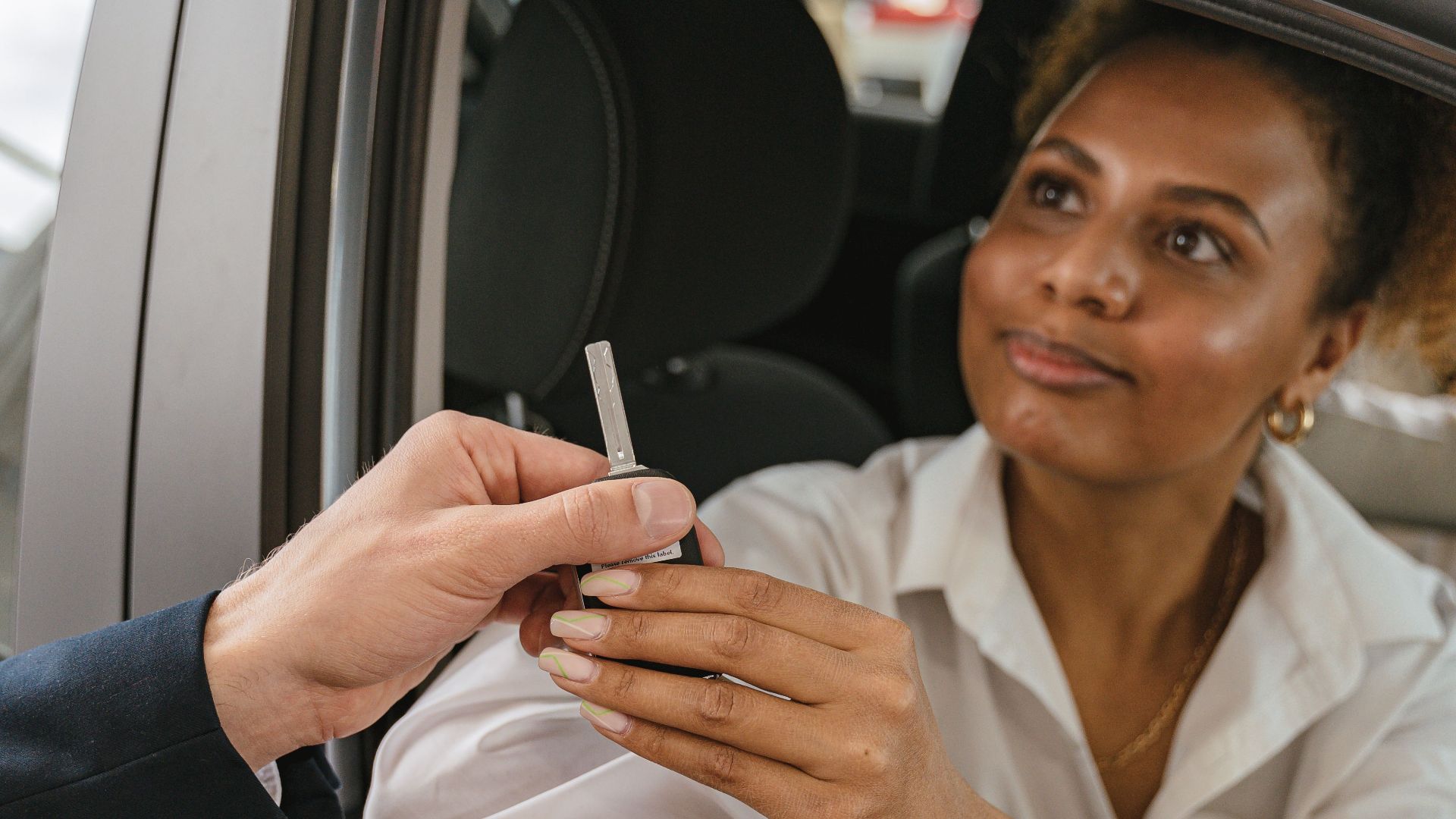
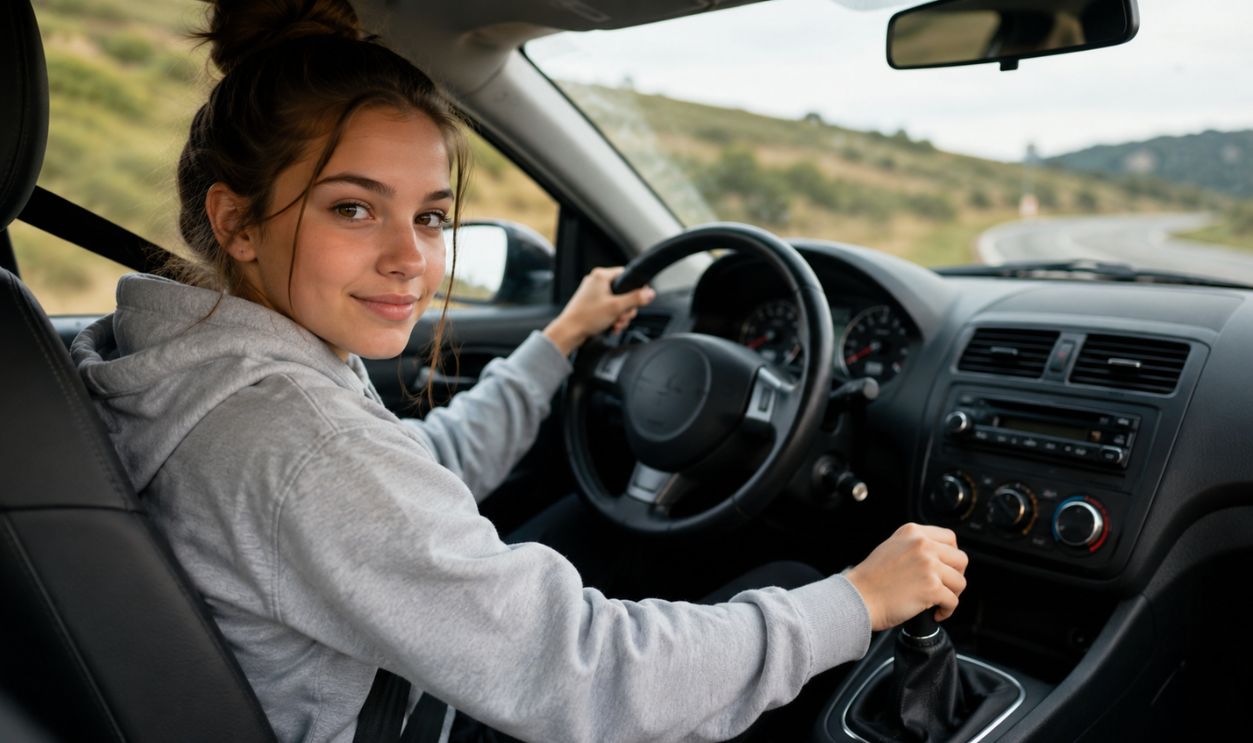
If your daughter thinks a manual transmission is cool, honestly? She's not wrong. For a lot of drivers, shifting your own gears still feels more involved, more skilled, and honestly more fun than letting an automatic handle everything. But the real question is whether that appeal is still worth the drawbacks in 2026.
Manuals Are No Longer The Default
In the United States, manual transmissions have gone from normal to niche. CarMax reported in 2024 that just 2.4 percent of the used vehicles it sold in 2023 had manual transmissions. Back in 1995, that figure was 20 percent, which shows how much the market has changed.
That Shift Took Years
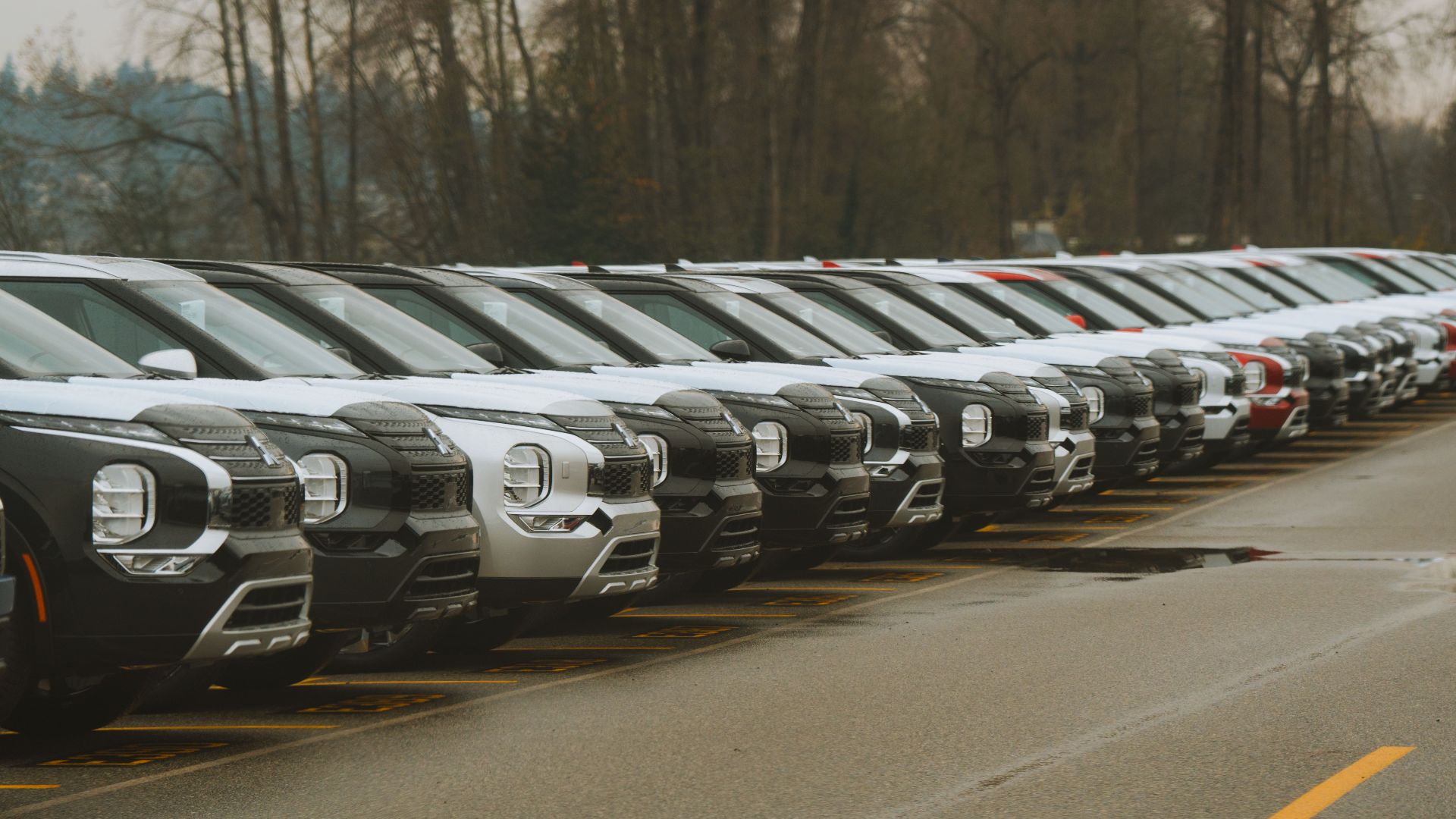
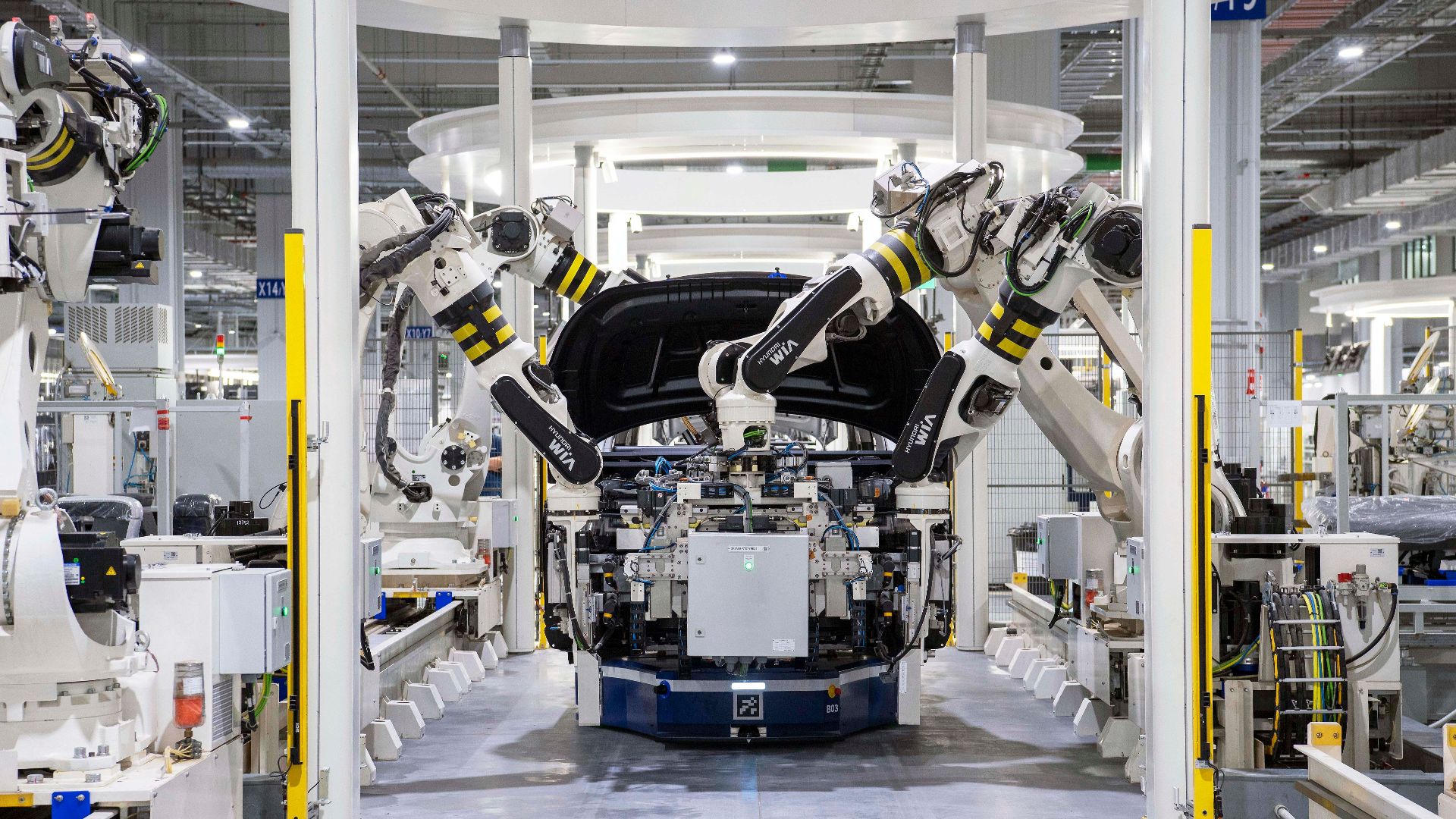
This did not happen all at once. Automatics got better on fuel economy, easier in traffic, and more common across cars, trucks, and SUVs. By the 2010s and 2020s, many automakers had stopped offering manuals on most everyday models.
Interest Has Not Completely Faded
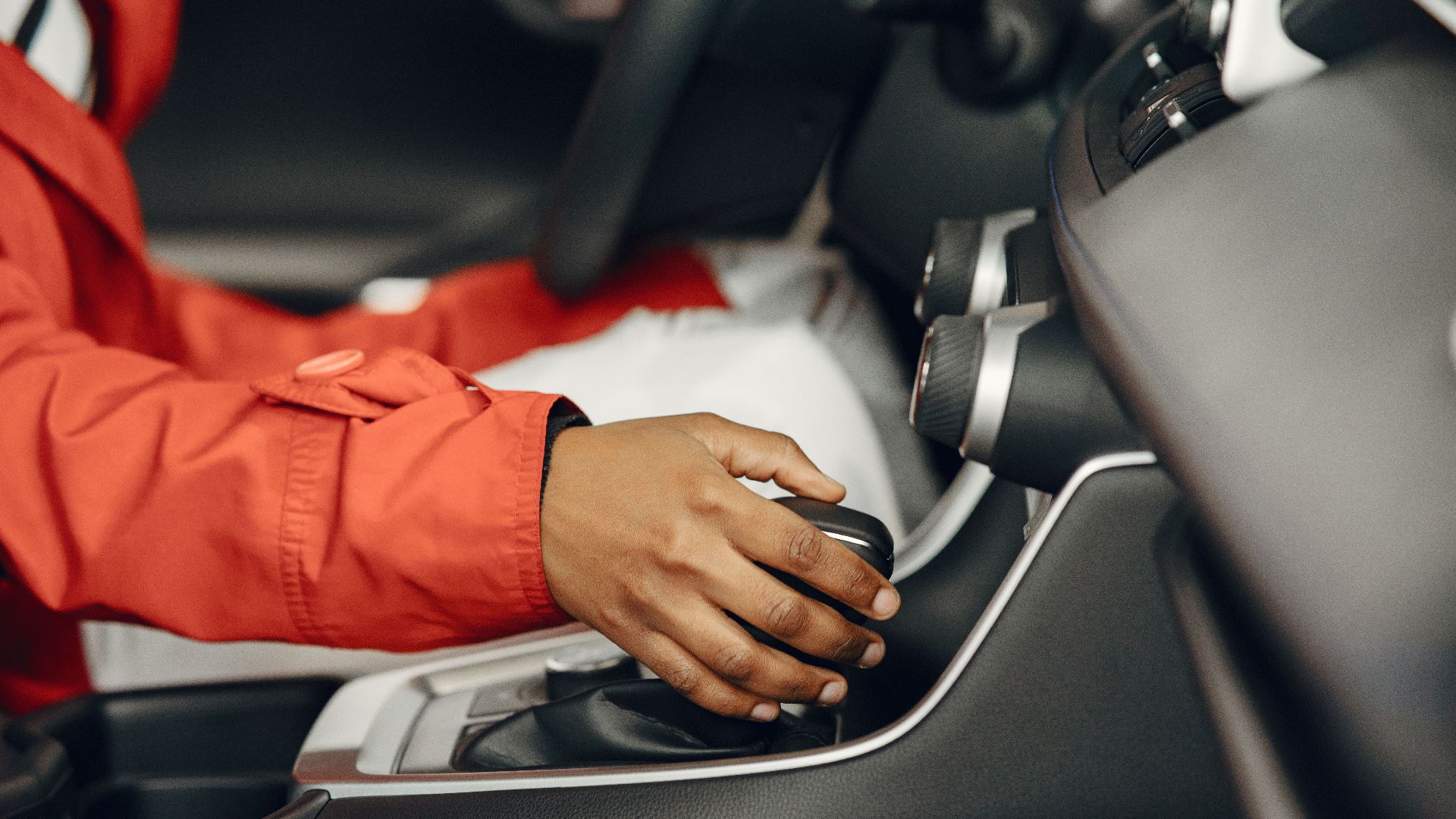
There is still a twist here. CarMax also found that searches filtered for manual transmissions on its site rose by 48 percent between January 2020 and December 2023. That does not mean manuals are making a real comeback, but it does suggest that younger buyers and enthusiasts still see them as special.
Younger Drivers Are Part Of That Story
Manuals are often treated like a thing of the past, but some of the recent interest has come from younger shoppers. In 2024, CarMax said Generation Z and younger millennials were the most likely age groups to buy manual-transmission vehicles from its stores. That matters if your daughter wants one because it feels different from what everyone else is driving.

Learning Stick Still Builds Real Skill
There is a practical reason to learn a manual beyond the image. Driving one teaches coordination, smoother control, and a better feel for how a car responds. Even people who never own another stick later often say it made them more aware drivers.
It Helps You Understand The Car Better
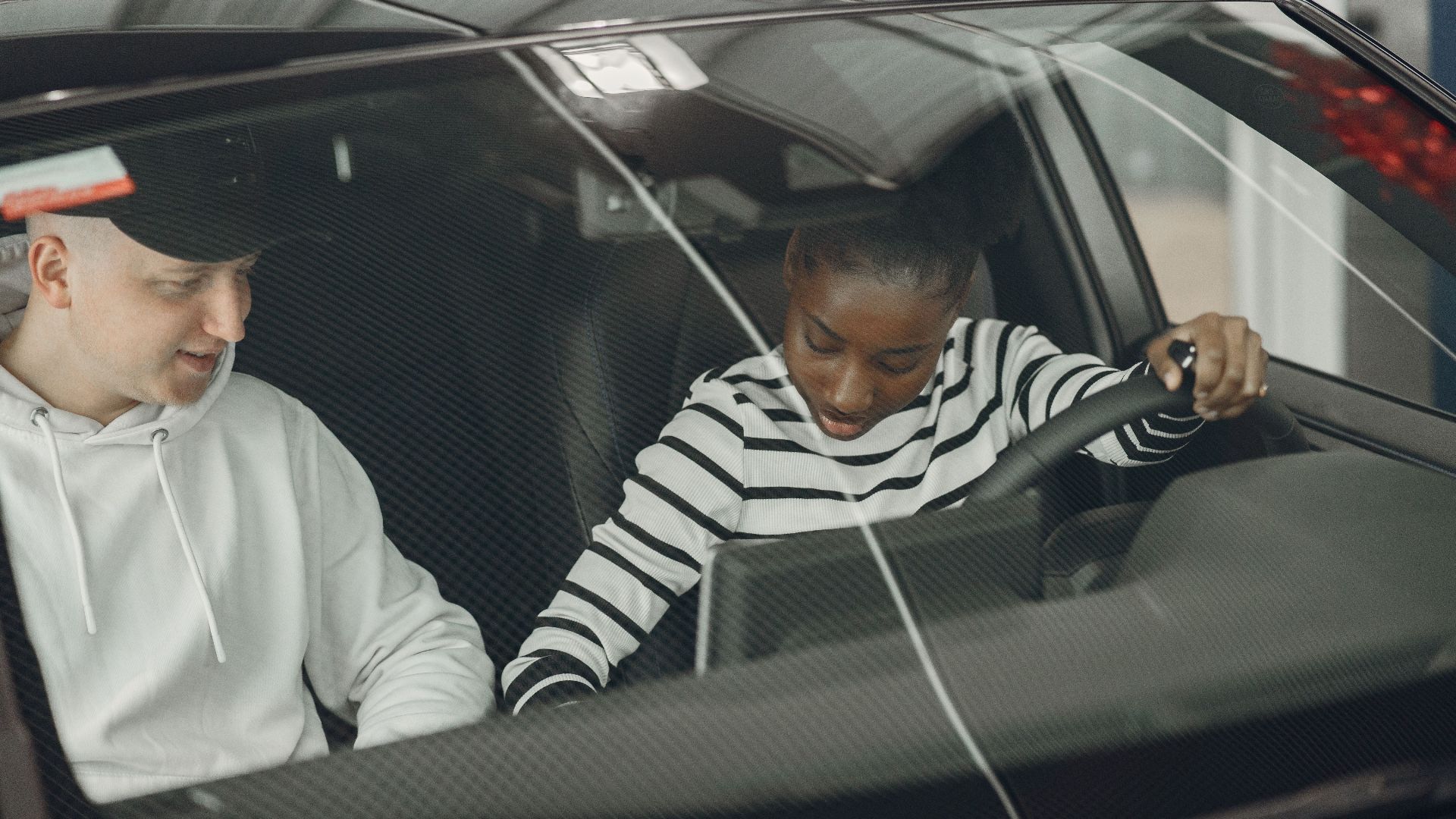
One of the biggest benefits is how clearly a manual lets you feel what the car is doing. You learn how engine speed rises, how gears affect acceleration, and how clutch engagement changes momentum. That hands-on feedback can help a new driver better understand how power gets to the wheels.
It Can Still Come In Handy
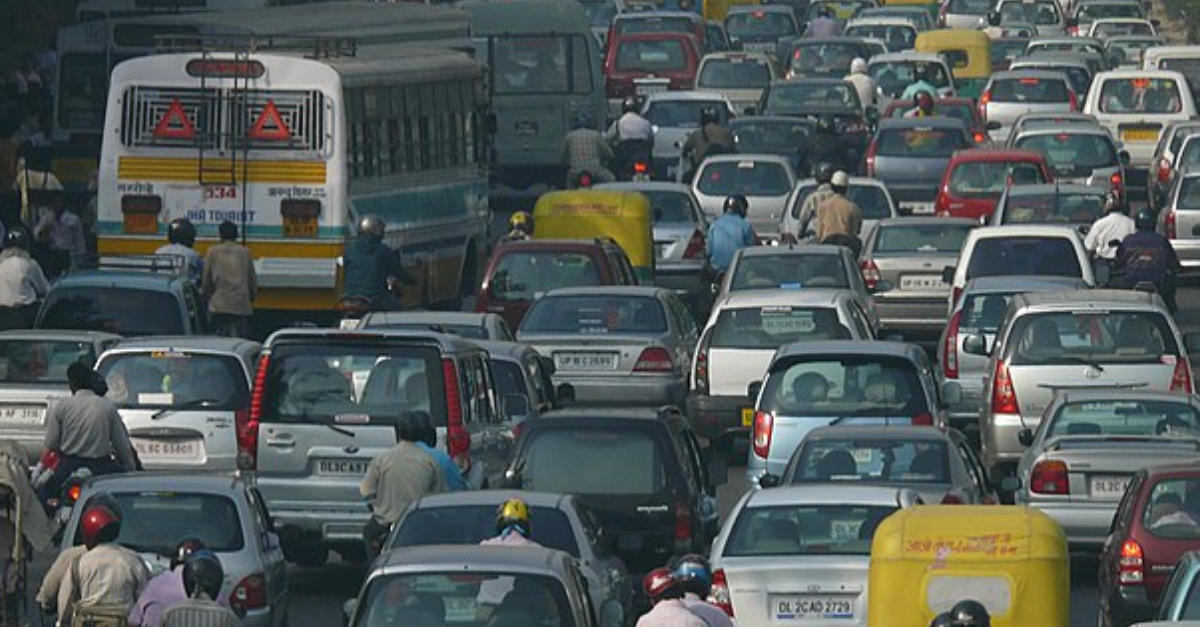
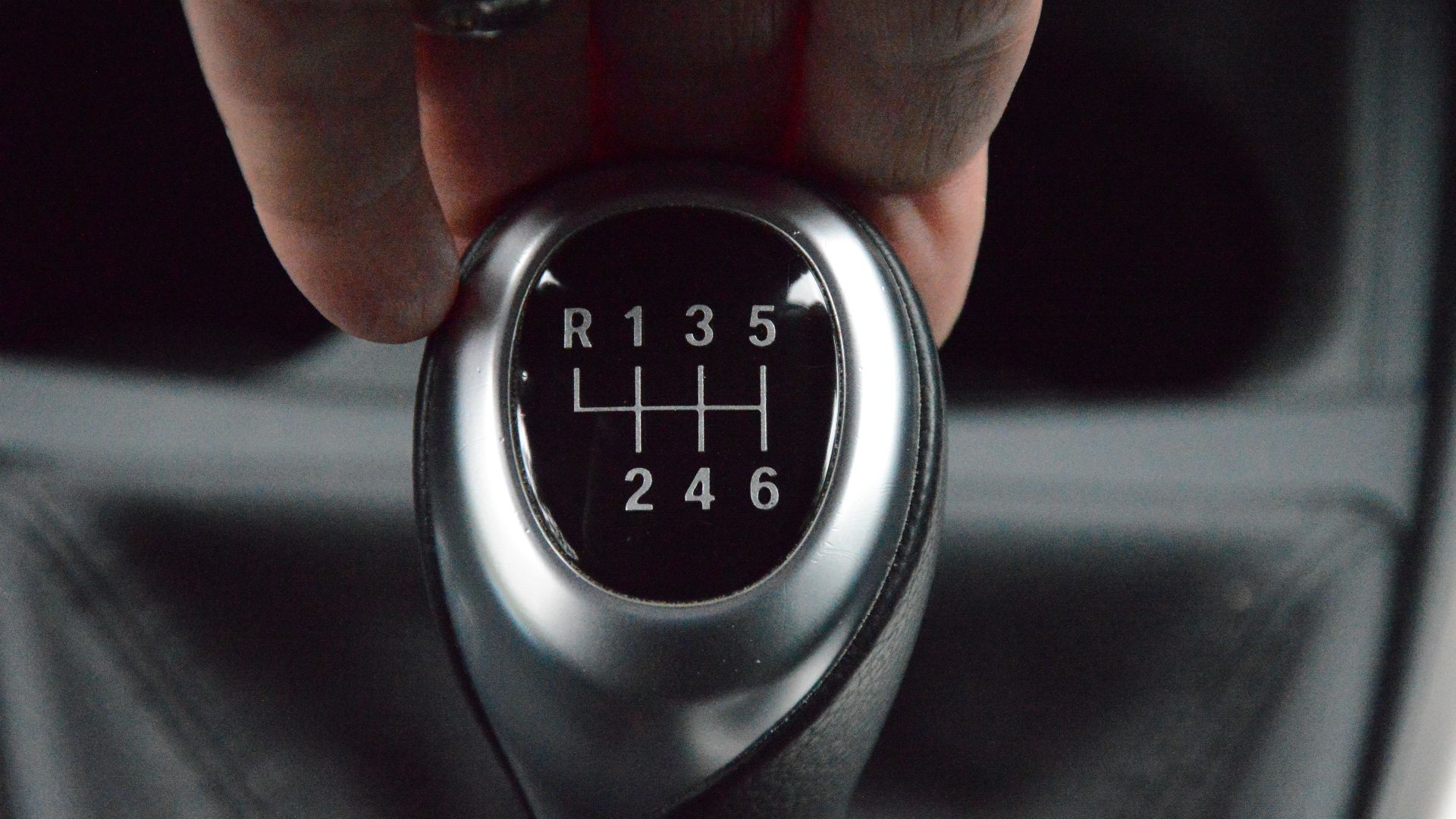
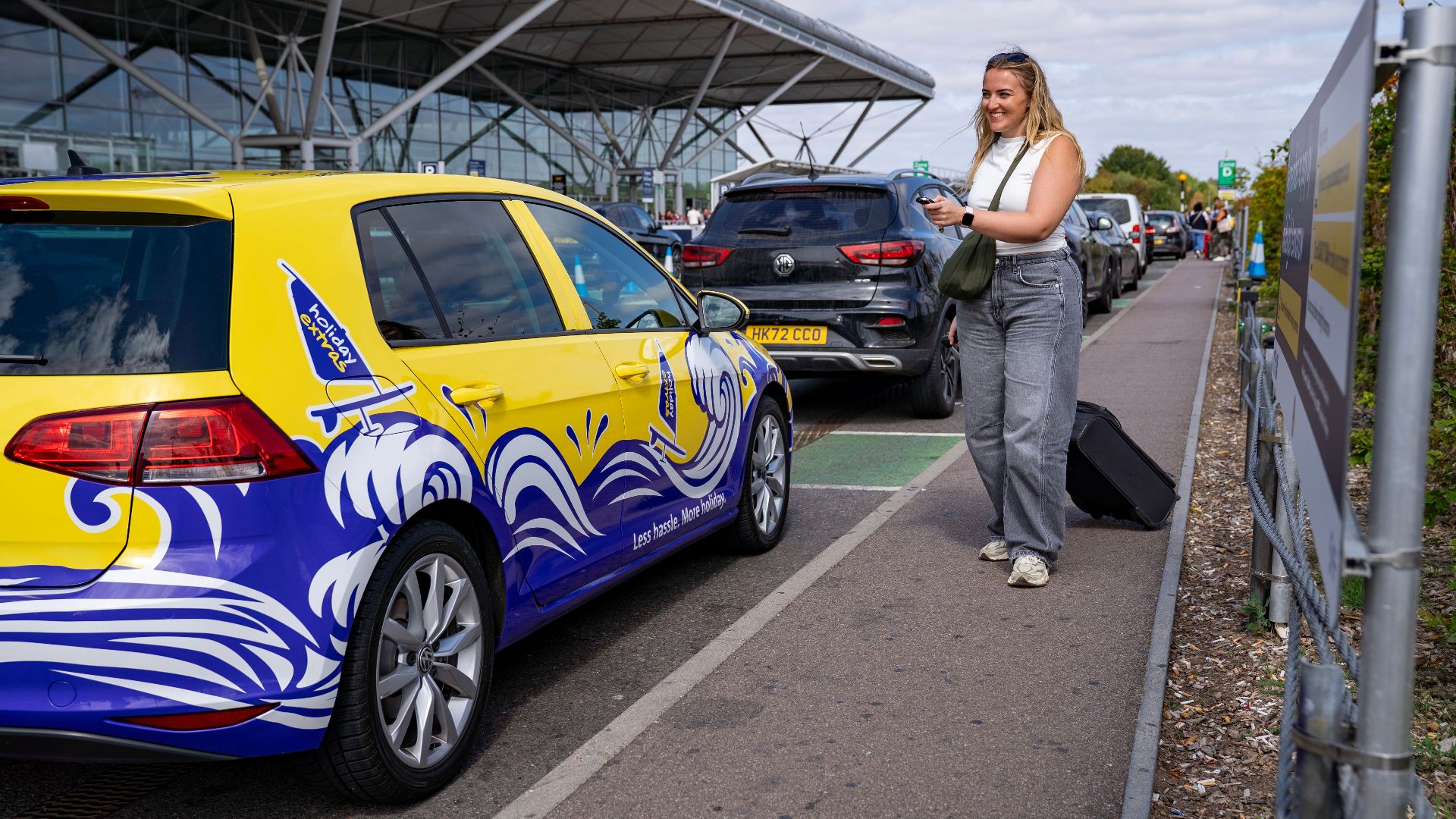
Knowing how to drive a manual is still useful now and then. You might need to move a friend's car, borrow an older truck, or rent a vehicle in another country. In many parts of the world, manuals are still much more common than they are in the United States.
Europe Has Been Changing Too
Even in Europe, where manuals were long the standard, the trend has been moving the other way. Data cited by JATO Dynamics showed that electric vehicles and the wider move toward electrification have helped shrink manual transmission share in Europe. As hybrids, EVs, and advanced automatics spread, fewer new cars come with a clutch pedal.
Electric Cars Change The Whole Picture
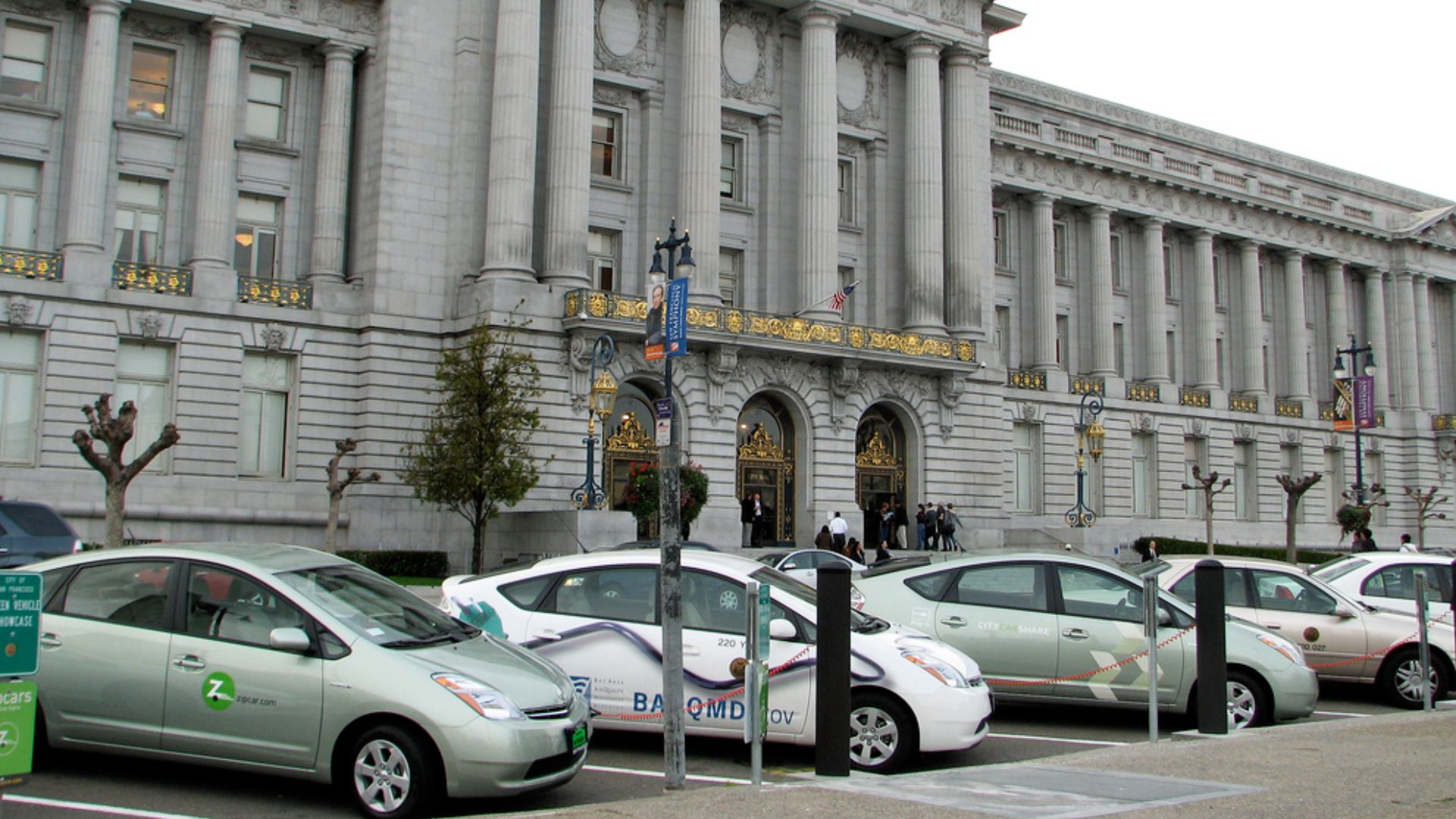
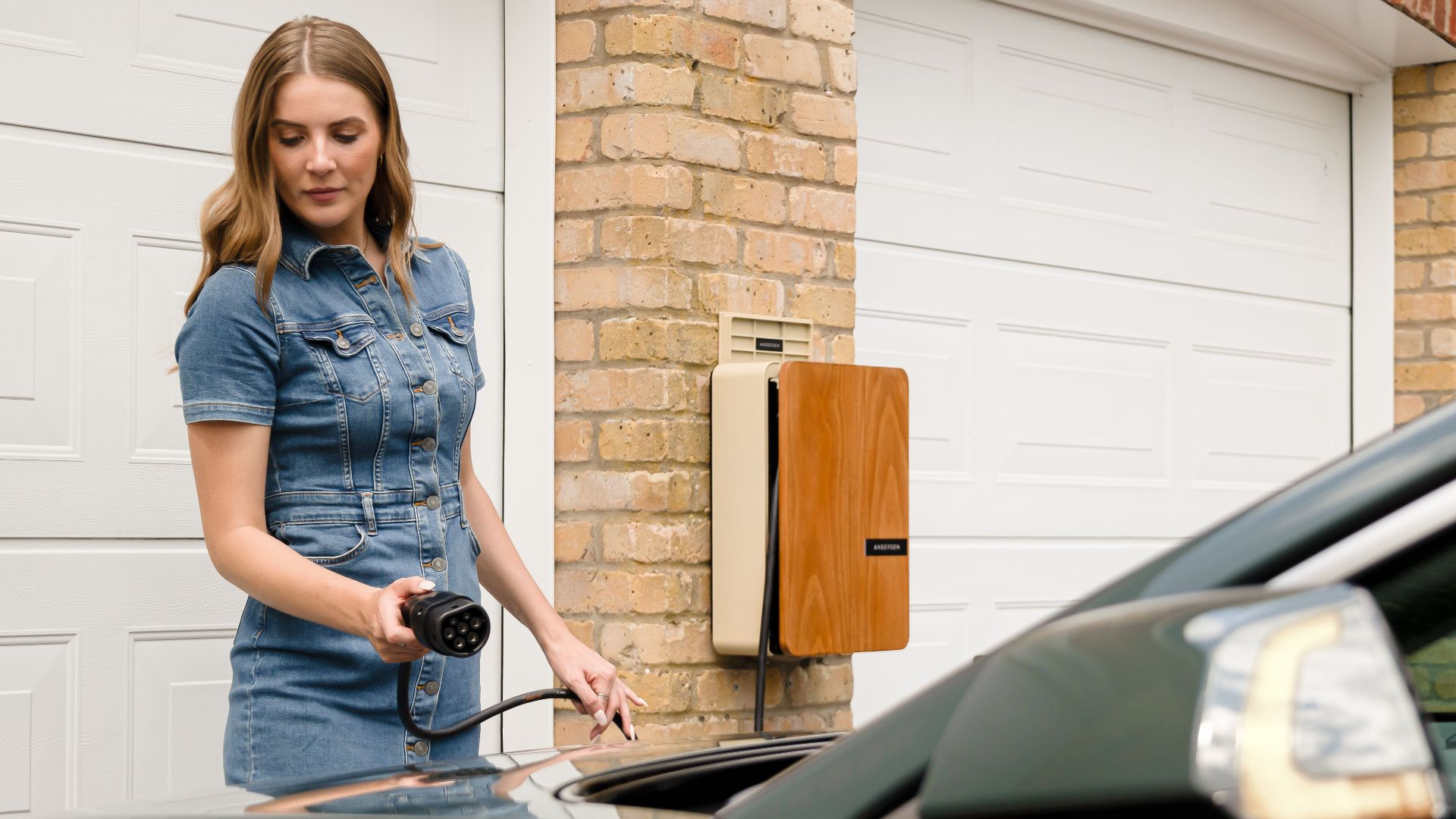
If your daughter's future is likely to include an EV, learning stick is less necessary than it used to be. Most electric vehicles do not use multi-speed manual gearboxes at all. That makes manual driving more of a specialty skill now than a standard one for American drivers.
Modern Safety Tech Also Pushes Buyers Toward Automatics
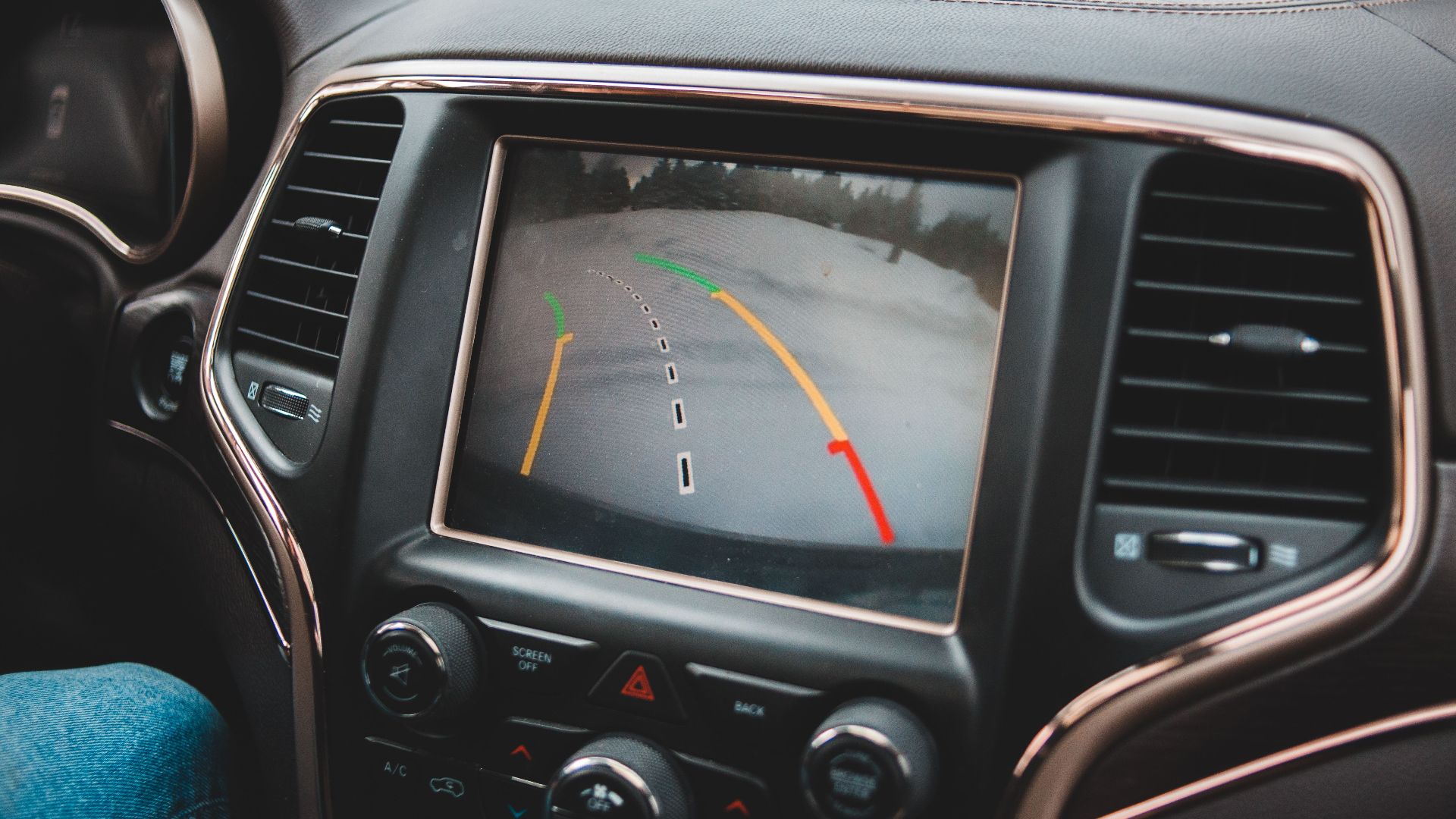
Another reason manuals keep fading is that many modern driver-assistance features work more easily with automatics. Systems like stop-and-go adaptive cruise control are simpler to pair with a car that does not have a clutch pedal. For families shopping for a first car, that convenience can matter more than old-school driving feel.
But Manuals Can Still Be Safe To Learn
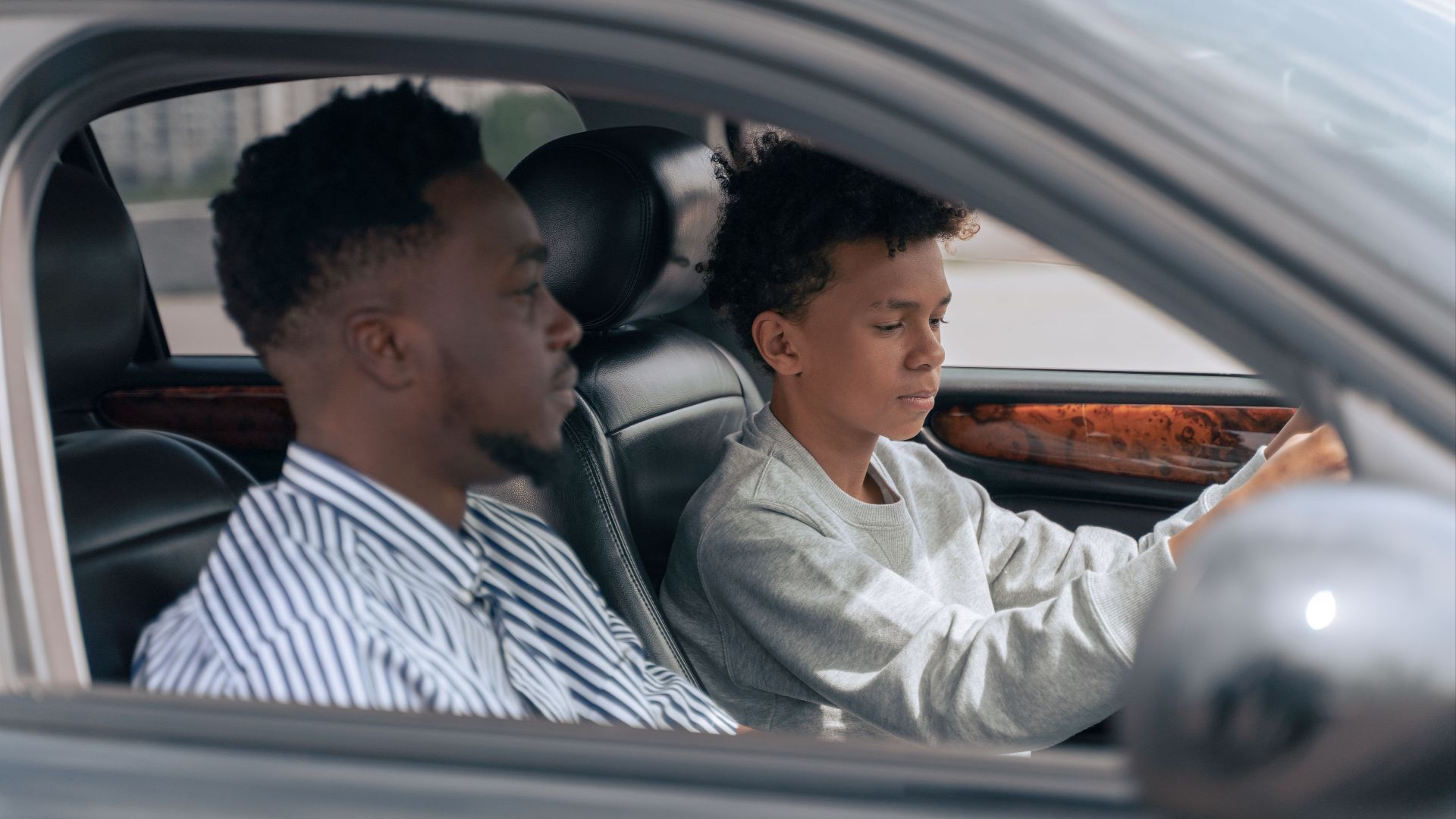
A manual is not automatically unsafe for a new driver if the car is in good shape and the lessons are calm and structured. The main issue is distraction early on, especially on hills, in heavy traffic, or at busy intersections. That is why the best place to start is an empty parking lot, not a packed commute.
The Learning Curve Is Real
Using a clutch smoothly takes practice, and most beginners will stall a few times. That can feel stressful at first, especially for a teen who is already trying to manage traffic, mirrors, and road signs. The good news is that most learners get better quickly once they understand the clutch's bite point, throttle input, and smooth release.

Stalling Is Usually More Embarrassing Than Serious
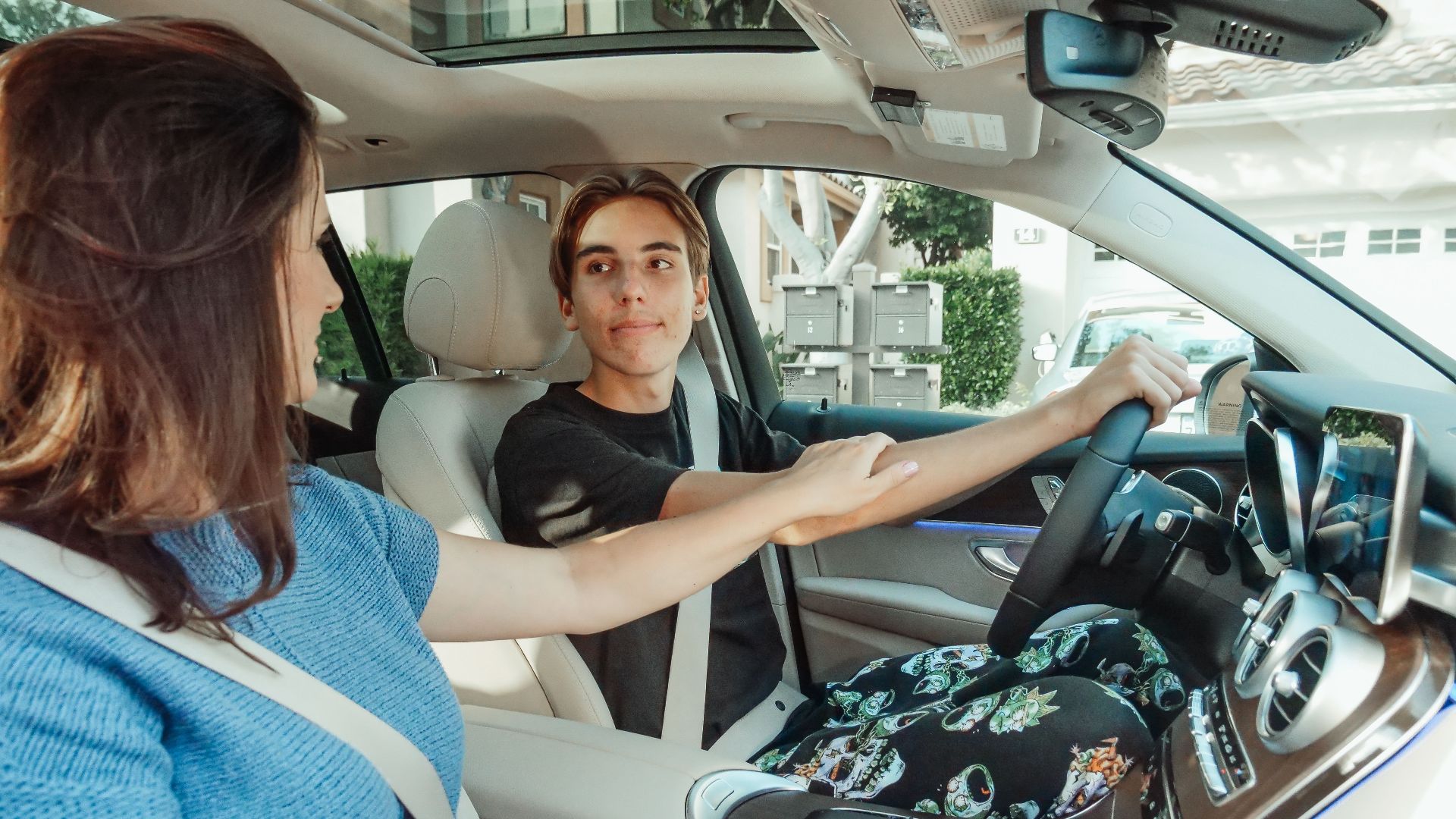
Parents often worry that every stall is damaging the car. In reality, occasional stalls are a normal part of learning and usually do not hurt a healthy vehicle. The bigger concern is avoiding bad habits like riding the clutch or launching at high revs.
Manuals Usually Shrink The Shopping List
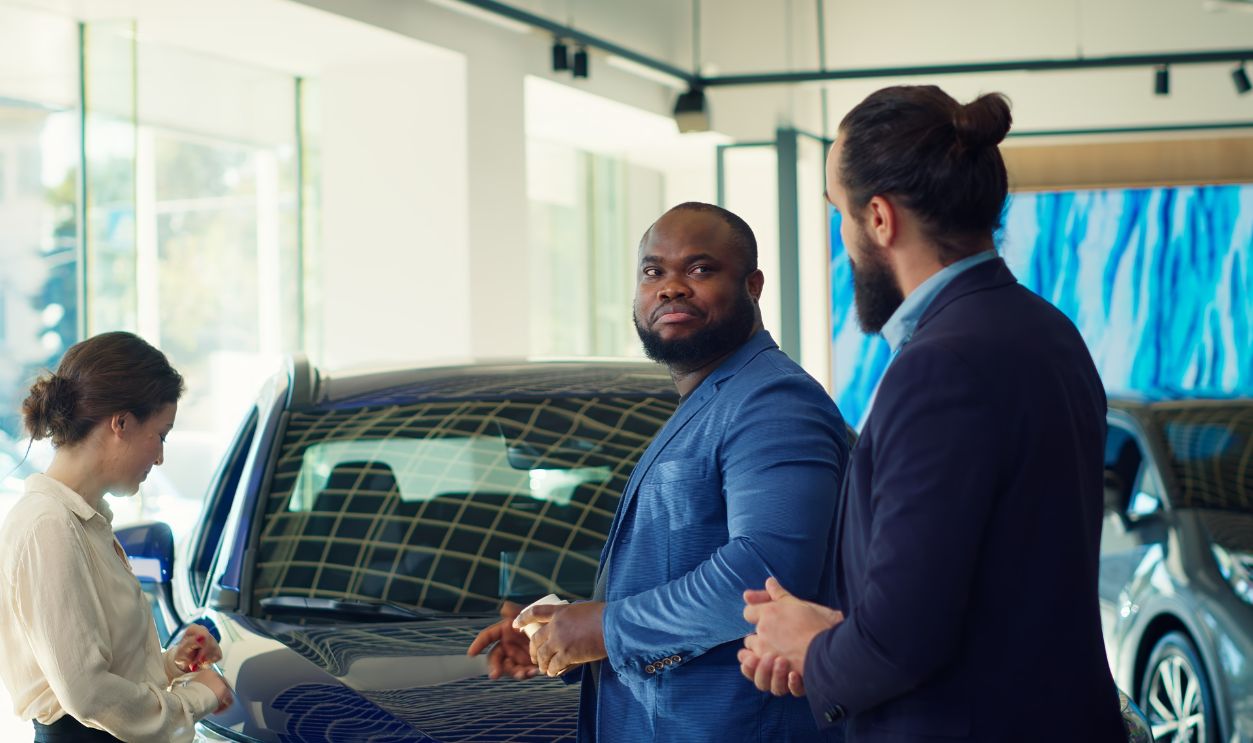
If your daughter insists on a stick, expect fewer choices. Many compact cars, midsize sedans, and crossovers no longer offer one at all, especially as new cars. That can make it harder to find the right mix of price, safety, fuel economy, and insurance costs.
The Used Market Has More Options
Most manual shoppers now end up looking at used cars. That can be a plus because there are still older Hondas, Mazdas, Subarus, Volkswagens, and sports cars with manuals out there. It can also be a problem because some of those cars have been driven hard or modified by previous owners.

A Pre-Purchase Inspection Matters
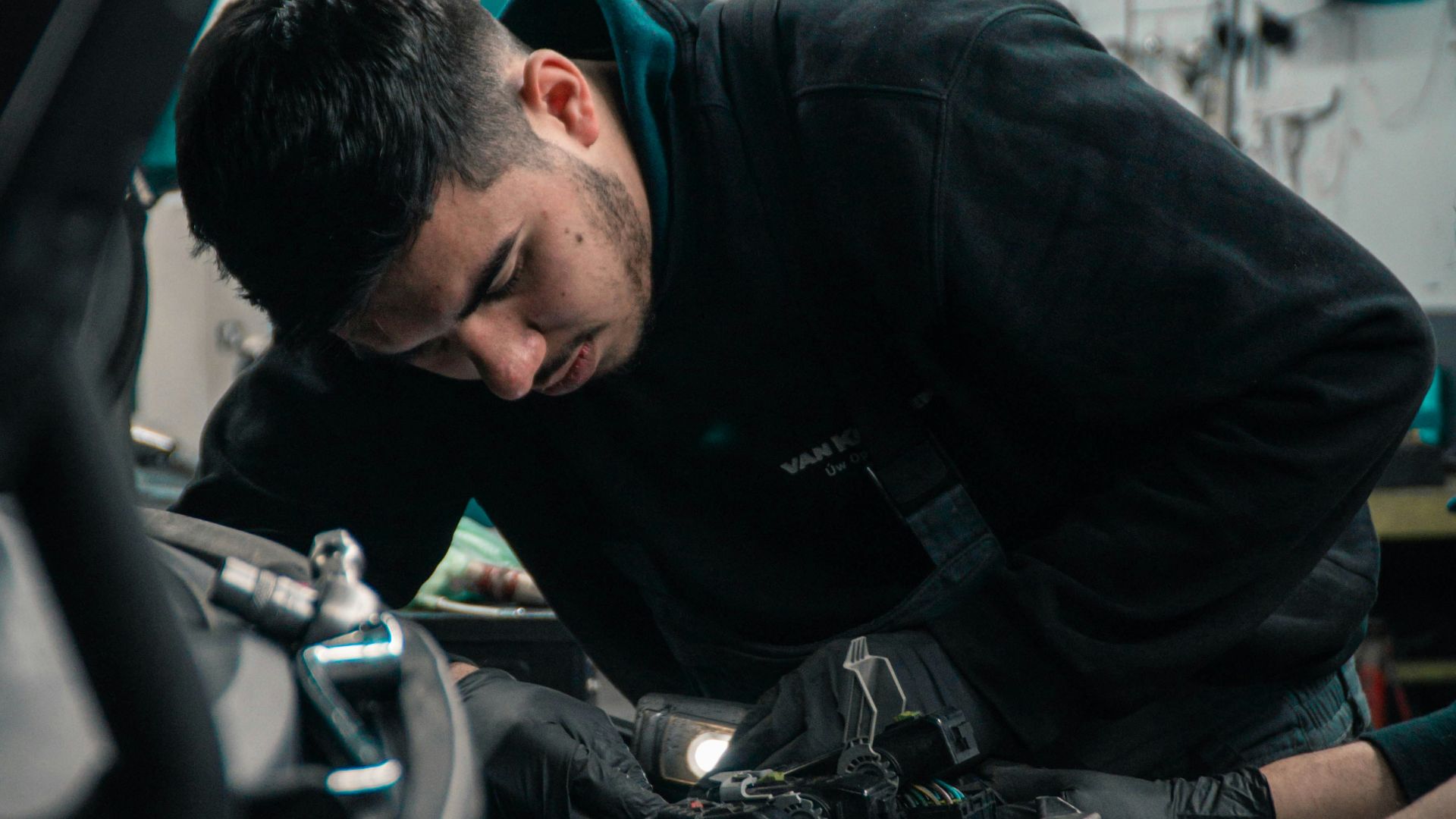
If you buy a used manual for a young driver, get a pre-purchase inspection from an independent mechanic. Have the clutch take-up, synchros, gearbox operation, and any signs of abuse checked closely. A cheap stick-shift car can get expensive fast if it needs a clutch or transmission work right away.
Insurance And Repairs Matter More Than The Gearbox
The transmission should not be the only thing driving the decision. For a teen driver, crash-test results, tire condition, visibility, maintenance history, and insurance rates usually matter more than whether the car has three pedals. Cool is nice, but safe and dependable matters more.
Some Great First Cars Used To Offer Manuals
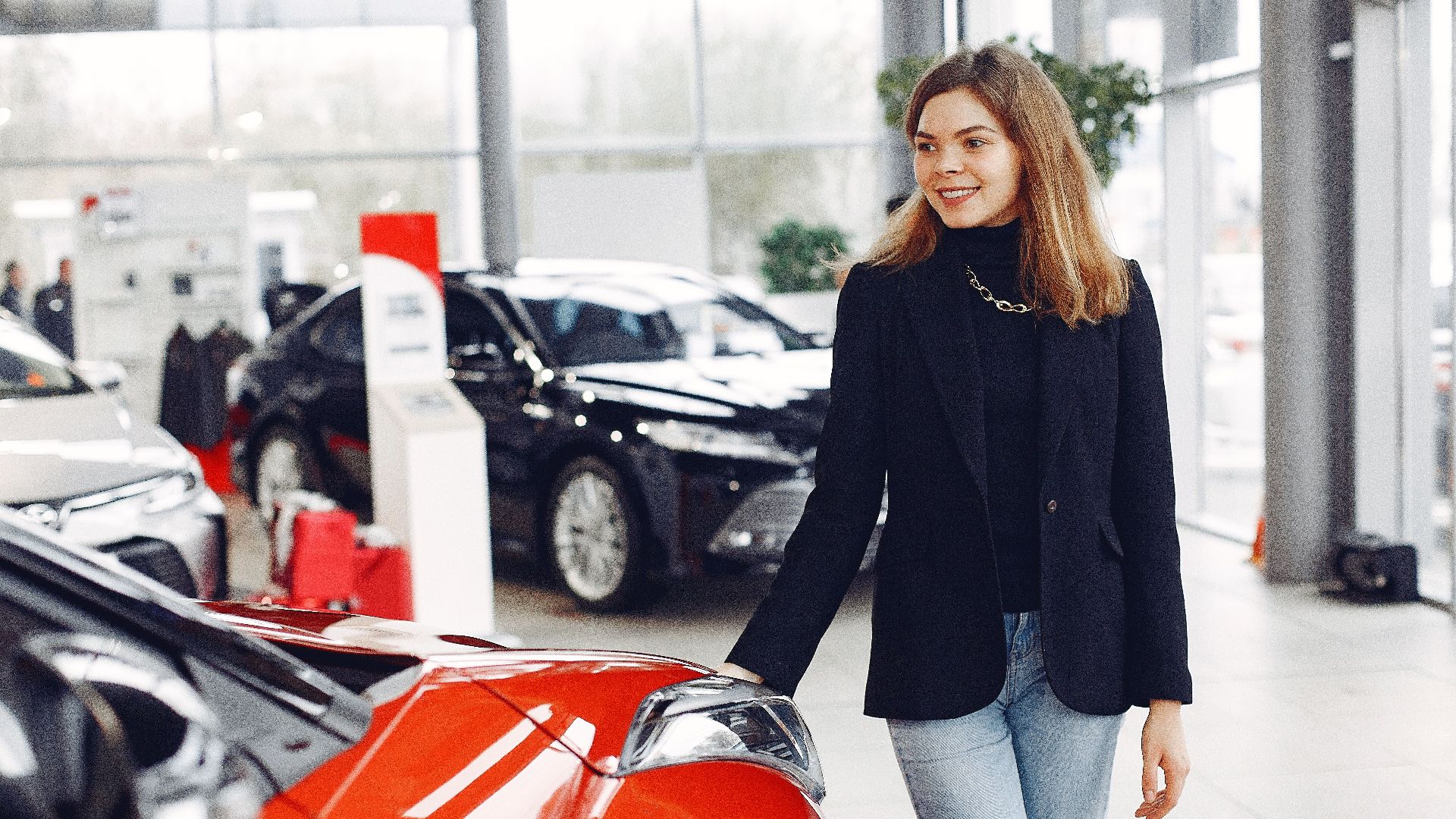
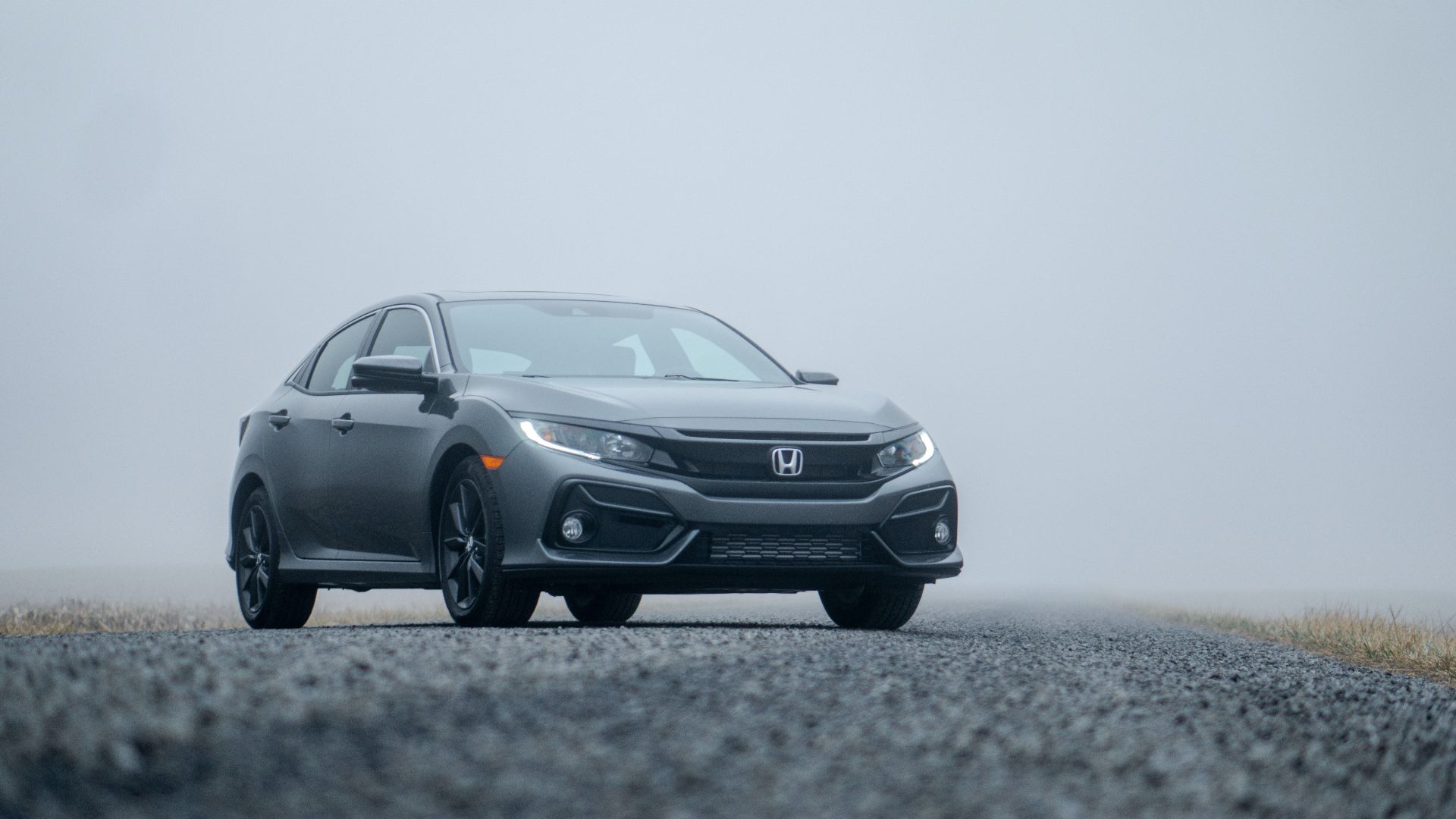
For years, simple stick-shift compact cars were almost a rite of passage. Models like the Honda Civic, Ford Focus, Mazda3, and Volkswagen Jetta helped generations of drivers learn. Today, manuals mostly survive in enthusiast trims, performance cars, and a small number of affordable base models.
Sports Cars Have Kept The Manual Alive
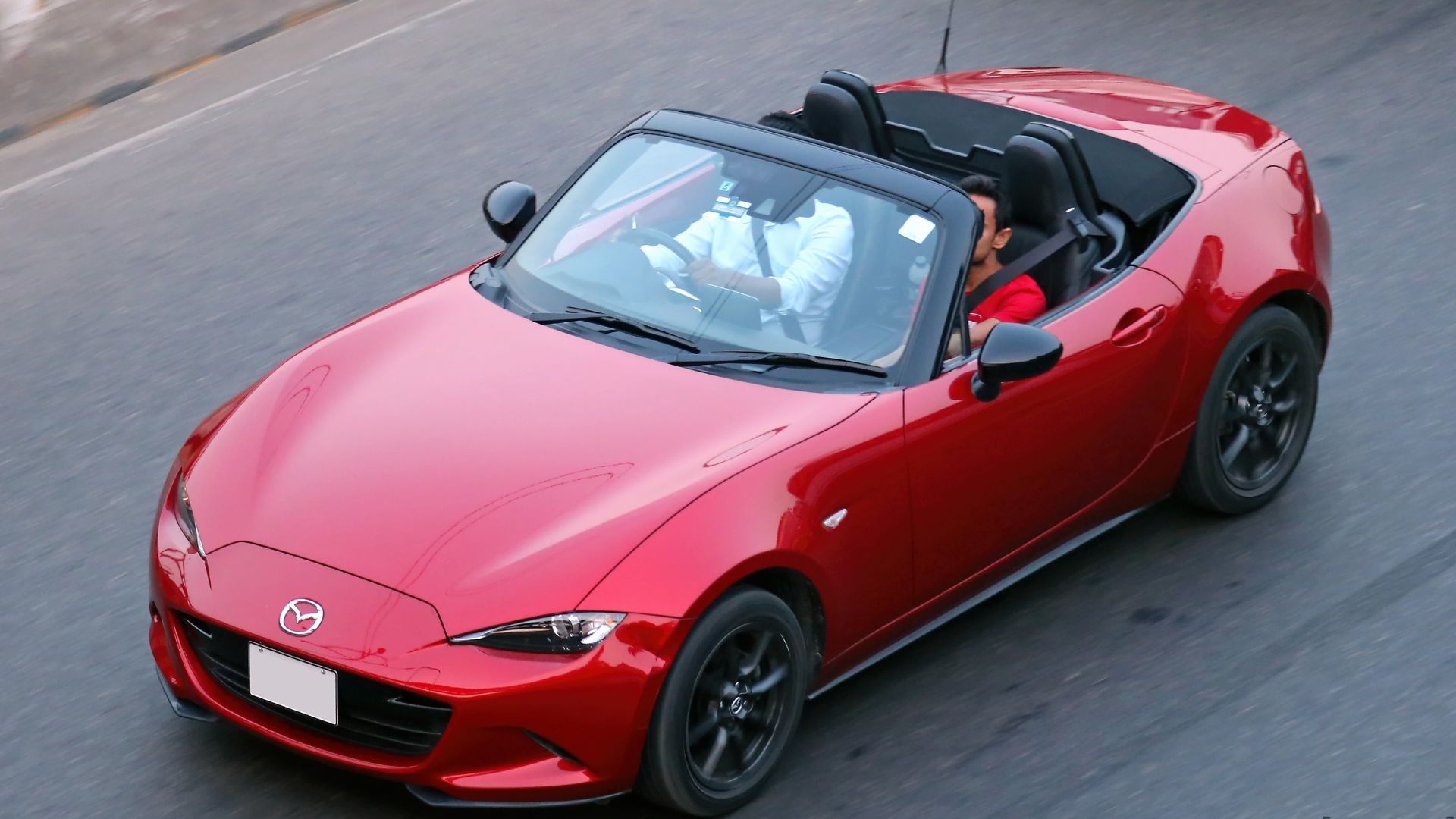
If manuals still have a strong pulse, sports cars are where it shows. The Mazda MX-5 Miata, Ford Mustang, Subaru BRZ, Toyota GR86, Honda Civic Si, and Acura Integra are some of the best-known modern holdouts. Cars like these help explain why stick shifts still look so appealing to young enthusiasts.
 Shadman Samee from Dhaka, Bangladesh, Wikimedia Commons
Some Automakers Have Stuck With It
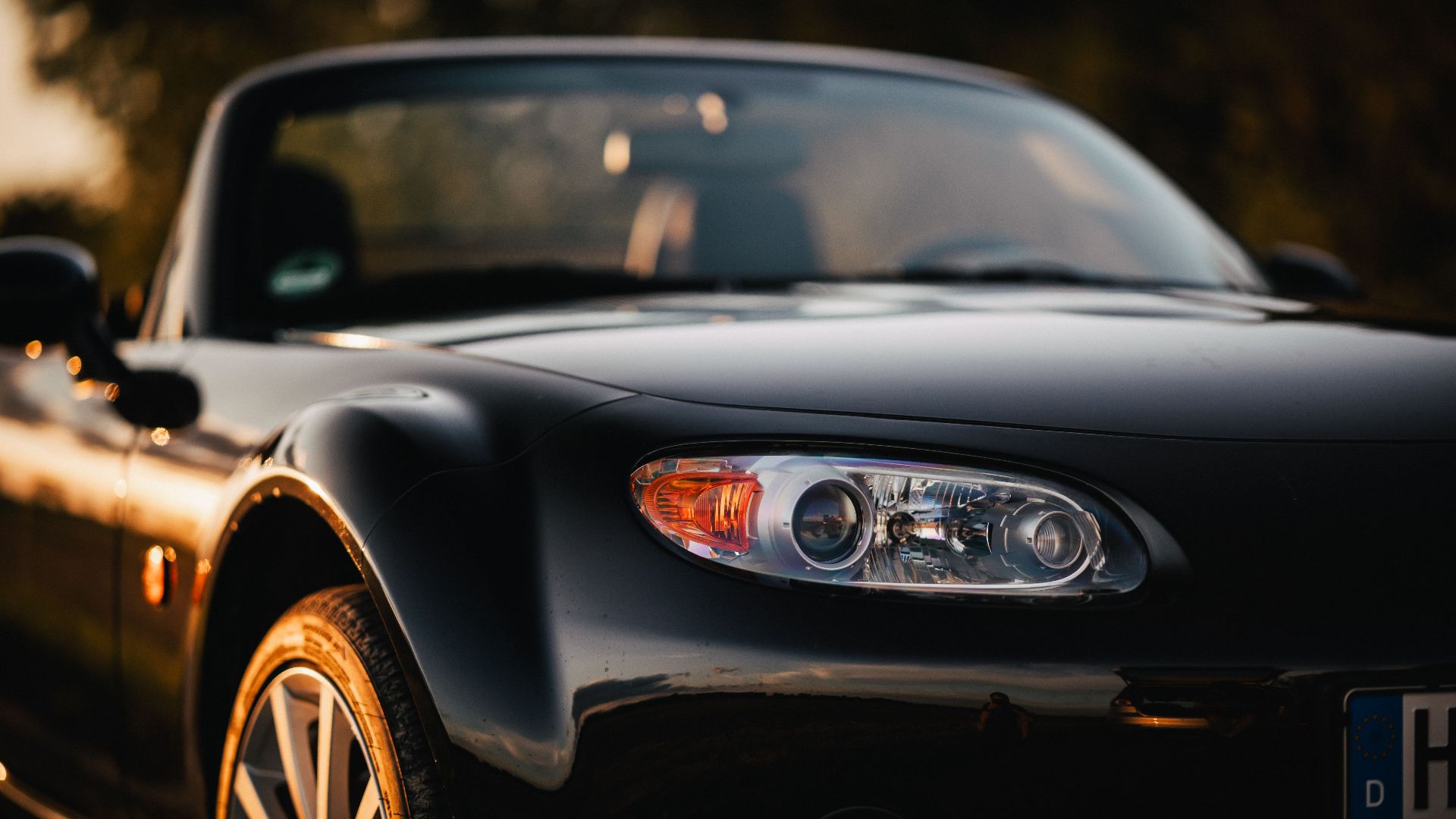
Manuals have survived in part because enthusiasts kept asking for them. Brands like Mazda, Honda, Porsche, and Toyota have continued offering stick shifts in select models even as the wider market moved on. In many cases, those companies openly describe manuals as part of what makes driving feel special.
Fuel Economy Is Not The Advantage It Once Was
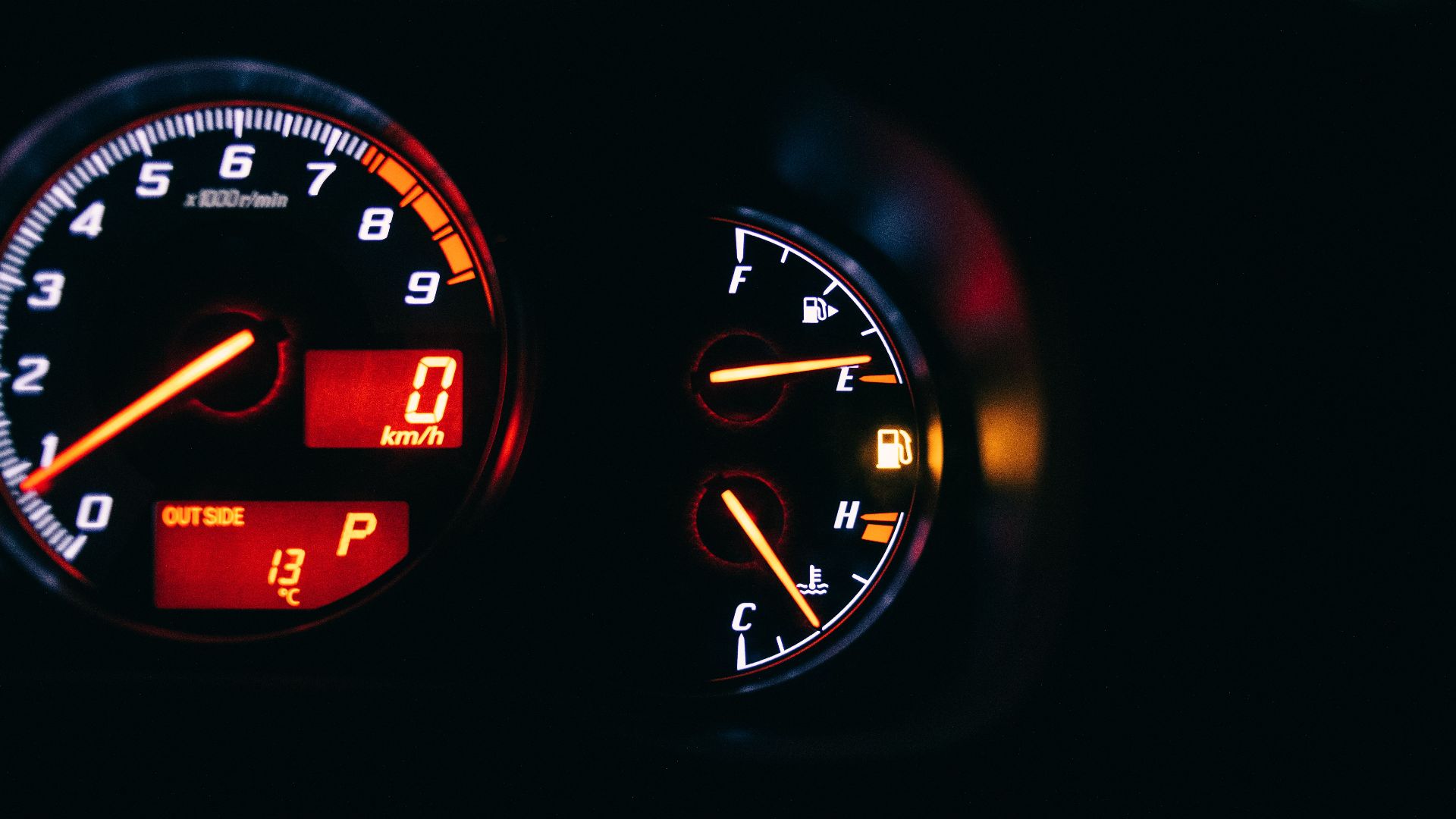
There was a time when manuals often had a clear fuel-economy edge. That gap has mostly disappeared because modern automatics, CVTs, and dual-clutch transmissions are very good at keeping engines in efficient operating ranges. In many current vehicles, the automatic matches or even beats the manual on official mileage ratings.
Resale Can Go Either Way
A manual can be a plus if the car is something enthusiasts want. It can also shrink the pool of future buyers if the vehicle is just a basic commuter. In other words, a stick shift can be easier to sell to the right person and harder to sell to everyone else.

There Is Something To Be Said For Learning A Rare Skill
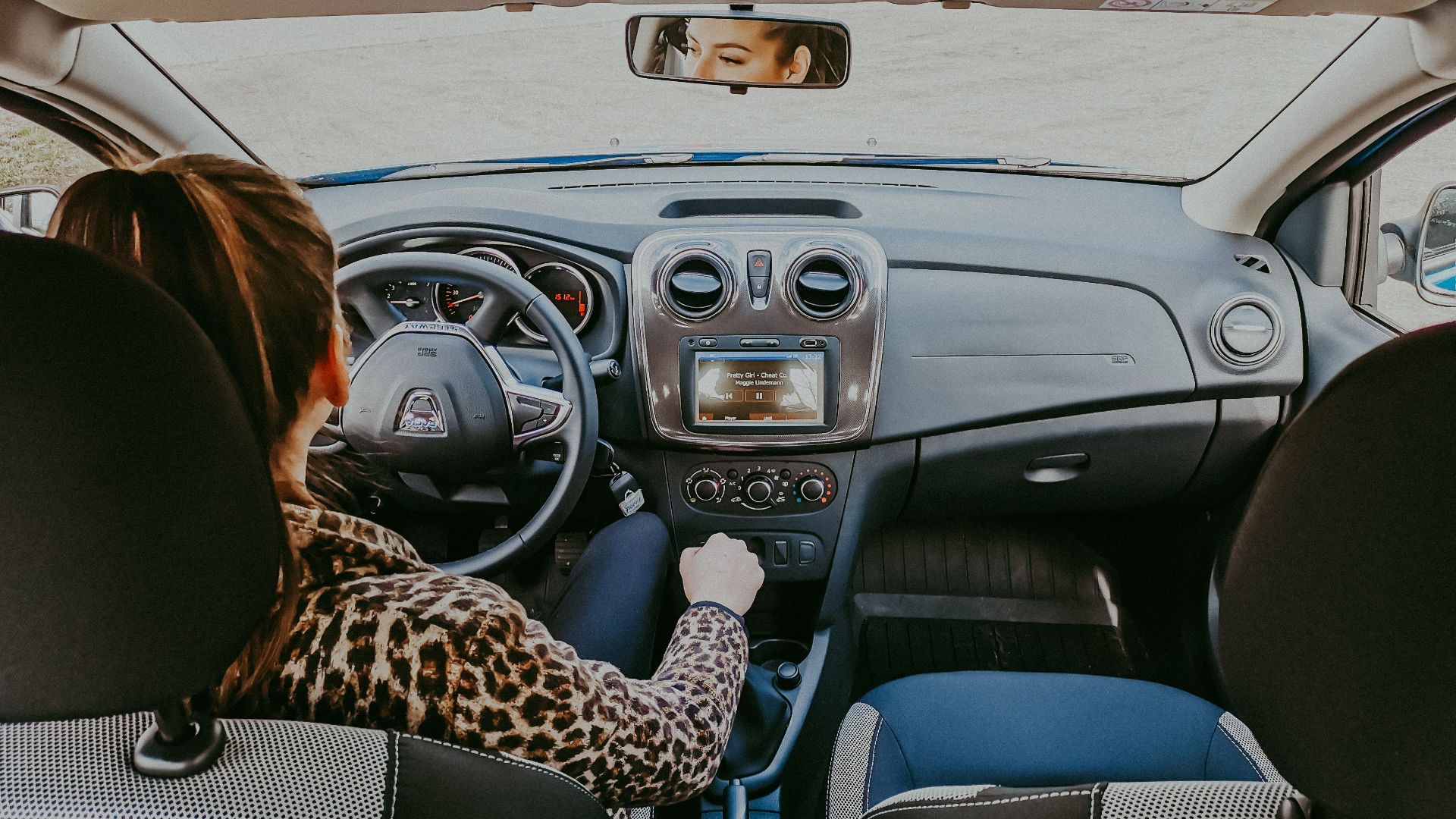
Part of the appeal may have nothing to do with fuel economy or convenience. Learning an uncommon skill can be satisfying, and for many drivers it creates a stronger connection to the machine. If your daughter wants that experience, there is a solid case for letting her try it while manuals are still around.
But There Is No Reason To Force It
If she is truly interested, teaching her can be worthwhile. If she likes the idea more than the reality and hates it after a few lessons, there is no shame in switching to an automatic. Driving confidence matters more than preserving tradition.
The Best Choice Depends On How She Will Actually Drive
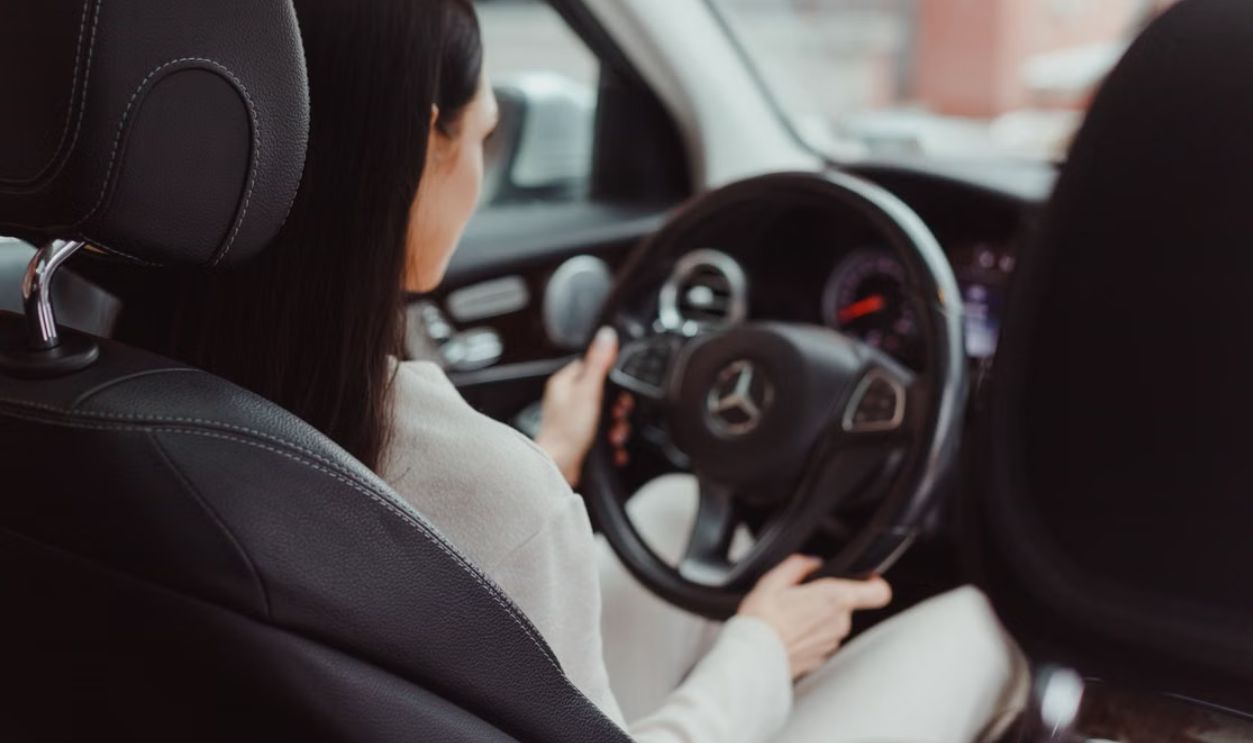
If she will mostly deal with heavy traffic, long commutes, or a shared family crossover, an automatic may be the better daily choice. If she wants a small used car, enjoys cars as a hobby, and is willing to practice, a manual can still make sense. This is less about what is universally worth it and more about what fits her real life.

So Is Learning Stick Still Worth It
Yes, if the goal is skill, involvement, and the simple fun of driving something that asks more of you. No, if the goal is maximum convenience, the widest vehicle choice, and long-term practicality in an era of EVs and advanced automatics. For most families, the middle ground is simple: let her learn stick if she wants to, but pick the actual car based on safety, condition, and total ownership cost.