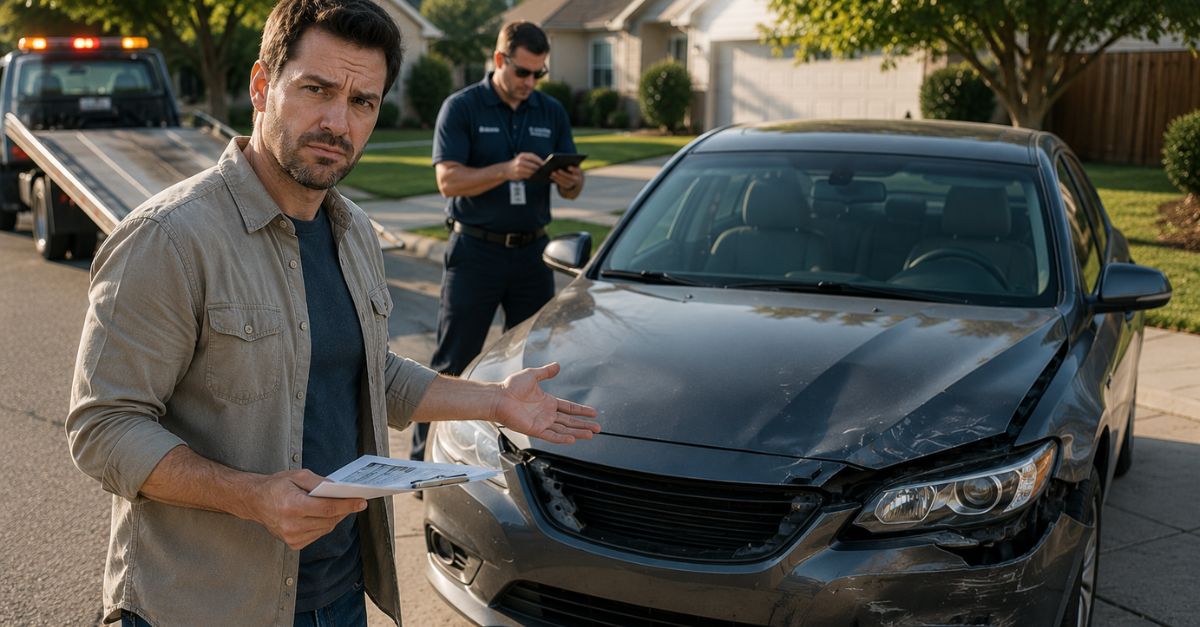
When Cosmetic Damage Somehow Totals A Car
It sounds ridiculous, but you've probably been there yourself at some point. Your car still runs, the damage looks mostly cosmetic, and then the insurer says it is a total loss. But, even if you want to keep your baby, that decision usually comes down to math, not whether the car still drives.
Totaled Does Not Mean Destroyed
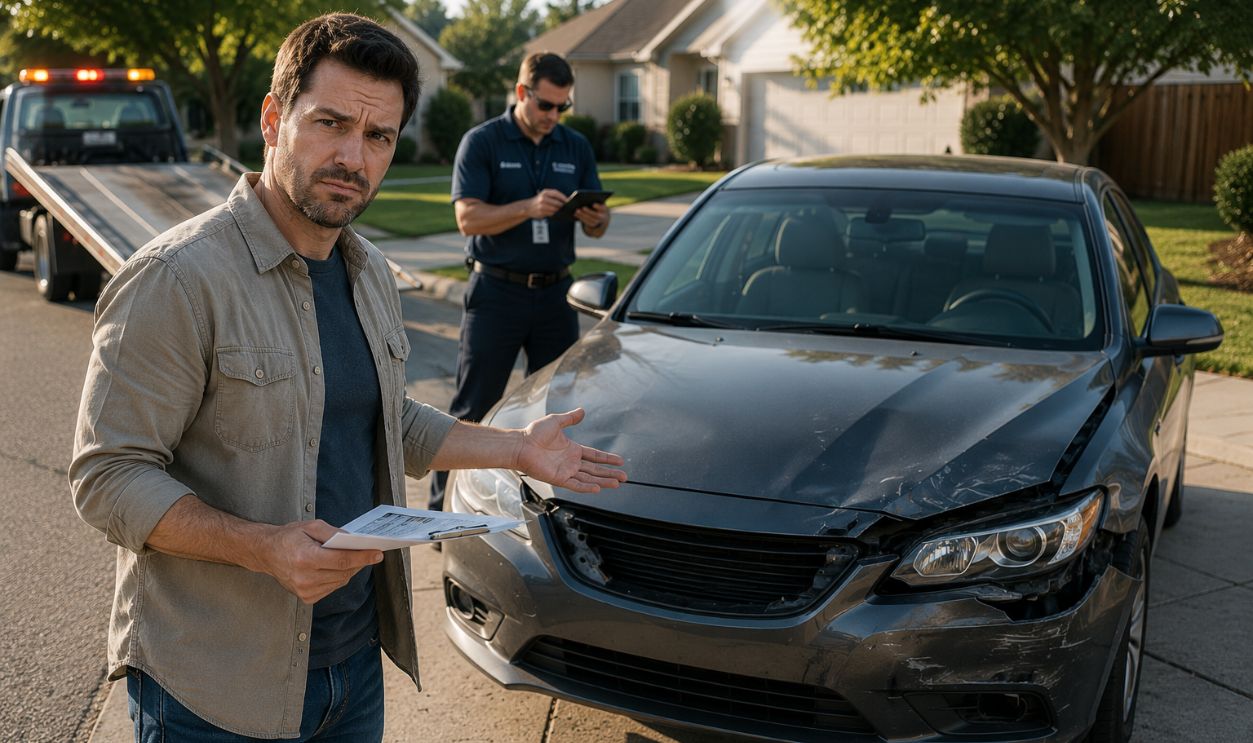
One of the biggest points of confusion is the word “totaled.” In insurance terms, a total loss usually means the car does not make financial sense to repair compared with what it is worth. It does not mean the vehicle is completely wrecked or mechanically dead.
 Shuets Udono, Wikimedia Commons
The Key Number Is Actual Cash Value
Insurers start with actual cash value, often called ACV. That is the car’s market value right before the crash, based on things like age, mileage, condition, features, and local sale prices. If your car is older or has lost a lot of value over time, even fairly minor body damage can push it into total-loss territory fast.

Why A Bumper And Fenders Can Trigger It
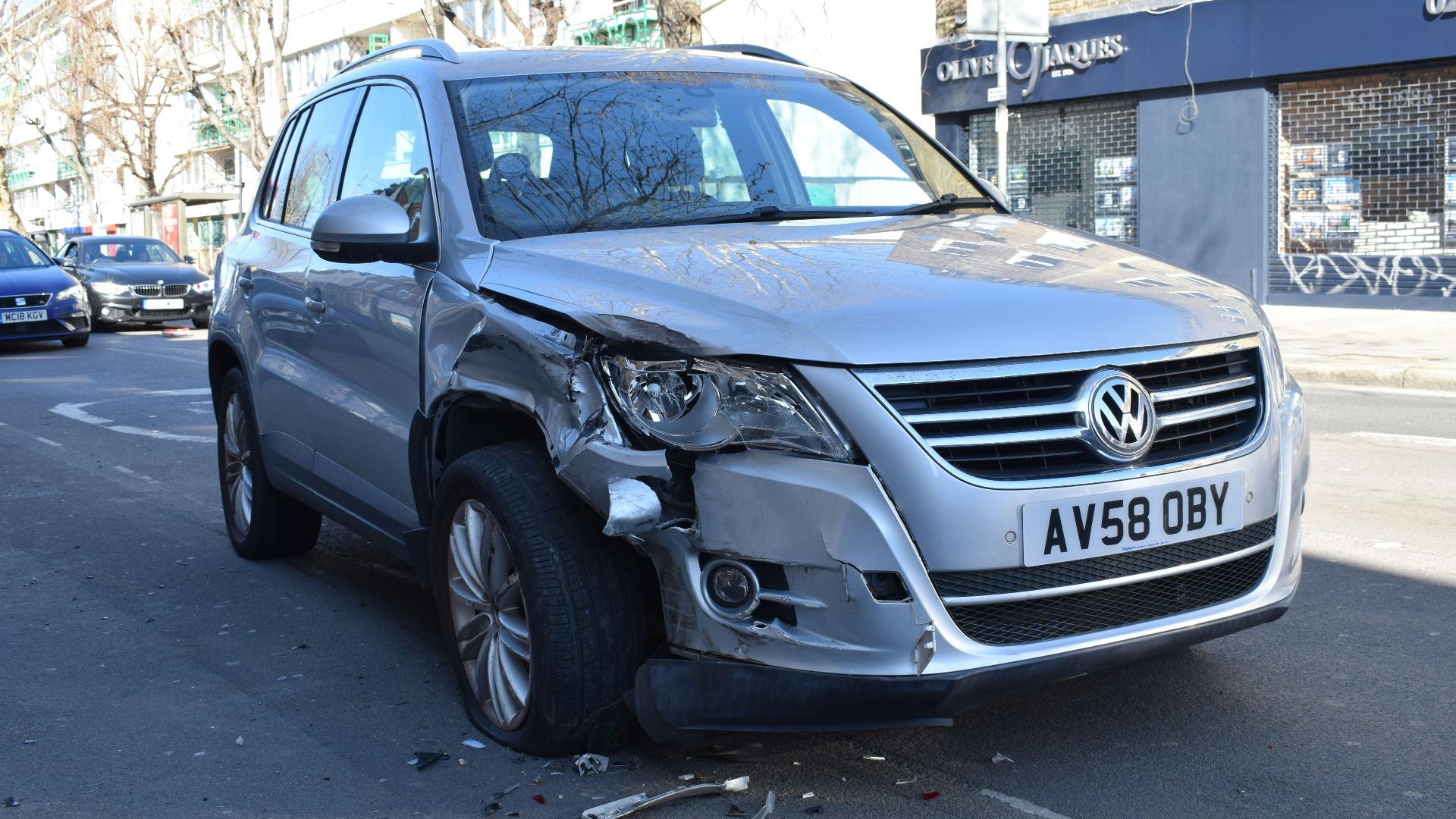
Cosmetic damage is not always cheap damage. A bumper cover, grille, headlight, fender, paint blending, sensor calibration, and hidden hardware can turn a low-speed hit into a big repair bill. What looks like simple body damage in your driveway can cost thousands once a shop writes a full estimate.
Labor Rates Matter More Than Most Drivers Realize
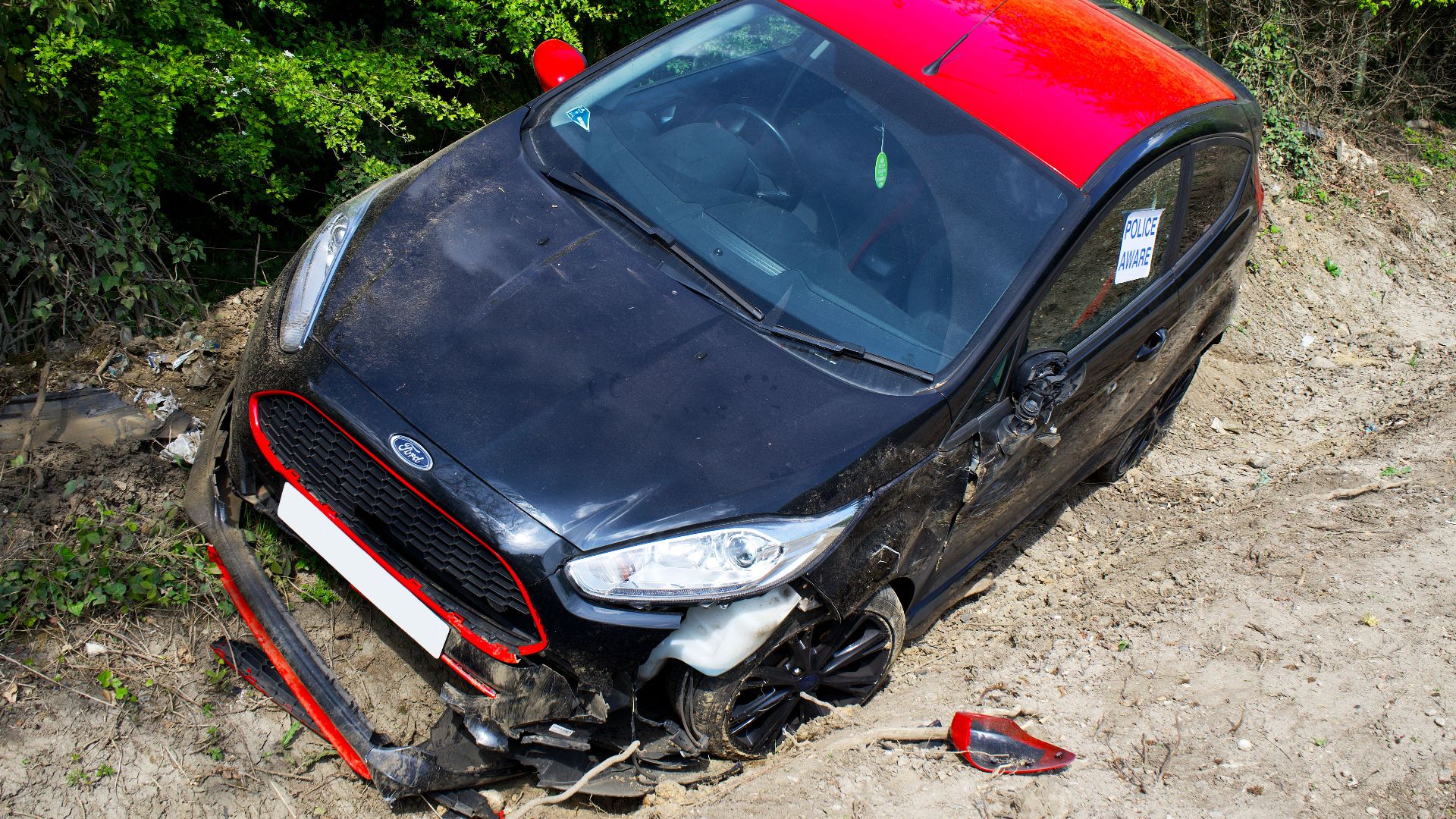
Labor costs can swing the whole decision. Body and paint rates vary a lot by region, and so do parts prices and shop delays. A repair that might have made sense a few years ago may not pencil out today because labor, materials, and calibration work cost so much more.
States Have Rules That Can Force The Issue
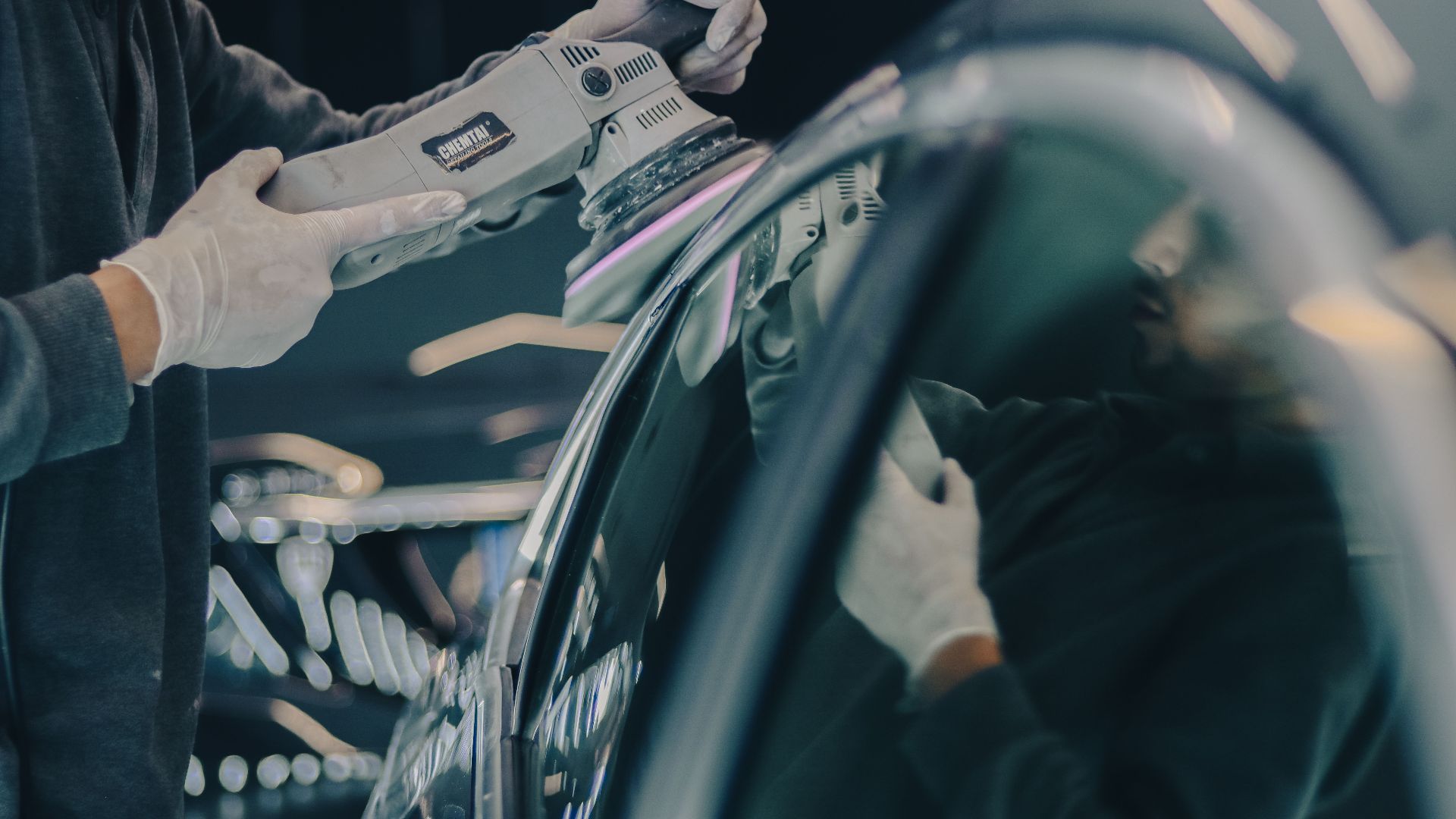
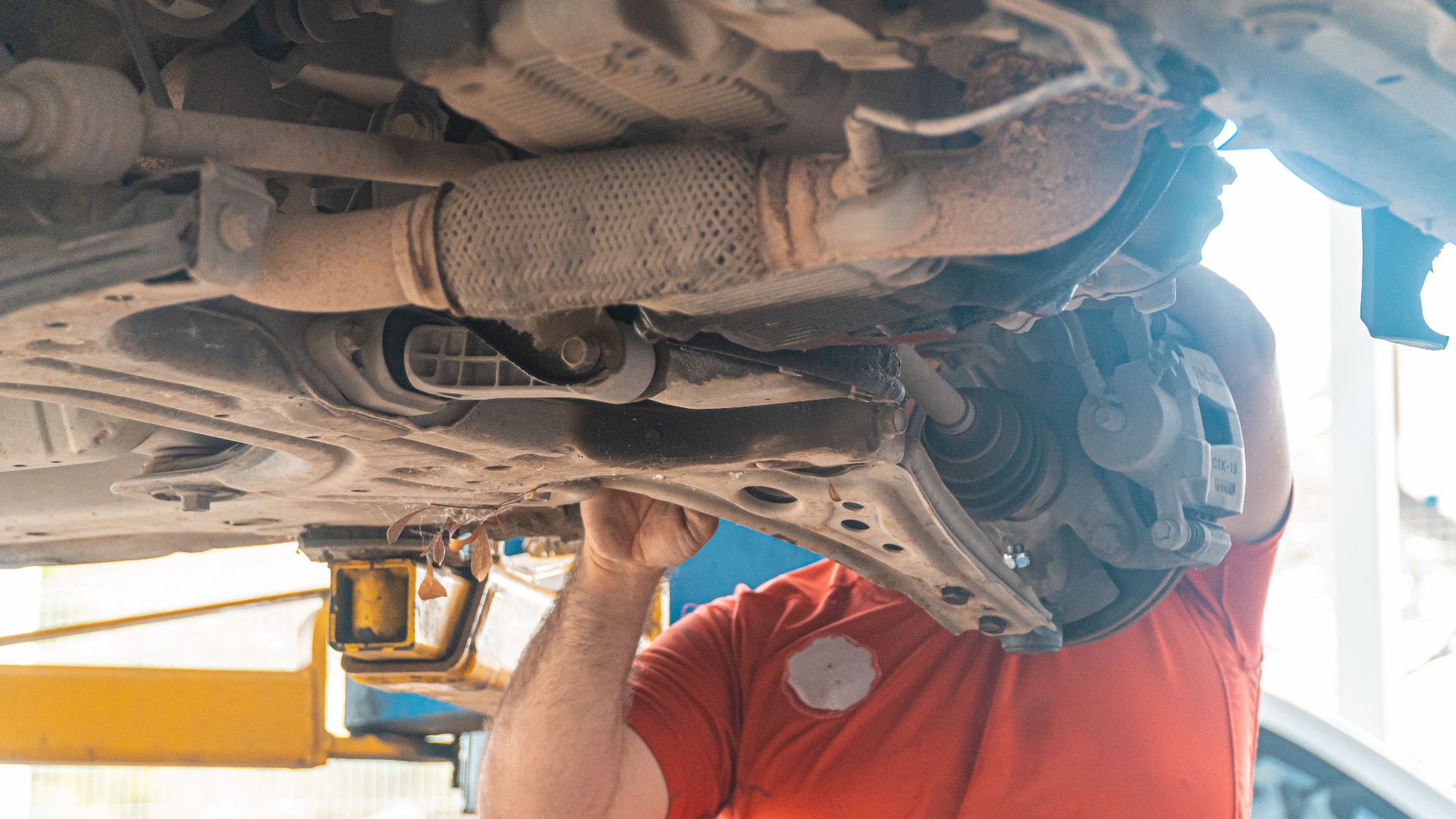
In many states, insurers do not get to make the call however they want. State laws set thresholds that can require a total loss once repair costs hit a certain percentage of the car’s value. Those rules vary a lot depending on where the vehicle is titled and insured.
 Jose Ricardo Barraza Morachis, Pexels
Some States Use A Straight Percentage
Some states use a simple percentage threshold, such as 75 percent or 80 percent of the vehicle’s pre-loss value. Texas, by contrast, uses a total loss formula instead of a fixed percentage. That means the same cosmetic damage could lead to different results in different states.

The Total Loss Formula Changes The Calculation
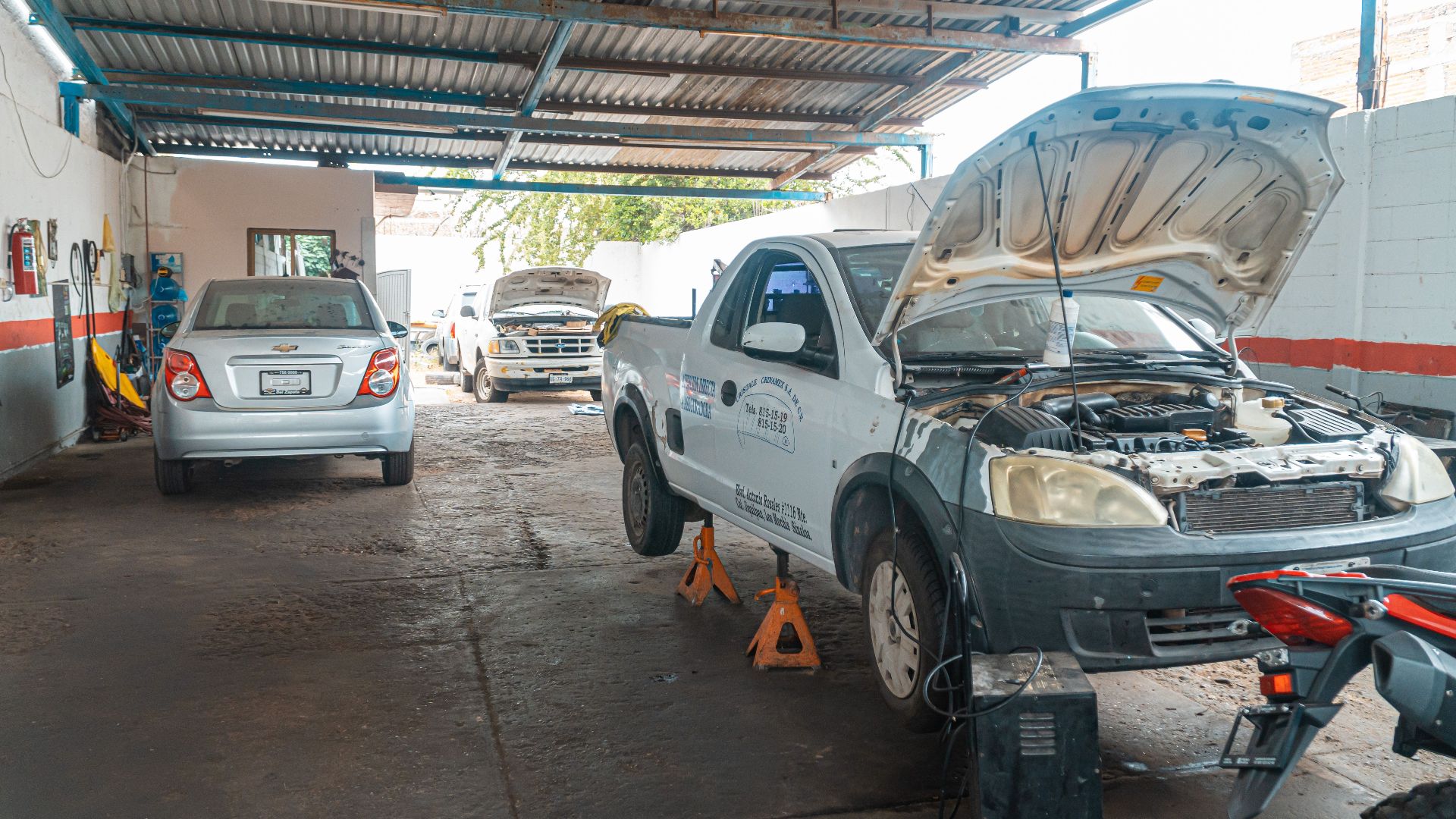
Many states and insurers use a formula that compares repair cost plus salvage value against actual cash value. If the repair cost plus what the damaged car could bring at salvage equals or exceeds the ACV, the vehicle may be totaled. From the insurer’s side, that is a straightforward financial calculation, even if it feels absurd to the owner.
 Jose Ricardo Barraza Morachis, Pexels
Salvage Value Is Part Of The Story
Salvage value is what the damaged car could sell for at a salvage auction or to a parts buyer. That matters because it changes the insurer’s math. If your car still has valuable parts or strong auction demand, the insurer may be more likely to total it.
Hidden Damage Can Turn Cosmetic Into Costly
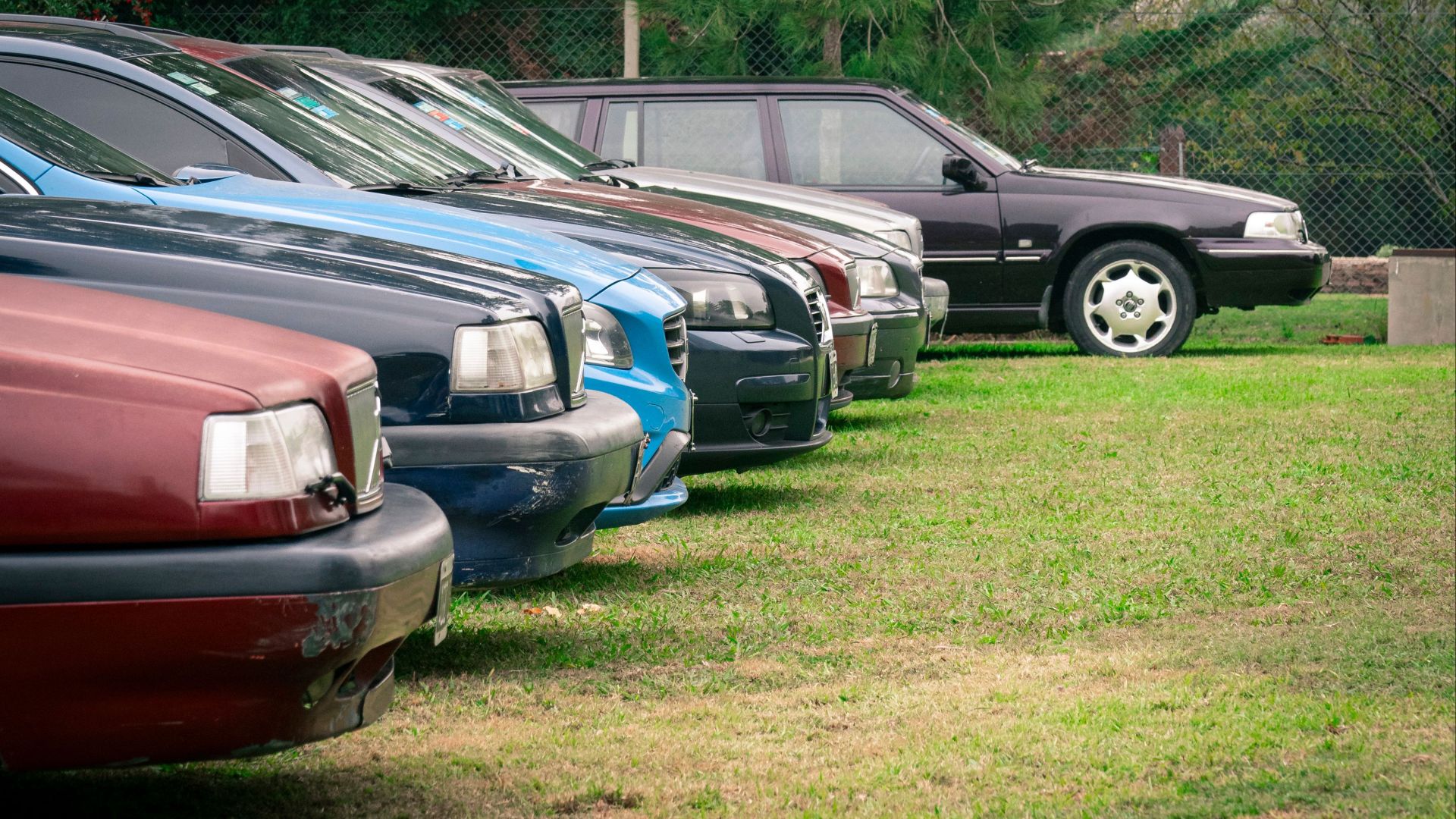
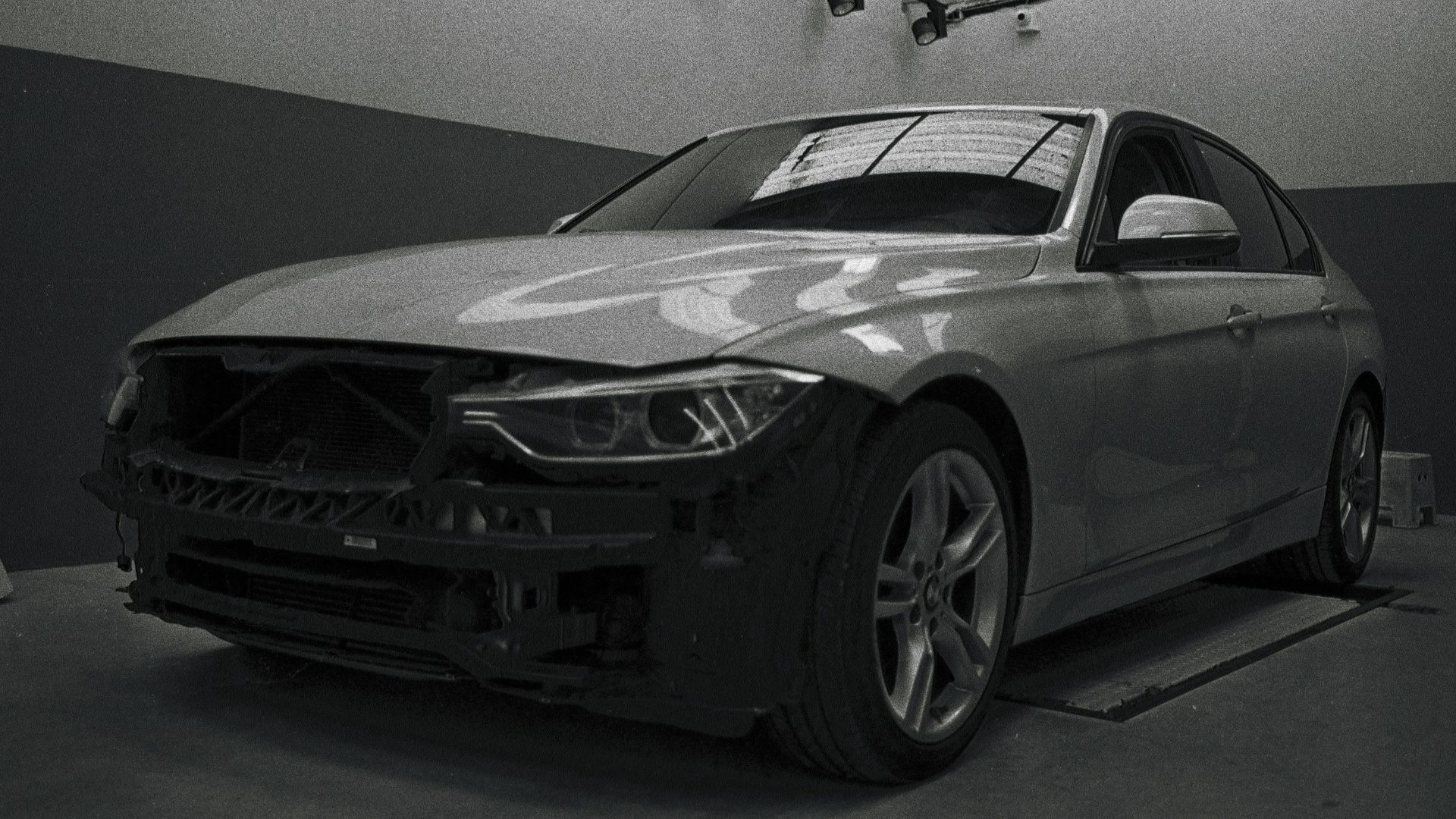
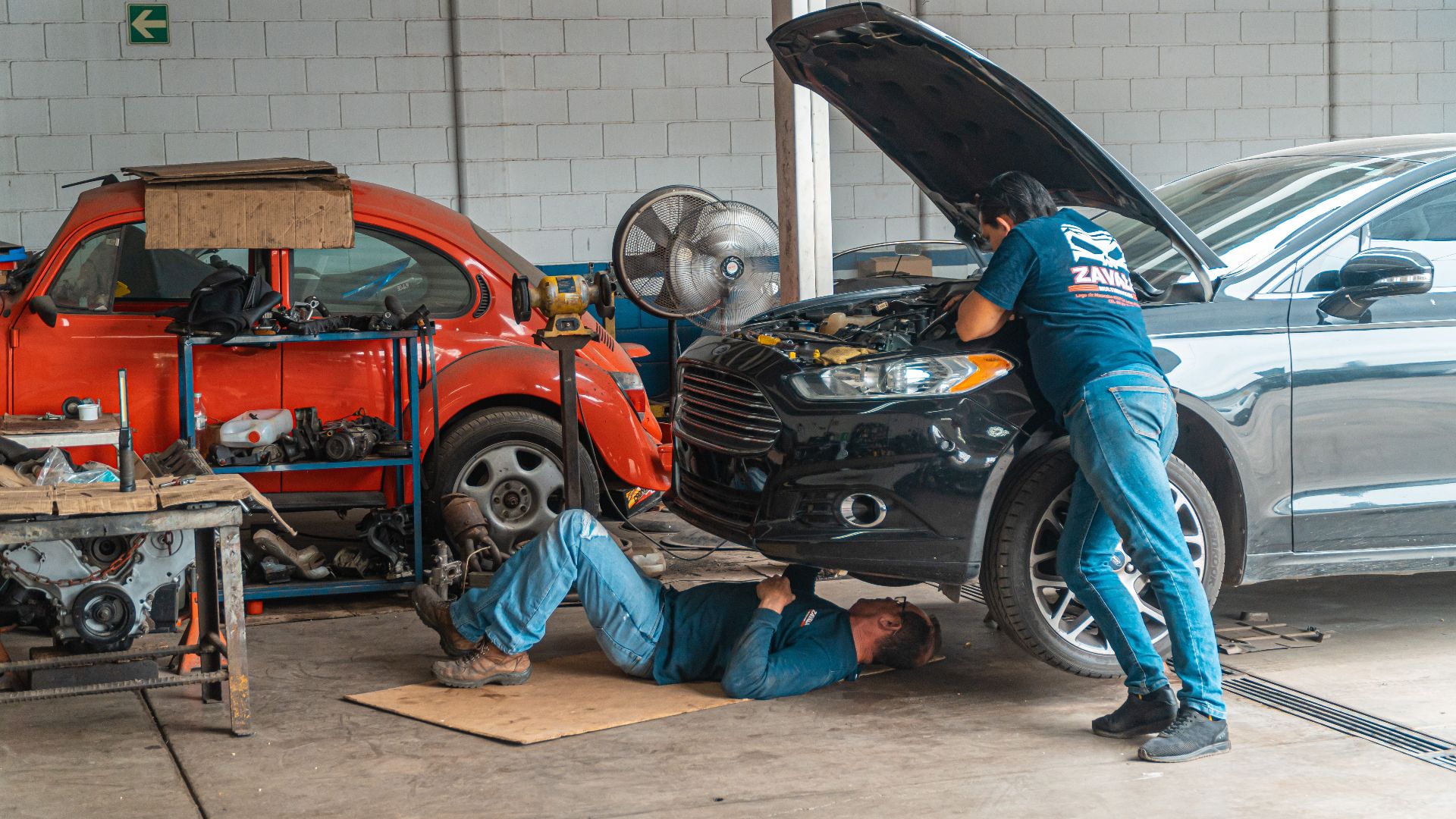
What starts out looking cosmetic often gets more expensive once the car is taken apart. A cracked bumper can hide broken brackets, bent supports, damaged sensors, or wiring problems. Shops and insurers know estimates often grow after teardown, so that risk is part of the picture too.
Advanced Driver Aids Raise Repair Bills
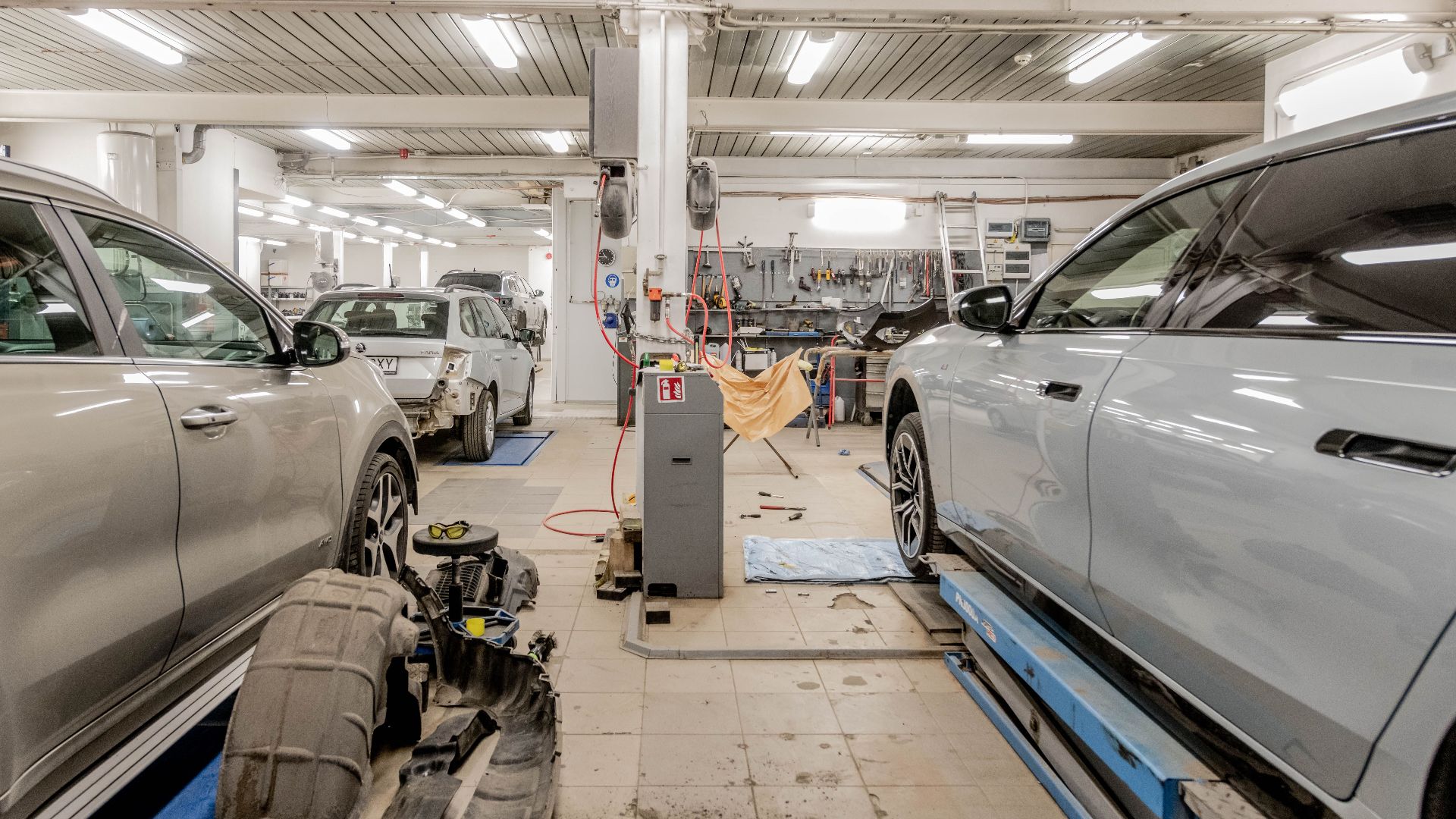
Many newer cars hide expensive tech behind ordinary exterior panels. A front bumper may contain radar units, parking sensors, cameras, and other gear that needs recalibration after replacement. That can make even a low-speed crash much more expensive than it looks.
Paint Work Is More Expensive Than It Looks
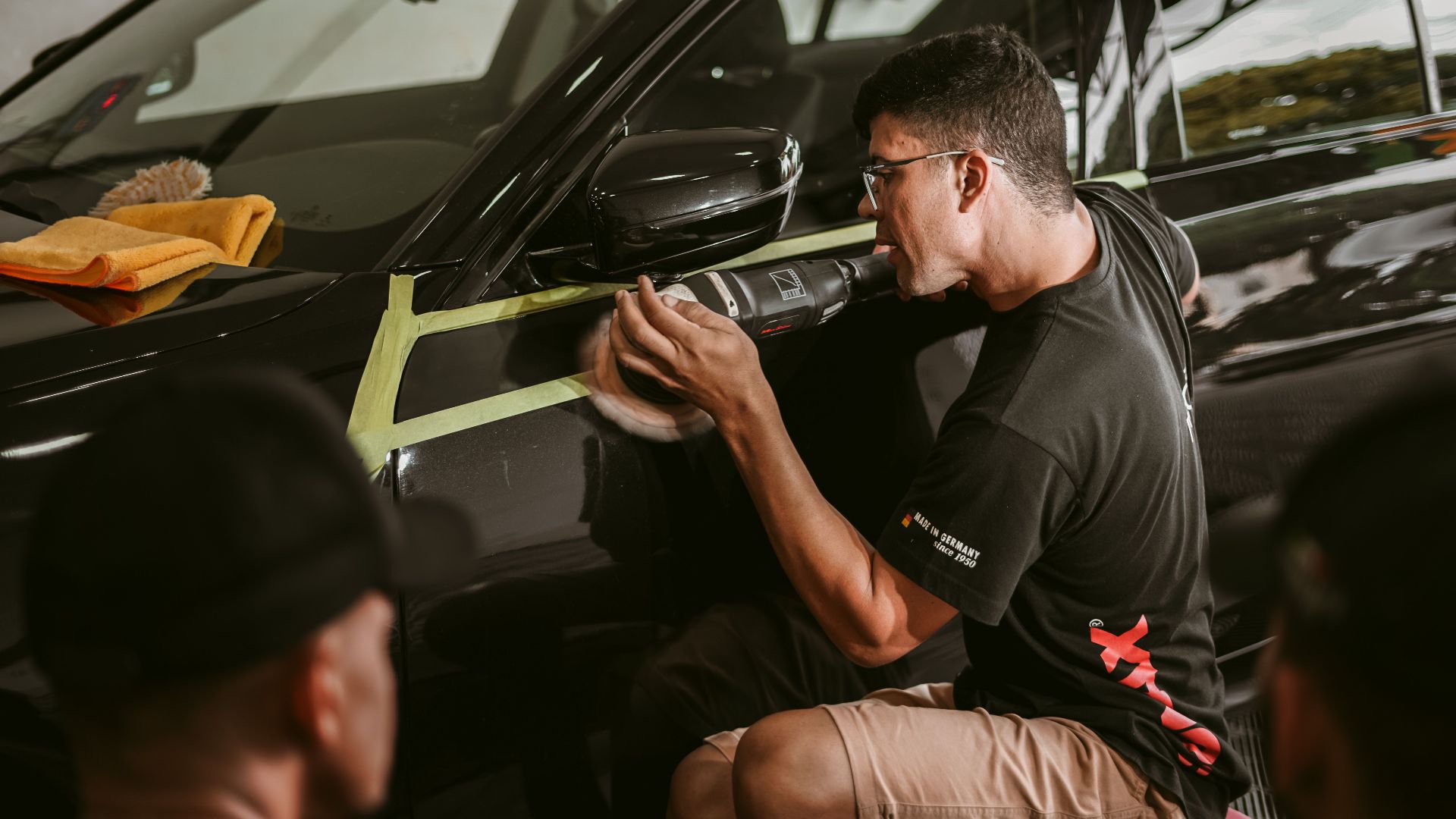
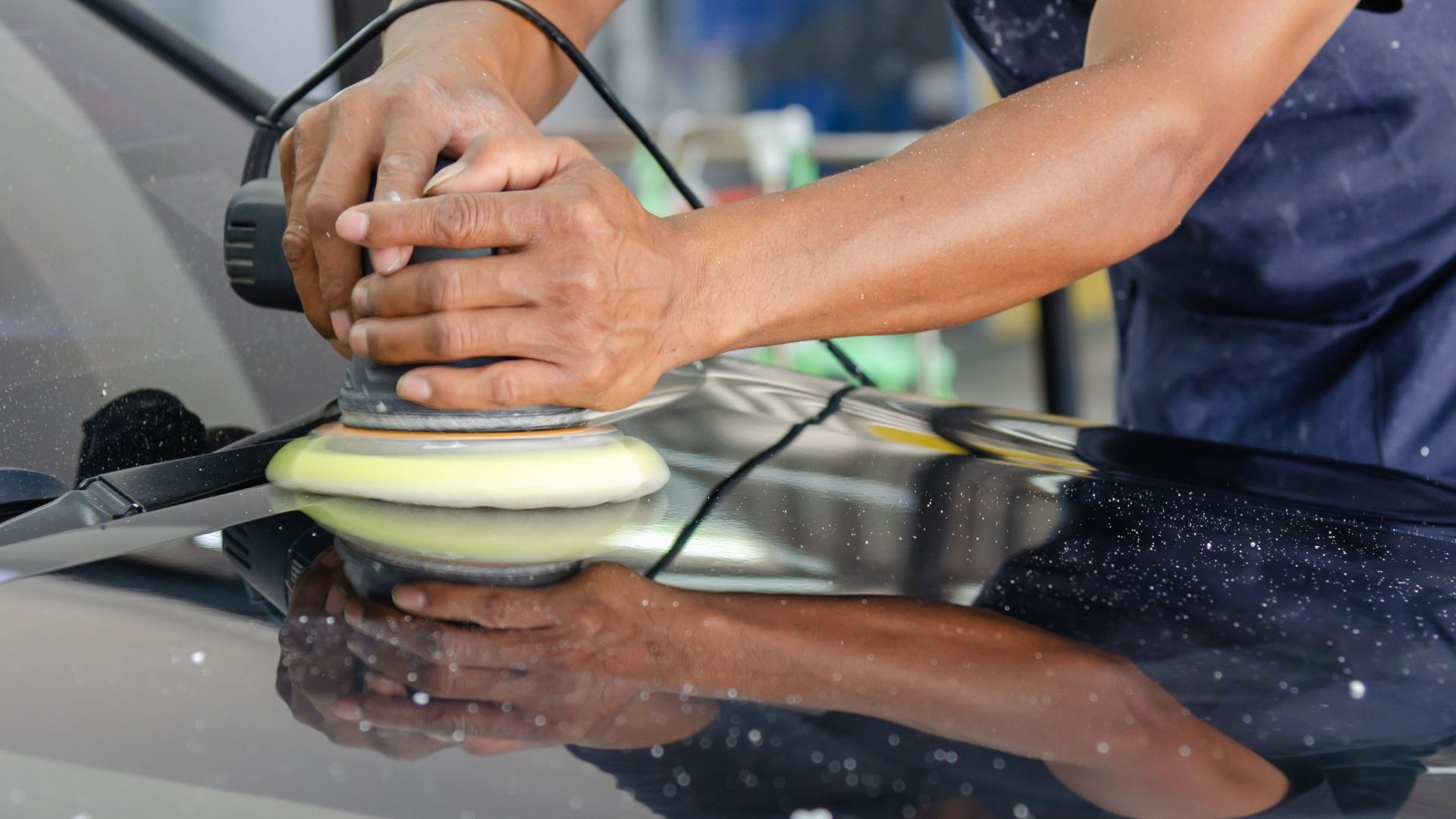
Paint work adds up fast. Matching modern finishes can mean blending nearby panels, extra prep work, specialty materials, and curing time. If the car has a metallic or tri-coat finish, the bill can climb quickly even if the metal underneath is not badly damaged.
Older Cars Are Especially Vulnerable
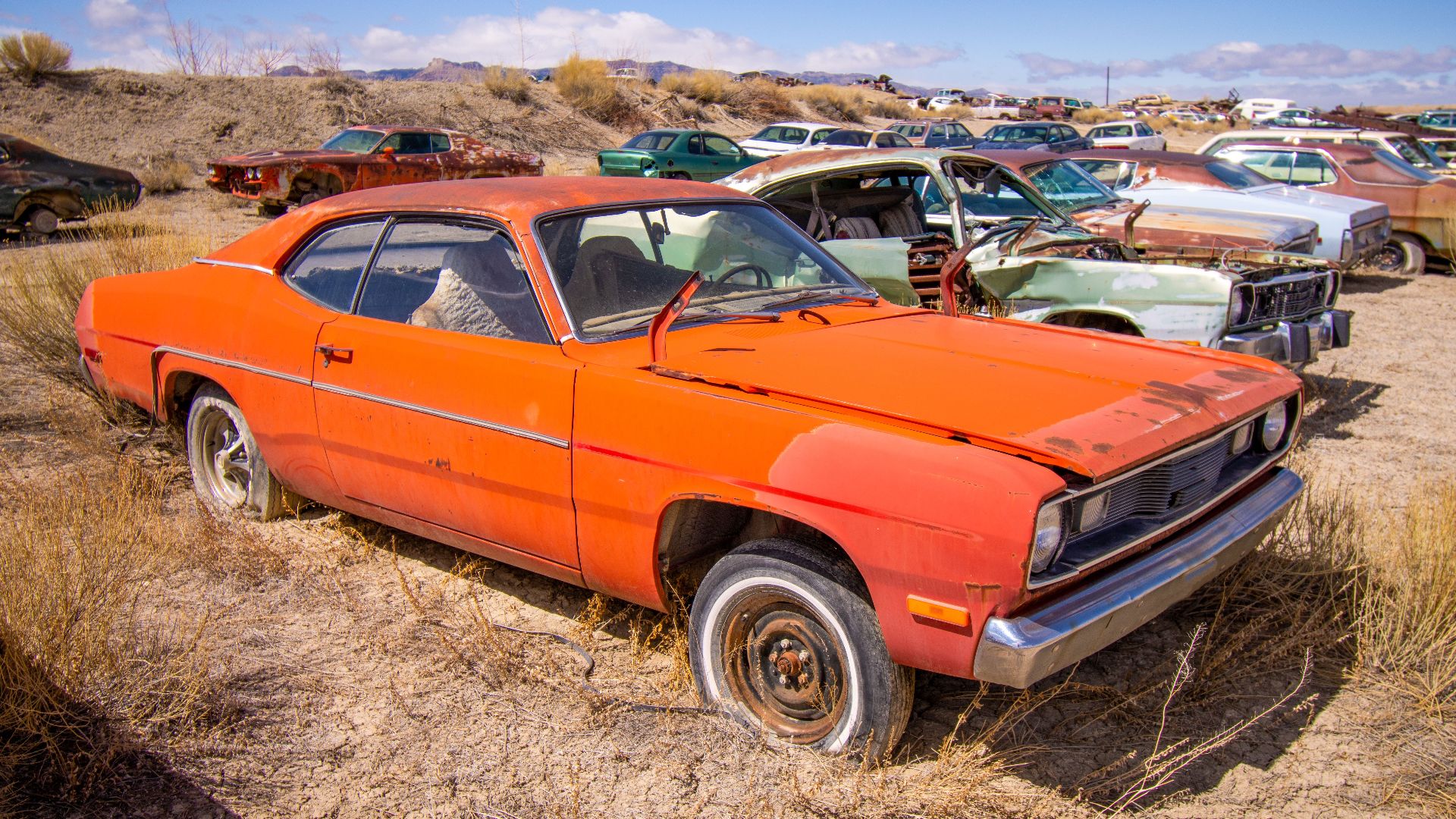
This is where many drivers get blindsided. A $5,000 repair bill may not sound impossible until you remember the car may only be worth $6,000 or $7,000. Once the repair cost gets close to the vehicle’s cash value, a total loss becomes much more likely.

A Clean Driving Car Can Still Be A Total Loss
Whether the car still runs is often beside the point. Insurance is about restoring the vehicle economically to its pre-loss condition, not just keeping it drivable. A car with dents, scrapes, deployed airbags, or costly exterior parts can be declared a total loss even if it still drives.
Who Decides And When It Happens
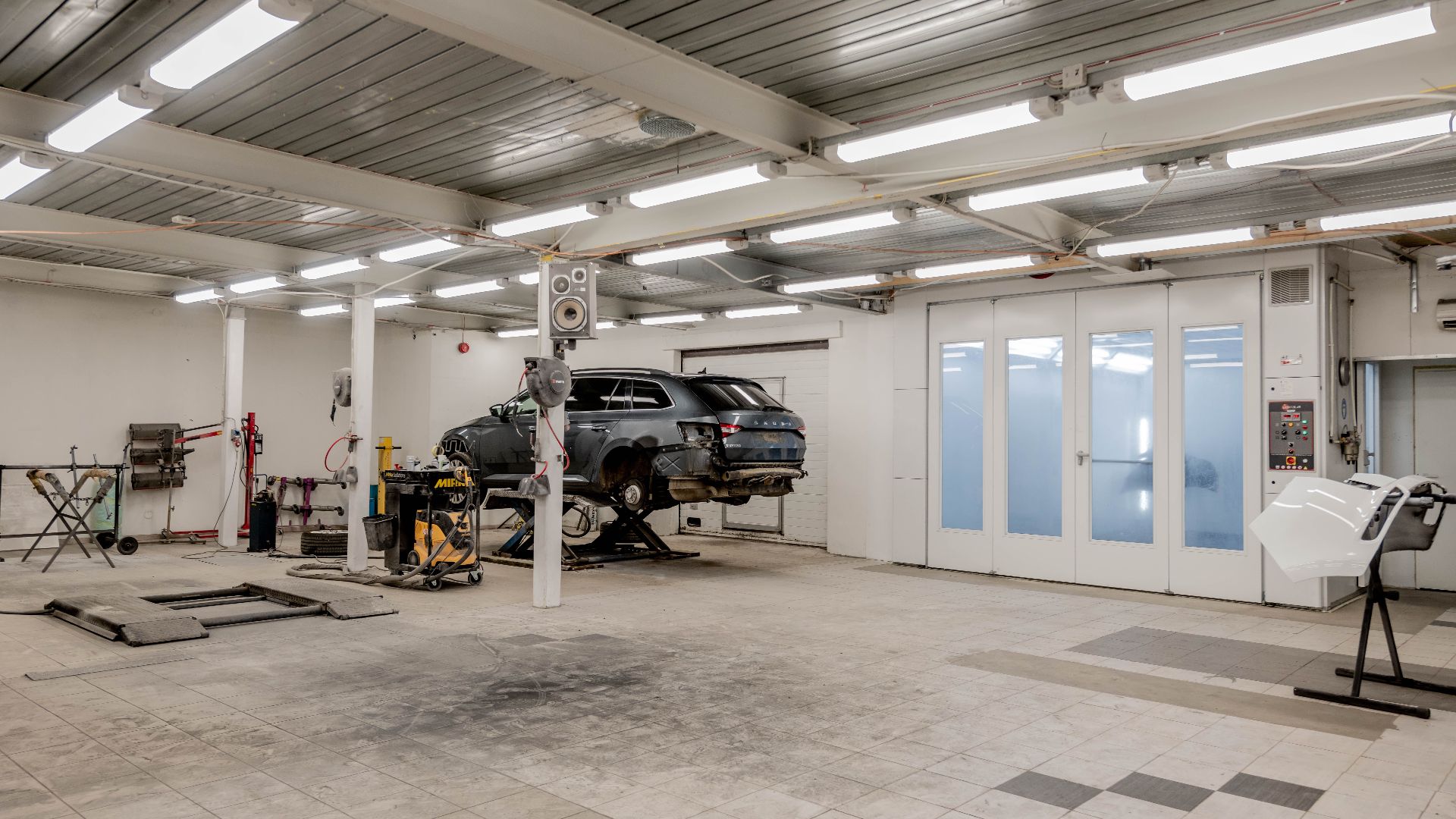
The process usually starts when an adjuster or appraiser reviews the damage and compares the repair estimate with the car’s actual cash value. A body shop may also send supplements if more damage shows up during the repair process. Once the numbers cross the state threshold or formula, the insurer makes the total loss call.
Your Settlement Offer Is Based On Market Value
If the car is totaled, the payout is usually based on actual cash value. It is not based on what you still owe, and it is not based on the cost of buying a brand-new replacement. Insurers usually support that number with recent local comparable vehicles. If you disagree, you can ask to see the comps and challenge any mistakes.

This Is Why Loan Balances Create Extra Pain
A total loss can hurt even more if you owe more on the loan than the car is worth. Insurance usually pays market value, and you may still owe the remaining balance unless you have gap coverage. That is one reason a cosmetic-heavy total loss can feel especially unfair.
You Can Usually Keep The Car, But There Is A Catch
In some cases, you may be allowed to keep the vehicle after the insurer declares it a total loss. If you do, the insurer usually subtracts the salvage value from the payout, and the car may get a salvage title or similar brand under state law. The rules depend on the state, so the title issue can matter just as much as the check.
 Jose Ricardo Barraza Morachis, Pexels
A Salvage Title Changes The Car’s Future
Once a car has a salvage title, it can be harder to insure, finance, and resell. Some states also require inspections before it can go back on the road with a rebuilt title. So even if the damage seems mostly cosmetic, the paperwork consequences can stick around for years.
You Are Allowed To Push Back
If the valuation looks wrong, do not assume the first offer is final. Check the report for mistakes like incorrect mileage, missing options, wrong trim levels, or comparables from the wrong market. Drivers can question those details and dispute factual errors.

Get Your Own Repair Estimate
A second estimate from a reputable body shop can help you see whether the insurer’s numbers are reasonable. Shops may disagree on repair methods, whether parts should be replaced or repaired, and what parts are available. That does not guarantee a different outcome, but it gives you something solid to work from.
Ask About The Valuation Report In Writing
Ask the insurer for the valuation report and the total loss explanation in writing. That gives you something concrete to review instead of trying to piece it together from a phone call. It can also help if you need to file a complaint with your state insurance regulator or use an appraisal clause in the policy, if your policy includes one.
 Sergei Gontsarov, Shutterstock
Know The Difference Between Insurance And Safety
A total loss decision is mostly about money, not a statement that the car is impossible to repair safely. Some cars with mostly cosmetic damage can be fixed properly by a qualified shop. The insurer is deciding whether the repair makes financial sense under the policy and state law.

Why The Decision Feels So Personal
Drivers see the car they know and rely on. Insurers see a depreciated asset, repair bills, salvage bids, and legal thresholds. That gap in perspective is why the decision can feel so frustrating even when it follows standard industry rules.

Recent Repair Trends Have Made Total Losses More Common
Repair costs have gone up because cars have more complex parts, more sensors that need calibration, and more expensive labor. At the same time, older used cars may still have limited cash value even if they are perfectly usable. That mix makes cosmetic total losses easier to understand, even if they still feel unfair.
The Best Move After The Shock Wears Off
Slow down and gather the paperwork. Check the actual cash value, review the comparable vehicles, ask whether the title will be branded, and figure out whether keeping the car makes sense in your state. Once you see the numbers behind the decision, the logic gets a lot clearer.

The Short Answer
Your insurance company can total a car over cosmetic damage because total loss rules are based on economics, not appearances. If the repair cost, along with salvage value and state rules, makes fixing the car uneconomical, the insurer may declare it a total loss. What looks like a simple dent-and-paint job can be enough.