You’re Arguing About Two Different Kinds Of Protection
One person sees full-body PPF as expensive overkill for a car that spends its life commuting, grocery shopping, and sitting in parking lots. The other sees thousands of dollars as cheap insurance against years of chips and scratches. The problem is that ceramic coating and paint protection film don’t really do the same job. Before deciding who’s being unreasonable, figure out exactly what kind of damage you’re trying to prevent.
Start With What Each Product Actually Does
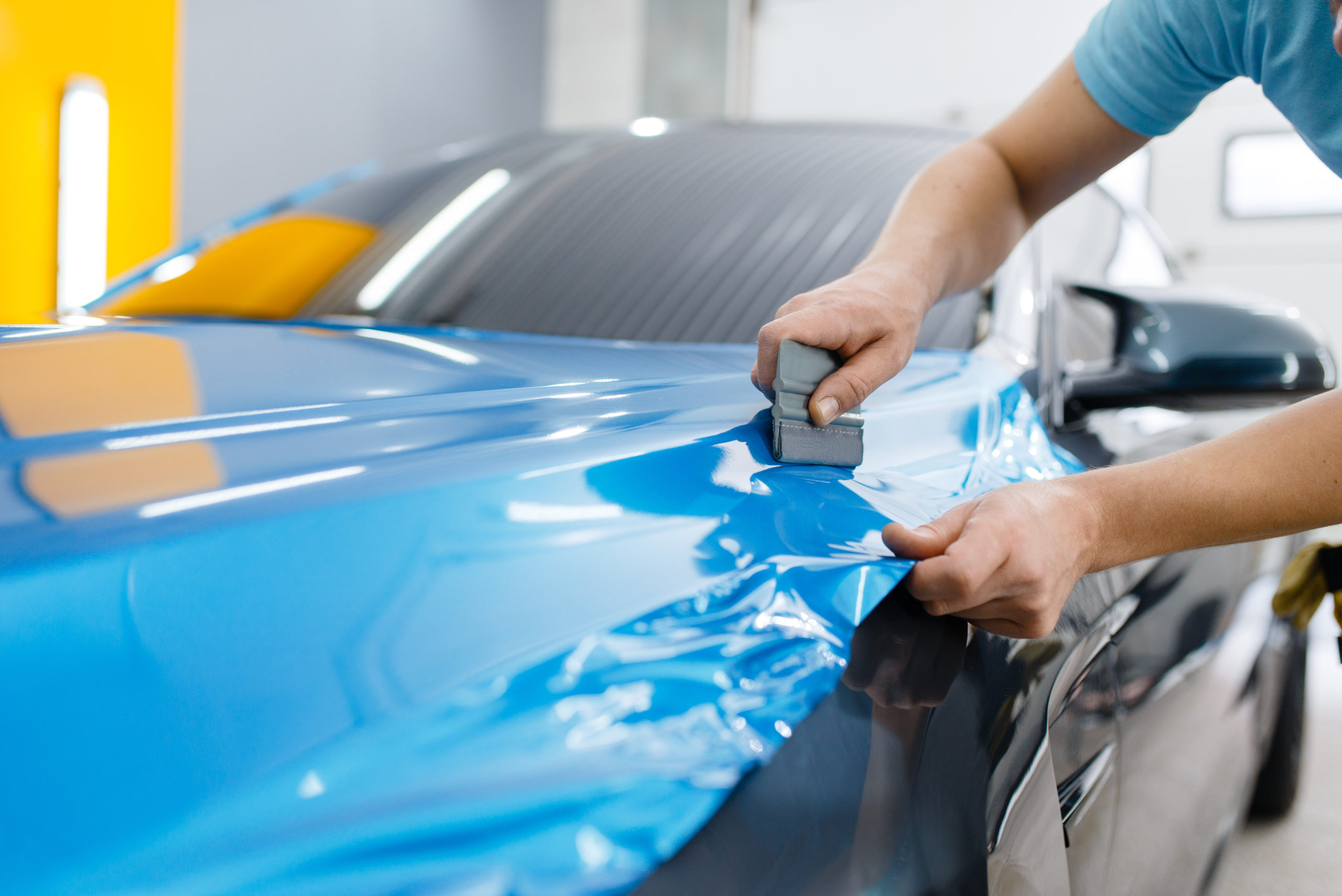
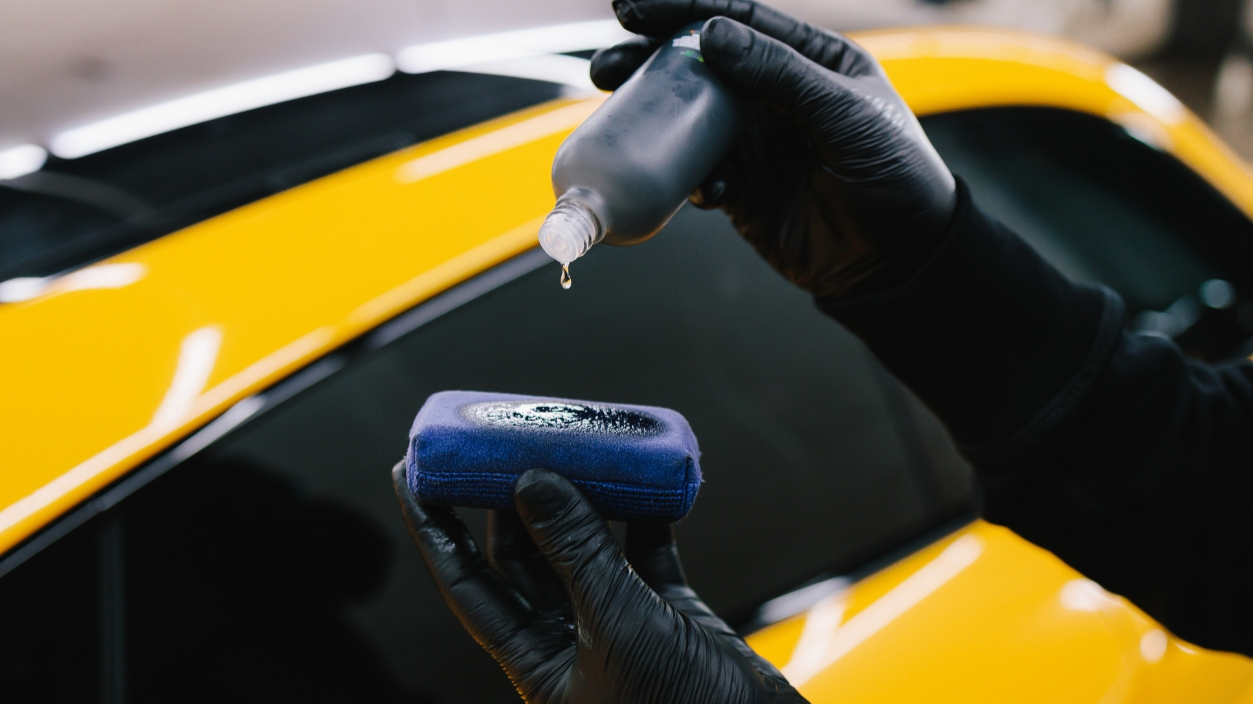
Ceramic coating is primarily a thin protective coating that helps resist environmental contamination and makes painted surfaces easier to clean. Paint protection film, or PPF, is a physical urethane film placed over the paint to absorb minor impacts and abrasion. Both can make a daily driver easier to preserve, but choosing between them is a little like choosing between a raincoat and a padded jacket. They protect against different things.
Ceramic Coating Is Great At The Messy Stuff
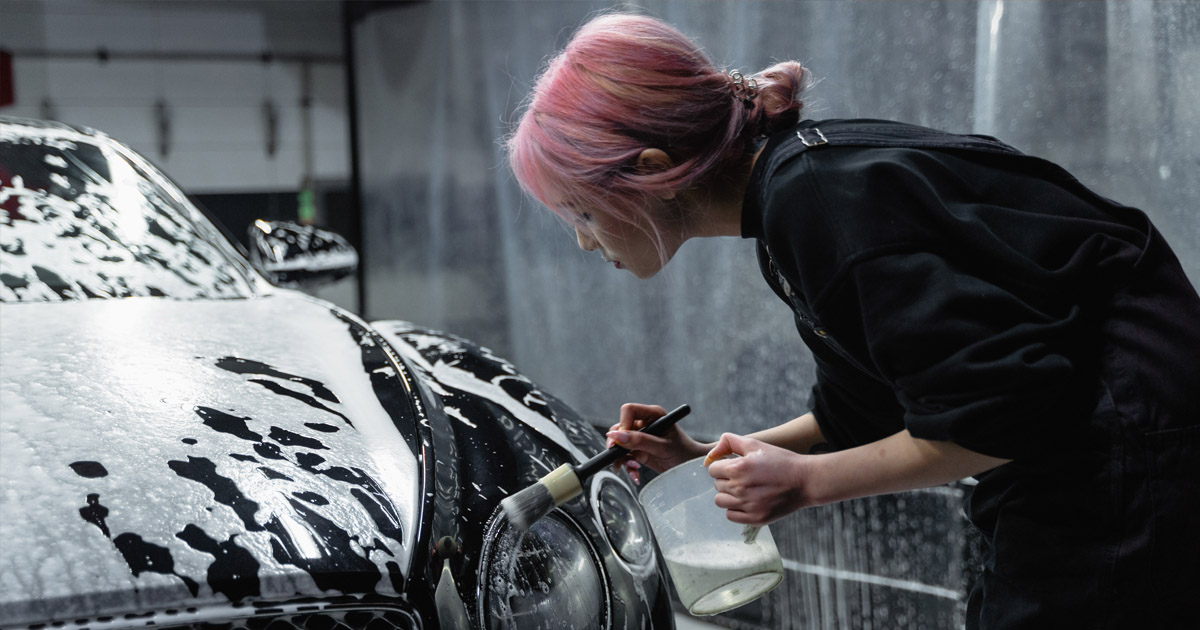
A quality ceramic coating can improve resistance to bird droppings, bug residue, tree sap, road grime, UV exposure, and chemical contamination while creating the water-beading effect owners love. It can also reduce the amount of effort required to wash the car. For somebody mostly concerned with keeping a daily driver glossy and easy to maintain, that may cover the problems they actually care about.
But Ceramic Coating Won’t Stop A Rock
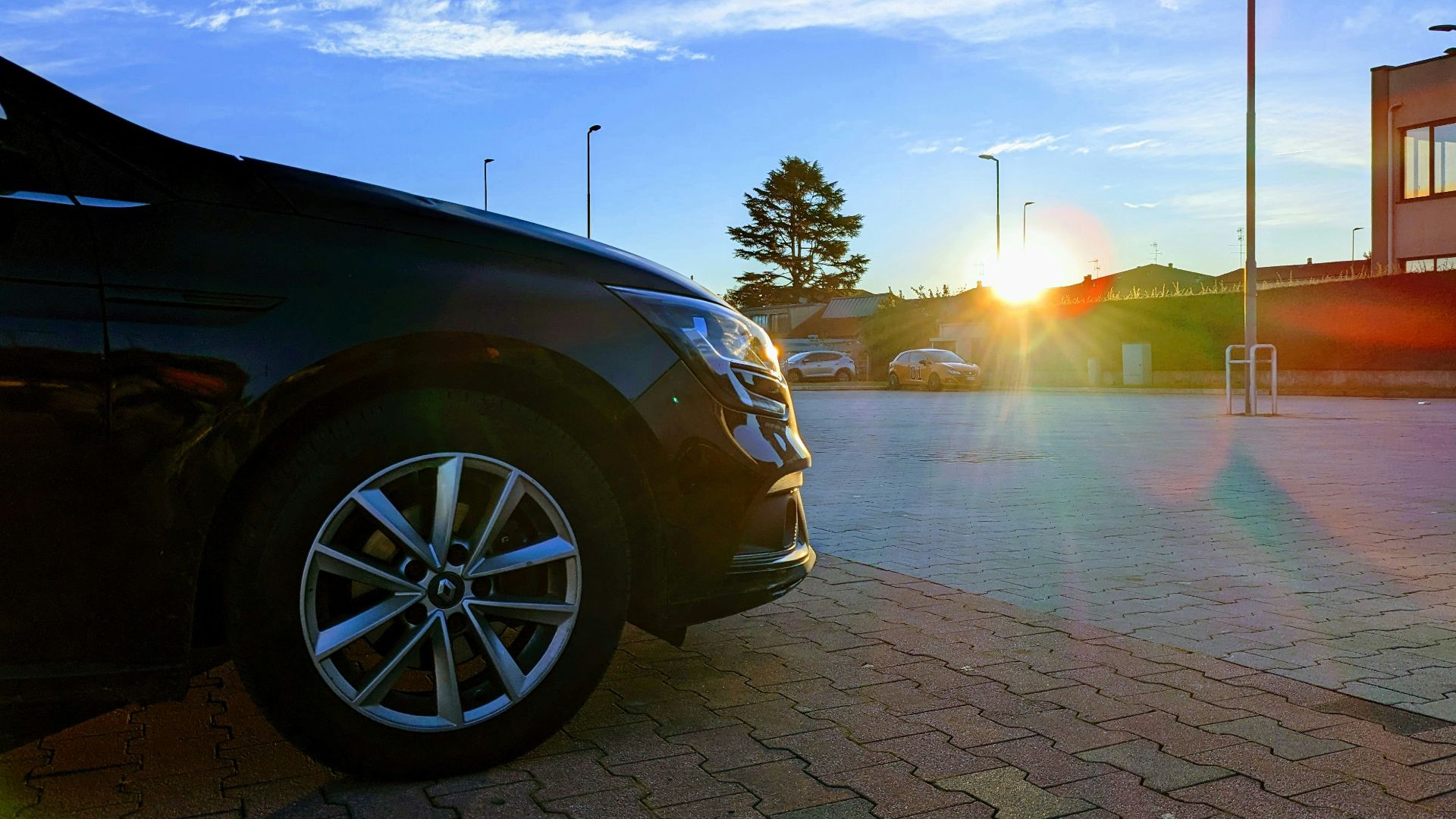
This is the biggest reason the PPF-loving spouse has a point. Ceramic coatings are extremely thin and aren’t designed to absorb significant physical impacts. Gtechniq explicitly says ceramic coatings don’t provide meaningful protection from stone chips and compares roughly micron-thick coatings with much thicker protective film. If your biggest fear is a highway pebble taking a chunk out of the hood, ceramic isn’t an equivalent substitute.
PPF Is A Much More Substantial Physical Barrier
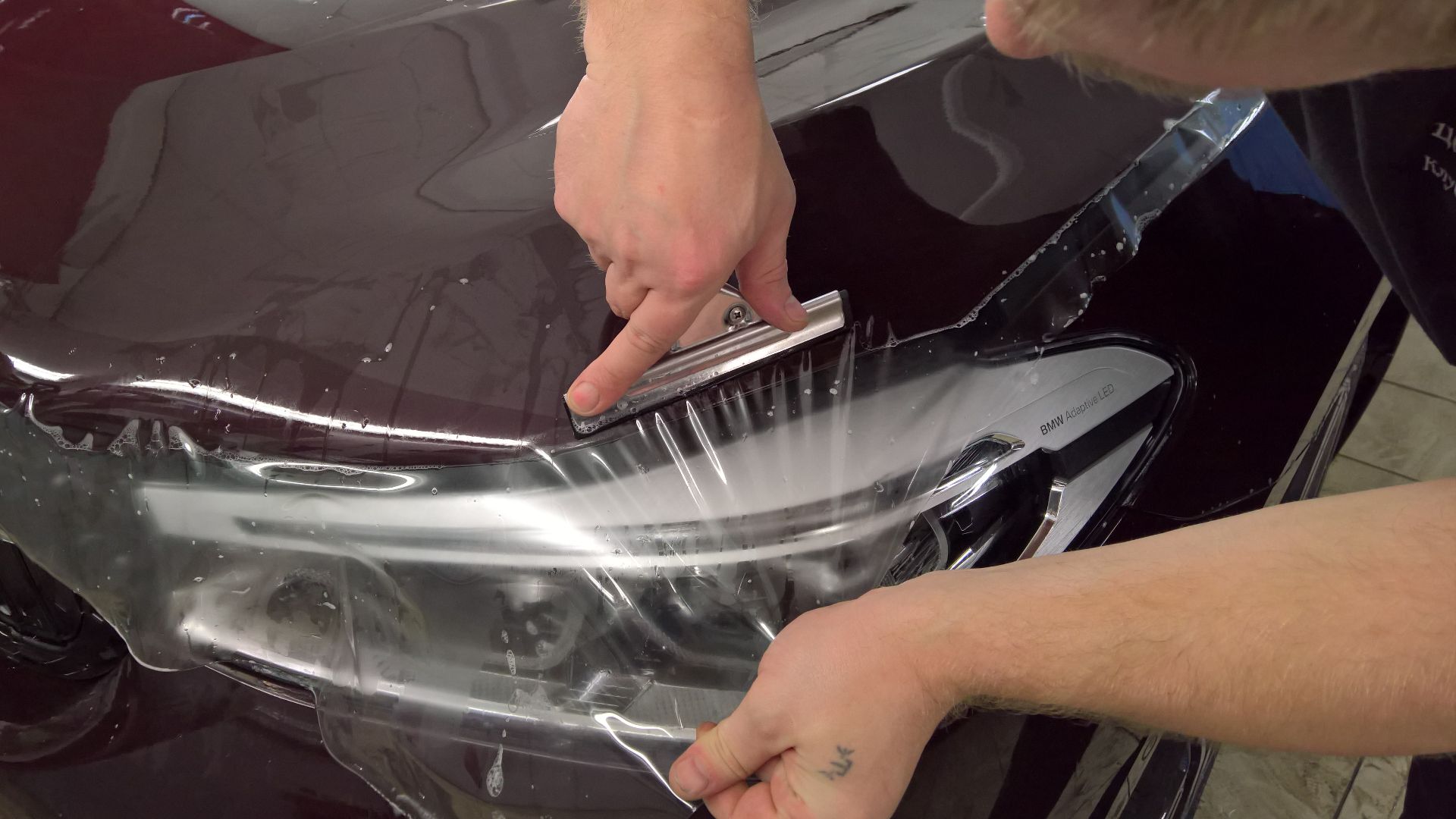
Modern PPF is typically a clear polyurethane material several mils thick. 3M, for example, sells an 8-mil automotive protection film specifically designed to resist stone chips, scratches, abrasion, and paint damage. XPEL likewise markets PPF for rock-chip and scratch protection, with some products capable of self-healing light swirls and scratches. You’re paying substantially more because there’s substantially more protective material between the road and the paint.
Ceramic Coating Has The Easier Price Tag
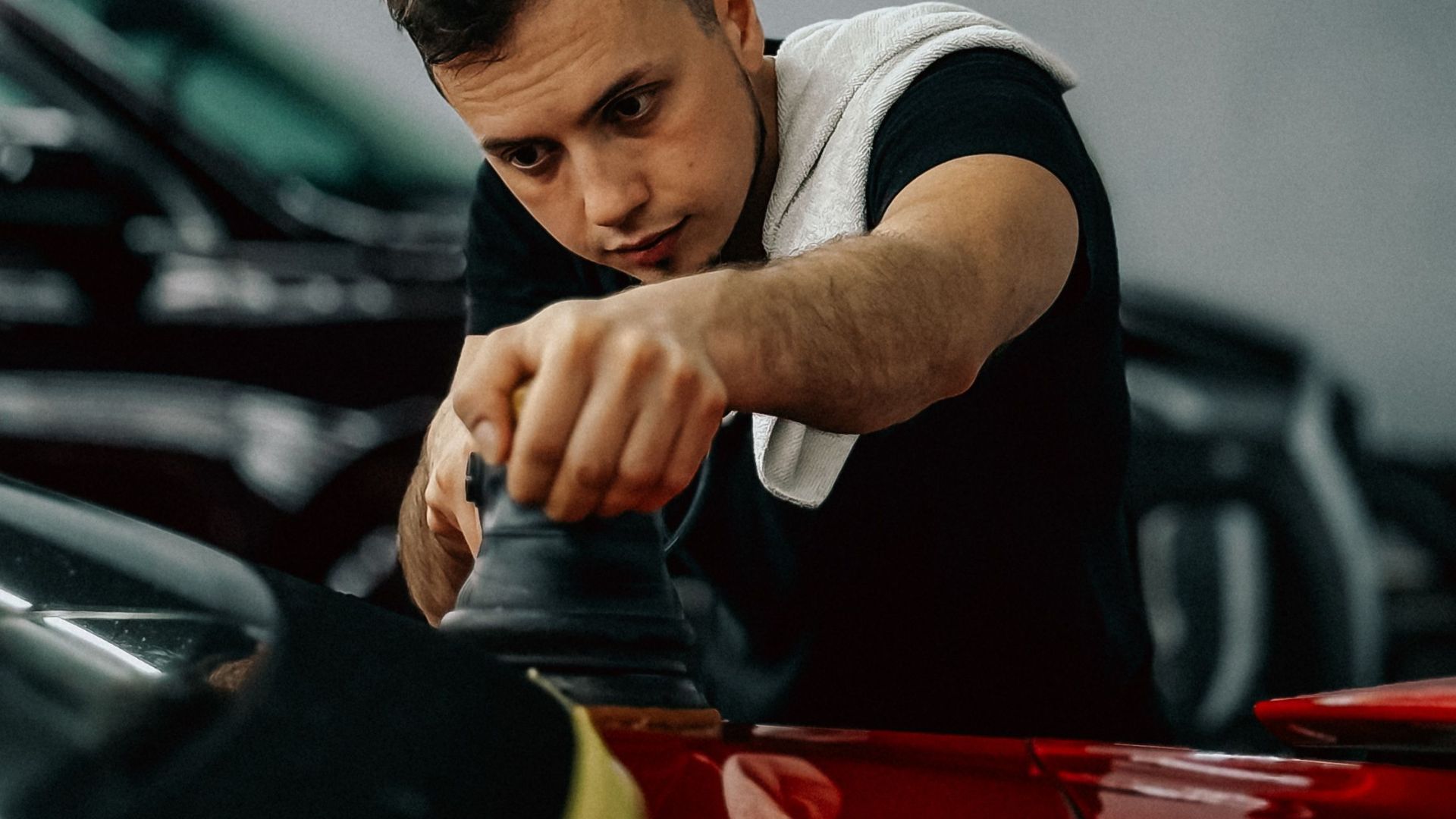
Professional ceramic coating is expensive compared with wax, but it’s usually nowhere near full-body PPF. Autotrader currently puts entry-level professional ceramic applications for a small car around $800 to $1,100, while comprehensive professional jobs can start around $1,350 and climb beyond $2,500 depending on the vehicle, coating, and amount of paint correction required. For many daily drivers, that’s already a serious appearance budget.
Full-Body PPF Can Jump Into Another Financial League
PPF pricing rises rapidly because every painted panel requires large amounts of film and significant installation labor. Ceramic Pro’s current configurator lists full-front PPF beginning around $1,600 and full-car coverage starting around $4,500, compared with full-body ceramic packages starting below that. Actual quotes can go substantially higher for large SUVs, complicated bodywork, premium films, or extensive preparation. Full-body PPF is very much a several-thousand-dollar decision.
The Installation Labor Explains A Lot Of The Difference
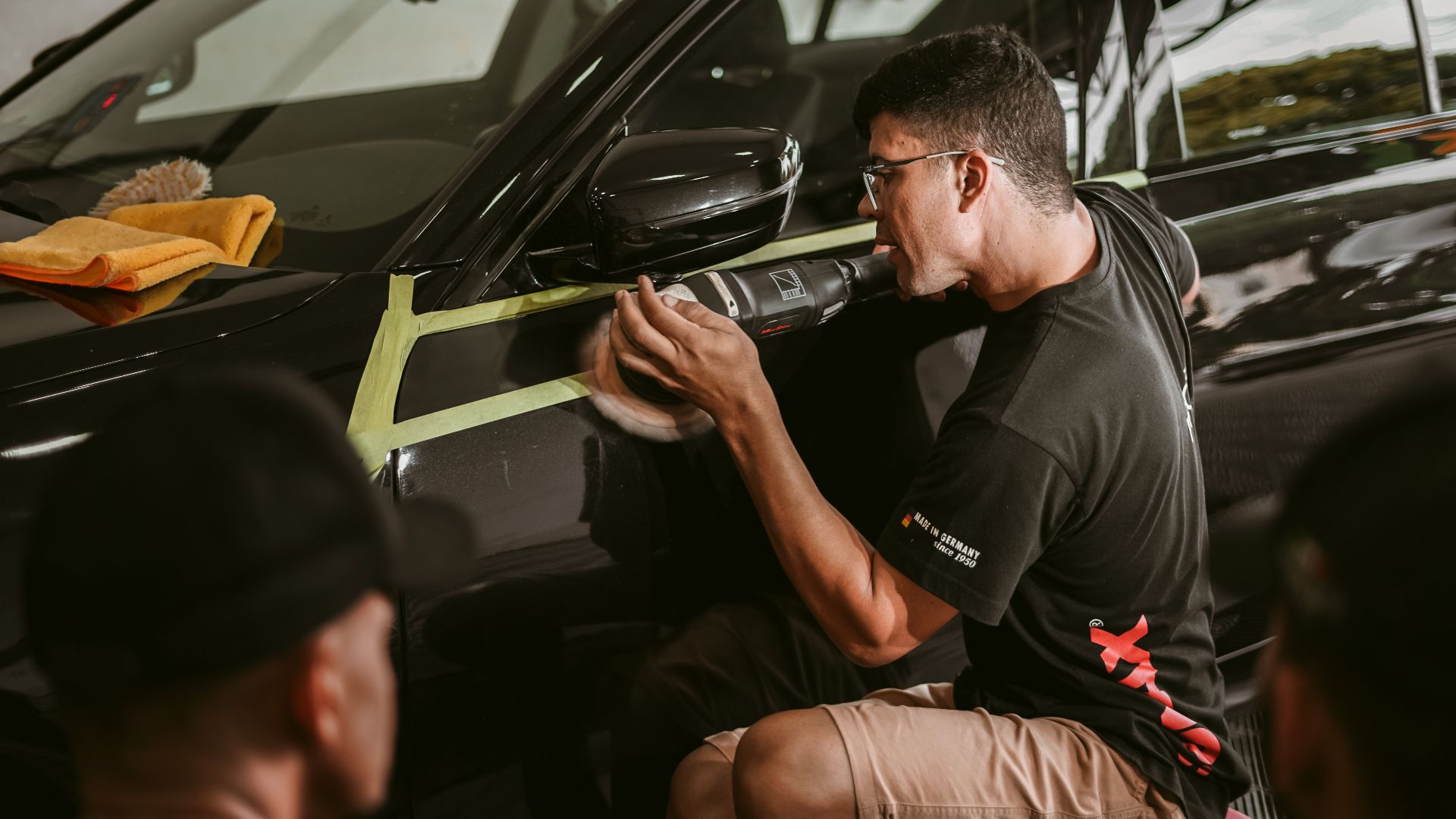
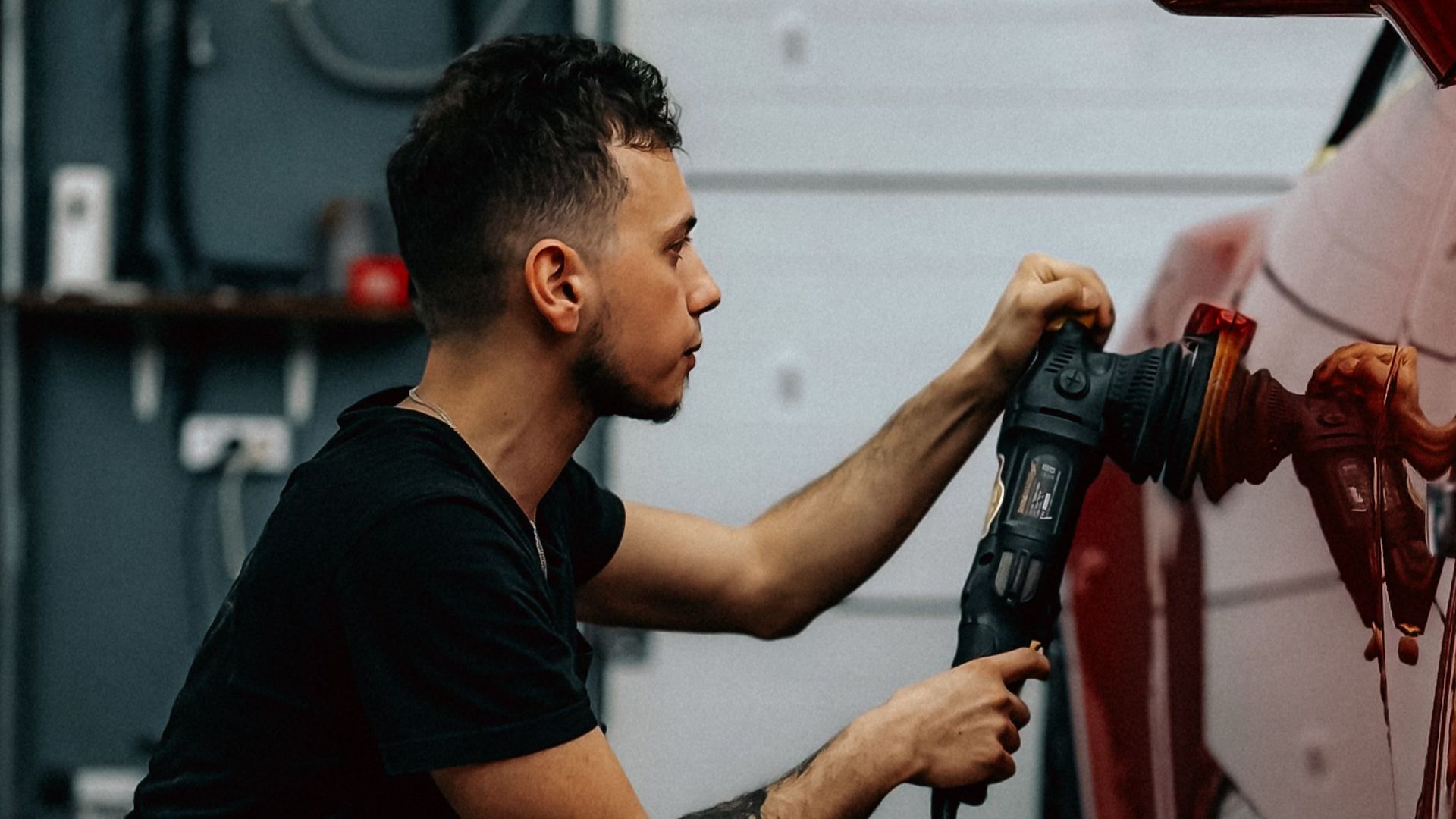
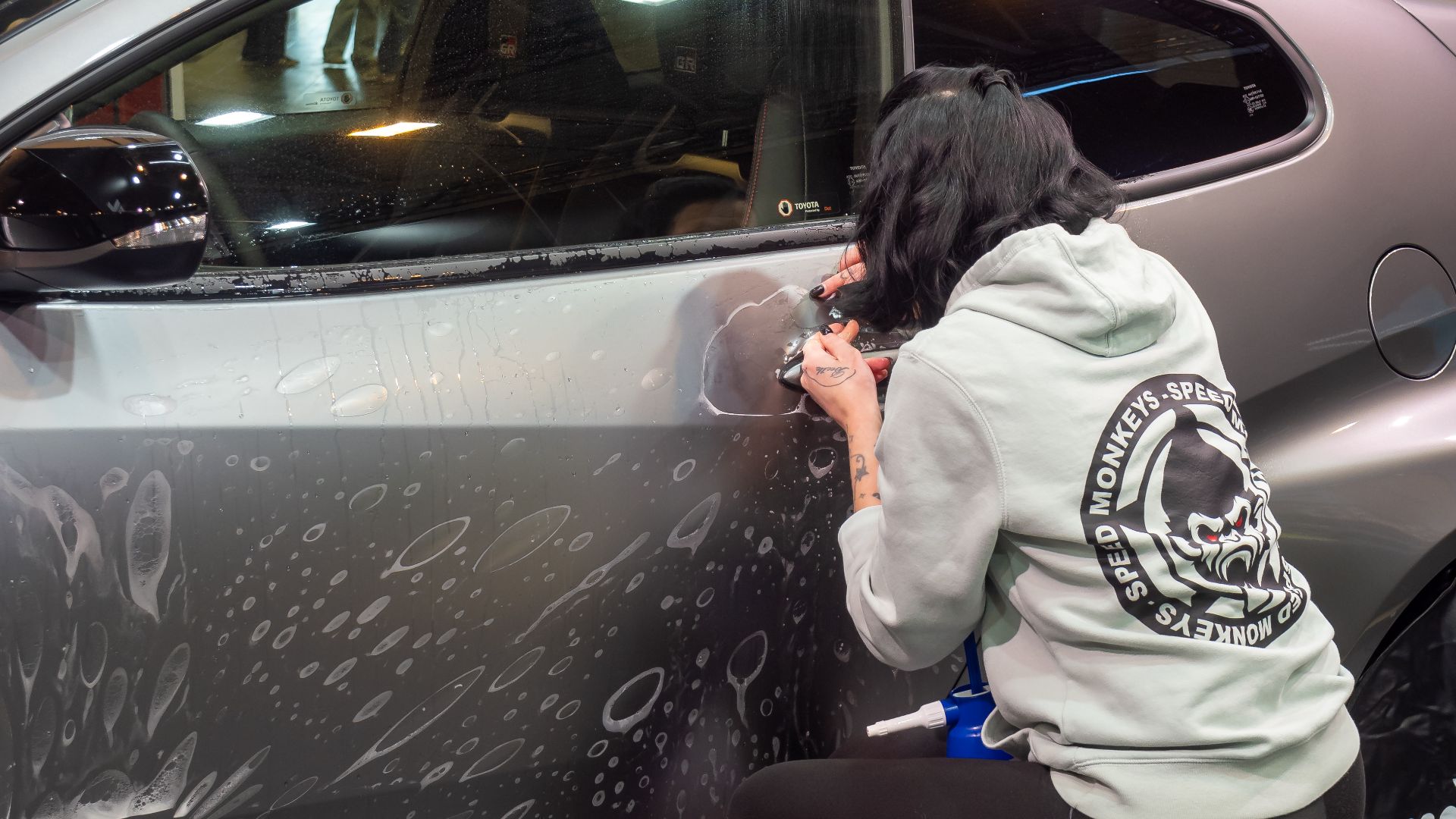
Covering an entire car in film isn’t the same as wiping on a liquid product. Installers need to clean and prepare the vehicle, cut or pattern film for numerous panels, align it carefully around complex shapes, manage edges, and avoid bubbles, contamination, stretch marks, and seams. Large bumpers, mirrors, spoilers, vents, and elaborate bodywork can make the job considerably harder. Two similarly priced cars can therefore receive very different PPF estimates.
 Matti Blume, Wikimedia Commons
Paint Correction Can Increase Either Bill
Neither product should automatically be applied over neglected paint. If the daily driver already has swirls, scratches, oxidation, or embedded contamination, the installer may recommend correcting those defects first. Otherwise, you’re essentially preserving imperfections beneath the new protection. Ask for preparation and correction as separate line items when comparing quotes because a suspiciously large price difference may partly reflect how much work each shop plans to perform before installation.
 Sergiy Galyonkin from Raleigh, USA, Wikimedia Commons
Think About Where The Car Actually Spends Its Miles
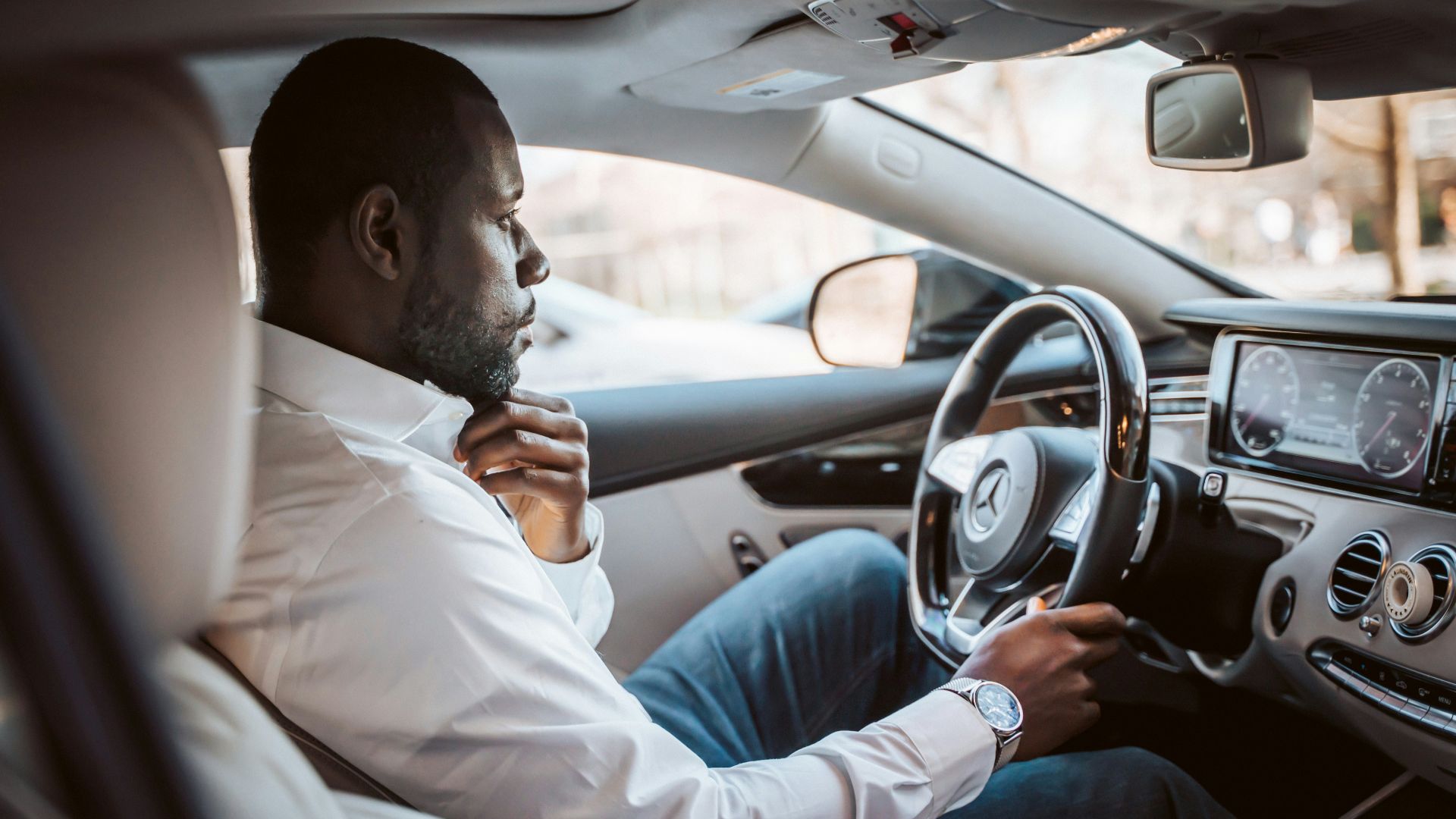
A daily driver covering 25,000 highway miles per year faces a different paint-damage risk than one crawling six miles through city traffic to an office garage. High-speed road debris is exactly the kind of hazard PPF is designed to handle. If your commute involves freeways, construction zones, gravel roads, or winter-treated highways, protecting vulnerable surfaces becomes easier to justify.
City Driving Creates Different Problems
Urban commuters may be less worried about high-speed rock chips and more concerned with bird droppings, grime, tree sap, tight parking spaces, and frequent washing. Ceramic coating is particularly useful for making contamination easier to remove, although it won’t prevent a shopping cart or neighboring car door from damaging the paint. Full-body PPF gives broader physical protection, but whether that protection is worth thousands depends on how obsessive you are about ordinary daily-driver wear.
 Jan-Christopher Sierks, Unsplash
Full-Front PPF Is The Compromise Worth Discussing
The decision doesn’t have to be $1,500 ceramic coating versus $5,000-plus full-body PPF. One of the most popular compromises is film only on the high-impact front end. Typical packages cover the front bumper, hood, front fenders, and mirrors, sometimes adding headlights, rocker panels, or A-pillars. That protects the surfaces most likely to encounter road debris without paying to wrap the roof, doors, trunk, and every rear panel.
 Evgeny Atamanenko, Shutterstock
Protecting The Hood And Bumper Gets You Most Of The Obvious Benefit
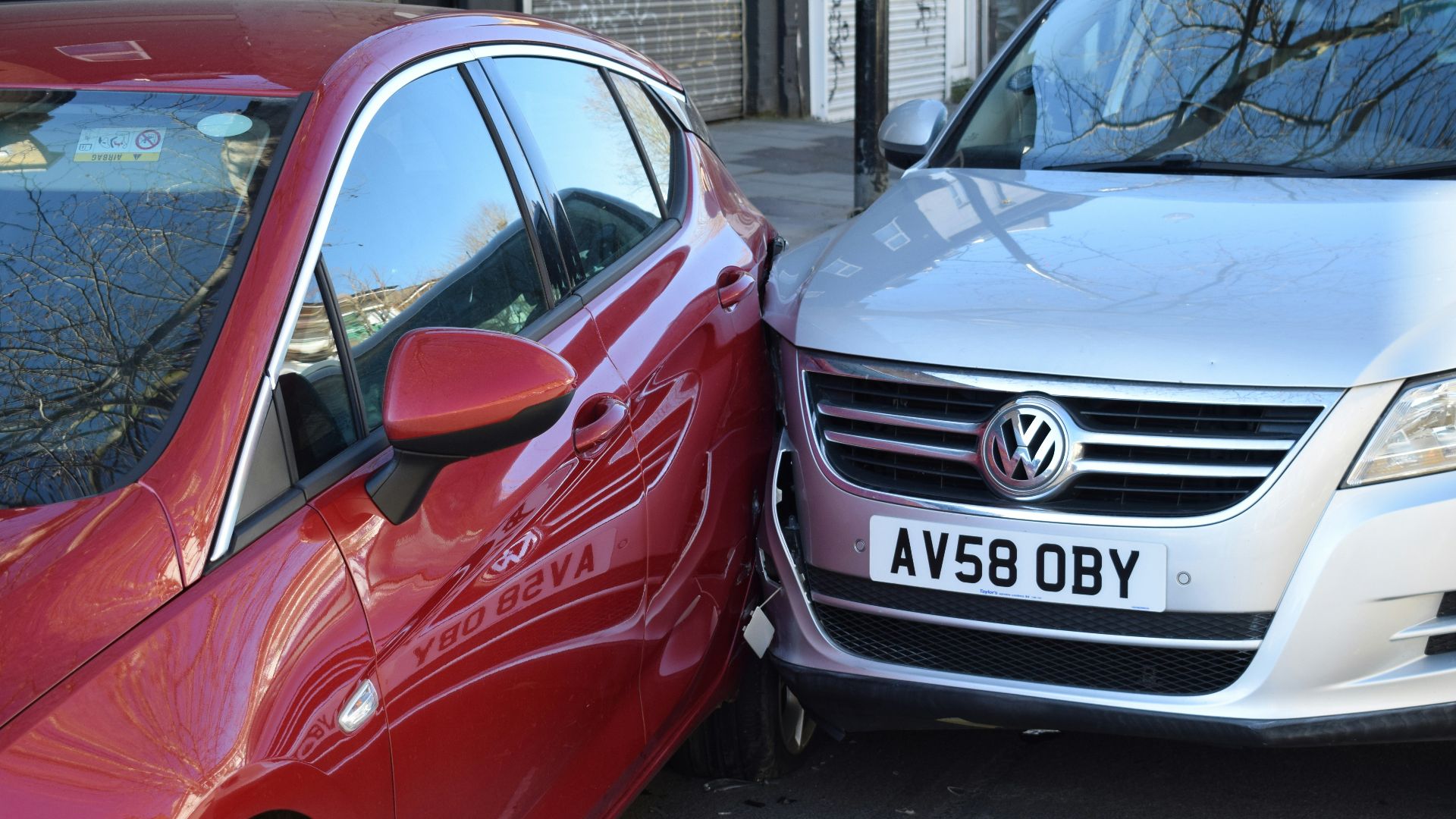
Look at an older highway-driven car and most of the peppering usually concentrates around the nose. That’s why partial PPF packages exist. A bumper, hood, fenders, and mirrors sit directly in the path of stones and debris. Putting physical film there while leaving lower-risk panels coated can capture much of PPF’s practical benefit at a fraction of the full-body price.
Full-Body PPF Makes More Sense For Certain Owners
Full coverage becomes easier to justify when the car is expensive, has paint that’s difficult to repair, travels extensively, sees harsh road conditions, or belongs to someone who genuinely wants to preserve nearly every factory-painted panel. It also makes sense for owners who know that every chip will drive them crazy. The important thing is recognizing that you’re paying a premium for unusually comprehensive cosmetic preservation, not performing required maintenance.
The Value Of The Car Should Affect The Decision
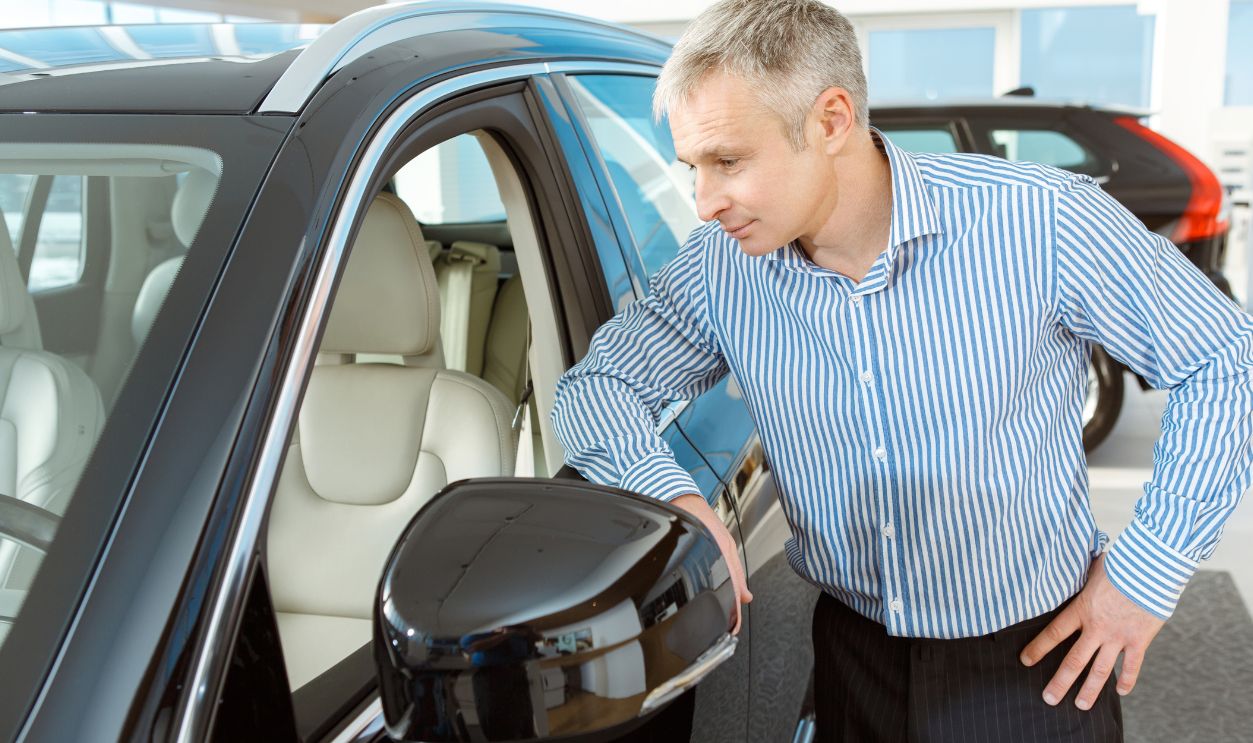
Spending $6,000 protecting the paint on a $30,000 commuter is a different financial proposition from spending the same amount on a $100,000 performance car. That doesn’t make the first choice irrational if pristine paint matters enormously to the owner, but the protection cost represents a much larger percentage of the vehicle’s value. Before approving full-body film, calculate that percentage and ask whether you’d willingly spend the same amount repairing cosmetic damage later.

Matte And Special Finishes Change The Calculation
Some factory finishes are particularly difficult to repair invisibly. Matte paint, for example, generally can’t be polished in the same way conventional gloss paint can because polishing may alter the finish. Specialized PPF can therefore be especially attractive on matte or unusual factory colors. On an ordinary mass-market metallic silver commuter, touching up a few future chips may feel much less financially terrifying.
Ceramic Coating Still Requires Care
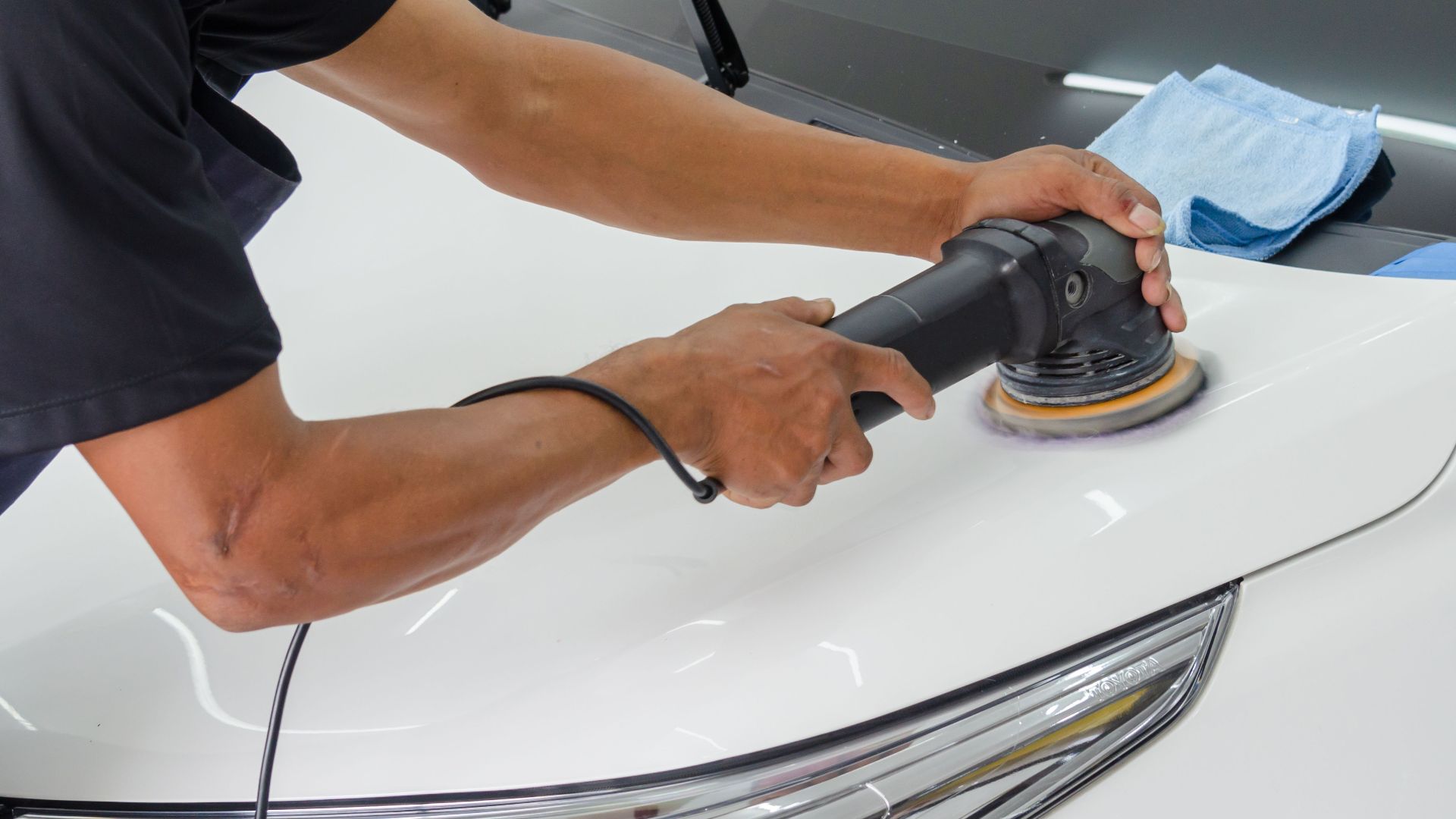
Paying for ceramic coating doesn’t grant permission to be rough on the finish. It can still develop water spots, contamination, and scratches, particularly with poor washing methods. Professional coatings can last for years when maintained properly, but durability varies by product and conditions. If one spouse wants ceramic because they believe the car will never need careful washing again, that part of the argument needs recalibration.
PPF Isn’t Maintenance-Free Either
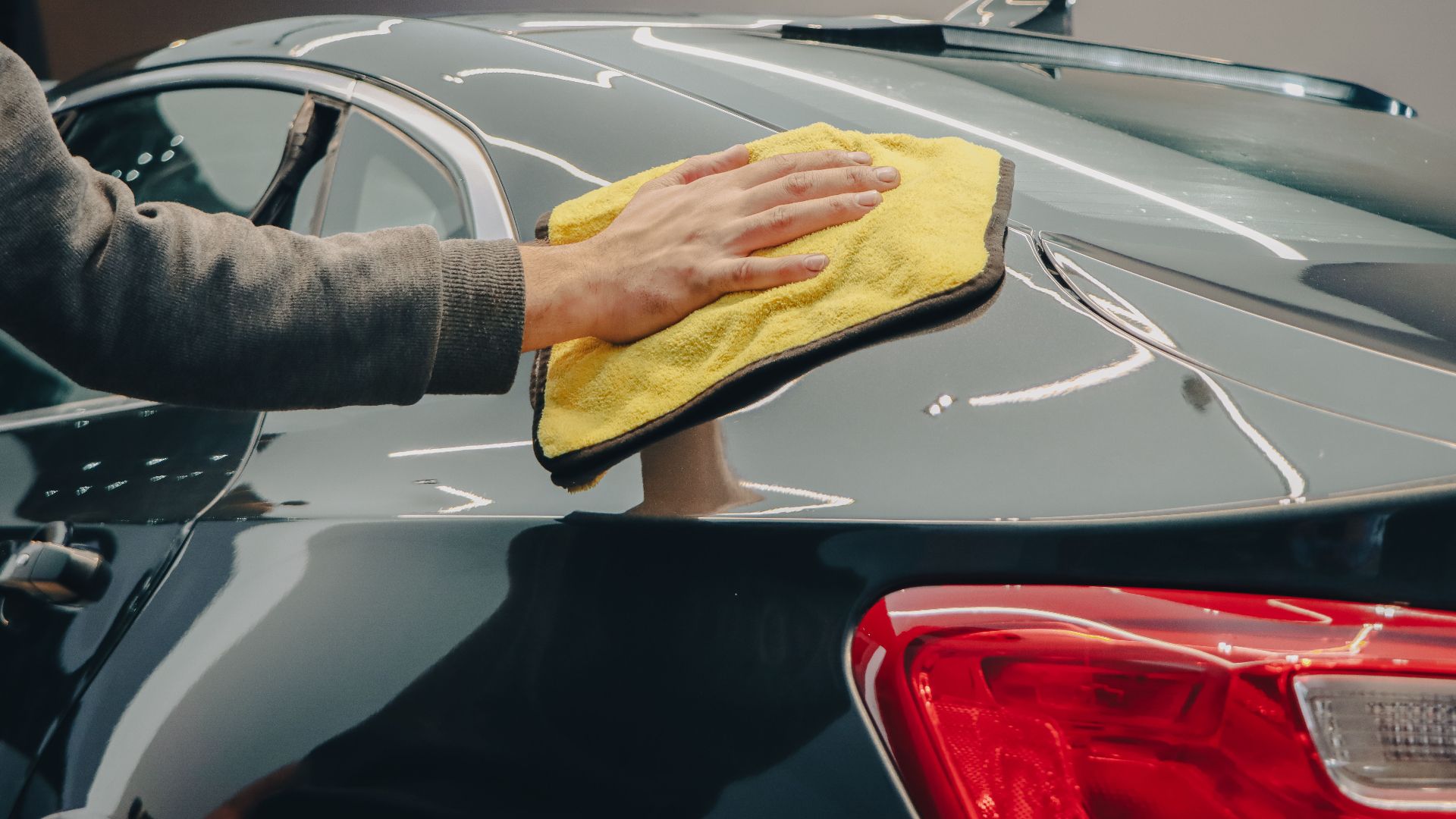
Film still gets dirty, contaminated, stained, and damaged. XPEL recommends regular washing, quick removal of bug residue and stains, and periodic maintenance products for its films. Light surface scratches in some films can self-heal, but deeper damage may require replacement of the affected film. Spending thousands up front doesn’t mean you’ll never again think about the exterior.
Combining Them Can Give You The Best Of Both
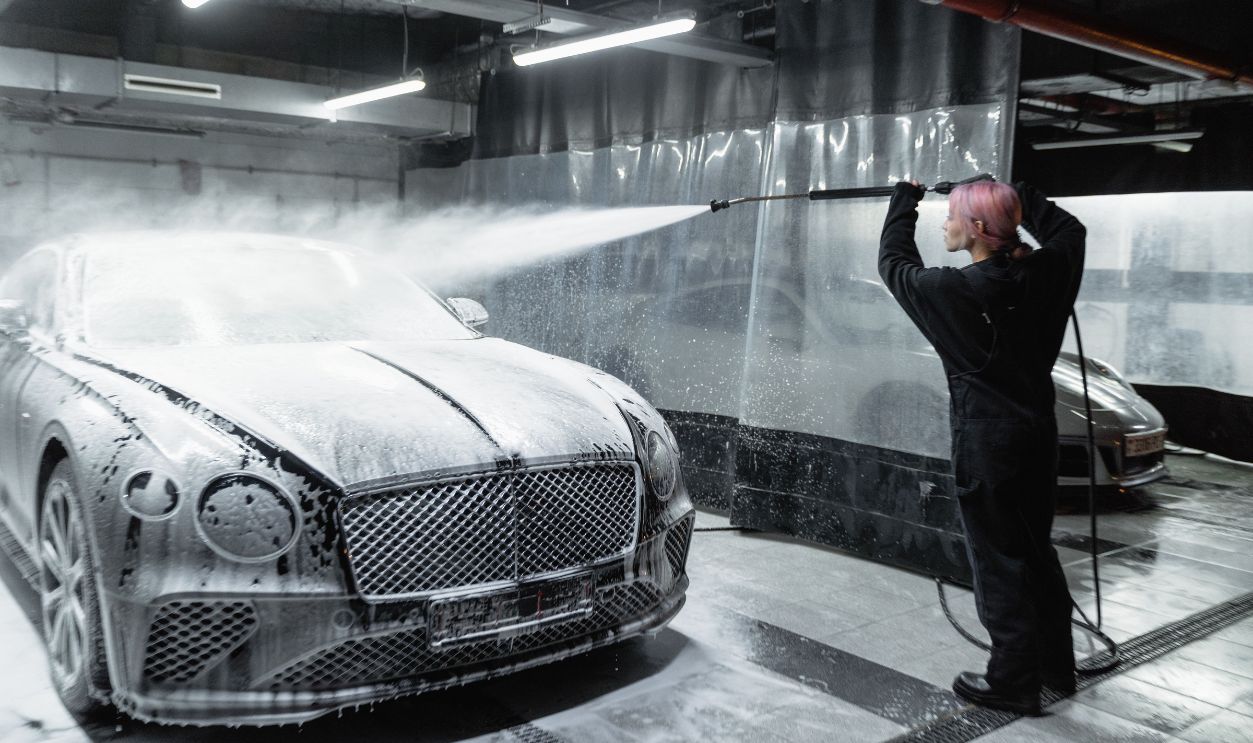
Ceramic coating and PPF don’t have to compete. Manufacturers specifically offer coatings designed to work with protective film, and a common strategy is to install PPF on high-impact areas while applying ceramic protection over the film and remaining painted surfaces. That gives the front end physical impact protection while providing water repellency and easier cleaning across the whole car. For many daily drivers, this is the middle ground both spouses should price before choosing either extreme.
How Long You’ll Keep The Car Matters
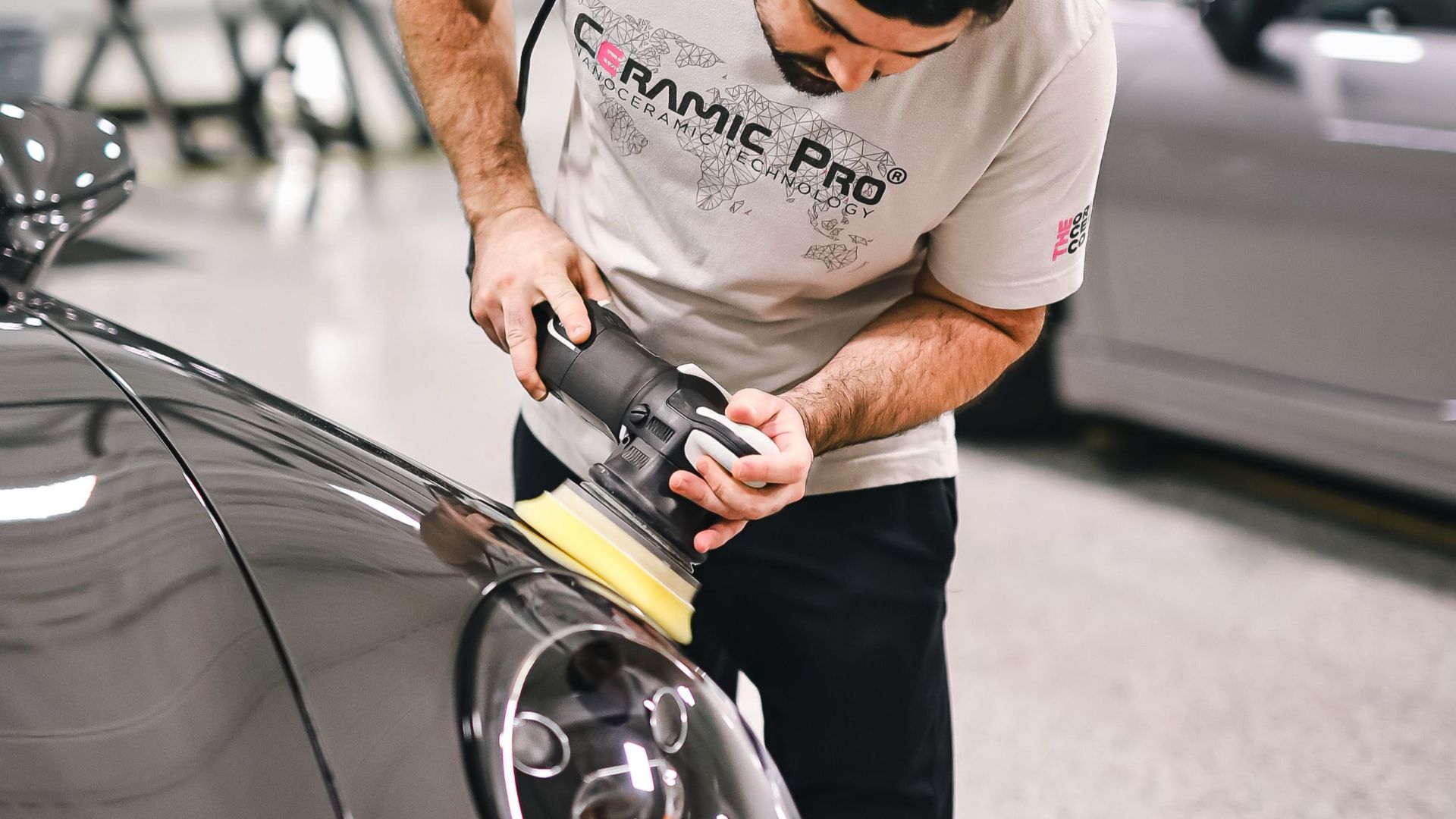
If you trade vehicles every three years, paying thousands for complete PPF becomes harder to justify strictly as a financial investment. Someone planning to keep a beloved car for ten years has much longer to appreciate the preserved finish. XPEL says its PPF can commonly last five to ten years depending on conditions, with some products carrying lengthy warranties. Match the expected life of the protection with how long you realistically expect to own the vehicle.

Don’t Assume PPF Will Pay For Itself At Resale
Excellent paint condition can certainly make a used car easier to present and potentially more desirable, but buyers shouldn’t assume a $5,000 film installation automatically adds $5,000 to trade-in value. Dealers and used-car buyers look at the entire vehicle, including mileage, mechanical condition, history, options, and market demand. Think of PPF primarily as something you purchase because you value preserving the paint while you own the car.

Decide How Much Cosmetic Damage Actually Bothers You
This may be the most revealing question. One spouse may consider three tiny hood chips completely normal after 60,000 miles. The other may see every one of them from twenty feet away and immediately start researching repainting. Neither reaction is financially objective. If ordinary wear genuinely bothers you enough that you’ll eventually pay to correct it, preventative film becomes more valuable. If you barely notice paint imperfections, full-body PPF may protect you from damage you never would have paid to repair.

Set A Protection Budget Before Visiting The Detailer
Instead of starting with a product, agree on what you’re willing to spend protecting this particular car. Then ask installers what that budget can accomplish. Maybe $1,500 buys a ceramic coating and paint correction. Perhaps $2,500 to $3,000 gets a strong front-end PPF package plus coating in your market. A $5,000-plus budget may open the door to complete film. Starting with the financial limit keeps the conversation from becoming an escalating menu of premium add-ons.

Get Quotes That Are Actually Comparable
Ask each installer to specify the film or coating brand, exact product, coverage areas, paint preparation, correction work, warranty, edge treatment, and maintenance requirements. One $4,500 PPF estimate may cover every painted exterior panel while another excludes trim, headlights, or complex areas. The same problem exists with ceramic packages. Comparing only the final number is useless if the shops are selling different amounts of labor and protection.

For Most Daily Drivers, The Smart Answer May Be Somewhere In The Middle
Neither spouse is automatically right. Ceramic coating is usually enough if the goal is easier cleaning, gloss, and resistance to environmental contamination, but it won’t replace PPF when the goal is stopping rock chips and physical abrasion. Full-body PPF offers far stronger impact protection, but its several-thousand-dollar price can be difficult to justify on an ordinary commuter. For many daily drivers, front-end PPF plus ceramic coating elsewhere offers a practical compromise: serious protection where damage happens most without wrapping every panel simply because you can.
You May Also Like:
My Mechanic Says A Small Oil Leak Could Ruin My Engine. How Do I Know If It’s Urgent?