Getting It Across The Border Was Only Half The Battle
Importing a foreign-market EV can feel like beating the system. The car arrives, customs clears it, and suddenly there’s something in the driveway that was never officially sold here. Then the DMV asks for safety documentation you’ve never heard of. In the United States, getting a vehicle through customs and making it safe for public roads are separate issues, and fixing the situation may range from manageable to practically impossible.
Start By Leaving It Off Public Roads
Until you know the vehicle’s official status, don’t assume that possession equals permission to drive it. A foreign EV that hasn’t satisfied federal import requirements may not qualify for registration or road use. Driving it anyway can create additional complications involving registration, insurance, and liability. The first job is figuring out exactly how the car entered the country, what certification it carries, and whether its import paperwork matches what the vehicle actually is.
US Safety Rules Start At The Federal Level
A state DMV may be the agency refusing to issue your plates, but the core safety issue often starts with the National Highway Traffic Safety Administration. Vehicles permanently imported into the United States generally must satisfy applicable Federal Motor Vehicle Safety Standards, or FMVSS. States then control titling, registration, inspections, and road use. Passing a state safety inspection doesn’t automatically cure a federal import-compliance problem.

Look For The Federal Certification Label
Open the driver’s door and inspect the door pillar, latch post, or nearby door edge. A vehicle built and certified for the US market normally carries a permanent label stating that it conforms to applicable Federal Motor Vehicle Safety Standards. A European, Japanese, Korean, Chinese, or other foreign-market EV may instead carry certification markings from its home jurisdiction. If there’s no US certification statement, that’s an immediate sign that more investigation is needed.

Foreign Crash Testing Doesn’t Automatically Count
Your imported EV may have excellent Euro NCAP, JNCAP, C-NCAP, or other safety-test results. That can tell you something useful about the car’s engineering, but it doesn’t automatically establish compliance with US requirements. Different jurisdictions use different crash procedures, equipment rules, test conditions, and certification systems. The problem may not be that the vehicle is inherently unsafe. The problem is that it hasn’t been certified under the system US law requires.
 Krakenimages.com, Shutterstock
NHTSA Won’t Usually Just Inspect It For You
One frustrating part of this process is that there generally isn’t a government facility where an owner can drive in, pay for an inspection, and receive a federal compliance sticker. The US largely uses manufacturer self-certification. Manufacturers certify that vehicles meet applicable standards and apply the required labels. For a nonconforming privately imported vehicle, the judicial route may instead involve a Registered Importer authorized to bring certain vehicles into compliance.
 Quality Stock Arts, Shutterstock
Gather Every Import Document First
Before calling the DMV again, collect the bill of sale, foreign registration or title, shipping documents, customs records, HS-7 Declaration, EPA Form 3520-1 paperwork if applicable, CBP Form 7501 Entry Summary, VIN information, and any manufacturer documentation you received. How the car was declared when it entered the country matters enormously. If a freight forwarder or customs broker handled the shipment, request the entire entry package rather than relying on a receipt saying the vehicle cleared customs.

Pay Close Attention To The HS-7 Form
The HS-7 Declaration identifies the judicial basis under which the vehicle entered the United States. A vehicle originally certified to US standards is treated differently from a nonconforming vehicle entering through a Registered Importer, an older exempt vehicle, or one temporarily imported for testing, display, racing, or another permitted purpose. If the entry category doesn’t match the vehicle’s actual circumstances, this may be more than a simple missing-document problem.

Customs Clearance Isn’t The Same As Road Approval
Owners understandably assume that if Customs released the car, every federal requirement must have been satisfied. That isn’t necessarily true. US Customs and Border Protection handles entry, NHTSA administers federal motor-vehicle safety import requirements, and the EPA has its own vehicle-import procedures. State DMVs then impose their own registration requirements. One agency allowing the car through the port doesn’t automatically guarantee that another agency will consider it okay for permanent road use.
Check Whether The Vehicle Is Already Import-Eligible
If your EV wasn’t originally US-certified, check whether NHTSA has already determined that the exact make, model, and model year is eligible for importation. Eligibility decisions can be very specific. A decision covering one foreign-market version doesn’t automatically cover every configuration sold under the same badge. If your exact vehicle is already listed, an established path may exist for a Registered Importer to perform and document the necessary compliance work.

A Registered Importer Is Often The Key Player
NHTSA maintains a list of active Registered Importers, or RIs, authorized to work with nonconforming vehicles. Contact several and provide the model year, manufacturer, VIN, photos of the labels, and your import documents. Ask whether the car is already eligible for importation and whether they’re willing to handle it. RIs are private businesses, so being federally registered doesn’t mean every one of them will agree to take on an unusual EV.

Eligible Doesn’t Mean Compliant Yet
If NHTSA has already found the model eligible, that only means a recognized compliance route exists. It doesn’t mean your particular car is ready for registration. A nonconforming vehicle imported through the RI process may require a bond equal to 150 percent of its dutiable value, and the Registered Importer must perform and document any necessary modifications before certifying the car. Federal rules generally require the RI to complete the certification process within the applicable deadline.

No Existing Eligibility Decision Makes Things Harder
If nobody has previously established import eligibility for the model, the process becomes much more complicated. Registered Importers can petition NHTSA to determine that certain nonconforming vehicles are eligible. That may involve showing that the vehicle is substantially similar to a US-certified model and can readily be modified, or demonstrating that a vehicle without a US counterpart can be altered to meet applicable standards.

A US Counterpart Can Make A Huge Difference
Suppose a European-market EV has a nearly identical version that was officially sold in the United States. That doesn’t automatically make the foreign one safe, but it can make the compliance question more manageable because there may be a certified US version available for comparison. A vehicle sold only in its home country can be much tougher because the importer may have to produce significantly more evidence showing that it complies or can be made compliant.
 Hryshchyshen Serhii, Shutterstock
Unique Foreign-Market Models Can Become Impractical
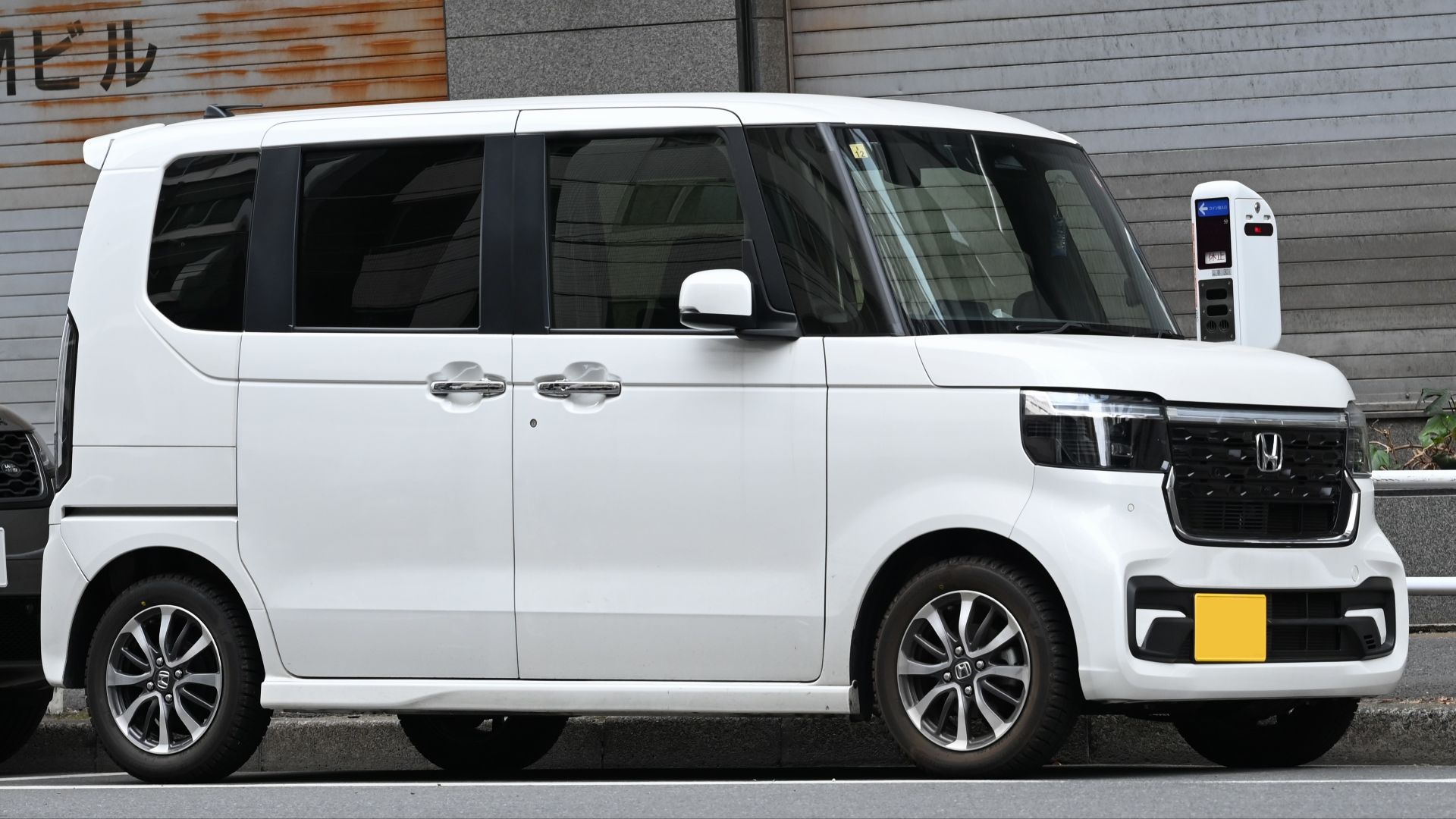
Some imported EVs have no meaningful US-market equivalent at all. That can include small European city cars, Japanese-market kei EVs, unusual Chinese models, and vehicles from newer manufacturers that never entered the US market. In those situations, establishing compliance may require extensive technical documentation or testing. NHTSA notes that vehicles without substantially similar US-certified counterparts may require considerable evidence, potentially including destructive testing. For a single privately imported car, the economics can quickly collapse.
It’s Usually More Than Headlights And A Speedometer
Owners often assume compliance work means swapping headlights, adding reflectors, and changing kilometers to miles. Sometimes visible equipment changes are part of the job, but FMVSS covers much more. Depending on the vehicle, questions can involve lighting, glazing, tires, brakes, airbags, seat belts, head restraints, crashworthiness, tire-pressure monitoring, controls, labeling, and other safety equipment. A car that looks nearly identical to a US model can still differ in ways that aren’t obvious from the outside.
EVs Add High-Voltage Safety Requirements
Electric vehicles also have standards addressing high-voltage systems and protection against electrical shock following certain crashes. Battery construction, isolation systems, disconnects, wiring protection, and crash behavior can therefore matter to compliance. A mechanic saying the EV looks solidly engineered isn’t the same thing as having the documentation necessary to establish conformity. The RI may need technical information that an overseas manufacturer isn’t willing or able to provide.
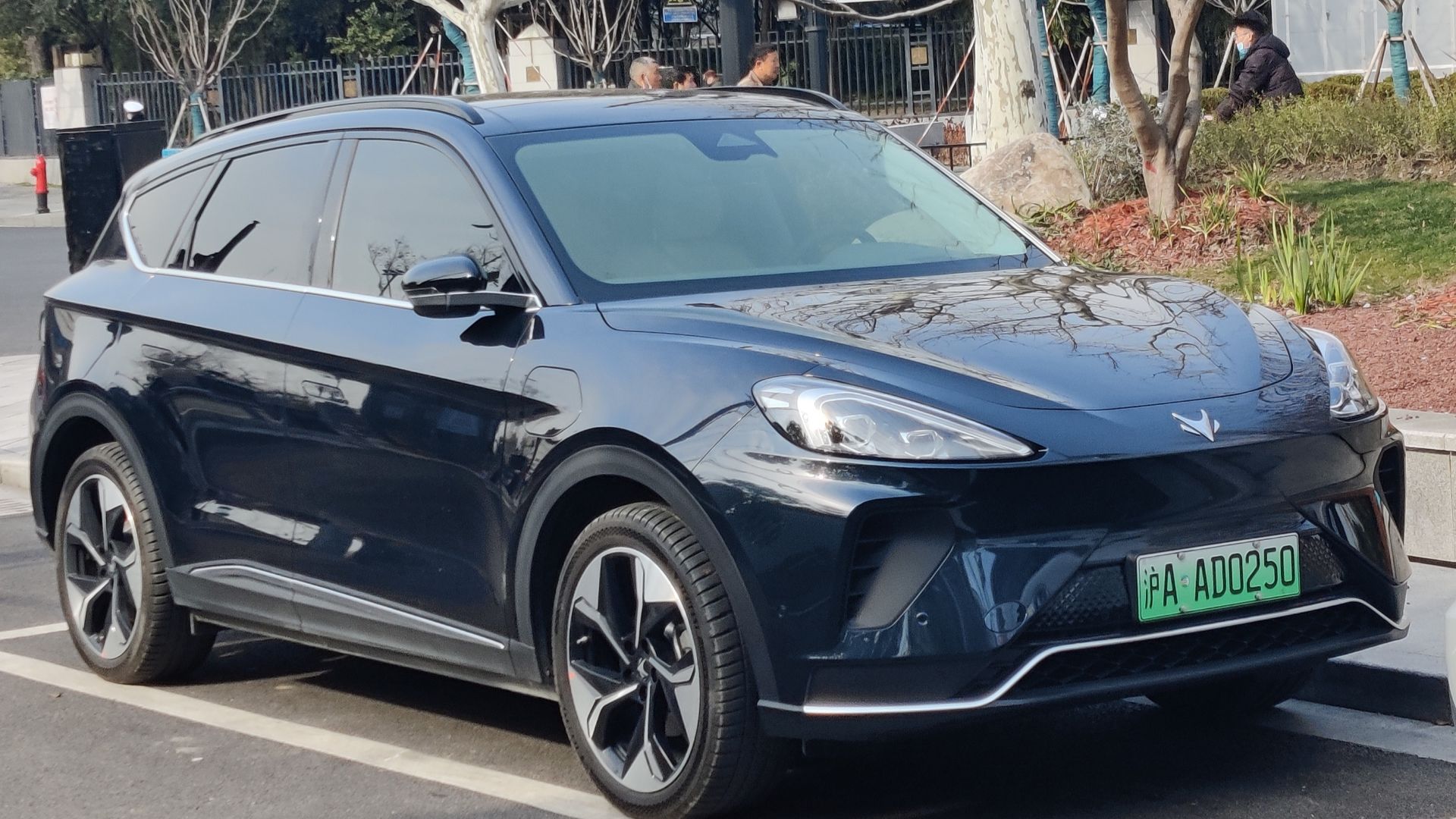
Software Can Become A Major Obstacle
Modern EVs depend heavily on software for braking, steering assistance, battery management, cameras, radar, driver-assistance features, and electronic control systems. Hardware modifications can sometimes trigger faults or require calibration that only factory software can perform. If the manufacturer doesn’t officially support vehicles in the United States, access to diagnostic tools, coding, or replacement modules may be limited. Ask about software support before spending heavily on physical modifications.
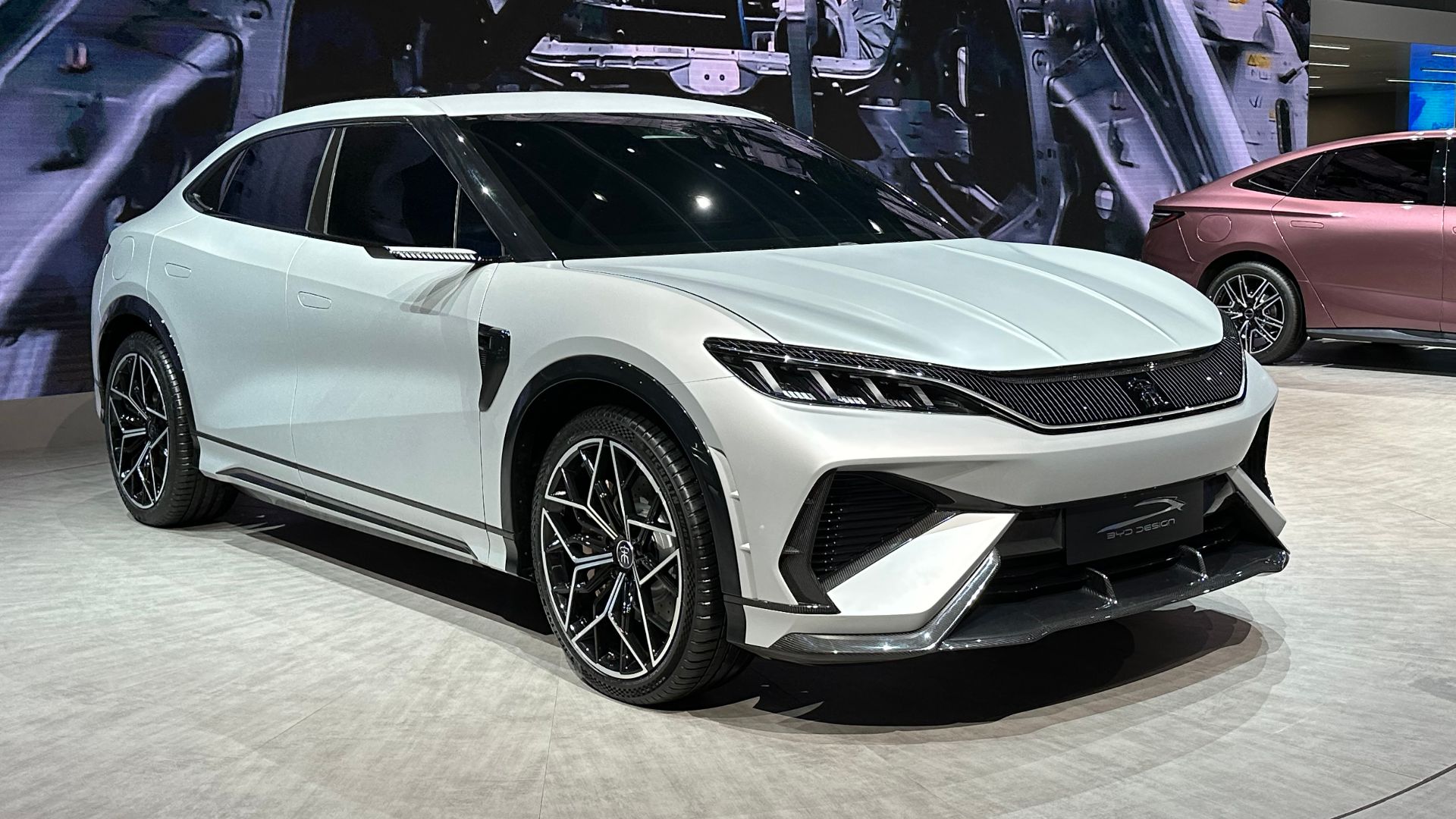 JustAnotherCarDesigner, Wikimedia Commons
Chinese EVs Can Face An Extra Connected-Vehicle Issue
Chinese-market EVs deserve an additional check because US connected-vehicle rules now address certain vehicle connectivity systems and automated-driving technologies associated with China and Russia. Restrictions began taking effect in stages, with requirements affecting certain connected vehicles and software starting with model year 2027 and additional hardware restrictions following later. Someone importing a newer Chinese EV therefore needs to investigate both conventional vehicle-safety compliance and the separate connected-vehicle rules that may apply.
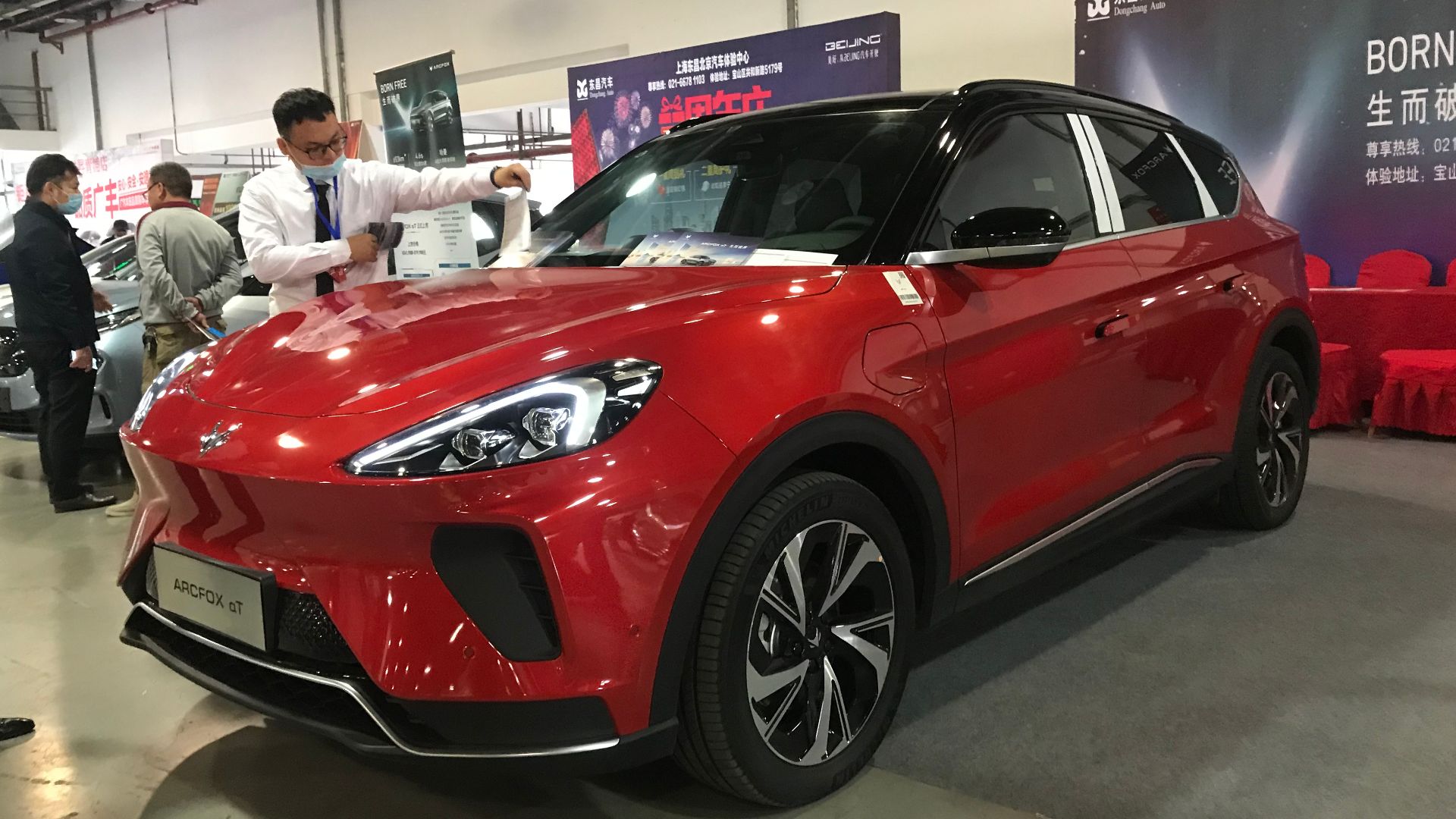 Jengtingchen, Wikimedia Commons
Don’t Assume A Speed Limiter Turns It Into An LSV
Some imported mini-EVs are marketed online as neighborhood vehicles, leading buyers to assume registration will be easier. But a federal low-speed vehicle is a defined vehicle category subject to FMVSS No. 500 and specific performance and equipment requirements. States may impose additional restrictions on where LSVs can operate. A regular foreign passenger car doesn’t automatically become a low-speed vehicle because someone limits its software to 25 mph.
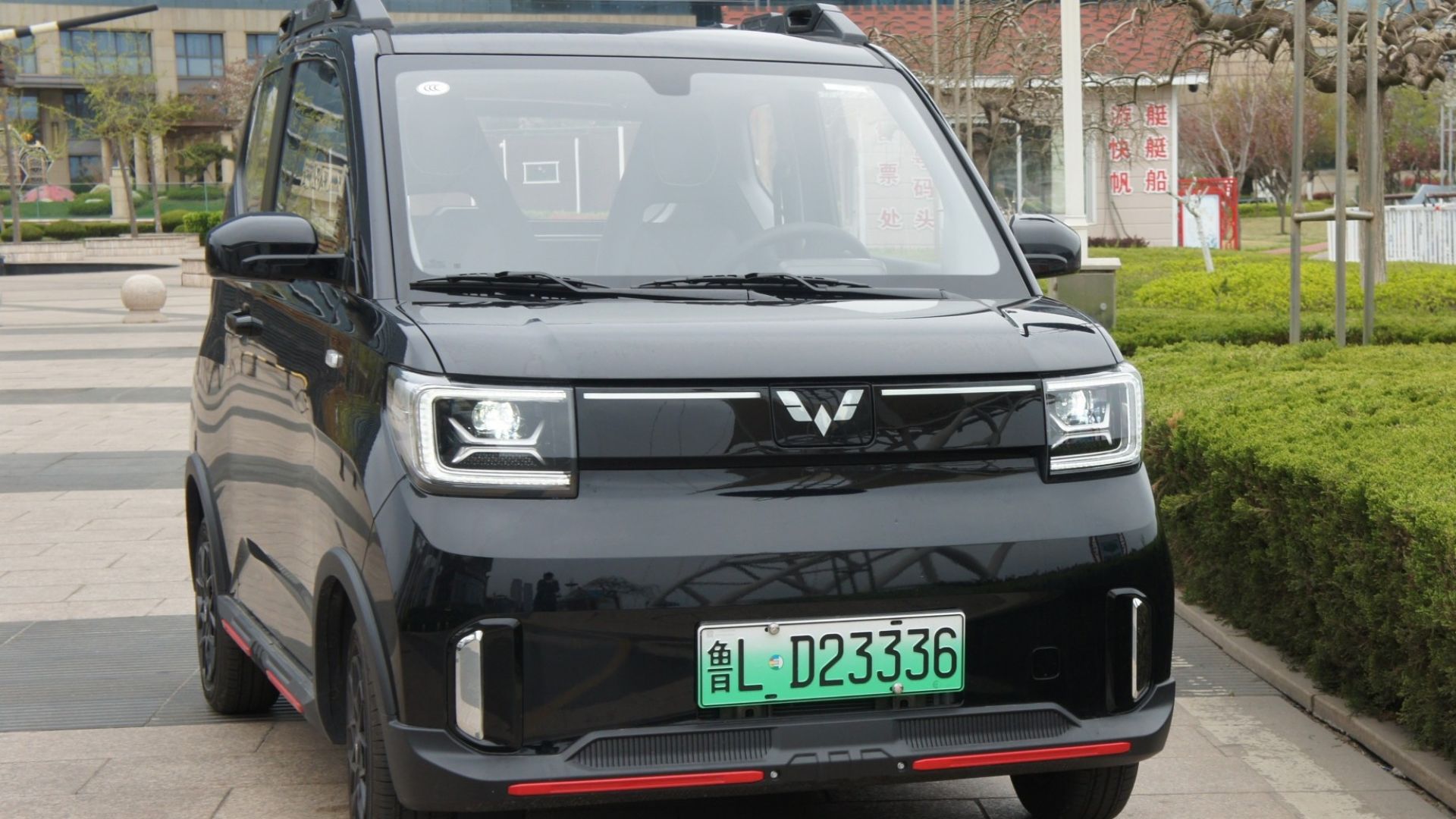
The VIN Can Create Its Own Problems
Foreign-market identification numbers can also confuse state registration systems. Vehicles manufactured for US sale are subject to federal VIN requirements, including a standardized 17-character format. Some foreign vehicles use identifiers that state databases don’t recognize properly or that don’t map cleanly to US manufacturer records. That doesn’t automatically make the car illegal, but it can require extra documentation. Never alter, restamp, or invent a VIN yourself in an attempt to satisfy the DMV.

Don’t Ignore The EPA Just Because It’s Electric
Battery-electric vehicles don’t have conventional tailpipe emissions, but that doesn’t mean owners can ignore EPA import procedures. EPA Form 3520-1 is part of the federal vehicle-import process for many vehicles, and your customs paperwork should show how the EV was declared. If the EPA documentation is absent or inconsistent, contact the appropriate agency or an experienced import specialist rather than assuming an electric drivetrain eliminates all environmental paperwork.
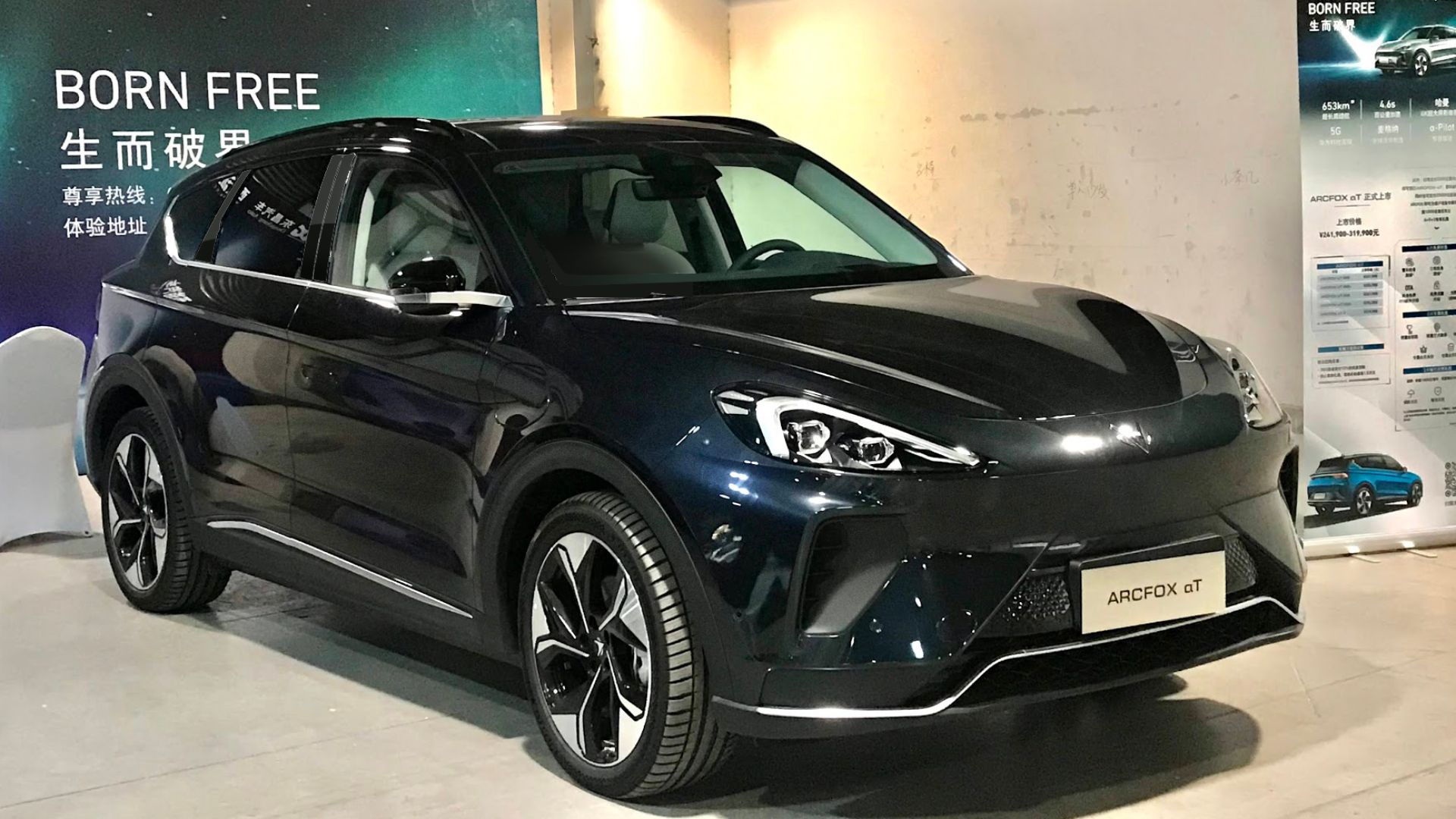 Jengtingchen, Wikimedia Commons
Your State DMV Is Still Another Gatekeeper
Even after the federal issues are resolved, state registration requirements remain. NHTSA leaves titling, registration, and public-road operation to individual states. Depending on where you live, the DMV may ask for customs documents, VIN verification, ownership records, inspection certificates, federal compliance documentation, and other proof. Some states scrutinize direct imports especially closely, so research your own state’s requirements before assuming that federal compliance guarantees an easy trip to the registration counter.

A State Inspection Can’t Fix A Federal Problem
Suppose the EV passes a state brake, lighting, or safety inspection without a single problem. That’s encouraging, but it doesn’t necessarily establish that the vehicle was lawfully imported under federal rules. Likewise, accidentally obtaining a state title doesn’t create missing federal certification. The systems overlap, but they aren’t interchangeable. You want the underlying import issue resolved rather than hoping a particular DMV employee simply doesn’t notice it.
Talk To An Insurer Before You Put Money Into Compliance
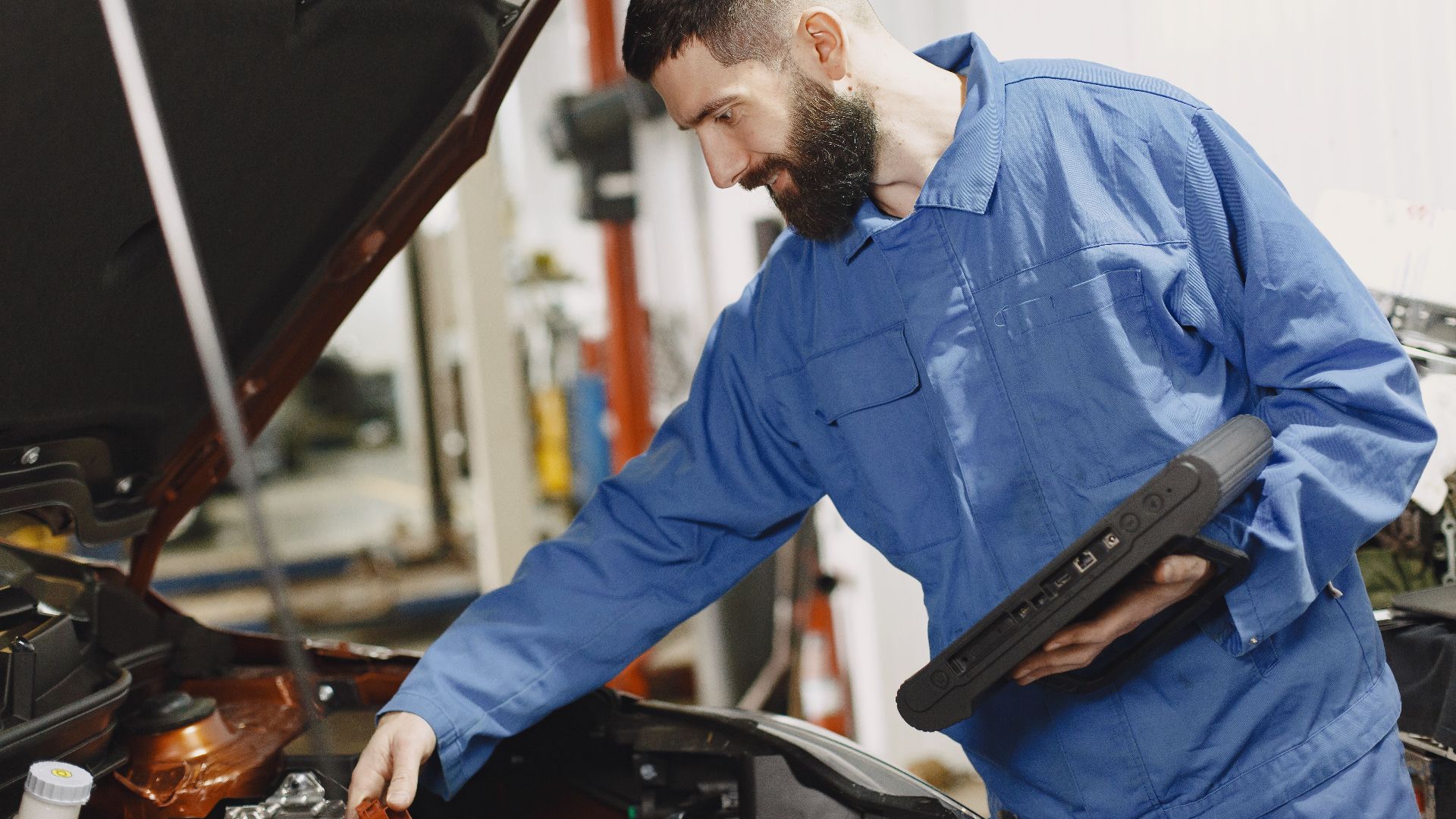
A foreign-market EV can create insurance problems even after registration is possible. The carrier may have trouble identifying the VIN, determining replacement value, finding crash-repair information, or estimating parts availability for a vehicle never officially sold here. Be completely transparent about its import status and configuration. Before spending thousands on compliance work, find out whether you can actually obtain insurance you’re comfortable carrying once the car is legal.

Think About Parts Before You Fight For Registration
Making the EV safer doesn’t magically create dealerships, technicians, or replacement components. Find out how you’d obtain windshield glass, suspension parts, brake components, airbags, body panels, battery modules, charging hardware, and electronic control units. Some overseas EVs also rely heavily on manufacturer apps, cloud services, or proprietary diagnostic software that may not function fully outside their original market. A driveable car can still become a very expensive driveway ornament after one minor collision.
Don’t Begin Random Modifications On Your Own
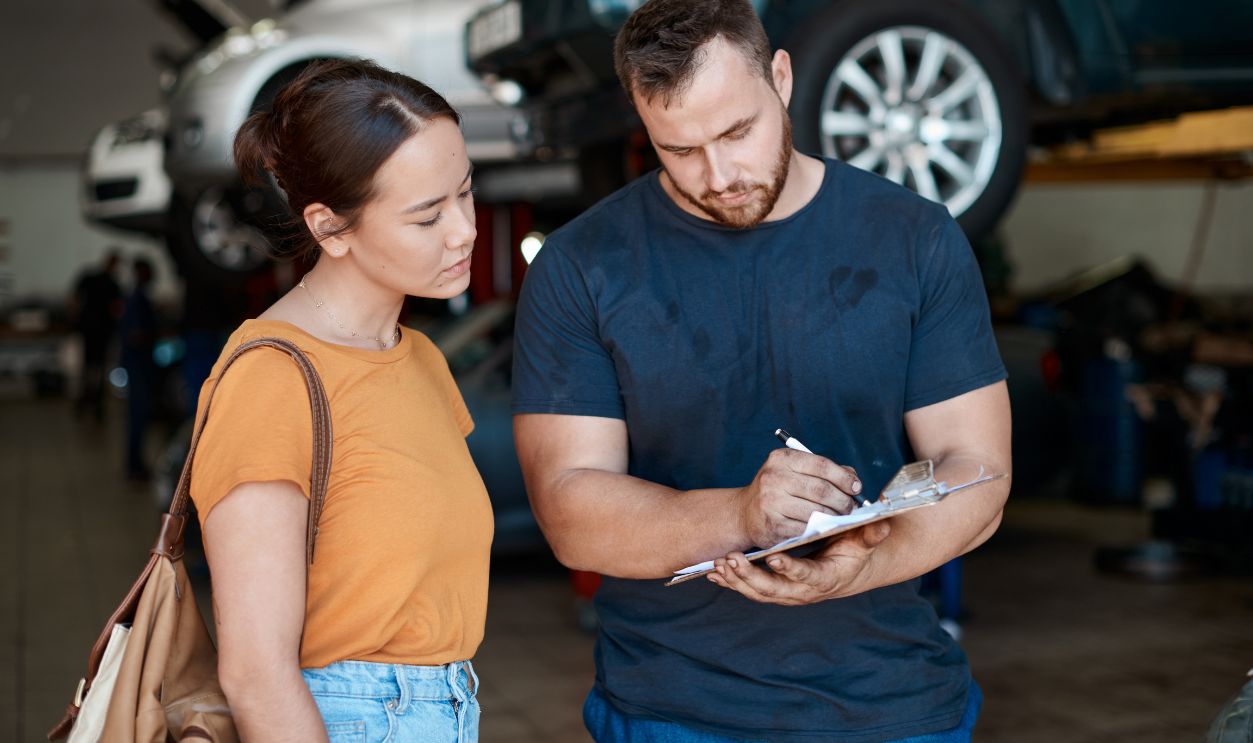
If formal RI certification is necessary, resist the urge to start replacing lamps, modifying bumpers, changing wiring, or reflashing control modules before a professional evaluates the car. The Registered Importer responsible for certification needs to establish and document exactly how compliance was achieved. Unapproved modifications may need to be removed or redone. Get a written assessment first so you know which changes actually matter and who needs to perform them.

Get A Feasibility Estimate Before Spending More
Once a Registered Importer understands exactly what you have, ask for a realistic assessment. Is the model already eligible? Is there a US-certified counterpart? Would a petition be required? What modifications are expected? Is testing necessary? Can the importer obtain the required technical information? What might the entire process cost? There comes a point where spending $20,000 to legalize a $25,000 foreign EV makes very little financial sense, no matter how interesting the car is.

Exporting The Car May Sometimes Be The Least Bad Outcome
If there’s no realistic way to establish compliance, keeping the EV as an ordinary road car may simply not be an option. Depending on how it entered the country and which requirements remain unmet, export or another legally permitted disposition may ultimately be necessary. That can be painful after paying for the car, international freight, duties, storage, and paperwork, but it may still be cheaper than pouring more money into a conversion that can never receive the necessary certification.
 Daniel Laflor/peopleimages.com, Adobe Stock
Work Backward From The Documents
Being told your imported EV “doesn’t meet local standards” is too vague to tell you whether the situation is fixable. Start with the certification label, customs entry, HS-7 declaration, NHTSA eligibility status, EPA paperwork, and state registration requirements. Then speak with a Registered Importer before modifying anything. Some foreign-market EVs have a legitimate road to compliance. Others don’t. The sooner you determine which category yours falls into, the less money you’re likely to lose finding out.

You May Also Like: