The Cheap Ex-Race Car Can Get Expensive Fast
Buying a former race car can sound like a great project, especially when someone sees a loud, stripped-down machine and pictures turning it back into a street car. The problem is that racing can hide serious damage in places a normal used-car inspection will never catch.
Why Race Cars Age Differently
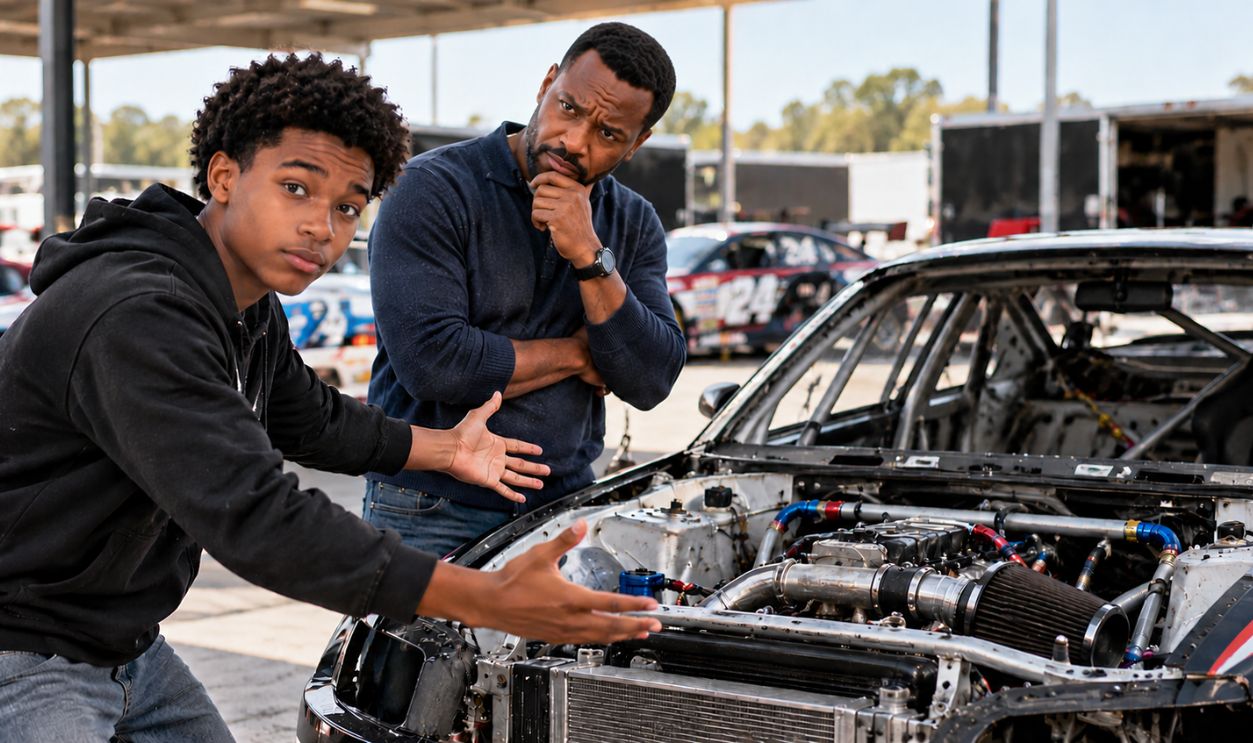
A street car usually wears out through miles, weather, and neglect. A race car packs years of abuse into a few weekends. Hard launches, heavy braking, curb hits, and off-track moments put loads on the car far beyond normal driving. The odometer may look fine, but the metal can tell a very different story.
Start With the Rulebook Reality Check
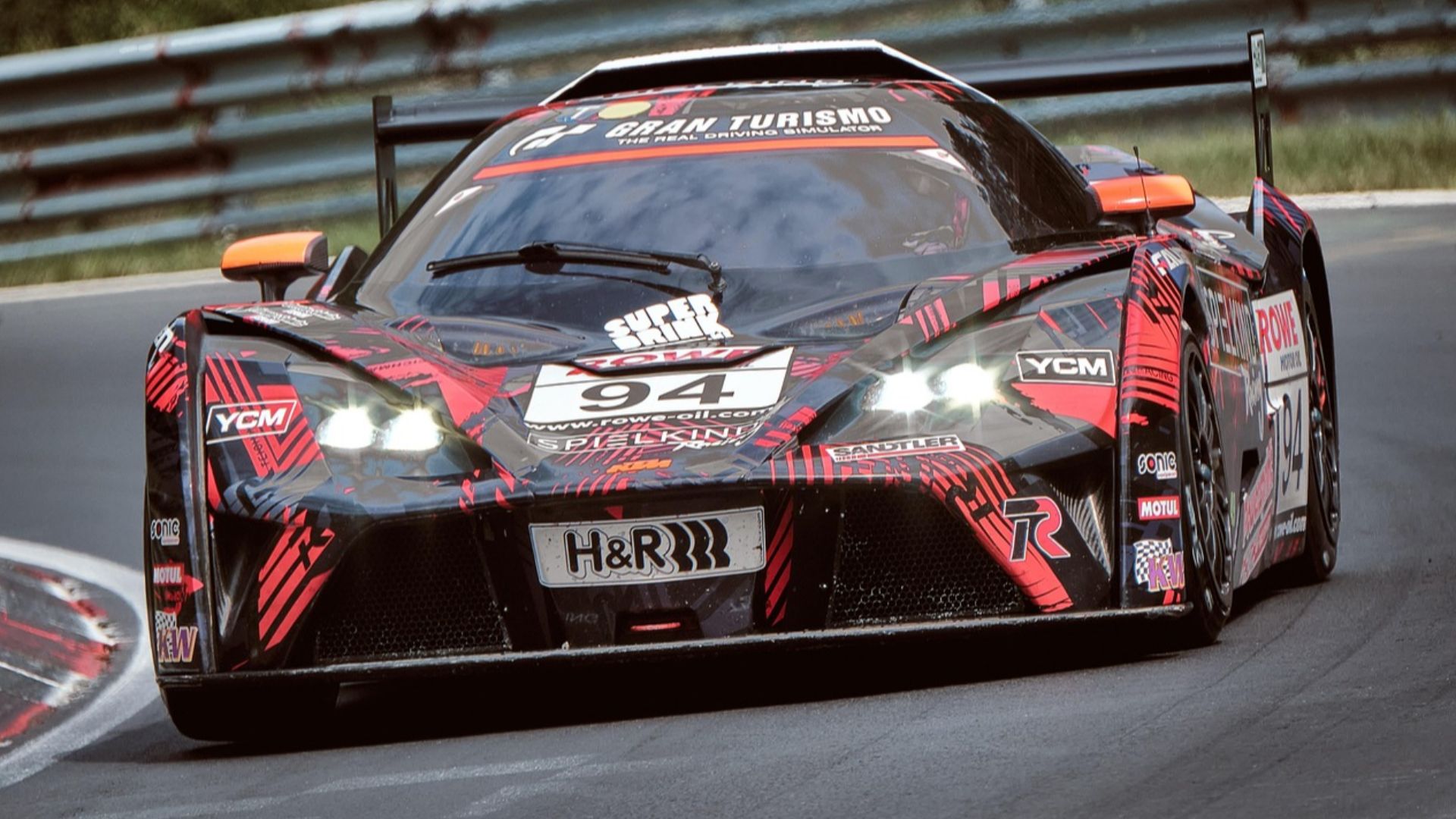
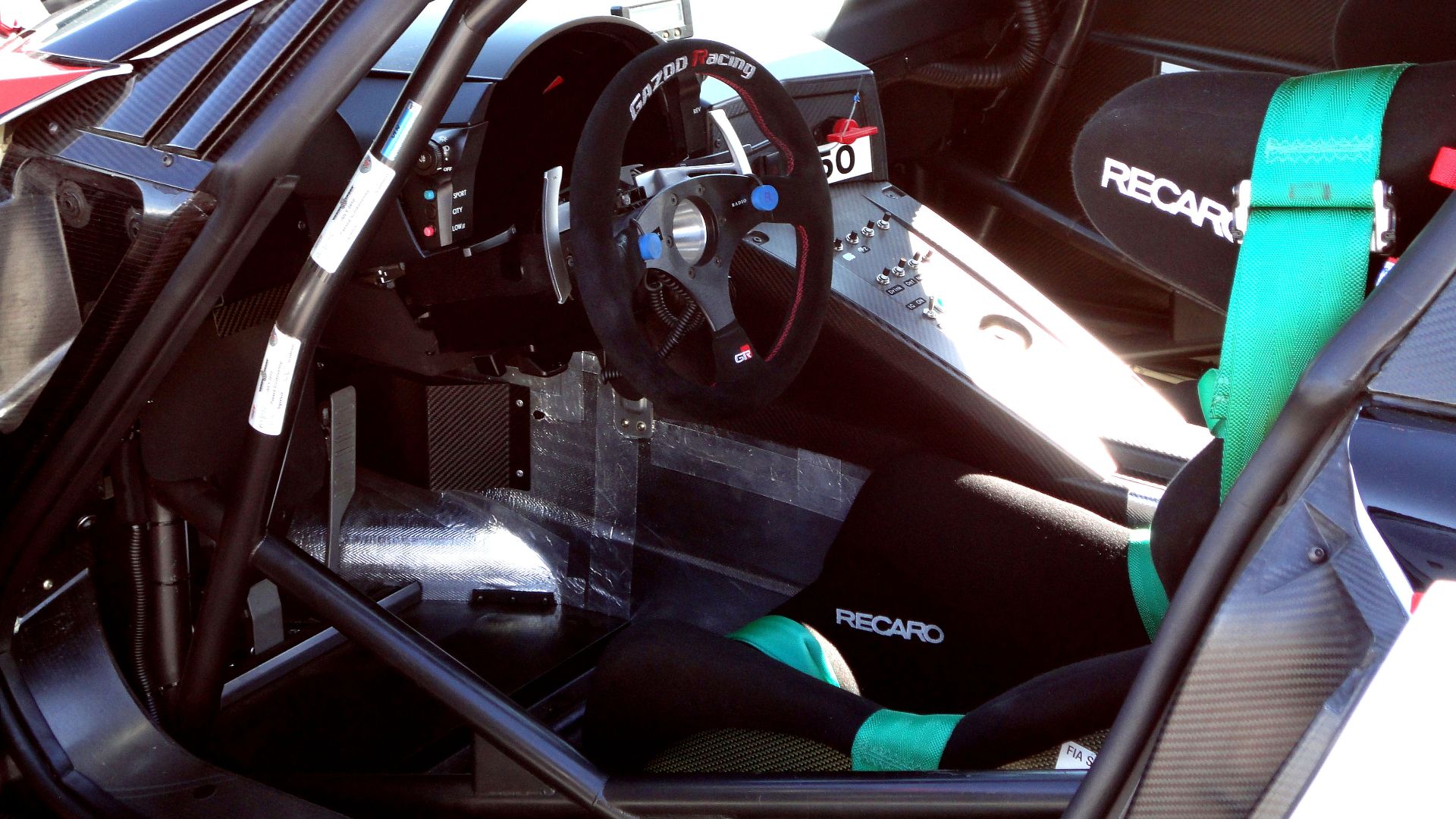
One of the first things to know is that race prep often means permanent changes. Rulebooks from groups like SCCA and NASA commonly require safety gear such as roll cages, racing seats, harnesses, electrical cutoffs, and fire systems. Installing those parts usually means drilling, welding, and cutting. Putting the car back to stock can be much harder than just unbolting parts.
The Roll Cage Leaves More Than Bolt Holes
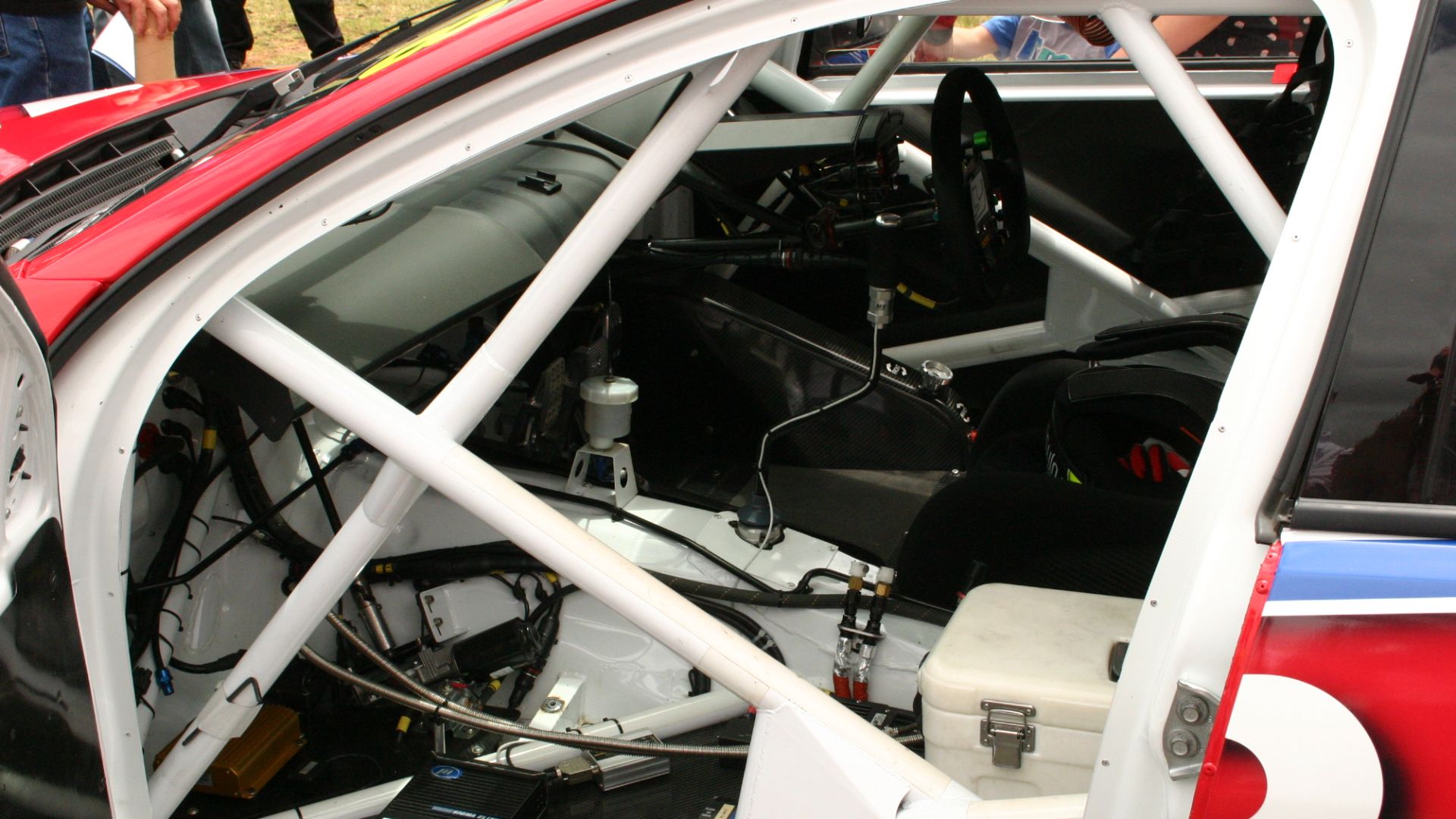
If the car had a welded cage, expect changes to the floor pans, rocker panels, rear shock towers, and sometimes even the dash structure. Cage foot plates are often welded to reinforced parts of the shell, and removing them can reveal heat-marked metal, thin spots, and rough repairs. Even if a seller says the cage “comes right out,” the body usually will not go back to factory condition without real metal work.
Crash Damage Is the Big Unknown
The biggest hidden risk is old crash damage, because race cars are much more likely than street cars to have hit something. A car can look straight on the outside and still have a tweaked unibody, a replaced front clip, or repaired suspension pickup points. That is why a professional frame measurement is one of the smartest first expenses on any ex-race car.
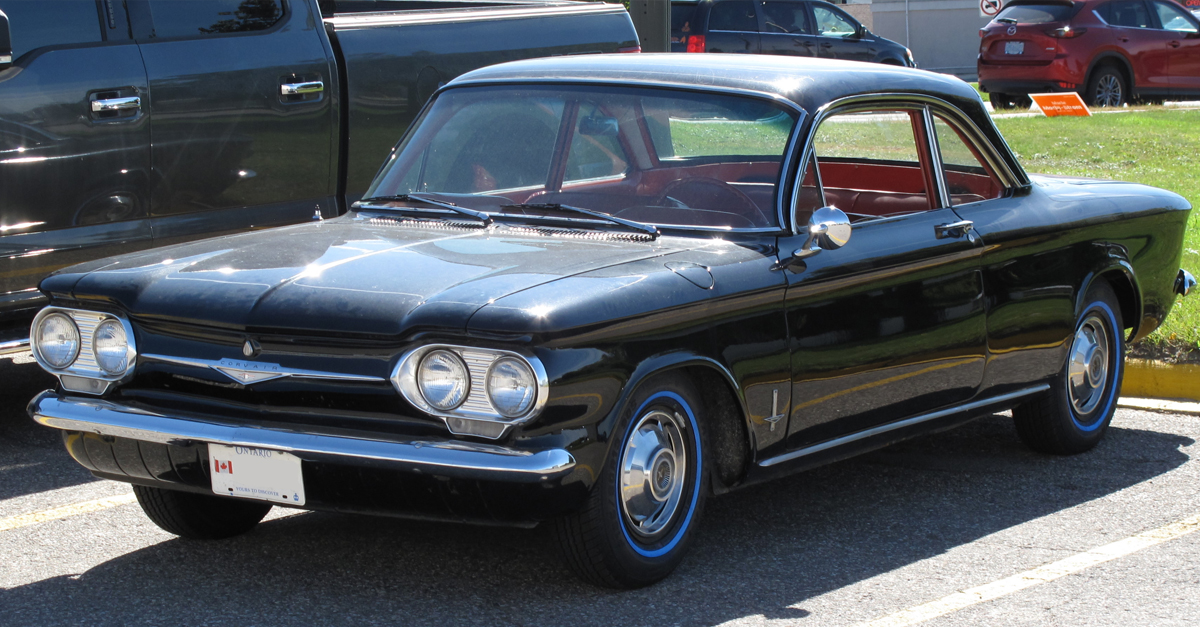
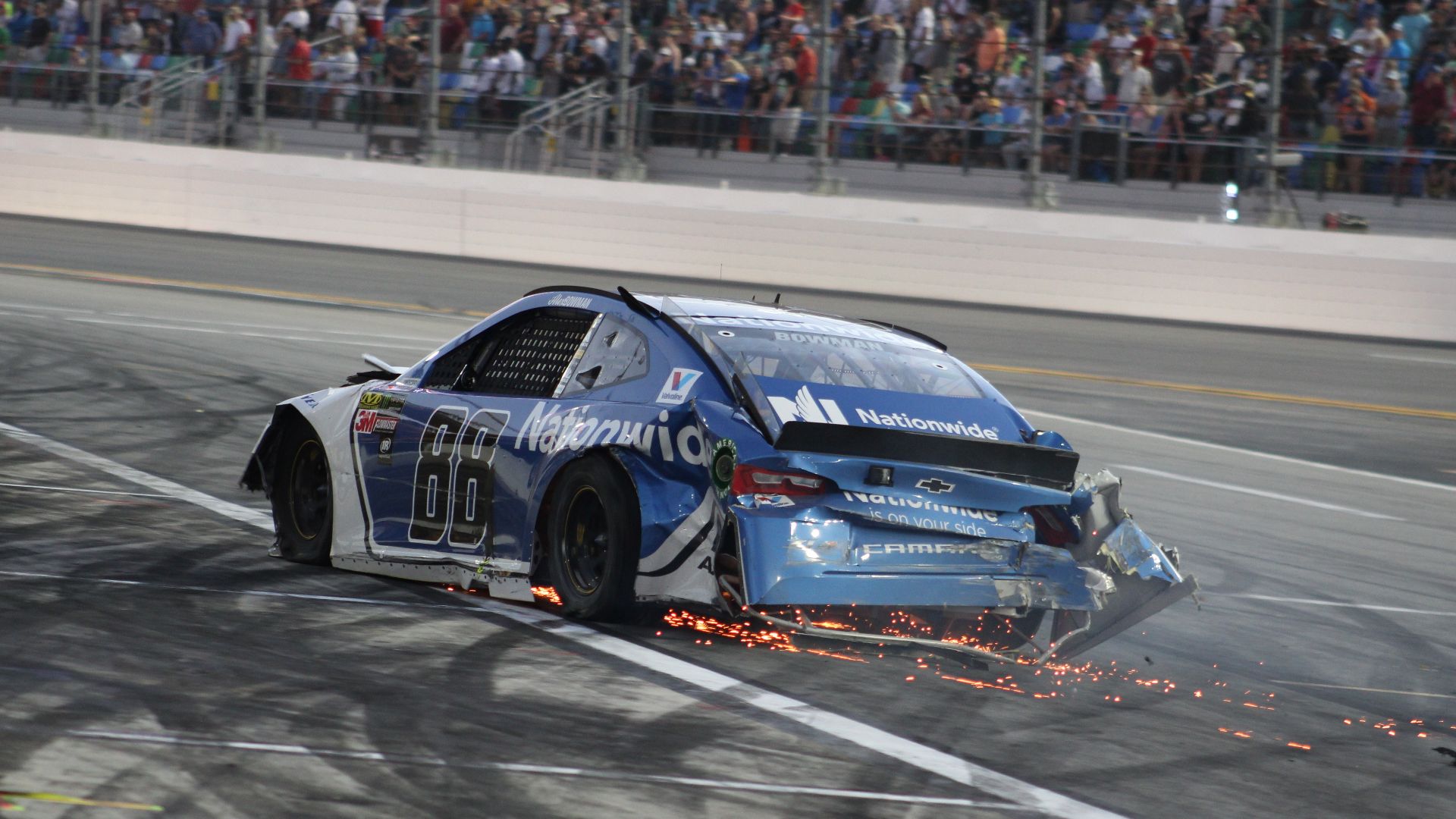 Zach Catanzareti Photo, Wikimedia Commons
What a Bent Shell Can Look Like
Sometimes the signs are small: uneven panel gaps, strange tire wear, or a steering wheel that sits off-center. Other times you may find fresh undercoating, non-factory seam sealer, wrinkled floor sections, or welds that do not match the original spot-weld pattern. Those details matter because they can show where the car took a hit and how well it was fixed.
Fatigue Cracks Love High-Stress Areas
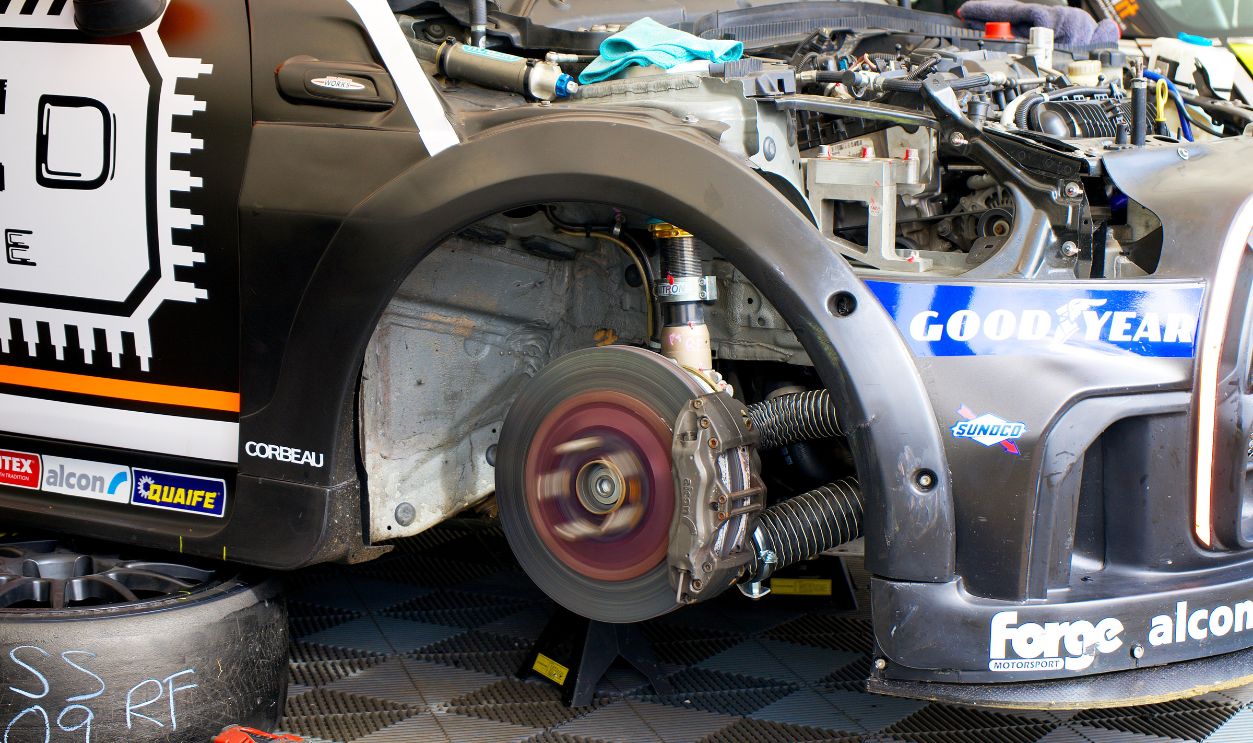
Racing pounds the same spots over and over, especially strut towers, subframes, control arm mounts, and sway bar pickup points. Teams and club racers check these areas because cracks can start tiny and grow with every event. A car being turned back into a street car may still need welding or reinforcement before it feels solid and safe.
Suspension Pickups Can Be Quietly Distorted
A curb hit can bend more than a wheel. It can move a control arm mount, tweak a spindle, or shift a rear beam or subframe just enough to cause problems. Sometimes the damage only shows up during alignment. If the car cannot reach factory alignment settings without odd workarounds or aftermarket adjusters, hidden structural damage should be high on the list of suspects.
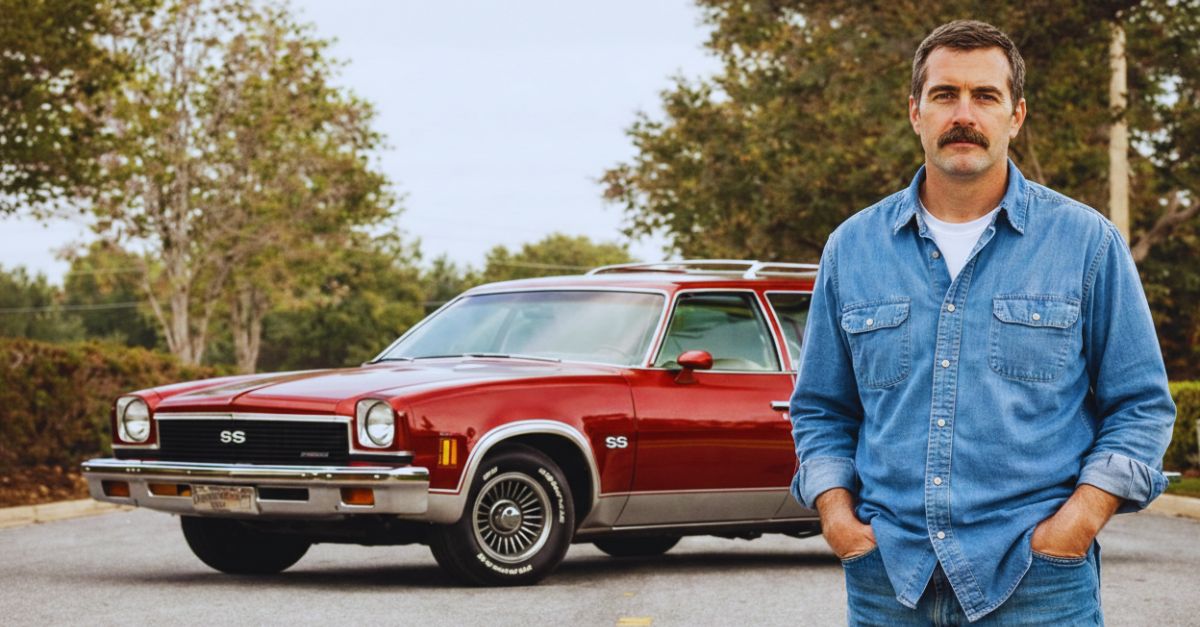
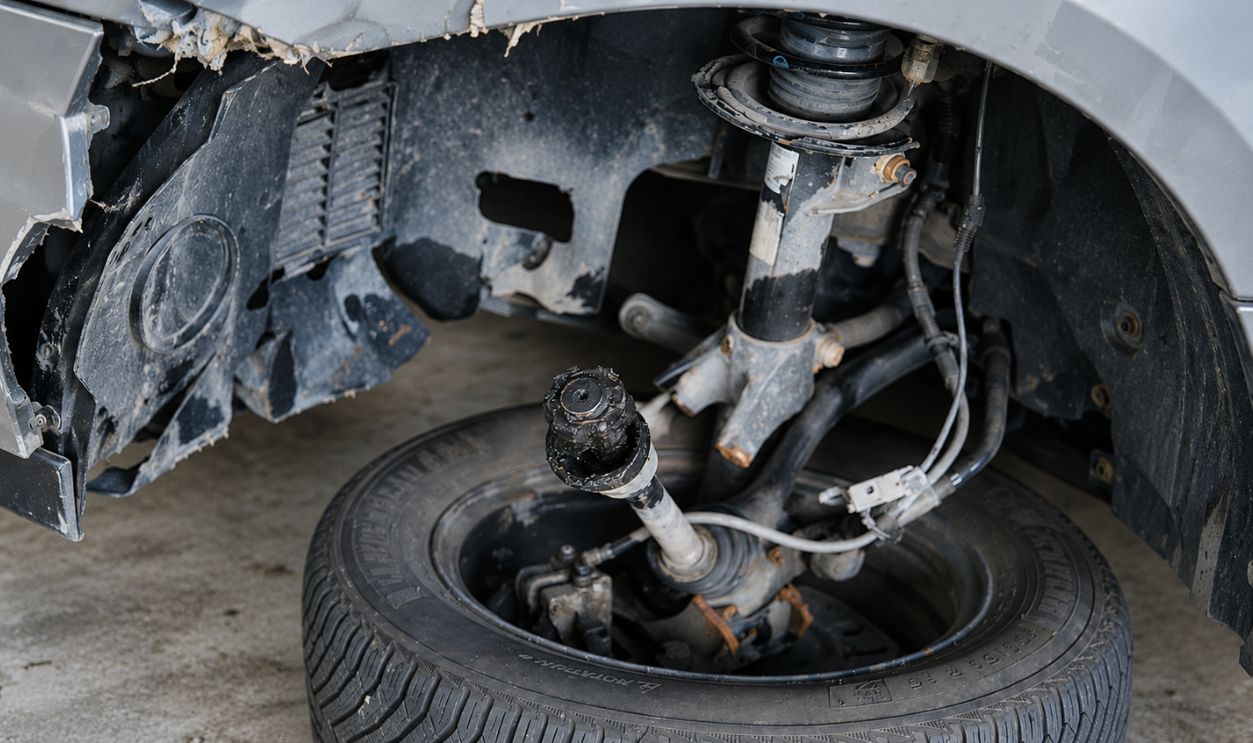 Shixart1985, Wikimedia Commons, Modified
Underbody Damage Hides in Plain Sight
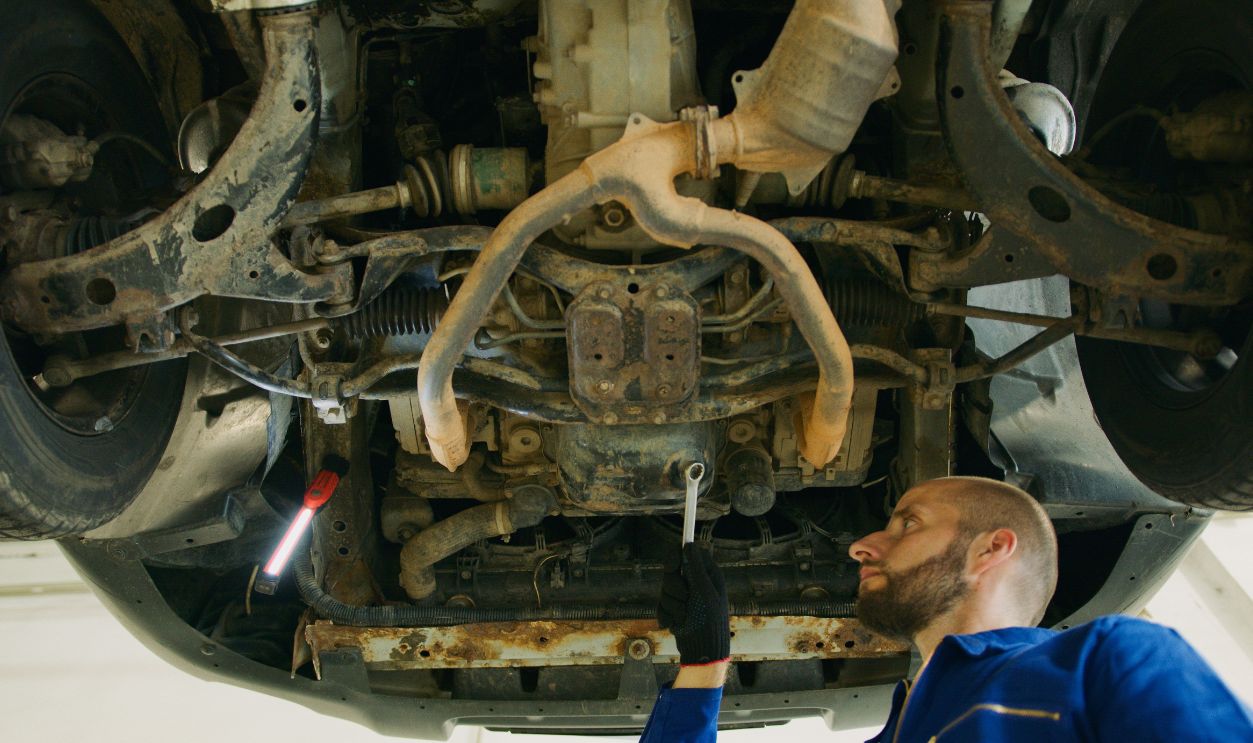
Race cars spend a lot of time on jack pads, trailers, curbs, and sometimes dirt or grass. That can crush pinch welds, dent floor pans, scrape fuel and brake lines, and damage mounting points underneath. A lift inspection is a must, because the underside usually tells the truth.
Seam Welding Changes the Equation
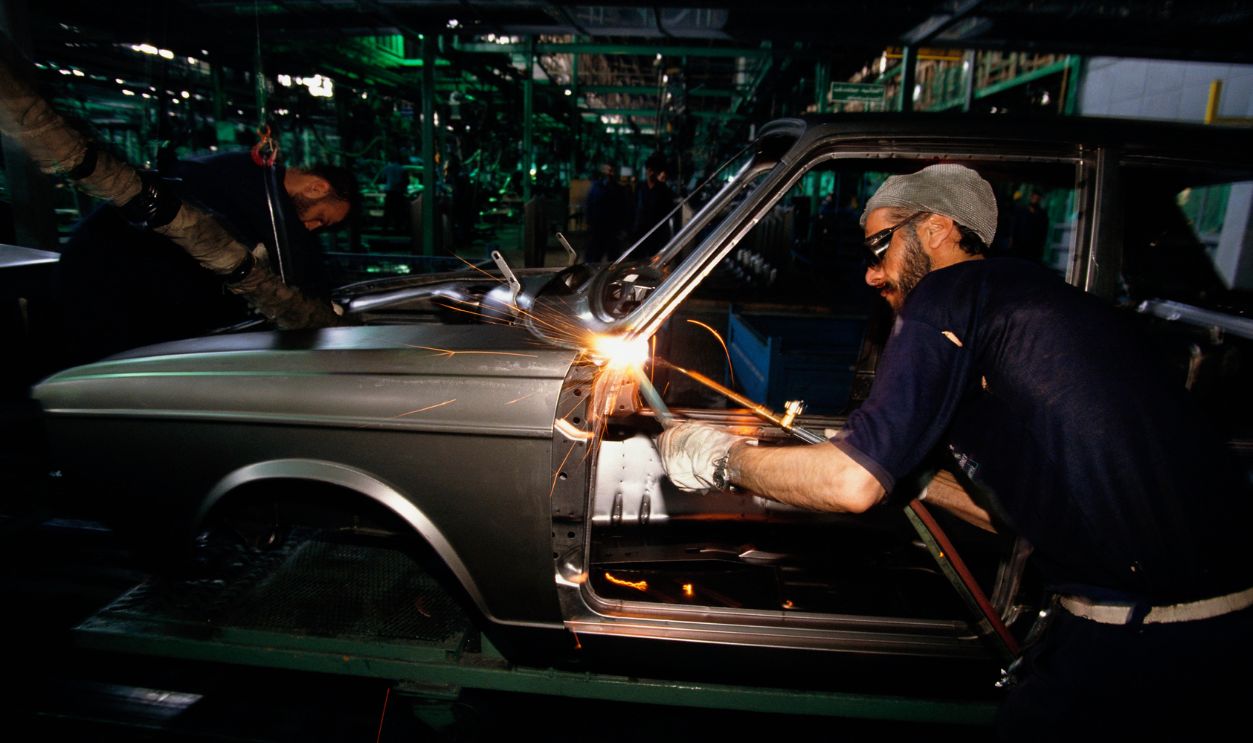
Some race builds add seam welding to stiffen the shell, especially in production-based classes where the rules allow it. That can help rigidity on track, but it also changes how the body behaves compared with stock and makes a true restoration much harder. Once a chassis has been stitched and reinforced, there is no easy way back to factory originality.
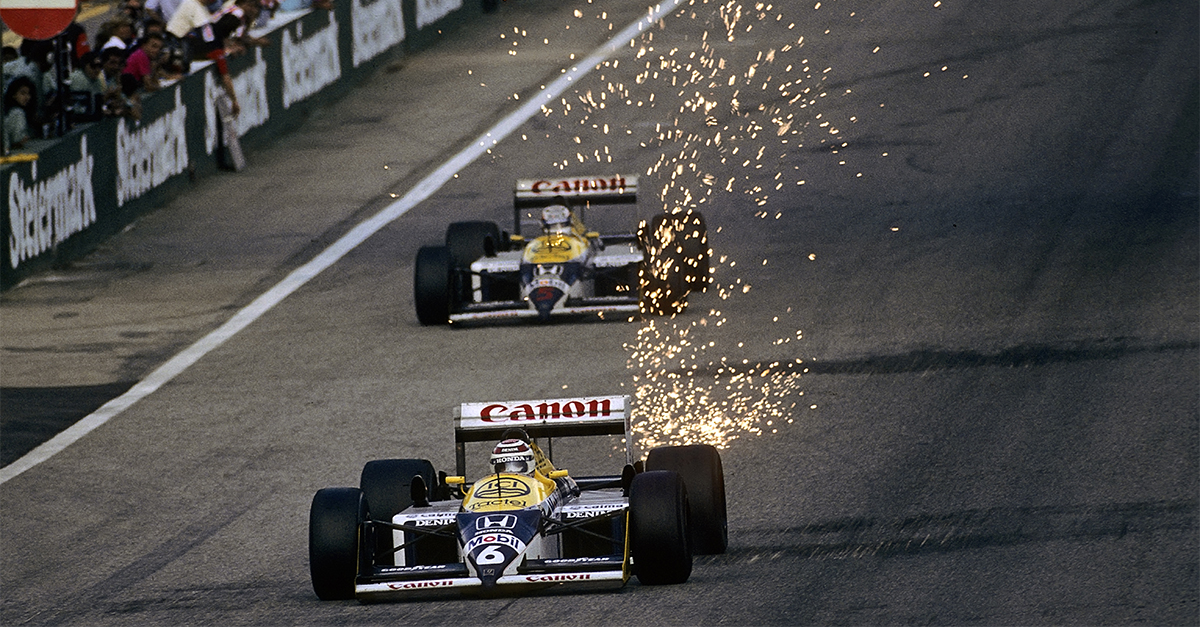
 Shepard Sherbell, Getty Images
The Engine May Be Tired Even If It Starts Easily
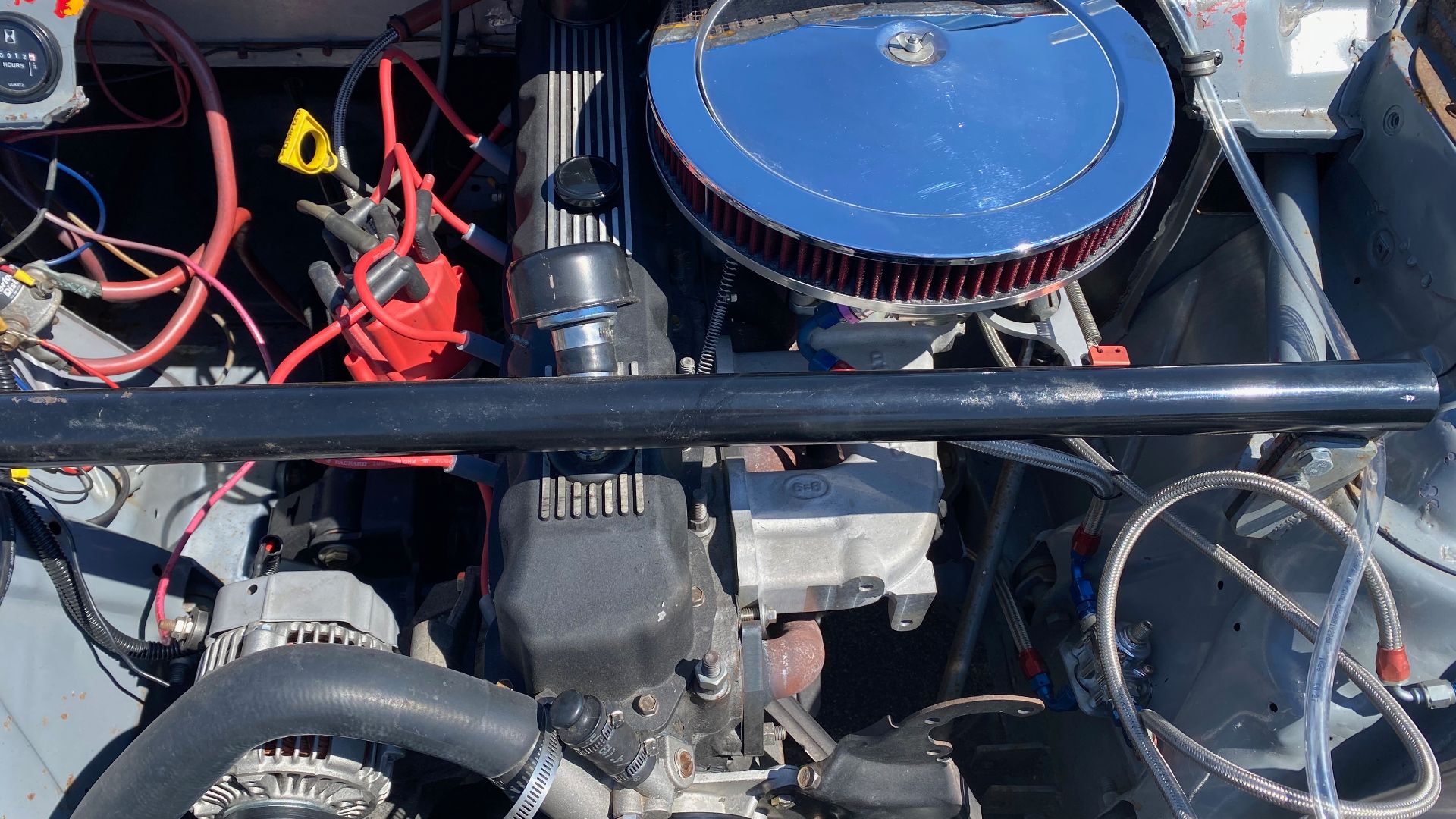
A race engine can idle smoothly in the driveway and still be near the end of its useful life. Long stretches at high rpm, repeated heat cycles, and aggressive tuning put stress on bearings, valve springs, cooling systems, and oil control. Compression and leakdown tests are a good starting point, but they do not always tell the whole story on an engine that spent years near redline.
Cooling Systems Take a Beating
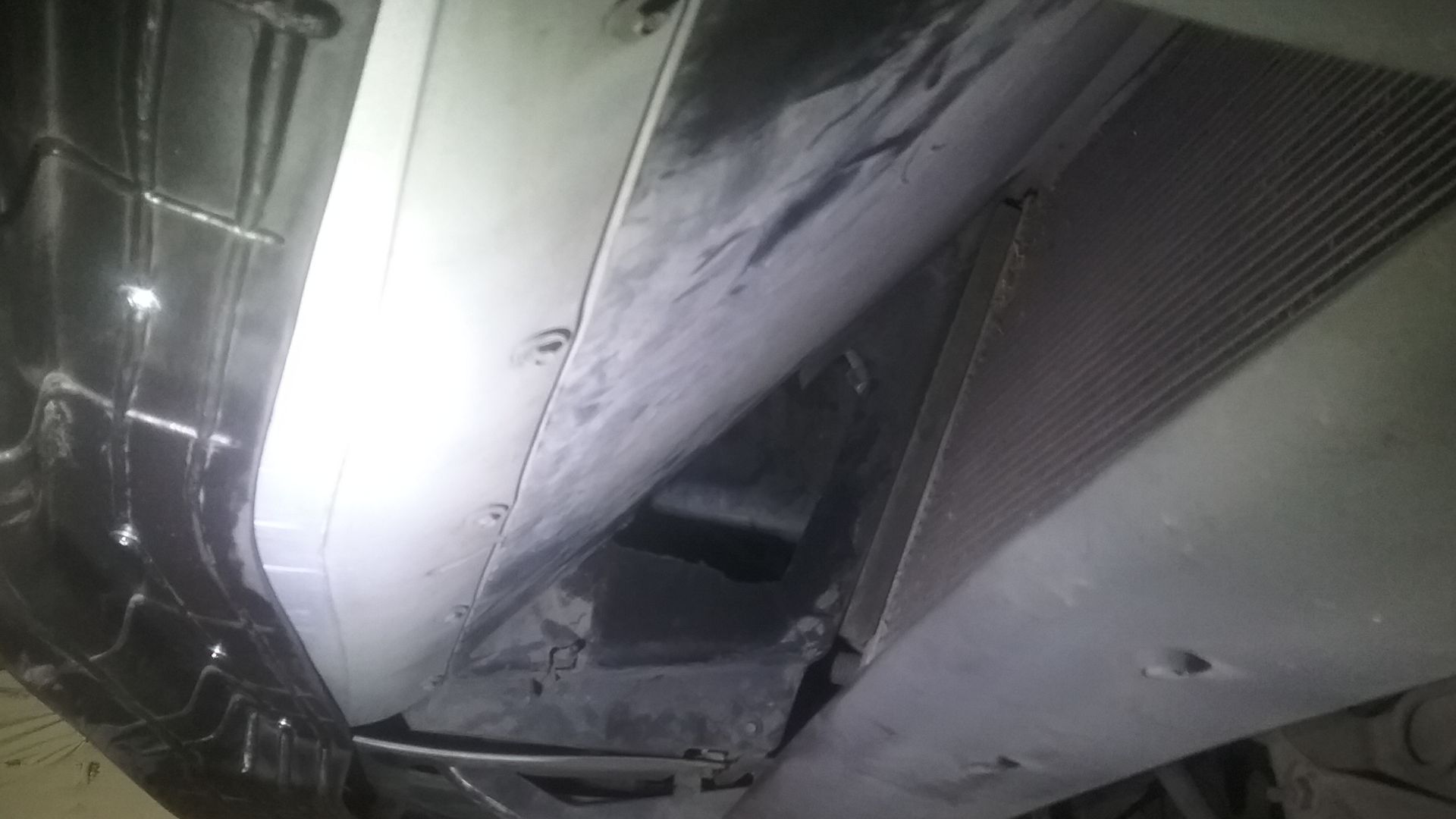
On track, weak cooling gets exposed fast, so racers often change radiators, hoses, ducting, fans, and thermostats. Those fixes may be clever, temporary, or rushed, depending on the team’s budget and time. When putting the car back to stock, expect odd hose routing, blocked heater circuits, or signs of repeated overheating.
 Josh Baumgartner, Wikimedia Commons
Transmission and Differential Wear Can Be Severe
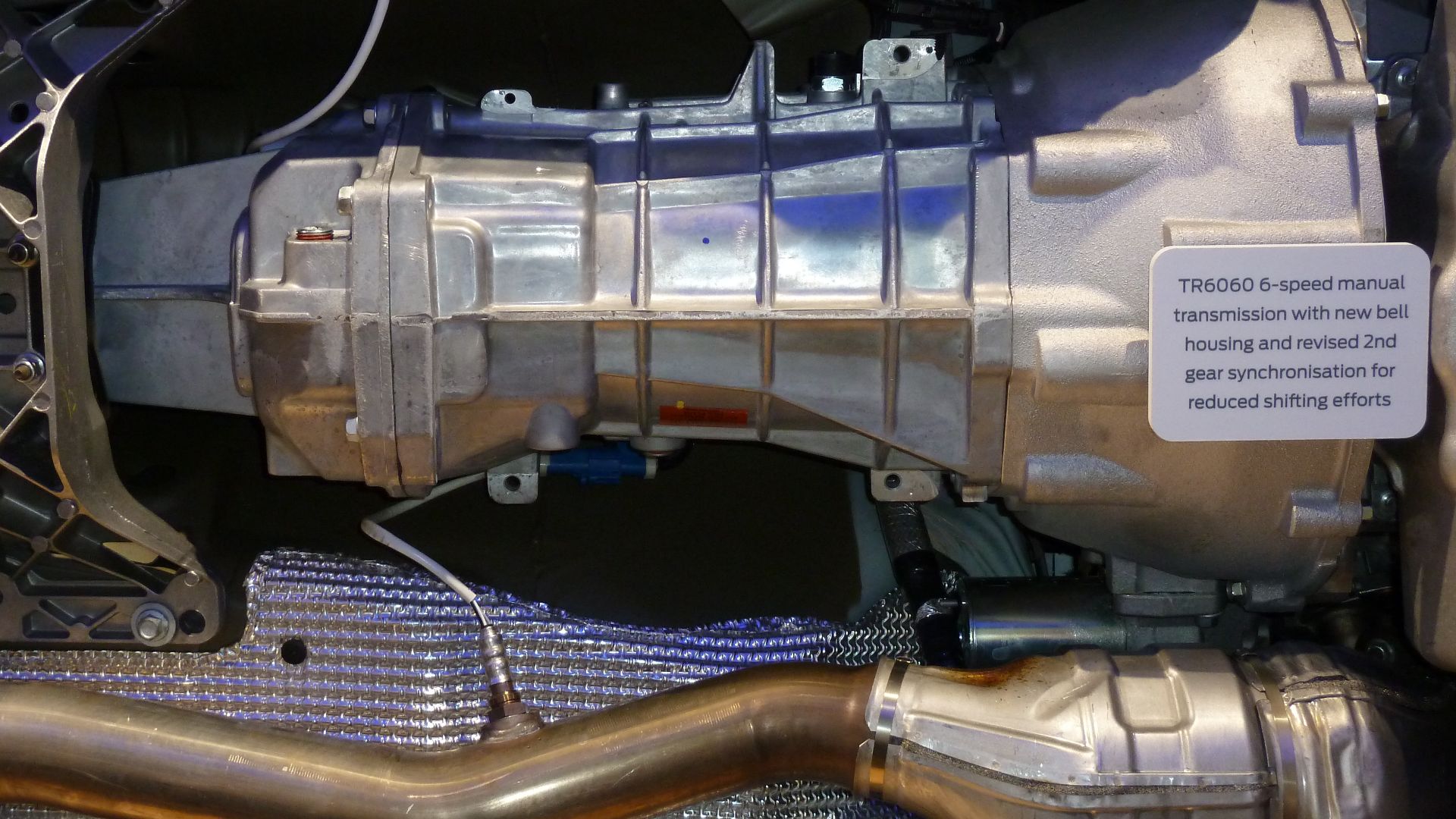
Clutch dumps, quick shifts, and sticky tires can be brutal on gearboxes and differentials. Synchronizers, bearings, axle splines, and limited-slip units may be much more worn than the mileage suggests. A gearbox that seems fine on a short test drive can later show grinding, whining, or metal in the oil once the project begins.
Brake Heat Leaves Lasting Scars
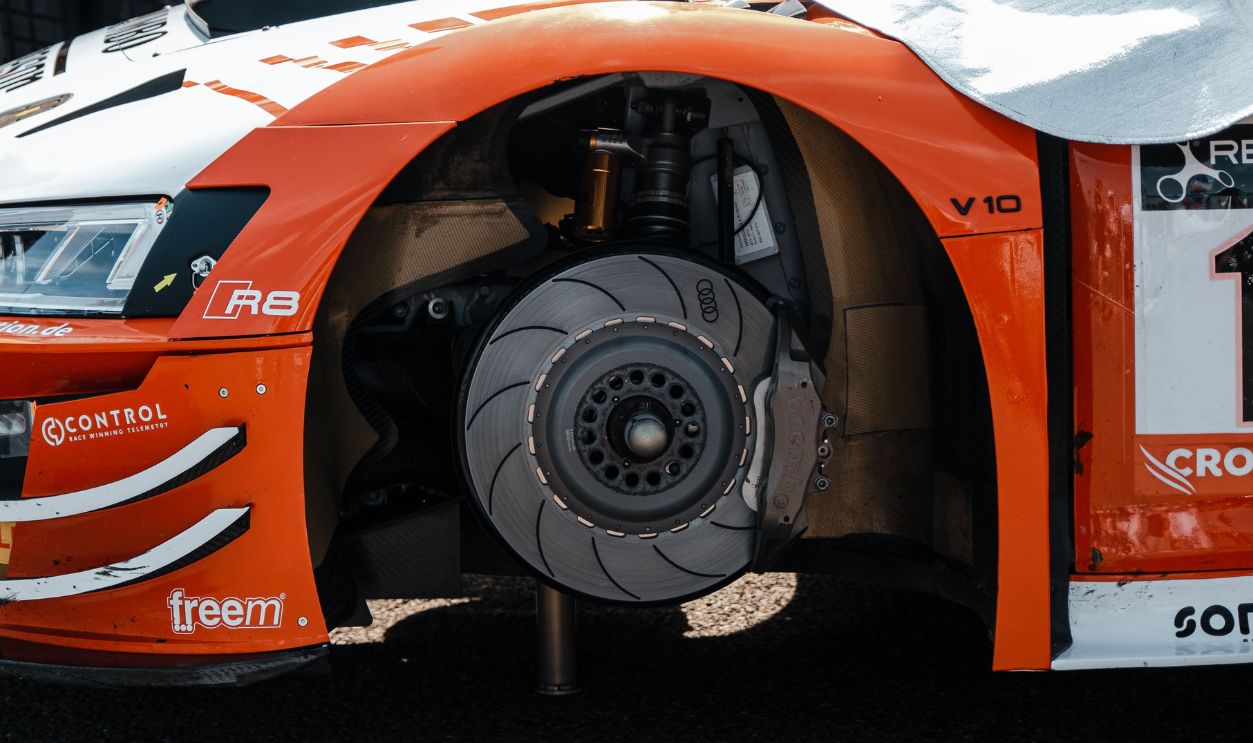
Race pads and repeated hard stops create temperatures far beyond normal street use. Wheel bearings, caliper seals, hubs, rotors, dust shields, and nearby rubber parts can all suffer. If the car saw serious track time, it makes sense to inspect every brake-related part like it is a wear item.
Wiring Is Often One of the Messiest Surprises
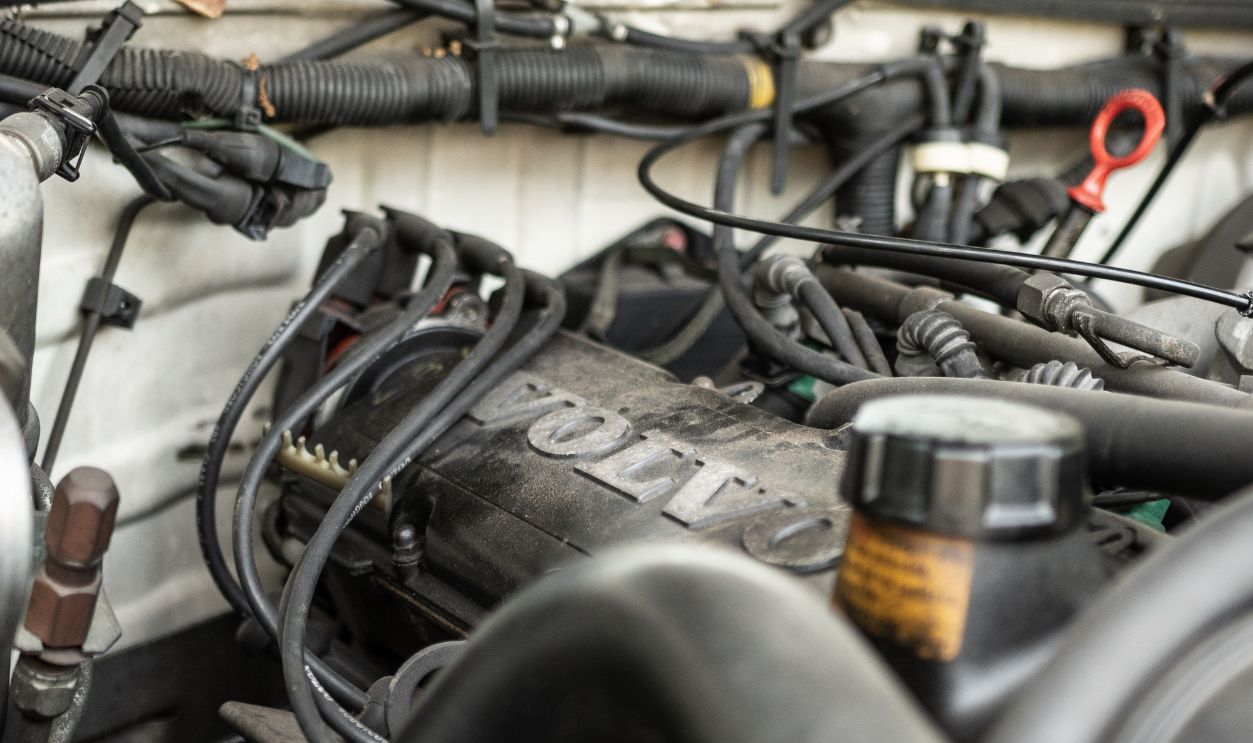
Few things cause headaches like the electrical system in an ex-race car. Racers often add kill switches, data systems, radios, cool-suit pumps, fire-system triggers, extra gauges, and battery relocations, then remove them later with mixed levels of care. The result can be cut factory harnesses, mystery switches, missing grounds, and faults that come and go.
Battery Relocation Can Create Hidden Trouble
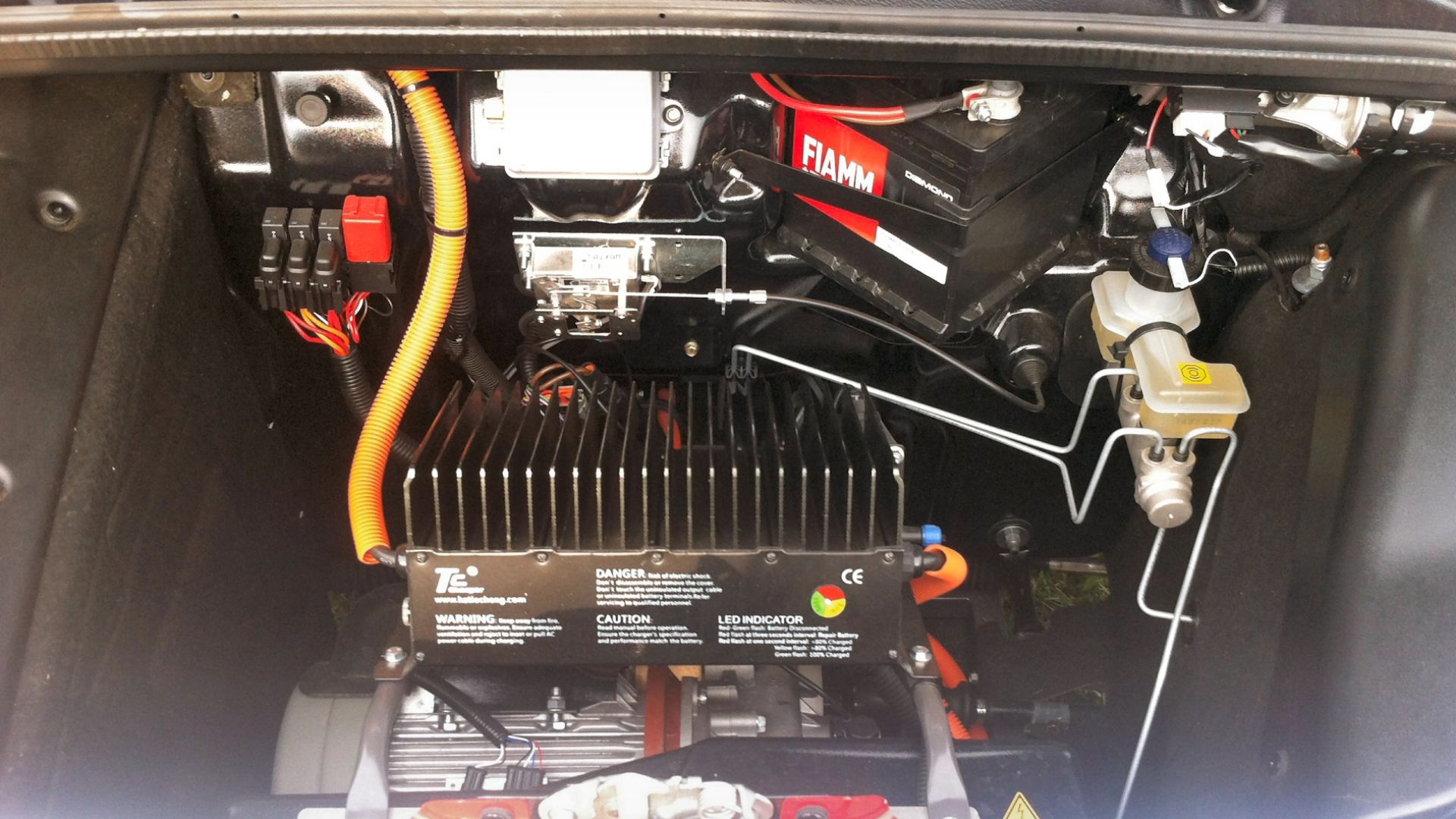
Moving the battery is a common race mod for packaging and weight balance. If it was done poorly, it can leave behind undersized cables, chafed insulation, weak grounds, and holes through the bulkhead that invite corrosion and fumes. Putting the setup back to stock may take more than just reinstalling the battery tray under the hood.
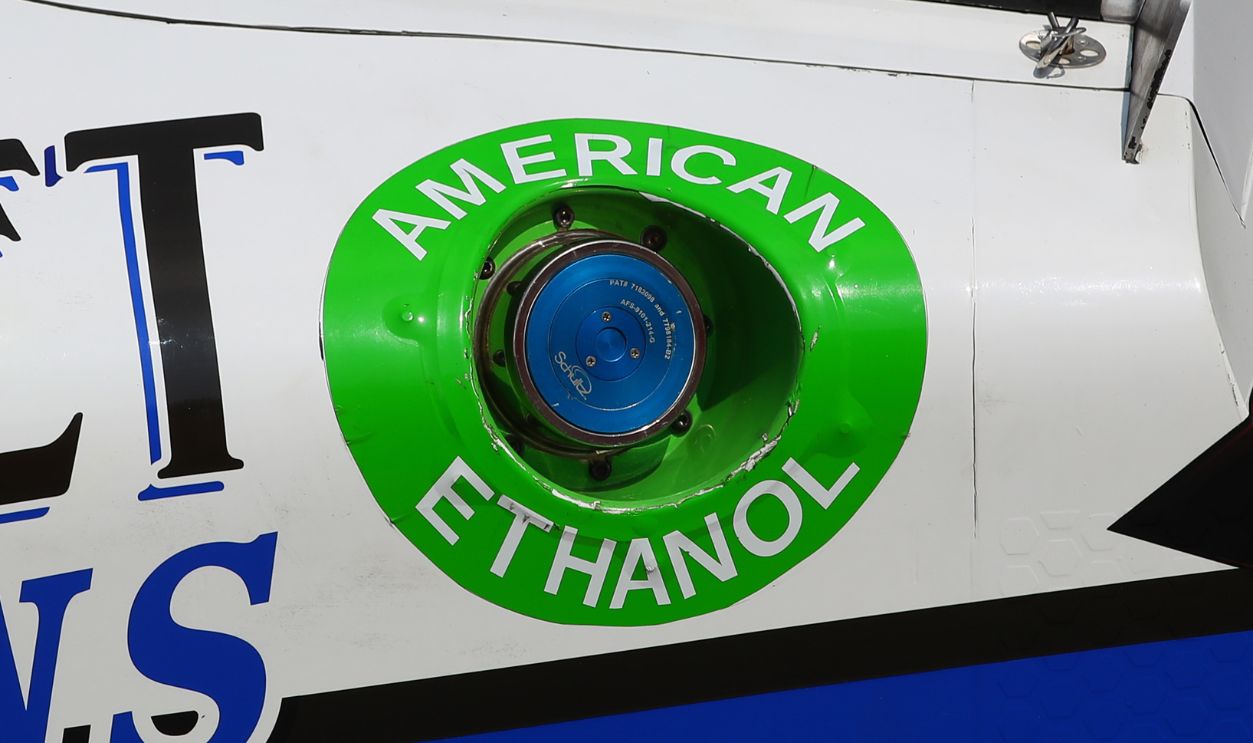
Fuel Systems May Have Been Altered for Safety or Range
Race cars often get fuel cells, external pumps, surge tanks, braided lines, or simplified evaporative-emissions plumbing. Those parts may work for the class, but they can be awkward for road use, inspections, and daily driving. Expect the possibility of fuel smell, hard starts, noisy pumps, and a long list of missing factory parts.
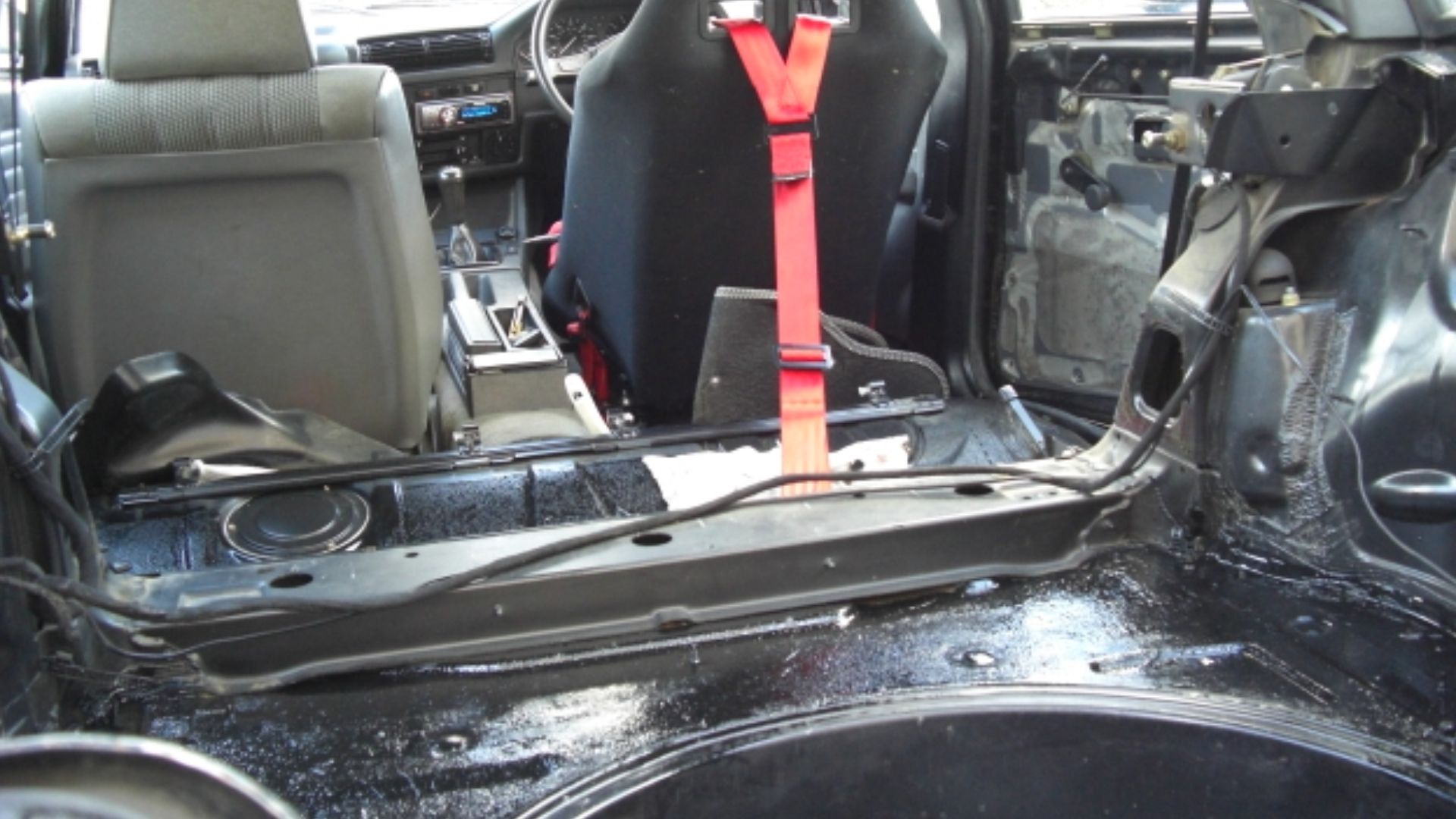
Interior Restoration Is Rarely Simple
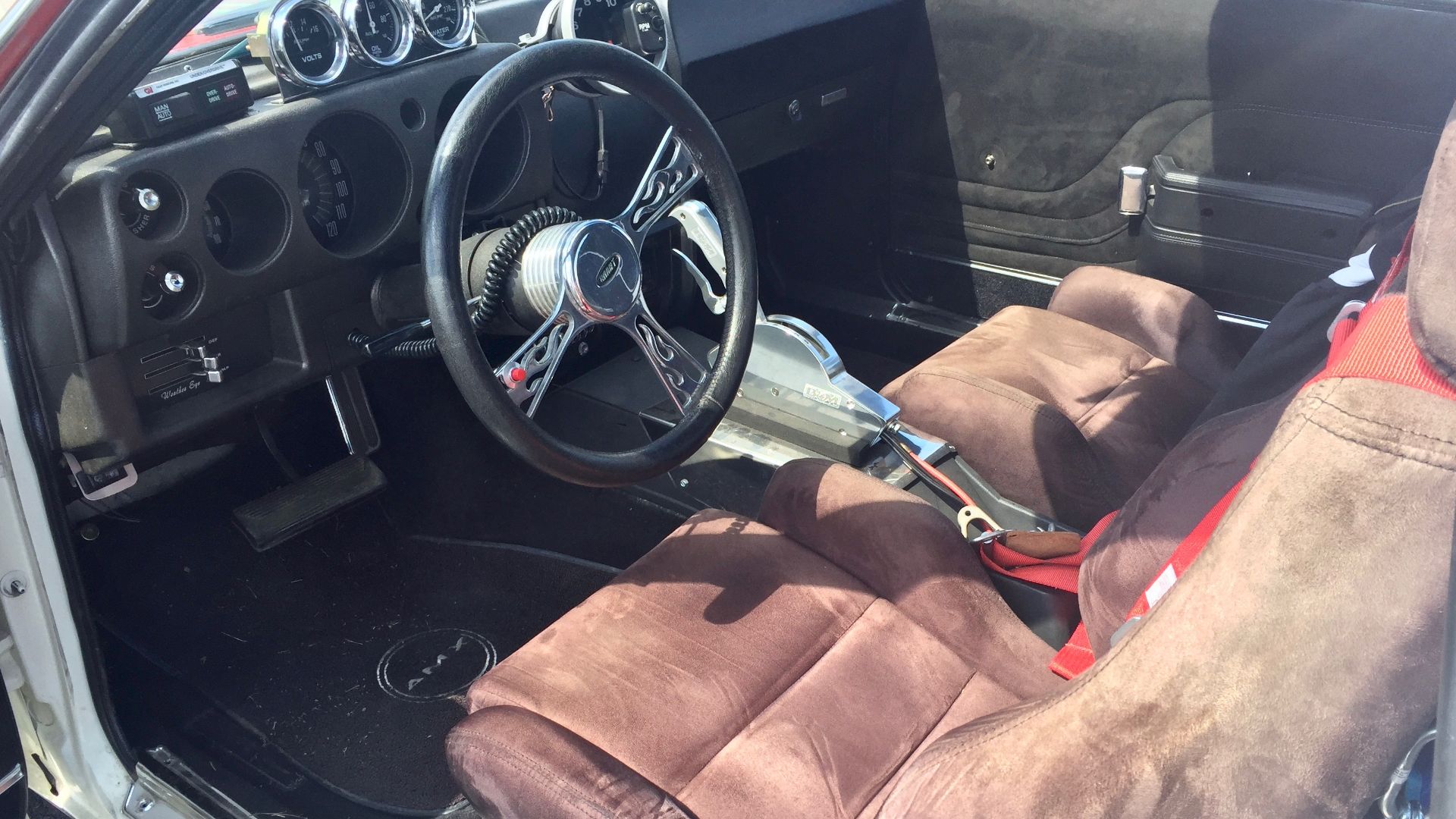
Most race cars lose carpeting, insulation, airbags, rear seats, trim panels, sound deadening, and convenience features to save weight and improve access. Putting those parts back can turn into a scavenger hunt because brackets get cut off, mounting points get covered by cage work, and discontinued trim can be hard to find. In many projects, the result ends up “street enough” rather than truly stock.
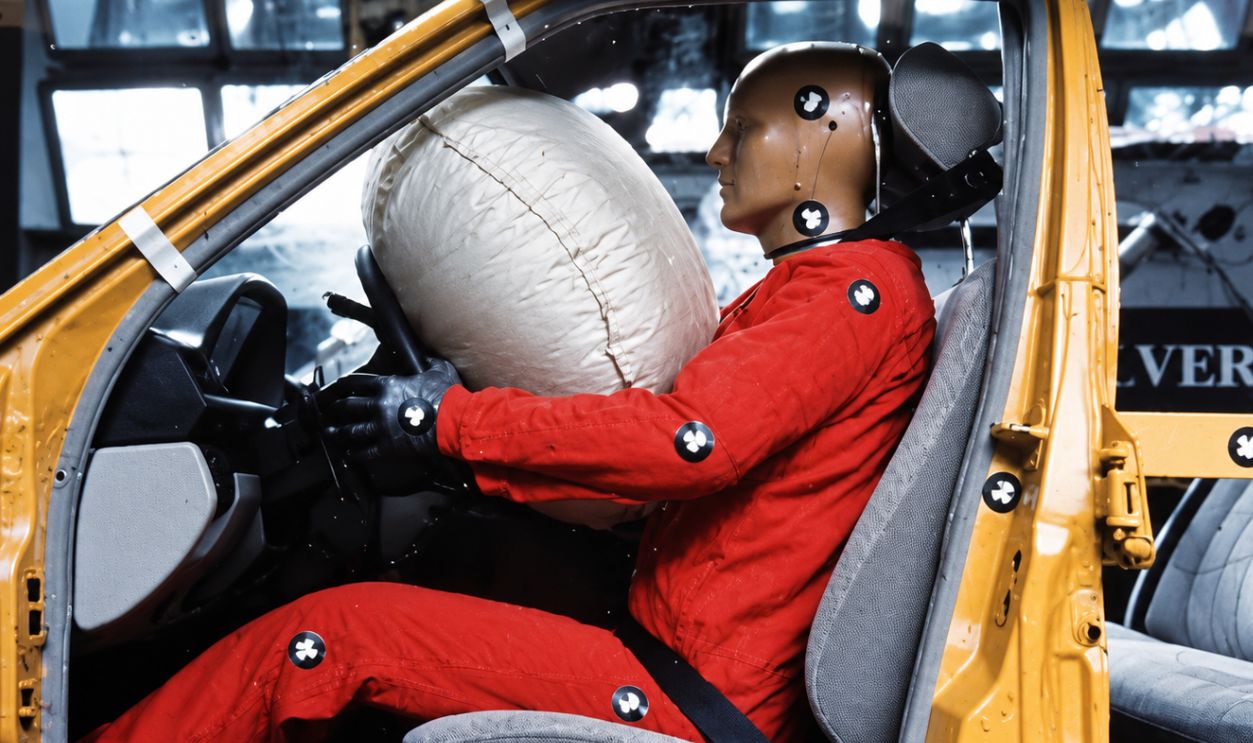
Airbags and Safety Systems Are a Major Checkpoint
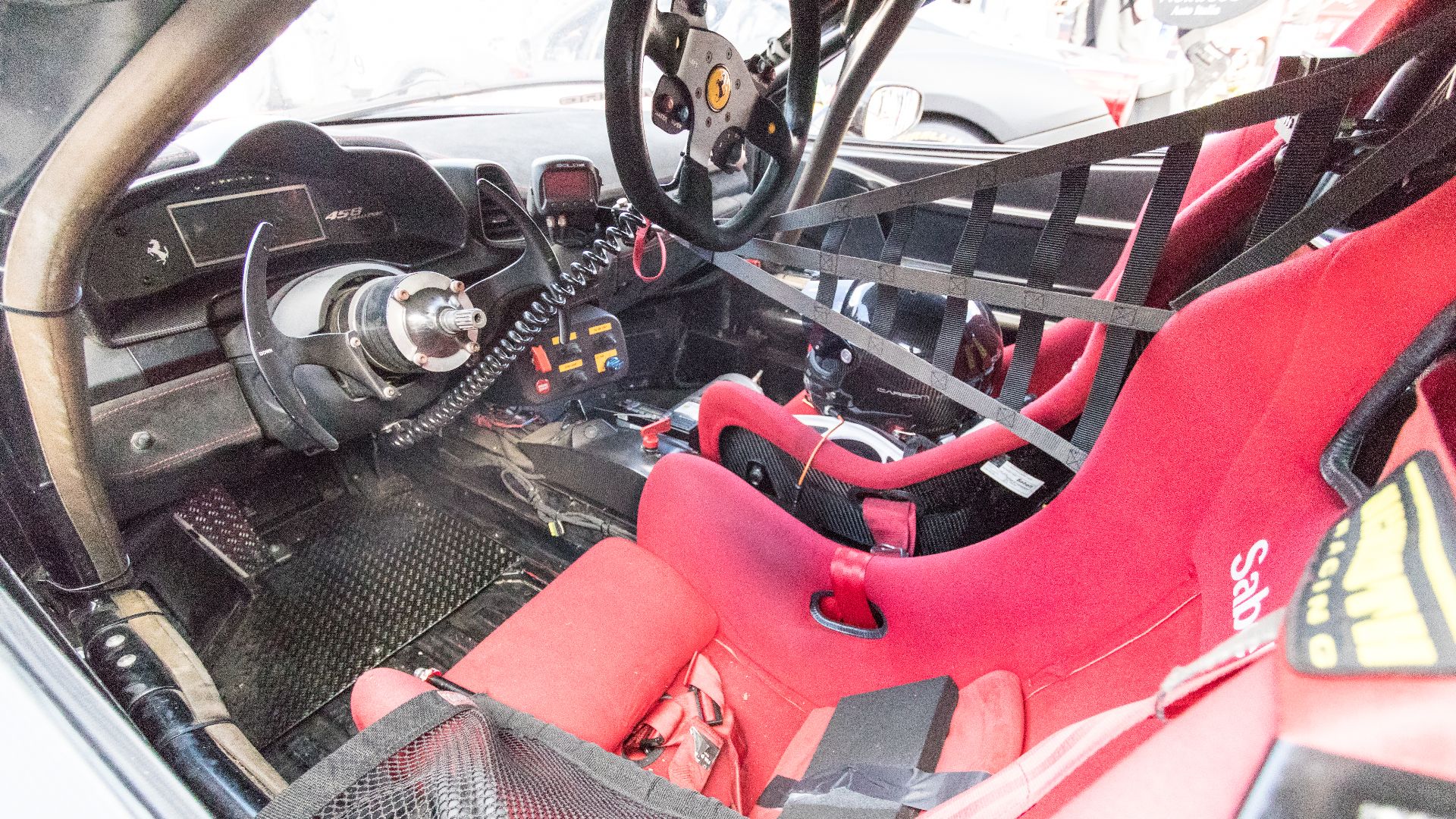
If the car is new enough to have airbags, assume nothing until the whole restraint system has been checked. Race prep may include steering wheel swaps, seat-occupancy bypasses, airbag deletions, and removed crash sensors or modules. That can create legal, insurance, and safety problems if the goal is to put the car back on the road as a normal street car.
 DaimlerChrysler AG Original uploader was Cete at de.wikipedia, Wikimedia Commons, Enhanced
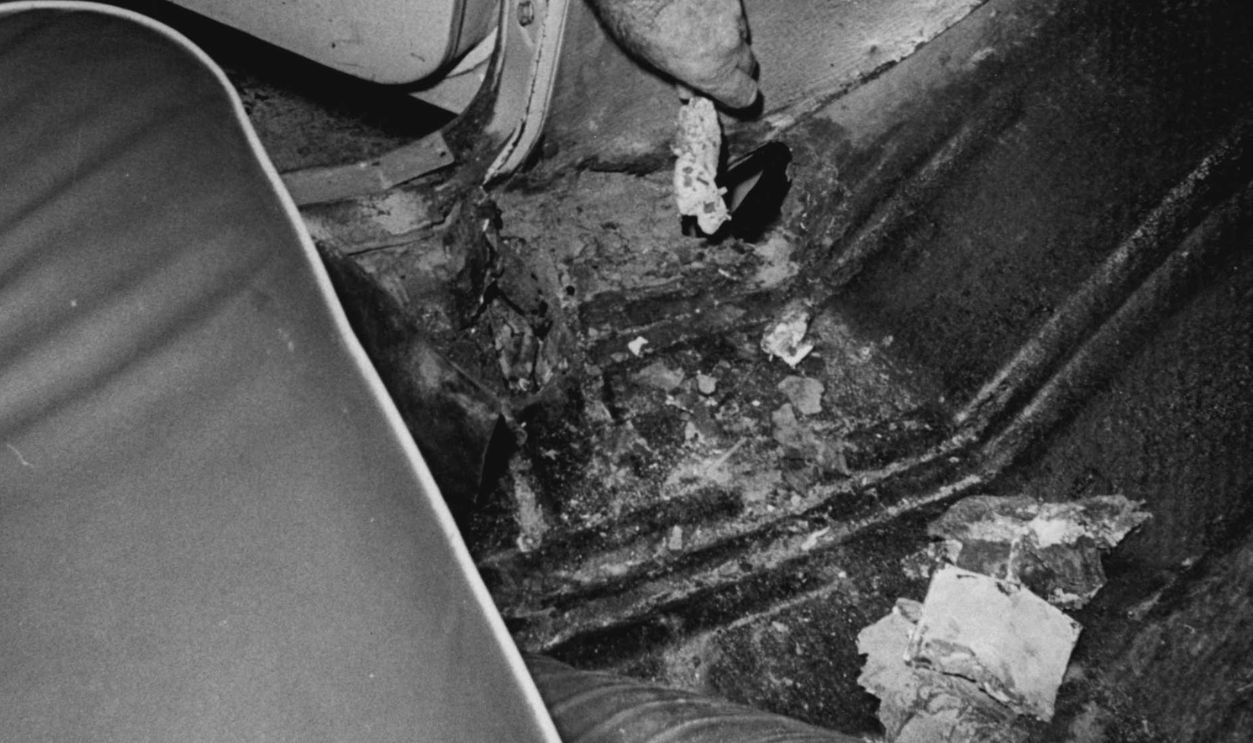
Rust Can Hide Under Race Modifications
Stripped interiors and patched floor areas can hide moisture problems, especially if the car sat for long periods or traveled on an open trailer. Welded plates, sealant, and repainting can cover corrosion until parts come off. The hard truth is that some race builds start with a rough shell because looks matter less than performance.
 Fairfax Media Archives, Getty Images
Documentation Matters More Than Seller Stories
The safest former race car is one with logs, setup sheets, receipts, photos, and clear repair records. Race organizations often issue logbooks that track events and may note incidents or major changes to the car. Those records will not tell you everything, but they can help confirm how the car was used and when important work was done.

What the SCCA Logbook Can and Cannot Tell You
The Sports Car Club of America has long used vehicle logbooks in road racing to identify and track competition cars through technical inspection history. A logbook can help show that a car really raced and may include notes that matter to inspections or incidents. It is useful evidence, but it is not proof that every crash or repair was fully recorded.
NASA Rules Remind You How Deep the Mods Can Go
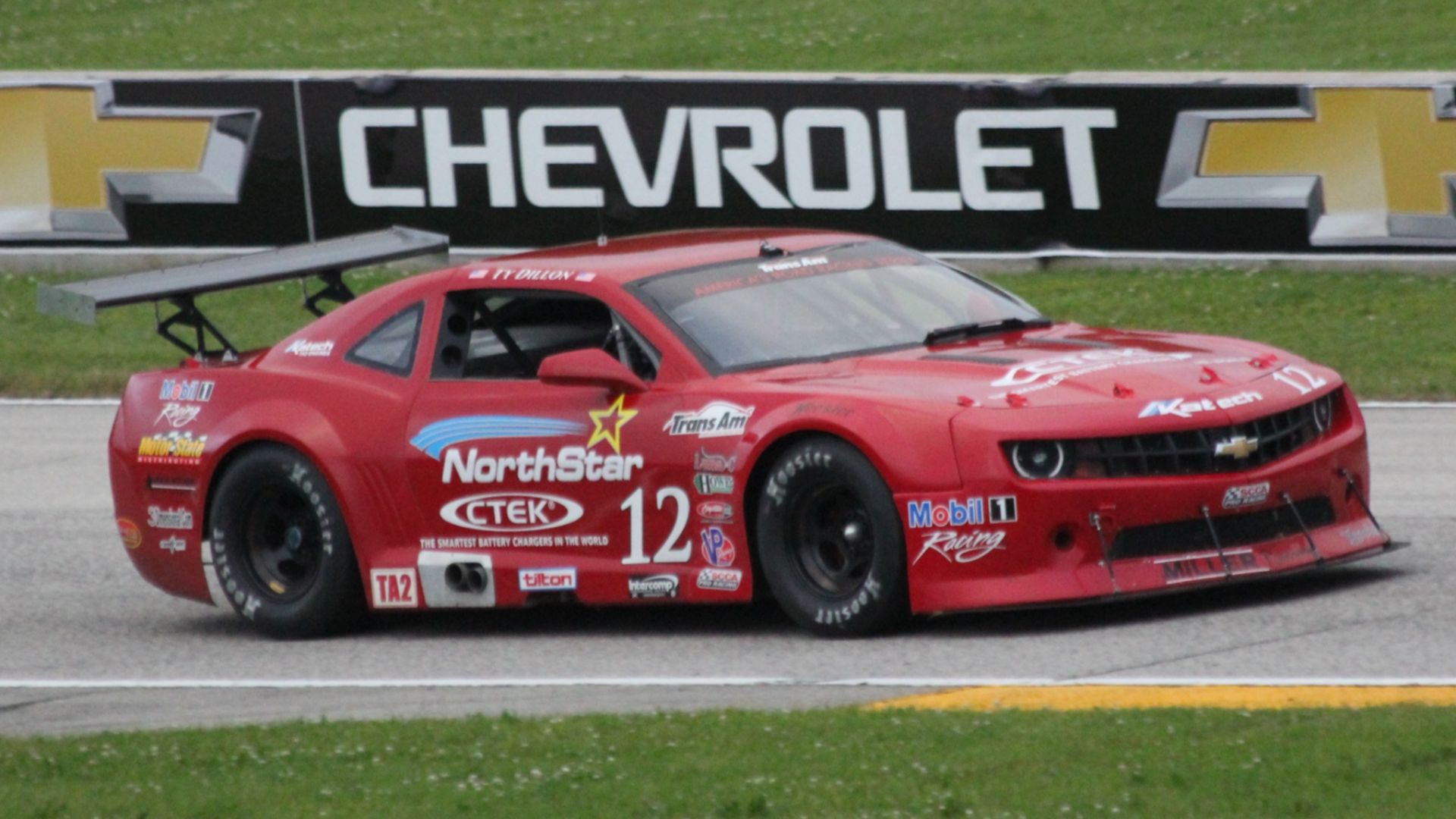
NASA’s Club Codes and Regulations show just how extensive race safety requirements can be, including cage design, seat mounting, harness installation, window nets, battery security, and fire protection. Reading those rules is a good reality check because each requirement can leave fabrication work behind when the car is retired. The race parts may come out, but the race scars often stay.
Professional Inspection Beats Enthusiasm Every Time
If the project is serious, the smartest move is a pre-purchase inspection by a shop that understands both motorsport prep and collision measurement. Ask for paint-meter readings, compression and leakdown results, frame measurements, alignment printouts, and underside photos. Spending a few hundred dollars before buying can save thousands later.

Decide Whether “Stock” Really Means Factory Stock
There is a big difference between making a race car comfortable on the street and restoring it to true factory spec. Factory stock means the right interior, emissions equipment, restraint systems, wiring layout, and body setup, and that can be wildly expensive or flat-out impossible depending on the shell. A lot of families are better off aiming for a safe, tidy street conversion instead of chasing perfection.
 Mr.choppers, Wikimedia Commons
Watch the Budget Creep Before It Starts
The low purchase price of an ex-race car is often just the opening scene. Missing trim, replacement glass, OEM seats, dash pieces, air-conditioning parts, emissions hardware, and proper body repairs can quickly cost more than buying a clean street car in the first place. It is worth building a complete parts list before any money changes hands.

When a Former Race Car Still Makes Sense
These cars are not automatically bad buys. If the shell is straight, the modifications are documented, and expectations are realistic, a former race car can become a fun weekend machine with a lot of personality. The danger is thinking “returned to stock” is mostly cosmetic when the real issues may be buried in the chassis, wiring, and history.
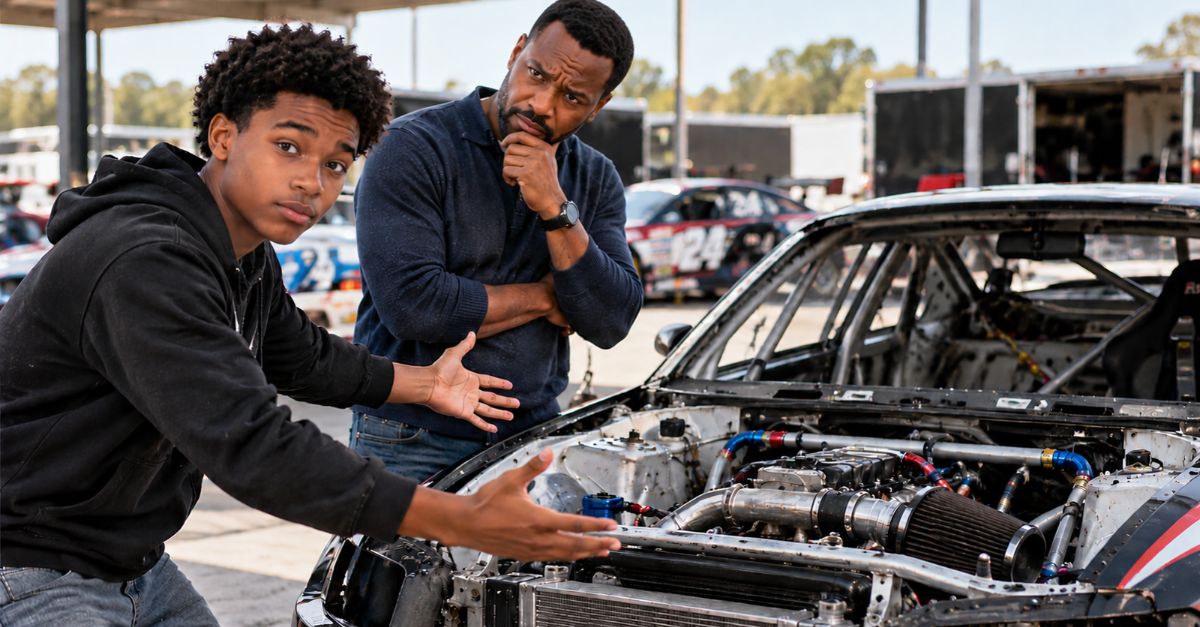
The Best Advice for a Parent-and-Son Project
Treat the car like an investigation before you treat it like a restoration. Verify the history, inspect the structure, and budget for the chance that the hidden damage is the real project. If it still feels worth buying after that, at least you will be going in with open eyes instead of discovering race scars after the trailer gets home.
 MediaNews Group/Reading Eagle via Getty Images, Getty Images