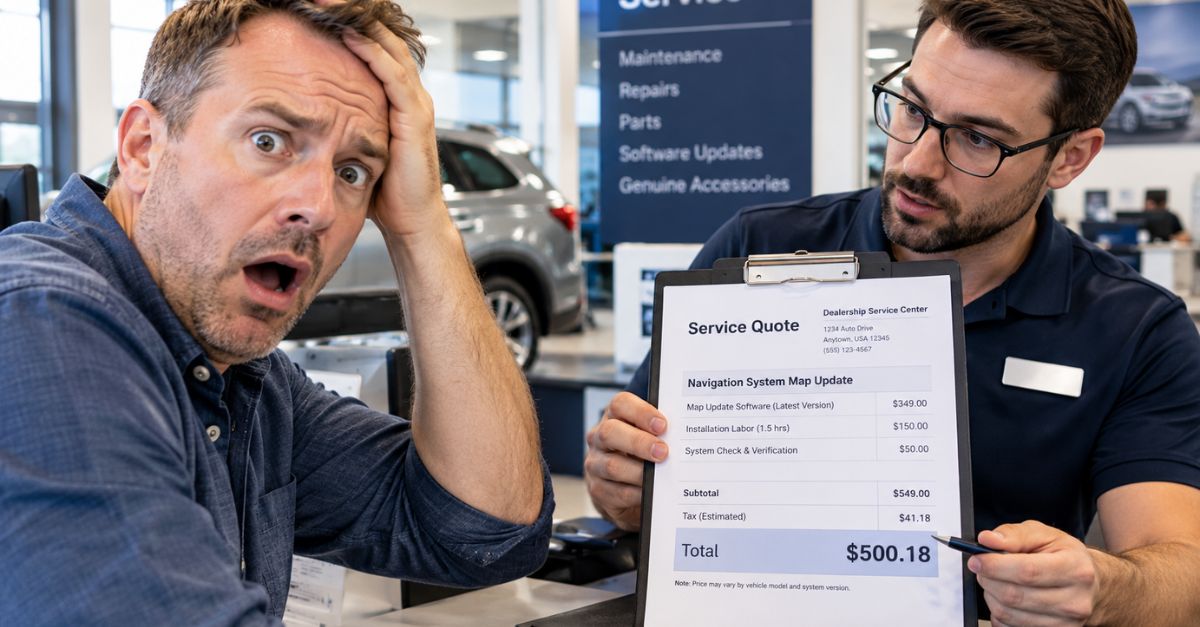
The $500 Map Update Sting
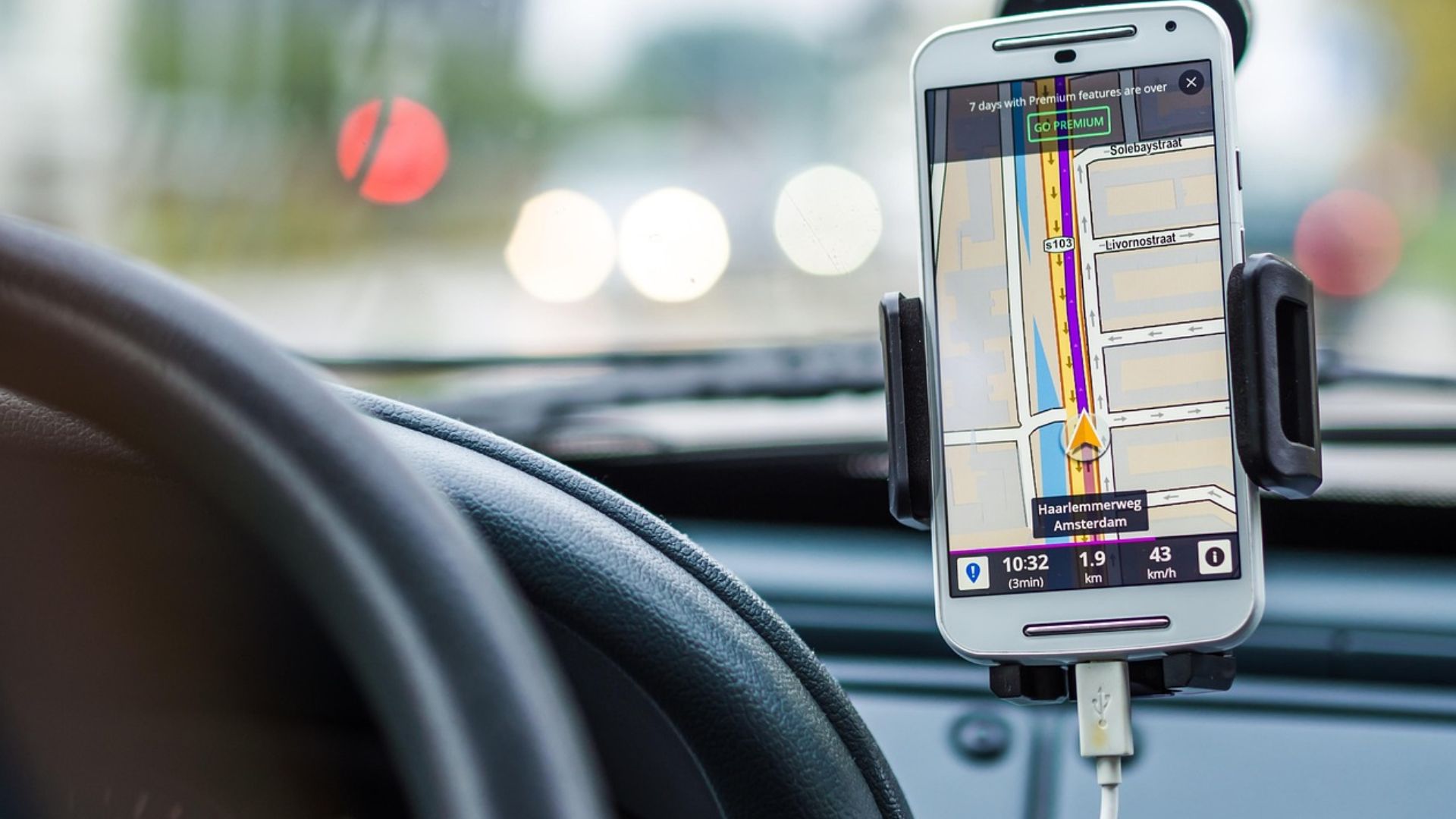
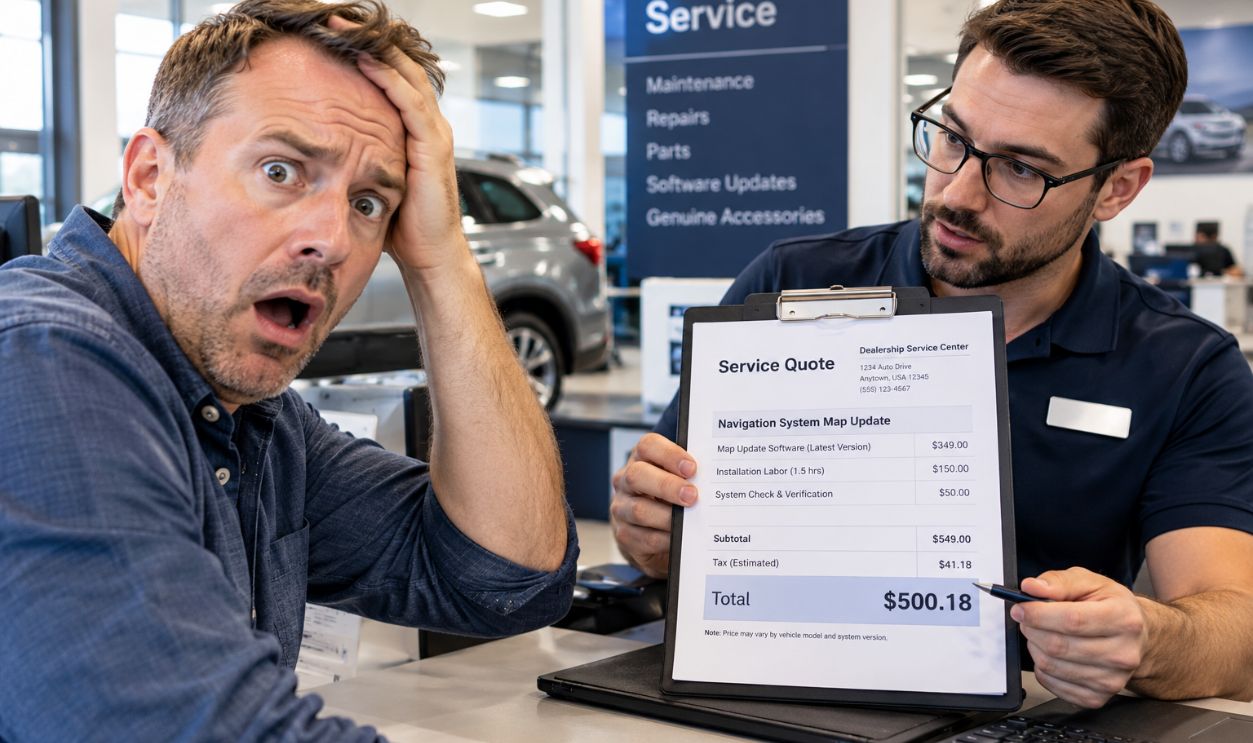
You buy a car with built-in navigation, figure it should stay up to date, and then the dealer quotes $500 for a map update. That feels wild when Google Maps, Apple Maps, and Waze update on your phone without a separate charge at the service desk. The short version is simple: factory navigation lives in a very different business and tech world than phone apps. The longer answer explains why the charge exists, why it often feels out of date, and when it makes sense to skip it.
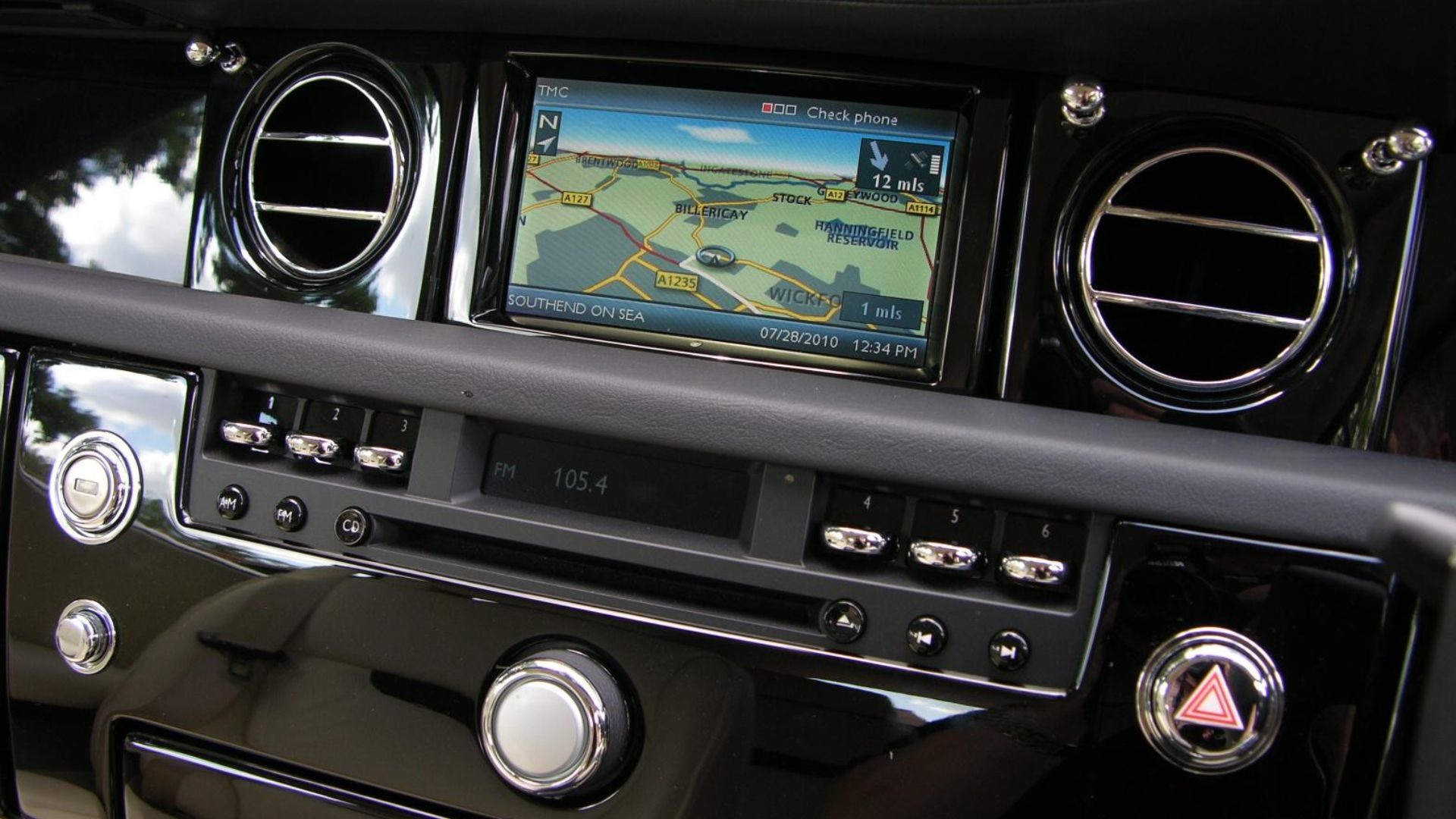
Built-In Navigation Comes From A Different Era
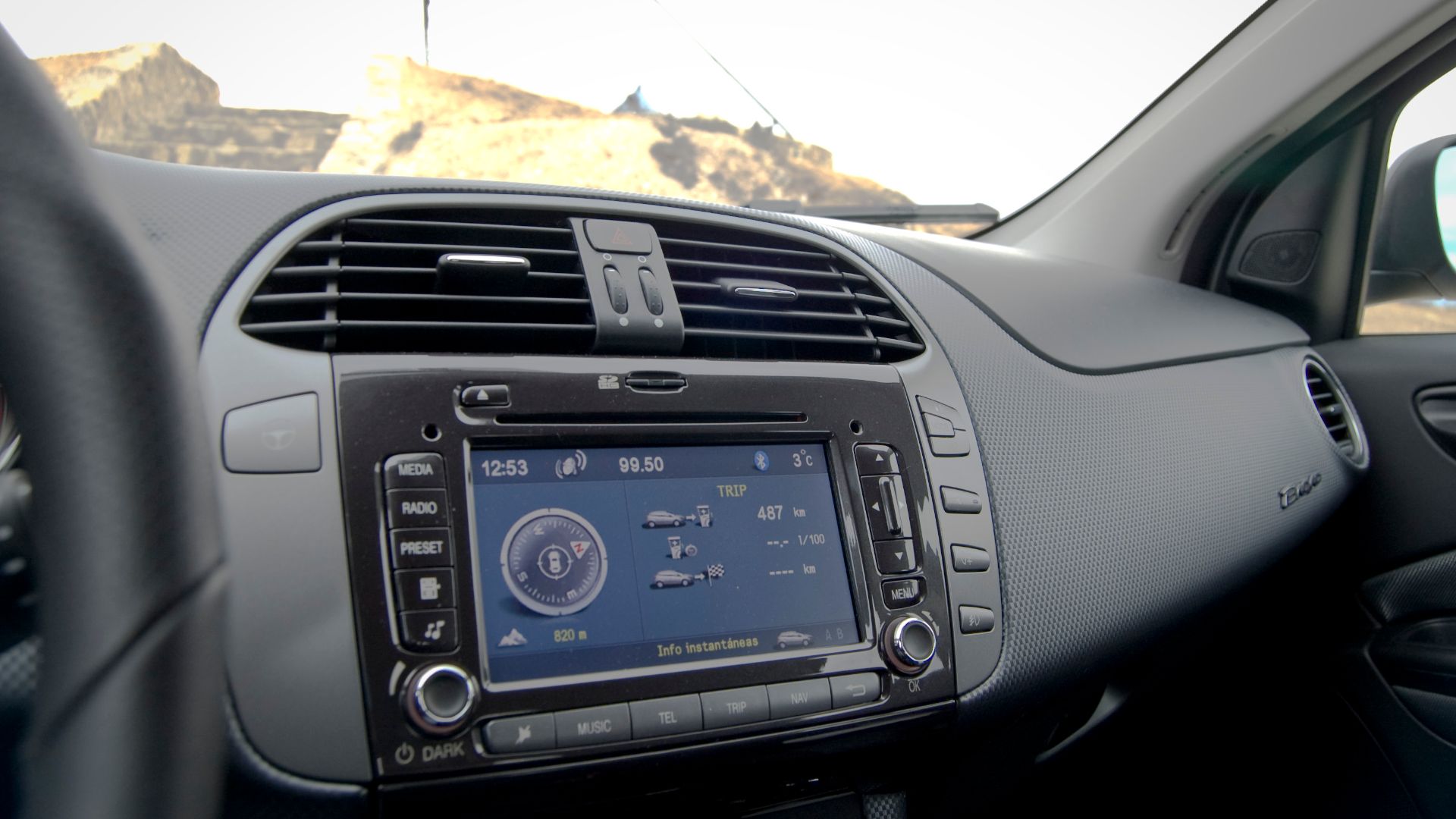
A lot of factory navigation systems were designed when in-car internet was limited, smartphones were not yet the main way people got directions, and maps came on discs or memory cards. That old setup still shapes how many automakers handle updates today. Instead of a constantly connected app, the system may depend on packaged map releases sold every year or two. The result is a product model that can still look expensive even in 2026.
 David Villarreal Fernández, Wikimedia Commons
Who Actually Makes The Maps
Most automakers do not build road maps from scratch. They usually license mapping data from specialist companies, especially HERE Technologies and TomTom, and then plug that data into their own infotainment systems. HERE traces its roots to Navteq, founded in 1985, and TomTom has also long supplied mapping and navigation data to carmakers. That matters because every update can involve licensing fees, validation work, and compatibility testing before it ever reaches your dashboard.

The Data Is Not Free
Road networks change all the time with new exits, renamed roads, closed routes, speed limit changes, and updated points of interest. Keeping that database current takes fleets, sensors, partner feeds, public records, and constant verification. HERE and TomTom both treat mapping as an ongoing commercial product, not a public utility. In other words, somebody is paying for the data even if your phone makes that cost easy to miss.

Your Phone Hides The Cost Better
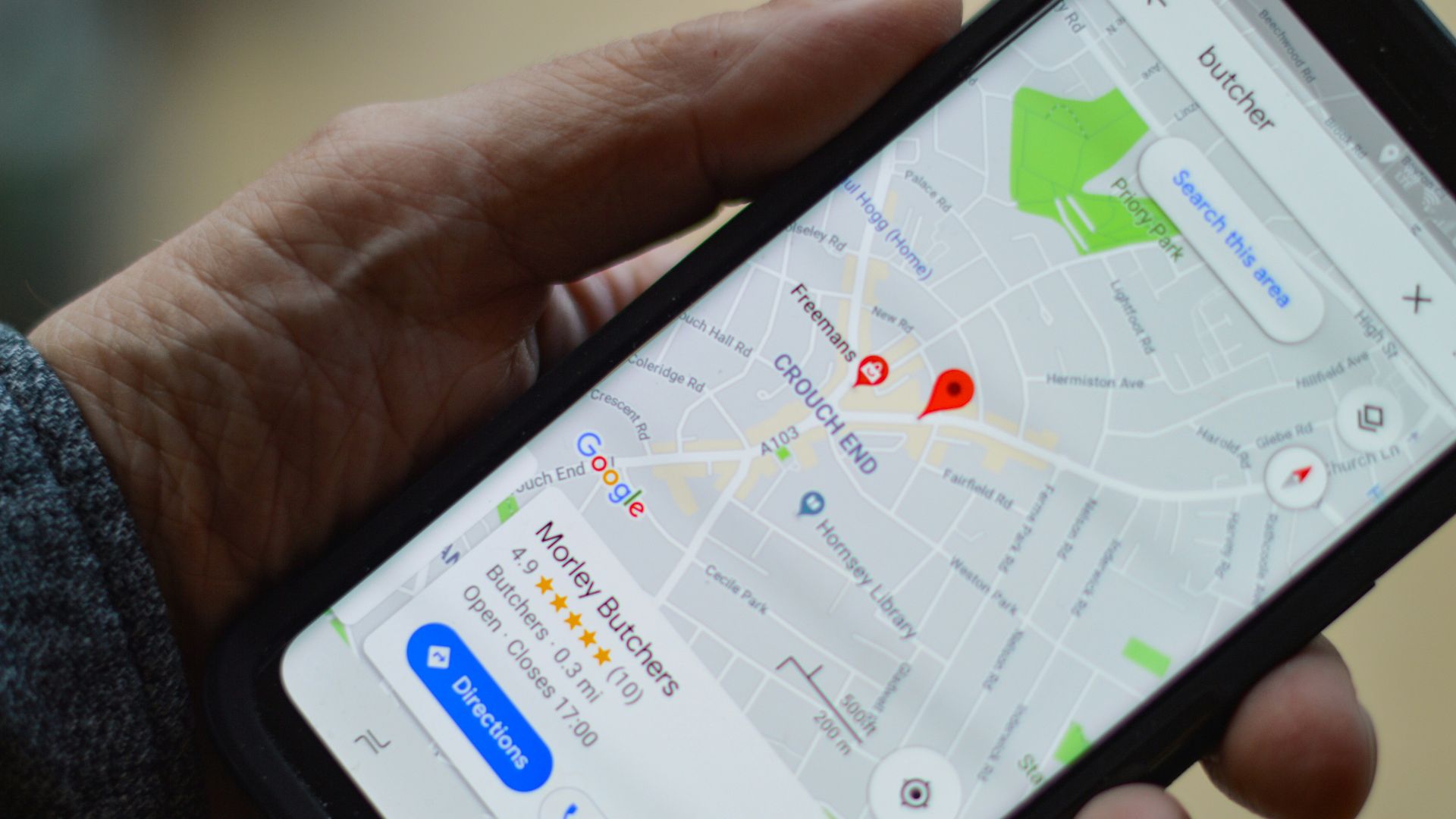
Phone navigation feels free because the cost is folded into a much bigger ecosystem. Google supports Maps through its larger advertising and data business, while Apple uses Maps to strengthen the iPhone experience and its services platform. You still pay indirectly through the phone, mobile data, and the other products you buy. The app may be free when you open it, but the business behind it is not.
Dealer Pricing Is Not Just About The File
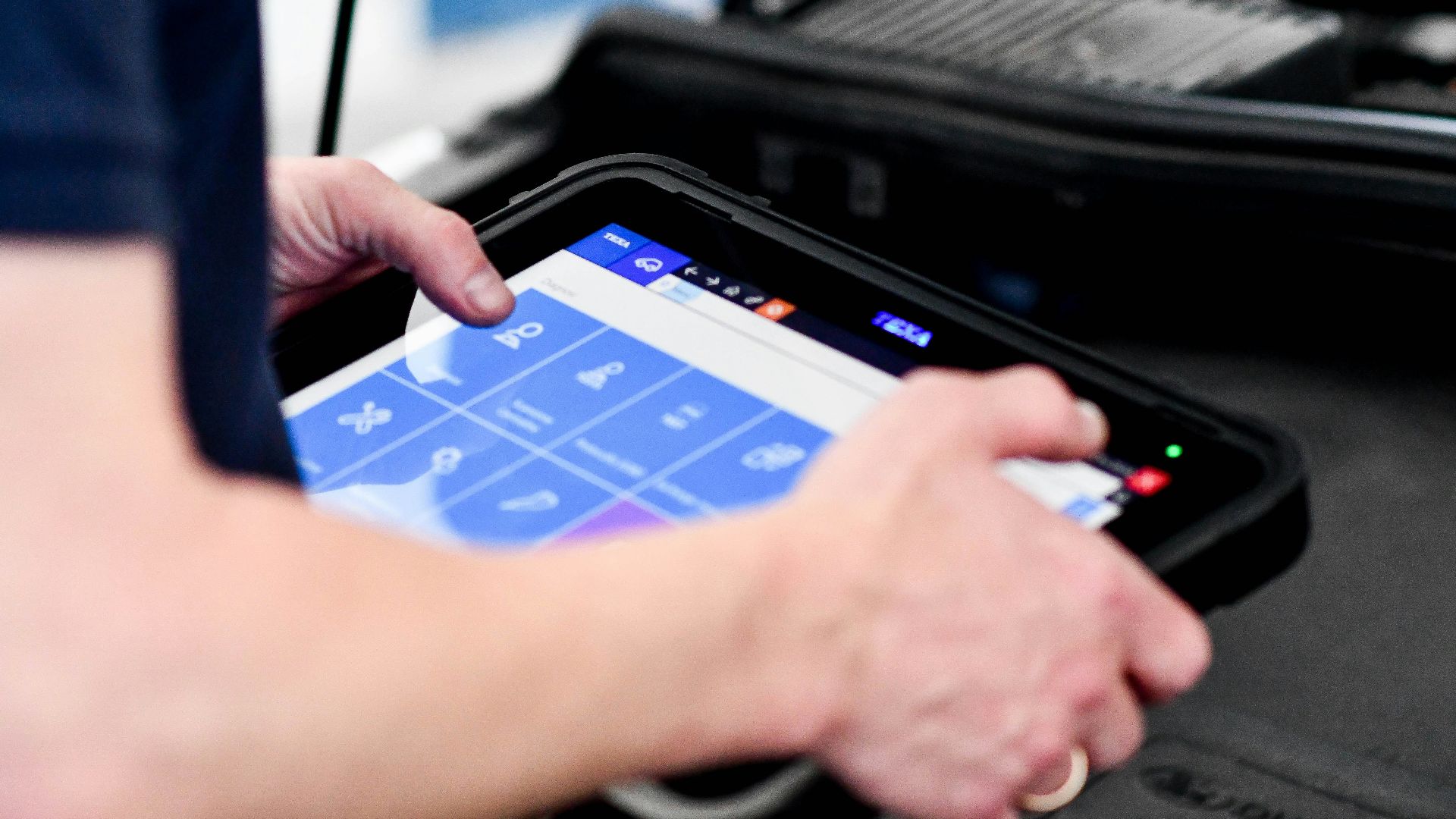
When a dealer quotes hundreds of dollars, you are usually not paying only for the raw map data. The price can also include branded update media, labor, shop time, diagnostic handling, and the usual markup that comes with dealer-installed software services. In some cases, the update has to be tied to a vehicle identification number or installed through a specific manufacturer portal. That turns what feels like a simple download into a full dealership transaction.
Some Updates Still Arrive On Physical Media
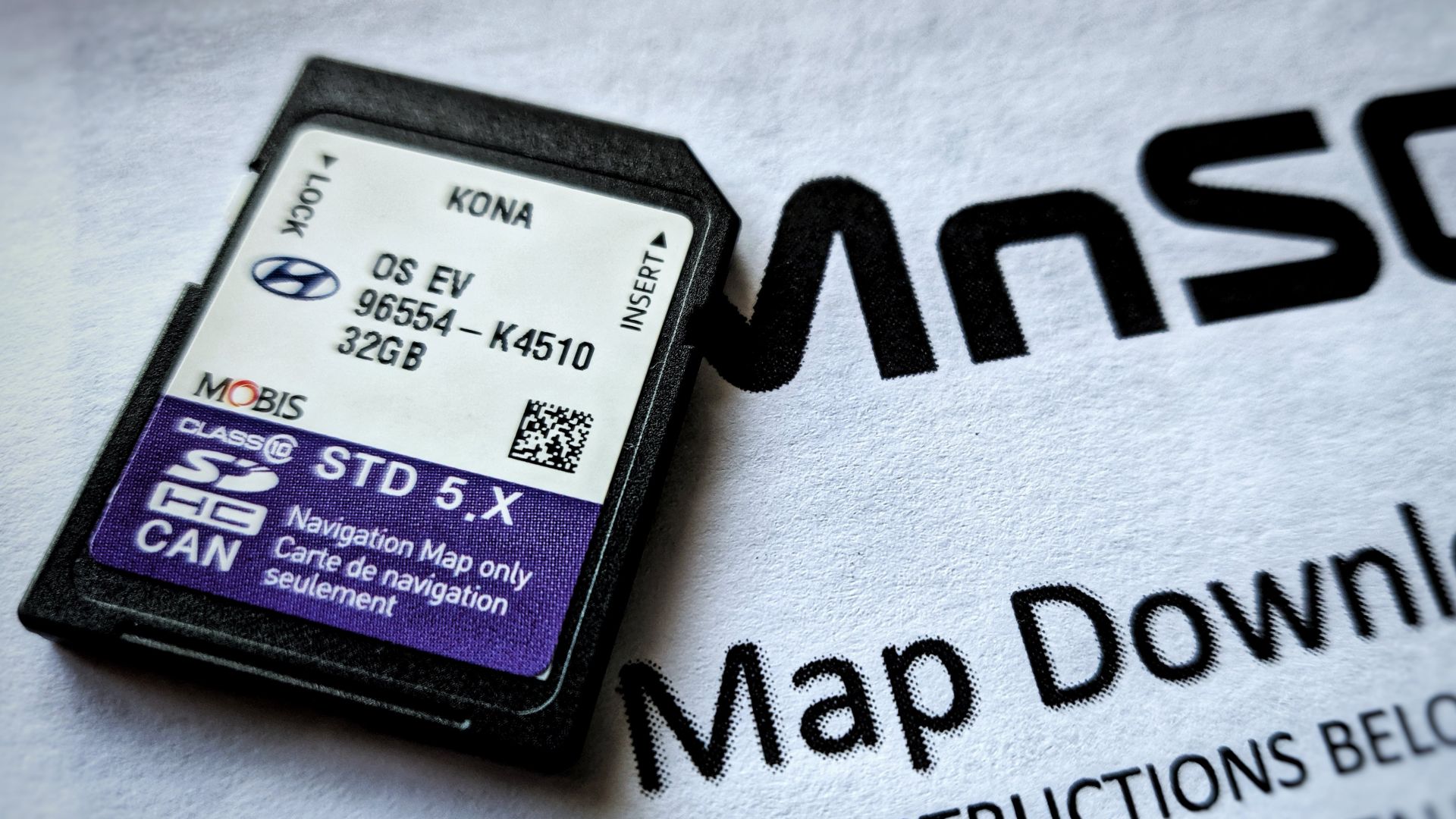
It sounds dated now, but map updates have long been sold on DVDs, SD cards, or USB devices. General Motors, Toyota, Honda, Subaru, and others have all used branded update channels that rely on removable media for certain model years. Physical distribution brings packaging, inventory, support, and anti-piracy controls into the mix. That helps explain why the process can feel more like buying software in 2008 than updating an app in 2026.
 Dennis Sylvester Hurd, Wikimedia Commons
Garmin Makes The Split Easy To See
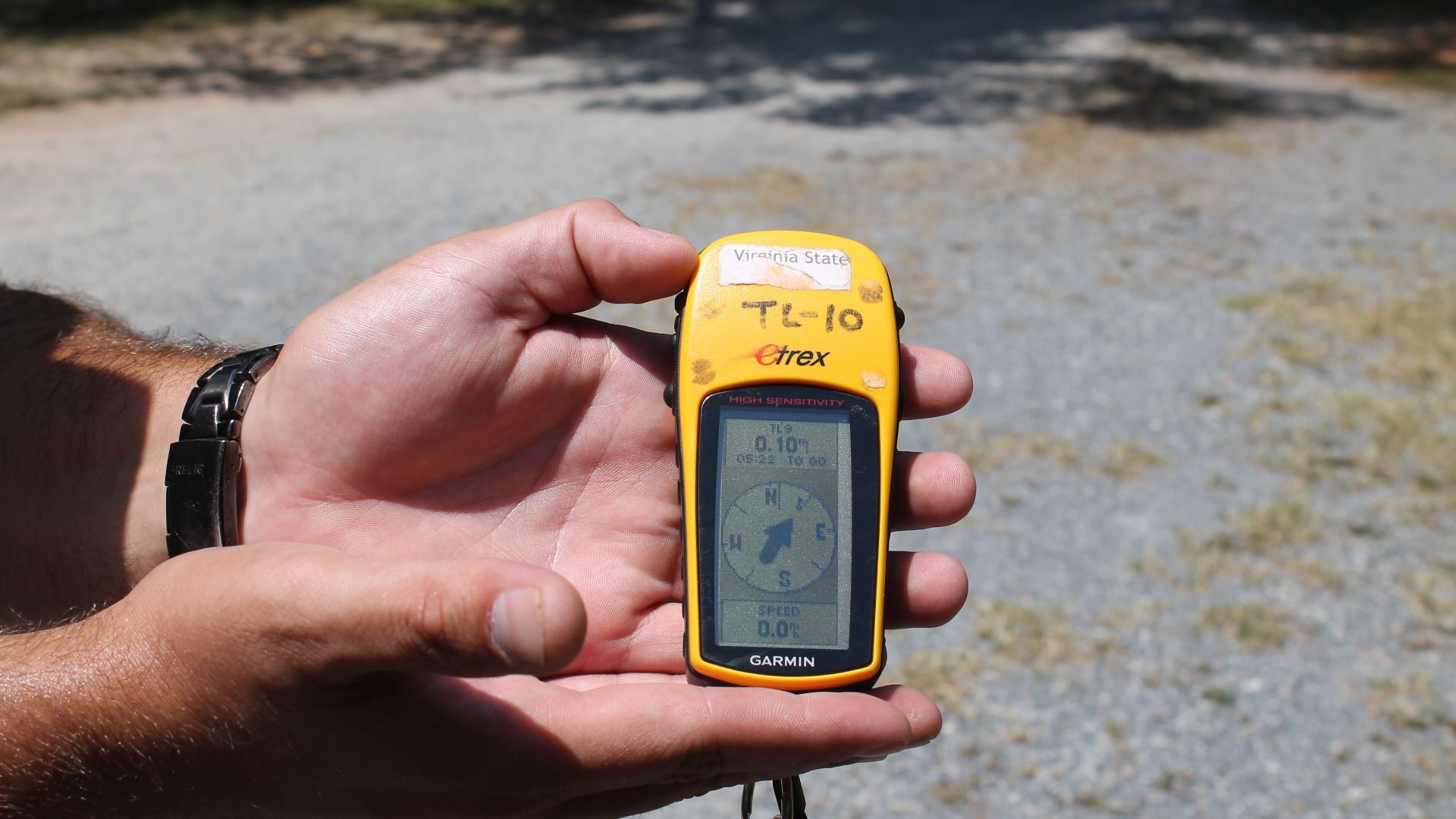
Garmin is a useful comparison because it has sold automotive navigation devices with different map update policies depending on the product. Some Garmin devices have included lifetime map updates, while others have not, showing that ongoing map access is a pricing choice, not a tech requirement. Carmakers often chose to charge separately instead of bundling updates into the original price forever. Owners are still dealing with that choice years later.
 vastateparksstaff, Wikimedia Commons
Automakers Have Shifted Toward Subscriptions
In recent years, car companies have gotten more comfortable charging for software features, connected services, and digital add-ons. Navigation updates fit neatly into that model because they can be sold as a premium service instead of a permanent right. Once that setup is in place, the factory system starts to look like any other paid software ecosystem. That is one reason the quote can be so steep even when the map file itself does not seem like a big deal.
There Is Also A Validation Problem
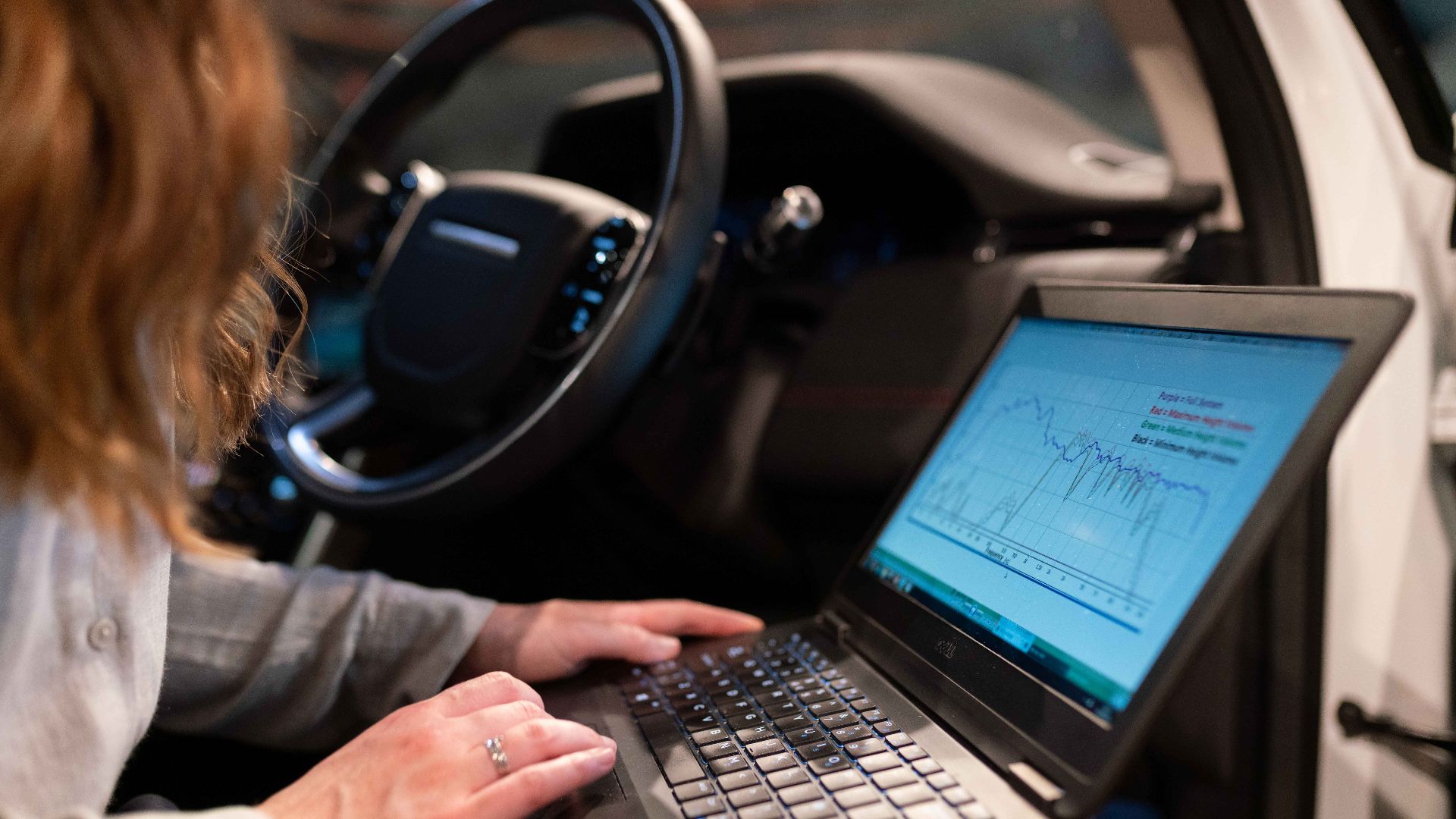
An automaker cannot always drop fresh map data into an older head unit and call it done. The company may need to check that route guidance, voice prompts, graphics, search results, and regional packages all work correctly with that exact hardware and software version. Older systems can have limited storage, slower processors, and stricter formatting rules. That testing burden is part of why factory updates move much slower than phone apps.
Why Phone Maps Feel Smarter
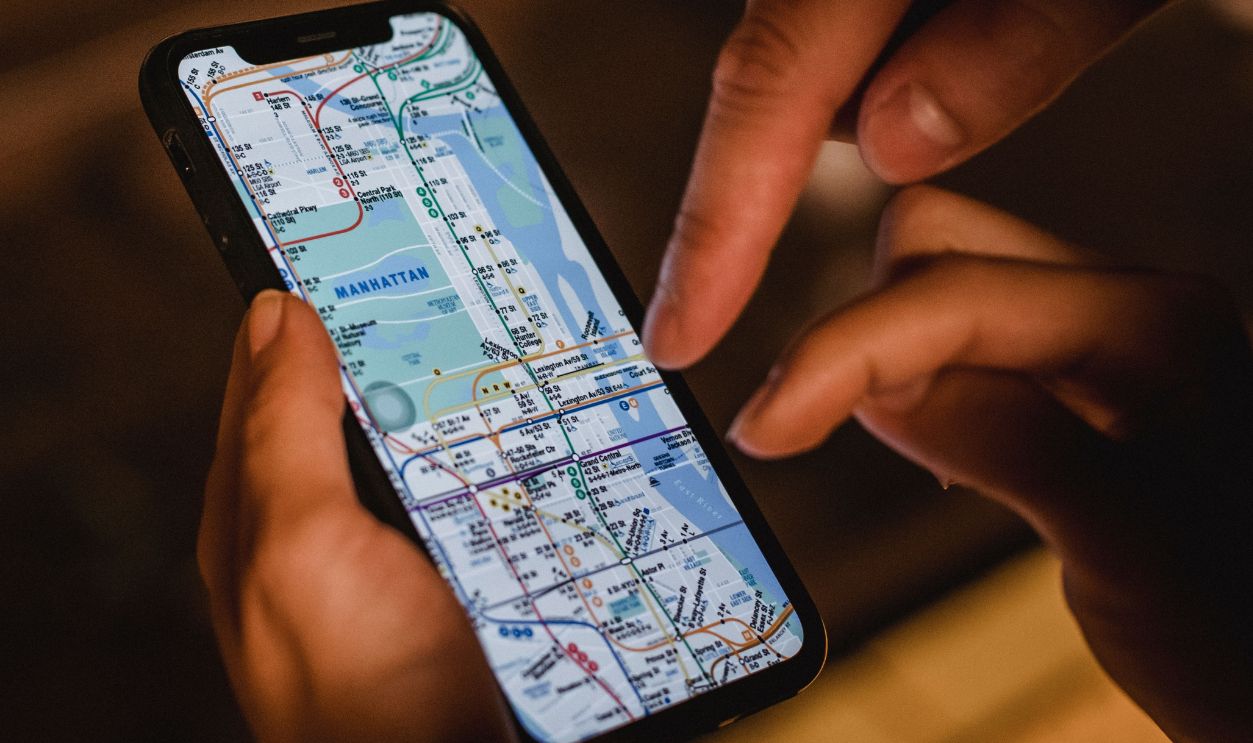
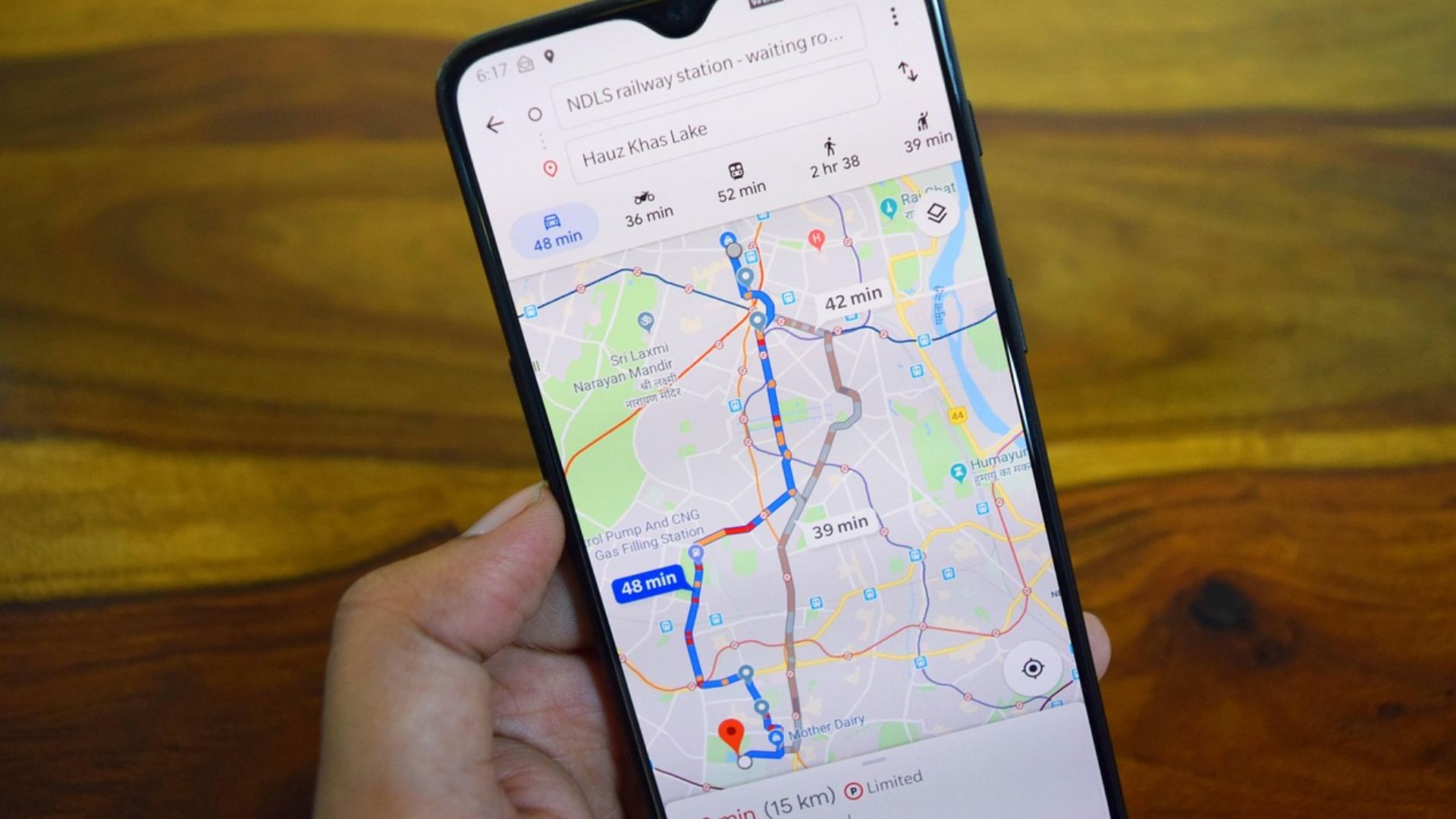
Google Maps, Apple Maps, and Waze do more than redraw roads. They also use live traffic, incidents, closures, rerouting, and huge amounts of user and device data to react in real time. Waze in particular became known for community-reported hazards and traffic info before Google acquired it in 2013. Many built-in systems, especially older ones, simply were not designed around that kind of always-connected feedback loop.
Traffic Adds Another Layer Of Cost
Even if your car's road map is current, live traffic often depends on a separate service. Some vehicles include a trial period and then require a paid subscription for connected navigation features. That means an owner can end up paying once for map updates and again for live data. By contrast, phone apps usually fold those functions into one experience, which makes the car system feel both worse and more expensive.
Over-The-Air Updates Are Starting To Change Things
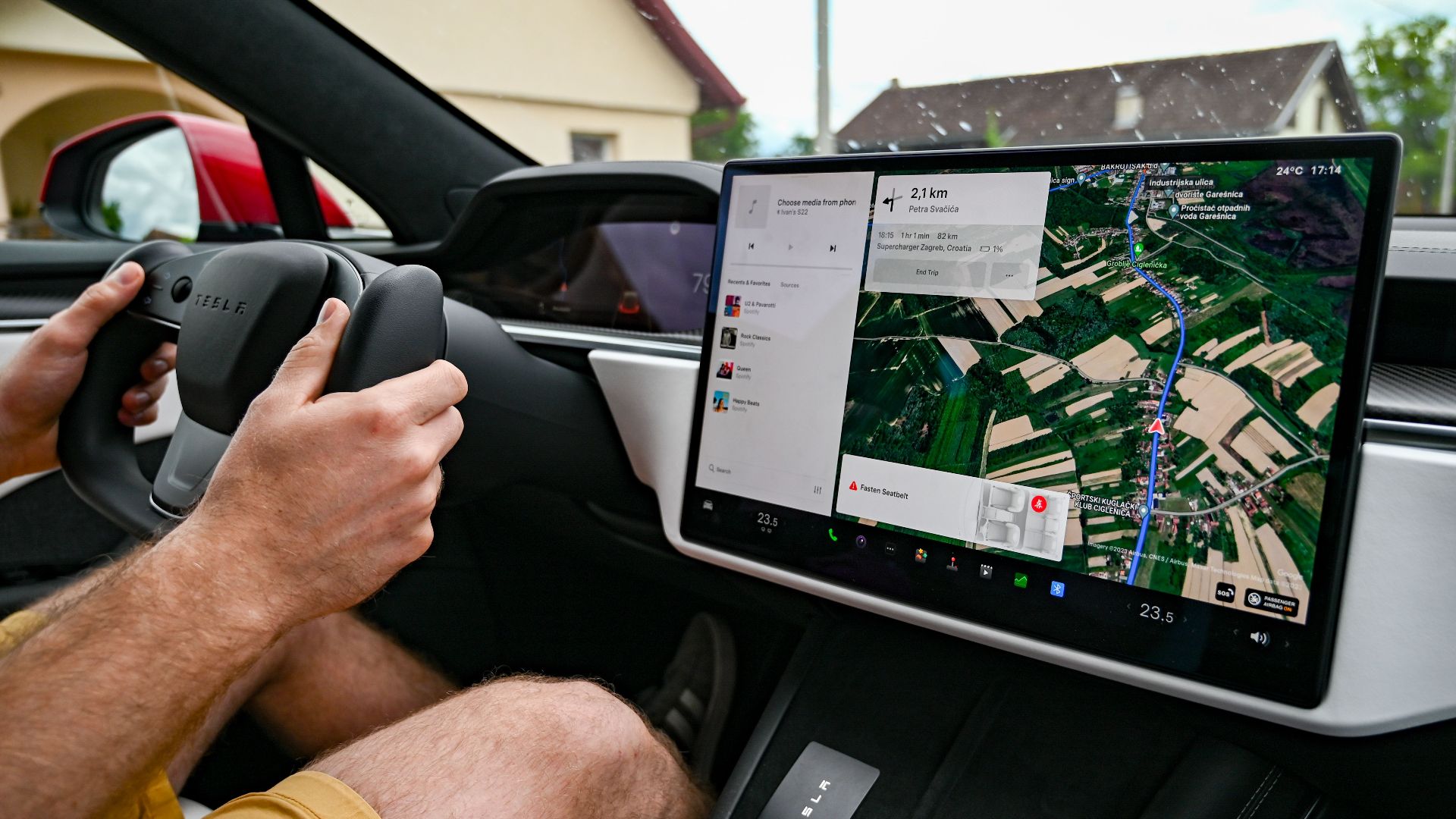
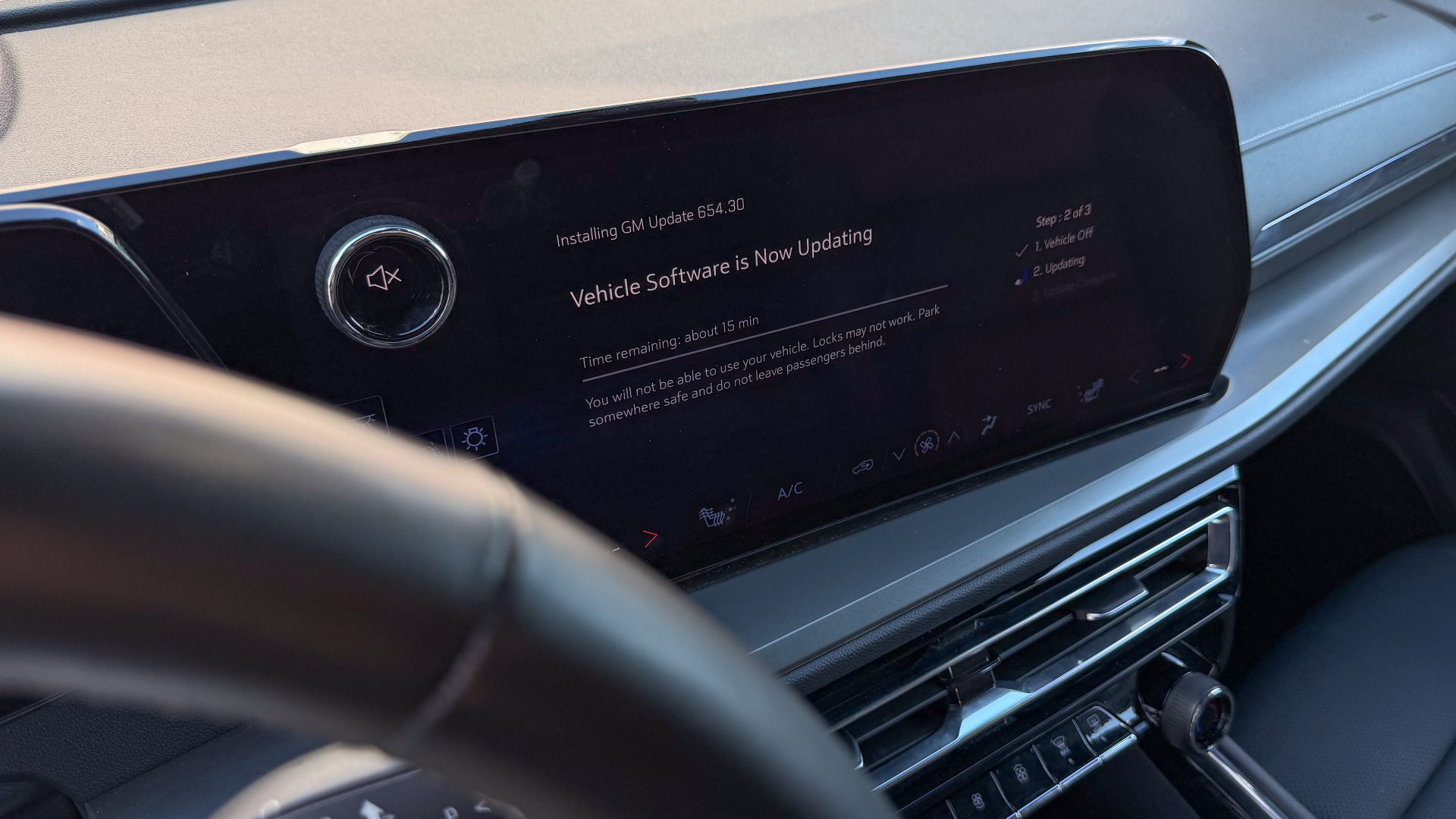
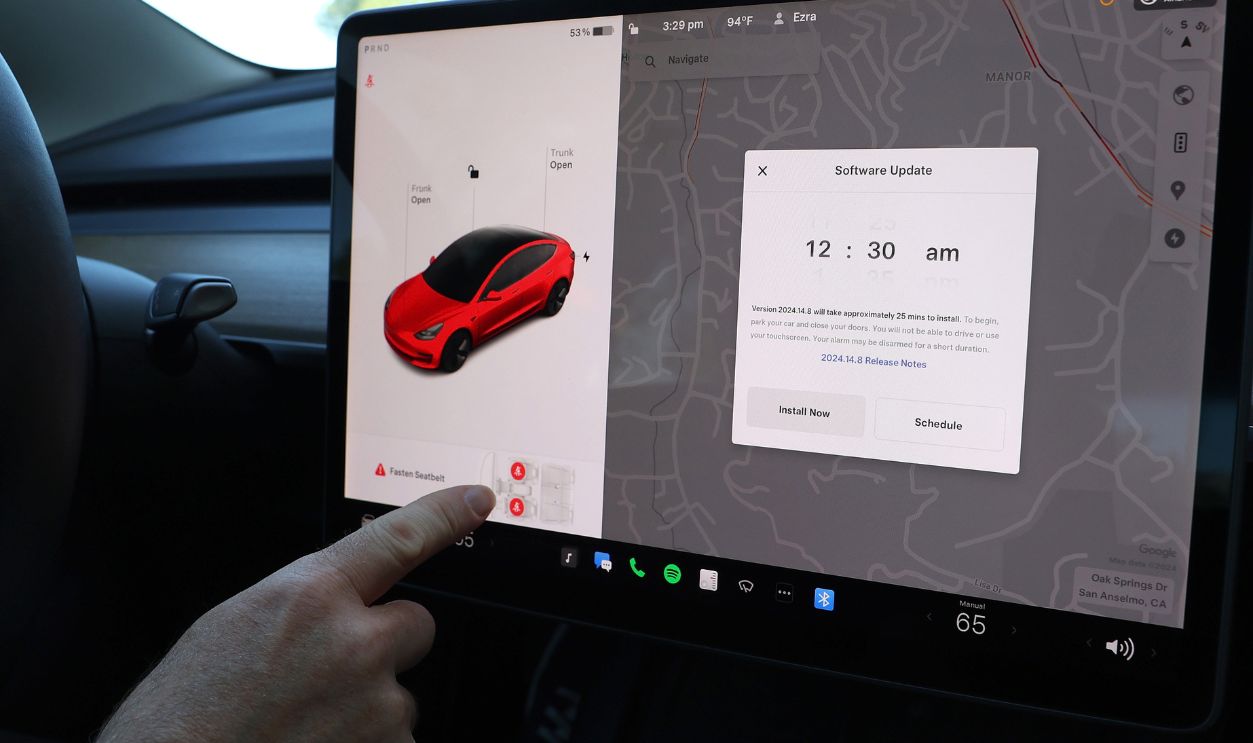
The good news is that newer vehicles are starting to break from the old pattern. Tesla helped normalize broad over-the-air software updates in the auto industry, and more mainstream brands now offer wireless infotainment and map updates on at least some vehicles. Ford, GM, Hyundai, Mercedes-Benz, BMW, and others have expanded over-the-air capability in recent years. The catch is simple: many older cars were never built to work that way.
Not Every Over-The-Air Update Is Free Forever
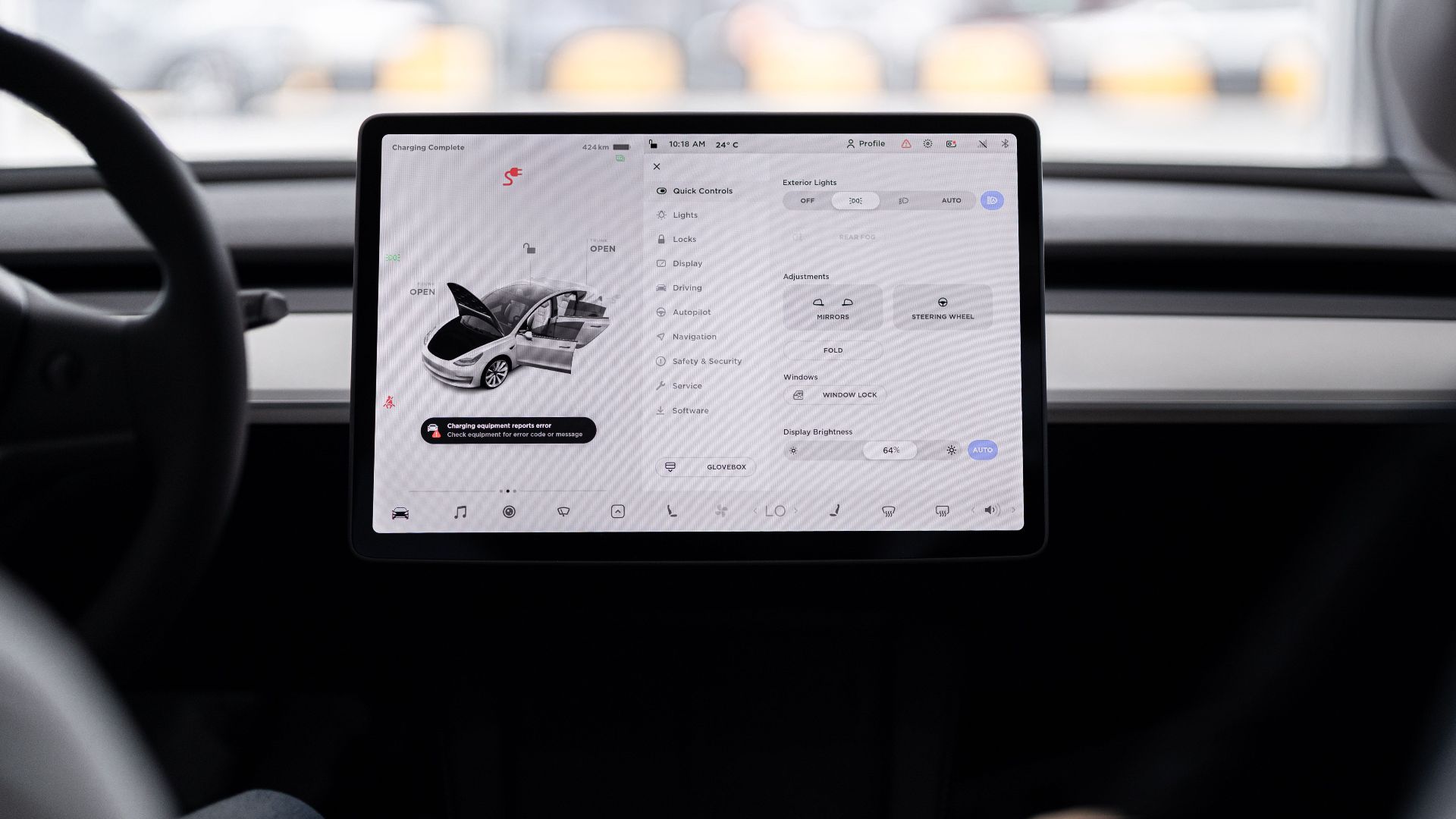
Wireless delivery does not automatically mean no charge. Some automakers include map updates during a connected-services trial and then put continued access behind a subscription. Others include updates for a set number of years, while some premium brands package the service as part of a larger digital bundle. So even when the update shows up more conveniently, the business model may still depend on recurring revenue.
 Tony Webster, Wikimedia Commons
Factory Navigation Still Has Some Advantages
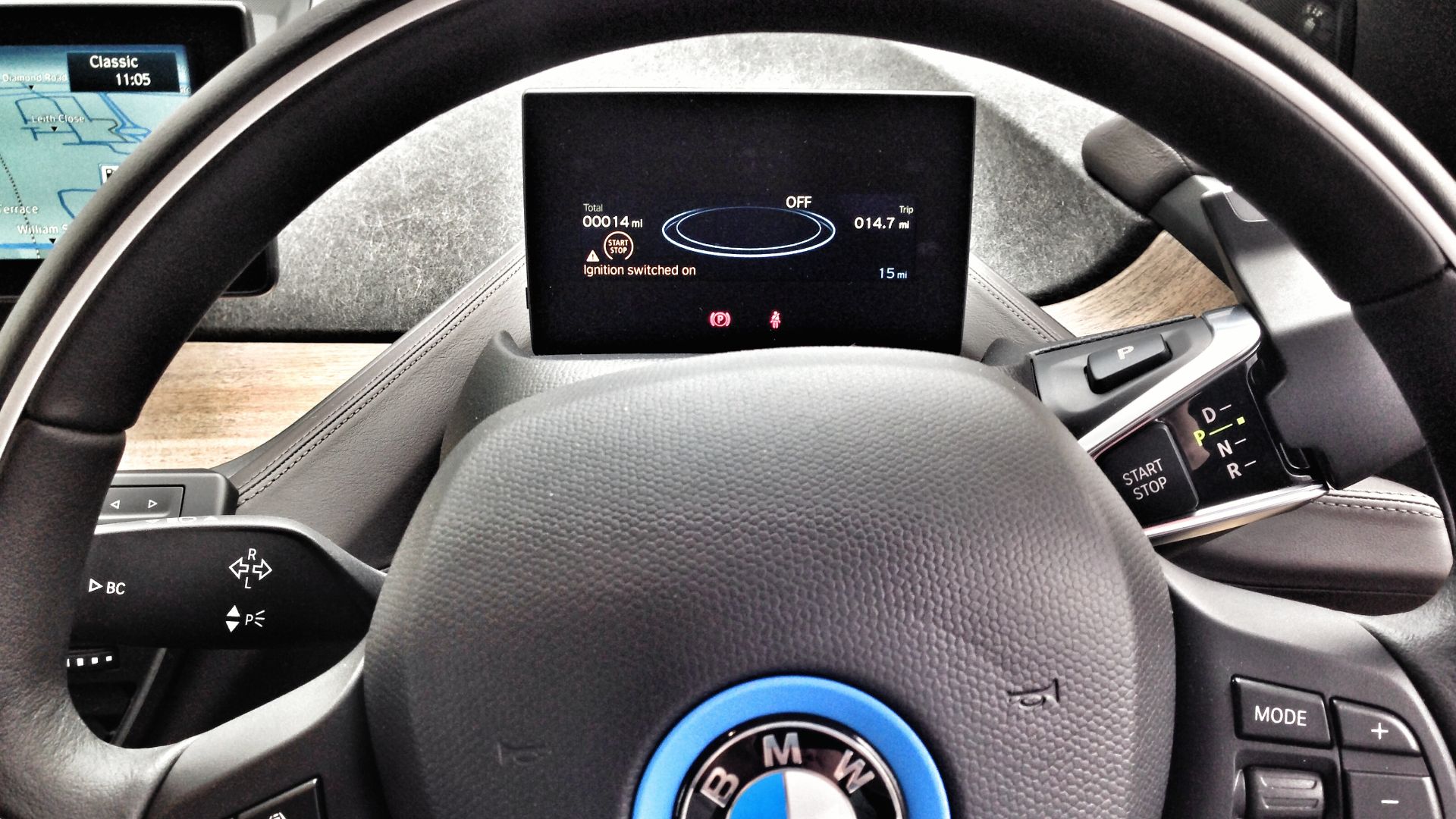
Built-in navigation is not pointless. It can tie into the instrument cluster, head-up display, steering-wheel controls, and route-aware battery or hybrid energy management in ways a phone sometimes cannot. In some vehicles, the native system can also keep working where cell service is weak because the maps are stored locally. Those strengths help explain why carmakers still bother with it.
 Car leasing made simple from Slough, UK, Wikimedia Commons
But Phones Usually Win On Freshness
If your priority is current roads, current businesses, and current traffic, your phone usually has the edge. Apple, Google, and Waze can push changes at massive scale without waiting for model-specific dealership workflows. That speed is exactly why a paid annual or one-time dealer map update can feel so old-school. In day-to-day driving, most people notice the freshness gap more than the integration benefits.
Apple CarPlay And Android Auto Changed The Game
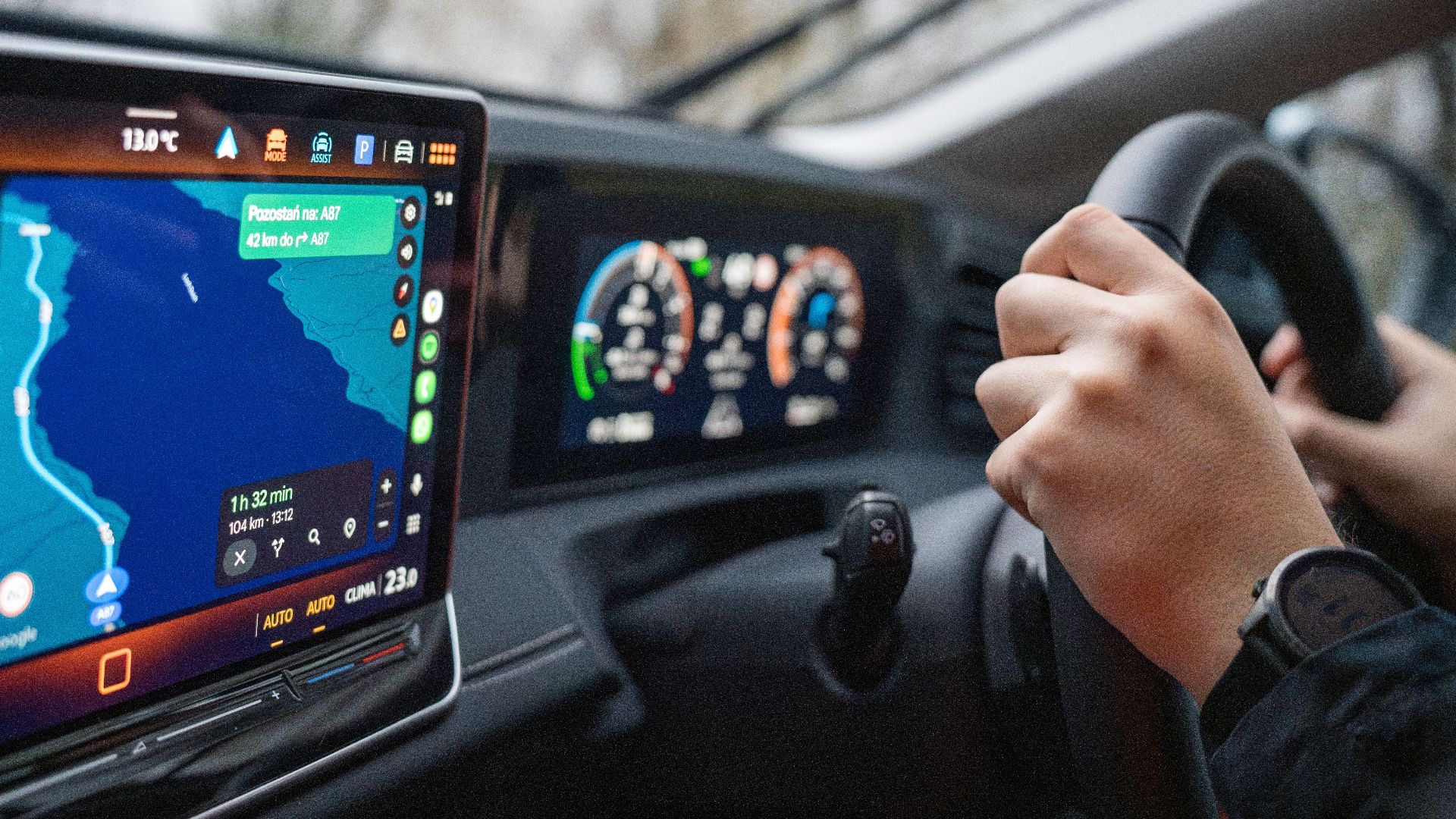
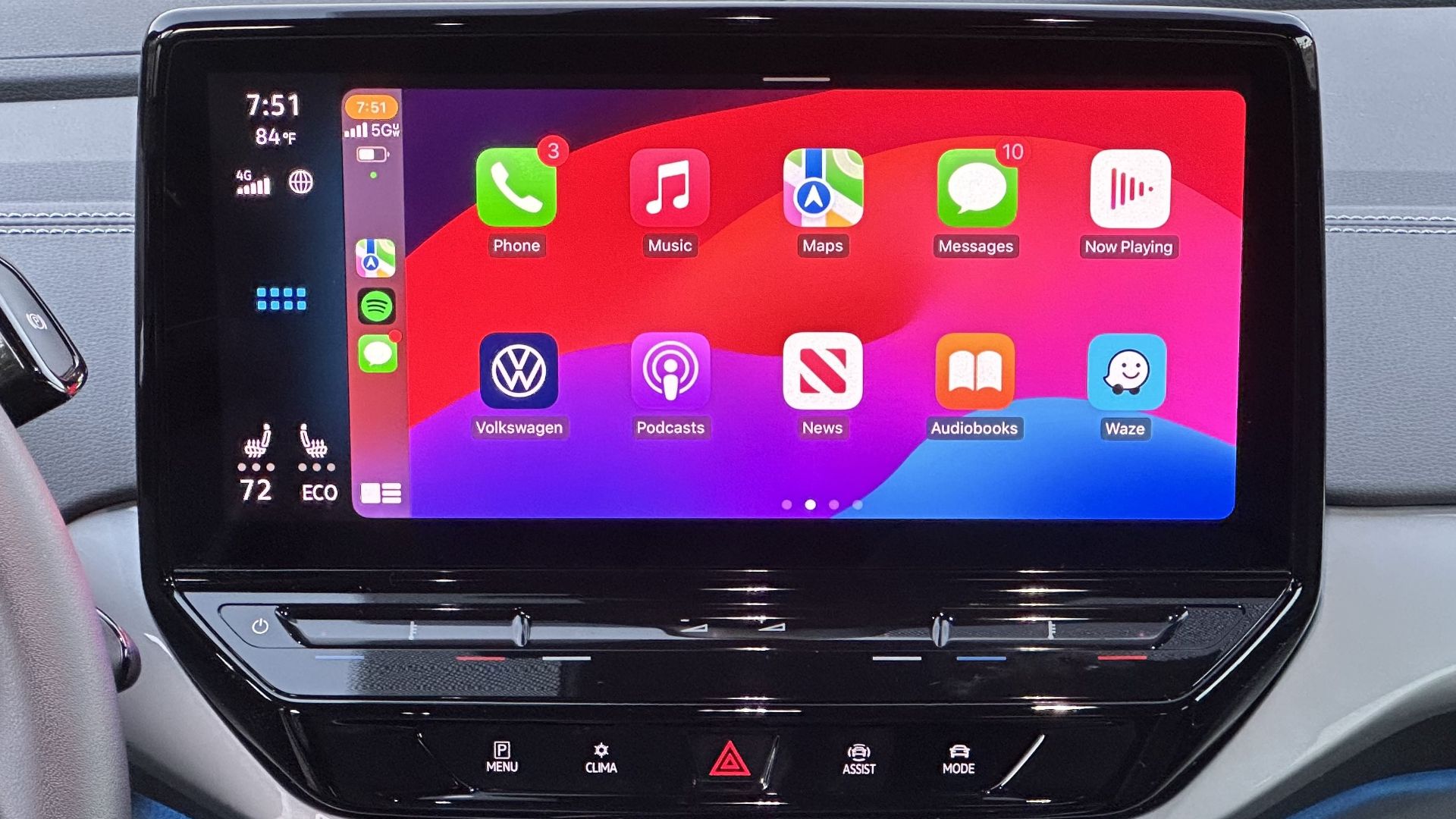
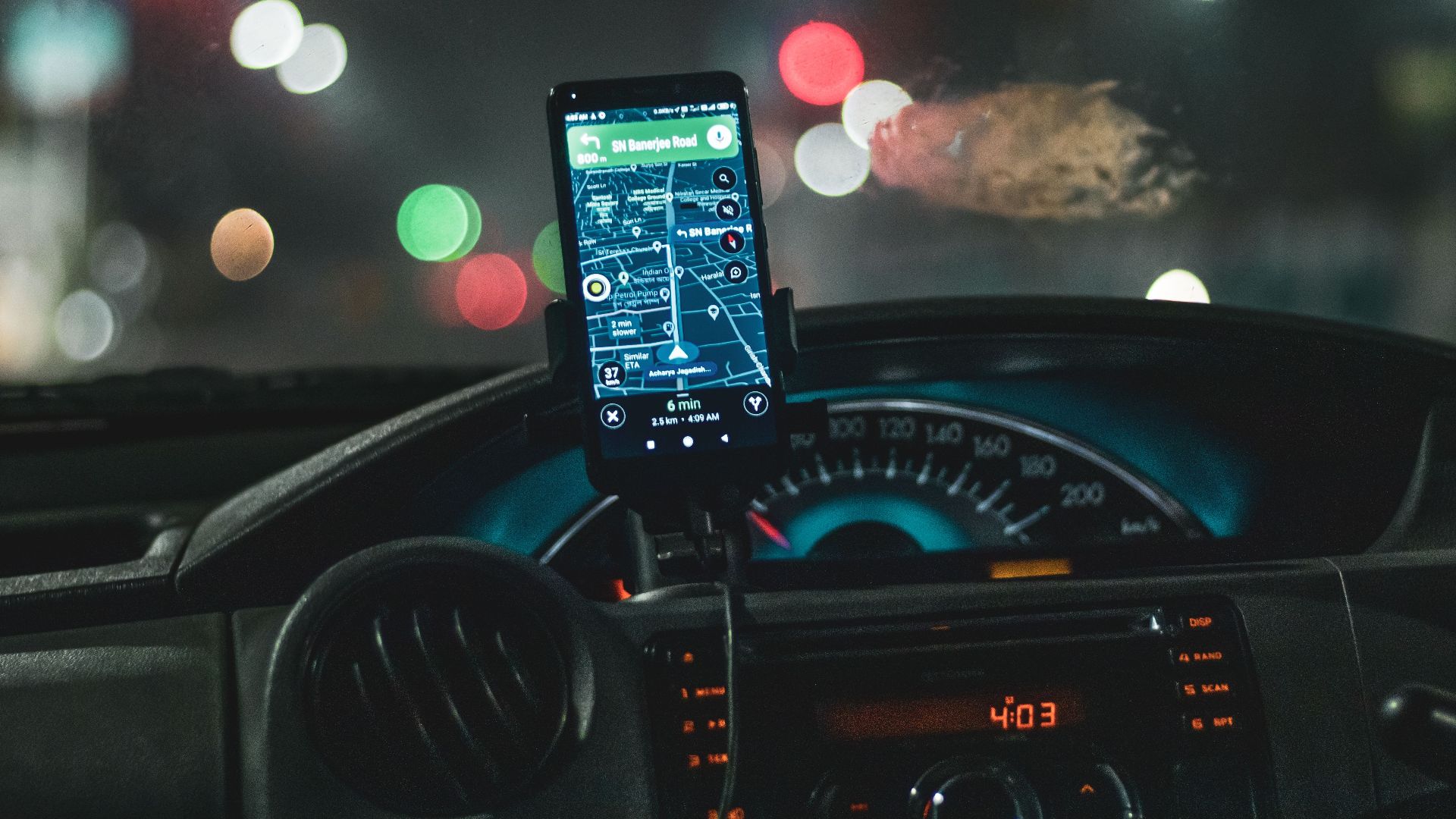
Once Apple CarPlay and Android Auto spread across the market, drivers got an easy way to skip aging factory navigation entirely. Instead of paying to refresh the car's onboard system, many owners simply mirrored the apps they already trusted. That changed the value equation fast. A dealer can still sell a map update, but the real competition is already in your pocket.
 Sunnyboy122, Wikimedia Commons
The Dealer Quote Also Reflects A Shrinking Customer Base
There is another uncomfortable truth behind those high prices. Fewer people now pay for built-in map updates, so the old distribution model has less scale than it used to. Lower volume can mean higher per-customer costs and less reason to streamline the process. That is not great news for the owner of a seven-year-old SUV who just wants the new bypass road to show up.

Older Hardware Can Reach A Dead End
Some factory systems eventually stop getting meaningful support. Storage limits, supplier changes, outdated operating systems, or simply the end of the product's commercial life can make continued updates less appealing for the automaker. At that point, an expensive update might buy only a small improvement, or no future support at all. That is one reason to ask exactly what version you are getting before you pay.
 The Car Spy, Wikimedia Commons
Dealerships Do Not Always Explain The Fine Print
Owners are often told they need a map update without hearing what is actually included. Is it one update or several? Does it include live traffic, point-of-interest refreshes, or only static road data? Is installation required, and if so, can you do it yourself with a USB stick or SD card instead of paying labor? Those questions can save real money.
 f.t.Photographer, Shutterstock
There May Be A Cheaper Official Option
Before approving a dealer service ticket, check your automaker's owner site or official map update portal. Some brands let owners download updates at home, buy media directly, or confirm whether their vehicle qualifies for free updates. Subaru, Toyota, Honda, GM, Mazda, and others have had owner-facing update information for at least some models and years. The dealer price is not always the only official price.

Some Cars Do Get Free Updates
Not every automaker still charges the old way. Some brands now include map updates for a set period, and some connected vehicles get them automatically. Others bundle navigation support into certified pre-owned programs or connected-services packages. The frustrating part is the inconsistency, because the policy can change by brand, model, trim, and model year.
Should You Pay The $500
If you rely heavily on the built-in system, drive in areas with lots of new roads, and value native cluster guidance, the update might be worth it. If you already use CarPlay or Android Auto every day, $500 is usually hard to justify. In many cases, that money is better spent on a good phone mount, a charging setup, or nothing at all. The smart answer depends on how you actually drive, not on the sales pitch.

What To Ask Before You Say Yes
Ask for the current map version in your car and the version they plan to install. Ask whether the price includes labor, whether updates can be done at home, and whether future updates are included. Ask if the same system supports Apple CarPlay or Android Auto, since that may solve the real problem for free. Specific questions cut through vague dealership language very quickly.

The Best Workaround For Most Drivers
For most people, the simplest fix is to use phone-based navigation and leave the factory maps alone. Download offline maps before a trip if cell coverage is a concern, and keep your charging cable or wireless charger sorted out. That approach gives you current data, better traffic, and no surprise software bill at the service lane. It is not flashy, but it works.
Why The Industry Is Still Stuck In This Weird Transition
The car business moves slowly because vehicles stay on the road for a long time and electronics are locked in years before launch. Smartphones refresh every year and apps update constantly, while a car's infotainment system may need to last a decade. That mismatch is the real reason your dashboard can feel stuck in the past. The dealership quote is just the most painful reminder.
The Bottom Line On Paid Factory Maps
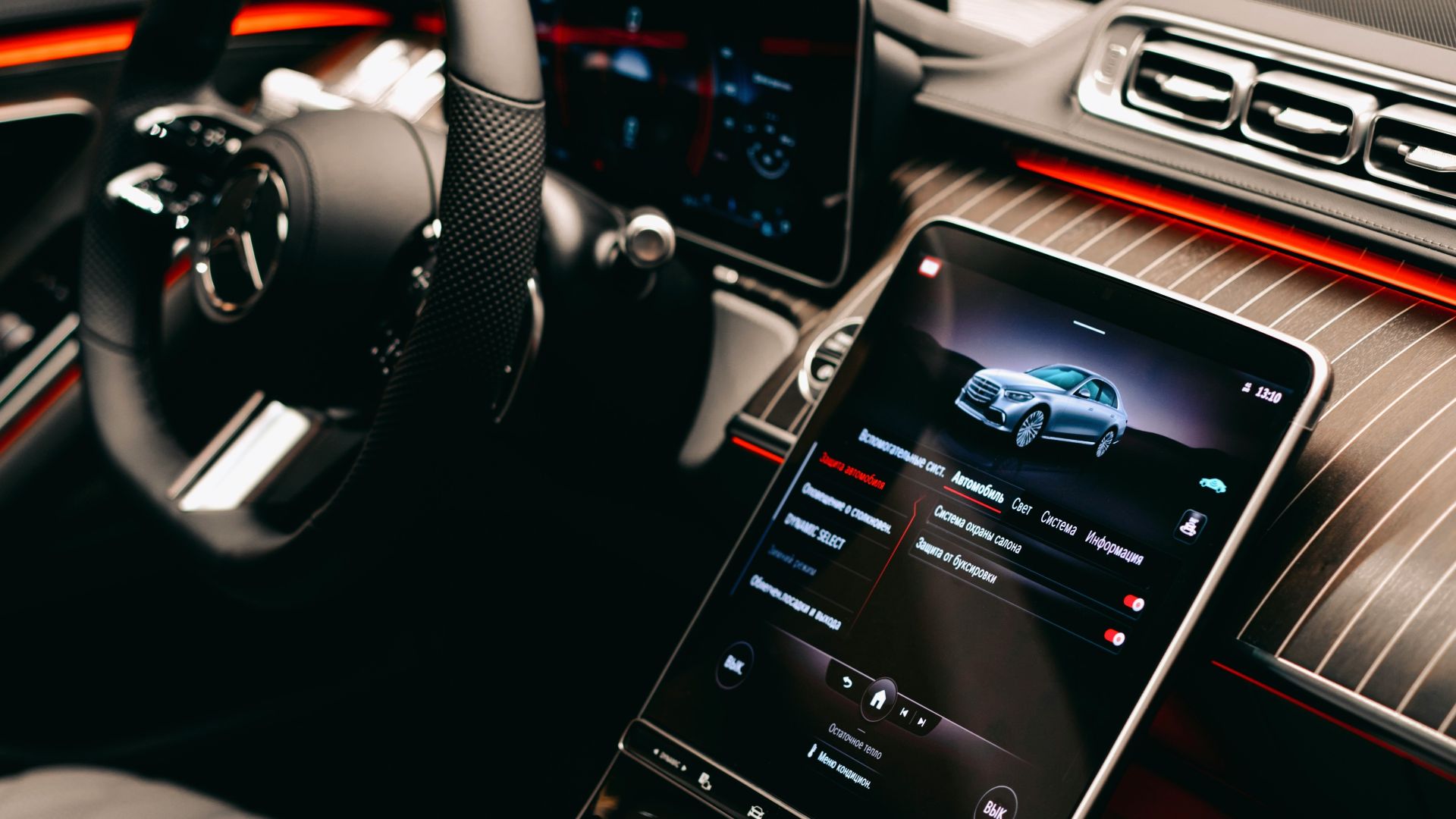
Built-in navigation still costs money because automakers often license commercial map data, test it for old hardware, distribute it through branded systems, and treat it as a paid software service. Phone navigation looks free because its costs are buried inside much larger digital ecosystems with constant connectivity and huge scale. So yes, the $500 quote is real, and yes, it feels ridiculous. For many drivers, the practical move is to thank the service advisor, say no, and let your phone handle the job.