
Your Premium Is Not Just About You
If your insurer says your rate went up because your car model gets stolen a lot, it can feel unfair. You might lock your doors, park in a garage, and never leave a key fob out. But auto insurance is built on shared risk. Companies price coverage partly on how often cars like yours lead to claims, not just on how careful you are.
Why Insurers Keep Using This Explanation
There's actually a very simple reason for it. Comprehensive coverage pays for vehicle theft, and when one model is stolen more often than usual, claim costs rise for that whole group of cars. When those losses pile up, premiums always follow, fair or not.

The Data Behind The Frustration
This isn't just something a call center says to get you off the phone. The Highway Loss Data Institute, or HLDI, has repeatedly published theft claim data showing that some vehicles have much higher theft losses than others. Insurers rely on that data because it reflects what they are actually paying out.

A Big Theft Surge Put The Issue Front And Center
Vehicle theft jumped in the early 2020s and pushed insurers, automakers, and regulators to respond. The National Insurance Crime Bureau said more than one million vehicles were stolen in the United States in 2022, the highest annual total on record at the time. Once theft surged that much, differences between models mattered even more.
The Kia And Hyundai Problem Became The Main Example
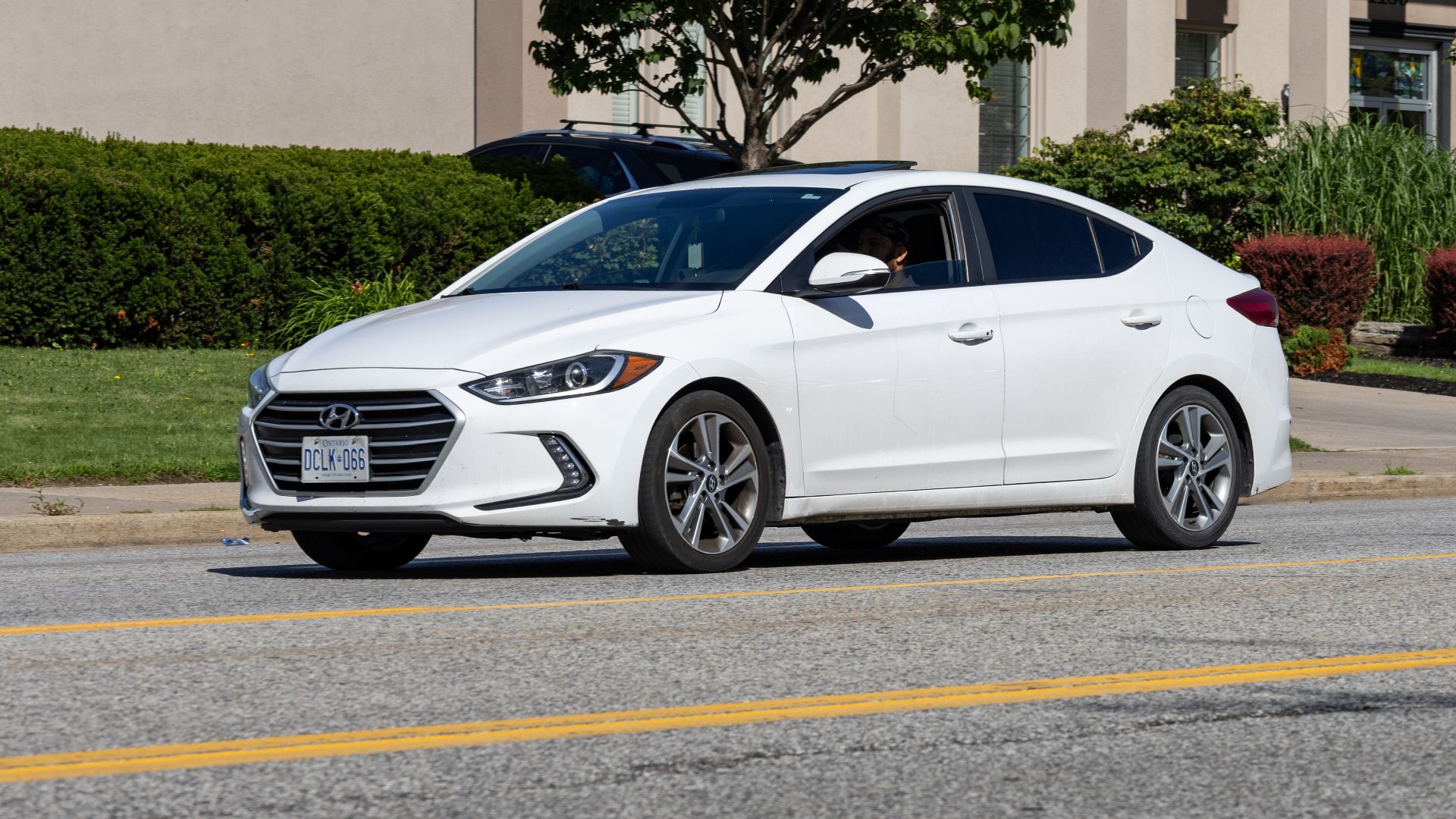
The clearest case involved certain Kia and Hyundai vehicles. In 2023, HLDI reported that theft claim frequency for 2015 through 2019 Hyundai and Kia models was nearly seven times as high as for all other 2015 through 2019 vehicles. That gave insurers a very public, data-backed reason to raise rates on some cars or get stricter about writing policies.
 Crisco 1492, Wikimedia Commons
How That Became A National Story
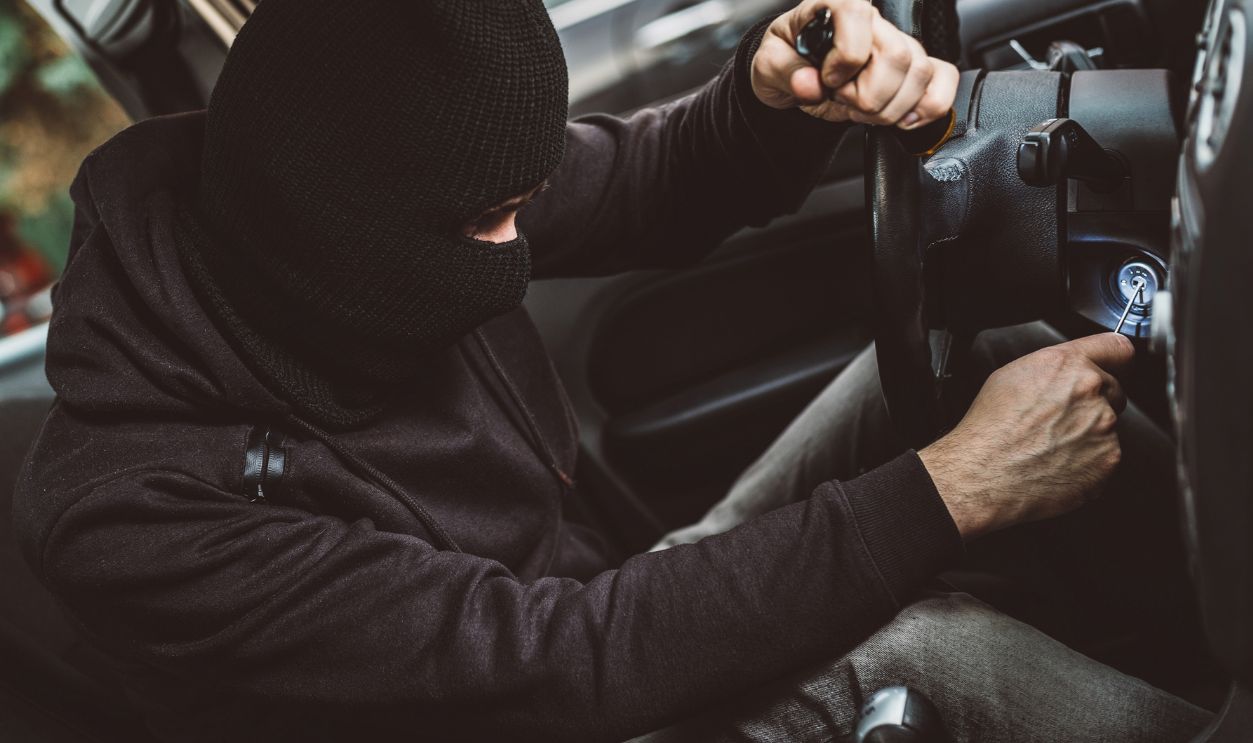
The issue blew up after social media videos showed how some vehicles without electronic immobilizers could be stolen with basic tools. HLDI linked the higher theft rates to the lack of standard immobilizers on many Hyundai and Kia models sold in the United States during those years. The Insurance Institute for Highway Safety and HLDI also said those same companies included immobilizers in nearly all vehicles sold in Canada and Europe, where theft patterns looked different.
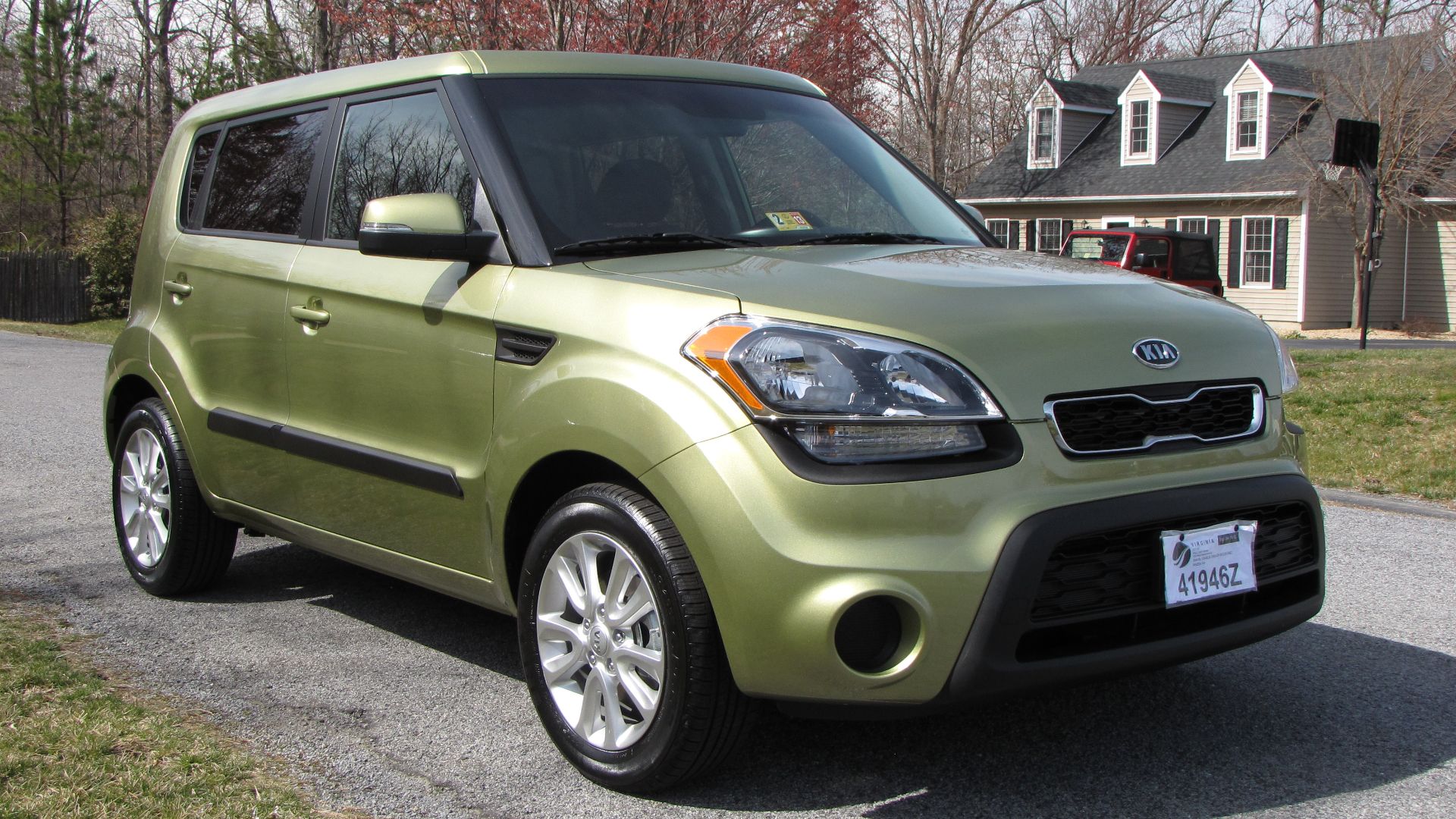 Ben Schumin from Montgomery Village, Maryland, USA, Wikimedia Commons
What An Immobilizer Actually Does
An immobilizer is an electronic anti-theft system that helps stop a car from starting without the right key or transponder. It sounds like a small detail, but it makes a big difference. When a model does not have that protection, thieves can often steal it faster and more easily, and insurers factor that in.
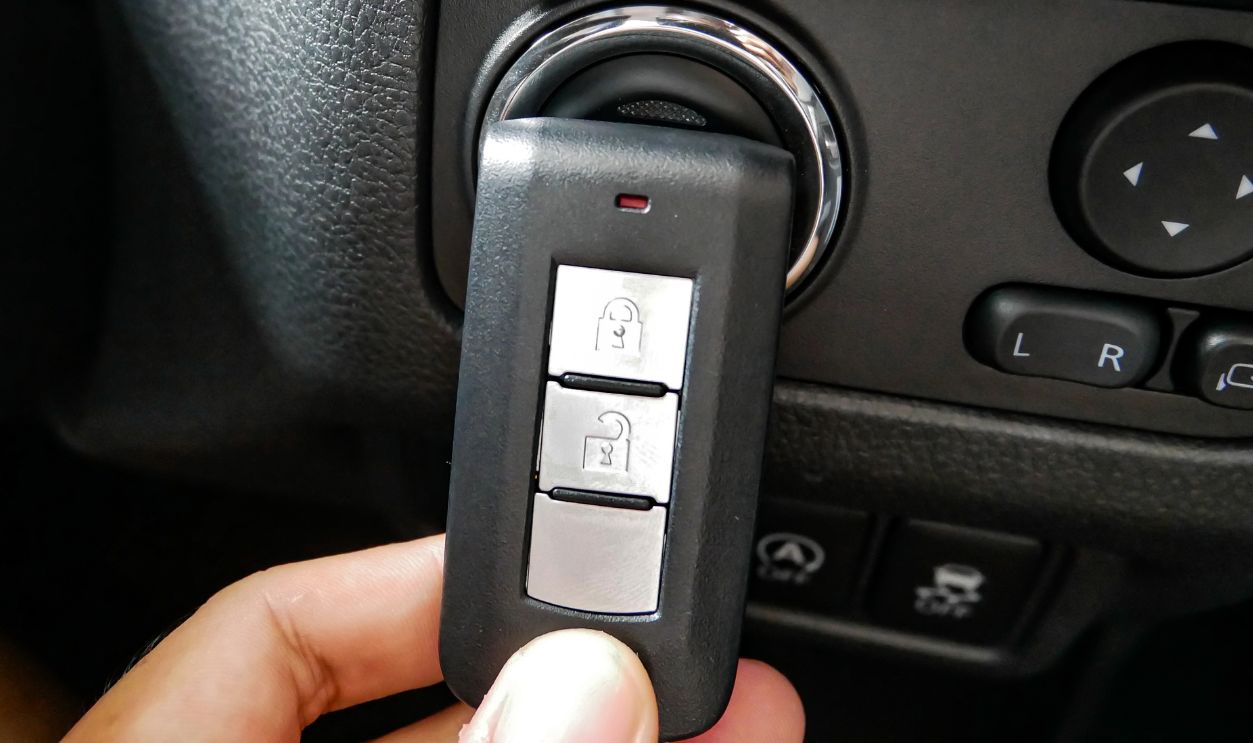
Why Careful Owners Still End Up Paying More
Insurance is priced as a group product, not as a reward for good behavior. A careful owner may be much less likely than average to have a car stolen, but insurers cannot perfectly measure every safety step you take. So they use broader signals like ZIP code, where the car is parked, past claims, and vehicle model. Good habits can help, but they may not fully offset a car’s theft record.
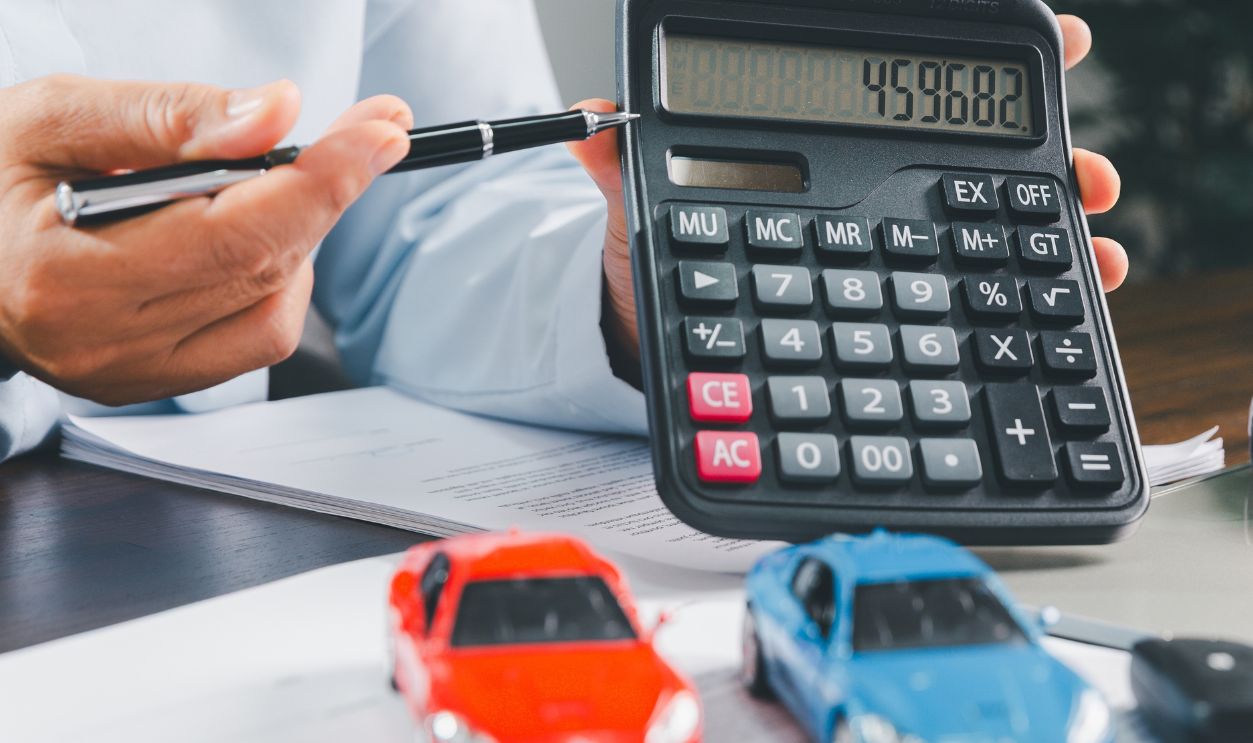
Insurers Are Allowed To Price Group Risk
From the insurer’s side, this is standard pricing. Companies look for factors that help predict future losses, and theft history by make and model is one of them. State regulators generally require rates to be backed by loss data, which makes model theft experience a valid rating factor when the numbers are strong enough.
 Korawat photo shoot, Shutterstock
Why It Feels Unfair
Drivers have a real point. You did not design the car, create the theft trend, or post how-to theft videos online. But you may still pay more because insurers spread expected losses across everyone who drives a vulnerable model.
Why Insurers Think It Is Fair
The industry answer is that premiums should reflect expected claims, not personal virtue. If one model leads to far more theft payouts than another, charging both groups the same would mean lower-risk drivers help cover the losses from higher-risk vehicles. In that view, model-based pricing avoids a different kind of unfairness.
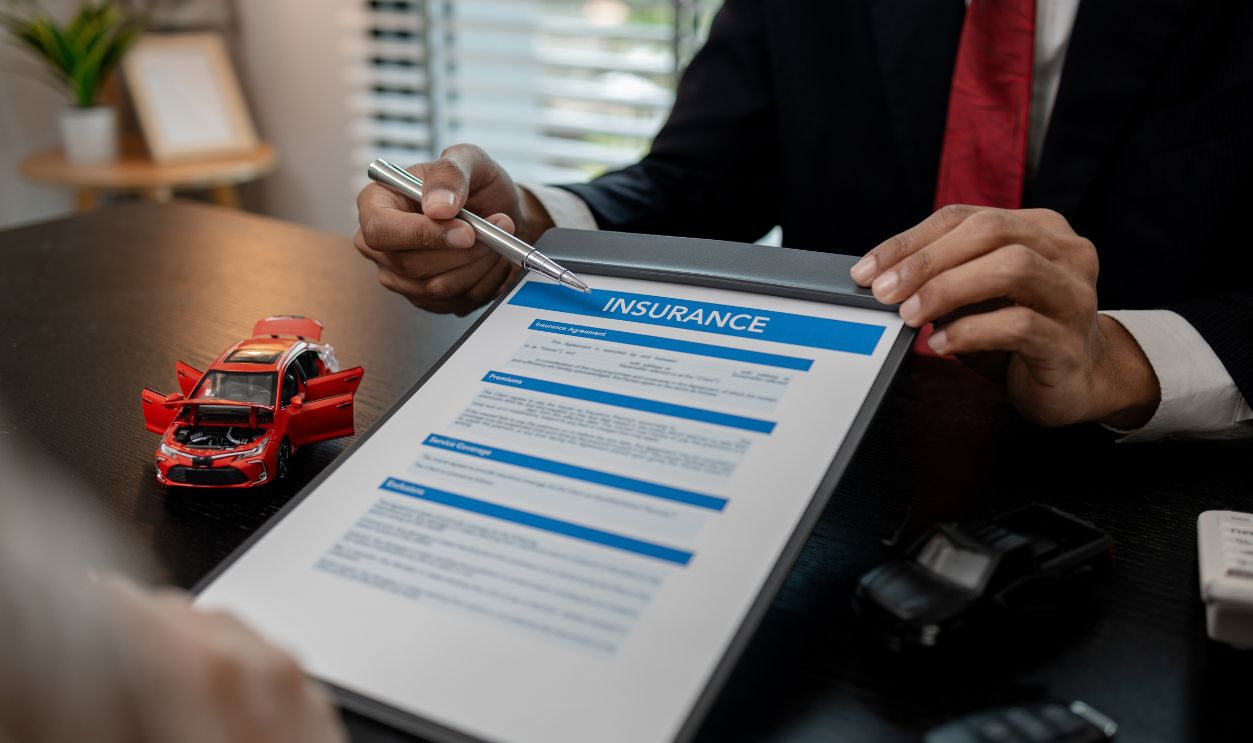
The Design Defect Question Never Really Went Away
Many owners argue that automakers should bear more of the cost when a security weakness helps drive theft. That argument gained force as Hyundai and Kia faced lawsuits and public pressure over vulnerable vehicles. In February 2023, Hyundai announced it would offer a software upgrade to millions of vehicles to help address the theft method at the center of the problem.
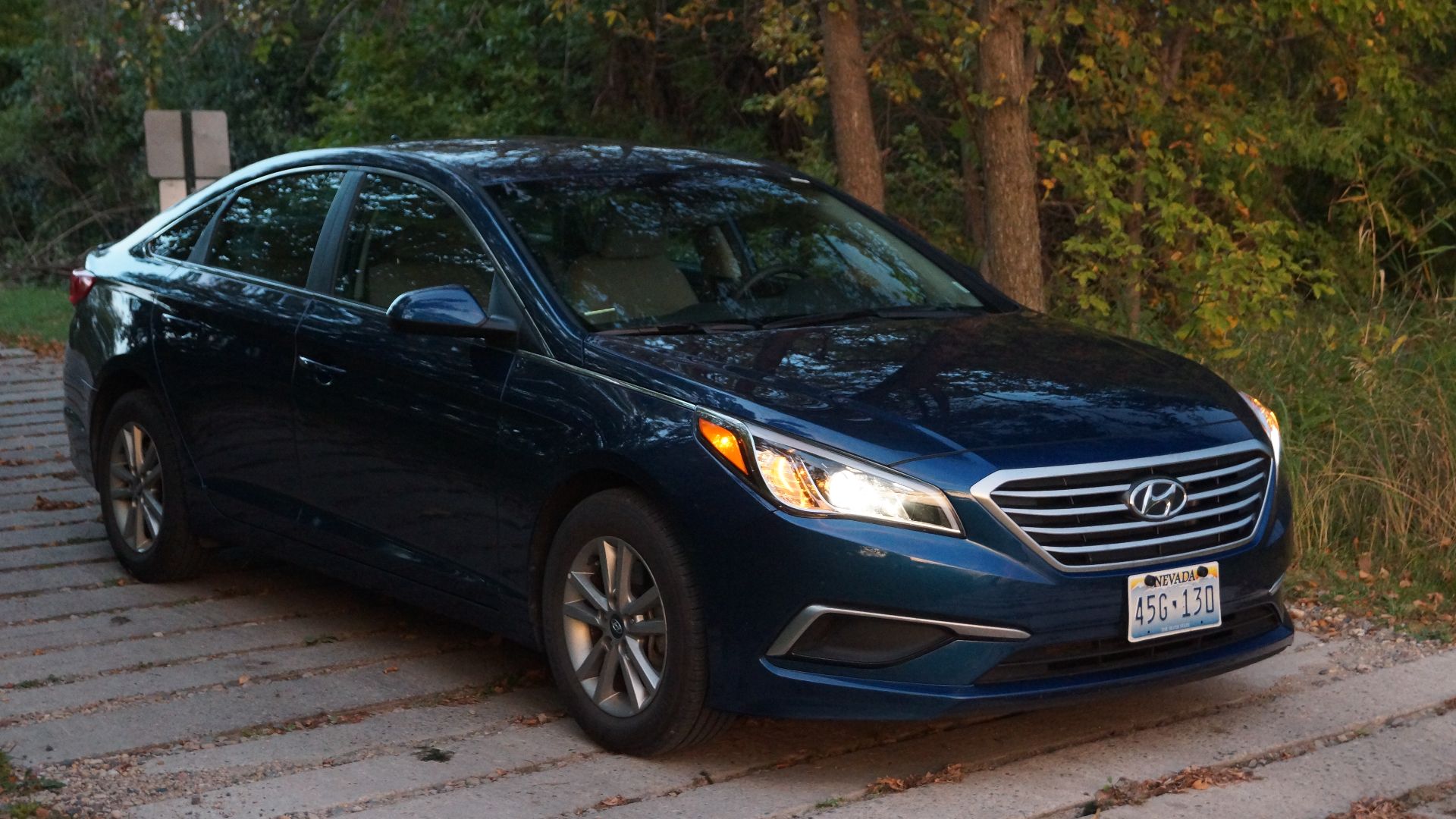 Greg Gjerdingen from Willmar, USA, Wikimedia Commons
Cities Pushed Back Too
Local governments also got involved because theft spikes created policing and public safety costs. Several cities sued Hyundai and Kia, arguing that design choices made the vehicles too easy to steal. Those cases helped shift the debate from owner responsibility to corporate responsibility.
Federal Regulators Stepped In
The National Highway Traffic Safety Administration also weighed in as theft concerns grew. In 2023, NHTSA highlighted the software upgrades and urged owners of affected Hyundai and Kia vehicles to get them installed. That federal attention gave insurers even more reason to treat the issue as a documented risk rather than a rumor.
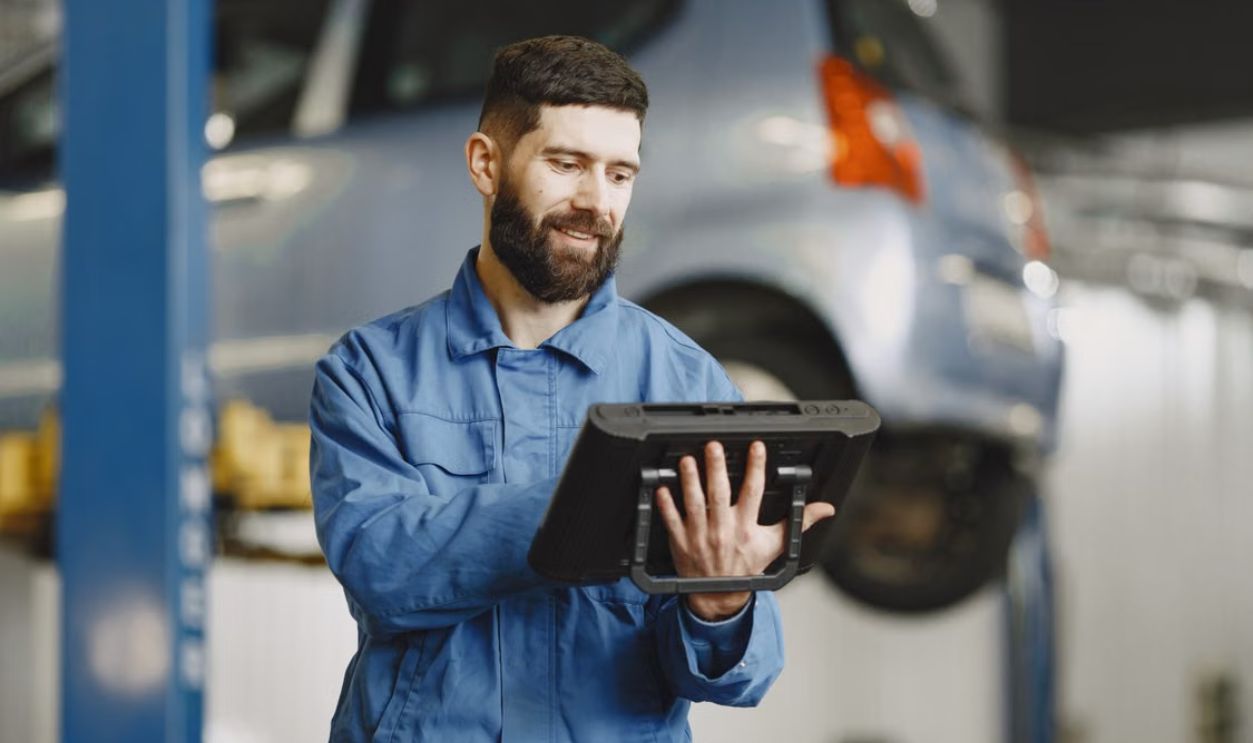
Not Every Frequently Stolen Car Has The Same Problem
Some vehicles are stolen because they lack key security features. Others are targeted because they are everywhere, easy to strip for parts, or popular in illegal export channels. So if your rate goes up because of theft risk, that does not always mean your car has a clear design flaw.
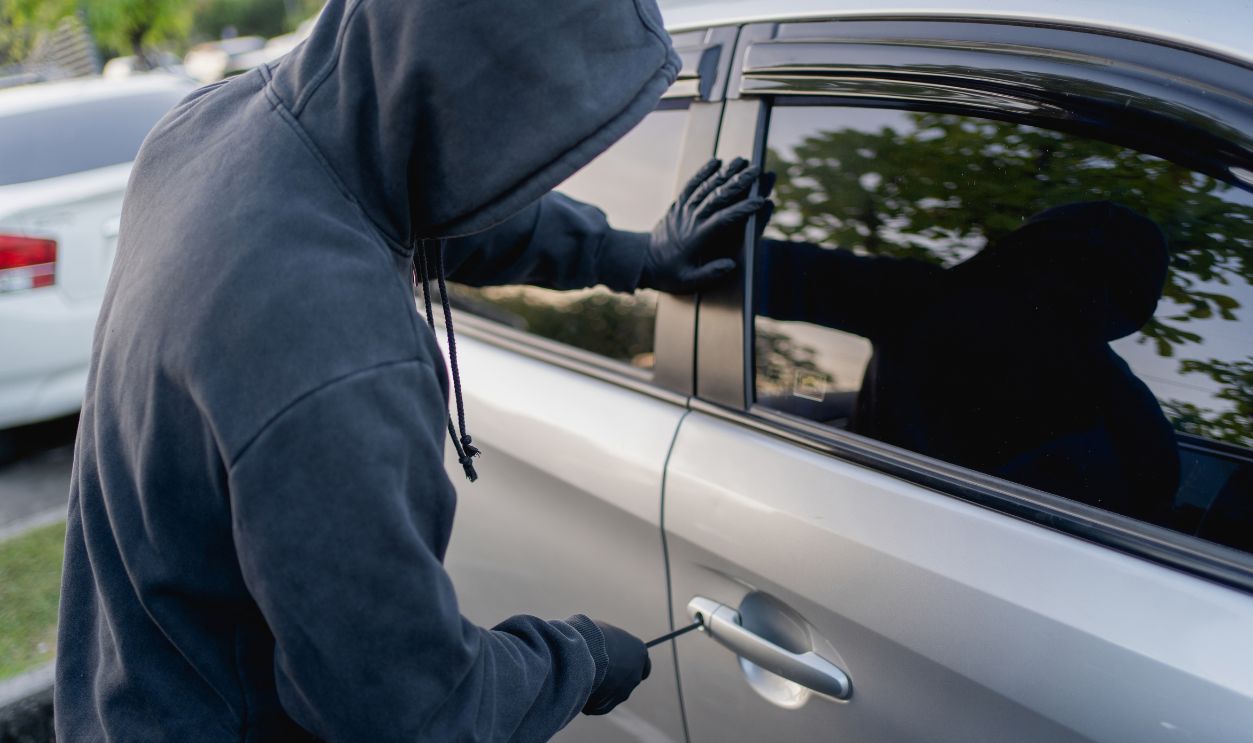
The NICB Lists Show How Complicated Theft Can Be
The National Insurance Crime Bureau publishes yearly lists of the most stolen vehicles in the United States. Full-size pickups, midsize sedans, and compact cars often show up because thieves want engines, wheels, catalytic converters, or just a car that blends in. Theft rates often come down to a mix of opportunity, demand, and weak security.

Your ZIP Code Matters Too
A high-theft model in a low-theft area may still cost less to insure than the same model in a hotspot. Insurers usually combine vehicle data with local crime patterns and claim severity. So when your agent talks about theft rates, they may mean both your car and your area.
 Jaime Hernandez Erives, Pexels
Comprehensive Coverage Usually Takes The Hit
If your premium increase is tied to theft risk, the biggest effect is usually on comprehensive coverage. That is the part of the policy that typically pays if your car is stolen or damaged during a theft attempt. Liability insurance pays for harm you cause to other people, so it is not the main issue here.

Small Changes Can Still Help
Even if you cannot swap cars tomorrow, you may still be able to lower your risk in ways insurers recognize. Ask whether your company offers discounts for anti-theft devices, tracking systems, secure parking, or documented software updates. Not every insurer treats those features the same way, so it is worth asking.
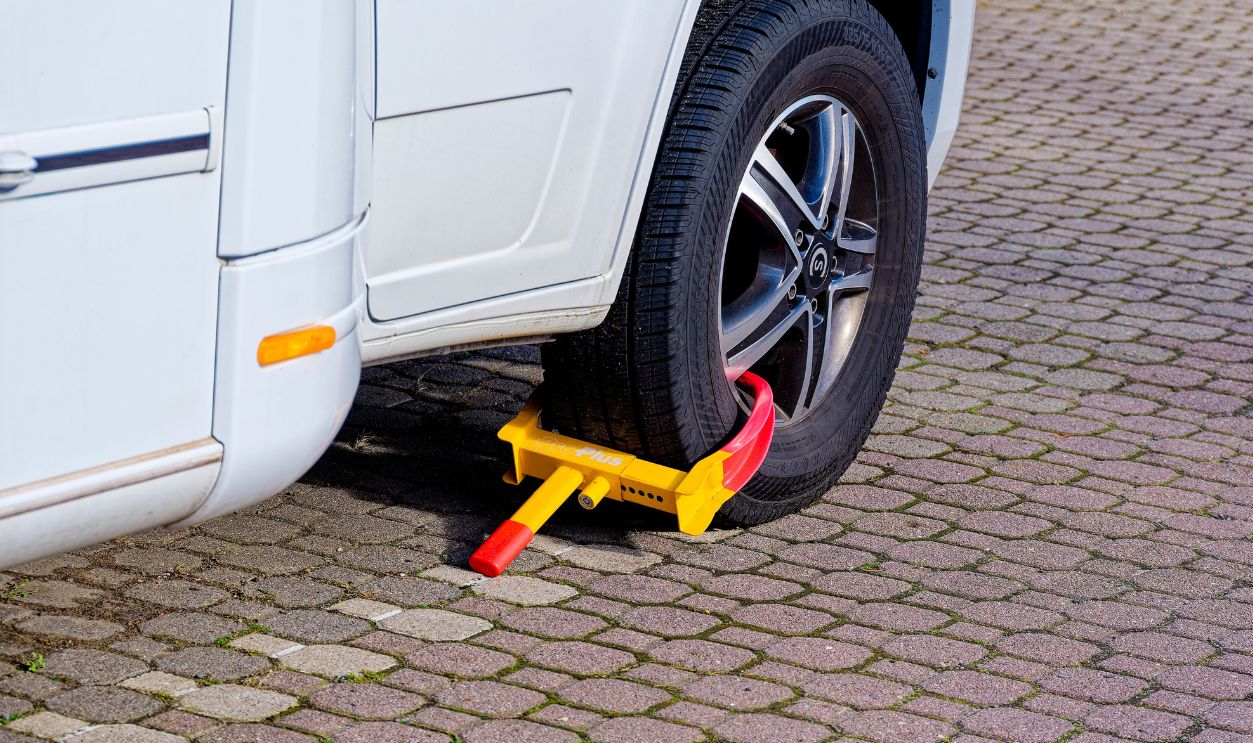
Steering Wheel Locks Made A Comeback
During the Hyundai and Kia theft spike, police departments and manufacturers started promoting old-school steering wheel locks again. They are not fancy, but they can push a thief toward an easier target. If your model has been singled out, visible deterrents can make a difference.
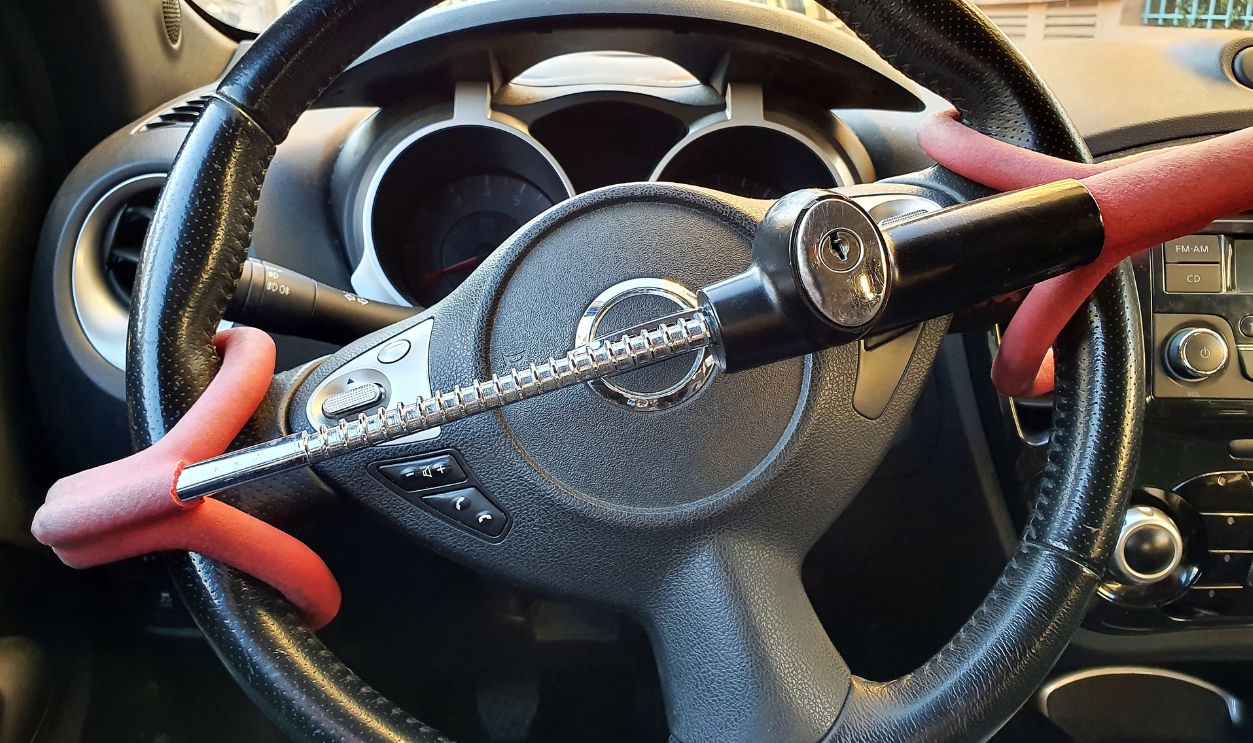
Software Updates Can Matter
For affected vehicles, manufacturer security updates may lower theft risk and help when you shop for insurance. Hyundai said its software upgrade changes how certain vehicles handle ignition and alarm behavior, making them harder to steal with the widely known method. Keep proof of any update, because an insurer may ask whether the fix has been done.
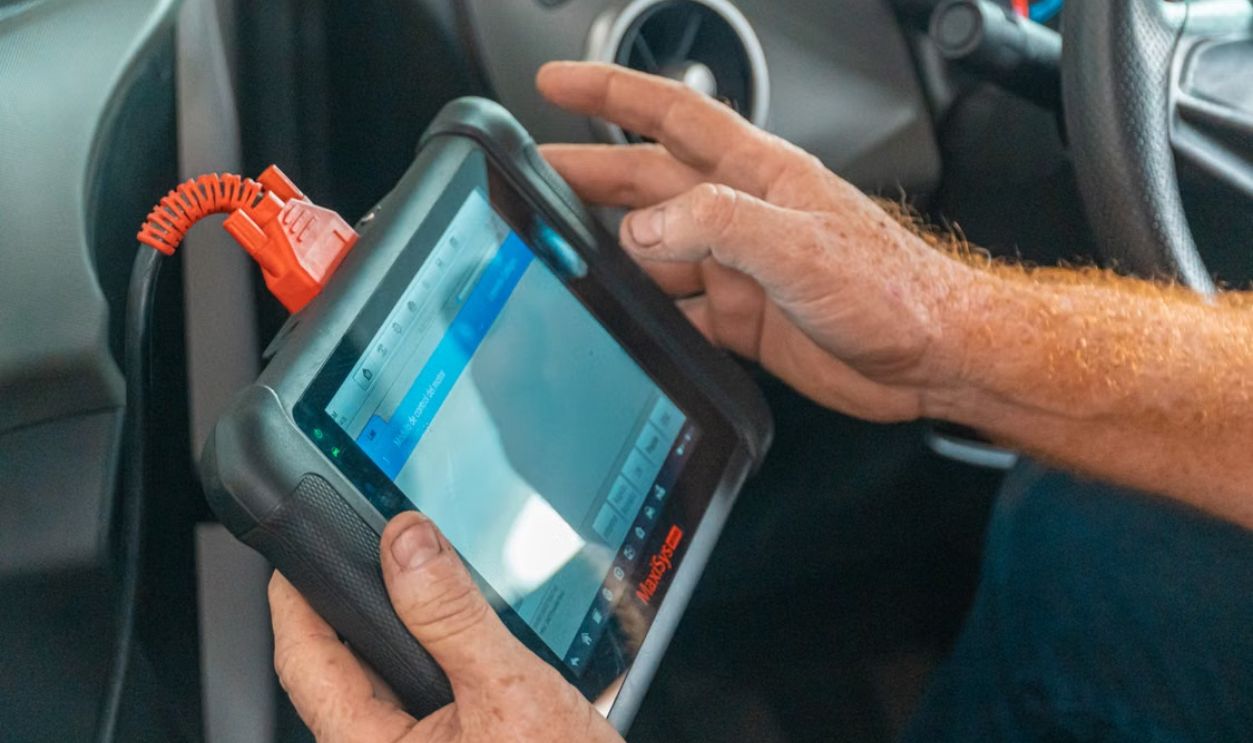 Jose Ricardo Barraza Morachis, Pexels
Shopping Around Matters More Than Ever
Different insurers react differently to the same theft data. One company may sharply raise rates on a model that another will still insure at a more moderate price because it weighs other factors differently. If your renewal jumps, get other quotes before assuming the increase is unavoidable.

Ask Better Questions When You Call
Do not just ask why your premium went up. Ask whether the increase is tied to comprehensive coverage, model theft history, local theft trends, or a companywide rate filing in your state. That can help you figure out whether changing deductibles, adding anti-theft protection, or switching insurers is most likely to help.

Higher Deductibles Can Lower The Bill, But There Is A Catch
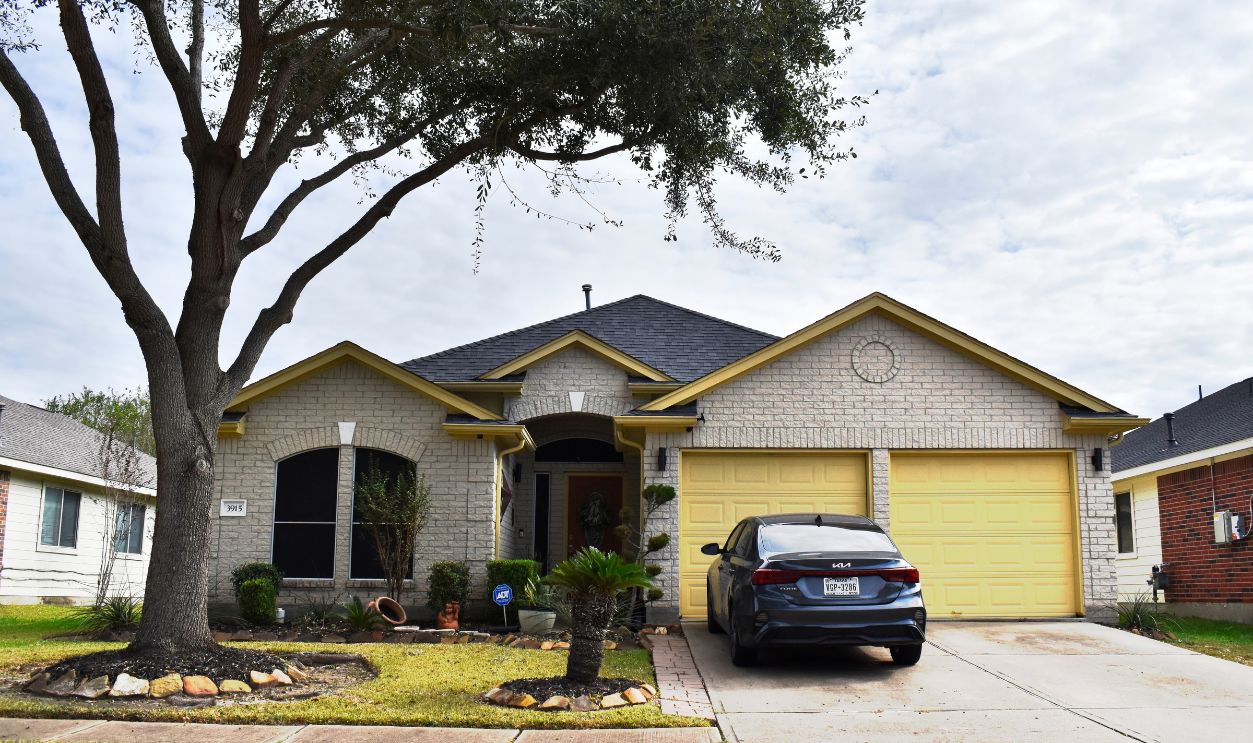
Raising your comprehensive deductible can reduce your premium, but it also means more out-of-pocket cost if something happens. That may make sense for an older car if the savings are real. It is less appealing if theft attempts in your area often leave behind expensive damage even when the car is recovered.
 Artistic Operations, Shutterstock
If You Are Buying A Car, Check Theft History First
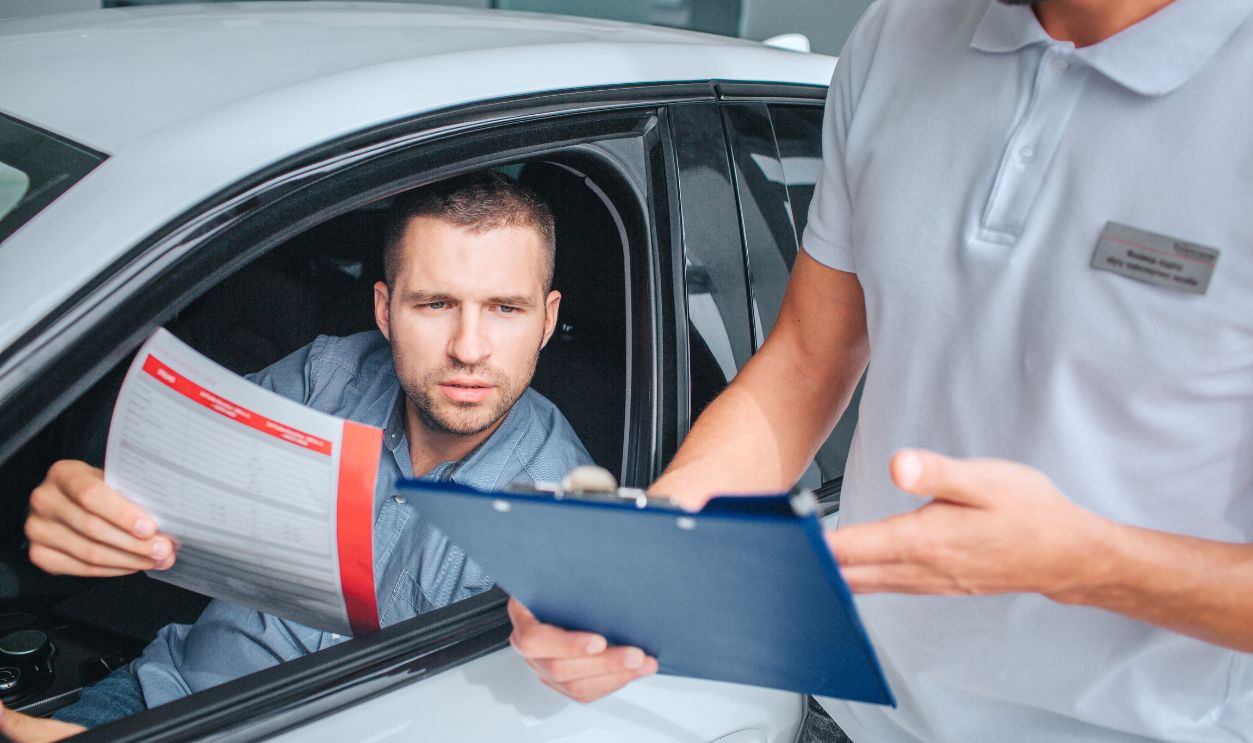
Most people compare fuel economy, reliability, and monthly payment before buying a car. Insurance should be on that list too, especially if a model has become a theft target. A quick insurance quote before you sign can save you from finding out the real cost later.
So Why Should Careful Owners Pay
The blunt answer is that insurance prices expected losses, not just personal responsibility. Careful owners still pay because insurers usually cannot rate every customer only on individual behavior, and because claims tied to the same model affect the whole risk pool. It may not feel satisfying, but that is the logic behind the price.

Who Should Really Carry The Cost
There is a strong case that automakers, platform operators, and criminals created much of this problem, not cautious owners. Public pressure, lawsuits, software fixes, and anti-theft programs are all attempts to push some of the burden back toward the source of the risk. Until those efforts fully work, insurers are still likely to price the world as it is, not as drivers wish it were.
The Practical Takeaway For Drivers
If your insurer says your model is stolen too often, treat it as a problem you may be able to reduce, not a dead end. Make sure your vehicle has every available security update, add visible deterrents, ask about anti-theft discounts, and compare quotes from multiple insurers. You may not be able to escape group risk completely, but you can often shrink what it costs you.

.jpg)