The Question That Starts Family Debates
If your spouse wants to buy your teenager a brand-new car for safety, the instinct makes sense. New cars come with fresh warranties and a comforting idea that newer must mean safer. But the real answer is more complicated. It depends on what changed in the last five years and which vehicles you are actually comparing.

Start With The Big Picture
Yes, newer cars are usually safer than older ones. But the gap between a brand-new car and a five-year-old car is often much smaller than the gap between a five-year-old car and a 15-year-old one. For a lot of families, that difference can mean the line between overspending and making a smart safety choice.
 Inside Creative House, Shutterstock
Why Five Years Matters
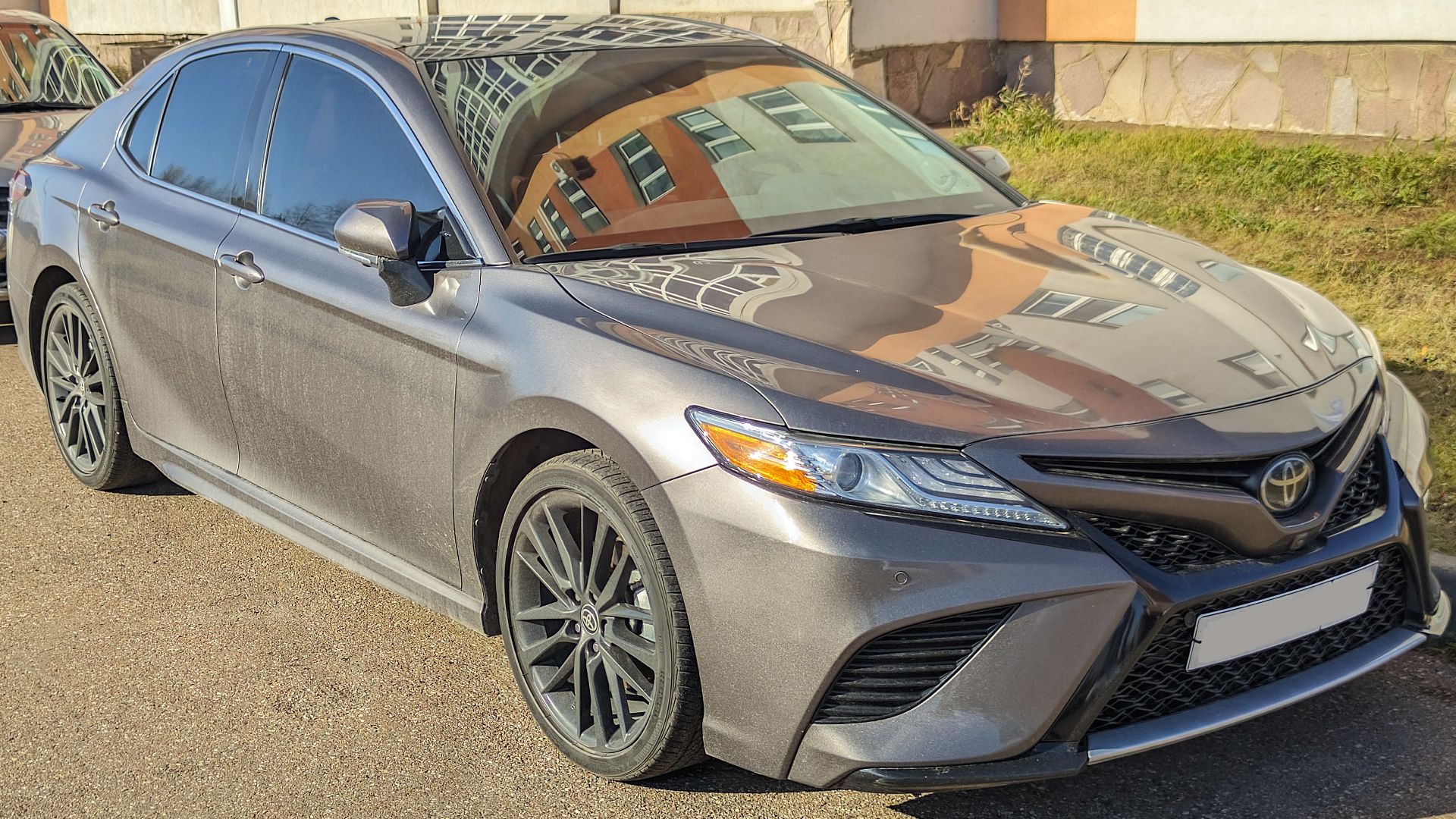
A five-year-old car is not old by modern safety standards. A 2020 model, for example, was built after automatic emergency braking, stronger crash structures, and better airbags had already become common across the market. In many cases, a well-equipped five-year-old vehicle already has the safety features parents care about most.
 Throwawayacc222, Wikimedia Commons
The Safety Story Kept Moving
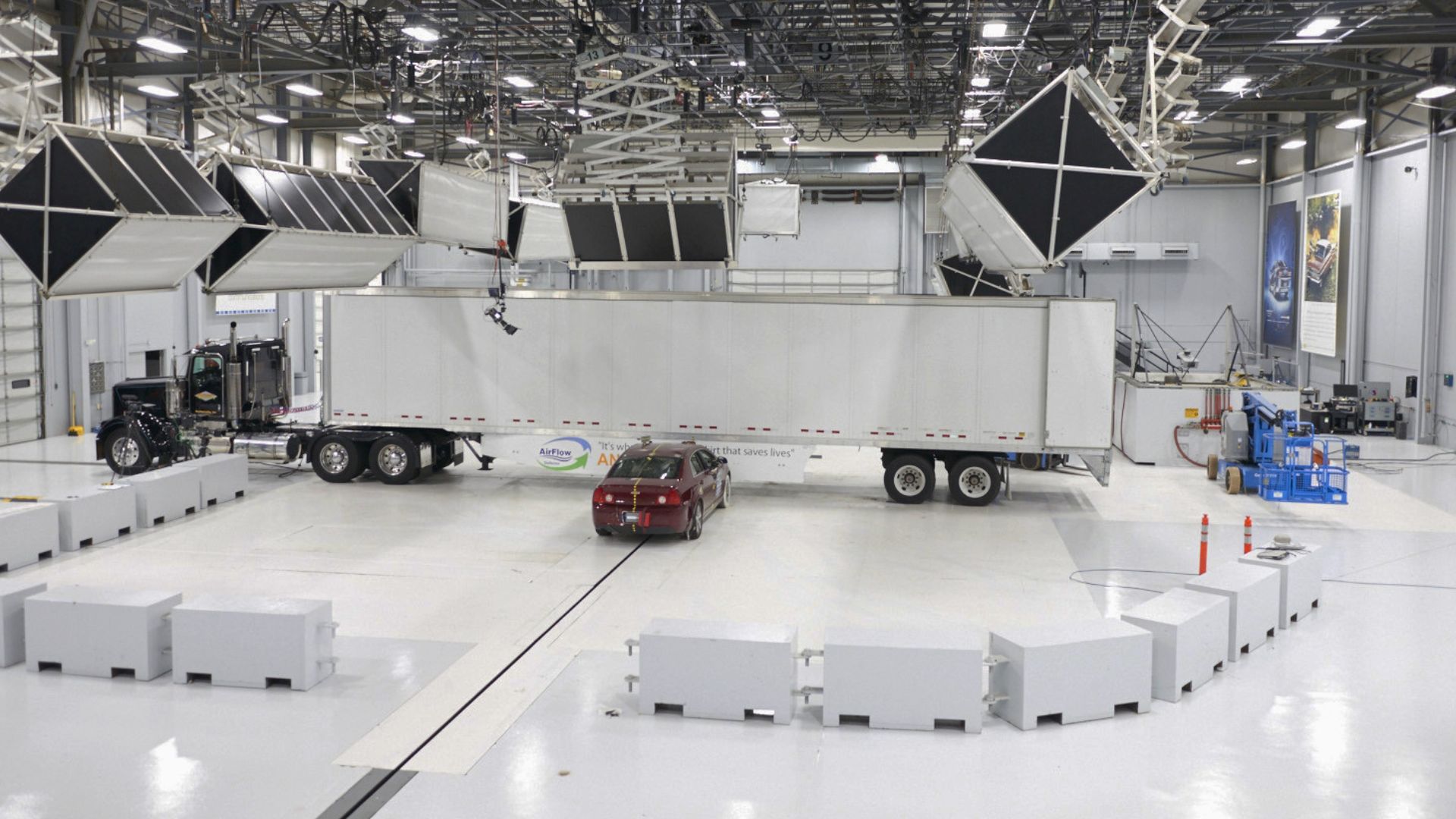
That said, car safety has not stood still. The Insurance Institute for Highway Safety, better known as IIHS, has made its crash tests and award standards tougher over the last several years. Automakers have answered with better rear-seat protection, stronger side-impact performance, improved headlights, and better pedestrian crash prevention.
 Insurance Institute for Highway Safety, Wikimedia Commons
Crash Death Data Shows The Long-Term Trend
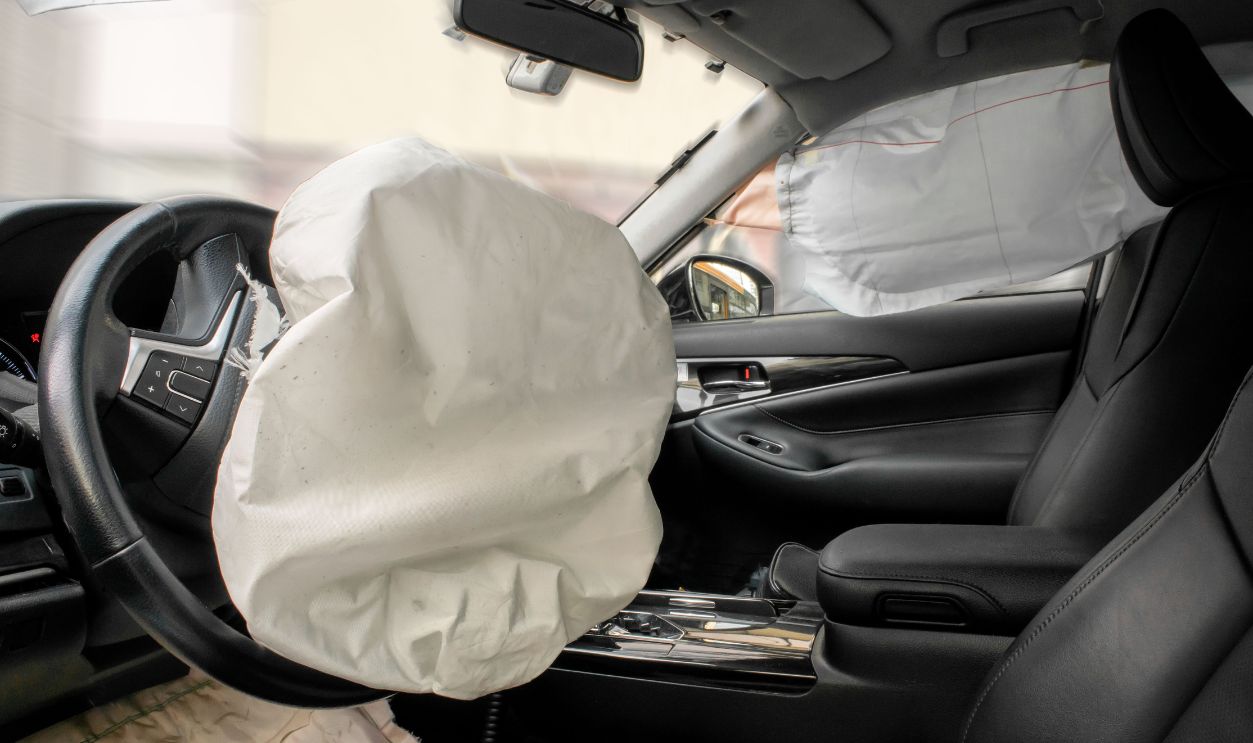
The National Highway Traffic Safety Administration, or NHTSA, has tracked how safety advances cut fatalities over time. NHTSA says newer vehicles usually protect occupants better because of improvements in structure, airbags, seat belts, and crash-avoidance tech. That helps explain why very old vehicles are usually a much riskier choice for teen drivers than newer used ones.
What Changed Around 2020
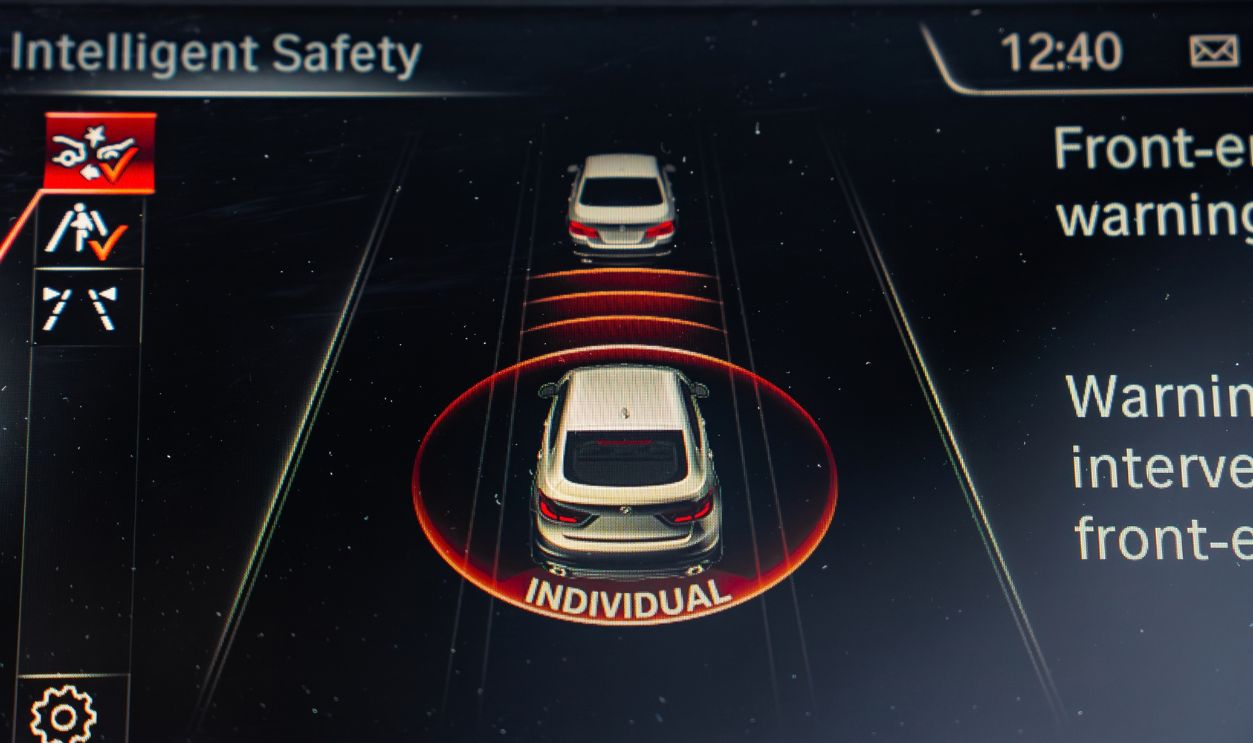
By 2020, many mainstream models already offered forward collision warning, automatic emergency braking, blind spot monitoring, and lane departure alerts. These were no longer just luxury-car extras. That matters because a carefully chosen five-year-old vehicle may already offer most of the crash-avoidance benefits people connect with buying new.
The AEB Breakthrough Is Real
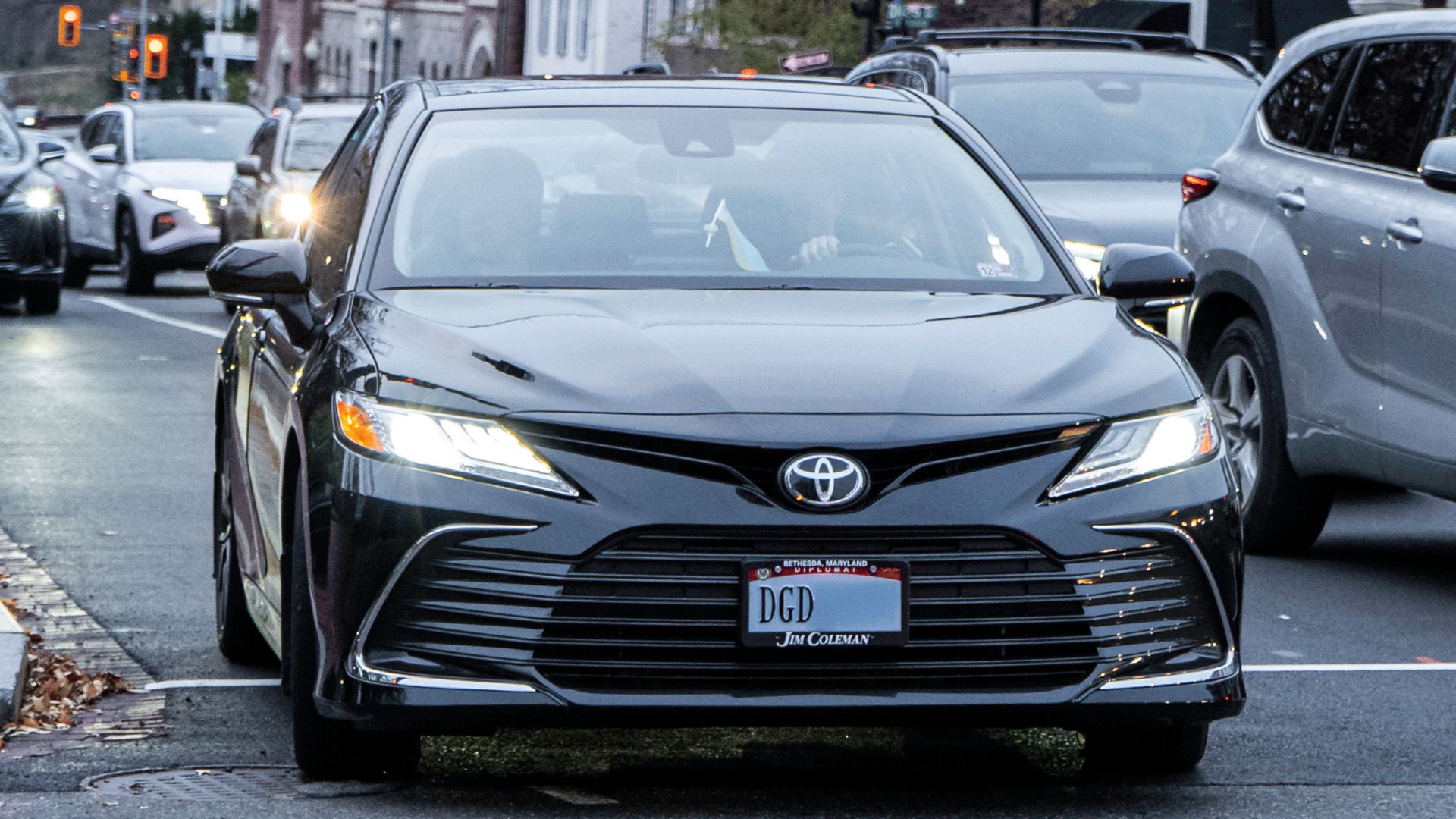
One of the biggest safety developments of the last decade is automatic emergency braking, often called AEB. In 2016, IIHS and NHTSA announced a voluntary commitment from 20 automakers to make AEB standard on nearly all new passenger vehicles by Sept. 1, 2022. That matters because many 2020 and 2021 vehicles already had the system, but it was not standard on every trim and every model yet.
 OWS Photography, Wikimedia Commons
Who Pushed Automakers To Move Faster
The 2016 AEB agreement was a joint effort involving NHTSA, IIHS, and major automakers. It stood out because regulators and safety researchers saw AEB as a quick way to reduce rear-end crashes without waiting years for a formal rule. For parents shopping used, this means checking features one by one still matters because the rollout was uneven.

IIHS Found Rear-End Crashes Drop With AEB
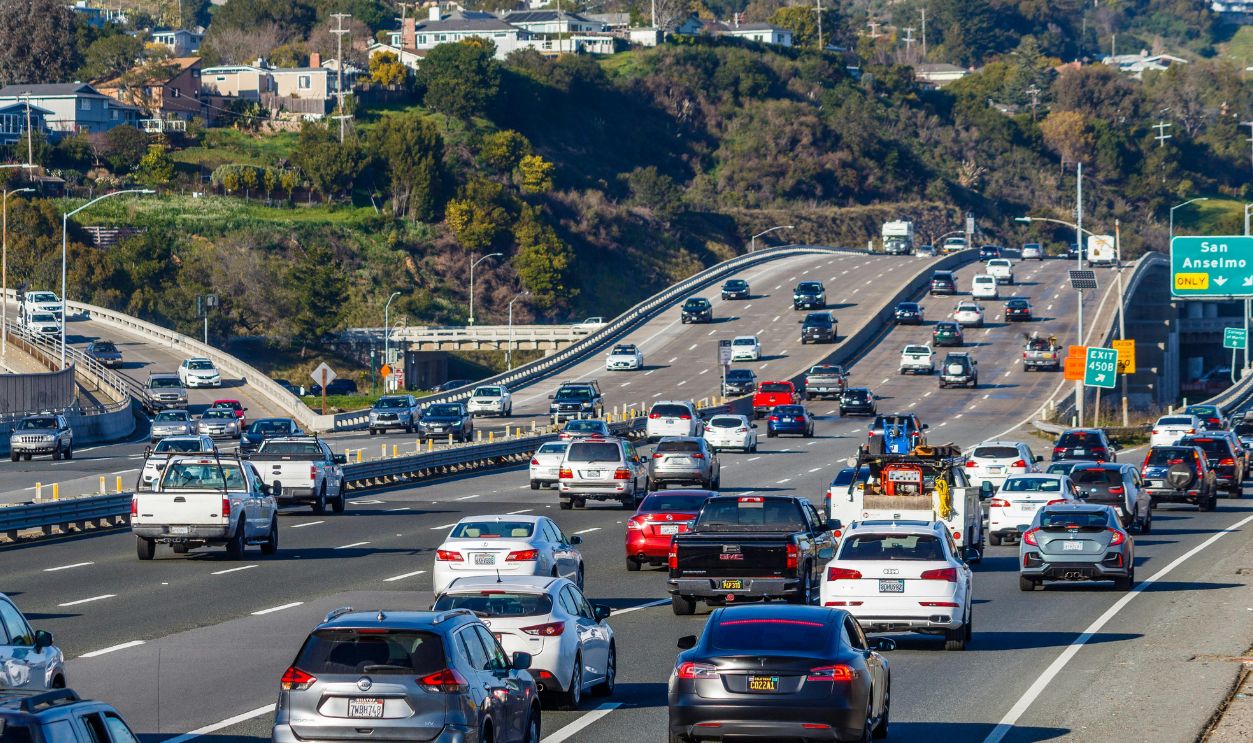
IIHS has published research showing that front crash prevention systems with automatic braking cut rear-end crashes in a big way. That is especially important for teenagers, who are more likely to brake late or misjudge traffic. A used car with effective AEB may have a real safety edge over a similar used car without it.
Not All Crash Tests Stay The Same
A car that earned a top crash score in 2020 was tested under the standards used at the time. IIHS has since made several tests harder, including updated side-impact tests and a new moderate overlap front test that focuses more on rear-seat safety. So a brand-new model may beat a five-year-old one not just because it is newer, but because it had to pass a tougher test.

Rear-Seat Safety Became A Bigger Deal Recently
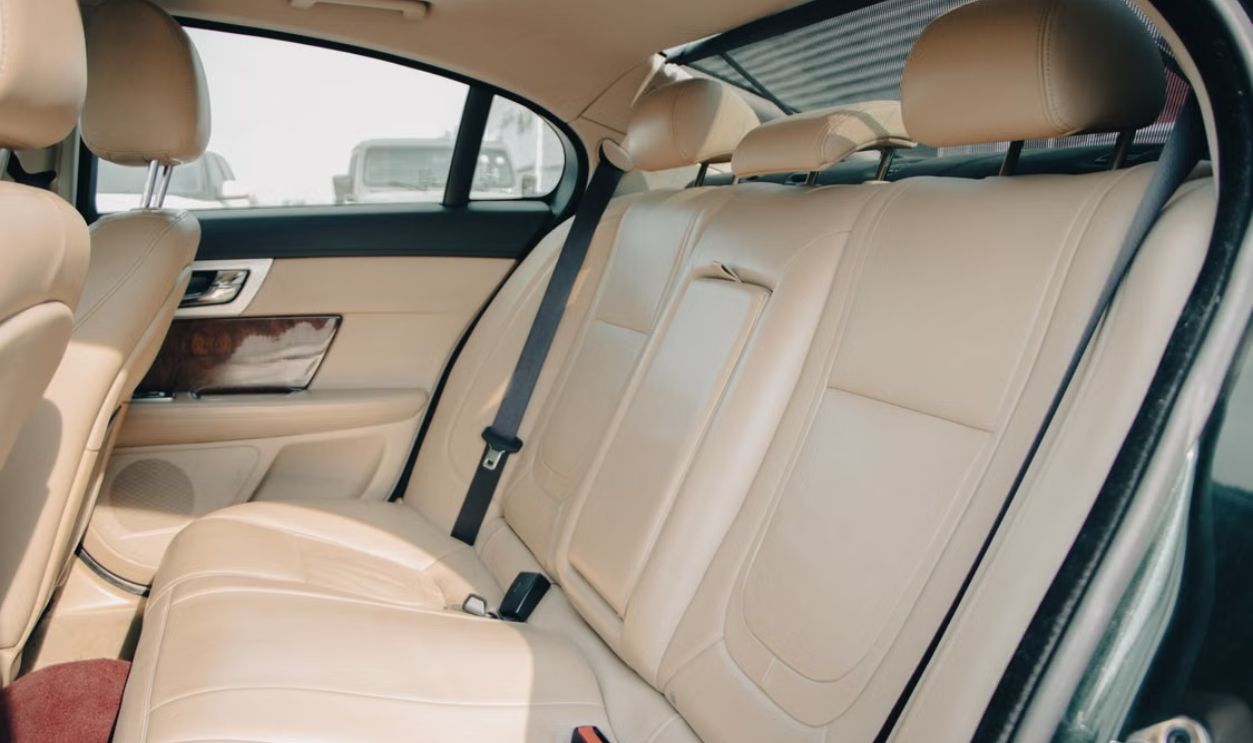
In 2022, IIHS introduced an updated moderate overlap front test that puts more emphasis on protecting rear-seat passengers. That matters if your teen will drive friends or younger siblings. Some vehicles that looked excellent under older tests do not look quite as strong when the rear seat is judged more strictly.
Side Impacts Got Tougher Too
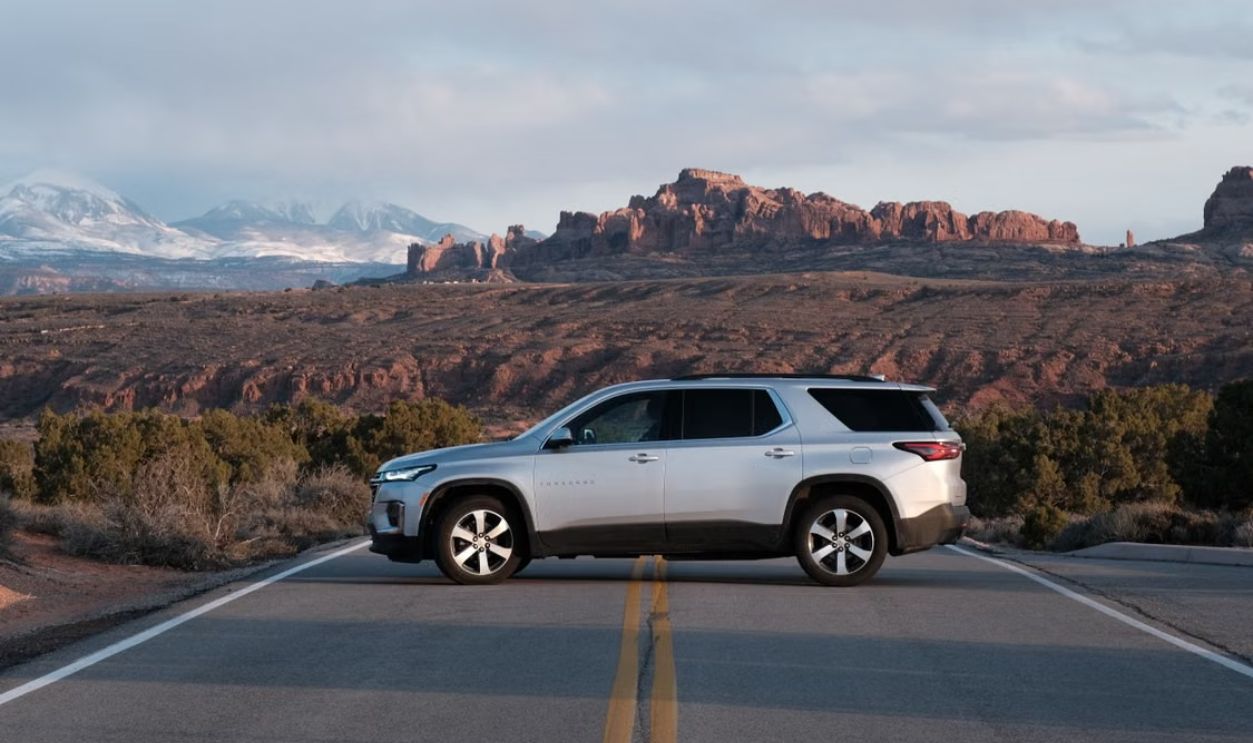
IIHS also updated its side crash test in 2021 to better match the heavier SUVs involved in modern crashes. The new test uses a heavier barrier moving at a higher speed than the old version. Vehicles that do well in this newer test may offer better protection than vehicles designed several years earlier.
Headlights Became A Safety Battleground
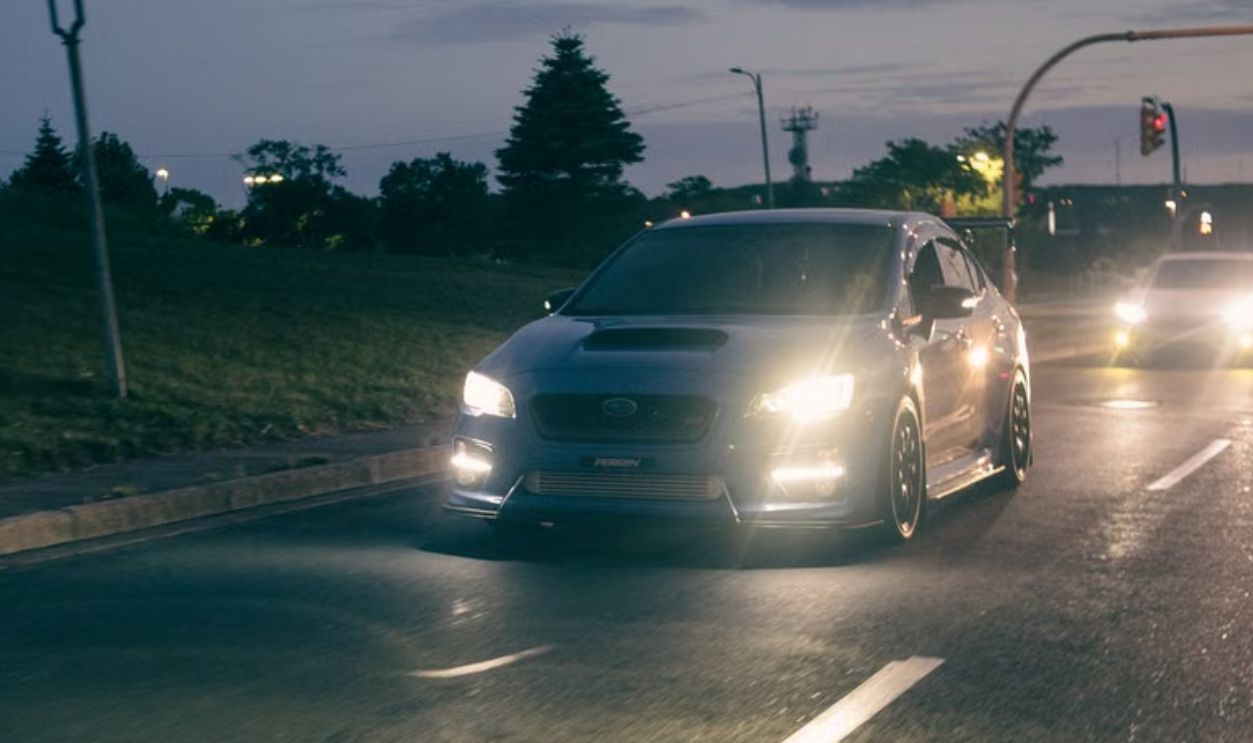
It sounds boring, but headlights are a real safety issue, especially for teens who may drive at night. IIHS started factoring headlight performance into its Top Safety Pick awards in the late 2010s, and that pushed automakers to improve them. A new car may give better nighttime visibility than an older version of the same model, though some five-year-old trims already perform well.
Pedestrian Safety Is A Growing Focus
Another newer area of focus is pedestrian detection. IIHS has expanded the way it evaluates crash-avoidance systems that detect people, including tests in both daytime and nighttime conditions. If your teenager will drive in busy suburbs, school zones, or cities, this is one area where the latest systems can make a real difference.

NHTSA’s Ratings Still Matter
NHTSA’s 5-Star Safety Ratings are still one of the easiest public tools for comparing vehicles. These ratings look at frontal, side, and rollover resistance, though they do not cover every advanced driver-assistance detail. When comparing new and five-year-old cars, checking both NHTSA and IIHS results gives you a better picture than relying on either one alone.
 f.t.Photographer, Shutterstock
The Safest Car Is Not Just The Newest Car
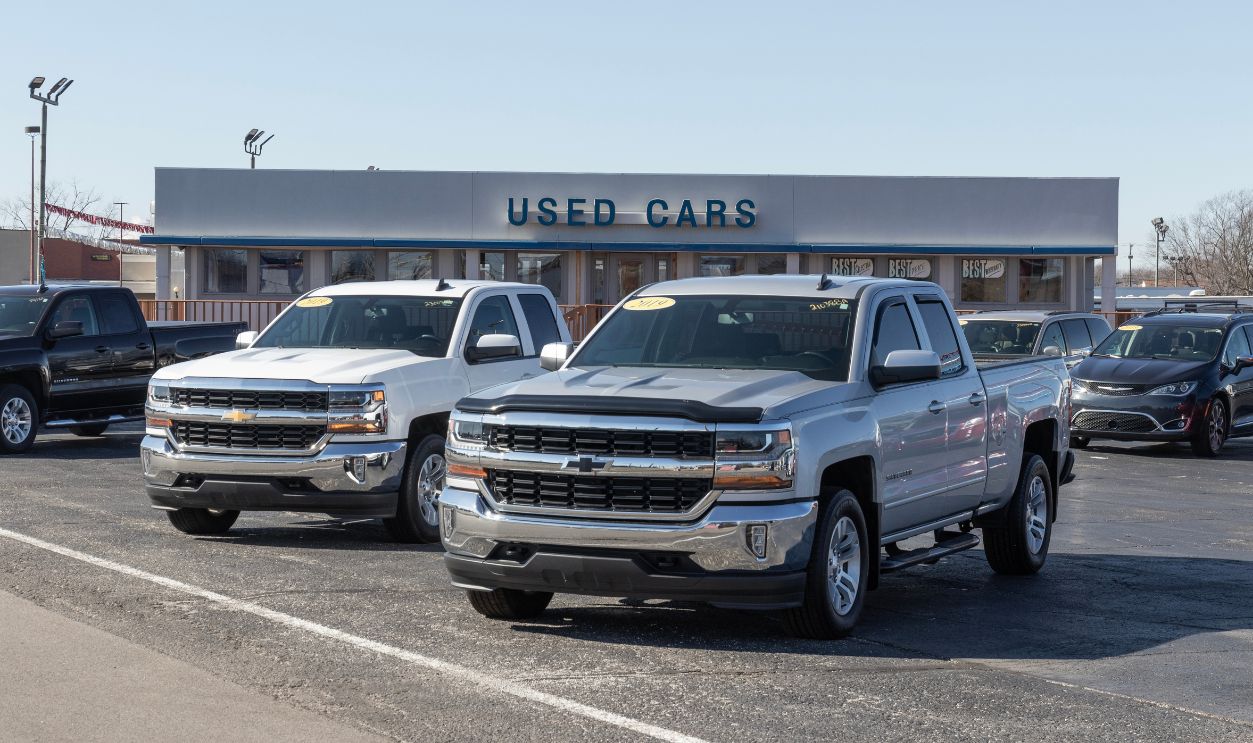
Here is what many shoppers miss. A brand-new small car with mediocre crash ratings may not be the best pick next to a five-year-old midsize sedan or SUV with excellent ratings and strong crash-avoidance tech. Safety depends on the specific vehicle, not just the model year on the window sticker.

Size And Weight Still Influence Outcomes
IIHS has long said that, all else equal, larger and heavier vehicles tend to offer better crash protection than smaller, lighter ones. That does not mean every teen needs a huge SUV. But it does mean comparing a new subcompact with a five-year-old midsize vehicle is not a simple new-versus-used question.
Teen Drivers Need Crash Avoidance Help
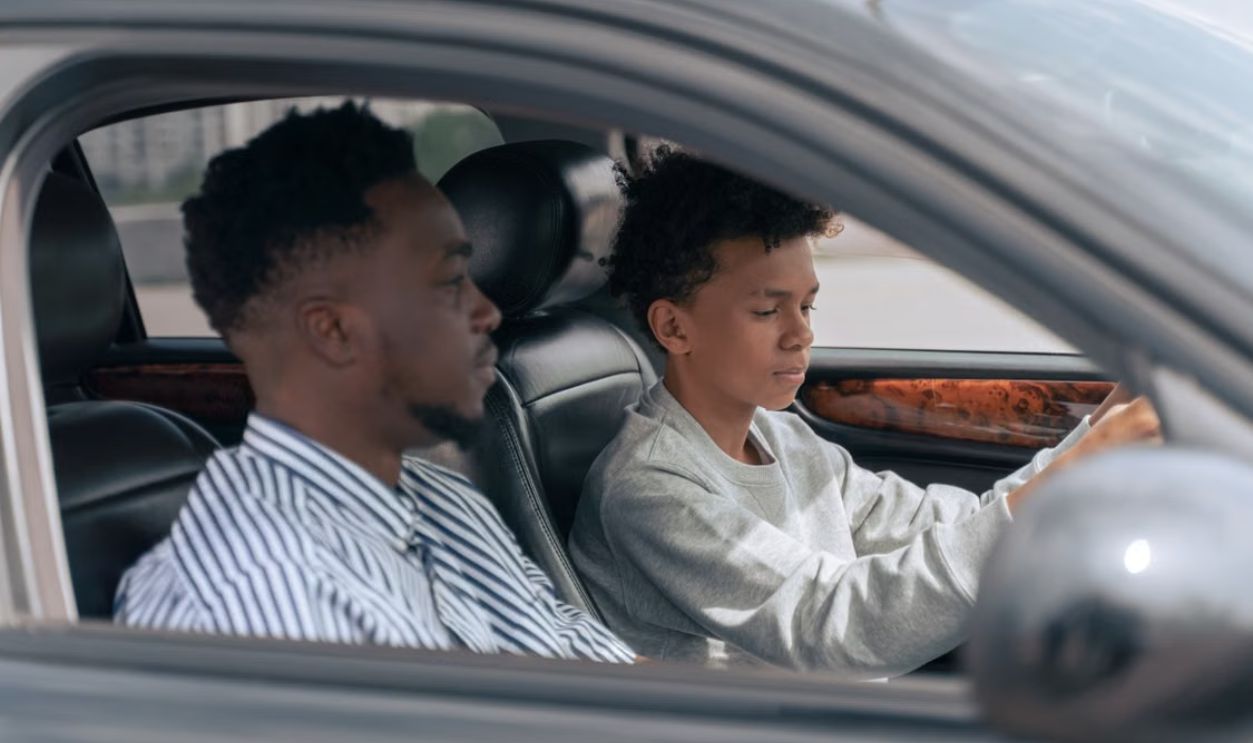
Teenagers are overrepresented in crashes because inexperience affects judgment, speed control, following distance, and scanning. Features like AEB, lane departure warning, and blind spot monitoring can help cover some of those mistakes. A five-year-old car with those features may be a better safety pick than a brand-new bargain model that leaves them out.
Parents Should Not Confuse Features With Results
Brochures can make every system sound life-saving, but the real question is how well each one works. IIHS testing has shown that some systems perform much better than others, especially in pedestrian and nighttime situations. That is why it helps to check the exact model and trim in IIHS and NHTSA databases instead of assuming newer automatically means better.
 Zoriana Zaitseva, Shutterstock
There Is Also The Reliability Angle
A new car avoids wear-and-tear worries and usually comes with the latest software and hardware updates. But a five-year-old car with a strong reliability record, good tires, and no crash damage can still be an excellent safety choice. Maintenance matters because worn brakes, cheap tires, and neglected suspension parts can wipe out the advantage of a newer design fast.
 Zoriana Zaitseva, Shutterstock
Crash Damage History Can Ruin A Good Vehicle
A used car is only as safe as its actual condition. NHTSA warns that vehicles should be repaired properly after a crash, and poor repairs can hurt future crash performance. If you are considering a five-year-old car, a pre-purchase inspection and a vehicle history report are not optional if safety is the goal.
 Memory Stockphoto, Shutterstock
Electronic Stability Control Is No Longer The Divider
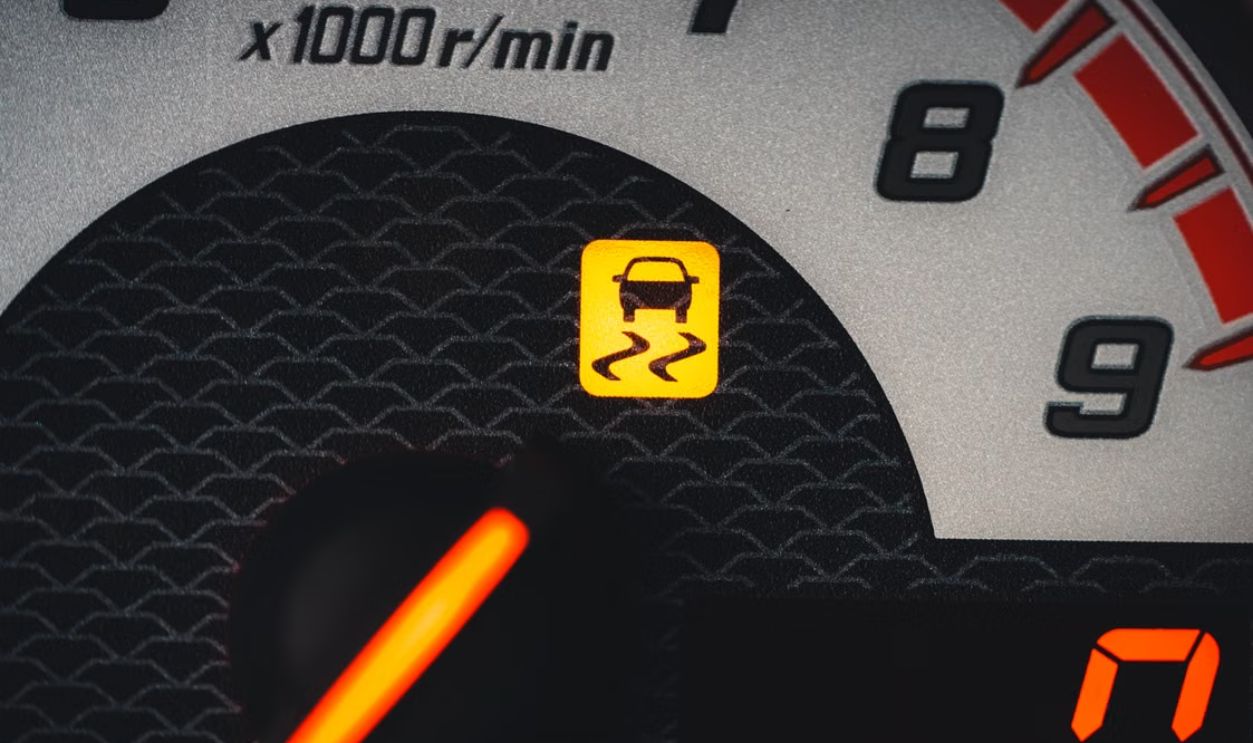
Years ago, electronic stability control was a major reason to avoid older used cars. NHTSA required stability control on all new passenger vehicles starting with the 2012 model year, so a five-year-old vehicle from 2020 already has it. That means the biggest safety dividing lines today are more often AEB quality, updated crash performance, and newer driver-assistance systems.
Affordability Can Become A Safety Issue Too
If buying new stretches the family budget, that can lead to other compromises. Parents may end up choosing a smaller, less capable vehicle, taking on a high payment, or cutting corners on tires and insurance. A slightly older vehicle with top crash scores and standard safety tech may leave room in the budget for better insurance coverage, quality tires, and driver training.

Insurance And Teen Tech Are Part Of The Equation
Some newer cars include built-in teen driver tools that let parents set speed alerts, volume limits, and driving report cards. Those features can be useful, but they also show up on some vehicles that are a few years old. Before paying the new-car premium, it is worth checking whether the specific used model already has the tools your family wants.
 Natthawadee Jana, Shutterstock
So Are New Cars Much Safer Than Five-Year-Old Ones
Usually, no, not across the board. They are often somewhat safer, especially if they do well in newer IIHS tests, have better pedestrian detection, or offer stronger rear-seat protection. But a carefully chosen five-year-old car can come very close in real-world safety, and in some cases may even be better than a brand-new but lower-rated alternative.
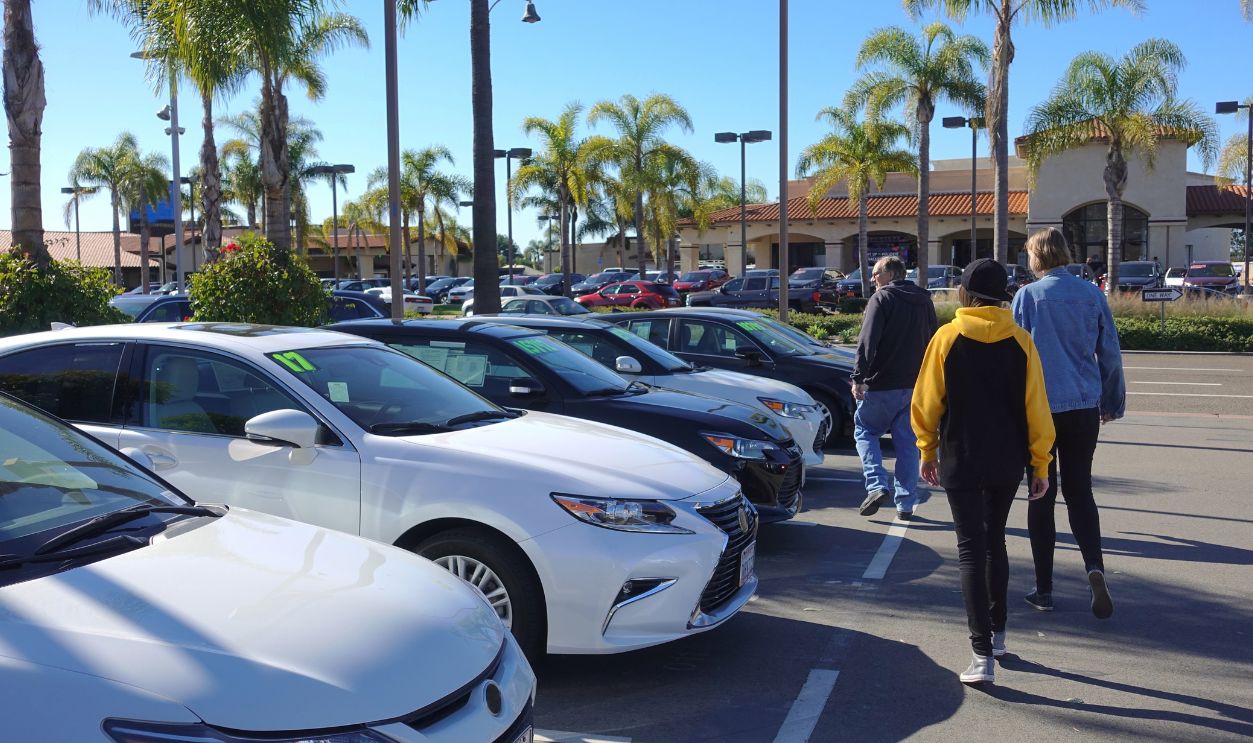
How To Shop Smart If Safety Is The Priority
First, check the IIHS and NHTSA ratings for the exact model year and trim. Second, confirm whether the car has standard or optional AEB, blind spot monitoring, and other key driver aids. Third, favor vehicles with strong crash results, good headlights, electronic stability control, and a clean repair history.

The Best Answer For Most Families
If your budget allows a new car without painful tradeoffs, buying new can bring some extra safety and peace of mind. If the alternative is a high-quality five-year-old vehicle with proven crash scores and the right safety tech, you are not automatically putting your teen at a major disadvantage. The smartest move is not just buying the newest car you can afford. It is buying the safest specific car you can verify.