Retirement Changed My Driving Habits
Retirement often brings a welcome change of pace. Daily commuting disappears, errands become more flexible, and many people find themselves driving far fewer miles each week. It is natural to assume that lower mileage will lead to dramatically lower ownership costs.

The Fuel Savings Were Real
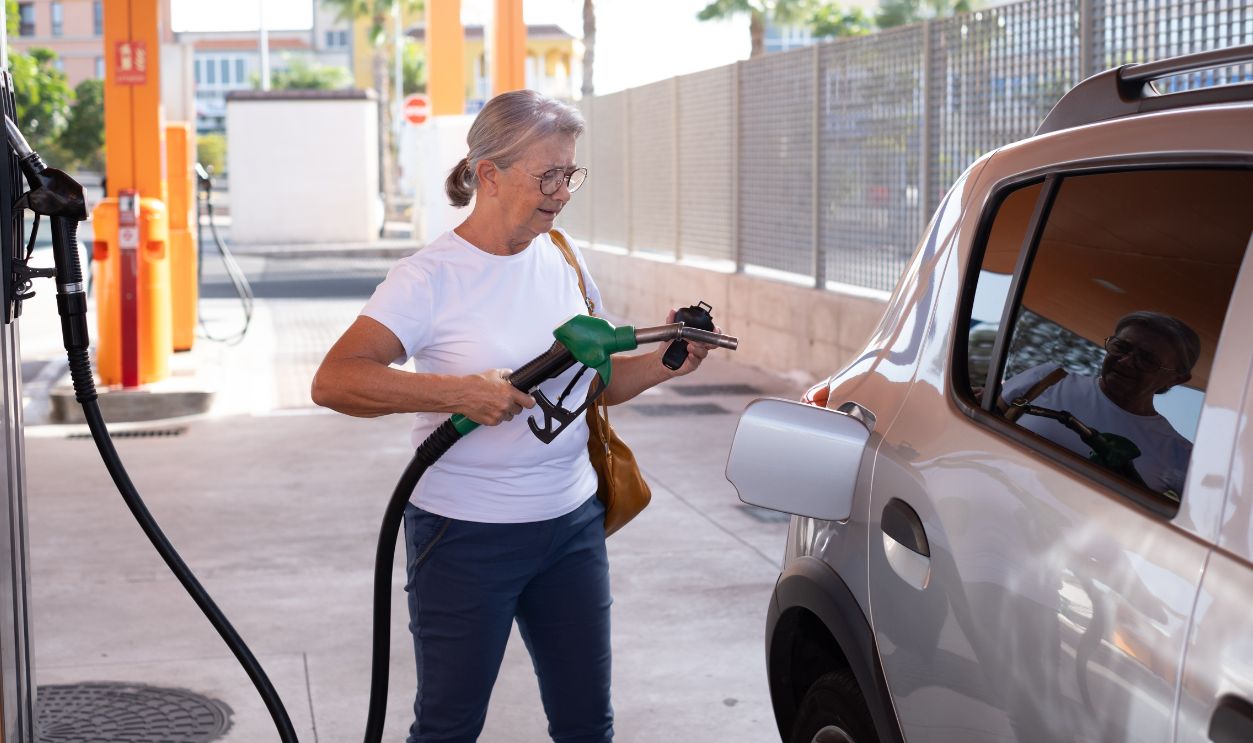
One expense usually drops almost immediately after retirement. With fewer trips, fuel purchases become less frequent, and monthly spending at the pump often shrinks noticeably. That reduction feels satisfying because it is easy to see every time you fill the tank.
The Big Surprise Was Everything Else
Many retirees discover that gasoline was only one part of the total cost of owning a vehicle. Insurance, registration, taxes, depreciation, and routine maintenance continue whether the car travels 5,000 miles or 15,000 miles each year. Those fixed expenses can easily outweigh the savings from buying less fuel.
Most Car Costs Do Not Depend On Mileage
Owning a vehicle comes with costs that arrive regardless of how often it leaves the driveway. Insurance companies still charge premiums, governments still collect registration fees, and vehicles continue losing value as they age. Even a parked car costs money simply because you own it.
Insurance Rarely Falls As Much As Expected
Driving fewer miles can sometimes qualify drivers for lower insurance premiums, especially with low-mileage discounts or usage-based insurance programs. However, many factors besides mileage determine rates, including location, vehicle type, claims history, and coverage levels. That means cutting your driving in half does not usually cut your insurance bill in half.

Maintenance Does Not Completely Stop
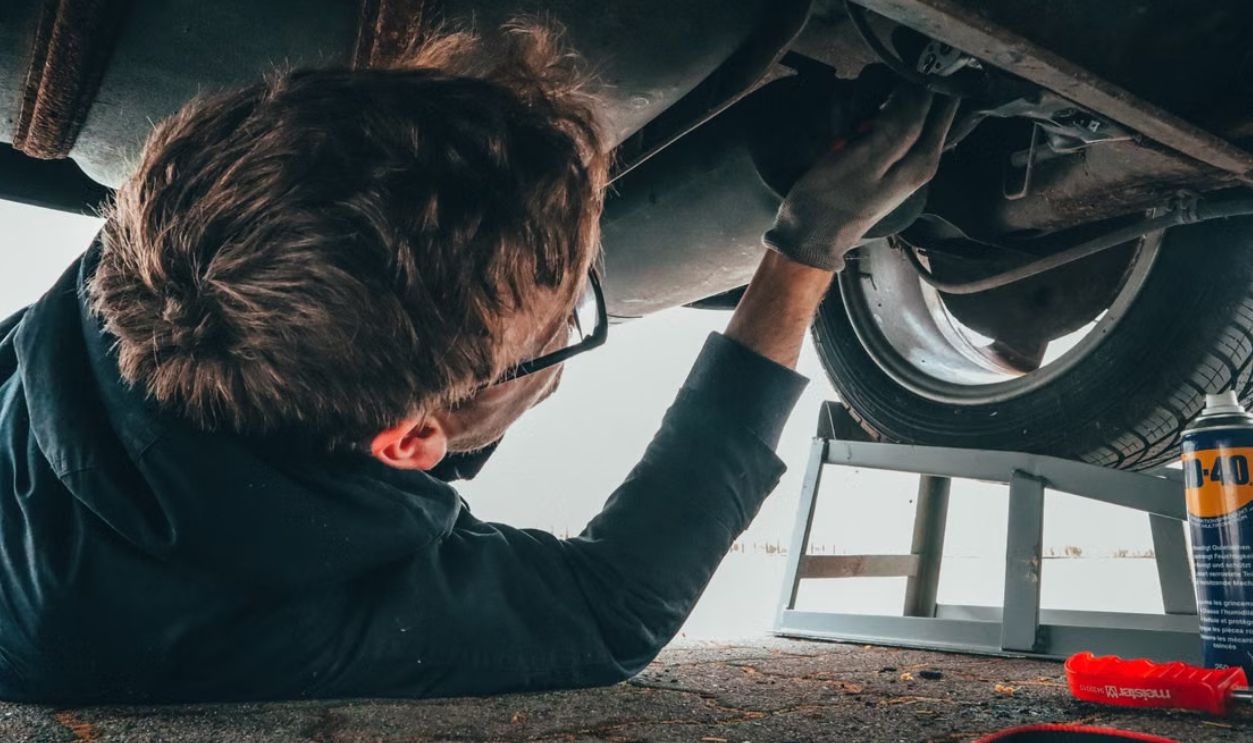
Cars still require regular servicing even when they spend more time parked. Oil changes, brake inspections, tire rotations, battery checks, and fluid replacements are often based on time as well as mileage. Ignoring scheduled maintenance can shorten the life of the vehicle.
Sitting Still Can Create Problems
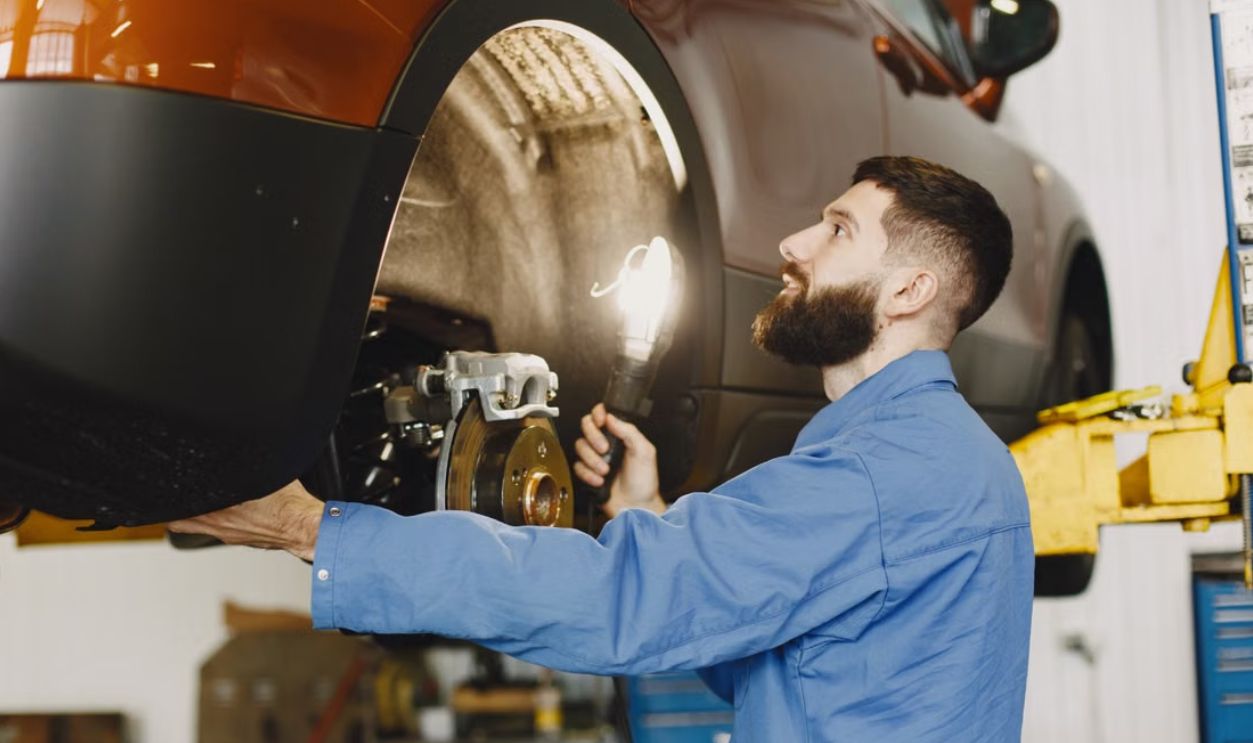
Vehicles are designed to be driven regularly. Long periods without use can weaken batteries, flatten tires, allow fluids to deteriorate, and even create brake corrosion. Driving occasionally helps keep many mechanical systems working properly.
Depreciation Keeps Moving
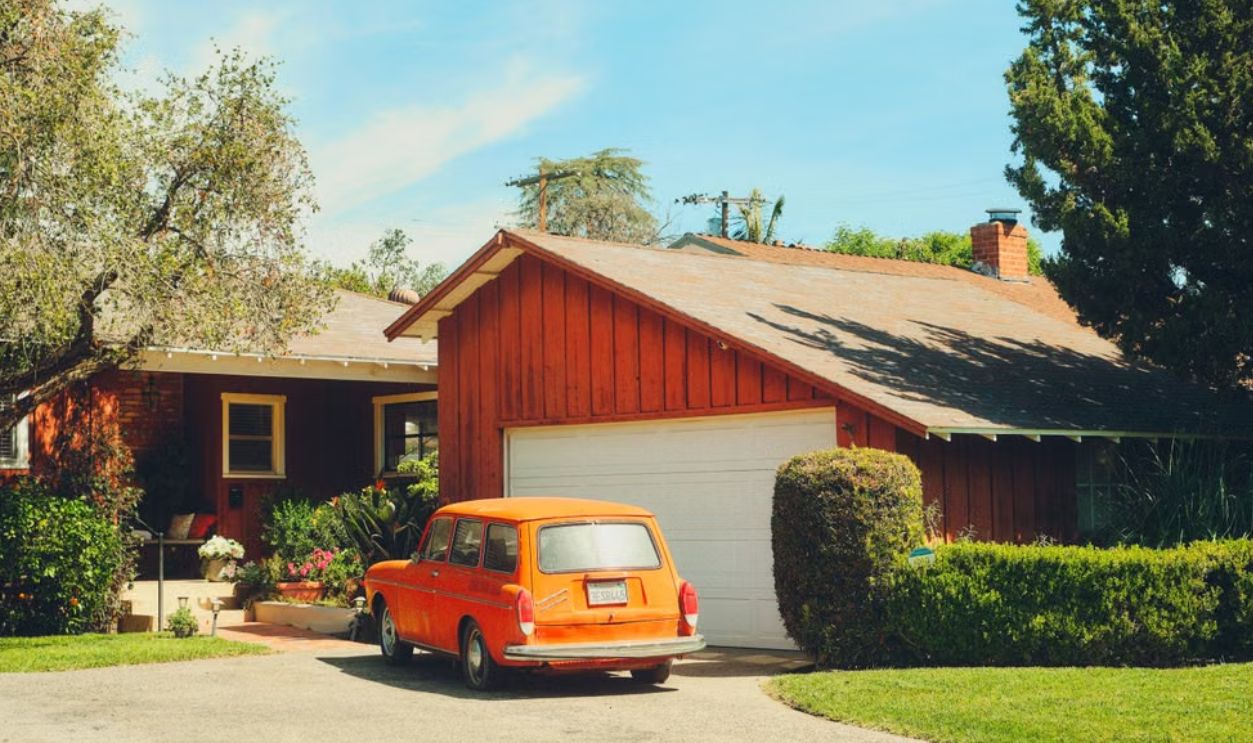
Many owners focus on fuel costs while overlooking depreciation. A vehicle generally loses value over time even if it accumulates relatively few miles. Age alone affects resale value because newer models continue entering the market.
Registration Fees Keep Arriving
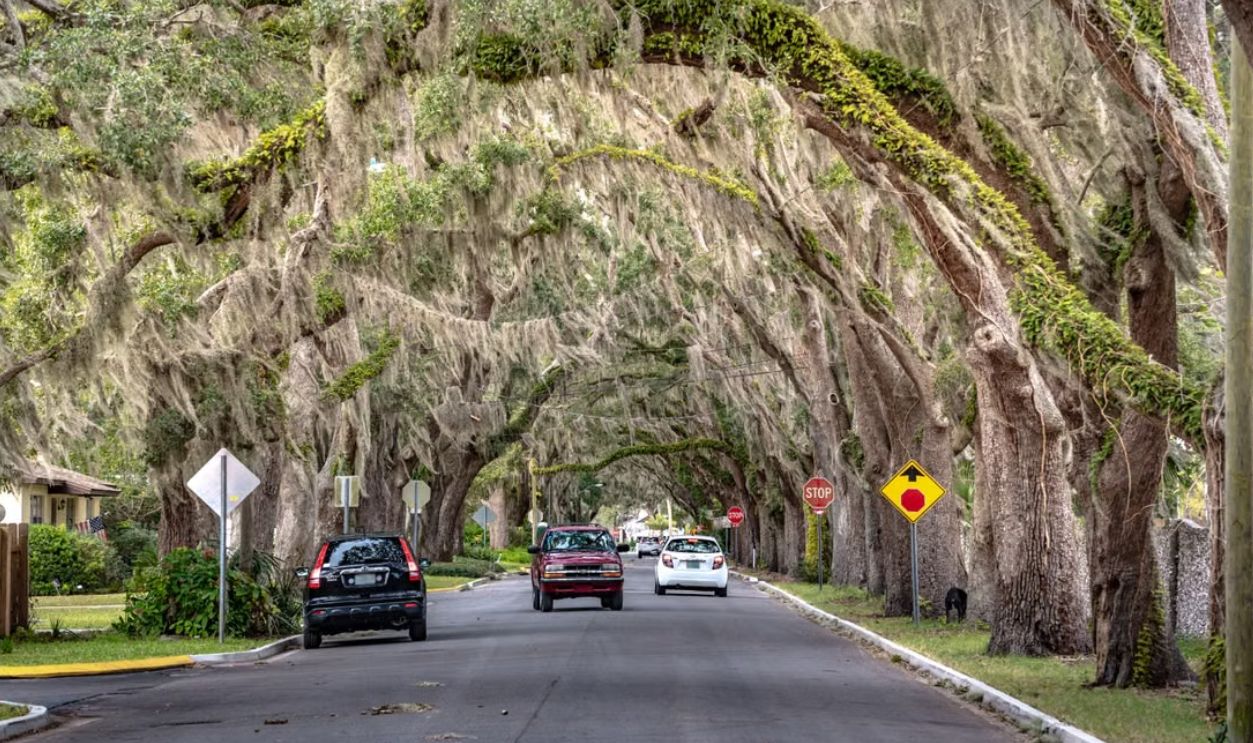
Annual registration fees usually remain the same whether you drive frequently or rarely. Local taxes and licensing costs also continue as long as the vehicle remains registered. Those bills become more noticeable when the car spends most of its time parked.
 LightField Studios, Shutterstock
Parking Can Still Cost Money
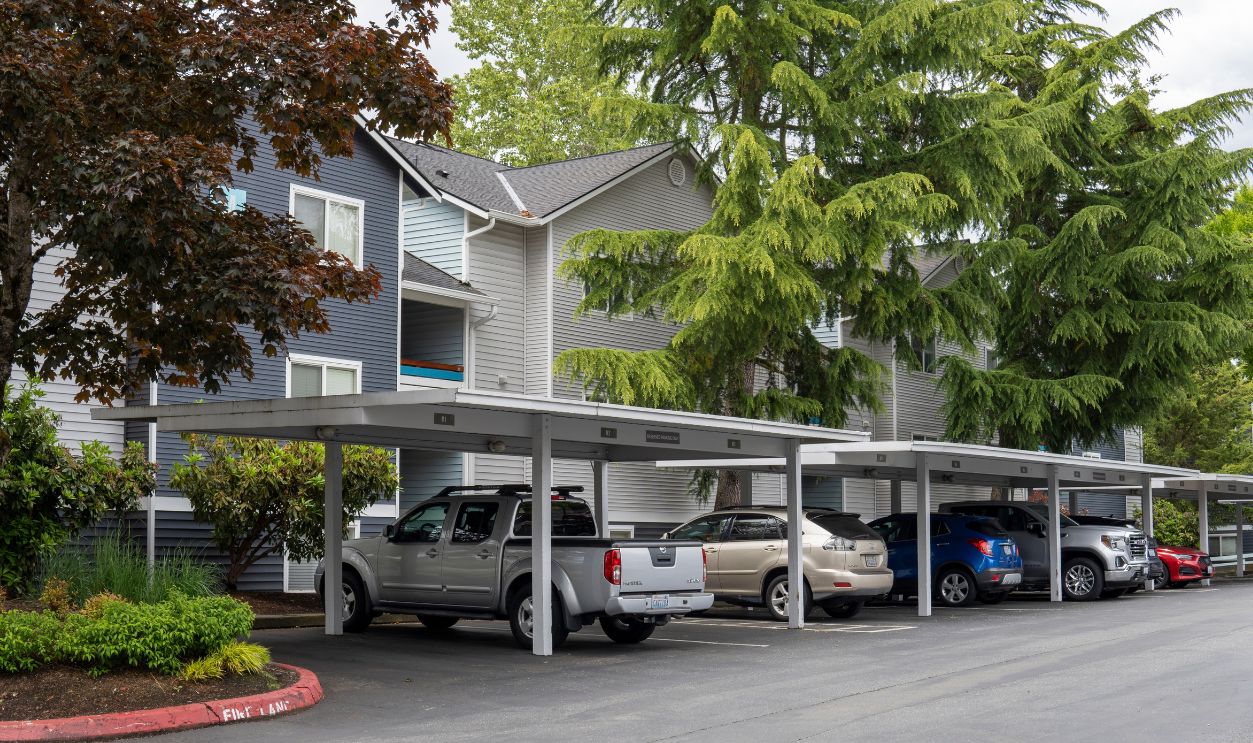
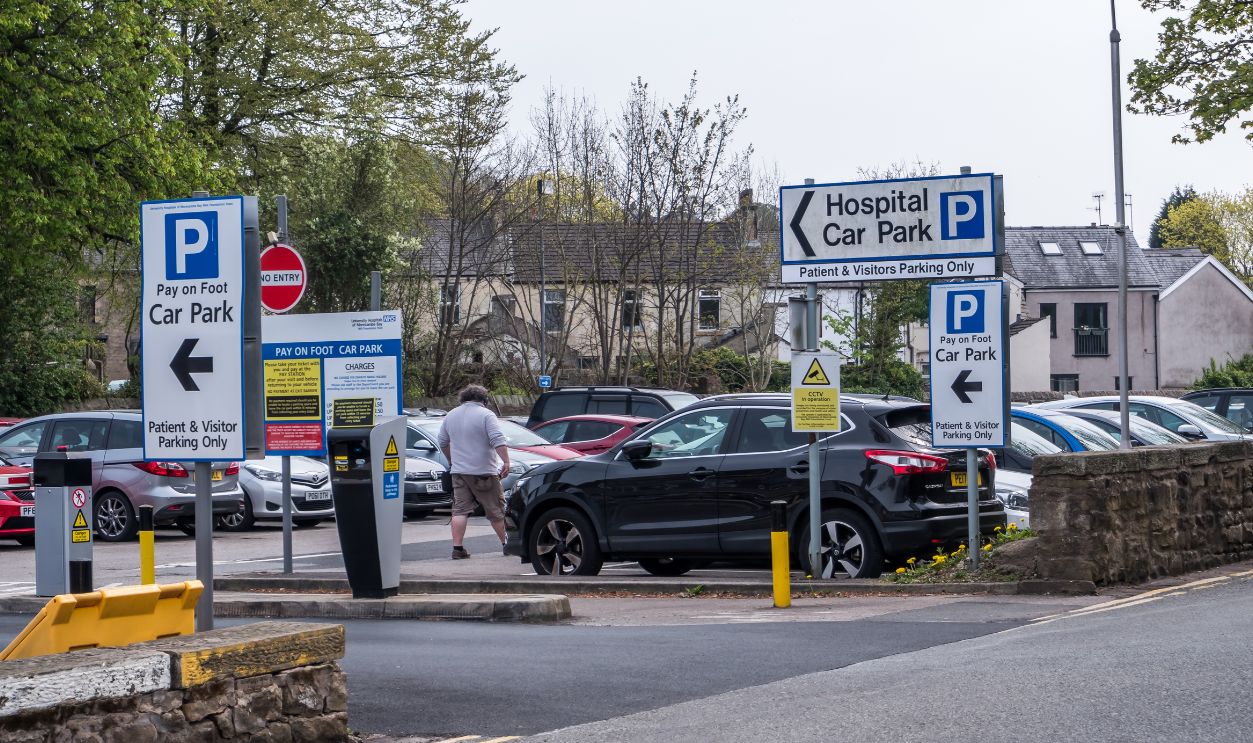
Some retirees pay for apartment parking, condominium garages, or reserved spaces. Those expenses continue even when the vehicle is rarely used. In some cities, parking may rival or exceed the cost of fuel for low-mileage drivers.
Financing Does Not Care About Retirement
Anyone still making loan payments will continue paying the same monthly amount after retirement. Lenders do not reduce payments simply because the vehicle is driven less often. That fixed expense can dominate the overall ownership budget.

Think About Your Actual Transportation Needs
Retirement schedules often become more flexible than working life. Many errands can be combined into a single outing, reducing driving even further. Looking honestly at how often the car is actually needed provides a better basis for deciding whether ownership still makes sense.
 Billy F Blume Jr, Shutterstock
Medical Appointments Matter
Many retirees appreciate having a personal vehicle for doctor visits, therapy sessions, and specialist appointments. Reliable transportation can reduce stress, especially when appointments occur early in the morning or involve locations without convenient public transit. Convenience has real value even if it is difficult to measure.
Family Responsibilities Can Influence The Decision
Some retirees regularly help with grandchildren, aging parents, or friends who need rides. Those responsibilities may require transportation that cannot easily be replaced with buses or rideshare services. Personal circumstances often matter more than mileage totals.

Grocery Runs Are Easier With A Car
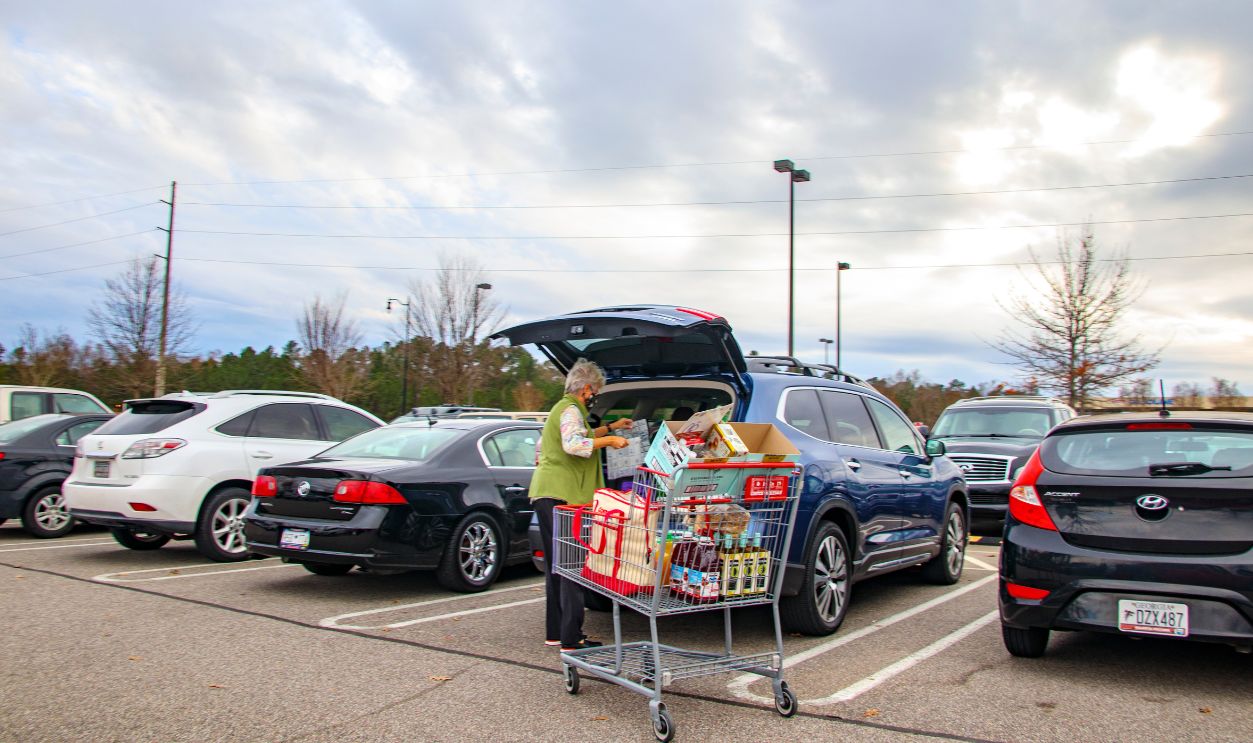
Buying groceries, household supplies, or gardening equipment is usually simpler with a personal vehicle. Carrying heavy or bulky purchases on public transportation is not practical for everyone. That convenience can justify ownership for some households.

Weather Can Change Everything
People living in regions with severe winters, extreme heat, or heavy rain may depend more heavily on their vehicles. Walking or waiting for transit becomes much less appealing in harsh weather. Climate should always be part of the ownership equation.

Rideshare Services Offer Another Option
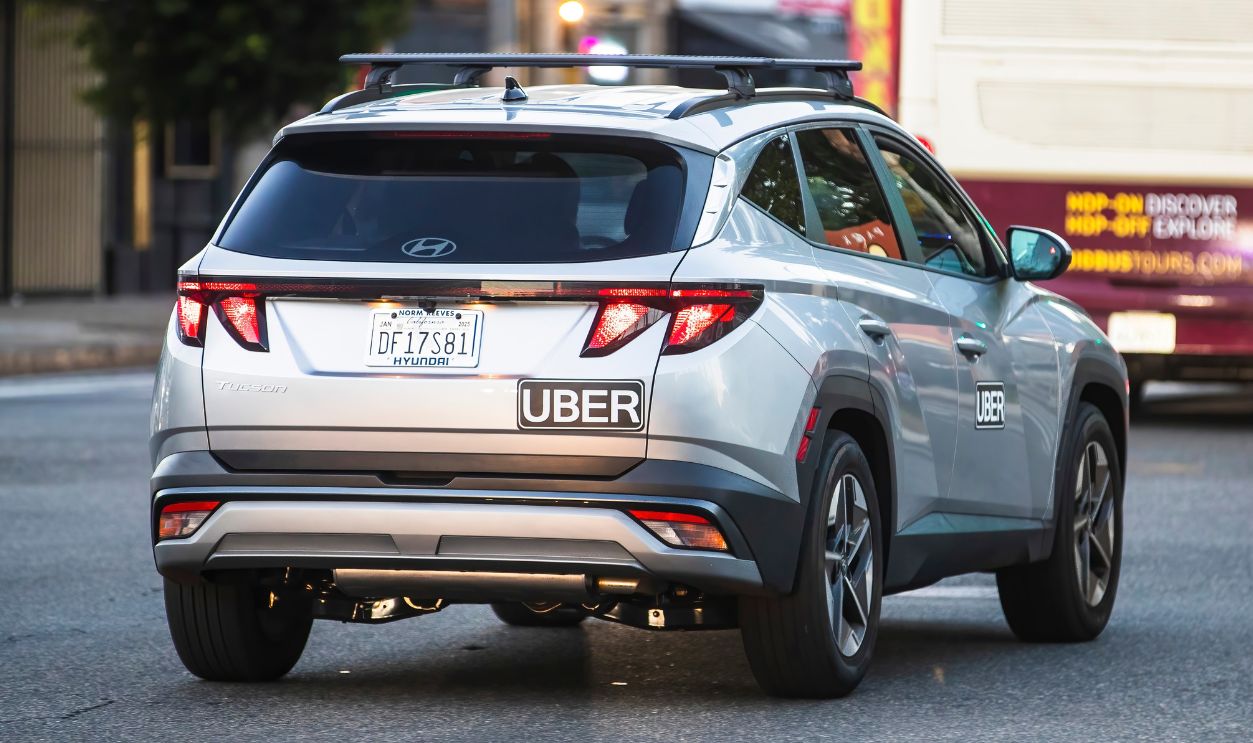
Services such as Uber and Lyft have made occasional transportation much easier than it was years ago. Someone who drives only a few times each month may spend less using rideshare services than maintaining a personal vehicle. The math depends on local prices and travel habits.
 Karolis Kavolelis, Shutterstock
Rental Cars Fill An Important Gap
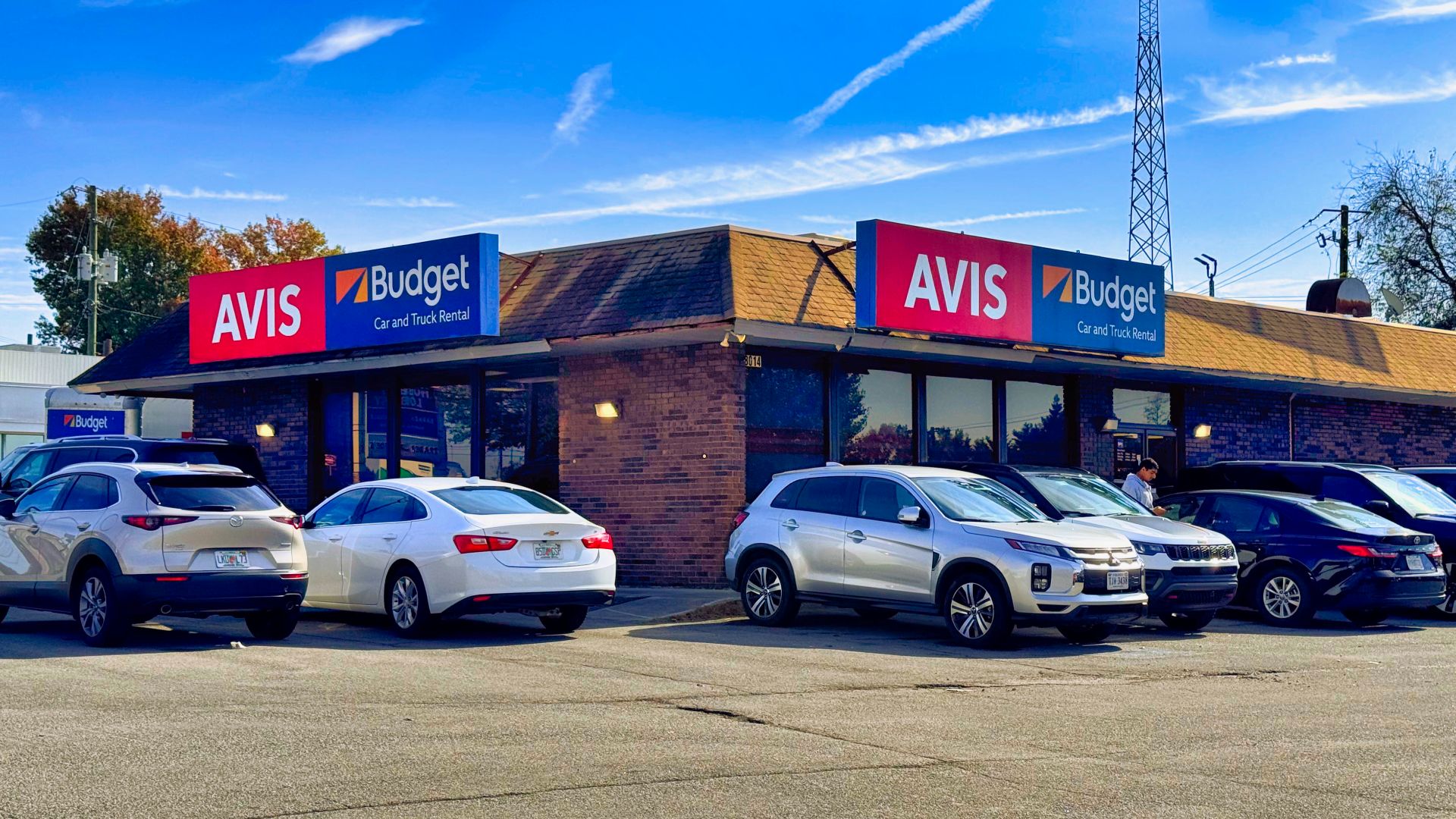
Occasional road trips do not necessarily require year-round ownership. Renting a vehicle for vacations or weekend getaways can cost less than maintaining a car that sits unused for most of the year. Many retirees find this approach surprisingly practical.
 Harrison Keely, Wikimedia Commons
Public Transportation May Be Better Than You Remember
Some communities have expanded bus routes, rail systems, and senior transportation programs. Many transit agencies also offer discounted fares for older adults. Exploring available options may reveal more flexibility than expected.

One Household Car May Be Enough
Couples who each owned a vehicle while working may no longer need two cars after retirement. Sharing one vehicle can eliminate thousands of dollars in annual ownership costs. Many financial experts suggest reviewing whether a second vehicle is still necessary.
Low Mileage Could Open Insurance Options
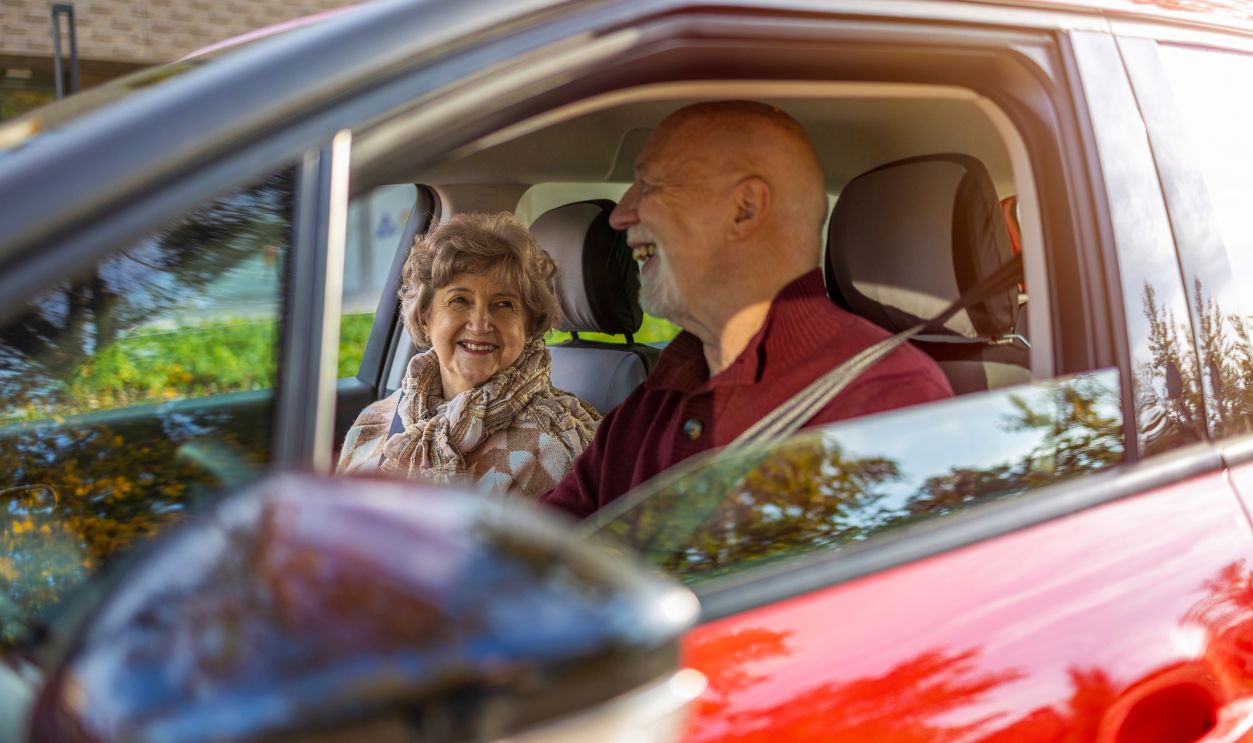
Some insurers offer pay-per-mile or usage-based programs designed for people who drive less. These policies reward lower mileage rather than assuming every driver travels the same distance. Comparing quotes may uncover meaningful savings.

Calculate Your Annual Cost Honestly
Many people underestimate the true cost of ownership because they focus only on fuel and repairs. Insurance, registration, depreciation, financing, maintenance, parking, and taxes should all be included in the calculation. Looking at the complete picture often changes the decision.

Convenience Has Value Too
Not every ownership decision should be based solely on dollars. A personal vehicle offers flexibility, independence, and peace of mind that many retirees highly value. Those benefits deserve consideration alongside financial costs.
There Is No Universal Answer
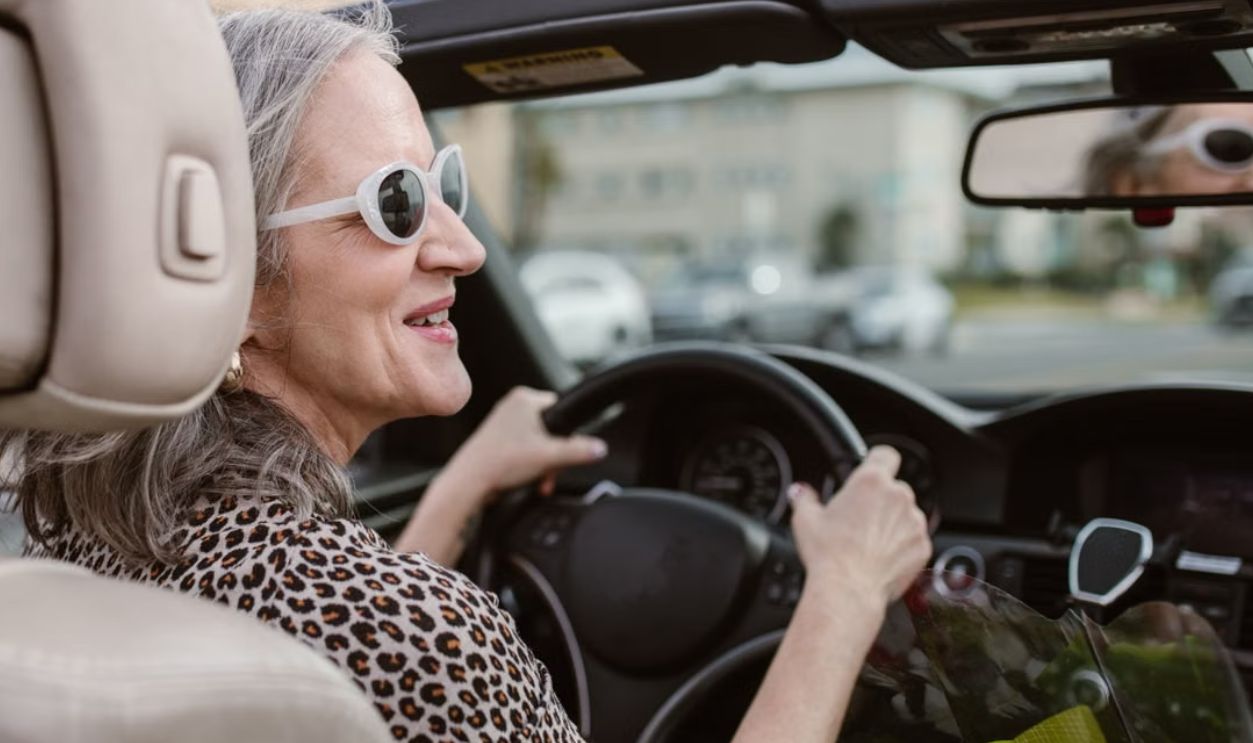
Someone living in a walkable city with excellent transit may thrive without a car. Another retiree living in a rural community may depend on personal transportation every day. The right decision depends on location, health, lifestyle, and available alternatives.
Ask Yourself A Few Honest Questions
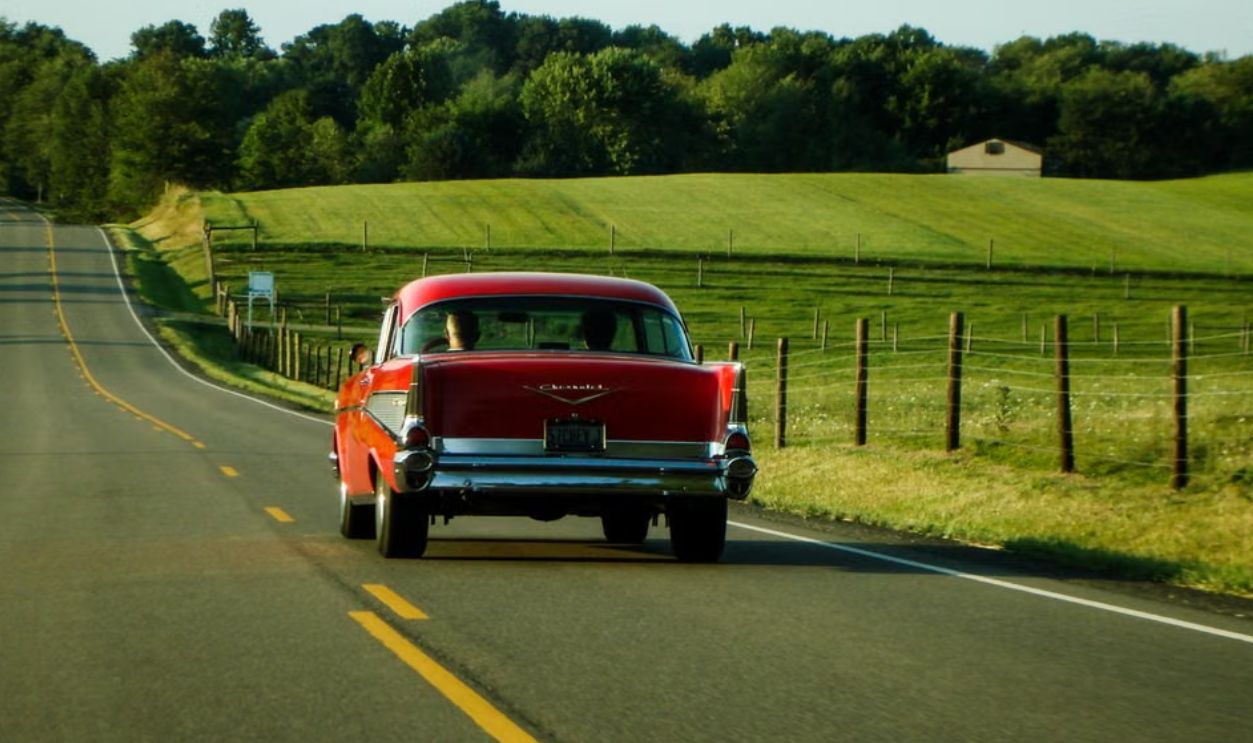
Consider how many days each month you actually drive. Think about whether rideshare services, rental cars, or public transportation could realistically replace most trips. Those answers often make the best choice much clearer.
Keeping The Car Can Still Be Worth It
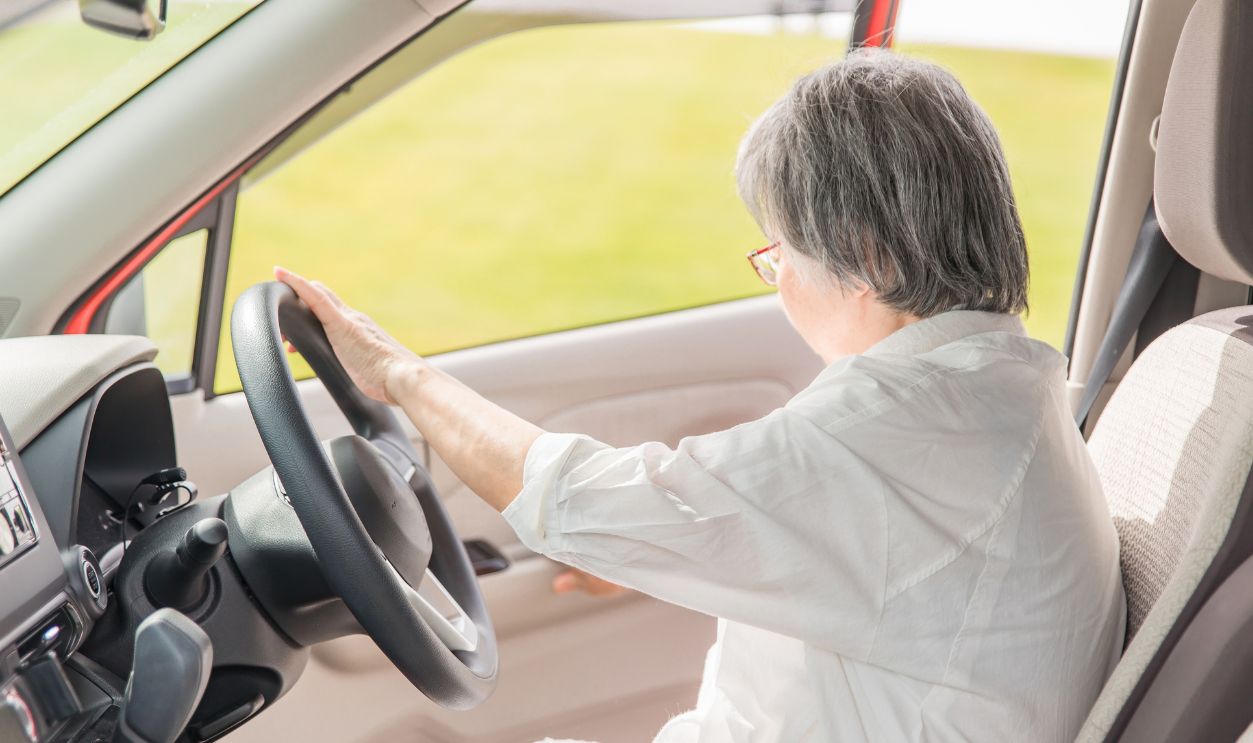
Driving less after retirement does not automatically make car ownership a bad financial decision. For many people, the convenience and independence still outweigh the continuing costs. The smartest approach is to evaluate your actual usage, compare the full annual expenses with available alternatives, and choose the option that best fits your retirement lifestyle.
You May Also Like:
The Most Overrated Cars Today, According To Car Enthusiasts
People With The Largest Car Collections In The World