The Sticker Shock Is Real
You find the car you want, then the dealer adds the catch. To buy it, you also have to pay for paint protection, wheel locks, nitrogen tires, window tint, or some pricey service package. If that sounds less like shopping and more like a shakedown, you are not imagining it.

So Is This The New Normal
This got a lot more common during the inventory crunch after the COVID-19 pandemic. Tight supply and strong demand gave many dealers unusual pricing power in 2021 and 2022. Even as inventory improved in 2023 and 2024, mandatory add-ons did not vanish.

What Dealers Mean By Add-Ons
Dealer add-ons are extras bundled or installed by the dealership, not the factory. Common examples include paint protection film, fabric protection, window etching, wheel locks, VIN etching, alarm systems, and prepaid maintenance. Some can be useful, but the problem starts when they are treated like requirements instead of options.

There Is A Big Difference Between Factory Equipment And Dealer Extras
A factory option is part of the vehicle as built and appears on the official window sticker and manufacturer pricing. A dealer add-on is usually something the store installs or bundles after the car shows up. That matters because many buyers assume everything on the lot is part of the automaker's price, when it is not.

Why This Took Off
In 2021, new vehicle inventory collapsed as automakers struggled with semiconductor shortages and production disruptions. Cox Automotive tracked a sharp drop in days' supply during that stretch, and the shortage changed the market. When buyers had fewer choices, some dealers realized they could insist on extras and still close the sale.

Markup And Add-On Are Cousins
Sometimes the extra charge is a plain market adjustment above MSRP. Other times the dealer skips that label and uses accessories or protection packages instead. Either way, the result can look the same: thousands of dollars added to the final price.

Consumer Reports Flagged The Practice
Consumer Reports has repeatedly warned shoppers about dealer add-ons and document fees that drive up the final bill. Its reporting has noted that products like nitrogen-filled tires, VIN etching, and paint sealant often come with very high profit margins. The advice has stayed the same: question every charge and be ready to walk.

The FTC Tried To Rein This In
In December 2023, the Federal Trade Commission finalized its Combating Auto Retail Scams rule, often called the CARS Rule. The agency said the rule targeted bait-and-switch tactics and deceptive junk fees in vehicle sales. It was one of the clearest signs yet that federal regulators saw a real problem.

But The Rule Hit A Legal Wall
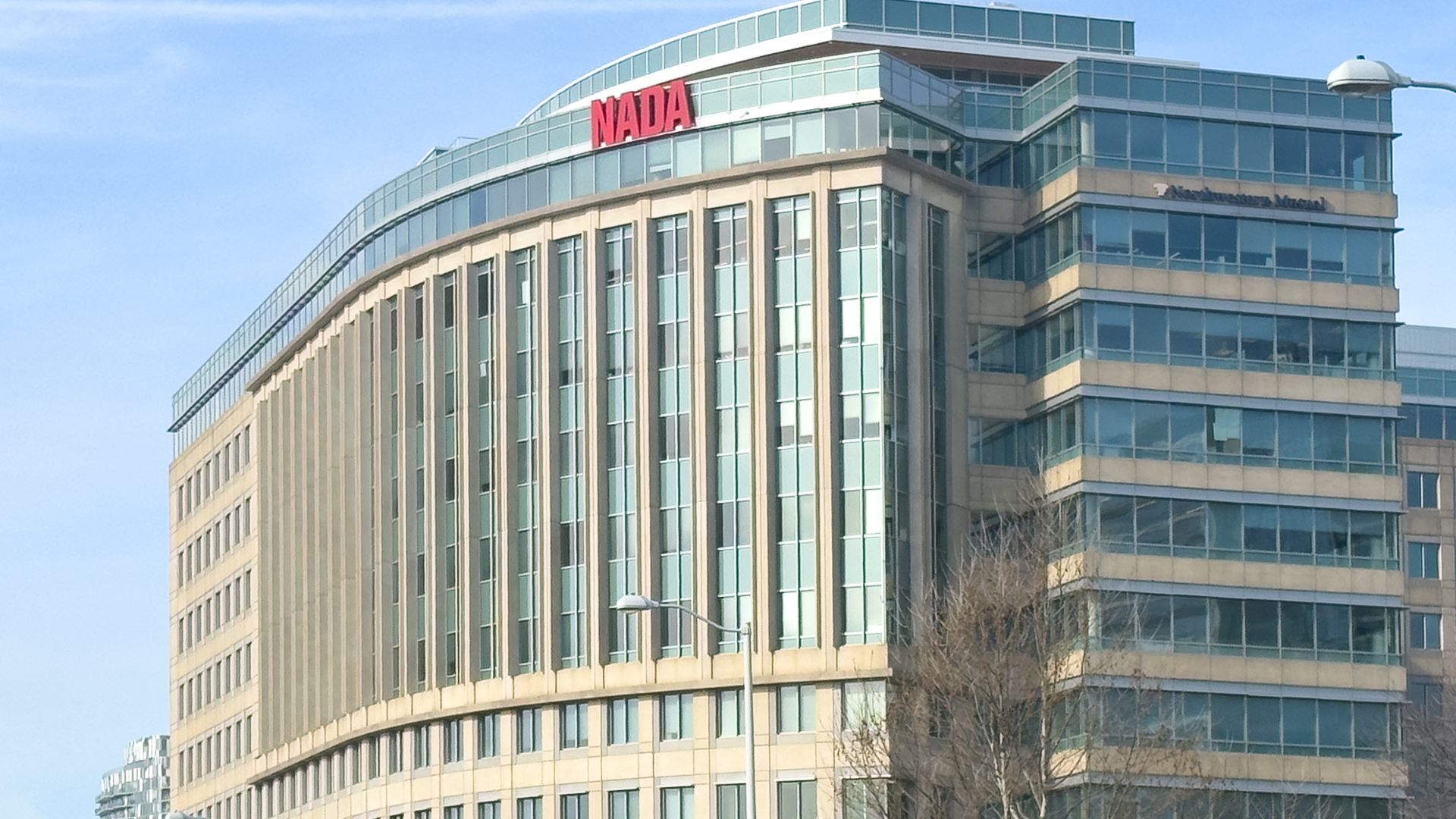
In January 2024, the National Automobile Dealers Association and the Texas Automobile Dealers Association challenged the FTC's rule in court. Later in 2024, the Fifth Circuit vacated the rule on procedural grounds. That did not make every add-on practice legal, but it did wipe out a major new federal rule that many shoppers hoped would quickly change dealer behavior.
 ajay_suresh, Wikimedia Commons
State Law Still Matters A Lot
Even without the FTC rule in force, state unfair and deceptive acts laws still apply. Attorneys general and state motor vehicle regulators can go after deceptive advertising and forced charges, depending on the state. Your rights can vary a lot based on where you buy the car.

The CFPB Also Took Aim At Junk Fees
The Consumer Financial Protection Bureau has broadly warned consumers about junk fees across financial products and services. In the auto world, financing and add-on products can overlap in ways that confuse buyers and raise the total loan amount. That matters because extras you did not really want can keep costing you for years through interest.

Some Add-Ons Are Especially Profitable
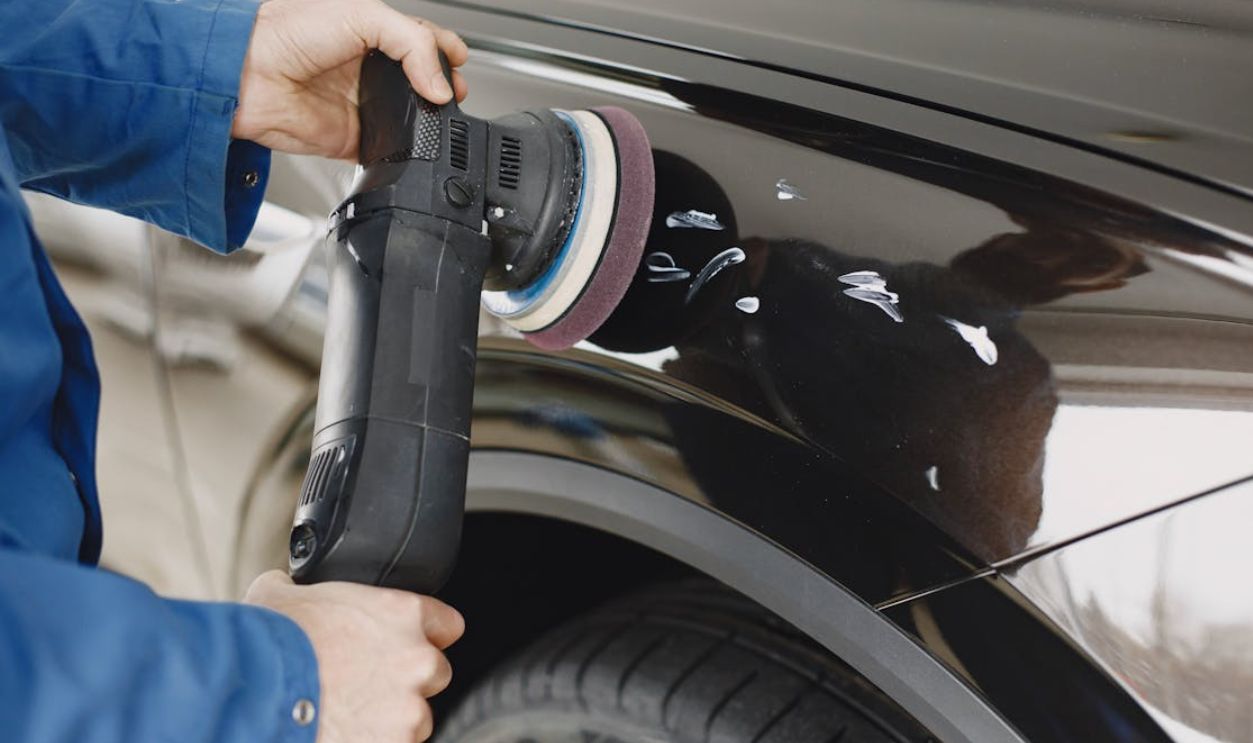
Products like wheel locks, window etching, nitrogen tire fills, and paint sealants often cost dealers far less than what buyers are charged. Extended warranties and service contracts can be legitimate products, but they also usually leave room for negotiation. Big profit margins are exactly why these items get pushed so hard.
Not Every Extra Is Worthless
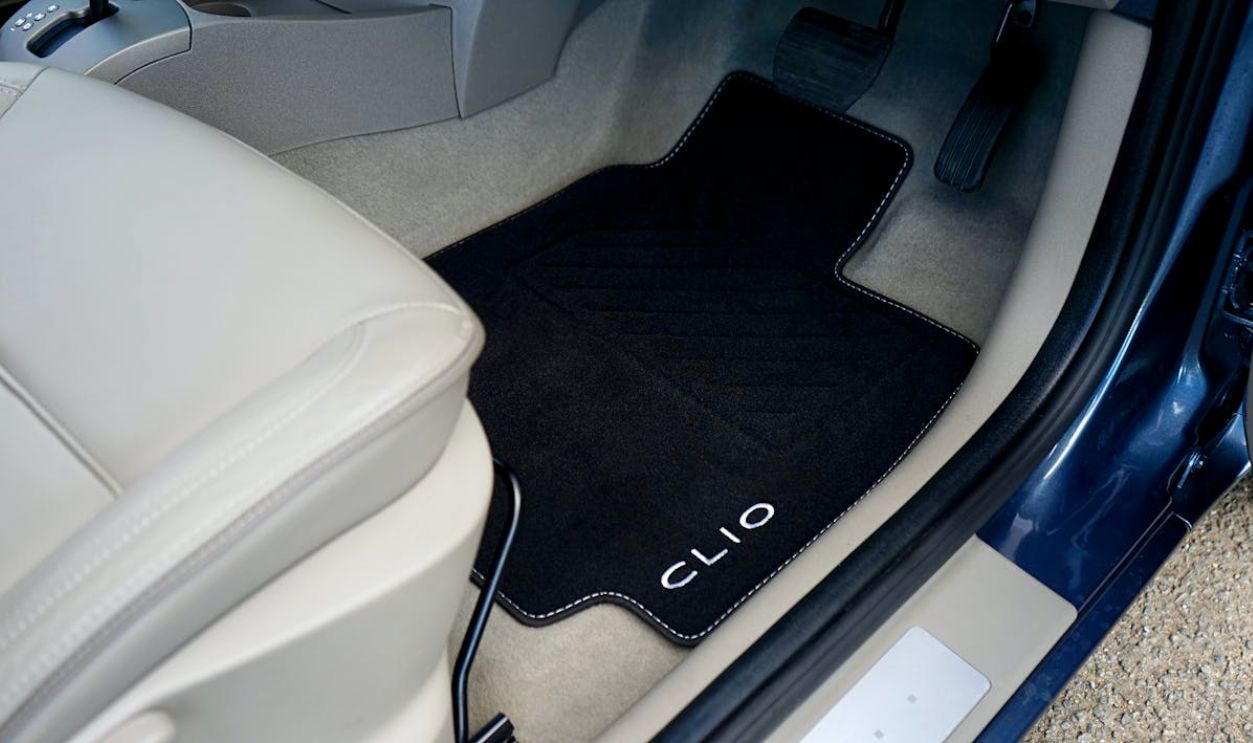
Floor mats, a bed liner on a truck, or a tow package may be useful if you wanted them anyway. The real issue is choice, transparency, and price. Even a useful product stops being a good deal when you are forced to buy it at an inflated price.
Watch The Language Closely
Dealers may say an add-on is already installed, part of the package, or required by management. Those phrases do not automatically make the charge legitimate. Ask whether the item is legally required, required by the lender, or simply the dealership's policy.

If It Is Really Required, Ask Required By Whom
A lender may require proof of insurance, but it usually does not require nitrogen in the tires or a ceramic coating package. State law may require tax, title, registration, and certain official fees. The moment a dealer cannot clearly explain who requires the charge, you have learned something important.

The Best Weapon Is The Out-The-Door Price
Do not negotiate from the monthly payment, and do not focus only on MSRP. Ask for the full out-the-door price in writing, including all fees, accessories, taxes, and registration costs. That single number makes it much easier to compare dealers and spot padded charges.

Get The Offer In Writing Before You Visit
Email or text can save you from a wasted Saturday and a lot of pressure in the showroom. Ask the dealer to spell out the selling price, dealer-installed accessories, doc fee, and estimated government fees before you leave home. If the numbers change when you arrive, that is a major red flag.

Expand Your Search Radius
One reason forced add-ons can feel unavoidable is that shoppers often focus on one local store or one incoming vehicle. Search a wider area, and you may quickly see that policies vary from dealer to dealer. A few hours of driving can be cheaper than paying thousands for products you never wanted.

Consider Ordering Instead Of Picking From Stock
Depending on the brand, a factory order can lower the odds of a dealer preloading accessories onto an in-stock vehicle. It is not a guaranteed fix, because some dealers still add fees or extras at delivery. Still, ordering can give you more control over what is on the car and what is not.

Membership Buying Programs Can Help
Costco Auto Program and some credit union buying services can sometimes connect shoppers with prearranged pricing and more straightforward dealer behavior. These programs are not perfect, and availability varies by model and region. But they can lower the chances of walking into an add-on trap.

Financing Can Hide The Pain
A dealer may frame expensive extras as only a small bump in the monthly payment. That can make a $2,500 package seem harmless, especially on a long loan. In reality, you are often paying interest on those extras too, which makes the real cost even higher.

You Can Usually Say No To F And I Products Too
After you agree on the car price, the finance and insurance office may pitch GAP, extended warranties, tire-and-wheel plans, and maintenance packages. Some buyers may benefit from some of these products, but they are generally optional. Read the paperwork carefully, because this is where many people end up agreeing to more than they meant to.

What If The Add-Ons Are Already Installed
That is one of the oldest pressure lines in the book. A dealer can argue that it already spent money adding the items and wants to recover the cost. You can still ask for them to be removed, discounted, or offset by lowering the vehicle price.

When Walking Away Is The Smartest Move
If a dealer insists the only way to get the car is to buy thousands in extras, your strongest move may be to leave. Short supply can make shoppers feel trapped, but there is almost always another car, another dealer, or another time to buy. Walking away is often the moment the tone changes.

Document Everything If You Think The Advertising Was Misleading
Save screenshots of online listings, text messages, and emailed price quotes. If the dealer advertised one price and then refused to honor it unless you bought extras, that record matters. It can help if you file a complaint with the state attorney general, state motor vehicle agency, the FTC, or consumer review platforms.

So Is This Just How Car Buying Works Now
No, not everywhere. The practice became much more visible during the supply crunch, and some stores still lean on it hard, but others do not. The real normal now is that shoppers need to verify pricing in writing, compare several dealers, and treat forced add-ons as a dealer choice, not a law of nature.

The Bottom Line For Buyers
If a dealer says the only way to get the car you want is to buy thousands in add-ons, assume that is the dealer's business decision, not an unavoidable fact of modern car buying. Some extras may be worth it, but only if you actually want them and the price makes sense. The smartest shoppers keep their eyes on the out-the-door number, question every line item, and stay ready to walk.