That Request Sounds Off For A Reason
If a dealer says you have to pay for the whole car before it even arrives so they can register it, that is a fair reason to be cautious. In many cases, dealers do not need full payment that early just to handle registration paperwork. The real issue is not whether pre-delivery payment ever happens. It is whether the timing and explanation actually make legal and practical sense in your state.
 Vitaly Gariev, Pexels, Modified
Start With The Basics
It is normal for dealers to ask for a deposit to hold an incoming vehicle. It is also normal for financing, insurance, paperwork, and registration steps to happen shortly before or at delivery. What is not automatically normal is a broad claim that full payment is required before the car arrives only because registration cannot happen any other way.

Registration Rules Depend On The State
Vehicle registration in the United States is handled by each state, not by one national rule. That matters because the dealer's explanation could make sense in one state and fall apart in another. If a salesperson says this is just how it has to be done, the next step is simple: check with your state's DMV or motor vehicle agency.

California Shows How The Timing Usually Works
California's DMV says a dealer must submit an application for registration of a new vehicle within 30 days from the date of sale. That matters because it ties registration to the sale date, not necessarily to the day the car physically shows up on the lot. That does not suggest full pre-arrival payment is automatically required just so paperwork can be filed.

Florida Also Connects Registration To The Sale
The Florida Department of Highway Safety and Motor Vehicles says dealers must apply for registration and title within 30 days of the date of delivery to the buyer. That is another clue that delivery timing matters. If a dealer wants full payment long before delivery, ask them to show you the exact state rule they are relying on.
New York Points In The Same Direction
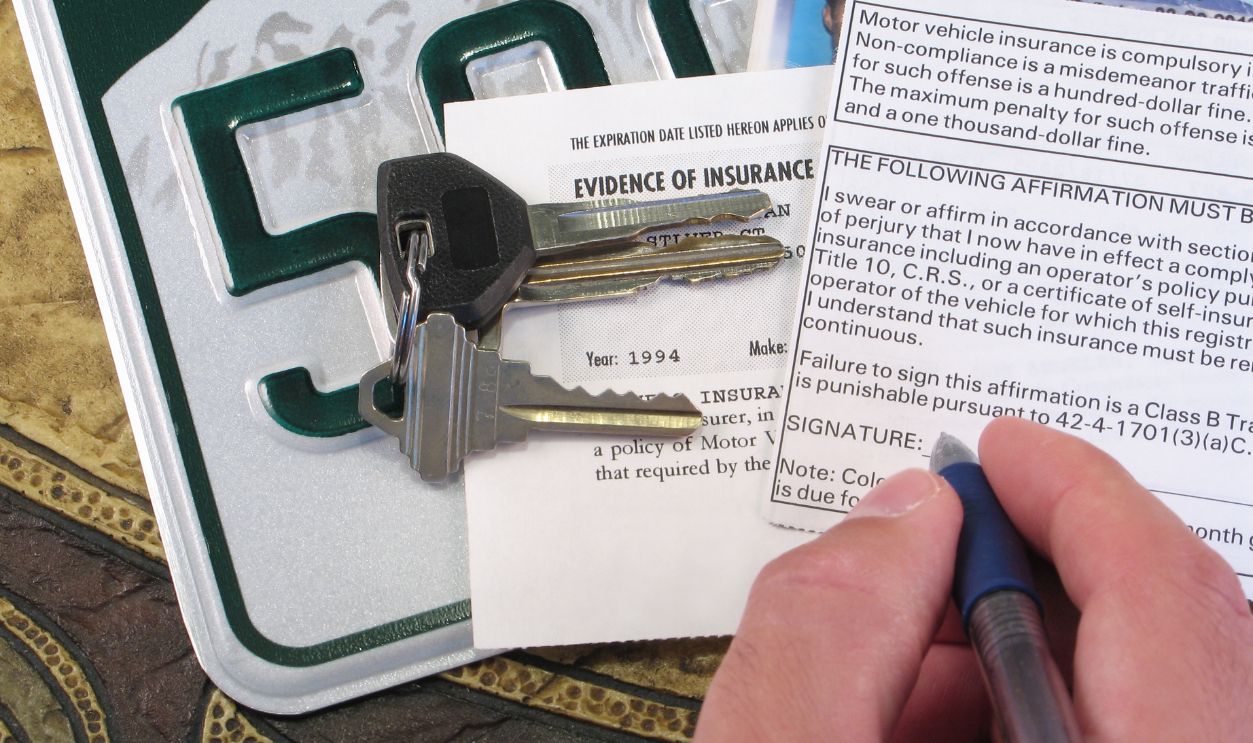
The New York DMV explains that a dealer can register a vehicle for you and provide the documents needed for plates and title processing. In real life, that usually happens as part of closing the deal, not far in advance of the vehicle arriving. The state's guidance does not back up the idea that every buyer must fully pay before arrival just to make registration possible.

Texas Shows Why Details Matter
Texas requires documents tied to ownership, insurance, and the application process when a vehicle is titled and registered. Dealers often handle those steps, but the state system still turns on actual sale documents. That makes it reasonable for a buyer to ask exactly which missing document supposedly makes immediate full payment necessary.

What Dealers Usually Need To Register A Car
In most states, registration usually depends on a signed purchase agreement, title or manufacturer's certificate of origin, proof of insurance, odometer disclosures when required, and payment of taxes and fees. Full cleared payment may matter if you are paying cash, but it is not the only thing involved. If the car has not arrived yet, one obvious question is whether the dealer even has all the VIN-specific paperwork in hand.

The VIN Is A Big Part Of The Story
A vehicle usually needs a specific VIN before registration documents can be prepared correctly. If your incoming car already has an assigned VIN and build details, the dealer may be able to get much of the paperwork ready ahead of time. If they cannot show you VIN-specific documents, the claim that they need full payment right now for registration gets a lot weaker.

A Deposit Is Not The Same As Final Payment
A deposit holds the car. Final payment shifts most of the risk from the dealer to you. Consumer protection experts often warn buyers to be careful about sending full funds before they can inspect the vehicle, confirm the options, and make sure all deal terms are in writing.

FTC Guidance Matters More Than A Sales Pitch
The Federal Trade Commission's CARS Rule has been tied up in court, but the FTC's broader consumer guidance still matters. The agency has long warned buyers to get promises in writing and to watch for unfair or deceptive practices in auto sales. If a dealer gives you a vague reason for a major payment demand, ask for it in writing and compare it with your state's rules.
 Hryshchyshen Serhii, Shutterstock
Spot Delivery Problems Show Why Timing Matters
One known risk in car buying is the yo-yo or spot delivery problem, where buyers leave thinking the deal is done and then get called back over financing issues. The Consumer Financial Protection Bureau has described how auto finance problems can leave buyers exposed when terms change after the fact. Paying in full before arrival is a different setup, but the risk is similar: you give up leverage too early.
 Around the World Photos, Shutterstock
It Gets Even Stranger If You Are Financing
If you are using a loan, dealers usually work with the lender and finalize funding close to delivery. A demand for full payment before the car arrives is harder to explain when the lender would normally fund the deal through the usual closing process. Ask whether the request is really about registration or whether the dealer is trying to lock in the sale before the vehicle gets there.

Cash Buyers Need To Be Extra Careful
Cash buyers can face more pressure to send money early because the dealer wants a firm commitment. But once the money is gone, your leverage can disappear fast if the car shows up late, damaged, or different from what you ordered. That does not mean every dealer is doing something wrong. It does mean you should demand clear written protections.
 Korawat photo shoot, Shutterstock
Ask For The Full Out-The-Door Price
Before sending anything beyond a deposit, ask for a buyer's order or purchase agreement that lists the vehicle price, VIN, taxes, registration fees, document fees, accessories, and any nonrefundable amounts. This is basic protection. If the dealer will not provide an itemized out-the-door number, that is a warning sign no matter what they say about registration.

Get The Refund Terms In Writing
If the car is delayed, arrives with different equipment, has transit damage, or the deal terms change, what happens to your money? That answer should be in the contract or deposit agreement, not left to a verbal promise. A solid dealer should be able to explain the refund policy in plain language.

Transit Damage Is A Real Issue
Cars can get scratched, dinged, or otherwise damaged during shipping. That is one reason many buyers do not want to complete full payment until they can inspect the actual vehicle. If the dealer wants money before arrival, ask whether you still have the right to reject the car for major damage or important differences.

Registration And Title Are Not The Same Thing
People often use these terms like they mean the same thing, but they do not. Registration gives the car legal road use. Title shows ownership. States often process both together through dealers, but knowing the difference helps when a salesperson starts using official-sounding language to rush payment.
 Natallia Ustsinava, Shutterstock
Temporary Tags Can Take The Pressure Off
Many states let dealers issue temporary tags or temporary operating permits while permanent registration is being completed. That weakens the claim that everything must be fully paid and permanently registered before the car even arrives. If temporary operating authority is allowed in your state, ask why it is not being used.

Factory Orders Can Make Things Messier
Factory orders, allocation cars, and inbound inventory all move on different timelines. A dealer may want more commitment on a special order because the vehicle could be harder to sell if you back out. Even then, that usually supports a bigger deposit or a tightly written purchase agreement, not necessarily a demand for full payment in the name of registration.

Sometimes There Really Is A Legit Reason
There are cases where early full payment can be legitimate. A dealer may be dealing with a state-specific process, an out-of-state complication, a credit union funding rule, or unusual contract terms for a custom order. The difference between normal and suspicious is whether the dealer can clearly document the reason and connect it to real paperwork and real law.

Out-Of-State Deals Need Extra Caution
Registration and tax issues can get more complicated when you buy across state lines. Dealers sometimes collect funds early so they can coordinate title, taxes, and registration with your home state or with a third-party titling service. That can be valid, but it is still fair to ask who is handling the paperwork, when it will be done, and what protections you have if the car is delayed.

The Best Question To Ask Next
Ask this: "Please show me the exact state rule or lender requirement that says you need my full payment before the vehicle arrives in order to register it." It is calm, specific, and hard to dodge. A trustworthy dealer should be able to answer with documents, not attitude.

Calling The DMV Yourself Is A Smart Move
State motor vehicle agencies deal with registration questions every day. If the dealer's explanation sounds thin, call your DMV or check its official website for the state where the vehicle will be registered. A few minutes of checking can save you from an expensive mistake.

Credit Card Deposits Are Safer Than Wires
If a deposit makes sense, a credit card may give you better dispute rights than a wire transfer or cashier's check. Final payment methods vary, but sending irreversible funds too soon raises your risk. If the dealer insists on a wire before arrival, ask why safer options will not work.

Watch For Pressure Tactics
Lines like "someone else is waiting for this car," "we need this today," or "our office cannot hold it without full payment" are not proof of a legal requirement. Sometimes they reflect real demand. Sometimes they are just sales pressure dressed up as policy.

So Is This Normal Or A Red Flag
The honest answer is that it can be either, depending on the state, the structure of the deal, and the paperwork. A deposit before arrival is common. Full payment before arrival solely because "we have to register it" should not be treated as normal unless the dealer can prove it with written documents and your state's actual rules.

The Bottom Line For Buyers
Do not confuse a dealer's preferred process with a legal requirement. Verify the rule, get every term in writing, confirm the VIN and all fees, and protect your right to inspect the car at delivery. If the dealer cannot clearly explain the demand, walking away may be the smartest move you make.