The Fee That Makes People Do a Double Take
The car is already sitting right in front of you, so it's natural to think of what the big "Destination Fee" on the sticker is for. But in most new-car deals, that charge isn't something the dealer just made up at the last second. It's a factory-set fee for getting the car from the factory to your driveway.

What A Destination Fee Actually Is
A destination fee, sometimes called a freight or shipping charge, is what the automaker charges to move a new vehicle to the selling dealer. The big thing to know is that it is usually set by the manufacturer, not the dealership. Consumer Reports says this fee appears on the federally required Monroney window sticker and applies whether you order the car or buy one already on the lot. So you are not paying for a special trip made just for you.
Why It Still Shows Up After The Car Arrives
This is the part that annoys buyers most. The fee is built into the new car’s pricing before the vehicle ever reaches that store. By the time it arrives, the destination charge is already part of the official sticker. Kelley Blue Book notes that the fee applies to every new vehicle of that model, no matter which dealer gets it.

The Monroney Sticker Is The Tell
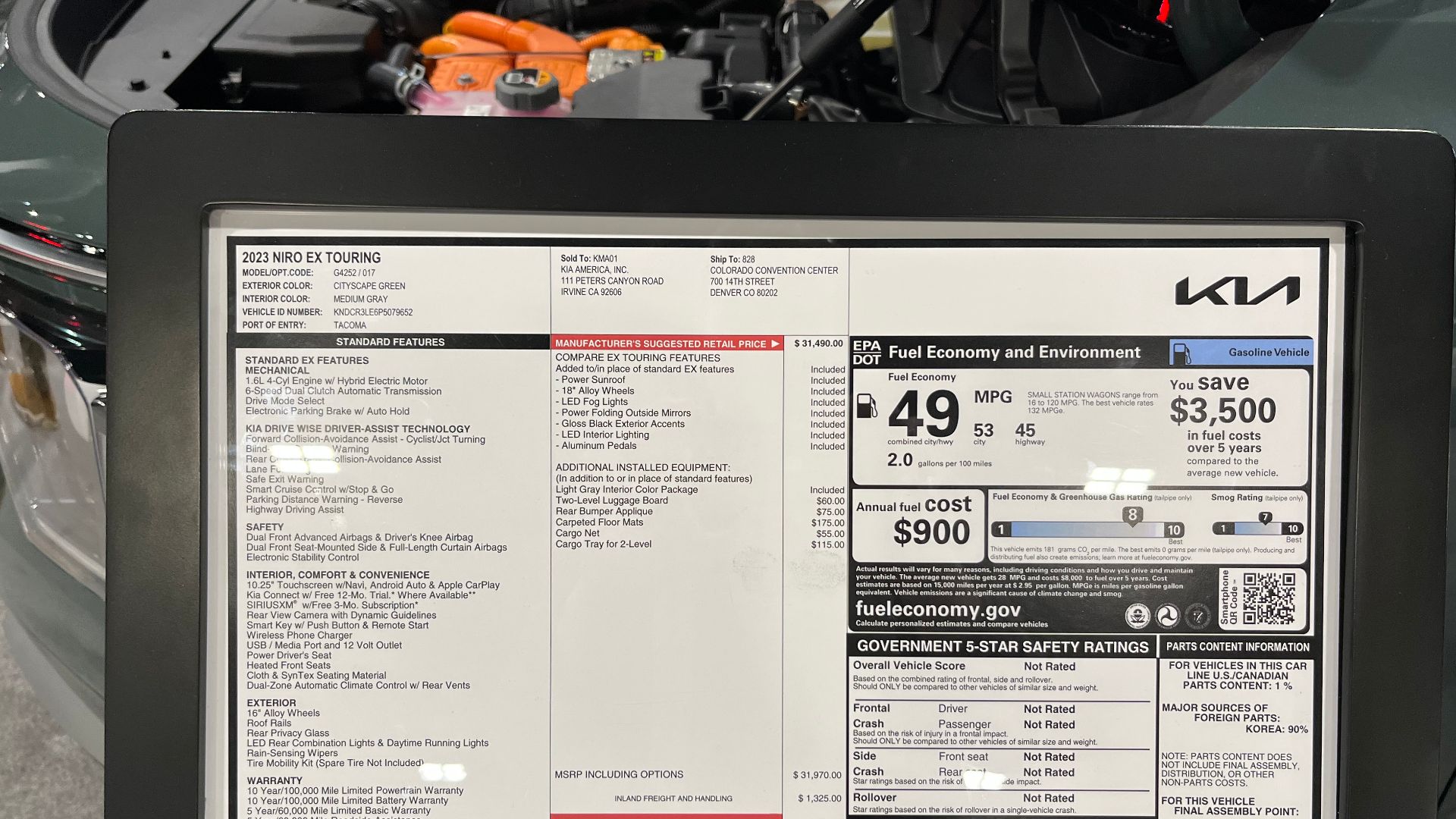
If you want to know whether a destination charge is real, start with the window sticker. The Monroney label is required on new cars sold in the United States and lists the MSRP, standard equipment, fuel economy info, and the destination charge. The Federal Trade Commission says the label is there to give buyers standard information at the point of sale. If the fee is printed there, it is usually an automaker charge, not a dealer add-on.
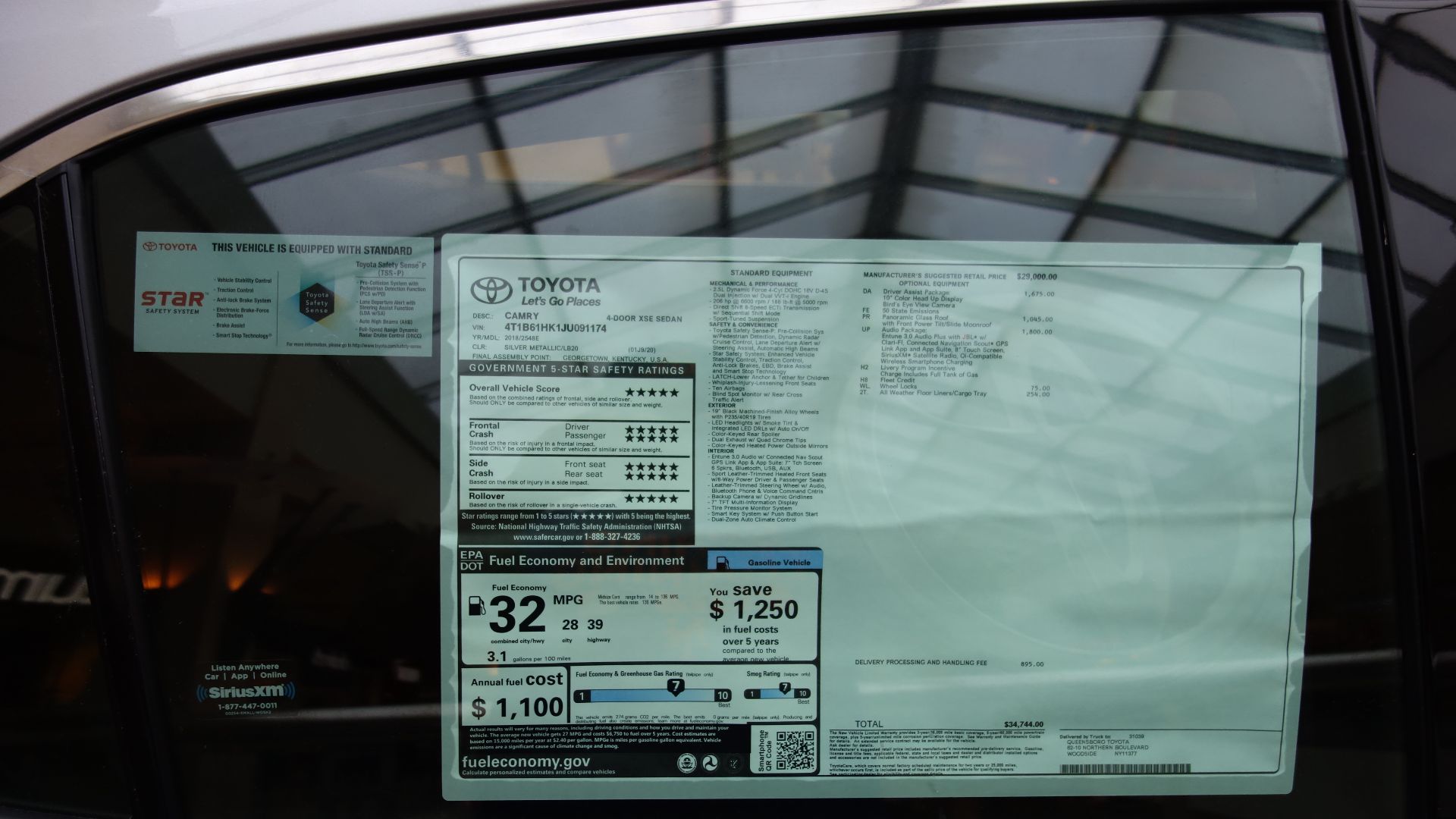
Why The Fee Is Separate From MSRP
Automakers often advertise a vehicle’s base MSRP separately from destination. That can make the starting price look lower, then the real sticker jumps once you read the fine print. Edmunds has long pointed out that destination is usually unavoidable on a new car because it is part of the manufacturer’s pricing. It may be listed separately, but for most buyers it is still part of the real cost.
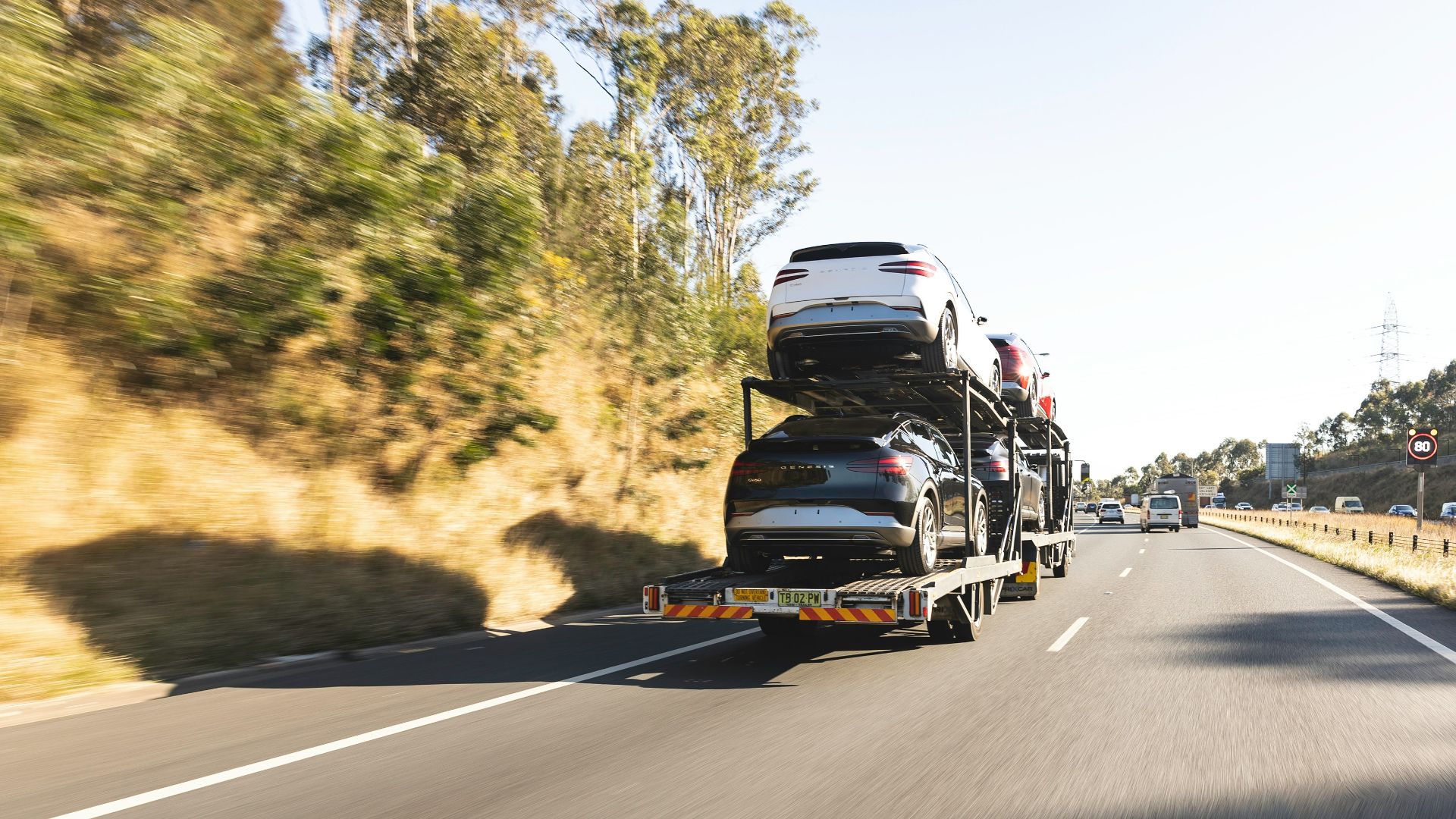
What You Are Really Paying For
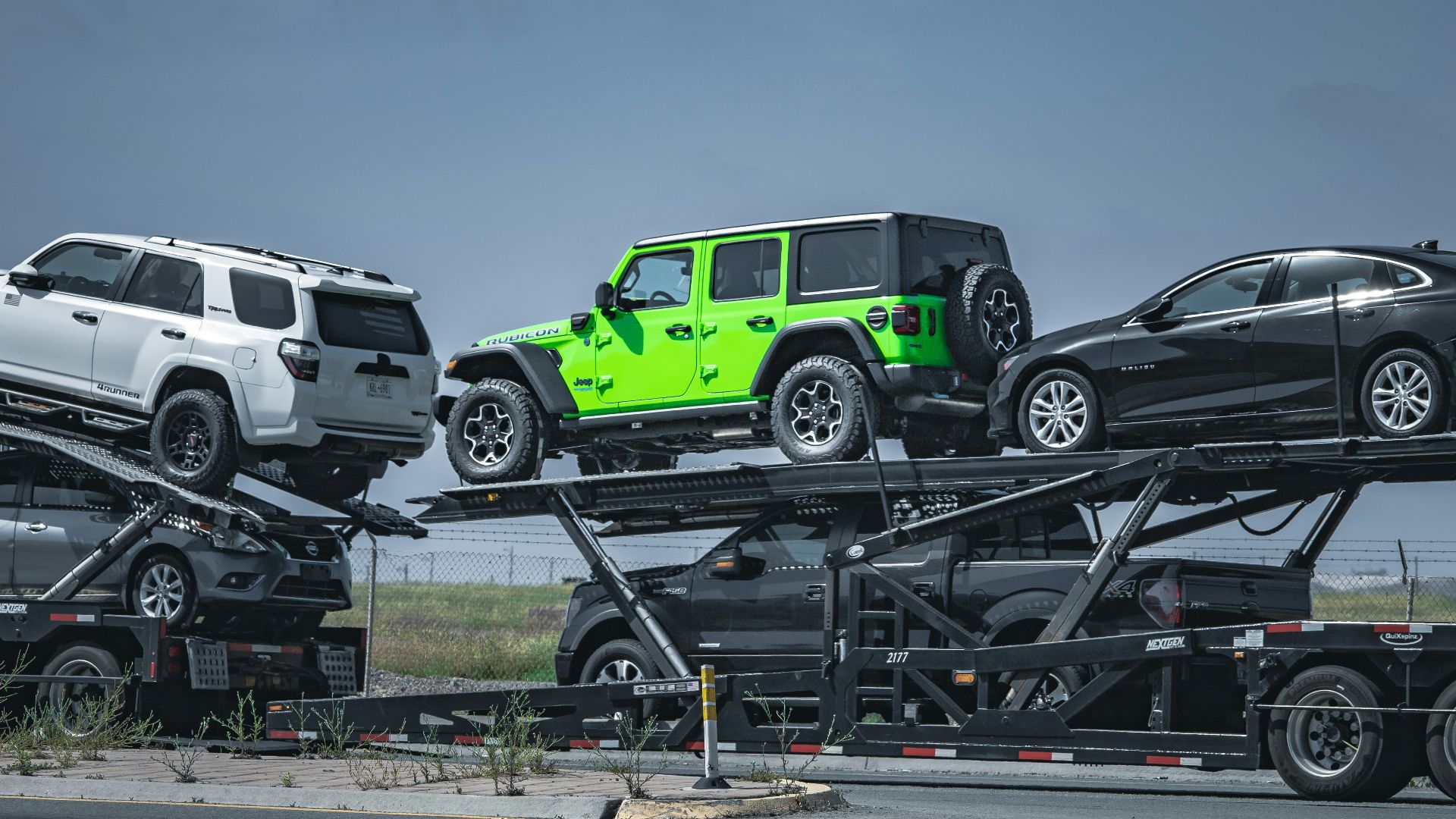
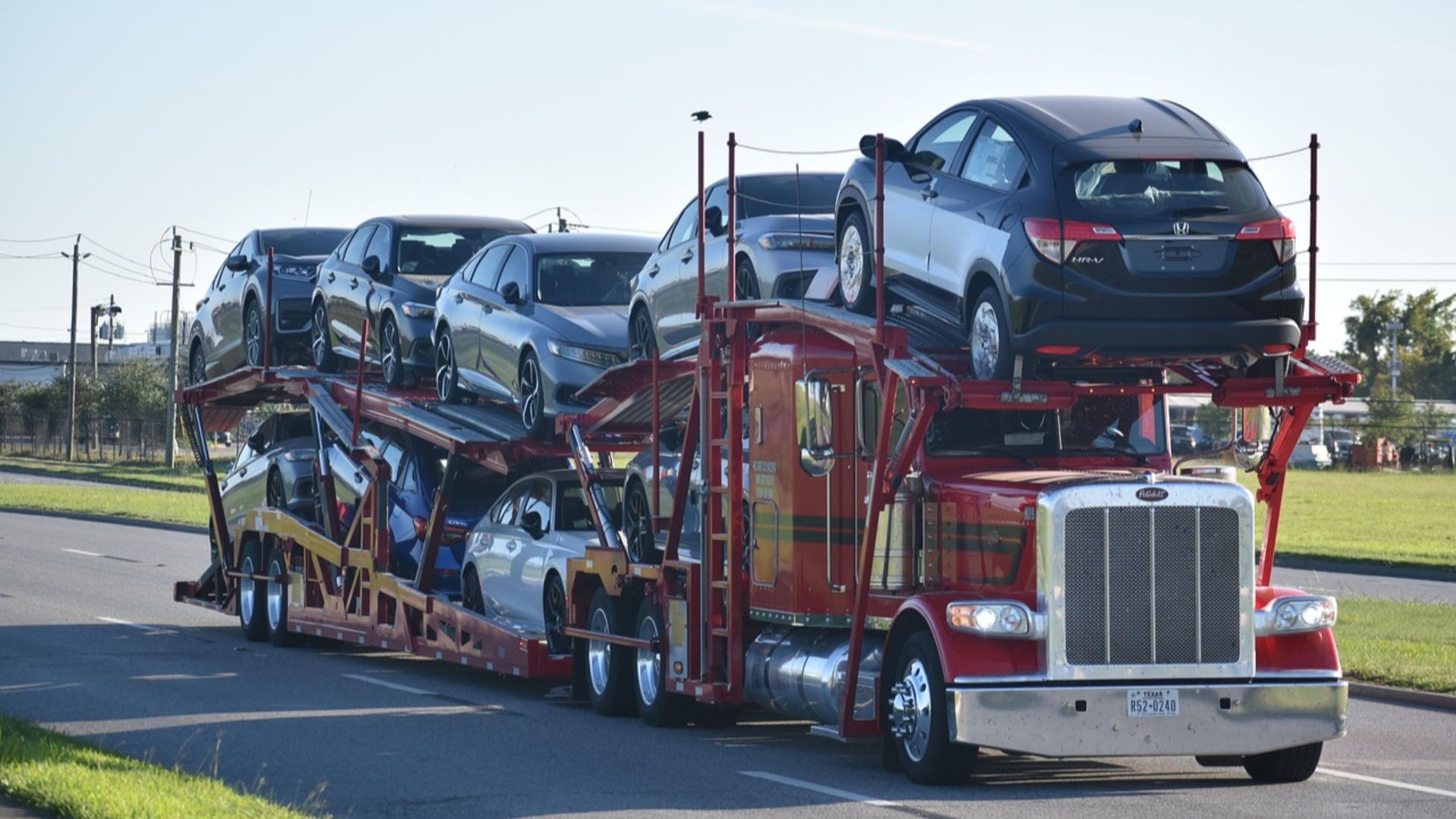
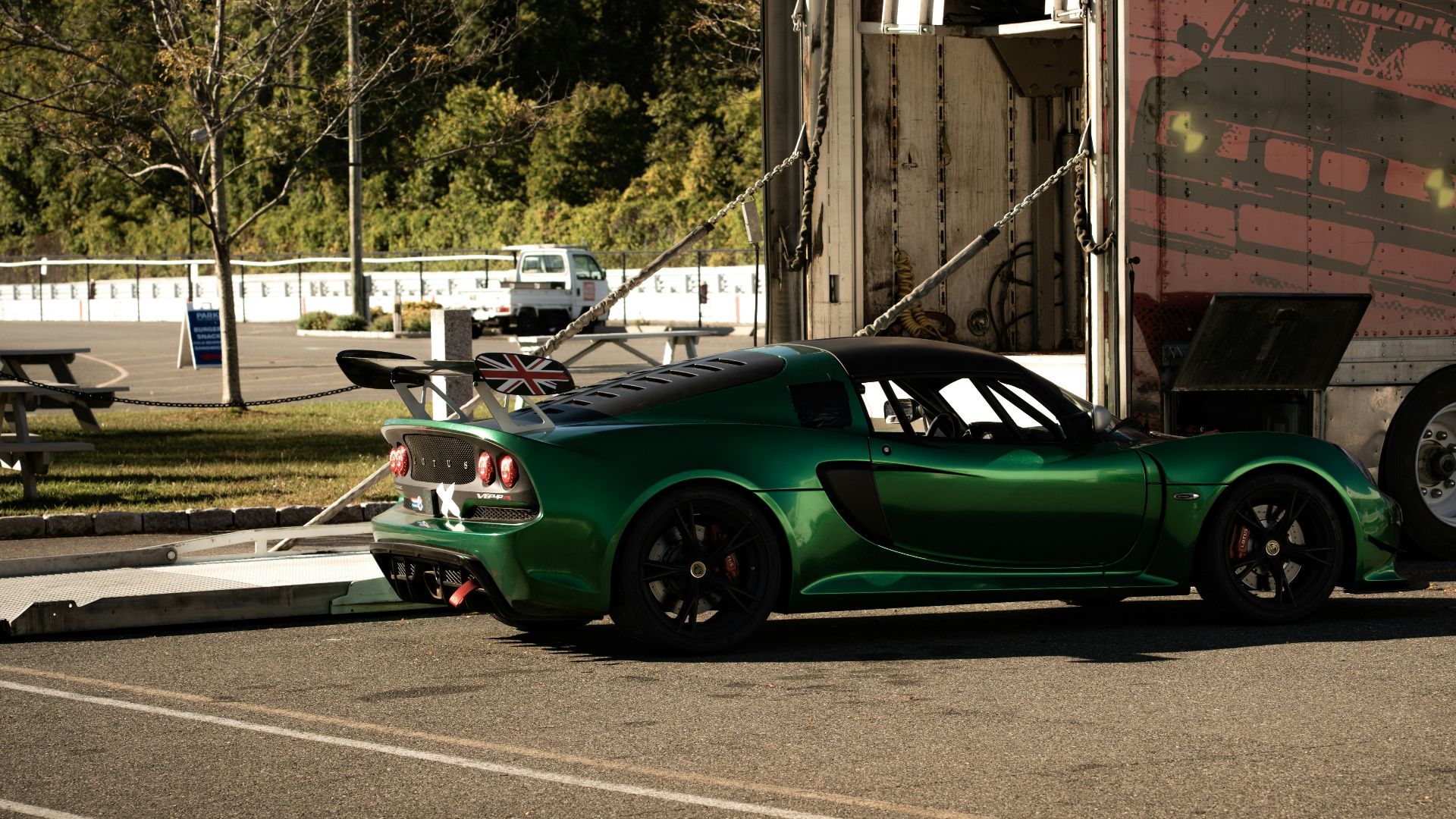
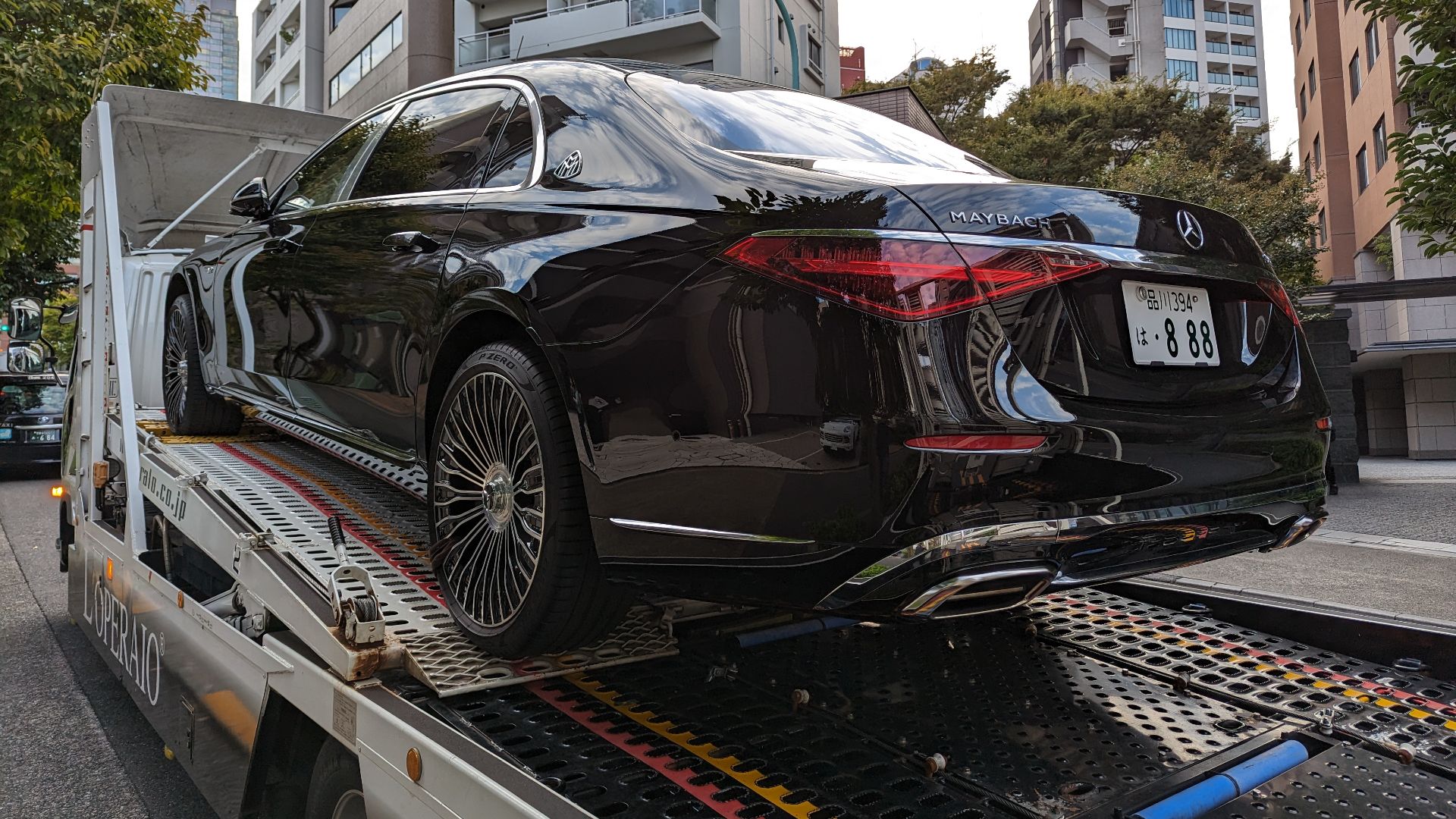
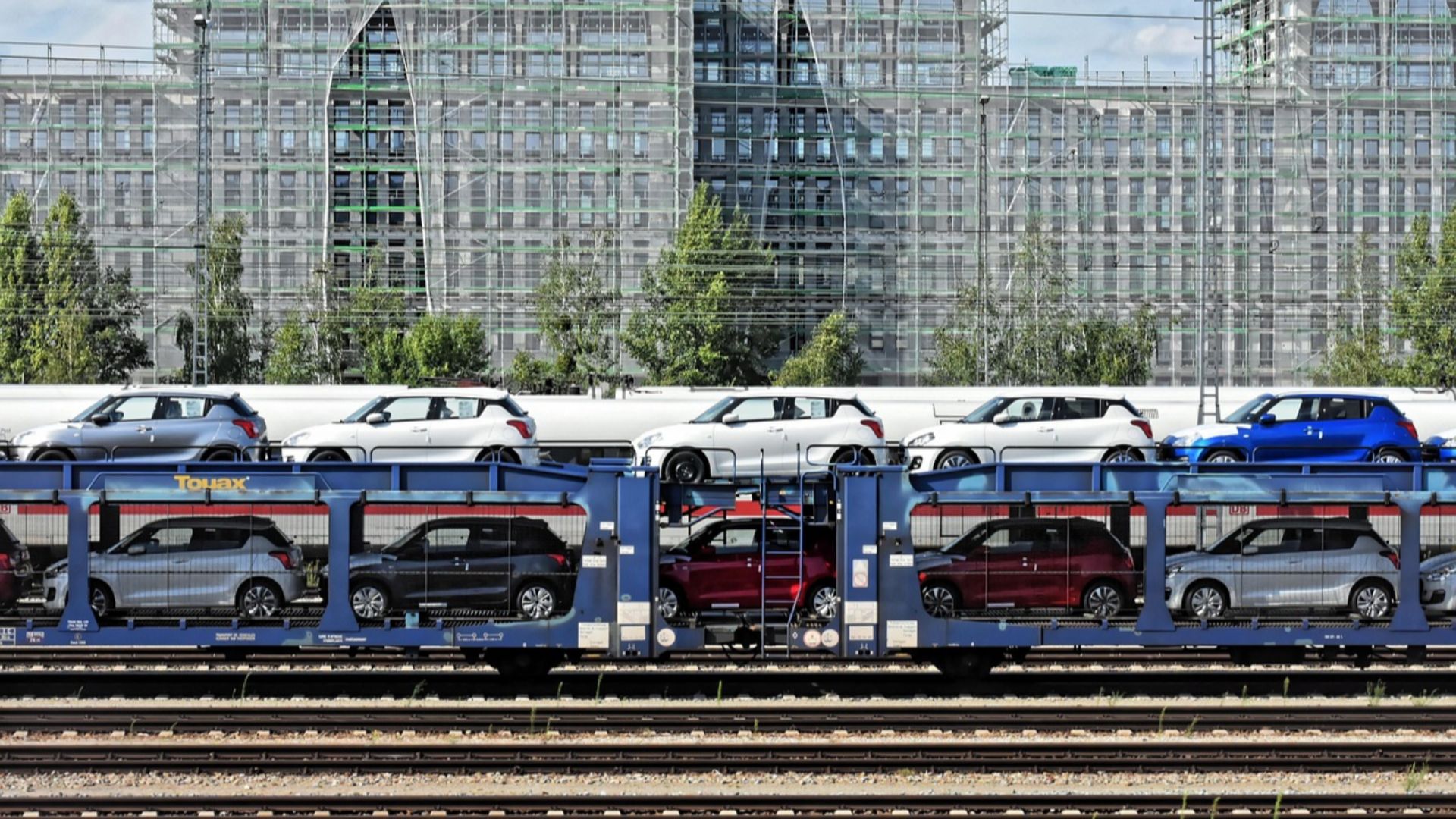
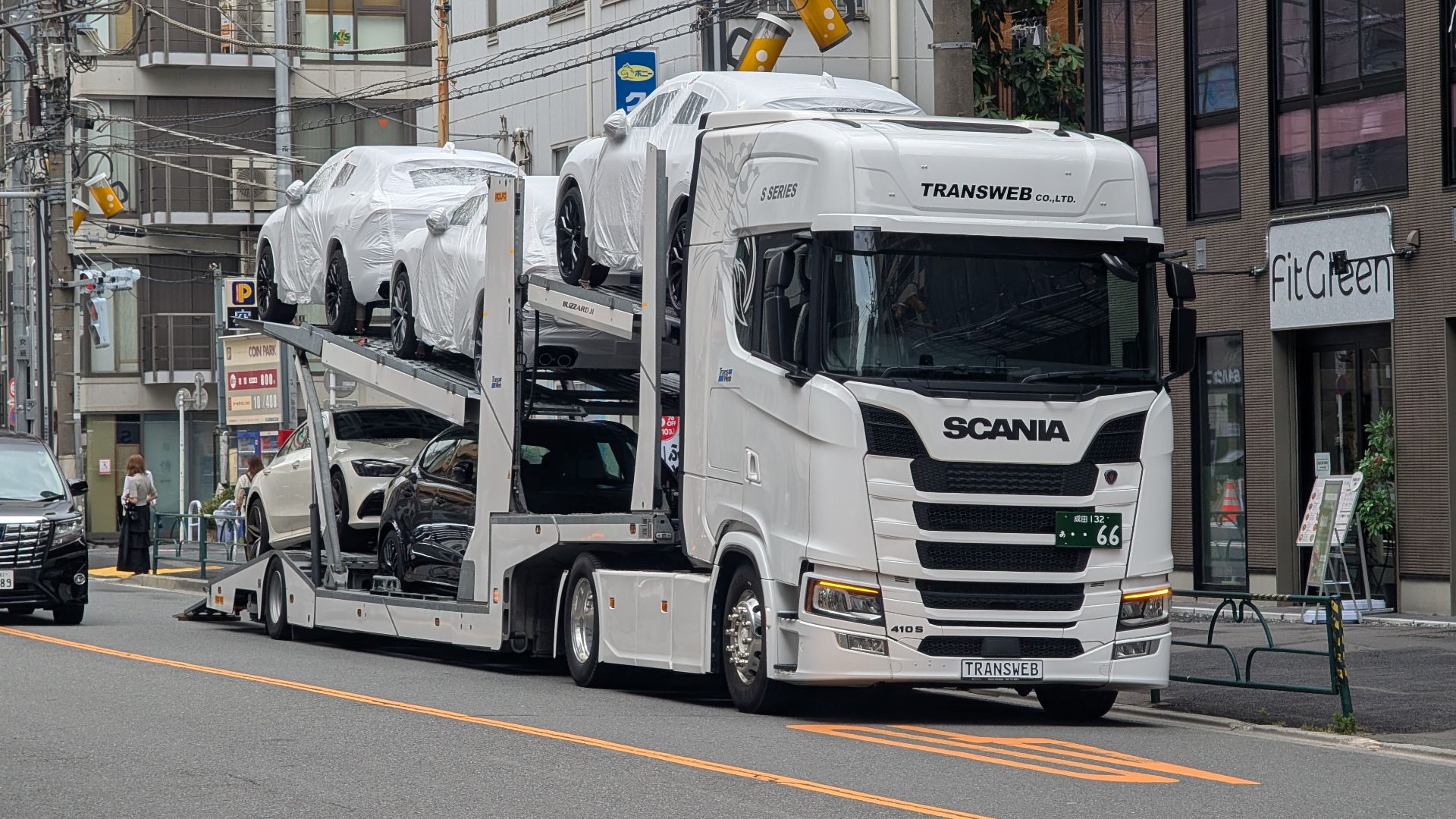
The destination fee covers the chain of getting the car from the factory to the dealership. That can include trucking, rail shipping, port handling for imported cars, and processing before final delivery. It is not a charge for the salesperson’s time or for washing the car before you pick it up. It is basically the automaker’s built-in transport bill.
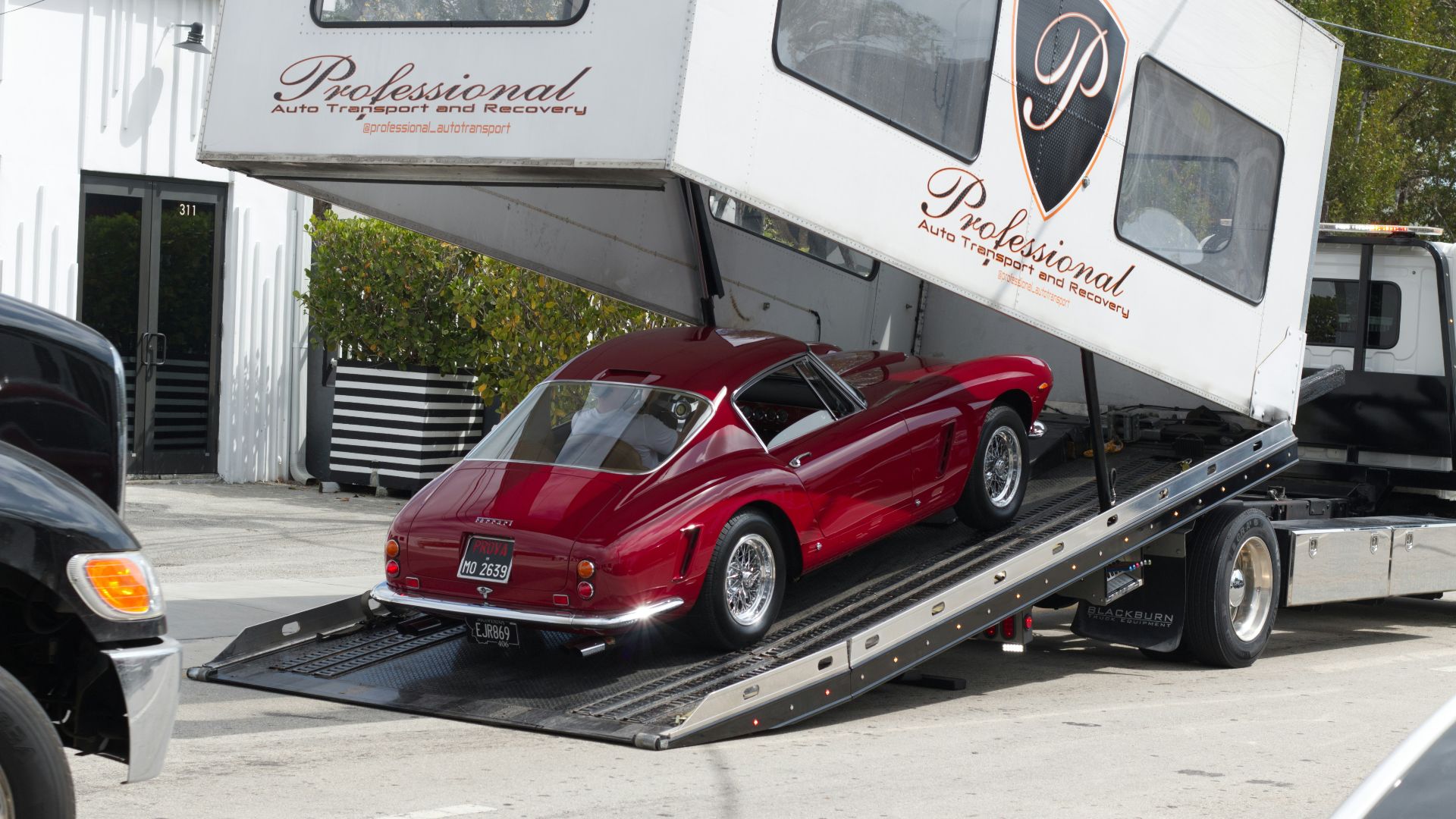
It Is Usually The Same For Every Buyer Of That Model
One reason destination fees stick around is that they are usually charged the same way to everyone buying that model. A buyer in one city will often see the same destination fee as a buyer somewhere else purchasing the same trim from the same brand. Consumer Reports says that unlike many dealer add-ons, this usually is not a negotiable line item because the manufacturer sets it. That is also what makes it different from junk fees.

Yes, It Can Be Expensive
Destination charges have gone up over time, and that is one reason more buyers are paying attention. It is common to see fees above $1,000 on mainstream vehicles, and some trucks, big SUVs, and luxury models can run even higher. Car and Driver has reported on destination fee increases across brands in recent years as shipping and logistics costs climbed. The idea is old. The price can still sting.
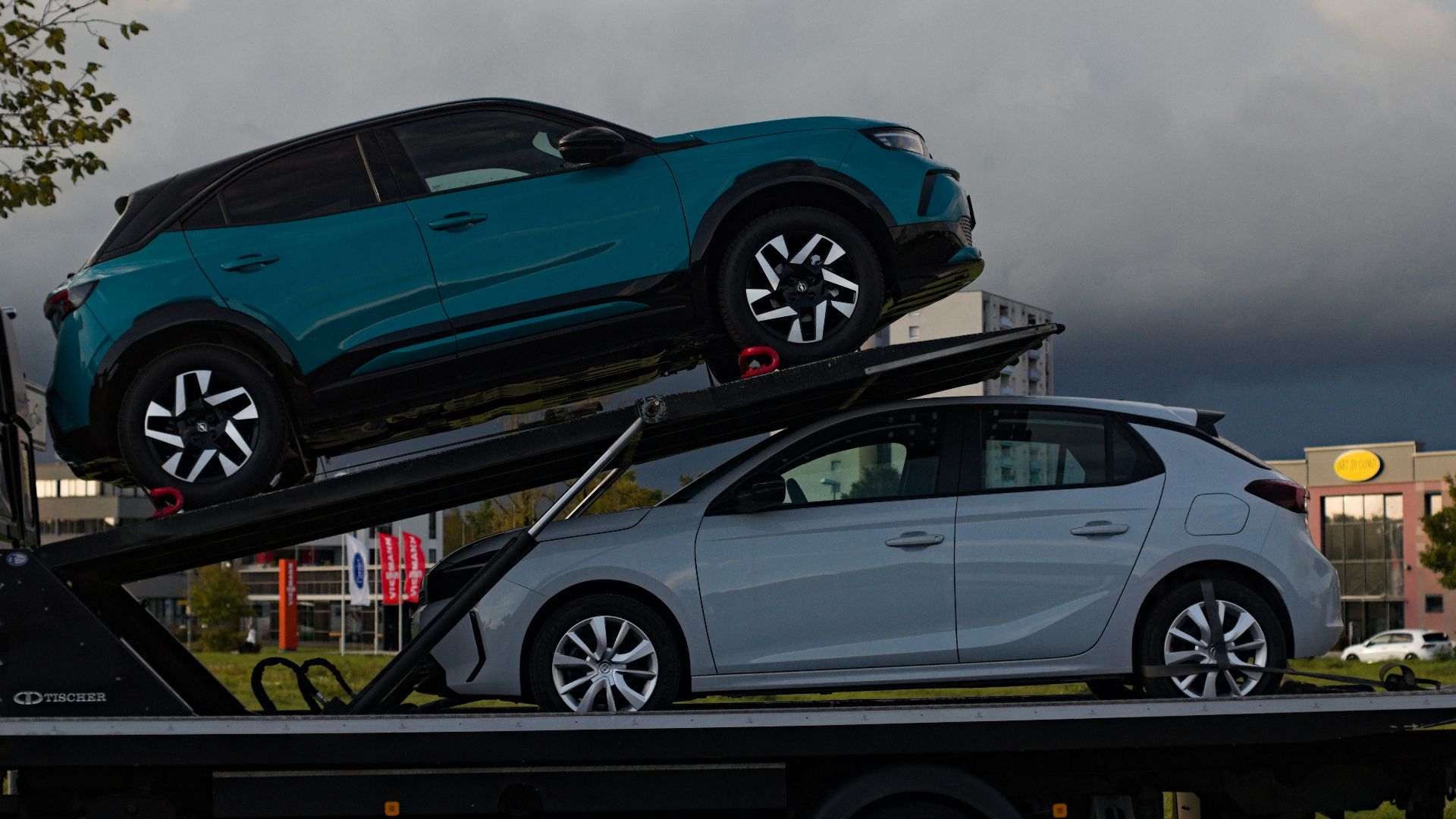
Why Bigger Vehicles Often Cost More To Deliver
A compact sedan is easier to move than a three-row SUV or a heavy-duty pickup. Bigger vehicles take up more room on transport trucks and railcars, and they can cost more to ship from factory to dealer. That is one reason destination fees vary by model and brand. The fee is usually standard within a model line, but not across the whole market.

Imported Cars Add Another Layer
If a vehicle was built outside the United States, getting it to your local dealer may include ocean shipping and port processing before it even starts moving inland. That does not automatically mean the fee will be huge, but it helps explain why some imported models have notable destination charges. The final number still comes from the automaker’s published pricing. It is not usually recalculated based on how far your dealer is from the port.

Distance Usually Does Not Change Your Fee
This is one of the strangest parts for buyers. In most cases, the destination fee is the same whether the dealer is close to the factory or far away. Kelley Blue Book points out that automakers usually use one standard charge per model instead of pricing each shipment one by one. So you are not getting a custom shipping quote based on location.
Why Dealers Get Blamed Anyway
Dealers are the ones sitting across the desk, so they get the blame when buyers see a fee that feels random. But in a normal new-car deal, the destination charge is not the same as a dealer doc fee, market adjustment, or accessory package. Those other charges may be local, optional, or negotiable. Destination is usually set by the manufacturer and printed on the sticker before the dealer even lists the car.

How To Spot The Difference Between Real And Dubious Fees
A real destination charge should match the amount on the Monroney label. If a dealership adds a separate freight, transport, or delivery fee on top of the factory destination charge for a regular in-stock new car, ask for a clear explanation in writing. That extra fee may be a dealer add-on, not a true manufacturer shipping charge. This is where buyers can avoid paying twice for the same thing.

Used Cars Are A Different Story
A used car should not have a factory destination charge on a Monroney sticker because it is no longer being sold as a new vehicle under that original pricing setup. A dealer can still add reconditioning, transport, or delivery-related charges, but those are not the same thing. They are dealer fees and should be questioned like any other add-on. If you see a destination-style charge on a used car, slow things down and ask questions.
Ordered Cars Still Get Hit With It
People who factory-order a car sometimes assume they can skip the destination fee because they are not buying from dealer stock. Usually, they cannot. Consumer advice sources including Edmunds and Consumer Reports note that destination is generally charged on custom orders too because the vehicle still has to be moved from production to the dealer. Ordering changes your options and your timeline, but not that part of the price.
Can You Negotiate It Anyway
In most cases, you cannot remove the destination fee itself on a new car because it is part of the manufacturer’s official pricing. What you can negotiate is the full out-the-door deal. A dealer may lower the vehicle price, improve the trade-in offer, or remove other add-ons to help offset a fee that is not going away. That is usually the smarter place to focus.

The Better Question Is Out-The-Door Price
Buyers often get stuck arguing over one line item when the real target is the final number. If one dealer says destination is non-negotiable but offers a lower selling price, and another advertises a lower vehicle price but piles on extras, the cheaper ad can still lose. Ask every store for a full out-the-door quote with taxes and fees. That is the easiest way to compare offers without getting distracted by pricing games.

Watch For Double Dipping
The biggest red flag is not the standard destination fee itself. It is a second transport charge added by the dealer on top of the manufacturer’s charge. If the buyer’s order shows destination from the window sticker and then another freight, delivery, or transport fee appears in the dealer section, ask whether you are being charged twice. If the answer gets vague, push back or walk away.
Advertising Often Hides The Real Number
Many new-car ads list a price that does not include destination, taxes, and dealer fees. That can make a vehicle look cheaper until you read the disclosures. FTC guidance on auto buying makes the same basic point: look past the headline price and read the required details. That is usually where the real cost shows up.

Destination Is Not The Same As Dealer Delivery
Some dealers also offer home delivery or remote paperwork services. Those are separate conveniences and have nothing to do with the factory destination charge listed on a new car sticker. One gets the vehicle from the manufacturer to the store. The other gets it from the store to your driveway, if the dealer charges for that service at all.
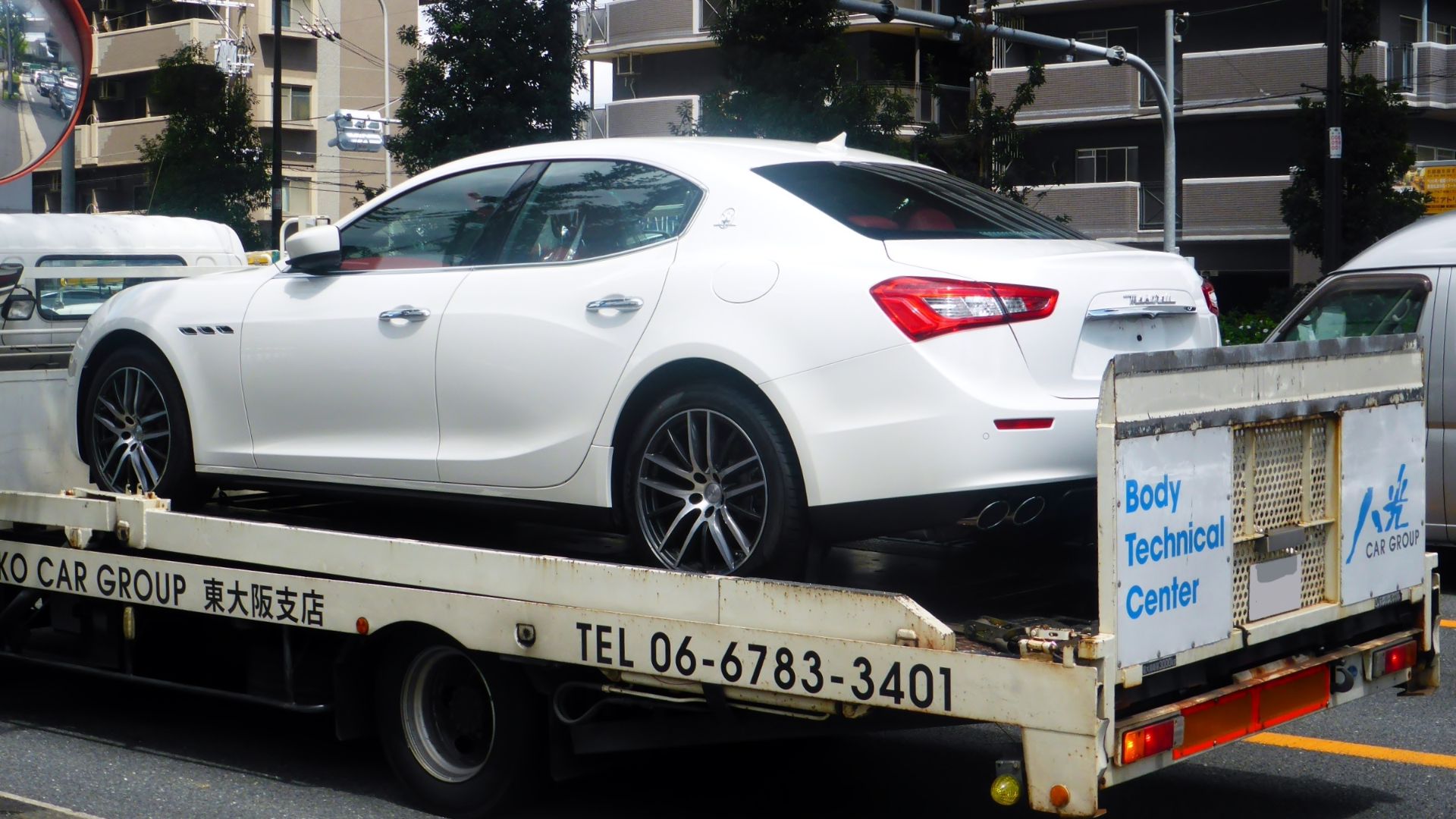 Tokumeigakarinoaoshima, Wikimedia Commons
Why This Fee Keeps Annoying Buyers
The fee feels like paying extra for something essential that you never had the option to refuse. That reaction makes sense. The car has to get from the factory to the dealership somehow, but most buyers naturally think shipping should already be included in the advertised price. Automakers keep it separate, and that is why the argument never really goes away.

How To Verify A Destination Fee In Minutes
Ask to see the Monroney sticker or the manufacturer’s build-and-price page for that exact model. Compare the destination charge on the buyer’s order with the amount listed there. If they match, you are probably looking at the standard factory-set fee. If the paperwork shows more than the sticker, ask what the extra charge is and whether it can be removed.

When A Dealer Charge Might Be Legitimate
There are some cases where a dealer really does pay extra transport costs, such as a dealer trade that brings in a car from another store at your request. In that case, the store may charge to move that specific vehicle. That is different from the standard destination fee already printed on the sticker. The key is transparency. A one-off transfer charge should be clearly disclosed as a separate cost.
What Consumer Sources Agree On
Across Consumer Reports, Edmunds, and Kelley Blue Book, the basic message is the same. Destination fees on new cars are generally set by the manufacturer, shown on the window sticker, and usually not negotiable by themselves. The smart move is not arguing over whether the fee should exist at all. It is making sure you are not paying inflated dealer extras dressed up as shipping.
A Simple Script For The Dealership
If you want a clean, useful line to use at the dealership, try this: “I understand the factory destination charge if it matches the window sticker. Please show me whether any other freight or delivery charges were added by the dealer.” It keeps the conversation calm and fact-based. It also makes clear that you know the difference between a standard fee and a padded one.

So What Are You Paying For
Most of the time, you are paying the automaker’s standard cost to move a new car from the factory to the dealership, not a fresh charge invented because you happened to like the one on the lot. It feels strange because the car is already there, but the fee was attached long before you walked in. The real risk is not the destination charge itself. It is missing the moment when someone tries to stack another shipping fee on top of it.