The Charger Was Right There, But I Still Couldn’t Use It
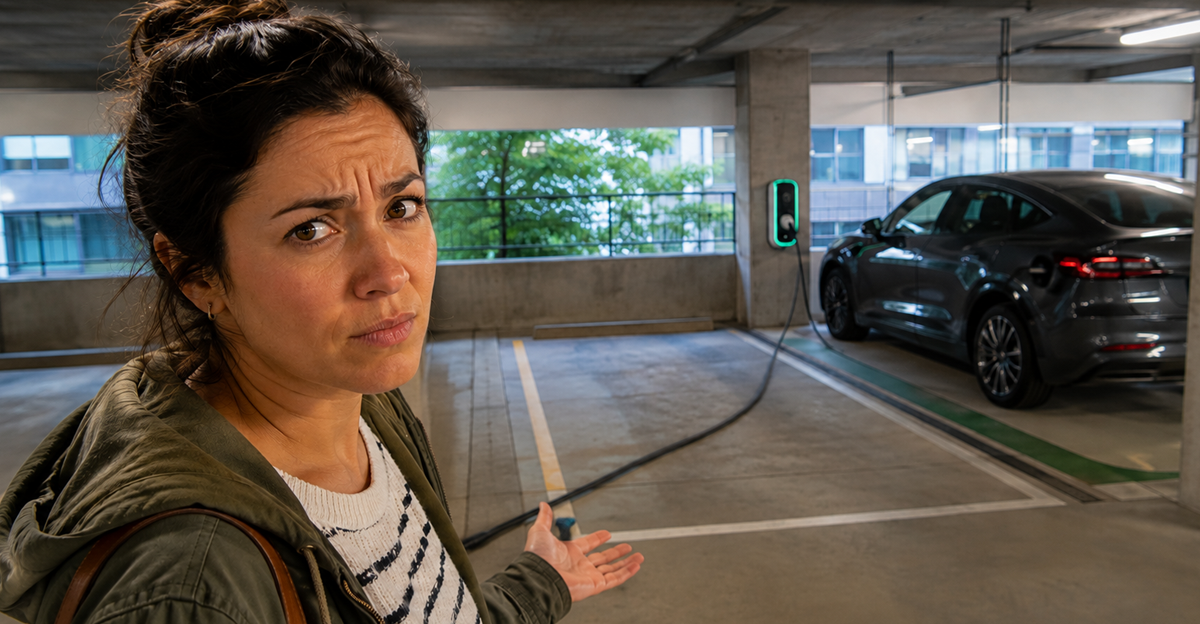
My condo building finally installed EV chargers, which sounded like progress until I learned the catch: they are attached to premium parking spaces. In other words, buying an electric car would not be enough. I would also have to pay for the privilege of parking close enough to plug it in, and that raises an uncomfortable question about who actually gets to enjoy the cheapest and easiest version of EV ownership.
EV Ownership Has A Parking Problem
For drivers with a garage or driveway, an EV can be wonderfully simple. The U.S. Department of Energy says most EV drivers charge overnight at home, often using Level 1 or Level 2 equipment. People living in condos and apartments face additional questions involving parking locations, electrical service, billing, installation, and building rules.
Home Charging Is The Secret Ingredient
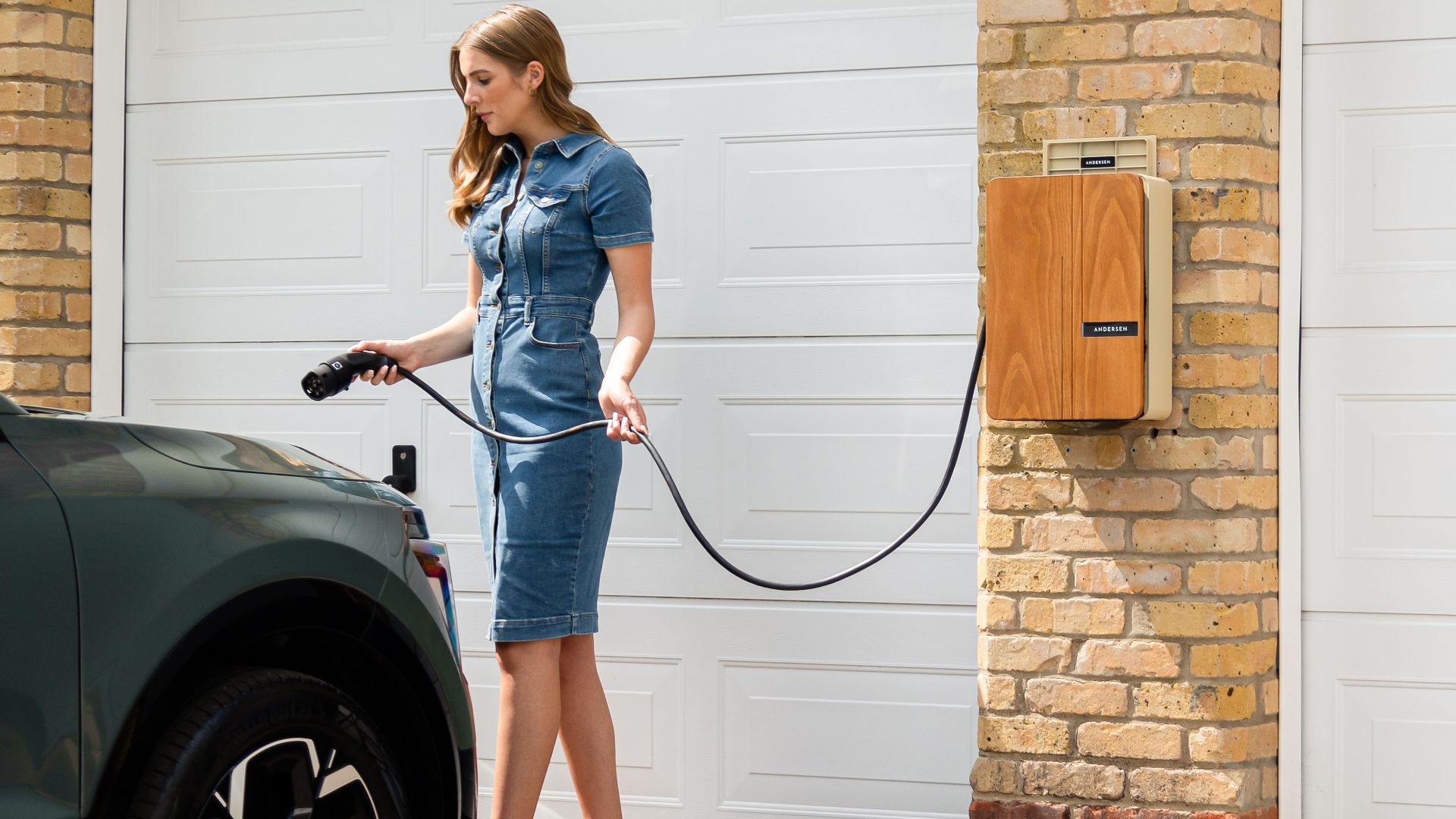
Much of the EV ownership experience makes sense because the car spends hours sitting at home anyway. Charging overnight can turn those parked hours into usable driving range without requiring a separate trip to a gas station. DOE guidance also notes that many drivers can cover their daily needs with ordinary Level 1 charging if an appropriate outlet is available near the vehicle.
That Advantage Disappears Outside The Garage
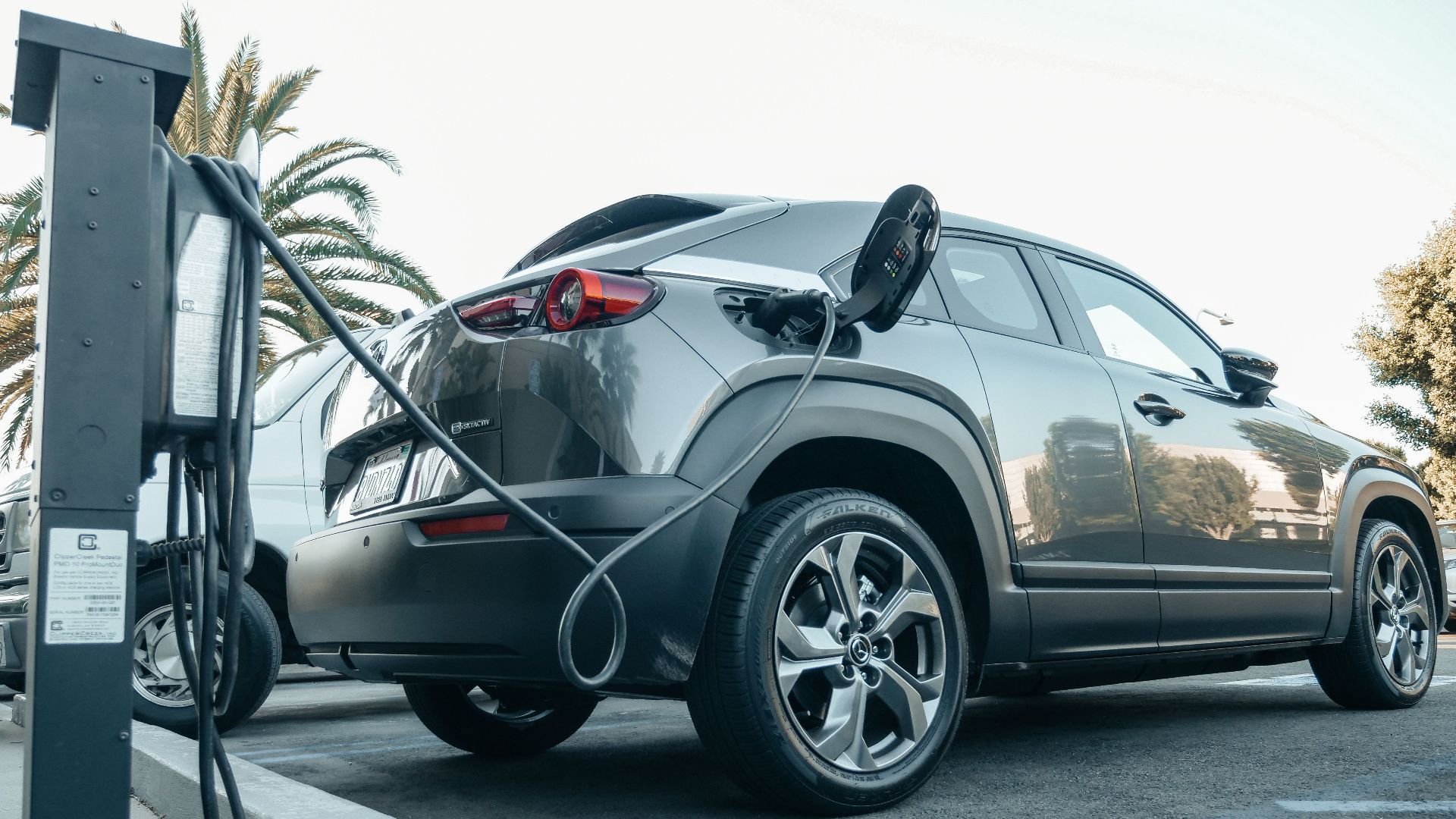
The trouble starts when your parking spot has no outlet, no charger, and no practical path for installing one. DOE specifically acknowledges that multifamily charging can resemble public charging more than the simple home setup enjoyed by single-family homeowners. Suddenly, an EV owner has to think about charger availability, pricing, parking restrictions, and whether someone else will still be plugged in when they arrive home.
Premium Parking Can Become A Second EV Surcharge
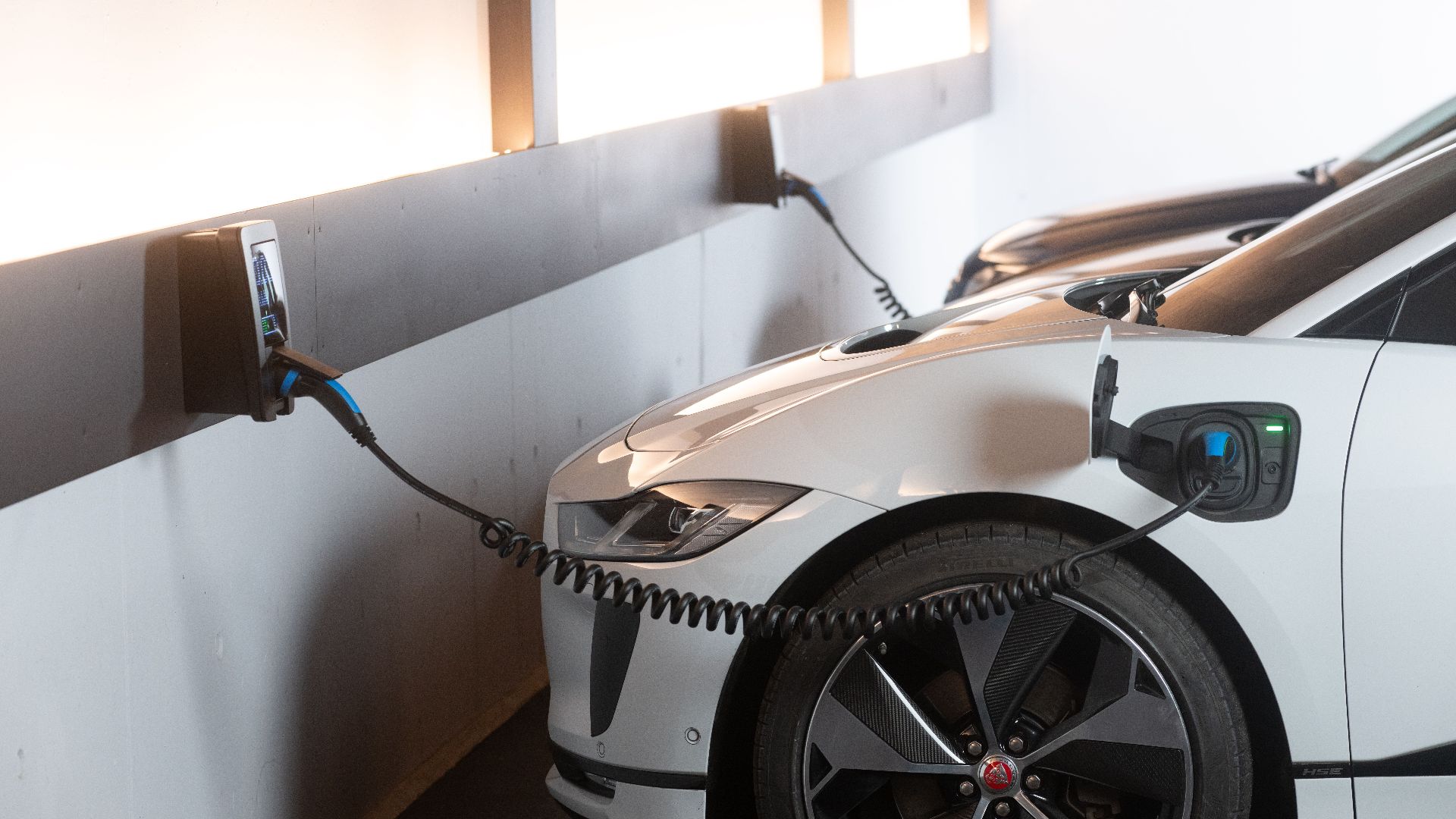
A building that bundles charging access with more expensive parking is not necessarily doing anything unusual or illegal, since parking and charging rules vary by property and jurisdiction. Still, the financial result is easy to see. A resident can buy the same EV as a neighbor yet face a higher monthly cost simply because the building has placed electricity behind a premium-space fee.
Public Charging Usually Costs More
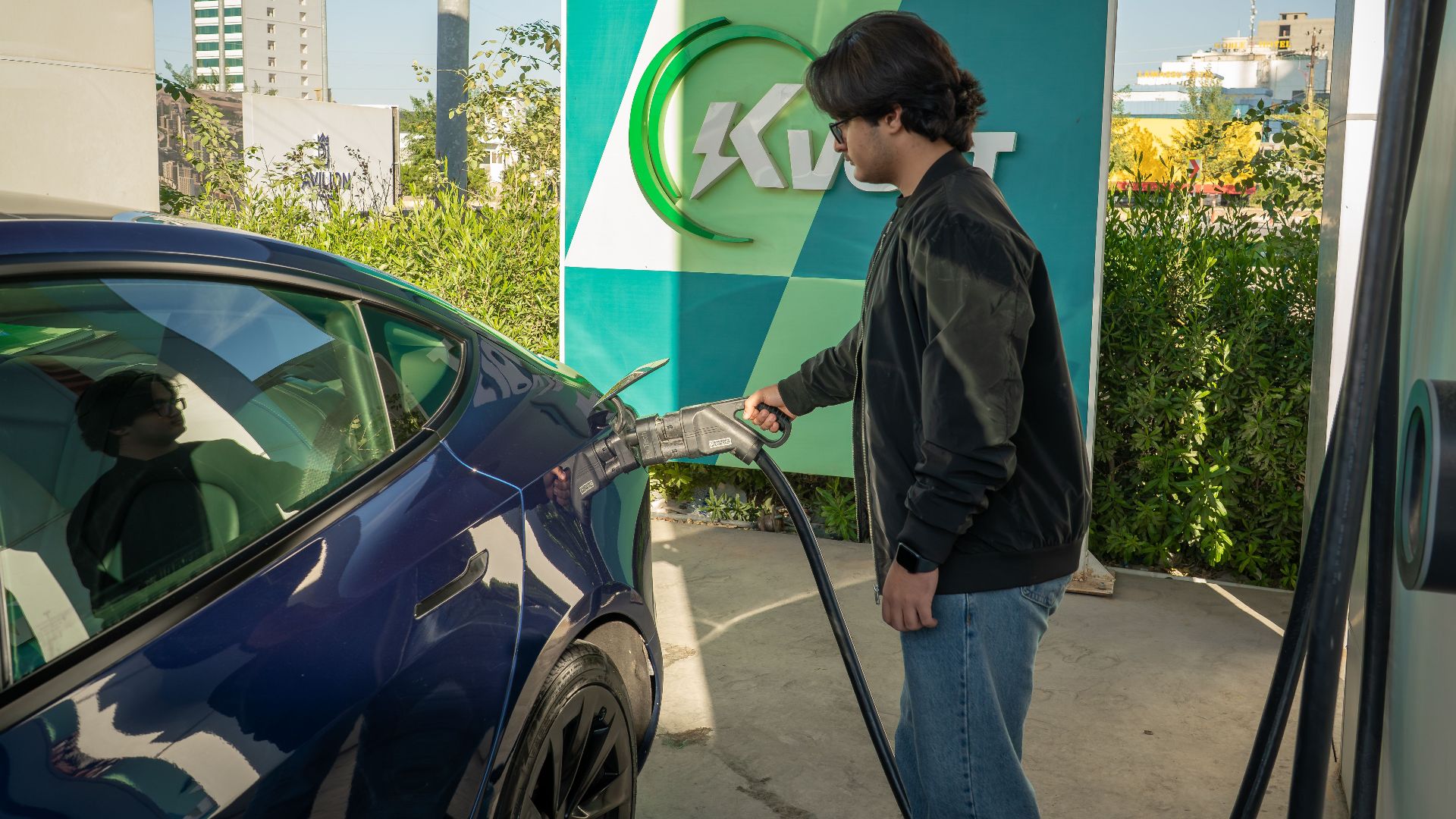
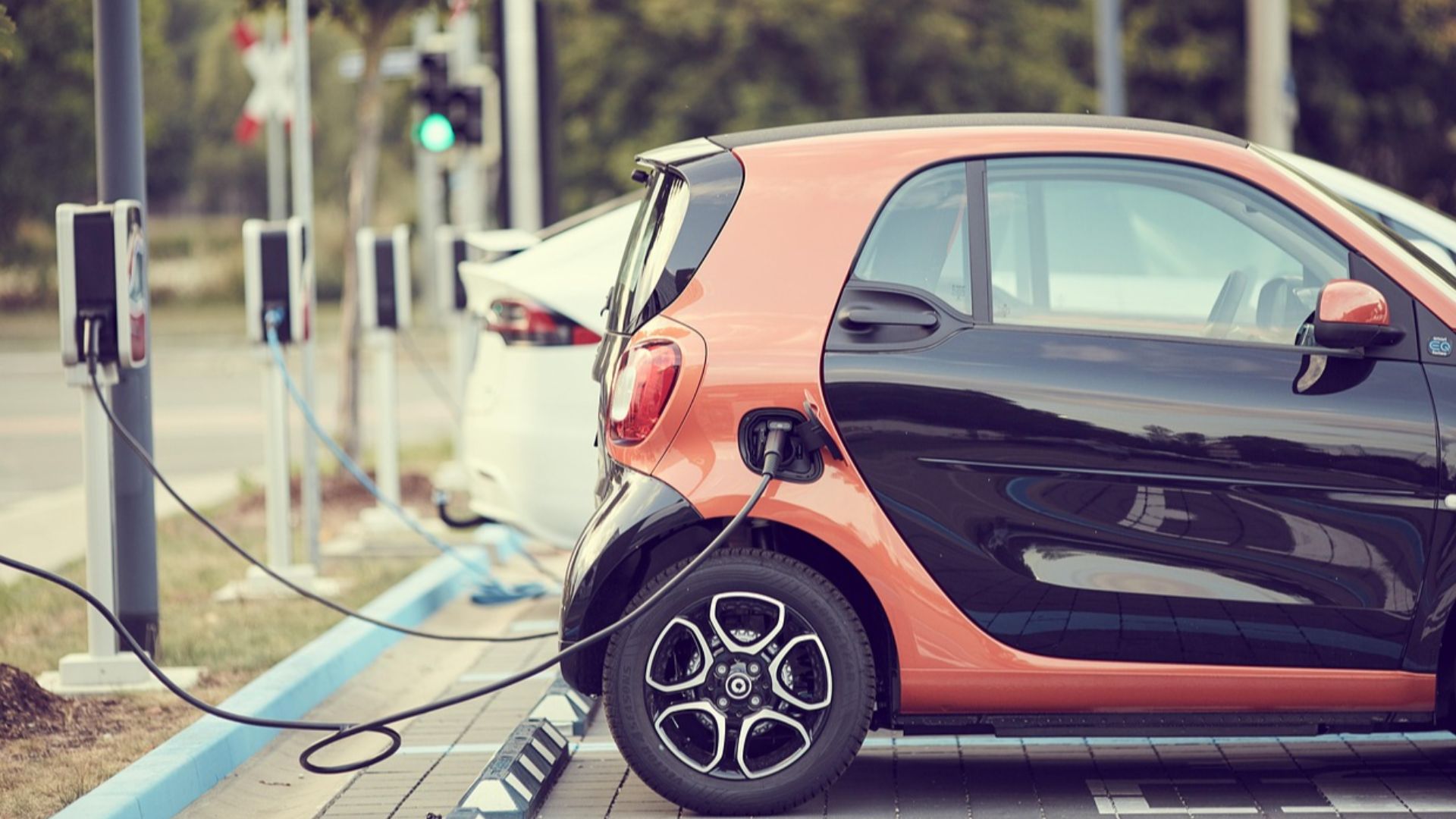
Skipping the premium spot and relying on public charging sounds like an obvious workaround, but it can shrink one of an EV's biggest economic advantages. DOE says drivers normally can expect to pay more at public stations, especially DC fast chargers, than they would for electricity used at home. AAA's public-charging tracker listed a U.S. average of about 42 cents per kilowatt-hour in early August 2026, illustrating how substantial that difference can become.
The Cheapest Electricity Often Goes To Homeowners
Residential charging can benefit from ordinary household electricity rates and, in some areas, special off-peak or time-of-use rates. National Renewable Energy Laboratory modeling has treated home charging as the dominant charging location for current EV drivers and found considerably higher infrastructure-related costs for DC fast charging. That means the drivers with the easiest access to private residential electricity can also have access to some of the least expensive charging.
Apartment Residents Start With More Obstacles
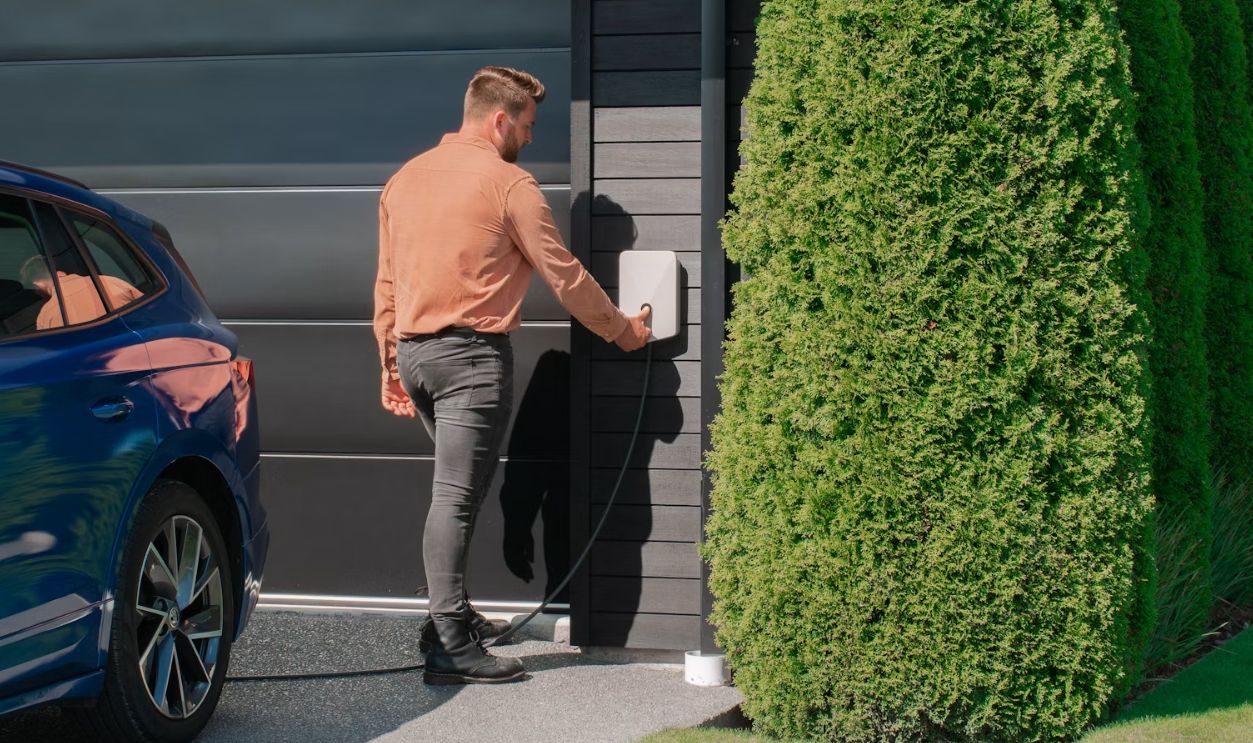
Installing chargers at multifamily buildings involves problems that simply do not exist in many suburban garages. DOE lists electrical capacity, parking arrangements, legal issues, billing, and installation planning among the considerations for apartments and condominiums. None of these problems is impossible to solve, but each can add cost, paperwork, or delay.

This Is Bigger Than One Annoying Condo Rule
Nearly one-third of U.S. residences are multi-unit dwellings, according to a DOE-listed research project on multifamily EV charging. The same project noted that although most EV charging historically occurred at home, only a small share of home charging occurred at multifamily buildings. That mismatch turns apartment and condo charging into a national access issue rather than a niche inconvenience.

New EVs Still Carry A Price Premium
The cars themselves are not exactly cheap, either. Kelley Blue Book data from Cox Automotive put the average transaction price for a new EV at $56,238 in June 2026, compared with $49,758 for the overall new-vehicle market. Those averages reflect what people actually bought rather than the cheapest models available, but the gap helps explain why EVs can still feel upscale to many shoppers.

Regular New Cars Are Expensive Too
It is worth remembering that the affordability crisis is not exclusive to electric cars. The average U.S. new-vehicle transaction price was nearly $50,000 in June 2026, according to Kelley Blue Book. EVs are entering a market in which almost every kind of new car has become a major household purchase.

Affordable EVs Do Actually Exist
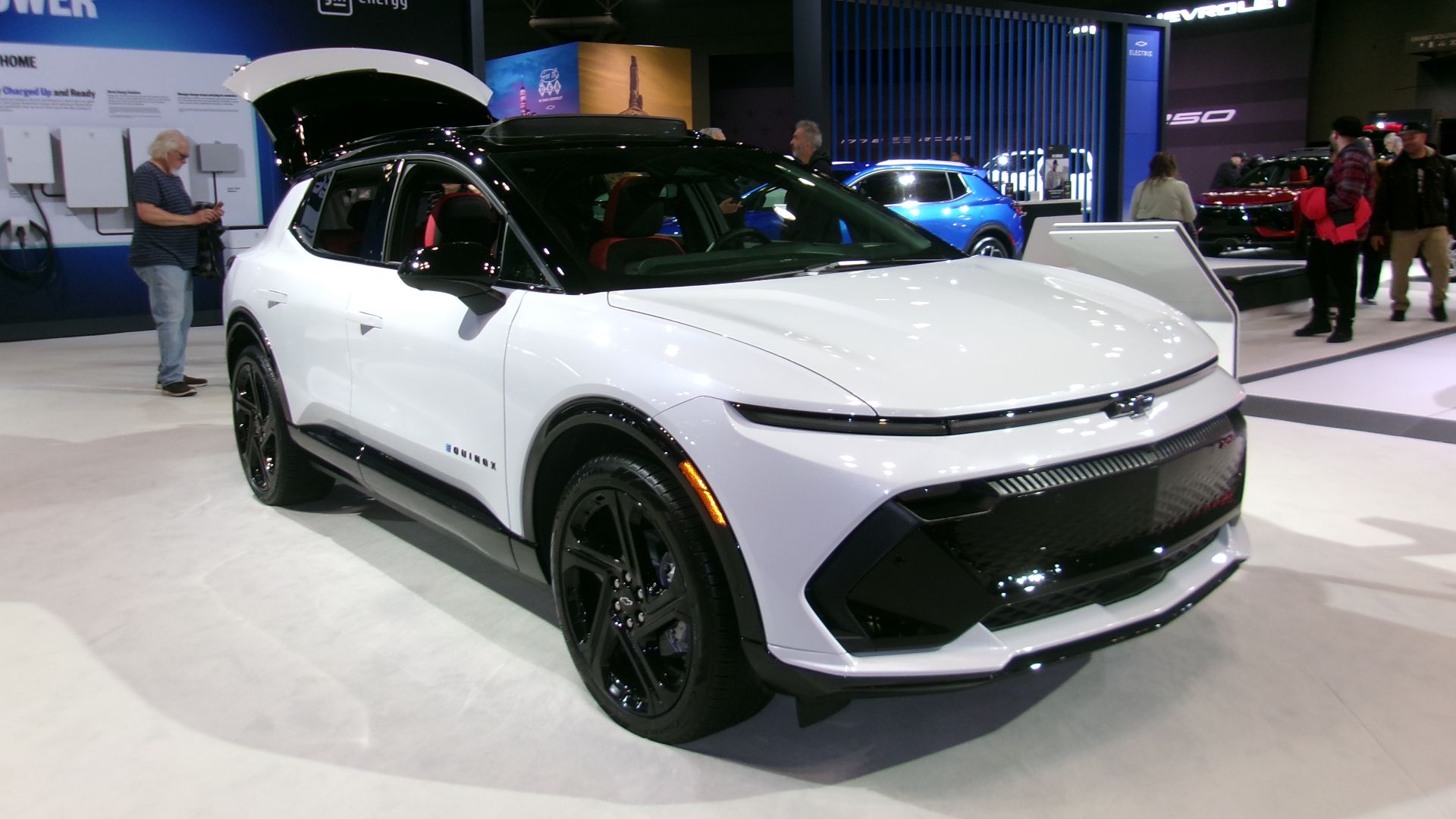
An average transaction price does not mean every EV costs more than $50,000. Chevrolet lists the 2026 Equinox EV LT with a starting MSRP of $34,995 and an EPA-estimated range of 319 miles in front-wheel-drive form. That is still serious money, but it puts a long-range electric crossover much closer to mainstream new-car territory than early luxury-heavy EV lineups suggested.
 BuickCentury04, Wikimedia Commons
Some Gas And Hybrid Alternatives Remain Cheaper
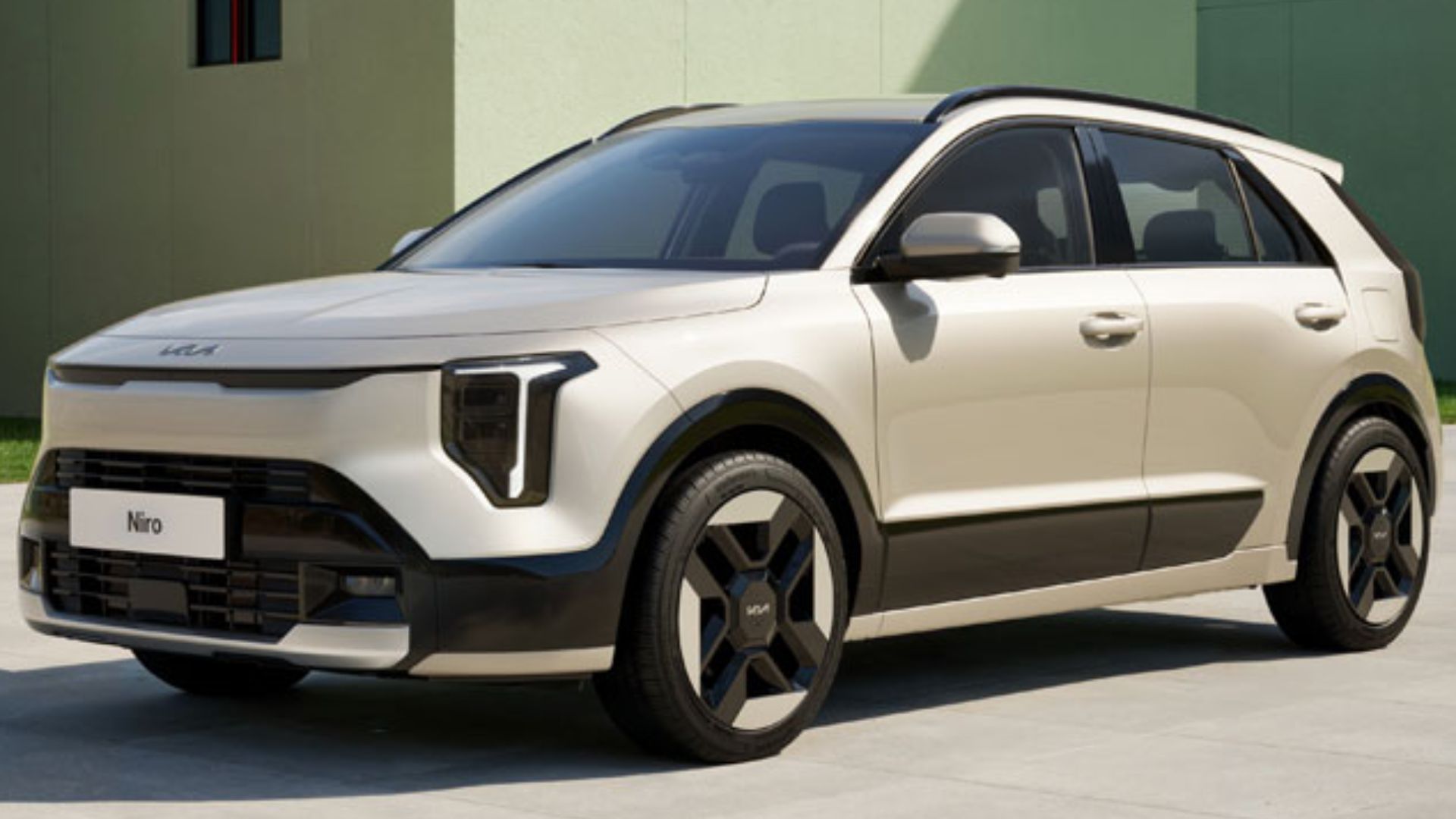
The gap becomes obvious when similar brands sell electrified vehicles at very different prices. Kia lists the 2026 Niro hybrid at a starting MSRP of $27,390, while the 2026 Niro EV starts at $39,700 before destination charges. Buyers focused primarily on the monthly payment may understandably choose the cheaper vehicle long before calculating years of fuel or maintenance costs.
Federal Purchase Credits Are No Longer Helping
For several years, federal tax incentives could dramatically change the EV price calculation for qualifying buyers and vehicles. That changed after federal legislation accelerated the end of the new and previously owned clean-vehicle credits. The IRS says those credits are not available for vehicles acquired after September 30, 2025.

Losing The Used Credit Matters Too
The expiration was not limited to shiny new EVs. Before the cutoff, qualifying previously owned clean vehicles could receive a credit equal to 30 percent of the sale price, up to $4,000, subject to the program's requirements. That credit is no longer available for a used EV acquired after September 30, 2025, removing a tool that had specifically helped buyers shopping at lower price points.

Used EVs Are Becoming The Real Entry Point
The used market is increasingly important for anyone who likes the idea of an EV but cannot justify new-car money. Recurrent's July 2026 market analysis found meaningful numbers of popular used EVs in the $20,000s, although prices at the affordable end had been rising during the first half of the year. A used EV can therefore move electric ownership out of luxury territory even if the newest models remain expensive.

Bargain EVs Come With Different Questions
Buying used introduces its own homework. Price alone does not tell you the battery's condition, real-world range, charging performance, accident history, or whether that particular EV fits your daily routine. The lesson is not that a used EV is risky, but that an inexpensive electric car and an inexpensive electric-car ownership experience are not automatically the same thing.

Maintenance Can Tilt The Math Back Toward EVs
Electric cars have fewer routine engine-related service items because there is no gasoline engine, engine oil, spark plugs, or timing belt to maintain. A DOE analysis estimated scheduled maintenance at 6.1 cents per mile for a battery-electric light-duty vehicle versus 10.1 cents for a conventional internal-combustion vehicle. Those savings can improve the long-term cost picture even when the purchase price is higher.

Cheap Charging Makes Those Savings Stronger
DOE says electricity can be cost-effective as a transportation fuel and notes that home charging is typically less expensive than public charging. Off-peak residential electricity can make the equation even more favorable. The problem is that drivers who cannot charge at home may receive less of this financial benefit than neighbors who own garages or have dedicated charging spaces.
The Convenience Gap Matters Just As Much
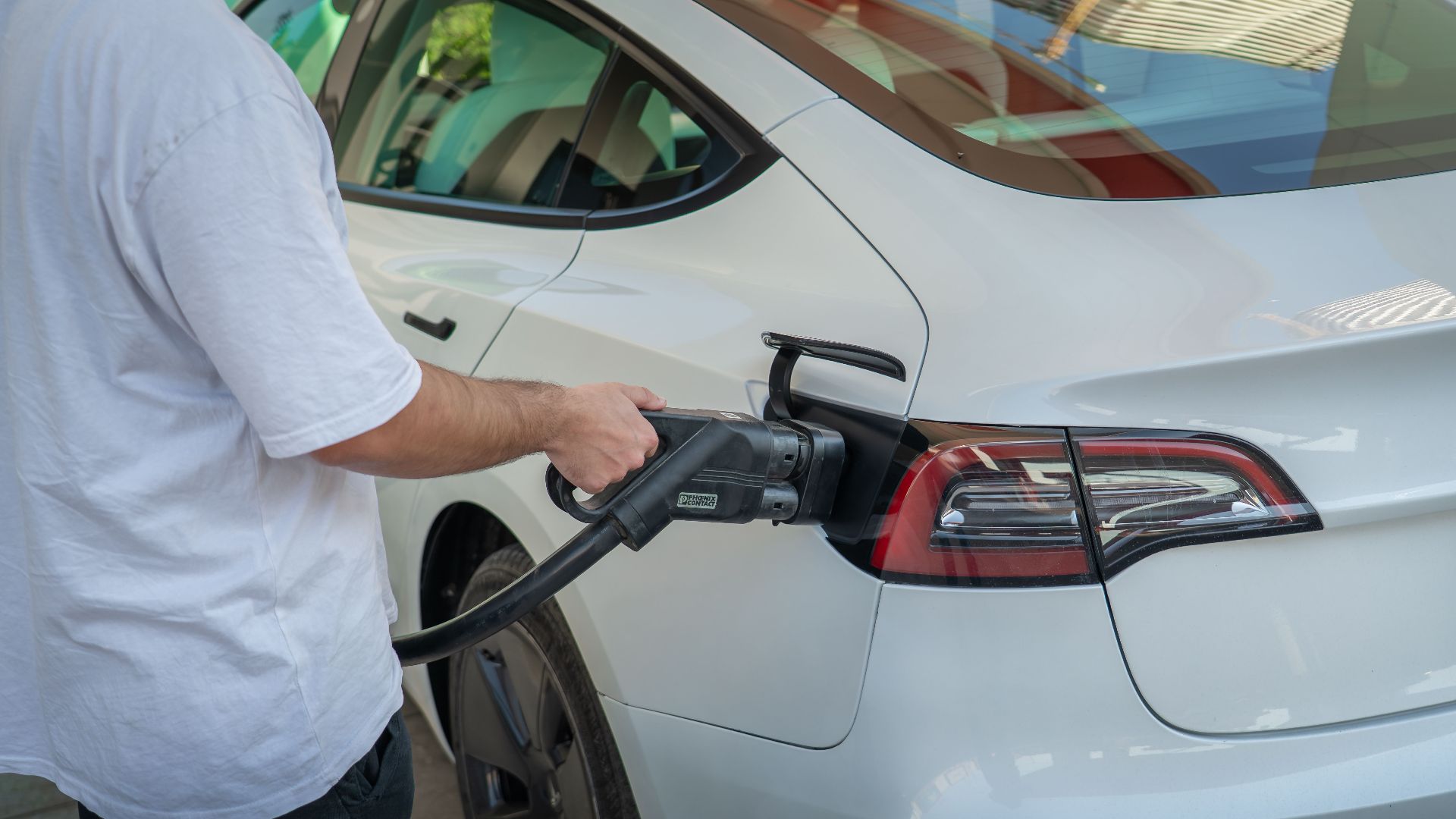
Think about two people who own identical EVs. One plugs in after dinner and wakes up with more range, while the other searches an app, drives to a charger, waits for an open stall, and potentially pays a higher rate. Their cars are identical, but their ownership experiences are not remotely equal.

Charging Access Can Follow Housing Wealth
This is where the question about EVs being “for the rich” becomes more complicated. The vehicle may be getting more attainable, but a private garage, dedicated parking stall, modern electrical service, and permission to install charging are themselves valuable housing advantages. When EV policy assumes everyone can simply “charge at home,” it can overlook people whose homes do not come with those options.
States Are Starting To Push Back
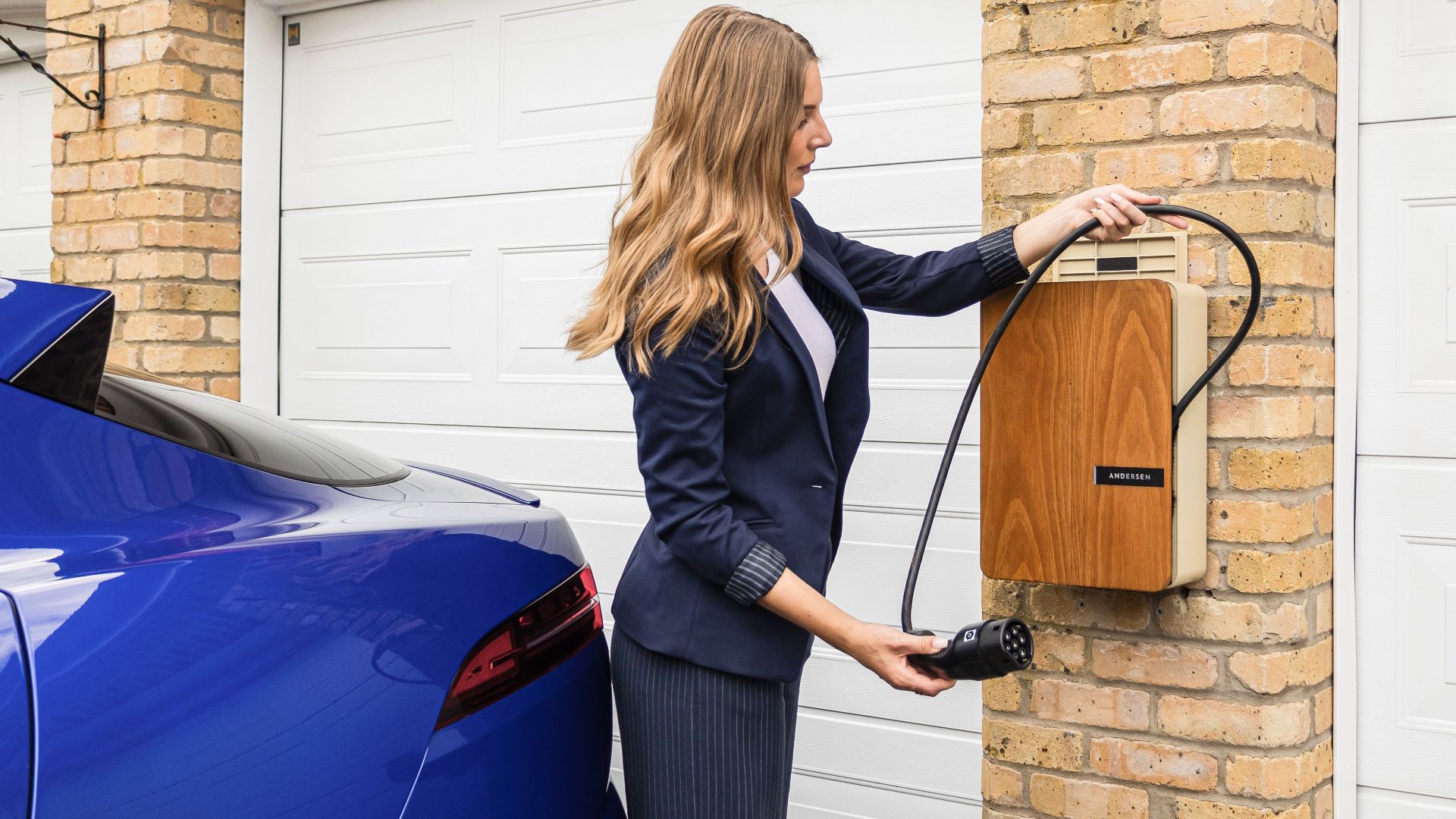
Some states have adopted rules designed to stop condo or homeowner associations from simply blocking residential EV chargers. California, for example, limits the ability of common-interest developments to prohibit or restrict chargers in designated parking spaces, subject to reasonable conditions. Colorado, Illinois, Washington, Maine, and other jurisdictions also have various multifamily or association charging protections, although the details differ substantially.
Right To Charge Does Not Mean Free To Charge
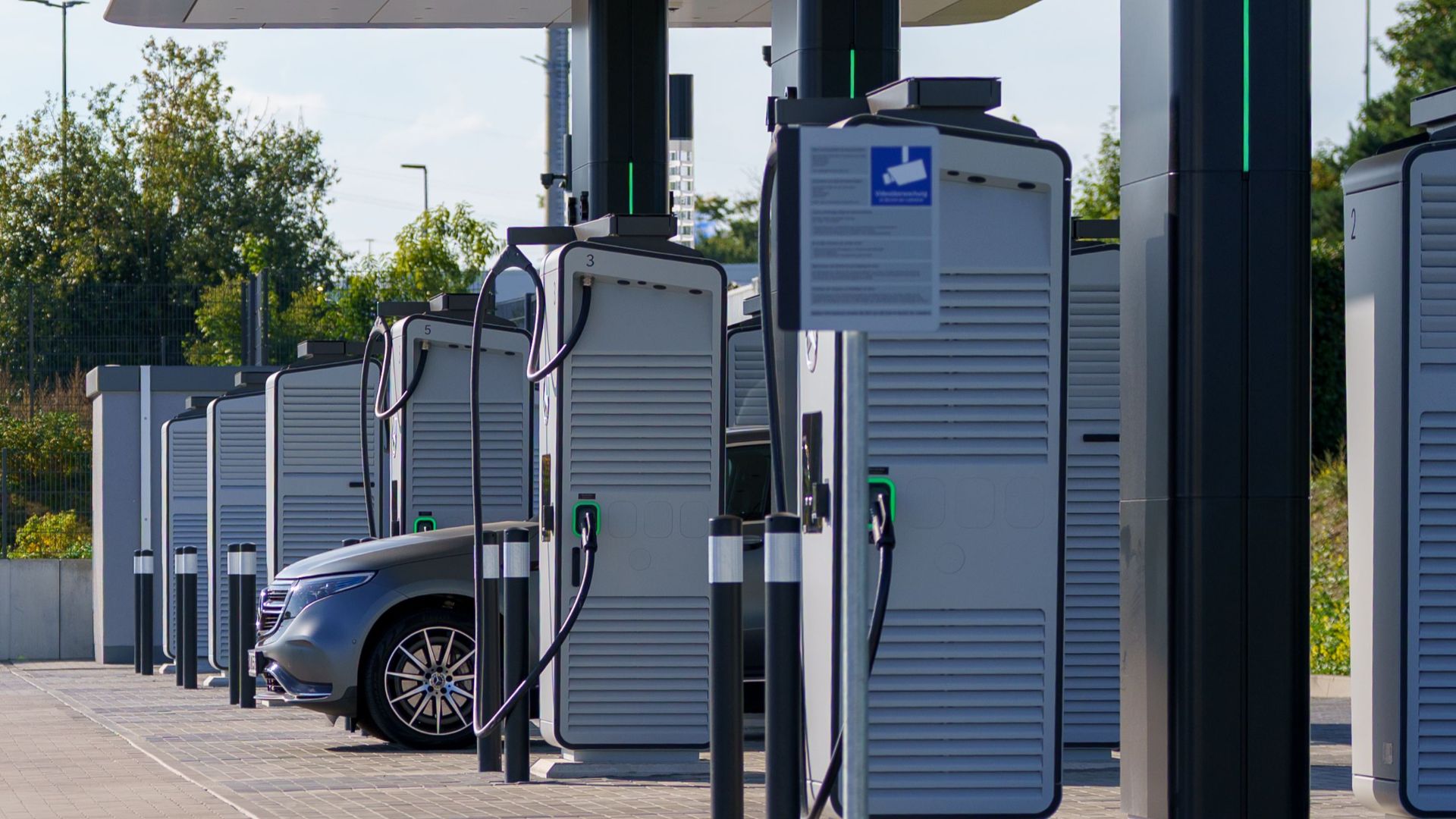
These laws do not generally mean a condo board has to buy every resident a charger. Depending on the state, owners may still be responsible for installation, electricity, maintenance, insurance, and compliance with building rules. Legal permission can remove one barrier while leaving the financial barrier very much intact.

New Buildings Have An Easier Opportunity
Installing conduit, panel capacity, and EV-ready parking during construction can be much simpler than retrofitting a finished garage later. Several jurisdictions have begun requiring portions of parking at new multifamily developments to be EV-capable, EV-ready, or equipped with chargers. Illinois and New Jersey, for example, now have multifamily requirements intended to make future charging expansion easier.

Shared Chargers Could Be More Democratic
A condo does not necessarily need one high-powered charger for every parking stall. DOE guidance recommends that multifamily properties consider Level 1 and Level 2 equipment, and modern charging projects can be designed around the building's available electrical capacity. Shared chargers, assigned charging windows, load management, and separately billed electricity can spread access beyond a handful of premium spaces when a property is willing to plan for it.
America Is Still Figuring Out Mass-Market EV Ownership
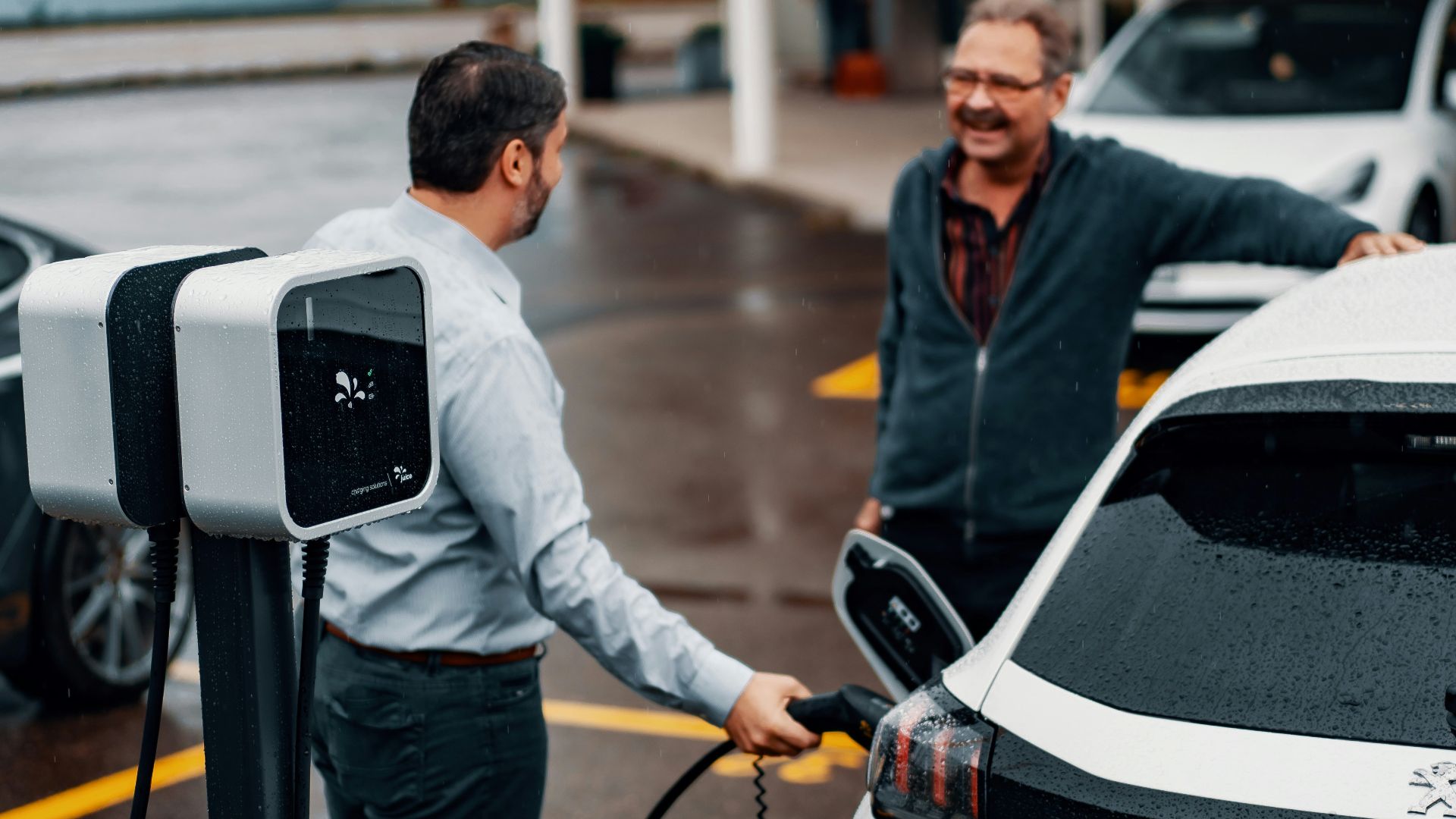
Electric cars accounted for just under 10 percent of U.S. new-car sales in 2025, according to the International Energy Agency. Sales fell sharply late in the year after federal purchase incentives ended, underscoring how sensitive the market still is to price and policy. EVs are no longer an exotic experiment, but they have not yet become the default American car.

The Market Still Leans Toward Bigger Vehicles
America's EV selection also reflects the country's broader appetite for SUVs and larger vehicles. The IEA reported that more than 85 percent of electric models available in the United States in 2025 were large cars or SUVs. A market dominated by larger vehicles naturally makes it harder to create the truly inexpensive electric runabouts that could bring EV ownership to more households.

So, Are EVs Only For The Rich?
No, but the best version of EV ownership can still favor people with money, property, and parking flexibility. Used EVs and lower-priced new models have made electric driving attainable for far more households, while lower maintenance and home-energy costs can make ownership economical over time. The frustrating part is that some of those savings remain easiest to capture if you already have access to a garage, dedicated parking, or a building willing to invest in charging.
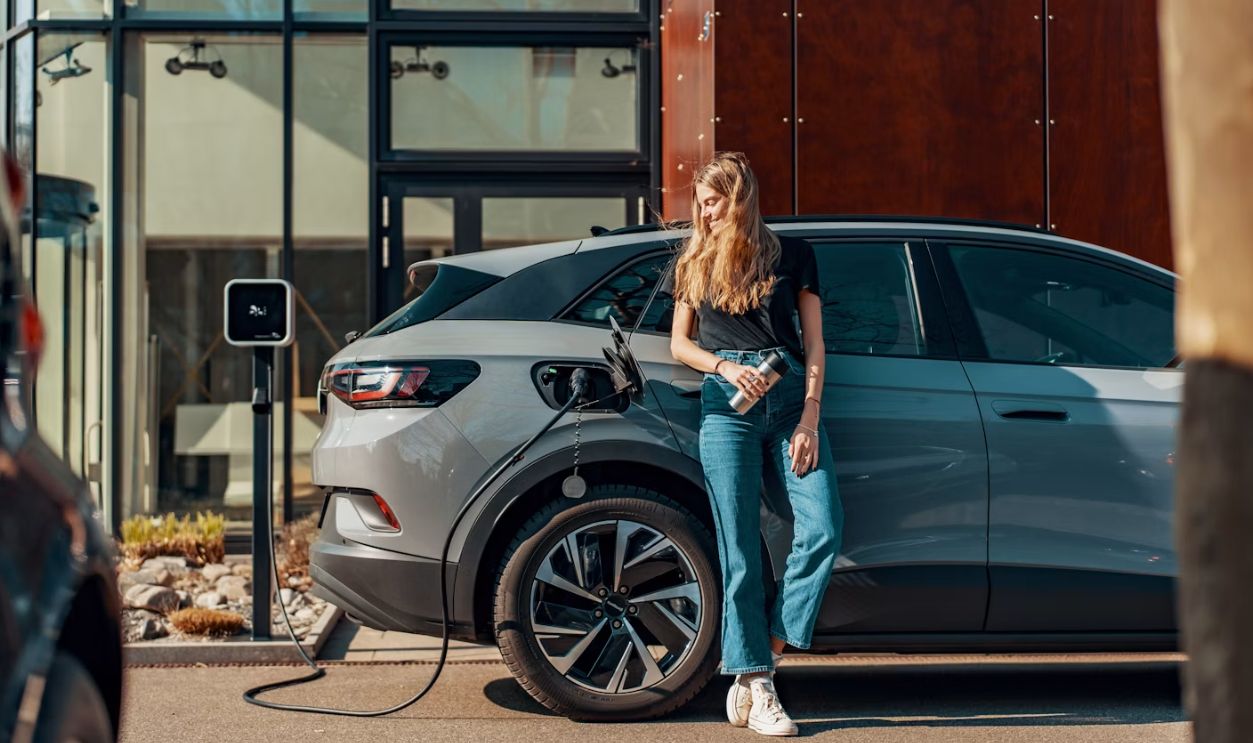
The Car Is Only Half Of The Equation
My condo's premium-only chargers do not prove that EVs are luxury products. They do illustrate why the transition cannot be measured only by how many affordable electric cars reach dealership lots. If ordinary Americans are going to drive electric, ordinary parking spaces need a practical path to electricity too.

You May Also Like:
Sources: 1, 2, 3, 4, 5, 6, 7, 8, 9, 10, 11, 12, 13, 14, 15, 16, 17, 18, 19, 20, 21, 22, 23, 24, 25, 26, 27, 28